Tag: MWC 2016

  • MWC 2016 : Futuristic Robots on Display

    MWC 2016 : Futuristic Robots on Display

    The recently concluded Mobile World Congress, despite its tag of being the biggest Mobile Phone Expo in the World was witness to a host of other technological advancements. From innovative technologies that promise to charge your phone in 15 minutes, to modular attachments for phones, Mobile World Congress, 2016 had it all.

    But more importantly for the tech enthusiast inside all of us, Barcelona bore witness to number of bots from the future which could pretty soon be helping us in our daily lives. So without further ado, here is the list of the top bots on display at the Mobile World Congress, 2016.


    Pepper the Human-like Robot

    https://www.youtube.com/watch?v=DJwNoaCN0TY

    “Pepper,” the humanoid is programmed to be a home-helper and business assistant. The bot can dance and hold a conversation as well as act as a reminder system; it also has a tablet that can access the internet and operate apps. But it’s most salient quality is its ability to read people’s emotions and react in kind.

    Aldebaran, the french based parent company of “Pepper” hopes to make the humanoid capable of caring for the elderly, a growing population around the world with little support. The humanoid robot speaks and interprets 20 languages. “Pepper” also comes with a set of gestures such as high-fives and fist bumps but can also be equipped with more such gestures through customization.

    Making all this work is the tech hidden Inside Pepper’s little head. Pepper boasts of four microphones, two HD cameras (in the mouth and forehead), and a 3D depth sensor (behind the eyes) which helps it to pick up on speech patterns and facial expressions, and to use these cues to recognize the emotional state of anyone Pepper interacts with.

    Sony Xperia Agent
    CcEkmj9WIAIrLXE

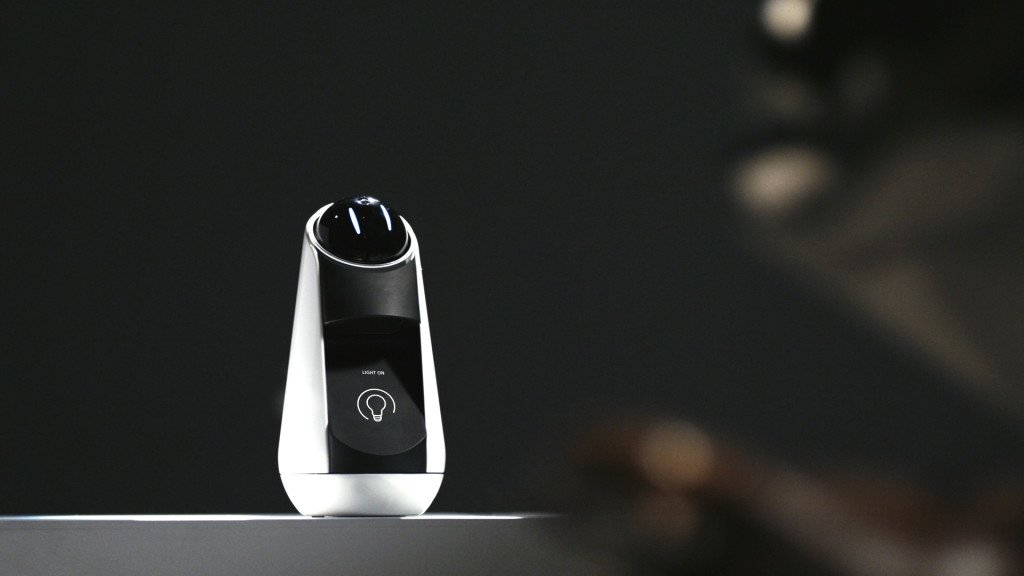
    The Xperia Agent as Sony intends it to be is a mix of a watchdog, butler, and an assistant which can be controlled with your voice, gestures, and more. This bot is essentially a smart hub equipped with a rotating camera, a two-way microphone, a speaker system, a projector, and Wi-Fi so that it can perform a wide range of tasks, including information retrieval, message delivery, and even automated control of your home appliances for you.

    Xperia Agent can do tasks like recognize when you walk into your house, and then automatically turn on your lights for you, play your favorite playlists, and tell you about the calls you missed. The project is still under development, but upon its completion, the Xperia Agent is to possess a more of a natural, human interface you can have a conversation with.

    Sharp RoBoHoN
    151006-c.0.0

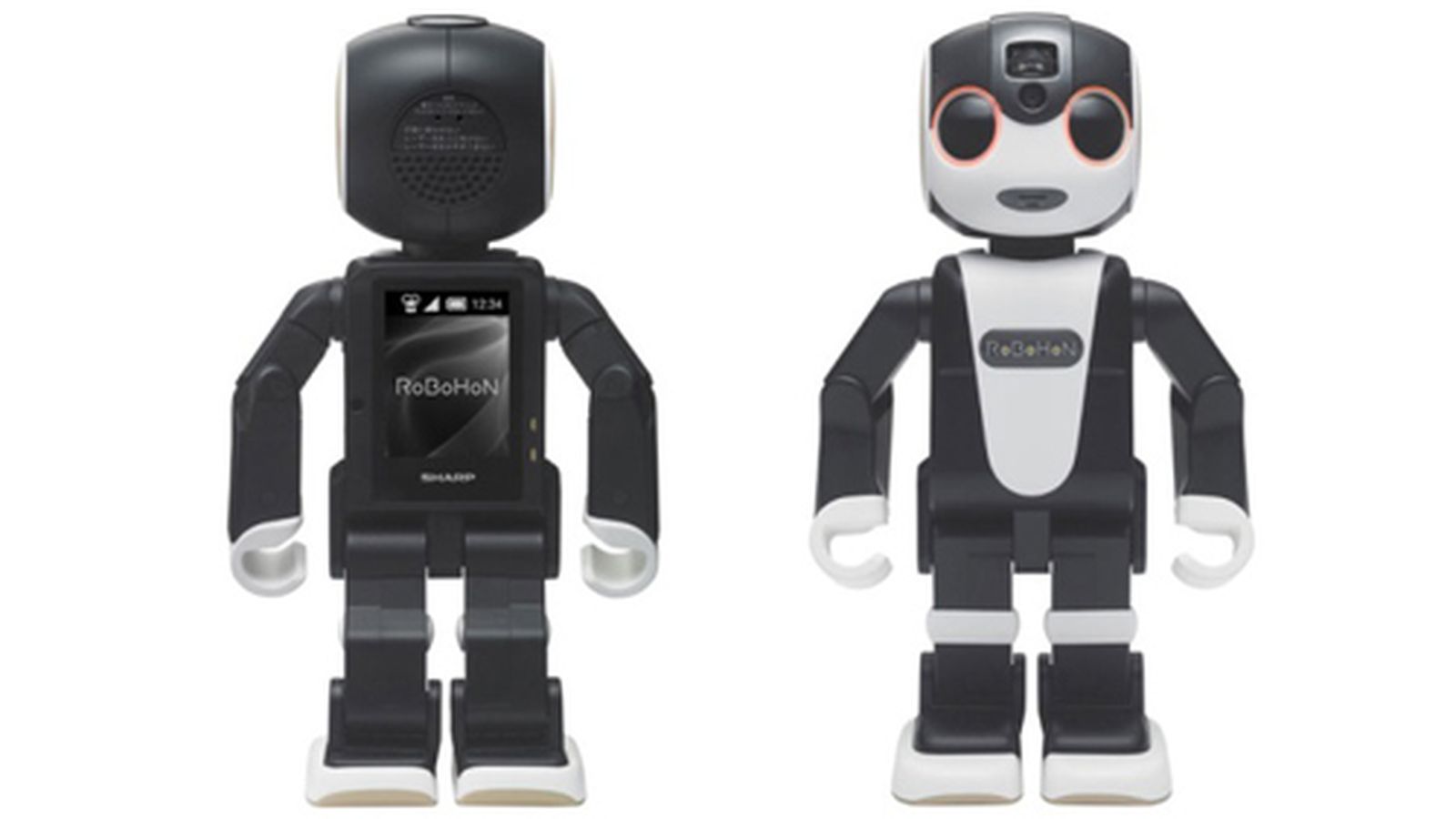
    Sharp’s new RoboHon look like a cross between “Pepper” the Robot and a Lego figure. RoboHon is a small robot phone that is 8 inches tall and can take calls, read emails, and be of great help snapping pictures of you and your friends at your the next house party.

    RoboHon is majorly controlled through voice commands and unlike Pepper isn’t adept at gestures and understanding human emotions, but it does come with a small touchscreen on its back for tasks that are more complex. It is possible to ask the RoboHon questions. It connects to the net to find answers and speaks instead of showing a result on a screen.In addition to answering questions, the uber cool droid can be asked to dance and it responds ‘look how good I am,’ before showing some smooth robotic moves.

    Starship Technologies Delivery Bot
    starship-delivery-robot-8

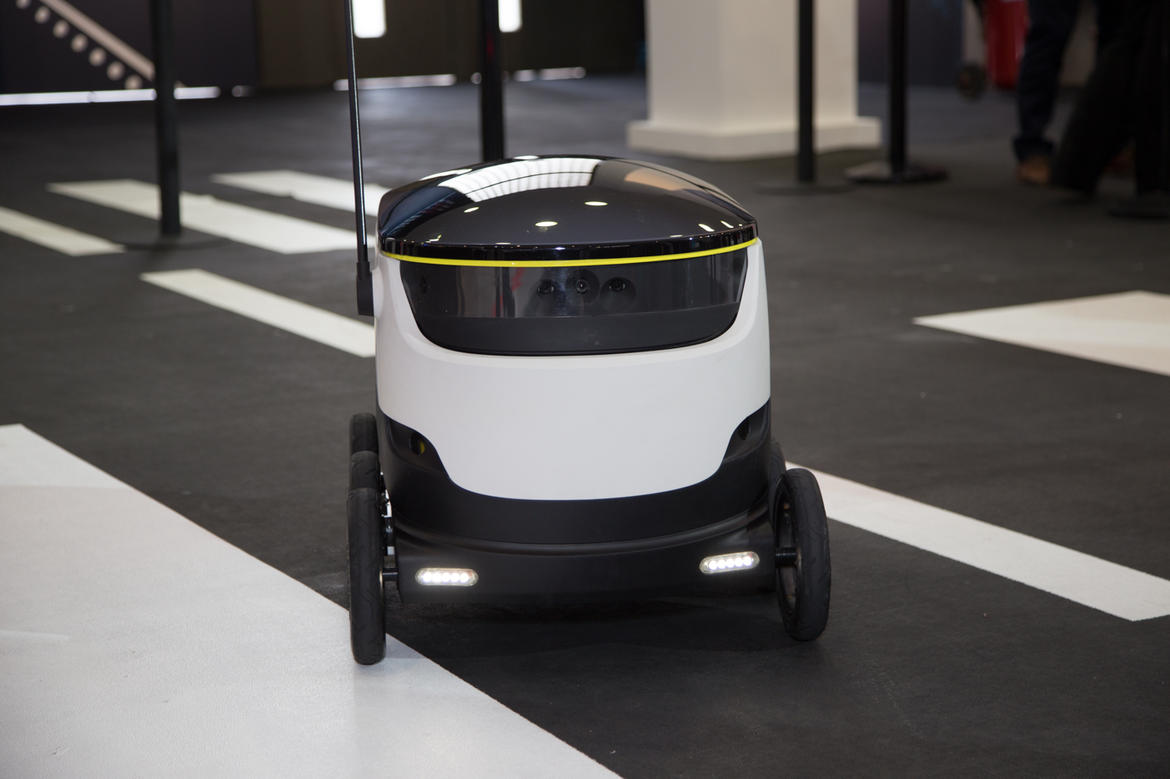
    Move aside humans, future of pizza delivery is here! This delivery bot that goes by the name of Starship is an autonomous delivery robot from Starship Technologies, that can drive on footpaths, and sideways and  hopefully in the future will do most of the delivering for you. Ahti Heinla and Janus Friis, the brains behind this project want the Starship to become a common thing for our cities as they see huge potential in the idea to help small suburban businesses by making low-cost deliveries with almost no added infrastructure.

    Starship can reach maximum speeds of 6.5 KM/h and has a capacity of carrying weight of 10 KG. But the what works in the Starship’s favour is that it seems inherently safer than the delivery drones and autonomous trucks that Amazon and Google are planning for us. Starship’s onboard cameras and AI help it avoid running into objects, and the robot will even move out of the way of nearby pedestrians.

     

  • MWC 2016: Coolest Gadgets that Went Unseen

    MWC 2016: Coolest Gadgets that Went Unseen

    The Mobile World Congress is over, and the 4-day event saw some exciting innovation in the world of technology. There were new, next-gen smartphones unveiled, virtual reality and 360-degree cameras and more. While a lot of focus was given to flagship smartphones and VR technology, there were those that went quietly into the background. Here’s looking at some of the coolest technologies that may have gone unnoticed.

    Project Tango

    Project Tango

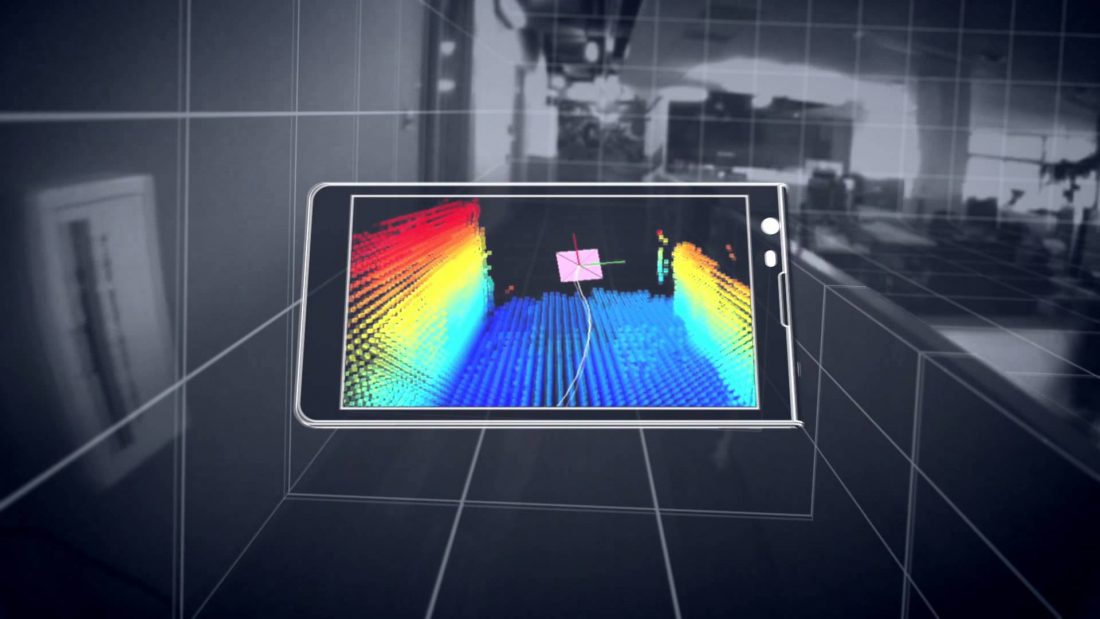
    Last month, Google and Lenovo announced plans of a partnership to build and sell the first smartphone that can make use of the former’s take on 3-D Augmented Reality technology. Google likes to call this tech fondly as ‘Project Tango’. At the MWC, Google and Lenovo showcased Project Tango to an eager audience.

    This tech will help support smart devices figure out space and motion just like humans do, allowing the devices to understand their surroundings in a 3-D view, and track their path as they move through them. Using ‘Project Tango’, a device can map the dimensions of the room, essentially projecting it on the screen in a 3-D form.

    Project Tango Development Kits were earlier launched to help developers create apps to better use this technology. Future uses of Tango could be apps that use 3-D augmented reality technology to help you decide how a piece of furniture will look in your room. Several interactive games could also be made using ‘Project Tango’. Possibilities, in all honesty, are endless.

    FlexEnable Flexible Bracelet

    flexenable.verge_

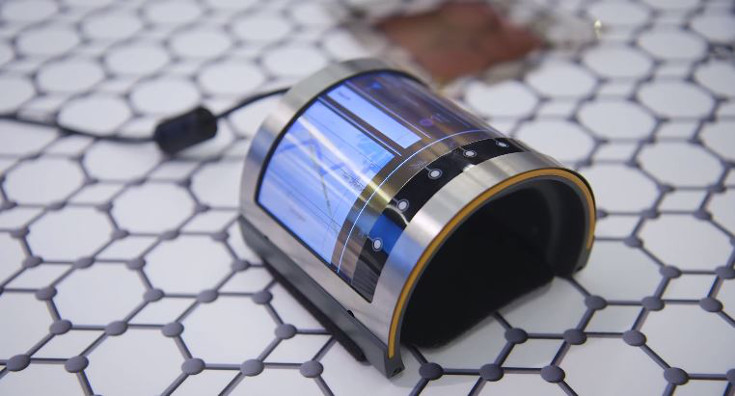
    Secretly, we all wanted to see displays that are curved and rollable. Indeed, this is where technology is heading to next and FlexEnable has perhaps raced ahead to bring us a screen that you can wrap around your wrist. The company showcased a prototype device of its flexible bracelet.

    The device uses plastic transistors to achieve the kind of bend that it does, creating what the company calls OLCD (organic liquid crystal display) screens. FlexEnable says that these displays can achieve the same resolution as normal LCDs only brings some flexibility to it. The display cannot flex and bend at will and will require OLED displays for that to happen, but this prototype is just a peek of what flexible displays in the future could look like.
    Epson Moverio BT-300


    epson_moverio_bt-200

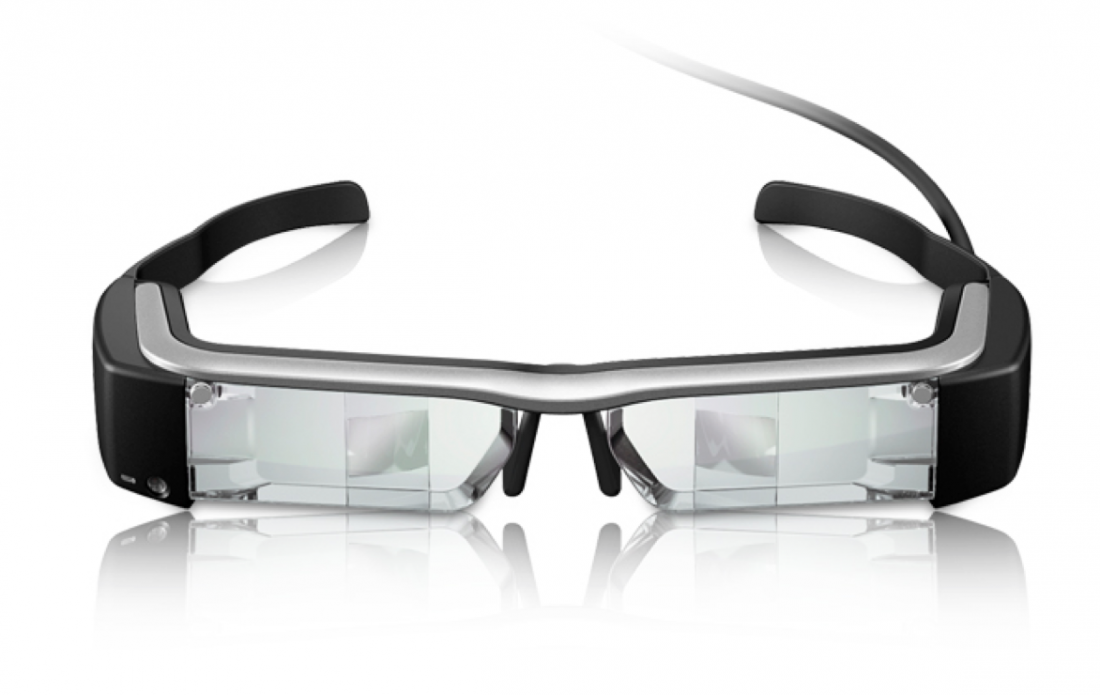
    Epson has quickly grabbed the empty space left by Google in the augmented reality glass department. At the MWC, Epson unveiled its Moverio BT-300 AG glasses. It comes equipped with an OLED display which projects an image in front of the eyes that feels around 80 inches in size. All of this is powered by a Intel Atom X5 processor and Android 5.1.
    The glass comes with 6 hours of battery life after which the display will stop working and will simply act as any other pair of spectacles.

    LG Rolling Bot

    LG rolling bot

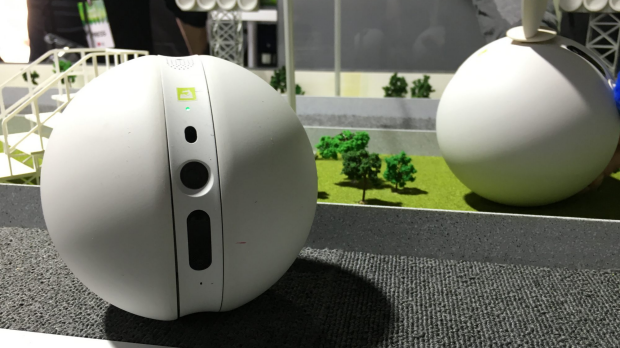
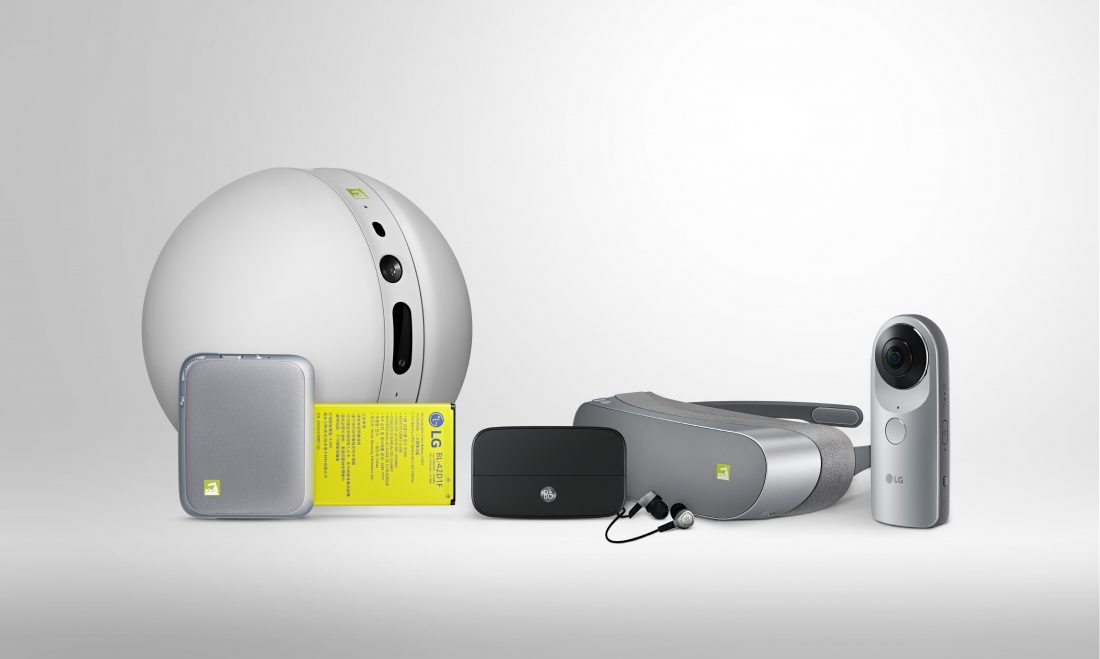
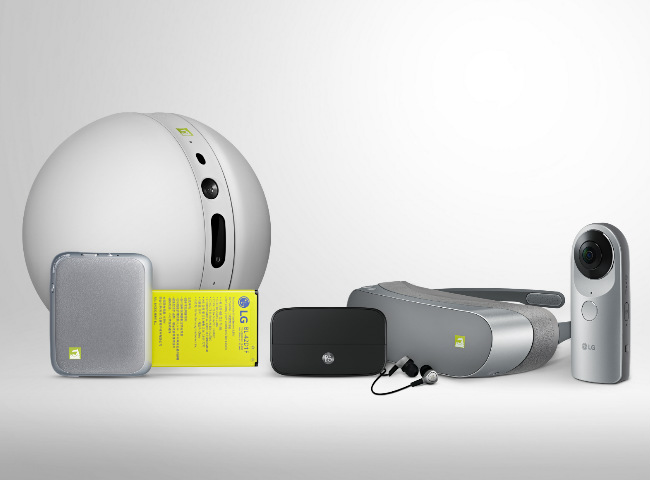
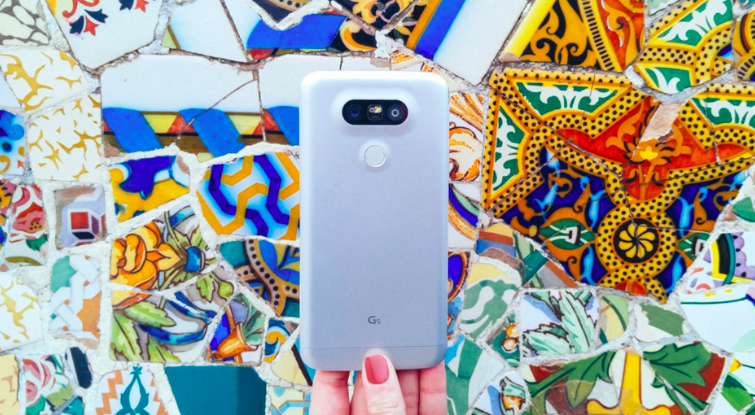
    LG unveiled not only its modular flagship G5 smartphone but also its ‘friends’. The company revealed a bunch of accessories and modular features for the G5 among which is this Rolling Bot that acts as your rolling home surveillance.

    The Rolling Bot has an 8MP camera, speaker and laser that can be controlled via the home’s Wi-Fi through an app on the G5. The company says that the Rolling Bot is designed to keep your pets busy while your out, keep a check on them using images and videos from the camera. The speakers on the bot let you communicate with you pet as well. Price and availability are yet to be announced.

    Xperia Ear

    xperia ear

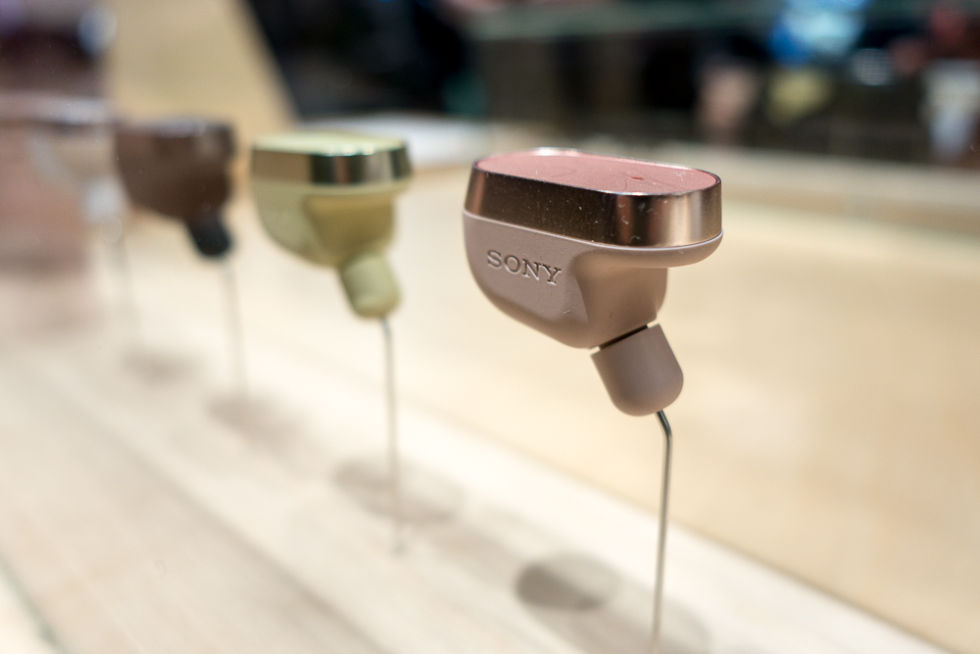
    Sony may not have wowed its audiences with its smartphones at the MWC, but it did bring some pretty cool smart accessories to the floor. Sony announced three big innovations in the form of peripherals: a projector, a life-blogging camera, and an in-ear personal assistant. The best amongst the three, the Xperia ear. It is a tiny Bluetooth-connected ear piece which acts like a voice-controlled personal assistant which can take calls, send messages, get traffic updates or check the weather and even help you finding your way around the city. Step ahead towards the future we say.

    The earpiece is comfortable and discreet and is compatible with Sony’s own software while also being equipped with the power to use Google Now helping users take advantage of Android’s ever-expanding voice control functions.

  • MWC 2016: Best New Phones with New Technology

    MWC 2016: Best New Phones with New Technology

    The Mobile World Congress 2016 is at an end now and the 4-day event has seen some incredible new technology with groundbreaking advancements. On the smartphone front, some spectacular flagship devices and other phones were on display with next-gen specifications and technology. Here’s looking at the best new phones with new technology that were unveiled at the MWC this year.

    Samsung Galaxy S7 and S7 Edge

    Galaxy S7

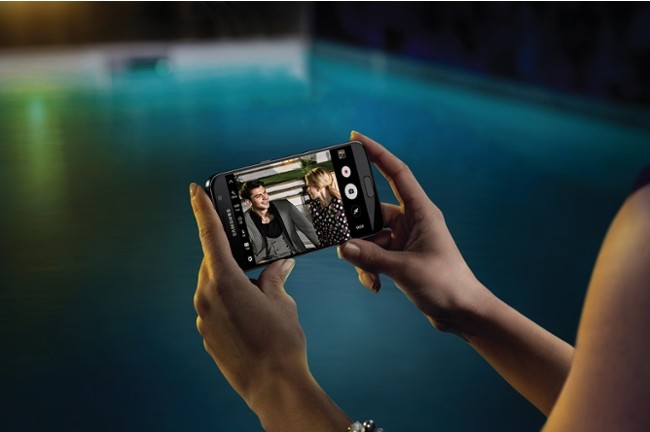
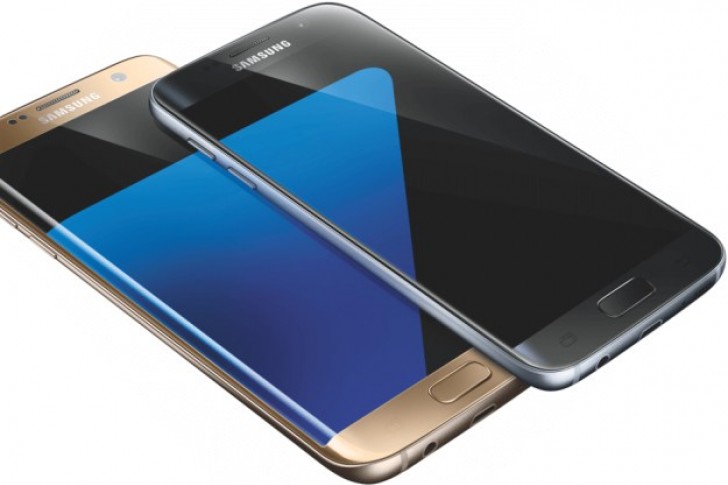
    It was at MWC’s Unpacked event on the 21st of February that saw some of the biggest technological unveilings. The unpacked event saw Samsung unveil its flagship Galaxy S7 and S7 Edge. The next Galaxy devices come promising spectacular design language and next-gen performance and specifications.

    The 5.1-inch S7 Super AMOLED display with quad HD resolution. Two SoC configurations are offered – one being the new Exynos 8890 and the other being Qualcomm’s Snapdragon 820. The device comes with 4GB of RAM and 64GB of internal storage as well as a MicroSD card slot this time around and the battery is 3000mAh. A fingerprint sensor is housed in the home button.

    The S7 Edge comes with a 5.5-inch Super AMOLED display with quad HD resolution. A Snapdragon 820 processor powers the device along with 4GB RAM and 64GB storage and 3600mAh battery pack.

    S7 Dual pixel


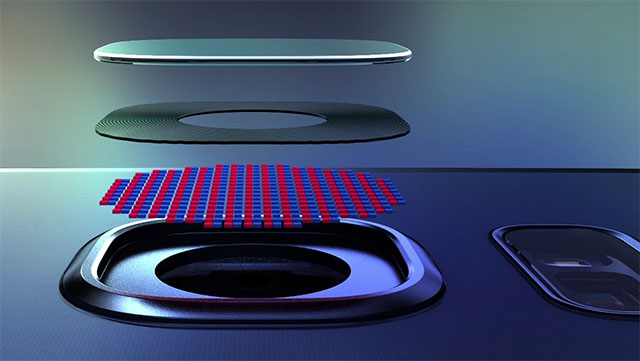
    New Technology – The Galaxy S7 brought with it a brand new Dual Pixel technology for its rear camera. The Dual Pixel, essentially, is an improvement or a natural evolution from the Phase-Detection Auto-Focus technology used by many other smartphones. Firstly, Samsung downgraded from 16MP found in the S6 to 12MP in the S7. The decision to do this was to focus more on quality rather than quantity. The 12MP sensor brings 56% bigger individual pixels with1.4um pixels as compared to the S6.

    To understand Dual Pixels one needs to first wrap their heads around PDAF. PDAF traditionally uses less than 10% the total number of pixels equipped with focusing photodiodes and uses it strategically in the sensor area to focus on a subject. This requires more time for focusing. Dual Pixel, on the other hand, uses a 100% of the pixels for extremely precise and fast focusing. Using the whole of the pixels also allows more light in.

    LG G5

    LG G5
    LG G5

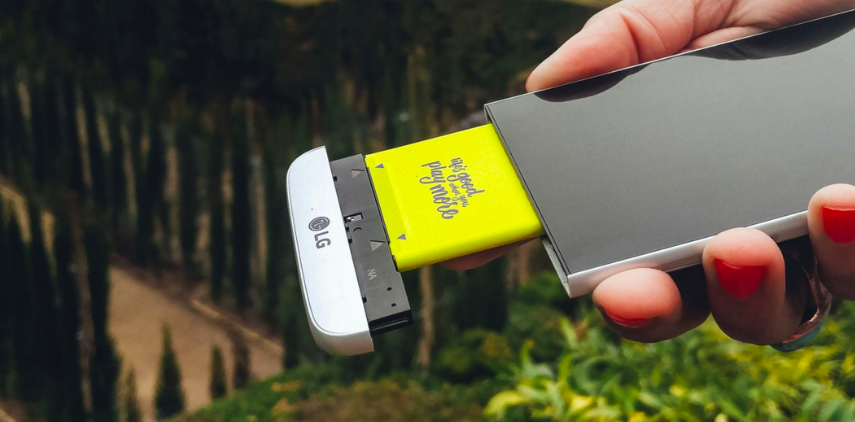
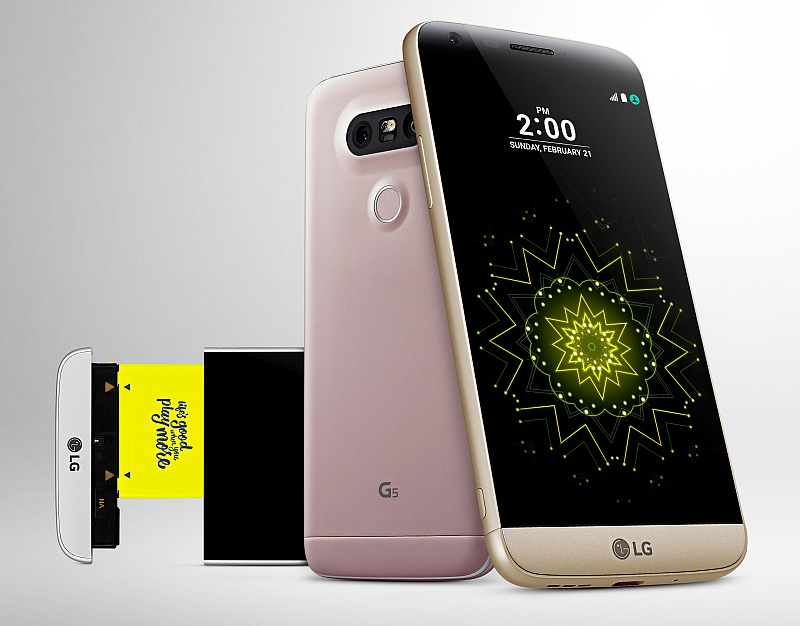
    Undoubtedly, the award for the most innovative new smartphone has to go to LG for its modular G5 handset. LG went ahead of Samsung at the Unpacked event and quite surely ‘dropped the mike’ on stage with its spectacular G5 flagship. The G5 has a full metal body and comes with impressive specifications but the what sets the phone apart from its competition is the fact that it comes with modular attachments which for now can be utilised to enhance the camera and battery of the phone.

    On the specifications front, the LG G5 comes packing a primary 5.3-inch QHD LCD display with 3D Arc Glass on top. It also has a cool Always-on feature that lights up the display for access to important updates. The phone’s construction is full metal unibody and is powered by a Snapdragon 820 chipset, paired with 4GB of RAM and 32GB of internal storage, expandable by upto 2TB with microSD cards.

    LG-G5

    New Technology – Next-gen specifications aside, the G5 is and will be about its modular design. The modular nature of the phone exists for what LG calls ‘G5 and Friends’, that are modular attachments to enhance the camera and battery of the phone.

    Most interesting of the lot was the LG Cam Plus module which can be attached to the G5 through the battery slot giving the user “comfortable grip and convenient control of a DSLR” for better imaging and also adds to the battery of the phone taking the capacity up to 4000mAh.

    Next is the Hi-Fi Plus with B&O Play module. This is a  Hi-Fi DAC audio player which is perfect for audiophiles. It can also play high-definition audio files encoded in 32-bit at 384KHz.

    Xiaomi Mi 5

    Mi 5

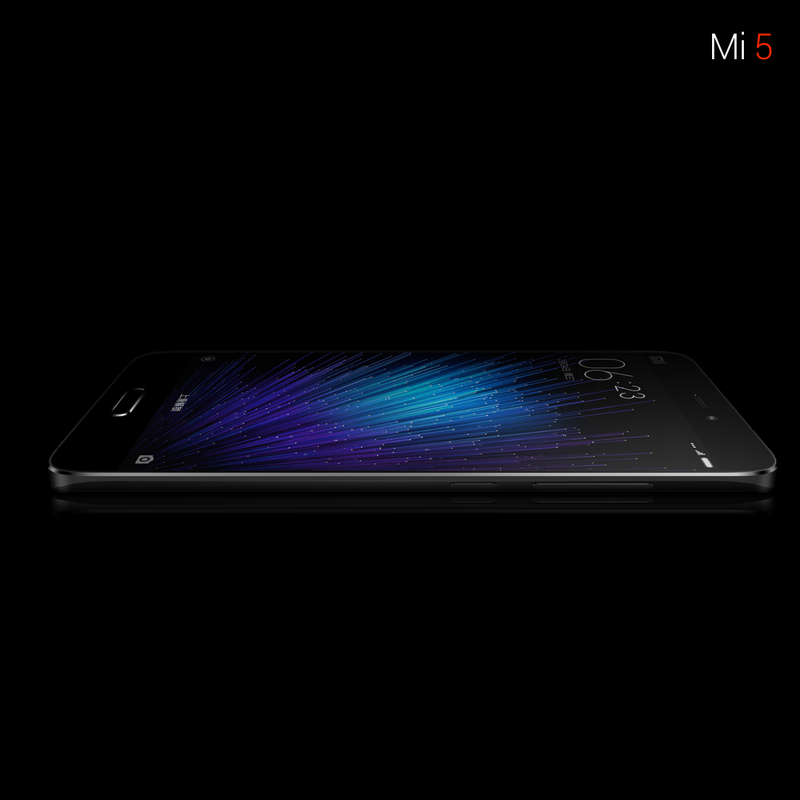
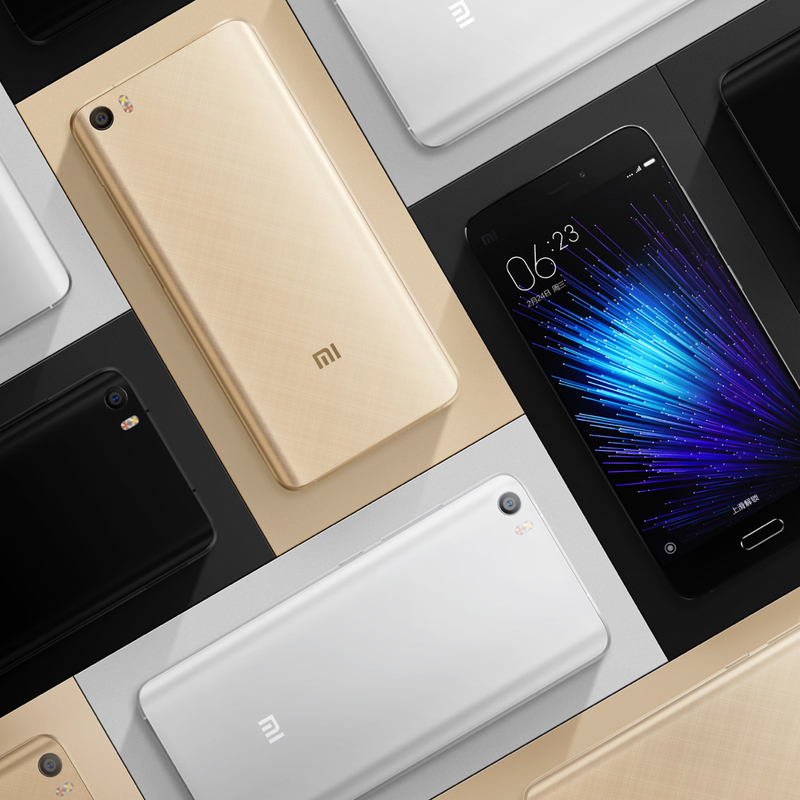
    Xiaomi yesterday unveiled its own flagship Mi 5 following Samsung and LG and still managed to impress all. The Mi 5 comes packed with top-of-the-line specifications and a pretty attractive design language with a 3D glass or ceramic back option, all at an impressively low price of RMB 1,999 (approx. Rs 21,000) for the base model.

    The device sports a 5.15-inch Full HD IPS display, a 1080p resolution, ultra-bright 16-LED backlighting with 2.5D curved glass on the front and Corning Gorilla Glass 4. It is powered by the Snapdragon 820 chipset and Adreno 530 GPU. No surprises there. It packs 3GB of RAM and up to 32GB of flash storage, while the Pro variant features a 4GB RAM and 128GB flash, however, there is no MicroSD card slot to be seen. Both variants feature a fast LPDDR4 RAM for a snappy user experience.

    Mi 5 Camera 01

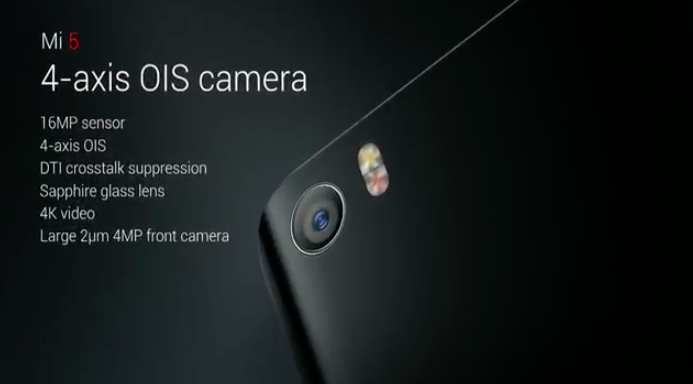
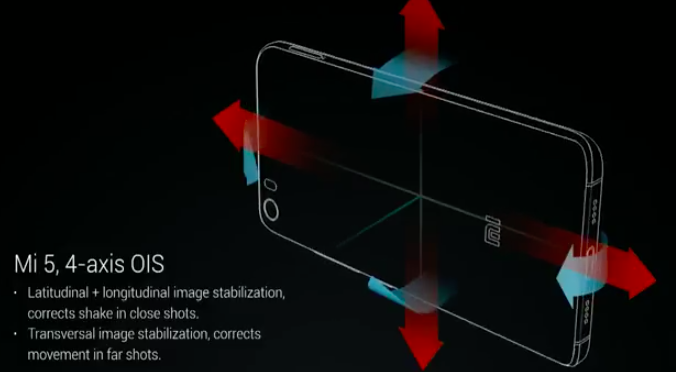
    New Technology – The Mi 5 comes with a 16MP Sony IMX298 sensor with PDAF, DTI image enhancement and a new 4-axis OIS technology. It is in the 4-axis OIS that Xiaomi really delights itself. The rear camera promises to capture great images and videos with superior focus. This holds true thanks to its new OIS technology that uses 4-axis rather than the traditional 2-axis that most other smartphones currently use.

    The 4-axis OIS basically gives you more stability under shaky conditions. While traditional 2-axis OIS can work around rotational movements, the 4-axis can handle transversal as well, because shakiness comes in all directions.

    The 4-axis OIS technology corrects shake in close shots and can capture accurate movement in distant shots as well. All of this translates into smoother, sharper and blur-free images and videos even in low light. Check out some of these camera shots to know just how well the Mi 5 camera works under various settings.

    Cat S60

    cat_s60

    As big name brands set themselves to launch their latest and greatest phones at the Mobile World Congress 2016, a brand which makes relatively niche products, Cat, stole the limelight with an offering that might not give any of the flagships a run for their money in terms of specs, but lacks behind none in terms of innovation.

    The Cat S60 is a 4.7-inch 720p display device powered by Snapdragon 617 with 3GB of RAM and 32GB storage. The phone runs Android 6.0 Marshmallow and offers 4G LTE connectivity. It also comes with a 13MP main camera, 5MP front  camera. A massive 3,800mAh battery powers the device.

    gsmarena_005.jpg

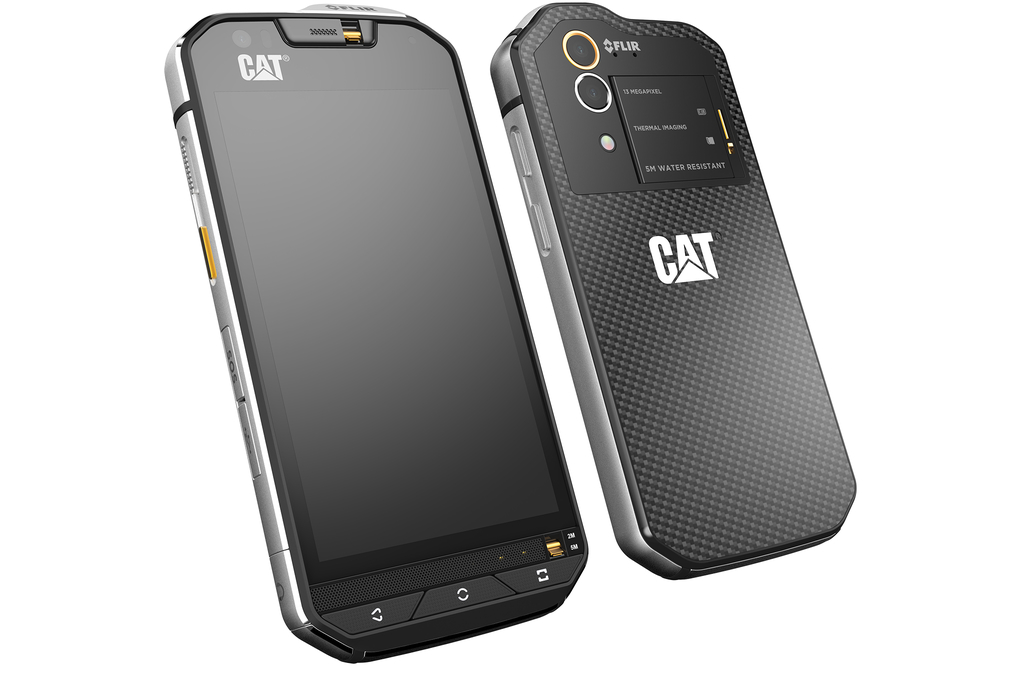
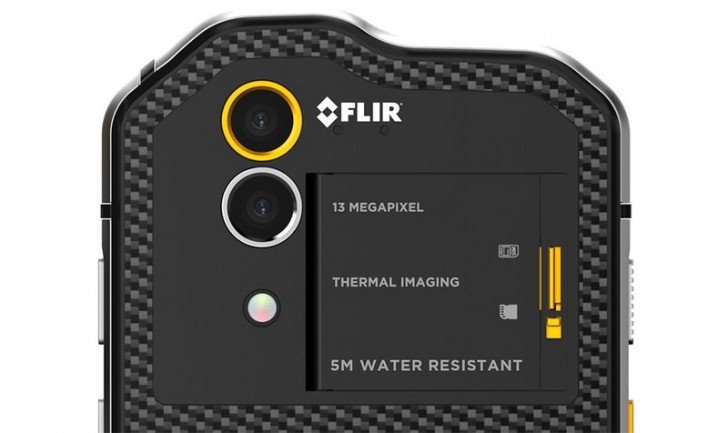
    New Technology – The Cat S60 comes with two very unique features – a FLIR thermal imaging camera and the first waterproof rating to a depth of 5 meters for up to an hour on this rugged phone.

    The handset features a military-grade thermal imaging C2 camera module from FLIR. This is the same technology used in the Intel-powered Daqri smart helmet, enabling the Cat S60 to show temperature changes.

    The sensor is the smallest of its kind, and can measure surface temperatures from a distance of up to 100ft. It can see through obscurants such as smoke, and is aimed at building professionals, utility workers, and outdoor sport enthusiasts.

  • MWC 2016 : Five Best Tech Innovations On Display

    Phones, and then some more phones expectedly dominated the proceedings at the Mobile World Congress 2016, as big name players such as Samsung, LG along with first timers such as Xiaomi launched new flagship devices, but the MWC wasn’t only about smartphones this year.

    This was the year when MWC went beyond just smartphones and explored deeper corners of the consumer tech industry. On show were products and technological innovations ranging from VR headsets, 360-degree cameras, home security robots, convertible tablet/laptop hybrids and much more during. So let’s rewind and take a look at the best technological innovations that MWC brought to us in 2016.

    Super VOOC Quick Charging and SmartSensor Image Stabilization

    super vooc

    Oppo’s much-hyped, “Wow the World,” event did not bring too much to the tech world in terms of hardware, but in terms of technological breakthroughs, it was second to no event and showcased technology that could seriously change the way phones perform in the future.

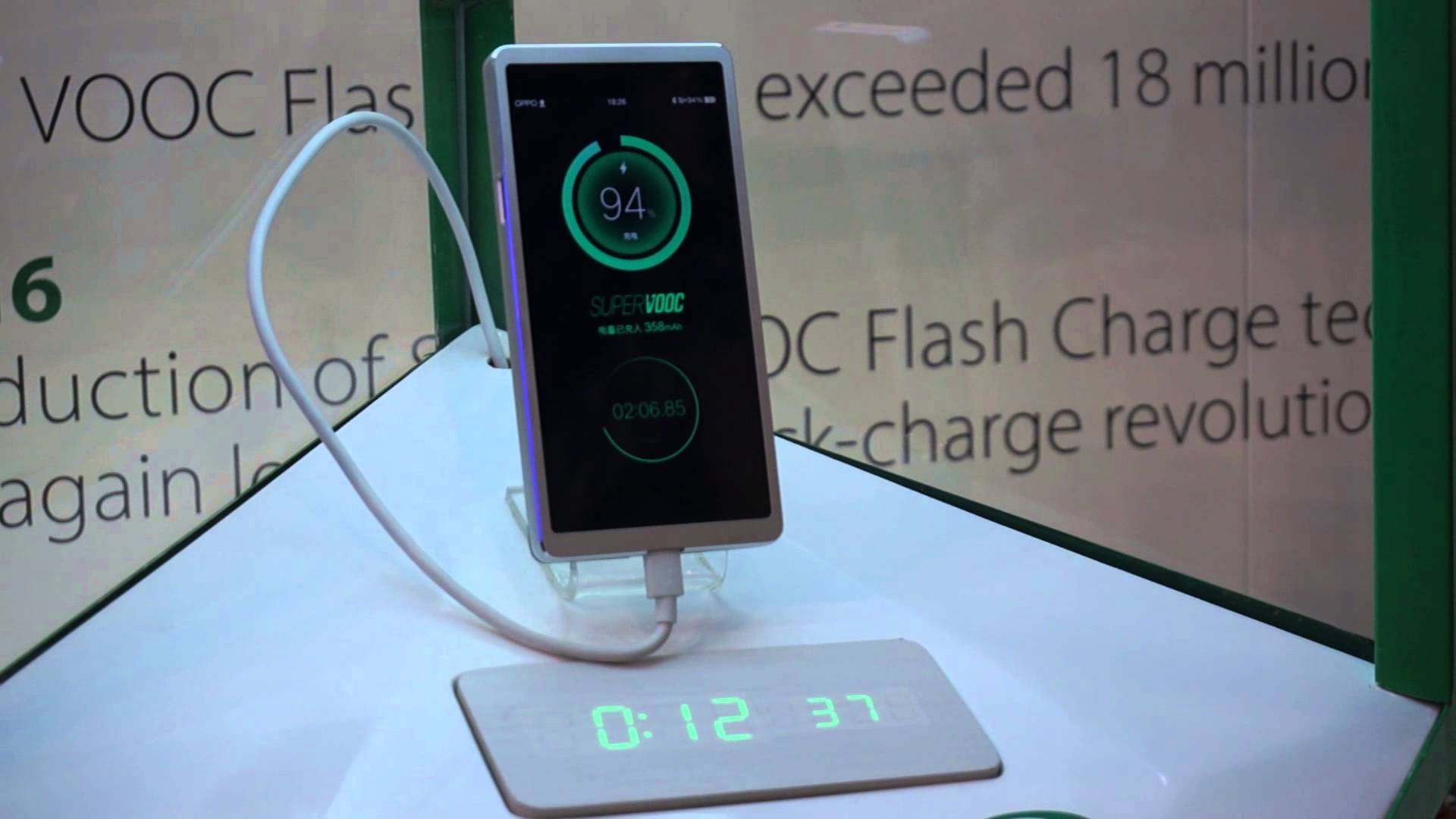
    Oppo brought to the world the “SmartSensor Image Stabilization,” technology which is the first sensor-based image stabilization tech in the world, along with Super VOOC quick-charging technology which can charge a 2500mAh battery 45 percent in five minutes of charging, and 100 percent in about 15 minutes. Now that is quick.

    OPPO’s take on fast charging is brilliant in the sense that it uses low-voltage to charge batteries. Most types of fast charge work by pushing out more amps, but VOOC keeps your standard amperage, reducing the risk of overheating or battery damage.

    Xperia Ear

    xperia ear

    At the MWC 2016 Sony announced three big innovations in the form of peripherals: a projector, a life-blogging camera, and an in-ear personal assistant. The best amongst the three, the Xperia ear. It is a tiny Bluetooth-connected ear piece which acts like a voice-controlled personal assistant which can take calls, send messages, get traffic updates or check the weather and even help you finding your way around the city. Step ahead towards the future we say.

    The earpiece is comfortable and discreet and is compatible with Sony’s own software while also being equipped with the power to use Google Now helping users take advantage of Android’s ever-expanding voice control functions.

    Nokia OZO camera

    The Mobile World Congress, 2016 saw a lot of interesting devices, and one very interesting device that the tech world came across was the Nokia Ozo VR camera which will in all probability be the first cinema grade virtual reality recorder. The device comes with the capability to record and store up to 45 minutes of audio and video

    Nokia Ozo, is a camera like none other which combines live streaming, live monitoring, automatic stitching (a process used to blend the separate camera feeds) and 3D audio and video. With the Ozo Nokia could alleviate the headaches and obstacles faced by early VR filmmakers. With the Ozo, Nokia will look to establish itself as the go-to VR production solution and become the market leader in this growing segment.

    Sync 3

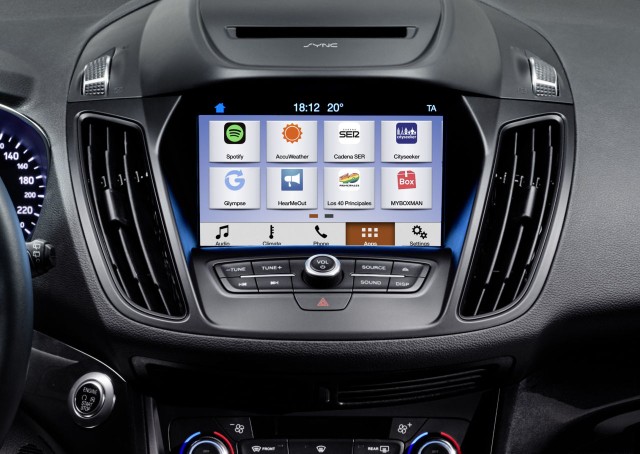
    gallery-1456152089-ford-sync-3-1-640x454

    One of the biggest car manufacturer in the world, Ford, is looking at bringing a revolution as big to the motorists experience as what smart capabilities brought along with them to phones a decade back. Ford unveiled the Sync 3 technology for car dashboards which will bring an infotainment system that will allow users to connect to the Sync 3 with their smartphones and access hundreds of applications and services.

    Sync 3 is equally adaptable with android and iOS and allows them to enjoy apps and services through the cars dashboard. It comes with an 8 inches touch screen and voice recognition features with easy to navigate and user-friendly interface. Ford claims that the Sync 3 is not just another technology, butt rather it is a whole new level of life-like experience for the users. Looking at its potential we can’t disagree.

    4-Axis Optical Image Stabilization

    4 axis ois

    Xiaomi’s latest flagship, Mi 5 sports, a 16-megapixel rear sensor that uses Sony IMX29, but what truly sets the phone apart is the technological innovation on display with the 4-Axis Optical Image Stabilization system on board.

    The rear camera on the Mi 5 promises to capture great images and videos with superior focus thanks to its new OIS technology that uses 4-axis rather than the traditional 2-axis that most other smartphones currently use. Xiaomi demonstrated the stability of its camera by comparing it to the iPhone 6s, which is considered to have the best OIS currently in the market.

    The 4-axis OIS basically gives you more stability under shaky conditions. While traditional 2-axis OIS can work around rotational movements, the 4-axis can handle transversal as well, because shakiness comes in all directions.The 4-axis OIS technology corrects shake in close shots and can capture accurate movement in distant shots as well. All of this translates into smoother, sharper and blur-free images.

  • Xiaomi Launches the Mi 5 at MWC 2016

    Xiaomi Launches the Mi 5 at MWC 2016

    Xiaomi has finally unveiled its Mi 5 flagship smartphone at MWC 2016 today. This was Xiaomi’s debut event at the MWC where the company’s president Hugo Barra took the stage to unveil its flagship. The Mi 5 is priced at RMB 1,999 (approx. Rs 21,000), while the high-end Pro variant is priced at RMB 2,699 (approx. Rs 28,000).

    Last year, Xiaomi sold around 70 million products. Barra spoke about last year’s Mi Note flagship that used 3D Glass, the Mi 4c with 3080mAh battery, and Redmi Note 3 being the first device to ship with Snapdragon 650. Xiaomi also has a 170 million MIUI users currently.

    xiaomi_mi 5

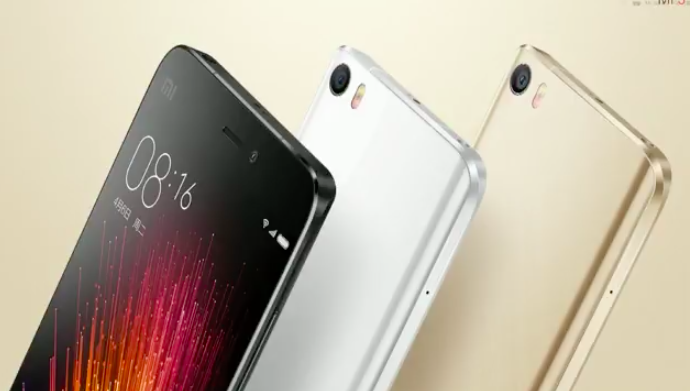
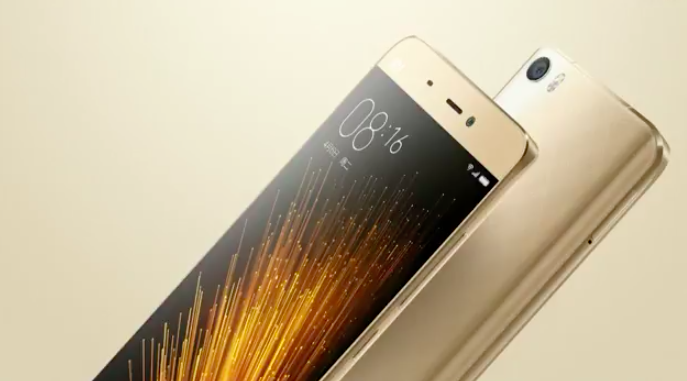
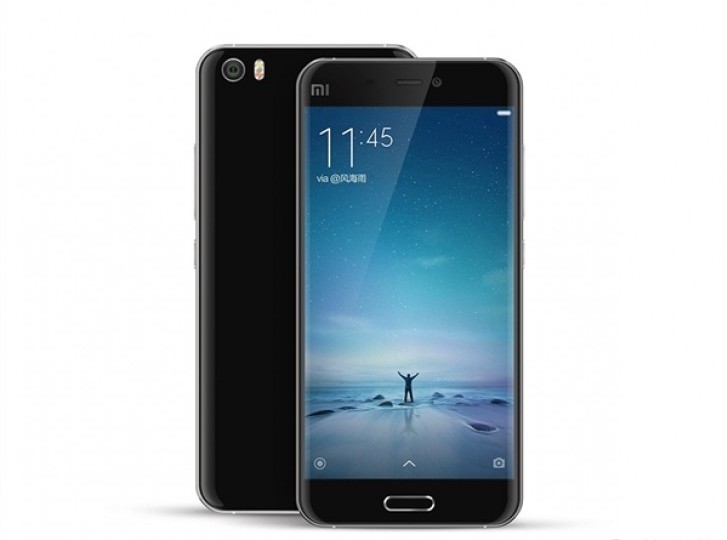
    The Mi 5 draws its inspiration from the Mi Note in terms of design. The Mi 5 introduces a home button that houses the fingerprint scanner – a first for Xiaomi. The back features a curved edge with a 3D glass body. The Mi 5 will be offered in black, white and gold colour options. Meanwhile, the Pro variant comes with a 3D ceramic back. The front features an almost bezel just 6.95mm thick, seamless design and more curved than the Mi Note. The curved ceramic back seamlessly joins the glass on the front.

    The front of the Mi 5 has a good screen to body ratio. Over at the back, the camera is placed at the top left corner with an LED flash. The Mi 5 with a 3D glass weighs in at 129g, which is around 14g lighter than the iPhone 4s.

    Mi 5 02

    The device sports a 5.15-inch Full HD IPS display, a 1080p resolution, ultra-bright 16-LED backlighting with 2.5D curved glass on the front and Corning Gorilla Glass 4. It is powered by the Snapdragon 820 chipset and Adreno 530 GPU. No surprises there. It packs 3GB of RAM and up to 32GB of flash storage, while the Pro variant features a 4GB RAM and 128GB flash, however, there is no MicroSD card slot to be seen. Both variants feature a fast LPDDR4 RAM for a snappy user experience.

    The Mi 5 sports a 16-megapixel rear sensor that uses Sony IMX298 with PDAF, DTI image enhancement and 4-axis OIS. The front features a 4-megapixel UltraPixel camera. Xiaomi has managed to fit a powerful camera module inside the device with no sign of a camera hump. The device can record 4k videos as well.

    Mi 5

    The Xiaomi Mi 5 features 802.11ad an industry-first Wi-Fi connection standard, 4G+, CAT 12 LTE modem (that allows speeds up to 600mbps), and VoLTE all of which promise super fast download speeds and call connection. A battery of 3000mAh will be present inside the Xiaomi Mi 5, similar to the Galaxy S7. The device is also compatible with Qualcomm’s Quick Charge 3.0 and features a USB Type-C port. The Mi 5 also comes with Dual Sim support. Xiaomi also revealed the AnTuTu V6 score at 144,000, which currently tops the LG G5 and Galaxy S7.

    All considered, the Mi 5 offers some truly great specs at a low price, which will surely challenge the flagship devices this year starting with the LG G5 and Samsung’s Galaxy S7. The Mi 5 will be available starting March 1. The device will first hit China followed by India and other international markets in the weeks to follow.

    Check out the full specifications of the Mi 5 below.

    Specs

    Xiaomi Mi 5/ Mi 5 Pro

    Display  5.15-inch Full HD Display with Corning Gorilla Glass 4
    Resolution 1920 x 1080
    Dimensions 69.20 x 144.55 x 7.25mm
    Processor Qualcomm Snapdragon 820 Processor
    GPU Adreno 530
    RAM 3GB / 4GB LPDDR4
    Storage 32GB / 128GB flash storage
    Rear Camera  16MP Sony IMX298, PDAF, 4-axis OIS and f/2.0
    Front Camera 4MP UltraPixel
    Expandability  N/A
    Battery 3000mAh Battery with Quick Charge 3.0
    Connectivity 4G+, Wi-Fi 802.11ad, VoLTE, Wi-Fi Direct, hotspot, Bluetooth v4.1, A-GPS, GLONASS, NFC,
    OS Android 6.0 Marshmallow with MIUI 7
    Price RMB 1,999 (Rs 21,000) / RMB 2,699 (Rs 28,000) (ceramic back)
  • Xiaomi Mi 5 Launch Event: Watch it Here

    Xiaomi Mi 5 Launch Event: Watch it Here

    Xiaomi is all set to debut at the MWC with its much-anticipated Mi 5 flagship smartphone. The device has been talked about in a great deal for a long time now. We’ve had variety of leaked renders and specifications about the device and in a little over an hour, we’ll know just how much of that is true. You can watch the event, which begins at 1.30pm IST, right here.

    https://www.youtube.com/watch?v=_5xSfaMbLdc

    From what we know so far, the Mi 5 is rumoured to sport a 5.2-inch QHD display with 2.5D curved glass on the front, although rumors of a 5.7-inch Mi 5 have also been doing the rounds. The device will be powered by the Snapdragon 820 chipset. No surprises there. Other rumoured specs include 3GB of RAM for the 32 GB storage model and 4 GB of RAM for the 64 GB storage edition. It will also come with support for microSD card slot. The Xiaomi Mi 5 is expected to feature 802.11ad – an industry-first Wi-Fi connection standard. A battery of 3600 mAh will be present inside the Xiaomi Mi 5. The device should also be compatible with Qualcomm’s Quick Charge 3.0.

    Reports from last week reveal the phone to come with a beefy 26-megapixel camera with f/1.6 lens. The front camera is expected to be an 8-megapixel shooter. The main camera is also expected to come with tech like laser autofocus and Optical Image Stabilization.

    We’ll know exactly how much the rumours about the flagship stay true. Tune in at 1.30pm to watch the event live.

  • LeEco’s Le Max Pro Goes on Sale

    LeEco’s Le Max Pro Goes on Sale

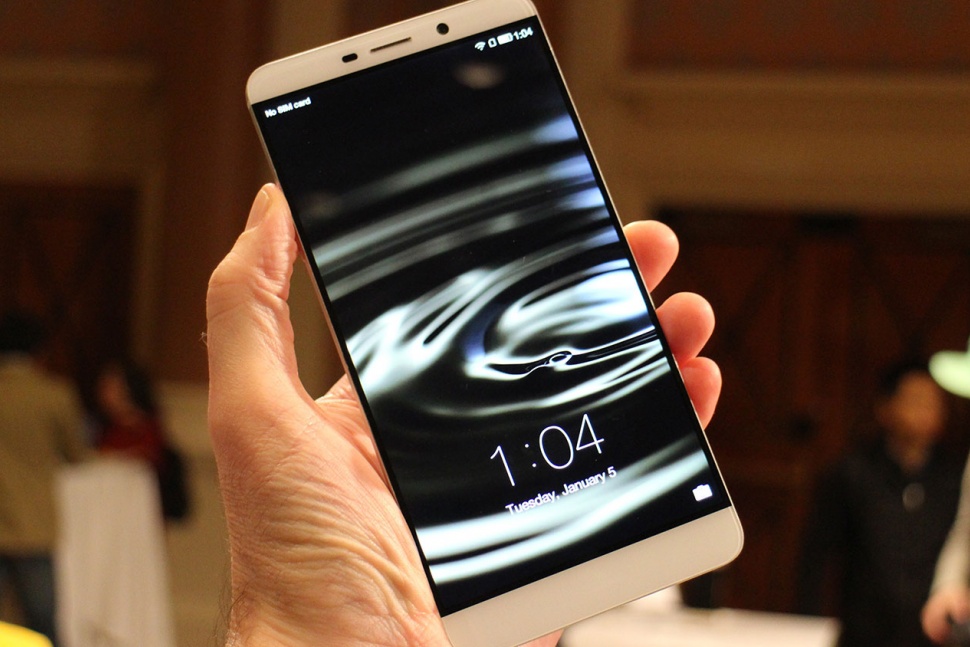
    LeEco took over January with a storm. The company that was formerly known as LeTV stole the spotlight at CES 2016 by unveiling the Le Max Pro. Now, at the ongoing MWC, LeEco announced the sale of the Le Max Pro. This makes the Le Max Pro the world’s first Snapdragon 820 smartphone to go on sale after a 1000 units were made available for purchase today. The ‘Superphone’ is priced at RMB 1,999 (Rs 21,000).

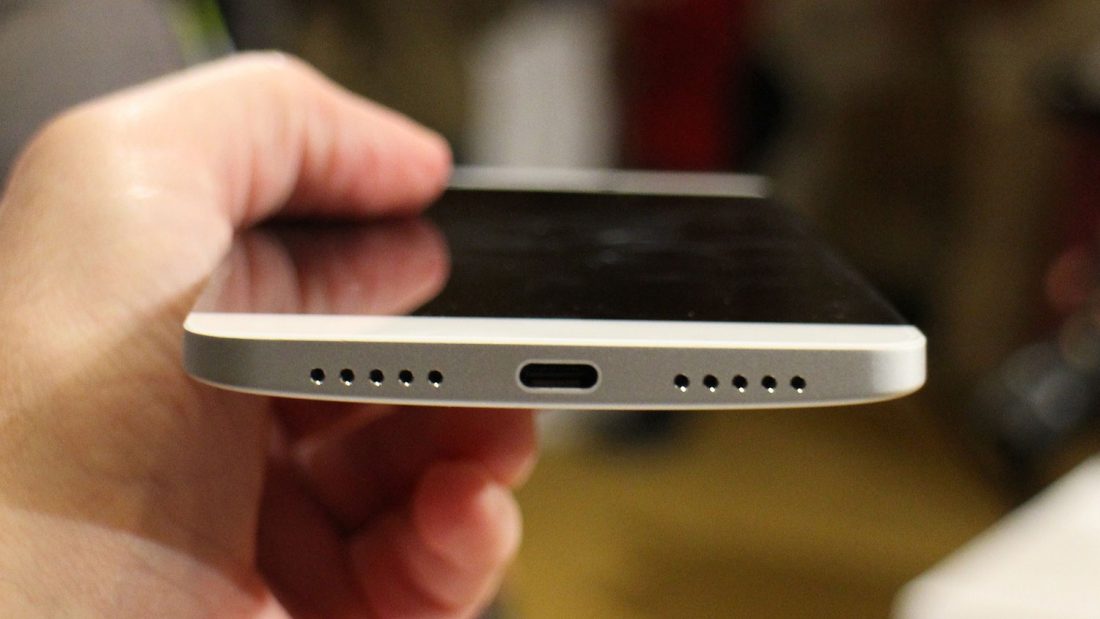
    The Le Max Pro sports a 6.33-inch display with QHD resolution powered by Snapdragon 820 chipset. The device will be equipped with 4GB of RAM and 64GB of internal storage. The camera is said to feature a 21MP sensor for the rear and a 4MP sensor for the front. The phone a 3,400mAh battery that can be charged through a USB Type-C port. It also features a fingerprint scanner on the back and runs Android 6.0 Marshmallow.

    letv-le-max-pro_9824-1500x844

    Like the Le Max and Le 1s, the Le Max Pro features a bezel-less, full metal unibody design out of aircraft grade aluminum. It also comes with the world’s first full-floating glass made by Sharp exclusively for LeEco.

    LeEco has made a successful mark in international markets. It had three record-breaking flash sales this month with 220,000 (2.2 lacs) total orders received within 31 seconds, the shortest record of time, and an incredible record of 20,28,000 (20.2 lacs) registrations.

  • HP Unveils the Windows 10-Powered Elite X3

    HP Unveils the Windows 10-Powered Elite X3

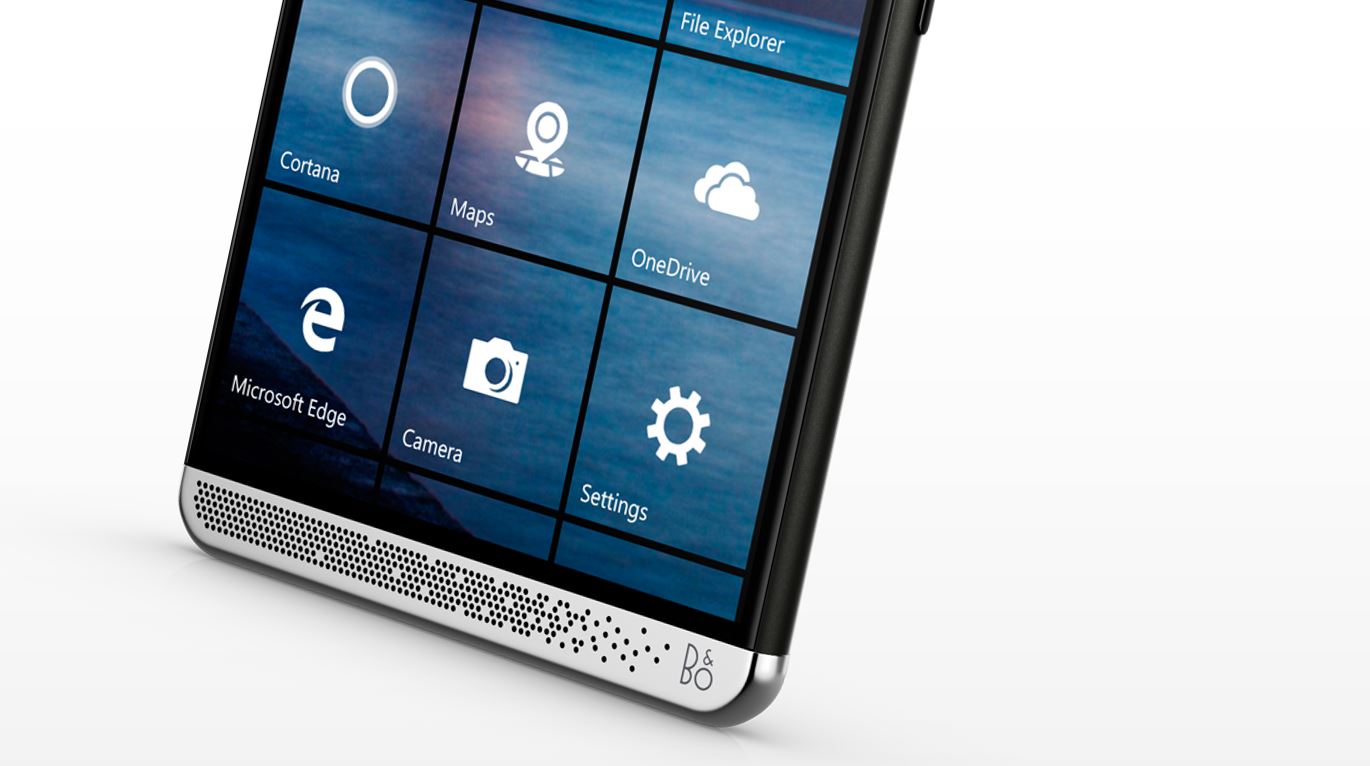
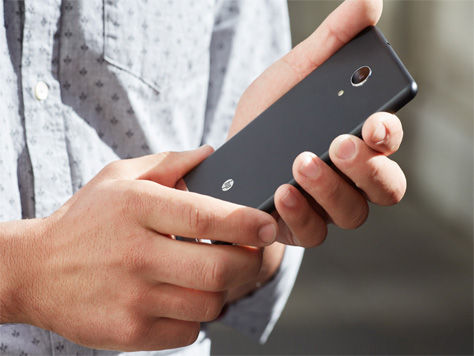
    HP has unveiled its Windows 10-powered Elite X3 smartphone at the ongoing Mobile World Congress. HP claims that this smartphone can be used as a laptop as well as a desktop. The Elite X3 bears some high-end specifications.

    The phone comes with a 5.96-inch QHD touchscreen, a 16-megapixel camera at the back, an 8-megapixel camera at the front for clicking selfies. It will be powered by Qualcomm’s Snapdragon 820 SoC paired with 4GB of RAM, 64GB storage and up to 2TB of expandable storage via MicroSD card slot. The device packs a large 4,100mAh battery and comes with support for USB Type-C and will also support USB 3.0, Qi wireless charging.

    Elite X3

    The Elite x3 also houses a fingerprint scanner, a fancy iris sensor, a special docking connection, IP67 certification for water and dust resistance, as well as MIL-STD-810G rating for withstanding drops from 1 meter or less. It will also support Microsoft’s Continuum feature. Pretty impressive we say.

    HP confirmed the Elite X3 will be available this summer although the company did not specify the exact date or pricing of the device. We’ll know more in the weeks to come.

  • HTC Desire 825,630,530 Budget Phones Unveiled

    HTC Desire 825,630,530 Budget Phones Unveiled

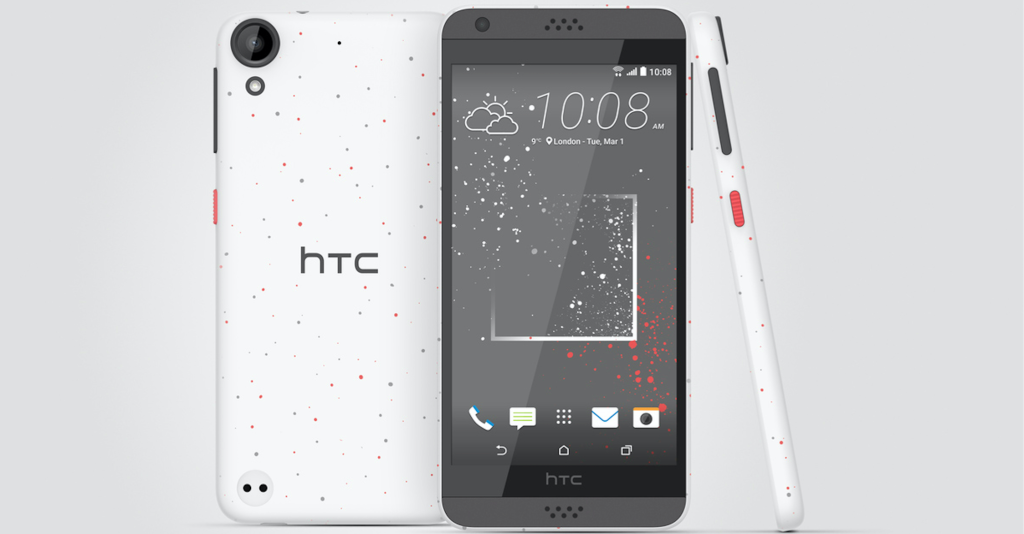
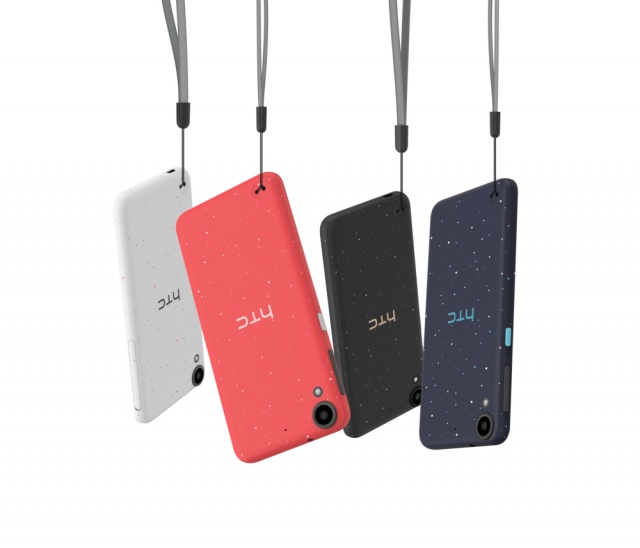
    HTC at the Mobile World Congress has unleashed a new lineup of mid-range smartphones with great designer looks but modest hardware. The lineup includes three new phones the HTC Desire 530, 630, and 825.

    Of the three, the 530 and 630 are quite similar and come in a 5-inch form factor. Both come packing a 720p Super HD display. The Desire 530 is powered by a Qualcomm Snapdragon 200 1.0GHz processor which is paired with 1.5GB of RAM and 16GB of internal storage.

    htc-desire-825

    The Desire 630, on the other hand isn’t too great on specs either and comes with a Snapdragon 400 1.6GHz processor paired with 2GB of RAM, and 32GB of internal storage.On the camera front, the desire 530 comes packing a 8-Megapixel camera while the Desire 630 comes with a 13-Megamixel camera on board.

    htc-desire-530630-640x0

    The Desire 825 is the bigger sibling, and features a 5.5-inch form factor but disappointingly,  the Desire 825 also has just a 720p HD display which is sure to be a turn-off for a lot of users.On the specifications front, it is equipped with a Snapdragon 400 1.6GHz processor and is matched with 2GB of RAM and 32GB of storage. There’s also a large 2,700mAh battery, which coupled with a low-resolution display promises good battery performance.

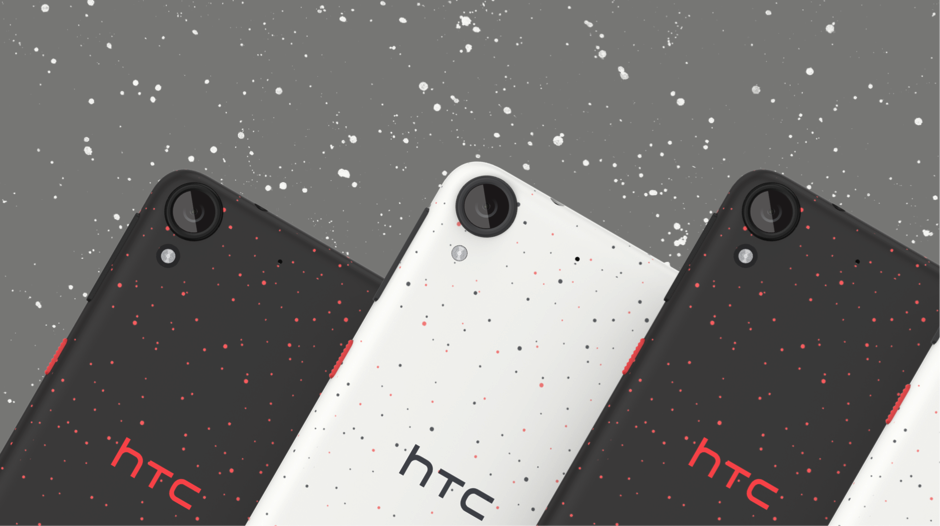
    The standout feature of these phones is their design which includes the “micro splash” paint design that HTC claims is unique to each and every of these new phones built which will be designed with special nozzles that sprays colorful dots on the phone’s rear plastic casing. No pricing details have been revealed so watch this space for further details.

  • Sony Unveils New Xperia X Phones at MWC 2016

    Sony Unveils New Xperia X Phones at MWC 2016

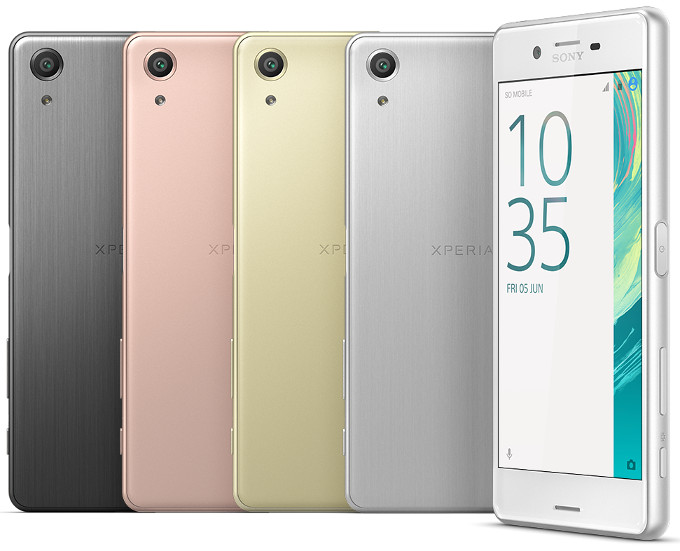
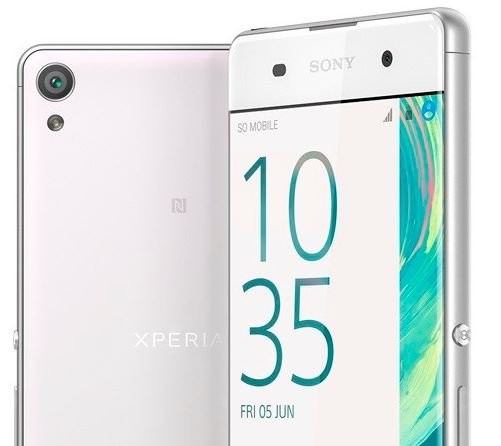
    Sony just held its press conference at the MWC 2016 in Barcelona. The company today unveiled its new Xperia X lineup of device that consists of the Xperia Performance. X and XA. Sony launched the devices stressing on a more connected world, with improved and smart technology. Along with this, Sony also launched the Xperia Ear, Eye, and Projector as smart accessories that allow for a more hands-free way to connect with your smartphone.


    Xperia-X-Performance-Colours

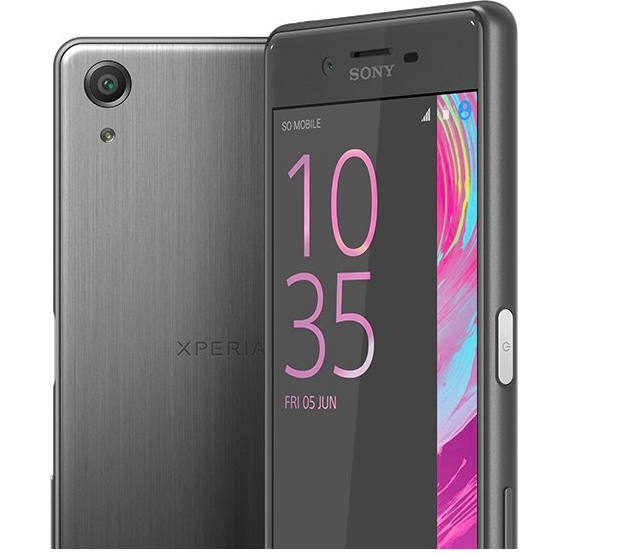
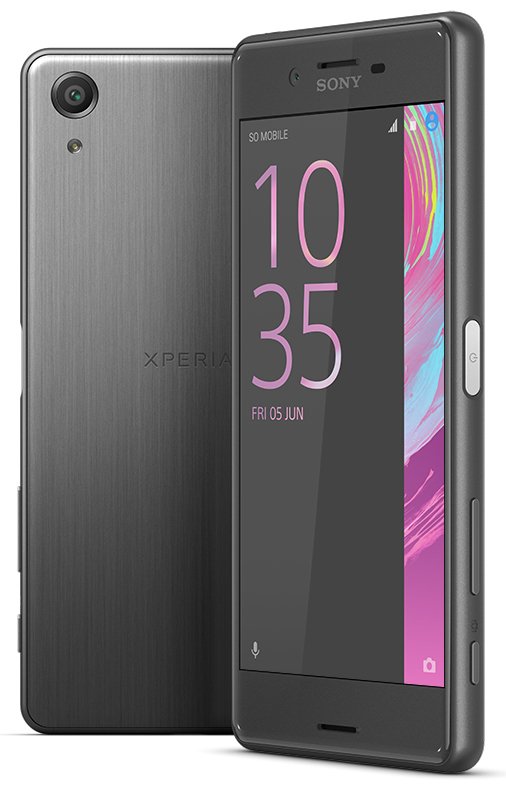
    Sony didn’t reveal too much about the specs of the devices. The X Performance sports a 5-inch 1080p Full HD display and is powered by Snapdragon 820. The device, which is the bigger of the three has a premiu metal finish with a rectangular chasis and rounded edges and a 2.5D curved glass on top. The X Performance comes with a 23MP rear camera with a  Predictive Hybrid Autofocus, 5x Clear Image Zoom and ISO 12800 sensitivity, and a 13MP selfie shooter.

    The Xperia X and XA also feature Predictive Hybrid Autofocus tech that offers motion tracking. The mid-range devices are powered by the Snapdragon 650 hexa-core processor, run on Android 5.0 Lollipop and come with a 2.5D curved glass on the front and a metallic rear for a premium feel.

    Xperia X

    The device looks really slim and you can see the Xperia logo at the back with the camera on the top left and the LED flash just below. Along the right side, you have the power button, volume controls and a dedicated camera button as well. Up in front, you have a large display with exceptionally thin side bezels and a 2.5D curved glass.

    Sony also showed off the Xperia Ear, a earpiece that informs you of your schedule, news and weather. It responds to voice commands, and can make calls, search the internet, read and respond to emails and messages or navigate to a location. Pricing has not been revealed as of yet. Sony confirmed that the devices will start shipping in Summer this year. We’ll know more about the devices and new connected products in the weeks to come.

  • New Sony Xperia Model Surfaces Ahead of Today’s Event

    New Sony Xperia Model Surfaces Ahead of Today’s Event

    MWC 2016 kicked off in a grand way with LG and Samsung having unveiled their flagship smartphones. Now, it’s Sony’s turn to unveils some of its products. While it may not be a flagship device in the form of the Xperia Z6, Sony will still look to bring out something great. Popular leakster @evleaks, who is no doubt in Barcelona trying to get an exclusive look at new phones before everyone else does, has posted an image of a new unnamed Xperia phone that may just be unveiled later today.


    The image posted shows off a great looking phone. The device looks really slim and you can see the Xperia logo at the back with the camera on the top left and the LED flash just below. Along the side, you have the rounded power button, volume controls and a dedicated camera button as well. up in front, you have a large display with exceptionally thin side bezels and hints of a 2.5D curved glass. Sony’s event will take place later today starting

    Sony is also expected to launch the Xperia PP10, so we’re possibly looking at least two phone launches from the company today along with some smart accessories. The event will take place later today starting 1pm IST. Follow this space for more on Sony’s launch event.

  • Watch Samsung’s Galaxy S7 Unpacked Event Here

    Watch Samsung’s Galaxy S7 Unpacked Event Here

    In less than an hour, Samsung will unveil its next Galaxy flagship device, the S7 and S7 Edge at the MWC Unpacked event. We have heard a lot of rumoured specs and seen a lot of leaked images and renders and it’s almost time to see how much of those have come true. You can catch the event live right here. Hit play on the link below and sit tight for the event to begin.

    https://www.youtube.com/watch?v=8R5HN6oWdC4

  • MWC 2016 : LG G5 “World’s First Modular Phone” Launches

    MWC 2016 : LG G5 “World’s First Modular Phone” Launches

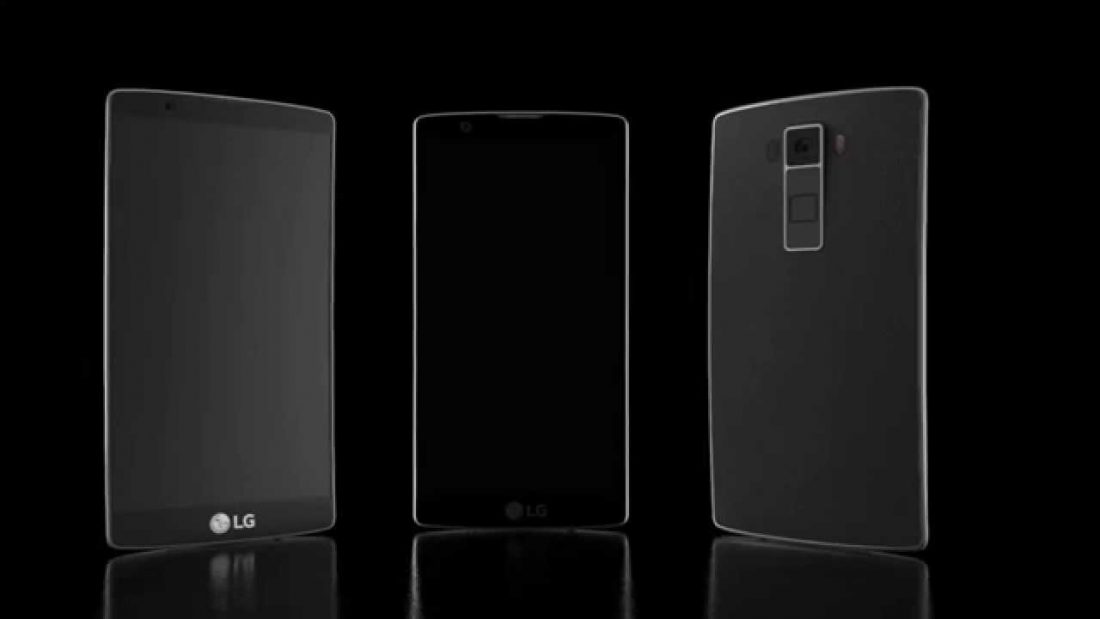
    South Korean tech Giant, LG, announced its much-awaited flagship, the G5 in Barcelona during the Mobile World Congress today. The G5 has a full metal body and comes with impressive specifications but the what sets the phone apart from its competition is the fact that it comes with modular attachments which for now can be utilised to enhance the camera and battery of the phone.

    screen_shot_2016-02-21_at_8.26.16_pm

    The company also announced modular accessories for the phone at the launch. Most interesting of the lot was the LG Cam Plus module which can be attached to the G5 through the battery slot giving the user “comfortable grip and convenient control of a DSLR” for better imaging and also adds to the battery of the phone taking the capacity up to 4000mAh.

    Next is the Hi-Fi Plus with B&O Play module. This is a  Hi-Fi DAC audio player which is perfect for audiophiles. It can also play high-definition audio files encoded in 32-bit at 384KHz.

    lg-friends-accessories

    On the specifications front, the LG G5 comes packing a primary 5.3-inch QHD LCD display with 3D Arc Glass on top. It also has a cool Always-on feature that lights up the display for access to important updates. The phone’s construction is full metal unibody and is powered by a Snapdragon 820 chipset, paired with 4GB of RAM and 32GB of internal storage, expandable by upto 2TB with microSD cards.

    When it comes to photography, the phone is equipped with dual cameras at the back. A standard 16-megapixel 78-degree lens and another 8-megapixel 135-degree wide angle lens. The LG G5 features a front-facing 8-megapixel camera too for clicking selfies.

    screen_shot_2016-02-21_at_8.26.25_pm

    LG G5 comes packing a 2,800mAh removable battery with Quick Charge 3.0, and when it comes to connectivity it gives users options such as Bluetooth 4.2, NFC and Wi-Fi 802.11ac. The smartphone also features USB Type-C 2.0 port. The G5 runs on Android 6.0 Marshmallow OS with LG’s custom UI on top. The G5 will be available in four different colors, silver, gold, pink and silver. No pricing details have been revealed yet so watch this space for more details.

    Specs

    LG G5

    Display  5.3-inch screen Quad HD IPS display
    Resolution  2560 x 1440 / 554ppi
    Processor Qualcomm Snapdragon 820 Processor
    GPU Adreno 530
    RAM 4GB
    Storage 32GB
    Rear Camera  Standard 16MP, Wide 135 degrees 8MP
    Front Camera 8MP
    Expandability Up to 2 TB via MicroSD
    Battery 2800mAh battery Quick Charge 3.0
    Connectivity Wi-Fi 802.11 a/b/g/n/ac, Wi-Fi Direct, hotspot, Bluetooth v4.1, A-GPS, GLONASS, NFC,
    OS Android 6.0 Marshmallow with LG custom UI
  • Huawei Launches the MateBook 2-in-1 Tablet

    Huawei Launches the MateBook 2-in-1 Tablet

    MWC 2016 has officially kicked off. The opening day saw Huawei and LG take the stage unveiling their new devices. LG, of course, unveiled its flagship G5 modular smartphone while Huawei launched the Huawei MateBook.

    The MateBook is a 12-inch 2 in 1 tablet that is powered by Windows 10. With this, Huawei looks to Microsoft’s Surface Pro 4 and Apple’s iPad Pro. The MateBook comes with a detachable keyboard much like the iPad Pro. Launched at a price of $699, the MateBook comes with an Intel Core m3 processor, 4GB of RAM, 500GB storage, and a 128GB SSD. The tablet also features a 5MP front camera and a fingerprint sensor on he side. The keyboard, stylus and dock are priced at $169, $69 $99, respectively.

    huawei_matebook


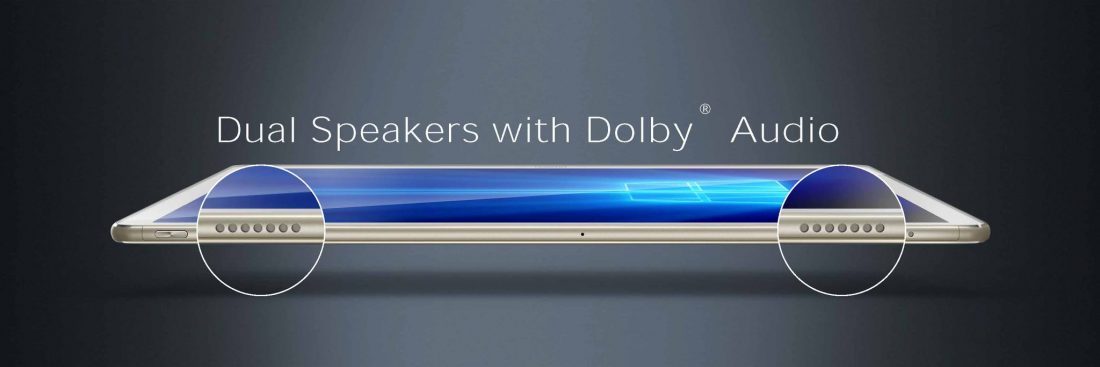
    The MateBook, according to Huawei, is the result of all that the company has learned from its smartphones and tablets over the years. The display is a nice 2160×1440 pixel resolution with a 10mm thin bezel around it. The metal unibody design gives it a premium feel. The tablet also features dual speakers at the bottom with Dolby Audio.

    Huawei MateBook

    The MateBook’s 4430mAh high-density Lithium battery promises up to 10 hours of battery life after which a USB Type-C Cable will charge it back up in no time. Weighing in at 640g, the MateBook is lighter than the iPad Pro and the Surface Pro 4.

  • Phones to Expect at the Mobile World Congress 2016

    Phones to Expect at the Mobile World Congress 2016

    The Mobile World Congress 2016 will kick off in Barcelona in just a few hours. One of the biggest mobile trade shows in the world will play host to a number of brands who will unveil their new smartphones – some flagships, some not so flagship – that will set the standard for 2016. Here are the phones that will be unveiled at the MWC 2016.

    Samsung Galaxy S7 and S7 Edge

    Galaxy S7 01

    There have been a lot of rumours and a lot of questions regarding the launch and specs of Samsung’s upcoming flagship Galaxy S7 devices. What everyone is expecting is Samsung to pull out another stunning flagship that pushes the boundaries of design and power, like it did with the Galaxy S6 series.

    It’s almost confirmed that the Galaxy S7 will arrive in two variants – one powered by the new Snapdragon 820 chipset and the other by Exynos 8890.

    Among the many rumours that have been making the rounds, some that have caught our attention is that the S7 devices will feature Apple’s 3D Touch-like pressure sensitive display called ClearForce that’s being developed by Synaptics. Additionally, the Galaxy S7 will have a Type C USB Port which means the device will charge significantly faster.

    The standard Galaxy S7 will likely sport a 5.2-inch Super AMOLED display while the ‘Edge’ variant will come with a 5.5-inch display of the same kind. In terms of design, Samsung is sticking to the S6 design language only upgrading the specs, which we’re not complaining about. The flagship devices are slated to be unveiled today at the MWC ‘Unpacked’ event.

    LG G5

    lG G5

    The device will sport a 5.3-inch Quad HD display, powered by the new Snapdragon 820 SoC with 3 GB of RAM and an 8 MP front camera. Other specs include a full metal body, SIM and MicroSD slot, heart rate sensor that’s under the camera module, a fingerprint sensor embedded in the power button, a USB Type-C port, bottom firing speaker and an IR blaster on top.

    Some recent rumours have suggested a modular design for the LG G5 where the bottom is detachable so as to easily remove the battery pack. This, however, is still a long shot and nothing has been confirmed on that front.

    A leaked image also suggests that the LG G5 will sport a dual camera set-up at the back – 16 MP and 8 MP. LG will launch the G5 flagship smartphone today as well. In fact, LG and Huawei will kick off the MWC with their flagships in just a short while from now.

    Xiaomi Mi 5

    Xiaomi Mi 5

    Xiaomi fans have been eagerly awaiting the Mi 5 flagship smartphone, which has been delayed due to the launch of the Snapdragon 820 chipset.

    Recent rumours about the specs of the Mi 5 are contradictory with some claiming the Mi 5 will sport a 5.5-inch screen with quad HD (2560×1440) display and the others pointing to a 5.7-inch with Full HD display. What’s almost confirmed is a Snapdragon 820 chipset, 20MP primary camera and an 8MP front cameras. The device will also come with 3,800mAh battery and 4G LTE support. RAM is set at 4GB and the phone will offer 16GB/64GB/128GB storage options.

    Lenovo Lemon Plus

    lenovo-1

    Lemon 3 Plus is expected to come with a 5.5-inch Full HD IPS display and a1.5 GH octa-core Qualcomm Snapdragon 616 processor. It will be paired with 3GB of RAM and Adreno 405 GPU, and will be ship with Android 5.1 Lollipop operating system out of the box.

    It will be equipped with 16GB of internal storage, further expandable up-to 128GB via a micro SD card.The cameras on the phone will see a 13-megapixel rear camera with LED flash and a 5-megapixel selfie snapper. It will also include 4G LTE, Bluetooth, Wi-Fi, USB 2.0 and GPS for connectivity.

    Cat S60

    Cat’s new S60 is the latest in the line of rugged smartphones from the United Kingdom based brand, and it comes with two very unique features. Cat has added a FLIR thermal imaging camera and the first waterproof rating to a depth of 5 meters for up to an hour on this rugged phone.

    gsmarena_005

    The Cat S60 features a military-grade thermal imaging C2 camera module from FLIR. This is the same technology used in the Intel-powered Daqri smart helmet, enabling the Cat S60 to show temperature changes.

    Other specs of the phone include a 4.7-inch 720p display, Snapdragon 617 with 3GB of RAM and 32GB storage. The phone runs Android 6.0 Marshmallow and offers 4G LTE connectivity. It also comes with a 13MP main camera, 5MP front  camera. A massive 3,800mAh battery powers the device.

    HP Elite X3

    hp_elite_x3_leak_02_tech2

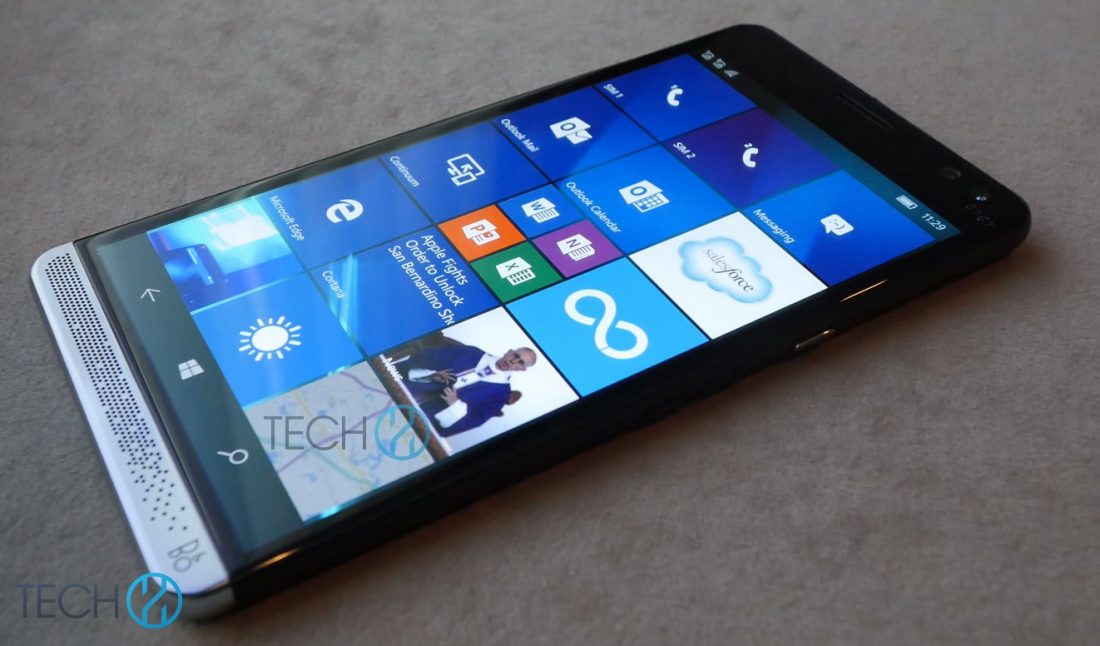
    HP is expected to announce the Elite x3 at MWC next week, and as such, it’s not too big of a surprise images and specs of the device have leaked today. The Elite x3 which will be a Windows phone will pit itself against the Microsoft’s Lumia 950 XL in the Windows 10 mobile ecosystem, as it packs some very high-end innards.

    The phone will come with a 5.96-inch QHD touchscreen, a 16-megapixel camera at the back, an 8-megapixel camera at the front for clicking selfies. It will be powered by Qualcomm’s Snapdragon 820 SoC paired with 4GB of RAM and 32GB of expandable storage. It will also come with support for USB Type-C and will also support USB 3.0, Qi wireless charging.

    The Elite x3 will also house a fingerprint scanner, a fancy iris sensor, a special docking connection, IP67 certification for water and dust resistance, as well as MIL-STD-810G rating for withstanding drops from 1 meter or less. It will also support Microsoft’s Continuum feature. Pretty impressive we say.

    Huawei P9

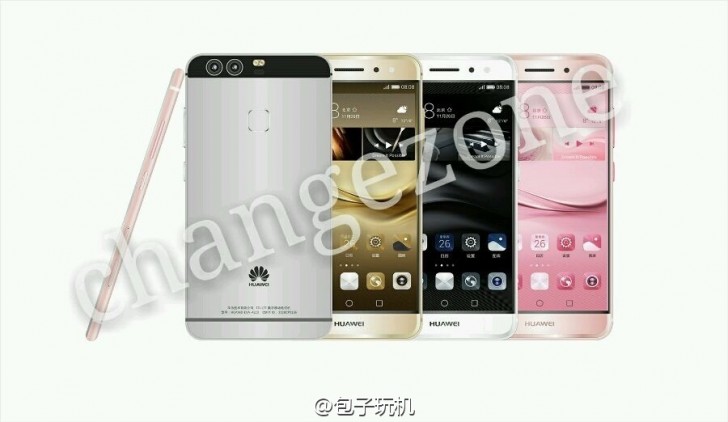
    If rumours are to be believed, Huawei will also be present at the event and will be unveiling the Huawei P9 today. We have some renders that tell us what might be the look of the device as well as hints at some new features.

    The renders reveal an all-metal design for the Huawei P9. What the images also show us is a dual rear camera setup and a fingerprint scanner at the back. If you look close enough, you’ll also notice a 2.5D curved screen on the front of the device. The bezels look pretty thin on the front while the power button and volume controls fall to the right side. The renders also show possible color options for the P9 in gold, white, pink and gray.

    Huawei P9 01

    On the specs front, the P9 is likely to come with a Kirin 950 SoC, 4GB of RAM and a 5.2-inch display, none of which have been confirmed yet, of course. Late last month, there were also rumours that the P9 will come in multiple variants. What is expected is that Huawei besides launching its top of the line P9, will also come out with a cheaper P9 Lite, and a phablet the P9 MAX.

    The last variant which Huawei plans to bring to the market as a treat for all its fans will be a beefed up variant of the P9, and will come with premium features.

    Huawei P9 1

    The fourth model is set to offer a display whose size would lie between the P9, and the P9 MAX, with QHD resolution output. It will also feature additional RAM and storage. The fourth variant on top of this will feature an improved camera: a dual lens, dual (12 MP) sensor configuration described as a second-generation technology.

    Sony Xperia Z6

    Sony Xperia Z5
    Sony Xperia Z5

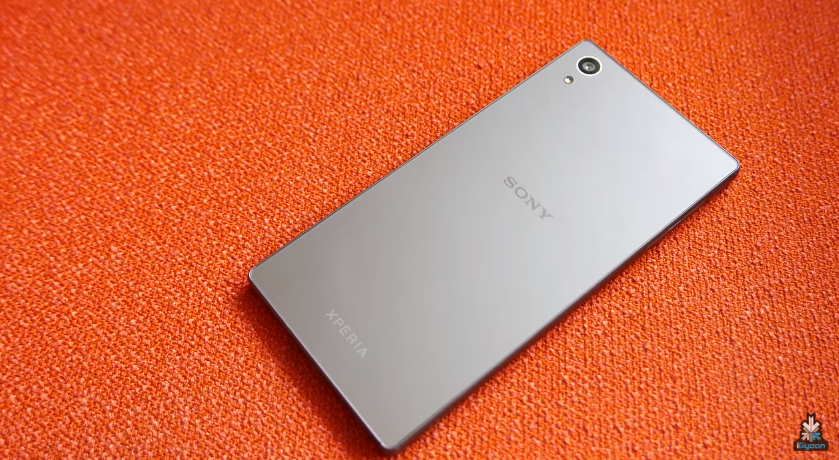
    This last one is the least likely to make an appearance at the MWC since Sony launched the Xperia Z5 only 6 months ago. However, some rumours have suggested that Sony may just unveil the Z6 or may talk about the phone(s) a little.

    It is rumoured that a total of six Z6 devices will be launched this year: a 4-inch Xperia Z6 Mini, a 4.6-inch Xperia Z6 Compact, a 5.2-inch Xperia Z6, a 5.8-inch Xperia Z6 Plus, a 6.4-inch Xperia Z6 Ultra, and a 5-inch Z6 Lite. Now, Sony is yet to confirm the rumours, but you can expect some, if not all, to be true.

    What you can expect from the Xperia Z6 is a build that’ll reflect the Z5 with a squarer, flatter design rather than the traditional rounded edges that Sony had previously stuck to with the older models. The Z6 will also come with a fingerprint scanner added to the power side button.

    The burning question is whether Sony will go for a 2K display with the 5.2-inch Xperia Z6 or will it continue with a Full HD display as it has with the Z5. Doing the former would mean having to sacrifice battery life, which Sony isn’t all too fond of doing at the moment.

iGyaan Network
Privacy Overview

This website uses cookies so that we can provide you with the best user experience possible. Cookie information is stored in your browser and performs functions such as recognising you when you return to our website and helping our team to understand which sections of the website you find most interesting and useful.