A few months back, Airtel was on the receiving end of much public backlash following its decision to introduce differential charges for various online services. This was the first direct assault on Net Neutrality principle in India and the telecom major was forced to roll back the new policy. The company has introduced a new service called Airtel Zero which attempts to split services but with a friendlier face.
Airtel Zero is a new platform that will let companies buy data to offer their apps to consumers for free. It will allow users to access these apps without incurring data charges. This can be seen as a direct violation of net neutrality as it will give priority access to some apps over others.
Net neutrality principle states that all data on the internet should reach their destination with equal speeds and service providers cannot charge extra for priority access. Airtel will rope in extra revenues through Airtel Zero and companies with enough capital would be able to pay for this access while the budding apps will be left back to fend for themselves.
E-commerce giant Flipkart is also receiving criticism for signing up for the service that violates net neutrality. Airtel has reportedly called the new service a “B2B platform that is open non-discriminatory and will be a win-win for customers and businesses.” They added that they intended to include as many vendors as possible. But they haven’t made public the agreement or the fees paid by the vendors to reach the consumers. This raises the question whether the platform will be inclusive of new apps or will give priority access to just a few apps.
In the light of recent worldwide demand for tougher net neutrality laws, the Telecom Regulatory Authority of India(TRAI) has brought forward a consultancy paper in the public domain. It has asked stakeholders that include the general public to share their views on net neutrality.
It is Airtel’s second attempt at undermining net neutrality, and it can be potentially dangerous for the growth of the information based economy that demands a free and fair internet. So if you want to get your voices heard at TRAI and want the Indian government to keep the internet open for all, you should send in your comments at [email protected]. You can find more information on the net neutrality consultation paper on TRAI’s website.
Net Neutrality has become one of the most important buzzwords in the tech world over the past years. This simple principle states that all content on the internet should get equal speeds, and internet providers cannot discriminate between the content. So users will get the same speed of access to the Facebook as they would for Youtube. The Federal Communications Commission of America, after a intense public debate, sided with Net Neutrality which was seen as a big win for an open and free internet and seen as a rare instant when the public opinion was considered over corporate interests. Now it’s India’s turn to decide the future of the internet.
The Telecom Regulatory Authority of India(TRAI) has invited views of Indian citizens on the future of the Internet in the country. The regulatory agency is currently also considering the future course of action for the OTT (over-the-top) players such as apps like Whatsapp, Viber, Skype which let users make calls and send messages at reduced rates in comparison to telecom companies. This is why the government is being pressured by the telecom lobby to create a regulatory framework for these apps which are eating into the revenues of the companies.
Net Neutrality principle states that all traffic on the Internet deserve equal speeds.
Airtel recently was on the receiving end massive of massive public outrage for breaking the internet based services and charging exorbitant rates for them. The public backlash led the company to roll back the decision. This instance exhibited an immediate need for clear net neutrality policies in India.
You can send in your comments by 24th April, 2015 and counter comments by 8th May 2015 on email id [email protected]. You can find more information on the consultation paper on TRAI’s website.
Net Neutrality has been one of the founding principles of the internet which has been around since its early days. Our lives are getting more and more dependent on the internet with each passing day, and so it’s absolutely essential that the consumer demand it to be open and fair. So right now you have been given an opportunity send in your views and if you miss now you won’t have the right to complain later. So go ahead and tell TRAI and the Indian government to bring strong net neutrality policies and preserve the open and free internet.
If you are still not convinced to take action yet, we’ll let John Oliver explain why you should send in your comments to TRAI, right now!
The fate of the internet was hanging by a thin thread. Telecom corporations were leading a massive, expensive attack on the free and fair internet by deleting an essential clause called Net Neutrality. The news came into prominence leading to a tremendous backlash from the public who overwhelmingly told the government to keep the internet open and free. Last night the Federal Communication Commission sided with the demands of the people and has voted for net neutrality.
The net neutrality principle states that the internet is one singular entity, and it cannot be broken down into its various services. It orders the internet providers to allow access to all Internet content at the same speed. The telecom companies were after this principle so they could establish fast lanes for the highest payers and slow lanes for everyone else.
In a 3-2 vote, FCC classified Internet as a public utility under Title II of the Telecommunications Act. Internet will now be treated just like water, electricity, landlines, or any other essential service. The Title II classification also gives FCC greater authority to regulate the internet. These new rules apply to wireless as well as wireline internet providers.
It is official: Net Neutrality is the law of the land.
US Senators Al Franken and Bernie Sanders, who were the major supporters of the net neutrality principle called it an “enormous victory” for the people. The decision only affects the United States, but it sets a benchmark for other countries to follow. It also shows how emotional a subject the internet has become; it is an essential cog in the everyday life of people. It’s not just an endless vortex of cute babies, puppies, and cat videos but is a platform for establishing the information age economy for everyone.
Here in India, Airtel was on the receiving end of the backlash when it attempted to break the internet to charge more for the services. The pubic response led Airtel to roll back its decision. This teaches you an important lesson that if you don’t want to be ruled by corporate greed, you have to protest their unruly decision.
Net Neutrality has become one of the major issues over the last year. The fear of telecom companies establishing a fast lane for folks who pay more and breaking down of internet services have enraged the public, and they have been demanding answers from their authorities. The Department of Telecom (DoT) in India has also said that it will be holding a committee hearing on net neutrality policies for India on February 12th.
The DoT is a part of the Ministry of Communications and Information Technology. The Department formulates developmental policies for the accelerated growth of the telecommunication service and is responsible for granting licenses for various telecom services.
An internal committee of the DoT headed by Mr.AK Bhargava is looking into the prospects of net neutrality. It is examining the advantages, disadvantages, and its economic implications for the telecom sector as well as the content creators. The committee will also come with a proper legal definition of the term too.
Recently the Federal Communication Commission of America had asked for comments from the citizens on the issue. They received overwhelming responses in favor of protecting net neutrality protections. The responses led to the commission opting for classifying the internet as a telecom service that will give FCC the right to regulate it. This was seen as a victory for the open internet advocates, but the telecom companies can still challenge it in court.
Net Neutrality is essential to the survival of the Internet as an open, creative space for expression of ideas and innovations. We hope the Indian government upholds this fundamental value of the internet for the benefit of the people of India.
We have heard the term Net Neutrality a lot this year, mostly in the context of the politically charged conversation that is happening in Washington. Net Neutrality is a bedrock principle of the internet. It says that internet providers cannot pick and choose between different internet offerings. For e.g., internet providers cannot charge extra for YouTube or Skype or any other individual website or service. All websites must get equal speeds, and no service can be charged extra. Internet providers are actively trying to dismantle this principle to boost their revenues further. In India, Airtel has drawn the first blood and has introduced extra charges for Voice Over Internet Protocol (VoIP).
Bharti Airtel has brought out the new rates a day after Christmas when it thought no one would notice. The new rates almost feel like the company is holding you upside down and shaking down every last penny you got in your pocket.
This is the official quote from Airtel’s terms and conditions page:
[quote text_size=”small”]
All Internet/data packs or plans (through which customer can avail discounted rate) shall only be valid for Internet browsing and will exclude VoIP (Both Incoming/ Outgoing). VoIP over data connectivity would be charged at standard data rates of 4p / 10 KB (3G service) and 10p / 10 KB (2G service).
[/quote]
Here are the new rates:
Features of VOIP services like Skype, Viber and other free apps
Before
Now
Audio
Rs. 0.00
Rs. 1.8 – Rs. 3.98 per minute
Video
Rs. 0.00
Rs. 22.50 per minute
HD-Video
Rs. 0.00
Rs. 135 per minute
Telephony and Internet service providers have seen a dip in their earnings since the advent of app-based messaging and calling services. Services like WhatsApp have brought down SMS usage, and Skype and Viber like services have affected call based revenues for the companies. This has led to expensive internet data packs which have also resulted in protests in the past. The mobile market in India has become monopolistic as the rates have become stagnant across all service providers. There aren’t a lot of choices left for the consumers. But this move by Airtel is a major assault on the freedom of the internet and can lead to even more attacks on net neutrality if not protested right now. The company has made video chatting service more expensive than ISD calling.
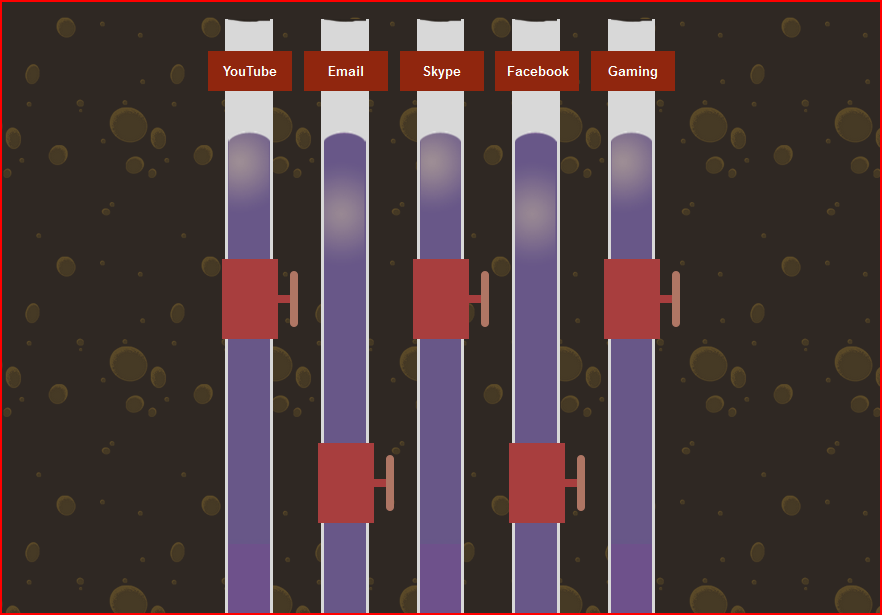
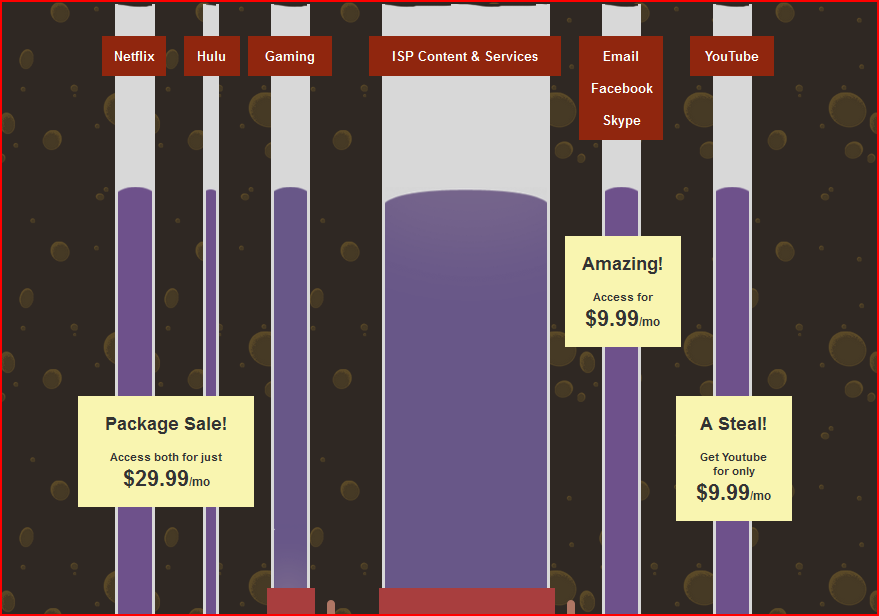
In the information age, internet has become an essential utility, and every day is becoming more intertwined with our lives. We now use it for paying bills, shopping, apply for jobs, gathering knowledge and much more. It has also allowed small start-ups to take on big companies. But by decimating net neutrality, companies like Airtel and others can charge you different rates for different websites. Imagine paying for a browsing data pack, a separate pack for WhatsApp, and an another one for YouTube, and so on. Sounds scary, doesn’t it? Airtel just took a step closer to making that future a reality.
A free and open internet is important; it should not just be a service anymore, it should be considered an inviolable right, just like right to freedom of speech. Net Neutrality is supported by big names of the tech world like Google, Facebook, Amazon, and others. Airtel has opened a can of worms that needs to be immediately shut down and buried. In America, even President Obama has stood by the Net Neutrality principle. Airtel needs to mend its ways immediately.
Here’s John Oliver explaining the importance of Net Neutrality in his own style.
[poll id=”25″]
Updates:
1. Minister of Telecom has said that the government is looking into it and will come with a structured response.
2. According to TOI, Airtel has said that the new VOIP charges are only meant for Audio calls only, video chats can still be done through data packs. The company says that there will be a 6 month cooling off period before the new charges are introduced. They also added that only prepaid customers would have to get the VOIP pack for audio calls.
Net Neutrality is one of the most important issues being discussed in the United States. The path taken by FCC will set a precedence that can be used by all other service providers across the world. The future of the free internet stands is at stake and hence it’s important to save it. Luckily amongst the supporters of the Net Neutrality is an important figure; none other than the President of the United States.
Net neutrality principle states that all data that is being transmitted on the internet is equal, and service providers cannot prioritize any data packets.
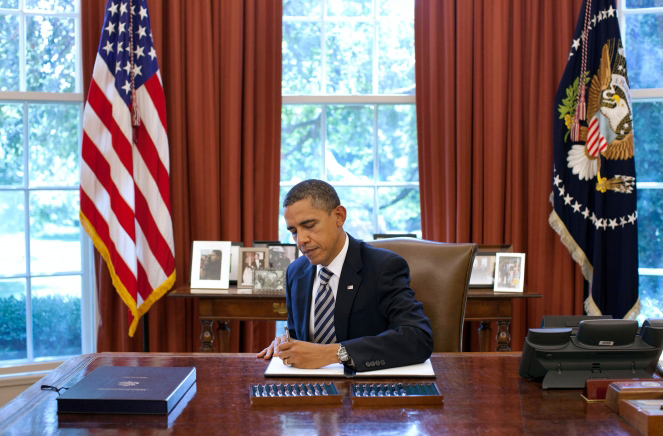
President Barack Obama in a video address asked the Federal Communications Commission to formulate more stringent rules that protect the net neutrality principle. He expressly stated in the video address, “It is common sense that the same philosophy should guide any service that is based on the transmission of information — whether a phone call or a packet of data.”
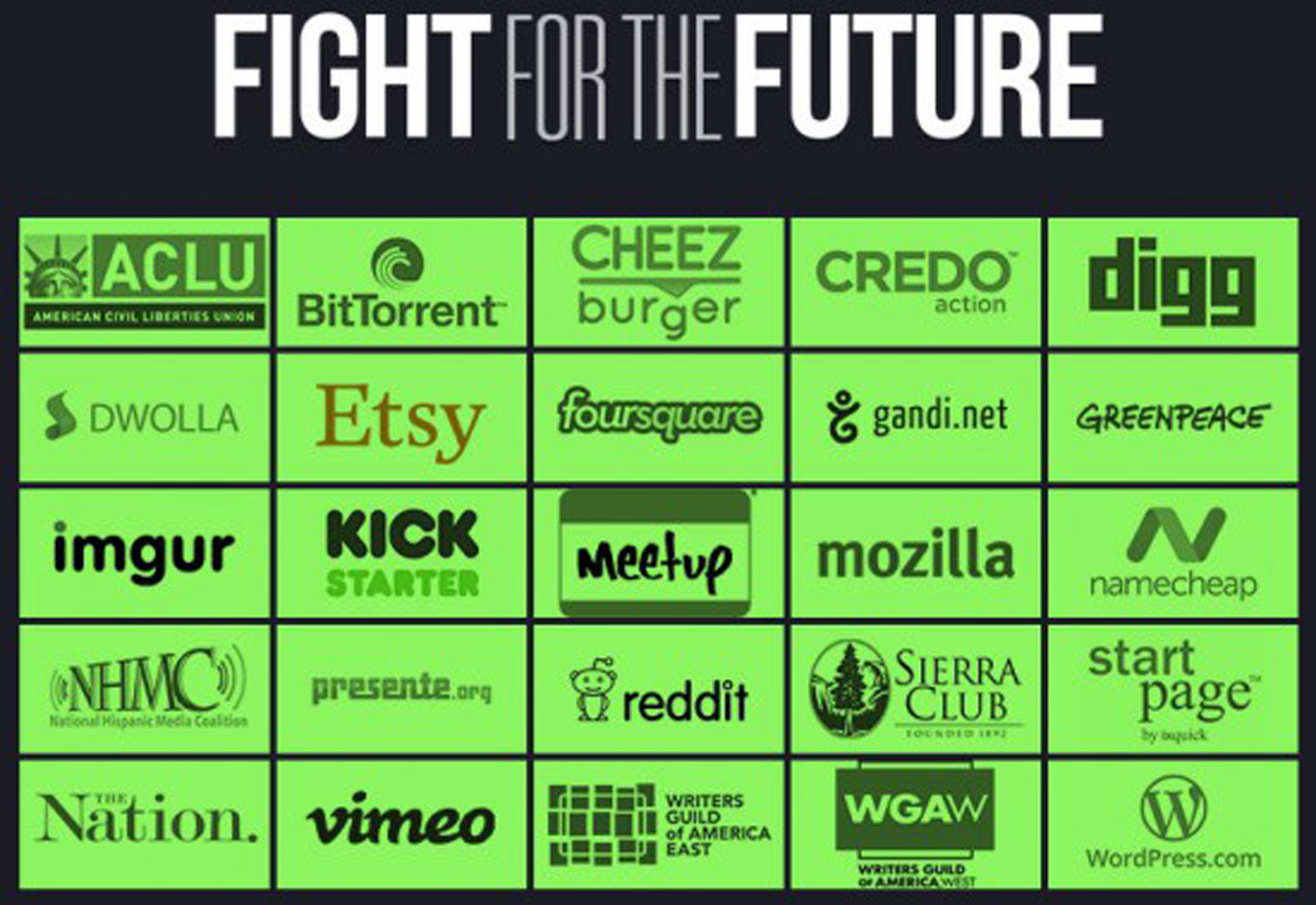
FCC had previously called on for public comment on the issue that attracted over four million comments from the public. The majority of these comments were in favor of stronger rules. Even the big internet companies like Google, Netflix, Kickstarter and Vimeo along with others joined hands in support of net neutrality.
The biggest hindrance in the passing of the new rules is the heavy money might of the corporations who have lobbied proactively to gut the net neutrality principle. The telecom companies are not at all a fan of government regulation of the internet. Even the Republican Party, which won control of the two legislative bodies of the US Congress is in favor of diluting Net Neutrality. The stance of the party is evident from this tweet from one of the foremost voices of the Republican side of Congress.
“Net Neutrality” is Obamacare for the Internet; the Internet should not operate at the speed of government.
The internet is a phenomenal tool and an essential utility. By diluting net neutrality, companies will be able to charge a premium on specific content like certain sites or charge extra for video streaming. In countries like India, where the telecom providers are known for giving low-grade services at high prices, the issue of net neutrality should be of concern. Using the ignorance of laws, the telecom companies might try to gut the principle outrightly.
If you like the way your internet feels, however slow or unsatisfactory it may feel in its present state, it is still a million times better than what the telecom companies are planning to do with it. So if you like the access to unlimited database of cute animals and babies and all the other awesome stuff in the world, then keep a vigilant eye for whenever you hear the term Net Neutrality.
We told you sometime back that America’s communication regulator; the FCC is planning to allow broadband providers to create a fast lane for content providing companies that pay more for more access. This new regulation will deeply harm the independence of the internet and hamper the free exchange of ideas that it provides. It has the potential to pull back internet’s penchant for innovation. The broadband companies are pushing hard for the legislation by the internet companies are pushing back.
To counter the money might of big broadband companies, top internet domains are going for a peculiar protest that will show the future of the internet if the internet provider get their way. Websites like Reddit, Bittorrent, Vimeo, Foursquare, WordPress and Netflix are joining in protest for what is being called the Internet Slowdown Day.
Some of the prominent internet companies will be joining in protest.
The companies will be posing a constant loading symbol to show how by giving fast lane access to highest payers; the internet providers might slow the internet for the rest of us.
Netflix had this to say on Reddit “Consumers, not broadband gatekeepers, should pick the winners and losers on the Internet. While we won’t actually slow down your streams during Internet Slowdown day, look for the symbolic buffering symbol on the Netflix site on Wednesday and join the day of action.”
Net Neutrality has been one of the basic principles of the internet ever since its inception. It states that companies cannot discriminate with information; all information bits on the internet should get the same speed of access. The FCC proposal might change that and allow fast lanes for content providers who can pay more. It will also slow the speed of websites who cannot afford to pay the content delivery fees.
FCC had previously taken into consideration the massive outburst against its proposed move and invited comments from people. This led to a massive inflow of comments that once even crashed the servers especially after John Oliver took on the case.
This is an important issue for internet users everywhere. It’s a cause worth a fight as the level playing field of internet has led to success of giants like Google and Facebook and even helped iGyaan reach you guys without paying unruly fees. So if you like the internet the way it is, learn about Net Neutrality and spread the word and if you see a legislation that aims to scrap it, protest it proactively. It’s the only way of having access to unlimited cat videos without a slowdown.
“Net Neutrality” – you might have heard this term in a passing reference on the internet or some news show. You may not know this yet, but this term directly has an effect on your life. We attempt to give you all the facts and tell you why you should care about net neutrality.
Tim Wu Columbia Law Professor
The term, coined by Columbia media law professor Tim Wu in 2003, has been one of the major codes of conduct for the internet since its inception. It is the idea that internet service providers are not to discriminate between any content on the internet. The data packets which bring our services should all get equal access speed.
This basic principle has allowed the internet to be an environment which encourages open competition and has encouraged some phenomenal innovation. It has helped even the smallest business models to grow to become international conglomerates, the most prominent examples of this a Google and Facebook.
The Open Internet, Equal Access speed for all
The fact that general public doesn’t realize is that internet is not just a service anymore, it has now become a necessary utility. It is literally impossible to live without a decent internet connection especially in urban areas where it is used for bill payments, shopping, and admissions in universities; in fact internet has intertwined itself with all facets of our daily life.
The Federal Communication Commission (FCC) had codified the Net Neutrality principles into law in the 2010 Open Internet order. This order was unfortunately squashed by a federal court recently and can spell doom for the internet as we know it. This ruling can help create a precedent for internet companies to create a fast lanes for the highest bidder. This means wensites who agree to pay more will get a faster access while everyone else will end up getting sub par connectivity.
Without Net Neutrality ISP’s can charge for individual websites.
Imagine an internet where you have to pay to access individual websites. Like a Cable subscription where you have to pay more for bandwidth intensive websites such as YouTube or Vimeo. Most importantly it would kill smaller start-ups who aspire to someday become the next Google.
Mark Zuckerberg could only succeed because of an open internet
The free and fair internet till now has given a level playing field for competition for all. So even a college freshman could create the Forbes listed, world’s biggest social medium called Facebook. It was also because of free internet that even iGyaan could reach its readers. But in a non net neutrality world, these guys will face the same obstacles which are faced by the real world business of finding resources.
The opponents of net neutrality make a point that currently websites with higher bandwidth consumption pay the same price to reach the consumers like any other website. But when road traffic started getting congested, the government created wider roads and not special roads for rich people. They should consider the same. The Internet Service Providers (ISPs) which are opposing net neutrality earn billions in profits each year. Instead of disrupting a unique ecosystem that is still evolving, it is ISP’s prerogative to invest in making the services more innovative and sustainable for them as well as the internet. The companies will make more money by providing quality services to its consumers instead of trying to squeeze the last penny off them.
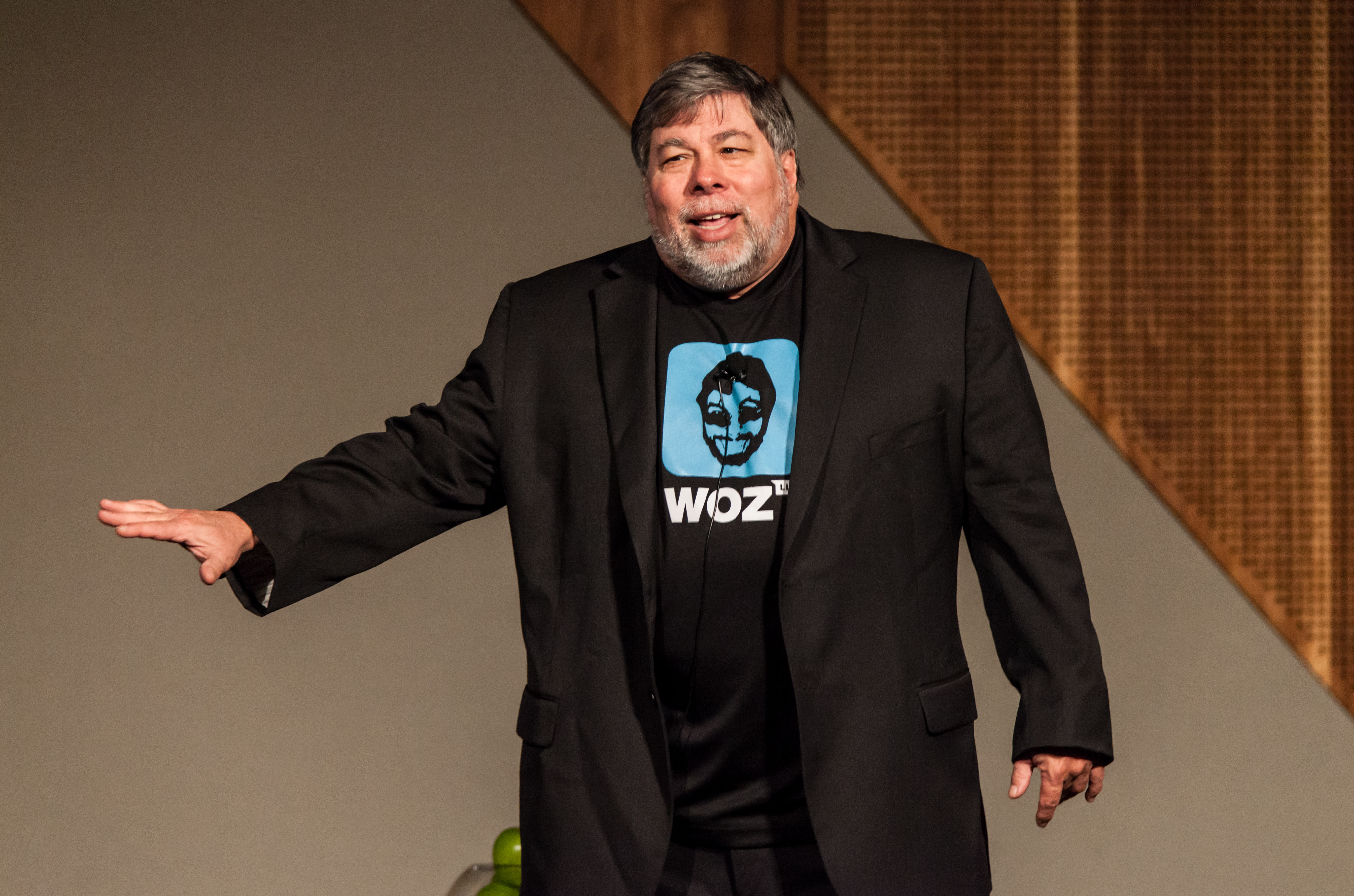
Steve Wozniak is one of the major proponents of Net Neutrality. (Photo: Nichollas Harrison.)
The great Steve Wozniak makes an excellent analogy when he says that nobody charges you for your per kilometer travel, then why charge for telecom routes. When the roads require maintenance, the government comes to do their part and this must be the responsibility of the ISPs itself.
TRAI needs to formulate regulations now
In India though there are no specific laws safeguarding net neutrality. TRAI in its guidelines mentions non-discrimination, but it is not really enforced. The high cost of spectrum licensing in India and the ever growing burden of massive mobile devices market may lead companies to go for charging a premium on some websites. India’s BRICS companion Brazil recently enacted a brilliant piece of net neutrality legislation and we should ask our lawmakers for the same. All we as consumers can do is be vigilant and raise our voices when we see that happen.
There is going to be a vote at FCC on Thursday the 15th which will decide the future of our internet. This vote can go both ways, the commission can create a precedent where companies can charge websites for priority access. Or the commission can create a legally safe law in which internet will be treated as a telecom service thereby giving FCC complete authority to regulate it. The great news right now is that most of the commissioners are siding with the open internet platform but what happens on Thursday still remain to be seen.
There have been many times when governments try to bring laws which discourage the free exchange of ideas. SOPA, PIPA were some of the laws targeted towards decreasing the efficacy of the internet dialogue. But some good sense prevailed and saved our internet. Net neutrality advocates from around the world are wishing for the same and hope to keep the future of a free and open internet secure.