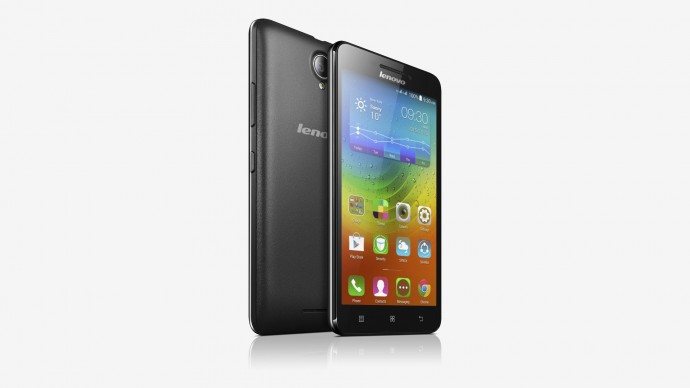
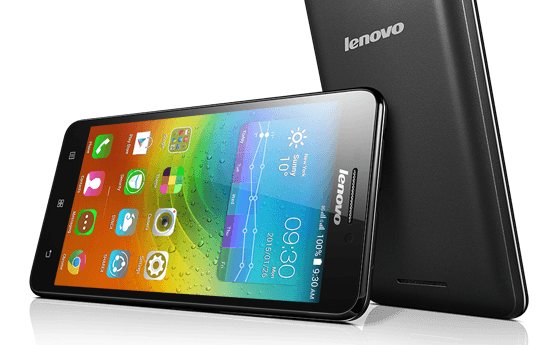
Lenovo has launched its newest A-series phone, the A5000 in Russia and has priced the handset at RB 12,000 (roughly Rs. 14,500). Although, there are no details or dates mentioned about its release in other markets, Times of India has confirmed that the Lenovo A5000 will be arriving in India soon. The most attractive feature of this phone would undoubtedly be the 4000mAh battery which may play an important role in its marketing. According to the company, the battery gives 792 hours of standby on 3G.
Official listings show the phone would not support 4G LTE. The dual SIM phone comes with a 5-inch HD IPS display (720×1280 pixels) and is powered by a 1.3GHz quad-core MediaTek processor. It comes with 8GB of internal storage and 32GB of expandable memory. It has an 8MP primary camera and a 2MP FF front camera. Connectivity options include GPRS/EDGE, Wi-Fi 802.11 b/g/n, GPS/ A-GPS, Micro-USB, and Bluetooth. Measuring 140×71.4×9.98mm, weighing 160 grams, the phone comes in two colours; black and white.
Though there is no official date for the India release, the Chinese company has recently launched the A7000. With this new variant, it can be concluded that Lenovo is expanding its line of budget phones to cater different requirements of different groups in the country.
It is long known that Russia has a large troll army (paid bloggers) that manipulates online content and works extensively to diffuse a positive picture of the government. According to The Guardian, hundreds of trolls spread a word in praise of Russian President Vladimir Putin, on depravity and injustice of the west, and most surprisingly, to promote the Russian-made YotaPhone.
The Guardian stated that it contacted two of the former employees of the troll enterprise, out of which one disclosed that they were employed unofficially and were paid cash in-hand to promote the YotaPhone. The international publication said that it located leaked set of documents that speak of an opaque company structuring the image of the smartphone. One of the documents recovered was “technical task sheets” that gave an angle to the hired writer so that they flash the scripted “conclusion” to the commenters.
It is also reported that the manufacturing company has no clue about the government’s strategic plan and the administration is doing it without informing the producer; however it works in their favour. Every thing is carried out behind proxy servers so that their original location remains concealed.
It should be noted that the Russian government has stakes in the smartphone company Yota, but it appears that the case is the other way round. Russian administration seems to be doing undue advertising of YotaPhone to establish itself in the international smartphone market.
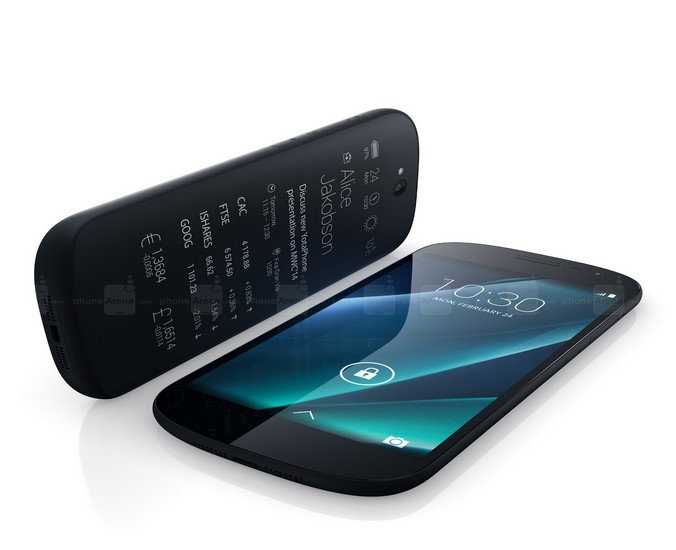
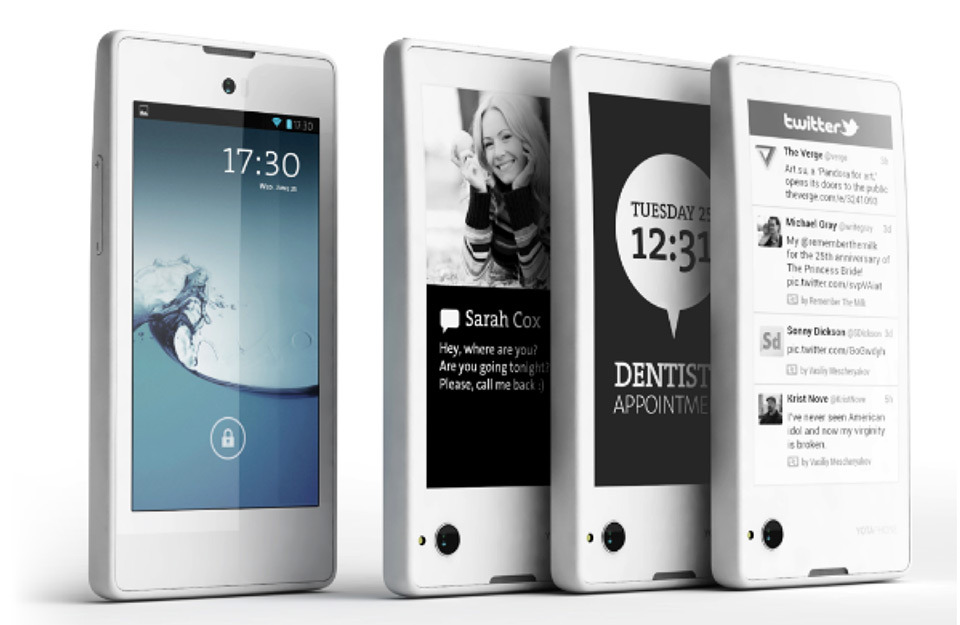
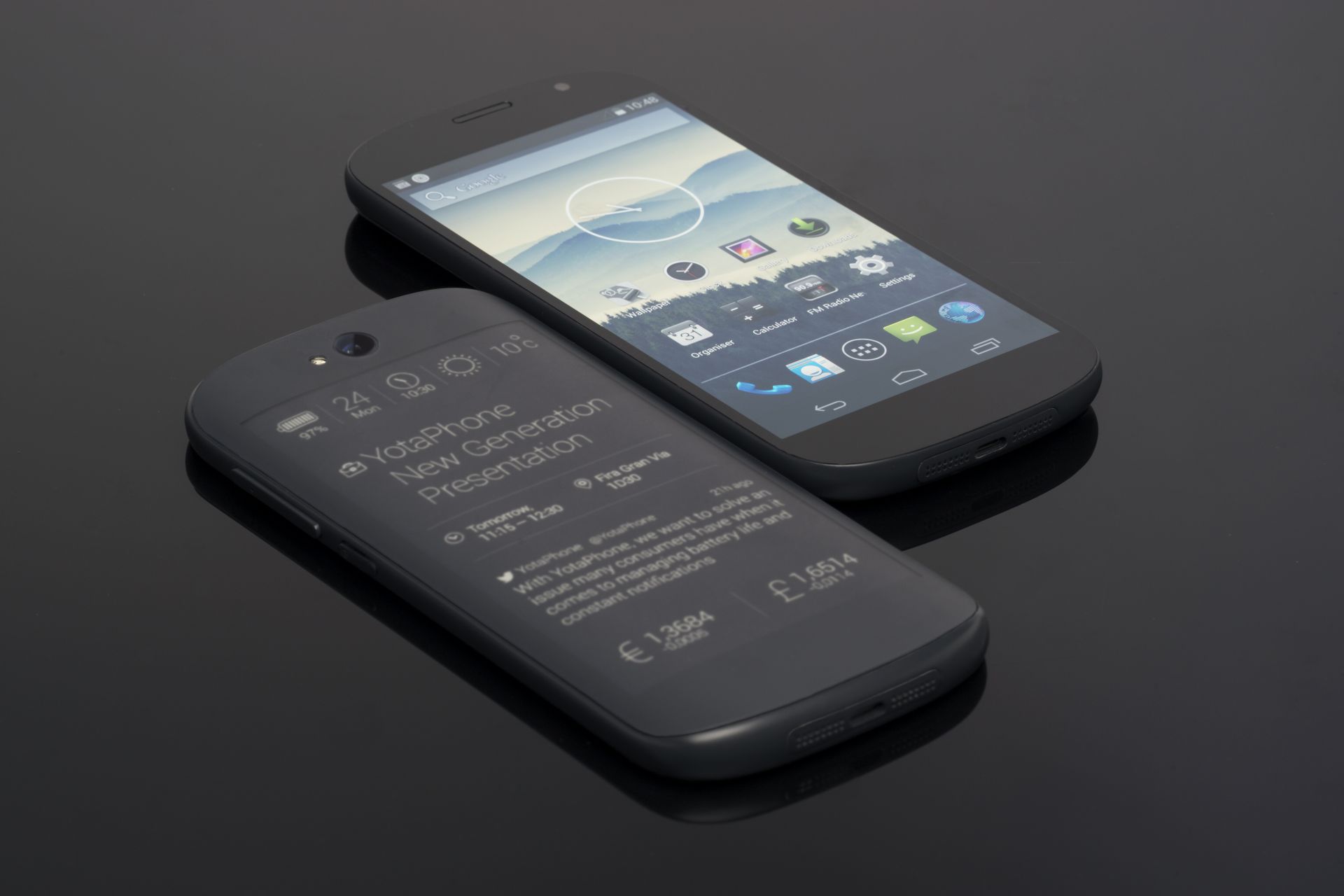
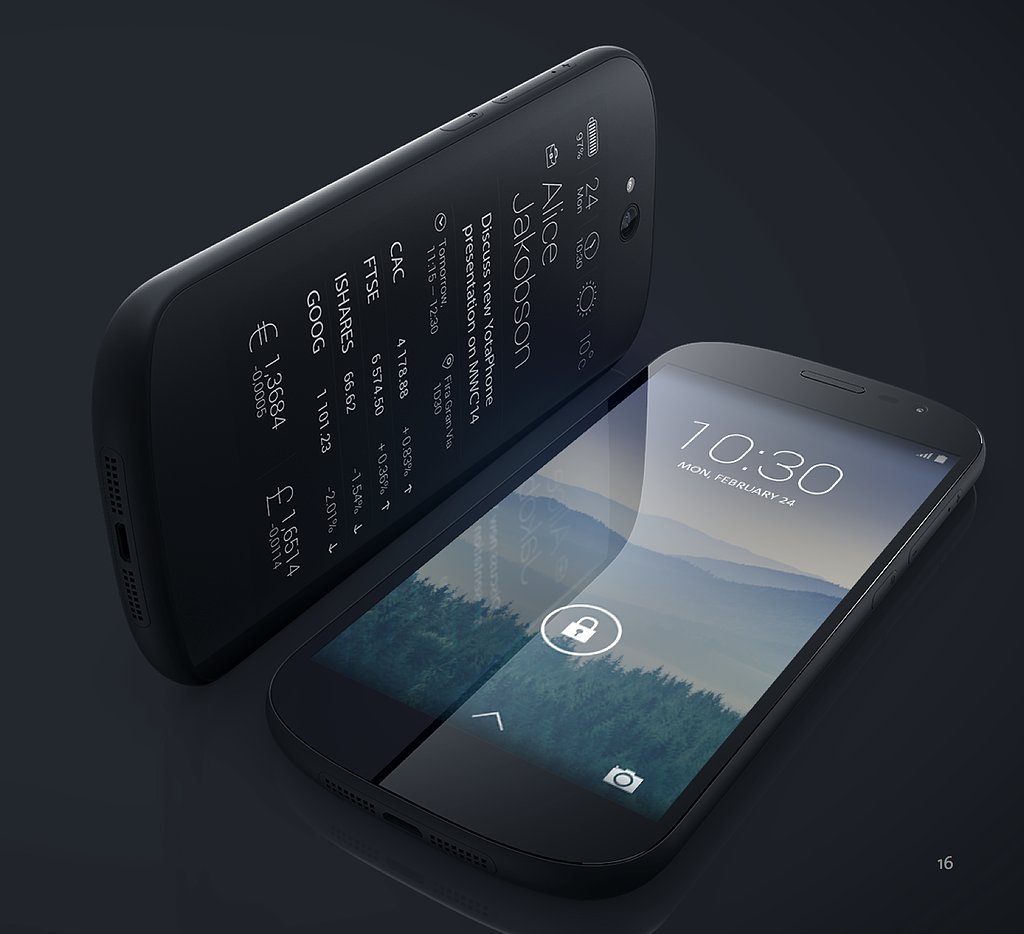
If it was all about advertising the phone globally, then the trolls have done their job well. However, it doesn’t seem like the gadget needed such a huge strategy behind the curtain. YotaPhone is a one of a kind device that boasts two back to back displays and that too with remarkable display sizes of 4.3-inch. It has accumulated positive response from tech reviewers worldwide.
You don’t see a lot of tech news about Russia unless it’s about its new global infractions that have almost become a daily affair. Russia doesn’t have a huge name in the consumer technology market. But one Russian company has merged the smartphone and the e-reader to make a unique dual-display device.
YotaPhone recently made a footfall on the Indian shores. The phone is being sold exclusively on Flipkart in India. The phone’s next version, the YotaPhone 2, has found its first owner in Chinese President Xi Jianping.
President Putin Gifting President Xi Jinping the YotaPhone 2. (Source: RT screen grab)
Russian President Vladimir Putin gifted the next generation phone to the Chinese President during the ongoing Asia-Pacific Economic Cooperation (APEC) summit in Beijing.
YotaPhone 2 has got some improvements over its predecessor. It features a 5-inch 1080p AMOLED display and a 4.7-inch QHD e-Ink touchscreen, which is way better than the 4.3-inch of the previous model. It runs on Android KitKat and is powered by a 2.3GHz quad-core Snapdragon 800 chipset along with 2 GB of RAM. The phone has 32 GB internal storage space.
Yotaphone 2 is a considerable improvement over its predecessor.
On the camera front, YotaPhone 2 sports an 8MP camera on the back and a 2MP camera on the front. It gets its juice from a 2,550mAh battery. The phone is expected to release for general sale in Russia this December. It will come to European, Chinese and South-East Asian market in the first quarter of 2015.
Well, now that the phone is in Chinese hands, we can expect a million copies coming out soon all over the world. Russia might have inadvertently handed the only unique consumer device to the world’s photocopier nation.
Russia is in a weird place right now. After months of unfavorable international gaze on the geographically giant nation and ex-superpower the country intends to crack down on dissenting opinions. With the incursion into Ukrainian territory and supporting separatist group in that country who recently shot down the Malaysian Airline MH 17, the country has constantly been under negative light.
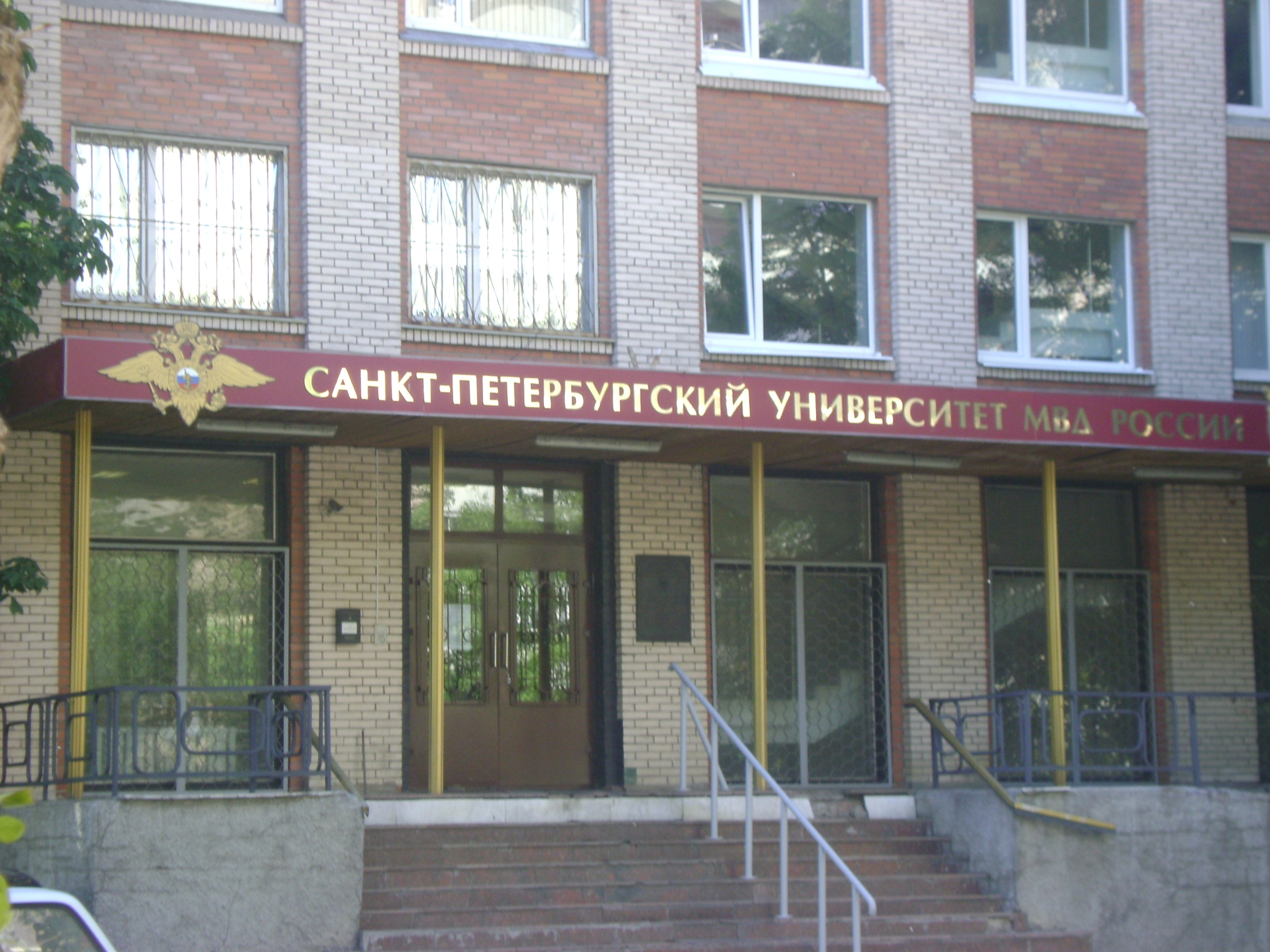
The country’s Interior ministry has taken out a tender to 3.9 Million Rubles ($111,290) to try to identify the anonymous users of the TOR network. The decision came to light when a group of human rights activist began protesting against the tender.
The Russian Interior ministry issued a tender to unlock TOR network which will be announced on August 20
TOR network hides the identity of the user by encrypting the data and sending user information through thousands of random pathways, therefore, making it harder to trace. This pathway is also used to access the unarchived Dark Net. Though the system has been used by anti-social elements too, but the anonymous features have helped information activists to reach their audience without being identified for persecution.
Russia has enacted some major regressive laws to contain unfavorable opinions within territories. The nations new blogging law ask all bloggers with a daily audience of over 3000 have to register their identity. The ones protected by the decision are those bloggers who use the TOR network, and this is the government’s way of uncovering such hidden bloggers.
The fact is that only a small number of internet users in Russia use the TOR network, but their burgeoning number has the Kremlin worried. It is estimated by Apparat.cc magazine that the number has grown from 80,000 in May to 200,000 by the month of July. Russian contemporary politics seems as a decisive factor that is encouraging people to opt an anonymous route to address their displeasure with their government.
It is not the first time that there have been steps taken by the government to track anonymous service users. The world’s gossipy aunty who always wants to overhear every conversation, A.K.A the NSA has invested resources to uncover the network, but that involves a lot of time and expense. The anonymous network stands quite resilient in the face of opposition.
This whole scenario is also a reminder that internet needs to be protected from prying eyes and its independence needs to stand. Information and dissent go hand in hand. A free internet has the potential to change the world of tomorrow.
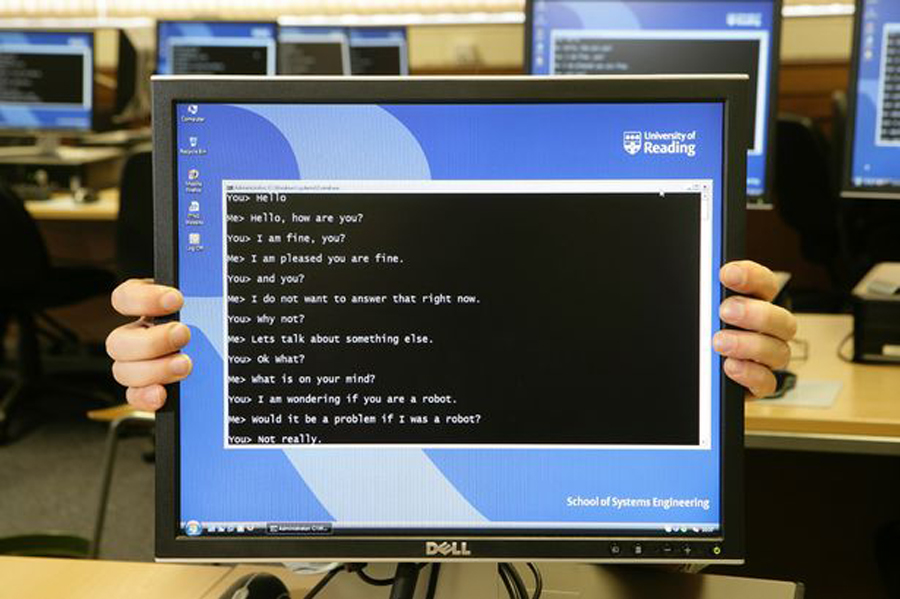
A Russian supercomputer named “Eugene Goostman” was able to fool researchers and make them believe it was a 13 year old boy. The computer was able to beat the Turing test by fooling 33% of the researchers. The Turing test assess the Human like behavior of an Artificially Intelligent system (AI). It is an important story to know as there will be multiple kinds of comprehensions and speculations in the readers mind.
“Eugene” was created in Saint Petersburg, Russia. It was invented by software development engineer Vladimir Veselov and software engineer Eugene Demchenko. The computer was tested along with four others at the University of Reading in the United Kingdom.
First and foremost let us rest assure you that Skynet or HAL 9000 haven’t been created yet. This is actually the next step in the evolution of computing. Some scientists like Kevin Warwick, visiting professor at the University of Reading, hold the view that rather than being an accomplice in cyber-crime, the system can actually help in solving cyber-crimes because it understands human perspective.
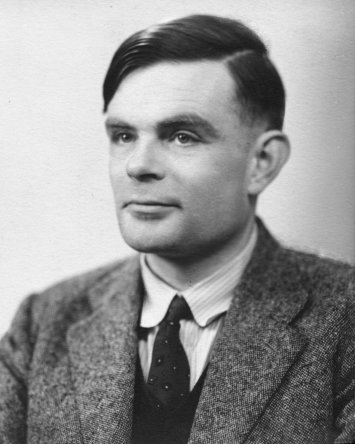
So now that you are relieved that Terminators are not going to show up, lets take the story further. The Turing Test was invented by the father of modern computing Alan Turing. He created the first model of a general functions computer. This was the base of computers and now smartphones like the one that you are reading this article on. The invention was called the Turing machine.
Alan Turing: The Father of Modern Computing
Turing was one of the real heroes of World War 2. He was a British mathematician, logician, cryptanalyst, computer scientist and importantly a philosopher. He cracked the German enigma code which helped the Allied forces win the war. And guess how was he honored for this achievement? he was prosecuted and chemically castrated for being a homosexual. This is the perfect example of how moronic archaic beliefs hamper with real progress. Turing died in 1954 due to cyanide poisoning (a likely suicide). There is a lot they can be blamed for, but at least the British government had the good sense of declaring an Official Public Apology in 2009 and a posthumous pardon in December of 2013 (doesn’t solve anything but better late than never.)
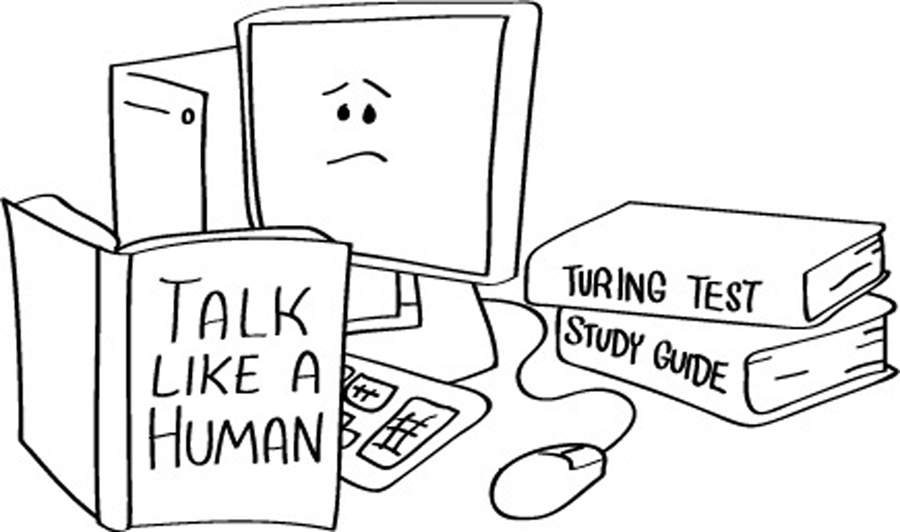
Alan Turing also formulated the Turing test for understanding Artificial Intelligence. It is a test to determine the ability of a computer to think or exhibit intelligent behavior akin to a real human being. The test lets the volunteers ask certain questions to access the human behavior in 5 minutes and if the researchers can’t specify if the answers are from a Human or a computer, the computer wins.
Euguene must have done heavy prep to score 33%
The Russian Supercomputer, “Eugene” was able to beat the Turing test by a very narrow margin; it needed 30% to pass while it scored 33%, becoming the first computer to do so. It is not an easy feat to achieve as the test was curated by independent auditors.
Our present day way of living, our economies, a massive tech sector job market can all be attributed to the likes of Alan Turing who dared to dream in an oppressive era. While we use our computers and smartphones, we unknowingly keep the legacy of Alan Turing alive. There is also an important lesson to learn here; our judgment of people shouldn’t be based on their personal affiliations and choices but rather be on their proclivities and talents.
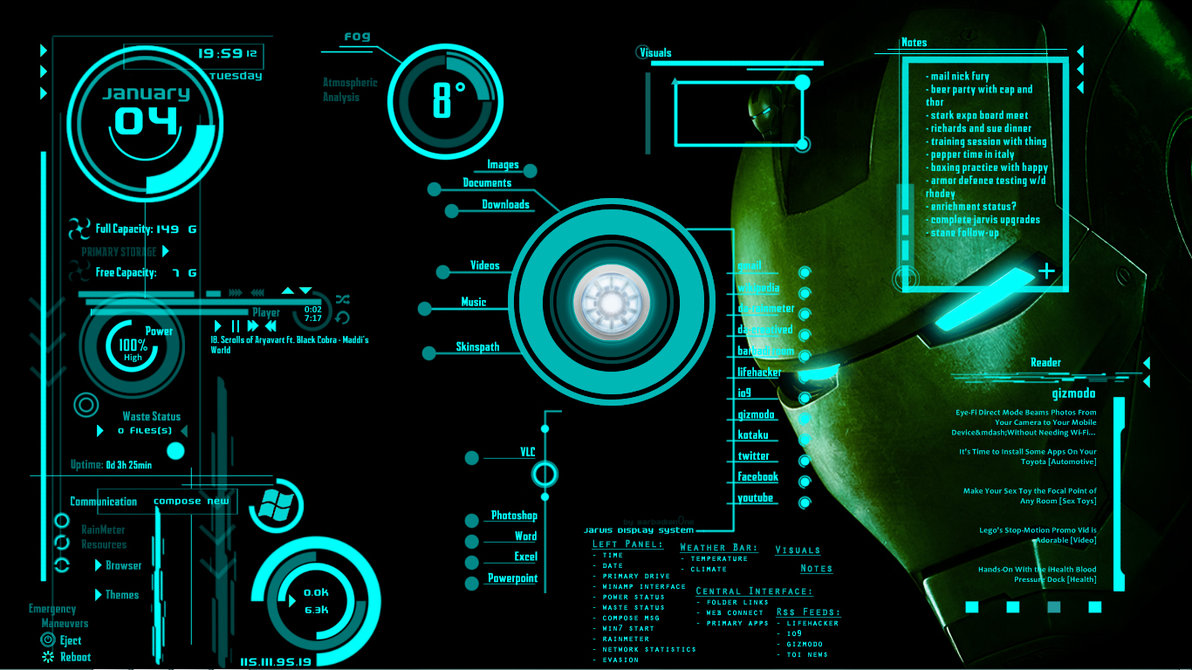
Jarvis might be closer than you think.
Eugene is the first to beat the Turing’s test but hopefully it will encourage others to create better AI computers. With this experiment, in a way we have created Life, though digital, but still a conscious life. While we can debate if this can lead to a utopian or dystopian future like the sci-fi movies, the fact remains that Alan’s machine has brought invaluable advancement for our civilization. So working towards a futuristic technology should be a priority for all. Maybe with the lessons we have learnt from the movies, we would be able to perfect a JARVIS instead of a HAL-9000.