Tag: samsung tizen os

  • Samsung Galaxy J1 Arrives in India Tomorrow Priced at Rs. 7,199

    Samsung Galaxy J1 Arrives in India Tomorrow Priced at Rs. 7,199

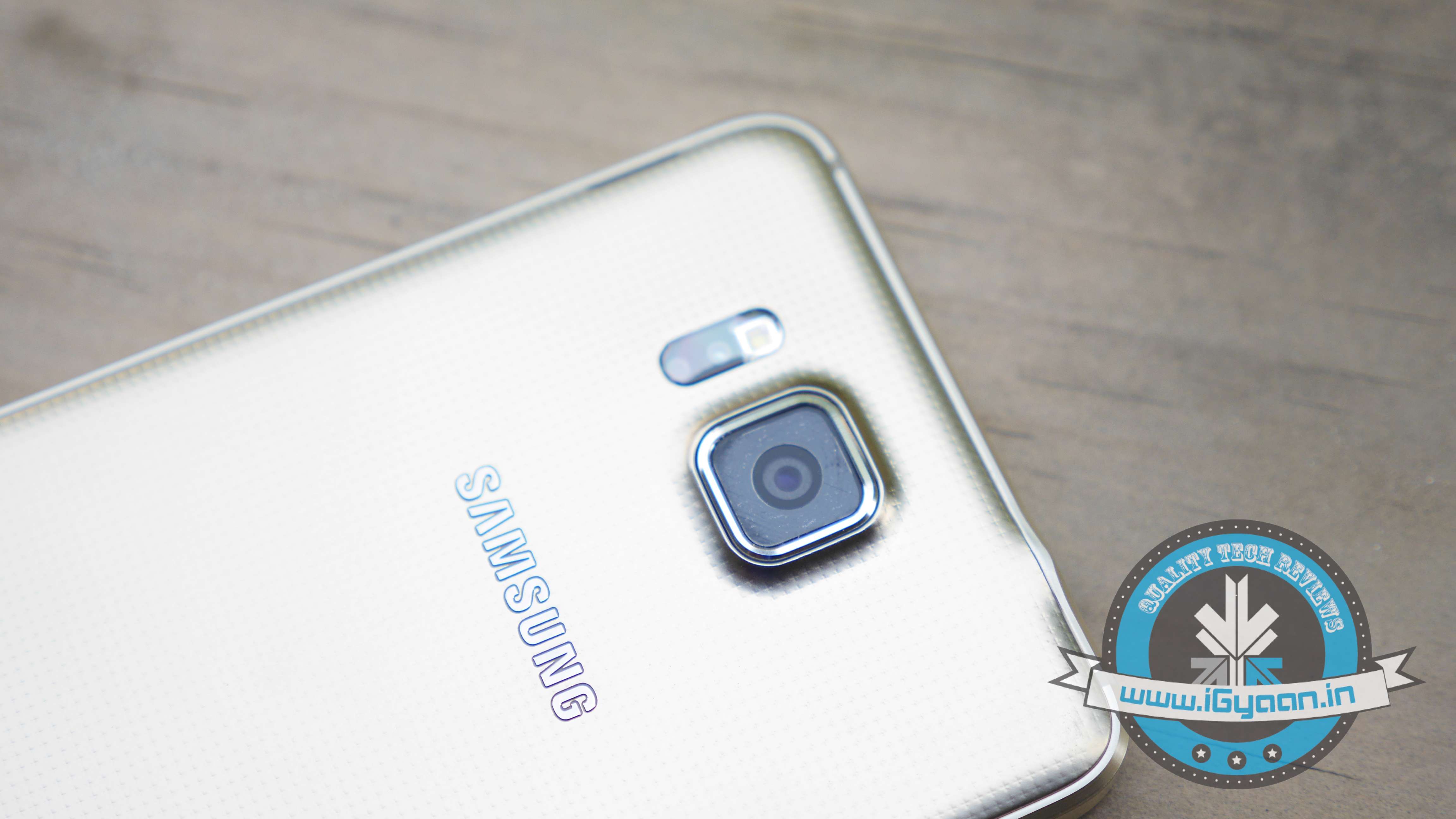
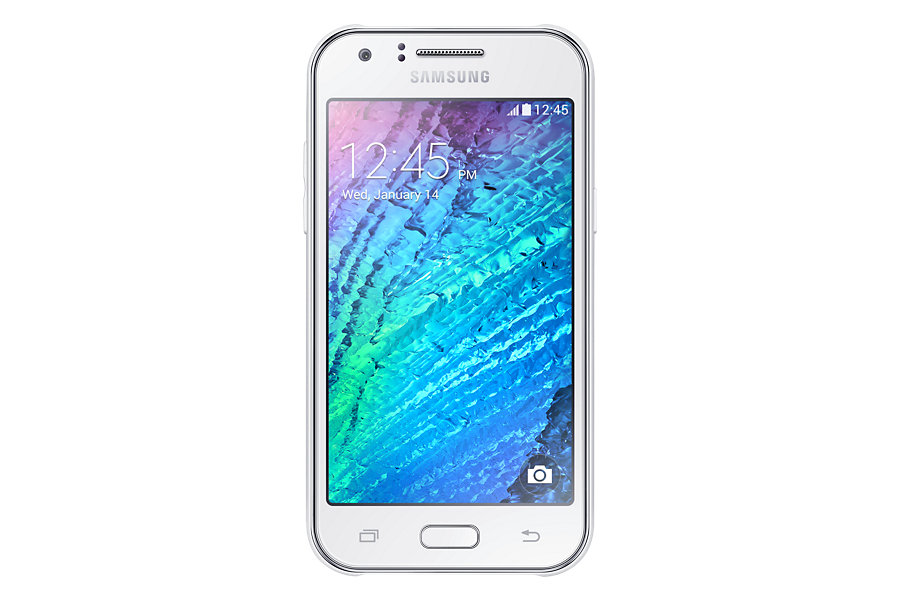
    Not long ago Samsung launched the Tizen-based Z1 in India, which failed to impress the Indian customers. Now, the South Korean manufacturer is giving another shot to influence the budget segment and is set to launch Galaxy J1 in India. The device will debut tomorrow, i.e. 11th February, and will cost Rs. 7,199.

    Getting to the specifications of the handset, the Galaxy J1 sports a 4.3-inch WVGA (800×480) display. It packs a 1.2GHz dual-core Cortex A7 CPU and a Mali-400 GPU paired with 512 MB RAM. The handset features 4 GB of internal space which is expandable. The Galaxy J1 will run on Android 4.4 KitKat.

    The phone encompasses a 5MP primary camera and 2MP secondary shooter at the top. The device gets its juice from the 1,580mAh battery and the connectivity options include Wi-Fi and Bluetooth. The dual-SIM phone will come bundled some exciting offers, as informed by Amazon India.

    The phone is not exceptional, and at this price point, Xiaomi and Asus are offering much better specifications. Samsung has to throw some free deal to lure more audience and stay in the competition.

  • Tizen-Powered Samsung Z1 Gets a Poor Response from the Indian Market

    Tizen-Powered Samsung Z1 Gets a Poor Response from the Indian Market

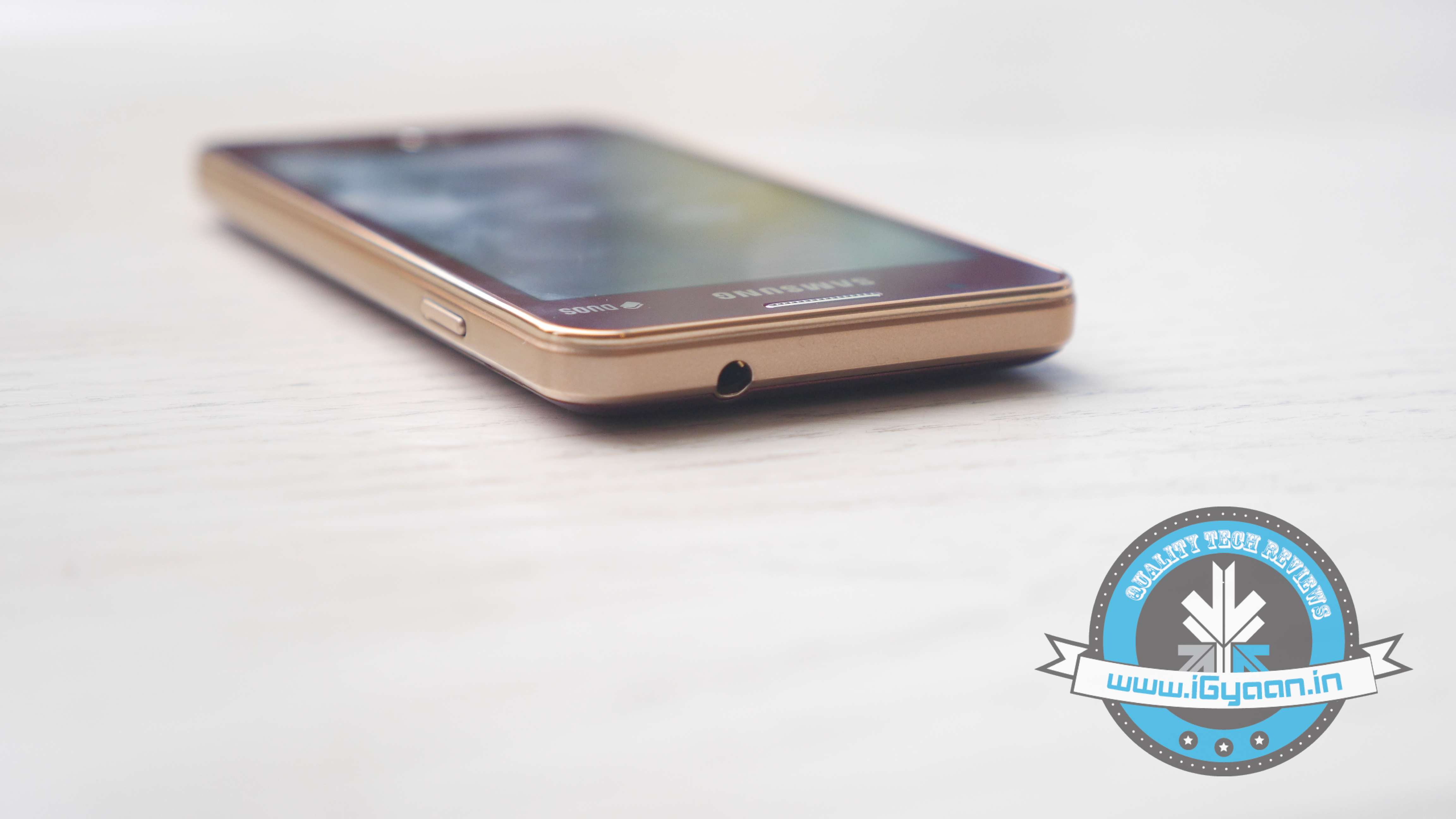
    Samsung’s latest offering, the Tizen-powered Z1, was meant to be a ray of sunlight for the South Korean-based firm. The company expected to gain a foothold in the market by reaching maximum number of customers, subsequently boosting its declining market value. But things didn’t go as planned.

    After its release on 14th January, Samsung Z1 gained many responses, but almost all negative. The phone reviewers, as well as consumers, criticised its camera resolution and the dearth of applications for the device.

    Samsung Tizen Z1 9

    Samsung Z1 packs an ordinary set of specs, but what makes it stand out from the other available choices is the Samsung’s own operating system,Tizen, that has been developed to compete with Google’s Android.

    For now, Tizen has a long way to go before it can battle with the already established contenders. The lack of apps turns out to be the biggest disappointment of the Tizen-powered smartphone.

    Customers responded that it’s not the cheap smartphones they look for, but its the specifications that make the device. The South Korean electronics producer put its point forward saying that the Z1’s exclusive benefits are its simple interface, long battery life and faster page-loading speeds, which are all thanks to Tizen.

    If Samsung puts an effort to expand its Tizen-based smartphone line-up beyond televisions and watches, they will get in touch with that segment of the Indian market which is still not accessible to smartphones. Meanwhile, the company hasn’t stated its plan to launch the Z1 in other countries. It says that its only focus, as of now, is India.

  • Tizen-Based Samsung Smartphones Expected to Debut in India First

    Tizen-Based Samsung Smartphones Expected to Debut in India First

    India is likely to be the first country that will see the launch of a new range of budget devices. Lately, Samsung featured its own in-house mobile operating system Tizen. According to reports, the South Korean manufacturer is expected to launch a smartphone within a month in India that runs on the Tizen OS.

    Based on the Linux platform, Samsung is doing all that it can do to make their OS popular among consumers. The company launched the operating system with their wearable platform and did manage to get a positive response. Reports also suggest that the latest Tizen-based handset will be competing against the smartphones under Rs. 10,000. It is rumoured to have a 4-inch touchscreen, dual-SIM ability, a 3.2MP camera and 512 MB RAM with standard connectivity features. In terms of memory, it is rumored to have 4 GB of internal memory expandable up to 32 GB via microSD card.

    Experts are quite skeptical over the launch of the new mobile operating system, as Android still rules the roost with almost 3/4th of the market share. The low cost Firefox OS phones did manage to do quite well, though primarily for their inexpensive pricing. India being a major playground for smartphone manufacturers, the ploy could turn the tide in favour of Samsung, who has reportedly lost five percent share from the last quarter.

    The likes of Xiaomi and Huawei have captured a huge amount of market share after launching budget Android handsets. Recently, Google also announced its budget Android One devices for India. Will this strategy work out in Samsung’s favour, is something we have to wait and watch.

iGyaan Network
Privacy Overview

This website uses cookies so that we can provide you with the best user experience possible. Cookie information is stored in your browser and performs functions such as recognising you when you return to our website and helping our team to understand which sections of the website you find most interesting and useful.