Tag: science

  • Future Smartphones Could Have A Self Healing Display

    Future Smartphones Could Have A Self Healing Display

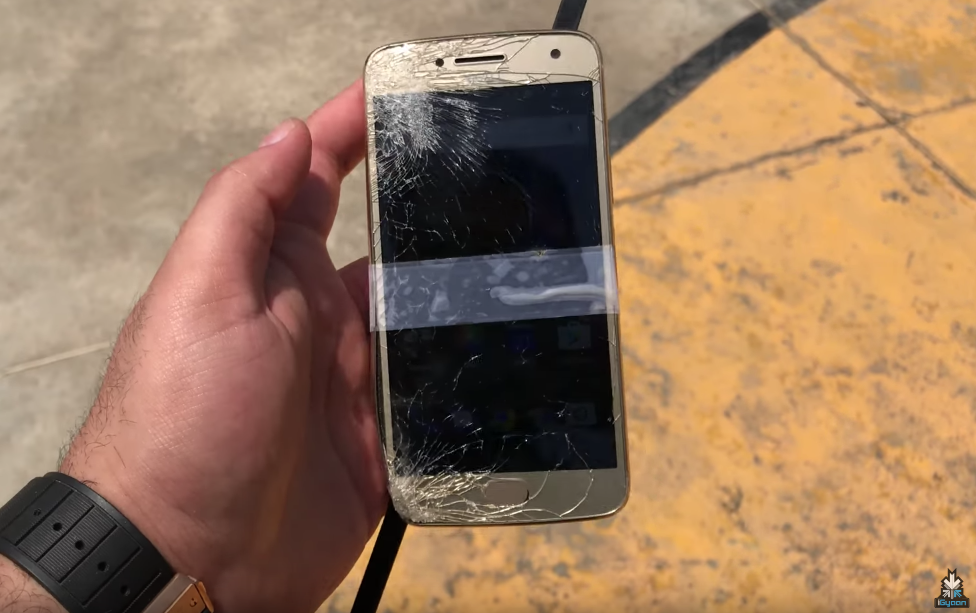
    As technology moves forward, all future smartphones are expected to have wireless charging as a common feature. One thing that we have learnt from current smartphones that support wireless charging is that they are almost entirely made of glass. This means that as much hard as companies claim their glass is, there are chances of it breaking.

    That may not be the case in the near future as a team of researchers in South Korea have developed a self-healing material that can repair cracks in under thirty minutes. The material is called Elastomer and could be the answer to the fragile build of smartphones in order to support certain features.

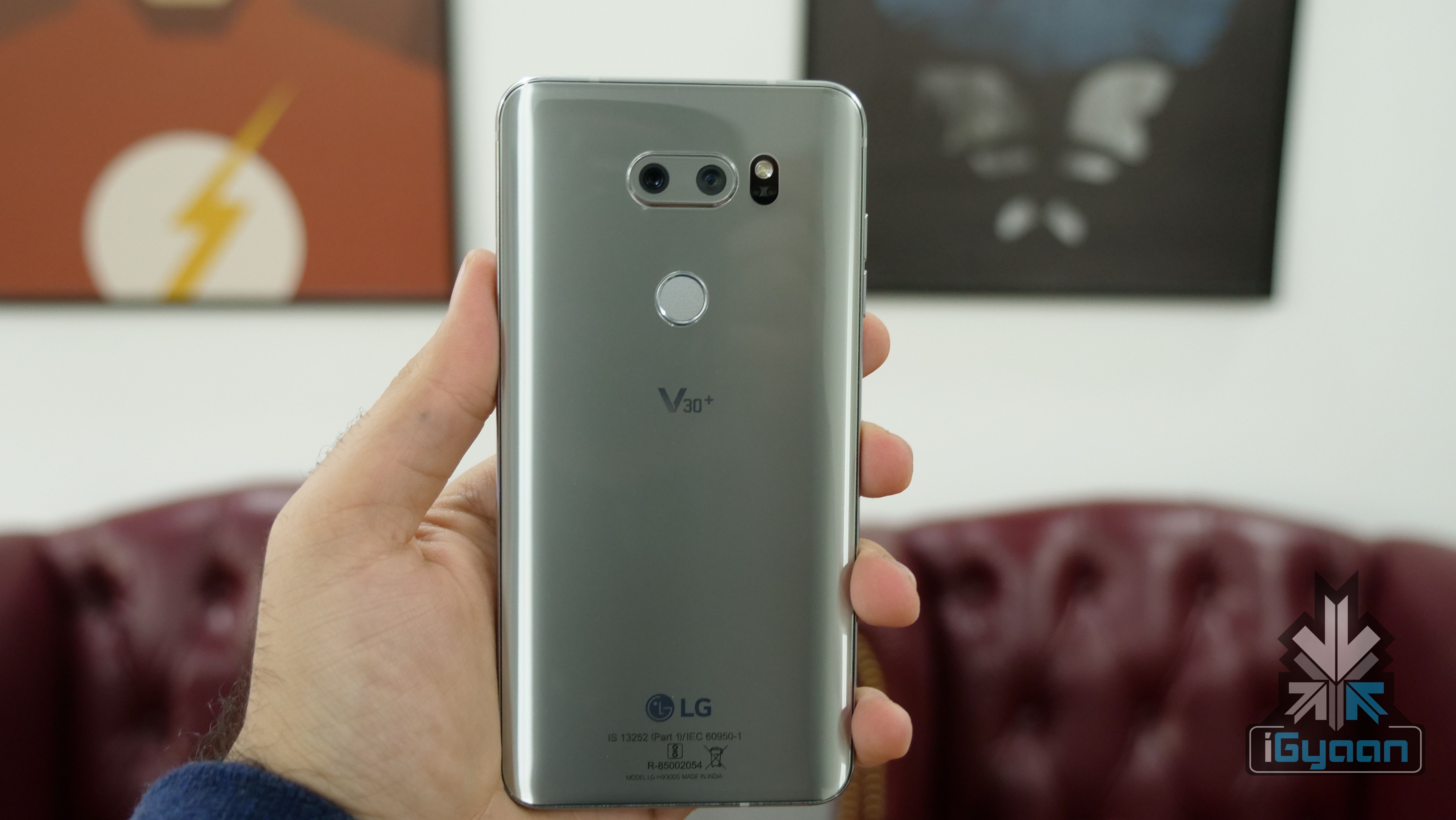
    The LG V30+ has glass on the back

    Elastomer is able to heal itself at room temperature and at the same time, doubles the amount of the highest level of existing tensile strength. In simple words, tensile strength is the resistance of a material to breaking under tension. Something that happens to a lot of smartphones made of glass. Elastomer not only heals itself but, it also maintains the original ruggedness of the material.

    According to the research team, this new material can be used as a protective layer on smartphones. While it is hard to predict the timeline for the material to become commercially available for smartphone makers, it seems like a step in the right direction. As gadgets become thinner, their frailties against drops will invariably become more prominent and companies don’t seem to be lowering the repair costs of out of warranty devices.

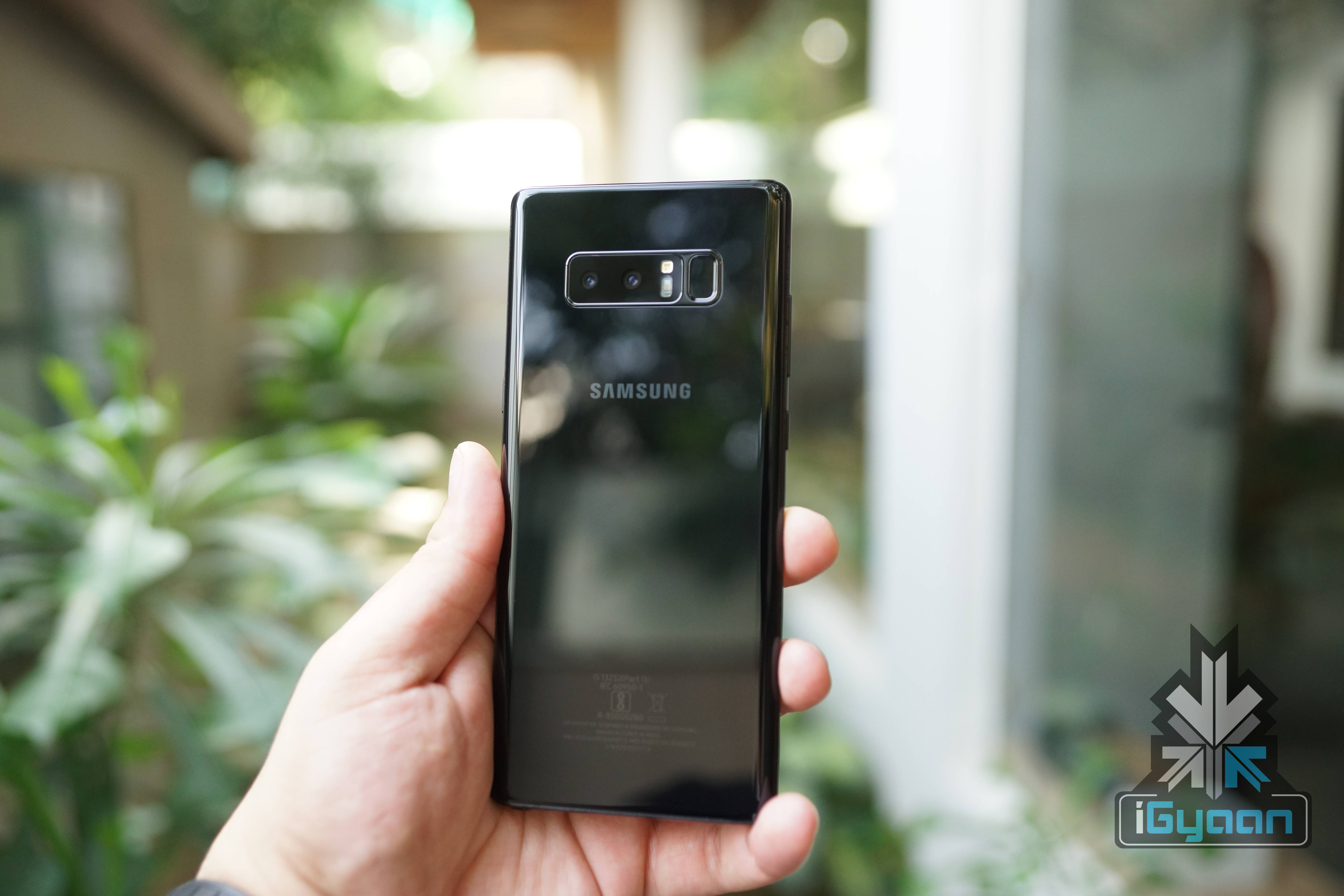
    Samsung Galaxy Note8

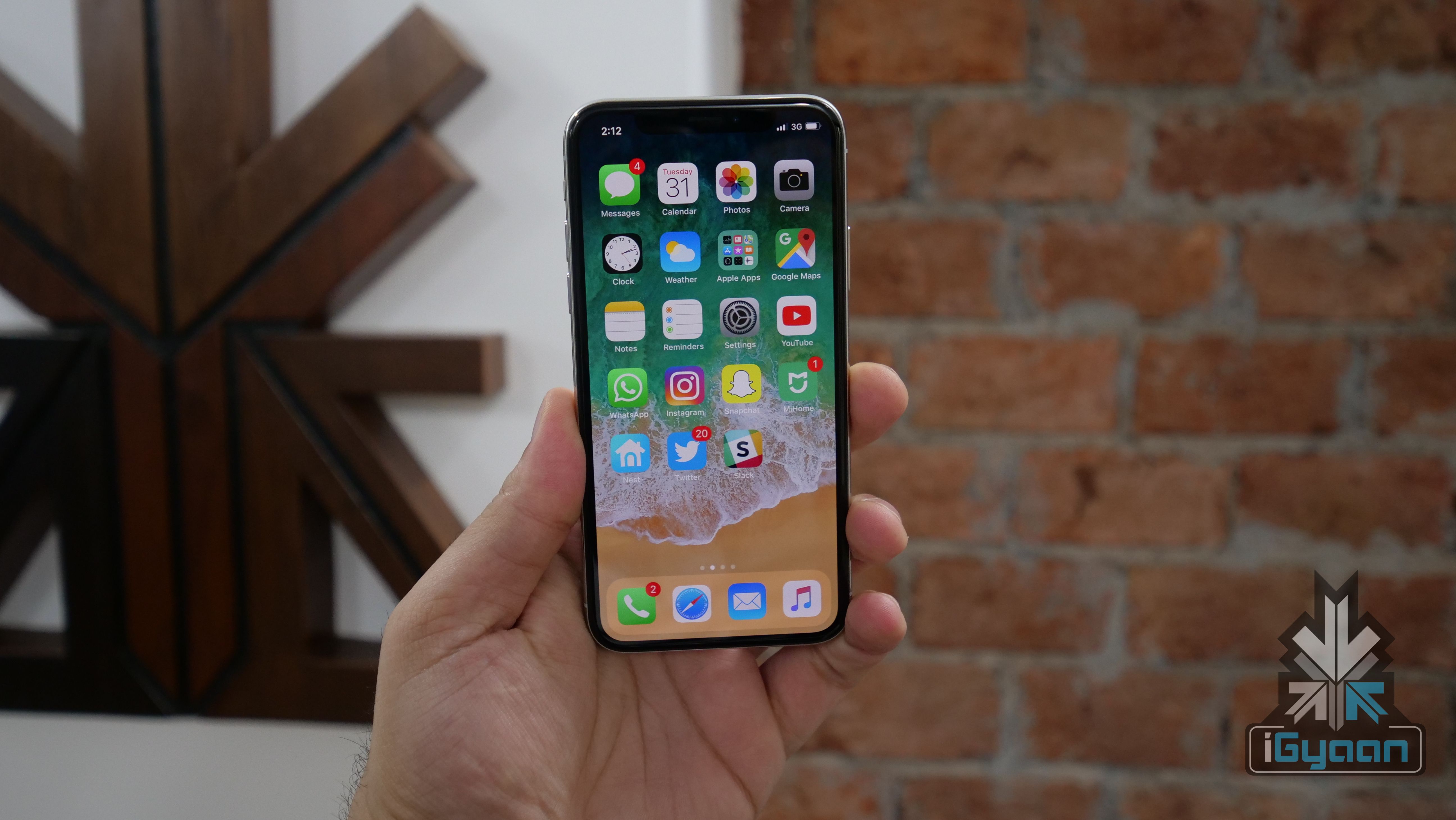
    Right after the launch of the iPhone X, it was discovered that people who don’t opt for Apple Care might have to shell out up to US $279 to get the screen repaired. A self-healing material will definitely help the consumers save money and also use their devices a bit more freely without always worrying about the damage.

    This is not the first time we are hearing about a solution for fragile smartphones. A few months ago, it was reported that Motorola would start featuring a self-healing display on its future smartphones. Recently, students of the University of Tokyo claimed that they had discovered a self-healing glass that could be used in smartphones as well.
  • New Self-Healing Glass Could Be The Future Of Smartphones

    New Self-Healing Glass Could Be The Future Of Smartphones

    As smartphones move to an all-display and no bezels design, the onus will be on smartphone makers to produce rigid and robust phones. Even in today’s day and age, the smartphones are broken after a bad fall and if it’s a flagship phone, then the cost of repairing is huge. All of that might change if this self-healing glass becomes commercially available to smartphone makers.

    Researchers from the University of Tokyo claim that they have discovered a type of glass that can heal itself, which could be used in phone displays and other devices. This can be done thanks to a new polymer called “polyether-thioureas” that lets the screen repair cracks when pressed upon. Just like a lot of famous discoveries, this self-healing glass was discovered by accident as well. A student named Yu Yanagisawa was attempting to use the material as glue when he discovered its healing properties.

    This is not the first time that a similar technology has come to the fore. Similar self-healing methods have been tried on plastic and rubber but, the researchers say this is the first of its kind as it can be repaired at room temperature. Motorola filed a patent a few months back which chronicled the use of self-healing display technology that would fix cracks when heat is applied. The LG G Flex 2 had a back panel that could self-heal minor scratches and dings.

    It is certain that implementing this technology especially at its nascent stage will be costly and might not be an average consumer’s cup of tea. But, there is a market for rugged smartphones and enthusiasts will be more than happy to spend the extra bucks if it meant that their devices could self-heal.

  • Scientists Achieve Breakthrough by Making Porous Liquid

    Scientists Achieve Breakthrough by Making Porous Liquid

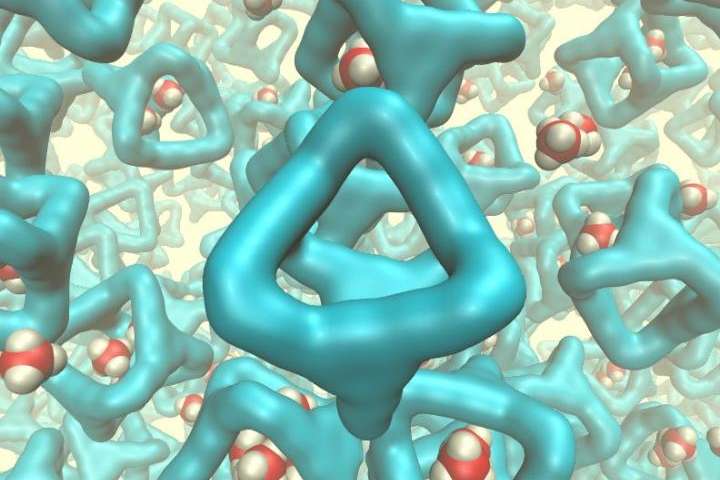
    liquids now have holes thanks to an amazing breakthrough by a team scientists at Queen’s University Belfast. Researchers in the School of Chemistry and Chemical Engineering at Queen’s, along with colleagues at the University of Liverpool, have invented a porous liquid with a potential for a massive range of new technologies including ‘carbon capture’. The liquid has the ability to dissolve massive amounts of gas, which are absorbed into the ‘holes’ in the liquid.

    This discovery will effectively lead to what scientists call ‘carbon capture’ – trapping carbon dioxide from major sources, a fossil-fuel power plant for example, and storing it to prevent its entry into the atmosphere.

    Prosessor Stuart James of Queen’s School of Chemistry and Chemical Engineering said: “Materials which contain permanent holes, or pores, are technologically important. They are used for manufacturing a range of products from plastic bottles to petrol. However, until recently, these porous materials have been solids. What we have done is to design a special liquid from the ‘bottom-up’ – we designed the shapes of the molecules which make up the liquid so that the liquid could not fill up all the space. Because of the empty holes we then had in the liquid, we found that it was able to dissolve unusually large amounts of gas.”

    James went on to say that the discovery is still in its early stages and a few more years will be needed to fully understand the ways in which the porous liquid can work.

    “While these are early findings, this research could pave the way for greener energy production in the future.”

  • Stephen Hawking Warns Against Developing Artificial Intelligence

    Stephen Hawking Warns Against Developing Artificial Intelligence

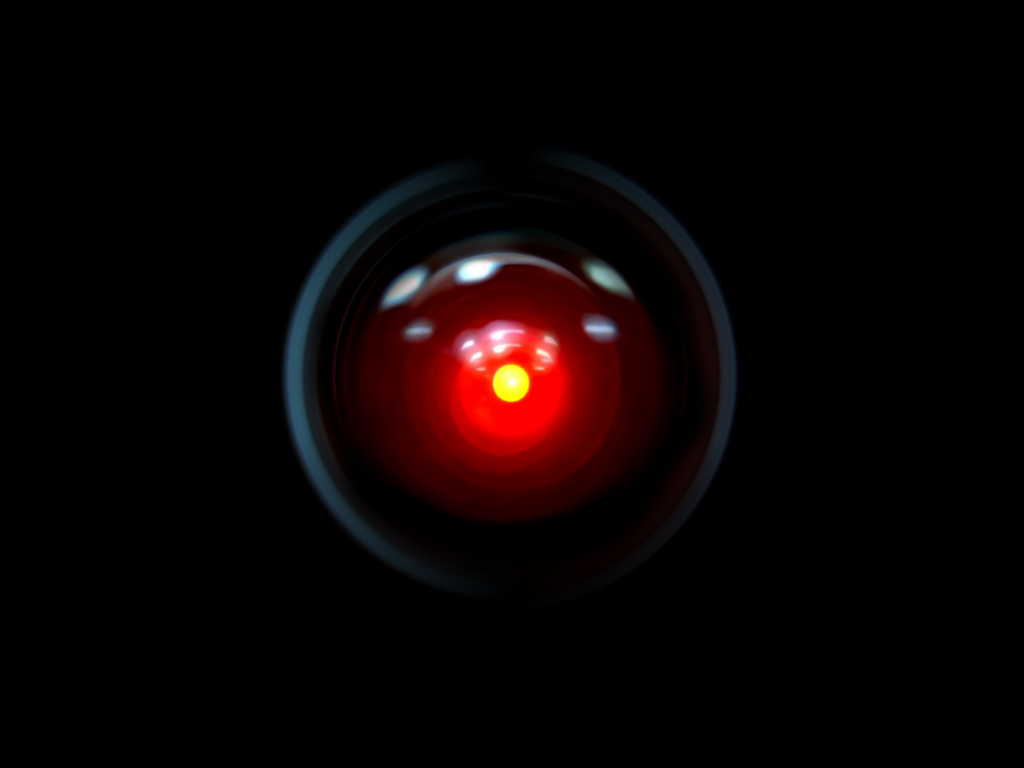
    A few months back we saw Elon Musk disturbed when he was asked about artificial intelligence (AI.) Elon said that he believed that getting AI online would be akin the guy in the movies who summons the demon, sure he thinks he can control it but that rarely is the case. He also added that HAL 9000 would be a puppy dog next to what humans can create. Now world’s foremost physicist, Stephen Hawking is also pointing us towards the same direction.

    Artificial Intelligence development is in full swing. Many major research centers are working towards creating a sentient computer which can observe the world as an intelligent creature. We have also seen the inclusion of AI technologies on many mobile apps. But several scientists are warning that this might not be such a good idea.

    Professor Hawking told BBC, “The primitive forms of artificial intelligence we already have, have proved very useful. But I think the development of full artificial intelligence could spell the end of the human race.”

    The concern against AI is valid as we cannot comprehend the potential of a self-aware machine. The knowledge that took us humans thousands of years to attain will be processed by such intelligent computer within moments of reaching a sentient stage. It can see humanity as an obstacle and might use its own resources and weapons to eliminate the human species from earth. There have been many blockbuster movies which delve in this subject.

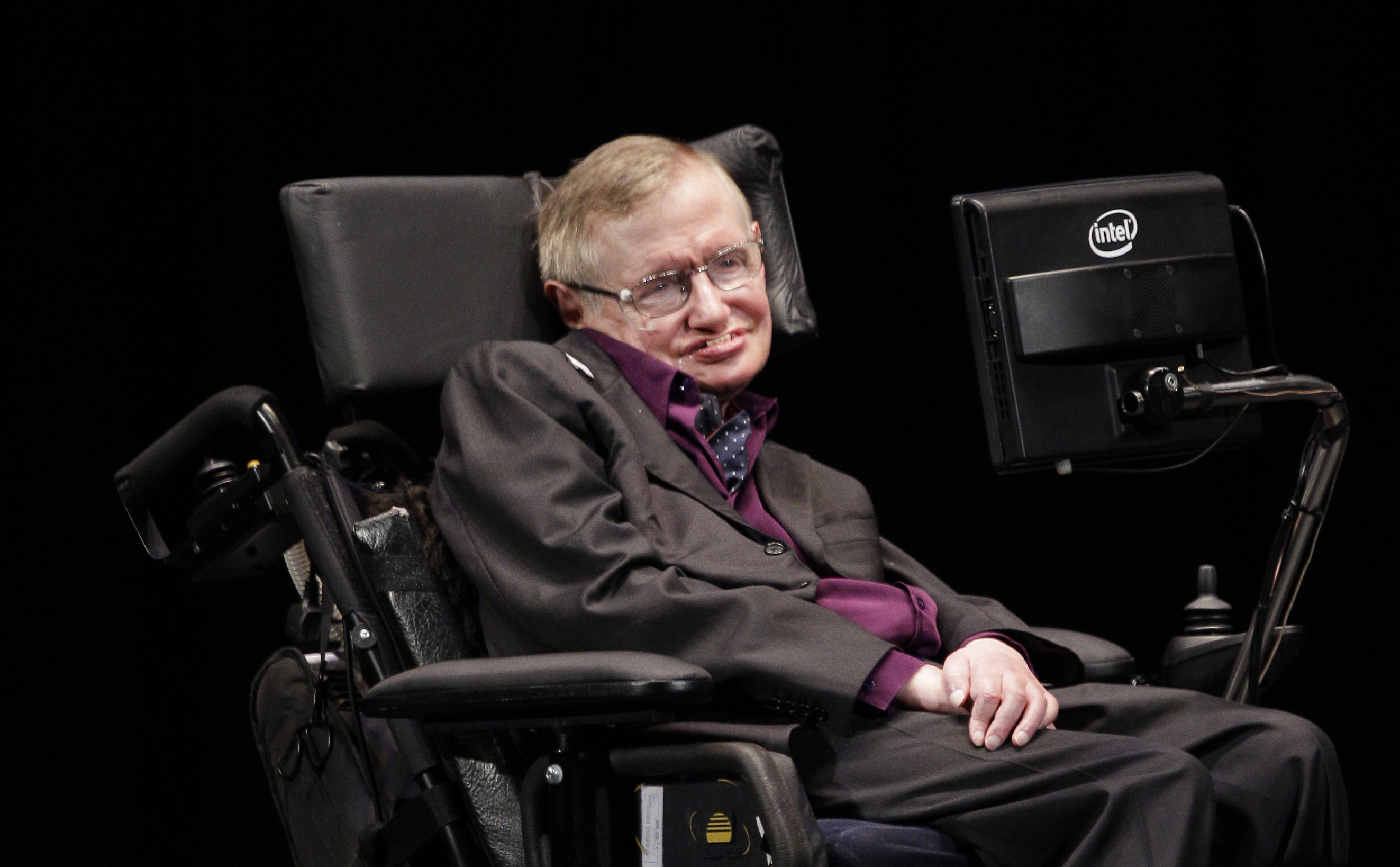
    The Professors new system uses AI aided predictive texts to help him communicate.
    The Professors new Intel provided system uses AI aided predictive texts to help him communicate.

    One of the major ironies of this statement by the Professor is that he himself got a technological upgrade that makes it easier for him to communicate. He suffers from amyotrophic lateral sclerosis (ALS) and previously he used his hands to communicate at 15 words per minute. But in 2008, after losing the ability to use his hands, he switched to cheek switch. By tensing his cheek muscles, the low infrared system that is installed on his glasses helps him communicate. Now Intel has provided the world renowned professor with the new ACAT (Assistive Context Aware Toolkit) system which uses an advanced form of artificial intelligence. Ironic? We think so.

    ACAT is based on predictive texts that analyses English language and the professors speech pattern to help him communicate.  Hawking was also provided an option for a more natural sounding tone of voice, but he decided to stick with his robotic voice. Guess we can be thankful for that as it has become the voice of Stephen Hawking in our brains for decades now. ACAT will be opened for developers in 2015 and is expected to be extremely beneficial for the disabled, especially the quadriplegics.

    As we move closer to the era of Artificial Intelligence, you can expect more prominent voices raising their opposition against it. As Elon said, we need more oversight and a cultural dialogue over whether we should push the boundaries with the AI because this is a question for the entire of the human civilization.

  • Greatest Human Space Feat: Philae Lander Reaches Comet Safely

    Greatest Human Space Feat: Philae Lander Reaches Comet Safely

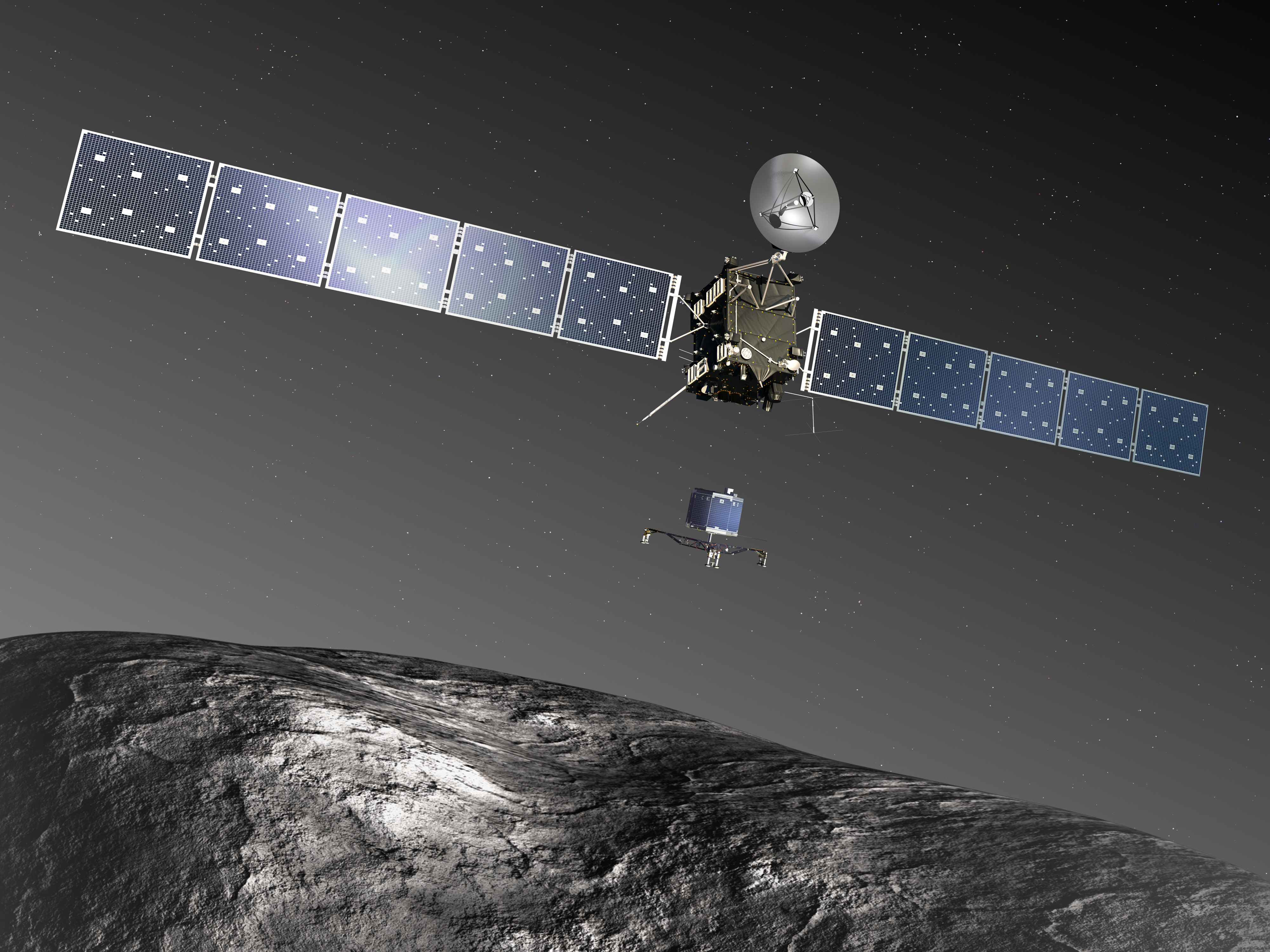
    Space travel is an amazing and audacious task. Over the course of last 60 years, we have made incredible advancements in the field of space research and space travel. We were literally catapulted to the technology age just through our investments into space travel. Milestones after milestones have encouraged us to peer further in the history and workings of the universe, and how it’s connected to us. We did face some political difficulties in the middle that slowed down our efforts into space, but seems like things are looking up again with the Rosetta mission by the European Space Agency (ESA). The Rosetta mission created history today by landing the first human object on a comet.

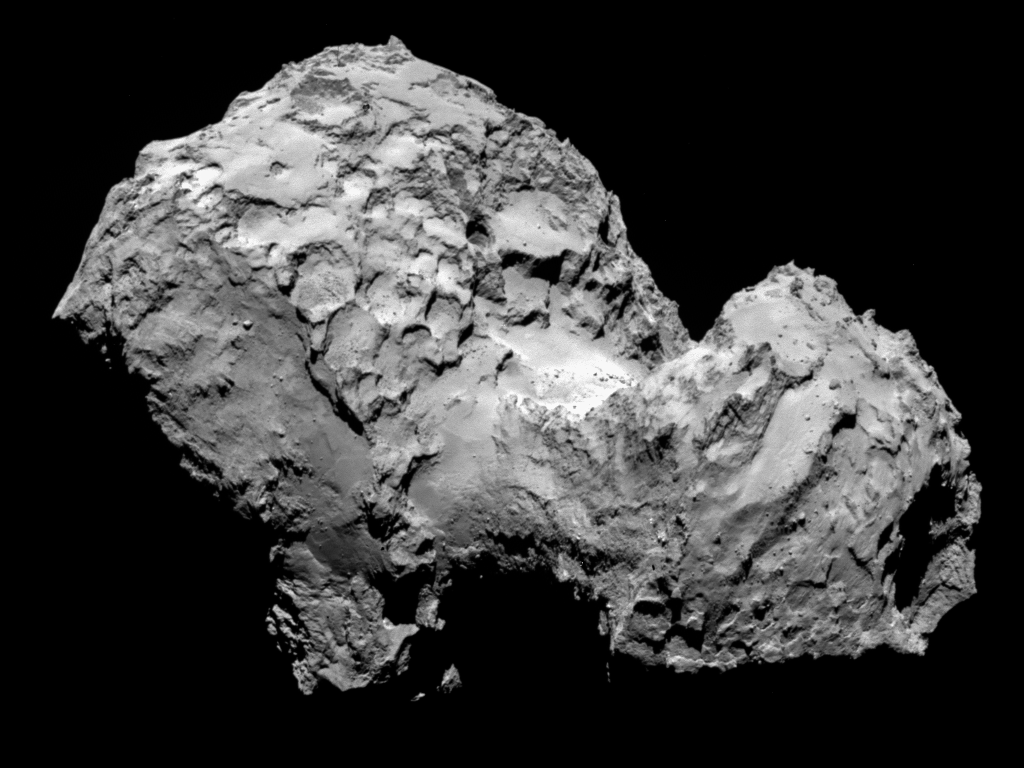
    Comets are the building blocks as well as leftovers of solar systems. The comet in spotlight currently is called 67P/Churyumov–Gerasimenko, or if you are not in the mood for a tongue twister, you can simply call it 67P. Rosetta had to embark on an arduous journey of 10 years to reach the comet.

    Image from first rendevous of Rosetta with Comet 67P.
    Image from first rendezvous of Rosetta with Comet 67P.

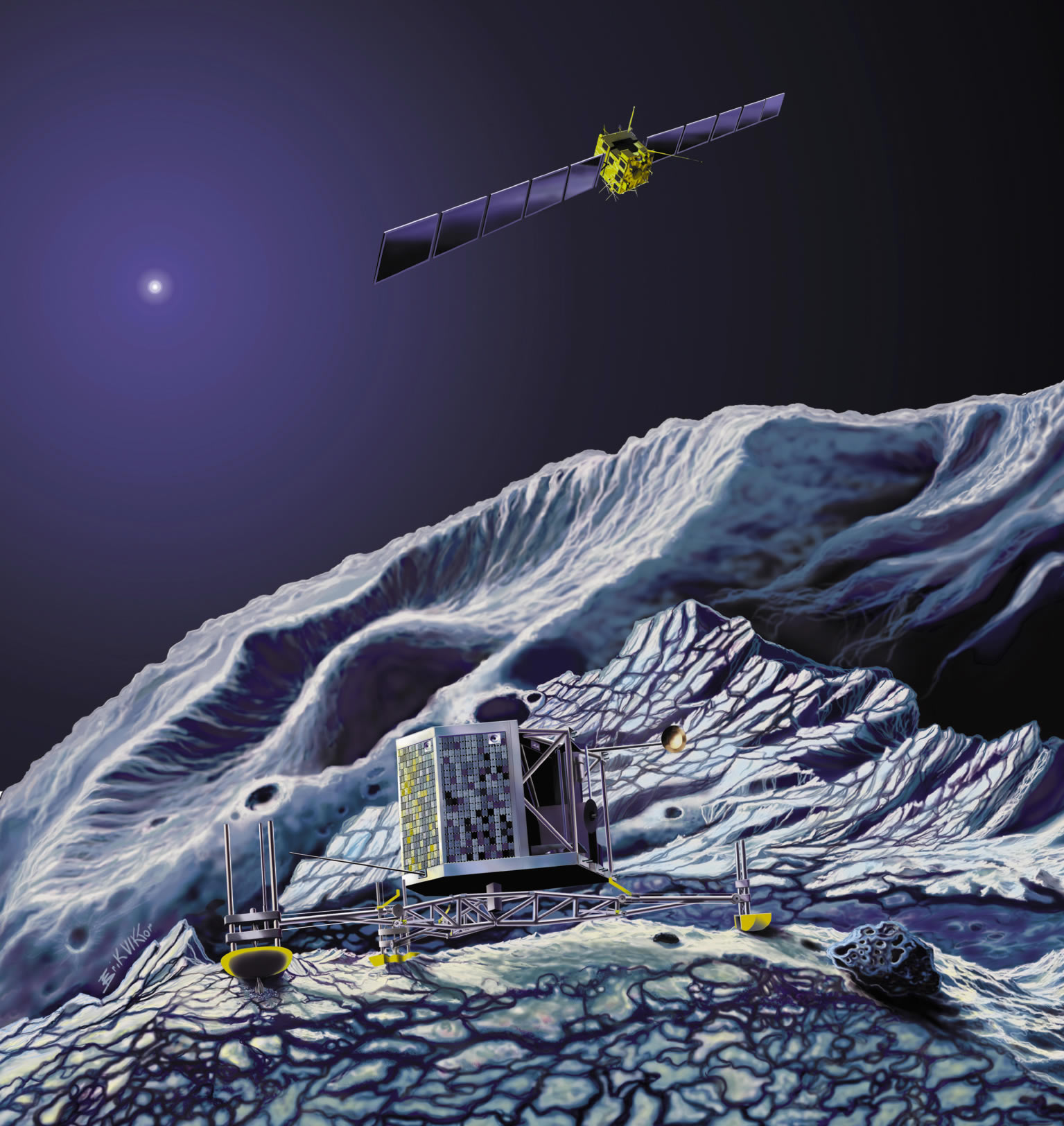
    The planning for the Rosetta mission began almost 25 years ago. The mission was launched on 2nd March, 2004. It reached the comet on 6th August, 2014. Since then it vigilantly orbited around the comet. The space probe features 12 instruments, and the Philae robotic lander, with an additional nine instruments. It’s this Philae lander that created history by being the first human made object to reach a comet. Rosetta mission will orbit 67P for 17 months and is designed to complete the most detailed study of a comet ever attempted.

    Philae did cause a bit of a scary moment for the scientists as for some hours they were unsure if the lander was able to hold on to the giant rock in space. Apparently, the comet bounced back two times before landing on the comet in its third attempt. The bouncing happened because the thrusters and anchors which were supposed to aid in landing failed to operate. Don’t blame them, they were in the cold dark space, cramped up for 10 years, might have found it hard to stretch their legs.

    Rosetta and Philae will journey with 67P to uncover the roots of life.
    Rosetta and the Philae Lander will journey with 67P to uncover the roots of life.

    It was not an easy feat to achieve as told by Matthew Genge, who is a lecturer in Earth and Planetary Sciences at Imperial College, London.  He said, “This is the most difficult landing in space history, like landing a balloon in a city center on a windy day with your eyes closed.”

    The scientists report that the lander is safe and stable, but they are unsure if they’ll be able to drill into the surface to collect samples. They say that the loss of anchors might make it difficult to drill. It is being said that the probe has landed on a soft layer of dust. But considering it’s a once in a lifetime opportunity, the scientist will make the best of it.

    Rosetta and Philae will tag along with 67P for its journey around Sun. The mission will be able to answer some questions that we have been asking for a long while, like where did all the water on Earth come from. It is for long been theorized that comets brought the water and building blocks of life from outer space to Earth. If Rosetta proves that, we’ll have added another ancestral root to our family tree. So, go on Rosetta, live long and prosper at a place where no man has gone before.

    ESA also made a Hollywood grade short film to explain the importance of the mission. It stars Aiden Gillan from the Game of Thrones.

  • Researchers from Stanford make genetic transistors, pave way for Bio-Computing

    Researchers from Stanford make genetic transistors, pave way for Bio-Computing

    Researchers from the Genetic engineering department at Stanford University have developed a new genetic transistor, called the transcriptor. These Transcriptors substitute DNA for semiconductors and RNA for the electrons in traditional transistors, the transcriptor then controls the flow of a specific RNA protein along a DNA strand using tailored combinations of enzymes. 

    These transcripts were then used to create logic gates, and answer true and false to questions then posed within the cells. The bio cells can tell cancerous cells to stop dividing after they reach a certain number, or turn plant cells into sensors for monitoring the environment. This could be a brilliant break through in cancer research. 

    The researchers released some of their blueprints under a public domain license, which they hope will be used by other scientists to help speed up work on the overall goal of building a complete biocomputer.

    However, In February, a separate team at the University of Massachusetts published details on their own version of this transistor. Although the development of such transistors for real world applications is still years away, one can only hope that this technology relieves mankind from the illnesses of today.


    [VIA]

iGyaan Network
Privacy Overview

This website uses cookies so that we can provide you with the best user experience possible. Cookie information is stored in your browser and performs functions such as recognising you when you return to our website and helping our team to understand which sections of the website you find most interesting and useful.