Tag: screen

  • iPhone 7 Rumored to Sport OLED Displays

    iPhone 7 Rumored to Sport OLED Displays

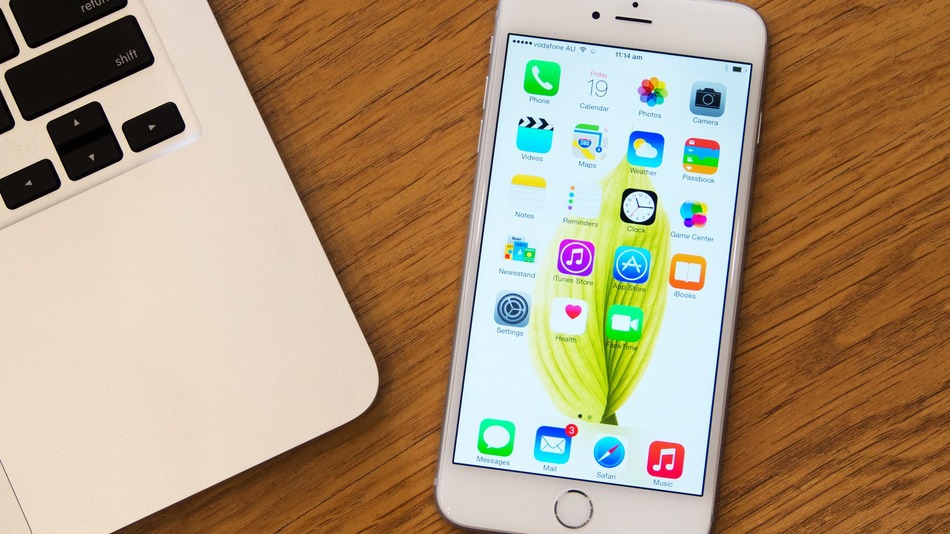
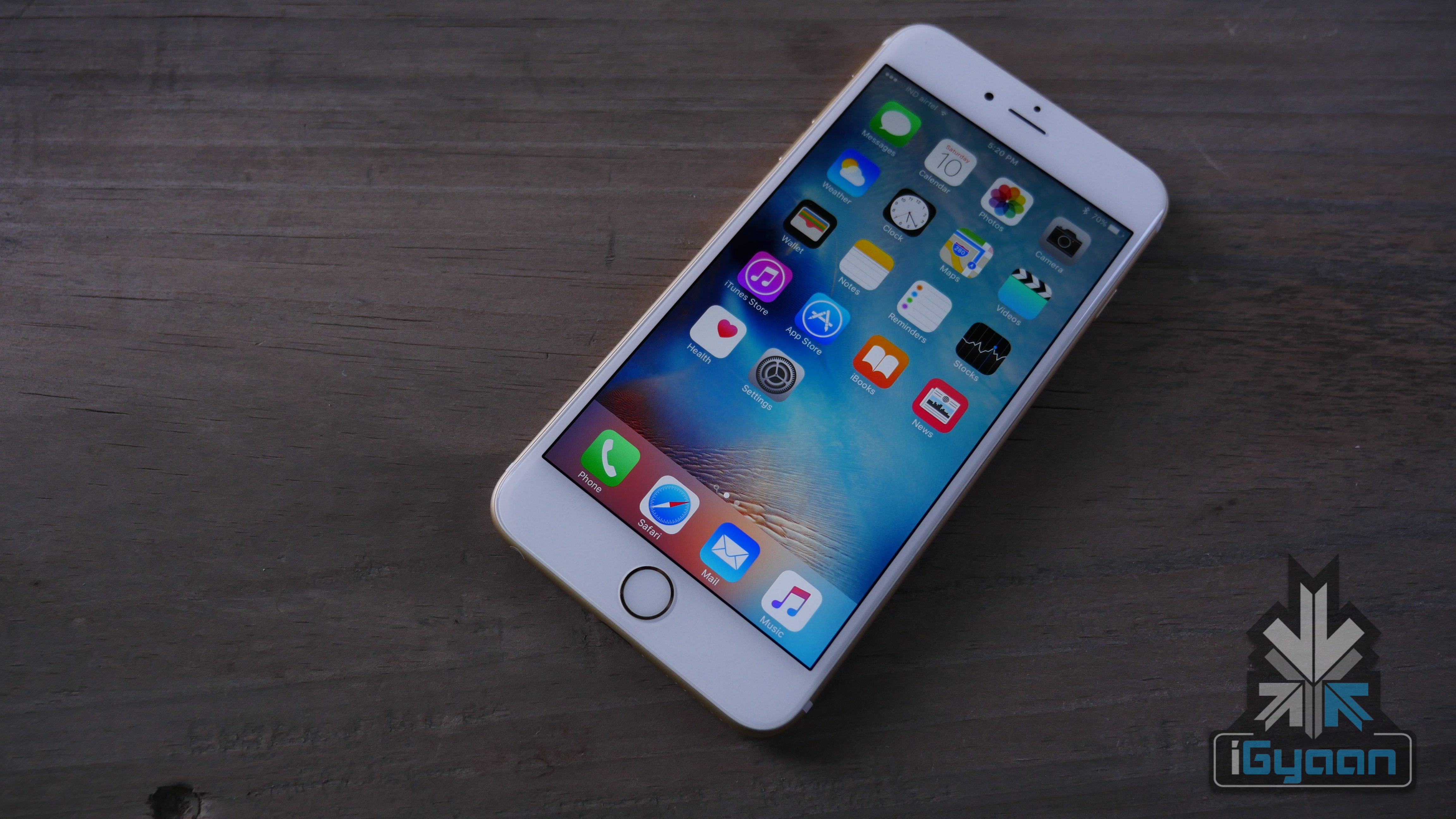
    There’s no denying that when it comes to design and looks, Apple does incredibly well to draw the publics gaze. But if there is an area that is still left wanting, it’s to do with the display. Apple has rarely made any dramatic changes to its iPhones, both in design and hardware. But the little that the company does do tends to leave out the display that is still using LCD screens with 750 x 1334 pixel resolution, while other have moved on to bigger and brighter things.

    Back in November, fresh rumors surrounding the upcoming iPhone 7 suggested the Apple may be changing quite a few things this time around, one of which is the display. The iPhone 7 is rumoured sport an OLED display thereby giving up on LCD display that it has relied on so far. Apple followers will know that the Apple Watch is the only Apple device to sport an OLED display currently. In 2013, Tim Cook has expressed his distaste for the OLED displays calling them “awful” when it came to colour saturation.

    iPhone 6
    iPhone 6

    Furthermore, Samsung and LG are pegged as the two companies that will be providing the bulk of the OLED panels to Apple. Another new report also suggests that Apple is ready to invest in this particular screen technology by working with AU Optronics. According to Focus Taiwan, Apple wants to transform AUO into an AMOLED screen supplier for the iPhone.

    if the rumors do turn out to be true, this could be quite a catch for AUO who has currently been supplying OLED displays for Huawei and other Chinese handset makers.

    But that’s not all. Another set of rumors also suggest that Apple has a secret lab in Taiwan where where former Qualcomm and AUO employees are working on developing micro-LED screen tech for thinner, lighter, and brighter displays for the iPhone. We’ll just leave you here for now to let all of that sink in.

  • LG to Introduce an 18-inch Rollable Screen at CES 2016

    LG to Introduce an 18-inch Rollable Screen at CES 2016

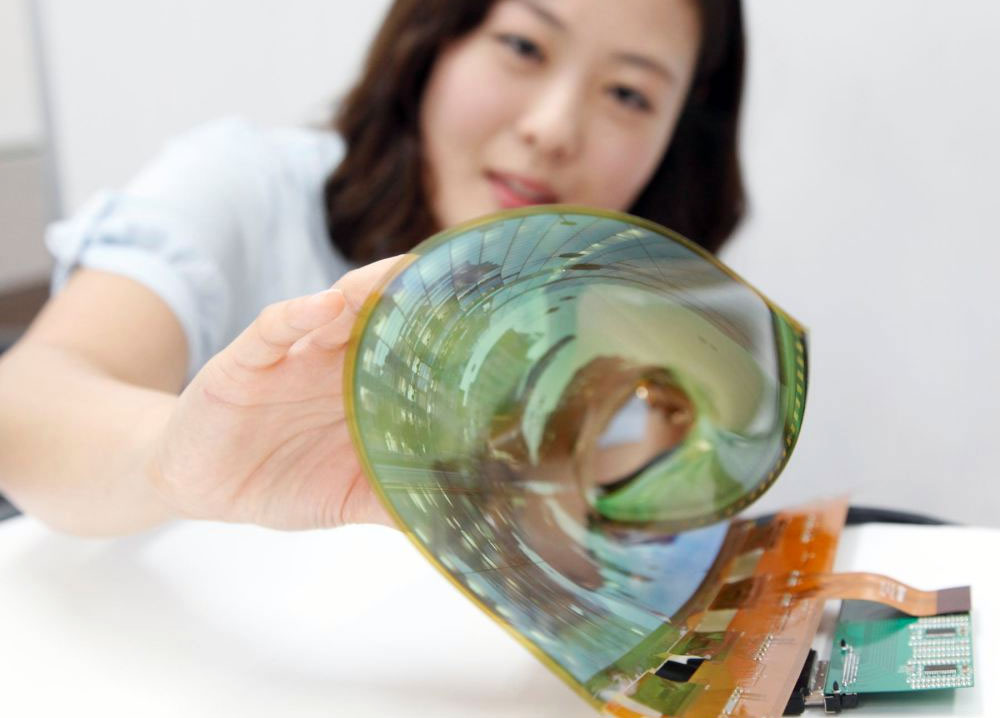
    LG has taken foldable and bendable displays a step ahead this year. The company had hinted at similar tech last year at CES but had kept mum the entire year. However, now the company is ready to display a prototype at CES ’16 this time around.LG Rollable Screen CES '16 1

    LG is ready with a prototype of an 18-inch rollable screen it will showcase at the Consumer Electronics Show this time around. Similar concept displays have been seen in the past by companies like Samsung, Sony and Sharp. Now LG follows suit and marks an important moment for displays of smartphones, tablets and television sets. It is concentrating on making OLED screens bendable, curvable and rollable.

    The company is also expected to unveil a 25 inch curvable screen installed in a car as part of the Auto Zone of CES ’16. We can also expect to see a 55-inch “paper thin” television with all its components installed independently according to LG. Watch this space for more updates.

  • First of its Kind Sapphire Display to be Part of Bluboo’s Upcoming Smartphone

    First of its Kind Sapphire Display to be Part of Bluboo’s Upcoming Smartphone

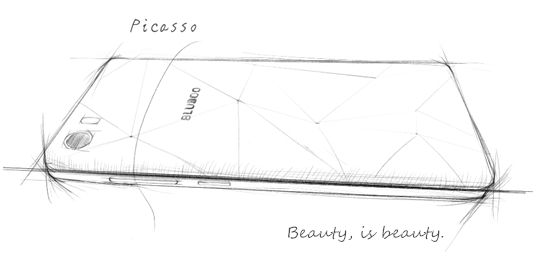
    Bluboo, the Chinese manufacturer, may not exactly belong to the same league as OnePlus, Xiaomi or Huawei, but it’s definitely trying its best to make it there. The company is now reportedly working on Picasso, its new smartphone, and is trying to make it the first of its kind device.

    Sources suggest that Picasso has an entirely sapphire display and is undergoing security and reliability tests right now. Sapphire is the second hardest element in the world after diamond and therefore is quite a fancy choice for the screen of a gadget.Bluboo Smartphone

    A sapphire screen is highly resistant to scratches and breaking. Because sapphire is very costly, screens made out of the material have been restricted to small, premium and luxury devices in the past like high-end watches and some Vertu smartphones.

    Bluboo incorporating sapphire in the screen of Picasso is definitely a first of its kind move. However, let’s see what this does to the price tag of the smartphone. Do you think smartphones need a sturdier screen, and if yes, could Bluboo may have found an (albeit super-expensive) answer?

  • Retractable Screen For iPhone That Act As Shock Absorbers During Falls

    Retractable Screen For iPhone That Act As Shock Absorbers During Falls

    One universal flaw iPhone users all over have had trouble dealing with is the delicateness of their devices. No one is new to cracked or out an out shattered screens of these Apple devices. However, the company might have finally managed to find a solution for this.

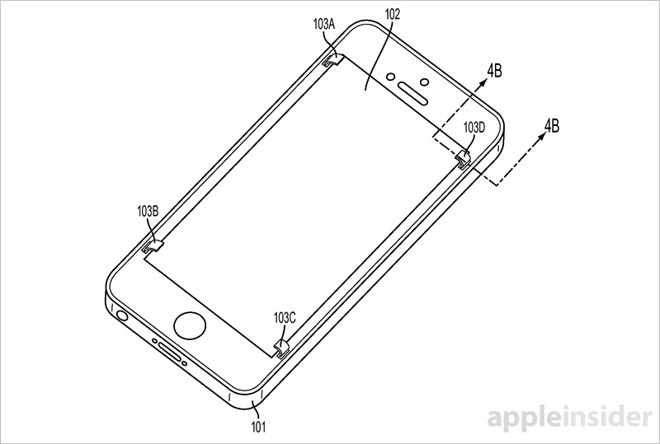
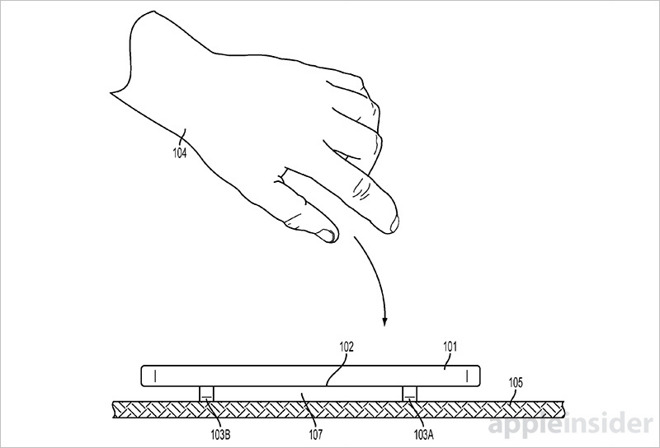
    In a patent called ‘Active screen protection for electronic device‘, Apple is looking at solving the problem of fragile iPhone screens. The idea is to attach a retractable tab to the screen. If the device senses a fall, the tab would deploy outwards creating a gap between the screen and the surface, reducing impact, and therefore, damage to the device.iPhone Retractable Screen

    Modern iOS devices have various components that are equipped with drop sensing technology. Apple has shown interest in the past as well for active fall protection but the required patented hardware is yet to be incorporated in the company’s lineup. The patent for active screen protection was first filed in April 2014, under Tyson B. Manullang, Stephen B. Lynch and Emery A. Sanford as its inventors.iPhone Retractable Screen1

    In the meantime, Apple has been busy working on touch oriented technology like 3D Touch. Consequently, the new iPhones -6s and 6s Plus – come equipped with specialized Corning glass which provides support for this feature, while at the same time providing protection against scratches and breakage.

  • LG Releases Teaser For an Upcoming Phone With an Asymmetrical Screen

    LG Releases Teaser For an Upcoming Phone With an Asymmetrical Screen

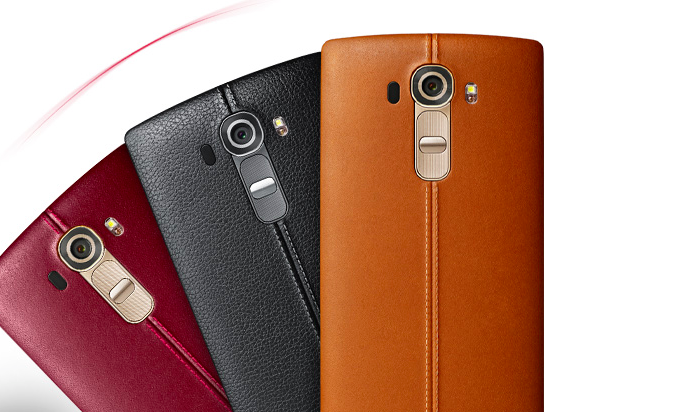
    Yesterday, LG released its first teaser for a new smartphone. The first thing we notice about this phone is its unusual screen. Basically it has added an additional smaller screen on top of the regular one.

    Take a look at the teaser:

    This feature had however, been leaked earlier in September, but this teaser confirms its existence. The leak showed the additional ticker next to the front dual cameras, and above the regular screen. This feature however, give the phone an asymmetrical look when turned off.

    Nothing more has been revealed in the teaser about the new LG smartphone’s specs. However, @evleaks had previously leaked that the handset could possible arrive with a 5.7 inch QHD screen, powered by the Snapdragon 808, with an internal storage of 64GB with a micro SD card and a 3GB of RAM. It’s primary camera is expected to be a 16MP one along with a 5MP front camera.

    This unnamed LG device is scheduled to be unveiled on the 1st of October, 2015.

  • LG Display shows off 5.5-inch 2,560 x 1,440 LCD for Smartphones

    LG Display shows off 5.5-inch 2,560 x 1,440 LCD for Smartphones

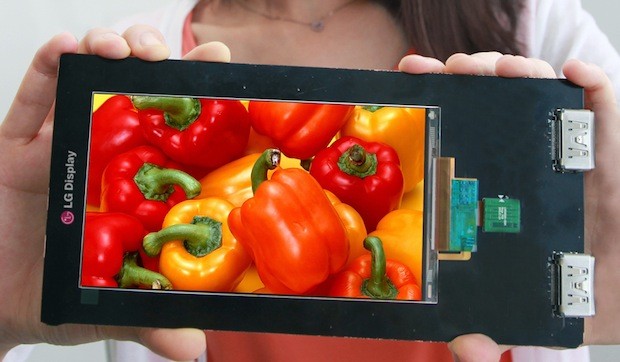
    LG has once again beat its own record in terms of display size and resolution, with its latest 5.5 inch display for smartphones. The new 5.5 inch display has a mammoth resolution of 2560 x 1440 px and a 538 ppi. The super high res display is only 1.21mm thick, and just 1.2mm at the bezel. According to LG, that makes it the world’s slimmest and narrowest panel,  and the use of AH-IPS tech and Low Temperature Poly-Silicon (LTPS) substrate, the screen features 430 nits of brightness.  

    The resolution of the display is termed as quadHD or 4 times the pixels than that of 1280 x 720 px display, the next big change in the mobile tech may as well be displays. However, how about that long lasting battery that we have been raving about?


    [toggle title=”LG Press Release”]LG Display Develops World’s First Quad HD LCD Panel for Smartphones
    New panel will deliver optimal viewing experience on larger smartphone displays

    Seoul, Korea (August 21, 2013) – LG Display [NYSE: LPL, KRX: 034220], a leading innovator of display technologies, announced today that it has developed the world’s first Quad HD AH-IPS LCD panel for smartphones. At 2560X1440 with 538ppi, the new 5.5-inch Quad HD panel is the highest resolution and ppi (pixel per inch) mobile panel to date, and provides a glimpse at what’s next after current Full HD smartphone panels, critical given the growing trend towards larger displays.

    “LG Display, which pioneered the high resolution mobile market with introduction of the world’s first Full HD smartphone panel in 2012, again opens new possibilities with the successful application of QHD technology,” said Dr. Byeong-koo Kim, Vice President and Head of LG Display’s IT and Mobile Development Group. “With this breakthrough, LG Display will continue to raise new standards for mobile resolution and lead the mobile display market.”

    LG Display’s Quad HD panel for smartphones realizes clearer images with 4 times more pixels than HD at 1,280X720, thereby reproducing more delicate colors as well as improving contrast and vividness when compared to current mobile displays. This advancement will enable consumers to fully enjoy more life-like and crisp images, and even Blu-ray equivalent video, on their smartphones. The panel also features the highest ppi among current mobile device displays.

    In addition, the new Quad HD panel will enable users to enjoy a full view of PC-version web pages at a single glance without image distortion; a contrast to current Full HD displays which only realize 3/4th of a full screen. Also, even when enlarging the screen, users will be able to enjoy undistorted and sharper text.

    Only 1.21mm thin with a 1.2mm bezel measured in LCD modules (LCM), LG Display’s new Quad HD panel is both the world’s slimmest and narrowest panel, with 12% reduced thickness compared to the company’s 5.2-inch Full HD panel released last month. Based on Low Temperature Poly-Silicon (LTPS) substrate, the panel also realizes superior brightness of 430nit with improved transmittance and larger aperture opening size.

    LTPS-based smartphone displays are expected to record 765 million units in shipments next year according to research firm DisplaySearch, as displays with larger screens, higher resolution, and less power consumption prove key to competitiveness in the premium model segment.[/toggle]

  • iPhone 5 Teardown : Apple Impresses With Higher Repairability,  Bigger Battery

    iPhone 5 Teardown : Apple Impresses With Higher Repairability, Bigger Battery

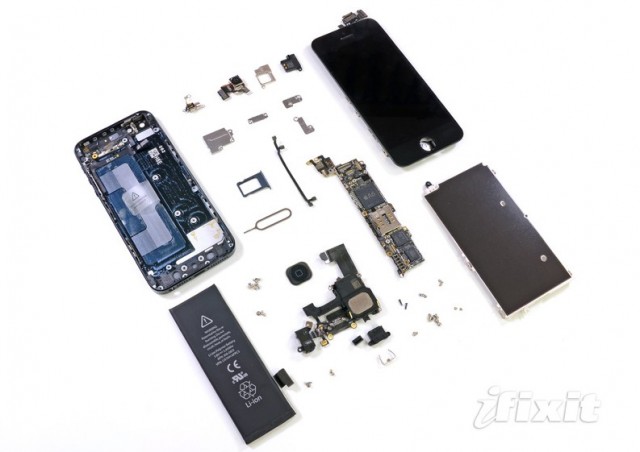
    It’s barely hours since the iPhone 5went on sale and iFixit has already completed its now-traditional teardown to reveal the handset’s juicy innards.

    The site awarded the new iPhone a repairability score of 7 out of 10, reporting that the easily smashable glass screen is also easily replaceable (it takes just one step to get the iPhone 5’s screen off, compared to 38 repair steps on the iPhone 4S).

    Aside from the space saving aspect of the new in-cell technology, Apple will cut down on phone replacements this way, potentially saving millions of dollars.

    iFixit have also uncovered a new higher capacity battery, made with a new manufacturing process. The 1440mAh cell is rated for 3.8V, making for 5.45Wh of total uptime. As most reviews have already found the battery life is significantly better, even over LTE.

    Also something to note, Apple has notably lessened its reliance on Samsung DDR2 RAM; many of the new models come with parts from Elpida, which is expected to send nearly half its output to Apple this year.

  • Amzer Announces Shatter Proof Screen Protector

    Amzer Announces Shatter Proof Screen Protector

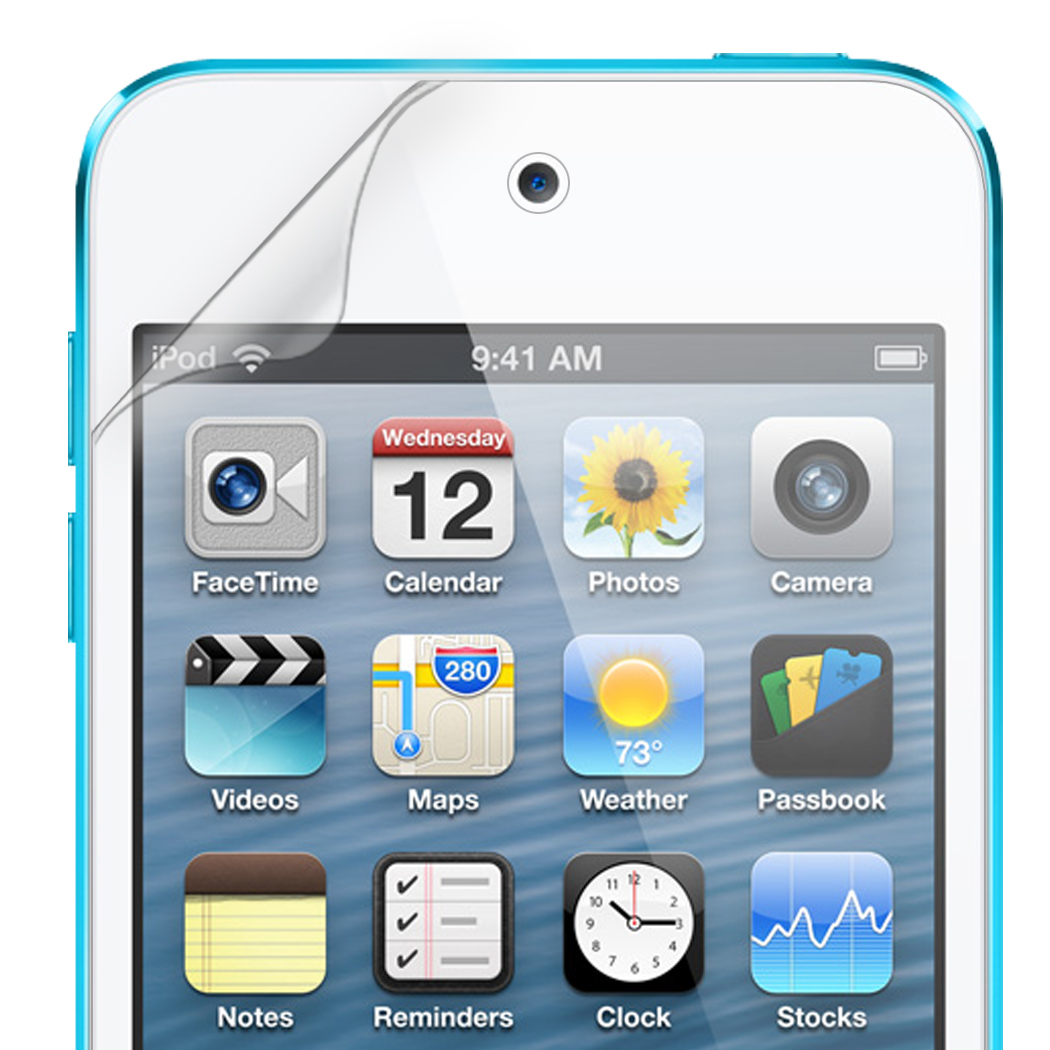
    Amzer today introduced the next level of device protection with the arrival of AMZER ShatterProof Screen Protector. It’s extreme grade protection makes the device shatter and shock proof. ShatterProof has a unique shock dissipative function which uses the physics concept of dissipation. 

    It is super thin urethane film at only 0.2 mm thick and  is certified by the ASTM (American Society for Testing and Materials) having passed D1004 Tear Strength, D2240 Hardness and D4329 UV Light Discoloration Tests. The protector is scratch resistant, stress resistant, drop resistant and a has special self healing capability with dissipative functioning embodied – it is virtually indestructible.
     

    [quote]“With ShatterProof protection, Amzer has proven itself yet again – as the leader of the accessory market, a leader which believes in innovation – we have created a revolutionary product to provide foolproof protection without adding any bulk to the beautiful devices, all this at a very nominal price! When we say Amzer accessories are inspired by real life, we mean it – we proved it.” emphatically says Amzer CEO – Pinakin Dinesh.[/quote]

    Check out the Press Release Below : 

    [toggle_box title=”Press Release” width=”Width of toggle box”]

    Amzer announces the next level of device protection – AMZER ShatterProof Screen Protector

    HOUSTON—September 13, 2012—Amzer today introduced the next level of device protection with the arrival of AMZER ShatterProof Screen Protector. The AMZER ShatterProof Screen Protector is a revolutionary product innovated to provide the best protection to the next-generation of wireless devices. AMZER ShatterProof Screen Protector’s extreme grade protection making the device shatter and shock proof. ShatterProof has a unique shock dissipative function – unlike any other product in it’s category – ShatterProof uses the physics concept of dissipation, dissipation embodies the concept of a dynamical system where important mechanical modes, such as waves or oscillations, lose energy over time. ShatterProof does exactly the same to protect devices from drops and shocks, drops and stress which wireless devices usually don’t survive – which is why the name ShatterProof.


    AMZER ShatterProof Screen Protector is super thin urethane film at only 0.2 mm thick, ShatterProof  is certified by the ASTM (American Society for Testing and Materials) having passed D1004 Tear Strength, D2240 Hardness and D4329 UV Light Discoloration Tests. The protector is scratch resistant, stress resistant, drop resistant and a has special self healing capability with dissipative functioning embodied – it is virtually indestructible. “With ShatterProof protection, Amzer has proven itself yet again – as the leader of the accessory market, a leader which believes in innovation – we have created a revolutionary product to provide foolproof protection without adding any bulk to the beautiful devices, all this at a very nominal price! When we say Amzer accessories are inspired by real life, we mean it – we proved it.” emphatically says Amzer CEO – Pinakin Dinesh.


    AMZER ShatterProof Screen Protector is currently available for the Apple iPhone 5, Apple iPhone 4S/4, Samsung Galaxy SIII and Samsung Galaxy Note, Apple iPod Touch 5th generation, Apple iPod nano 7th generation – other popular devices shall be added to the ShatterProof lineup. AMZER ShatterProof Screen Protector is available on Amzer Stores as well as leading Amzer re-sellers like Amazon, Walmart and Newegg. Suggested retail price (MSRP) for AMZER ShatterProof Screen Protector is US$ 29.95. The entire range of ShatterProof screen protectors can be seen at amzer.com/ShatterProof

    [/toggle_box]

  • Micromax A100 Listed Online, To Be Launched Soon

    Micromax A100 Listed Online, To Be Launched Soon

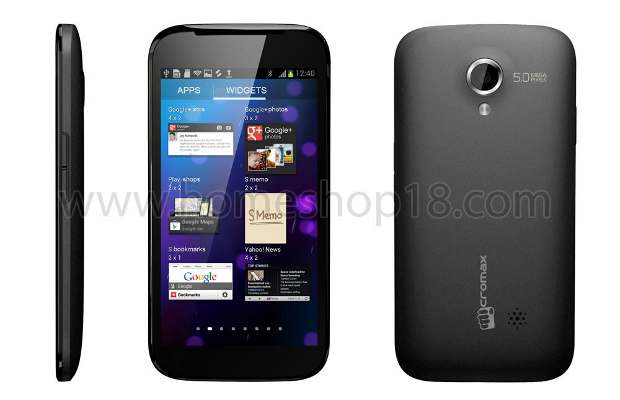
    Micromax’s A100 smartphone has popped up on an online shopping website (Homeshop18.com), though it’s listed as out of stock. The device was first reported on our website (read here).

    According to the listing, the smartphone will be priced at Rs 9,999 and has a 5-inch display with 480×854 resolution. This dual SIM device runs on Android 4.0.4(ICS) and offers 3G connectivity. 

    Micromax A100 comes with a 2000 mAh battery, a 5MP camera, and 4 GB of internal storage, which is expandable up to 32 GB.

  • Now a screen protector on which finger prints fade away!

    Now a screen protector on which finger prints fade away!

    There is no way around it – after even the slightest use, it seems that your mobile device’s display is encased in fingerprints. Somedays it feels like we spend more time cleaning it then using it. If that sounds like a day in the life of you, you may want to check out 3M’s Natural View Fingerprint Fading Screen Protectors.
     
    We do not know how it works,  but it does promise that fingerprints will fade away without blurring the image. Additionally, it also features a scratch resistant surface and “stay-clean edges” that will keep the fuzzies out of your seams. 3M also claims one of the features is that the protector is “easy to apply,” but if you have ever installed a screen protector, particularly on a large display such as a tablet, you know that promise may be a bit of a stretch, especially to get it on bubble-free.
     
    Currently these screen protectors are available for the iPad 2 and the new iPad and will be available soon for the Samsung Galaxy Tab 2 7.0. You can grab a 2-pack for your iPad direct from 3M for about $28 or head over to Amazon to find the same product for a few bucks less.
  • New iPhone to have thinnest screen ever made – with sensors built into the glass

    New iPhone to have thinnest screen ever made – with sensors built into the glass

    Whoops! SOmething went wrong!

    Apple Inc.’s next iPhone, currently being manufactured by Asian component makers, will use a new technology that makes the smartphone’s screen thinner, people familiar with the matter said, as the U.S. technology giant strives to improve technological features amid intensifying competition from Samsung Electronics Co. and other rivals.

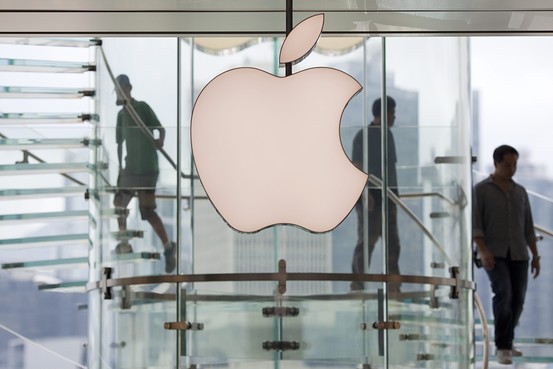
    Apple’s next iPhone, currently being manufactured by the company’s Asian component makers, will boast a thinner screen of the likes used by its rival Samsung. Above, the Apple store in Hong Kong.

    Japanese liquid-crystal-display makers Sharp Corp. and Japan Display Inc.—a new company that combined three Japanese electronics makers’ display units—as well as South Korea’s LG Display Co. are currently mass producing panels for the next iPhone using so-called in-cell technology, the people said.

    The technology integrates touch sensors into the LCD, making it unnecessary to have a separate touch-screen layer. The absence of the layer, usually about half-a-millimeter thick, not only makes the whole screen thinner, but improves the quality of displayed images, said DisplaySearch analyst Hiroshi Hayase.

    The current iPhone 4S is 9.3 millimeters thick, according to Apple’s official website.

    For Apple, the new technology would also simplify the supply chain and help cut costs as it would no longer need to buy touch panels and LCD panels from separate suppliers.

    It was previously reported that the new iPhone will likely come with a screen larger than the current iPhone’s 3.5-inch display. A thinner screen could help offset an increase in weight due to the larger size.

    Technological progress at LCD makers such as Sharp, Japan Display and LG Display is crucial for Apple, given that Samsung has been pushing its organic light-emitting displays as one of the unique features of its Galaxy phones. Samsung’s flagship smartphone, the Galaxy S III, comes with a 4.8-inch OLED screen and is thinner than the current iPhone.

    The vast majority of OLED screens used in mobile devices today are supplied by Samsung. OLED screens, which don’t require backlighting, tend to be thinner than conventional LCD panels.

    While Apple and Samsung together dominate the lucrative market for high-end smartphones, the companies are under constant pressure to meet high expectations for more-powerful, capable devices that are easier to carry.

    A thinner screen in the next iPhone could make the whole device slimmer, or make extra room available for other components such as batteries. But in-cell touch screens are harder to manufacture than conventional LCD screens.

    The people familiar with the situation said that LCD makers are finding the manufacturing process challenging and time-consuming as they scramble to achieve high yield rates.

    Analysts have said that the new iPhone is expected sometime in the fall.

    In May, people familiar with the matter said that the new iPhone will likely come with a screen larger than the current iPhone’s 3.5-inch display. A thinner screen could help offset an increase in weight due to the larger size.

    The LCD industry has been working on the in-cell touch technology for several years. For LCD panel makers like Sharp, Japan Display and LG Display, Apple’s iPhone provides the environment where they can demonstrate their latest technological progress to show that LCD screens can continue to evolve and stay competitive against OLED displays. In the meantime, Sharp, Japan Display and LG Display have also been developing OLED displays.

    At the same time, the adoption of in-cell technology is bad news for makers of conventional touch panels used in many smartphone screens now. Taiwan’s Wintek Corp. and TPK Holding Co., which supplied the touch-panel layer of the iPhone 4S screen, didn’t get orders for the next iPhone, people familiar with the situation said.

    Source : Wall Street Journal
  • A gigantic 160″ curved screen to address all of your gaming needs!

    A gigantic 160″ curved screen to address all of your gaming needs!

    Whoops! Something went wrong!

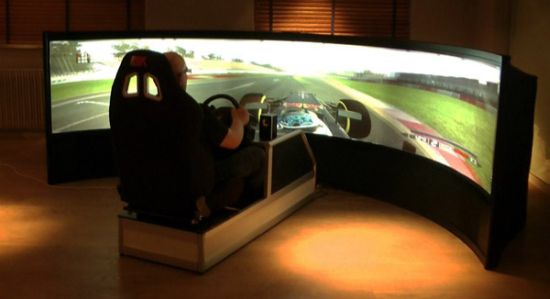
    Taking the F1 simulator racing experience to an altogether different level, a Sweden-based manufacturer of large curved screen solutions for front and rear projection, called Norman Design has come up with portable and gigantic 160” curved screen solution for customers who use screen for F1 training.

    This exclusively new 160” screen solution is the latest from the house of Norman Design, and has been especially built for customers who use screen for Formula 1 training. It comes complete with F1 body which is also movable in all directions to 1.5 G with the F1 game. The company provides the complete F1 simulator solution at a cost price of about $114,285. However, 160” screen solution for enjoying the seamless image quality can also be purchased without a simulator with Intel 17-PC and software.

    Weighing only 50 kg, the 160” screen solution takes only about 1 hour to assemble. And, PC with special software is also required for reproducing the image from the seamless multi projector which is mounted behind.

    Also, the company provides a complete simulator with velved 63” monitor with PC and software at a reasonable price of about $14,300. And, for the simulator with inclined 50” screen solution, the company only charges $5,430.

  • Yet another iPhone 5 image leaked

    Yet another iPhone 5 image leaked


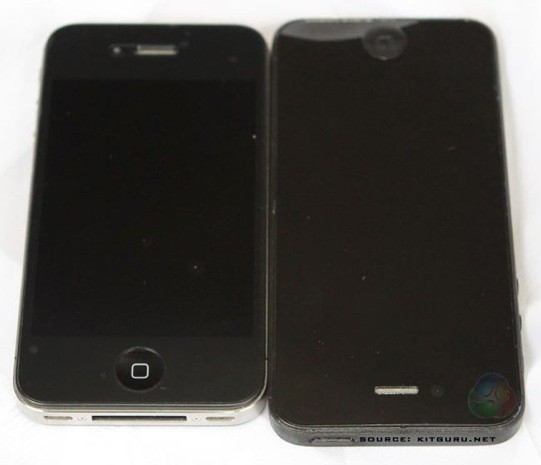
    KitGuru has leaked what it claims is a “test sample” with the glass front panel roughly intact. We’ve seen the darker steel sides, aluminum back and new dock connector before, but the front gives us a much better sense of how the finished product  will turn out. Sitting next to an iPhone 4S, it’s suggested that the new model would stuff in that bigger screen more through a better use of the available area — there’s much less blank space than on the iPhones we’ve known since 2007.  Now as we’re getting closer to the official launch of the next iPhone, be prepared for an avalanche of leaked images!

  • Microsofts new Patent shows off usefulness of Back panels in a Smartphone

    Microsofts new Patent shows off usefulness of Back panels in a Smartphone

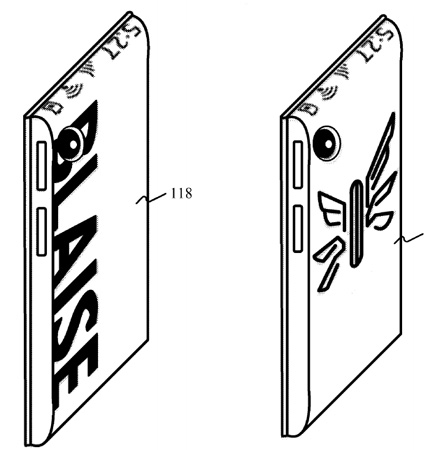
    Microsoft’s new patent for Interactive back panel displays could actually change the way we utilize a smartphone today, or tomorrow. The new patent by Microsoft simply describes a device with two screens. The Second Screen is however a low power screen with a lot of potential ( something like an e-ink display) displaying different information based on the current state and information on the original front facing screen. Looking at the patent images you can see a curved back panel which can be used as a display for clock connectivity or simply a status bar.

    According to the patent, the display will continue to work even if the device is off. This is something that actually is exciting and hopefully can actually make it to devices in one form or another.

  • Future Phones to have smudge free screens, thanks to German Researchers

    A group of researchers have found a way to create smudge free glass that could be used in the touchscreen phones of tomorrow, to prevent  fingerprints.  Researchers from the Max Planck Institute for Polymer Research in Mainz applied candle soot to glass and then coated it in silica to keep it in place. The glass is then heated to 600 ºC for calcination, which makes the soot transparent

    To test,  different oils and solvents were applied, but the glass’ superamphiphobic properties stayed on. The future could be fingerprint-free for all our shiny new devices.

    [Science Mag]

iGyaan Network
Privacy Overview

This website uses cookies so that we can provide you with the best user experience possible. Cookie information is stored in your browser and performs functions such as recognising you when you return to our website and helping our team to understand which sections of the website you find most interesting and useful.