Tag: Self-driving cars

  • BlackBerry And LG Are Making Autonomous Cars

    BlackBerry And LG Are Making Autonomous Cars

    A press release has announced the partnership of BlackBerry Limited with LG Electronics Inc. for a major new project. The aforementioned brands are recognisable for their consumer grade electronic products. However, the new project that is being spearheaded by the two companies will encompass the automobile industry, namely self-driven (autonomous) cars.
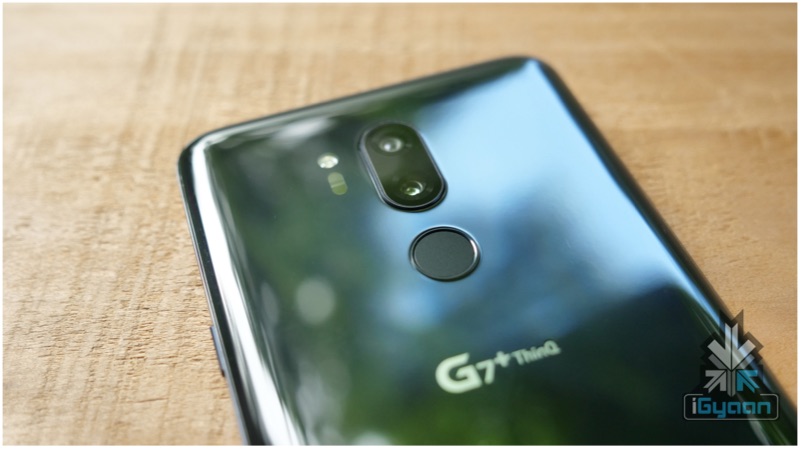
    BlackBerry and LG

    Historically, LG and BlackBerry were popular smartphone brands. The companies were critically acclaimed worldwide for their handsets, including India. The onset of the smartphones industries tech race had rendered BlackBerry and its business-centric devices obsolete. LG faired much better in comparison but has also seen a decline in the last couple of years. Though, the company is well known for its home appliances such as televisions and refrigerators. 
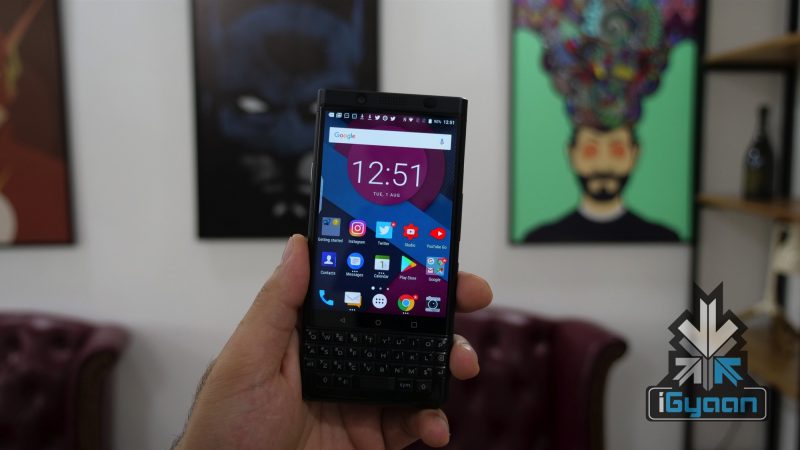
    BlackBerry Key 2 LE

    The new project for autonomous cars is a heavy task. Self-driven cars are unlikely to hit Indian market anytime soon but are already being tested in developed nations like the US. Google, Apple, Uber and other such companies have been testing the technology for a while now. The automobile industry would greatly benefit from the expertise of both the companies in the arriving years.
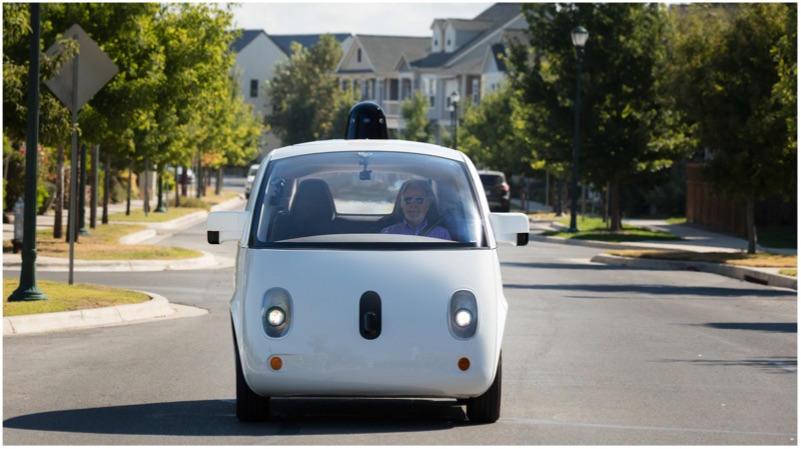
    The new agreement formed between the companies carries statements of the joint expansion through the partnership. Both the companies are large corporations that have only a small part of their business models aimed at the smartphone industry. Blackberry is well-renowned for its QNX software-based services and safety solutions that are being utilized by a multitude of companies.
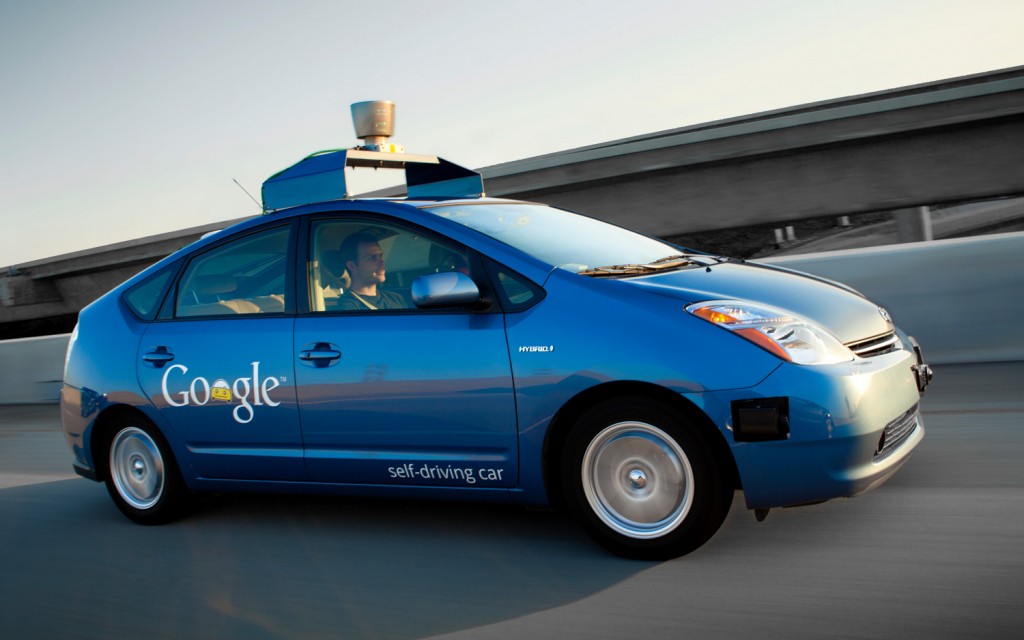
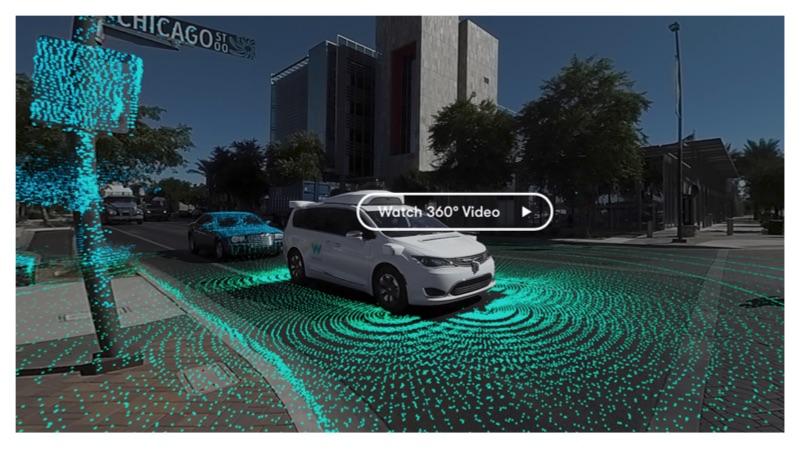
    Google’s Autonomous Vehicle

    The companies have formed a conjunction to push forward the development and commercial availability of autonomous vehicles. The entire automobile industry has been working on numerous autonomous locomotives for years now. This new collaboration will seek to accelerate the transitional process between traditional to self-driving cars. The project will encompass a network of self-driving vehicles that are connected to one another. It will also help boost the myriad of suppliers that automobile OEMs are working with.
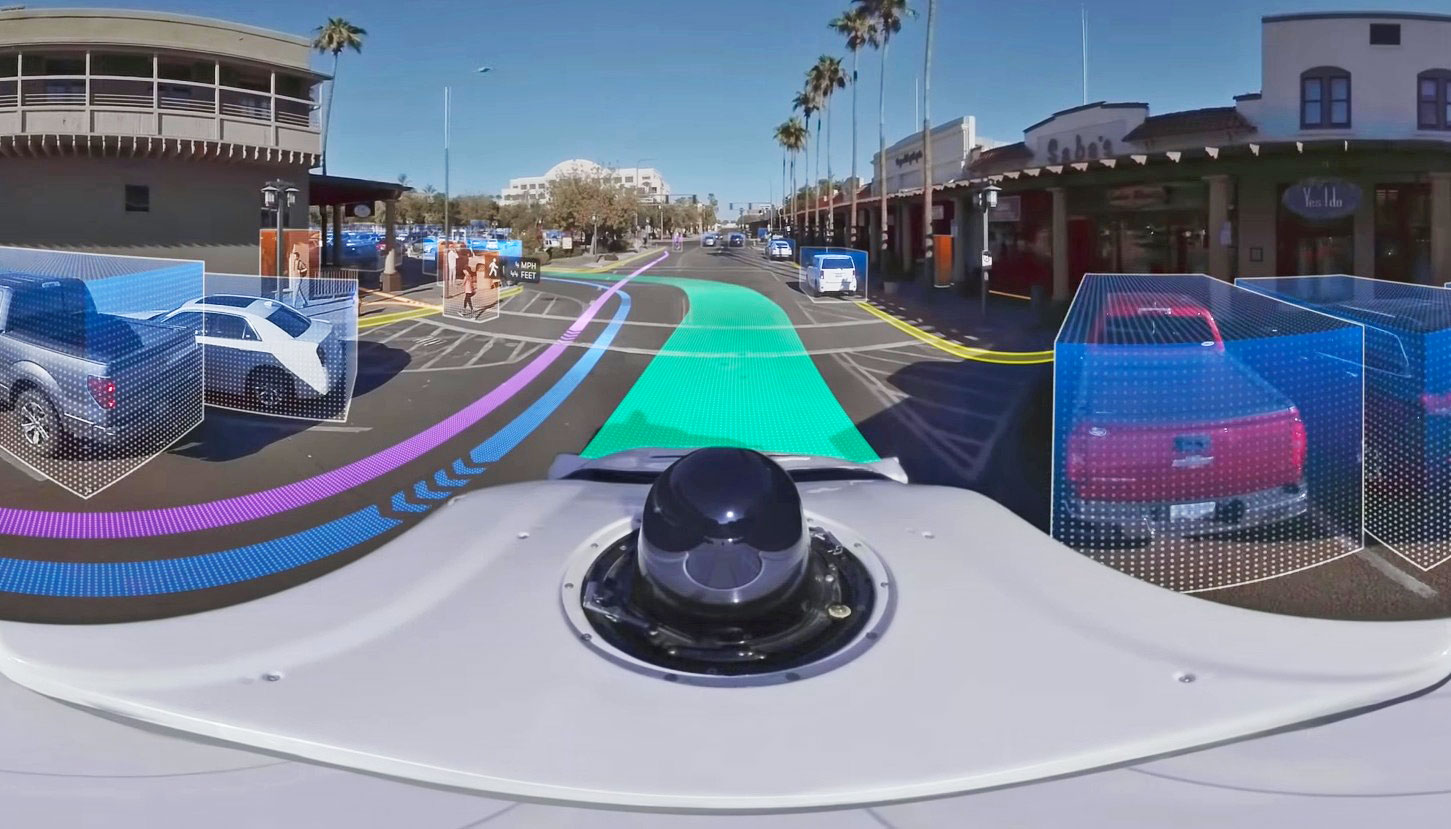
    According to the report, BlackBerry’s QNX-based software solutions are planned on being incorporated by LG Electronics. The South Korean company’s hardware expertise will use QNX solutions to build numerous next-gen components such as:

    • A security solution designed to help safeguard the system against malware and cyber threats and prevent malfunctions.
    • Incorporate an improved voice and sound quality systems, namely media entertainment system, for the car’s internals.
    • To build the control system for autonomous cars.
    • An accessible mobile interface with control over multimedia functionalities.

    Furthermore, the companies’ goals are to “produce cutting-edge cars for the future of the automotive market”. BlackBerry, unlike LG, has shifted its focus on its software services that are used in the mobile and automobile industry. The Canadian company is already supplying its technology to manufacturers developing driverless cars. LG, however, is still present in the smartphone market with its latest W series entries being launched in India. The company is still a big name in household products and is planning diversification in new ventures such as this.
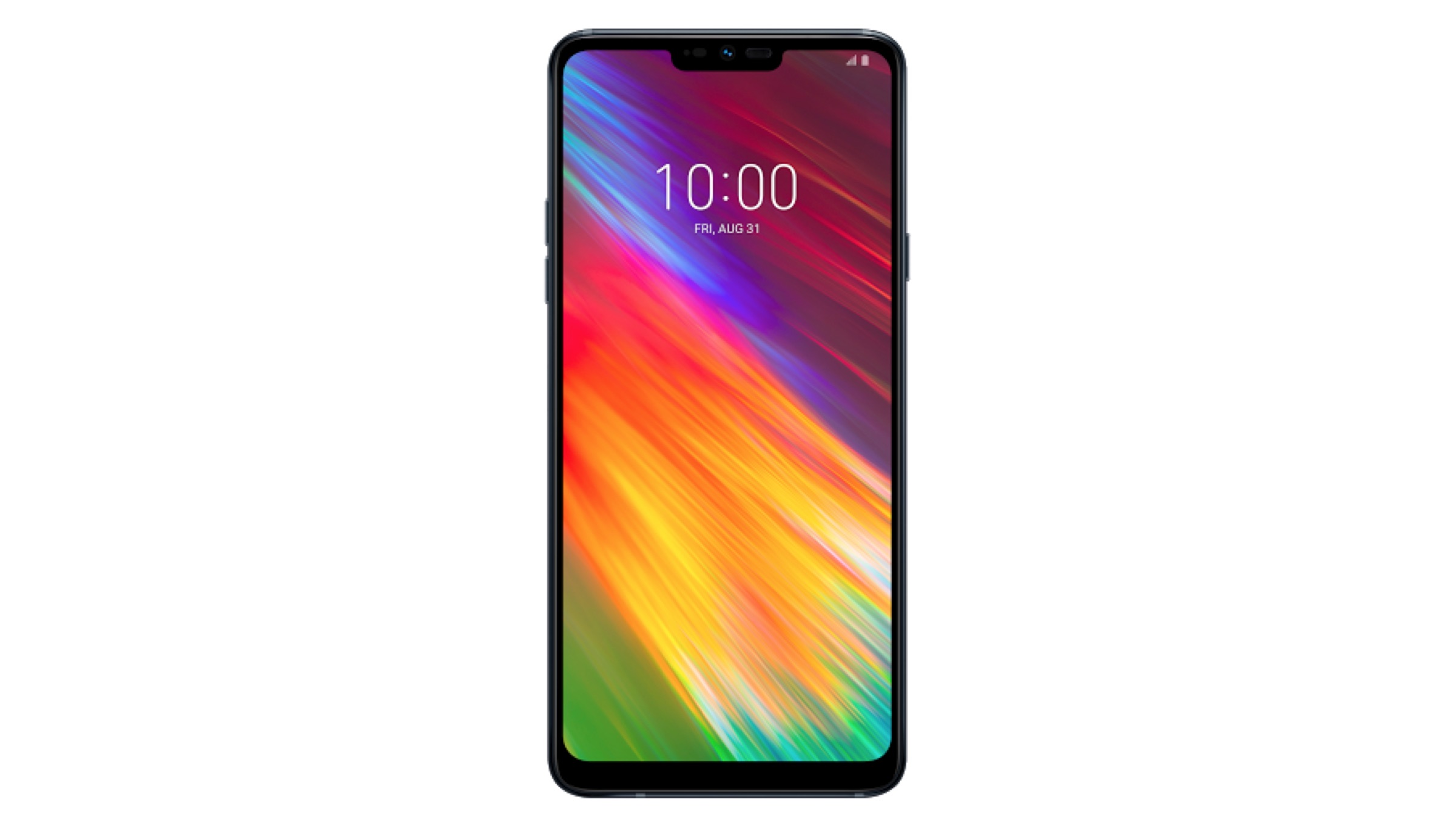
    LG
    LG W10

    Also ReadWhatsApp Tests Feature That Allows Sharing Status To Facebook

    The implications of the joint venture could be huge. Both LG and BlackBerry could potentially reduce the time frame for commercially available self-driving cars. The companies will rely on each other’s strong suits for the partnership. It might not be too long before the project bears its fruits. Unfortunately, it is just an announcement and not an actual product launch. We are still years away from actually seeing such cars in real-world practice. 
  • Elon Musk Promises Tesla Will Release Full Autonomous Driving Feature This Year

    Elon Musk Promises Tesla Will Release Full Autonomous Driving Feature This Year

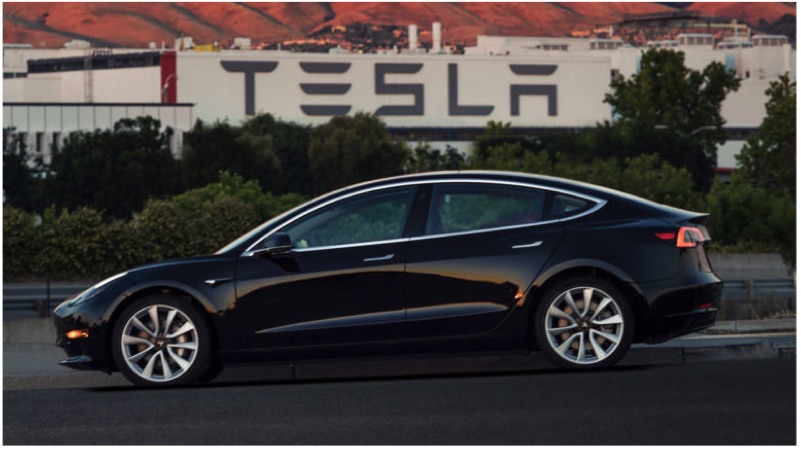
    Electronic car maker Tesla has been a driving force in the growth of the sales of electric cars. The company has introduced several futuristic features in their vehicles which have been really popular among buyers. Its CEO Elon Musk promised a while ago that a fully self-driving Tesla will be released by the year 2020. In a surprising move, the senior executive confirmed that the company will indeed be releasing the promised feature by the end of the year 2019.

    Tesla & Self Driving Technology

    Tesla SmartphoneTesla cars are renowned for their Autopilot feature which makes use of several cameras and sensors present on the exterior of the vehicle. The feature, when used makes the car a partially autonomous vehicle. It still requires the driver to be attentive of their surroundings all the time, or the feature stops working. The feature is then disabled for the rest of the trip and won’t be accessible. It was touted as a revolutionary feature when it was introduced back in 2015 with the v7.0 update of the Tesla OS.
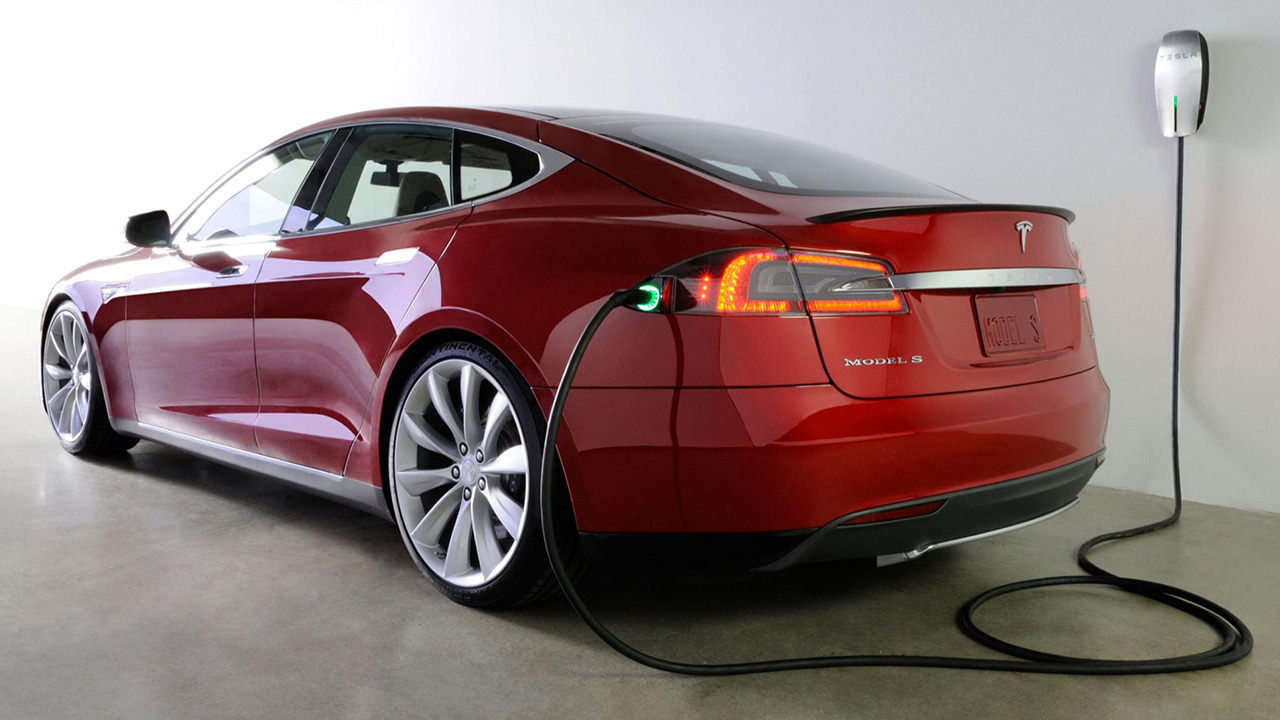
    According to Elon Musk though, the hardware in current Tesla cars is capable of fully autonomous driving since October 2016. It is expected that when the fully autonomous driving feature arrives in the form of a software update, it will automatically support the cars manufactured after late 2016. He states that the feature will be so capable that the driver will be able to sleep while the car drives itself. The vehicle will be able to pick the driver up, drive and drop the rider off their destination. This feature will fully roll-out by 2020 until then manual monitoring is required.
    Elon MuskAlso read: Samsung Launches Galaxy Buds, Galaxy Fit And Galaxy Watch Active

    Interestingly, Tesla always missed every deadline that Elon Musk has quoted earlier. So, the feature might take longer than expected to be fully ready. Reports suggest that the Tesla cars with full autonomous functionality are likely to be ready by sometime in 2020.

  • Autonomous Car Technology And Its Shortcomings As Of Now

    Autonomous Car Technology And Its Shortcomings As Of Now

    Companies like Uber and Google have been testing driverless and autonomous car technology for the past few years. Recently, there was an incident, where a driverless car killed a woman in broad daylight. The autonomous car had a backup driver, which was not enough to stop the accident. According to the driver, the victim walked out in front of them in a flash. In fact, the backup driver was alerted by the sound of the collision.

    There are several reasons for this accident. Firstly, the autonomous driving system might have failed to register her as a human or it failed to detect her presence at all. This technology has to reduce accidents. But, such malfunctions make us question the feasibility and progression of autonomous driving.

    Autonomous or Driverless Car

    A driverless car is similar to a programmed device, which follows set of instruction written by the author. This means that a driverless vehicle should be able to operate fully by itself without any human interaction.

    These cars use a technology called LIDAR (Light Detection and Ranging) that monitors around 60 meters of the vehicle in real time. Similarly, this creates a virtual 3D map of the surrounding to gauge the upcoming obstacles. There will be additional sensors fitted on the rear and front end of the vehicle to measure the distance from surrounding obstacles, which includes other vehicles.

    The vehicle will use GPS system to calculate real-time positioning. When it comes to decision making, the car will have a set of instructions to follow. Similarly, the AI will be able to make other actions in an emergency situation. However, as a security feature, a user can always override the decisions made by the machine at any given time.

    In theory, driverless cars will reduce accidents, as it will be programmed in a certain way. In a dangerous situation, these cars will negate the human error. However, the recent incident in Arizona means that the technology is not yet fool-proof for the real world.

  • Samsung Gets Self-Driving Car Testing Permit From California

    Samsung Gets Self-Driving Car Testing Permit From California

    Samsung is the latest company to join the self-driving car race. The firm received an approval from the US government to test autonomous vehicles on state roads in California, according to the listings on the Department of Motor Vehicle’s (DMV) website. Companies like Apple, Bosch, Delphi, NVIDIA, Waymo, as well as automakers like BMW, General Motors, and Volkswagen were also amongst the ones who were granted testing permits for Autonomous Vehicle from the California DMV.

    Samsung has already been granted approval to test self-driving technology vehicles in its home country of South Korea. Surprisingly, the South Korean firm used Hyundai vehicles for its testing, even though Samsung owns about 20 percent of Renault Samsung Motors.

    Regardless, the company has already revealed modified Hyundai cars, equipped with test hardware built by Samsung which includes sensors and AI-powered computer modules.

    Back in 2015, Samsung announced that the company’s new division would focus on self-driving software technology, rather than manufacturing the entire vehicle. Similar reports have emerged about Apple shifting its focus from autonomous cars to autonomous systems.

    Samsung’s latest move of testing autonomous systems seem like an effort to keep up with its tech rivals in the automotive space. For now, the firm maintains a San Jose office, from where it could carry out California-based tests.

  • A Self-Driving Ford Fusion Will Now Deliver Domino’s

    A Self-Driving Ford Fusion Will Now Deliver Domino’s

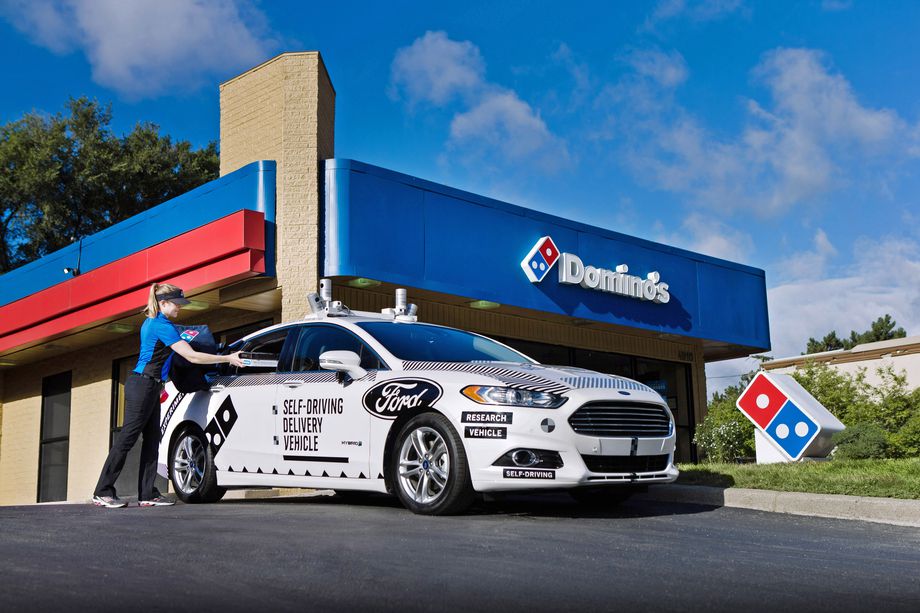
    Ford and Domino’s are teaming up to test autonomous vehicles for pizza deliveries in Ann Arbor, Michigan in the United States in order to understand how everyday customers will react to, and interact with the autonomous service vehicles in the future. However, the Ford Fusion Hybrid research vehicle (outfitted with a pizza container) used during the experiment will be driven by a safety engineer along with other researchers.

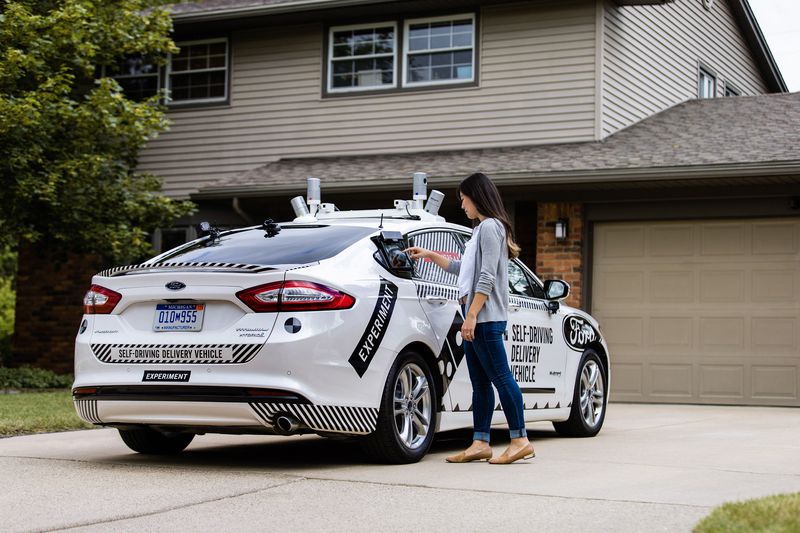
    The self driving Ford Fusion will randomly be made available to the selected Domino’s customers who will then have an option to accept deliveries from a self-driving pizza delivery car. With no driver involved, the customer will need to to unlock their pizza containers by typing their unique delivery code. The Heatwave Compartment unlocking code will be sent to the customer. This code will match the last four digits of the customer’s phone number. Those who opt for the service can track their order via Domino’s app. Rest of the order info will be communicated through screens and speakers on the exterior of the cars.

    Sherif Marakby, Vice President of Ford Autonomous Vehicles and Electrification said “We will be looking at how customers respond to this new experience, which will require them to interact with the self-driving car instead of a delivery person—walking out to the vehicle instead of just walking to answer their front door,” He also described the project as ethnographic research in an interview

    Ford is using this real-time trial to test its new project and develop the consumer aspect of autonomous driving technology. The company hopes to commercialise the experiment in a few years’ time.

    Domino’s has also been experimenting with the idea of autonomous vehicles for sometime. The company has already tested pizza delivering robots in Australia and in Germany. Though the delivery robot trials were in partnership with smaller robotics startups, whereas the latest trial involves a more traditional car-maker.

    Sherif Marakby said “The human aspect is the most significant piece here. We know we can create technology, but it has to be based on the human element of how we’re using the AVs,” and “We believe self-driving technology can play a significant role in helping grow the market for restaurant delivery, serving as one way that we’ll build demand and scale for our autonomous vehicle business, in addition to people movement such as ride hailing,”

    The current experiment hopes to gain insight on various factors like, willingness of a consumer to come outside to pick up their orders, the way they approach the car, and the manner in which they interact with the screen placed on the exterior of the vehicle.

    Ford, like many other carmakers, has invested heavily in autonomous technology and hopes to introduce its self-driving cars in market by 2021.

iGyaan Network
Privacy Overview

This website uses cookies so that we can provide you with the best user experience possible. Cookie information is stored in your browser and performs functions such as recognising you when you return to our website and helping our team to understand which sections of the website you find most interesting and useful.