Tag: sensor

  • Sony Unveils IMX318 22.5 Megapixel Exmor RS Mobile Camera

    Sony Unveils IMX318 22.5 Megapixel Exmor RS Mobile Camera

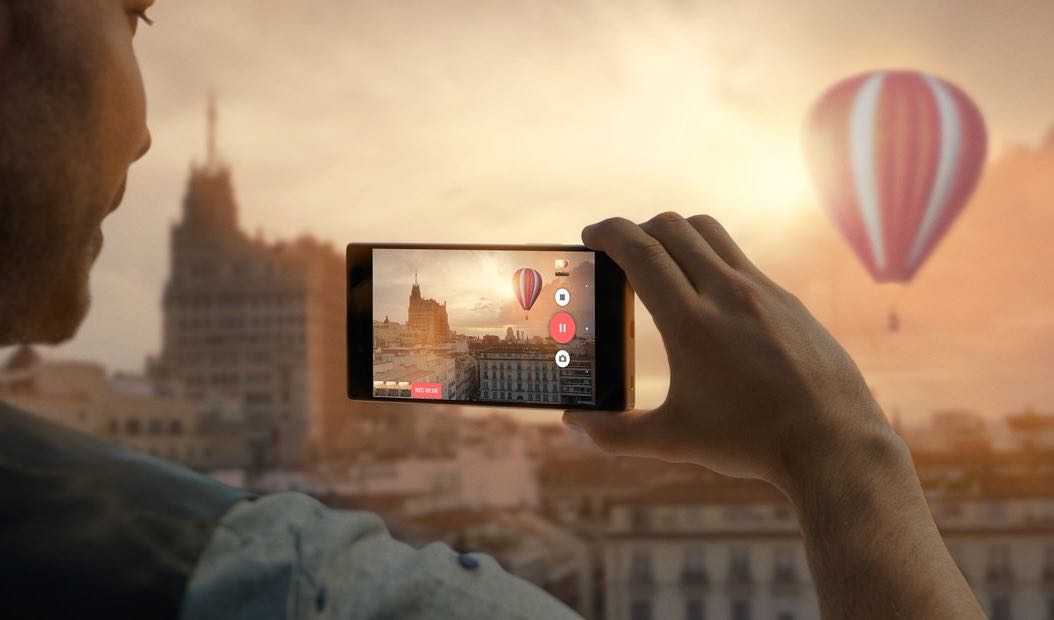
    Sony today announced a new Exmor R sensor for mobile devices.The sensor will be called the IMX318 and it is the first stacked CMOS sensor with integrated hybrid autofocus and 3-axis electronic image stabilization. The IMX318 is a 1/2.6 type sensor with an effective resolution of 22.5 megapixels. It has a pixel pitch of 1.0 micrometre.

    A statement from Sony talking about this launch read,

    “The IMX318 boasts a stacked structure and the industry’s smallest unit pixels, which measure 1.0 micrometre in size. With this, the image sensor achieves a compact, type 1/2.6 size suitable for inclusion into smartphones, while still realizing a high resolution of 22.5 effective megapixels, among the top in the industry.”

    The sensor is expected to be used in the upcoming Sony Z6, and what’s so exciting about this that it has built in hybrid AF. Sony IMX318 is the first to incorporate this within the sensor’s internal signal processor. The company claims this will result in a focusing time of 0.03 seconds for stills and as fast as 0.017 seconds during 60fps video.

    The other major talking point about this sensor is the inclusion of the integrated 3-axis image stabilization. The sensor can correct for pitch, roll, and yaw by taking the input from an external gyro sensor and processing it within its own internal signal processor. This will be more energy efficient as compared to software processing.
  • Samsung Rumour: The S7 Could Feature ‘BRITECELL’ Camera Sensor

    Samsung Rumour: The S7 Could Feature ‘BRITECELL’ Camera Sensor

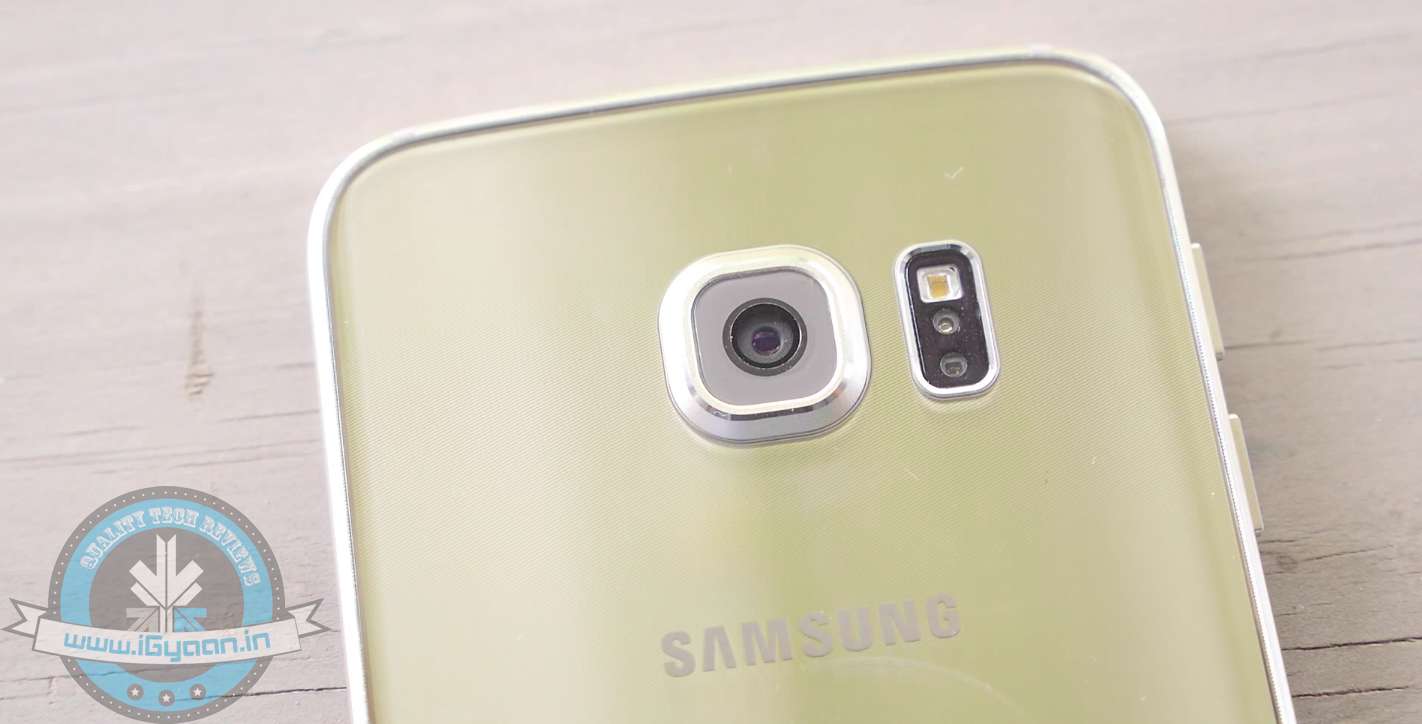
    Over the past couple of days there have been tons of rumours regarding the camera of the upcoming Galaxy S7 flagship. Samsung is keen to be the best in the camera department.The S6 received a lot of praise for its camera and the Korean manufacturers now want to make it better.

    The initial rumour that was going around was that Samsung might bump up the megapixels to around 20 or 23. The company was looking to Sony’s Xperia Z5, specifically the IMX300 sensor that the device’s camera boasts of. Having Sony’s sensor would certainly give the S7 that edge. Sony would also like to finalise a deal with Samsung so that it can push out its sensors to a wider market. So a 20MP ISOCELL camera could be on the cards.

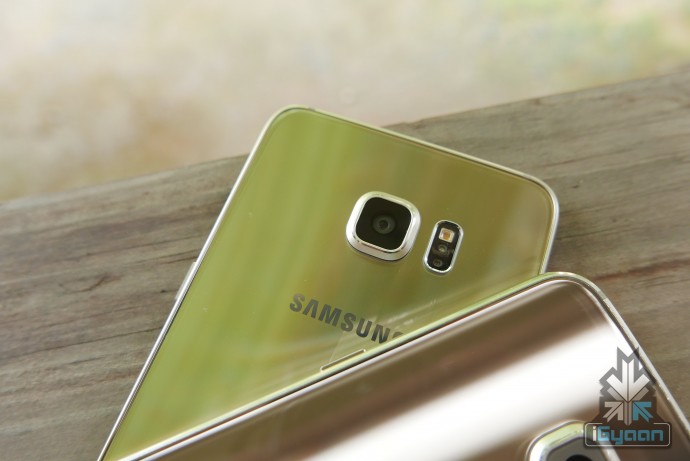
    Galaxy S6 Edge + plus iGyaan 15
    Galaxy S6

    However, the second rumour debunks the first in that Samsung is not looking to enter the megapixel race and will likely go with a 12MP primary camera. However, the sensors will be a large 1/2-inch size. In this case, the camera would have larger pixels  and would also improve the camera’s low-light performance.

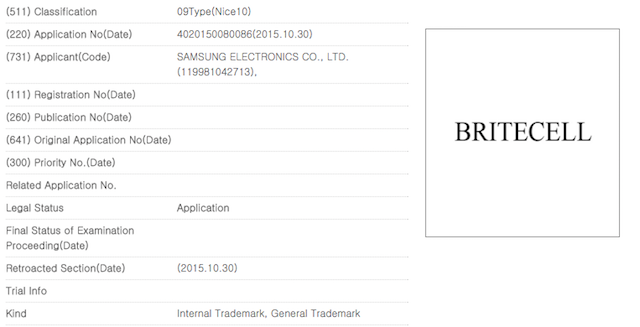
    Finally, the third and certainly not the last rumour of the day is that Samsung has filed a trademark application in which the company has trademarked BRITECELL, which, as of now, confirms rumours that Samsung is indeed going for a large sensor. The name doesn’t suggest much except that the sensor will somehow capture more light than Samsung’s previous attempts. Sony has been leading in the sensor department especially with the recently launched Nexus 6P which features Sony’s ExmorR IMX 377 sensor with 1.55 micron pixels.

    samsung-britecell (1)

    Samsung is expected to have a January unveiling of the Galaxy S7. You can expect a lot more rumours about the device as we get closer to the date. We’ll keep you updated as soon as we have more dope.

  • Ask iGyaan : What is ppi (pixels per inch) ?

    Ask iGyaan : What is ppi (pixels per inch) ?


    We often get similar questions from multiple users, this new section is to address exactly that, and we begin with the most asked question in recent times.

    User Question :

    Bharat Addresses to “ppi” in his videos, what does this mean? and does it have any relation to the camera resolution?

    iG Answer :

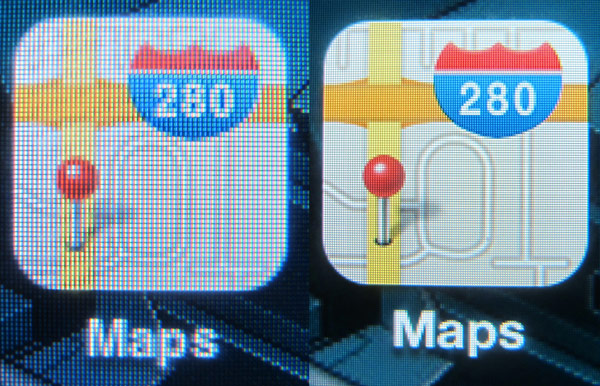
    PPI (pixels per inch), often referred to as pixel density is a measurement of the resolution of display of the device in question. this can also be the density of the images captured by a camera, but in Bharat’s reference it is always in terms of the display of the device in question.

    PPI, is an actual count of the number of pixels found in one inch of a display, which varies depending on the resolution of the display and the overall size of the display.

    Lets clarify further:

                 1. Calculate d_p.

    d_p = \sqrt{w_p^2 + h_p^2}

    2. Calculate PPI:

    PPI = \frac{d_p}{d_i}

    where

    • d_p is diagonal resolution in pixels,
    • w_p is width resolution in pixels,
    • h_p is height resolution in pixels and
    • d_i is diagonal size in inches.

    The HTC One M9+ has a screen resolution of 1440×2560 px

    So,  d_p =  [underoot of = (2073600 + 6553600)] =2937.2 (approx)

    The diagonal size in inches is 5.2 inch, therefore d_p/d_i = 2937.2/5.2 =  564.84

    Therefore the pixels per inch (ppi) of the HTC One M9+ = 565 (rounded)

    Stay tuned for more Ask iGyaan!

  • Apple Admits Tattoos May Cause the Watch Problems

    Apple Admits Tattoos May Cause the Watch Problems

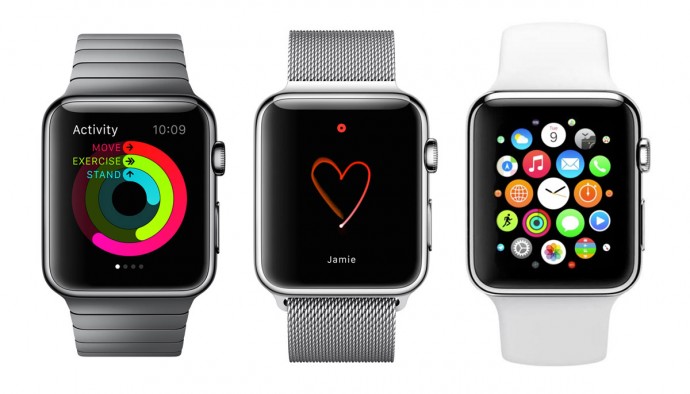
    Who would have thought that the proper working of Apple’s newest product, the Apple Watch, will depend on if you have tattoo or not? A few days back, several reports had surfaced of tattooed Apple Watch owners facing trouble with their new purchase. Just like the Bendgate fiasco, it sounded like a tech glitch, which was made to sound bigger than it actually was. However, Apple has posted on its official blog that users sporting tattoos may face difficulty in operating the smart watch’s key feature – the heart-rate monitor.

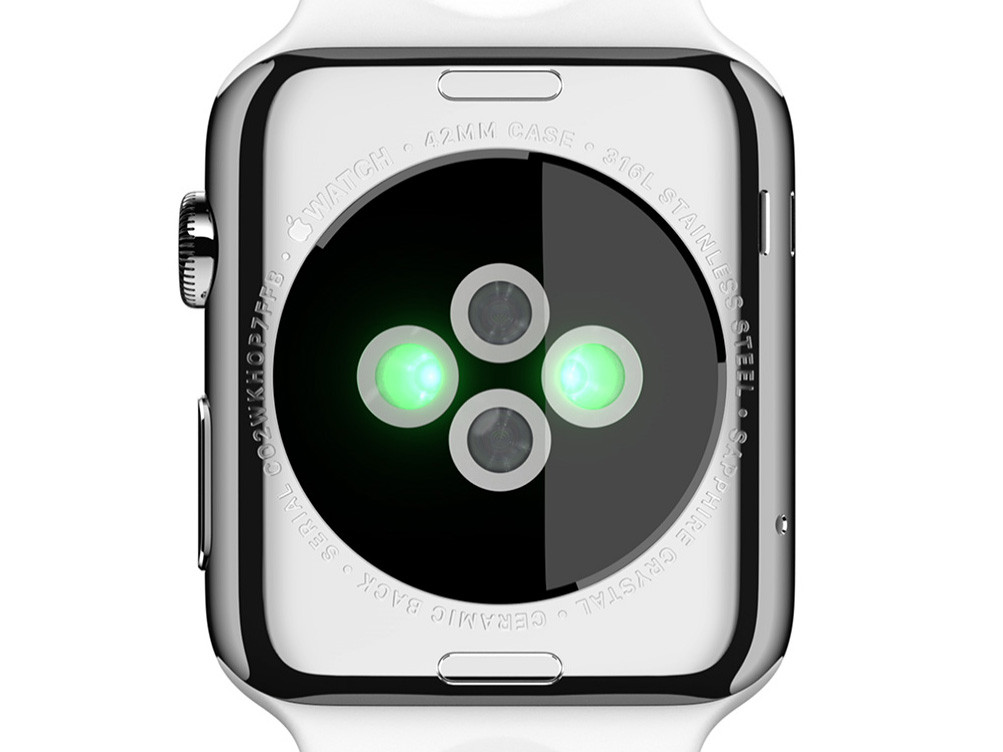
    Apple said the watch works on a technology called photoplethysmography that bombards the wearer’s skin with green LED and infrared light in order to follow the blood flow between heart pumps.

    apple_watch_sensors

    The official Apple support page reads:

    Permanent or temporary changes to your skin, such as some tattoos, can also impact heart rate sensor performance. The ink, pattern, and saturation of some tattoos can block light from the sensor, making it difficult to get reliable readings.

    The only solution Apple has to offer for now is that by connecting the Apple Watch wirelessly to external heart rate monitors via Bluetooth, the wearable can bypass the sensor reading from the tattooed area.

    The tattoo problem is not only being faced by Apple Watch users. Similar fitness wearables that use the same technology, have been reported to malfunction a little when worn on a tattooed hand.

  • Red claims Dragon is ‘Single most Significant Sensor in the History of Image Capture’


    Red Camera’s  CEO, Jim Jannard claims that  the company’s new camera sensor are going to be the most extreme thing that has happened to the movie industry in a long time. While the company calls this camera the new resolution and dynamic range king. It is also touted as the cleanest sensor you have ever seen, ISO 2000 looks better than MX at ISO 800.

    The company showed off its sensor at NAB touting 15+ stops of DR and 120fps at a full 5K of resolution, with $6,000 upgrades for Epic customers coming at the end of the year. Dont worry if you own their new  $9,700 (brain only) Scarlet-X, which is also set to get the Dragon Sensor.

    [Reduser Forum]

  • Printable Antenna Generates Electricity from Out of the Blue

    Printable Antenna Generates Electricity from Out of the Blue

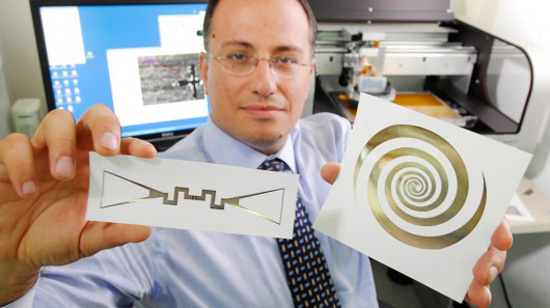
    WiFi networks, Cellphone and Radio Signals. These are just a few of the waves that are spamming the Electro Magnetic Spectrum around you most of the time. You can harvest this energy for more than its intended use. With printable antennas, you can power battery free electronics in most urban environments.

    Since this technology is still in its infancy and generates only a few milliwatts, so don’t expect it to power your cellphone or laptop anytime soon. What this technology is good for is powering networks of sensors in locations that don’t have electrical outlets, batteries or access to solar power. This could be a temperature sensor placed in the wall of your home, or a sensor built into the body of your car to check for structural damage. These sensors could also be teamed up with capacitors to collect power and send short bursts of wireless data to a receiver nearby.

    Theoretically, the amount of electricity generated could be increased in two ways. The first way would involve stacking these antennas one on top of the other and the second way would be to increase the surface area of each antenna. Combined, perhaps we could have a self charging battery or phone in the near future. We can only hope…

  • Toshiba Unveils a New CMOS Sensor

    Toshiba Unveils a New CMOS Sensor

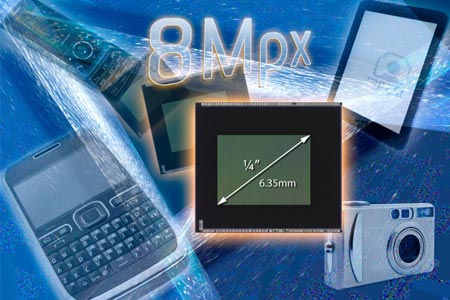
    Toshiba has released a new CMOS image sensor with a 0.25 inch optical format. This new sensor has the smallest pixel size to date of 1.12 micrometers and delivers cutting edge peformance with its built in back-side illumination technology.

    The sensor has been designed to accomodate tight form factors and still capture high definition images. Due to this feature, the company expects it to be embedded into mobile devices such as cameras, smartphones, tablets and even laptops in the near future. The 8.08 MP sensor can capture video at 60 frames per second at both 720p and 1080p resolutions.

    Andrew Burt, vice president, Analog and Imaging Business Unit, System LSI Group, TAEC had this to say,

    As smartphones and other portable digital devices move to smaller form factors, image sensors must also shrink in size. This presents imaging subsystem designers with a challenge: how do you get smaller and smaller image sensors to support higher image resolutions when miniaturization can cause a fall off in performance? Our BSI technology overcomes this problem by deploying the lens on the rear of the sensor, on its silicon substrate, not on the front, where wiring limits light absorption. This positioning boosts light sensitivity and absorption, and allows Toshiba to make finer quality image pixels in smaller-sized CMOS image sensors. This increased sensitivity also makes our BSI CMOS image sensors more suitable for video applications, such as video capture or video chat.

  • iOS 4.3 beta 2 released : iPad 2 to have a proximity sensor ?

    iOS 4.3 beta 2 released : iPad 2 to have a proximity sensor ?

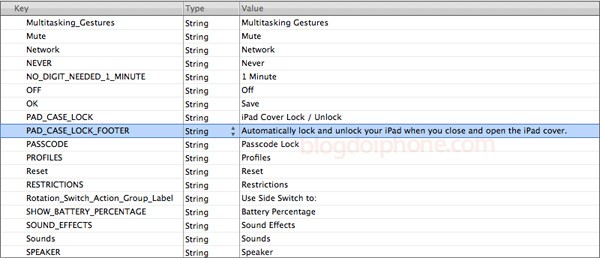
    A the picture above shows, the iOS 4.3 Beta 2 was released. Folks digging around in the developer files found that the iPad 2 will have a proximity sensor which might lock and unlock the device when its put in , or removed (respectively) from the cover.

    This refuels the no home button rumors we heard about. Please Apple, don’t remove that home button.

    A slight sigh of relief is shown by the fact that apple claims that multitasking functions are a test and will not be available in the final build of iOS 4.3 . This would definitely mean that the Home button still exists. It does, it doesn’t , we wont know until it’s finally released.

    Source : Apple, blog do iPhone

iGyaan Network
Privacy Overview

This website uses cookies so that we can provide you with the best user experience possible. Cookie information is stored in your browser and performs functions such as recognising you when you return to our website and helping our team to understand which sections of the website you find most interesting and useful.