Tag: solar

  • Apple Wants to Sell its Surplus Clean Energy

    Apple Wants to Sell its Surplus Clean Energy

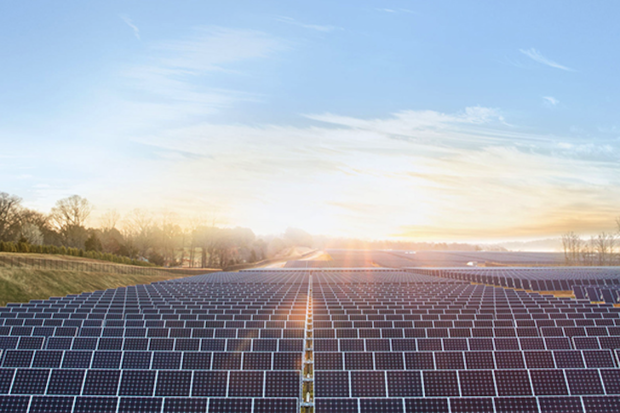
    Apple’s investments in the hundreds of megawatts of solar projects for powering its server farms and offices is apparently generating more electricity than the company can use. Apple has set up a new business called Apple Energy with the Federal Energy Regulatory Commission to sell power on wholesale markets.

    Apple has announced its plans for significant investments in solar projects throughout the US, and this will only help generate more electricity for the energy company.

    apple solar

    Apple claims that they generate enough electricity to recover 93% of its usage worldwide. The company also has investments in hydroelectric, biogas, and geothermal power, will buy green energy from the grid when and if needed.

    Apple may not be looking to convert this into its main business and call it iPower, however, it seems that they can sell back to the grid and get rid of any surplus they may not need. Apple had earlier this year shown $ 1.5 Billion in green investments, and major initiatives to improve recycling and impact on the planet.

  • India’s Cochin Airport Has 100% Free Electricity Via a Massive Solar Project

    India’s Cochin Airport Has 100% Free Electricity Via a Massive Solar Project

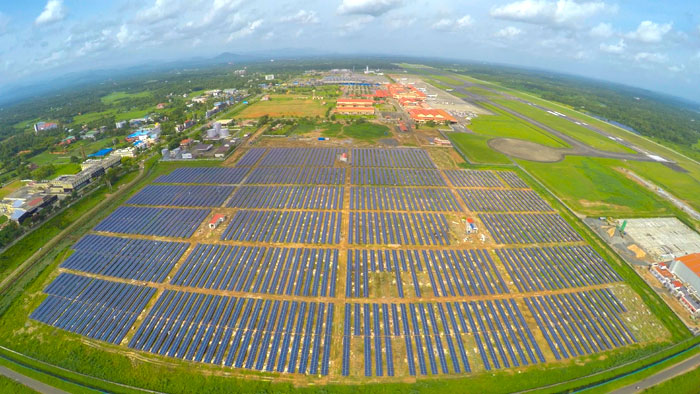
    Cochin Airport in India became the world’s first airport to become completely self-reliant as far as electricity is concerned.

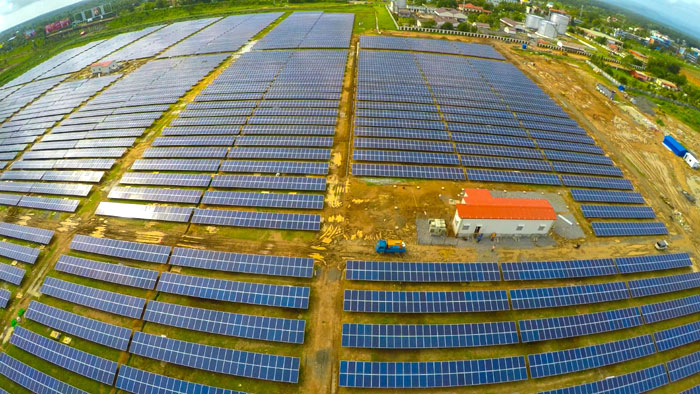
    The project, worth $10 Million, began in 2013 and was completed in 2015, it comprises of 46,150 solar panels laid on 45 acres of land near the airport’s cargo complex. Cochin airport’s solar power plant produces 50,000 to 60,000 units of electricity per day to for consumption by all facilities at the International airport.

    When we had realized that the power bill is on the higher side, we contemplated possibilities. Then the idea of tapping the green power came in. We consume around 48,000 unit (KWh) a day. So if we can produce the same, that too by strictly adhering to the green and sustainable development model of infrastructure development that we always follow, that would transcend a message to the world. Now this has become the world’s first airport fully operates on solar power ” -Said Mr.V.J.Kurian IAS, Managing Director, Cochin International Airport Ltd.

    This plant will produce 18 million units of clean power an annual power equivalent for 10,000 homes for one year. Over the next 25 years, this green energy project will avoid carbon dioxide emissions from coal-fired power plants by more than 3 lakh metric tons, which is equivalent to planting 3 million trees or not driving 750 miles.

    cochin solar feild

    Initially Kolkata-based M/s Vikram Solar Pvt. Ltd. was responsible for the 400 polycrystalline modules of an output of 250Wp and five Refu-sol 20kW capacity string inverters were used in this plant as a trial. After completion, the airport has so far saved more than 550 Metric Tonnes of CO2 emission.

    This solar project in itself is an incredible feat, and the fact that the whole airport is self-sustainable for at least the next 25 years makes it even more impressive

    Source

  • Nepal’s Homegrown Solar Company Makes an Innovative Contribution to Help Nepal

    Nepal’s Homegrown Solar Company Makes an Innovative Contribution to Help Nepal

    On 12th May, Nepal was hit by yet another earthquake measuring 7.9 on the Richter Scale. Before this, an earthquake of 7.8 magnitude struck the country on April 25th, leaving more than 20,000 people dead, injured or missing.

    During this phase of time, many technological powerhouses like Facebook, Google, and telephone subscribers pooled in resources for the people of Nepal. Google People Finder app helped a lot of people search for their friends and family while Facebook collected a grand sum of $10 million through its Donation Drive. Companies like Airtel, Vodafone, etc. lowered down their call rates for a few days.

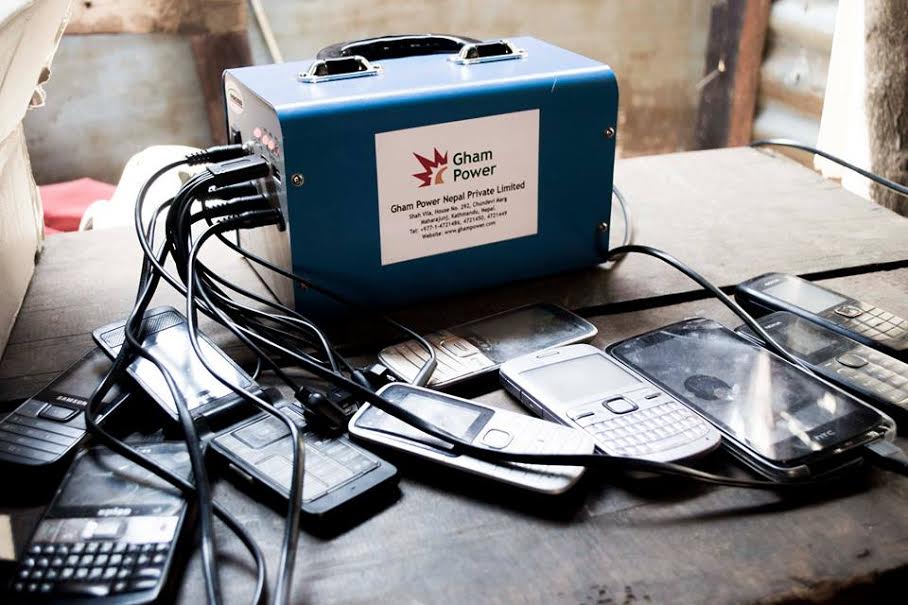
    Nepal’s own solar power company, Gham Power, has played a pivotal role in providing relief and helping the victims. Run by Sandeep Giri, Gham Power sprung into action to deploy solar power systems to help  lighting up camps and mobile charging stations.

    gham power

    Sandeep Giri says that two major issues interfere while addressing basic needs like medical attention, food, water, and shelter.

    Firstly, you don’t want to be in the dark, as it’s scary, you don’t feel safe, and it is also very cumbersome to get, or administer relief without light. Second, in this day and age, your first instinct is to reach out for your loved ones to check if they are okay and let them know you are okay, and when you reach for your mobile phone, it’s dead and there is no place to charge it.

    Gham Power has teamed up with many other local solar companies and is right now working with Global Nepali Professional Network to raise money and build as many solar power systems as possible. The project has been named ‘Rebuild with Sun’ and has been launched on Indiegogo campaign. Its initial fundraising goal is $150,000. The contribution has been broken down to provide energy supply in different areas like: $50 provides lights and charging for one family, a hundred dollar buys a 20-watt system that can serve three families and $500 can provide a 100-watt system aiding 15 families and up to 100 phone users.

    You can read more about how different tech powerhouses joined hands in an effort to help out Nepal in distress here.

    Click here to see the aftermath of the deadly earthquake that hit Nepal on 25th April.

  • Volvo Pure Tension Concept has Folding Solar Pavilion

    Volvo Pure Tension Concept has Folding Solar Pavilion

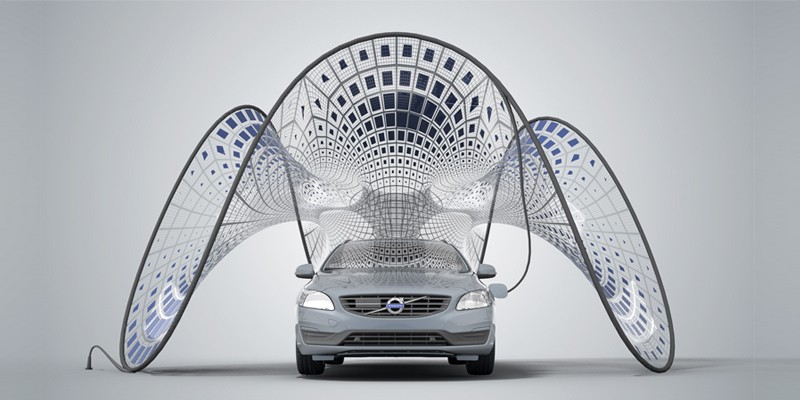
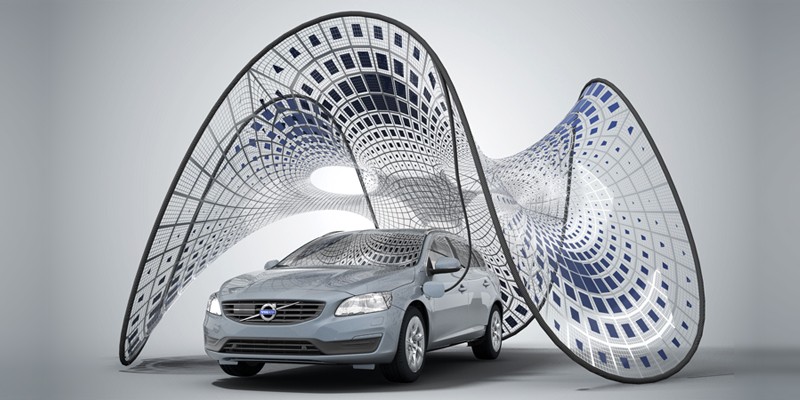
    Everyday we come across concept cars which promise to change the future, but aren’t much more than a carbon fibre monocoque riding on magnesium rims. The “Pure Tension” Volvo V60 Pavilion however, is really something else.

    Commissioned by Volvo Italy and the winner of the Pure Volvo Pavilion Design competition, the Pure Tension solar pavilion is an experimental creation, developed by Synthesis Design + Architecture, Buro Happold, and Fabric Images. The mysterious floating sculpture of sorts seen floating above the rendered Volvo V60 is a pavilion, like the ones erected for trade shows or outdoor events. The pavilion is a tensioned membrane structure constructed using a flexible HDPE (High Density Polyethylene) mesh skin, held in place by carbon fibre rods, which can fully collapse and fit inside the trunk of the V60 when not in use. The Pure Tension however isn’t designed to just provide shelter and look pretty while doing it; It doubles up as a power source as well.

    Pure Tension

    The mesh is embedded with photovoltaic cells so that the pavilion can absorb energy from the sun or indoor lighting, making it a portable charging station. It can power itself or the V60 which aptly so, is a diesel hybrid that plugs straight into the pavilion.

    According to reports, the Pure Tension Volvo V60 Pavilion concept will be shown in September in Rome. The creation however is lightyears away from being market ready, and chances of us ever seeing such a car on the road are quite small. But the Pure Tension is a great example of true innovation in the automotive industry, and is comfortable proof that the ability to think differently about the cars of the future, isn’t going anywhere anytime soon.


    [Source: Synthesis +DNA]

  • Micromax launches X259, powered by Solar Energy

    Micromax launches X259, powered by Solar Energy


    Micromax has announced the launch of X259 handset, which comes with a built-in solar panel. Priced at Rs. 2,499, it is the first solar phone from the company.

    The built-in solar panel allows the phone to get automatically charged when exposed to sunlight. It is targeted to rural consumers, who constantly grapple with power cuts over long durations. According to the company, three hours of solar charge provides 1.5 hours of talk time on the phone.

    It features a 2.4-inch QVGA screen with a resolution of 240x320p, a VGA camera, a 1000mAh Li-ion battery and dual-SIM dual-standby feature. The handset also supports Bluetooth and GPRS connectivity.

    [quote]”We have been at the forefront of innovation. We have introduced many categories into this competitive Industry be it long battery life phones or dual SIM phones. With the introduction of this our intent is to get rid of the mobile phone charger by including a solar panel on the device itself,” stated Rahul Sharma, co-founder, Micromax.[/quote]

    [toggle_box title=”Press Release” width=”Width of toggle box”]

    Go Green with the Micromax X259 SOLAR PHONE 
     
    ?     Micromax X259 comes with solar cells which can be charged through solar energy
    ?     3 hours of solar charge provides 1.5 hours of talk time
     
     
    Text Box: Key features of X259</p><br />
<p>ü	Solar Panel technology<br /><br />
ü	2.4” QVGA screen<br /><br />
ü	VGA Camera<br /><br />
ü	240X320 screen resolution<br /><br />
ü	1000mAh battery<br /><br />
ü	Dual SIM Dual Standby<br /><br />
ü	Mi-Zone<br /><br />
ü	M- Store<br /><br />
ü	GPRS & Bluetooth connectivity<br /><br />
New Delhi, July 12th, 2012: Micromax Informatics Limited (“Micromax”)the 12th largest handset manufacturer in the World (According to Global Handset Vendor Market share report from Strategy Analytics) today announced the launch of X259, with a built-in solar panel.

    Micromax has always been recognized for its innovation in its device portfolio and has created categories such as marathon battery life phones, dual SIM Phones, Life Style phone and many more. Micromax adds yet another category to its offering of unique devices. The Micromax X259 Solar Phone priced at Rs. 2499/-, it is the company’s first solar phone which enables the users to charge their phone using solar energy.

    Micromax X259 comes with a solar panel technology through which the phone automatically gets charged through solar power on exposure to sunlight. With unpredictable power cuts specifically in the rural areas this handset will be the perfect solution to address the issue of recharging the phone through electricity.

    Commenting on the device launch, Mr. Rahul Sharma, Co – Founder, Micromax said, “We have been at the forefront of innovation. We have introduced many categories into this competitive Industry be it long battery life phones or dual SIM phones. With the introduction of this our intent is to get rid of the mobile phone charger by including a solar panel on the device itself”.

    Micromax X259 features a 2.4” QVGA screen with a resolution of 240X320. The phone is powered with a 1000mAh Li-ion battery and facilitates dual SIM dual standby feature. The users can share images, videos, music with friends through the phone’s Bluetooth connectivity.

    Micromax X259 is available at Rs. 2499/- This model will be available across all leading retail outlets across India.  
     
    For more information, please visit www.micromaxinfo.com
     
    About Micromax:
    Micromax is the 12th largest handset manufacturer in the World (According to Global Handset Vendor Market share report from Strategy Analytics). The Indian brand is reaching out to the global frontier with innovative products that challenge the status quo that Innovation comes with a priceMicromax has sales presence across India and global presence in Hong Kong, Bangladesh, Nepal, Sri-Lanka, Maldives, UAE, Kingdom of Saudi Arabia, Kuwait, Qatar, Oman, Afghanistan and Brazil.
     
    * Micromax holds the 3rd position amongst the handset manufacturers in India as pre revenue with a market share of 6.9% for the FY 2011. (Source: V&D report)
     

    [/toggle_box]

  • Solar Powered Smartphones Without Solar Panels – Coming Soon

    Solar Powered Smartphones Without Solar Panels – Coming Soon

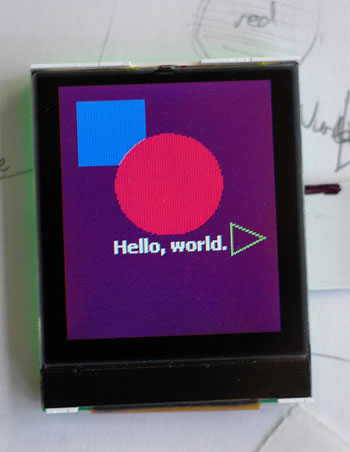
    In a very interesting development, researchers from the UCLA Henry Samueli School of Engineering and Applied Sciences, have created an LCD screen which can charge its own batteries from any ambient light source such as the sun, an incandescent bulb and even its own backlight!

    We took a look a little while ago at How Modern LCDs Work. As you might remember, each LCD has a polarizing sheet that controls the amount of light that passes through any given pixel. These polarizers are very inefficient, and waste most of the absorbed energy. With this new development however, the standard polarizers have been replaced by a polarized sheet made with organic photovoltaics. These photovoltaics convert any absorbed energy, into electricity, thereby increasing the battery life of any device that it is used in.

    The researchers say that they are speaking to manufacturers so that this technology may be incorporated into future products.

  • Bharat Electronics Ltd’s Solar Slate promises Froyo for 3000 Rupees.

    Bharat Electronics Ltd’s Solar Slate promises Froyo for 3000 Rupees.

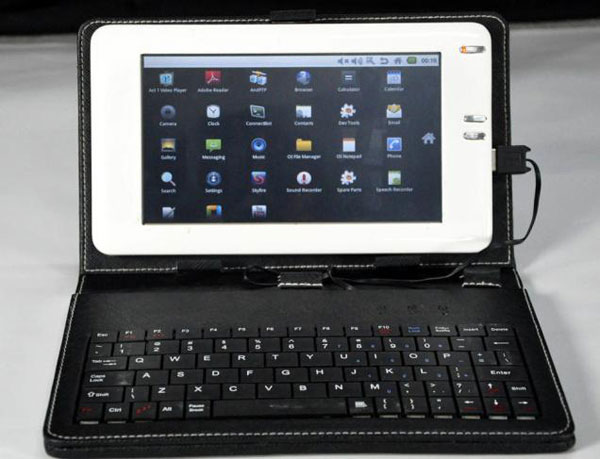
    Bharat Electronics Ltd has developed a tablet PC that would cost $70-75 (around Rs 3,000) apiece for the Ministry of Rural Development’s poverty survey. The company supply six lakh pieces this year,expected to be delivered by end-November.

    Normally, BEL generates 80 per cent of its revenue from military supplies such as radars, detection and communication devices; its turnover for the year ended March 2011 was Rs 5,500 crore; the 2011-12 guidance is for Rs 6,200 crore.

    The device will boast Android 2.2 Froyo, a Solar powered battery pack, and a plug in keyboard. The device also appears to have a usb input port and a resistive touchscreen. 

    Since the order coming in early July, BEL has supplied an initial 2,000 tablets to the North-East. They were made at a small plant that was added to BEL’s Mass Manufacturing Facility in Bangalore at a cost of Rs 7 crore. Depending on further demand, it may put up an additional line for Rs 20 crore, apart from tapping capacities at Ghaziabad and Panchkula.

    We are already poking around to get some action with the device.

    [Hindu Business Line]
  • A Solar Panel That Works Without The Sun

    A Solar Panel That Works Without The Sun

    Solar panels have come a long way since the technology was first invented. But the major drawback of using photovoltaics on Earth is that it eventually gets dark. Researchers at MIT have developed a solution to this problem. They’ve come up with a photovoltaic cell which doesn’t need any sunlight and is built into a button sized generator that can run your smart-phone for a week.

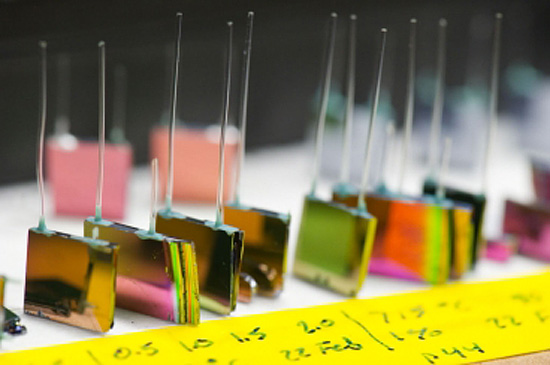
    In the image above, you have many of these generators that require a fuel, like butane, from which they generate heat. The material that the generators are made out of are pockmarked with billions of tiny (we’re taking nanometer scale here) holes. When this pockmarked surface heats up, it emits light in a few very specific wavelengths that are then captured by photovoltaic cells that are tuned to those specific wavelengths, and then you get electricity.

    The basic principle of the new generators is the same as the one that feeds electricity to your house. A fuel is heated and converted into electricity. With a power plant, the heat is used to boil water to steam, and the steam is used to turn a turbine, which generates electricity. The new generators follow the exact same principle, but with no moving parts and a one step process, they are many times more efficient. Their prototype uses butane as a fuel but you can use anything that burns, coal, wood, uranium, you name it.

    So as a consumer, what can you look forward to? Currently, MIT’s generator is about three times more efficient than a lithium ion battery, and since they run on butane, you just need to refill them and they’re good to go. With a little bit of work, MIT researchers say that they can triple their current efficiency, and since all this can be scaled down, you can expect a new smart phone using this technology to run for a solid week without a recharge in the near future.

  • Researchers at MIT Develop Foldable and Printable Solar Cells

    Researchers at MIT Develop Foldable and Printable Solar Cells

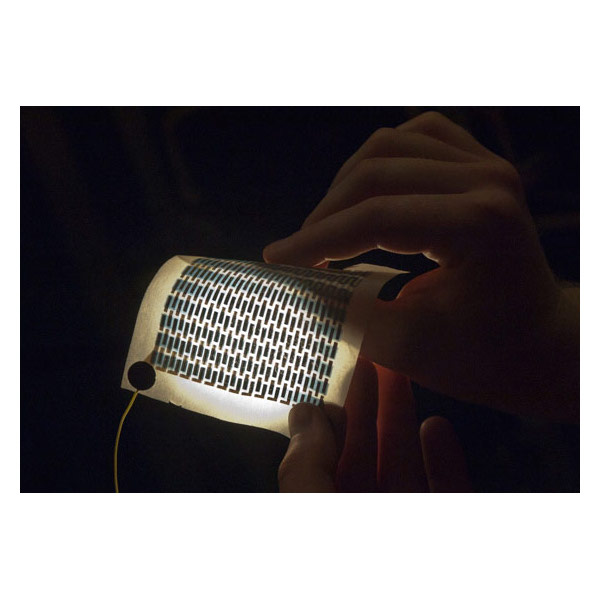
    Scientists at MIT have developed a new technique for creating solar cells. The process doesn’t require the high temperature and pressure treatment that regular cells require, bringing the cost down significantly. They have used a vapor deposition process which is similar to the process used to give the silver lining to the inside of a bag of potato chips, and were able to print an array of working photovoltaics to a sheet of untreated paper, plastic and even cloth.

    This breakthrough technology cant be used to power too many things just yet as the cells work at only one percent efficiency. Despite this bottleneck, the cells provide many advantages over traditional silicone based photovoltaics, namely, they are flexible, in both physical terms as well as the materials used, and they are much much cheaper to manufacture. Don’t go looking for these on the market just yet though. They should be available in a couple of years.


  • The Samsung NC215s – The Solar Powered Netbook

    The Samsung NC215s – The Solar Powered Netbook

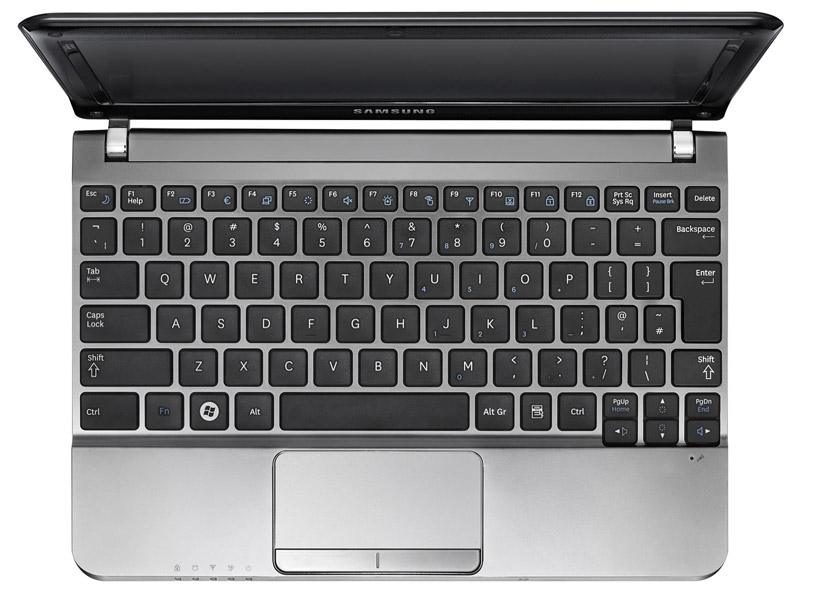
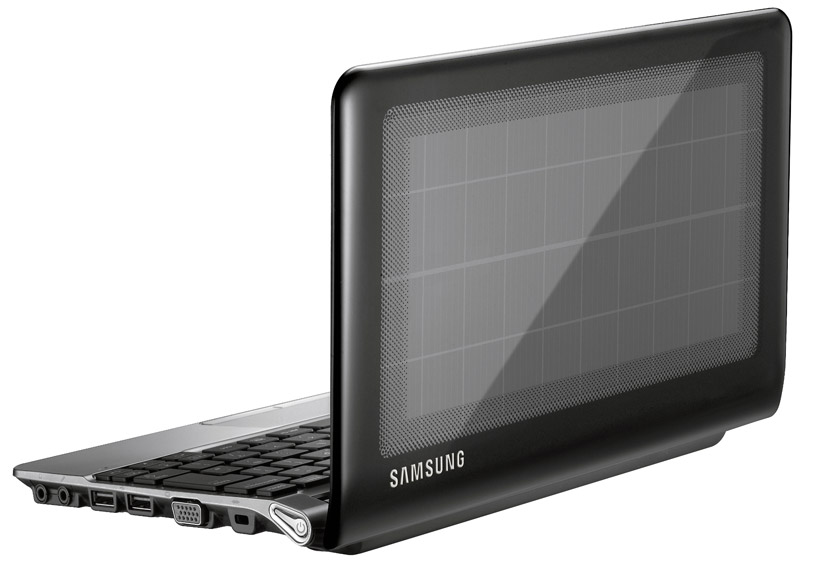
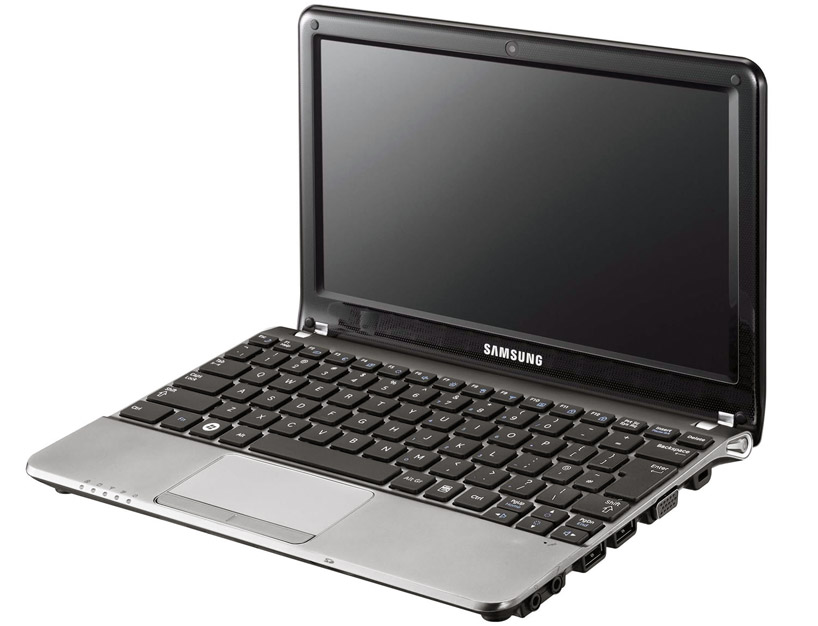
    Samsung has released a Solar powered netbook that will be available in the US and Russia. The rear side of the display houses a solar panel that can generate an hours worth of power for every two hours of exposure to direct sunlight.

    The netbook’s 10.1 inch 1024x600px display is specially designed for extra brightness and is also layered with an anti reflective coating  for use outdoors. The netbook features either a dual-core N570 or single-core N455 Intel Atom processor, with a choice of a 250 or 320 GB harddrive. A sleep mode called ‘Samsung Fast Start’ combines the stability of hibernation with the fast reloading of sleep, while ‘sleep-and-charge’ enables the charging of external USB devices even when the computer is off. A full charge of the six-cell battery is reported to provide up to 14 hours of use. The Samsung NC215S is expected to be released in the United States in early July at a cost of 400 USD, and in Russia in early august, for 13,999 rubles (500 USD).

  • World’s First Solar Powered Android Smartphone: Umeox Apollo

    World’s First Solar Powered Android Smartphone: Umeox Apollo

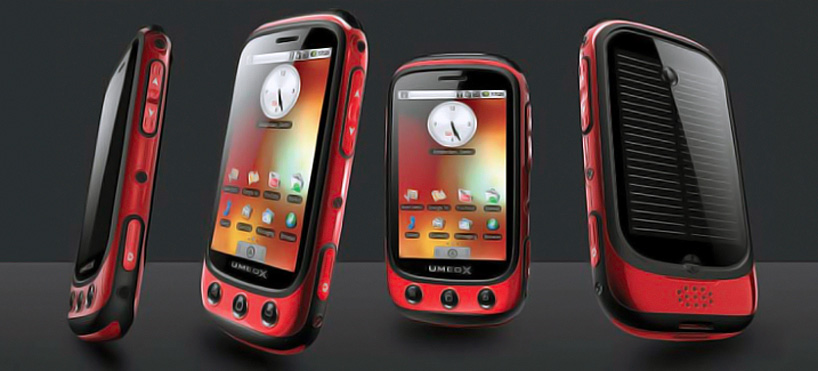
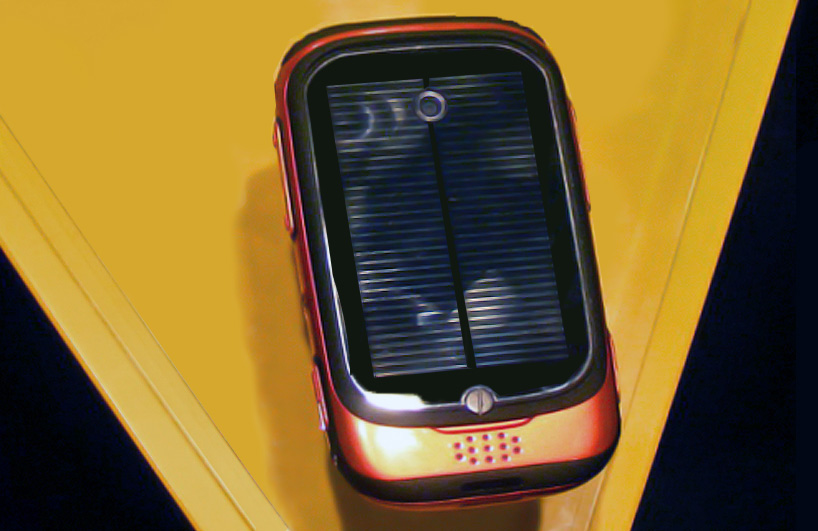
    With a hardware prototype on display at Mobile World Congress 2011, phone manufacturing company Umeox has announced ‘Apollo’, the first solar-powered android smartphone. With few features but an expected price point below 100 USD, the phone is designed primarily for developing markets. the 3.2″ touch screen is backed with Android 2.3, and uses Dutch energy developer Intivation’s efficient sunboost technology for its solar panel.

    One hour of full sunlight provides sixteen minutes of talk time, and the company estimates that approximately 2.5 hours of light exposure is sufficient for daily use. Although natural sunlight is most efficient, the phone can also charge on ambient artificial light. ‘Apollo’ also includes a 3-megapixel rear facing photo and video camera, along with SD memory card slot.

    Tech Specs:

    • 3.21″ 320 x 240px display
    • 1300 mAh Battery
    • 3MP rear facing Photo & Video Camera
    • 24 cm2 Solar Panel
    • 3G HSDPA Internet Access

    Expected to launch in 3rd quarter of 2011 at a price range of Rs 4500 to 6000.


  • The Bento Book – A Laptop & Tablet Hybrid

    The Bento Book – A Laptop & Tablet Hybrid


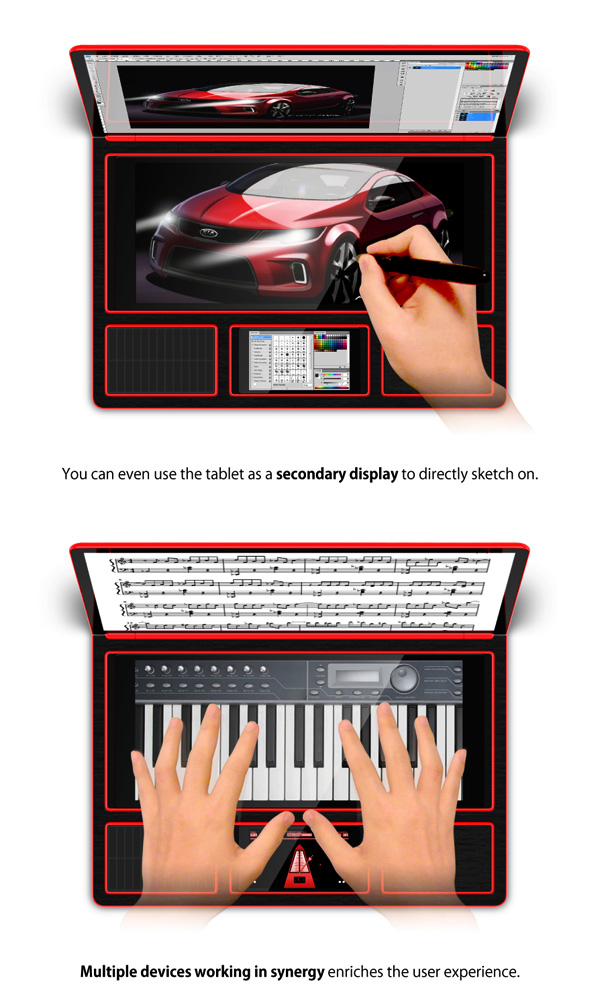
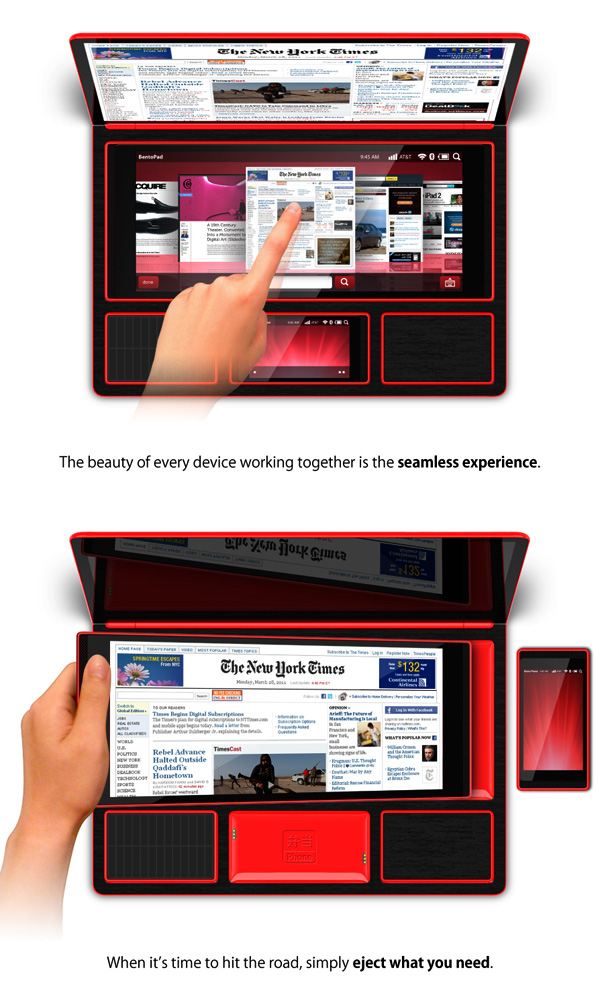
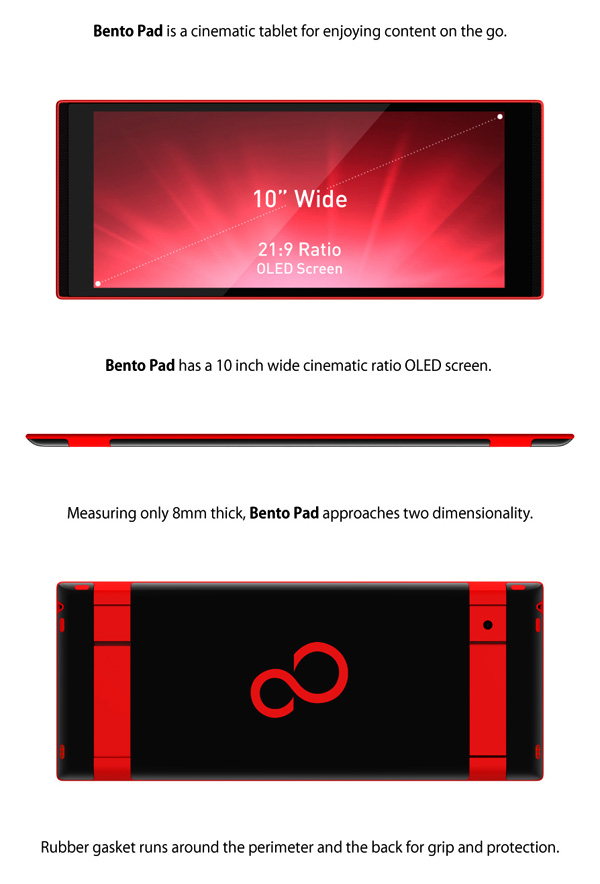
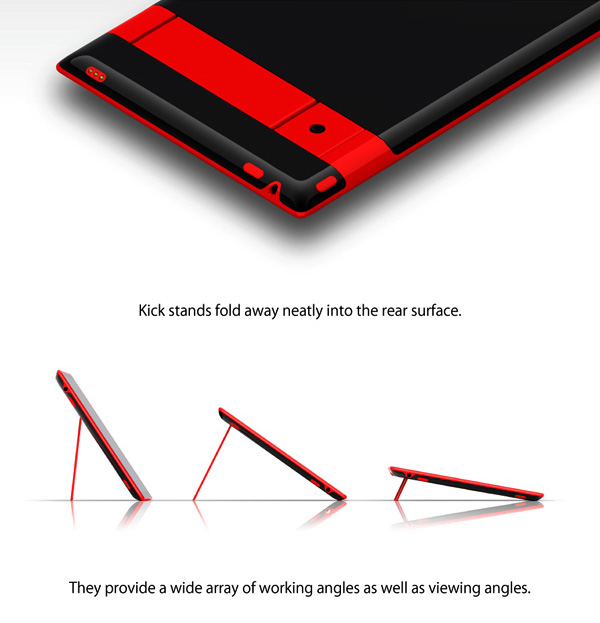
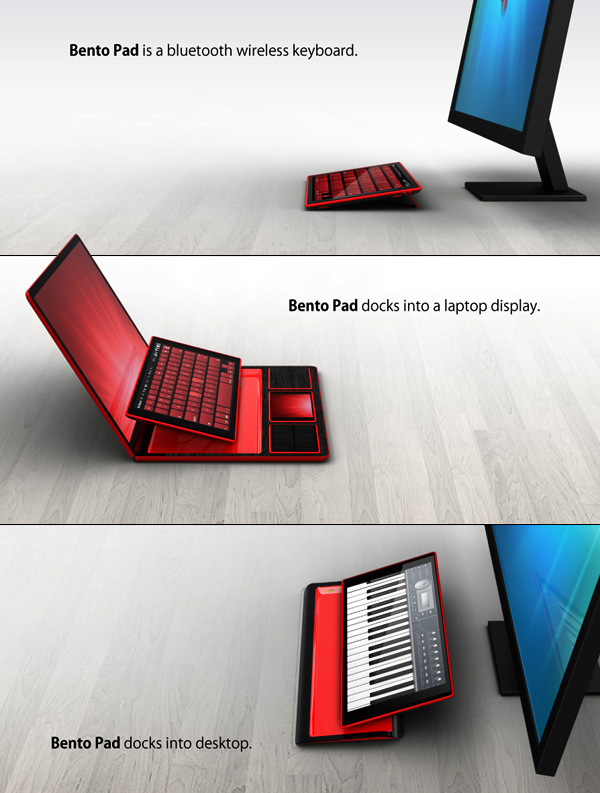
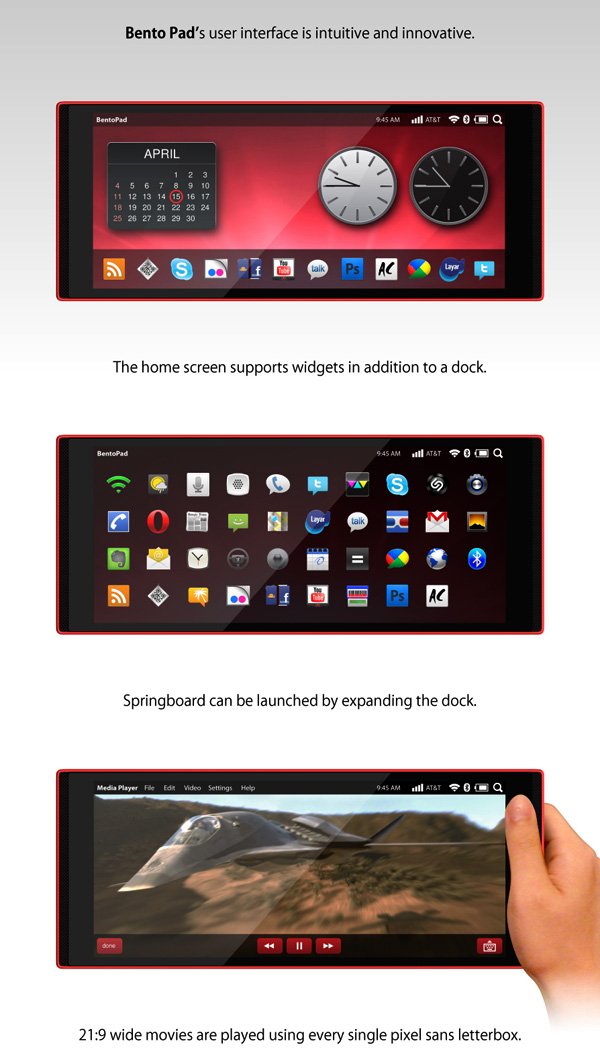
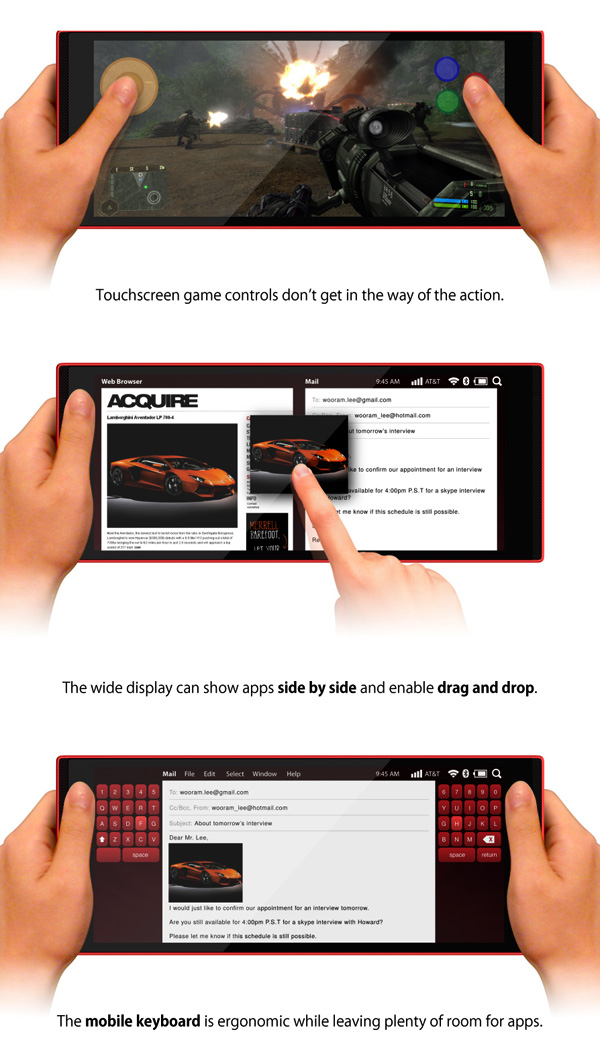
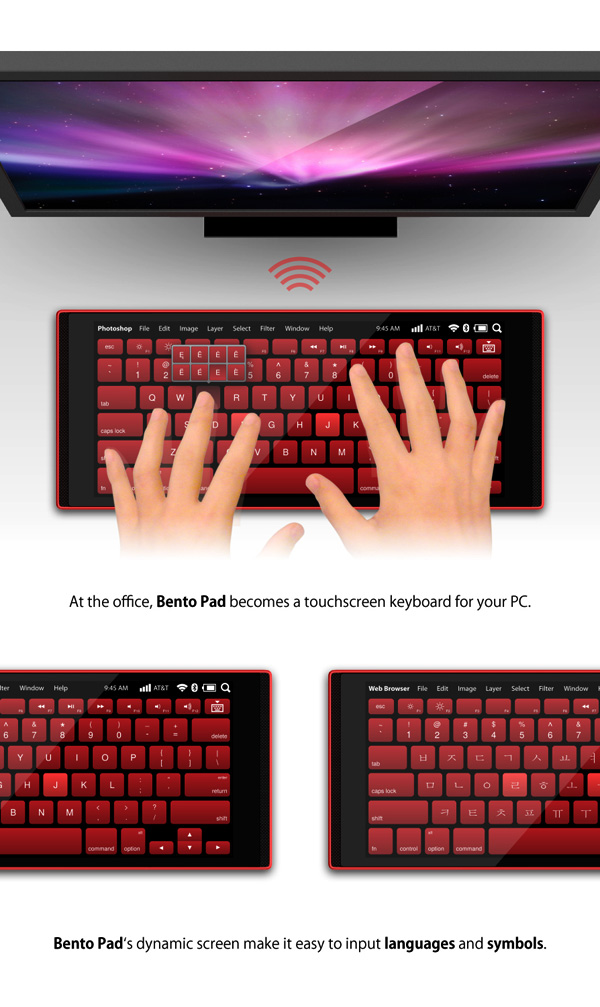
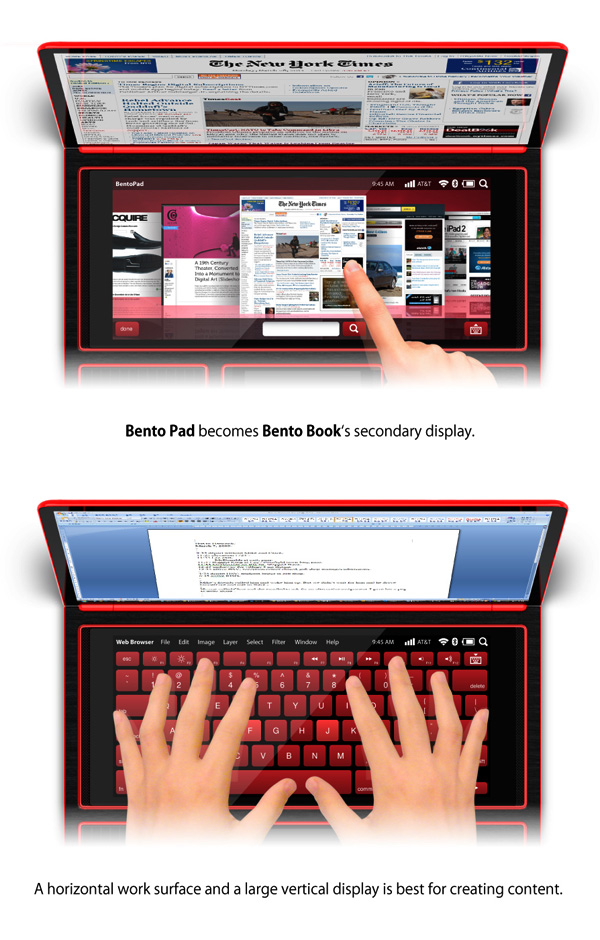
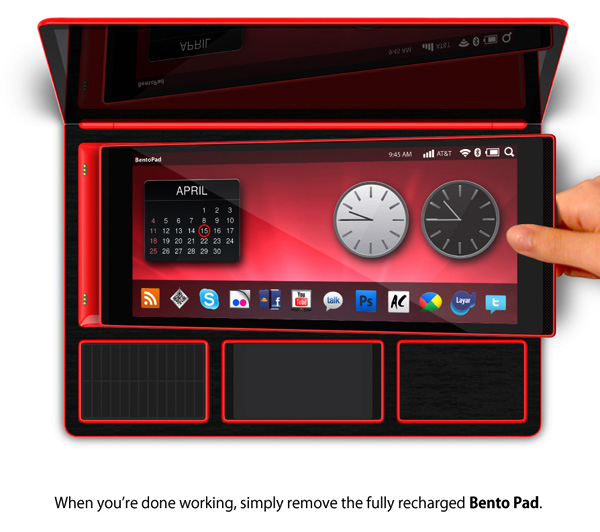
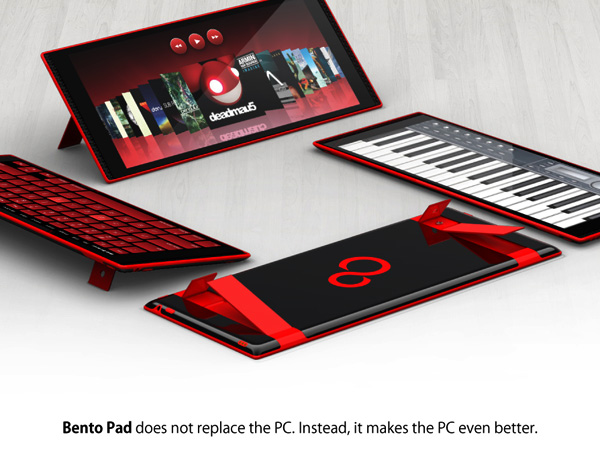
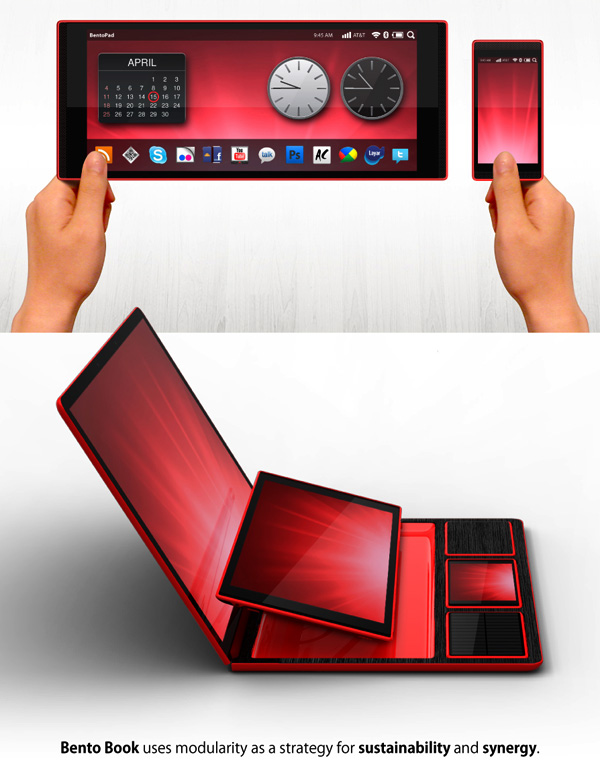
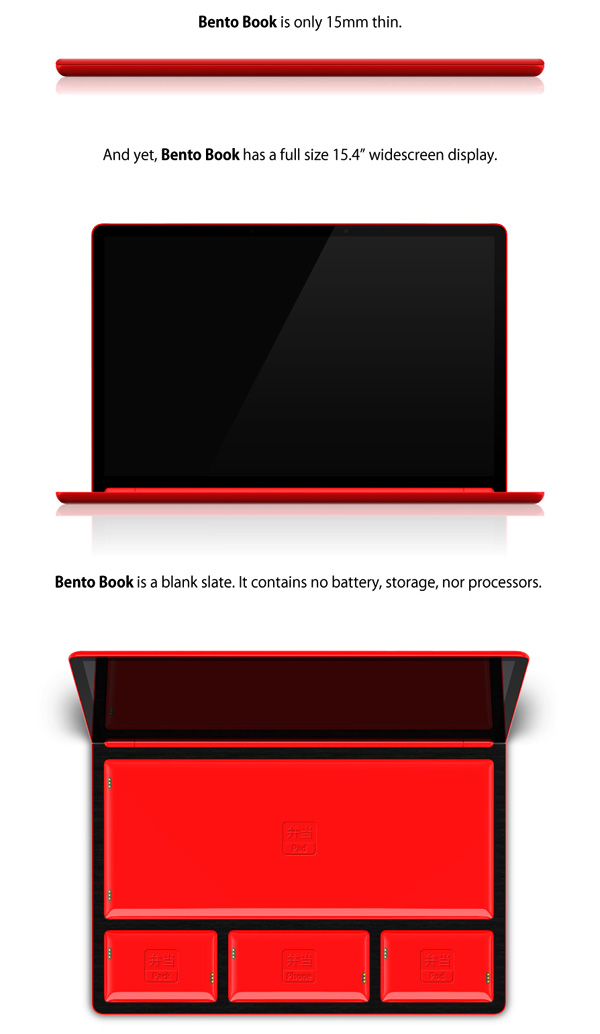
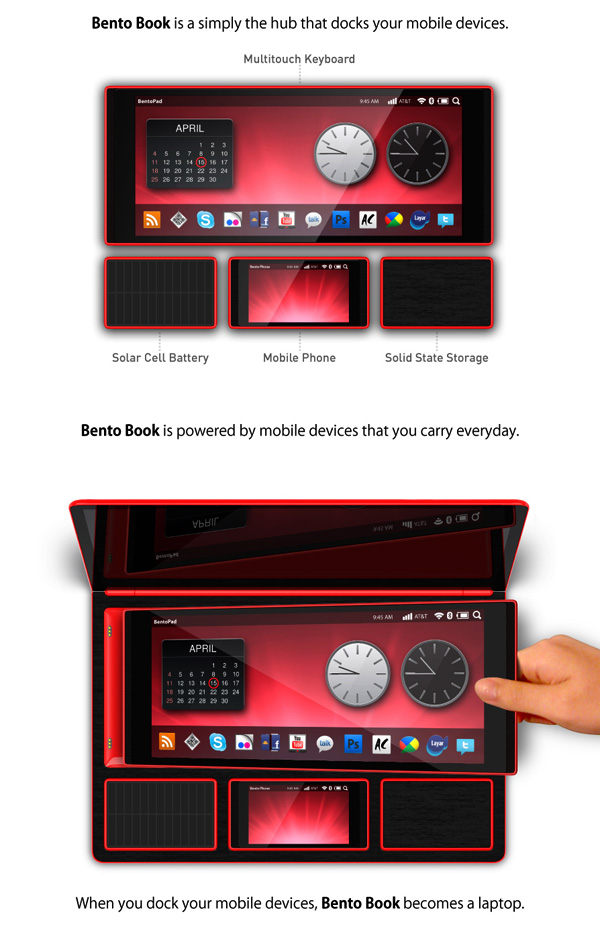
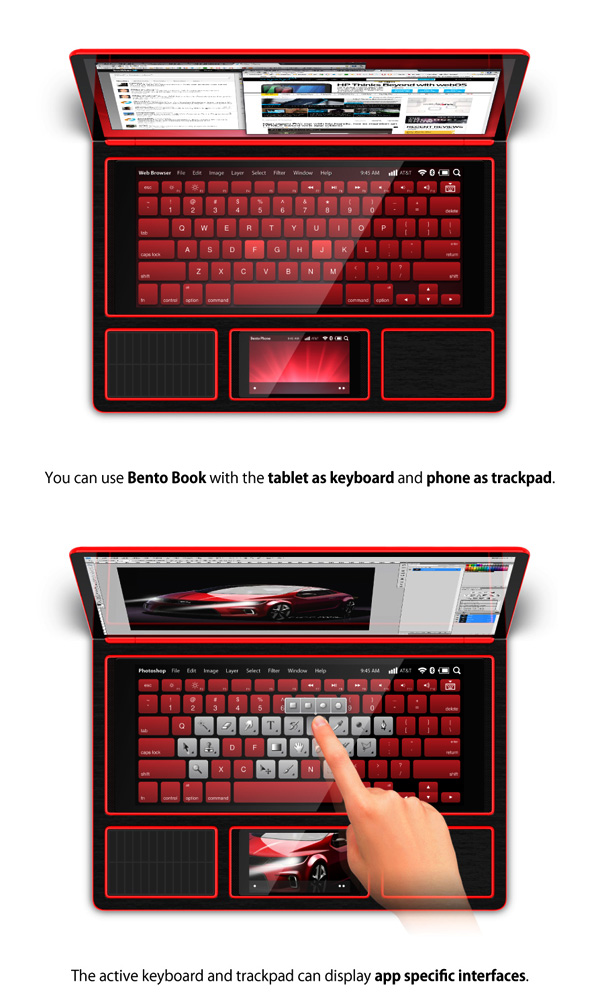
    Bento is quite an exceptional and forward thinking concept by René Woo-Ram Lee. It’s quite a plausible scenario that most of us use/own a tablet, a PC, external hard drives and a smartphone. Now combine the power of these to have fully customizable Bento Laptop! The Box accommodates all the gear to work as one whole unit or individually; as you see fit.

    Features

    • Laptop with 15″ OLED screen
    • 11″ tablet and 4″ phone sit in shallow depressions
    • Solar powered lithium-ion battery
    • 1TB SSD drive
  • Ralph Lauren gets Tech Fashion with Solar Powered Backpack

    Ralph Lauren gets Tech Fashion with Solar Powered Backpack

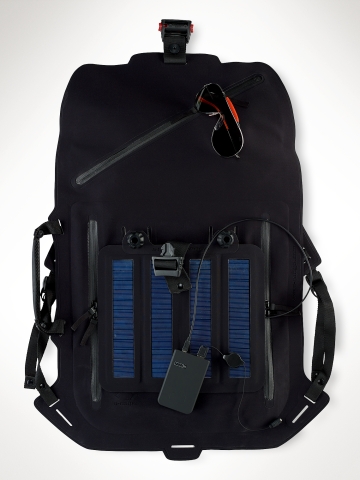
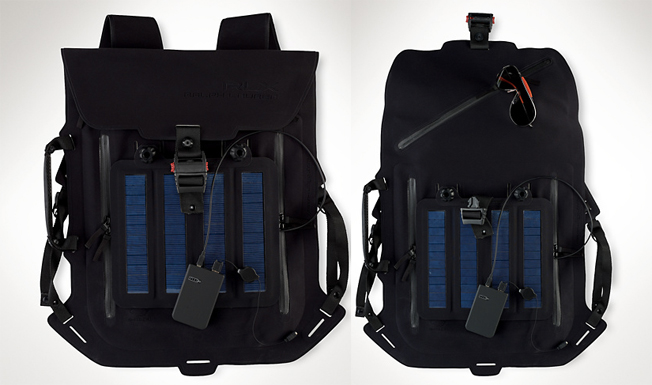
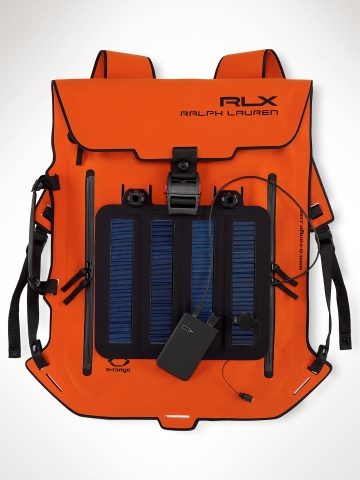
    Ralph Lauren has just launched the Fashion Geek trend of the year, Pictured above (and below) is the latest backpack from the POLO brand owners collection. It features a full solar panel which can charge up your smartphone in a total of about 2 hours in sunny conditions. The backpack itself is completely waterproof and has several pockets. The panel generates a constat 3.45 watt current.

    Check out the specs via RL’s website

    • Comfortably thick, adjustable shoulder straps. Handle on one side allows for use as a bag.
    • Top flap with adjustable buckle closure. Zip pockets on one side. “RLX Ralph Lauren” cutout on the flap.
    • With proper sunlight orientation, the iPhone® and other mobile phones can be charged in two to three hours.
    • 3.45 watt current generated, enabling charges to iPod® Classic and mobile phone devices.
    • 20″ H x 14″ L x 1″ D. Made in Italy.
  • Samsung shows off ambient-light power source based transparent LCD display

    Samsung shows off ambient-light power source based transparent LCD display

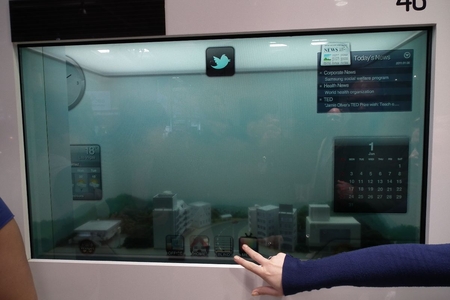
    Before we begin to talk about this next piece of hardware, let me tell you that we want one! The Samsung ambient light based transparent LCD shows what technology has achieved today. What we saw in movies and SCI-FI flick is becoming real day by day.

    What you see here is a prototype 46-inch display with 1920 x 1080 resolution and ten-finger touchscreen capability. The device generates is power from surrounding light, much like our calculators.

    Whats impressive is the fact that Samsung has been able to make a working prototype of a Huge touchscreen TV which along with its solar cells, efficiently generates power from your wall light bulb, enough to sustain itself.

    Makes you want to throw your calculator doesn’t it? well even your TV/Monitor.

    Whats more, there are some rumors of Samsung using this technology to develop larger panels than the ones currently in existence. The biggest panels that the company currently releases is a 65-inch model.

    [IT Pro Portal]

iGyaan Network
Privacy Overview

This website uses cookies so that we can provide you with the best user experience possible. Cookie information is stored in your browser and performs functions such as recognising you when you return to our website and helping our team to understand which sections of the website you find most interesting and useful.