Tag: Spec Comparison

  • OPPO Realme 1 Vs Xiaomi Redmi Note 5 Pro Vs Asus Zenfone Max Pro

    OPPO Realme 1 Vs Xiaomi Redmi Note 5 Pro Vs Asus Zenfone Max Pro

    The budget smartphone category in the Indian market is seldom short of great offerings. In 2017, devices like the Mi A1, Moto G5 Plus and the Honor 7X were the popular budget smartphones. Honor kicked off 2018 with the Honor 9 Lite which has a great build quality and a dual-camera setup on the front and back. Xiaomi launched the Redmi Note 5 Pro, the first-ever smartphone with the Qualcomm Snapdragon 636 chipset. Asus launched the Zenfone Max Pro with the same chipset at a more affordable price. Recently, OPPO launched its sub-brand Realme and unveiled the Helio P60-running Realme 1 in India.
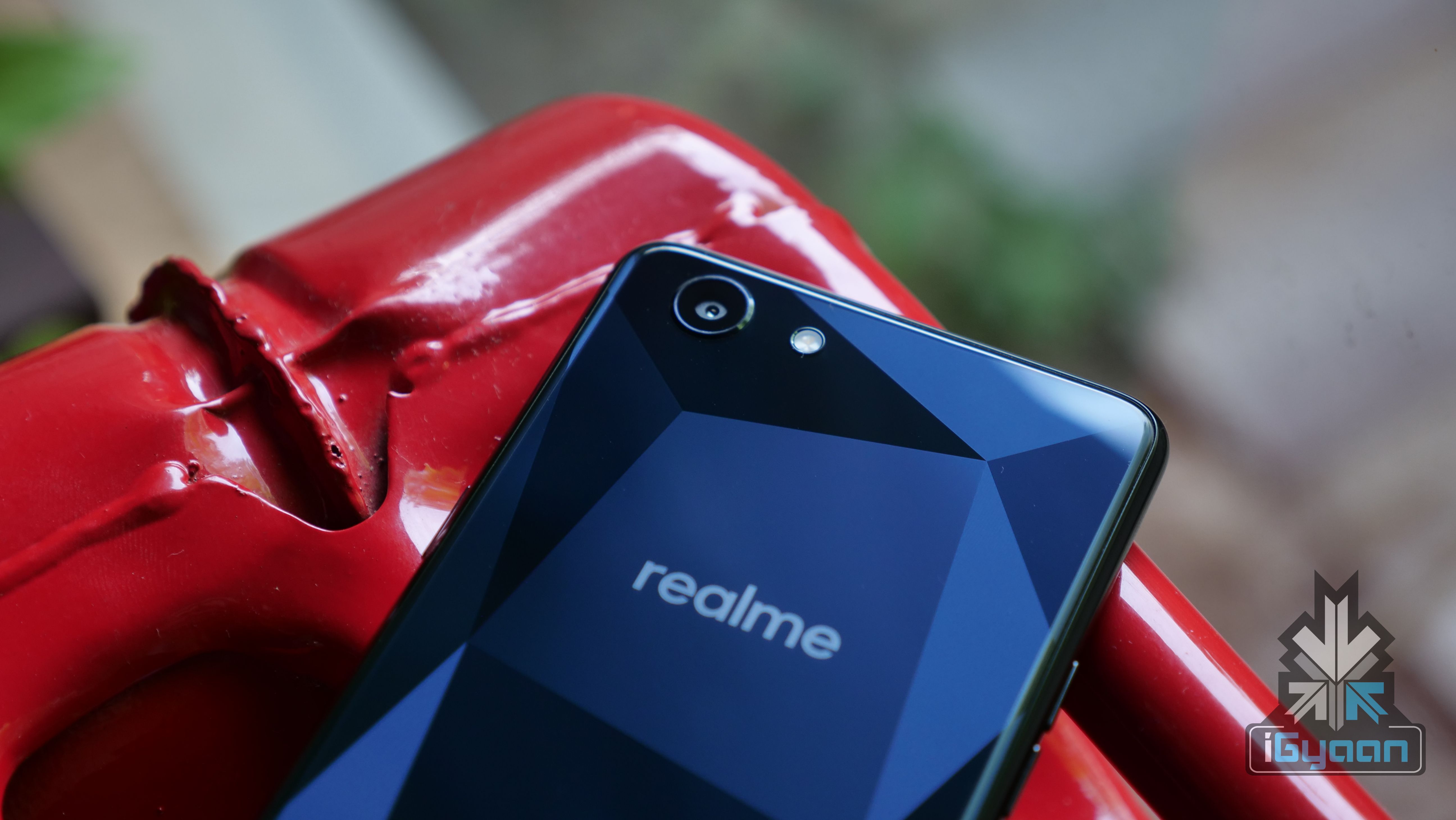
    The Xiaomi Redmi Note 5 Pro retails for a starting price of Rs 14999, while the base model of Asus Zenfone Max Pro is priced at Rs 10999. The Realme 1 retails for a starting price of Rs 8999 which is very competitive for the specifications it has. One caveat for all the three smartphones is flash sales. The Zenfone Max Pro and Redmi Note 5 Pro have had multiple sales while Realme 1 will have its first sale on May 25th.
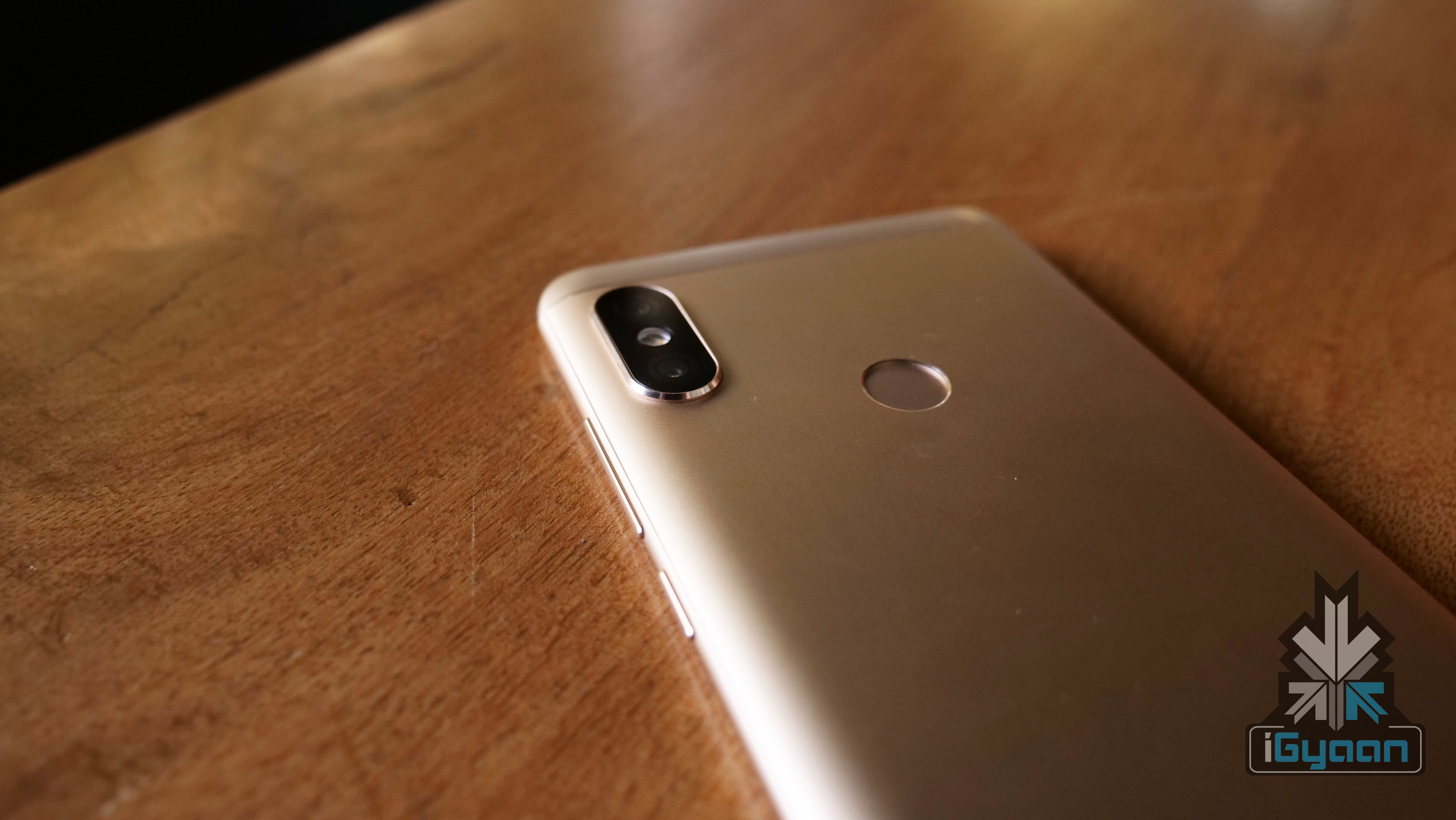
    Redmi Note 5 Pro

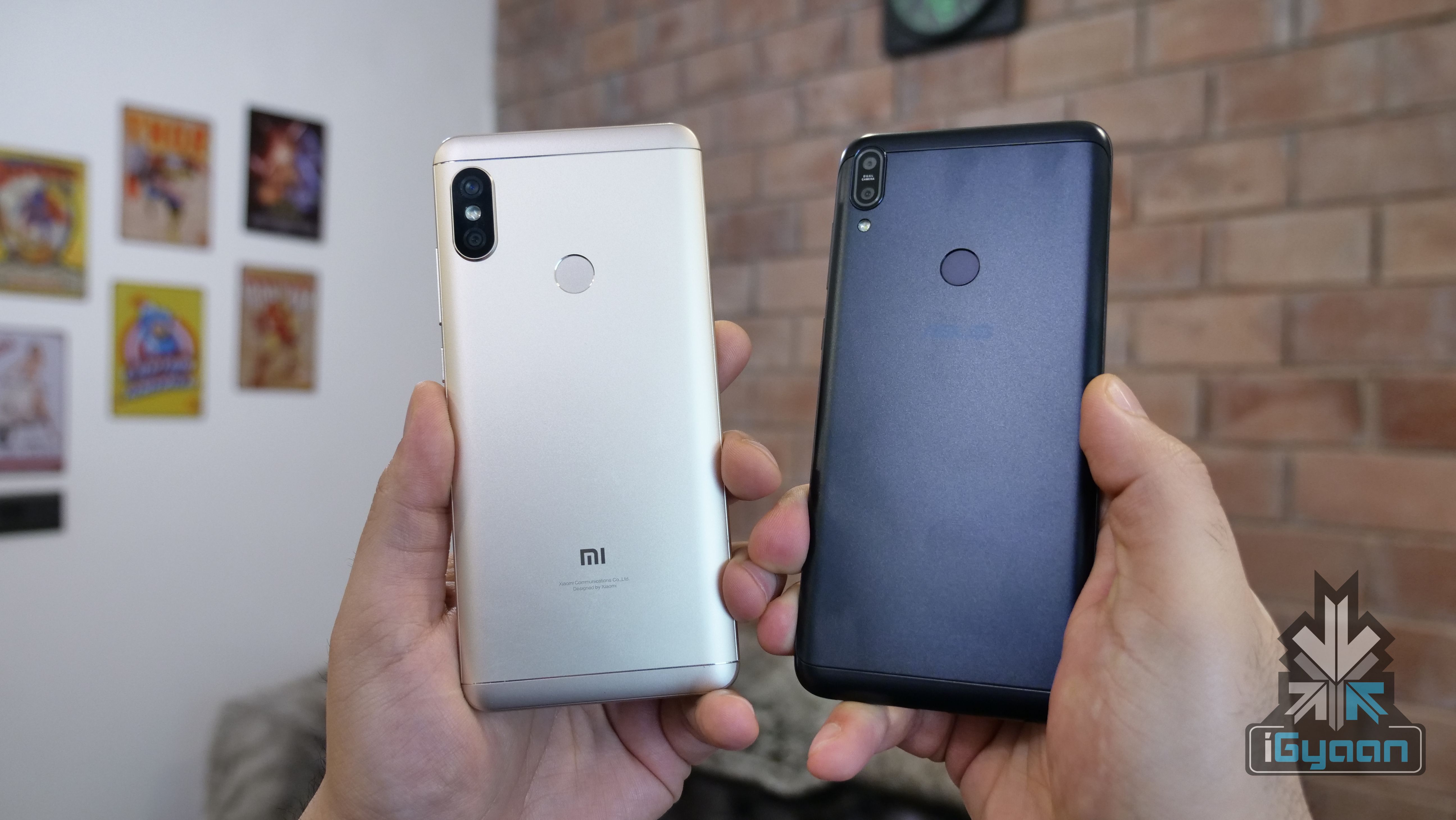
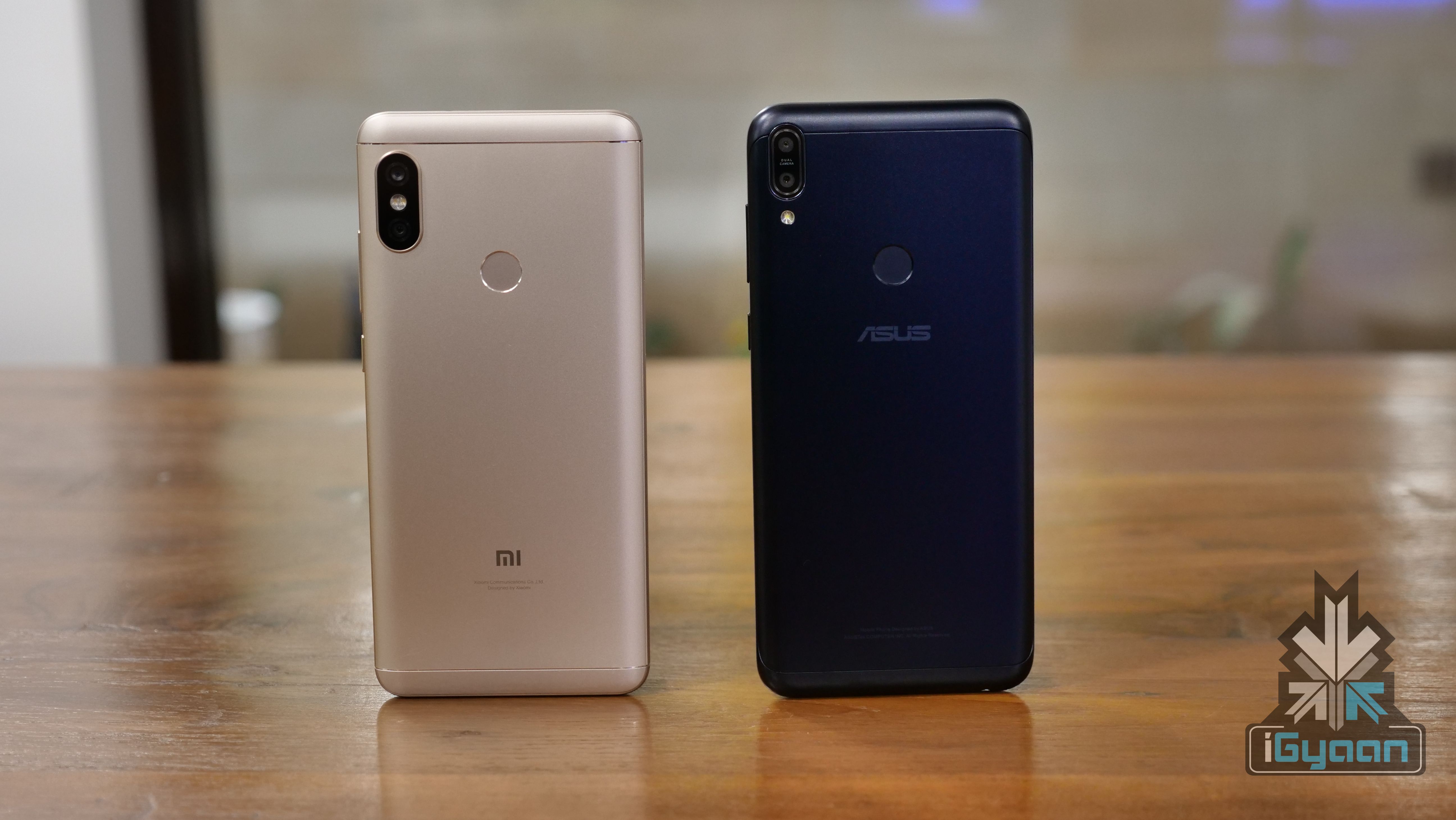
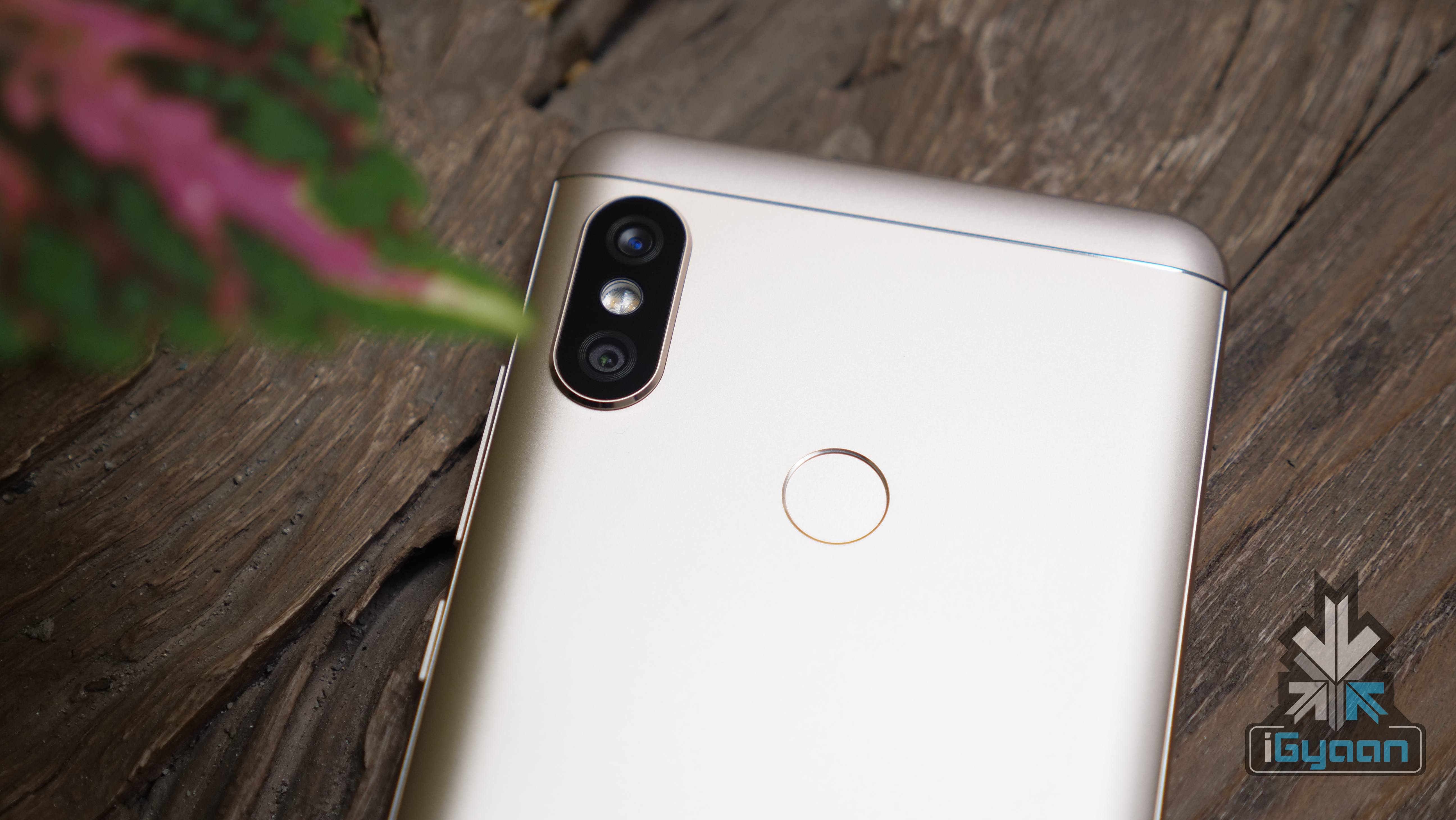
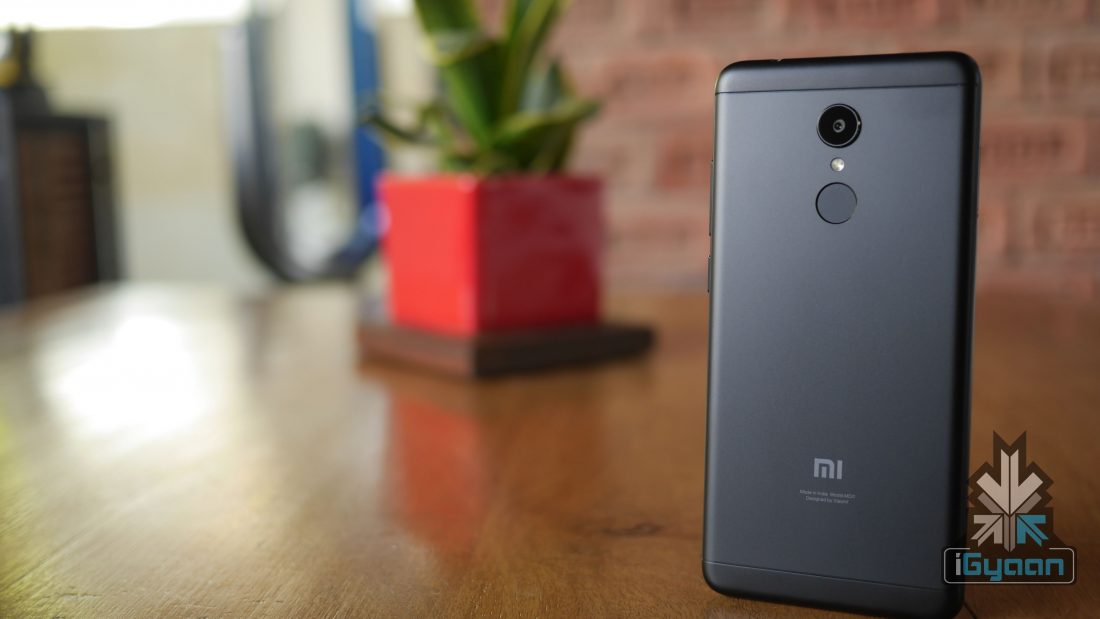
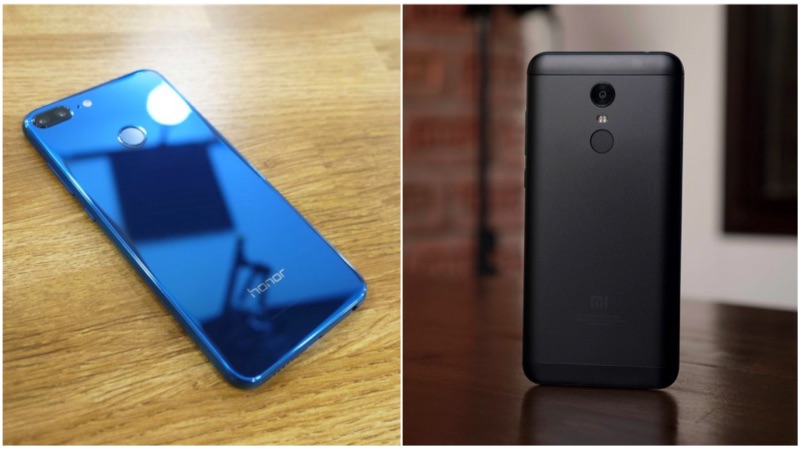
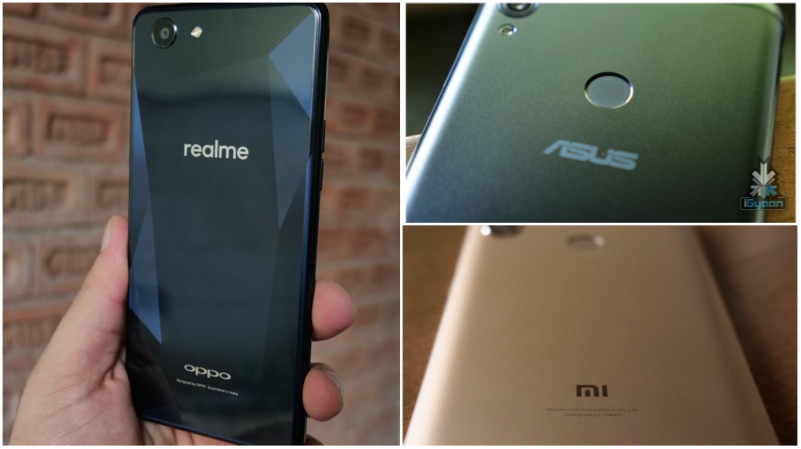
    The Realme 1, hands down, looks the best out of the three smartphones with its diamond design. The Redmi Note 5 Pro and Zenfone Max Pro have a very similar metal unibody design with a vertically placed dual-camera setup. The fingerprint sensor on the two phones is placed on the back in a central position. This is where the Realme 1 falls behind as it doesn’t have a fingerprint sensor, one of the most common features in modern-day smartphones. It does, however, have Face Unlock, which the Redmi Note 5 Pro and Zenfone Max Pro do as well.

    The Realme 1 runs on the MediaTek MT6771 Helio P60 chipset coupled with 3GB/4GB/6GB RAM and 32GB/64GB/128GB storage. The onboard storage is expandable via a microSD card in case you run out of the onboard storage provided. Powering the smartphone is 3410 mAh battery which charges via a micro USB slot.
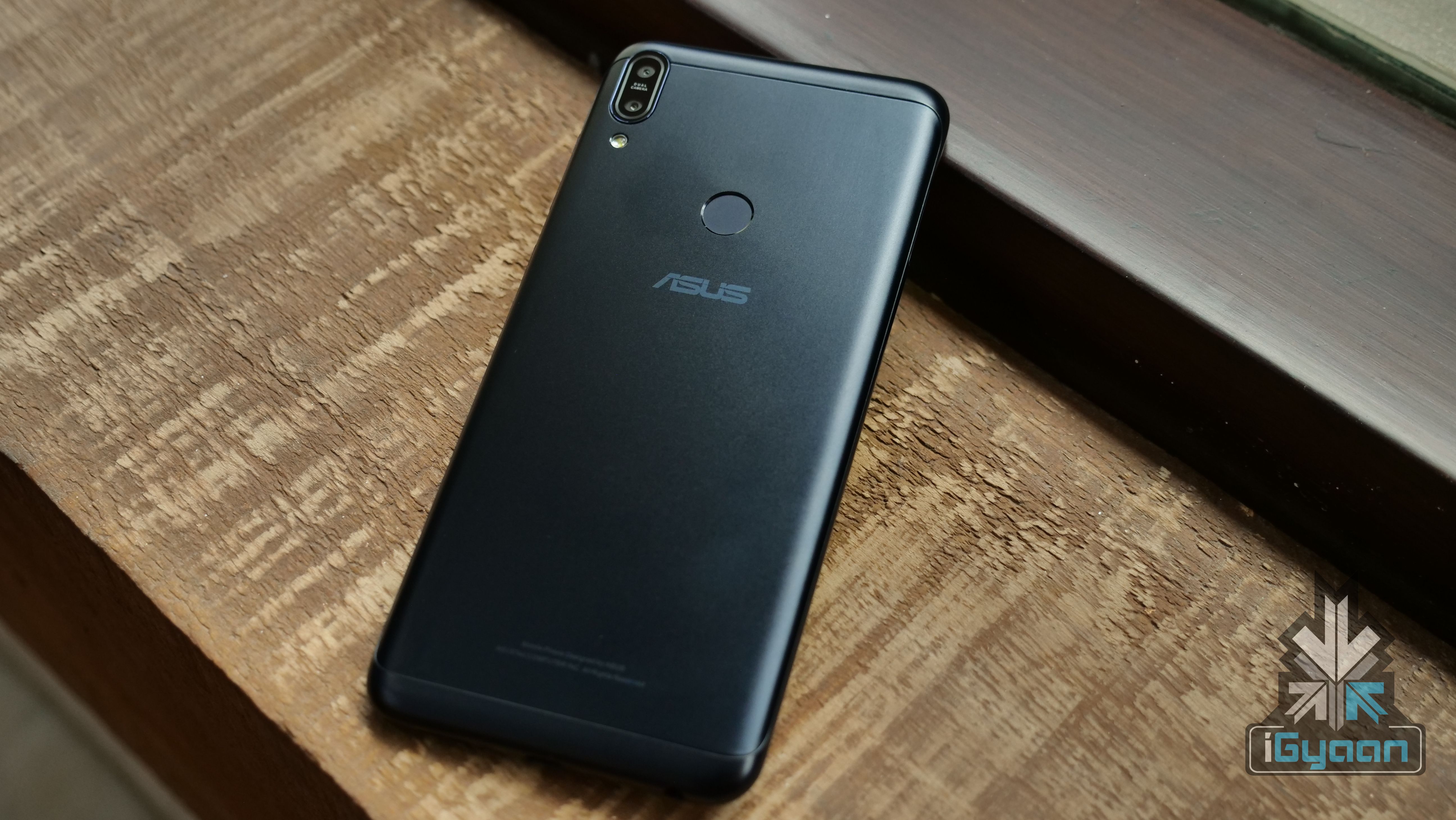
    Asus Zenfone Max Pro

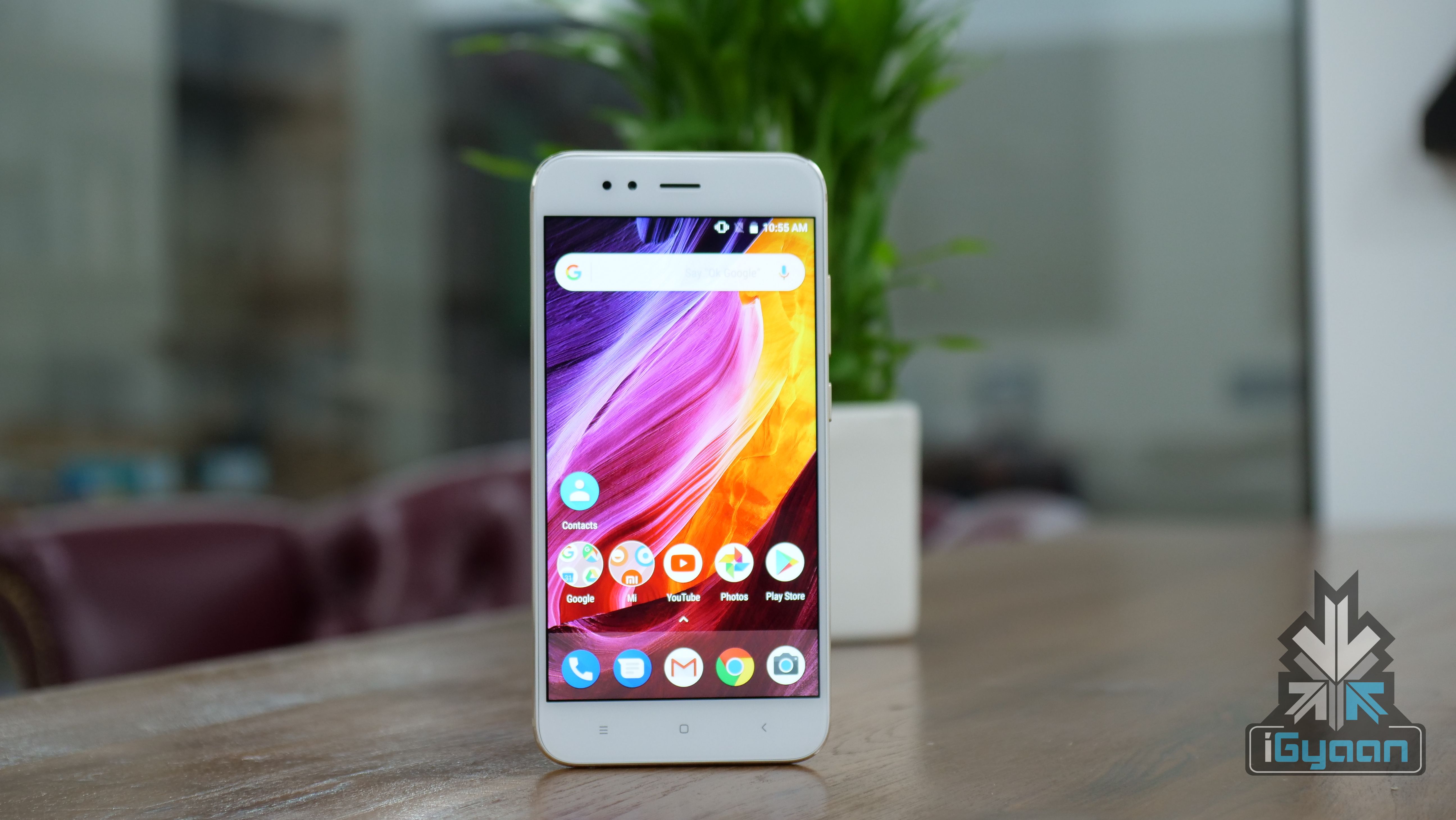
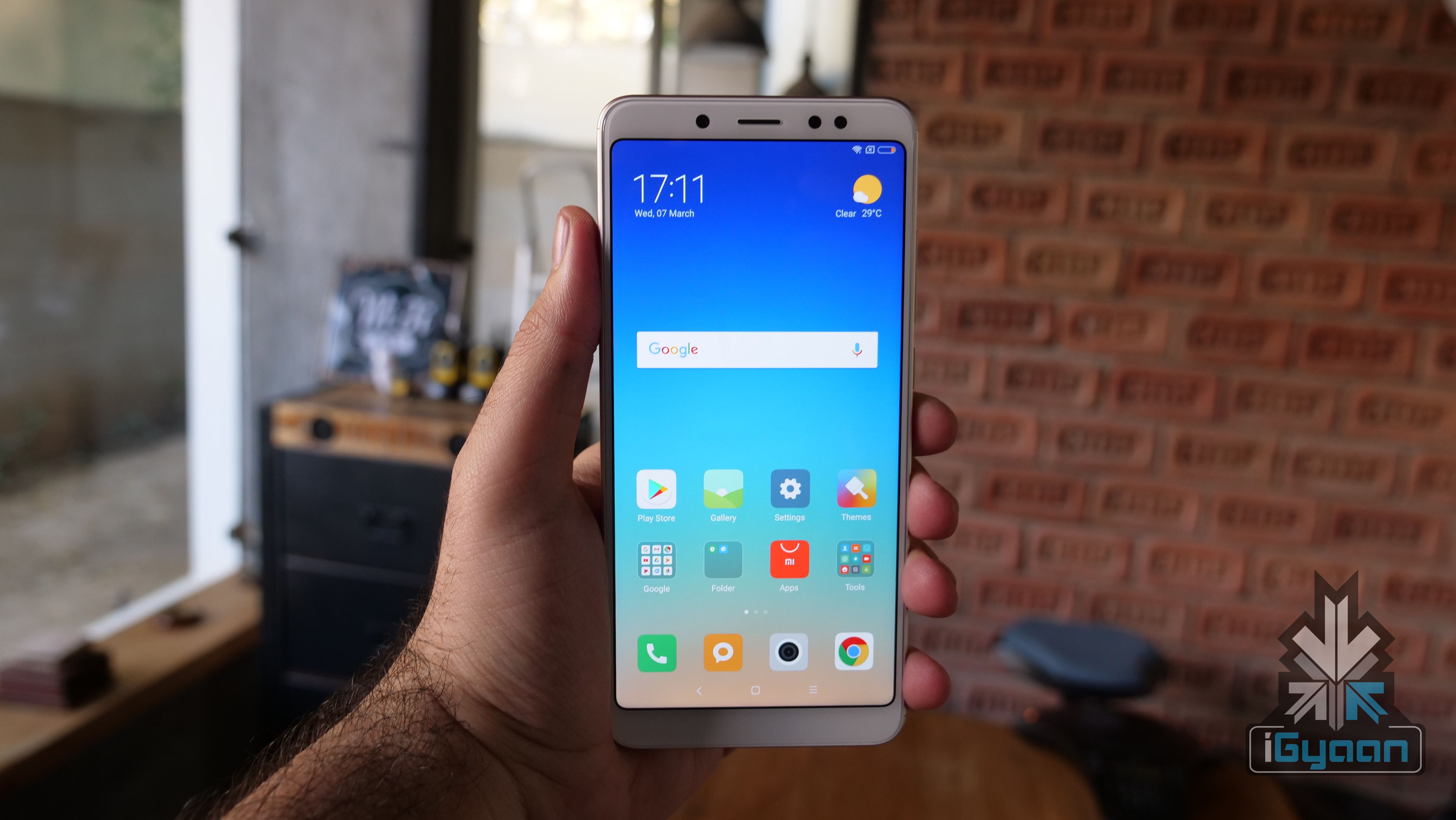
    The Redmi Note 5 Pro runs on the Qualcomm Snapdragon 636 chipset along with an Adreno 509 GPU to handle the graphics. The Redmi Note 5 Pro is available in two variants,  4GB RAM/64GB storage and 6GB RAM/64GB storage. The Zenfone Max Pro as well runs on the Qualcomm Snapdragon 636 chipset coupled with 3GB/4GB/6GB RAM along with 32GB/64GB/128GB storage.

    Specifications
    Specifications OPPO Realme 1 Xiaomi Redmi Note 5 Pro Asus Zenfone Max Pro
    Price Starting Rs 8990 Starting Rs 14999 Starting Rs 10999
    Display 6 inch
    IPS LCD
    5.99 inch
    IPS LCD
    5.99 inch
    IPS LCD
    Resolution 2160 x 1080 px
    18:9
    403 ppi
    2160 x 1080 px
    18:9
    403 ppi
    2160 x 1080 px
    18:9
    403  ppi
    Chipset MediaTek MT6771 Helio P60

    Octa-core
    4 x ARM Cortex-A73 up 2.0 GHz
    4 x  ARM Cortex-A53 up to 2.0GHz

    Qualcomm Snapdragon 636
    1.8GHz
    Octa-core
    Qualcomm Snapdragon 636
    1.8GHz
    Octa-core
    RAM 3GB
    4GB
    6GB
    4GB
    6GB
    3GB
    4GB
    6GB
    Storage 32GB
    64GB
    128GB
    64GB 32GB
    64GB
    128GB
    Battery 3410 mAh 4000 mAh 5000 mAh
    Primary Camera 13MP 12MP f/2.2
    5MP f/2.0
    1.25-micron
    13MP
    f/2.2
    5MP Depth Sensor
    Primary Camera Video 1920 x 1080 px @ 30fps 1920 x 1080 px @ 30fps 4K @ 30fps
    Secondary Camera 8MP
    Portrait Mode
    20MP Sony IMX376
    Beautify 4.0
    LED flash
    8MP
    f/2.0
    LED Flash
    Bokeh Effect
    Add-Ons Face Unlock Fingerprint Sensor
    Face Unlock
    Fingerprint Sensor
    Face Unlock
  • OnePlus 6 Vs Honor 10

    OnePlus 6 Vs Honor 10

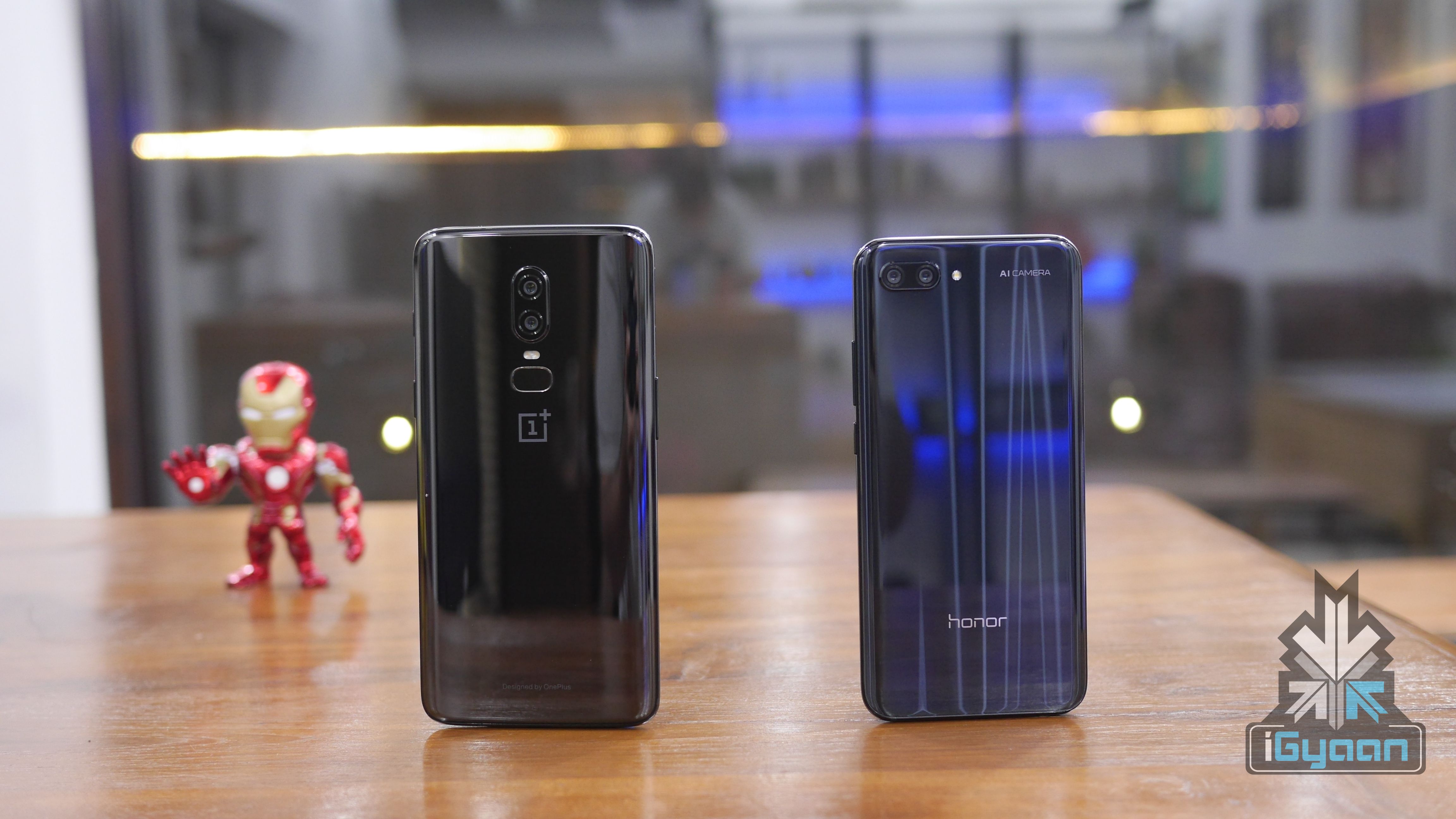
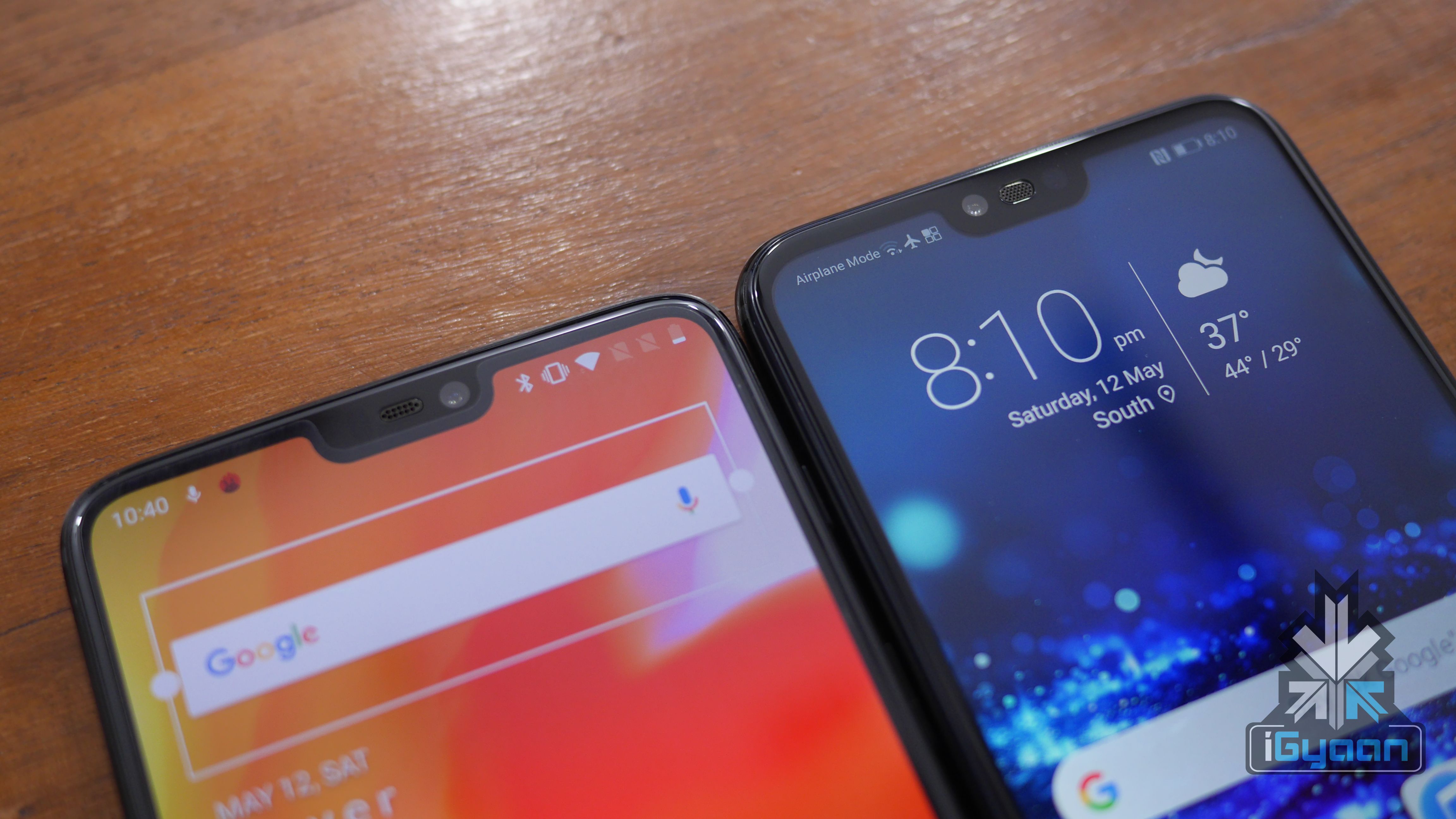
    OnePlus launched the OnePlus 6 in India at a starting price of Rs 34999. The base model has 6GB of RAM and 64GB of onboard storage. One day before the OnePlus 6 launch, Huawei’s sub-brand Honor launched the Honor 10 at a price of Rs 32999. Both the smartphones have flagship specifications and interesting design language. Both the devices also have a notch, however, the OnePlus 6 has a thinner chin while the Honor 10 has a thick chin but, also features a front-facing ultrasonic fingerprint sensor.

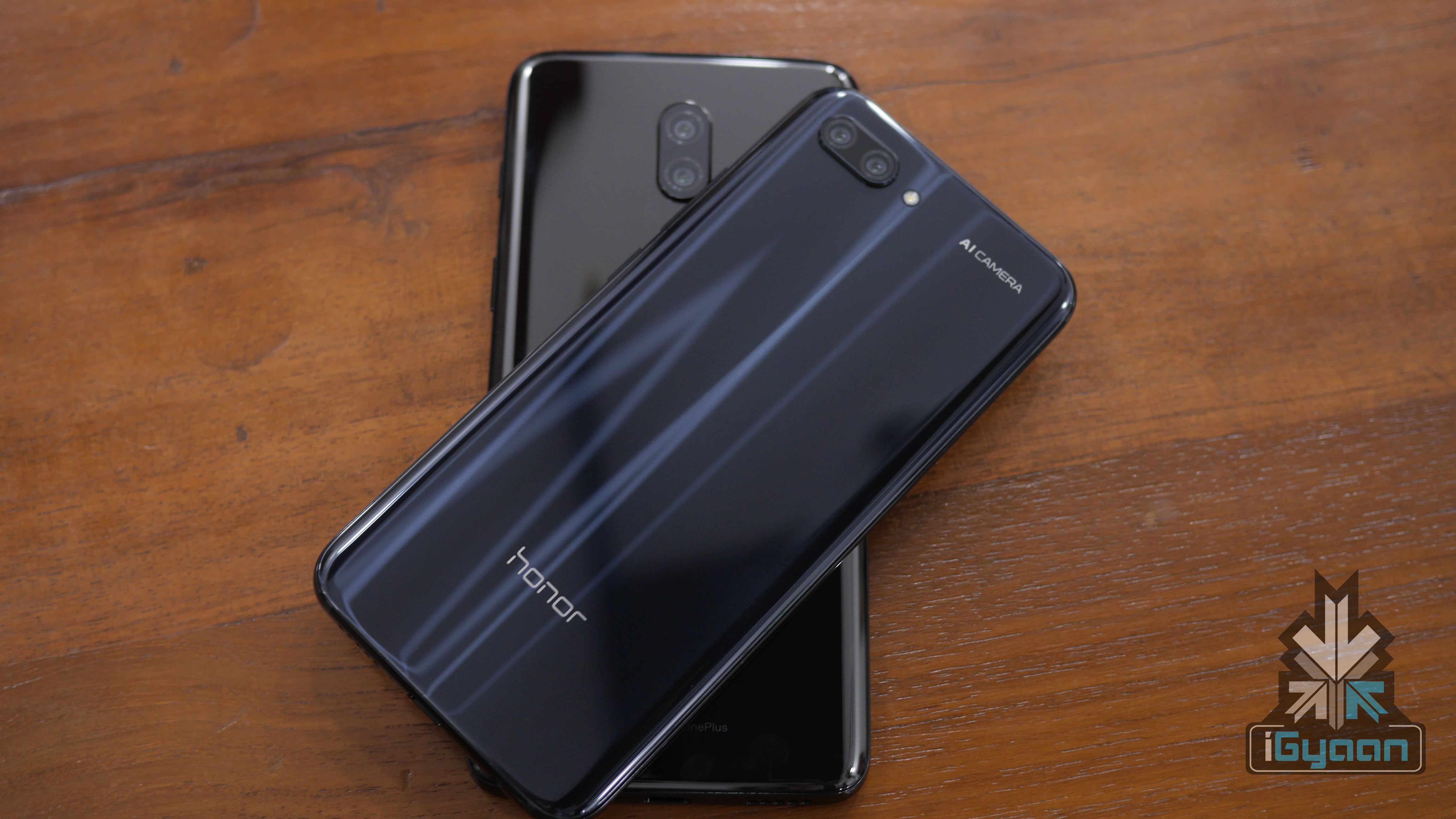
    The OnePlus 6 has a bigger display and a smaller notch along with an all-glass design. Both the front and back of the smartphone is covered with Corning Gorilla Glass 5 giving it a solid build quality. The Honor 10 also has an all-glass design with an aluminium frame. The glass design on both the smartphones gives them a very premium look.

    Both the smartphones are powered by different flagship chipsets. The OnePlus 6 runs on the Snapdragon 845 chipset while the Honor 10 runs on the HiSilicon Kirin 970. The Honor 10 will be available in only one variant with 6GB of RAM and 128GB storage. The OnePlus 6 will be available in two variants, in the beginning, one with 6GB of RAM and 64GB storage while the other one will have 8GB RAM and 128GB storage. The 8GB RAM and 256GB storage variant will be available in the Silk White colour variant later on in the year.

    Specifications
    Specifications OnePlus 6 Honor 10
    Price Starting at Rs 34999 Rs 32999
    Display 6.28 inch
    Optic AMOLED
    5.84 inch
    IPS LCD
    Resolution 2280 x 1080 px
    19:9 aspect ratio
    sRBG, DCI-P3 Colour Gamit
    2280 x 1080 px
    19:9
    432 ppi
    Battery 3300 mAh
    Dash Charge
    3400 mAh
    SuperCharge
    Chipset Qualcomm Snapdragon 845
    Octa-Core
    4×2.8 GHz Kryo 385 Gold
    4×1.7 GHz Kryo 385 Silver
    HiSilicon Kirin 970
    Octa-Core
    4 x 2.36GHz
    4 x 1.8GHz
    RAM 6GB, 8GB 6GB
    Storage 64GB, 128GB, 256GB 128GB
    Primary Camera 16MP
    Sony IMX 519
    f/1.7
    1.22-micron
    20MP
    Sony IMX 376K
    f/1.7
    1.0-micron
    16MP RGB
    f/1.8
    24MP Monochrome
    Primary Camera Video 4K @ 60fps
    1080P @ 240fps
    720P @ 480fps
    4K @ 30fps
    Secondary Camera 16MP
    Sony IMX 371
    f/2.0
    EIS
    24MP
    f/2.0
    AI Beauty Mode
    Portrait Mode
    Add-Ons Fingerprint Sensor
    Face Unlock
    Ultra-sonic fingerprint sensor
    Face Unlock
  • Xiaomi Redmi Note 5 Vs Realme 1

    Xiaomi Redmi Note 5 Vs Realme 1

    OPPO has unveiled its new sub-brand in India, Realme. Under the brand, the first smartphone, Realme 1 was launched on May 15th. The smartphone will be available in three variants, one with 3GB RAM/32GB storage, second with 4GB RAM/64GB storage and the third with 6GB RAM/128GB storage. It is an Amazon-exclusive device and the first sale will be on the 25th of May and commence at 12 noon. The smartphone has a starting price tag of Rs 8990 for the 3GB RAM variant.

    At the launch event, the Realme 1 was constantly compared to a few Redmi devices such as the Redmi Note 5 and Note 5 Pro. The company’s name itself sort of resembles Redmi and that cannot be a coincidence. At a starting price of Rs 8990, the Realme 1 is cheaper than the likes of Honor 9 Lite and Redmi Note 5. However, the company has decided to give a few features a miss for the Realme 1 which can be damming for many consumers.

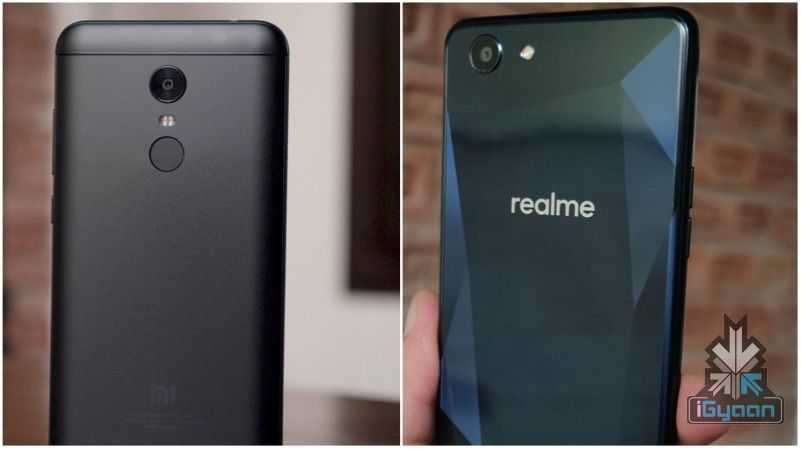
    The Realme 1 has a unique finish on the back which looks much better than the Redmi Note 5. The Note 5 continues to have a similar build quality and design as previous Redmi note devices. Both the smartphones have a single camera setup on the back. The Redmi Note 5, however, has a fingerprint sensor as well while the Realme 1 does not have a fingerprint sensor.

    Xiaomi Redmi Note 5

    Neither of the two smartphones runs stock Android. The Realme 1 runs ColorOS 5.0 on top Android 8.1 Oreo while the Redmi Note 5 Pro has the MIUI 9 on top of Android 7 Nougat. At least, the Realme 1 runs the latest software here.

    The Realme 1 has a 13MP camera on the back along with an 8MP front-facing camera. The Redmi Note 5, on the other hand, has a 12MP primary camera with an f/2.2 aperture and a 5MP secondary camera with beautify 3.0 software.

    Specifications
    Specifcations Realme 1 Redmi Note 5
    Price Rs 8990 (base variant) Rs 9999 (base variant)
    Display 6 inch 5.99 inch
    IPS LCD
    Resolution 2160 x 1080 px
    18:9 aspect ratio
    2160 x 1080 px
    18:9 aspect ratio
    Battery 3410 mAh 4000 mAh
    Chipset MediaTek MT6771 Helio P60
    Octa-core
    4 x ARM Cortex-A73 up 2.0 GHz
    4 x  ARM Cortex-A53 up to 2.0GHz
    Qualcomm Snapdragon 625
    2.0GHz
    Octa-core
    RAM 3GB/4GB/6GB 3GB/4GB
    Storage 32GB/64GB/128GB 32GB/64GB
    Primary Camera 13MP 12MP
    f/2.2
    Primary Camera Video 1080P 4K @ 30fps
    Secondary Camera 8MP
    Portrait Mode
    5MP
    LED Flash
    Add-Ons Face Unlock Fingerprint Sensor
    Face Unlock
  • Xiaomi Mi A1 To Mi 6X Here Is What Has Changed

    Xiaomi Mi A1 To Mi 6X Here Is What Has Changed

    Xiaomi has launched the Xiaomi Mi 6X in China as a successor to the Mi 5X, which was a highly popular smartphone in both China and in India launched as the Mi A1. The pricing will start at CNY 1599 (Rs 16800 approx.) for the 4GB RAM/64GB storage variant. The 6GB RAM/64GB storage variant will be priced at CNY 1799 (Rs 19,000 approx.), while the 128GB storage model will retail for CNY 1999 (Rs 21,200 approx.). As was evident from previous teasers of the smartphone, the Mi 6X will be available in Cherry Pink, Flame Red, Sand Gold, Glacier Blue, and Black colour variants.

    In India, if it happens, the Xiaomi Mi 6X will be launched as the Mi A2 or the Mi A1 (2018) with stock Android OS instead of MIUI. The Mi A1 was launched at a price of Rs 14999 in 2017 and considering the pricing of Mi 6X, the Mi A2 could be a bit pricier this year. However, by the looks of it, the Mi 6X looks like a sizeable upgrade over the Mi A1.

    So, what has changed from the Mi A1 of 2017 to the Mi 6X or possibly, the Mi A2 in 2018? Let’s find out!

    Specifications Xiaomi Mi A1 Xiaomi Mi 6X
    Price Rs 13999 Starts at CNY 1599 (Rs 16800 approx.)
    Display 5.5 inch
    LTPS IPS LCD
    5.99 inch
    IPS LCD
    Resolution 1920 x 1080 px

    16:9
    403 ppi

    2160 x 1080 px

    18:9
    403 ppi

    Battery 3080 mAh 3010 mAh
    QuickCharge 3.0
    Chipset Snapdragon 625 Snapdragon 660
    RAM 4GB 4GB/6GB
    Storage 64GB
    Expandable up to 256GB
    64GB/128GB
    Expandable up to 256GB
    Primary Camera 12MP f/2.2
    12MP f/2.6 Telephoto
    20MP Sony IMX486
    f/1.75
    12MP Sony IMX486 Telephoto
    f/1.75
    Primary Camera Video 4K @ 30fps 4K @ 30fps
    Secondary Camera 5MP 20MP Sony IMX376
    Soft light LED flash
    Add-Ons Fingerprint sensor  Fingerprint Sensor
    Face Unlock

    As the specs sheet tell us, the Mik 6X is a very substantial upgrade over the Mi A1. The Mi A1 turned out to be a smash hit for Xiaomi and the company would want to build on the Mi A1’s popularity in India. This should convince Xiaomi to launch a successor to the Mi A1 and the Mi 6X, at least on paper, looks like an ideal candidate for that.

  • Asus Zenfone Max Pro M1 Vs Xiaomi Redmi Note 5 Pro

    Asus Zenfone Max Pro M1 Vs Xiaomi Redmi Note 5 Pro

    Asus has launched its latest budget offering for the India market, the Zenfone Max Pro. The newly launched smartphone will go on sale via Flipkart on the 3rd of May at a starting price of Rs 10999. The Zenfone Max Pro, in the beginning, will be available two variants, one with 3GB RAM and 32GB storage and the other one with 4GB RAM and 64GB storage. The company also announced that a 6GB RAM and 128GB storage variant with improved camera capabilities will also launch soon in India.

    At such a price range, the Zenfone Max Pro directly competes with the Redmi Note 5. However, in terms of features and hardware, it stacks up against the Redmi Note 5 Pro. The Xiaomi Redmi Note 5 Pro was launched in February of this year and has garnered great reviews so far. The only caveat being its annoying flash sales which is still the only way to buy the smartphone. It starts at a price of Rs 13999 for the 4GB RAM and the 6GB RAM model costs Rs 16999.

    In a price sensitive market like India, such a price gap between two smartphones can be telling. But, does the Asus Zenfone Max Pro hold up against highly successful Redmi Note 5 Pro? Let’s find out!

    Design

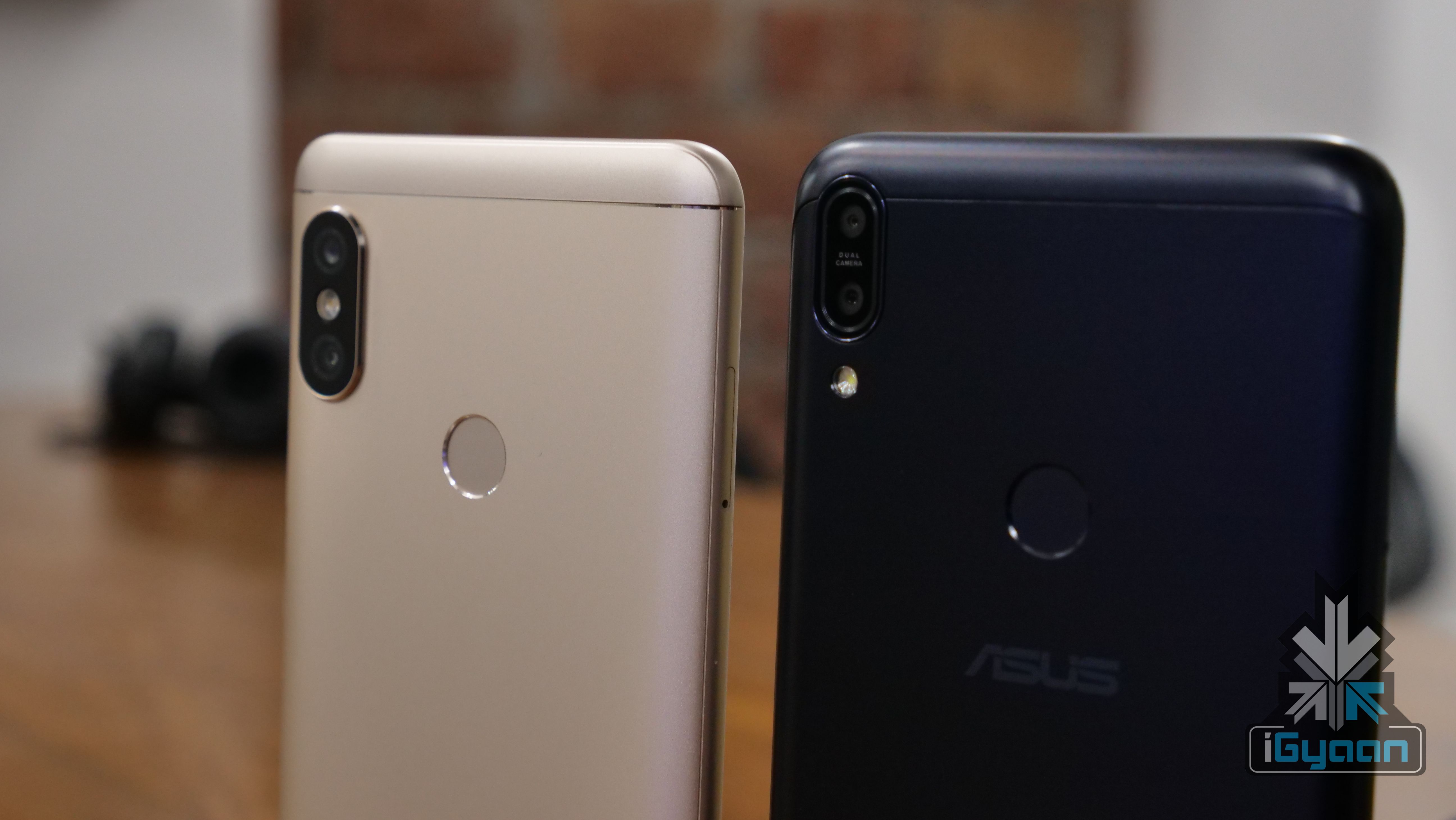
    The Xiaomi Redmi Note 5 Pro and Asus Zenfone Max Pro look identical in more than one way. On the front, the bezels have a similar size around the displays of both the phones. On the back, both the devices have a vertically placed dual camera setup with very similar placements as well. However, the LED flash on the Note 5 Pro is placed between the two cameras while on Zenfone Max Pro, it is placed beneath the dual camera setup. The brushed metal finish on both the phones means that the devices can be a bit slippery, especially if you have smaller hands and cannot get a proper grip.

    It is also worth noting here that the Redmi Note 5 Pro has a camera bump on the back while the cameras on the Zenfone Max Pro are flush along the body.

    Display

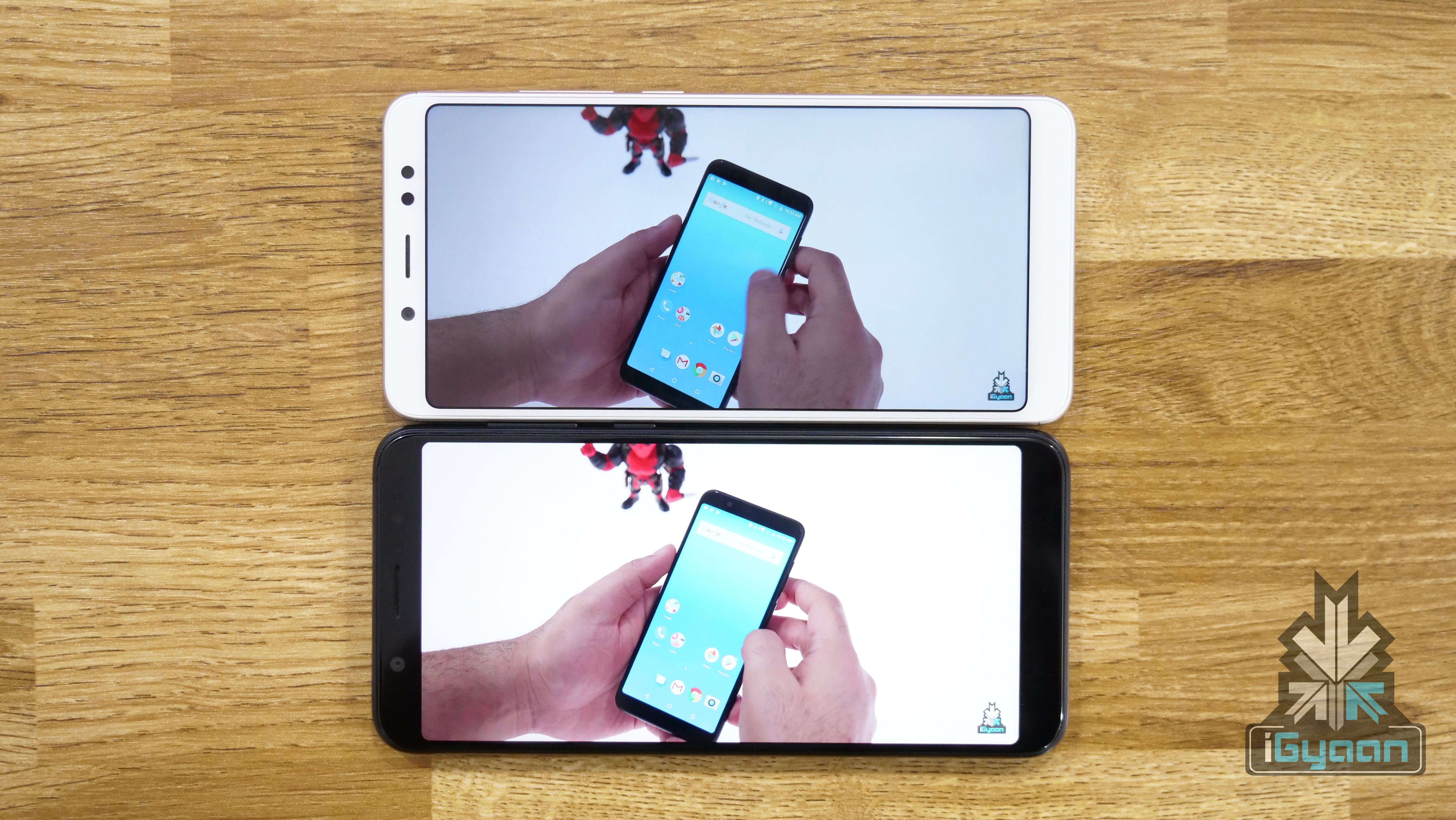
    The display on both the smartphones is identical. It is a 5.99 inch IPS LCD display with a 2160 x 1080 px resolution. This translates into an 18:9 aspect ratio. The corners of the displays are curved giving the smartphones a bit more premium look compared to sharp corners found on something like the Honor 7X.

    The viewing angles are great and the colour reproduction is exactly what you would expect from an HD+ LCD panel. Considering how smartphones are the primary source of media consumption for a lot of users, both the devices do a great job with their respective displays. Another advantage of a tall display and thin bezels is the ability to fit a larger display in a relatively smaller body.

    Hardware

    When the Redmi Note 5 Pro was launched, its chipset was one of the highlights. It was the only smartphone to run on the Snapdragon 636 chipset before the Zenfone Max Pro’s launch. The Zenfone Max Pro is available in three different RAM and storage options, while the Note 5 Pro is only available in two RAM and one storage options.

    A department where the Zenfone Max Pro hands down one-ups the Note 5 Pro is the battery. The Zenfone Max Pro has a 5000 mAh battery compared to Redmi Note 5 Pro’s 4000 mAh battery. Also, Asus has managed to keep the weight of the Zenfone Max Pro at 180 grams, identical to that of the Redmi Note 5 Pro.

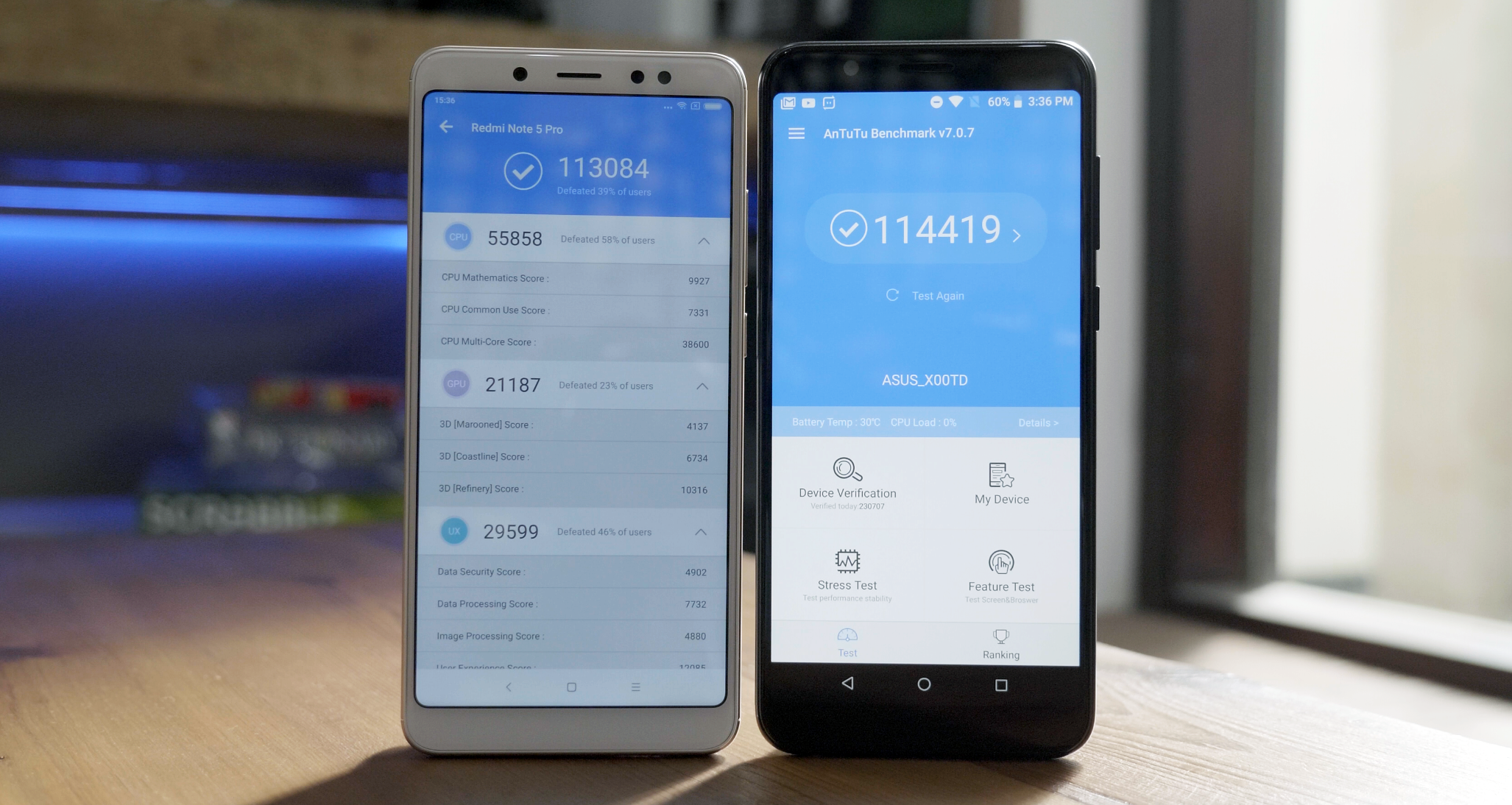
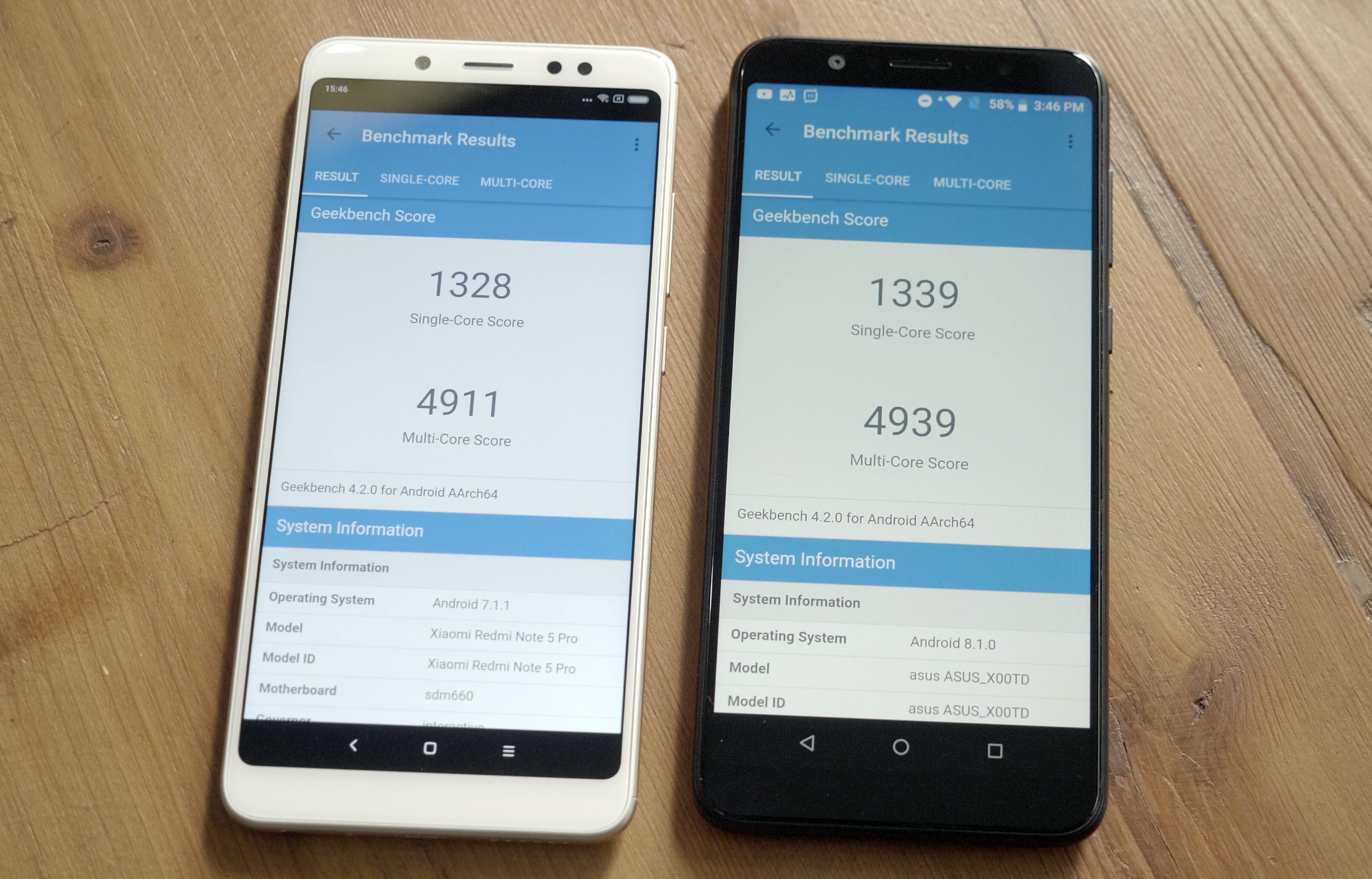
    If you are someone who swears by the benchmark scores, here they are for both the devices:

    Antutu Benchmark
    Geekbench
    Camera

    The Xiaomi Redmi Note 5 Pro has a 20MP Sony IMX376 camera on the front with an LED light. To the back of the smartphone is a vertically placed dual-camera setup. It is a 12MP colour sensor with an f/2.2 and a 5MPcolour sensor with an f/2.0 aperture setup. The smartphone clicks portrait mode photos from the front and rear cameras.

    The Asus Zenfone Max Pro has a 13MP primary sensor with an f/2.2 aperture and the depth sensor is a 5MP camera. The front of the device houses an 8MP camera with an f/2.0 aperture and an LED flash. The Zenfone Max Pro records 4K videos at 30fps while the Redmi Note 5 Pro can only record 1080P videos. Both the smartphones have EIS (electronic image stabilisation) when recording 1080P videos.

    Xiaomi Redmi Note 5 Pro Samples:


    Asus Zenfone Max Pro Samples

    Specifications
    Specifications Xiaomi Redmi Note 5 Pro Asus Zenfone Max Pro
    Price Rs 13999 (4GB RAM)
    Rs 16999 (6GB RAM)
    Rs 10999 (3GB RAM)
    Rs 12999 (4GB RAM)
    Rs 14999 (6GB RAM)
    Display 5.99 inch
    IPS LCD
    5.99 inch
    IPS LCD
    Resolution 2160 x 1080 px
    403 ppi
    2160 x 1080 px
    403 ppi
    Battery 4000 mAh 5000 mAh
    Chipset Qualcomm Snapdragon 636 Qualcomm Snapdragon 636
    RAM 4GB/6GB 3GB/4GB/6GB
    Storage 64GB
    Expandable up to 256GB
    Hybrid slot
    32GB/64GB/128GB
    Expandable up to 256GB
    Dedicated microSD card slot
    Primary Camera 12MP f/2.2
    5MP f/2.0
    1.25-micron
    13MP
    f/2.2
    5MP Depth Sensor
    Primary Camera Video 1080P @ 30fps 4K @ 30fps
    Secondary Camera 20MP Sony IMX376
    Beautify 4.0
    LED flash
    Bokeh Effect
    8MP
    f/2.0
    LED Flash
    Bokeh Effect
    Add-Ons Fingerprint Sensor
    Face Unlock
    Fingerprint Sensor
    Face Unlock

  • Specs Comparison: Nokia 8 Sirocco Vs Samsung Galaxy S8

    Specs Comparison: Nokia 8 Sirocco Vs Samsung Galaxy S8

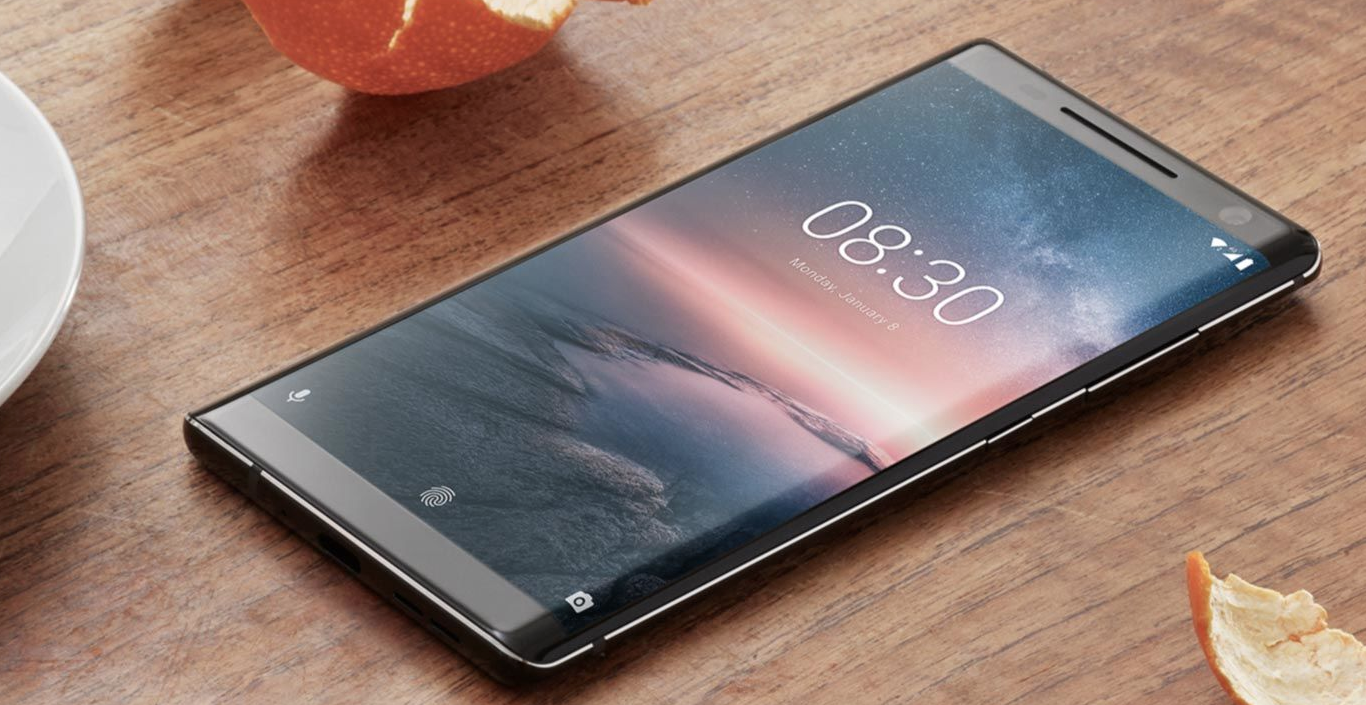
    HMD Global recently launched their flagship smartphone, the Nokia 8 Sirocco in India for Rs 49,999. Nokia 8 Sirocco is a successor to the Nokia 8, which comes with a premium all-glass design. Samsung’s last year flagship, the Galaxy S8 currently retails in India for Rs 49,990, which is a head to head competitor to the Nokia 8 Sirocco.

    The Nokia 8 Sirocco is the first smartphone from HMD Global to have a curved display with wireless charging capability. The smartphone is also IP67 rated for water and dust resistance. However, the Nokia 8 sirocco does have some shortcomings. The smartphone is powered by the last generation processor, the Snapdragon 835. Also, for a 2018 flagship, the smartphone still sports a 16:9 aspect ratio, even though the Nokia 7 Plus, priced at Rs 25999, has an 18:9 aspect ratio. We can only imagine its popularity had it been powered by the latest Qualcomm Snapdragon 845. Despite the 16:9 aspect ratio, it has a great build and design.

    Nokia 8 Sirocco

    Though the Samsung Galaxy S8 is a year old flagship, it still makes sense to compare it with the latest flagship offering from Nokia. The Galaxy S8 and the Nokia 8 Sirocco are equally powerful. The Galaxy S8 and S9 have a similar design with common features like IP68 certification, wireless charging and the same Infinity Display. In fact, the difference between the Galaxy S8 and the S9 is limited to camera and processor.

    The Nokia 8 Sirocco might have an edge over the Galaxy S8 in terms of camera. The Nokia 8 Sirocco has a Zeiss branded dual camera setup with a 12MP RGB sensor with an f/1.75 aperture and a 13MP telephoto lens with an f/2.4 aperture. The smartphone supports bokeh effect and 2X lossless zoom, whereas the Galaxy S8 misses out on both the features.

    Specs Comparision
    Nokia 8 Sirocco

    Rs 49,999

    Samsung Galaxy S8

    Rs 49,990

    Display  

    5.5 inch

    pOLED

    2560 x 1440 px

    554 ppi

    16:9 Aspect Ratio


    5.8 inch

    Super AMOLED

    2960 x 1440

    571 ppi

    18.5:9 Aspect Ratio

    Processor Qualcomm Snapdragon 835 Exynos 8895
    RAM 6GB 4GB
    Storage 128GB 64GB

    Expandable Up to 256 GB Via Micro SD card

    Primary Camera 12MP

    f/1.75

    13MP

    f/2.4

    12MP

    f/1.7

    Secondary Camera 5MP

    f/2.0

    8MP

    f/1.7

    Operating system Android 8 Oreo

    Stock Android

    Android 8 Oreo

    Samsung Experience UI 9

    Battery 3260 mAh 3000 mAh
    Add-Ons  

    Fingerprint Sensor

    Wireless Charging

    Fingerprint Sensor

    Wireless Charging

    Iris Scanner

  • Apple iPad 2018 Vs Apple iPad 2017 Specs Comparison

    Apple iPad 2018 Vs Apple iPad 2017 Specs Comparison

    Apple recently launched the 6th Gen Apple iPad 2018 at an educational event in Chicago. The iPad 2018 is a successor to the company’s cheapest 5th Gen Apple iPad 2017. In terms of design and aesthetics, both iterations of the iPad have a same metal unibody design. The cellular LTE models have a plastic antenna band and the Wi-Fi only models have a complete metal unibody design. However, both models miss out on a laminated display, which creates an air gap between the display and the touch panel.

    The Apple iPad 2017 currently retails for Rs 25,990 for the 32GB storage variant. Similarly, the Apple iPad 2018 will be available from late April for a price of Rs 28,000. So, what are the upgrades that one can get by paying additional Rs 2,000?

    Apple iPad 2018

    The 5th Generation and the 6th Generation Apple iPads come with a 9.7 inch 2048 x 1536 px resolution display with 264 ppi. Though these have the same display, the 6th generation iPad supports input from Apple Pencil, which is missing on the 5th Gen iPad. The Apple Pencil will retail for Rs 7600 in India. Additionally, the 6th Generation Apple iPad is powered by the Apple A10 chipset, whereas the 5th Generation iPad is powered by the Apple A9 chipset. Both the iPads have 32GB and 128GB storage options with 2GB RAM.

    Specs Comparision
    Features Apple iPad 2018 (6th Generation) Apple iPad 2017 (5th Generation)
    Display 9.7 inch

    IPS LCD

    2048 x 1536 px

    9.7 inch

    IPS LCD

    2048 x 1536 px

    Processor Apple A10 Apple A9
    RAM 2GB 2GB
    Storage 32GB

    128GB

    32GB

    128GB

    OS iOS 11 iOS 11
    Primary Camera 8MP

    f/2.4

    8MP

    f/2.4

    Secondary Camera 1.2 MP

    f/2.2

    1.2MP

    f/2.2

    Battery 32.4 Wh 32.4 Wh
    Add-Ons First Gen Touch ID

    Support for Apple Pencil

    First Gen Touch ID
  • Nokia 6 2018 Vs Xiaomi Redmi Note 5 Pro: Specs Comparison

    Nokia 6 2018 Vs Xiaomi Redmi Note 5 Pro: Specs Comparison

    The budget segment of smartphones in India has seen an influx of some great devices. In 2017, the Xiaomi Mi A1, Moto G5s Plus and the Honor 7X were some of the best budget Android devices. 2018 did not have a bad start either, the Honor 9 Lite with its all-glass design and quad-camera setup turned some heads. However, in February, Xiaomi launched the smartphone to beat in this segment, the Redmi Note 5 Pro. Now, HMD Global has launched the Nokia 6 2018 in India at a price of Rs 16999 which will be sold offline only.

    In our review of the Redmi Note 5 Pro, we expressed that this was the true successor to the Redmi Note 4. However, Xiaomi also launched the Redmi Note 5 which has been selling well in the previous flash sales. The Nokia 6 2018, on the other hand, succeeds the Nokia 6 from 2017 which left a lot to be desired thanks to its extravagant pricing.

    Redmi Note 5 Pro
    Dual-Camera Redmi Note 5 Pro

    With the Nokia 6 2018, HMD Global has provided better specifications while retaining the 16:9 aspect ratio. This means that despite its new colour accents, the Nokia 6 2018 will look like an older smartphone when compared with the likes of Redmi Note 5 Pro and Honor 7X. It is also worth noting that these two devices cost less than the Nokia 6 2018. The new Nokia 6 also retains a single camera setup on the back while its competitors sport a dual camera setup.

    Specifications
    Specifications Xiaomi Redmi Note 5 Pro Nokia 6 2018
    Price Rs 13999 (4GB RAM)
    Rs 16999(6GB RAM)
    Rs 16999
    Display 5.99 inch
    IPS LCD
    5.5 inch
    IPS LCD
    Resolution 2160 x 1080 px
    403 ppi
    1920 x 1080 px
    403 ppi
    Battery 4000 mAh 3000 mAh
    Chipset Snapdragon 636
    1.8GHz
    Octa-core
    Snapdragon 630
    2.2 GHz
    Octa-core
    GPU Adreno 509 Adreno 508
    RAM 4GB/6GB 3GB
    Storage 64GB 32GB
    Expandability Hybrid MicroSD Card Slot
    Up to 256GB
    Hybrid MicroSD Card Slot
    Up to 128GB
    Primary Camera 12MP f/2.2
    5MP f/2.0
    1.25-micron
    16MP
    f/2.0
    1-micron
    Primary Camera Video 1080P @ 30fps 1080p @ 30 fps
    Secondary Camera 20MP Sony IMX376
    Beautify 4.0
    LED flash
    8MP
    f/2.0
    Add-Ons Fingerprint Sensor
    Face Unlock
    Fingerprint Sensor
  • Huawei P20 Pro Vs Xiaomi Mi MIX 2s

    Huawei P20 Pro Vs Xiaomi Mi MIX 2s

    27th of March was one of the busiest days in the smartphone industry. Huawei and Xiaomi launched their flagship smartphones and Apple launched its most affordable iPad. Huawei in total launched three new smartphones. The P20, P20 Pro and the Mate RS Porsche Design. Similarly, Xiaomi launched its flagship Mi MIX 2s. These devices have top of the line specifications with premium build quality. The Huawei P20 Pro and the Xiaomi Mi MIX 2s are those devices, which offers the best camera, best design and best hardware without a premium price tag. However, the 899 Euros price tag of the P20 Pro is much more than the 3299 Yuan (423 Euros) price of the Mi MIX 2s.

    The display is one of the most important parts of a smartphone. The Xiaomi Mi MIX 2s has a 5.99 inch IPS LCD screen with FHD+ 2160 x 1080 px resolution. Similarly, the Huawei P20 Pro has a 6.1 inch 2244 x 1080 px OLED display. The OLED display always has an advantage over an IPS LCD display in colour reproduction and offers higher contrast ratio. However, an OLED display is also known for the infamous pixel burn issue, which degrades the quality of the display.

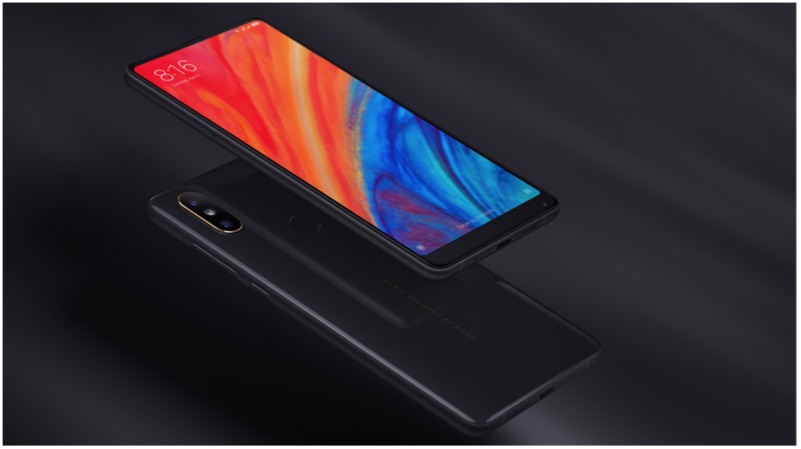
    Xiaomi Mi MIX 2s
    Huawei P20 Pro with a notch

    The Xiaomi Mi MIX 2s is powered by the Qualcomm Snapdragon 845 chipset with 6/8GB RAM, which will feature in most of the Android flagship smartphones of 2018. The chipset scores record-breaking benchmark scores and offers a great set of features with latest LTE standards and Bluetooth 5.0. On the other hand, the Huawei P20 Pro has a HiSilicon Kirin 970 Octa-core chipset with 6GB RAM. This is an in-house chipset from Huawei with a dedicated neural engine. When it comes to day to day usage, these chipsets will perform like a pro. However, some of the games might work better on a Qualcomm chipset powered Mi MIX 2s due to better optimisation.

    The camera is one more department where these smartphones will excel. The Xiaomi Mi MIX 2s has a dual primary camera setup with a 12MP wide-angle and a 12MP telephoto lens. This camera has AI capabilities with features like bokeh mode, 4K video recording capability. The Huawei P20 Pro has a triple camera setup with a 40MP RGB, 20MP monochrome and an 8MP depth sensor. The smartphone offers 3x optical zoom, 4K video recording and super slow motion 960fps video recording. Due to larger pixel size, the smartphone can capture high-quality photos even in low lighting condition.

    Xiaomi Mi MIX 2s

    Specifications
    Xiaomi Mi MIX 2s Huawei P20 Pro
    Price 3,299 Yuan for 6GB RAM & 64GB storage (€ 424)

    3,599 Yuan for 6GB RAM & 128GB storage (€ 462)

    3,999 Yuan for 8GB RAM & 256GB storage (€ 514)

    € 899


    Display 5 99 inch IPS LCD

    2160 x 1080 px

    18:9 Aspect Ratio

    6.1 inch OLED

    2244 x 1080 px

    19:9 Aspect Ratio

    Processor Qualcomm Snapdragon 845

    Octa-core
    2.8 GHz

    HiSilicon Kirin 970

    Octa-core
    4 x 2.4 GHz Cortex-A73
    4 x 1.8 GHz Cortex-A53

    RAM 6GB

    8GB

    6GB
    Storage 64GB

    128GB

    256GB

    128GB
    Primary Camera 12MP Wide-Angle Lens

    f/1.8

    12MP Telephoto Lens

    f/2.4

    40MP RGB
    f/1.8
    8MP Telephoto Lens
    f/2.4
    20MP Monochrome Lens
    f/1.6
    Secondary Camera 5MP

    f/2.0

    24MP

    f/2.0

    OS Android 8.1 Oreo

    MIUI 9.5

    Android 8.1 Oreo

    EMUI 8.1

    Battery  3400 mAh 4000 mAh
    Additional Features Wireless Charging

    Face Unlock

    Fingerprint Sensor

    Face Unlock

    Fingerprint Sensor


  • Xiaomi Mi MIX 2s Vs OnePlus 5T

    Xiaomi Mi MIX 2s Vs OnePlus 5T

    Xiaomi officially launched the Mi MIX 2s in China, which is the first Chinese smartphone to be powered by the Snapdragon 845 chipset. The smartphone has an almost bezel-less design. The entry-level model with 6GB RAM and 64GB storage is priced at 3299 Yuan (~Rs 32,999). The one smartphone that can challenge the Mi MIX 2s is the OnePlus 5T. Which is priced at Rs 32,999 for the 6GB RAM and 64GB storage.

    The Mi MIX 2s has a 5.99 inch 2160 x 1080 px IPS LCD display with 18:9 aspect ratio, protected by Gorilla Glass 4. The smartphone has no bezels on three corners. However, it has a noticeable bezel on the bottom, which houses a front-facing camera. Similarly, the OnePlus 5T has a 5.99 inch FHD+ 2160 x 1080 px Optic OLED display with Gorilla Glass 5 protection. Unlike the MIX 2s, the OnePlus 5T is powered by the Snapdragon 835 Octa-core chipset with 6/8GB RAM and 64/128GB storage.

    Xiaomi Mi MIX 2s
    OnePlus 5T

    The Xiaomi Mi MIX 2s has a top of the line camera hardware. The smartphone has the iPhone X-style dual camera setup. The 12MP Sony IMX363 sensor with 1.4-micron pixel and an f/1.8 aperture. Similarly, there is a secondary telephoto lens with an f/2.4 aperture, which offers x2 optical zoom and portrait mode. When it comes to camera capabilities, the OnePlus 5T is no slouch either. The smartphone has a dual 12MP and a 20MP camera with an f/1.7 aperture on both sensors. The Xiaomi Mi MIX 2s is the first Xiaomi smartphone to support wireless charging. However, the OnePlus counterpart misses out on the same.

    Xiaomi Mi MIX 2s
    Xiaomi Mi MIX 2s
    Specs Comparision
    Xiaomi Mi MIX 2s OnePlus 5T
    Price 3299 CYN for 6/64 (RAM and Storage) (Rs 32,999)

    3599 CYN for 6/128 (RAM and Storage) (Rs 35,999)

    3999 CYN for 8/256 (RAM and Storage) (Rs. 39,999)

    Rs 32,999 for 6/64GB RAM Model

    Rs 37,999 for 8/128GB RAM Model

    Display 5.99 inch

    IPS LCD

    18:9 Aspect Ratio

    5.99 inch

    Optica OLED

    18:9 Aspect Ratio

    Processor Snapdragon 845 Snapdragon 835
    RAM 6GB

    8GB

    6GB

    8GB

    Storage 64GB

    128GB

    256GB

    64GB

    128GB

    Primary Camera 12MP wide angle sensor + 12MP telephoto lens

    f/1.8, f/2.4 aperture

    4k @ 30fps

    16MP + 20MP sensors

    f/1.7 aperture

    4k @ 30fps

    Secondary Camera 5MP


    20MP
    Battery 3400 mAh 3300 mAh
    OS Android 8 Oreo

    MIUI 9.5

    Android 8 Oreo

    Oxygen OS

    Additional Features Fingerprint Sensor

    Wireless charging

    Fingerprint Sensor

    Face Unlock


  • Xiaomi Redmi Note 5 Vs Lenovo S5

    Xiaomi Redmi Note 5 Vs Lenovo S5

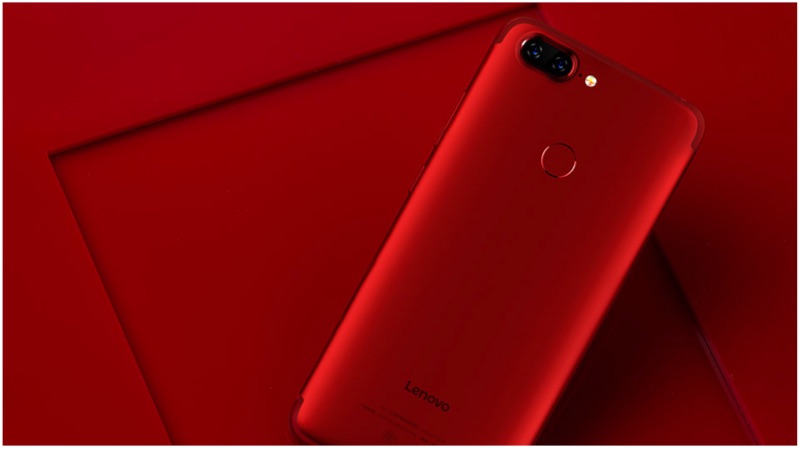
    Lenovo has officially launched the Lenovo S5 in China. The smartphone has a full metal unibody design with a dual camera setup. The smartphone comes in three storage and RAM variants. The 3GB/32GB model is priced at CNY 999(~Rs 9,999) and the 3GB/64GB is priced at CNY 1,199(~Rs 11,999) and the 4GB/128GB model retails for CNY 1,499(~Rs 14,999). The pricing is similar to the Xiaomi Redmi Note 5, which retails for Rs 9,999 for 3GB/32GB and Rs 11,999 for 4GB/64GB model in India.

    The Xiaomi Redmi Note 5 is the successor of the Xioami Xiaomi Redmi Note 4. However, the difference between the Note 4 and the Note 5 are as thin as a lath. We feel the Xiaomi Redmi Note 5 Pro should have been the Redmi Note 5.

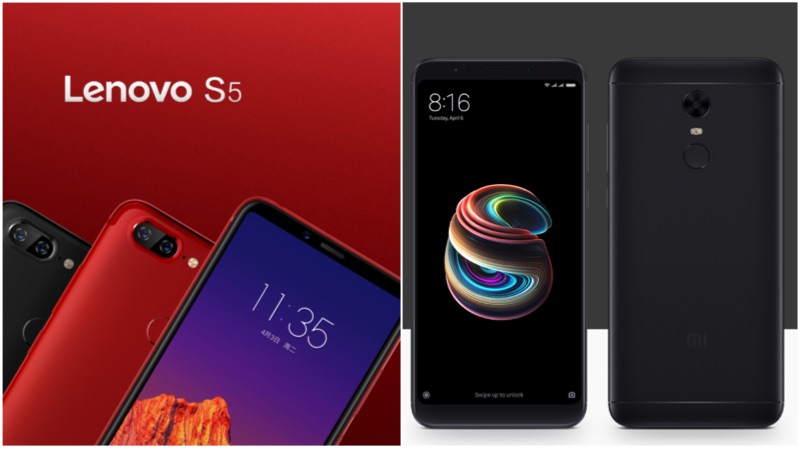
    Lenovo S5
    Lenovo S5

    The Lenovo S5 is carved out of a single block 6000 series aluminium. Whereas the Redmi Note 5 has plastic antenna bands on the top and the bottom of the device. Both the smartphones have a tall display with 18:9 aspect ratio. The Lenovo S5 has a compact 5.7 inch display, whereas the Redmi Note 5 has a 5.99 inch display with identical 2160 x 1080px FHD+ resolution.

    The Lenovo S5 has a dual 13MP camera (RGB + monochrome) while Redmi Note 5 has a single 12MP camera on the back. Similarly, the Redmi Note 5 has a 5MP front-facing camera compared to the 16MP sensor found on the Lenovo S5 with Face Unlock. The Lenovo S5 runs on custom ZUI 4.0 based on Android 8 Oreo, whereas the Redmi Note 5 runs on Android 7 Nougat based MIUI 9. The Xiaomi Redmi Note 5 has a 4000 mAh battery, while the Lenovo S5 packs in a smaller 3000 mAh battery.

    Specifications comparision
    Specifications Xiaomi Redmi Note 5 Lenovo S5
    Price 3/32GB: Rs 9,999

    4/64GB: Rs 11,999

    3/32GB: ~Rs 9,999

    3/64GB: ~Rs 11,999

    4/128GB: ~Rs 14,999

    Display 5.99 inch IPS LCD

    18:9 aspect ratio

    5.7 inch IPS LCD

    18:9 aspect ratio

    Chipset Snapdragon 625

    Octa-core @ 2.0GHz

    Snapdragon 625

    Octa-core @ 2.0GHz

    RAM 3GB

    4GB

    3GB

    4GB

    Storage 32GB

    64GB

    32GB

    64GB

    128GB

    Primary camera 12MP

    4K @ 30fps

    13MP RGB + 13MP monochrome

    4K @ 30fps

    Front-facing camera 5MP 16MP
    Battery 4000 mAh 3000 mAh
    Additional features Fingerprint sensor Fingerprint sensor

    Face unlock

  • Xiaomi Redmi 5 Vs Xiaomi Redmi Y1

    Xiaomi Redmi 5 Vs Xiaomi Redmi Y1

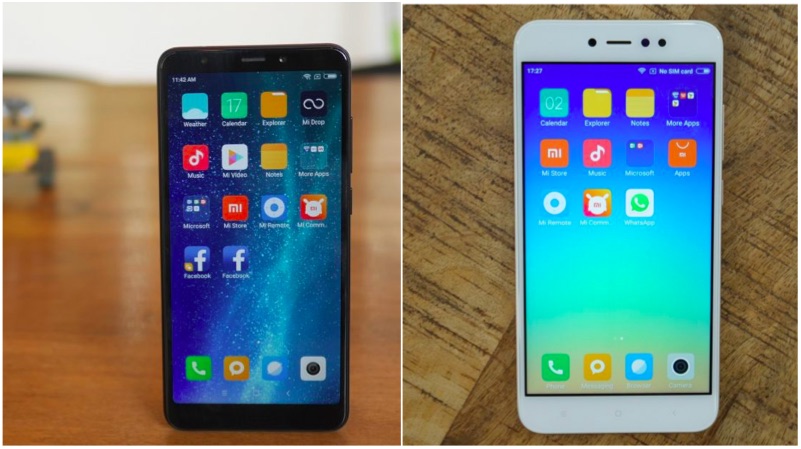
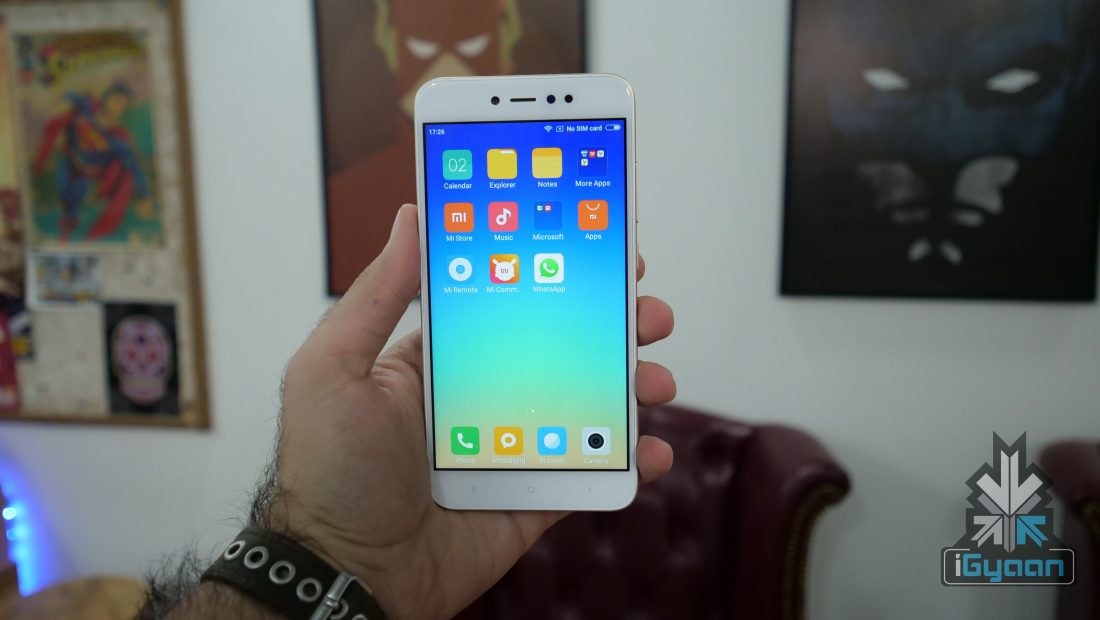
    Xiaomi Launched the Redmi 5 in India in on the 14th of March. The price starts at Rs 7,999 for the base variant and goes up to Rs 10,999 for the 4GB RAM and 64GB storage. This is the cheapest smartphone from the company with an 18:9 display. In late 2017, Xiaomi also launched the selfie-centric Redmi Y1 at a similar pricing.

    In late 2017, Xiaomi also launched the selfie-centric Redmi Y1 at a similar pricing. Interestingly, the Redmi Y1 also retails for Rs. 8999 for the 32GB storage variant. So, does the Redmi 5 essentially makes the Redmi Y1 redundant?

    Redmi 5
    Xiaomi Redmi 5

    [amazon_link asins=’B0756Z242J’ template=’ProductAd’ store=’igyaan-21′ marketplace=’IN’ link_id=’31039d15-29c0-11e8-b417-a3336d9d6e9a’]

    To begin with the display, the 18:9 aspect ratio display on the Redmi 5 is generations apart from the one found on the Redmi Y1 with 16:9 aspect ratio. The Redmi 5 has narrower bezels with a higher resolution display. The Redmi 5 takes the lead even with the build-quality. The Xioami Redmi Y1’s plastic unibody design is no match for the Xiaomi Redmi 5’s metal unibody design. The metal design not only looks premium, but it also helps to dissipate the heat in a faster way.

    Redmi 5
    Xiaomi Redmi Y1

    The Xiaomi Redmi Y1 is powered by Qualcomm Snapdragon 435. However, the 5 has the Qualcomm Snapdragon 450 chipset. Both the smartphones have an Octa-core processor. However, the Snapdragon 450, which is based on the 14nm FinFET technology is superior to the Snapdragon 435. The chipset on the Redmi 5 is a much more efficient and a faster chipset.

    Redmi 5
    Xiaomi Redmi Y1

    The camera is the one department, where the Redmi Y1 excels. The Redmi Y1 has a 16MP front-facing camera, which puts the 5MP front-facing camera on the Redmi 5 to shame. The primary 12MP camera on the Redmi 5 offers a much better 1.25 micron pixels and the Redmi Y1 packs in a 13MP primary camera with unknown pixel size. The 12 MP camera used on the Redmi 5 is an identical sensor, which has been used on other Xiaomi devices as well. In fact, the Redmi Note 5 Pro has an exact sensor.

    Specifications comparision
    Specifications Xiaomi Redmi 5 Xiaomi Redmi Y1
    Price 2GB RAM: Rs 7,999

    3GB RAM: Rs 8,999

    4GB RAM: Rs 10,999

    3GB RAM: Rs 8,999

    4GB RAM: Rs 10,999

    Display 5.7 inch IPS LCD HD+

    1440 x 720px

    5.5 inch IPS LCD HD

    1280 x 720px

    Design Metal unibody design polycarbonate shell
    RAM 2/3/4GB 3/4GB
    Storage 16/32/64GB 32/64GB
    Primary camera 12MP with f/2.2 13MP with f/2.0
    Front-facing camera 5MP 13 MP
    Battery 3300 mAh  3080 mAh
    Additonal features Fingerprint sensor Fingerprint sensor
  • Xiaomi Mi TV 4A Vs Xiaomi Mi TV 4: What’s The Difference?

    Xiaomi Mi TV 4A Vs Xiaomi Mi TV 4: What’s The Difference?

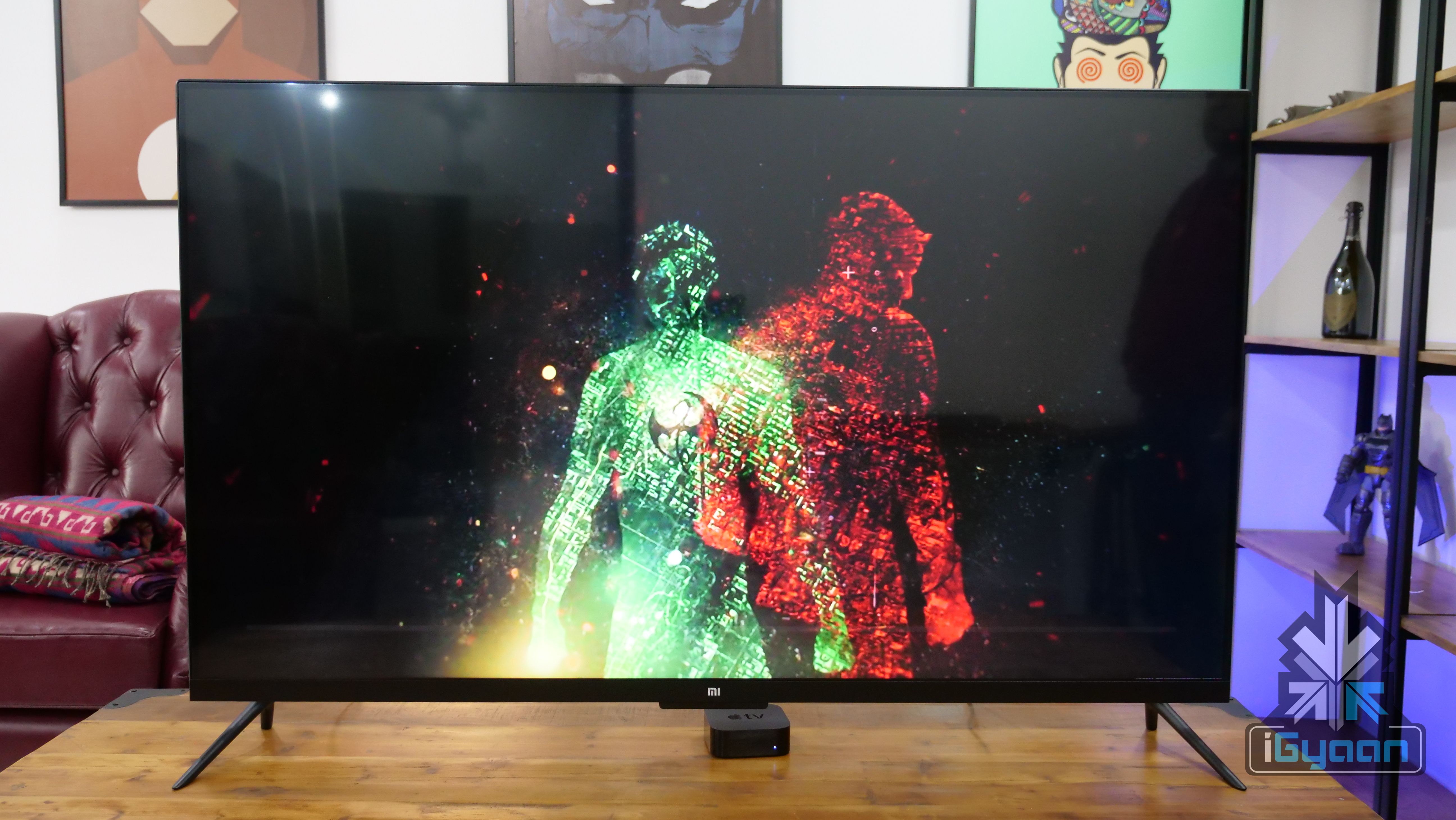
    Ever since entering the Indian market, Xiaomi has predominantly focussed on the smartphone market. However, one look at the company’s Mainland China website and you realise that Xiaomi has a much more diverse repertoire. Xiaomi has launched power banks, air purifier, earphones and speakers as well but, these are accessories and never really ignite any excitement. However, most of the company’s smartphone launches have been excellent so far and has created enough anticipation around the brand.

    On the 14th of February, however, that changed. Along with the much-awaited launch of the Redmi Note 5, the company unveiled its first-ever television in India. At a price of Rs 39,999 the Mi TV 4 offers a 4K LED display, smart TV functionalities and an enhanced UI based on Patchwall. No other 4K LED TV comes close to its price in the Indian market. In fact, it has been sold out within a couple of minutes every time it has gone on sale. Similarly, that is also its biggest issue. The TV is only available via flash sales which are extremely cumbersome.

    However, Xiaomi appeared to have more things in the plan as it held a live stream launch 7th March. Everyone expected the company to launch a smart TV and so it did. At a price of Rs 13999 and 22999 for the 32 inch and 43 inch models of the Mi TV 4A, respectively. At such a price range, the Mi TV 4A is a great option for people who are on a tight budget. However, the 32 inch variant has a 720P display only. The 43 inch variant has a more respectable 1080P display albeit, the same internals.

    However, along with the price, there are some major differences between the Mi TV 4A and Mi TV 4. So, let’s take a look at what differentiates these televisions from Xiaomi that has re-ignited the interest in the TV industry again!

    Specifications
    Specifications Mi TV 4 Mi TV 4A 32 inch Mi TV 4A 43 inch
    Price Rs. 39,999 Rs. 13999 Rs. 22999
    Display Size & Type 55 inch
    LED
    32 inch
    LED
    43 inch
    LED
    Resolution 3840 x 2160 px
    60Hz refresh rate
    Viewing Angle: 178º
    1366 × 768px
    178 degree
    60Hz refresh rate
    1920 x 1080px
    178 degree
    60Hz refresh rate
    Processor 64-bit Amlogic L962 64-Bit Amlogic L962 64-Bit Amlogic L962
    RAM 2GB 1GB 1GB
    Storage 8GB 8GB 8GB
    Connectivity 1 x USB 2.0
    1 x USB 3.0
    1 x Ethernet
    3 x HDMI 2.0
    Bluetooth 4.2
    Wi-Fi ac 802.11 a/b/g/n
    2 x USB 2.0
    3 x HDMI
    1 x Ethernet
    Wi-Fi ac 802.11 a/b/g/n
    2 x USB 2.0
    3 x HDMI
    1 x Ethernet
    Wi-Fi ac 802.11 a/b/g/n

    The Mi TV 4 at a price of Rs. 39,999 offers a lot of features that no other television at that price has. However, 32 inch model has a 720P display resolution which is a bit low by modern standards. But, at a price of Rs 13,999, there isn’t much to complain.

    At the end of the day, however, all three TVs are a great deal. It all comes down to the user’s budget and expectations out of their TV.

  • Xiaomi Redmi 5 Vs Honor 9 Lite: Specifications Comparison

    Xiaomi Redmi 5 Vs Honor 9 Lite: Specifications Comparison

    Xiaomi Redmi 5 is expected to launch in India on the 14th of March. Considering the price of the Redmi Note 5, the Redmi 5 is expected to be cheaper in India. In fact, the 2GB RAM version is expected to retail for Rs 6,999 and the 3GB RAM version for Rs 8,999. For this price tag, the smartphone offers some of the best-in-class design and specifications. The Redmi 5 has a 5.7 inch 1440 x 720 px IPS LCD display with 18:9 aspect ratio, powered by Snapdragon 450 chipset. Even the 12 MP primary camera is exactly similar to the one used on the Note 5 and the Note 5 Pro.

    Redmi Note 5

    The Honor 9 Lite takes a different route. In fact, this is the only smartphone to feature premium glass design with a quad-camera setup under Rs 15,000. The device has a 5.7 inch FHD+ 2160 x 1080 px display, which has more pixels than the Redmi 5. In fact, the smartphone does support face unlock using the front-facing camera, which is like the cherry on the cake. However, do note that the entry-level model of the Honor 9 Lite retails for Rs 10,999, which could be at least Rs 4000 more than the price of the Redmi 5.

    Honor 9 Lite
    Specifications
    Honor 9 Lite
    Xiaomi Redmi 5
    Price Starts at Rs 10,999 Expected to start at Rs 6,999
    Display 5.65 inch IPS LCD
    18:9 Aspect Ratio
    5.7 inch IPS LCD
    18:9 Aspect Ratio
    Resolution 2160 x 1080 px 428ppi 1440 x 720 px 282ppi
    Chipset HiSilicon Kirin 659 Snapdragon 450
    RAM 3GB
    4GB
    3GB
    4GB
    Storage 32GB
    64GB
    Expandable up to 256GB
    16GB
    32GB
    Expandable up to 256GB
    Battery 3000 mAh 3300 mAh
    Primary Camera 13MP
    2MP (depth sensor)
    12MP
    Primary Camera Video 1920 x 1080px @ 30fps 1920 x 1080px @30fps
    Secondary Camera 13MP
    2MP (depth sensor)
    5MP
    Add-ons Fingerprint Sensor
    Face Unlock
    Fingerprint Sensor


  • Nokia 7 Plus Vs Moto X4

    Nokia 7 Plus Vs Moto X4

    HMD Global launched the Nokia 7 Plus at MWC 2018. Leaked way ahead of its official launch, the Nokia 7 Plus garnered a lot of interest. It was touted to be the first-ever Nokia smartphone with an 18:9 aspect ratio. However, the Nokia 89 Sirocco, launched along with the 7 Plus, has the same aspect ratio. The price of the Nokia 7 Plus EUR 399 (Rs 31000).

    However, if the company decides to launch the Nokia 7 Plus in India, it will have to be priced below the estimated price. The Nokia 7 Plus at a price of Rs. 25000 would really be one of the best options on the market. At Rs. 28000 or thereabouts, the Honor View10 has a better chipset and features like AI integration. However, at Rs. 25000 price bracket, the Nokia 7 Plus has competition from the Moto X4 and Honor 8 Pro at best.

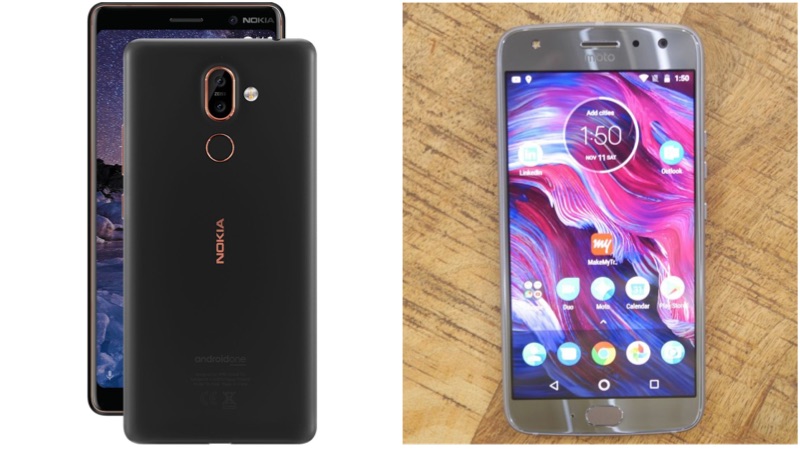
    The Moto X4 has a glass back while the Nokia 7 Plus has an aluminium unibody design. However, the Nokia 7 Plus has subtle accents around the camera and fingerprint sensor, similar to the Nokia 6 (2018). So, if the Nokia 7 Plus is launched at around Rs. 25000, which smartphone comes out on top? Let’s find out!

    Specifications
    Specifications Nokia 7 Plus Moto X4
    Price EUR 399 (Rs. 31000) Starting at Rs. 20999
    Display 6 inch
    IPS LCD
    5.2 inch
    LTPS IPS LCD
    Resolution 2160 x 1080 px
    18:9 Aspect Ratio
    403 ppi
    1920 x 1080 px
    16:9 Aspect Ratio
    424 ppi
    Chipset Snapdragon 660 Snapdragon 630
    RAM 4GB 3GB
    4GB
    6GB
    Storage 64GB
    Expandable Up to 256GB
    64GB
    Expandable Up to 256GB
    Battery 3800 mAh 3000 mAh
    Primary Camera Carl Zeiss Optics
    12MP f/1.8 Wide-Angle
    13MP f/2.6 Telephoto
    12MP f/2.0 aperture
    8MP f/2.2 aperture
    Primary Camera Video 3840 x 2160 @ 30fps 3840 x 2160 @ 30fps
    Secondary Camera 16MP
    f/2.0
    16MP
    f/2.0
    Add-Ons Fingerprint Sensor
    Android One
    Fingerprint Sensor
iGyaan Network
Privacy Overview

This website uses cookies so that we can provide you with the best user experience possible. Cookie information is stored in your browser and performs functions such as recognising you when you return to our website and helping our team to understand which sections of the website you find most interesting and useful.