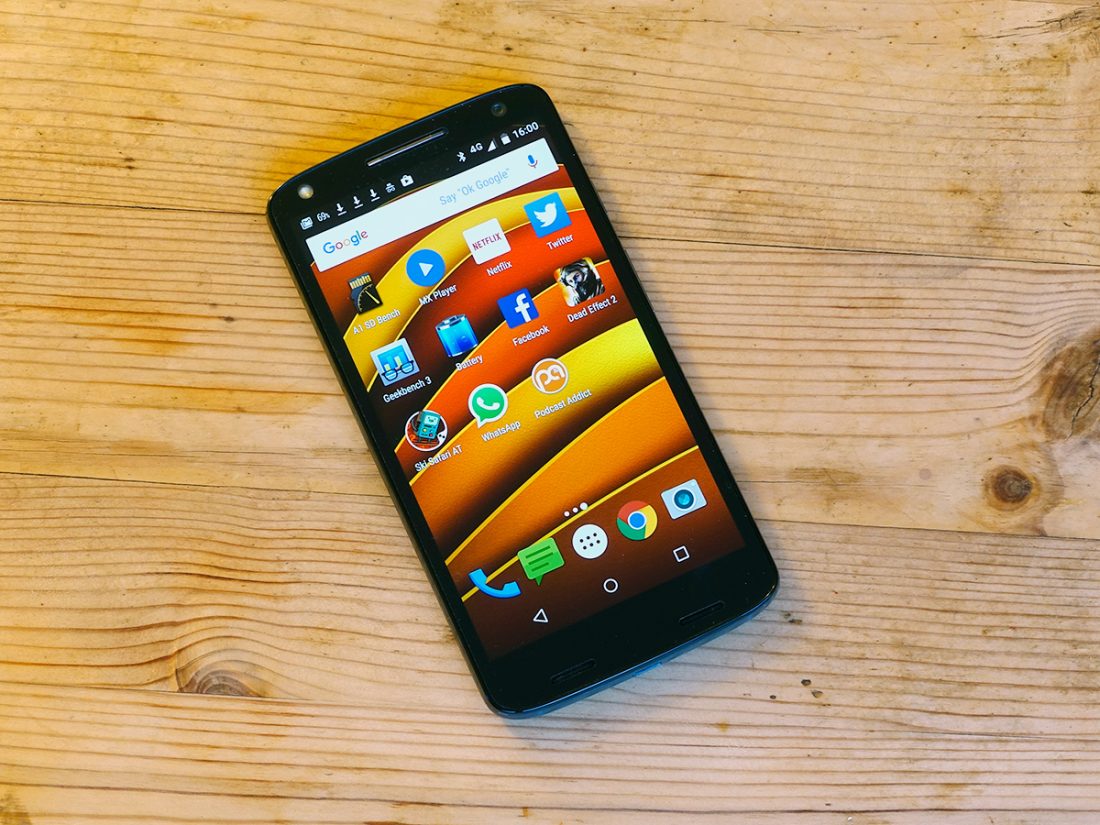
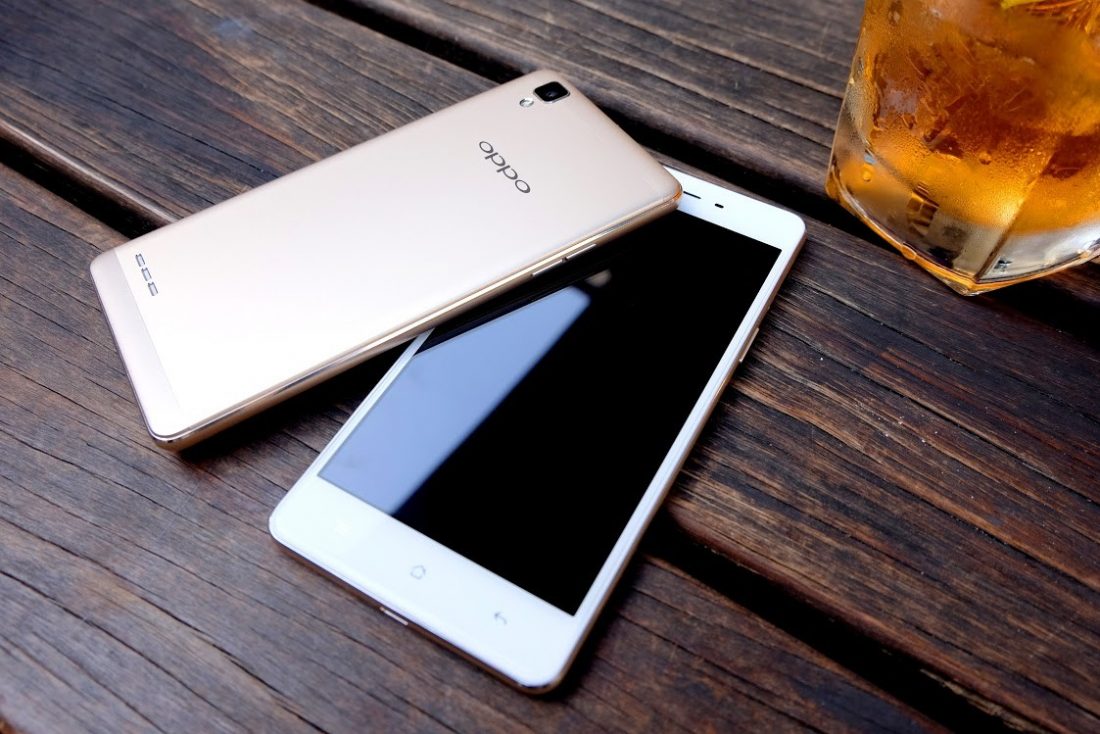
Tag: Specification

  • Oppo R9 and R9 Plus Specifications Revealed

    Oppo R9 and R9 Plus Specifications Revealed

    Oppo’s upcoming phones which are set to be launched on March 17th have gotten the full leak treatment today. We now have the full set of leaked specs of the phones courtesy of Steve Hemmerstoffer. The specs leaked through his Twitter handle reveal the phones to come with specs in line with the previous leaks


    Oppo R9

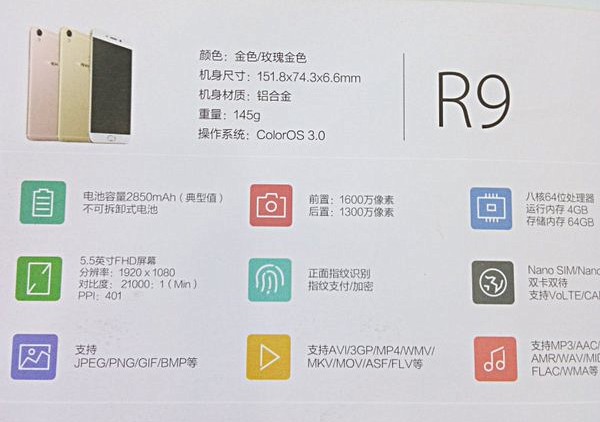
    To kick things off, the Oppo R9 will come with a 5.5-inch Full-HD 401 ppi display and will be powered by an octa-core processor paired with 4GB of RAM and up to 64GB of expandable storage. The phone will get its juice from a 2,850 mAh battery will also come packing a16MP/13MP camera combo.

    Oppo R9 1

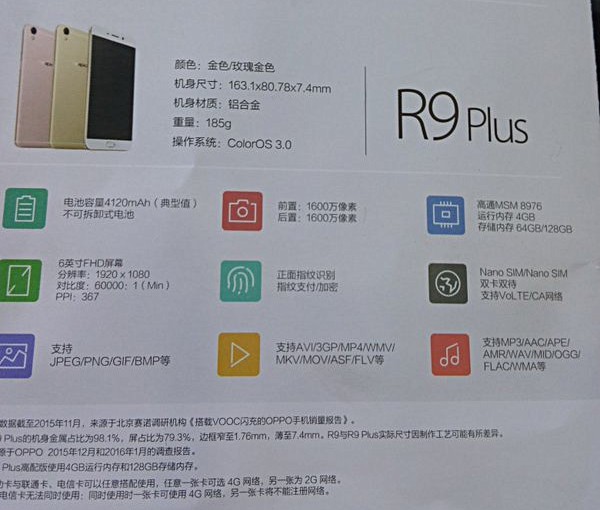
    The elder sibling, the R9 Plus will bring with it a 6-inch display with the powerful Snapdragon 652 SoC. It will bring to the table 4GB of RAM and offer flash storage up to 128GB. Front and back camera on the R9 Plus will be 16MP sensors while a massive 4,120mAh battery will keep it powered on.

    Apart from this, both these phones are expected to support Oppo’s Super VOOC charging tech, and will be equipped with fingerprint sensors.

  • Huawei P9: Where Does it Stand?

    Huawei P9: Where Does it Stand?

    For the past few weeks, we’ve been hearing quite a few rumours and have been witness to leaked images of Huawei’s upcoming flagship P9 smartphone. The successor to the P8 will look to create a space between big flagship devices like the Galaxy S7 and the Mi 5. It was earlier rumoured that the Huawei P9 will be launched on March 9, but it seems that the launch date is more in line with popular tipster Evan Blass’s speculated April launch.

    Huawei has created a niche audience with its devices. Sure, it may not produce devices that can match the best of Samsung, but it does manage to come with impressive flagships that are more affordable than many others. Last year’s Huawei P8 was well-received thanks to its sleek design language and an impressive camera at 12MP with f/2.0 aperture and OIS that took decent low-light captures.

    USB-1280x777

    If one has been paying attention this year, one will notice that flagship devices already launched like Samsung’s Galaxy S7 and Xiaomi’s Mi 5 come with new camera technologies. It seems that 2016 will see phone makers focusing a lot more on camera and other such areas that haven’t seen much development in recent times. And from what we’ve heard so far, Huawei looks to bring out an improved new camera with the P9.

    The Huawei P9 is rumoured to feature a dual rear camera setup that will see a pair of 12-megapixel sensors with Leica lenses. Huawei also plans to incorporate some unique photography features in the phone though it’s not exactly clear right now what the plan is.

    Front

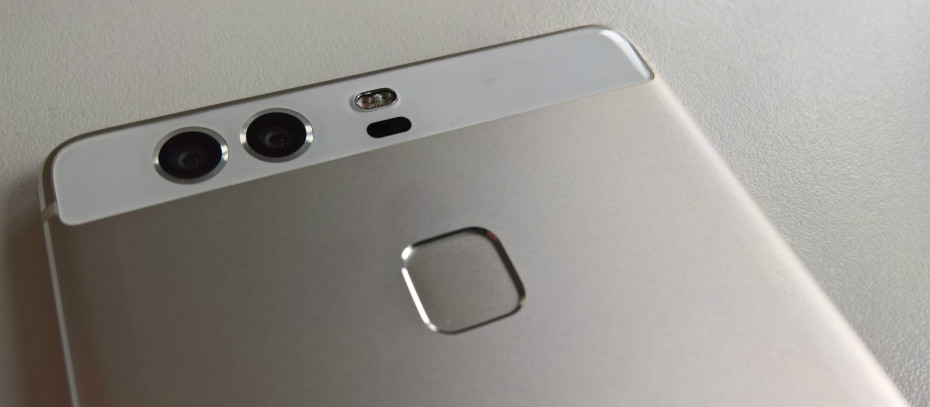
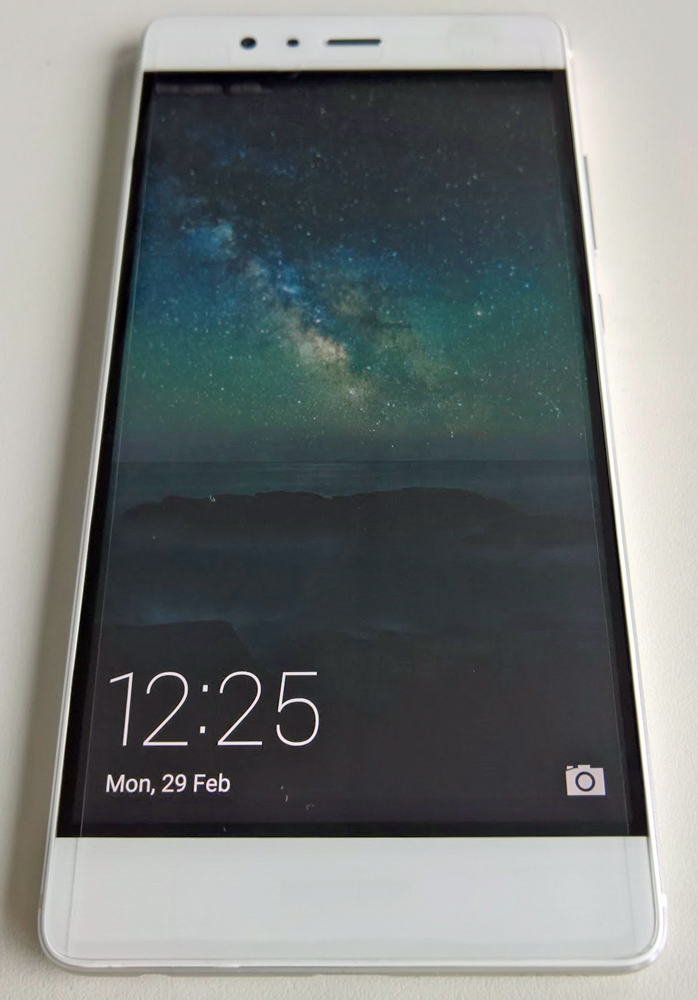
    Images of the flagship posted by Blass also reveal a slim metal design. Huawei has included a fingerprint scanner on the back, a dual cameras setup and USB-C. Now, while the images show a slim frame, one can’t ignore the large bezels at the bottom. In today’s competitive smartphone market where new devices come with a great screen to body ratio, the P9 may just fall short here.

    According to Evan Blass, the regular P9 will sport a 5.2-inch 1080p display, an in-house Kirin 950 chip, a 3900mAh battery, 3GB of RAM, 32GB of storage and Android 6.0.1 Marshmallow. The premium model could offer 4GB of RAM and a brand new Kirin 955 chip. These specs at least on paper make for impressive reading and quite frankly this is where Huawei will try to score as many brownie points as possible.

    Huawei with the upcoming P9 range of smartphones will come to the ring as a solid competitor to this battle for market supremacy. It has the features, the camera and even the specs, to do well in what will be a close fight, but such is the nature of the battle it will step into that impressive internals might not matter much in defining the P9’s future. What happens next for the P9 might just be defined by the price it retails at which if reports are to be believed should be known in the coming days.

  • Vivo XPlay 5 ‘Lite’ Variant Spotted on GFXBench

    Vivo XPlay 5 ‘Lite’ Variant Spotted on GFXBench

    Chinese smartphone maker, Vivo, which is slated to unveil to the world its latest flagship offering, the Xplay 5 with 6Gb of RAM, according to leaks reveal could well be unveiling another smartphone at the launch event on 1st of March. Possibly a ‘lite’ variant of the Xplay 5.

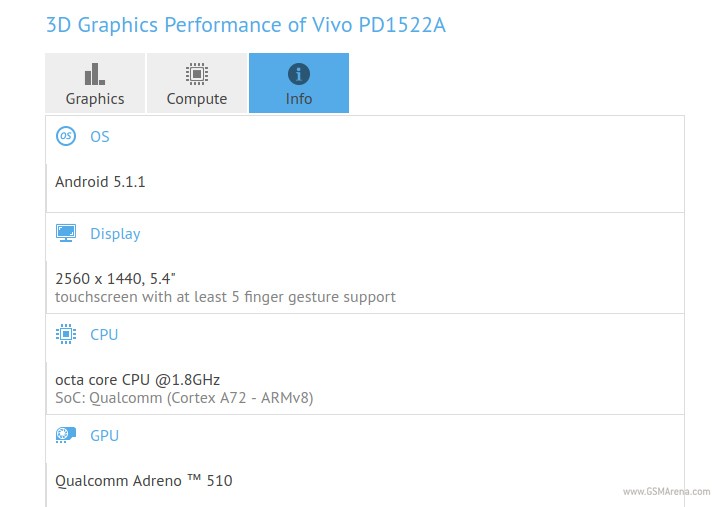
    GFXBench shows an unnamed Vivo phone bearing the model number PD1522A being benchmarked on its website. 

    The PD1522A, comes equipped with the Snapdragon 652 paired with 4GB of RAM.The handset comes with a 5.4-inch QHD display and a 16- megapixel rear camera, and an 8 MP front camera with 128GB of storage, as well as Android 5.1.1 Lollipop on board.

    The phone’s specs do pale in comparison to the Vivo XPlay 5, but they still are pretty impressive compared to rest of the market offerings. If prices right, Vivo could have a serious challenger for the market on their hands.

    Source

  • Le Max Pro vs Xiaomi Mi 5 : Will the Real Flagship Killer Please Stand Up

    Le Max Pro vs Xiaomi Mi 5 : Will the Real Flagship Killer Please Stand Up

    Xiaomi with its announcement of the Xiaomi Mi 5 at events in Beijing and Barcelona today has come to lay claim on the title of being 2016’s biggest flagship killer. The handset which took Xiaomi two years to develop comes with mouth-watering specs at an affordable price point of RMB 1,999(Approx Rs 21,000).

    Xiaomi with the MI 5 will look to eat up into the market share of upcoming flagships such as the LG G5 and Samsung Galaxy S7 when they finally hit Indian markets. But before it can officially take up the mantle of being this year’s best bang for buck flagship killer, it will face tough competition closer to home from the new kid on the block, Le Eco, which only yesterday announced the sale of its Le Max Pro handset for the same price in China.

    So time to find out which of these two is the real flagship slayer of 2016. Let the battle begin.

    game-snapdragon-820-xiaomi-mi-5-and-letv-le-max-pro

    What’s Under the hood?

    The Le Max Pro became the world’s first Snapdragon 820 smartphone to go on sale after 1000 units were made available for purchase yesterday to customers in China, and as expected was quite quickly lapped up by the “Superfans” of the “Superphone”.

    letv-le-max-pro_9819-970x647-c


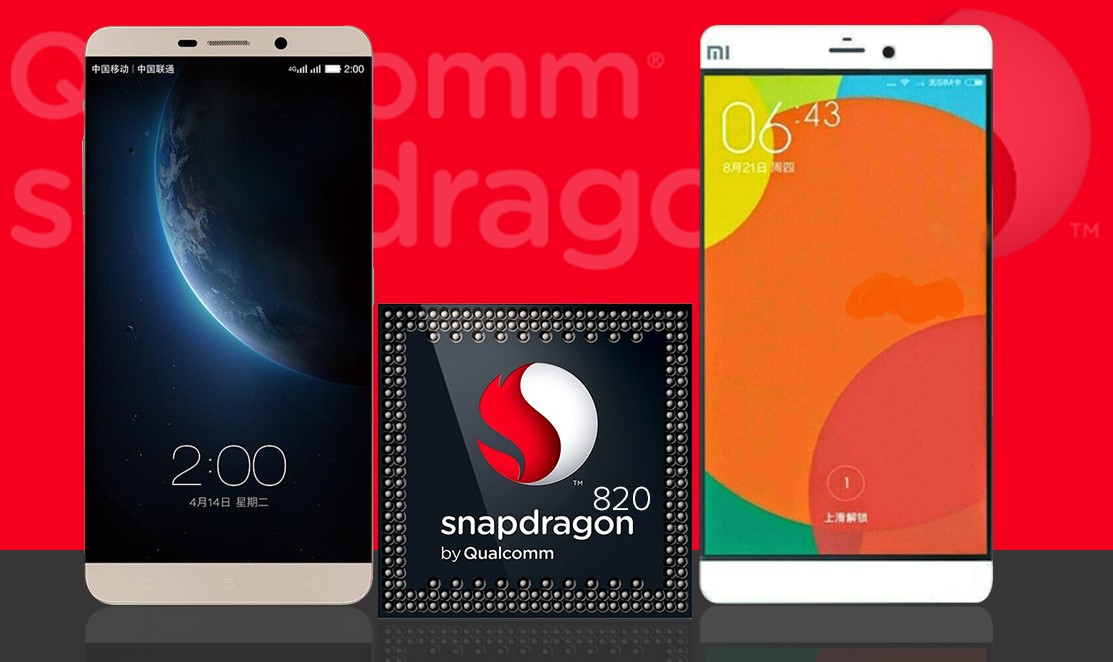
    The Le Max Pro comes to the party equipped with a pretty impressive specs. It sports a 6.33-inch display with QHD resolution which is a massive upgrade over the Xiaomi Mi 5’s 5.15-inch Full HD display, but both the phones find common ground when it comes to the Snapdragon 820 SoC that runs the show for both these devices.The Le Max Pro comes with 4GB of RAM and 64 GB of flash memory while the Mi 5 brings to the table 3GB of RAM and 32GB internal storage.

    Mi 5

    The Le Max Pro has a slight advantage when it comes to the 3,400mAh battery when compared to the 3000mAh battery pack inside Xiaomi’s offering. Both the phones can be charged through a USB Type-C port and also feature fingerprint scanners come running Android 6.0 Marshmallow with their company’s respective skins out of the box.

    Camera

    Camera’s on both the phones are pretty impressive. While Le Max has gone the traditional way and overloaded the specsheet with details about high megapixel count of the phone, Xiaomi has gone ahead and like most big names of the industry has looked towards real world performance in place for extra megapixels to brag about.

    mi5-h1

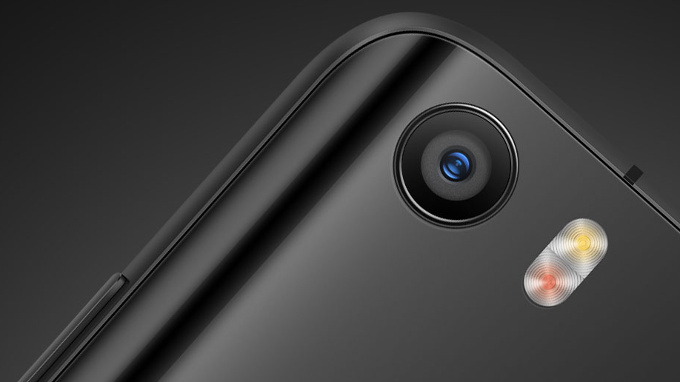
    Le Max comes with an able  a 21MP sensor for the back of the phone which is expected to take good pictures and a 4MP sensor for the front while Xiaomi has sports a 16-megapixel rear sensor that uses Sony IMX298 with important additions such as PDAF, DTI image enhancements and 4-axis OIS. The front features a 4-megapixel UltraPixel camera which is also expected to better than the Le Max Pro.

    Design

    The Le Max Pro features a bezel-less, full metal unibody design made completely out of aircraft grade aluminum which the company claims is highly durable. It also comes with the world’s first full-floating glass made by Sharp exclusively for LeEco. Because of its size, the phone feels big in the hand and one handed operation is difficult.

    the_le_max_features_akg-tuned_audio_and_a_superfast_21mp_camera

    Coming to the Mi 5, it draws inspiration from the Mi Note in terms of design. The Mi 5 introduces a home button that houses the fingerprint scanner – a first for Xiaomi. The back features a curved edge with a 3D glass body. Meanwhile, the Pro variant comes with a 3D ceramic back. The front features an almost bezel just 6.95mm thick, seamless design and more curved than the Mi Note. The curved ceramic back seamlessly joins the glass on the front.


    Specs

    Le Max Pro

    Xiaomi Mi 5

    Display 6.33-inch display with QHD  5.1.5-inch screen Full HD display
    Resolution 2560 x 1440 1920×1080
    Dimensions 167.10 x 83.50 x 8.90 69.20 x 144.55 x 7.25mm
    Processor Qualcomm Snapdragon 820 Qualcomm Snapdragon 820 Processor
    GPU Adreno 530 Adreno 530
    RAM 4GB 3GB
    Storage 64GB 32GB
    Rear Camera 21 MP Sensor  16MP Sony IMX298, PDAF, 4-axis OIS and f/2.0
    Front Camera 4 MP 4MP UltraPixel
    Expandability N/A  N/A
    Battery 3,400mAh 3000mAh battery Quick Charge 3.0
    Connectivity USB Type-C, 4G+, Wi-Fi 802.11ad, VoLTE, Wi-Fi Direct, hotspot, Bluetooth v4.1, A-GPS, GLONASS, NFC 4G+, Wi-Fi 802.11ad, VoLTE, Wi-Fi Direct, hotspot, Bluetooth v4.1, A-GPS, GLONASS, NFC,
    OS Android 6.0 Marshmallow Android 6.0 Marshmallow with MIUI 7
    Price RMB 1,999 (Rs 21000) RMB 1,999 (Rs 21,000)


  • Samsung S7 Edge vs S6 Edge : What’s Changed

    Samsung S7 Edge vs S6 Edge : What’s Changed

    The Samsung Galaxy S7 edge is here, and it’s come to the party with a high-end smartphone featuring great design, premium materials and impressive under-the-hood specs. Samsung with the S7 edge has done well to listen to its user base and improve on the flaws of the last year’s S6 edge. Today we put these two up against each other, and do a quick comparison to show how much really has changed in this new handset.

    Display and Design

    GalaxyS7_HandsOn_Main_2

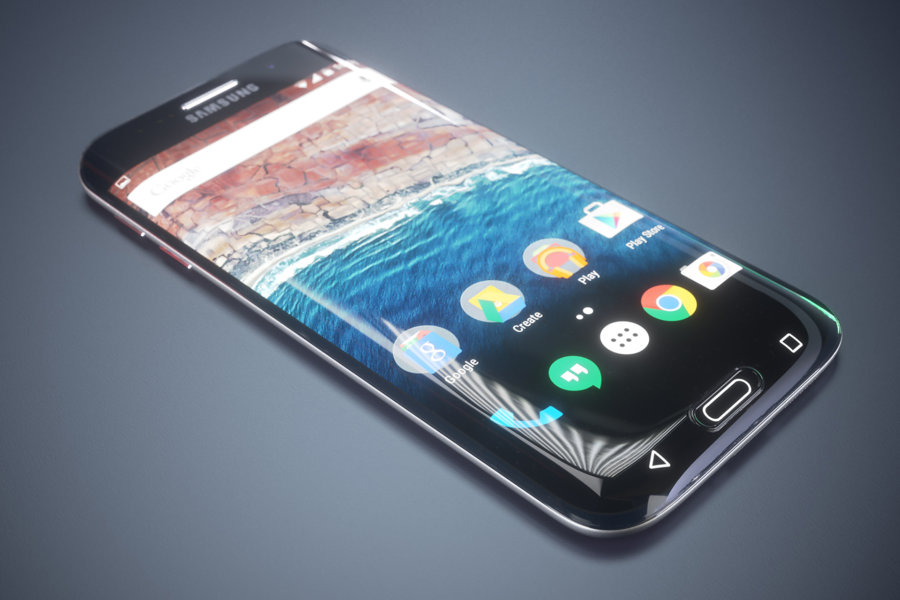
    The S7 edge has a bigger 5.5-inch form factor and comes with a QHD Super AMOLED display with a pixel density of 534 ppi compared to the 5.1-inch QHD 577 ppi screen that we saw on the S6 edge. The display though not an upgrade in terms of resolution does come as a welcome upgrade when it comes to size. To Samsung’s credit, it has managed to cut down on the screen-to-body ratio and bring a bigger display to the S7 edge without adding significantly to the phone’s dimensions.

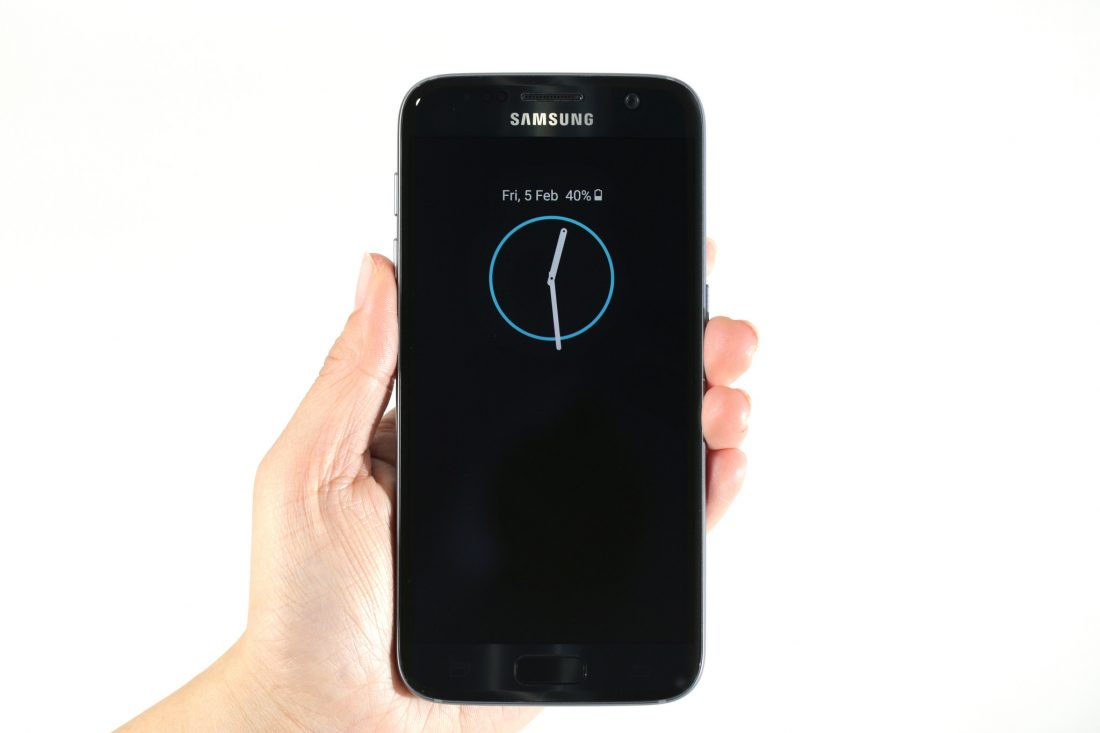
    To Samsung’s credit, it has managed to cut down on the screen-to-body ratio and bring a bigger display to the S7 edge without adding significantly to the phone’s dimensions. The phone’s display also comes with an intelligent “Always-On” feature which figures out when the phone’s display is not face down on a surface or kept in a pocket and stays lit up to show important notifications and time.

    25174521745_ab62afa3f2_k

    The phone also comes with more rounded edges which combined with the rounded edges at the back provides for a far better grip to the user. Samsung claims it has “made the camera nearly level in the S7 edge which carries forward the premium glass and metal design scheme of the S6 edge while incorporating IP68 waterproofing, and dust resistance, capabilities which provides safety up to 30 minutes while submerged under 1.5 metres of water to this latest iteration by sealing the metal chassis of the phone from the inside.

    https://www.youtube.com/watch?v=r0epWiMGAkc

    Under-the-hood Specifications

    The S7 edge is available in two versions with two different processors. The first will see a 64-bit octa-core (2.3GHz Quad + 1.6GHz Quad) processor, the other will come with a 64-bit quad-core (2.15GHz Dual + 1.6GHz Dual) processor. The device that makes it to India is expected to carry the Octa-Core Exynos 8890 SoC. This will be an upgrade over last year’s 1.5 Ghz Exynos 7420 Octa-core SoC present on the S6 edge.

    25148180546_96f631d370_k

    The S7 edge also gets one up over the S6 edge when it comes to RAM on board. The S7 edge comes equipped with 4GB of RAM while, the S6 edge came only with 3GB on board. In terms of inbuilt memory, the S7 edge comes in only 32GB and 64GB options as compared to the S6 edge which had a 128GB variant too in its arsenal, but what makes the S7 edge a clear upgrade over the S6 edge is the fact that the former houses a microSD card slot for memory expansion.

    Camera

    https://www.youtube.com/watch?v=rEblmHmKz3c

    Samsung pulling out of the Megapixel race has decided to jump into the fray with a ‘Dual-Pixel’ 12-megapixel camera at the back, and a 5-Megapixel front camera both with F1.7 aperture. Galaxy S6 edge on the other hand, came with a 16-megapixel rear camera with OIS and a 5-Megapixel front camera.

    Samsung claims this is the most advanced camera to date that it has used on its phones and that the pixels in its camera are around 30 percent bigger than the competing phones such as the iPhone 6s Plus and thus allow for sharper, clearer pictures, even in low-light surroundings.

    The company claims that the dual-pixel technology which it has incorporated works like a human eye and results into 100 percent of the pixels being used to focus allowing for a faster focus while taking a picture.

    Battery & Gaming

    https://www.youtube.com/watch?v=dnzQP8MJTCk

    Samsung S6 edge was notorious for it’s short battery life, and Samsung has looked to correct this basic flaw with a significantly bumped up battery pack in the S7 edge. The new phone features a 3600mAh battery pack, which is a cool 1000mAh over its predecessor.

    The S7 edge also comes with new Air-Cooling tech to help keep the temperature of the phone down, and also adds to the mix wireless and fast charging capabilities. One thing that Samsung did miss out on was the widely expected USB Type-C port.

    The mobile phone gaming market is emerging as an important space and Samsung is making a very strong push for it with the S7 edge. The S7 edge will be the first device to use the Vulkan API which Samsung claims will provide users the ability to experience PC-quality gaming on the S7 series devices with lower battery consumption. The company has also added a new ‘Game Launcher,’ to enable users to better manage battery consumption, and block notifications for immersive gaming sessions.


  • LG G5 Lite hinted at through GFXBench Listing

    LG G5 Lite hinted at through GFXBench Listing

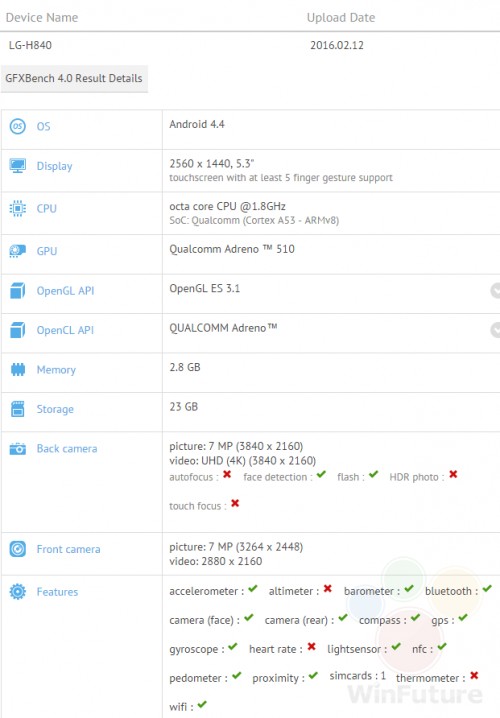
    GFXBench, which in the past has been our trusted friend in leaking specifications of upcoming phones, has now revealed to the Internet the details of an unknown handset from the stables of LG.

    The latest listing reveals that the device will come equipped with the recently announced Snapdragon 625 chipset, the first of its kind to be manufacfured using a 14nm process.

    gsmarena_002


    The listing further reveals that the handset will sport a 5.3-inch Quad HD display. The phone will come with a respectable 3GB of RAM and 32GB of internal memory.

    The new smartphone which looks to be a budget device at best will come with 8-megapixel shooter at the front and the back. Surprisingly, the listing claims that the phone will run on the outdated Android 4.4 platform.

    The listing further reveals this model number of the phone which bears the mark of the upcoming LG G5 model number, hinting to this being a toned down lite version of the soon to be launched G5, in which case the phone coming with Android 4.4 makes no sense.

  • Best Smartphones Under Rs. 20,000

    Best Smartphones Under Rs. 20,000

    The mobile phone market is brimming with many smartphone offerings at the moment. Today we take a look at the best smartphones in the congested sub Rs 20,000 market bracket.

    LeEco Le 1s
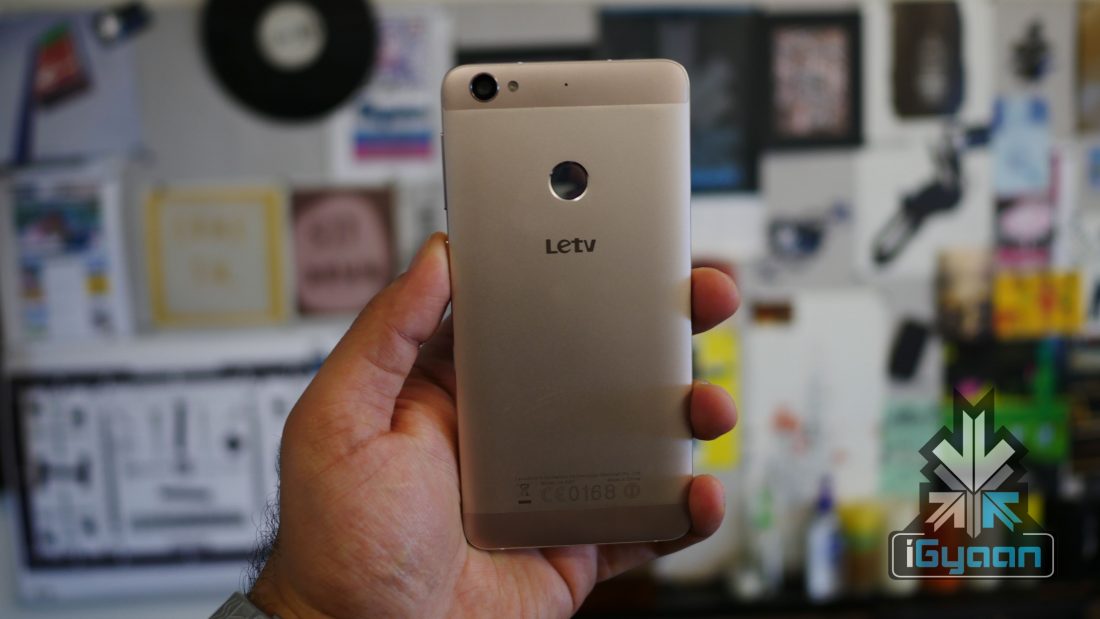
    Letv LeEco 1s iGyaan 9

    LeEco recently launched the Le 1s along with its flagship, the Le Max. The Le 1s comes equipped with a 5.5-inch 1920x1080p display and is powered by MediaTek’s Helio X10 processor, paired with 3 GB RAM for flawless performance. It features a 13 MP rear camera and a 5 MP front camera. The smartphone will run Android 5.1 out of the box with a custom EUI on top. It is a dual-SIM device with an AnTuTu score of 55844, beating HTC One M9.

    It has a type-C USB port which ensures 3.5 hours of usage in 5 minutes of charging, along with a double chamber, symmetrical design, and super-slim, full-metal body with 7.5 mm of thickness. The phone even comes with a fingerprint scanner on the device called LeTouch to sweeten the deal. It is mirror-surfaced with 99.3% accuracy and .15 seconds flash recognisation. Le 1s is available for Rs 10,999. 

    K4 Note
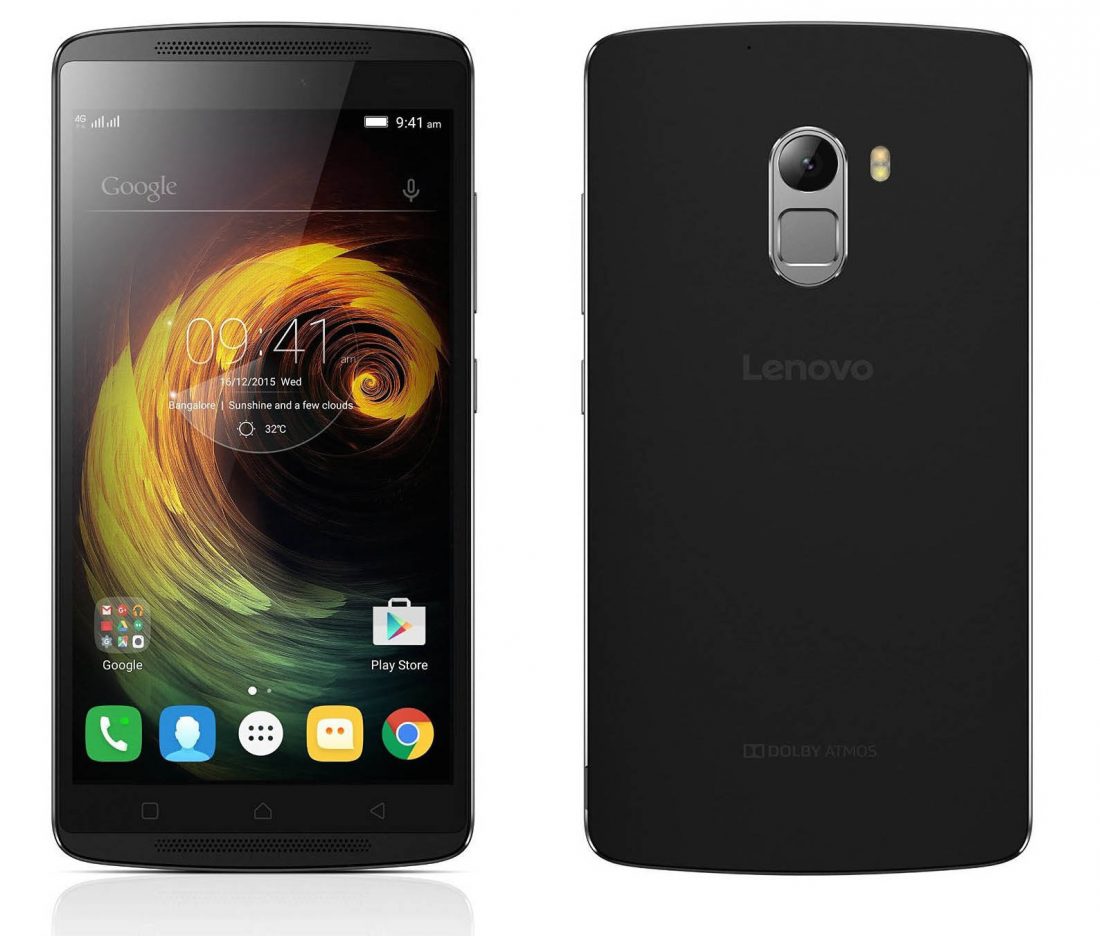
    Lenovo Vibe K4 Note

    The device is dual-SIM, has 4G LTE support and has a 5.5-inch display. On the camera front, it packs a 13 MP main camera and a 5 MP front camera. It comes packing a fingerprint scanner at the back. It comes equipped with a 1.3 Ghz Octa-Core MediaTek MT6753 processor with Mali-T720MP3 GPU, paired with 3GB of DDR3 RAM under the hood for smooth performance.

    Storage options on the phone include a single variant of 16GB internal memory which can be expanded to 128 GB using a MicroSD card. The device is priced at Rs. 11,998 on Amazon.

    Vibe X3 
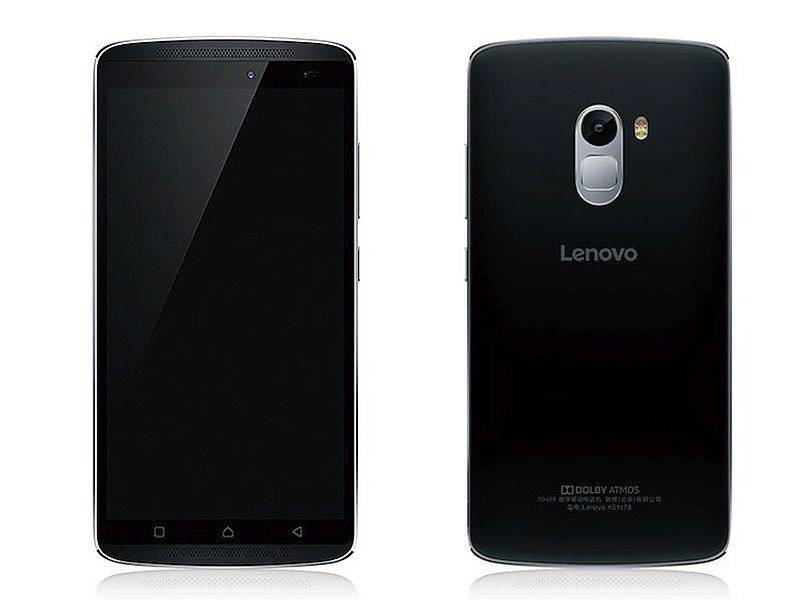
    Lenovo-Vibe-X3

    The device comes packed with a ton of features and improvements over its predecessor including a brand new design language and ergonomics.

    The Vibe X3 comes with a 5.5-inch full HD 1080p IPS display with Gorilla Glass 3 protection. It will be powered by a Qualcomm Snapdragon 808 processor, Adreno 418 GPU and 3GB of RAM. Internal storage is at 32GB which is expandable up to 128GB via MicroSD card slot.

    On the photography front, the Vibe X3 will come equipped a 21-megapixel PDAF rear camera featuring Sony IMX230 sensor with 6P lens and f/2.0 aperture, phase detection autofocus and 4K video recording. . On the front is an 8-megapixel camera. The Vibe X3 can be bought from Amazon for a price of Rs 19,999.


    Moto X play 
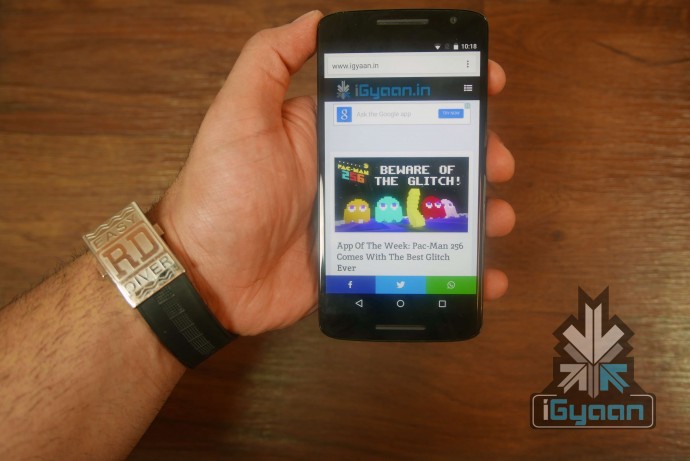
    Moto X Play 10

    The new Moto X Play comes to the market with a 5.5-inch Full HD display which returns a pixel density of 403 ppi. When it comes to the design the phone looks beautiful & has ensures buyers of a solid build. It is run by a 1.7GHz Snapdragon 615 Octa-core CPU coupled with Adreno 405 GPU & 2 GB RAM to deliver good performance. Moto X Play also comes with a whopping 21-megapixel rear camera with f/2.0 aperture, Phase Detect Auto-Focus (PDAF) and Color Correlated Temperature (CCT) dual LED flash, and a 5-megapixel camera at the front.

    The phone also comes with a whopping 21-megapixel rear camera with f/2.0 aperture, Phase Detect Auto-Focus (PDAF) and Color Correlated Temperature (CCT) dual LED flash, and a 5-megapixel camera at the front. The battery on board is a 3630mAh battery and is available in two storage options, 16GB and 32GB. The phone is available for as low as Rs 16,999 for its 16GB offering.


    Asus Zenfone Max 

    Zenfone Max

    This phone from Asus comes with an enormous 5000 mAh battery.It can also double up as a portable charger for other power hungry devices in their time of need.

    On the specifications front, the phone holds out its own in the crowded budget phone segment. ZenFone Max features a 5.5-inch HD (720×1280 pixels) IPS display which has 10 finger touch support and comes with anti-fingerprint coating. The phone is powered by a Qualcomm Snapdragon 410 quad-core processor which is paired with 2 GB RAM, Android 5.0 Lollipop operating system and Adreno 306 graphics processor.

    It comes with a 13 MP rear and 5 MP front PixelMaster camera with an f/2.0 aperture lens and laser auto-focus. The phone can be yours for a price of  Rs 9,999.

    Cool Pad Note 3 Lite

    Coolpad Note 3 Lite

    There’s only one device currently that can brag about being the cheapest smartphone with a fingerprint scanner, and that’s the Cooldpad Note 3 Lite which comes priced at Rs 7,000. The display on the phone is a 5-inch 720p HD, 320ppi IPS panel. It is run by a 64-bit 1GHz Quad-Core Mediatek MT6735 processor with 3GB Ram, and 16 GB internal storage with MicroSd card support.

    The phone is run by a 64-bit 1GHz Quad-Core Mediatek MT6735 processor with 3GB Ram, and 16 GB internal storage with MicroSd card support. The camera on the back is a 13-MP shooter, and at the front it boasts of a 5 MP camera.

    Honor 5X
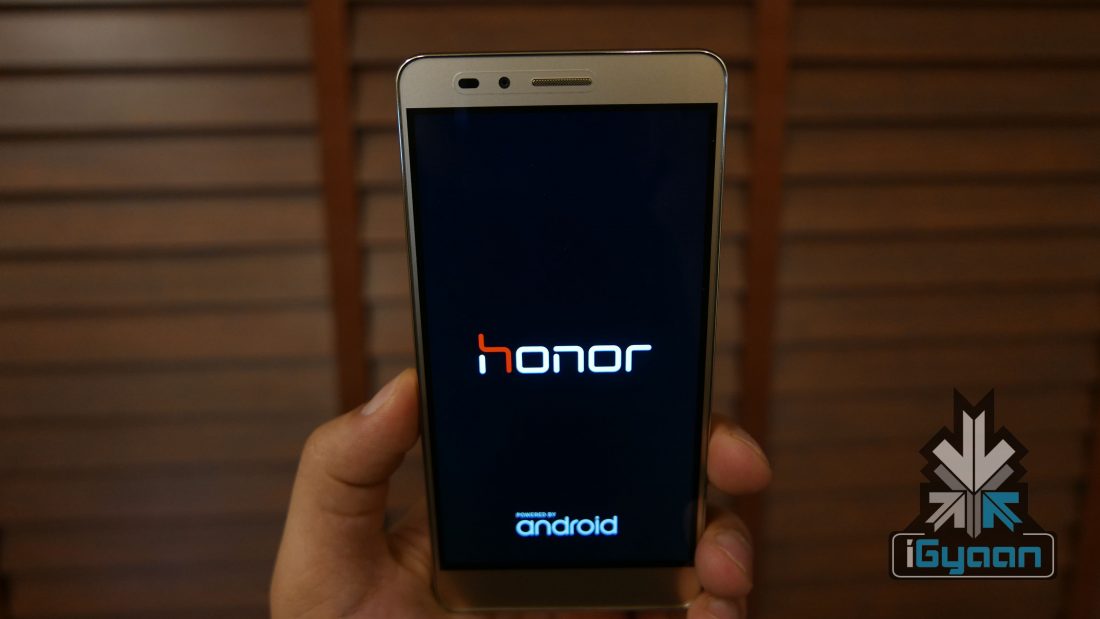
    Huawei Honor 5X iGyaan 5

    The recently launched Honor 5X sports a 5.5-inch Full HD IPS LCD display with a 1920 x 1080p resolution, and a pixel density of 401 ppi. It is powered by a 64-bit octa-core 1.5GHz Qualcomm Snapdragon 615 SoC with Adreno 405 GPU. The 5X is available in 2GB of RAM with 16GB onboard storage that is expandable up to 128GB via microSD card slot.

    In terms of design, the Honor 5X sports an aircraft-grade metal unibody construction with a fingerprint scanner at the back that can also be used to take photos. The device gives a premium look for a budget-friendly smartphone, keeping it on par with the Le 1s that was launched last week. These devices show us that budget phones are turning out to be the new premium. The device is priced at Rs 12,999 on Amazon India.

    Lenovo Vibe P1

    Lenovo Vibe P1 with fingerprint scanner

    The Vibe P1 features a 5.5-inch full-HD (1080×1920 pixels) IPS display with Corning Gorilla Glass 3. It is powered by a Snapdragon 615 octa-core processor clocked at 1.5GHz with Adreno 405 GPU; 2GB of RAM and 32GB storage with expandable storage via microSD card.

    The device features a 13-megapixel rear camera and a 5-megapixel front; dual-SIM with dual 4G LTE support.The Vibe P1 is also equipped with a nice Home Key that houses a fingerprint scanner within it. The Vibe P1 comes with a large 4900 mAh battery on board and is currently priced at Rs 15,999.

    Qiku Q Terra

    qiku terra 1

    The Qiku Q Terra is a massive phone with a 6 inch FHD display with 1080 X 1920 pixel resolution. It is powered by the Qualcomm Snapdragon 808 64-bit processor and comes with a 3 GB RAM. Along with this, it also has 16 GB of internal storage capacity that is expandable up to 128 GB.

    What sets the Q Terra apart from the other handsets in the list is that it uses a DuoScopic Camera System that integrates two 13 MP Sony back cameras – an IMX278 color sensor along with a B/W IMX214 sensor. Adding to this, the phone also offers an 8 MP front camera with f/2.4 aperture. It falls just under the Rs 20,000 mark at Rs.19,999.

  • Xiaomi Mi 5 Camera  Shots Surface

    Xiaomi Mi 5 Camera Shots Surface

    As MWC 2016 edges closer it is understandable for the Internet to go on a meltdown mode when a company like Xiaomi teases its users with let’s say camera shots from its upcoming flagship, the Mi 5.
    This device which promises to come with market leading specifications and give flagships of other established brands a run for their money has today turned heads with a pair of images clicked using the handset later shared by none other than the company’s president on his Weibo account.

    gsmarena_002 (5)

    The uploaded images are quite impressive to say the least with good color reproduction and detail. The camera in the image has focused on a bird in mid-flight and captured its movement perfectly. This points to the phone camera coming with a laser autofocus system as it had been previously rumoured.

    gsmarena_003 (1)

    Moving from the camera, the phone will come with a Snapdragon 820 SoC paired with 3GB of RAM. It will come with 64GB of onboard storage. The display on the phone will be a 5.7-inch Full HD display. The launch of the phone is set for February 24th.

  • Samsung Galaxy S7 Latest Benchmark Test Show Impressive Results

    Samsung Galaxy S7 Latest Benchmark Test Show Impressive Results

    As MWC 2016 nears, and all sorts of rumours and leaks regarding the Galaxy S7 make way across the Internet, it’s really difficult to not stand up, and be impressed by what could potentially be the best Galaxy lineup of phones in the past few years.

    Earlier today we reported that the Galaxy S7 on the back of certain improvements to its internals and the UI will come with a promise of great battery life which if reports are to be believed could even take you through two days on a single charge.

    Galaxy S7


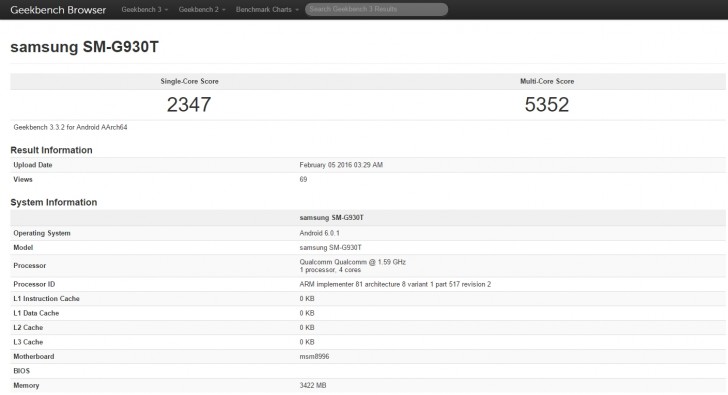
    And now, to add to that, new reports suggest that the S7’s performance could be far better than what we had earlier expected. GeekBench scores of what is a unit bound for US with Snapdragon 820 SoC on board has clocked some pretty solid numbers on benchmark tests.

    gsmarena_002 (2)

    The benchmark results from today are much higher than initial benchmarks of the phone suggesting that the manufacturer has carried out some serious optimization work on the handset. Having said that, single core performance still sees Qualcomm’s 820 lag behind the A9 SoC found on the new iPhones.

    The Samsung Galaxy S7 upon launch is expected to  to feature a 5.1-inch Super AMOLED display with Quad HD resolution, a new 12 MP BRITCELL camera with f/1.7 aperture, and a 5 MP secondary cam. Two SoC configurations are expected. One being a Exynos-based version and the other a Qualcomm-powered model. The battery is expected to be upwards of 3500mAh.

  • Samsung Galaxy S7 to Last Two Days on Single Charge

    Samsung Galaxy S7 to Last Two Days on Single Charge

    Samsung S7 launch is right around the corner, and it seems that the rumour mill has decided that its about time it goes into overdrive mode.The last couple of days have seen a number of leaks and rumours about the phone surface, but today’s probably the most interesting we have come across for a while.

    Russian blogger Eldar Murtazin has made an interesting revelation about battery life of the S7. He says that the phone might last up to two days of continuous use on a single charge.

    Murtazin, who previously claimed in an extensive pre-release review of the handsets that the Galaxy S7’s battery lasts for 17 hours while playing video with the screen at 100% brightness, today posted new screenshots from a dual-SIM version of the Galaxy S7. Murtazin has claimed today that the phone can last upto 2 days with a single charge with the battery draining 4G LTE on, and the phone’s brightness set at 75%.


    The new Galaxy S7 phones are said to come in packing bigger battery packs of over 3500 mAh. Along with this, the phone is expected to also come with a better-optimized OS for improving battery life and the switch to Qualcomm 820 with better thermal, and power management is also expected to do well for the Galaxy S7 when it comes to providing good battery life.

  • Adreno 530 GPU to be Good News for Gaming on Android

    Adreno 530 GPU to be Good News for Gaming on Android

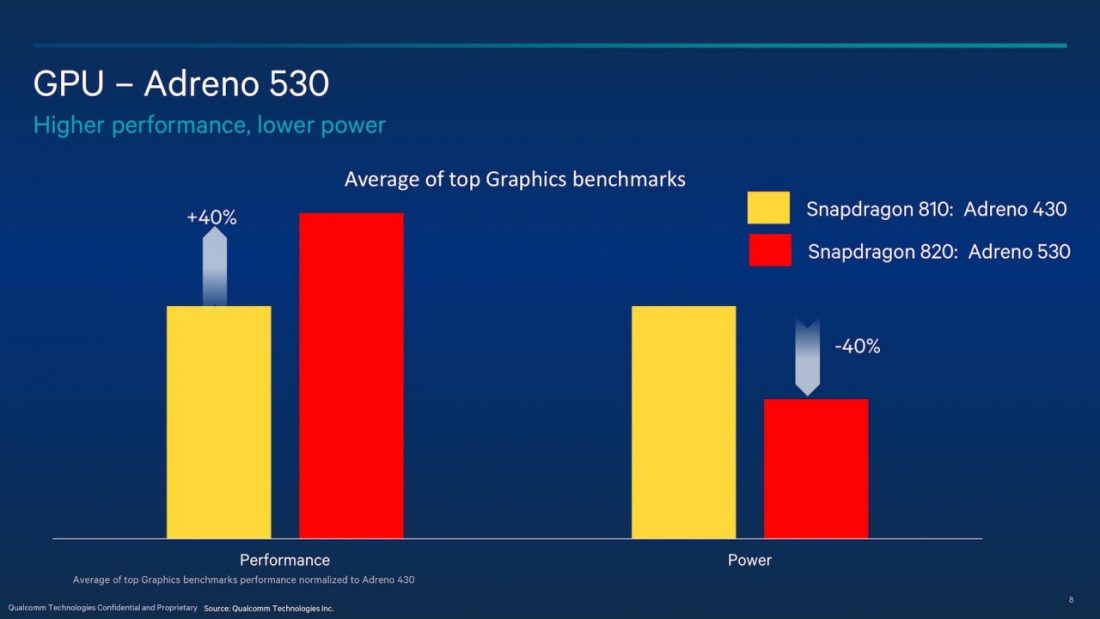
    As MWC 2016 nears, news of new smartphones using Qualcomm’s latest  820 SoC is going to start coming in thick and fast. The snapdragon 820 SoC is slated to come with Adreno 530 GPU which is said to give almost 40-50% more performance than last year’s Adreno GPU, and as claimed by Qualcomm is going to be more energy efficient too.

    asphalt 8

    Well, for starters Snapdragon 820 is a chip built from scratch. The CPU cores, the GPU, the DSP, the modem, the image processors. everything has been upgraded after the debacle that the Samsung 810 was. On this new architecture, Qualcomm claims to have upgraded things across the board.

    The Adreno 530 will be offering up to 2.5 times an increase in video performance. It will also be coming with full support of OpenCL 2.0, Renderscript, Vulkan, OpenGL ES 3.1 + AEP. Shared Virtual Memory, which comes with OpenCL will now allow data sharing between an Open CL’s host and the device’s GPU.

    Last year’s GPU was a nightmare for Android gamers who faced grave heating issues owing to the GPU of the chipset while all the time having to deal with dismal graphics performance. Qualcomm has revealed that a lot of work has gone into the GPU on the 820 SoC to ensure that the 530 can achieve 40-50% performance boost at acceptable energy levels.

    Snapdragon-820-Siggraph_rev4-25-1280x720

    Seeing is believing, and as such, early GFXBench tests have also revealed that the Adreno 530 might just really be the beast Qualcomm claims it to be. The 6-Core GPU, PowerVR GT7600 found on the iPhone 6s Plus comes close to the might of the Adreno 530 but loses out to it in the end.

    Surprisingly, the only GPU that did beat the 530, and that too by a small margin, was the Nvidia Tegra X1 chipset. Worth a mention is the fact that the Tegra X1 because of its form factor is found on large tablets. Such is the might of the Adreno 530 that other GPUs like the Mali-T760MP8 and the Mali-T880 MP4 couldn’t even come anywhere close to it in the benchmark tests.

    Snapdragon-820-Siggraph_rev4-24-1280x720

    This will come as great news especially for those of us who are looking to buy the Galaxy S7 once it arrives. Samsung’s flagship offering from last year, the S6, and S6 Edge, though being heavy on specs did lose out to the iPhone lineup when it came to raw graphics processing power.

    kv

    The Mali T760MP8 on the Exynos and the Adreno 430 on other Android handsets sporting the Snapdragon 810 were significantly under-powered for graphics tasks. The resurgence of Snapdragon with the 820 could close the huge divide that had been created over the last year.

    For gamers and power users who prefer the Android platform this could indeed turn out to be a good year.

  • Samsung Galaxy A9 Pro Makes its Way to India for Testing

    Samsung Galaxy A9 Pro Makes its Way to India for Testing

    Last week, reports coming out of Samsung’s manufacturing and assembly units in China brought to us news of a new beast of a phone arriving in the coming months. The reports talked of Samsung working on a new extra-large smartphone which, if sources are to be believed,will be called the Galaxy A9 Pro.

    galaxy-on7

    And now it looks like this elder sibling of the China bound A9 looks to be more real than it was first thought to be. Latest reports suggest the Galaxy A9 Pro was imported to India for testing. The A9 Pro, as it had been reported earlier, is listed with a 6-inch display, the same as the regular Galaxy A9 that was launched late last year for Chinese markets.

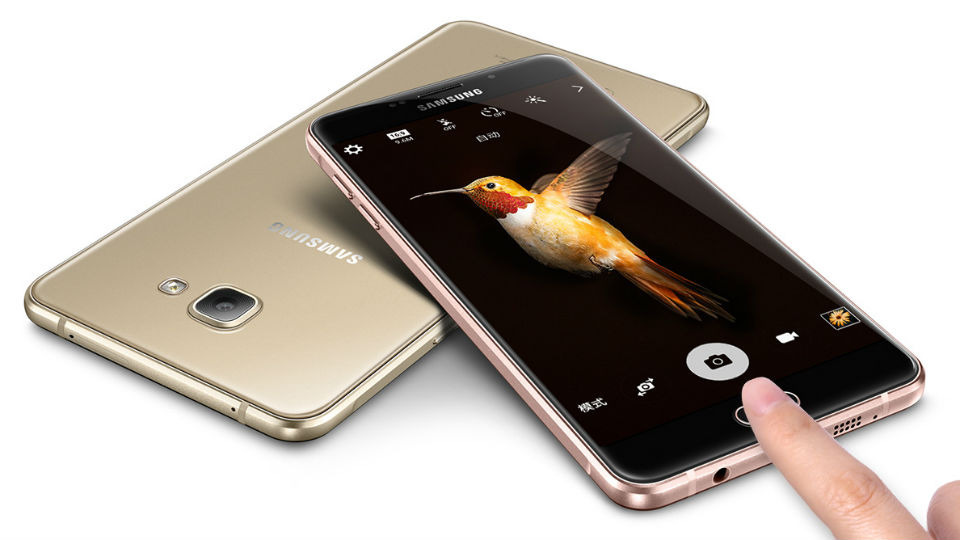
    The A9 Pro is expected to be powered by an octa-core Snapdragon 652 processor. The phone will reportedly also include 4GB RAM and 64GB inbuilt storage. The hardware will interact with the user through Android 6.0 (Marshmallow) out of the box. A battery pack of 4000mAh will power the Pro.

    The pricing for the device as listed on import export tracking website Zauba is $360 (about Rs.24,000) , but owing to Zauba’s track record so far, this pricing source should not be considered too reliable.

  • iPhone 7 to Skip the Camera Hump and Antenna Band at the back

    iPhone 7 to Skip the Camera Hump and Antenna Band at the back

    Apple’s iPhone 7 isn’t expected to launch anytime before September but that does not mean we won’t get to know what it will be like before the launch date. In today’s dose of iPhone rumours, we bring to you news that will be music to most ears.

    According to latest reports, the iPhone 7 body will appear very similar to the design scheme used for the iPhone 6 and 6s, but with two very notable exceptions.

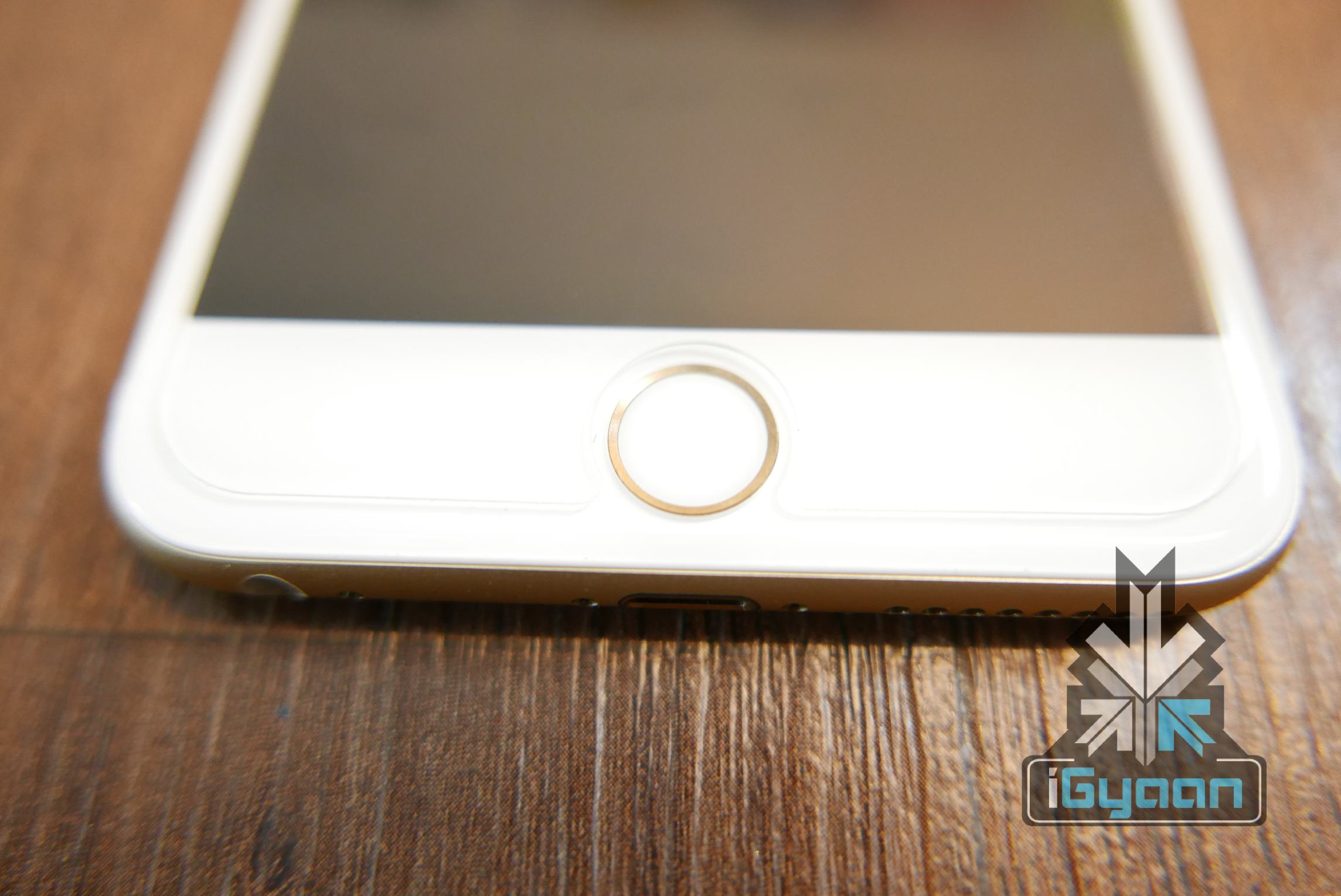
    iphone-6s-display-1200x737

    To start things off, Apple will do away with the slightly protruding camera module present on the iPhone 6 and 6s. On the iPhone 7, the camera is said to sit flush with the rear casing, enabled by a thinner camera module. Earlier we had reported that Apple was looking at new camera tech for what is expected to be a leaner iPhone 7.

    The second change that this latest report talks of is the removal of antenna bands at the rear of the handset. Antenna bands along the sides would still be present on the new iPhone.

    iPhone 7 is expected to come in two variants. The smaller iPhone 7 will come equipped with a 4.7 inch display, while the 7s will feature a beautiful 5.5 inch OLED diplay, with a full body speaker grill, and could even support Li-Fi. It is also expected to skip on the 3.5mm jack in favour of a system that will see audio accessories being connected to it via the lightning port.

  • Moto X Force : Everything We Know

    Moto X Force : Everything We Know

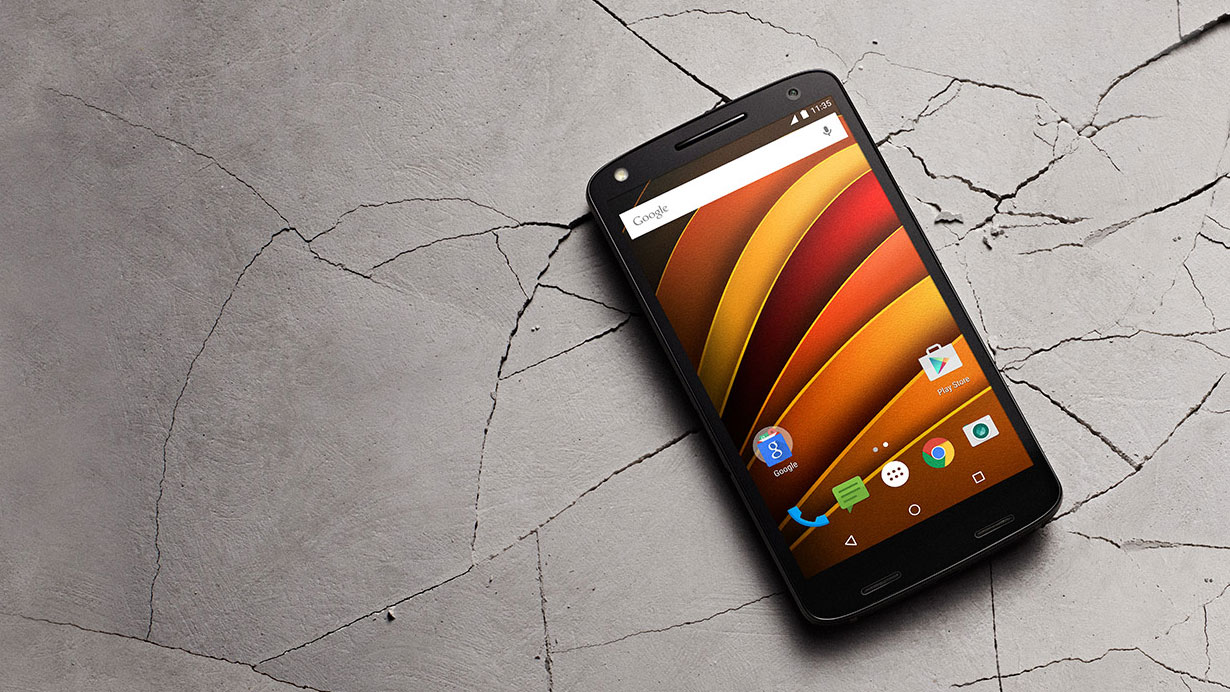
    After storming the markets with the Moto X Style/Play, and Moto G Turbo, Motorola is all set to bring to Indian customers its new smartphone, the “unbreakable” Moto X Force. The phone which claims to come with a ‘crack-proof’ screen, will soon hit the Indian markets. The smartphone will launch in India tomorrow with an expected price tag of around $624 (Rs. 40,000 approximately) and $720 (Rs. 47,000 approximately) for the 32GB and 64GB variants respectively.

    Design 

    Moto X Force

    The X Force has a lot in common with other Motorola phones, and the evidence of it sharing DNA with Motorola handsets is available from the first time you lay hands on the smartphone. Having said that, there are subtle changes to the design scheme which make it distinct from the other members of the Motorola family. The device is flatter at the back with curved edges. It has a textured back panel to avoid costly slips out of the hand.

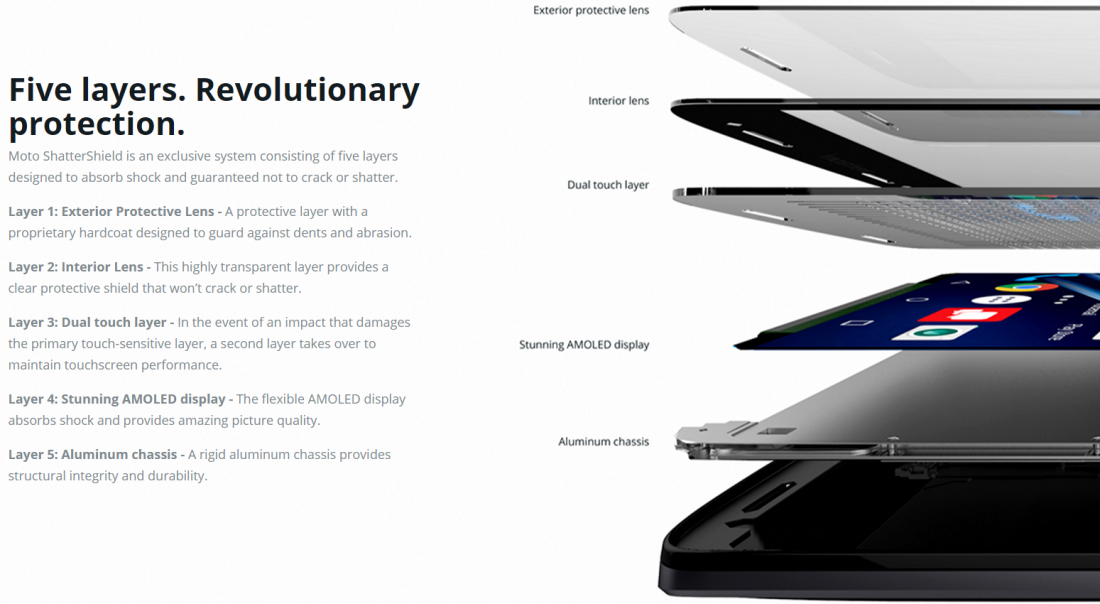
    Display with ShatterShield Tech

    Numerous-protective-layers-form-the-ShatterShield-panel

    The ShatterShield Tech of the Moto X Force is a marvel of modern day technology and quite rightly is the one feature that the company is heavily banking on to drive the sales ahead when the handset finally makes it way to the markets.

    The 5.4-inch 2,560 x 1,440 panel (QHD) panel is protected by a five layer system which has allowed Motorola to brand it the “world’s first shatterproof smartphone display” thanks to what Moto calls the ShatterShield technology. The company claims the screen would stay intact for up to four years absorbing shock and providing protection against cracks.

    Under-the-hood Specifications

    The phone will be powered by a Qualcomm Snapdragon 810 octa-core SoC clocked at 2GHz. There will be 3GB of LPDDR4 RAM on board, and it will be available in 32GB and 64GB inbuilt storage options. The phone will support expandable storage up to 200GB via a microSD card slot, and will be powered by a mammoth 3760mAh battery with Quick Charging support.

    Camera

    Motorola’s new super tough Moto X Force packs a 21-megapixel snapper with an f/2.0 aperture and dual-LED flash and Phase Detect Autofocus around the back and a 5-megapixel selfie camera at the front with flash and an f/2.0 aperture.

  • Oppo F1 Unveiled in India

    Oppo F1 Unveiled in India

    Chinese smartphone maker Oppo has launched in India its first handset of the new F series smartphones which will target customers with an inclination towards photography. The Oppo F1 is the first of Oppo’s F series phones to arrive in India.

    oppo-f1

    Oppo has unveiled the F1 at the price point of Rs 15,990. The company also teased a 5.5-inch Oppo F1 Plus smartphone with 4GB RAM during the event which will be priced at Rs 26,990, and will be launched in April. It is said to be a high-spec variant of the camera focused F1 smartphone.

    The Oppo F1 is impressive when it comes to specs and features a 5-inch display with a 720 x 1280(294ppi) pixel resolution along with a 2.5D Gorilla Glass 4 coating. SoC on board is a 1.7GHz octa-core Qualcomm Snapdragon 616 processor paired with 3GB of RAM. Storage is listed at 16GB which can be further expanded up to 128GB via microSD card.

    The smartphone comes equipped with a 13MP rear camera along with a single LED flash. A front 8MP camera with a wide f/2.0 aperture lens and a sensor size of 1/4 inch is also included. Oppo its front camera can capture photos 30 percent clearer than a standard 5MP camera and 44 per cent brighter than those taken with an f/2.4 lens. Additional features such as Beauty 3.0 live color filters and more is also included. The device will be powered by a 2500mAh battery.

iGyaan Network
Privacy Overview

This website uses cookies so that we can provide you with the best user experience possible. Cookie information is stored in your browser and performs functions such as recognising you when you return to our website and helping our team to understand which sections of the website you find most interesting and useful.