Tag: Stock Android

  • The Difference Between Android Go, Android One, And Stock Android

    The Difference Between Android Go, Android One, And Stock Android

    It was in the year 2007 when Google officially introduced the Android ecosystem to the world. However, before the announcement, Android started as a small company by the name Android Inc., with Andy Rubin as the CEO. Android got its name from a Latin word “Androides”, meaning, human-like robot. The term Android also shares some resemblance with the ex-CEO and founder, Andy Rubin. Android is an operating system primarily designed for devices with touchscreen. Google has followed a sweet related alphabetical naming convention with each new version of Android. Starting with the first version, Android Cupcake launched in the first quarter of 2009 with Donut to follow, in the same year. Android has evolved not only in terms of versions but also in terms of its varieties. The recent years gave us Android One and Android Go in addition to stock Android.

    What Is The Difference Between These Three Android Variants?

    Many people think Android Go and Android One are more or less the same. While Stock Android is more or less the operating system users receive in their smartphones, out of the box. However, this is a fairly common misconception as these three could not be more different. While the likes of Android Nougat, Oreo, and the latest, Android P are OS version, the formerly mentioned are the variants. Let’s take a look at stock Android first.

    Stock Android
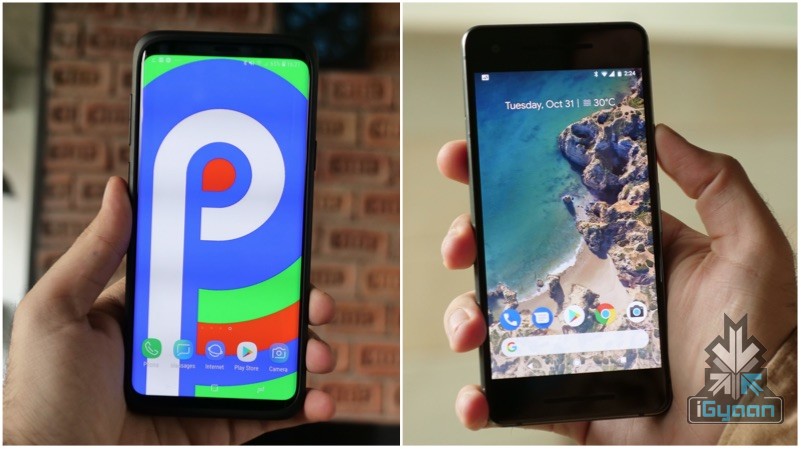
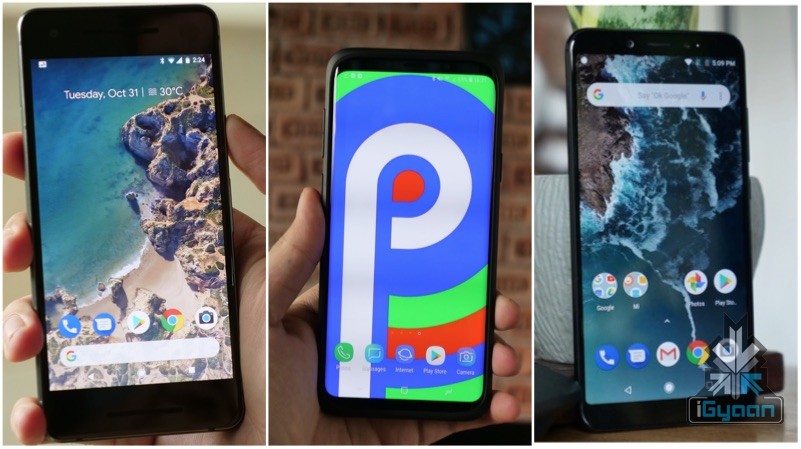
    Image: Samsung TouchWiz and Stock Android On Pixel 2

    Under the Android Open Source Project (AOSP), Google provides the source code of the Android OS to various manufacturers. Google then allows these manufacturers to build around the Android OS and develop their own flavour/skin or add additional features. For instance, Samsung uses its proprietary skin called TouchWiz while Xiaomi uses the MIUI skin. However, these are not what one should refer to as the stock Android experience. A heavily skinned version such as the TouchWiz or EMUI overshadows the minimalistic functionalities of what Google tends to offer with “stock Android”. In this version, a user will only find a few Google apps, meaning, the stock Android experience is free of bloatware. By bloatware, we mean additional apps like Samsung Pay, which already have an alternative Google app available on Google Play Store. It was the Nexus line of smartphones which started the stock Android experience and later adopted by the Pixel lineup. With stock android, it also becomes easy for users to receive new security patches and major OS updates. Especially, since manufacturers do not intervene to build their own take of the OS.

    Android One
    Android Go Stock Android Android One

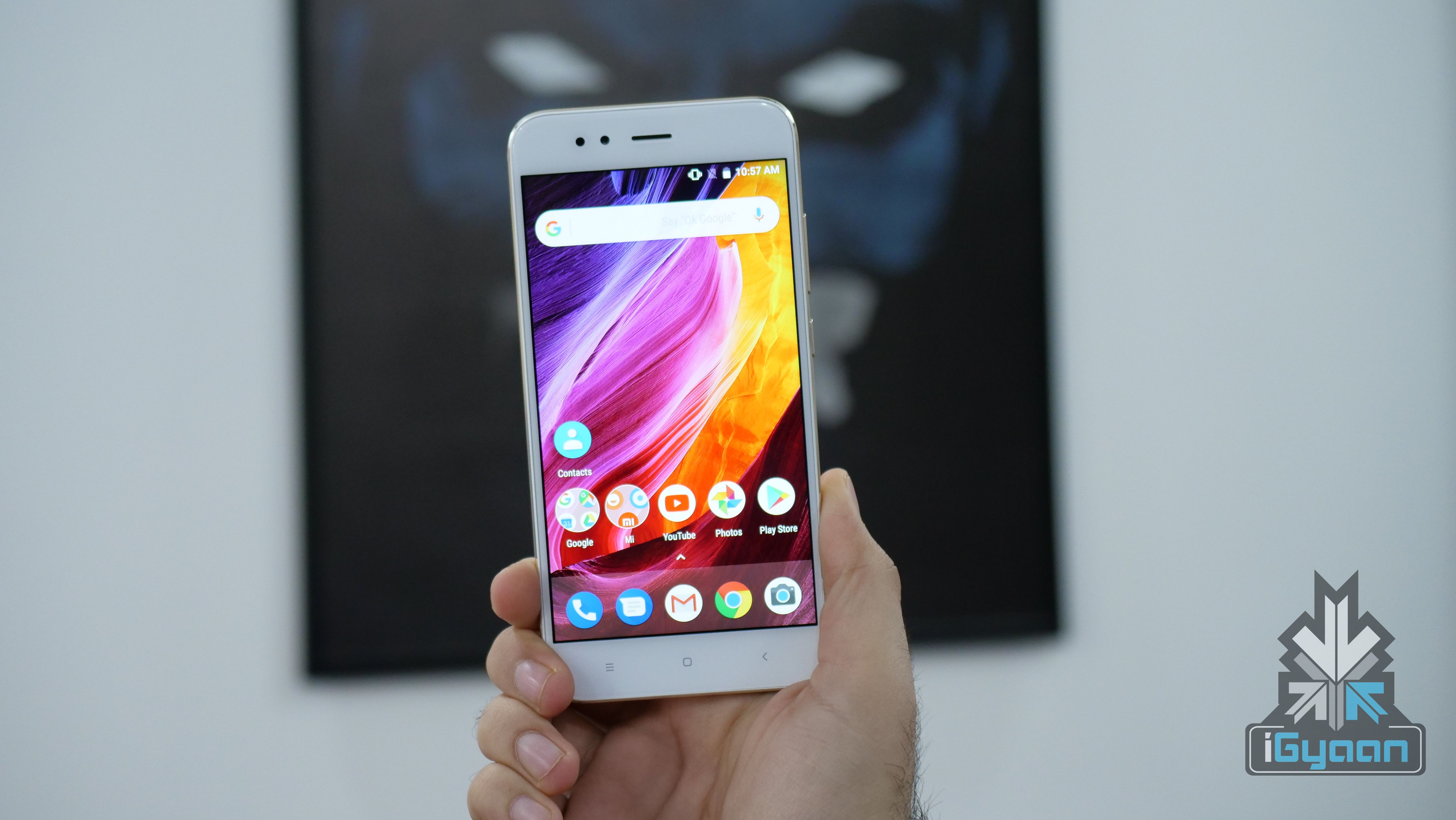
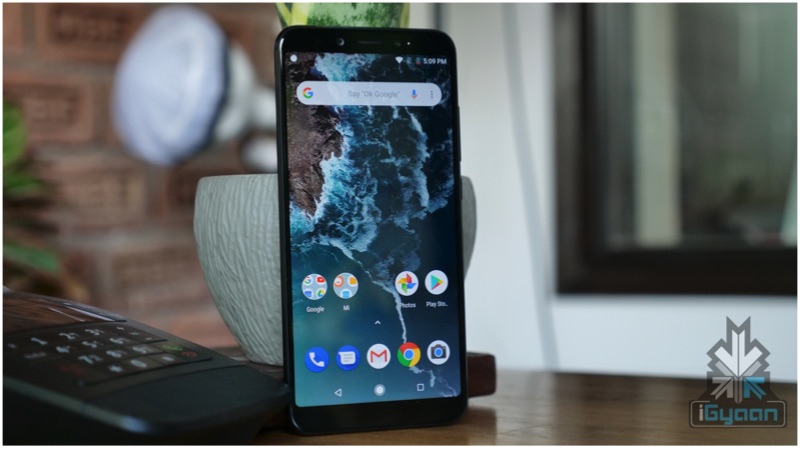
    Image: Mi A2 Running On Android One

    Android One is yet another variant of the OS with initial intentions to be exclusive to the South Asian markets like India. Its original initiative to cater to the low-end smartphones later changed as Android One is also seen on the mid tier flagship devices like the Moto X4. In a nutshell, Android One is for those manufacturers who would rather spend time focussing on putting together a good hardware rather than working on the software, Google provides the Android One for such companies. Much like stock Android, Android One smartphones are the first to receive the latest OS updates. One of the latest smartphones running on Android One is the Xiaomi Mi A2

    Also Read: Google Pixel 3 XL Renders Reveal A Thick Chin, A Notch And Colourful Power Buttons

    Android Go
    Android Go Stock Android Android Oreo

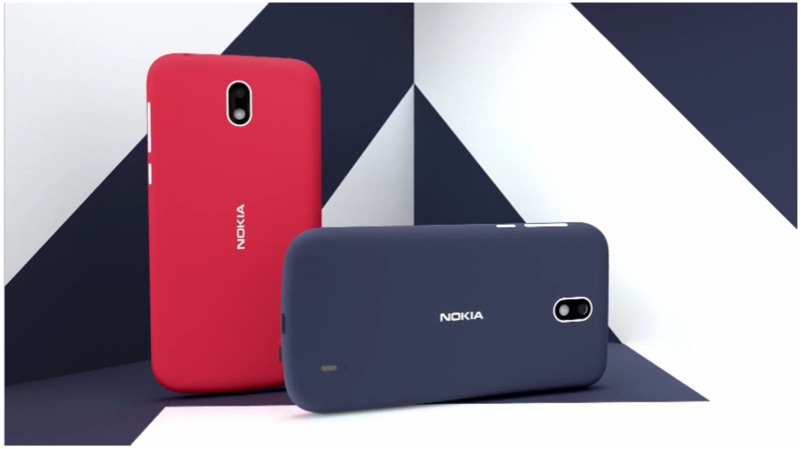
    Image: Nokia 1

    While Android One is available for all smartphones, Google did not give up on the idea of making the OS compatible with low-end devices either. The recently announced Android Go delivers the latest OS to devices with RAM as low as 512MB. Android Go is the watered-down build of the Android Oreo (8.0). This OS is built to work on low-powered devices without any jitters. With Android Go, users will find that the OS takes significantly less amount of space than even Android Nougat, which released before Oreo. The OS also offers lite versions of Google apps like YoutTube Go, Gmail Go, and Files Go. This allows it to run smoothly on smartphones with storage space as small as 8GB. The latest smartphone to launch with Android Go out of the box is the Nokia 1

    Regardless of its variants, Android will keep on evolving to a better version of its predecessor. With that said, for users looking for a smartphone which won’t hurt the pocket but won’t also bog down in the long run then an Android One or an Android Go device is the best bet. However, instead of price, top of the line specifications and the first to receive the software updates are a user’s priorities, then smartphones like the ones from the Pixel lineup will be a viable option.  
    Have something to add? Leave a Comment Below!
  • MIUI Vs Android One? Users Choose Stock Android!

    MIUI Vs Android One? Users Choose Stock Android!

    Every Android user is proud of the choices on offer on Android OS. Same cannot be said about iOS and a lot of consumers choose an Android device for this particular reason, we all liked to be spoiled for choices. However, over the years, a lot of people have formed a liking towards stock Android OS, which doesn’t offer as many options as a custom skin.

    Xiaomi, famous for its MIUI running Android smartphones in India, recently held a poll on Twitter. The question asked was whether users prefer MIUI or Android One. Android One means stock Android OS and the majority voted for Android One. The poll was subsequently deleted since users chose stock OS over its proprietary custom skin.

    It is fair to say that this is very subjective. Some people prefer the custom skins like MIUIwhich offers a lot of options to customise smartphones according to one’s personal preferences. While others prefer stock OS which might not provide a lot of customisation options but, it does feel more stable than a lot of skins.

    Xiaomi even launched an Android One device, the Mi A1 back in September 2017. Xiaomi has made some excellent devices over the years with great hardware. While MIUI has not been everyone’s cup of tea, the Mi A1 was the perfect device for such users. The Mi A1 had Xiaomi’s hardware and stock Android OS.

    Redmi Y1

    The poll on Twitter just revealed that while custom skins are great, stock Android OS is probably better. And who knows, maybe this poll will make Xiaomi launch a successor to the Mi A1 as well!

  • Lenovo To Ship The K8 Note With Stock Android

    Lenovo To Ship The K8 Note With Stock Android

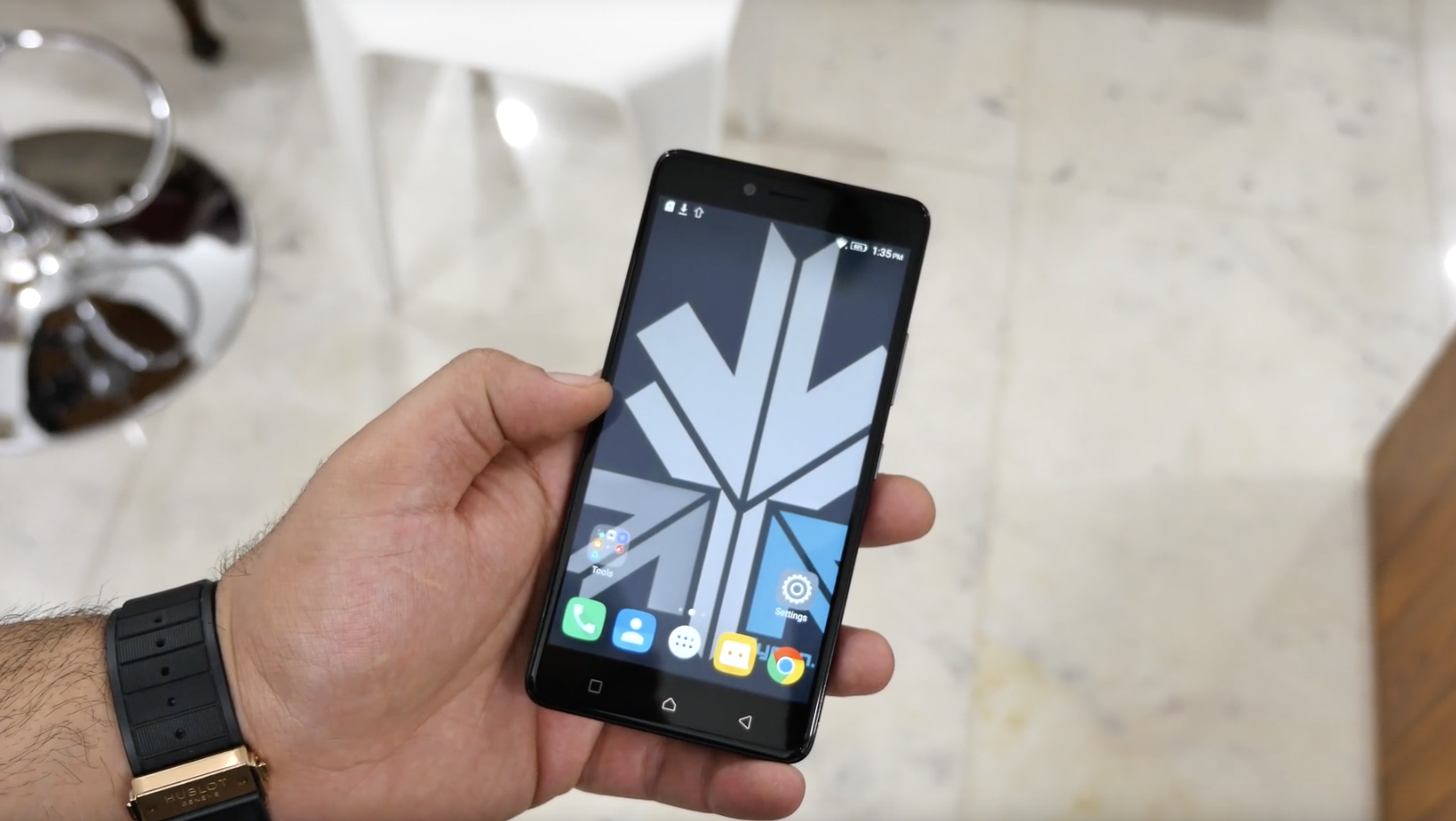
    Lenovo is gearing up for the launch of the K8 Note on August 9. The successor to the K6 Note will now run on stock Android as per Lenovo’s announcement. In addition to that, Lenovo will drop their custom skin Vibe Pure UI entirely and all future devices will feature stock Android OS. Lenovo has struggled to hit the ground running with its Vibe Pure UI in the past because of the inhibitions of a custom skin.

    Lenovo’s decision to move from Vibe Pure UI to stock Android OS is an attempt to remove bloatware and also push software updates quicker. The removal of bloatware is a welcome news for customers as nobody likes to have the pre-installed applications with no use than just takes up useful space on your device. Much like the Motorola devices, Lenovo phones will feature a few customisations such as Dolby Atmos and the TheaterMax.

    Lenovo has also stated that running stock Android will mean that the K8 Note users will receive the Android O update, although the timeline will vary as per chip manufacturer support, internal development and testing requirements. The introduction of pure Android OS means that the K8 Note and the subsequent Lenovo phones will also feature Google Assistant.

    The Lenovo K8 Note is rumoured to run on the MediaTek Helio X20 chipset with 4GB RAM and 32GB onboard storage. Along with the confirmed stock Android 7.1.1, the phone will feature a 5.5-inch display. The new device will be K6 Note’s India-exclusive successor and the rumoured specs surely back that up. It is also reported that the K8 Note will be manufactured at Lenovo’s Chennai-based plant.

    It’ll be interesting to see the bearing of stock Android OS on the K8 Note, which Lenovo claims will kill the ‘ordinary speed.’

  • Stock Google Keyboard Now Available On Google Play

    Stock Google Keyboard Now Available On Google Play

    Do you use Swype or SwiftKey on your Android? Google wants you to switch away and use their stock Android keyboard.

    Google today released its Google Keyboard app for phones and tablets running Android 4.0 (Ice Cream Sandwich) and above. You can download it now directly from Google Play, although it’s only available in English-speaking locales (Google says more countries will be added soon).

    google keyboard

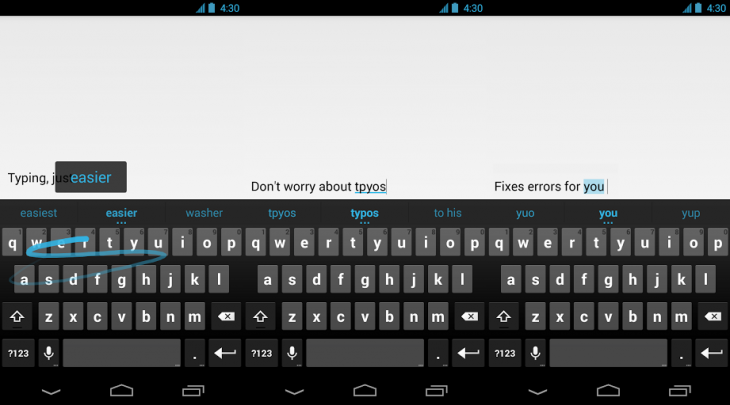
    This is the same keyboard that was introduced with Jelly Bean (Android 4.2), that includes Gesture typing, a way to swipe from letter-to-letter to spell out words. It should also actively predict words on-screen as you gesture between letters, making this one of the smartest keyboards you’ll use.

    Downloading and launching the Google Keyboard app will walk you through turning on the keyboard and setting it as your default, after which your Android phone will have the same typing experience available on Nexus devices. Switching back to the keyboard that came with your phone (or any other alternative keyboards you may have downloaded) can be done from the device’s Settings page.

    Google Keyboard’s features:

    • Gesture Typing with dynamic floating preview.
    • Voice Typing.
    • Next-word suggestions and current-word completions.
    • Dictionaries for 26 languages.
    • Advanced keyboard layouts.
    • Works across your Android devices (tablets and phones).

    So if you’re unhappy with what companies like Samsung and HTC have cooked up, you can always use the stock Google keyboard now.

    [Ars Technica]

  • Rumour : HTC One “Google Edition” With Stock Android To Be Released Next Month

    Rumour : HTC One “Google Edition” With Stock Android To Be Released Next Month

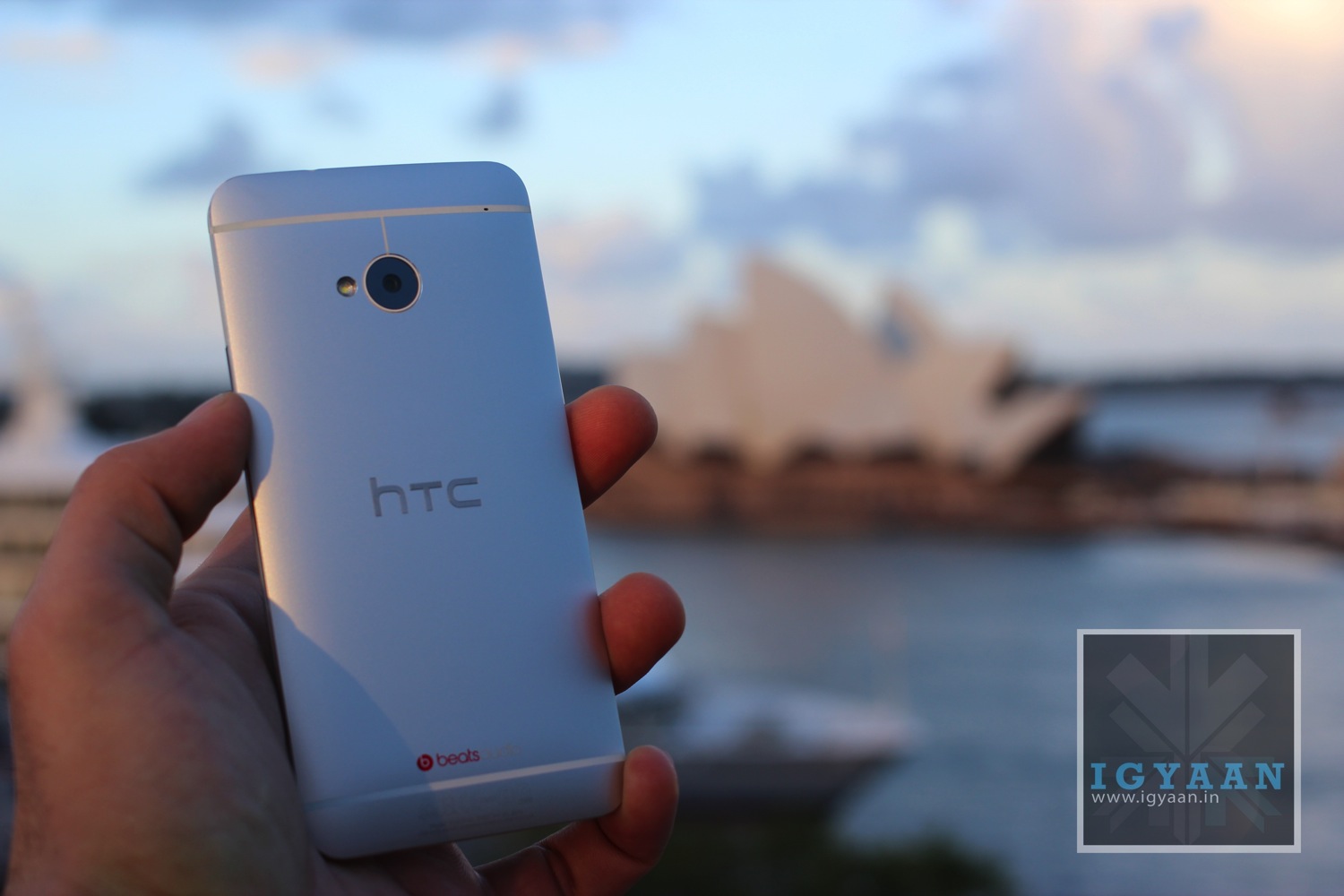
    Despite denying its existence, rumours persist of an HTC One “Google Edition”. During the Google I/O keynote address earlier this month, Google announced it was partnering with Samsung to bring a Galaxy S4 to Google Play that runs vanilla Android. While that particular device will only be available in the United States, it stoked the rumours that other manufacturers such as HTC would be getting in on the “almost-Nexus” game.

    htc one

    During the keynote, one of HTC’s PR mavens intimated that there would be a similar model of the One released with stock Android, presumably a newer version than is currently running on the device. But official channels quashed the rumour, leading to a short cessation of any talk.

    In recent days, though, several sites including Geek.com and Android Central have independently confirmed that such a device does exist, and will be announced in the coming weeks.

    The news comes from Geek.com’s Russell Holly, who claims that “multiple sources” are saying that HTC has plans to launch a stripped-down version of its flagship handset. 

    This comes after a string of negative press, including several executives leaving the company, news of relatively underwhelming sales of the One, and indications that its Facebook phone, the First, has been unceremoniously discontinued.

    It’s likely that HTC is going ahead with the project after seeing the positive reaction to the stock Galaxy S4, aware that there is a global market for devices running unblemished Android and, perhaps more importantly, ones that receive updates directly from Google.

    One thing to keep in mind about an HTC One “Google Edition” is that it will unlikely be sold in India. The same thing is true of the HTC One Developer Edition and the upcoming Play Store Galaxy S4, so you’re going to need a source in the United States to obtain one.

    While the HTC One has been well received critically and by the public, sales have still lagged significantly behind those of rivals Samsung and Apple.

    The company was also forced to admit it would be postponing the launch of the HTC First in the UK. It blamed poor customer feedback in the US for the move.

    If HTC does release a One running stock Android, would you buy one?

    [Geek, Android Central, Mobile Syrup]

  • HTC First Runs Stock Android Jelly Bean

    HTC First Runs Stock Android Jelly Bean

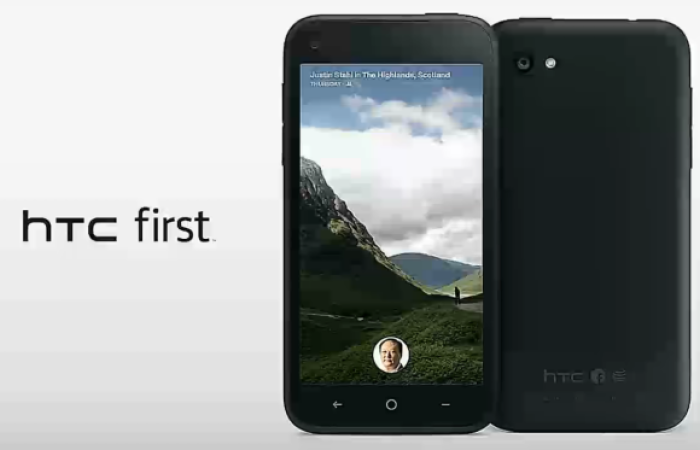
    The new Facebook Home-optimised HTC First runs a stock version of Android Jelly Bean, which can be accessed simply by turning off the social network’s new, custom UI, reports on Friday revealed.

    As Phandroid found out during its hands-on time with the device, it looks like the HTC First runs a stock Android version underneath the Home user interface, which makes it the first HTC handset after the G2 to come with stock Android on board, even though it’s not comparable to the kind of stock Android you get with Nexus devices:

    So, what does this mean exactly? Well, I should start out by saying that when I say “stock Android,” I’m not talking about pure AOSP with direct updates from Google. Only Nexus (and for a short time, Sony) devices get those kinda privileges. What I mean by “stock” is a version of Android that simply isn’t skinned and comes with stock Android apps like messaging, camera, gallery, stock notification bar, etc., but may or may not have some of the underlying software tweaked.

    HTC later confirmed to The Verge that this was indeed the case and stock Android is the beneath-the-surface version of the OS.

    Why is this somewhat of a surprise? Well HTC phones are usually dripping in its own skin for Android, the love-it-or-hate-it Sense UI.

    For a pure Android experience, you can always purchase the latest Nexus model (or ask a relative to get it for you from abroad!), but did the HTC First also get sort of interesting now that you hear you can run Android on it without any UIs in the way?

    [Phandroid]

iGyaan Network
Privacy Overview

This website uses cookies so that we can provide you with the best user experience possible. Cookie information is stored in your browser and performs functions such as recognising you when you return to our website and helping our team to understand which sections of the website you find most interesting and useful.