At a customer event at Tesla’s California headquarters on March 6, the company launched its third generation Supercharger which is its fastest yet. It will be capable of charging the Model 3 at the rate of a whopping 250kW, adding another extra 75 miles of range in just about 5 minutes. The ‘V3’ Supercharger is a significant improvement over the company’s V2 Superchargers
Supercharger Availability
 The company stated that the installation of the first batch of V3 Superchargers will roll out in the second quarter of 2019. The consumers in the European and Asian-Pacific regions, however, will have to wait until the fourth quarter of the year to gain access to the V3 Superchargers. As of now, the first Supercharger V3 station is only accessible to members of Tesla’s early access program.
Features And Updates
 As mentioned before, the Tesla V2 Superchargers were rated to a maximum output of 150 kW. However, Tesla users found that they were actually capped at 120 kW. The company later confirmed that the V2 Superchargers will be updated to 145 kW peak charge rate soon. Also, the company is rolling out a new feature called “On-Route Battery Warmup”, which will ensure that the car’s battery will automatically start heating up to the optimal temperature as the car is en route to a Supercharger. Doing so will reduce average battery charging times by 25 percent.
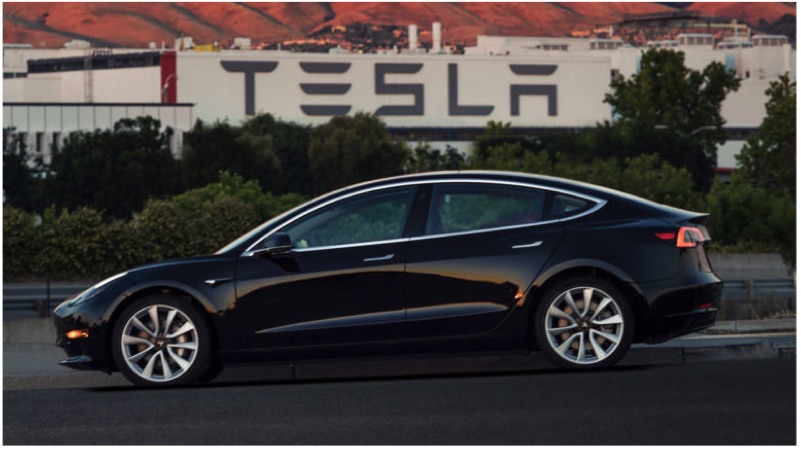
Tesla Model 3 automobiles will be able to reap the full benefits of the V3 Supercharger. Owing to a better battery optimization, the Model 3 will be able to charge quicker than the Model S and Model X, which will stay capped at 120 kW for now. Although Tesla plans to upgrade the charging speeds in the aforementioned models, the company hasn’t provided complete details regarding the update.
 Also Read: Tesla Will Unveil The Model Y SUV On March 14
In addition, Tesla has also fixed a major issue with currently operating Supercharger stations, which is power splitting. Power splitting refers to “slower charging speeds” when multiple charging stations are being used at the same time. The V3 Superchargers aim to eradicate this problem by using built-in liquid coolant systems, ensuring that the Superchargers won’t catch fire spontaneously because of overheating.