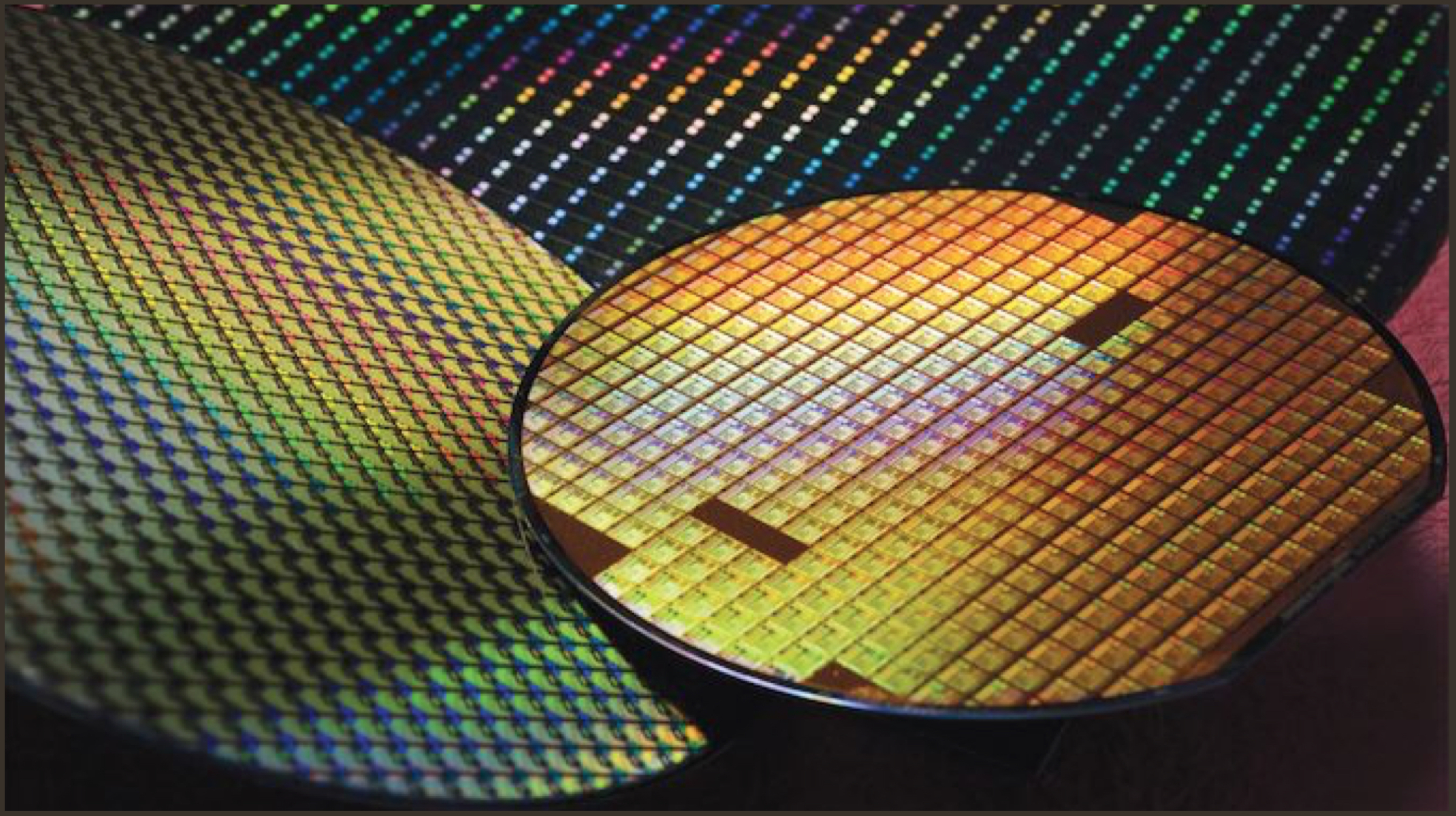
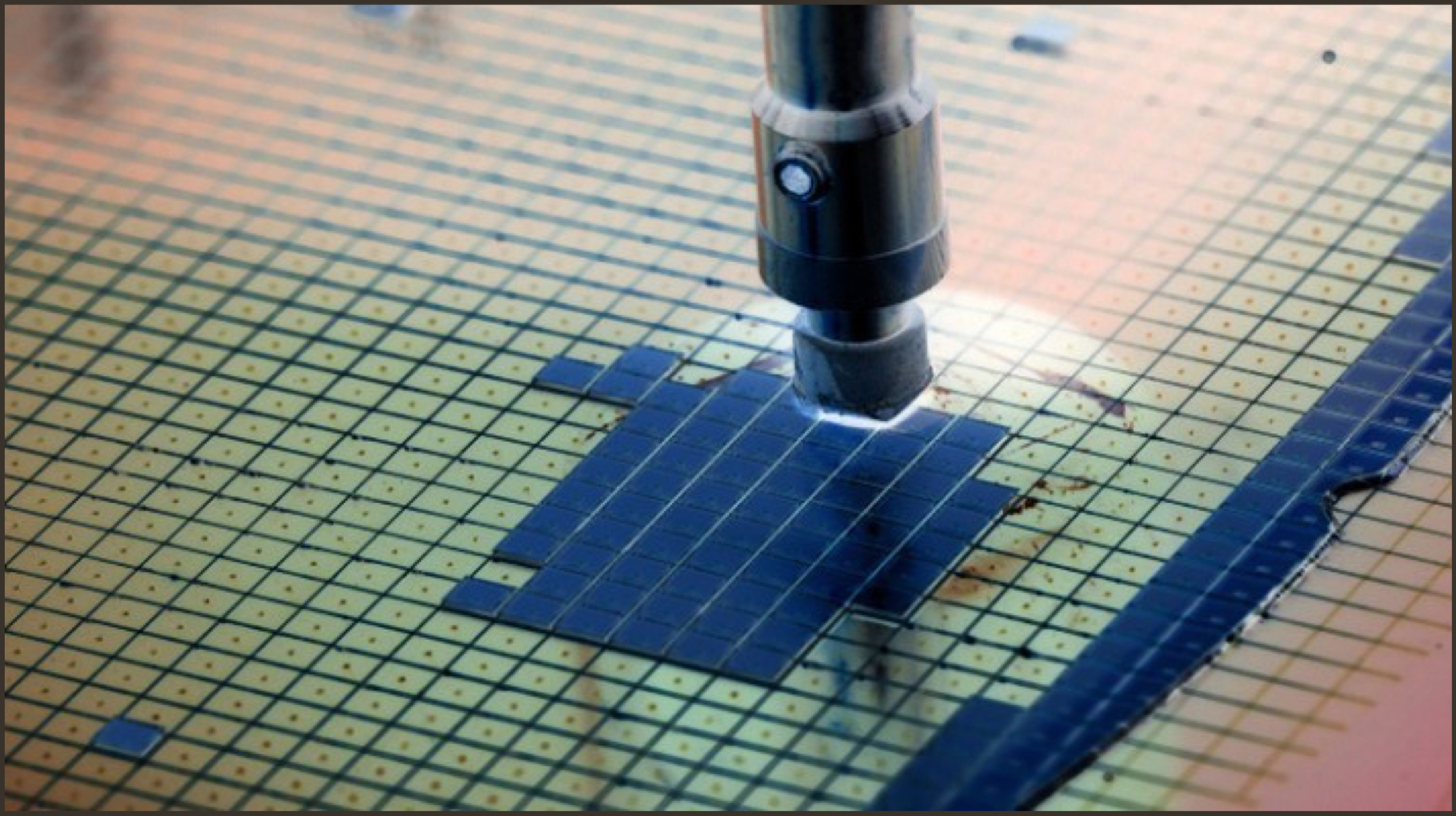
TSMC, a Taiwanese OEM that produces semiconductors and chipsets. Founded in the year 1987 the company currently holds the title for world’s largest dedicated independent semiconductor foundry. Corporations including Apple, Qualcomm and AMD are one of the few customers of TSMC.
The company has qualified a significant achievement in the field of chipset technology which is starting risk production of 5 nm chips. This step would allow the company to reduce the size of a given chipset by up to 45% in comparison to the current technology which is 7 nm. Furthermore, it will provide a performance boost of up to 15% in devices that incorporate the chipset. Even though the size of the foundation die has changed, the architecture of a particular chipset remains the same (eg: A73, Kryo 460). Accrediting to the size reduction, devices using the chipset manufactured using 5 nm process will be more power efficient. Therefore, proving for a longer battery backup on portable devices.
Except for the 5 nm process node, TSMC is also working on the 5 nm+ technology which will push a chipsets performance even further. However, the risk production of chipsets with this fabrication process will reportedly begin next year and they will be production ready by Q1 of 2021. For chipsets originating later this year, the company has 7 nm+ process ready. It should offer 20 % higher transistor density and 6-12% reduction in power consumption.
Notable companies that are lined up for the 7 nm+ based chipsets manufactured by TSMC include Qualcomm and Apple. TSMC being the sole chip supplier for Apple, at least until now, will manufacture SoCs for 2019 iPhones. Consequently, the upcoming smartphones from Apple will be kitted with 7 nm+ based chipsets which is assumed to carry the A13 Bionic moniker.
We love hearing about the love-hate relationship between Apple and Samsung. From lawsuits to manufacturing chipsets, the relationship is as diverse and complicated as it can get. Speaking of complications, Samsung has now been shunned by Apple and will not manufacture processors for the Cupertino-based giant this year.
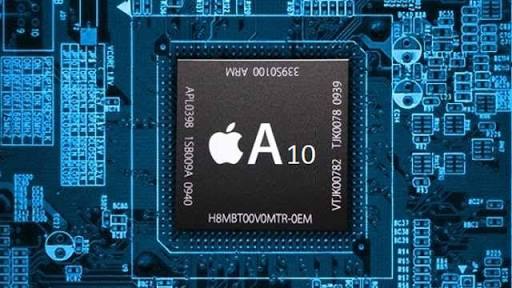
According to reports, Apple has given TSMC the sole authority to manufacture the next-gen iPhone 7 processors this year, which are most likely the A10. One of the reasons behind this decision is that TSMC uses 10-nanometer processors which would result in smaller and more power efficient chipsets. This is something Apple would gladly fall head over heals for as the company is all about making its iPhone thinner without compromising on battery life.
Although people wouldn’t mind if Apple kept the same thickness of the iPhone if it means better battery life. However, keeping some major rumours in mind, if Apple is indeed ditching the headphone jack for the iPhone 7, it could mean more space for a bigger battery. In other words, we could be looking at an iPhone 7 with a thinner look, faster chipset, and a longer battery life. But let’s not get ahead of ourselves just yet. There’s still a while before Apple unveils its next-gen iPhone. So until then, let’s just speculate with the information we have.
It’s close to four years now that graphics chips for our favourite video cards have been manufactured using 28nm process. Back in the day when TSMC moved up from the 40nm process directly to the 28nm process node capable of fitting billions more transistors into their GPUs it marked a monumental leap for the gaming industry.
This leap was what lead to the Xbox One, and PS4 coming to reality, the reason that gave Nvidia and ATI the power to equip us with the hardware to achieve what then was the dream of 1080p/1440p at 60+ frames with a single card. Fast forward to 2016, and thanks largely to the Taiwanese chip maker, TSMC, the industry has been stuck in a limbo struggling to improve the graphics hardware at hand.
1440p and 4K monitor and TVs have made their way to into our homes some time back, but sadly gaming on them at their native resolutions without shelling a fortune has remained a distant dream because of this stagnation that the industry has faced. But worry no more, 2016 comes bearing gifts in the form of the upgrade to the new 14/16nm process nodes.
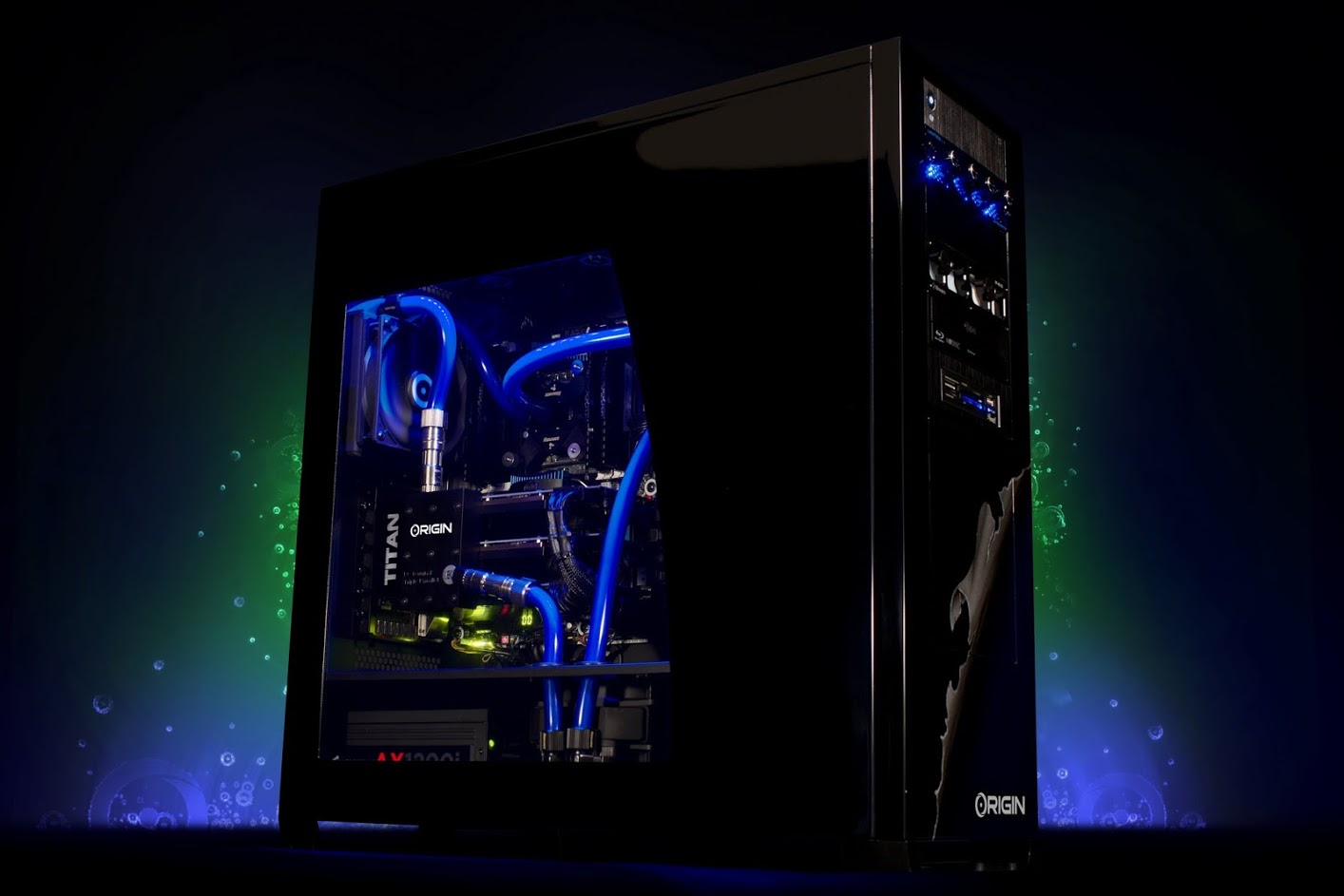
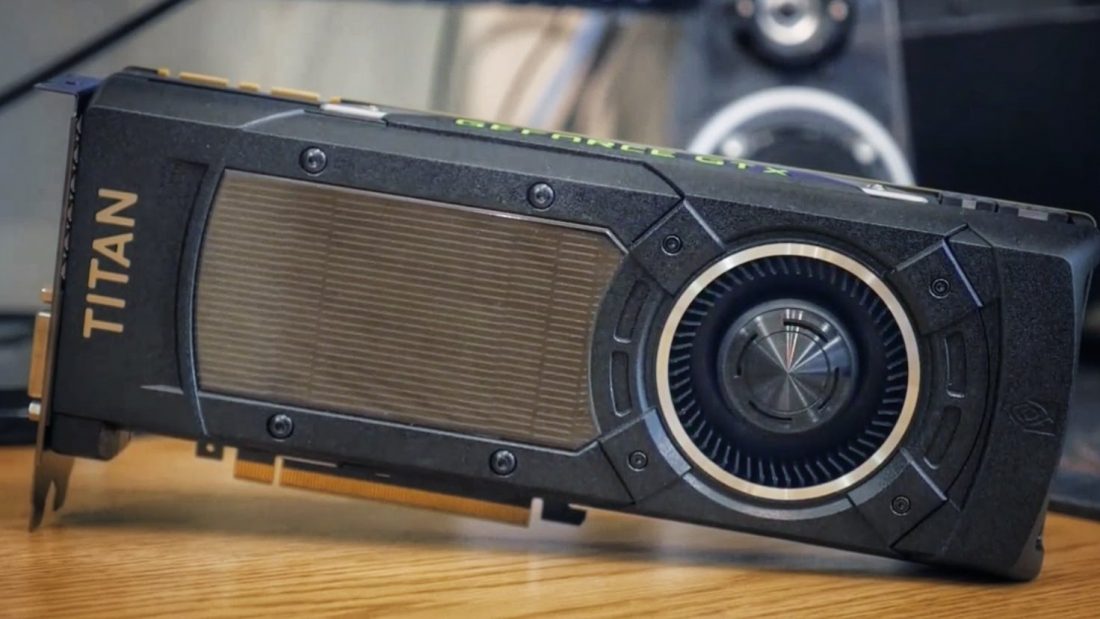
The beast GTX Titan
In simple terms, you will see 2016 come with graphics hardware that would give almost double the performance for the same price point. More importantly for budget conscious users in India building low-cost builds you will get graphic cards that maintain performance but cost almost half as what you would be paying for a card right now.
This upgrade on the manufacturing side of things should allow for much, much more complex GPUs. To put things in perspective last year’s high-end cards such as the Gtx Titan X and the Radeon Fury X which maxed out at between 8-9 billion transistors will see their successors using the Pascal, and Arctic architecture house between 16-17 billion transistors, resulting in almost double the power, at the same cost. No amount of stress on this fact could explain how big a leap this will be for the gaming industry in the coming days.
This move up will also enable these new architecture cards to use second-generation stacked HBM (High Bandwith Memory) which will provide better optimization of VRAM(Video card memory) than what previous generation GDDR5 memory provided. First-generation of HBM only allowed 4GB of HBM RAM to be used, but improved bandwidth using the new process node could take this figure easily up to 16/32 GB of RAM.This could be especially useful for managing the high demands of 4K, multiple displays, and VR gaming that the future holds for us.
Add to this the added bonus of highly improved power efficiency leading to low chances of a need for an upgrade to a new expensive PSU, and possibly even decreased power bills, it just makes it more and more obvious as to why the average gamer should be excited about 2016.
With VR making for an increased push into our gaming world, and people looking at 1440 and 4k gaming seriously, these advancements in GPU tech could make all of it well within an average gaming enthusiasts reach in a few months time when the first cards carrying 14/16nm nodes hit the market.
And just to be clear, if VR, and high-resolution PC gaming isn’t your thing, the impact of this switch in process will extend across the market, and into your homes in one way or the other. This ripple effect might take some time but as the whole range of 14/16nm GPUs appears with new chips, we could very well be looking at not far off double the performance at any given price point by year’s end.
This move could also prompt console makers such as Sony, and Microsoft which use iterations of Radeon HD 7870, and 7790 to power their beasts to use the latest in GPU technology for cheaper consoles in a year’s time. So no matter what platform is your choice, 2016 is going to be a good time for all those who like to game.