Every once in a while a radical design for a smartphone tries to break the norm. In doing so it forces the entire industry to follow in its footsteps. In the past few years, we have seen many smartphones attempt this. Curved screen devices, bendable phones, shatterproof phones, modular phones and now even foldable phones.
However, the last real change in the industry was back in the year 2007 when the first iPhone changed the perception of the industry and made the capacitive touchscreen a norm. Last year we saw a radical shift from notches to a full display front. Pop up cameras, slider mechanisms and even punch hole cameras in the front display.
This year we have already seen the foldable phone, in many forms. And while that as a category may take some time to catch up. Vivo has plans to make the Apex a reality.
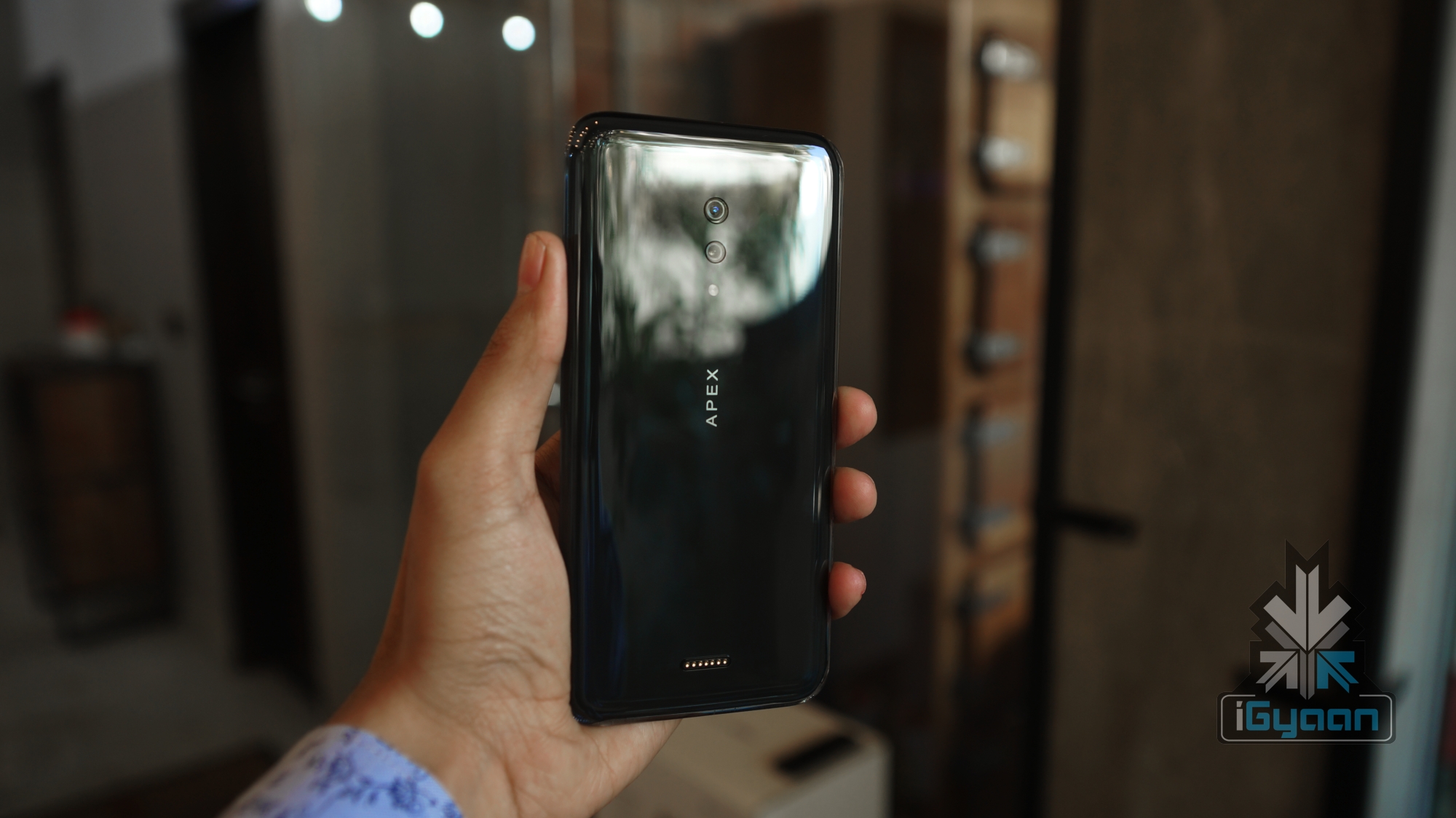
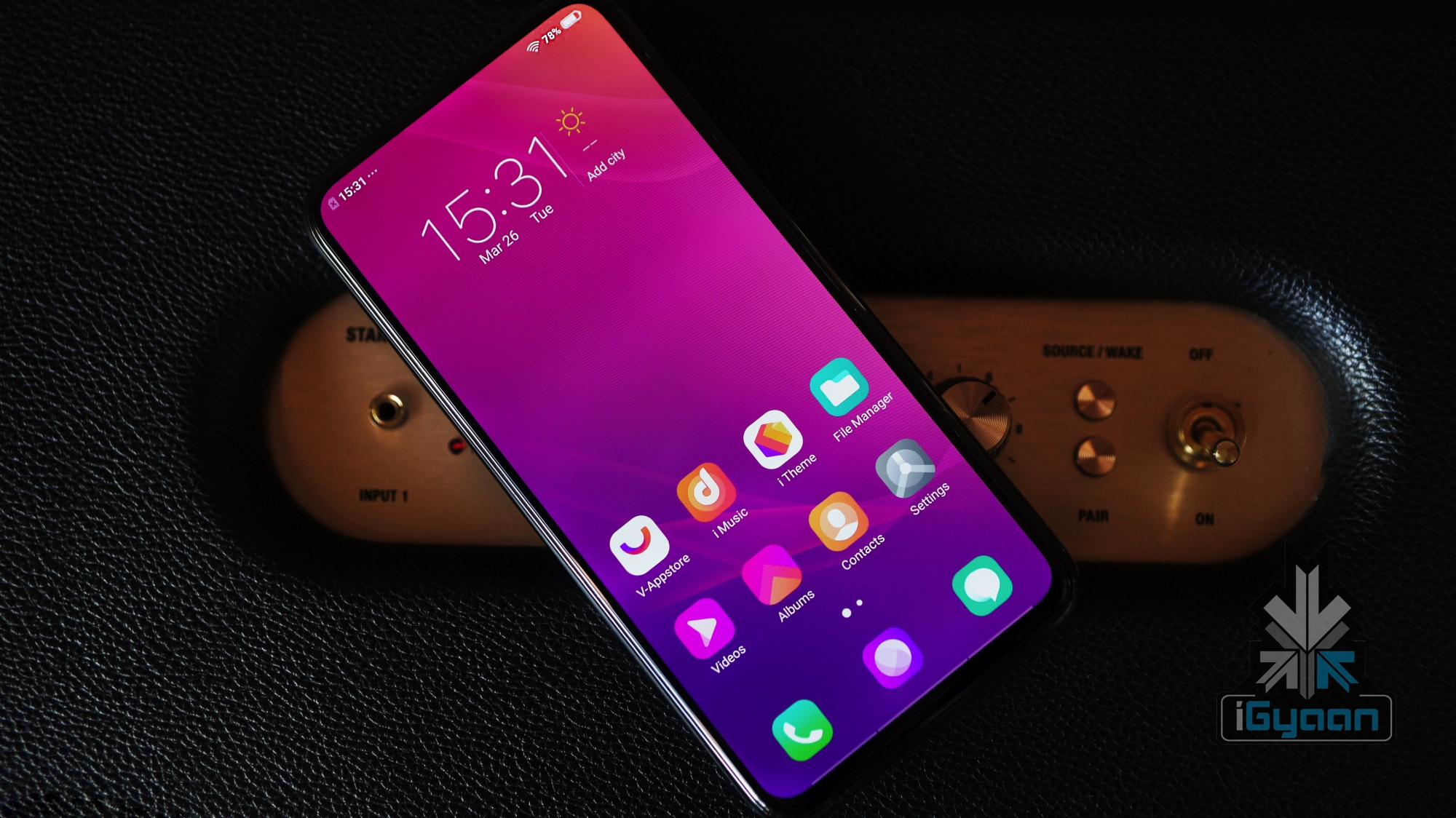
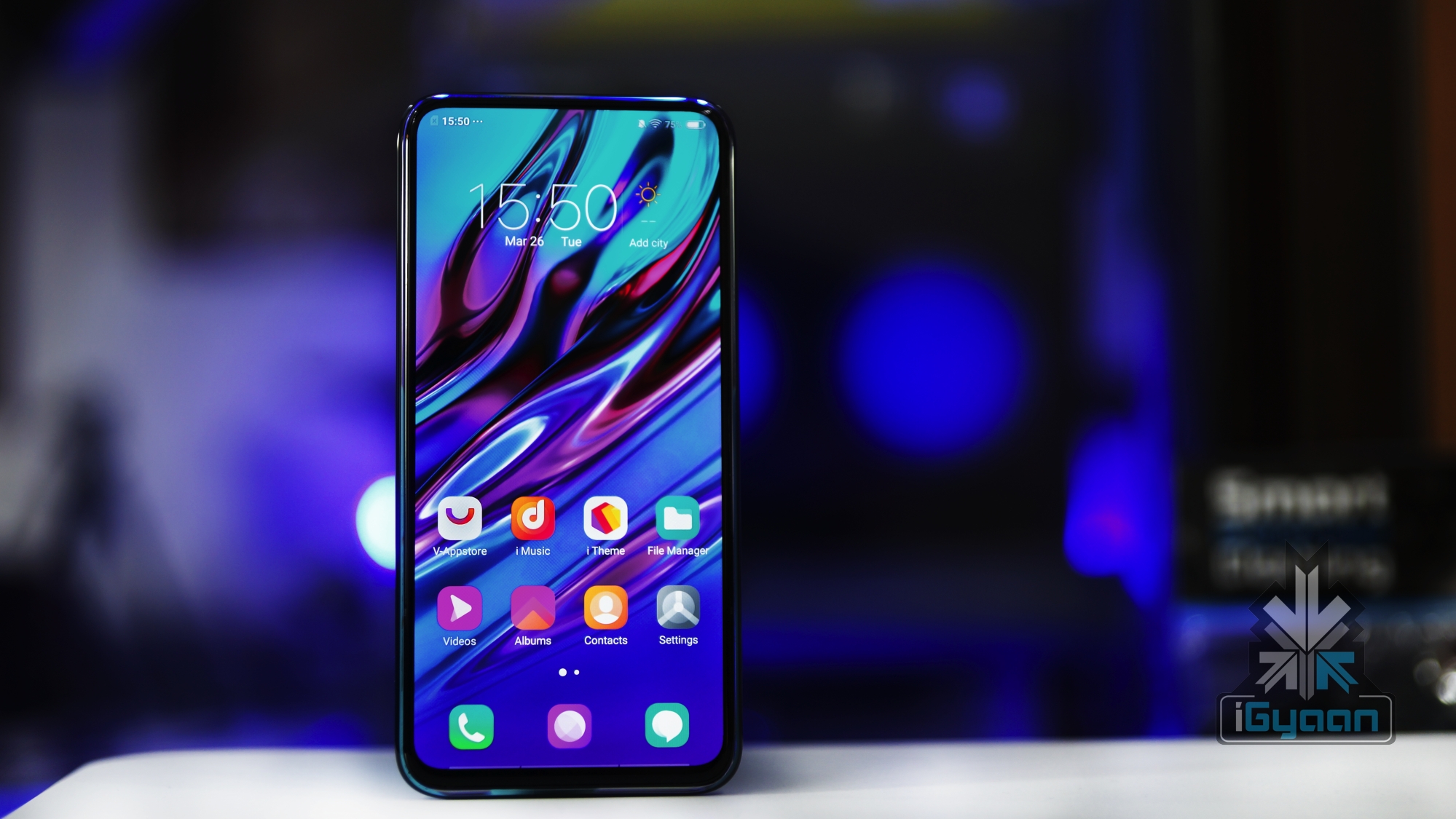
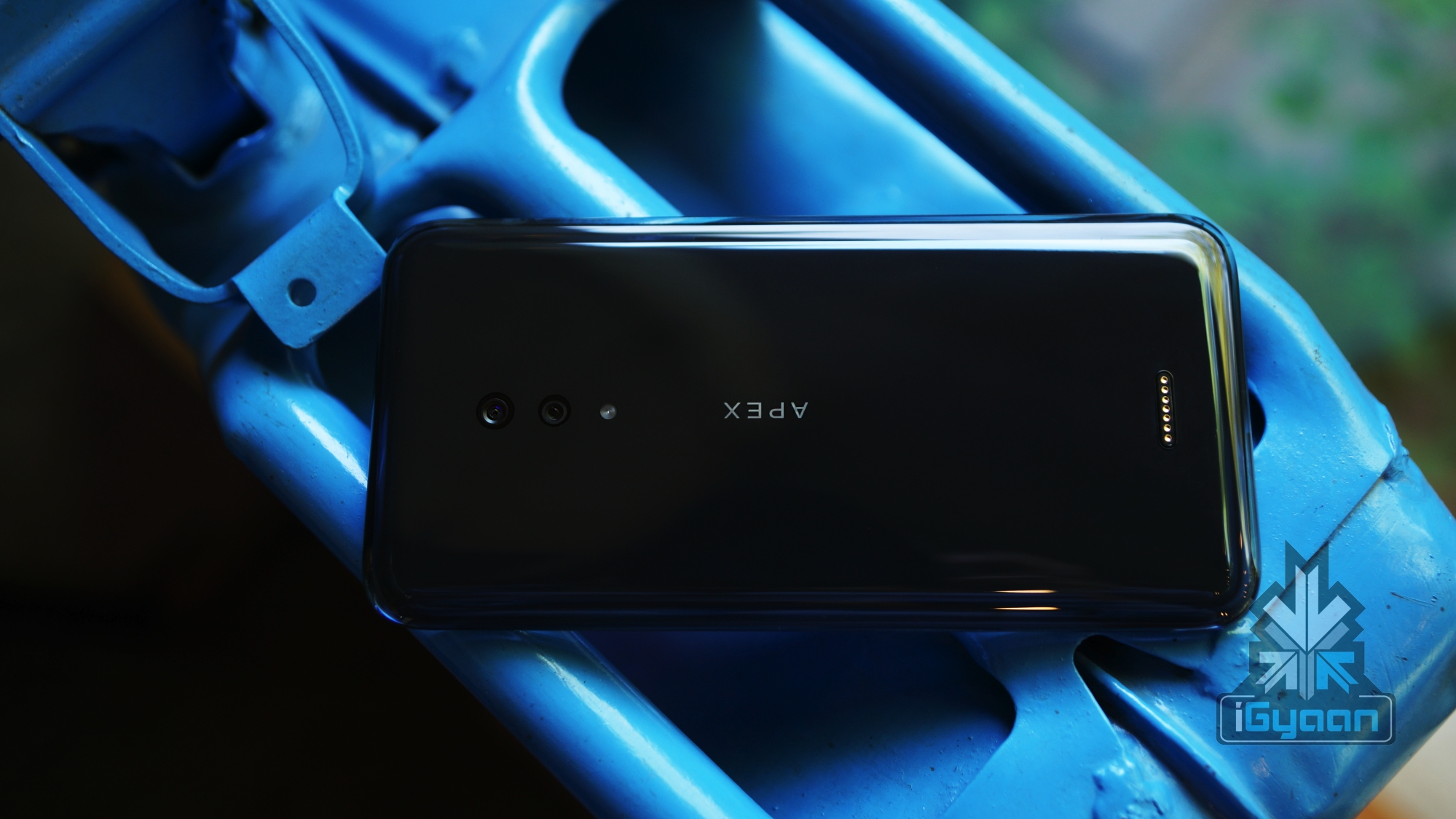
The Vivo Apex is a unique phone, it has no ports, no notches, no speakers, and no buttons. To make things more interesting it does not even have a front facing camera.
The company has pushed the phone as a flagship prototype, just like last year’s Apex the Vivo Apex of 2019 will end up being a smartphone. When and under what branding we are unsure.
The entire display on the front of the phone is a fingerprint sensor. This is extremely handy when you are using the phone. The fact that you don’t need a particular point on the phone to work as a fingerprint sensor and that the entire display can be a fingerprint sensor is really useful.
The Vivo Apex has a Qualcomm Snapdragon 855 chip with 12 GB of RAM and 512 GB of storage. since the phone is missing ports, charging is done via a mag safe style connector that magnetically attaches to the back of the phone to charge and sync the device.
Buttons are replaced by pressure sensors that are located in three areas, one for the power button, and two for volume buttons. They are sensitive and provide haptic feedback, however, are finicky and you might hit them while the phone sits in your pocket.
The earpiece is replaced by a resonating glass module that uses the front display as a speaker. The same tech converts the back glass into a. loudspeaker. The company has managed to leave a small cutout under the display for the microphone though.
The Vivo Apex is a concept phone, a concept that might become a reality soon, a buttonless and port less phone is what a company like Apple would like. This reduces the chances of failure and also lowers repairability costs.
This may not be ideal for the user especially those who like physical interaction and feedback. The Apex is a usable concept, something that has the potential to be a future phone. At this time, however, we prefer clickable buttons.
Vivo became the first-ever company to embed a fingerprint sensor under the display of a consumer-ready smartphone. However, at MWC 2018, the company unveiled an even more exciting product. At its unveiling, Vivo conceded that the Vivo APEX was just a concept phone. However, the response to the device and excitement around it has convinced Vivo to change its plans.
Subsequently, Vivo has officially unveiled the APEX in China and announced that its mass production will begin in mid-2018. However, the company has not spilt the beans on all the specifications of the Vivo APEX as of now.
Vivo APEX Specifications
The APEX has a 5.99 inch OLED display with COF technology. The smartphone has the thinnest bezels yet on a smartphone. In fact, the company claims it has a record screen-to-body ratio of 98%. The thickest bezel on the phone is its chin, which is about 4.3mm thin. The size bezels measure at 1.8mm.
Vivo has confirmed that the APEX will be powered by the Snapdragon 845 chipset. This is a great step by Vivo considering the X20 Plus UD skimmed out on a lot of specifications to accommodate the Clear ID technology. For a price close to US$ 700, it was powered by the Snapdragon 660 chipset. While the X20 Plus UD had an impressive fingerprint sensor, albeit a few limitations, the APEX takes it a notch further.
The Vivo APEX has a fingerprint sensor which covers almost half the display. This simply means that a user has a larger area to access Clear ID rather than a tiny space found on the X20 Plus UD. The company has also placed the ambient and proximity sensors under the display. The whole display will work as an earpiece, similar to the Xiaomi Mi MIX from 2016. According to Vivo, the new SoundCasting Technology essentially transports the sound across the glass of the display.
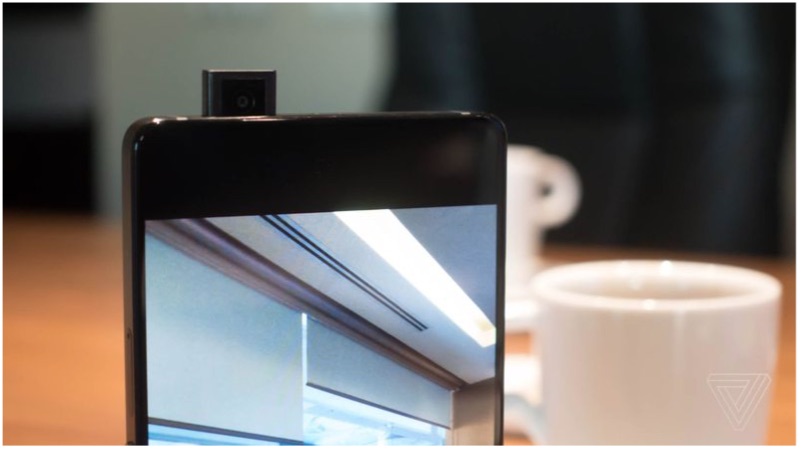
The most talked-about feature of the Vivo APEX is its front-camera. The APEX features a pop-up front camera which takes about 0.8 seconds to be completely out of the device. It is an 8MP camera with HDR and a dynamic range of up to 14 EV.
Conclusion
While the APEX comes across as a futuristic smartphone with a seemingly great solution for bezel-less devices, it has its caveats. It will be interesting to see how so many moving parts inside a smartphone will age. Accidental drops might also have much more severe implications now. However, all of that is secondary as the company prepares to mass produce the APEX from mid-2018. It might subsequently go on sale in late-2018.
Barcelona, Spain hosted yet another edition of MWC 2018 in February. While smartphones like the Galaxy S9 and Xperia XZ2 were heavily leaked, there were a few surprise launches that caught a lot of attention. Nokia, for instance, launched as many as 5 devices. So, what are the top five smartphones that launched at MWC 2018? Let’s find out!
Samsung Galaxy S9, Galaxy S9+
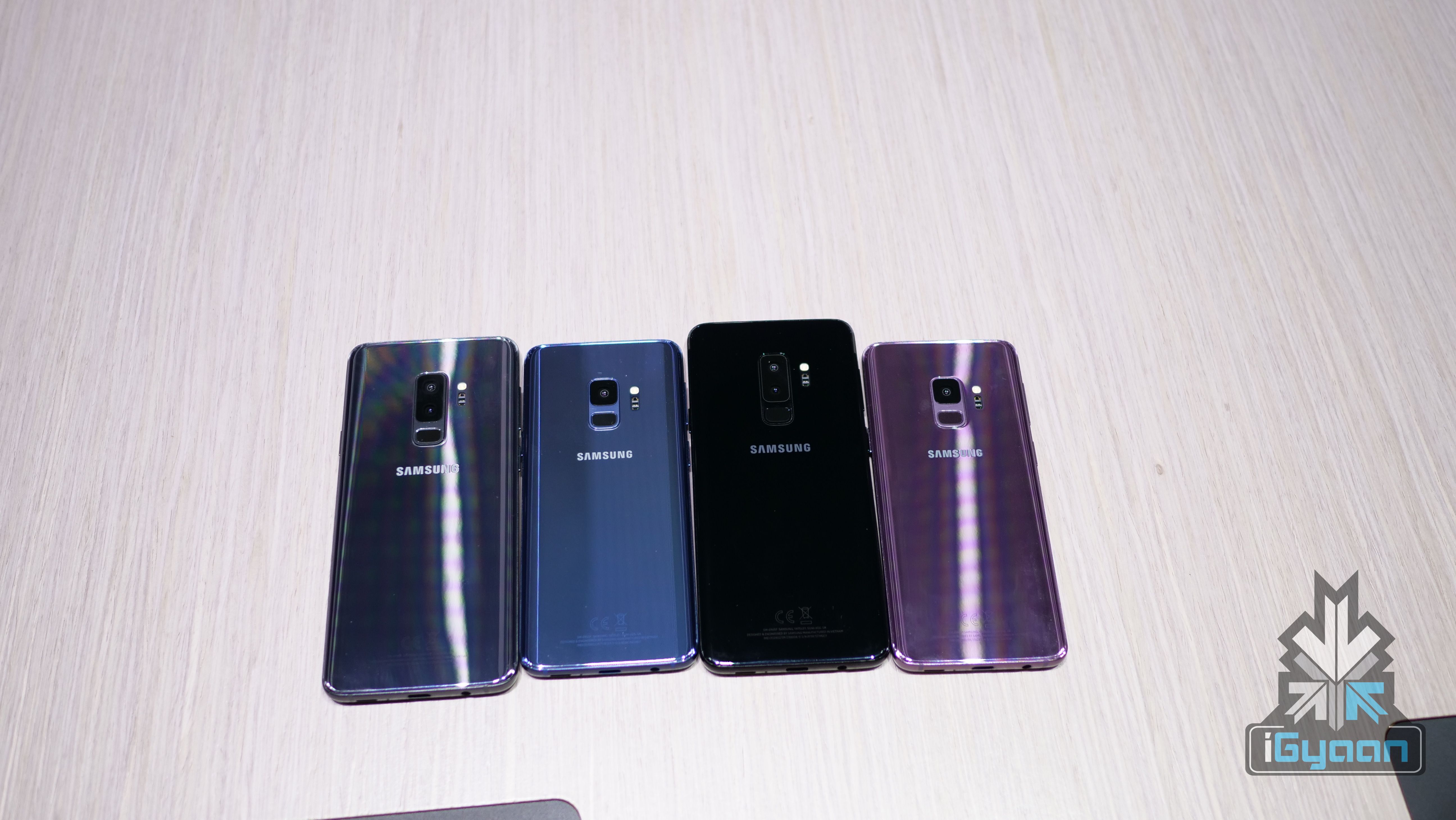
Galaxy S9, S9+ Colour Variants
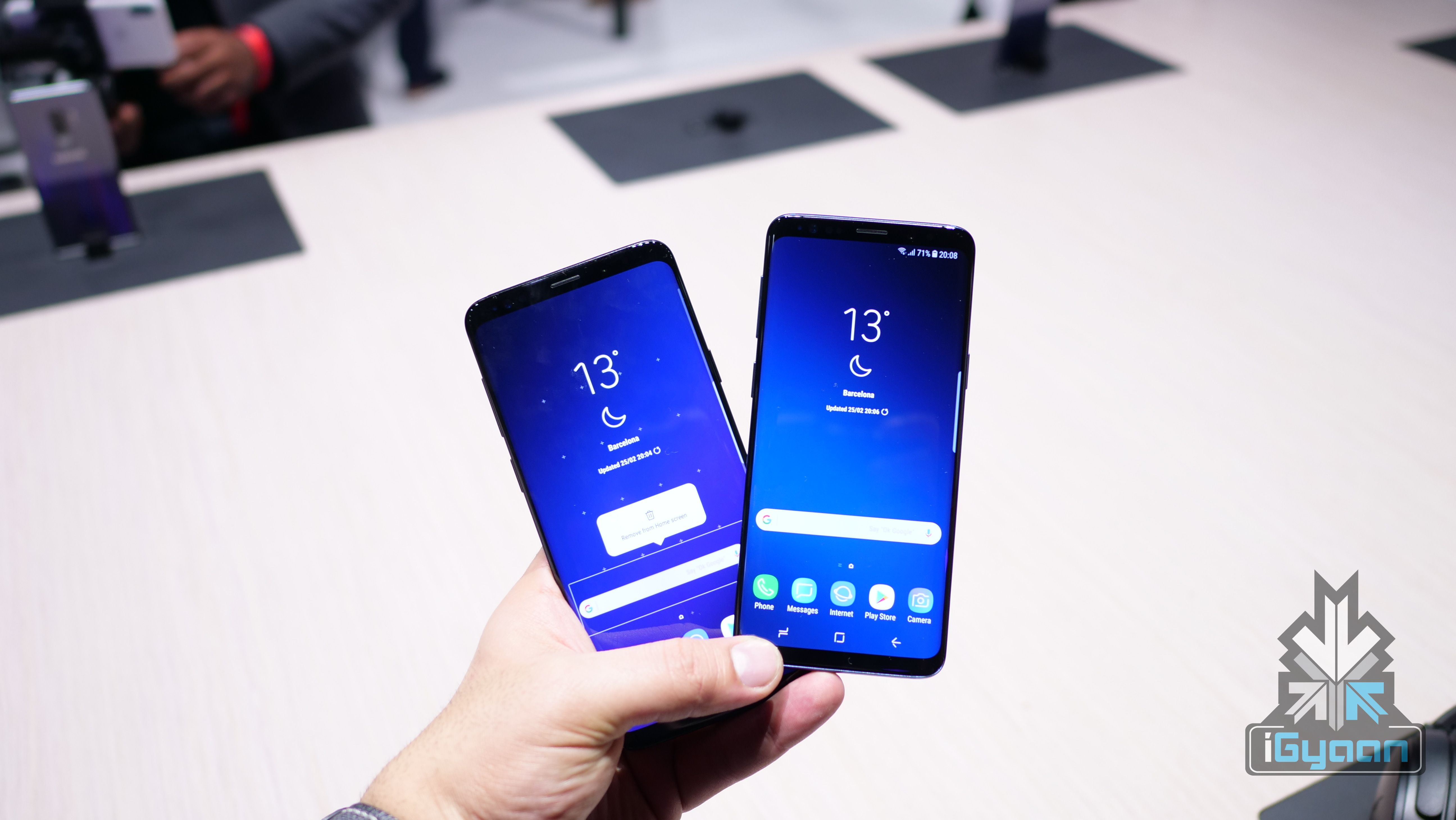
This is an obvious entry on the list. The Galaxy S9 and S9+ were the most anticipated smartphones of MWC 2018. Follow up to 2017’s successful flagship duo, a lot was expected from the Galaxy S9 and S9+. As was expected from the numerous leaks, the Galaxy S9 and S9+ did not look too different from their predecessors.
However, there are a few important upgrades that could be interesting. First one is in the camera department. The Galaxy S9 and S9+ now feature a variable aperture. The Dual Pixel 12 MP sensor has a dual f/1.5 and f/2.4 aperture. In bright lighting conditions, the camera will use the f/2.4 aperture, while the wider f/1.5 aperture is used in dark lighting conditions. It also captures 720P videos at 960fps and 4K videos at 60fps, similar to the Apple iPhone X.
Also, the fingerprint sensor is finally placed below the camera module, something we saw on the Galaxy A8+ as well. The S9 has a single camera setup while the S9+ now has a dual-camera setup similar to the Galaxy Note8. Both the smartphones will be launched in India on the 6th of March and go on sale on March 16th.
This smartphone is not a consumer-ready product yet. However, it is still one of the coolest devices displayed at MWC 2018. Over the years, MWC has been a witness to some amazing concept phones. Even this year, Nokia was expected to unveil the Penta-lens concept phone. However, that did not happen. But, Vivo did turn up and one-upped its CES 2018 unveiling.
The Vivo Apex has an in-display fingerprint sensor that covers almost half the display. While the Vivo X20 Plus UD only had a regular-sized fingerprint sensor underneath the display. In fact, this is not even the most interesting feature of the Apex. To accommodate probably the thinnest bezels on a smartphone, Vivo came up with a very different implementation of the front camera. The Apex has a hidden front camera which pops out every time it has to be used.
Although it is still a concept phone, the implementation is very interesting here. Let’s hope more companies come up with consumer-ready products with such intricate and satisfying design elements.
HMD Global launched not one, not two, but five devices at MWC 2018. Apart from the smartphones, it also announced that all Nokia devices will now be Android One devices. The Nokia 7 Plus, another heavily leaked device was one of the five phones to be launched. Along with the Nokia 8 Sirocco, the Nokia 7 Plus is the only Nokia smartphone with an 18:9 aspect ratio and thin bezels. A follow up to the China-only Nokia 7, the 7 Plus has a great design and build quality.
Under the hood, the 7 Plus has the Qualcomm Snapdragon 660 chipset and 2.2GHz octa-core processor. That is coupled with 4GB of RAM and 64GB of onboard storage which will be expandable via microSD card. The fingerprint sensor is now placed on the back and has the similar colour accents found on the Nokia 6 (2018).
If the European price of the smartphone is anything to go by, it will have a steep price in India. However, for it to work in the Indian market, HMD Global will have to price below Rs. 25000 to keep the Honor View10 at bay, which has flagship specifications and costs Rs. 28999. At under Rs. 25000, the 7 Plus will compete with the likes of the Moto X4.
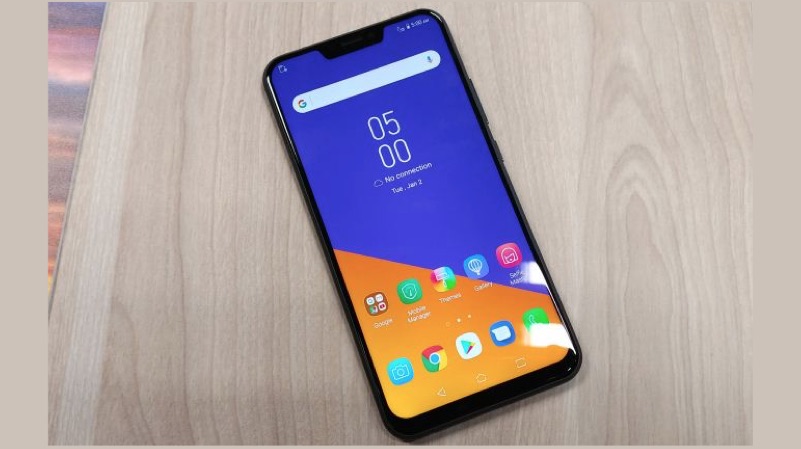
At MWC 2018, companies like Sony and Samsung were expected to launch Snapdragon 845 powered smartphones. However, the most interesting device powered by the flagship chipset was unveiled by Asus. Apparently, this smartphone flew under the radars of leakers online and Asus had a worthy unveiling in its hands. From the moment you look at it, the Zenfone 5Z looks like an iPhone X lookalike.
Although Asus claims the notch on the Zenfone 5Z is smaller than that of the iPhone X, it is still a notch. Also, one thing that the iPhone X achieved was uniform bezels around the display, thanks to the notch. However, the Zenfone 5Z kind of defeats the purpose of a notch as it also carries a thicker chin. That being said, the flagship Asus device has a lot going on for it.
If and when Asus launches the Zenfone 5Z in India, it could nullify the effect of the OnePlus 5T if launched at a price of Rs. 40,000 or less. That is until the OnePlus 6 is launched.
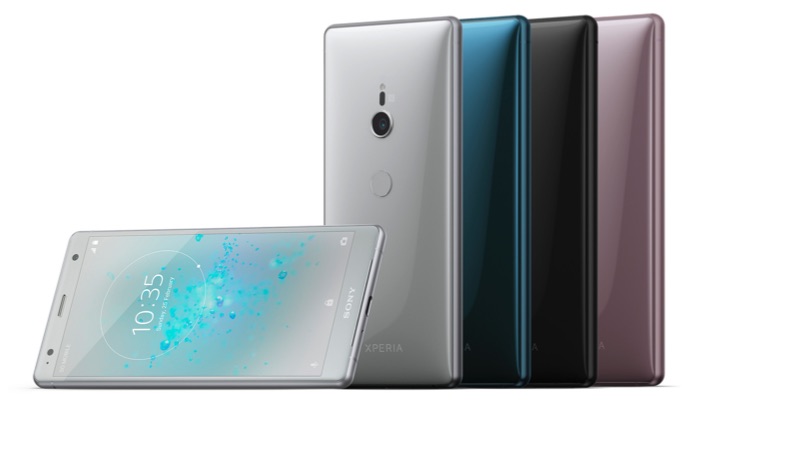
For the past couple of years, Sony smartphones have failed to capture the imagination of many consumers. Even in 2017, when many smartphone makers made a shift to bezel-less design, Sony continued to launch its signature boxy style devices. However, that finally changed at MWC 2018. Sony unveiled the Xperia XZ2 and Xperia XZ2 Compact with an 18:9 aspect ratio and thin bezels. However, still not the thinnest bezels you’ll see this year.
The Sony Xperia XZ2 and the smaller sibling also run on the latest and greatest Snapdragon 845 chipset. Apart from the Galaxy S9 and Zenfone 5Z, they are the only devices to run on the new flagship chipset. Sony still has a single camera setup on the front and back. So, it has still clinged on to a few Sony signature features.
Even for the Sony Xperia XZ2 and XZ2 Compact, the devices will have to be priced competitively in India.
We all love bezel-less smartphones. Even since the turn of 2017, the bezels have become increasingly thinner and displays have become taller. All this while, the size of the whole device has remained constant. The trend has caught on so much that capable devices like the OnePlus 5, even the iPhone 8 and 8 Plus were deemed “archaic” for the modern times. By no means are they bad-looking devices, they just have modern looking siblings that are more appealing.
But, while we despise anything with bezels, we need to remember that bezels on a display have a role. While we like to call smartphones like the iPhone X or the Galaxy S9as “bezel-less,” in reality, they aren’t. No smartphone has a 100% screen-to-body ratio and there is a genuine reason behind that. Modern day smartphones have different implementations of the front-facing cameras and the earpieces. Along with that, you need space to store all the sensors as well.
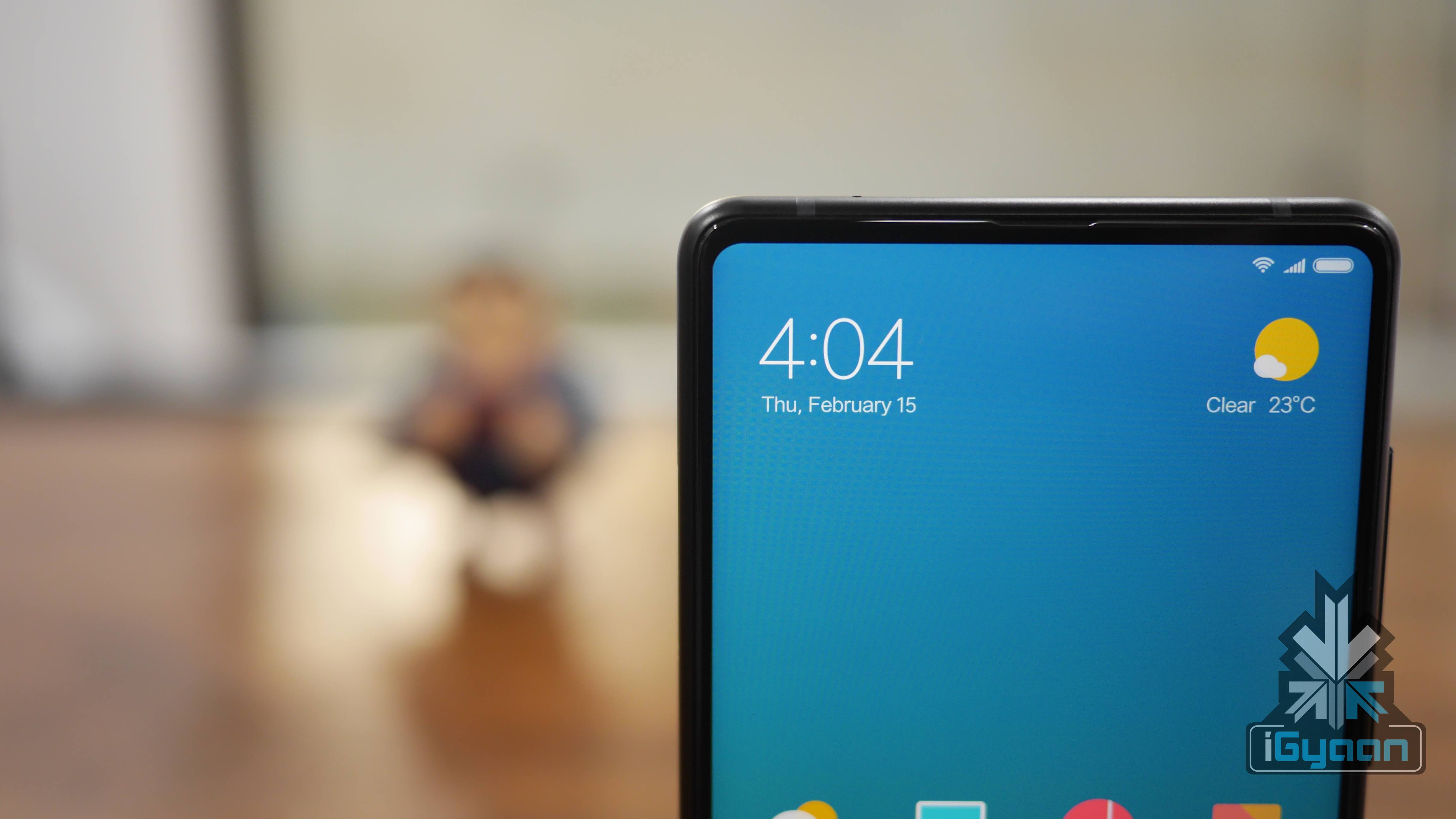
While the Mi Mix and Mi Mix 2 moved the front-facing camera on the bottom bezel to trim the other three sides, it hasn’t been a popular decision. The Galaxy S9 and S9+ with their infinity displays still have a chin and forehead which houses the sensors, camera and an earpiece. The iPhone X has a notch that houses everything. Similarly, the Essential Ph-1 has a cyborg eye-like notch for the front camera while the rest is situated just above the display.
However, it looks like two companies might have the answer to the front camera conundrum. At the ongoing MWC 2018, Vivo unveiled a concept phone, the Vivo Apex. Apart from having some of the thinnest bezels on a smartphone, it has an interesting implementation of the front camera as well. The Apex has a camera housed in the smartphone. It essentially means that when a user has to take a selfie, a camera pops out of the smartphone. It doesn’t use up any screen real estate which allowed the company to keep the bezels at 1.8mm thick.
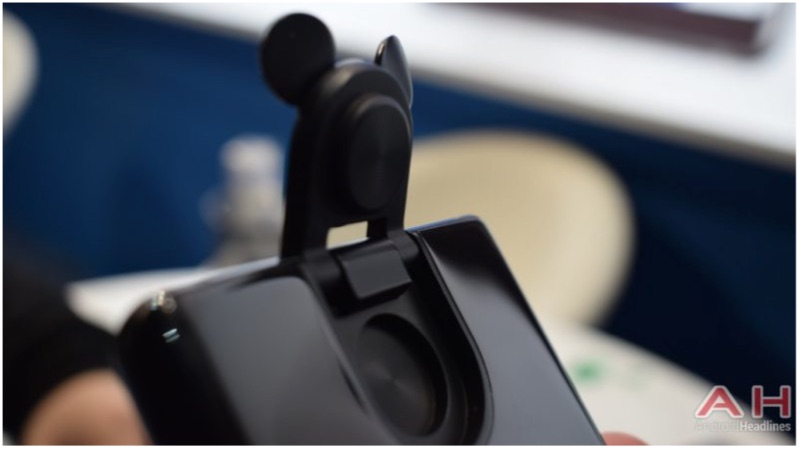
While this is still a concept phone, it is an interesting implementation. Certainly, it is better than what Xiaomi did with the Mi Mix and Mi Mix 2. Another interesting smartphone unveiled at MWC 2018 is the Bluboo S2. However, the Bluboo S2 has an interesting implementation of the camera as well. Similar to what the OPPO N1 did, the Bluboo S2 has a rotating camera. You basically lift the camera from behind and it stands upright for front-facing functionalities.
While this does seem futuristic, more brands, and mainly, bigger brands need to adapt these for it to grow. Until we get a screen-embedded camera, these could be some of the best options to completely get rid of the bezels.
Vivo showcased a smartphone with an in-screen fingerprint scanner at CES 2018. At the ongoing MWC 2018, the company has announced a new concept smartphone with an impressive screen to body ratio. The Vivo APEX FullView is the first production smartphone to achieve this ratio. The smartphone has minimal bezels on all four sides. In fact, the uses a retractable mechanism for the front-facing camera.
However, the company hasn’t revealed the exact tech specifications, pricing, or the availability of the Vivo APEX.
Features:
The Vivo APEX also offers an in-screen fingerprint scanner with a much bigger footprint. Unlike the Vivo X20 Plus UD, half of the screen portion of the Vivo APEX acts as a fingerprint scanner. The device comes with 1.8 mm bezels on three sides with 4.3 mm bezels on the bottom. In fact, it does not have a microphone, instead, it uses the SounCasting technology similar to the one found on the Mi MIX, which turns the entire display into a speaker.
The 8 MP front-facing camera uses elevating mechanism, which rises within 0.8 seconds whenever it is required. The phone uses OLED display, which might use the similar fingerprint scanner unit from Synaptic.
The device also offers a new system in package (SIP) technology to integrate the DAC with three amplifiers, which reduces the space of circuit board up to 60%. The reduction in the circuit size has enabled the company to fit in a larger battery.
Alex Feng, Senior Vice President of Vivo said:
APEX is an iteration of our constant pursuit of setting new industry standards and to deliver the ultimate mobile experience. From breakthroughs in audio, photography to In-Display Fingerprint Scanning Technology, Vivo has remained committed to realizing our vision for future smartphones. What we showcase in this concept phone is only a fraction of our innovation pipeline. We will continue to explore all possibilities to bring the best possible experiences to our consumers.