Tag: wave

  • Samsung Wave M Unboxing and Quick Review

    Samsung Wave M Unboxing and Quick Review

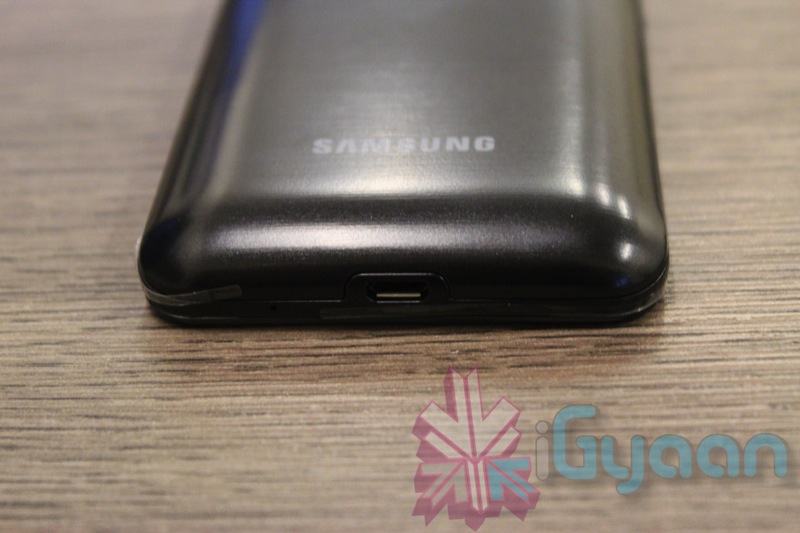
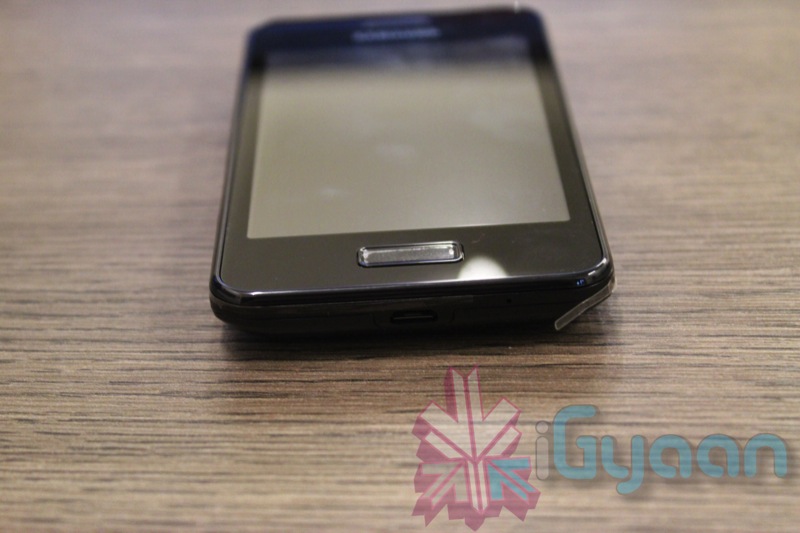
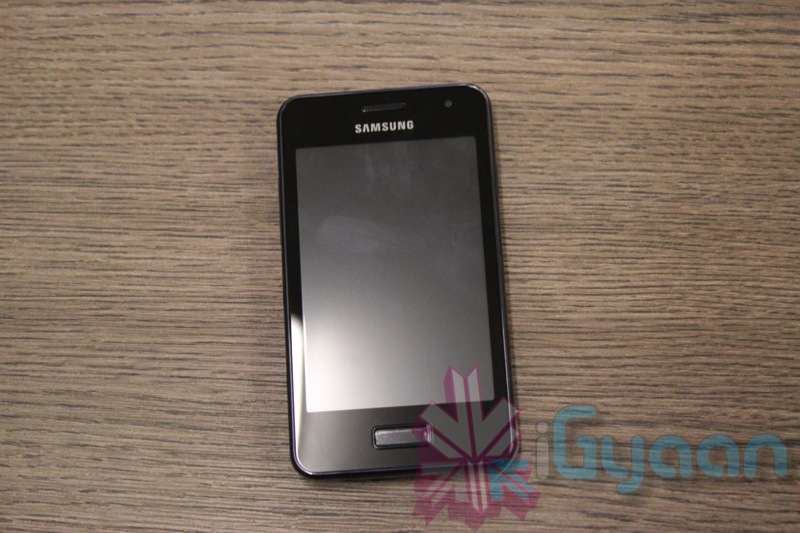
    So we finally got our taste of the new Wave M, the cheaper version in the new range of BADA devices from Sammy. The Phone has a good set of specs and a decent price, but we sometimes feel Samsung is stretching its luck.

    The device is well built to say the least, the touchscreen is very responsive and the list of included apps is interesting. The device does however lag a lot, and we saw this during our initial impression, its not a pretty sight. 

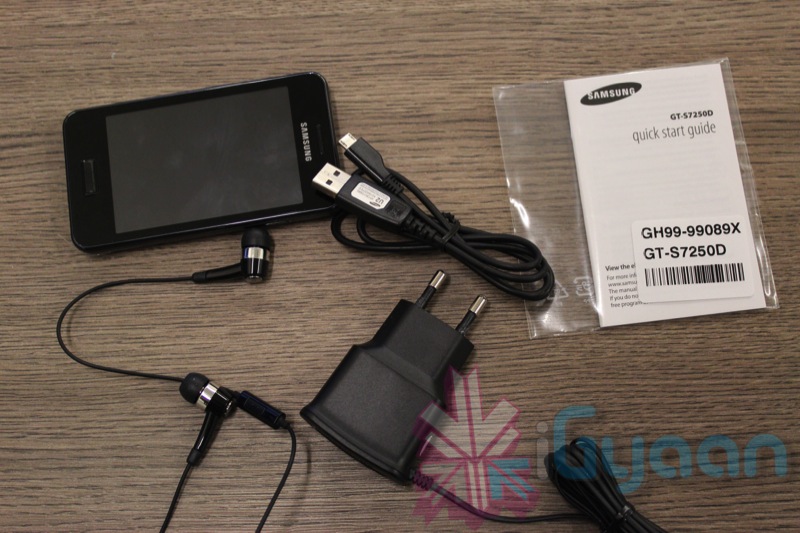
    In the Box is a charger, usb cable, 3.5mm headset with in-ear cups, the phone itself, a  1350mAh battery, a leather type cover and the warranty booklet along with quick start guide. 

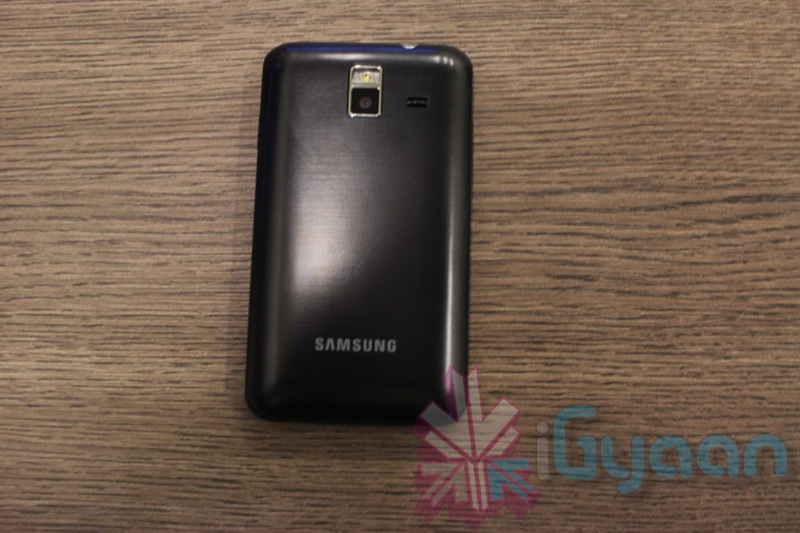
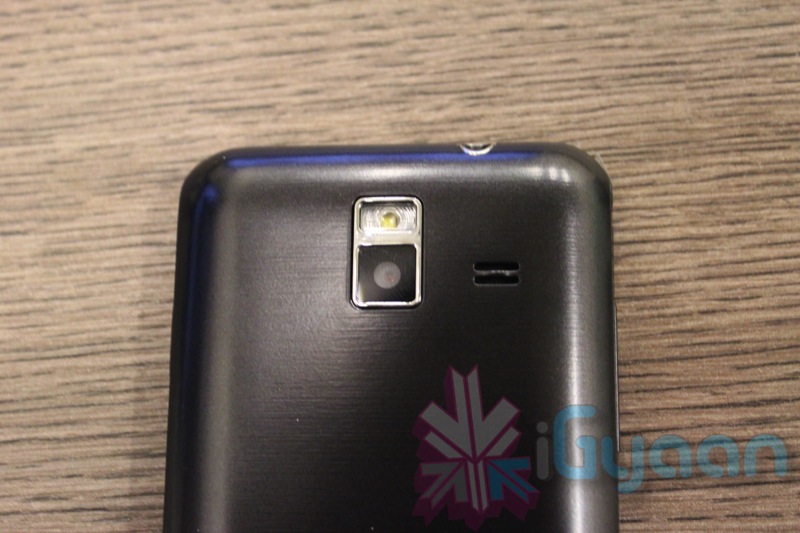
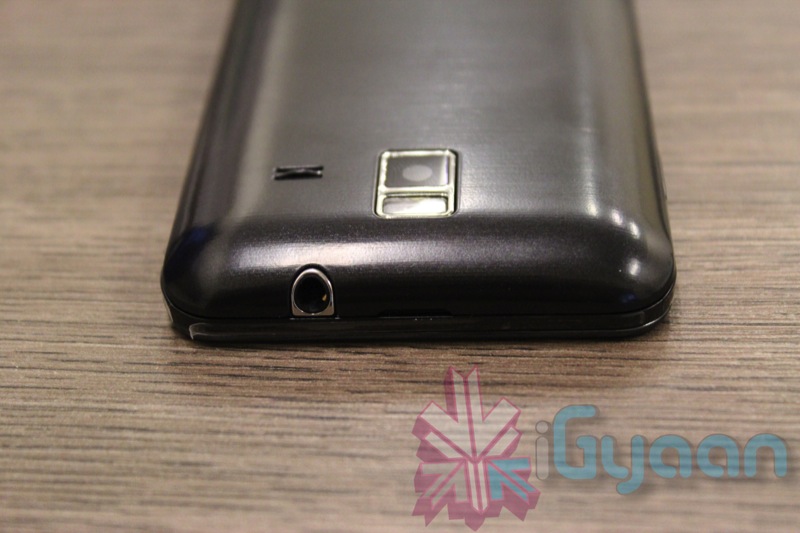
    The back of the device is an interesting metallic texturized looking finish which is actually pretty smooth to touch and yet does not attract fingerprints. The buttons seem tactile and the device feels good to hold in the hand.

    Initial impressions of the software lacked and the device failed to deliver during browser testing in the initial hands on (you will see in upcoming video).

    Specs Include

    • 832 MHz Processor
    • 3.65 Inch Screen
    • Bluetooth 3.0
    • WiFi Direct
    • Bada 2.0
    • 5MP Cam
    • 3G

    Price is about Rs.12,250 in the Market.

    Video Unboxing Coming Up!

  • Traveling Wave Reactors – The New Nuclear Power Source

    Traveling Wave Reactors – The New Nuclear Power Source

    Conventional nuclear reactors use Uranium 235 as their power source. However, out of all the Uranium that we dig up, only about 1% is U-235 while the rest is composed of, its not so reactive cousin, U-238. So what can we do with this U-238? Well according to some new research, we can now use U-238 as a fuel to power a new generation of nuclear reactors.

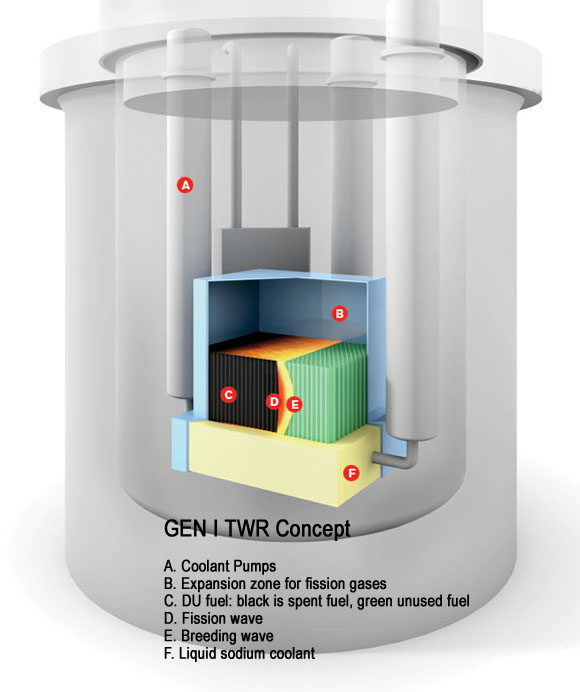
    Bill Gates has funded a new startup called Terrapower which is attempting to build the first prototype of a new type of nuclear reactor called a traveling wave reactor. this reactor will be using uranium 238 as a fuel source. How this will work is that a bunch of uranium 238 rods will be placed around a rod of uranium 235. This rod of U235 will kickstart the entire process. The uranium 238 gets converted into plutonium 239. This will generate heat and keep the entire reaction going, and as it propagates outwards from the center in a kind of wave, more rods of U-238 can be added to keep it going. Once the fuel gets used up, it can be used to kickstart a new reaction.

    What this basically means is that you can burn the expensive fuel, you can burn the cheap fuel, you can burn the waste from other nuclear reactors and generate electricity from the whole thing. If we start extracting Uranium from sea water, which is apparently easy to do, we can provide enough electricity to power the entire human race without any problems for thousands of years.

  • Mcafee Mobile Security and WaveSecure for Android

    Mcafee Mobile Security and WaveSecure for Android

    McAfee has issued a Press Release regarding its Mobile Security and WaveSecure security softwares for smartphones and tablets on the Android Platform. Read the full PR for more information.


    [toggle title_open=”Collapse Press Release” title_closed=”Expand Press Release” hide=”yes” border=”yes” style=”default” excerpt_length=”0″ read_more_text=”Read More” read_less_text=”Read Less” include_excerpt_html=”no”]

    McAfee today announced the it is extending its mobile device portfolio for consumers with McAfee Mobile Security and McAfee WaveSecure Tablet Edition.  These mobile device offerings change the mobile security landscape by offering security safeguards that help consumers secure their mobile devices for personal use, commerce and work.

                    According to a mobile security report released last week by McAfee and Carnegie Mellon University titled, “Mobility and Security: Dazzling Opportunities, Profound Challenges,” respondents named their top three security concerns to be the loss of personal or work data through the accidental loss of a device, physical theft of the device, or loss of their data due to their device “crashing.” In addition, close to half of all respondents said they were using their smartphones both for personal use and work, demonstrating that consumers want more than just personal device security. 

    McAfee Mobile Security software, available for both smartphones and tablets, provides a comprehensive mobile security solution by combining three leading McAfee mobile security products:  WaveSecure, VirusScan Mobile and SiteAdvisor® for Android. It is ideal for users who want protection for their data and privacy in the event of loss or theft, protection against the growing threats of viruses and spyware targeting mobile devices as well as protection from Web based threats, such as phishing sites that probe for personal and sensitive information.

    With McAfee Mobile Security, consumers can now access the following features and functionality in a single download:

    • Back-up and restore data to help protect sensitive information and irreplaceable photos. Even if the device is missing, it can be backed up before it is wiped clean of information. 
    • Protection against misuse (such as excessive phone charges) as well as safeguarding personal data with remote locking capabilities
    • An audible alarm to help users find the device or disrupt a thief, and or pop-up a notification with instructions for returning the device
    • Remotely remove data from a lost or stolen device via the McAfee Web portal, mobile Web portal or via a SMS message from a buddy device
    • 24/7 real-time anti-malware protection against viruses, worms and spyware, Trojan horses and battery sapping malware
      • Protection from malicious Web sites, phishing, identity theft, and credit card fraud when shopping online. SiteAdvisor software for Android provides color coded site ratings appear right next to the search results, allowing Android users to confidently browse and search the mobile Web.
      • Management of mobile device protection allows consumers to quickly execute needed security tasks, backup, locate, wipe, etc. via the McAfee Web portal and simple device interface
      • All backed by McAfee Labs with its 24/7 global presence and dedicated team of threat researchers


    The WaveSecure Tablet Edition offers Android users with WiFi the ability to find their missing device with alarm and location tracking, prevent misuse with remote lock and wipe and preserve important memories and personal data with remote backup, even from a lost or misplaced device. Users can also trigger an audible alarm to help them find the device or disrupt a thief, and send a brief SMS message with instructions for returning it.

     “With device growth eclipsing PCs, consumers need tools to not only protect their personal information, but also to provide safeguards for business data should they decide to use that device for work,” said Todd Gebhart, senior vice president and general manager of consumer, small business and mobile, McAfee. “It’s far too easy to leave a mobile device in a cab or at the airport, which can mean lost photos, contacts and other important content. Also, the threats to mobile devices are in many ways the same as in the online world.  Beyond device lost or theft, users can be hacked, infected or phished on a mobile device just as easily as they can online.”


    Availability and Pricing:

    McAfee Mobile Security and WaveSecure software are available in the following languages; Chinese (Simplified and Traditional), Dutch, English, French (European and Canadian), German, Indonesian, Italian, Japanese, Korean, Portuguese (European and Brazilian), Swedish, Spanish (European and Mexican) and Russian. McAfee Mobile Security software is available as an annual subscription of $29.99 USD per year from McAfee and the Android Market. McAfee WaveSecure software is available as an annual subscription of $19.99 USD from McAfee and the Android Market.

    [/toggle]
     

  • Liquid Robotics to Launch Wave Gliders to collect Oceanographic Data

    Liquid Robotics to Launch Wave Gliders to collect Oceanographic Data

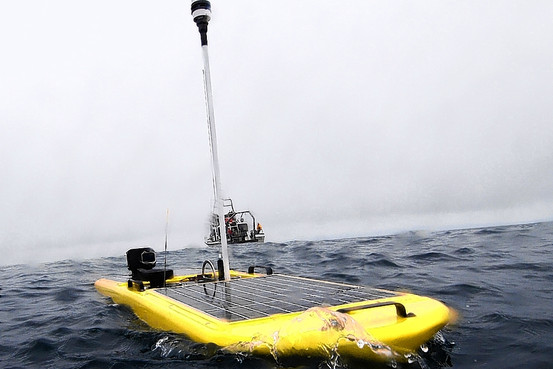
    Liquid Robotics, a Silicon Valley startup, makes remote controlled robots that cruise the open ocean and gather data. The company plans to collect this data and offer it up to consumers on the web. The machines, called Wave Gliders, can keep track of all sorts of data including whale songs, wave heights and the presence of nearby ships. The company plans to sell these robots to governments, research institutions and energy companies for between $1,50,000 and $5,00,000 a piece depending on the included components.

    The wave glider features a 6-foot, 10-inch-long floating section equipped with solar panels, a battery and sensors. Tethered 23 feet below the float in the water is a similarly sized glider with metal wings and a rudder that propel and steer the device.

    The inventor of the device, Robert Hine, originally made the device for a friend who wished to study whale songs off the coast of Hawaii. He started designing and fabricating the machines in 2005, taking every other week off from his job as a semiconductor engineer. He experimented with different Electric Engine designs, but they all failed. After much research, he came up with a design that harnesses the natural energy in waves, like a sailboat harnesses the wind.

    The gliders ‘wings’ use the up and down motion of the waves to propel the device forward at a pace of around 1.5 miles per hour. Operators are able to map out a route and have waypoints transmitted to the robot via satellite. It then uses GPS signals to follow the programmed route. The robot is unable to remain still but can criss-cross the same area.

    Because the gliders are essentially floating platforms that can be programmed to go anywhere, there are many possible uses. They can measure ocean and air temperature to help predict storms and water currents and wave height for shippers trying to determine the safest route for their vessels. They also can help oceanographers monitor whales and other aquatic life. In crowded areas like the Gulf of Mexico, gliders could collect location, speed and destination information for ships—information that now is sent through radio signals—and display the information on a map. There are less obvious uses as well. Mr. Vass imagines equipping gliders with cellular towers to provide coverage in the middle of oceans. Also, gliders could be programmed to dispense fish food, creating fish farms that move around at sea.

    Liquid Robotics isn’t the only company that makes unmanned sea vehicles for data collection. iRobot Corp., creator of the Roomba vacuum cleaner, makes a glider that collects information up to 3,000 feet under water, surfacing from time to time to transmit its findings and collect new instructions. The Slocum glider from Teledyne Technologies Inc. works in a similar way. Both gliders can collect information from far deeper in the ocean than the one from Liquid Robotics, but aren’t able to transmit data continuously.

  • Convert 2D display to a 3D display with the Pic3D Film

    Convert 2D display to a 3D display with the Pic3D Film

    Japanese company Global Wave, has come up with a technology that can convert a 2D display into a 3D display. They have developed a film that can be stuck onto any display, which allows you to enjoy 3D content. The film works on all devices including smartphones, Monitors and even the iPhone and iPad.

    The film is called the Pic3D and is based on a lenticular lens system which basically creates 2 serperate images, one for the left eye and one for the right, at slightly different perspectives, which creates the illusion of depth. The film was designed to be used with stereoscopic content. In case you have regular 2D content, you can download the software from the company’s website and it allows you to view the regular 2D content in 3D.

    The film allows 90% of the screens brightness through with viewing angles as wide as 120o. The film will be available from the Global Wave website in August with prices ranging from $25 for the iPhone and iPod Touch to $189 for a 23″ display film.


iGyaan Network
Privacy Overview

This website uses cookies so that we can provide you with the best user experience possible. Cookie information is stored in your browser and performs functions such as recognising you when you return to our website and helping our team to understand which sections of the website you find most interesting and useful.