Tag: zenfone

  • ASUS 5G Concept Smartphone Renders Show Off Stylish Slider Design

    ASUS 5G Concept Smartphone Renders Show Off Stylish Slider Design

    In a time where every smartphone manufacturer is experimenting with a host of innovations, devices with never-heard-of features are emerging. For instance, devices like the Mi Mix used their OLED screens to resonate sound, whereas smartphones like the Huawei P30 Pro have cameras with extraordinary zooming capabilities. Freshly released renders for a concept smartphone from ASUS reveal a captivating dual slider design and a display with almost no bezels.
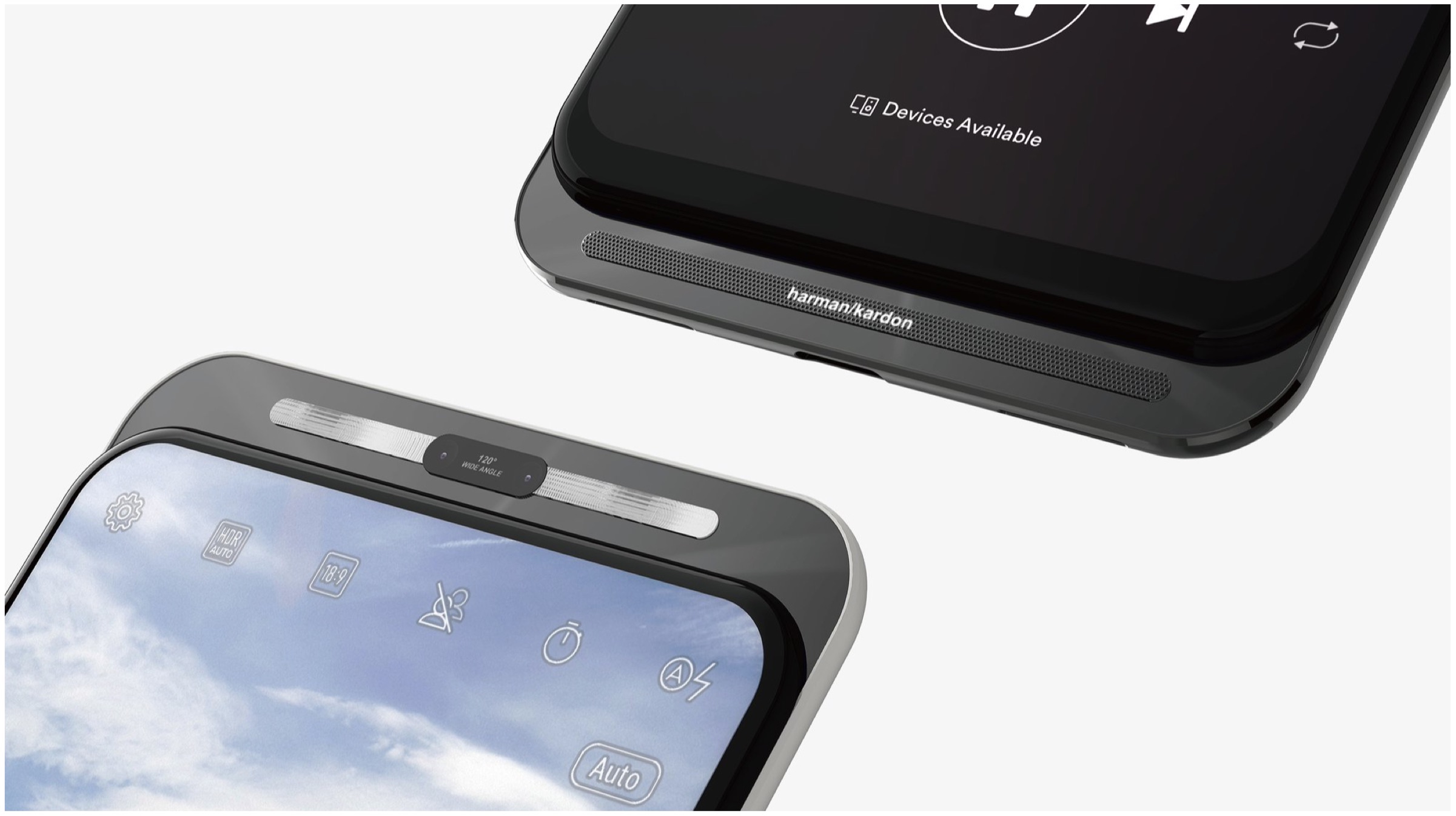
    The renders were actually developed by a designer who previously worked on the design of the ASUS Zenfone 5 but was shared on Twitter by noted tipster Evan Blass (@evleaks). A total of two designs were spotted in the images. The first design shows off a unique slider mechanism that shifts downwards to reveal dual front selfie cameras. On the sides of the cameras lie the LED flash “strips” which cover nearly 60% of the whole area.

    First Smartphone Render – Design
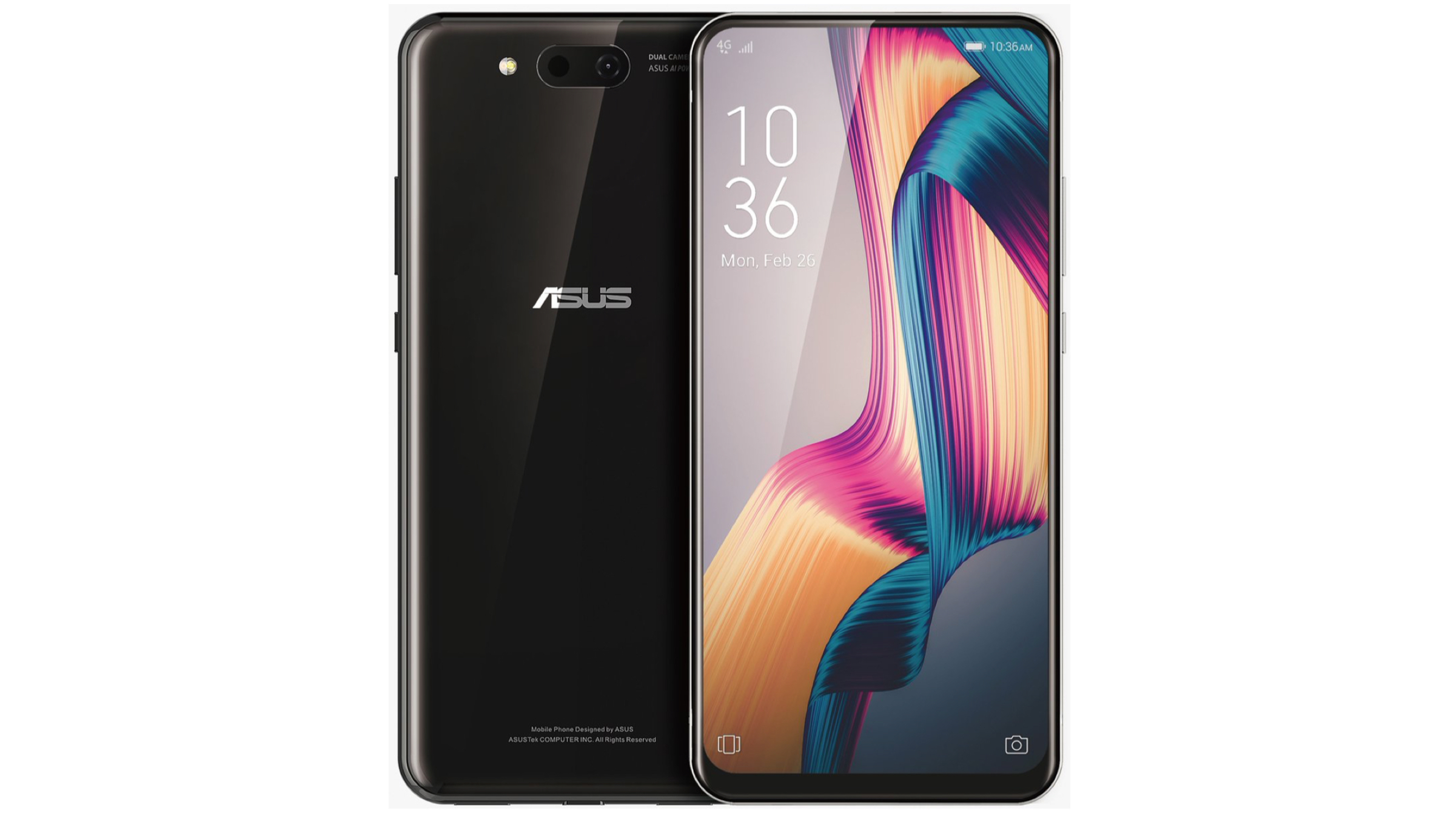
    When the device is slid upwards, an attractive speaker grille bearing the label of Harman Kordan speakers is observed. This indicates the fact that the smartphone may have dual front firing speakers, but it’s unclear how both the speakers will function together simultaneously. The concept smartphone has a dual rear camera setup positioned at the top of the back panel. Along with the presence of the LED flash, a noteworthy feature of the back panel is the absence of a fingerprint scanner, hinting towards the fact that the device may have an in-display fingerprint scanner. 

    Second Smartphone Render – Design
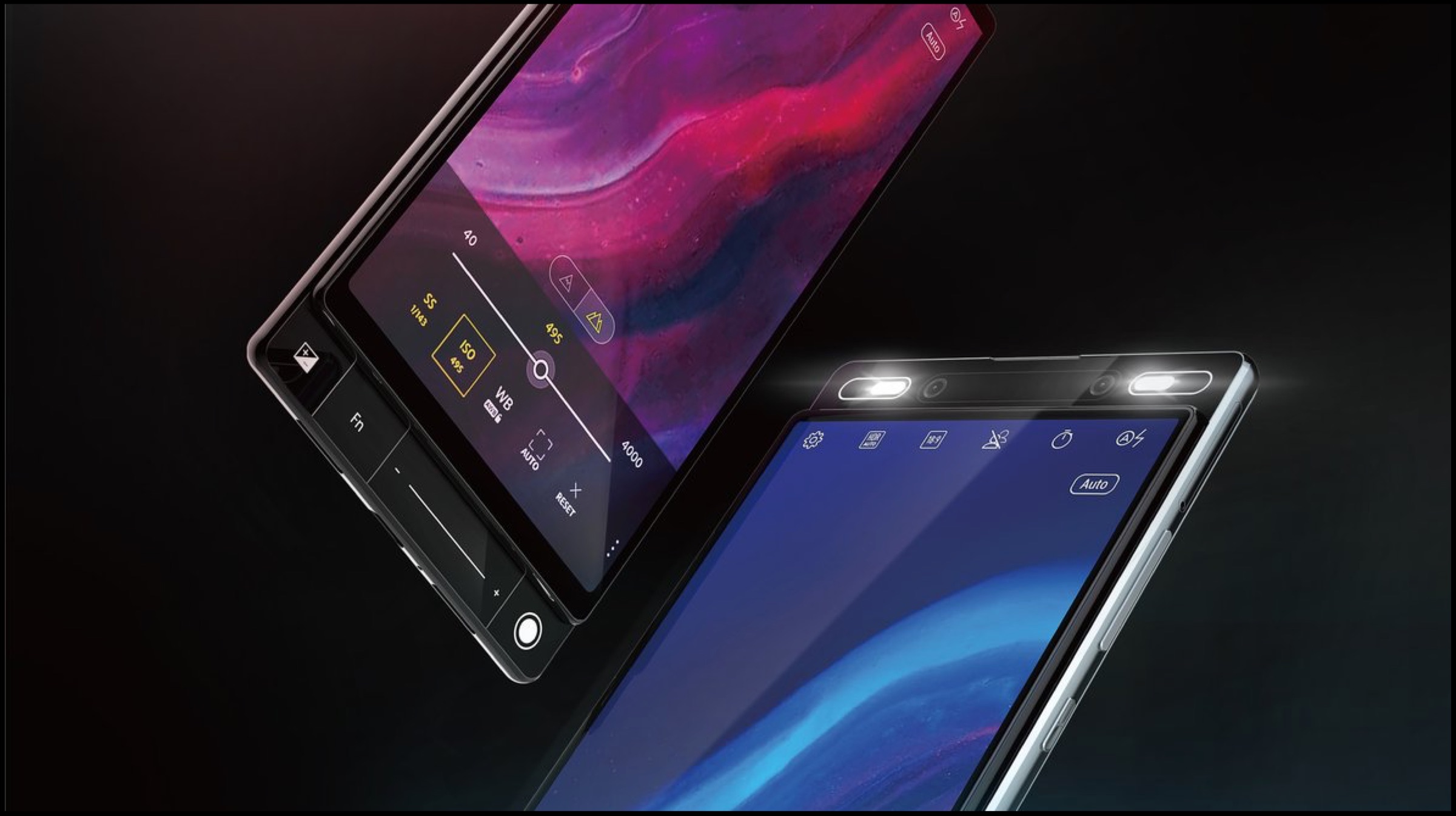
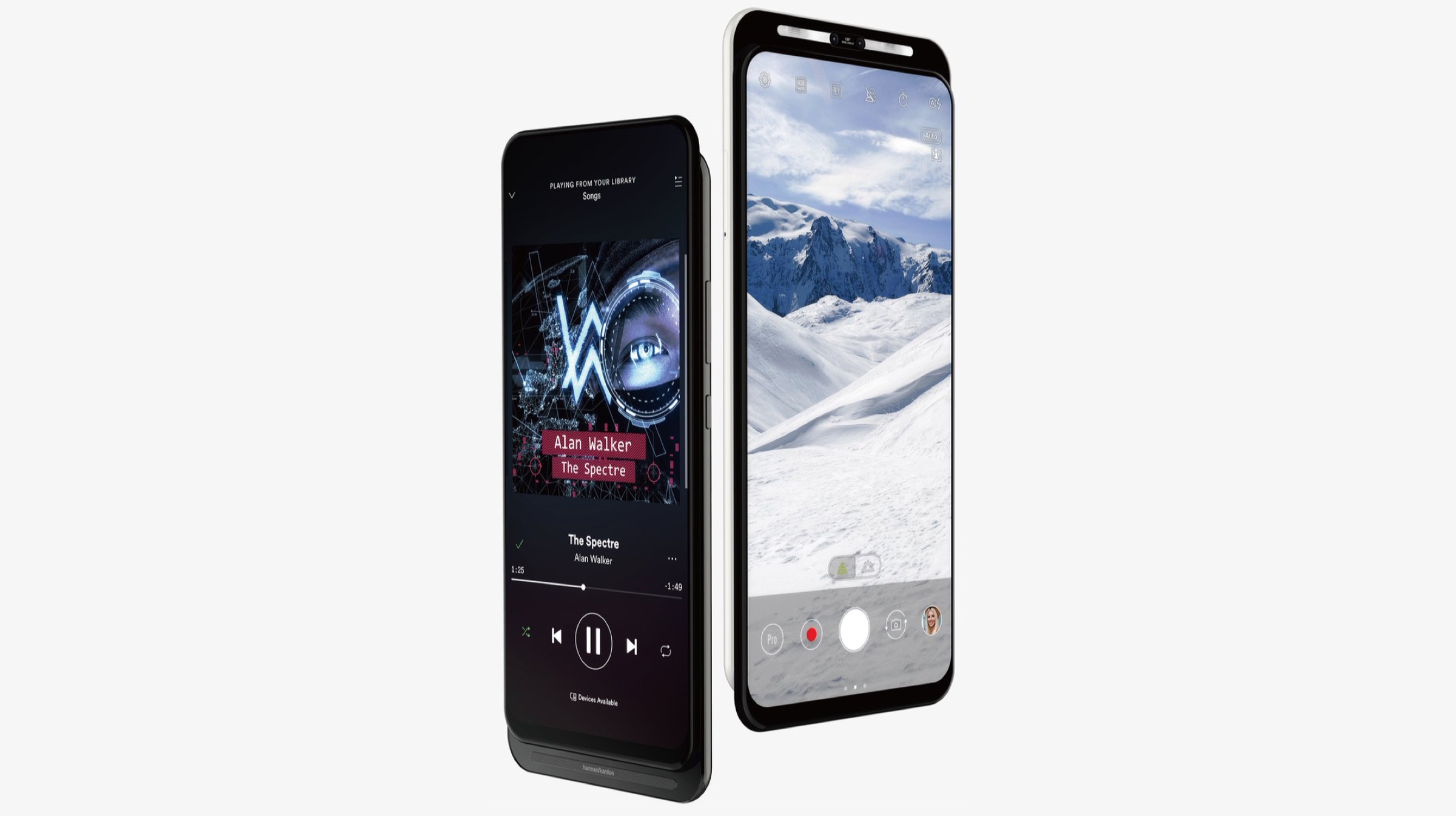
    The second smartphone design shifts the perspective towards more of a “camera-oriented” device. Where the first render had a single LED flash strip for the front-facing cameras, the second concept shows off a separate LED flash for each of the dual selfie shooters when the slider is shifted downwards. Also, both the cameras are placed at a notable distance from each other.
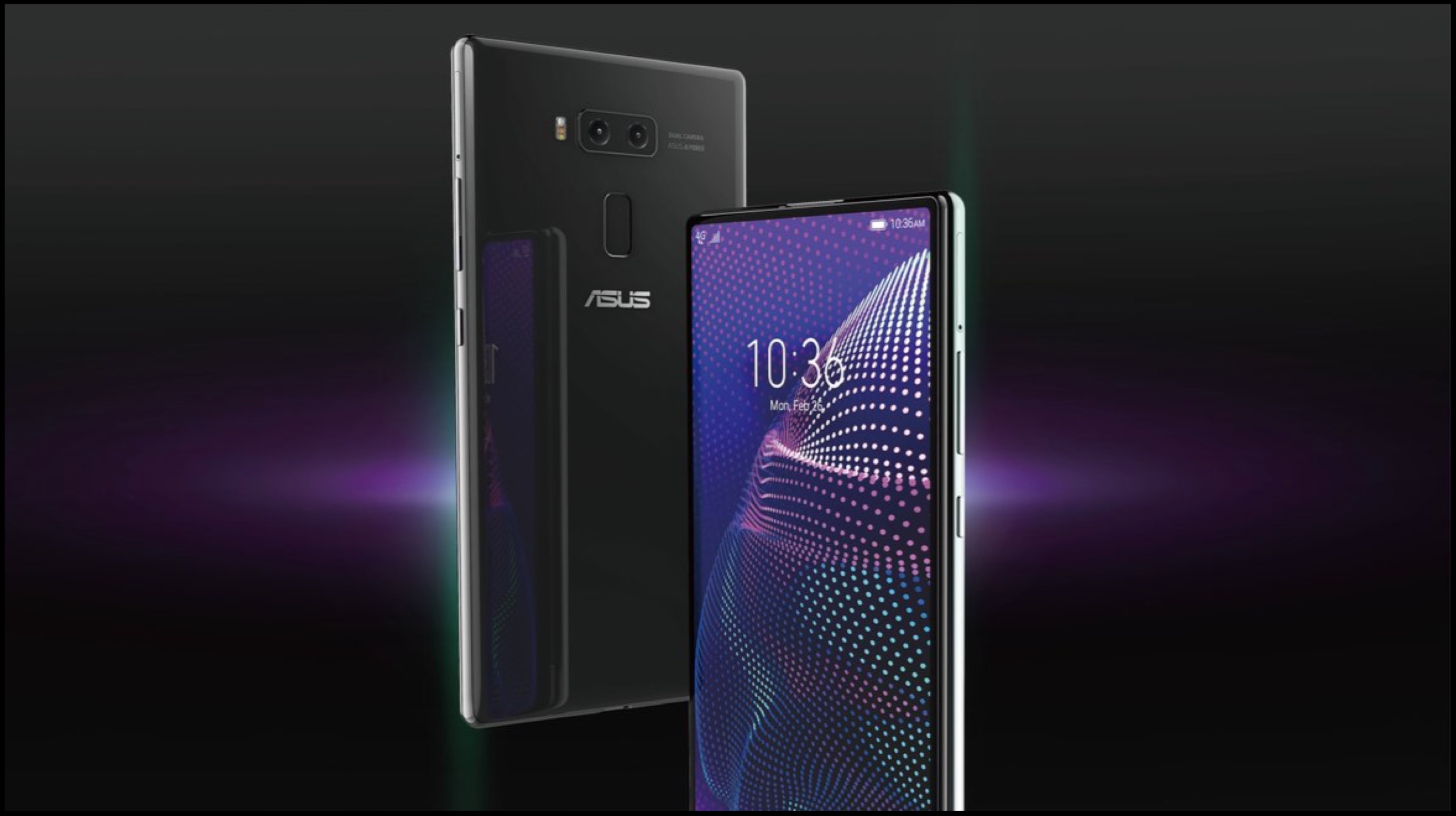
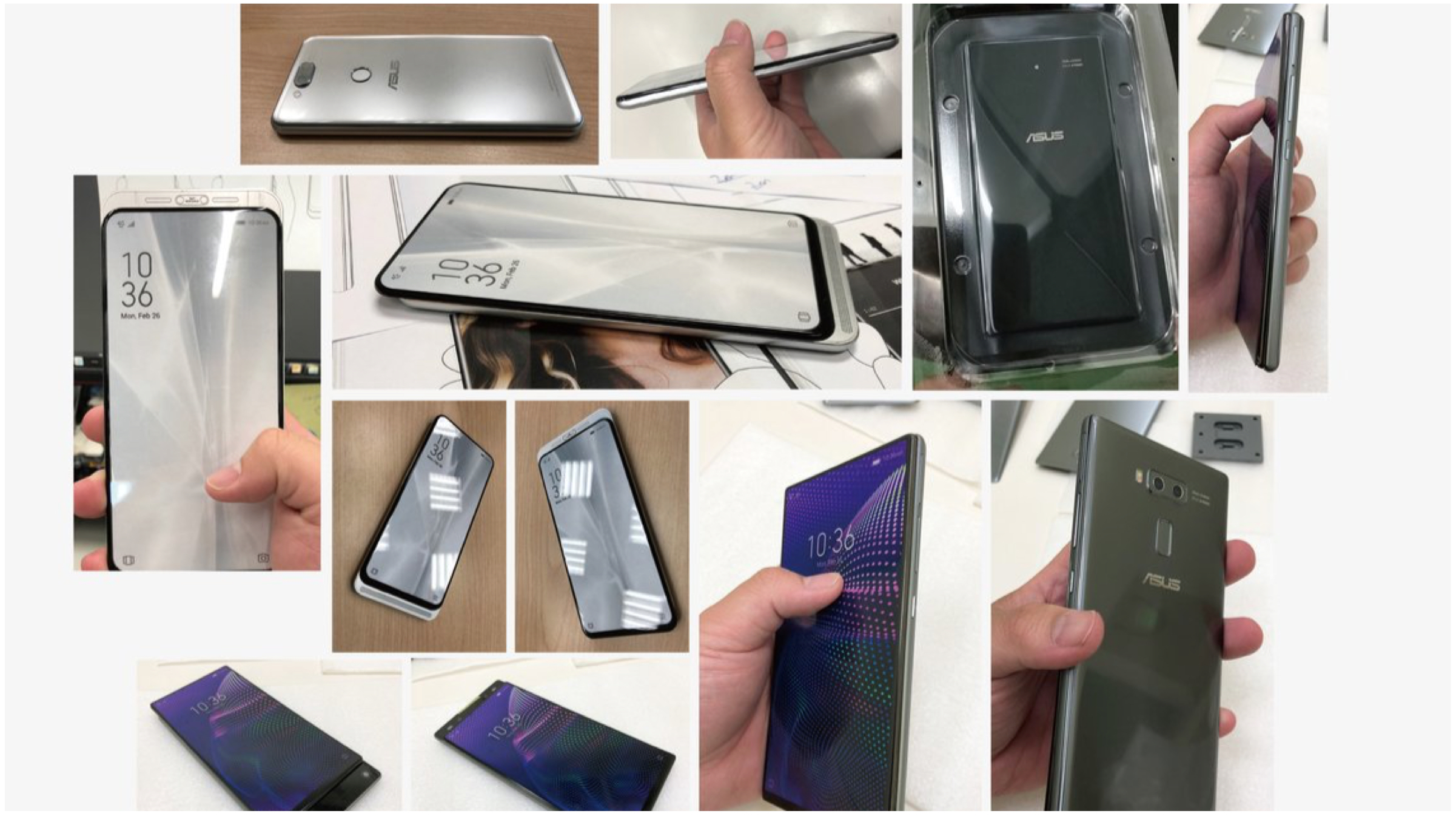
    As per the renders, the screen can be slid upwards to reveal another display which is much smaller than the primary display. In the image, the small screen shows controls for image exposure, a function option, a zoom slider and a camera shutter button. However, the controls may not be just limited to the camera, in fact, each app may have its own set of touch controls to integrate with the miniature display. The back of the smartphone has a set of dual cameras that are placed together in a single module, with the left side being flanked by the LED flash. Also, a fingerprint scanner can clearly be spotted on the back, which is placed between the camera and the ASUS branding.
    Also Read: Interesting Facts About PUBG That You Probably Did Not Know

    Since both the smartphones are born out of mere concept renders, no specifications are known as of now. Even the chance the ASUS works on similarly-designed smartphones seems bleak, but in the minute probability that it does happen, the smartphones are sure to catch some attention.

  • Asus Launches Zenfone M1 Max & Zenfone L1 Lite in India

    Asus Launches Zenfone M1 Max & Zenfone L1 Lite in India

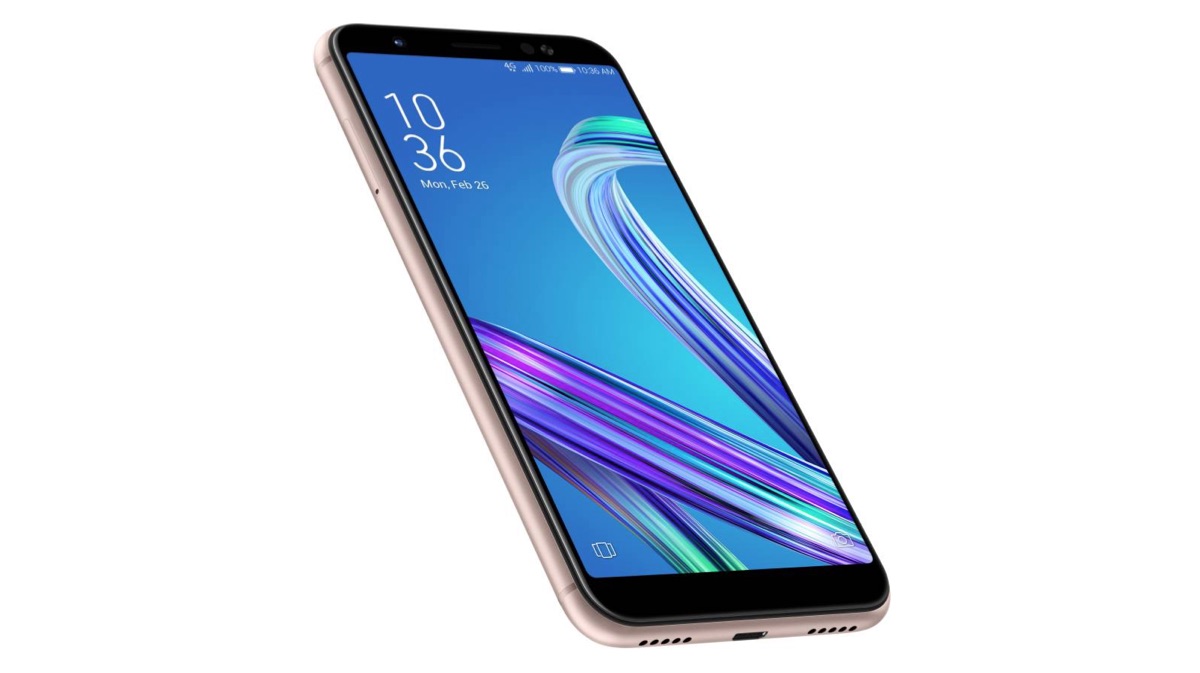
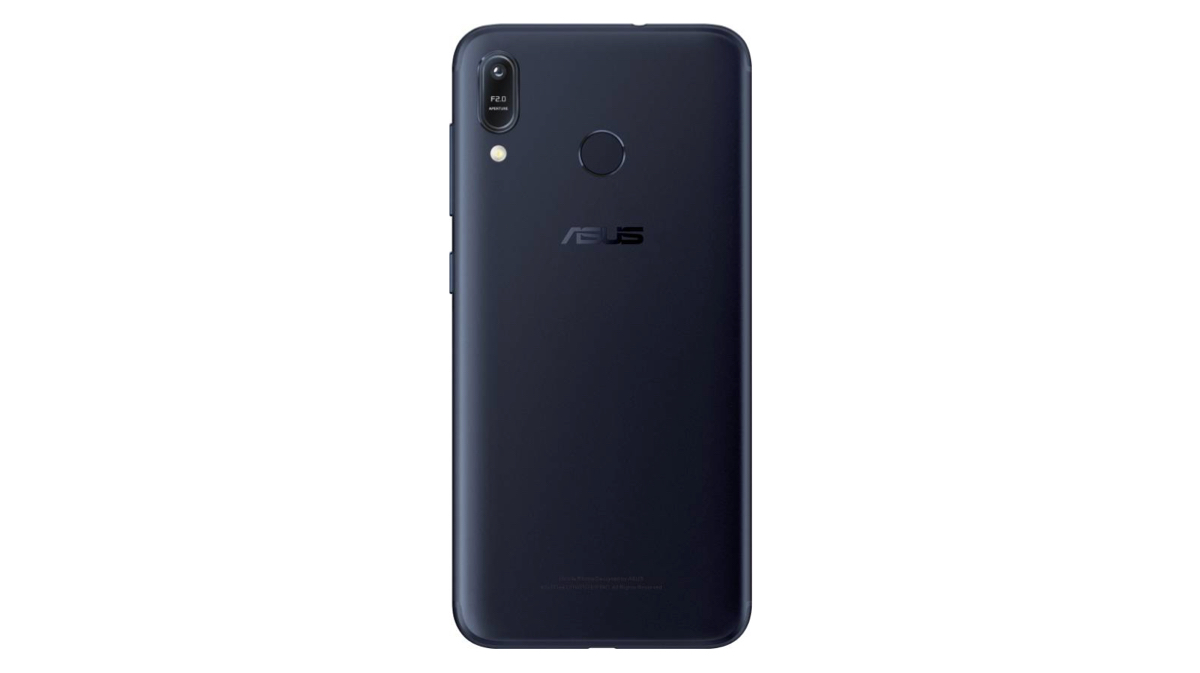
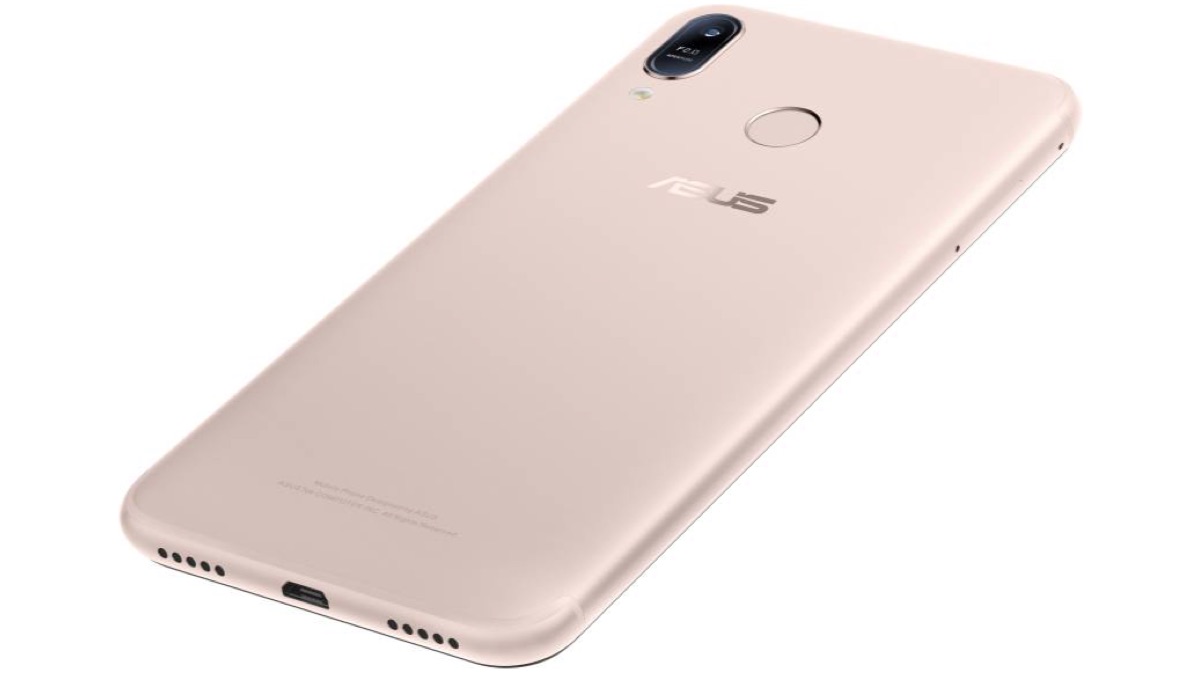
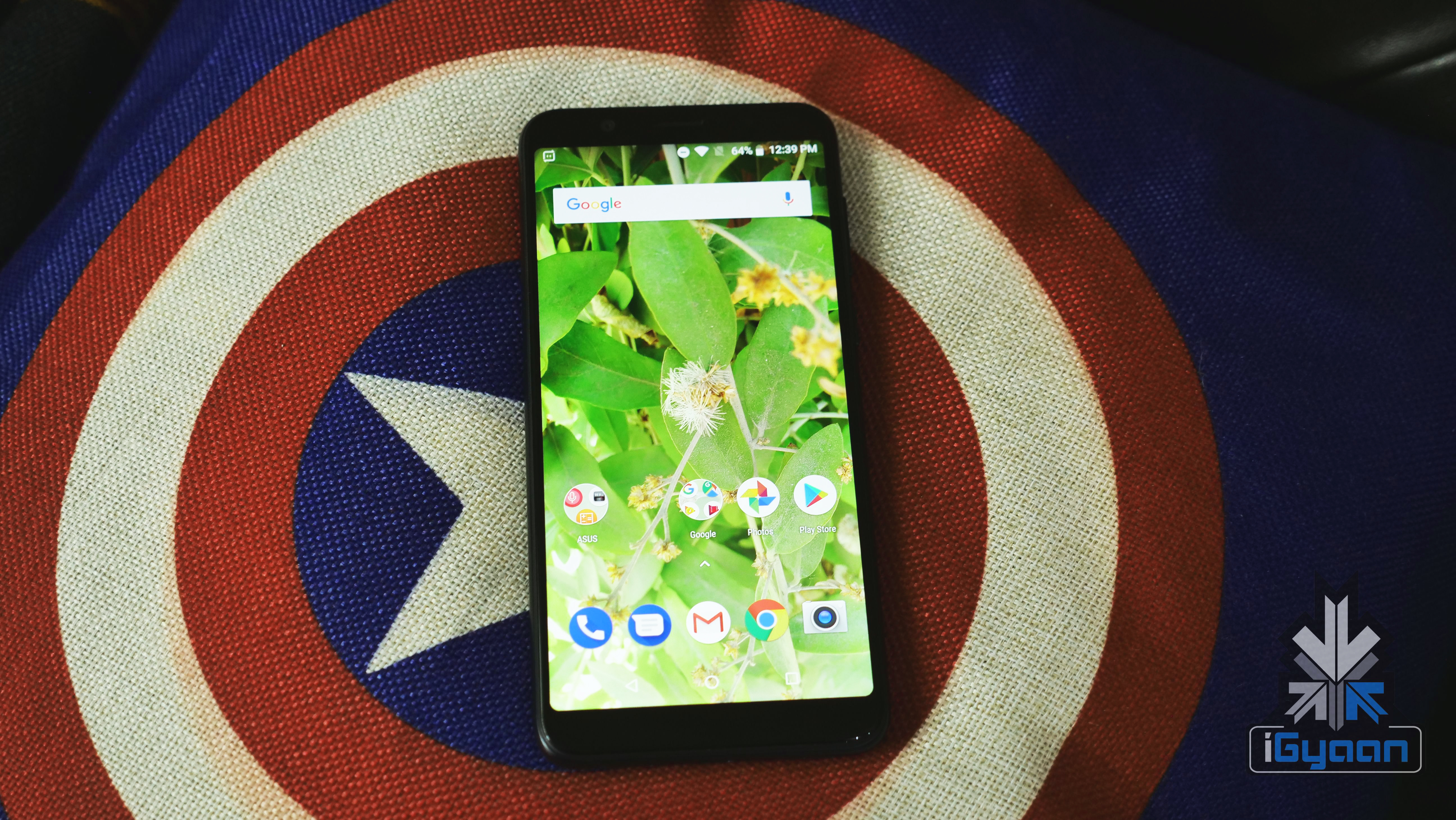
    Asus held a global launch event today in India and launched two new smartphones the Zenfone Max M1 and Zenfone Lite L1. Both the devices have quite similar specifications except for a few changes in the pricier Max M1.

    Specifications:

    The Zenfone Max M1 & Zenfone Lite L1 have a 5.45 inch IPS LCD display with a native resolution of 1440 x 720 px. The phones run on the Snapdragon 430 Octa-core chipset. In terms of storage, the L1 Lite has 2 GB RAM and 16 Gb ROM whereas the Max M1 has 3 GB RAM and 32 GB ROM. Both the devices support expandability up to 256 GB via a microSD card.

    For photography, both smartphones have the same 13 MP, f/2.0 aperture equipped rear camera that can shoot 1080p videos. The phones have a 1.2 um pixel size which the company claims will help in taking better low light photographs. The Zenfone Lite L1 has a 5 MP front facing the camera while the Zenfone Max M1 has an 8 MP front camera. Regardless of the front camera sensor, both devices can shoot 1080p videos and also have a selfie LED flash.

    Talking more about the camera the Asus’s app allows for capturing HDR photos, shooting panoramas, recording time-lapse and taking portrait pictures.

    The Zenfone Lite L1 & Zenfone Max M1 use face recognition technology along with screen lock to securely unlock the device. While the Zenfone Max M1 has an additional fingerprint sensor. In terms of connecitvity, the devices support dual-4G VoLTE, 802.11 Wi-Fi, Bluetooth and Micro-USB for data transfer and charging. Both devices run on Asus’s custom UI which is built on top of Android 8.0 Oreo.

    Another difference between the two handsets is the battery capacity, the Max M1 has a larger 4,000 mAh battery compared to a 3,000 mAh pack on the Lite L1. The devices will be available in two color options  Black and Gold.

    Also read: Huawei Launches Waterproof Watch GT & Band 3 Pro

    Price & Availability:

    Asus is offering additional benefits to Jio customer in the form of a 2,200 Rs cash back which can be redeemed while recharging the phones and 50 GB of extra data. The company has partnered with Flipkart to offer a Complete Mobile Protection Scheme for Rs 99 that covers issues like free broken screen replacement, accidental liquid damage, and the newly added theft protection.

    Both smartphones will be exclusively available on Flipkart and will go on sale during the upcoming Flipkart Festive Dhamaka Days. Both, Zenfone Max M1 & Zenfone Lite L1 will be available at an inaugural discount of 1,500 and 1,000 respectively. After the discount price for the smartphones will be Rs 7,499/- and 5,999/-

  • Asus Launches Android Go Smartphone Zenfone Live L1 With An 18:9 Aspect Ratio

    Asus Launches Android Go Smartphone Zenfone Live L1 With An 18:9 Aspect Ratio

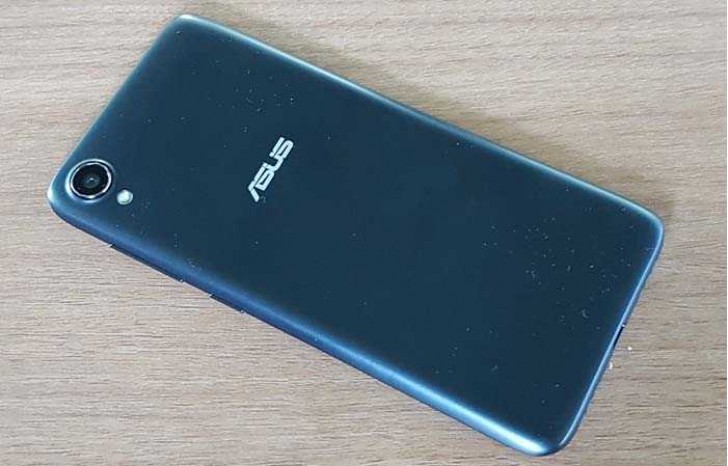
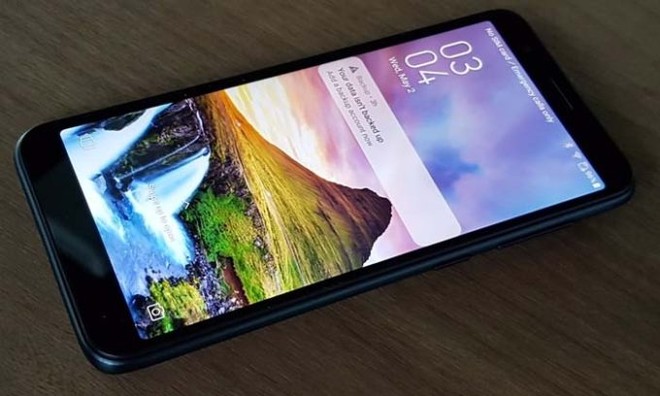
    Asus launched an impressive budget smartphone, the Zenfone Max Pro in India in April. The company is also expected to launch the Asus Zenfone 5Z which it unveiled at MWC 2018. However, before a flagship smartphone launch, the company has unveiled its first-ever Android Go smartphone, the Zenfone Live L1. Asus has launched the new smartphone in Indonesia for a price of around IDR 1.5 million (Rs 7200 approx.).


    The Asus Zenfone Live L1 is an entry-level Android Go device that has a 5.45 inch display with a 1440 x 720 px resolution.

    Under the hood, the smartphone runs on the Qualcomm Snapdragon 425 chipset paired with 1GB of RAM and 16GB onboard storage. The onboard storage can be expanded using a microSD card slot. The smartphone runs on Android 8.1 Oreo (Go Edition) out of the box. Asus has also launched a 2GB RAM variant of the smartphone which runs Android 8 Oreo with ZenUI 5.0 on top.

    Powering the smartphone is a 3000 mAh battery which charges via a micro USB port. To the back of the smartphone is a 13MP camera with an LED flash while the front of the device houses a 5MP camera.

    Must Read: OnePlus 6: Everything We Know So Far

    About Android Go

    At the Google I/O event in May 2017, Google promised to launch a custom version of Android tailor-made for lower-end devices. On the 5th of December, Android Go (Oreo edition) was officially launched and made available to smartphone manufacturers and developers.

    The idea behind Android Go is for Google to create a version of Android OS which is designed to run better on phones with either 512MB or 1GB of RAM. In the world of OnePlus 5T with its 8GB of RAM or Galaxy Note8’s 6GB RAM, it is easy to forget that there are lower-end smartphones currently available in the market which have 1GB of RAM or less.

    Must Read: Asus Zenfone Max Pro Receives Face Unlock Feature Via New Software Update

    Google has claimed that Android Go’s Oreo edition will be a variant of Android Oreo that a manufacturer can just set by ticking off a configuration flag. What this basically does is that it sets up the phone to use the “Go” versions of a handful of Google apps such as the main Google app, Google Assistant, Google Maps, Gmail, and others. Google claims that the smaller apps and slimmer OS can as much as halve the amount of storage that’s taken up by default on a new phone running default OS.

    For an entry-level Android Go device, the Zenfone Live L1 has impressive specifications, especially when compared to the likes of the Nokia 1, another Android Go device. However, the Zenfone Live doe snot have a fingerprint sensor which is a norm for a 2018 a smartphone. There are no details about the smartphone’s launch in India as of now.

  • Asus Zenfone Max Pro To Launch India On 23rd April : Flipkart Exclusive

    Asus Zenfone Max Pro To Launch India On 23rd April : Flipkart Exclusive

    Asus has announced its partnership with Flipkart today (17th April) for the launch its new smartphone, the Zenfone Max Pro in India on the 23rd of April. No details for Zenfone Max Pro were discussed at the press conference as the company would want to keep all of it under wraps until the launch event.

    Flipkart aims to leverage its data-driven research with Asus’ technological advancements to create India-centric smartphones. Flipkart has also revealed that one in every four smartphones sold in India across retail channels were via Flipkart. The e-commerce giant also took the opportunity to announce its ’40 by 20′ plan. According to the plan, the company wants to acquire 40% smartphone market share by the year 2020.

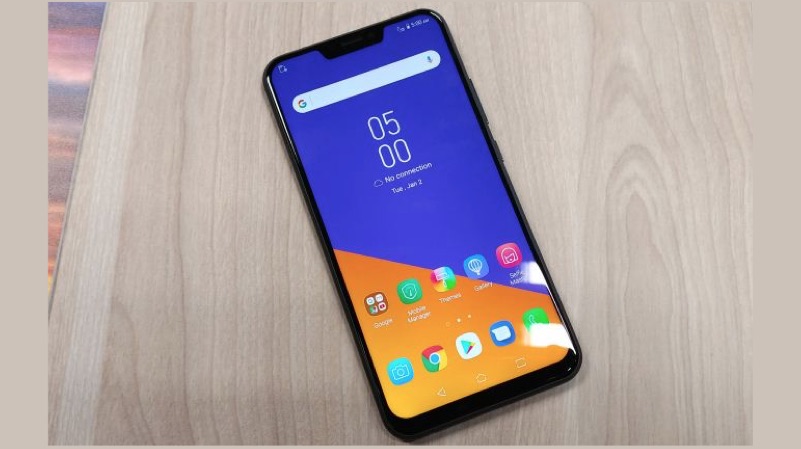
    Asus Zenfone 5Z

    As of now, we do not have a lot of details about the Asus Zenfone Max Pro. We do know that the Zenfone Max Pro will be an India-first smartphone from Asus. Jerry Shen, CEO of Asus said:

    With Flipkart’s partnership, we aim to gain more insights about Indian consumers’ needs which can help us develop even more suitable products for the Indian market. We strongly believe this collaboration will provide both companies better opportunity to provide delightful propositions to Indian consumers.

    The Zenfone Max Pro will be a budget smartphone and go up against the likes of Redmi Note 5 Pro and Honor 7X. We expect the Zenfone Max Pro to have a modern design and a competitive price. Should Asus go for an 18:9 aspect ratio, the Zenfone Max Pro could have a 6 inch display with a 2160 x 1080 px resolution. Most budget smartphones like the Mi A1 or Honor 7X have an IPS LCD display and we expect something similar from the Zenfone Max Pro.

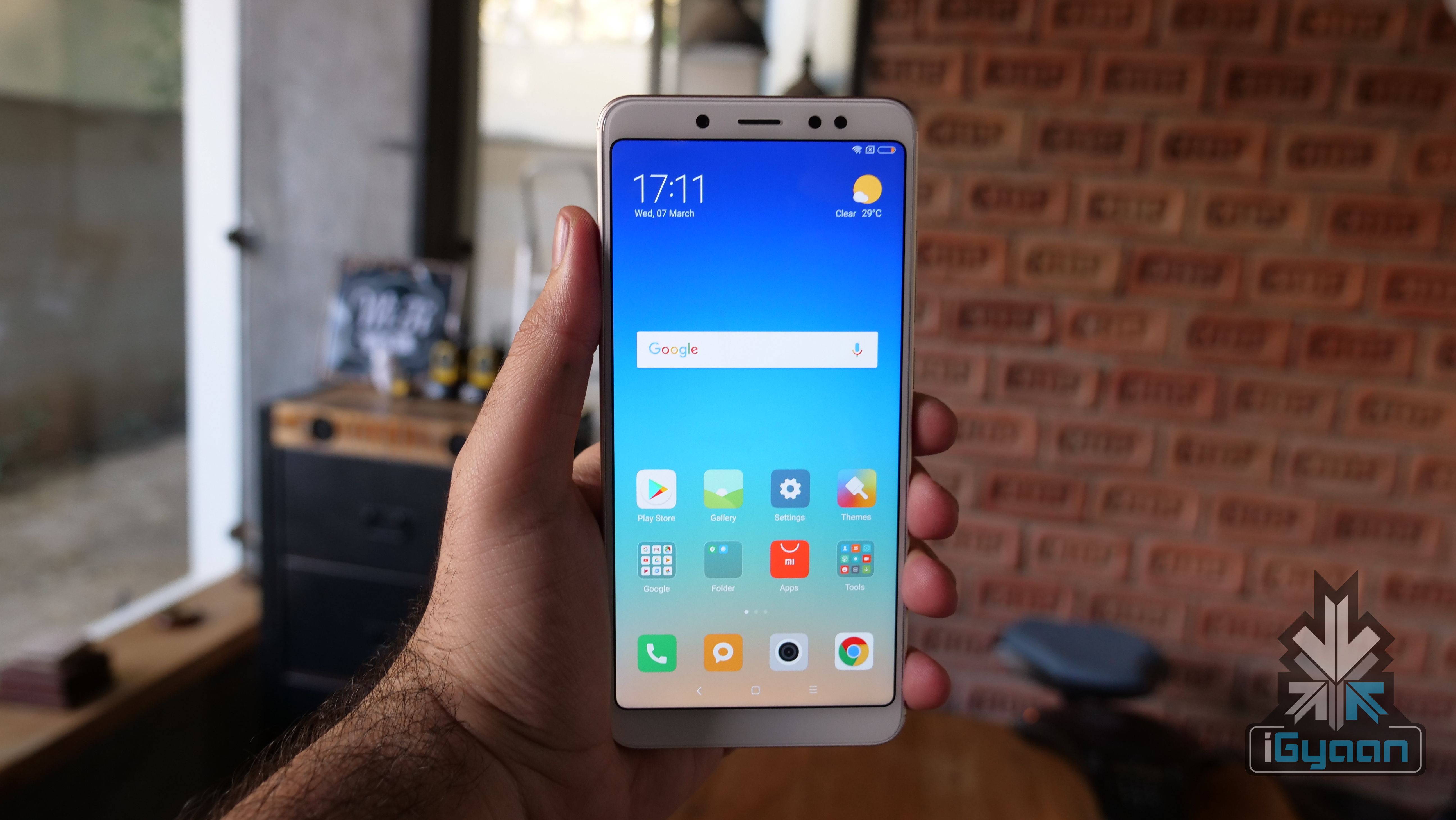
    Redmi Note 5 Pro

    In terms of specifications, Flipkart listing has confirmed that the Zenfone Max Pro will run on the Snapdragon 636 chipset. This makes it the direct competitor to the Xiaomi Redmi Note 5 Pro which also runs on the Snapdragon 636 chipset. This chipset could be coupled with up to 6GB of RAM and 64GB onboard storage. Dual-camera setup on the back has gone from being a flagship feature to the new normal for budget smartphones. Hence, we expect the Zenfone Max Pro to sport a dual-camera setup on the back

    The launch is scheduled for 23rd April where all the specifications and pricing of the smartphone will be revealed. It will be interesting to see how Asus prices the Zenfone Max Pro considering how famous the Redmi Note 5 Pro currently is.

  • Asus Zenfones to Get Android 6.0 Marshmallow Update in March

    Asus Zenfones to Get Android 6.0 Marshmallow Update in March

    Asus has announced that it will roll out Android 6.0 update to a host of devices that in March 2016.The Taiwanese smartphone maker which is infamous for rolling out updates slower than most other manufacturers has revealed that it will be rolling out the latest offering from the kitchen of Android to a range of its ZenFone handsets. If your smartphone is not among those announced by Asus, chances are your device is not getting updated, so hard luck.

    The following ASUS smartphone models will receive the Android M (6.0) upgrade in March of 2016:

    ·         ZenFone 2 (ZE550ML, ZE551ML)
    ·         ZenFone 2 Deluxe (ZE551ML)
    ·         ZenFone 2 Laser ( ZE500KL, ZE550KL, ZE601KL)
    ·         ZenFone Selfie (ZD551KL)
    ·         ZenFone Max (ZC550KL)
    ·         ZenFone Zoom (ZX551ML)

  • Asus Launches the Zenfone Selfie with a 13MP Front Camera in India

    Asus Launches the Zenfone Selfie with a 13MP Front Camera in India

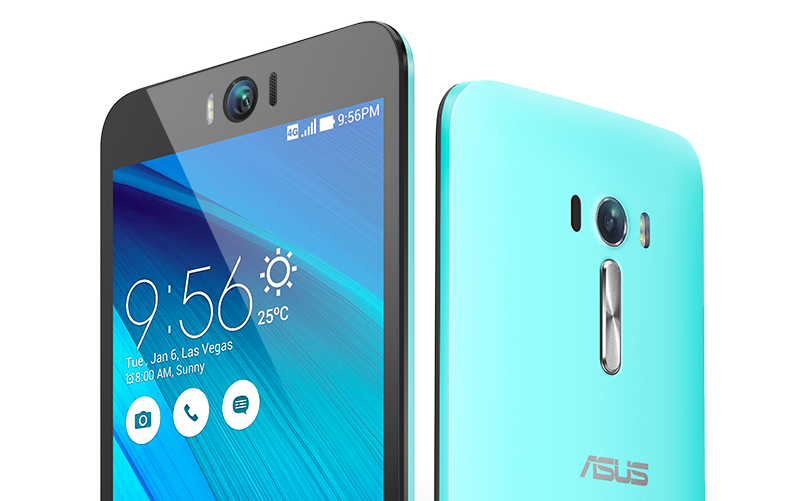
    At the ongoing Zen Fest held in New Delhi, Asus has launched three new smartphones. One of them is the Asus Zenfone Selfie which, as name suggests, is aimed at selfie enthusiasts. With a 13MP front camera, it can click sharp self portrait images. The hi-res front camera is paired with a 13MP back camera as well; both come with Dual-LED flash. The device has been priced starting at Rs. 15,999.

    Camera specifications aside, the smartphone sports a 5.5-inch full-HD (1920x1080p) IPS LCD display, protected by Gorilla Glass 4. Snapdragon 615 octa-core 64-bit processor paired with Adreno 405 GPU is equipped to the Asus Selfie. It comes with 2GB RAM for the 16GB variant and the 3GB RAM for the 32GB variant. The two handsets run on Android 5.0 Lollipop OS with custom ZenUI on top. The two variants come with expandable memory and are fuelled by a 3,000mAh battery.

    Some of the other smartphones which for selfie lovers include Sony Xperia C4, Micromax Canvas Selfie, HTC Desire Eye and the recently launched Xperia M5.

    The smartphone is 4G-enabled and comes with dual SIM capabilities.

    Here are the full specifications of the Asus Zenfone Selfie

    Specification Asus Zenfone Selfie
    Display 5.5-inch display
    Resolution 1080 x 1920 p
    Chipset Snapdragon 615 octa-core 64-bit
    RAM 2GB/3GB
    Storage 16GB/32GB
    Rear Camera 13 MP
    Front Camera 13 MP
    Battery  3,000 mAh
    Operating System Android Lollipop with ZenUI
    Miscellaneous Infrared sensor for remote control
    Starting Price  Rs. 15,999
iGyaan Network
Privacy Overview

This website uses cookies so that we can provide you with the best user experience possible. Cookie information is stored in your browser and performs functions such as recognising you when you return to our website and helping our team to understand which sections of the website you find most interesting and useful.