Language purists are not going to be happy with this latest linguistic development. In a first of its kind incident, the word of the year chosen by Oxford English Dictionary is not even a word to begin with, it’s an emoji. Oxford Dictionary’s lexicographers study linguistic trends every year and announce a word annually. In the past words like ‘GIF’ (2012), ‘selfie’ (2013) and ‘vape’ (2014) have made it to the list.
The close contenders this year were ‘dark web’, ‘refugee’, ‘they’ and ‘lumbersexual’, among others. However, needless to say, the emoticon won hands down.
“You can see how traditional alphabet scripts have been struggling to meet the rapid-fire, visually focused demands of 21st century communication. It’s not surprising that a pictographic script like emoji has stepped in to fill those gaps,” says Oxford Dictionaries’ president Casper Grathwohl.
The emoticon is a smiley face weeping tears of laughter and is officially called “Face with Tears of Joy”. The emoji is also a replacement for ‘LOL’ in virtual lingo. It is believed to reflect the “ethos, mood or preoccupations” of the times.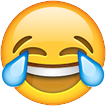
The usage of emojis started as early as 2003 but the past couple of months has seen a surprisingly increased use of the little pictographs to convey emotions in an otherwise dull and emotionless mode of communication, even leading to the recent addition of an emoji keyboard in the tech world.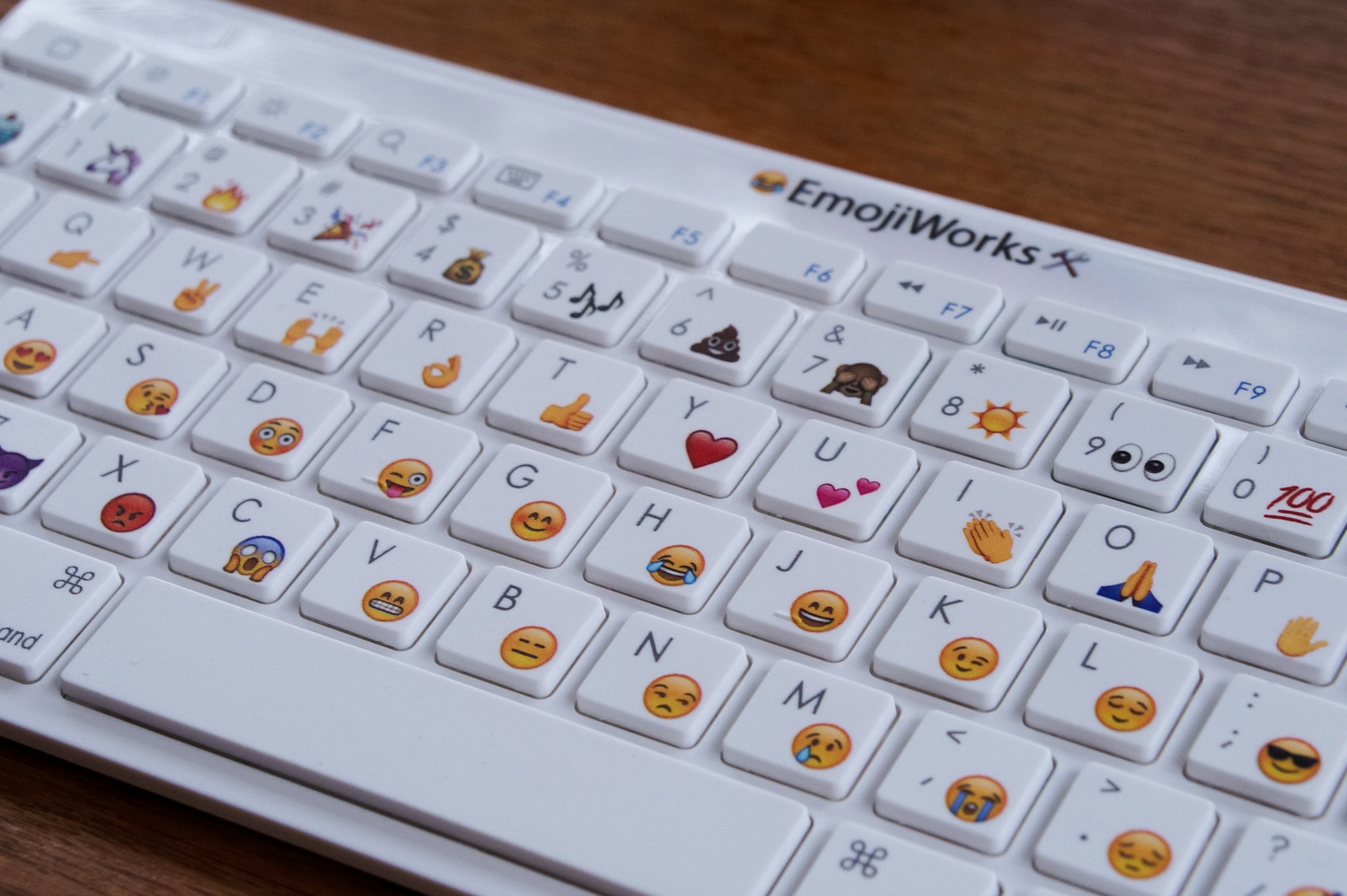
The emoji announced by OED was chosen in conjunction with technology firm SwiftKey. It was the research of this firm which affirmed that the emoji was the most-used around the world in the last year. If you were to choose a word for 2015, what would it be?
Leave a Reply