
It was a highly anticipated unveiling and one that would set the precedence for all the smartphone makers across the market. Vivo, one of the top five smartphone manufacturers in the world became the first company to unveil a phone with an in-display fingerprint sensor. Not a prototype or a concept, a consumer-ready device with a fingerprint sensor placed inside the display.
Now, the company has made the device official in China as the Vivo X20 Plus UD. UD, presumably, stands for “under display.” While there is no word on the smartphone’s availability or price yet, it is expected to be priced at around CNY 3998, which is Rs. 39000 approximately. The smartphone will be officially launched on the 24th of January.
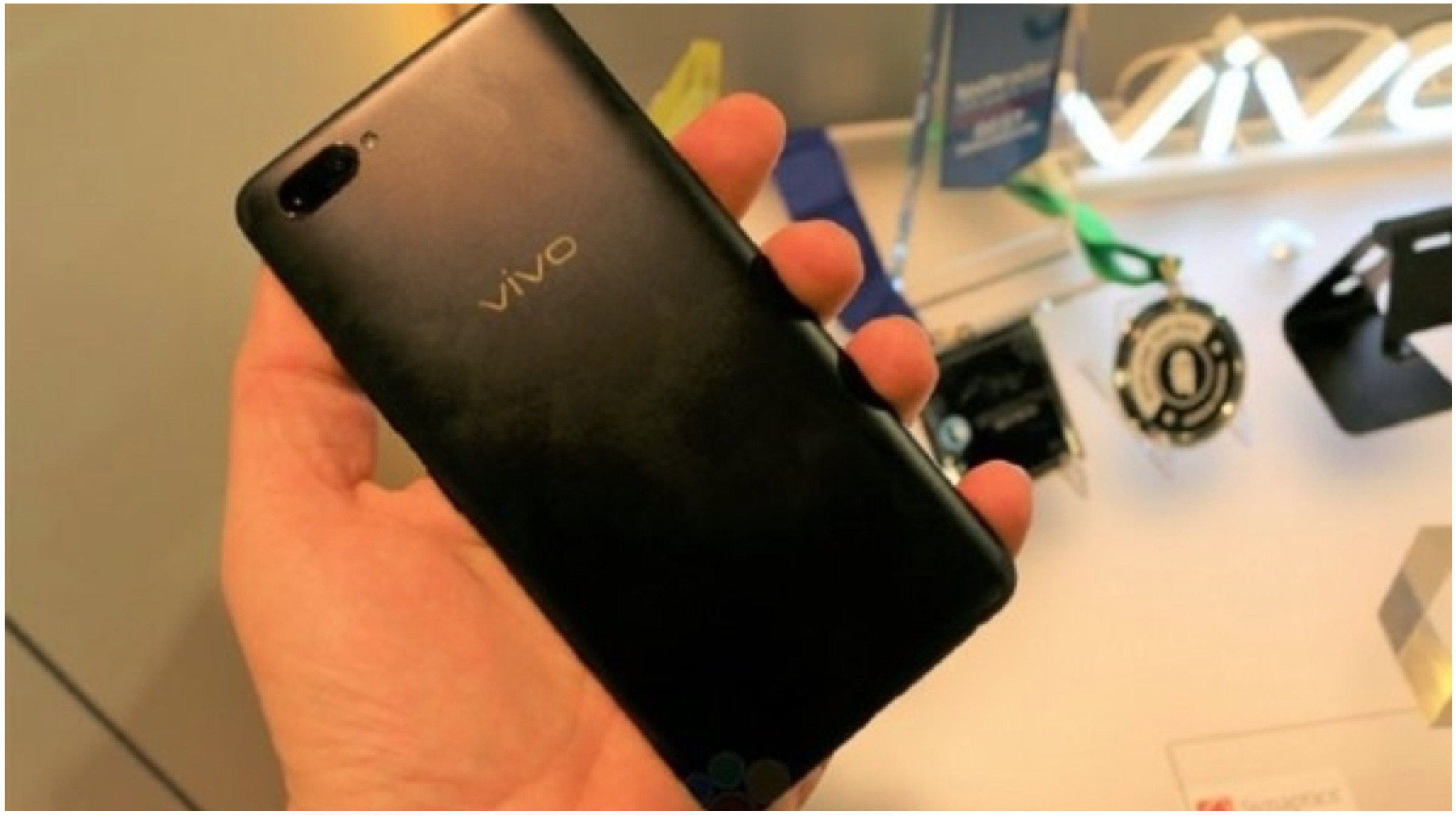
The Vivo X20 Plus UD is basically the Vivo X20 Plus, with a fingerprint sensor placed inside the display instead. It has a 6.43 inch Super AMOLED display with a 2160 x 1080 px resolution which translates to an 18:9 aspect ratio.
Under the hood, the smartphone is powered by the Qualcomm Snapdragon 660 chipset, has 4GB of RAM and 128GB of onboard storage which is further expandable up to 256GB via a microSD card. It is powered by a 3930 mAh battery which charges via a USB C port.
To the back, it has a dual-camera setup consisting of a 24MP sensor with an f/1.8 aperture and OIS along with a 5MP sensor. To the front of the phone is a 12MP sensor with soft LED flash and an f/2.0 aperture.
The technology found in the new smartphone is known as Clear ID and lets users OEMs embed a fingerprint sensor under the display. Synaptics has claimed that it has a failure rate of 1 in 50,000 which, for a first gen product, is admirable. Early reviews of the device are in and mostly paint a positive picture. People are praising the accuracy of the sensor while it is slower than other fingerprint sensors found on devices like the OnePlus 5T, it is hard to complain when the process feels so futuristic.
The in-display fingerprint sensor sits between the mainboard and the OLED panel where it illuminates the finger and then processes the beams of light. Hence, this technology will not work on LCD panels as the sensor looks through the dots of an OLED panel, and then recognises the fingerprint.
Leave a Reply