














What Is Wi-Fi 6; Understanding Different Wi-Fi Standards

In today’s day and age of connectivity, one of the most common ways people connect to the internet is through Wi-Fi. The latest generation of this technology, Wi-Fi 6 has been freshly introduced. But what does Wi-Fi, a technology most people use to connect to the internet mean, and what changes does the new generation of Wi-Fi bring? Here is a brief history of Wi-Fi standards across generations and what improvements Wi-Fi 6 has to offer.
Wi-Fi Standards: A History
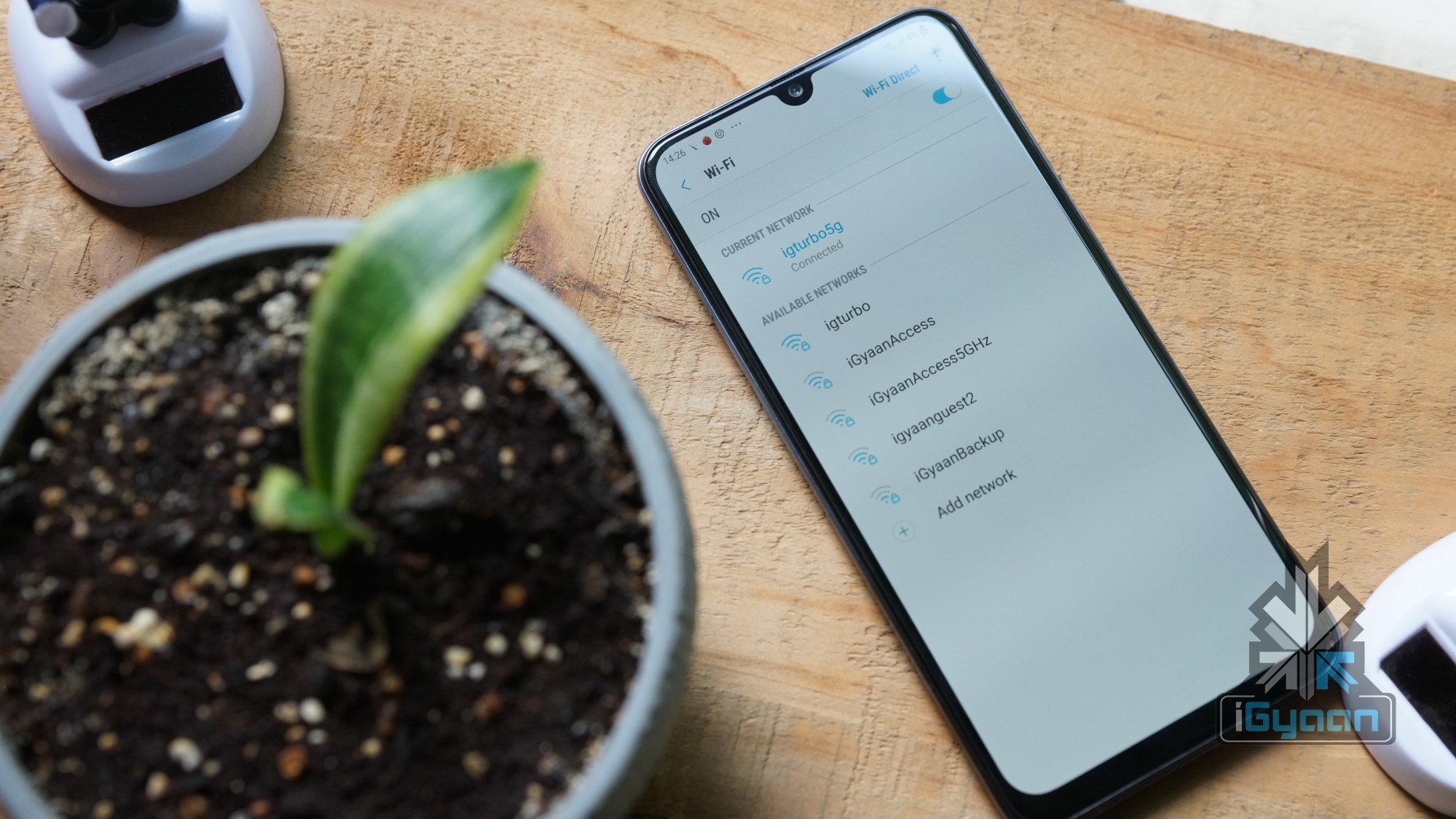
To understand what the different standards of Wi-Fi, first an understanding of what Wi-FI means is required. It is a popular wireless networking technology that uses radio waves to provide a high-speed network connection. The Wi-Fi Alliance is an organization which owns the trademark for the name and defines it as “wireless local area network products that are based on the Institute of Electrical & Electronics Engineers’ (IEEE) 802.11 standards. The number is a common sight in different generations of Wi-Fi, the original standard for which was released in 1997. Here is what changed in the different generations of Wi-Fi:
| Wi-Fi Generation: |
Wi-Fi 1 (802.11a) |
Wi-Fi 2 (802.11b) |
Wi-Fi 3 (802.11g) |
Wi-Fi 4 (802.11n) |
Wi-Fi 5 (802.11ac) | Wi-Fi 6 (802.11ax) |
| Released: | 1999 | 1999 | 2003 | 2009 | 2014 | 2019 |
| Maximum Speed: | 54 Mbit/s | 11 Mbit/s | 54 Mbit/s | 150 Mbit/s | 800 Mbit/s | 1,300Mbit/s |
| Frequency: | 5.8 GHz | 2.4 GHz | 2.4 GHz | 2.4 & 5 GHz | 5 GHz | 2.4 & 5 GHz |
Wi-Fi 6: What’s New?
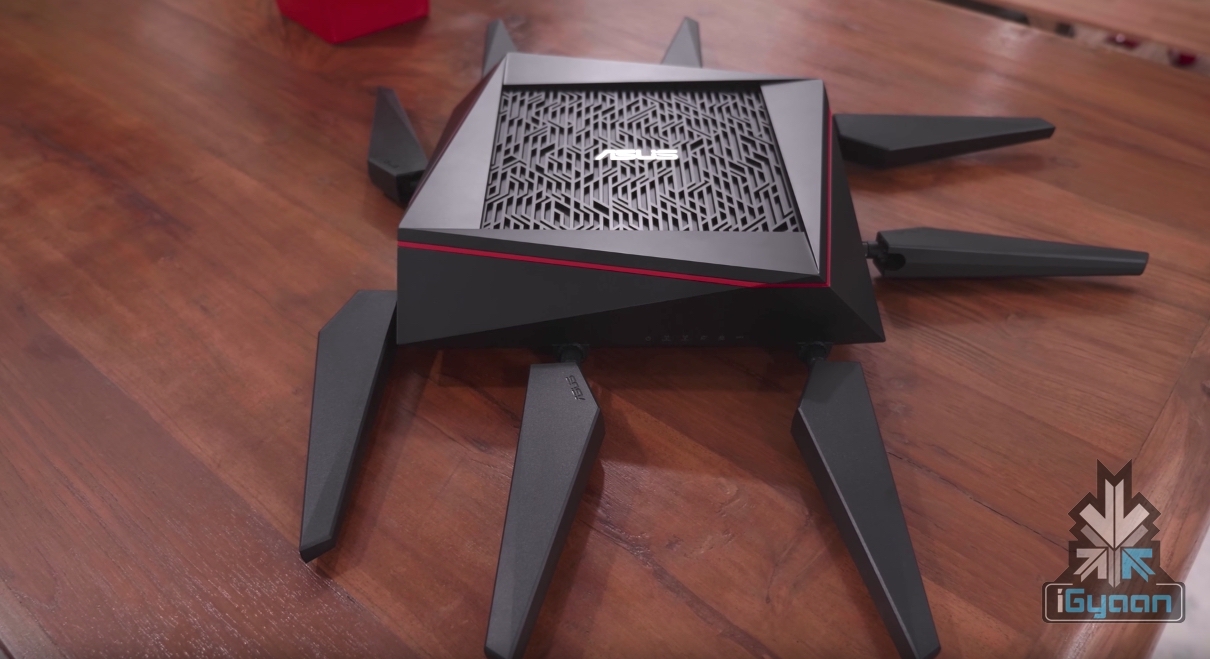
Like any new technology, the next generation of Wi-Fi standard offers significant improvements over its predecessor. Some of them are mentioned below:
- Faster Speeds
As is the case with every generation, the new Wi-Fi 6 is all set to provide faster speeds on compatible devices. On a router connected to a single device, the maximum speed is up to 1,300Mbit/s.
- Better Battery Life
With a new feature called Target Wake Time (TWT), the new generation can make use of the access point to tell a device like a smartphone to put the Wi-Fi radio to sleep and to activate it whenever required. This would help conserve battery life in the long run.
- Performance In Congested Areas
The new standard has been designed to work better in congested areas, like an airport or a station. This is due to a technology called “spatial frequency re-use.”
Also read: Intel And Qualcomm Will Offer 5G Modems For Computers
However, to use the newest Wi-Fi 6, the user will need to have a router and a device supporting the technology. Considering the technology is fairly new, it will be a while before the industry adopts it as the standard for wireless connectivity.