Author: Anand Kapre

  • Record Breaking Robot Still Slower Than a Human

    Record Breaking Robot Still Slower Than a Human

    A rubik’s cube solving robot from Swinburne University in Australia has shattered the world speed record by spinning the cube to show all solid colors in a mere 10.18 seconds. The thing is so fast, that it looks like they housed it inside a protective box just in case the cube flew into several pieces.

    Despite all that speed, the robot doesn’t come close to 15 year old Australian Feliks Zemdegs, who recently broke his own human record with a 6.24 second solve.

  • Starcraft 2 Heart of the Swarm Trailer Leaked

    Starcraft 2 Heart of the Swarm Trailer Leaked

    A year after the EPIC sequel to one of Blizzard Entertainment’s most successful games, Starcraft was launched,  a cinematic trailer to the second part of the Starcraft 2 Trilogy has been released. Watch the video and drool… :-P

  • Apple Releases Update to Detect and Delete MacDefender ‘Scareware’: UPDATE

    Apple Releases Update to Detect and Delete MacDefender ‘Scareware’: UPDATE


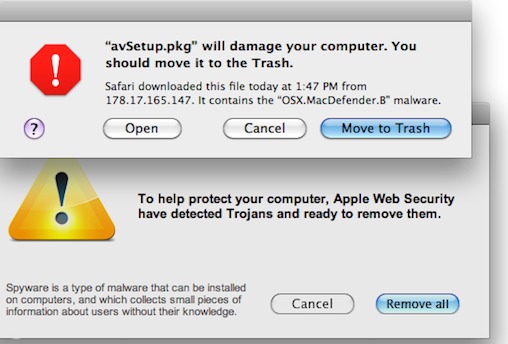
    Yesterday, Apple released an update for Snow Leopard  to detect and warn useres if they have installed a fake Mac security software called MacDefender. The term ‘Scareware’ basically means that the software will plague users with popups and alerts warning them that their computer is infested with trojans, worms and other malware. To get rid of these popups users have to fork over $60 to $80 to purchase the registered version of the useless software.

    The update, labelled 2011-003, adds a new definition to the rudimentary virus detection engine embedded in Snow Leopard, and also increases the requency with which it checks for definition updates to daily. This brings the total tally of antivirus definitions on the Mac AV engine to 6.

    This update was only offered to users running OS X 10.6 aka Snow Leopard. Macs powered by the older 10.5 Leopard OS will not recieve the same anti-MacDefender protection. Users can download the update from the apple website or update their system using the regular ‘Software Update’.


    UPDATE:

    The people responsible for the fake Mac security software has already updated their “scareware” to evade defenses Apple put in place late Tuesday, a French security company Intego confirmed today. “Apple’s [antivirus] did not detect the new sample,” said Peter James, a spokesman for Intego. According to James, the new malware file is identified as “mdinstall.pkg” and if installed, plants the phony MacDefender software on the victim’s Mac.

    Intego confirmed  that the scammers had created a new version that wasn’t detected by Apple’s new defenses. “This isn’t surprising, that there’s a new variant out almost as soon as Apple released its security update Tuesday,” said James. “[The attackers] are following the news, they’re efficient.”


  • The Nextep Computer: Sony Concept

    The Nextep Computer: Sony Concept


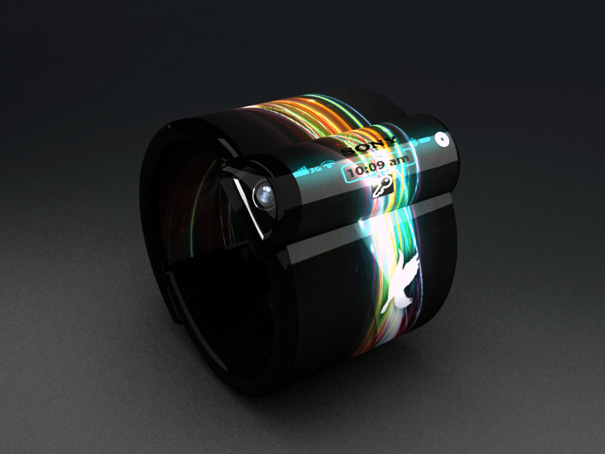
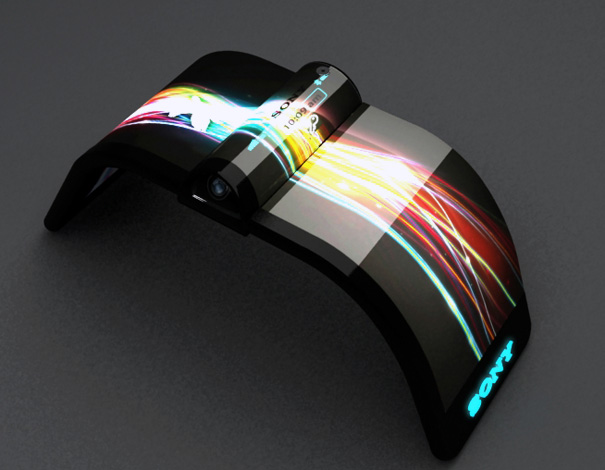
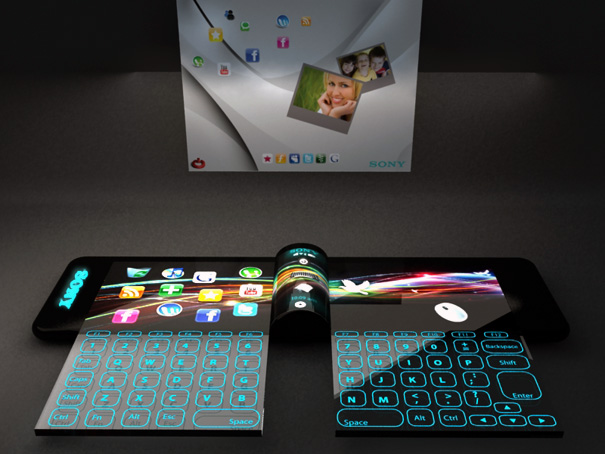
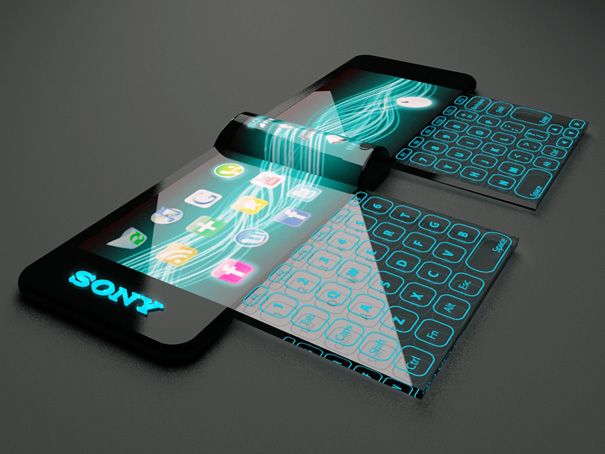
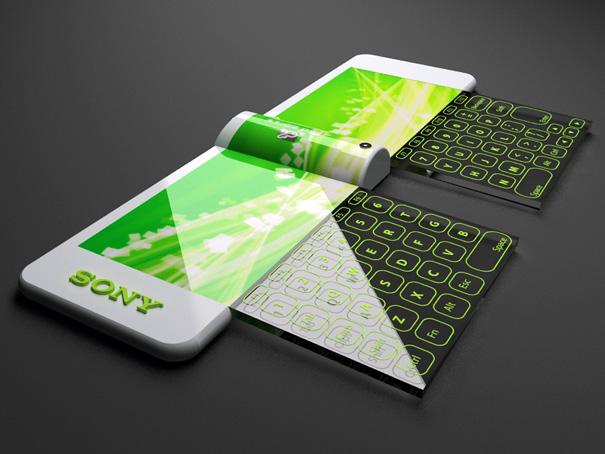
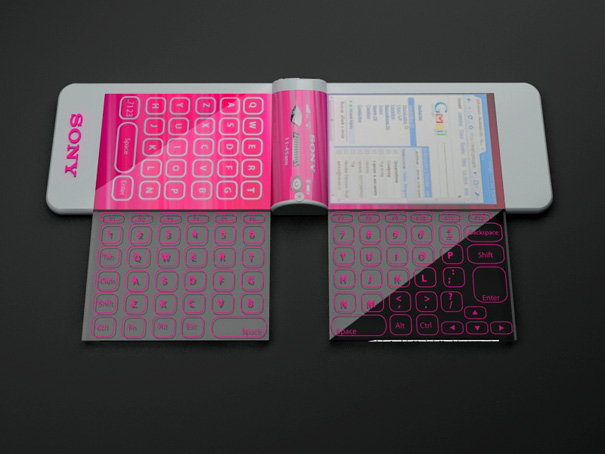
    Our present need for internet connectivity is so profound that secondary devices like the Nextep Computer are bound to happen. Developed to be worn as a bracelet, this computer concept is constructed out of a flexible OLED touchscreen. Earmarked for the year 2020, features like a holographic projector (for screen), pull-out extra keyboard panels and social networking compatibility, make the concept plausible. Nine years from now is not too far away, so how many of you think we’d be buying such gadgets?


  • Flywheel Batteries to replace Chemical Ones

    Flywheel Batteries to replace Chemical Ones


    A flywheel battery is a system that stores electricity in the form of kinetic energy, in a mechanism that has a wheel that spins at tens of thousands of RPM. The batteries are made of carbon fiber and levitated in a vacuum using magnetic bearings. Carbon fibre is perfect for this application as it’s very strong and lightweight; it doesn’t take a lot of energy to keep it spinning.

    Flywheels are better than batteries in many applications. They can absorb and release power very very quickly, they don’t need much in the way of maintenance, and, most importantly, the amount of storage that they provide doesn’t degrade over time like chemical batteries do. They tend to be bulky, and the gyroscopic effect of a big spinning thingy means that they can be tricky to integrate into anything that moves, but for stationary power storage applications, flywheels could be the way to go for the future.

    It’s pretty easy to understand the basic method of operation of a flywheel. It’s really just a big wheel hooked up to a generator, and you can either put electricity into the generator to speed up the wheel and store energy, or you can suck electricity out of the generator by slowing the wheel down, just like the regenerative braking system in a hybrid car. The system isn’t perfect, and it does cost you something to keep the wheel spinning, but thanks to magnetic levitation and a sealed vacuum, modern flywheel batteries can be up to 97% efficient.

  • Google Stops Gmail Phishing Scheme from China

    Google Stops Gmail Phishing Scheme from China

    Google today said that it’s “detected and disrupted” a plan to gain access to hundreds of Gmail accounts through phishing attacks. The attacks originated in Jinan, China and targeted Government Officials from the US and several Asian countries. The attacks also included individuals from the press, military as well as political activists.

    “The goal of this effort seems to have been to monitor the contents of these users’ e-mails, with the perpetrators apparently using stolen passwords to change peoples’ forwarding and delegation settings,” wrote Eric Grosse the engineering director for Google’s security team in a post announcing the crackdown. He also said that “It’s important to stress that our internal systems have not been affected–these account hijackings were not the result of a security problem with Gmail itself. But we believe that being open about these security issues helps users better protect their information online.”
    Google has notified the people whose accounts are affected and has also secured the accounts. The company is prevailing on users to come up with more complex passwords and only going through the company’s secured “https://www.google.com” domain when logging on from a Web browser.
  • Wow Keys: The iPhone Keyboard Dock

    Wow Keys: The iPhone Keyboard Dock


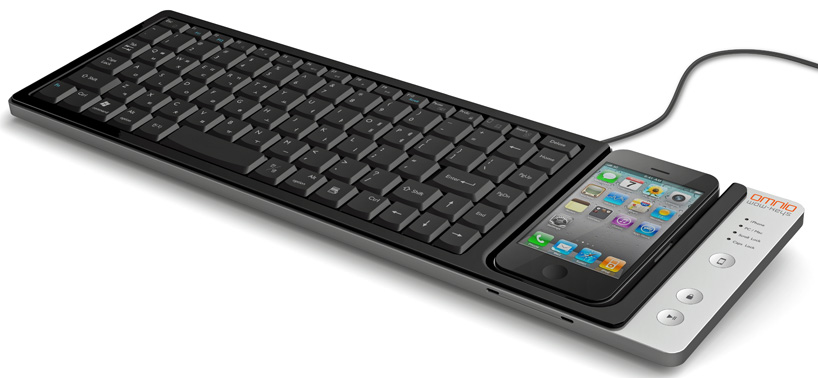
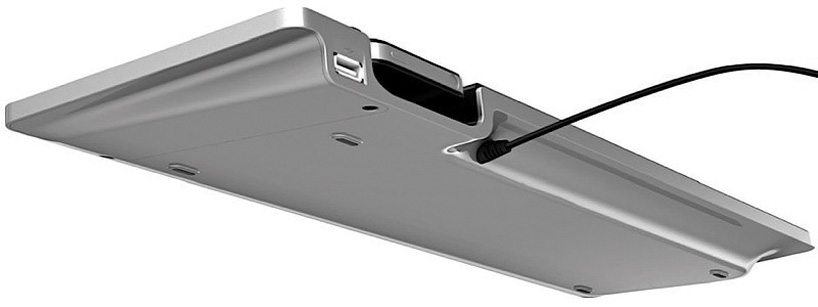
    Korean manufacturer Omnio has come out with a few prototypes of its ‘WOW Keys’ USB keyboard last year and is all set to enter the keyboard industry with its finished product this year. Measuring 16 x 4.7 x 1 -inches and weighing 1.4 pounds, the full-size QWERTY keyboard is compatible with both windows and mac operating systems, permitting the docking of iPhones and iPods.

    In addition to charging and syncing when connected to the keyboard, the handheld devices can be used for touchscreen control of the PC, including as a numberpad when loaded with a special app. Two-way functionality means that with the press of a button, ‘wow-keys’ can switch from ‘PC mode’, which uses the phone or iPod as touchscreen input to the PC, to ‘iPhone mode’ instead, which permits easy file transfer and utilizes the keyboard for text entry directly into the handheld device. In ‘iPhone mode’, twelve keyboard hotkeys provide shortcut functionality to the docked device, such as ‘search’, ‘home’, ‘play/pause’, and ‘display on/off’.


  • The LEGO Printer

    When we were kids, we used to have a great time playing with LEGO. Since that time, many things have changed including the addition of a robotics kit for LEGO. But the one thing that will never change is that you’ll always be looking for that 1 piece that you saw 5 minutes ago.

    We were quite proud of the cars and houses we made but this guy has taken things to a whole new level. Meet the LEGO printer. The entire thing has been designed, and built from scratch including analog motor electronics, sensors and printer driver and the USB interface which uses a “wiring” board. It does not use Mindstorms. Hats off to you sir…

  • Cubelets – Robots made Easy

    Cubelets – Robots made Easy

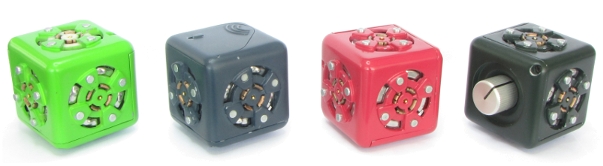
    A cool new toy that we’ve discovered for the hobbyist and robot aficionado, Cubelets from Modular Robotics. For a price of 300 USD you get 20 cubelets, which you can basically snap together in various configurations to make your robot do almost anything. The modular nature of these devices makes it very easy to make new creations. Watch the video for more info.

  • Tata Pixel – The Nano’s High-Tech Cousin

    Tata Pixel – The Nano’s High-Tech Cousin

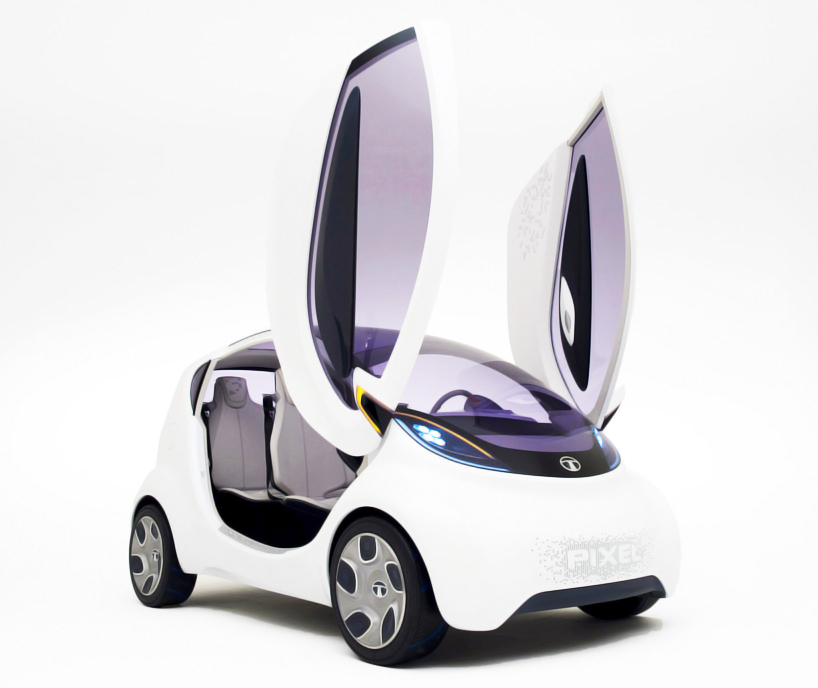
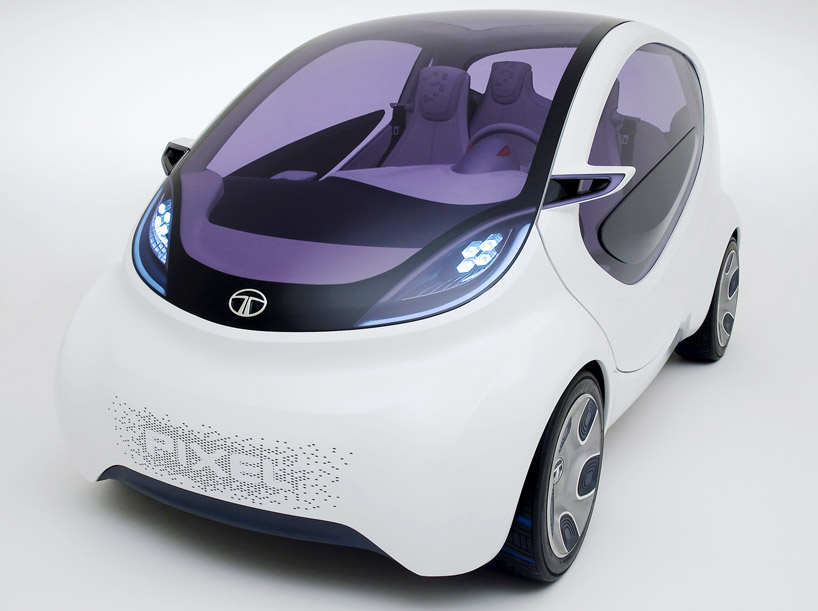
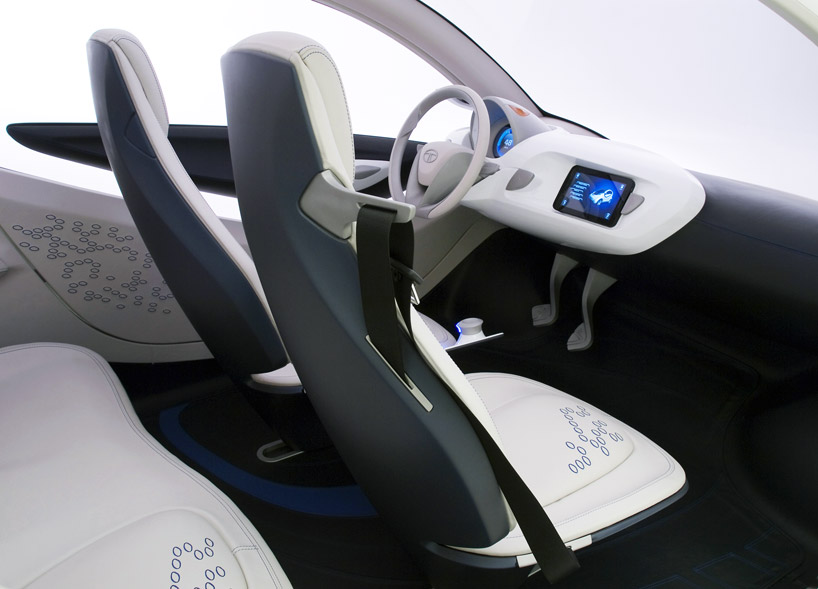
    Everyone must remember the Tata Nano. Well, they’ve come out with a similar high-tech varient for the european market. It boasts high fuel efficiency, ‘zero turn’ technology for minimal turning radius, built-in integration with tablets and smartphones, and an innovative door design. Measuring three meters (9.8 feet) long, the highly efficient ‘pixel’ combines a 1.2L three-cylinder turbocharged diesel engine with stop-start technology and an aerodynamic design to offer a combined cycle fuel economy of 3.4 L/100 km (69mpg), and producing carbon emissions limited to 89 g/km (0.3 lb/mi). ‘Zero turn’ technology makes use of the vehicle’s toroidal infinitely variable transmission to rotate the outer rear wheel forwards and the inner rear wheel backwards as the front wheels turn, producing a turning circle radius of 2.6 meters (8.5 feet).

    We’ll let you decide if they should have launced this in India…

  • Gmail Offline Shifting from Gears to HTML5

    Gmail Offline Shifting from Gears to HTML5


    Google announced this week, that it would begin upgrading offline access to Gmail from Gears, its now obsolete plugin, to HTML5. On Tuesday, Gmail dropped offline support for Chrome, Internet Explorer 9 (IE9), Firefox 4, Safari and Opera. Until Google restores offline support to Gmail with HTML5 this summer, Google recommended that users switch to IE8 or Firefox 3.6. This announcement leaves us to wonder why other browsers but Google’s own Chrome have access to offline Gmail? Not a good strategy according to us.

  • ClearXchange – Paypal’s new Competition

    Three top banks in the US are collaborating to create a service that will allow users to login to an online bank account and transfer money to another person simply by entering their name and mobile number. The service will be rolled out by Bank of America, JPMorgan Chase and Wells Fargo, which formed a new venture called ClearXchange to create the product.

    The service, said to be the first bank-owned offering of its kind, was made available to partner businesses yesterday. The banks did not mention when the service will be made available to the general public. Bank customers will be able to move funds directly from their existing accounts by using an email address or mobile phone number. The service will eventually be rolled out all over the US, and there are plans to expand it over time to include other countries as well. No news on when this would be available to us in India.

  • Say Goodbye to Paper. Welcome the NoteSlate

    Say Goodbye to Paper. Welcome the NoteSlate


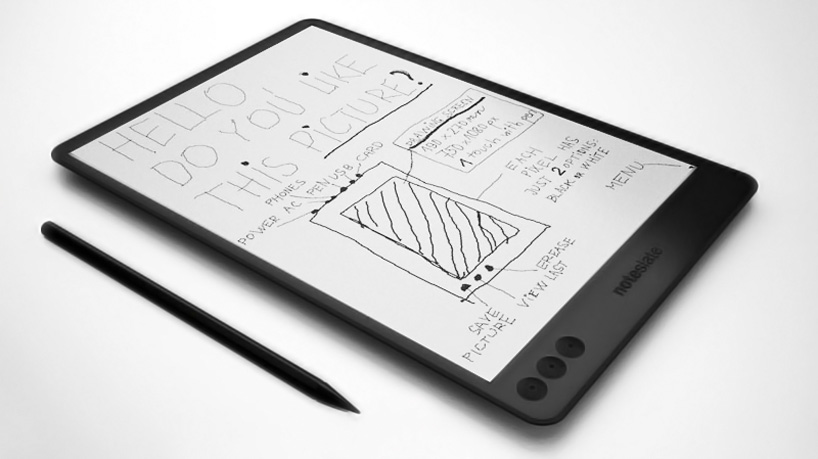
    The NoteSlate was designed as an alternative to paper. This limited function tablet is currently in the concept stages but its designers claim a projected release date of June 2011. With a 13″ matte finish screen, the NoteSlate is the size of a regular A4 sheet of paper which reads and writes files in the .pdf format. All models except one are 1-bit colour, offering the choice of black on a white screen, or white, red, blue, or green on a black screen; the additional version features all four colours on black.


    The user interface consists of three buttons: ‘save current screen’, ‘delete current screen’, and ‘view previous screen’. Basic hardware input (USB, headphones, and SD card) are located at the top of the device, along with a magnetic holder for the electronic pen with eraser. Streamlined for simplicity, the only additional features of ‘noteslate’ are optional wifi (without browsing capabilities) and mp3 playback. Its low-tech nature allows a single battery charge to provide 180 hours of use.


    Such a device would be perfect for schools and colleges across the world as it would make it easy to write and share notes as well as reducing our carbon footprint.


  • World’s First Solar Powered Android Smartphone: Umeox Apollo

    World’s First Solar Powered Android Smartphone: Umeox Apollo

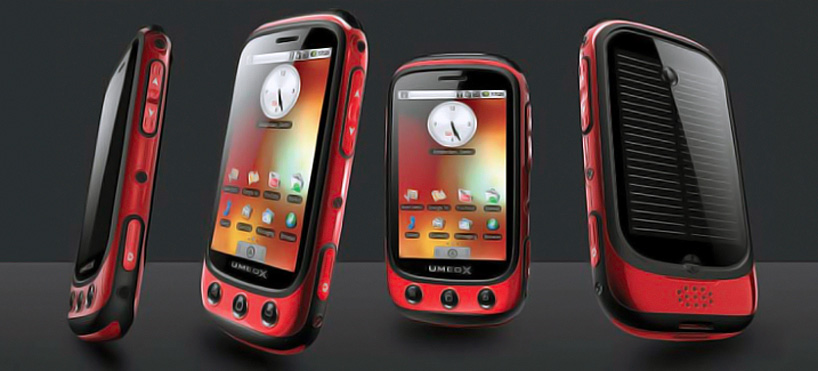
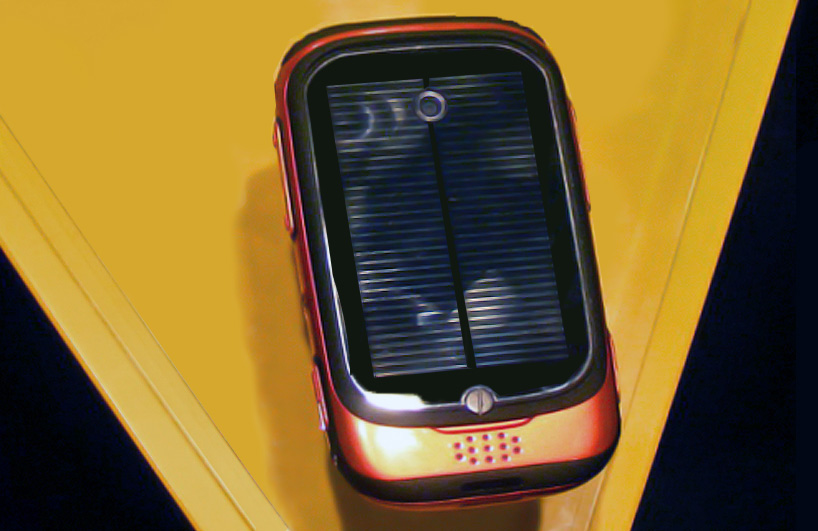
    With a hardware prototype on display at Mobile World Congress 2011, phone manufacturing company Umeox has announced ‘Apollo’, the first solar-powered android smartphone. With few features but an expected price point below 100 USD, the phone is designed primarily for developing markets. the 3.2″ touch screen is backed with Android 2.3, and uses Dutch energy developer Intivation’s efficient sunboost technology for its solar panel.

    One hour of full sunlight provides sixteen minutes of talk time, and the company estimates that approximately 2.5 hours of light exposure is sufficient for daily use. Although natural sunlight is most efficient, the phone can also charge on ambient artificial light. ‘Apollo’ also includes a 3-megapixel rear facing photo and video camera, along with SD memory card slot.

    Tech Specs:

    • 3.21″ 320 x 240px display
    • 1300 mAh Battery
    • 3MP rear facing Photo & Video Camera
    • 24 cm2 Solar Panel
    • 3G HSDPA Internet Access

    Expected to launch in 3rd quarter of 2011 at a price range of Rs 4500 to 6000.


  • The Bento Book – A Laptop & Tablet Hybrid

    The Bento Book – A Laptop & Tablet Hybrid


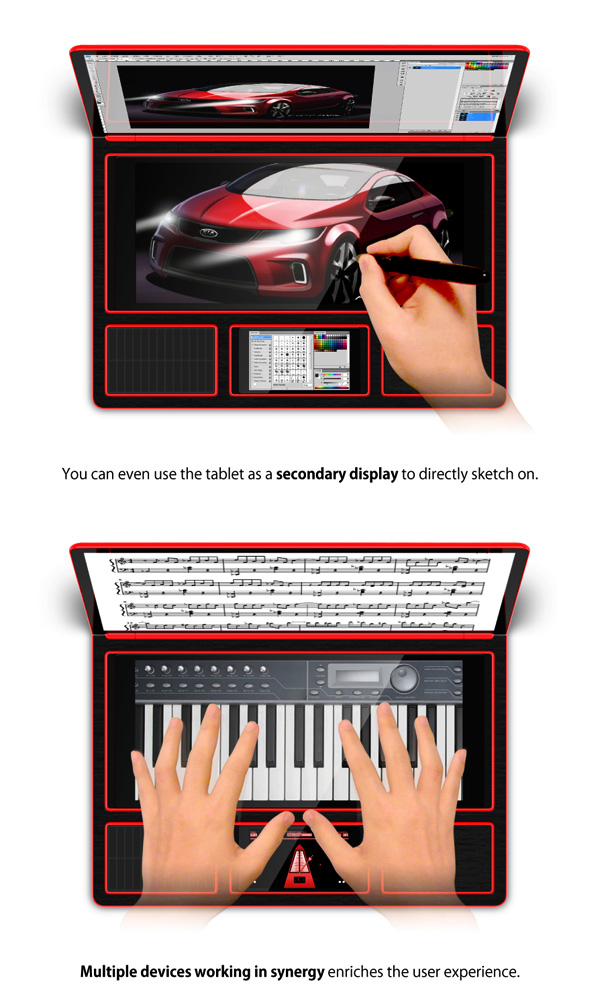
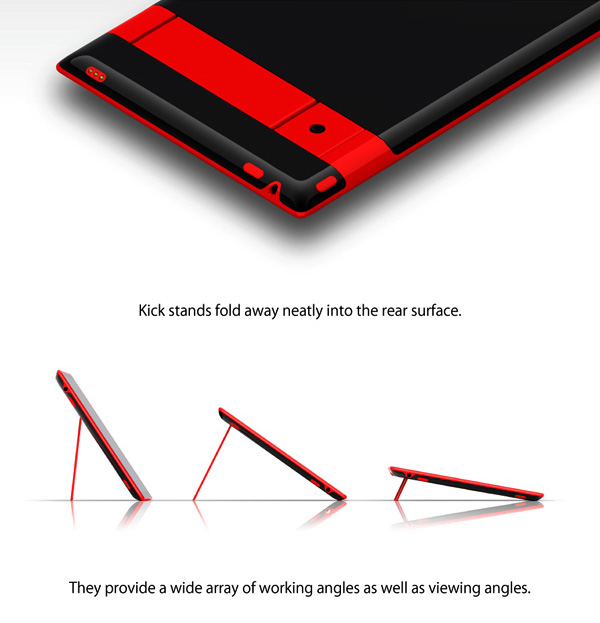
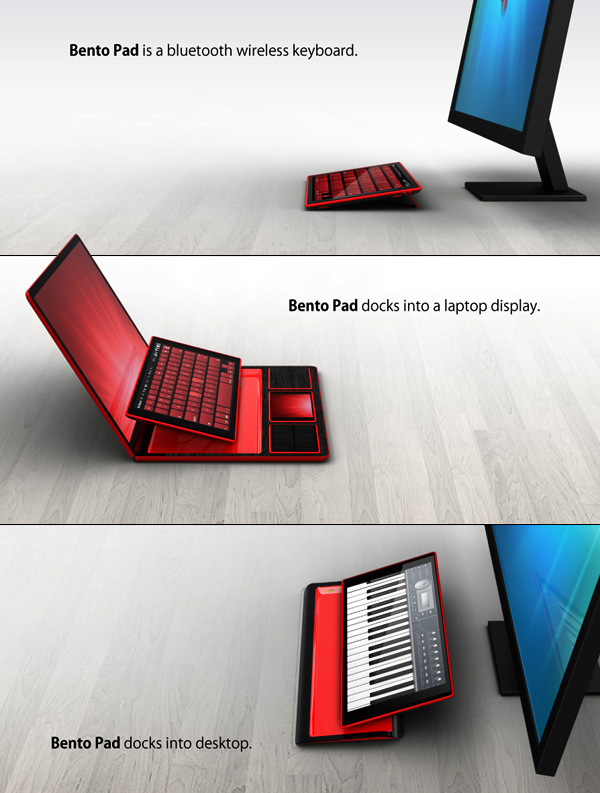
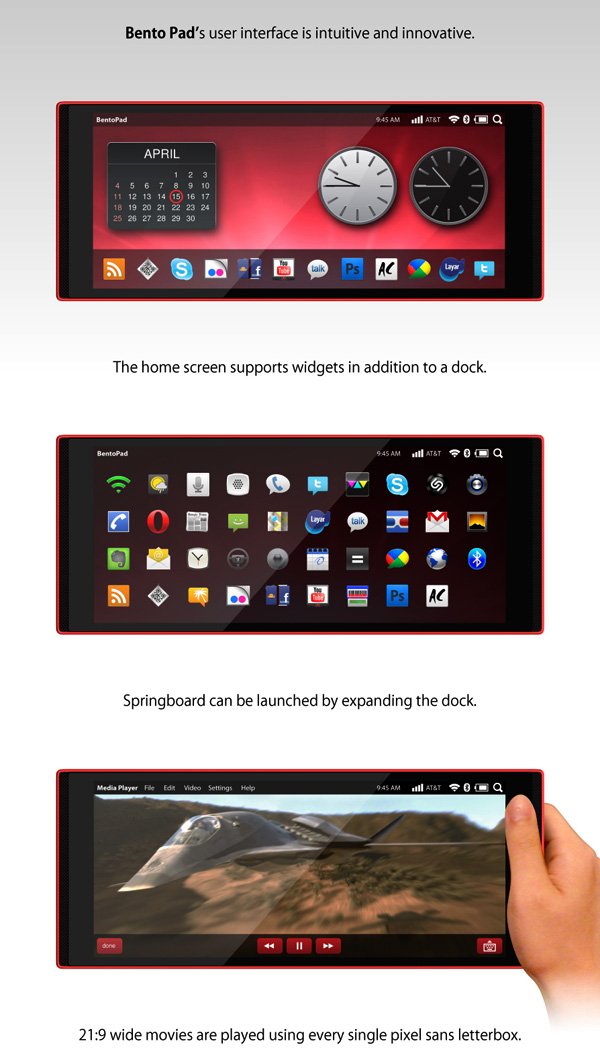
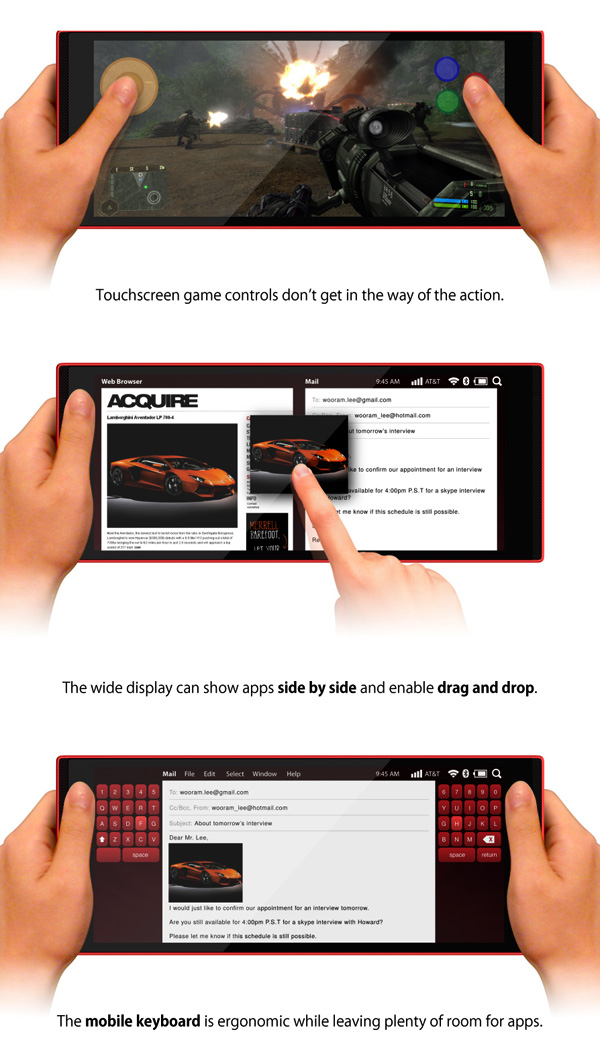
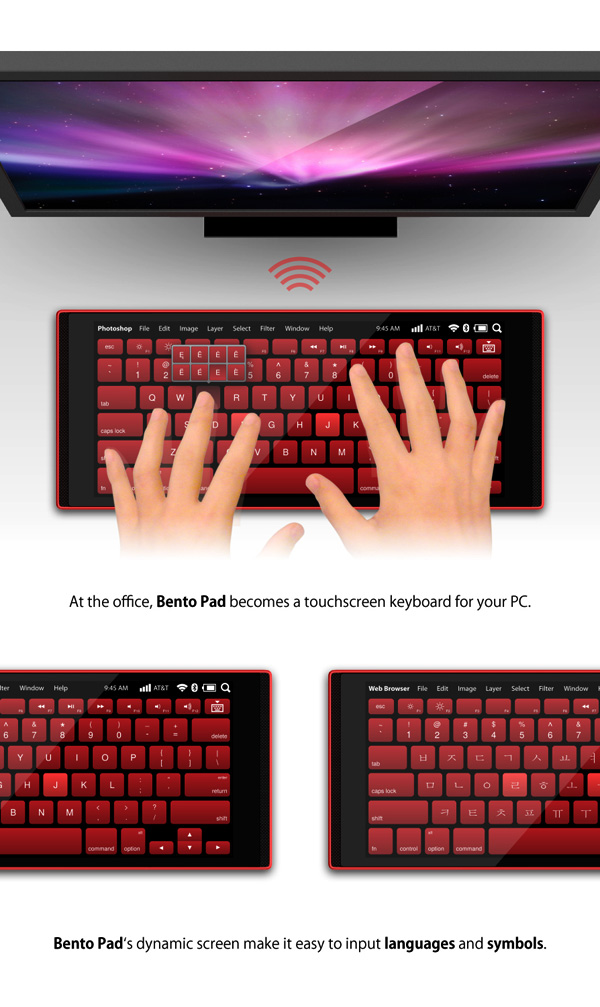
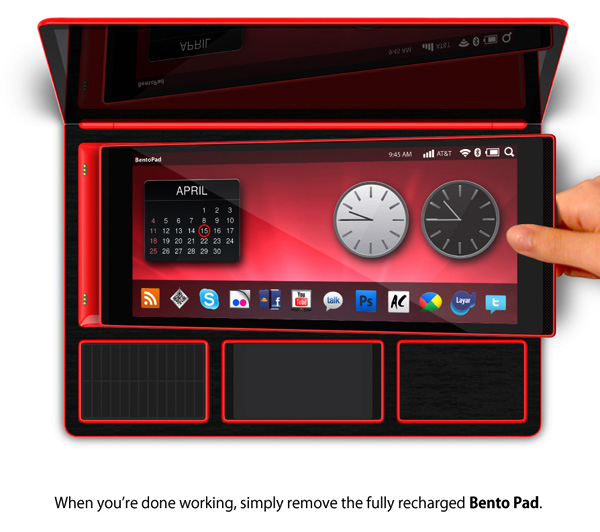
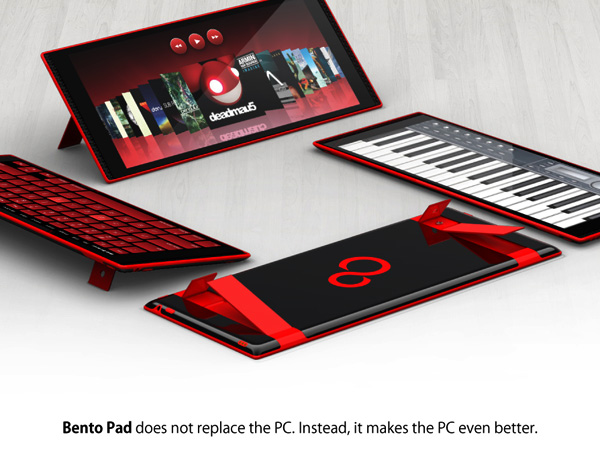
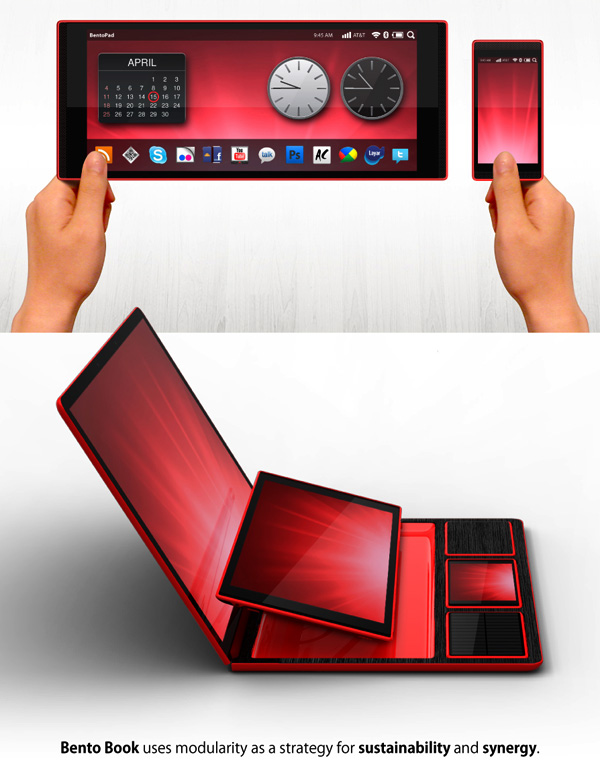
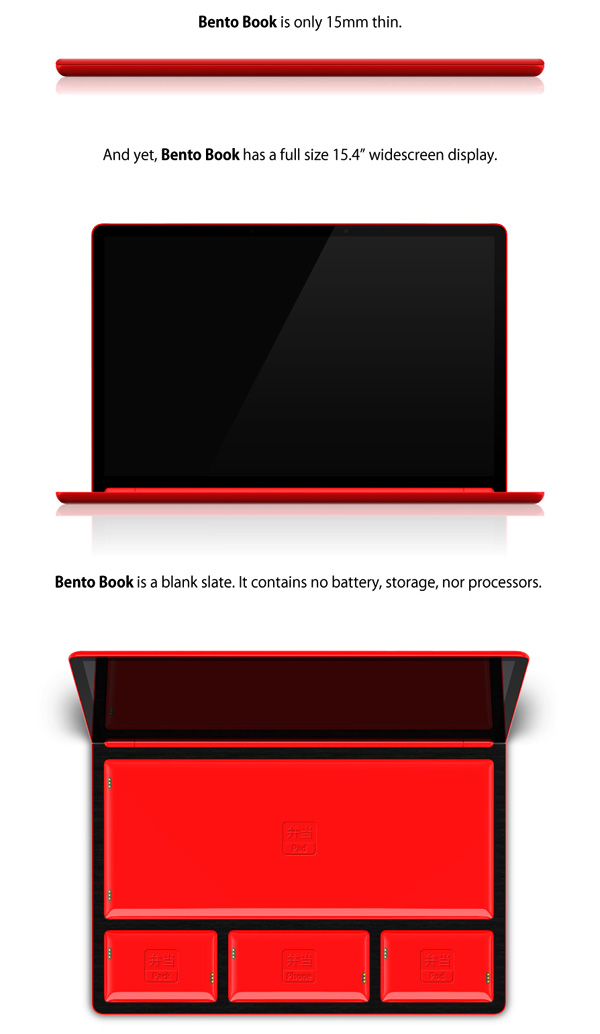
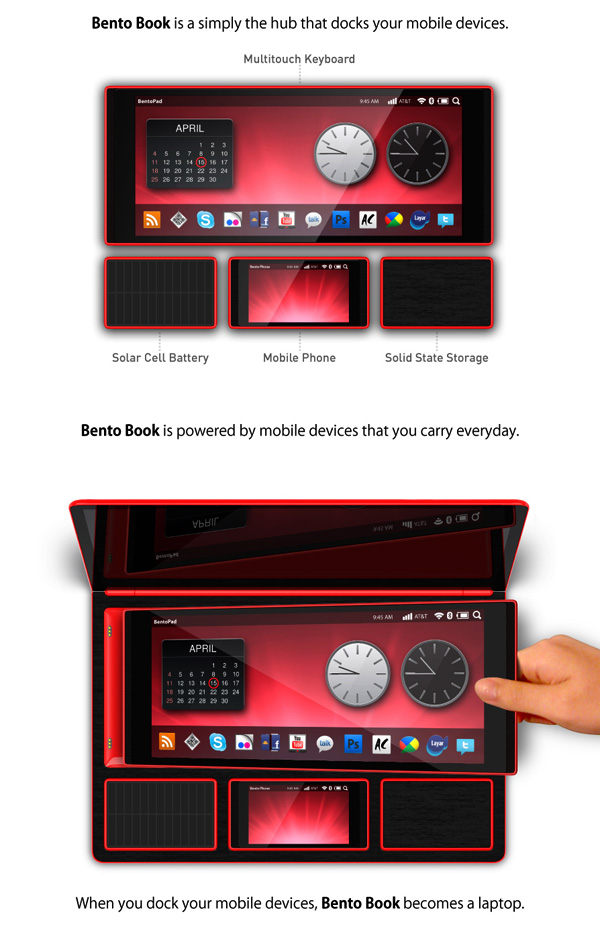
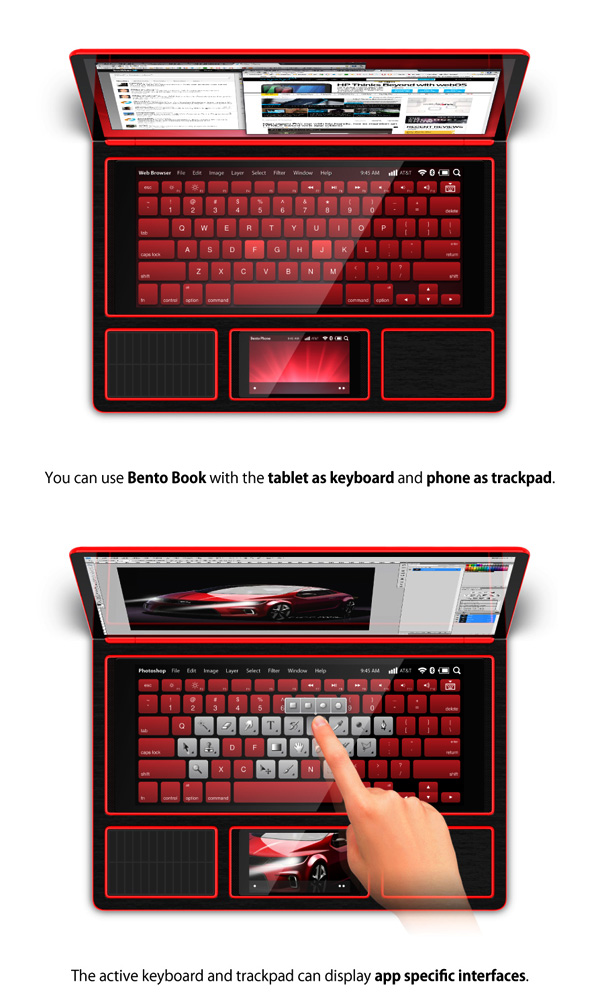
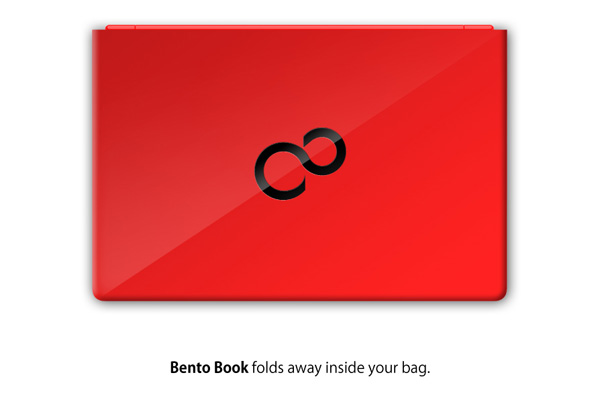
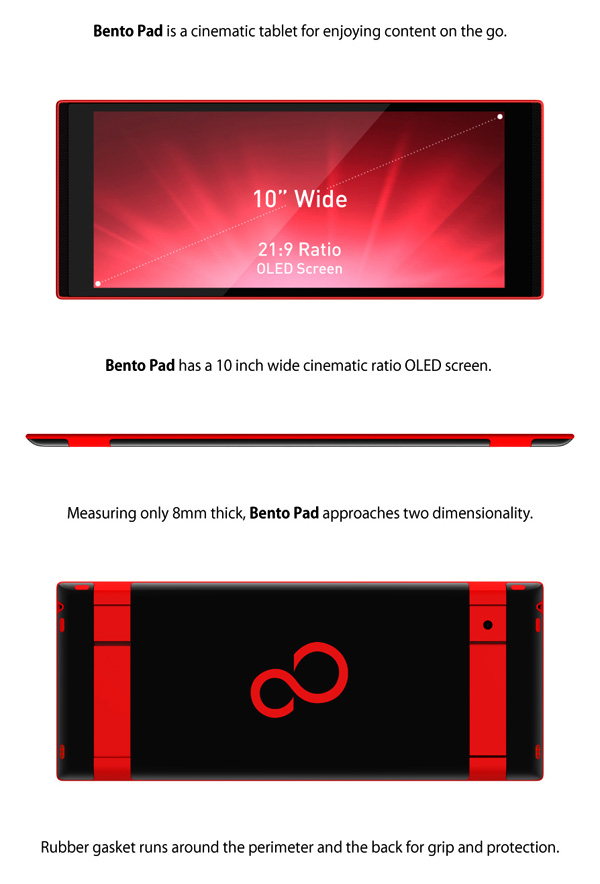
    Bento is quite an exceptional and forward thinking concept by René Woo-Ram Lee. It’s quite a plausible scenario that most of us use/own a tablet, a PC, external hard drives and a smartphone. Now combine the power of these to have fully customizable Bento Laptop! The Box accommodates all the gear to work as one whole unit or individually; as you see fit.

    Features

    • Laptop with 15″ OLED screen
    • 11″ tablet and 4″ phone sit in shallow depressions
    • Solar powered lithium-ion battery
    • 1TB SSD drive
iGyaan Network
Privacy Overview

This website uses cookies so that we can provide you with the best user experience possible. Cookie information is stored in your browser and performs functions such as recognising you when you return to our website and helping our team to understand which sections of the website you find most interesting and useful.