Author: Parul Ritvik Sood

  • Sesame’s Touch-Free Smartphone is a Boon for the Disabled, Operates Through Head Motions

    Sesame’s Touch-Free Smartphone is a Boon for the Disabled, Operates Through Head Motions

    It is quite evident that smartphones have become extensively useful and capable day-by-day. We have achieved so much as a society in terms of communication. However, there is still a section in our society which is not familiar with the revolution of communication in the form of smartphones, and that is physically disabled people.

    Oded Ben Dov and Giora Livne, founders of Sesame Enable, want to change that. Sesame Enable is an Israel-based startup that has spent past two years developing the Sesame Phone. This phone can be controlled through voice or just with head movements.

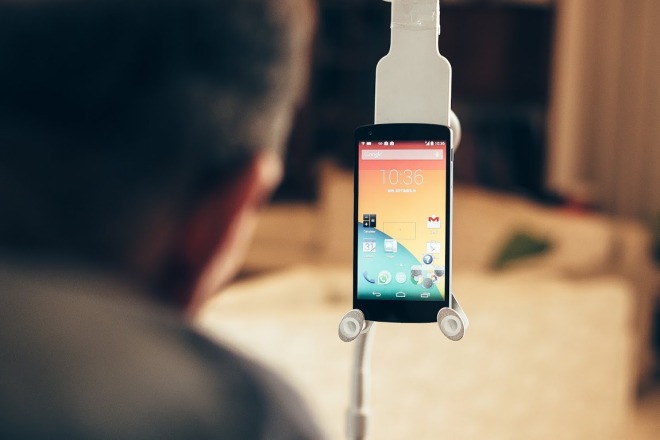
    Dov and Livne, using a Google Nexus 5 for hardware, crafted Sesame Phone with complex software that allows disabled users to use the phone with simple movements and commands. “Smartphones bring the world to us. But for people with disabilities, current smartphone technology falls short,” Sesame wrote on its Indiegogo crowdfunding page. “Sesame is the first smartphone designed for people with limited or no use of their hands. Offering touch-free accessibility in a small, mobile, and elegant form factor.”

    This software works only with the Nexus 5 for now, but the duo is already working to bring it to other smartphones in the future. The software essentially uses a combination of facial recognition, gesture recognition and voice recognition to give users complete control over the phone. A cursor floats on the screen of the smartphone, follows user’s head movements which are tracked by the front camera of the phone.

    Users can click and open apps with the help of simple pre-defined head gestures. Also, voice commands can be used to carry out the task, suiting the need of every user. The company has recently launched an Indiegogo campaign to raise an amount of $30,000, needed to continue developing the phone.
  • Google App Gets Styled with Material Design Update, Features In-App Search Option

    Google App Gets Styled with Material Design Update, Features In-App Search Option

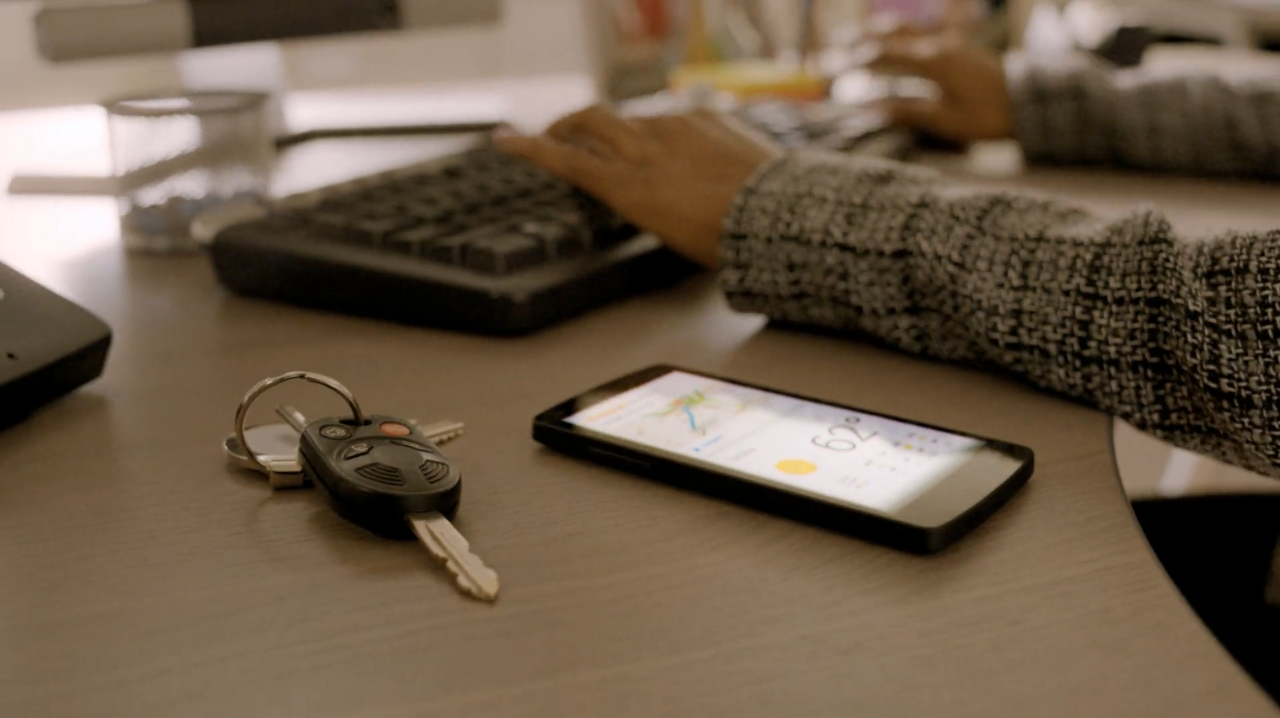
    Google’s Material Design is making its way to all the company’s services to make sure its apps look consistent once the new Android Lollipop 5.0 rolls out to the larger public. Well, recently, Google’s search for Android or Google Now has got its makeover, Material Design style.

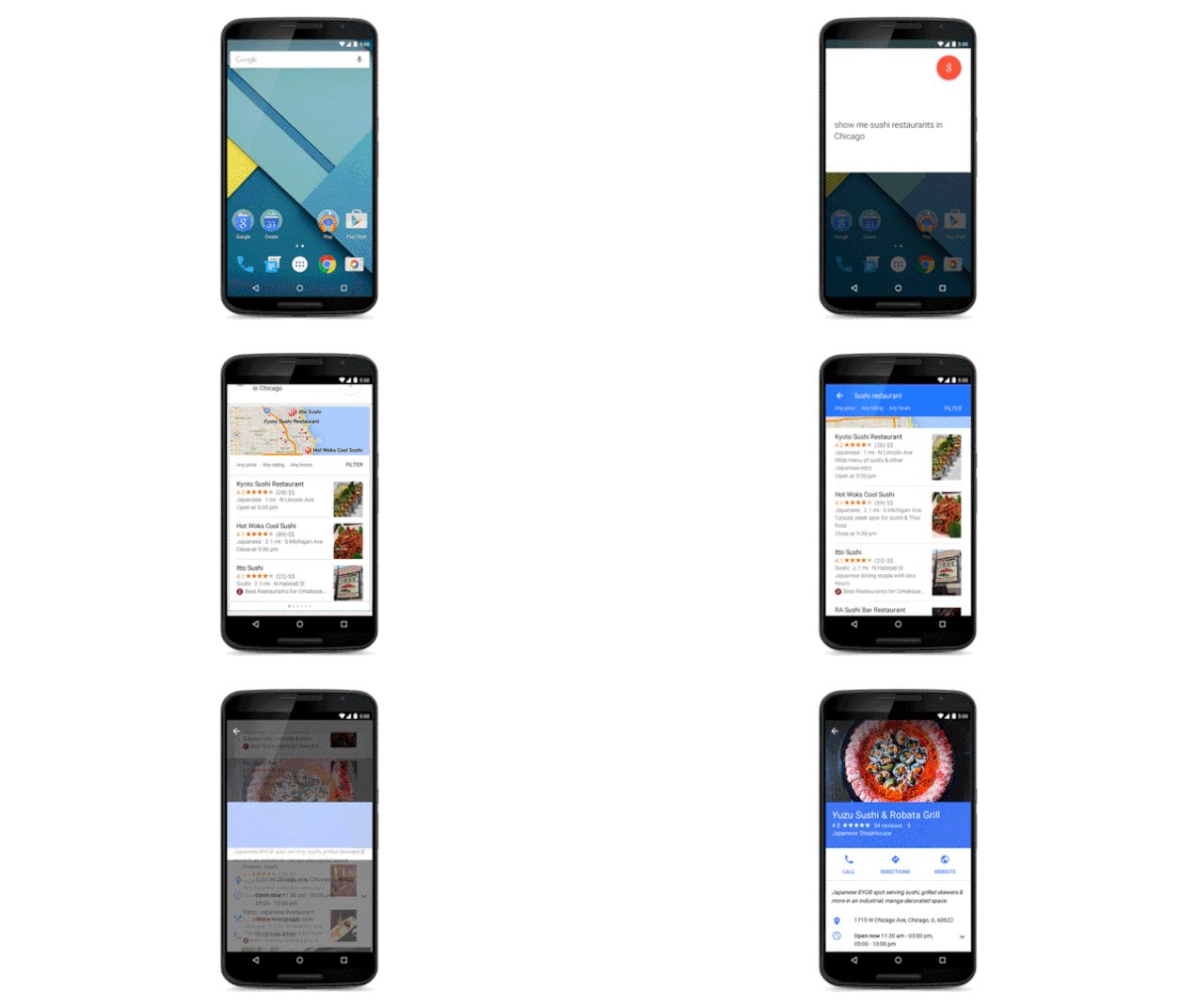
    However, the new update doesn’t only come with a new design, but also with the ability to search within apps installed on your phone. That means if you want to play a track from your Spotify’s playlist, Google Now will do it for you. In case, you need to check the dates of your next flight, you just need to say ‘Ok Google’.

    kbik5sldtc6upibswpek

    Of course, this won’t be working with all your apps right away, developers need to tweak their apps to enable the functionality first. Apart from this, the new update gives the app better voice search and also, the app will now prompt you regarding the plans you make on your mails and Hangout. This way, it will remind you that you have to meet a friend for a coffee on Sunday morning.

    Confirming your choice will at last add the event to your Google Calendar, something we have been expecting. Interestingly,Google has added another option for when you can’t decide to go or not, Google Now will decide it for you too.

  • Samsung Galaxy Note Edge to Arrive Soon, But in Limited Stock

    Samsung Galaxy Note Edge to Arrive Soon, But in Limited Stock

    Despite the reports claiming that the device will not be launched in India, the company seems ready to roll out the Galaxy Note Edge in India, Europe and some other countries, though in limited numbers. Back at the launch, Samsung made it clear that the Galaxy Note Edge would be a ‘limited edition concept device’.

    SamMobile has revealed a list of countries where the device would be made available. As it’s a limited edition smartphone, it will be available in limited numbers and will most likely be priced at a premium price segment. Currently, the Note Edge is up for sale in US for $946 off-contract, which translates around Rs. 59,000.

    OLYMPUS DIGITAL CAMERA

    Apart from India, the Galaxy Note Edge will be launched in Australia, Singapore, Nepal with the model number SM-N915G. The Galaxy Note Edge SM-N915FY model will sell in Germany, The Netherlands, United Kingdom, Luxembourg, Spain, Italy, Switzerland, Poland, France, Nordic countries, Austria and Portugal, while the SM-N915F model will sell in Russia and Kazakhstan.

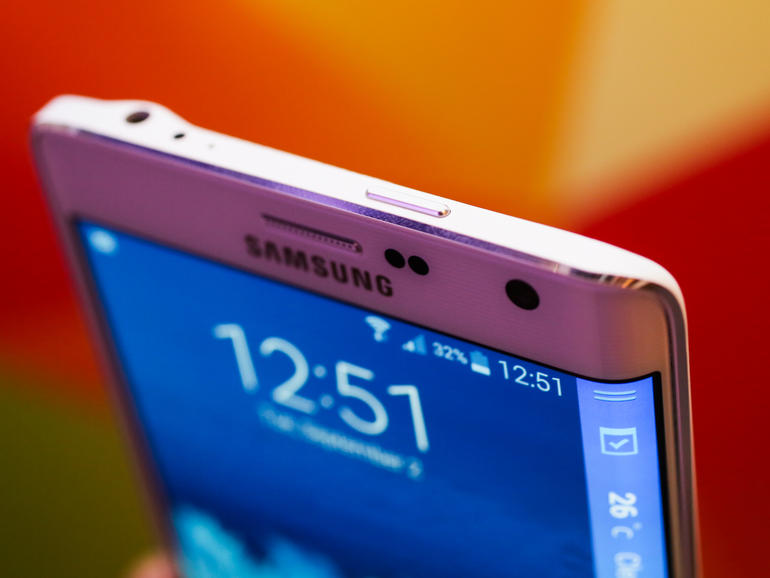
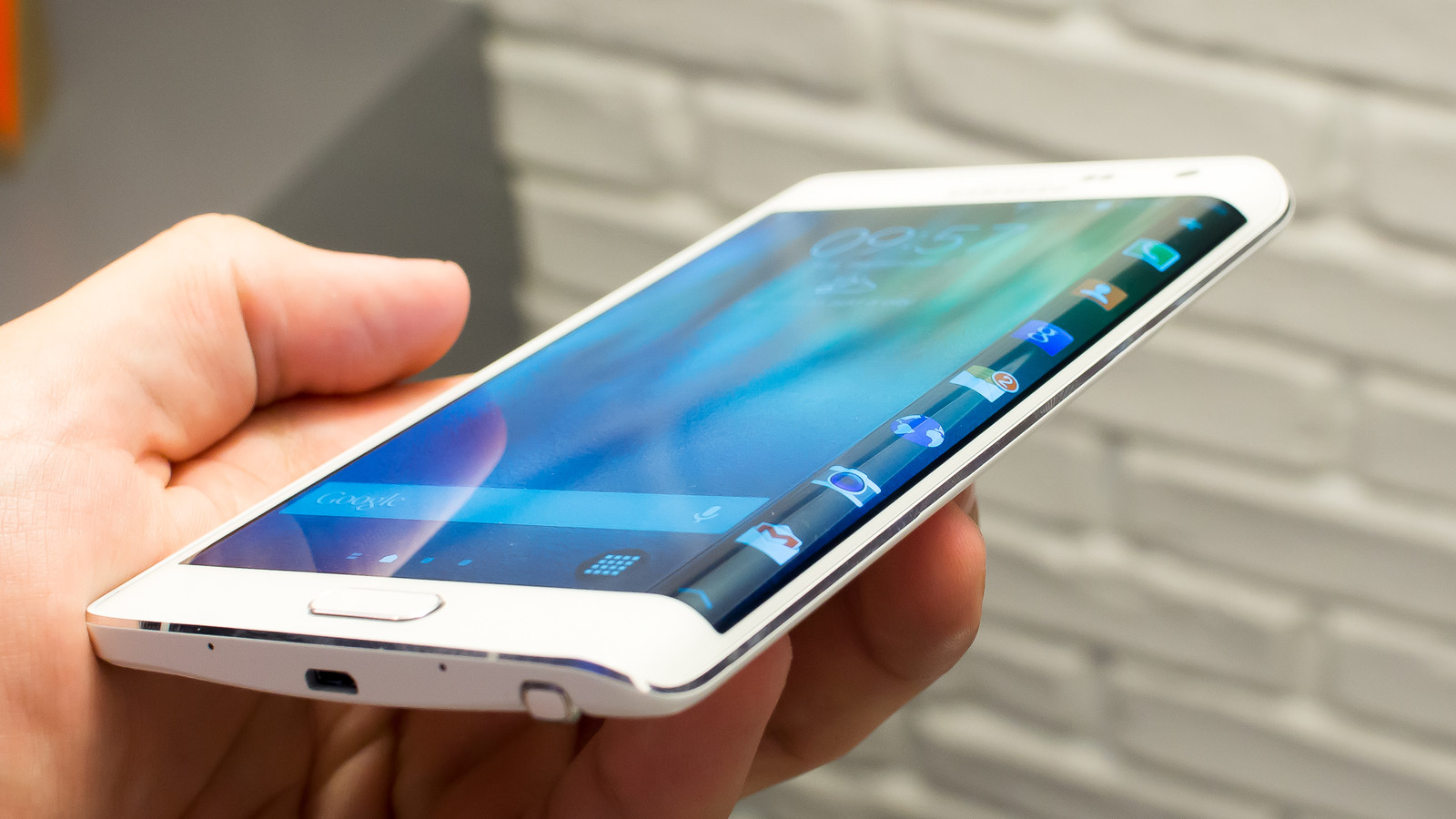
    The unique feature of the Galaxy Note Edge is its flexible display panel at the right-hand side, which is a completely separate display panel alongside the primary display panel. Apart from the curved display, the phablet is more or less identical to the Galaxy Note 4 when it comes to features and peripherals.

    Specs-wise, the smartphone has a 5.6-inch Quad HD 2560×1440 display and is powered by a 3000 mAh battery. It comes with Snapdragon 805 or Exynos 5433 chipset, Android 4.4 KitKat, 16 MP OIS camera and S Pen stylus. With this launch, Samsung proved that it still has an eye for innovation.

  • Yahoo Acquires Video Ad Giant BrightRoll for $640 Million in Cash

    Yahoo Acquires Video Ad Giant BrightRoll for $640 Million in Cash

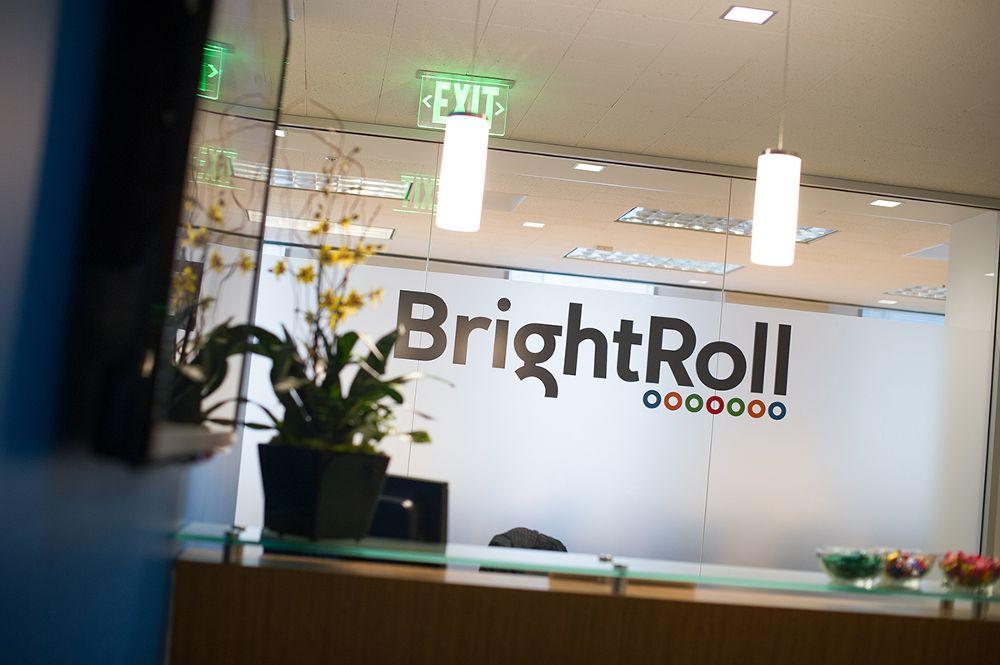
    The American multinational Internet corporation Yahoo recently acquired video advertising company BrightRoll for $640 million. The acquisition is the second-biggest purchase under CEO Marissa Mayer and was carried out in cash. The company is struggling hard to keep up with its competitors Google and Facebook in ad revenues.

    BrightRoll will continue to operate independently ‘with Yahoo’s additional investment and global support.’ The deal is expected to close in the first quarter of 2015. In turn, Yahoo is hoping to revive its share in the US digital marketing industry, which fell to 5.8% in 2013, according to analyst eMarketer, and is expected to dip again this year.

    brightroll-sf

    According to Yahoo Chief Marissa Mayer, this deal will turn Yahoo into the largest video advertising platform in the US. Mayer talked that BrightRoll is ‘expected to exceed $100 million this year’ in net revenues. “Acquiring BrightRoll will dramatically strengthen Yahoo’s video advertising platform, making it the largest in the US. BrightRoll is the industry’s leading programmatic video advertising platform for reaching audiences across web, mobile and connected TV. Video is display 2.0. It’s what brand advertisers love. It’s a format that elegantly and easily transitions from broadcast television to PC to mobile and even to wearables. This is why video is a key part of our strategy,” Mayer said in a blogpost.

    She said that she thought video could reinvent and replace banner advertising, a mainstay of online ads. Once the market leader, Yahoo is expected to fall on to fourth place this year, according to eMarketer. It was reported in July that the Internet corporation collected less than 3% of online ad revenue last year. Google was on top with nearly 32% ad revenue, while Facebook accounted for about 6%. Microsoft is projected to exceed Yahoo this year.

    Yahoo hopes to counter Google’s sheer volume of user-generated videos with professional video content produced by journalist Katie Couric and tech reviewer David Pogue among others. Yahoo was able to buy BrightRoll with cash after it sold shares worth close to $9 billion in the initial public offering of Chinese e-commerce powerhouse Alibaba this year.

  • LG Brings Out a Sleek and Wireless Headset for Rs. 10,990

    LG Brings Out a Sleek and Wireless Headset for Rs. 10,990

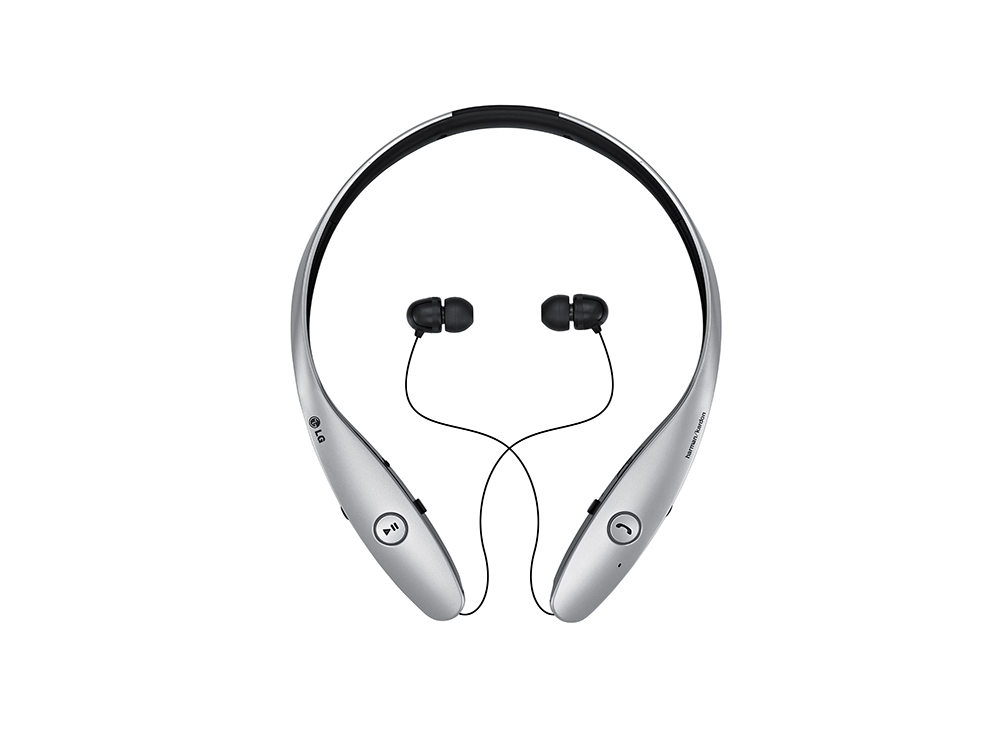
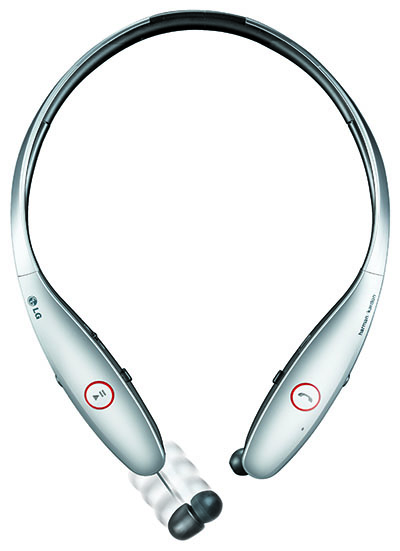
    LG, the South Korean electronic giant, has launched new wireless neckband ‘LG TONE INFINIM’ based on ergonomic design for better comfort and sound. The new wireless headset is engineered by Harman Kardon and can be paired with smartphones via Bluetooth. The TONE INFINIM is available in India at Rs. 10,990.

    INFINIM has essentially a crisp audio rather than a bass-heavy sound. The gadget includes the company’s retractable wire management technology, a metallic finish and an ergonomic curved design. Its ‘Easy Control’ feature includes control with Jog switch to control music with one fluid motion.

    447024-lg-tone-infinium-inline

    It comes with a handful of features such as Current Time Alert, SMS/SNS Replay, Speed Dial, Direct Dial, Favourite Call and Advanced Vibration Alert. During incoming calls, the device alerts the user with its caller ID. The battery status of the headset can be checked on the smartphone at a glance.

    The LG Bluetooth Stereo Headset reads out the most recently received SNS or text messages. Users can directly call the previously saved contacts via the headset without taking out their smartphones. Users can designate up to five contacts on their headsets using this USP. This USP can only be used after saving contacts on the application, Tone&Talk. Users can set different vibration patterns for SMS and SNS so that they always know the type of message received in advance. It also informs about the current time on the smartphone with a simple button press.

    LG has given these sleek new headsets a classy look which are available in metallic silver and gold colour variants.

  • Microsoft’s Lync to be Reintroduced as ‘Skype For Business’ in Early 2015

    Microsoft’s Lync to be Reintroduced as ‘Skype For Business’ in Early 2015

    Microsoft recently announced that the company is converging Lync, professional video conferencing service with Skype which will be called Skype for Business. The company lately announced the name change as well as some target dates for the next versions of the offering.

    The move comes as a part of Microsoft’s strategy to ‘re-invent productivity’ for all, not just business. Hence, offering a unified experience across services so consumers and businesses have similar experiences.

    “Large enterprises know Lync, and consumers all know Skype,” said Gurdeep Pall, Corporate Vice President, Lync and Skype, Microsoft. “If you’re a small or medium business, you’re kind of lost. You feel, ‘Is Lync for me? Is it too heavy duty? But Skype definitely feels too light for me.’ We think that by having this one consistent brand, we are able to reach all the constituents in that spectrum.”

    sfb3

    The company promised that Skype for Business will remain an Office 365 exclusive service when it replaces Lync sometime in the first half of 2015. Microsoft Lync, earlier known as Microsoft Office Communicator, uses Microsoft Lync Server, the software infrastructure for enterprise instant messaging, Presence, VoIP, Video Conferencing, and so on. Microsoft said Skype for Business will offer a new client experience as well as a new server release.

    “We thought the most important convergence path was to feel familiar,” said Pall. “We have not yet landed on the right model for when you have two identities, and you’re trying to juggle them on the same experience. We are finding our path.”

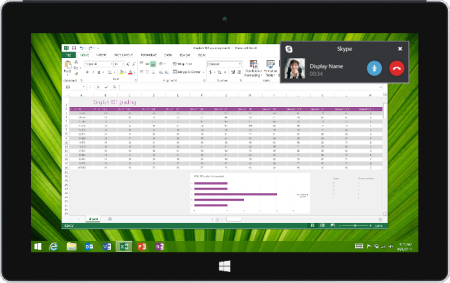
    Skype for Business essentially uses all of the capabilities of Lync, including content sharing and telephony. Microsoft said that transferring a call now takes only one touch or click instead of three. In other words, Skype for Business will essentially be Skype with Lync’s enterprise security, compliance, and control feature.

    Back in 2011, when Microsoft bought Skype, the long-term goals of the company were unclear behind having two separate services that could do video chat. Now that the company is converging both of them, it makes a lot more sense as Skype has already become a household name in the field of video conferencing.

  • New LG AKA is a Geeky Smartphone With a Personality of its Own

    New LG AKA is a Geeky Smartphone With a Personality of its Own

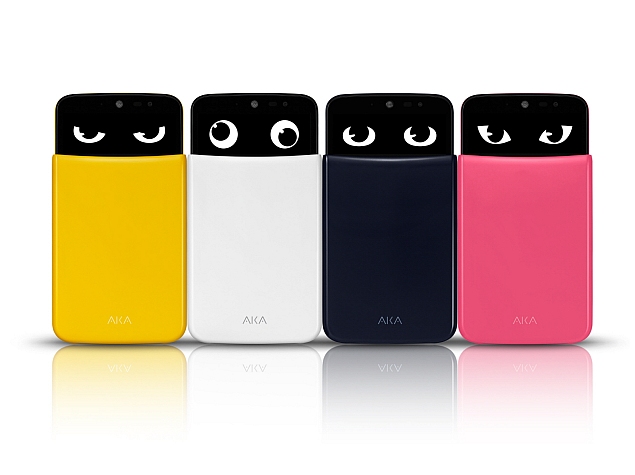
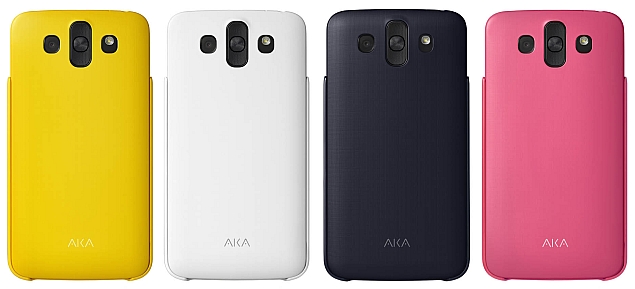
    LG has announced a brand new Android smartphone called AKA. Launched in the company’s home market South Korea, the AKA is targeted at young customers, and comes with four unique cases that transform it into different characters: Eggy (yellow case), Wookie (white case), Soul (blue case) and YoYo (pink case).

    The front of the phone, when covered with theses interesting cases, shows animated eyes of the four characters. The eyes are more than simple animations as they can provide info including notifications and battery status.

    On the hardware front, the LG AKA offers a 5-inch IPS display with 720×1280 pixel resolution, LTE, 8 MP rear camera with laser auto focus, 2 MP front-facing camera, quad-core 1.2 GHz processor (unknown maker), 1.5 GB of RAM, and 16 GB of expandable memory. The handset comes with a 2610 mAh battery and weighs 135.5 grams without the front cover.

    lg_aka_back

    LG AKA’s connectivity options include 4G LTE, Bluetooth 4.0, Wi-Fi 802.11 a/b/g/n/ac, NFC, GPS, AGPS, and USB 2.0. and measures 138.7×71.9×9.9 mm. According to the official blog post, LG AKA is available starting today in South Korea via all three carriers running Android 4.4 KitKat out of the box. However, there’s no word on how much the smartphone costs. It seems unlikely that the new AKA will be launched in any other market apart from South Korea.

    The South Korean electronic giant on Monday started rolling out its KizON wristband in Europe, which was launched in July. LG KizON is a wearable device exclusively designed to help parents track their pre-school and primary school children.

  • Here’s How You Can Deceive WhatsApp’s Blue Tick

    Here’s How You Can Deceive WhatsApp’s Blue Tick

    In a recent attempt to intrude our private lives, WhatsApp added another layer of unnecessary information in the form of blue check marks, indicating that the recipient has indeed read the message.

    The addition of the blue check marks is utterly unwanted in our opinion, given that this brings back the social pressure to reply – what most users consider an interruption of privacy. In the interest of privacy, WhatsApp earlier added the choice to conceal the ‘last seen’ notification that informs the other party when that person was last available on the messaging platform.

    Well, there is a way around to avoid this new feature. Rahul Banker, a blogger and head of India’s Google Developers Group, has revealed the method to avoid this feature in a blogpost.

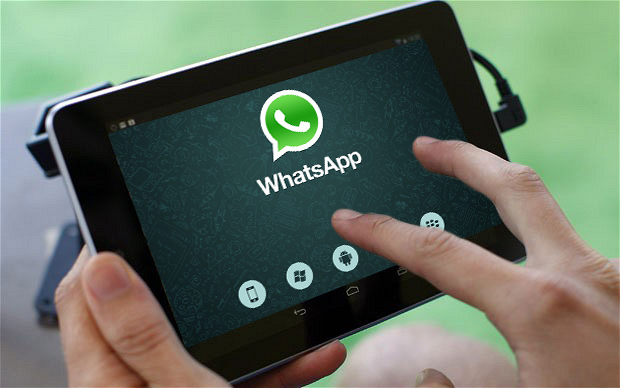
    whatsapp-convo

    Basically, when you read the message you received on WhatsApp, the app uses your Wi-Fi or Data connection to notify the sender that the message has been read via blue tick marks. So, if you read the message offline, the app won’t be able to send the information to the sender.

    So, if you don’t want the sender to know whether you have read the message or not, you just need to switch off your internet and Wi-Fi connections, then open WhatsApp and read the message. Close the app, reconnect to your data or Wi-Fi, and the check marks remain grey.

  • Moto X and Moto G First in Line to Get Android Lollipop Update

    Moto X and Moto G First in Line to Get Android Lollipop Update

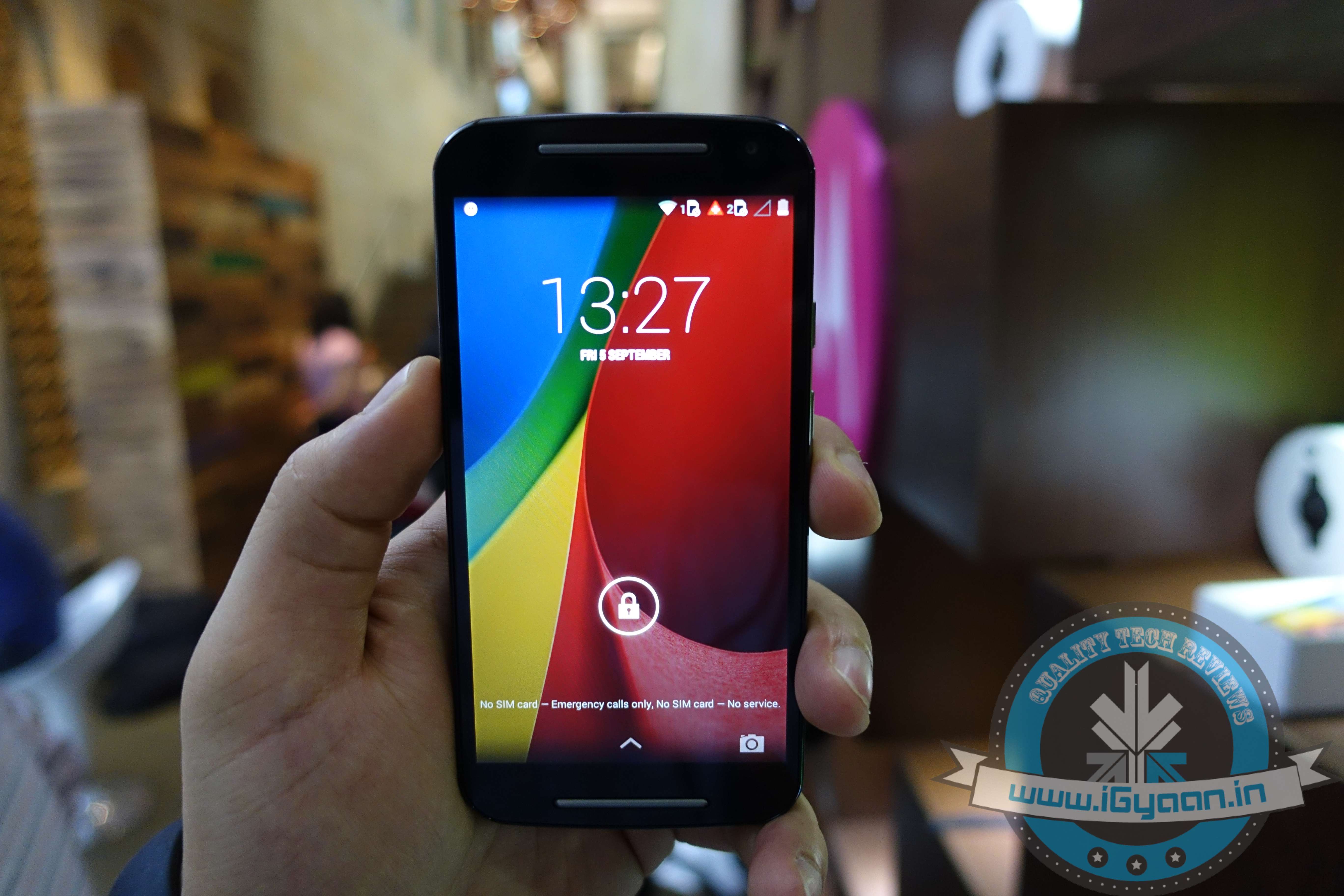
    Surprisingly, according to the recent reports, some 2014 Moto X users have already received the Android 5.0 Lollipop update notification. It is said that the company posted and then pulled out documents for the Moto X and Moto G Lollipop update on its website.

    “The very first Moto X variant getting the update is the ‘Pure Edition’ — an unlocked version of the phone, and for right now it’s going out to people who signed up for the ‘soak test’ — a limited rollout in preparation of a wider release,” Ars Technica reports. “Next up for Moto will be making sure none of the soak testers report major problems over the next day or two and getting carriers on board to approve the update.”

    Earlier, Motorola announced that they will be rolling out Android 5.0 update for Moto X and Moto G devices soon, and the company may roll out the official update for these handsets soon after upgrades for Google’s own Nexus devices.

    Meanwhile, Ar Technica pointed out that there hasn’t been any Lollipop update for Google’s Nexus devices, presumably because Google didn’t want to steal the Nexus 6’s thunder, which will be released on November 12.

  • Motorola’s Mystery Smartphone Speculated to Come with 4G Support

    Motorola’s Mystery Smartphone Speculated to Come with 4G Support

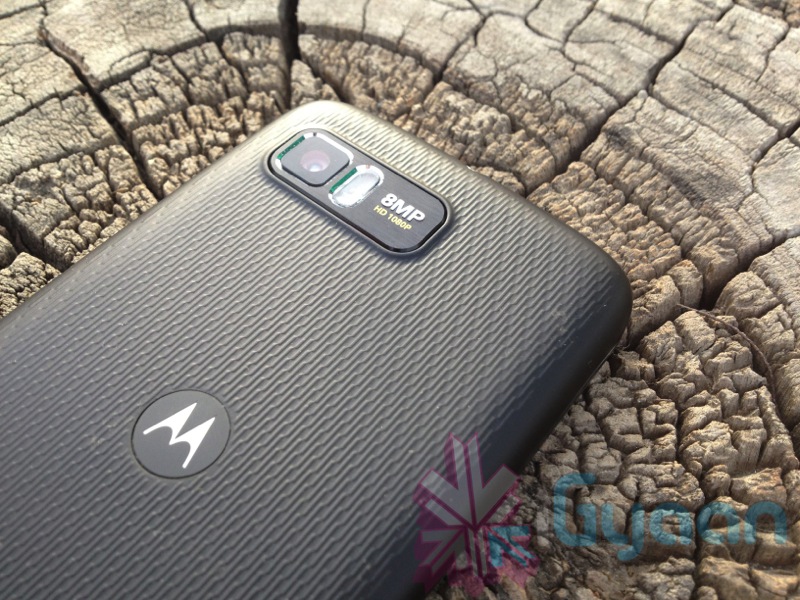
    Since the announcement of the Gen 2 Moto X and Moto G, we have been expecting that the Lenovo subsidiary, Motorola Mobility, might launch an updated Moto G with 4G support. Well, the news might come true as a handset codenamed ‘Motorola TBD’ has made an appearance at Geekbench Browser revealing similar specifications.

    According to the Geekbench 3 listing, the unnamed phone packs a quad-core Qualcomm Snapdragon (MSM8916) 410 chipset clocked at 1.19 GHz. Notably, the Snapdragon 410 is both 32-bit and 64-bit capable. It comes with 1 GB of RAM. The device has scored a 434 and 1148 points under single and multi-core benchmarks.

    NEW_MOTO_G_0

    It is a pretty decent score for a budget smartphone, but there are some confusions about what device it refers to. Many tech blogs say it might be the second generation Moto E (aka Moto E2), while others suggest that this may be the advanced version of the recently released Moto G (Gen 2.). The former one is highly unlikely to receive the update, considering the price bracket Moto E belongs to.

    Moreover, if past Motorola device launch history is any indication, we strongly believe the mystery device is the 4G-LTE variant of the second generation Moto G, unless the company is working on whole new other budget handsets. Also, the use of Snapdragon 410 series chipset makes sense over 400 series 3G based Moto G (Gen 2), if Motorola wants to get hold of the developed markets like USA and Europe.

    Motorola earlier launched the Moto G (Gen 1) 4G-LTE in European and American markets, almost three months after the 3G model made its debut. As for now, there is no official word on any such device, hence, the report should be treated as pure speculation.

  • 65,000 Xiaomi Redmi 1S Handsets to Go on Sale Today

    65,000 Xiaomi Redmi 1S Handsets to Go on Sale Today

    The Chinese smartphone manufacturer Xiaomi is holding its tenth flash sale for Redmi 1S in India. The sale will kick off today at 2pm for registered users on Flipkart.

    According to a tweet from the official account of the company, 65,000 Redmi 1S handsets will be up for sale. However, the company will not provide complimentary screen guards and micro-SIM card adapter with the handset in this sale, unlike previous sales.

    The Flipkart registration page notes that only one smartphone will be available for sale for single email ID and as usual, advises users to log in at least 2 hours before the flash sale begins. It’s worth noticing that Flipkart’s procedure requires people to just add the handset to their cart for it to be classified as ‘sold out’, and people are given additional time to complete their purchase.

    The last flash sale saw 1,00,000 Redmi 1S units going on sale, which was an increase of 40,000 units compared to the last flash sale that saw 60,000 units being made available.

    Despite being in controversies regarding privacy concerns, Xiaomi has become the world’s third-biggest smartphone maker replacing Huawei. According to International Data Corporation (IDC), the smartphone maker has tripled the shipment since last year.

  • Microsoft Officially Launches the First Lumia Without Nokia Branding

    Microsoft Officially Launches the First Lumia Without Nokia Branding

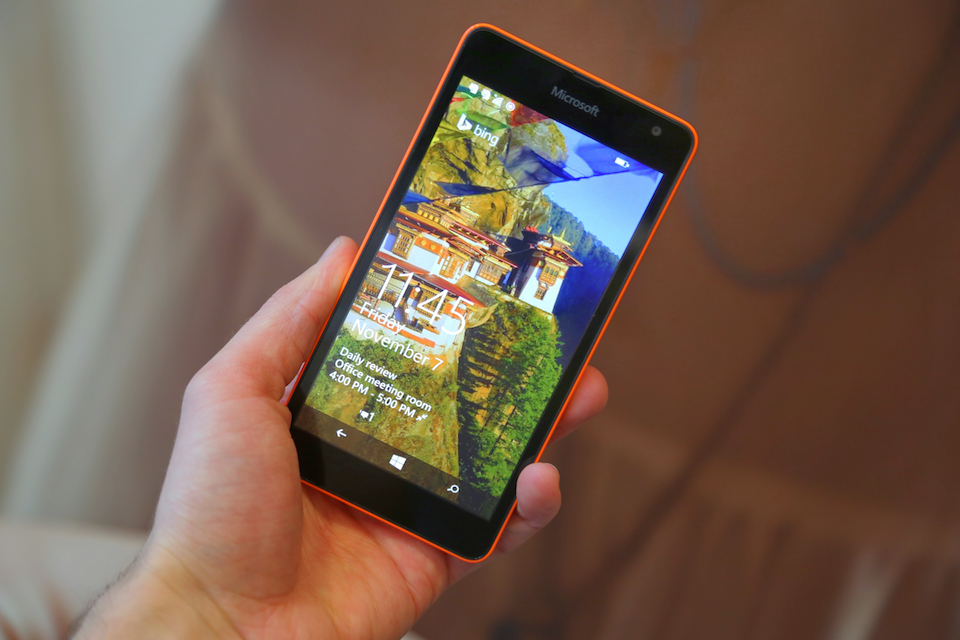
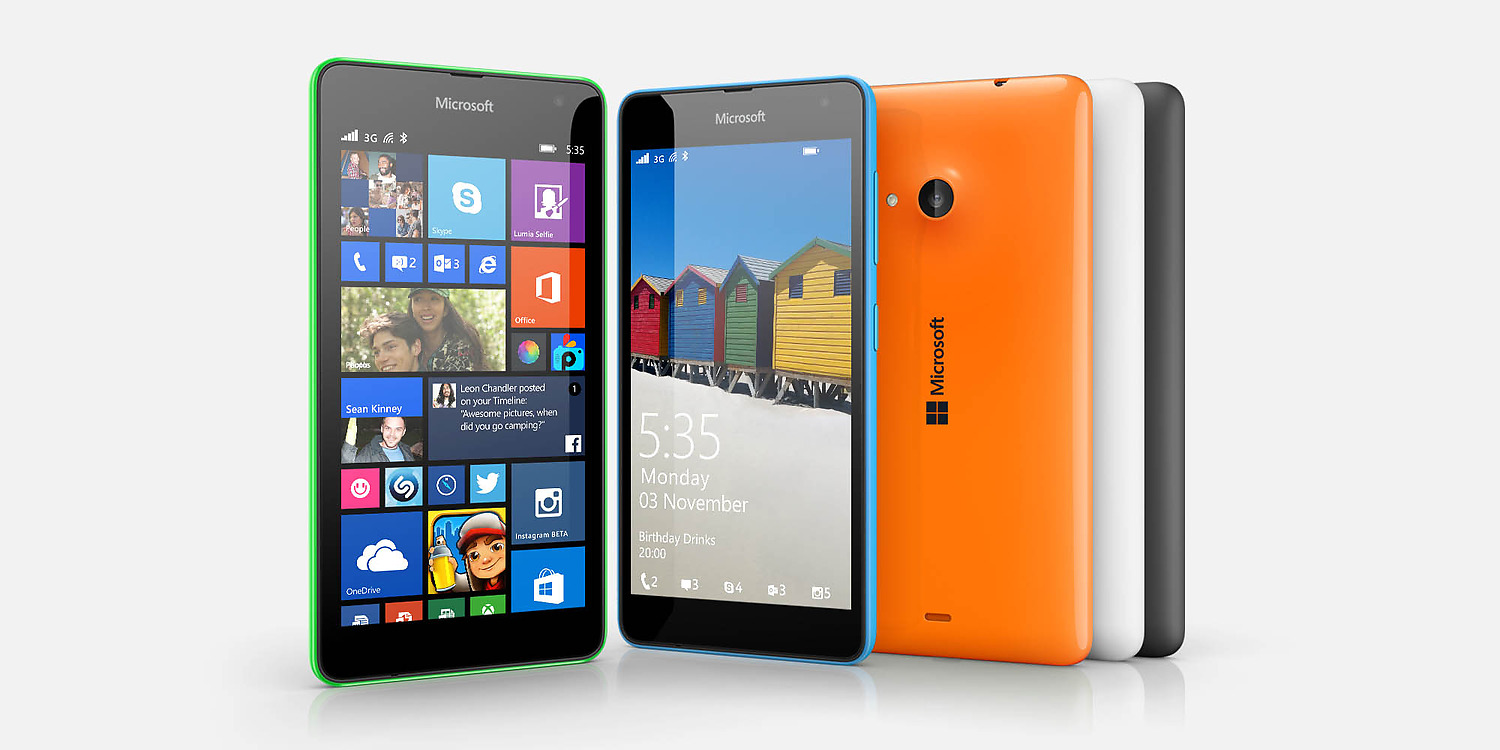
    We all knew it was coming. But today finally, Microsoft has officially unveiled the first Lumia device without the Nokia branding. The new Microsoft Lumia 535 is essentially an entry-level device and is somewhat similar to the Nokia devices that have come before it.

    One of the most evident differences is that the handset has dropped the Nokia branding in favour of Microsoft at the rear and front, and a company logo has been incorporated on the colourful removable shell. All future Lumia devices will be launched with Microsoft branding, and the existing Lumia phones with Nokia moniker will continue to be known as Nokia handsets.

    Microsoft Lumia 535 has been designed as an alternative of Nokia Lumia 530 and will be targeting users from Russia, India, China and other parts of Asia. It is clear that the company wants to push Lumia sales and Windows Phone market share by betting on this low-end  device.

    Even though, Lumia 535 comes with a low-end specification, Microsoft has tweaked the handset with some considerable changes which, according to the company, will not compromise their experience as much as some other budget Lumia devices. The Lumia 535 comes with 5-inch qHD display with the insufficient resolution of 960×540 pixels. The company claims that it has tweaked the display for outdoor readability. Even if it is true, the miserly pixel count is pretty hard to ignore.

    Lumia-535-hero1-jpg

    Microsoft has added 1 GB RAM in the Lumia 535 instead of the usual 512 MB, which is an appreciable move as many users, especially Windows Phone gamers, have been complaining about low RAM in their devices. Microsoft has also included auto-brightness, and a 5-megapixel forward-facing camera. The front-facing  camera includes a wide-angle lens with a 24 mm focal length, just like the Lumia 730/735.

    The Lumia 535 runs on a 1.2GHz quad-core Qualcomm Snapdragon 200 processor and a 1,905mAh battery. There’s 8 GB of onboard storage, coupled with a microSD card slot for up to 128 GB of extra capacity. Like all other Lumia devices, Lumia 535 is available in many colour options – green, cyan, orange, black and white. The backplates of this handset are interchangeable and Microsoft will be offering flip covers in matching shades for those who like to give their handsets a little extra protection.

    Microsoft said that the Lumia 535 will launch later this month in Asia-Pacific territories, with Russia, India and China at top of the list, ahead of Africa and Europe. The handset will sell for roughly around Rs. 8,000 (the price will vary between countries).

    [poll id=”23″]

  • Microsoft Plans to Use ‘White Space’ Tech to Deliver Free Internet Across India

    Microsoft Plans to Use ‘White Space’ Tech to Deliver Free Internet Across India

    Microsoft India is all set to provide free last-mile internet connectivity across the country. According to a report by Hindustan Times, Microsoft India is seeking approvals to deploy a project that will enable Internet connectivity using ‘White Space’ spectrum that is currently used for television transmission by Doordarshan.

     The company has asked permission to initiate a pilot project in two districts, after which it will be rolled out all across the country. The chairman of Microsoft India, Bhaskar Pramanik, said that Microsoft has sought clearance for a pilot program in two districts for its white space initiative. White space technology has previously been deployed in South Africa, Ghana, and the UK, although to this point, white space broadband hasn’t been deployed at a commercially meaningful scale.

    “Wi-Fi has a range of only about 100 metres, whereas the 200-300 MHz spectrum band available in the white space can reach up to 10 km,” said Bhaskar Pramanik. “This spectrum belongs mainly to Doordarshan and the government and is not used at all. We have sought clearance for a pilot project in two districts.”

    The company said if the pilots are successful, the project will be turned nationwide and could give a huge boost to Prime Minister Narendra Modi’s Digital India initiative, which proposes to use technology to deliver authority to every citizen of India, even in remote areas.

    “The challenge is the lack of digital infrastructure across India. This initiative addresses this challenge in a cost-effective manner and creates an eco-system that will benefit everyone, including manufacturers of routers and other technology devices, other technology companies, besides Microsoft,” Pramanik further elaborated.

    However, the technology hasn’t been widely adopted anywhere in the world, but experts believe it can lead to a spurt in broadband connectivity in countries such as India. Engineers at Microsoft Development Centres in India have adapted this unlicensed technology for this country.

  • New Facebook Tool Offers a Quick Silence Option for Annoying Posts

    New Facebook Tool Offers a Quick Silence Option for Annoying Posts

    Popular social networks have spent years trying to write a perfect algorithm to suggest who to follow, even if it attenuates our feeds. That’s because News Feed, a self-regulating system that responds to your actions, is largely what you make of it. Facebook has rolled out some tools to help you personalise it even more.

    News Feed works on an algorithm rather than just a chronological stream of updates from all your friends and the pages you follow. It’s never been completely clear how to change what you see there. “The goal is to show content that matters and facilitate conversations,” says Adam Mosseri, Facebook’s Product Management Director for News Feed. “We want to give people more control over the News Feed experience. The idea is that if people have the right preferences settings, it’s good for everyone.”

    news-feed-hide-flow

    News Feed Settings will now show a list of the top people, pages and groups that you’ve been seeing in your News Feed over the past few weeks. You can choose to sort by People, Pages or Groups posts, or see an overall summary. Unfollow any friend, page or group if you don’t want to see their stories in your News Feed. You can also see who you’ve unfollowed in the past and can choose to re-follow them anytime.

    Now, you can decide on from whom you want to see lesser updates, rather than completely unfollowing them. It means, you won’t be inundated with updates from your friends, but you’ll still get major announcement posts, like the arrival of a new baby and so on. Also if you see a story you’re not interested in or don’t want to see, you can tap the arrow in the top right of that story to hide it. So, when you hide a story, you’ll have the option to see less from that person or page.

    News Feed Settings are already available on desktop and mobile. The new options for giving feedback about your News Feed is live on the desktop, and it is coming to mobile in the coming weeks.

  • AT&T Eyes the International Market, Announces Acquisition of Mexico’s Iusacell

    AT&T Eyes the International Market, Announces Acquisition of Mexico’s Iusacell

    AT&T, the 20th-largest mobile telecom operator in the world with over 116.6 million mobile customers, has just expanded its multinational telecom estate in a pretty significant fashion. The company has announced that they will be purchasing Mexican wireless carrier Iusacell for $2.5 billion.

    “Iusacell gives us a unique opportunity to create the first-ever North American Mobile Service area covering over 400 million consumers and businesses in Mexico and the United States,” AT&T CEO Randall Stephenson said in a statement. “It won’t matter which country you’re in or which country you’re calling — it will all be one network, one customer experience.” The company also revealed that they will also take over Iusacell’s 8.6 million subscribers and the carrier’s technology, which currently covers about 70 percent of Mexico’s 120 million citizens.

    plan_total_2_iusacell_tu_decide_06_09_11

    For AT&T, the move fits into a strategy that it has articulated for more than two years: diversifying its revenue by moving into foreign markets. “We just think over the long haul that the global telecommunications marketplace will continue to scale,” John Stankey, AT&T’s Chief Strategy Officer said in the statement. “Over time, AT&T will explore the potential bundling of phone and pay TV services in Mexico,” Mr. Stankey said. But for now, the carrier is focused on offering phones and high-speed wireless data services.

    Iusacell’s network is based on the same GSM technology that AT&T uses. The company said that Iusacell will continue to be headquartered in Mexico City after the acquisition is complete. There is no word on whether AT&T will rebrand and integrate Iusacell under its own umbrella.

    The deal comes five months after AT&T sold its stake in América Móvil, Mexico’s biggest phone company, after agreeing to buy DirecTV for $48.5 billion. The American company later acknowledged that it would begin competing directly against its onetime partner.

iGyaan Network
Privacy Overview

This website uses cookies so that we can provide you with the best user experience possible. Cookie information is stored in your browser and performs functions such as recognising you when you return to our website and helping our team to understand which sections of the website you find most interesting and useful.