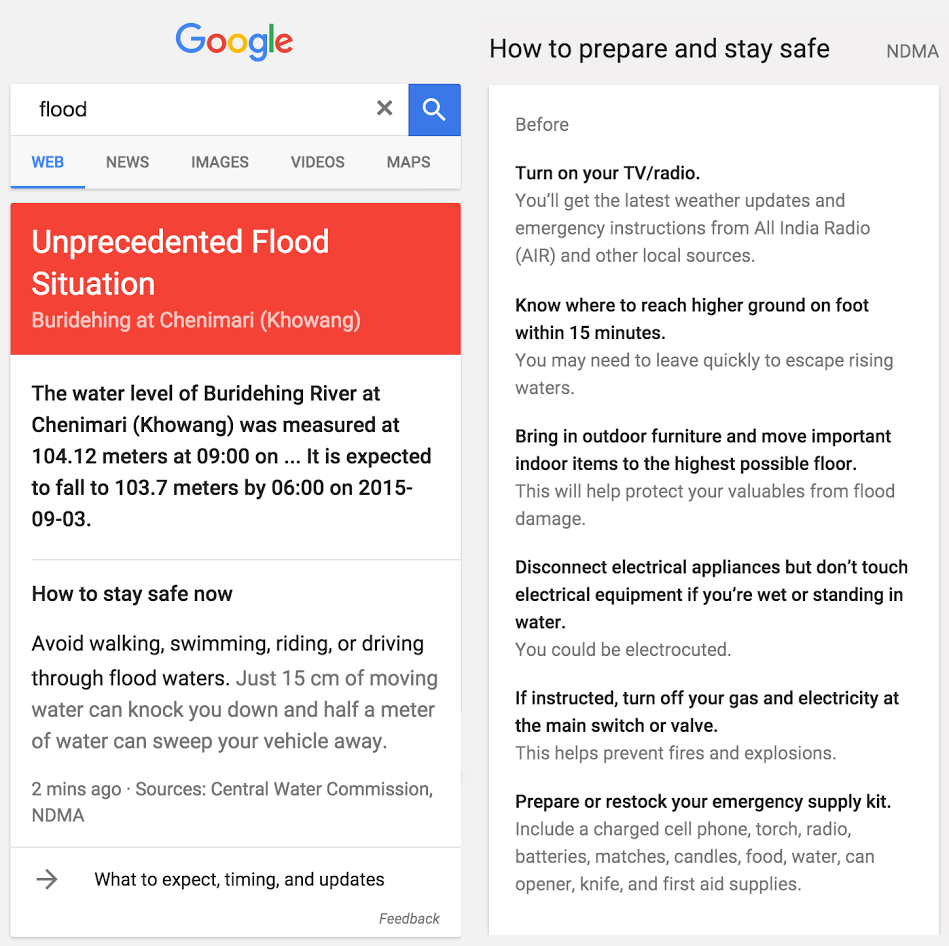
Using information provided by Central Water Commission (CWC) of India, Google will now provide flood alerts for different parts of the country. It has put together data from 170 areas where the CWC has active observation stations, Google mentioned in an official blog post.
In the wake of recent natural disasters in the country, Google has tied up with India authorities to ensure real time information on the water-levels in various water bodies in India. This information can be accessed by the user through Google Now cards, Google App, Google Maps and the Google Public Alerts homepage.
“We’re constantly working to improve our Google Crisis Response tools to make critical information more accessible around natural disasters. Through Public Alerts we show relevant official weather, public safety and earthquake alerts to give people the information they need to make informed decisions in times of crisis”, says Payal Patel in the blog-post.
The role played by the Internet has been commendable during the time of crisis recently. When Chennai was struck by catastrophic floods last year, Facebook’s ‘Safety Check’ feature had helped immensely with determining the location of people. Similarly, large amounts of important information related to emergency helplines had been swiftly exchanged using various social media platforms. Now, Google seems to be preparing us better for disaster control by offering this useful information.
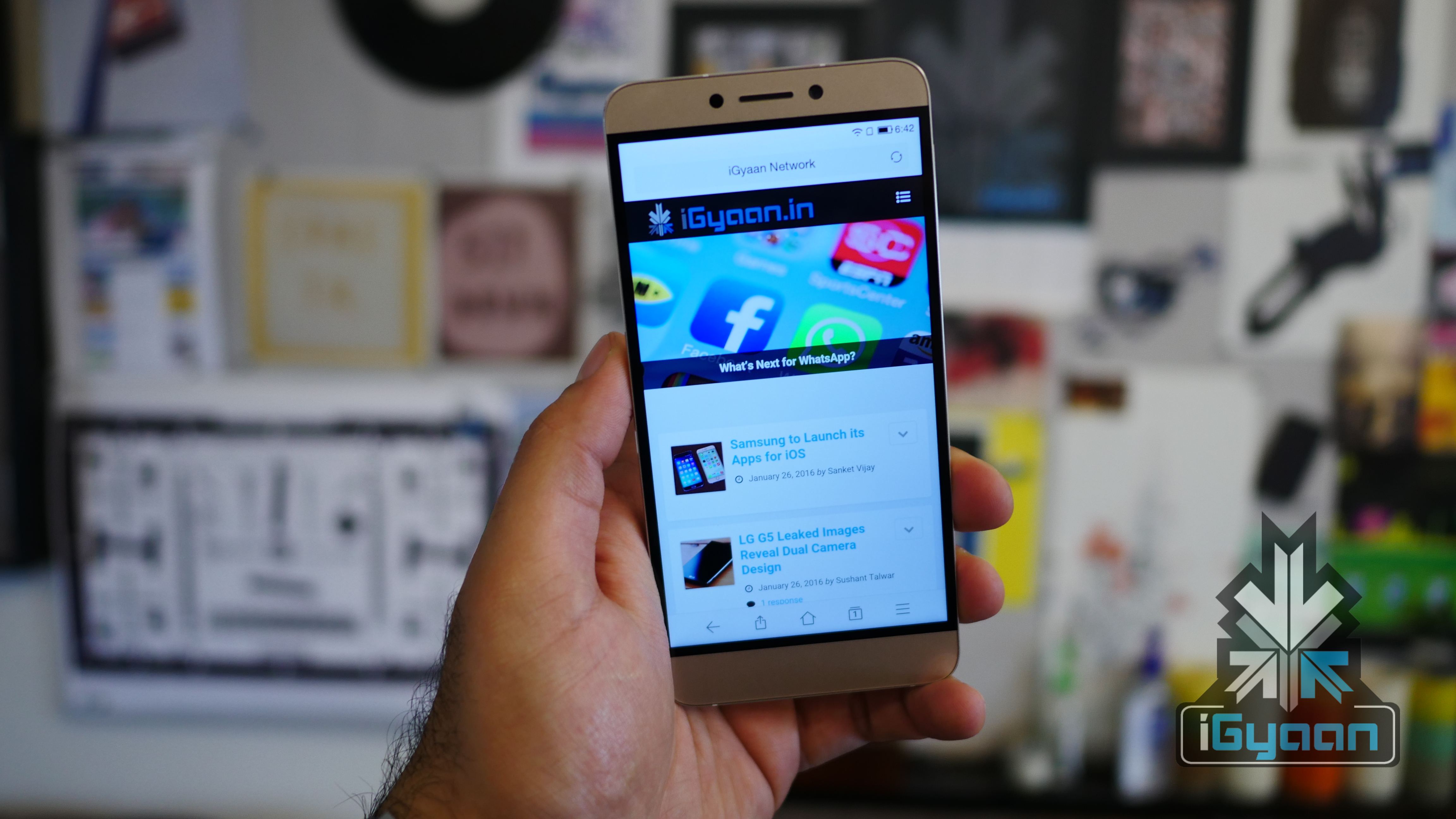
LeEco has clearly impressed the Indian consumers if we are to go by the company’s performance in its flash sales. Earlier today, LeEco held its second flash sale for the recently launched Le 1s, and performed even better than the previous sale.
According to LeEco, there were 95,000 orders for the Le 1s within the first twenty seconds of the sale. Additionally, the company also adds that there were 10.30 lakh registrations, a huge increase from the last sale’s 600,000 registrations, for the smartphone before the sale started.
With these numbers, the smartphone brand, has once again broken three records, same as the previous sale. These records are -largest number of phones sold in a single flash sale, shortest duration for the sale of so many devices, and the largest number of pre-sale registrations.
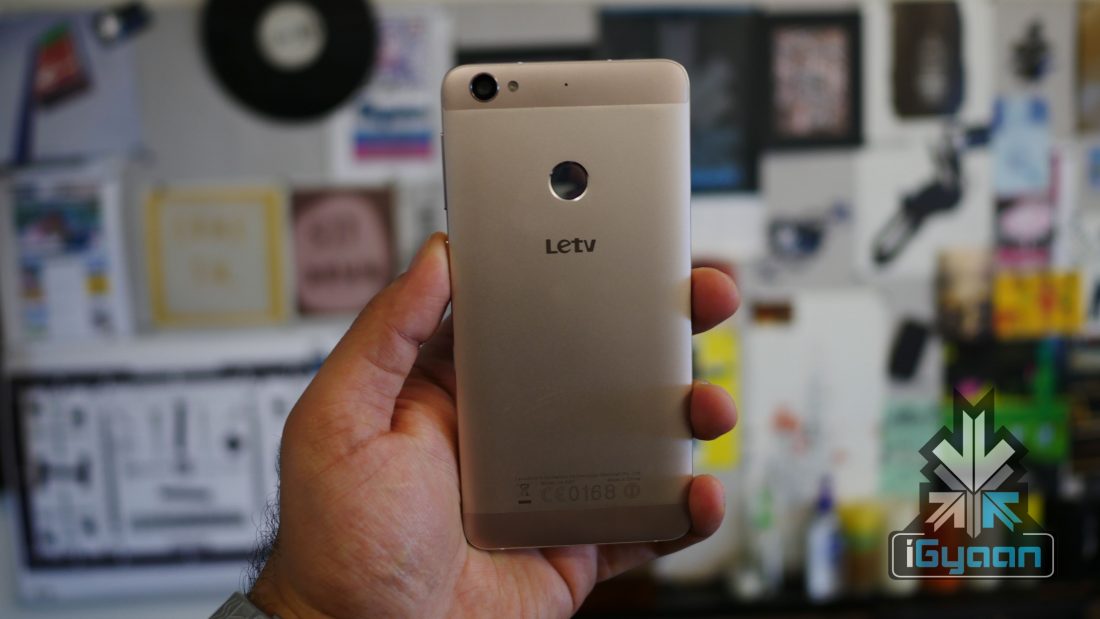
The device is marked at Rs 10,999 and packs some pretty impressive specs for the price-tag. The Le 1s comes equipped with a MediaTek X10 Turbo running at 2.2 GHz. It houses a VR6200 GPU, 3GB RAM with 32GB storage.
The ‘SuperPhone’ also supports Dual Sim 4G connectivity, backed by a 3000 mAh battery. It’s a slim device of 7.5 mm, and boasts of a 5.5-Inch Full HD display, with a clarity of 403 ppi.
Even though this news is of not much consequence for smart-television users, it is an interesting development for those who use standard television sets. Tata Sky and Videocon d2h have announced that their set-top boxes will now also feature web browsing.
DTH (direct-to-home) service providers have experimented with various interactive features which have only been supplemented by things like 4K display support on TV channels. Internet browsing is yet another feather added to the cap. This doesn’t mean, however, that users can use services like video streaming.
Tata Sky offers this new service to all existing customers free of cost, while Videocon d2h is yet to confirm details of its offers. Those using a smart-TV already have access to the Internet along with a pre-loaded app store. Having said that, this is still an interesting tech development for others.
However, with such deep infestation of the virtual space in our daily lives, one wonders if we need another gadget to connect us to the Internet. What do you think -should we be moving closer or away from the Internet in our daily activities? Let us know in the comments below.
Telecom Regulatory Authority of India has spelled doom for Facebook’s Free Basics campaign by banning it from India. So much for all the voiced opinions in the last couple of weeks.
Though this is big setback for Internet.org, Mark Zuckerberg refuses to let it douse his spirits. In a post he put up earlier today, he says,
“Our work with Internet.org around the world has already improved many people’s lives. More than 19 million people in 38 countries have been connected through our different programs. Connecting India is an important goal we won’t give up on, because more than a billion people in India don’t have access to the internet.”
One cannot help but question Facebook’s ‘altruistic’ intentions, or ones it cannot stop talking about when it comes to Free Basics. With its infinite resources can’t Facebook simply set up a company that provides Internet to remote locations for free? Wi-Fi powered stations that provide connectivity can be used to help with these attempts. Once there are a substantial amount of people involved, there can surely be a way figure out a way to make money without necessarily compromising on net neutrality.
It is a fact that Facebook has provided some sort of Internet connectivity, mostly through the platform of Free Basics in 38 countries. But in the future, both Internet.org and Free Basics are expected to face the same trouble it did in India elsewhere as well over net neutrality.
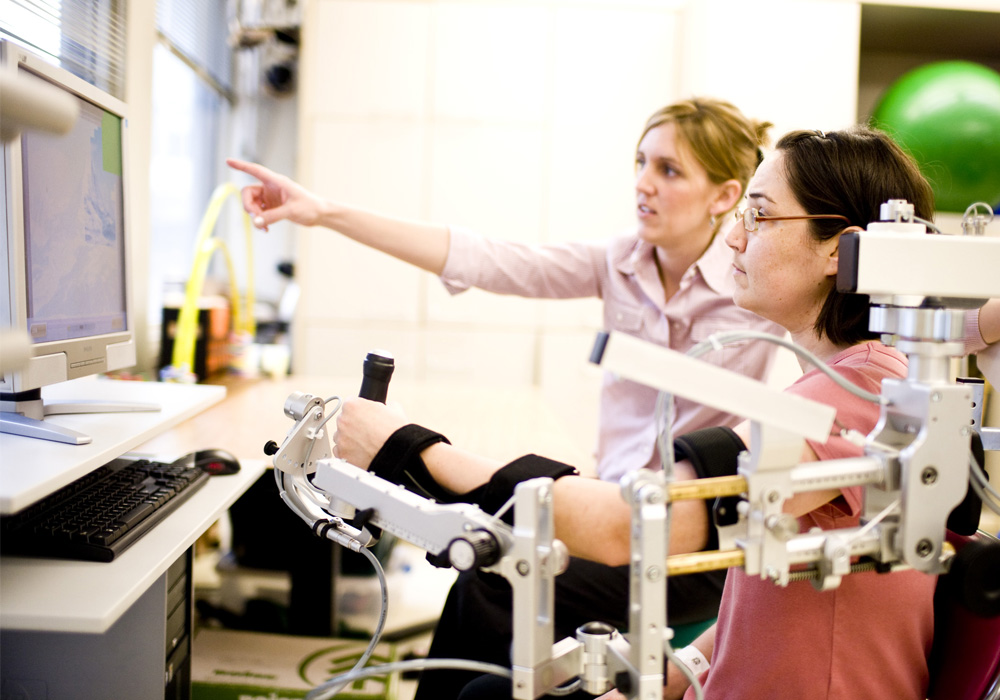
According to a report published on Tuesday at University of Melbourne, researchers in Australia may have developed a device, not bigger than a matchstick, that could help victims of spinal injury immensely. The device would make use of thoughts to help control bionic limbs or exoskeleton, and therefore employ neuro-motor rehabilitation.
The stent-electrode recording array or stentrode would be made part of blood-vessels inside the brain. Using this stentrode, thoughts would be converted into electrical commands that could be used in moving the bionic limbs, which are otherwise controlled manually with a joystick.
The research is the result of a collaboration between the Royal Melbourne Hospital, the Florey Institute of Neuroscience and Mental Health, and the University of Melbourne. The team put the current device through numerous design changes before a final design was finalised suitable to be positioned inside a blood-vessel measuring no more than one millimeter.
Paralysis is not the only physical condition this stentrode could be used in. Epilepsy and predictions of epileptic attacks in patients could also be treated using it. A foreseeable hindrance in the application of this tech would be tutoring the patients in using it.
“With our device, you’ve essentially connected an electronic limb to the patient’s brain, but they have to learn how to use it,” says Thomas Oxley, a neurologist at the Royal Melbourne Hospital. The stentrode should be available for use by 2022 and is expected to cost close to $10,500 to $14,000.
If you think wearables are a piece of tech, from the future, here are wearables for your pets to take things a step further. From electric bow ties to little paw-cams, there is every kind of wearable out there available for your pets. And you thought pet-wearables were only about GPS trackers, didn’t you? Forget those obsolete little devils, they are a thing of the past. However, sadly enough, the majority of these wearables are for dogs, but hey, that’s a start.
1. FitBark : Dog Activity Monitor
FitBark, as the name suggests, is a tracker for your dog’s daily activities. It would monitor sleep which would be converted into what the company calls ‘BarkPoints’. The fitness tracker would explain changes in your dog’s behaviour based on biological and physiological changes. It can be linked to your FitBit helping to track both your and your pet’s fitness. Priced at $54.95, the FitBark can bought off the official website here.
2. WonderWoof Bluetooth Bow Tie
This is another kind of activity-tracker for your dog which uses Bluetooth to connect itself with its companion WonderWoof app. It is compatible with both iOS and Android devices. The monitor would keep you updated about the health status of your dog based on its breed, gender, age and size. This device also helps you set up a social network of sorts for your pet. Your friends’ pets can be connected to your tracker which would then give you notifications if they are in the vicinity.
Using the tracker, play dates, vet appointments and grooming sessions can be fixed. WonderWoof also has a waterproof rating of IP67. It can be bought off the official store for $95. At CES this year, where WonderWoof was launched, the company also mentioned a product called WonderMeow, but it won’t be able until the end of the year. No other details have been mentioned
3. PawsCam Remote Video Camera
Ever wonder what your pet was up to when you were not around? No, they don’t just sit there all day waiting for you to come back. And here is a device to prove that. PawsCam takes a 6-second video when it detects any movement which is auto-uploaded to PawsCam cloud. The user can access it on iOS devices or on the web. To make sure you get an uninterrupted record of your pet’s escapades, the device has been made to be shock-proof and is capable of lasting seven days with a single charge. The videos recorded are of 480p 30fps and require Wi-Fi to be sent to the cloud. PawsCam is available for $100.
4. Taillights
This is one of a kind wearable -even for the animal world. Taillights is a series of LED lights meant for horses. There are four strips of lights which are attached to the tail of the horse, making it visible even on a dark for up to a mile. This fantastic wearable is surely a good measure against road accidents. Police officials in the US and Canada use it for patrol-horses. The lights are available in multiple colours and flash patterns, along with festive options. Guess who can have a horse with a tail incandescent with red and green lights for the festive season this year? Taillights cost $145 on the official website.
5. GoPro Fetch
GoPro Fetch is basically a harness made by the company that lets you attach a GoPro (to be bought separately) to your little canine friends and then view the world from their point of view. Use it to watch your dog during “bone-chewing, digging and front-paw action”. The harness is washable, sturdy and tough enough to withstand exposure to mud and water. It can be purchased for a price of $49.99 off the GoPro website.
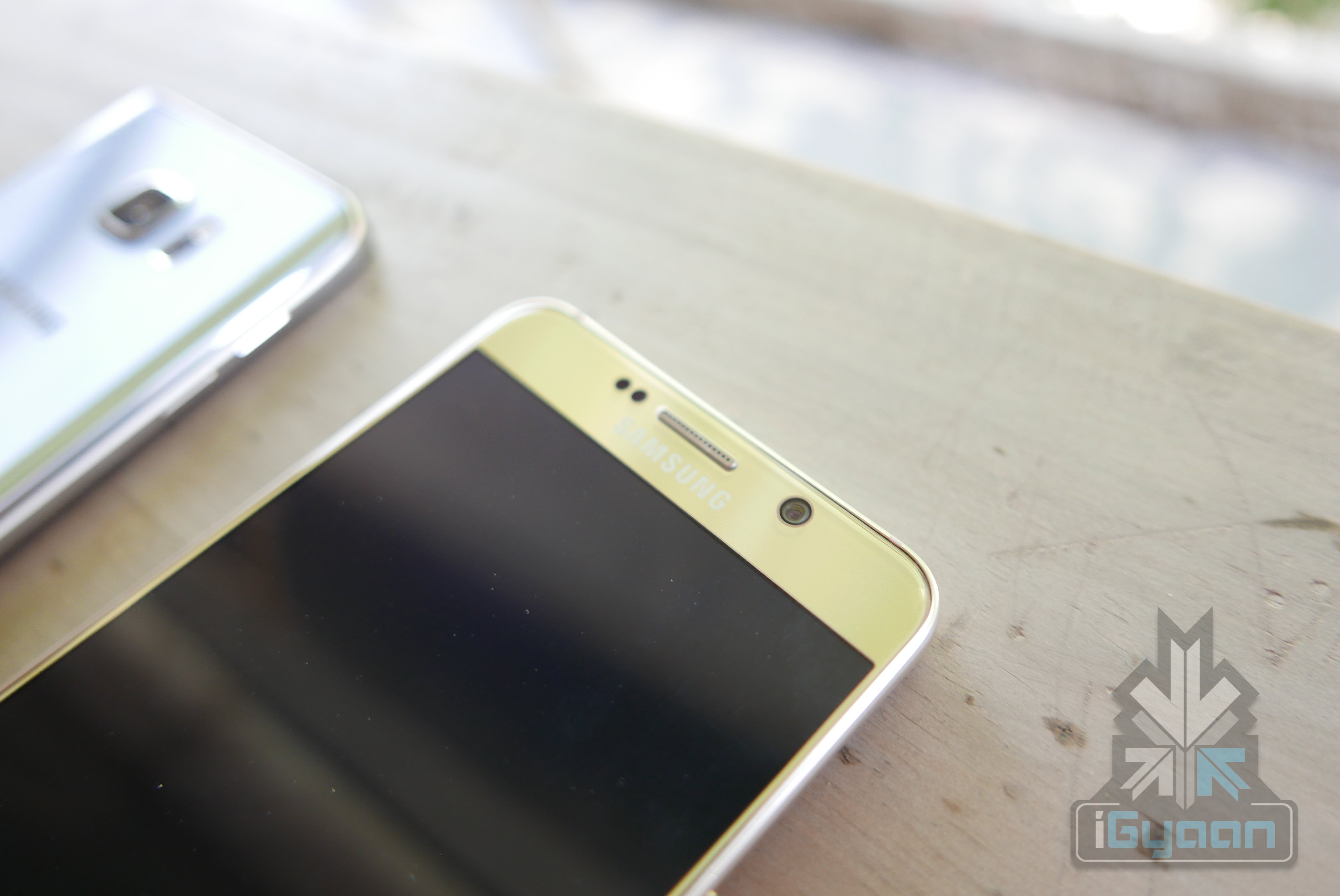
Samsung found itself at the centre of controversy last year owing to the whole ‘Pengate’ scandal. Apparently, users of the Galaxy Note 5 did not prove to be as smart with the stylus as their smartphone, or so Samsung claims. The S Pen on the Note 5, when inserted the wrong way, would not only get stuck inside the Note, but would also damage the sensing mechanism of the display. Basically rendering your phone into a regular non-Note Samsung device.
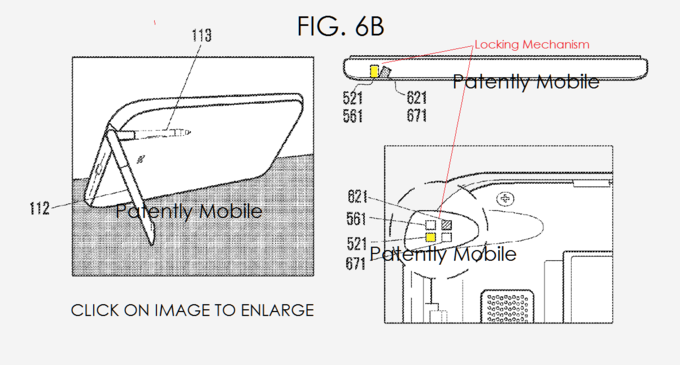
However, now, reports of a new patent suggests Samsung may have found a solution to this problem either way.
The image shows that the S-pen can be fitted at a 90 degree angle and be used as a stand if the device is needed to be kept stable for watching videos. It can also be folded and put back in its position neatly once done serving as a stand.
Whether this tech would be up for usage in the next Samsung device, or in a device which comes later is unclear at this point. Either way, it seems like an interesting development that has got us curious.
Frigyes Karinthyan, a Hungarian playwright, proposed the theory of six degrees of separation for the first time in early twentieth century. According to this theory, everyone in the world is connected with each other by way of 6 people. Since then the proposition is a fairly popular and widely accepted one.
However, now Facebook has chosen to differ from it. The networking platform has brought down the number to 3.5 from 6 people. After conducting a study of 1.59 billion active Facebook users, it was concluded that every person is connected to another by 3.57 people.
According to the report, the collective degree of separation between people all over the world has shrunk over the last 5 years. And now Mark Zuckerberg is separated from every Facebook user by only a 3.17 degrees of separation.
“Calculating this number across billions of people and hundreds of billions of friendship connections is challenging; we use statistical techniques described below to precisely estimate distance based on de-identified, aggregate data,” says the team.
It was further commented that, “Within the US, people are connected to each other by an average of 3.46 degrees.” In a country like India, where there are so many of us, we can probably half this number.
Twitter took off 125,000 accounts from the website for threatening or promoting terrorist activity. All these accounts were linked to the extremist group, ISIS -both its members as well as sympathisers. ISIS’ tech-expertise are no big secret. Its members have been brazenly using the virtual space to get their message across.
There has been no official verification for the identity of the users of these accounts. Also, if they truly were related to ISIS -there really is no way to know how effective this move was. Many of these accounts are often handled by the same person who can very easily create another network of Twitter accounts and pick up exactly from where they left.
In the past, ISIS has used many apps, websites, softwares and all sorts of virtual entities to keep itself on its feet. While SoundCloud has been used to release audio reports, Instagram and WhatsApp have been the platforms to share graphic content in the form of videos and images.
Battle summaries have been published on JustPaste, while hundreds of questions have been answered about joining ISIS on Ask.fm. The website also gives guidelines regarding the footwear to carry and availability of toothbrushes for new recruits.
Reportedly, many ISIS volunteers have been put in touch with members of the organisation in Turkey or Syria following an introduction that says, “Kik me”, followed by discussion in private on many smartphones-based virtual platforms.
Quite recently a woman in the US sued Twitter for allowing official ISIS accounts to run on its platform, sparking off yet another debate about the exchange of content on social media.
The lawsuit followed an attack by an ISIS member on November 9th when he shot down five people to death in Jordan. Two of them happened to be Americans. The husband of the plaintiff was one of the two American victims.
However, despite various complaints and lawsuits over the last couple of years, no serious action has been possible against any social media platform. Websites like Facebook, Twitter and YouTube are protected by Section 230 of the Communications Decency Act. It means that these websites are exempt from laws that would otherwise make them responsible for the content that users put up on their platform.
Additionally, US authorities often prefer the existence of accounts of antisocial elements. Officials think activities on social media platforms would enable them to keep an eye on ISIS and their supporters. Issues like these have been a much debated topic with no imminent conclusion for now. Twitter, on the other hand, has decided to take some form of a definitive step and remove 125,000 accounts. A lot of Anons will sleep more peacefully than usual tonight.
If this latest report is to be believed, Twitter is expected to introduce its revamped version next week and bring in a newsfeed very similar to Facebook’s timeline. It would combine data and tweets in a way that would no longer follow a chronological order.
This new algorithm would order tweets based on what it thinks people would want to see more as opposed to adhering to a strict chronology. It is unclear at this point if this would be a change forced on all users or if it would simply be an option to choose or ignore.
Rumours about this redesigning have been milling around for a couple of weeks now. As Twitter struggled to stay on its feet the last couple of days, this revamping seemed like one of company’s desperate measures to stay afloat.
No official comments have been made by the company on the topic. Jack Dorsey did say recently, however, that they would “continue to question our reverse chronological timeline”.
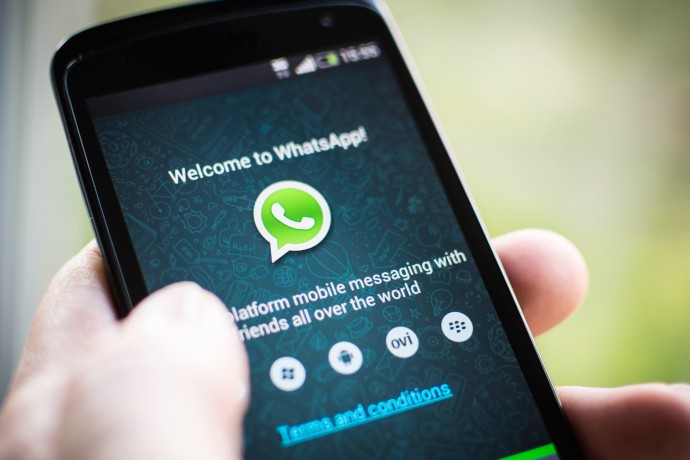
As privacy becomes more and more treacherous in virtual space, there is yet another update from the front to make matters worse. WhatsApp has become the target of a scam threatening users’ privacy and their devices with malware.
The new scam tricks users into revealing personal information like passwords and account details. A link comes from what seems to be a friend and when the recipient opens it, they are directed to a website which asks for their private details. Users often find themselves on a discount page asking for log-in ids and passwords.
While this website not only manages to obtain important personal information like passwords, it also infects the device with viruses. Furthermore, the victims are then asked to forward the message to their friends in return for a promotion like a discount coupon with a famous brand and so on and so forth.
What is more disturbing is the fact that owing to its far reach all over the world, this virus makes makes use of different languages.
David Emm, principal security researcher at an internet security and anti-virus software company comments on this and says, “We have noted that this WhatsApp scam has been actively circling for some time. It ‘speaks’ several languages so the attacks can be customised for each market.
WhatsApp has gained immense popularity ever since its inception, becoming the most popular messaging platform in the world. After having secured itself 1 billion customers, WhatsApp recently also increased its upper limit of members in a group from 100 to 256. Because the platform is expanding in such an exponential manner, it is bound to attract scammers. WhatsApp has issued no official comment on how it plans to address the problem.
After witnessing decline in sales of iPhones, Apple looks in no mood to let things get worse in the coming quarters and hence is planning to launch a smaller screen variant of the iPhone for emerging markets where buyers can’t pay as much as their counterparts in western economies. A couple of weeks ago, rumours about a 4-inch iPhone began doing the rounds, and so happened iPhone 5se.
There have been numerous leaks about the design and body of the new iPhone and the latest addition to the lot is a new colour variant. iPhone 5se is expected to come in a ‘hot-pink’ colour variant. This colour has been a topic of discussion since the iPhone 6 ever came out. The rose-gold variant of the 6s can be seen as a culmination of these rumours from the past. But looks like Apple is going to get more interesting with the colour choices it will offer this year.
Report of this new colour variant comes from a Japanese blog Mac Otakara. Interestingly enough, this report doesn’t mention the gold variant. If we are to go by this source, the iPhone 5se would be available in Pink, Space Grey and Silver.
The iPhone 5se is expected to be powered by the A9 chipset, and come equipped with an 8 MP or 12 MP rear-facing camera and Live Photos. The handset will miss out on the 3D Touch feature. The display would be the same as on the last 4- inch iPhone, the 5c.
The 5se will be offered in two storage options, 16 GB, and 64 GB. Pricing is expected to be around $450 (approximately Rs 30,000). It is expected to be unveiled at the official Apple event on the 15th of March, along with iPad 3.
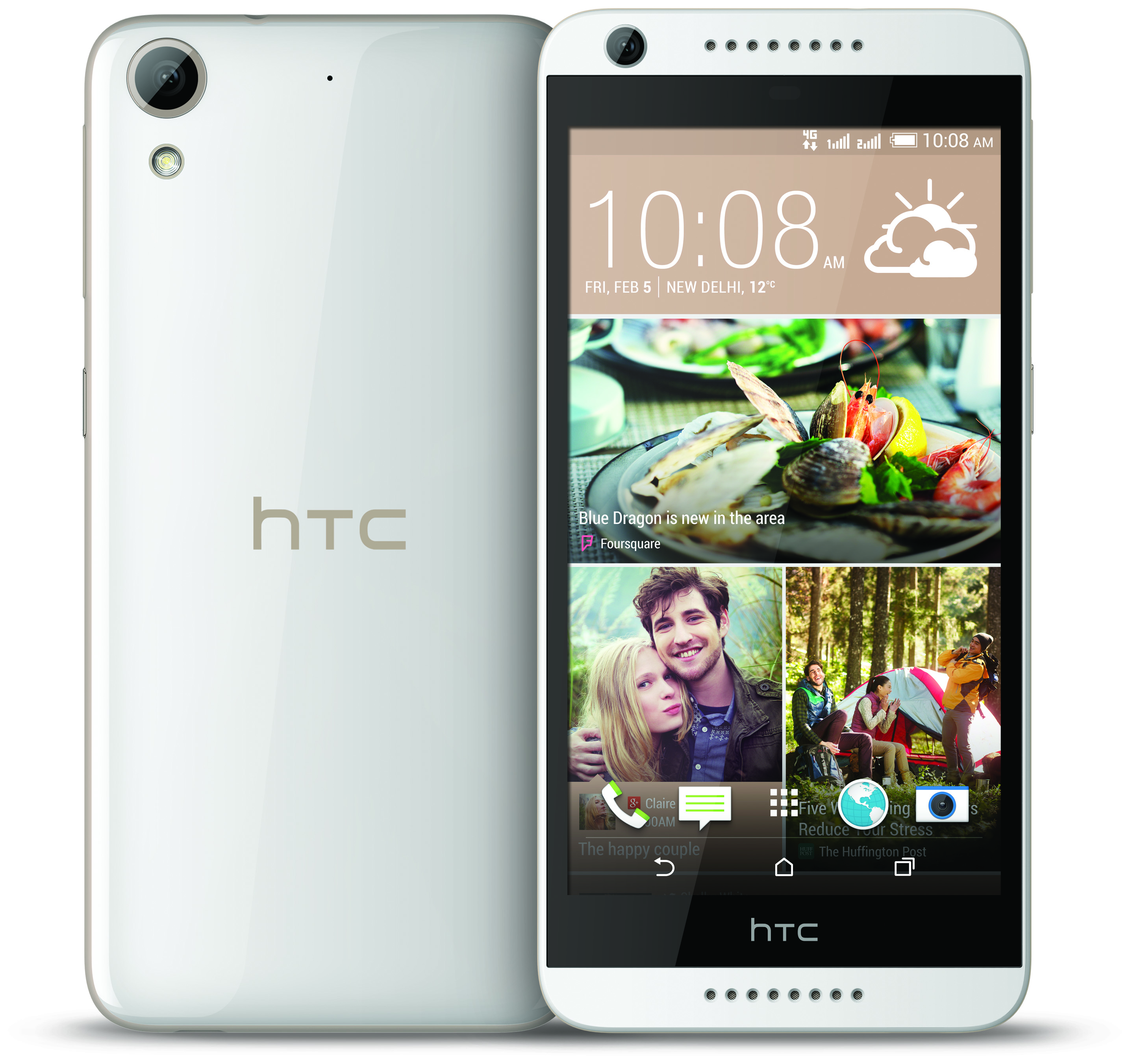
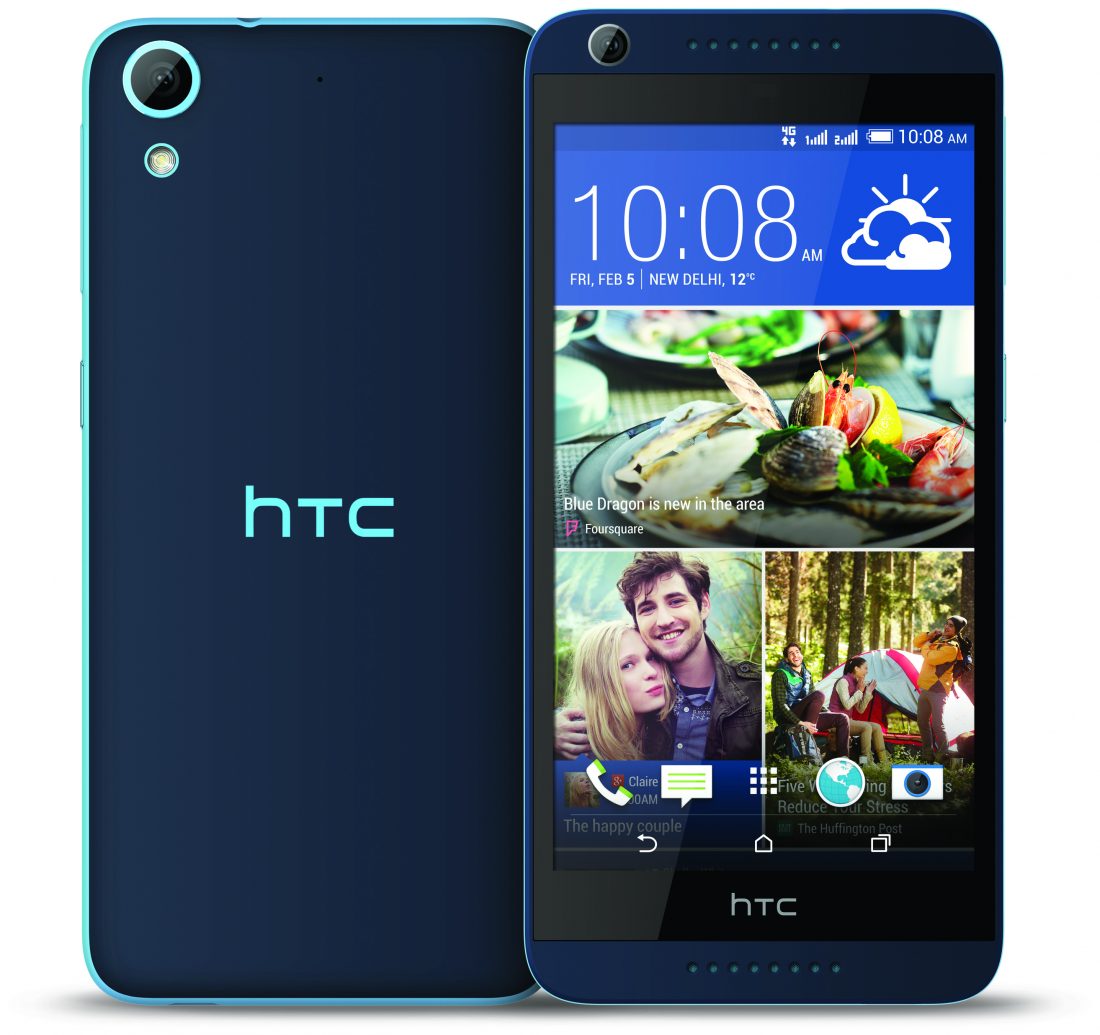
HTC’s newest addition to the smartphone industry Desire 626 launches in India today. The phone has a 5-inch display and resolution of 720 x 1280. Internal storage of 16 GB expandable up to 32 GB with the microSD card, and 2 GB of RAM are some of its other specifications.
Desire 626 is powered by 7 GHz octa-core MediaTek MT6752 processor, while its Android OS is coupled with HTC Sense. Thought HTC hasn’t specified it yet, we can expect the device to run on Lollipop 5.1.1. The phone has a main camera of 13 MP a BSI sensor, f/2.2 aperture, and a front camera of 5 MP, again with BSI sensor. Further, Desire 626 packs a battery of 2,000 mAh.
The handset comes in two colour variants – Blue Lagoon and White Birch and will be available with major retailers for Rs. 14,999 in the coming weeks. Watch this space on all the latest updates on pricing and availability.
About a month ago, Vodafone revealed plans of rolling out 4G services in major cities of India. This was followed by 4G internet soon being made available in Delhi and NCR. Now the company has announced dates of when it will be available in Bangalore and Mumbai.
Vodafone will launch 4G services in Mumbai on the 10th of February and in Bangalore on 11th of February. Vodafone is also planning on home delivering 4G-ready SIMs to its premium high-value customers in Mumbai, and formal communication for it is already being sent out. The launch in Mumbai will be in phases starting with South Mumbai.
Currently, Vodafone is offering data packs ranging from 35 MB which costs Rs. 11, going up to Rs. 2,499 for 20 GB in Delhi and NCR. It has also become country’s first network provider to provide 4G international roaming in the UK, Romania, Spain and Netherlands. Vodafone, one of the biggest network operators of India, also has big plans like introducing 5G in countries like Australia by 2020. But let’s see if it manages to overcome the 4G hurdle first.
Say hello to the world of social media and inanity that only seems to be increasing with every passing day. Amidst millions of pointless comments and cat-pictures that are exchanged every day, here is some news to make you shudder at the prospect of more spam. WhatsApp has increased the number of members that can be part of a group from 100 to 256.
The move has perhaps been made to make users stick to the platform, especially in the face of competition its facing from other companies like Hike, Viber and KakaoTalk, to name a few. The company is clearly trying to hard to keep up its status of being the world’s most popular messaging app. WhatsApp confirmed 1 billion users on the platform with 42 billion messages being exchanged every day.
Since Facebook’s acquisition of WhatsApp, it is only likely that the platform would be entering into different methods of generating revenue. Now that the platform is all set to be cost-free minus any charge at all, the move to increase members in a group could be aimed at creating an income from those using WhatsApp as a means to publicise themselves. From personal business to brokers to marketing firms, everyone seems to be using this platform to publicise themselves. And it is precisely this section of WhatsApp users the increased group limit seems to be directed at.
An average WhatsApp user is not likely to be effected by the update at all. Also, the update could have been announced on a trial basis as well. Even if Facebook is tinkering with the platform to test different ways of increasing its profits, a random figure like 256 (why not 250 or 300?) still seems an odd way to start. Let’s see what the company has in mind and what all it leads to.