Author: Sanket Vijay

  • Samsung Galaxy S7 vs LG G5: Who Wins?

    Samsung Galaxy S7 vs LG G5: Who Wins?

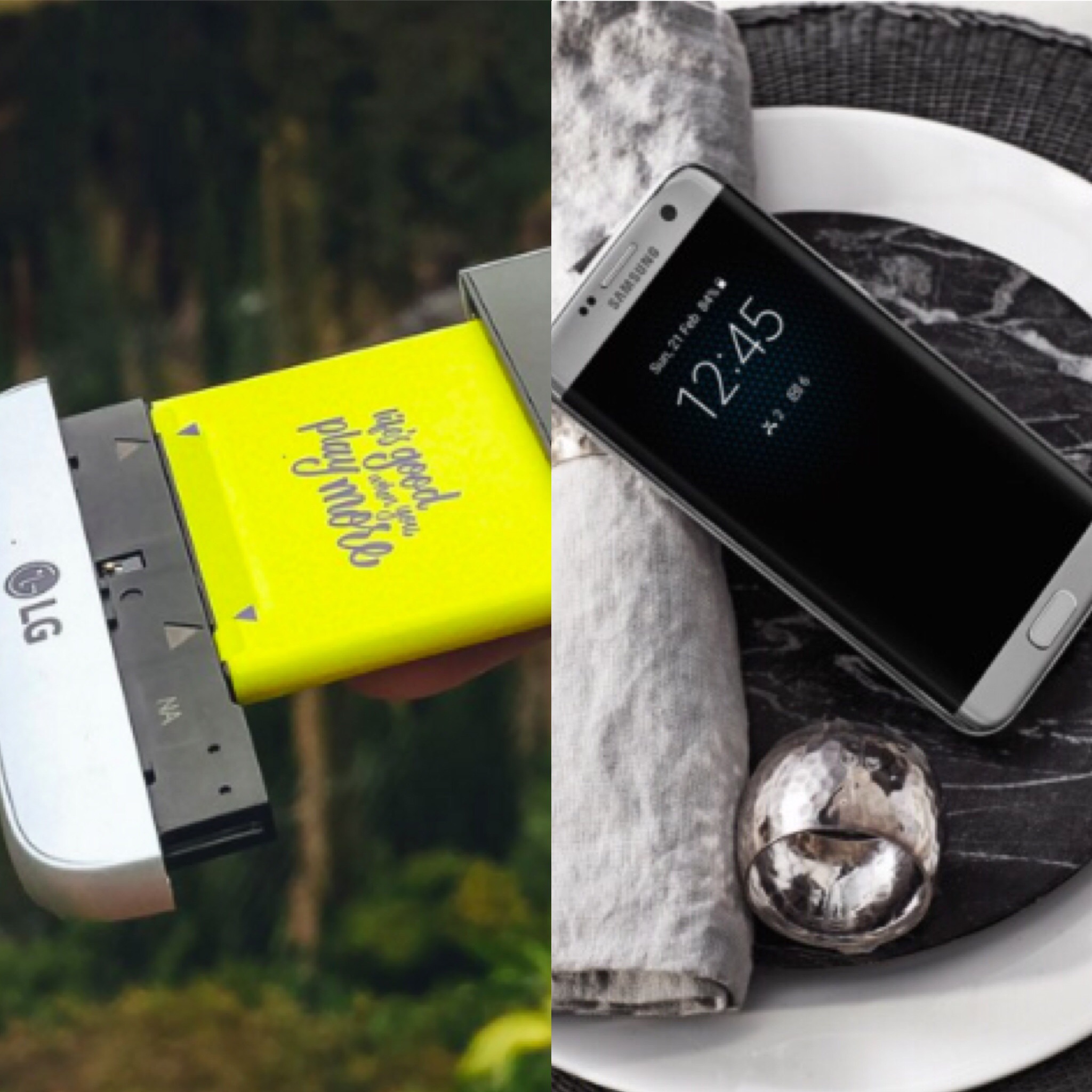
    Samsung and LG both unveiled their flagship Galaxy S7 and G5 devices at the MWC last month. Samsung today launched the Galaxy S7 and S7 Edge in India at a price of Rs 48,900 and Rs 56,900, respectively. Meanwhile, LG is reportedly going to launch the G5 by the end of July.

    Samsung wanted to keep the design language of the Galaxy S7 and S7 Edge similar to its S6 counterparts from last year, only adding a MicrosSD card slot, a curved edge at the back on the Galaxy S7, and next-gen specifications. LG went with a radical new modular design with the G5 and packs some serious under the hood specifications.

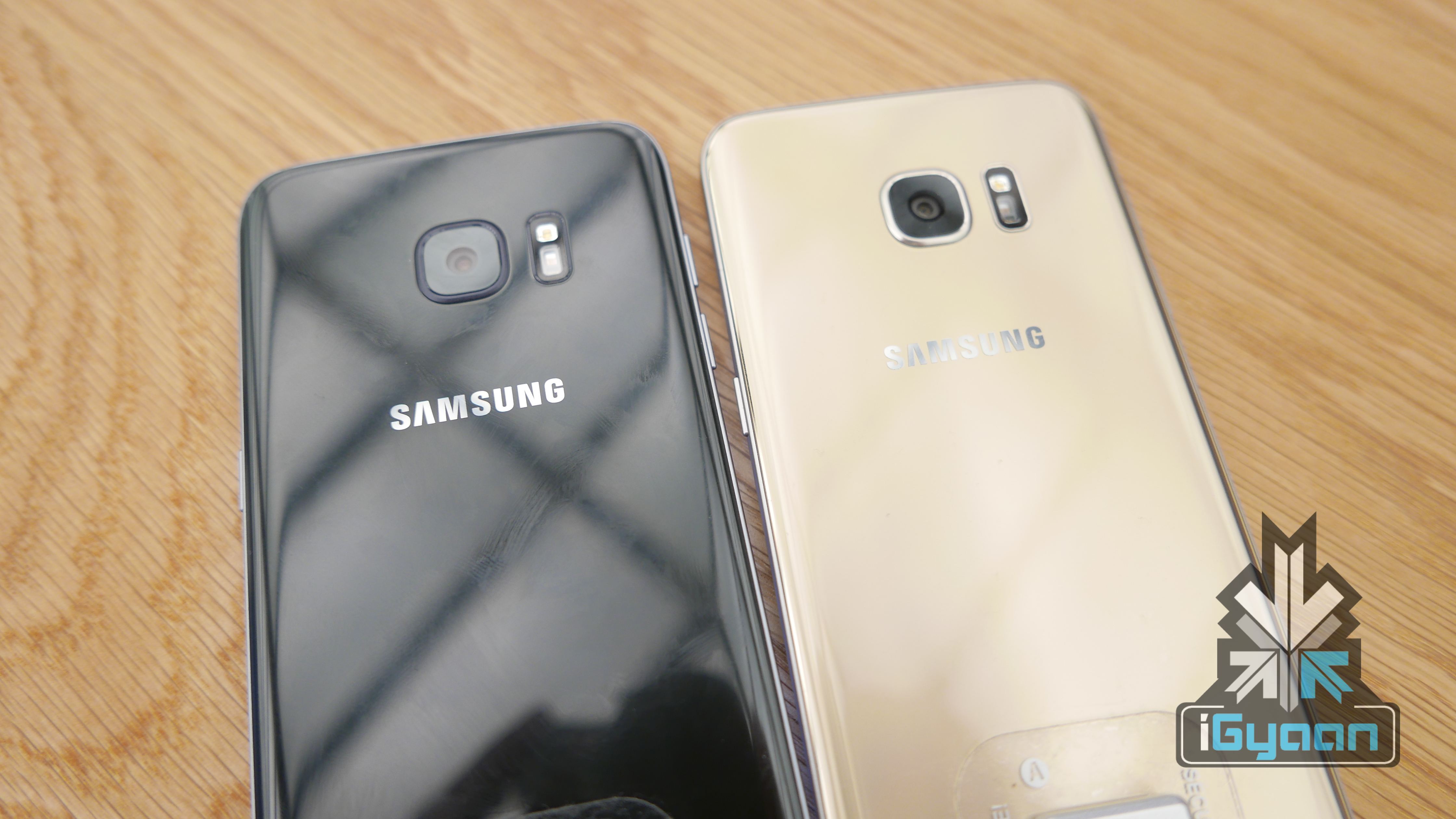
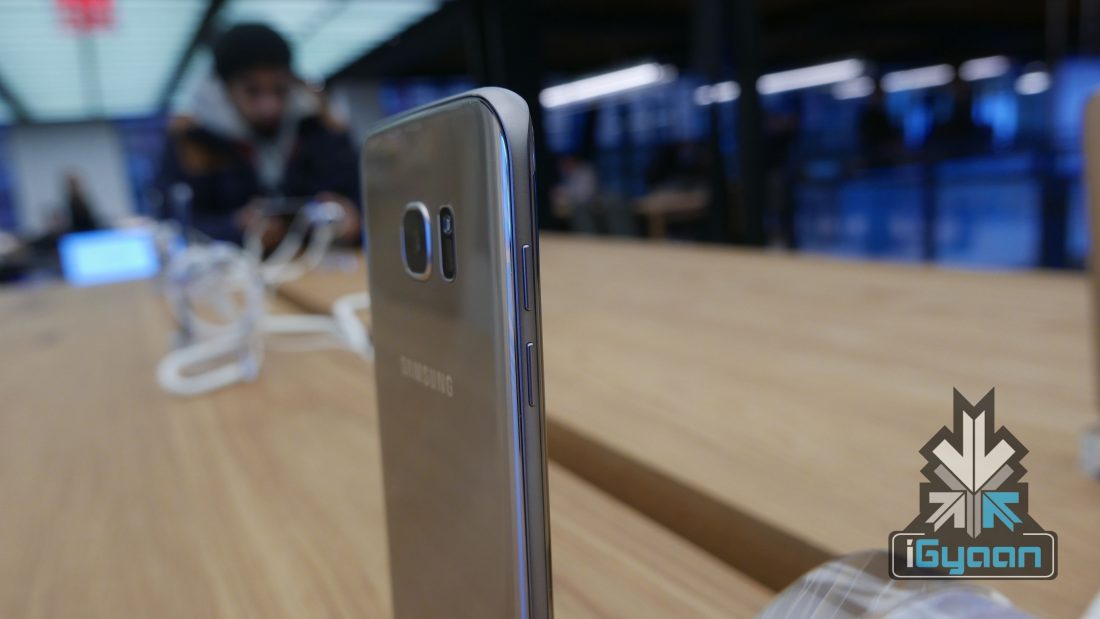
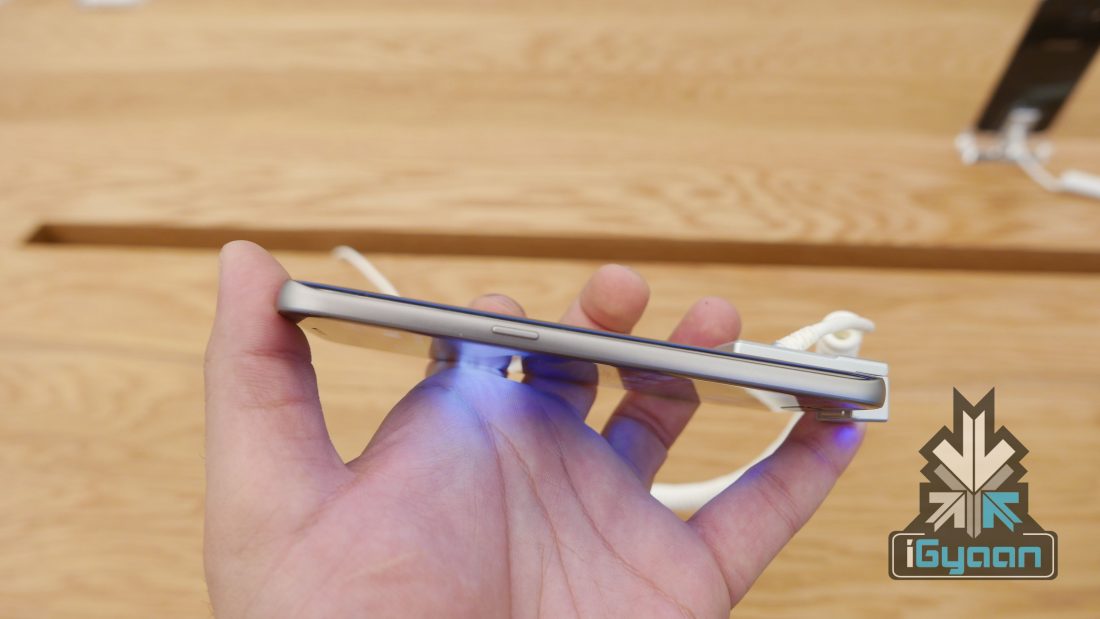
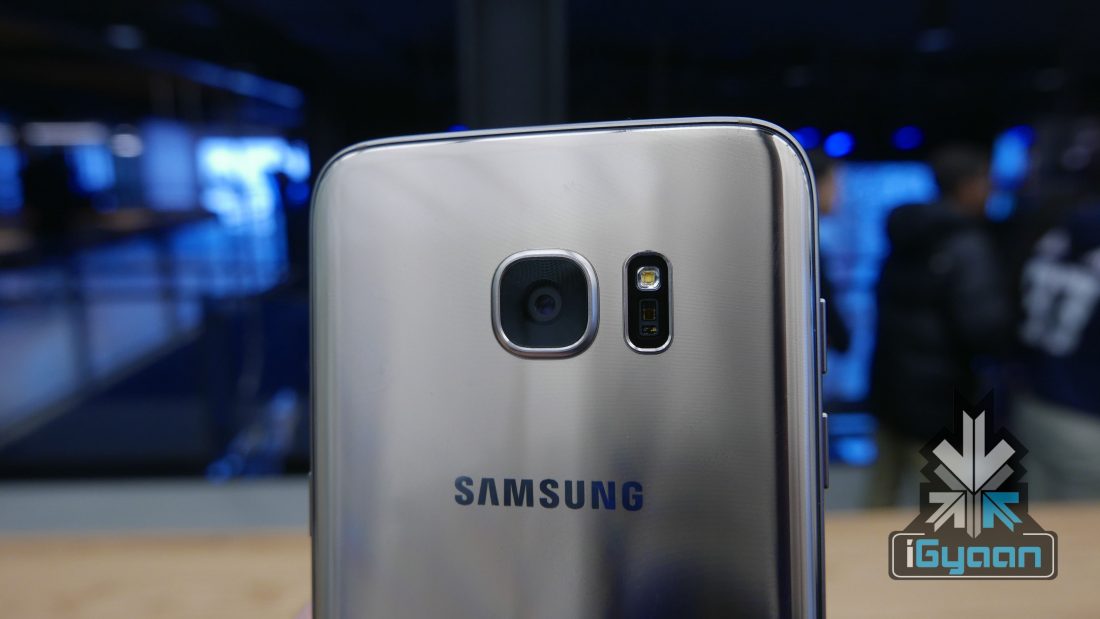
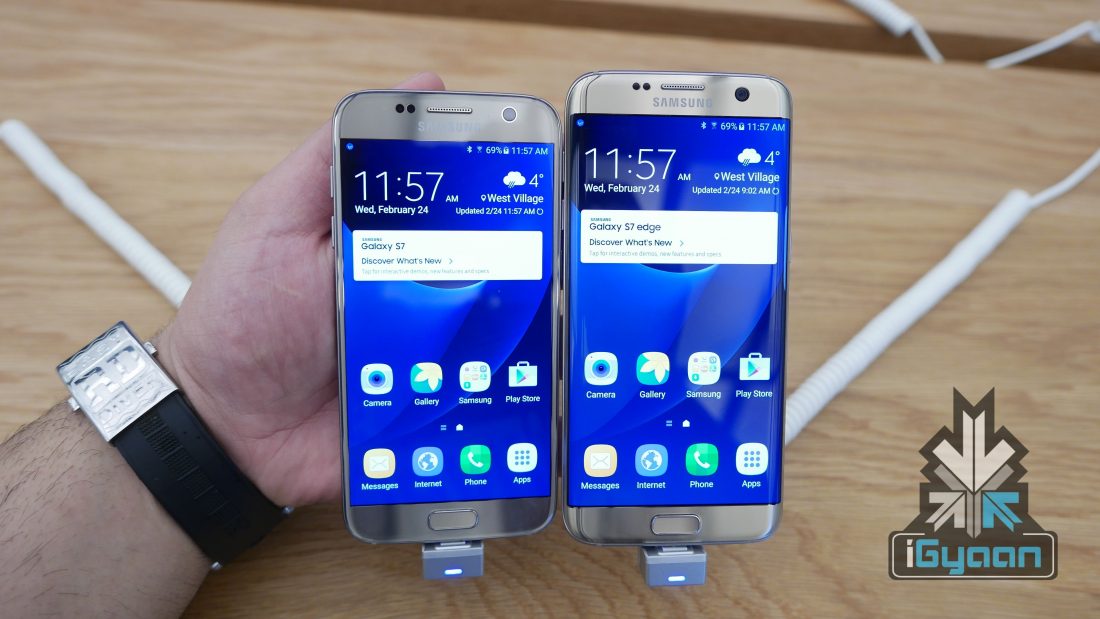
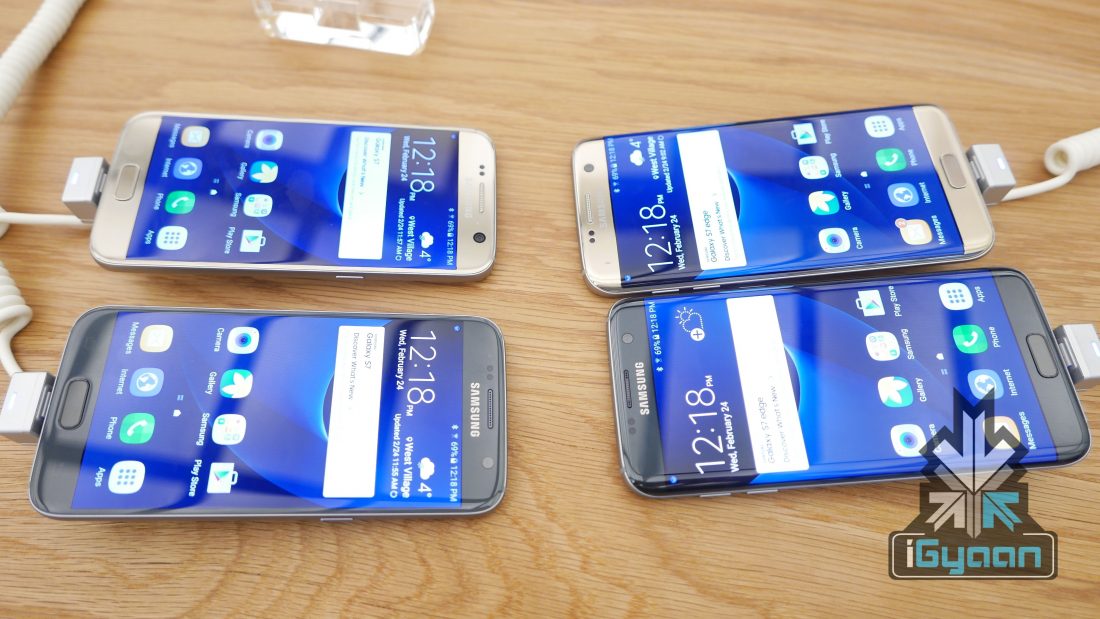
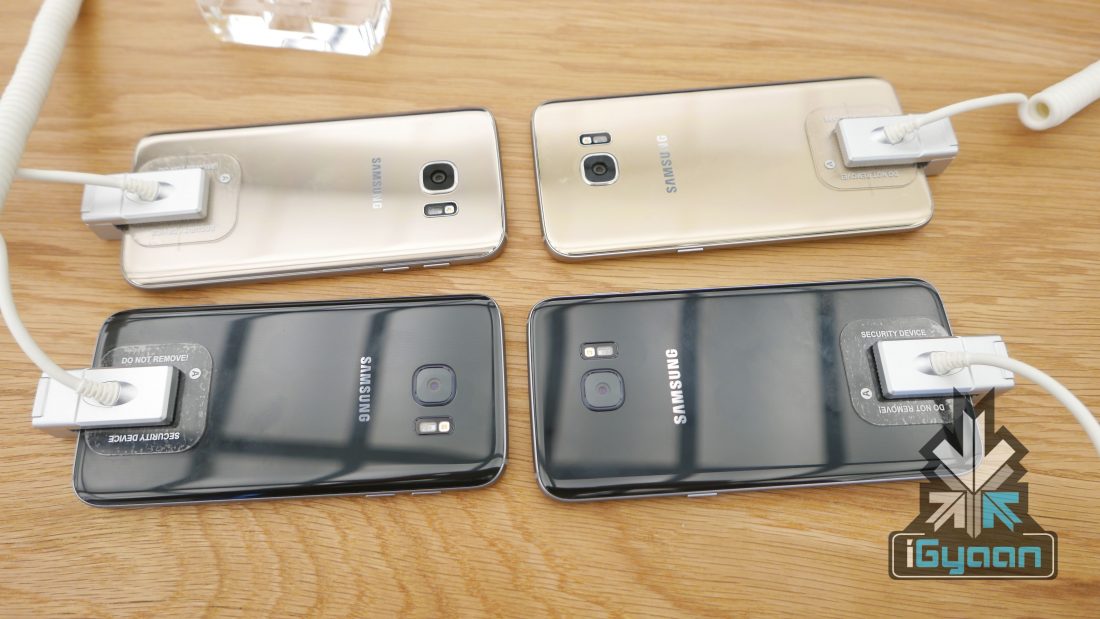
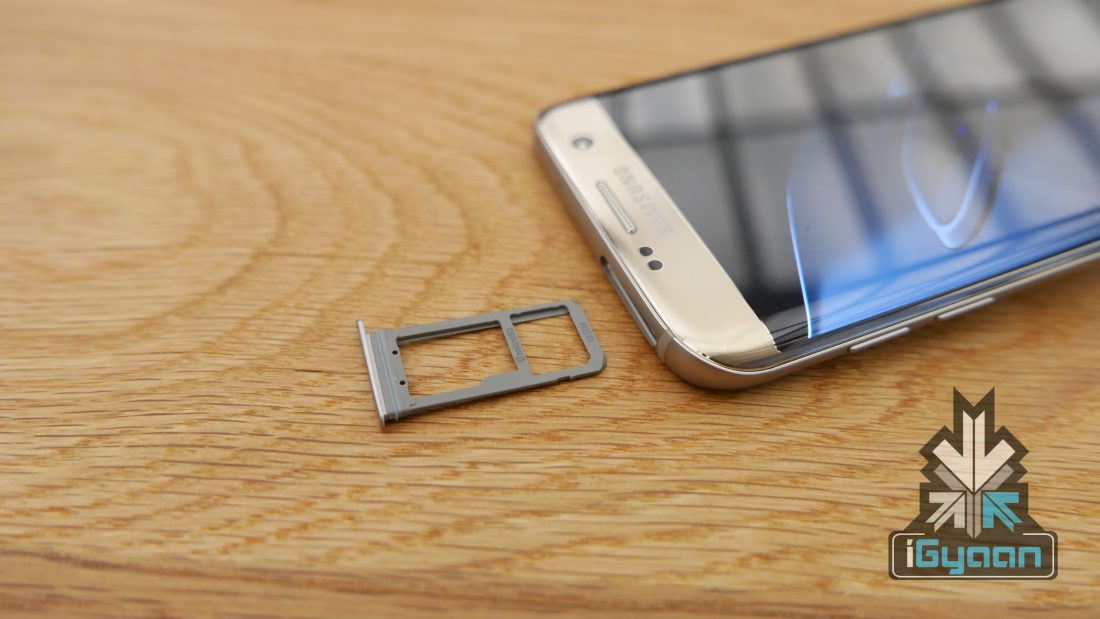
    Samsung’s Galaxy S7 arrived with pretty much the same design language as the S6 only adds a curved edge at the back and a MicroSD and slot. It’s an evolution on its predecessor, adding only what was missing in the S6 and nothing more. That being said, the S7 still doesn’t come with a USB Type-C port, which was highly expected this time around. The metal is made of a stronger alloy than the S6 and the rounded edges give a smoother feel. The S7 comes with slimmer bezels and narrower body.
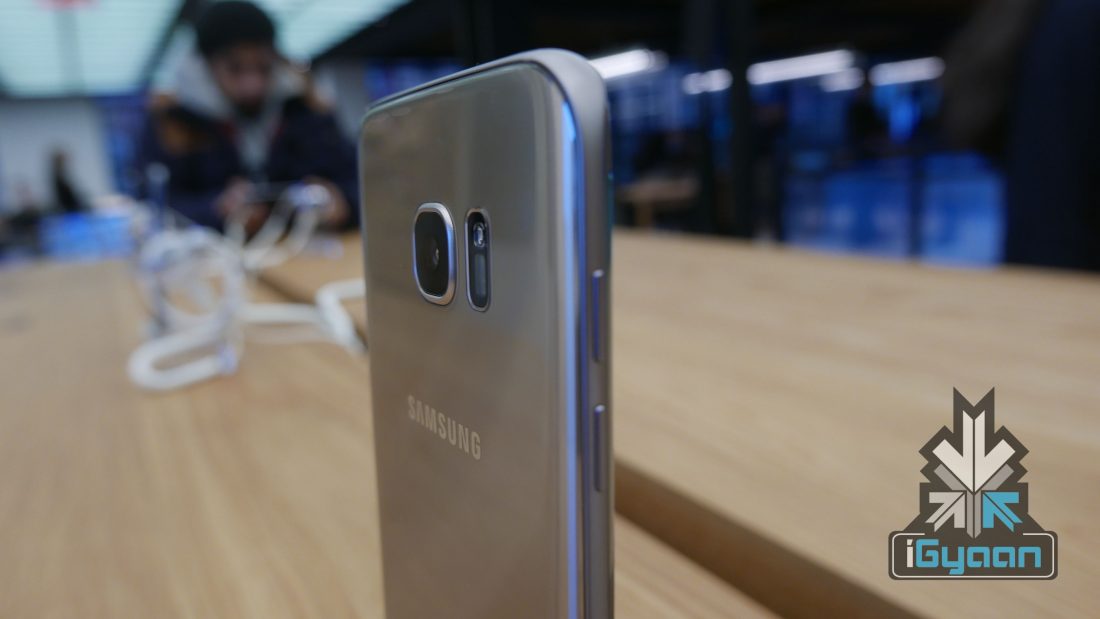
    Galaxy S7 S7 Edge - iGyaan Hands On 31

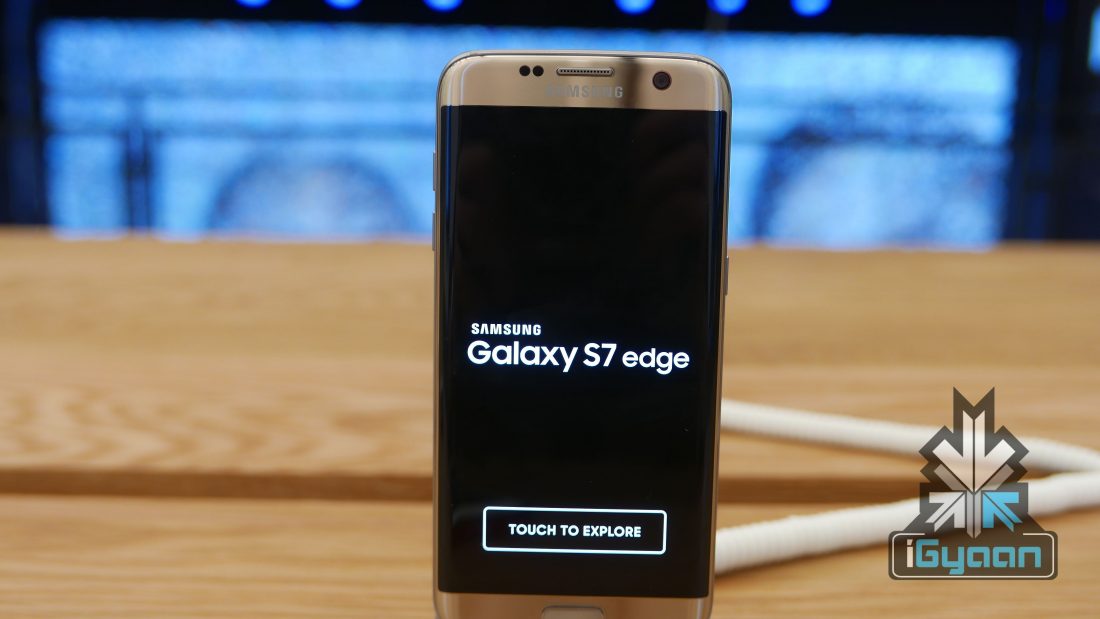
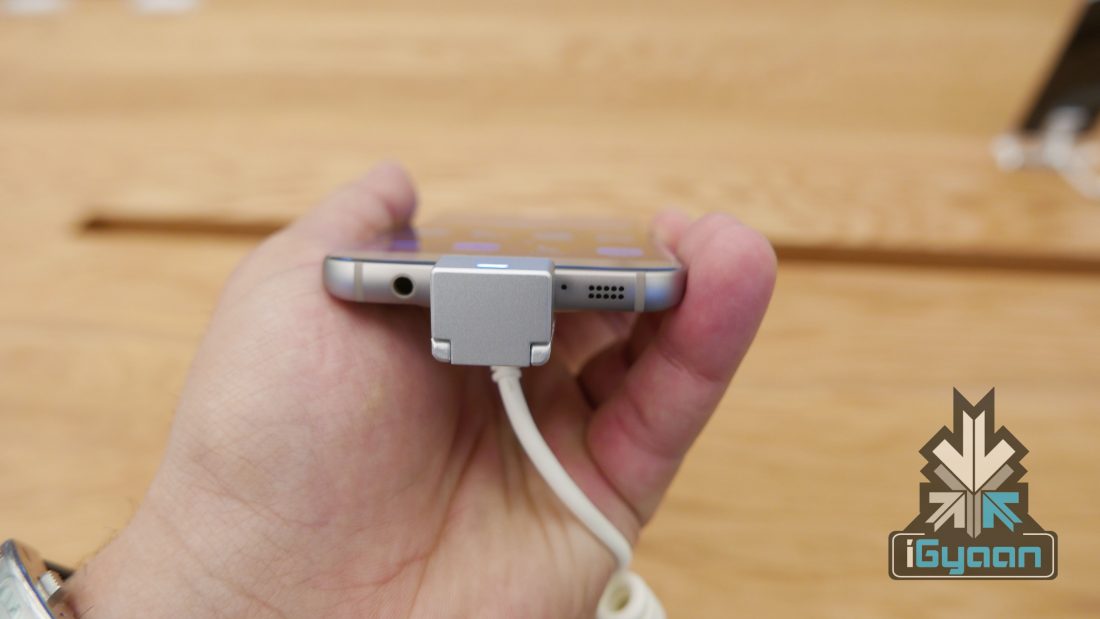
    The 5.1-inch S7 Super AMOLED display with Quad HD resolution. Two SoC configurations are offered – one being the new Exynos 8890 and the other being Qualcomm’s Snapdragon 820. The device comes with 4GB of RAM and 64GB of internal storage and a bigger 3000mAh battery as compared to its predecessor. A fingerprint sensor is housed in the home button and the phone also features an Always On display and is IP68 certified which means it is dust-proof and water resistant up to 1.5 meters. The S7 does not, however, offer a USB Type-C port but rather sticks with the traditional Micro USB port.
    Galaxy S7

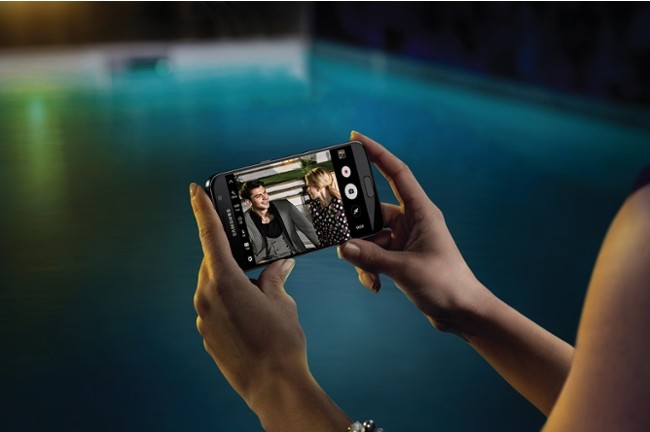
    The Galaxy S6 and S6 Edge Plus had incredible cameras that won last year. Both the S7 and S7 Edge employs a ‘Dual Pixel’ image sensor with a 12MP and a large f/1.7 aperture rear camera and a 5MP front. Samsung has boasted of exceptional low-light captures with the Galaxy S7 devices, and it may just dominate the camera department once again this year.

    The new sensor allows the device to capture images quickly while ensuring exceptional image quality, regardless of lighting conditions. Samsung has boasted of exceptional low-light captures with the Galaxy S7 devices, and it may just dominate the camera department once again this year. Other camera features include Motion Panorama and Selfie Flash.
    screen_shot_2016-02-21_at_8.26.16_pm

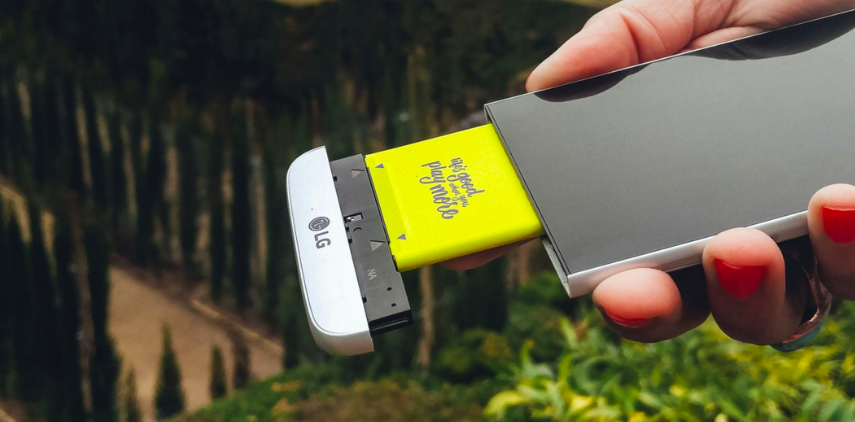
    The LG G5, on the other hand, comes packing a primary 5.3-inch QHD LCD display with 3D Arc Glass on top. It also comes with an Always On feature that lights up the display for access to important updates. The phone’s construction is full metal unibody and is powered by a Snapdragon 820 chipset, paired with 4GB of RAM and 32GB of internal storage, expandable by up to 200GB with microSD cards. The device offers a USB Type-C port that allows for faster charging.

    When it comes to photography, the phone is equipped with dual cameras at the back. A standard 16-megapixel 78-degree lens and another 8-megapixel 135-degree wide angle lens. The LG G5 features a front-facing 8-megapixel camera too for clicking selfies.
    LG G5 01

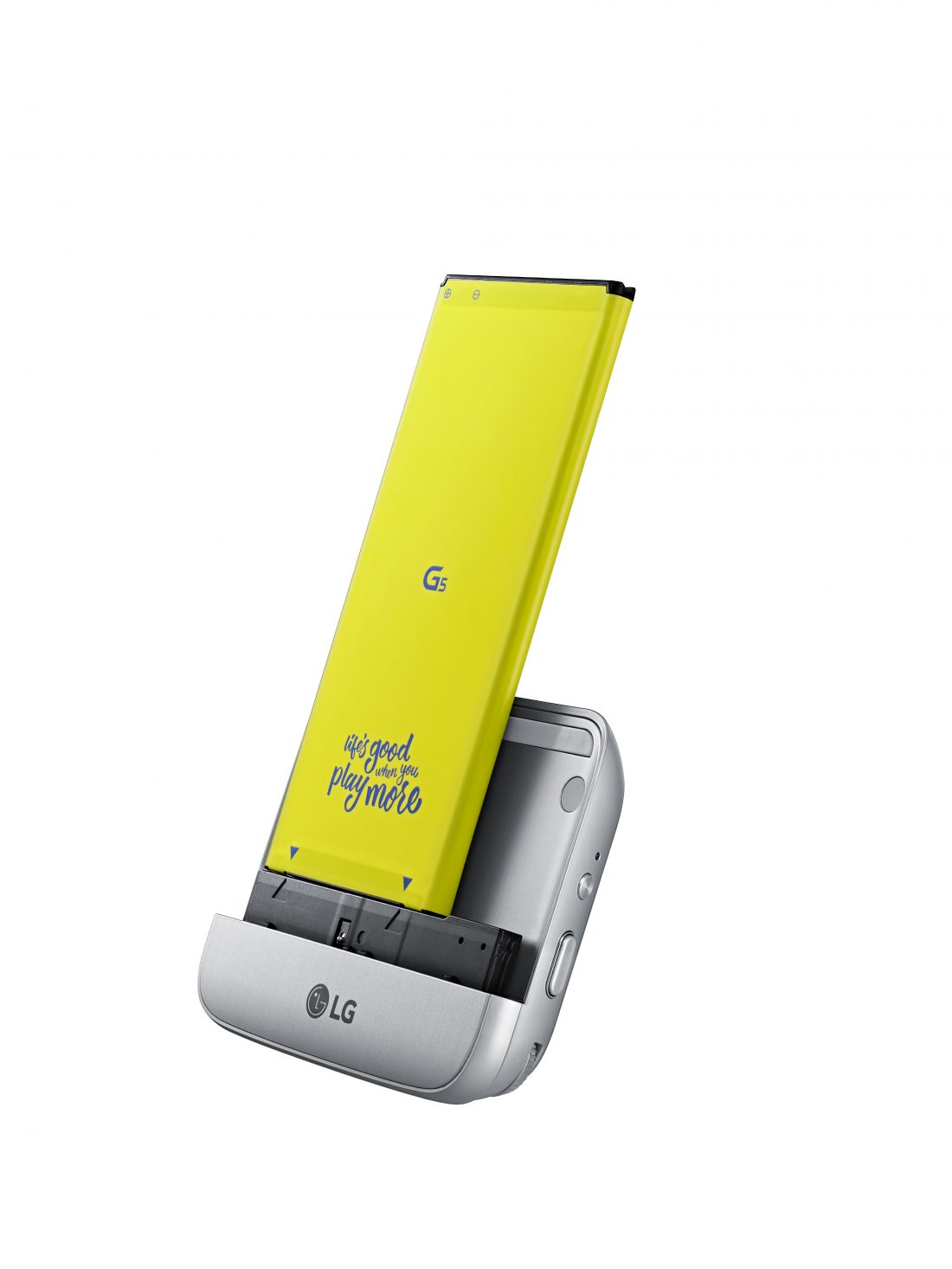
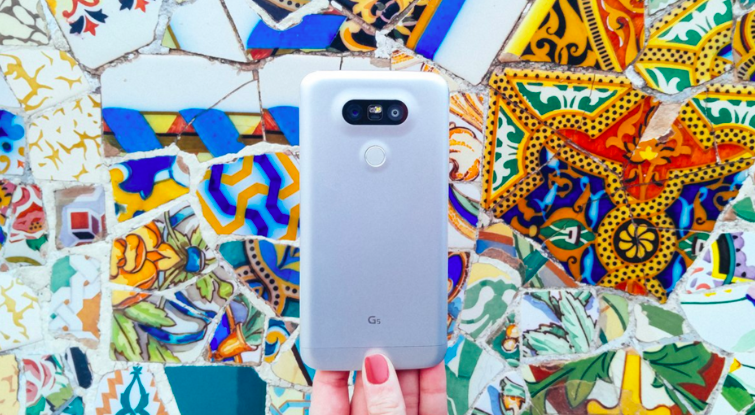
    LG has worked hard on the modular design language of the phone. The G5 has a full metal body and comes with impressive specifications but the what sets the phone apart from its competition is the fact that it comes with modular attachments which can be utilised to enhance the camera and battery of the phone. Over to the back, you can see the dual camera module and a rounded fingerprint sensor below it.

    Some early AnTuTu benchmark tests show the G5 shattering all records, scoring over the Galaxy S7 by quite a margin. The G5 scores above 130,000 whereas the Galaxy S7 hovers around 110,000 mark.

    Check out the spec table for both the devices below to have a better look. Let us know which device is your winner in the comments below.

    Specs

    Galaxy S7

    LG G5

    Display  5.1-inch Super AMOLED Quad HD display with Corning Gorilla Glass 5 5.3-inch screen Quad HD IPS display with Corning Gorilla Glass 4
    Resolution  2560 x 1440 pixels / 577ppi  2560 x 1440 / 554ppi
    Processor Qualcomm Snapdragon 820 Processor Qualcomm Snapdragon 820 Processor
    GPU Adreno 530 Adreno 530
    RAM 4GB 4GB
    Storage 32GB/ 64GB 32GB
    Rear Camera Dual Pixel 12MP with f/1.7 aperture Standard 16MP, Wide 135 degrees 8MP
    Front Camera Dual Pixel 5MP with f/1.7 aperture 8MP
    Expandability Up to 200GB via MicroSD Up to 200GB via MicroSD
    Battery 3000mAh battery 2800mAh battery Quick Charge 3.0
    Connectivity Wi-Fi 802.11 a/b/g/n/ac, Wi-Fi Direct, hotspot, Bluetooth v4.1, A-GPS, GLONASS, NFC Wi-Fi 802.11 a/b/g/n/ac, Wi-Fi Direct, hotspot, Bluetooth v4.1, A-GPS, GLONASS, NFC
    OS Android 6.0 Marshmallow  Android 6.0 Marshmallow
    Price Rs 48,900
  • Samsung Galaxy S7 and S7 Edge Launches Tomorrow: Here’s What you Need to Know

    Samsung Galaxy S7 and S7 Edge Launches Tomorrow: Here’s What you Need to Know

    We’re only a day away from the launch of Samsung’s newest flagship Galaxy S7 and S7 Edge smartphones in India. The devices were unveiled at the MWC last month and will finally make its way to Indian markets tomorrow. As we gear up for the launch and keep our wallets ready, here are some things that you need to know about the Galaxy S7 and S7 Edge.

    Galaxy S6 vs S7: What’s Changed?

    Galaxy S7 S7 Edge - iGyaan Hands On 30

    2015 was a spectacular year for Samsung. The Korean giant launched the Galaxy S6 and S6 Edge smartphones that redefined what a premium smartphone should look and feel like. The Galaxy S6 was praised for its brilliant design language that brought together glass and metal to form a beautiful piece of machinery. Add to this, the S6 came with top-of-the-line specifications including a brilliant camera sensor.

    With so much that was done right with the Galaxy S6, it’s not surprising that Samsung decided to stick to the same design language with the successor, Galaxy S7. The new flagship retains the looks, adds a MicroSD card slot, and packs next-gen specifications. But what the S7 also adds is a curved edge at the back that exquisitely blends into the metal frame and gives a great looking shape as well as improves the grip.

    Specs

    GalaxyS6

    Galaxy S7

    Display 5.1-inch Quad HD Super AMOLED (577ppi)  5.1-inch Super AMOLED Quad HD display
    Resolution 1440 x 2560 pixels 1440 x 2560 pixels
    Processor Exynos 7420 Octa Qualcomm Snapdragon 820 ProcessorExynos 8890 Octa

    Exynos 8890 Octa

    GPU Mali-T760MP8 Adreno 530

    Mali-T880 MP12

    RAM 3GB 4GB
    Storage 32GB/64GB/128GB 32GB/ 64GB
    Rear Camera 16MP + OIS Dual Pixel 12MP with f/1.7 aperture
    Front Camera 5MP Dual Pixel 5MP
    Expandability N/A via MicroSD
    Battery 2550mAh battery 3000mAh battery
    Connectivity Wi-Fi 802.11 a/b/g/n/ac, dual-band, Wi-Fi Direct, hotspot, A-GPS, GLONASS, BDS, NFC Wi-Fi 802.11 a/b/g/n/ac, Wi-Fi Direct, hotspot, Bluetooth v4.1, A-GPS, GLONASS, NFC
    OS Android 5.0.2 Lollipop Android 6.0 Marshmallow

    Galaxy S6 Edge and S7 Edge: What’s Changed?

    Galaxy S7 S7 Edge - iGyaan Hands On 6

    Meanwhile, the Galaxy S6 Edge took things to the next level with a curved dual edge display along with a 5.1-inch screen that brought a brand new aesthetics. The S7 Edge features the same dual edge design but on a bigger 5.5-inch form factor and comes with a QHD Super AMOLED display with a pixel density of 534 ppi compared to the 5.1-inch QHD 577 ppi screen that we saw on the S6 Edge.

    The phone also comes with more rounded edges which combined with the rounded edges at the back provides for a far better grip to the user. Samsung claims it has made the camera nearly level in the S7 Edge which carries forward the premium glass and metal design scheme of the S6 Edge while incorporating IP68 waterproofing and dust resistance capabilities.

    Specs

    Galaxy S6 Edge

    Galaxy S7 Edge

    Display 5.1-inch Quad HD Super AMOLED (577ppi) 5.5-inch curved AMOLED Quad HD display
    Resolution 2560 x 1440 pixels   2560 x 1440 pixels
    Processor Exynos 7420 Octa Qualcomm Snapdragon 820 ProcessorExynos 8890 Octa

    Exynos 8890 Octa

    GPU Mali-T760MP8 Adreno 530

    Mali-T880 MP12

    RAM 3GB 4GB
    Storage 32GB 32GB/ 64GB
    Rear Camera 16MP with f/1.9 Dual Pixel 12MP with f/1.7
    Front Camera 5MP Dual Pixel 5MP
    Expandability N/A via MicroSD
    Battery 2600mAh battery  3600mAh battery
    Connectivity Wi-Fi 802.11 a/b/g/n/ac, dual-band, Wi-Fi Direct, hotspot, A-GPS, GLONASS, BDS, NFC  Wi-Fi 802.11 a/b/g/n/ac, Wi-Fi Direct, hotspot, Bluetooth v4.1, A-GPS, GLONASS, NFC
    OS Android 5.2 Lollipop  Android 6.0 Marshmallow

    Improved Battery

    Galaxy S7 S7 Edge - iGyaan Hands On 11

    Seeing as how the Galaxy S7 and S7 Edge are the new flagship devices, it was expected to come with improved specifications. Samsung did well to listen to its fans, improving in areas where it failed with the Galaxy S6 and S6 Edge. One of the biggest concerns regarding last year’s flagships, especially the Galaxy S6 Edge, was the battery. The Galaxy S6 packed a 2550mAh battery while the S6 Edge had a measly 2600mAh battery pack.

    Galaxy S7 S7 Edge - iGyaan Hands On 16

    The Galaxy S7 and S7 Edge, on the other hand, come with larger batteries which are a sigh of relief for Samsung fans all over. The Galaxy S7 packs a 3000mAh battery while the ‘edge’ version features a huge 3600mAh battery which is a 1000mAh bump compared to the Galaxy S6 Edge.

    • Galaxy S6 – 2550mAh
    • Galaxy S7 – 3000mAh
    • Galaxy S6 Edge – 2600mAh
    • Galaxy S7 Edge – 3600mAh

    Improved Camera with Dual Pixel Technology

    Galaxy S7

    Among the bumped up specs inside the new Galaxy S7 and S7 Edge, one new technology that grabbed everyone’s attention at the MWC was the new Dual Pixel technology employed in the rear camera.

    The Dual Pixel, essentially, is an improvement or a natural evolution from the Phase-Detection Auto-Focus technology used by many other smartphones. Firstly, Samsung downgraded from 16MP found in the S6 to 12MP in the S7. The decision to do this was to focus more on quality rather than quantity. The 12MP sensor brings 56% bigger individual pixels with1.4um pixels as compared to the S6.

    Galaxy S7 S7 Edge - iGyaan Hands On 28

    The S7 comes with a wider f/1.7 aperture (the S6 had a f/1.9 aperture) that allows for a lot more light to come in, 25% more to be more accurate. This results in great low-light captures that are sharp and colourful. Much like the human eye, the Dual Pixel technology sends light from the lens to two image sensors separately to adjust the focus.

    Price

    Galaxy S7 S7 Edge - iGyaan Hands On 23

    Sources close to iGyaan have revealed the pricing details of the upcoming set of phones which will start retailing in the country at Rs 55,000 for the regular Galaxy S7, while the more premium Galaxy S7 Edge with a curved display and bigger battery will hit stores with a price tag of Rs 64,000 in Indian markets. Meanwhile, the Galaxy S6 and S6 Edge were launched in April last year priced at Rs 49,900 and Rs 58,900, respectively. Availability of the devices will be known at the launch tomorrow.

  • Sennheiser Launches Momentum M2 in India

    Sennheiser Launches Momentum M2 in India

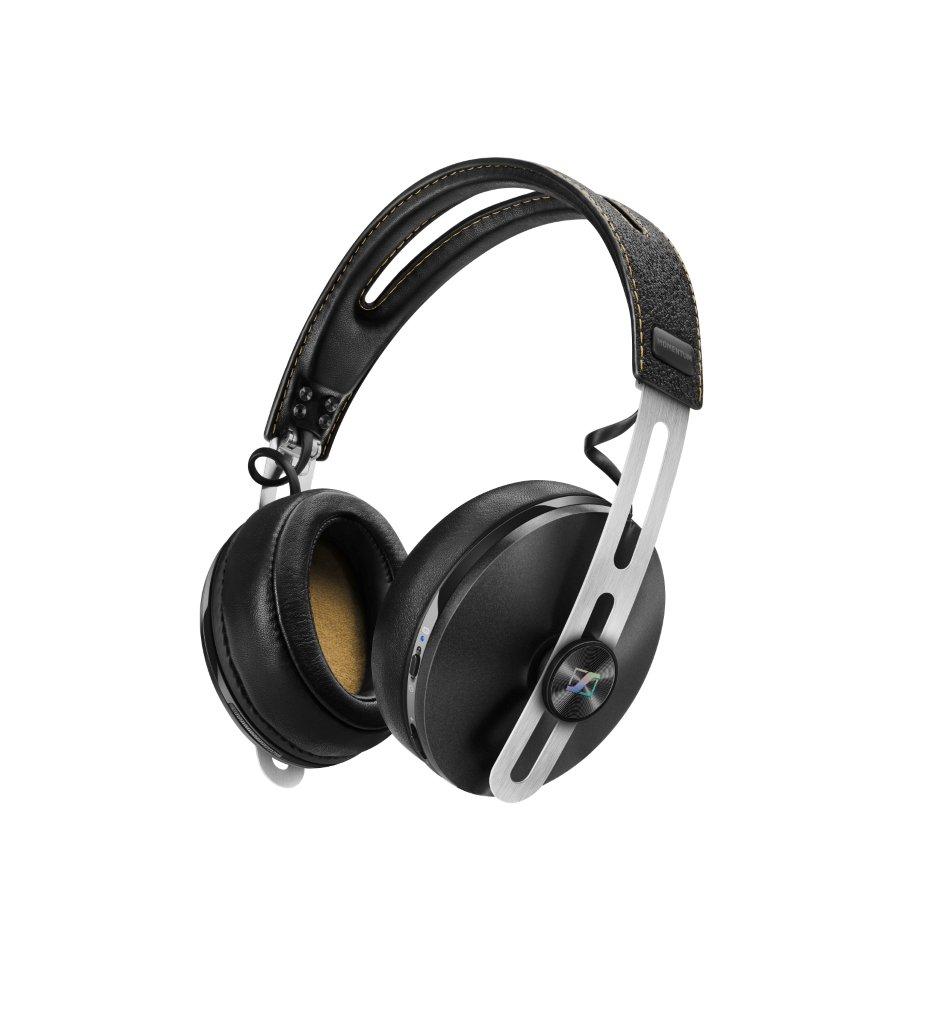
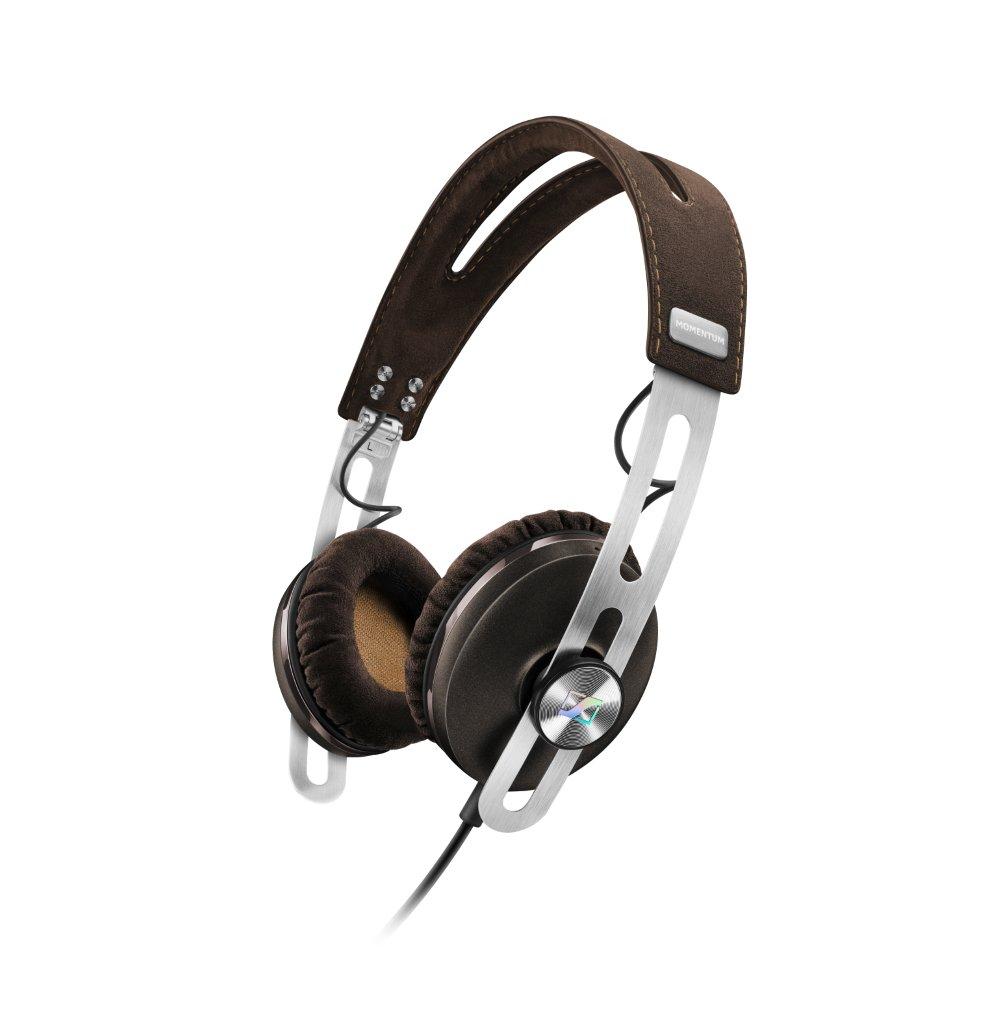
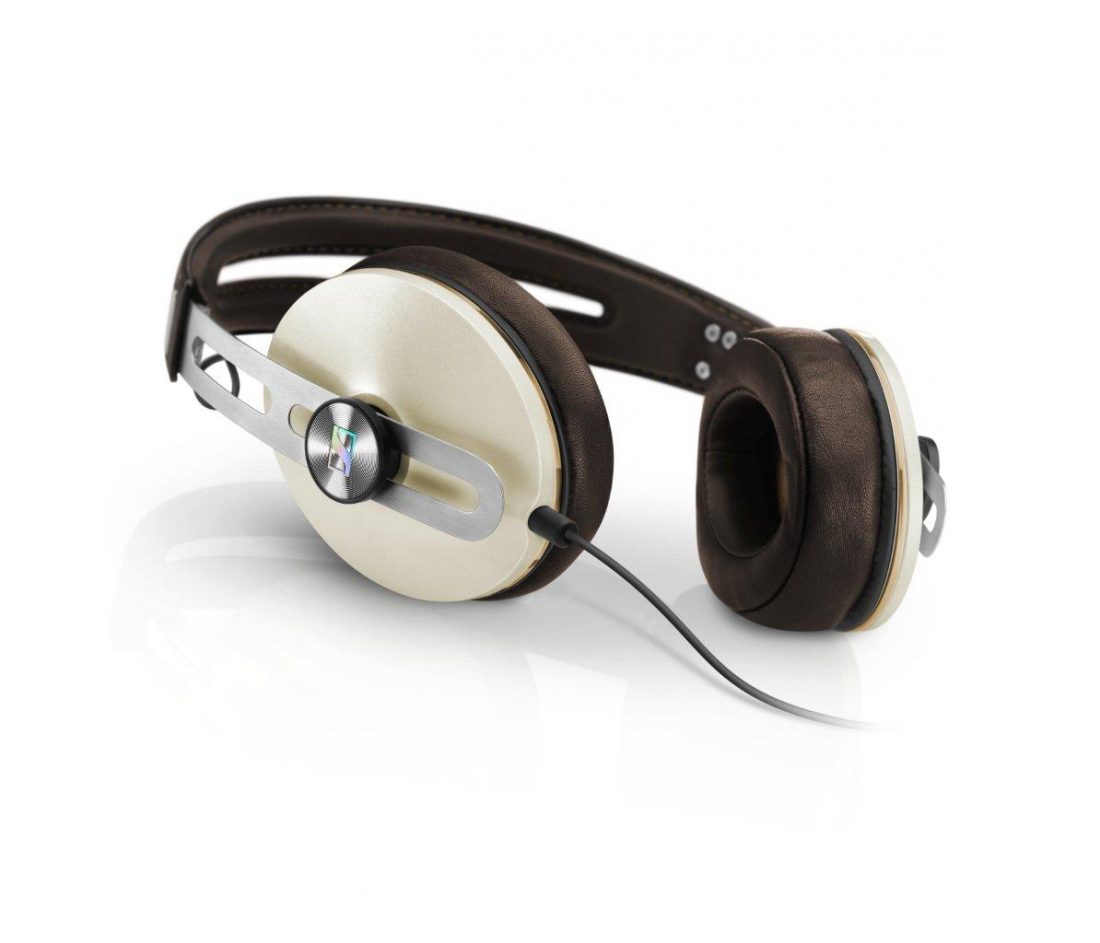
    Sennheiser has always tried to remain at the very top of the game when it comes to providing perfect sound and style for music lovers out there. Its Momentum range has seen some of the best headphones ever produced by the company, being lauded for its sound quality and design. Now, Sennheiser wants to take it further with its next generation Momentum range that includes Momentum M2 On Ear, Momentum M2 Over Ear, Momentum Wireless On Ear and Momentum Wireless Over Ear.

    The new range launched in India start from a price tag of Rs 15,990 and move upwards. The new range promises high-resolution sound supported by a lightweight, minimalistic design language.

    Momentum Wireles

    Commenting on the launch Mr. Kapil Gulati, Director, Consumer Segment, Sennheiser, said, “Keeping the young generation in mind, Sennheiser wanted to offer a confluence of style and technology to the always moving and performance driven audience….Thus we are thrilled to announce the MOMENTUM range, which brings the same level of passion and innovation to headphones, delivering the ultimate music MOMENTUM experience on the go.“ 

    Momentum Wireless Over Ear and On Ear


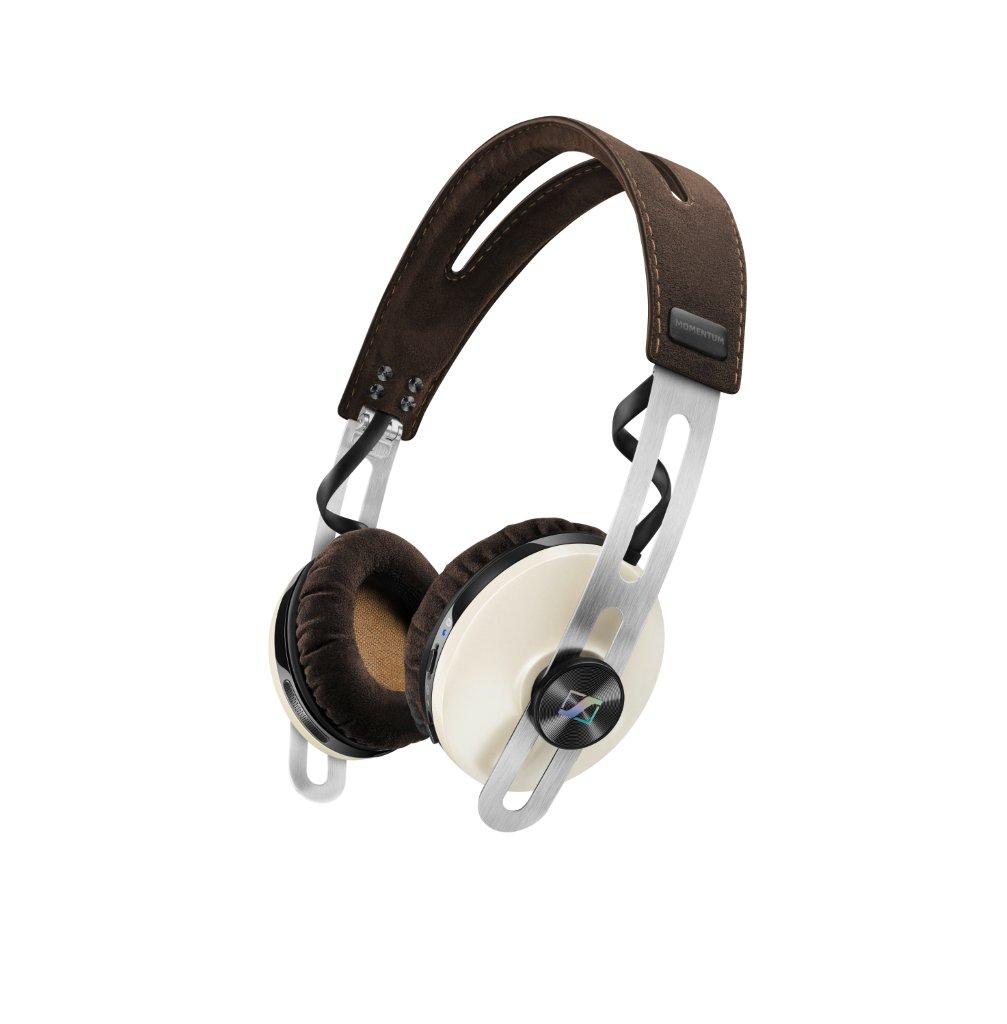
    Sennheiser’s Momentum Wireless over ear and On ear combine performance with active noise cancellation for those who don’t want to be restricted by wires. Bluetooth wireless technology and NoiseGard Hybrid active noise cancellation both work together to provide you with the high-definition, ambient noise with the freedom of mobility. Both headphones also features VoiceMax microphone for crystal-clear conversations without the need of an external microphone. The Momentum Wireless Over Ear and On Ear are both available in 2 colour variants – Black and Ivory.

    Momentum M2 Over Ear and On Ear

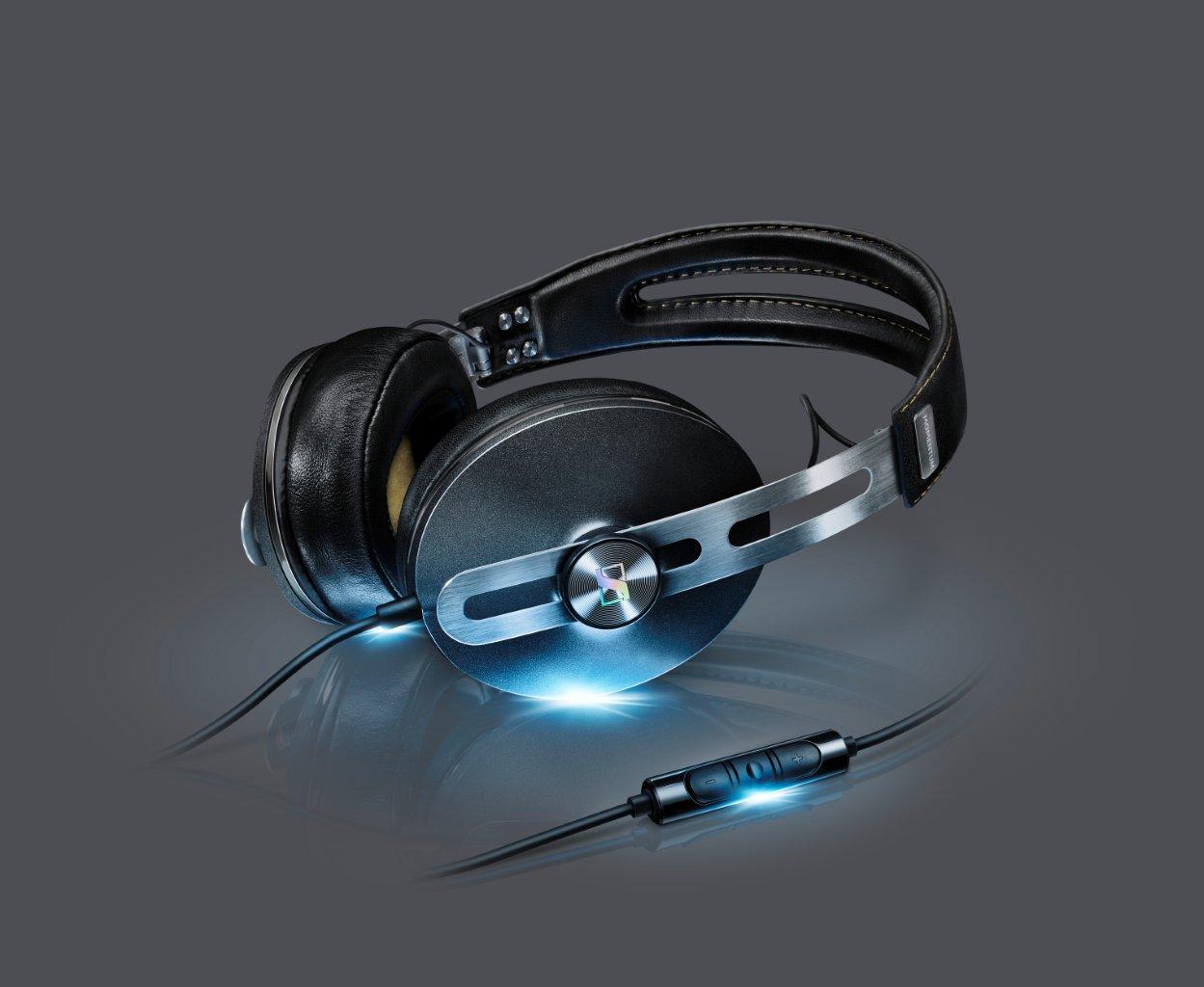
    The M2 series come with more intricate detail than before. These headphones have a premium feel to it with stainless steel sliders, luxurious leather covering and newly designed ear cushions. The in-line remote lets you control phone calls, music and volume and the headphone is compatible with Apple and Android devices as well. The M2 Over Ear is available in Black and Ivory colour options.

    Meanwhile, the M2 On Ear boasts of a powerful bass line, delivering clear, detailed sound. The slightly curved profile of the headband as well as high-class materials like Alcantara make for enhanced wearing comfort. The curved 3.5mm stereo jack is optimized for mobile devices.

    Pricing and Availability

    The Momentum Wireless Over Ear  is priced at Rs. 34,990/-

    The Momentum Wireless On Ear  is priced at Rs. 27,990/-

    The Momentum M2 Over Ear  is priced at Rs. 24,990/-

    The Momentum M2 On Ear  is priced at Rs. 15,990/-

    The Sennheiser e-store lets you check out and buy these headphones anytime and from anywhere.


  • Snapdragon 820 Beats Apple A9 in AnTuTu’s Top-10 Performance Smartphone Chips

    Snapdragon 820 Beats Apple A9 in AnTuTu’s Top-10 Performance Smartphone Chips

    This year, we’ve already seen some brand new smartphone launches that are ready to take the crown for 2016. Most flagship devices that you will see this year will feature Qualcomm’s new Snapdragon 820 chipset. Meanwhile, Apple launched the iPhone 6s late last year with the A9 chipset. Consumers are already spoilt for choice with the number of new, beautifully crafted smartphones but what they really want to know is which chipset takes the cake when it comes to performance.

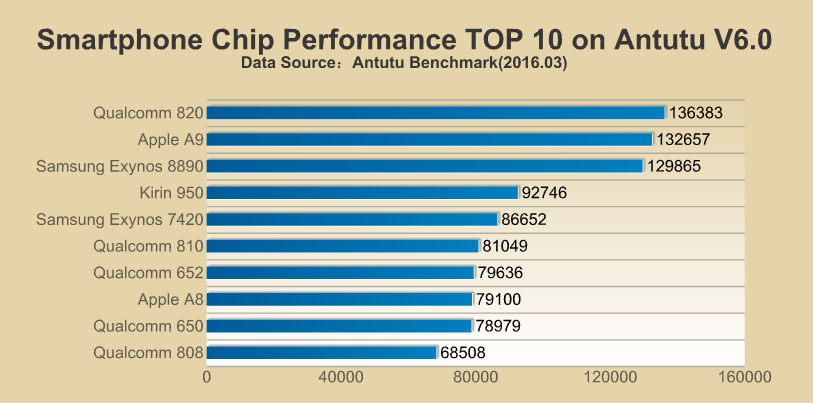
    AnTuTu updated its list of Top-10 performance smartphone chips and it appears that the Snapdragon 820 chip beats all, taking first spot in both performance and GPU tests. The Snapdragon 820 scores 136,383, which is close to 4000 higher than that of Apple A9, while Samsung’s Exynos 8890 chip comes in at third with 129,865. Note that these scores are based on averages and actual running results will be different.

    Antutu chip 01

    Qualcomm Snapdragon 820-powered smartphones include Samsung Galaxy S7, LeEco Max Pro, Xiaomi Mi5, LG G5, Sony Xperia X Performance, among others.

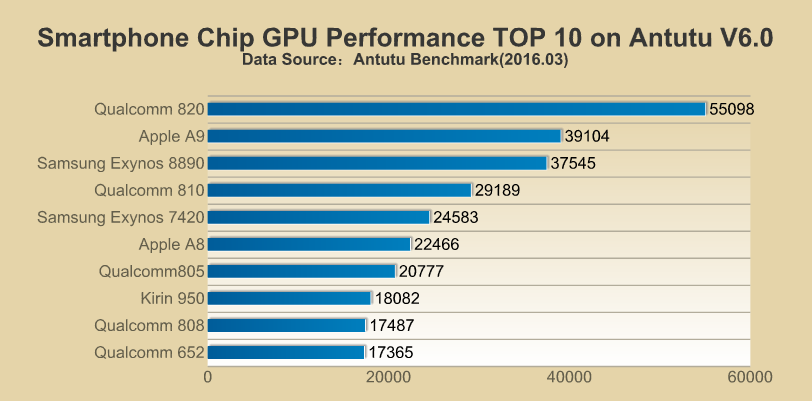
    In GPU performance as well, the Snapdragon 820 chipset rules the lot, scoring an impressive 55098 which is miles ahead of Apple A9’s 39104. The Exynos 8890, again, comes in at third with a score of 37545. Over the past few years, smartphone makers have been paying a lot of importance to GPU performance. After all, mobile gaming is a huge market of its own and has slowly become an important aspect when consumers consider purchasing a smartphone.

    Antutu chip

    The Snapdragon 820 chip currently has the highest-performing GPU (Adreno 530). While Apple’s A9 (PowerVR GT7600) and Samsung’s Exynos 8890 (Mali-T880 MP12) battle for the second place, HiSilicon Kirin 950 (Mali-T880 MP4) doesn’t fare too well and stays low alongside Qualcomm Snapdragon 808 (Adreno418) and Snapdragon 652 (Adreno510).

    It’s also important to note that the GPU directly relates to screen resolution. Since most phones these days offer 1080p, and 2K resolution, it requires a powerful GPU to allow users to get the most experience out of their smartphone’s display. But GPU and CPU alone aren’t enough to tell you about how a smartphone will perform.

    In hand use is the best way to judge what the phone offers the user. Apple may have scored low with the A9 chip, but it still gives a terrific performance. Similarly, the Exynos 8890 also performs impressively, which is probably why Samsung may launch both it and Snapdragon 820 variants in the Indian market when the Galaxy S7 and S7 Edge launch tomorrow.

  • LG G5 to Reach India by End of July

    LG G5 to Reach India by End of July

    A source close to iGyaan, who have been accurate in the past, state that LG’s newest modular flagship smartphone, the G5, will launch in India by the end of July. The G5 has been said to cost around Rs. 59,000 when it hits the Indian market. Meanwhile, the modules for the G5, called Friends, will also reach the Indian market. The LG Cam Plus camera grip will be priced at Rs 9,000 while the Hi-Fi Plus with B&O Play module will cost Rs 14,999.

    On the specifications front, the LG G5 comes packing a primary 5.3-inch QHD LCD display with 3D Arc Glass on top. It also has a cool Always-on feature that lights up the display for access to important updates. The phone’s construction is full metal unibody and is powered by a Snapdragon 820 chipset, paired with 4GB of RAM and 32GB of internal storage, expandable by upto 2TB with microSD cards.

    LG G5 01

    When it comes to photography, the phone is equipped with dual cameras at the back. A standard 16-megapixel 78-degree lens and another 8-megapixel 135-degree wide angle lens. The LG G5 features a front-facing 8-megapixel camera too for clicking selfies.

    LG G5 comes packing a 2,800mAh removable battery with Quick Charge 3.0, and when it comes to connectivity it gives users options such as Bluetooth 4.2, NFC and Wi-Fi 802.11ac. The smartphone also features USB Type-C 2.0 port. The G5 runs on Android 6.0 Marshmallow OS with LG’s custom UI on top. The G5 will be available in four different colors, silver, gold, pink and silver.

    LG-G5 CAM-Plus

    LG-G5 CAM-Plus

    The company also announced modular accessories for the phone at the launch. Most interesting of the lot was the LG Cam Plus module which can be attached to the G5 through the battery slot giving the user “comfortable grip and convenient control of a DSLR” for better imaging and also adds to the battery of the phone taking the capacity up to 4000mAh.

    Next is the Hi-Fi Plus with B&O Play module. This is a  Hi-Fi DAC audio player which is perfect for audiophiles. It can also play high-definition audio files encoded in 32-bit at 384KHz.

    Specs

    LG G5

    Display  5.3-inch screen Quad HD IPS display
    Resolution  2560 x 1440 / 554ppi
    Processor Qualcomm Snapdragon 820 Processor
    GPU Adreno 530
    RAM 4GB
    Storage 32GB
    Rear Camera  Standard 16MP, Wide 135 degrees 8MP
    Front Camera 8MP
    Expandability Up to 200GB via MicroSD
    Battery 2800mAh battery Quick Charge 3.0
    Connectivity Wi-Fi 802.11 a/b/g/n/ac, Wi-Fi Direct, hotspot, Bluetooth v4.1, A-GPS, GLONASS, NFC,
    OS Android 6.0 Marshmallow with LG custom UI
  • Veritas Genetics Will Analyze Your Genome on a Smartphone App

    Veritas Genetics Will Analyze Your Genome on a Smartphone App

    For $999, you can now know everything, and we mean every little thing about your genetics. This is possible through a  consumer-friendly know-your-genome service brought to you by Veritas Genetics, that would detail your genetic makeup with a phone app and on-demand video calls with genetic counselors.

    The company said a genome test is a one stop destination that will provide all the answers, essentially replacing every other type of genetic test. It will include all six billion letters of a person’s genome, analyzed by an algorithm to highlight medical predispositions. Users will be able to find out facts about their genetics that range from as silly as knowing the wetness or dryness of earwax to serious matters like whether they have “highly pathogenic germline mutations” that cause problems like malignant hyperthermia. They’ll also learn whether their genomes harbor cancerous genes, such as the BRCA breast cancer genes.

    This service is particularly helpful as it provides you with all the facts for simply $999 while many genetic tests, like those for cancer risk, are carried out separately and can cost anywhere between a few hundred to a few thousand dollars each.

    The company’s service could attract some trouble from the U.S. Food and Drug Administration. In an interview, Veritas CEO and cofounder Mirza Cifric said that genome data isn’t a substitute for a diagnosis by a doctor. Moreover, this test isn’t based on exact science and is mainly one that will provide logical facts rather than conclusive facts.“It’s a screening test, it’s not diagnostic,” says Cifric.

    Veritas will first collect blood or spit samples from April and will reveal the first results by June, according to Cifric. Its app will include a share button that will allow consumers to share DNA information with a coach or trainer.

    The app isn’t completely a “direct-to-consumer” service. A doctor will still have to order the test, and customers will undergo a genetic counseling session on the phone or through the app. involving a doctor means Veritas can dodge FDA regulations on “direct-to-consumer” services.

    The service also begs the question as to how Veritas will generate a profit at such low prices. “We are going to do it without losing money,” Cifric promises. He says, for example, that Veritas might earn additional revenue charging customers $100 or more for additional genetic counseling sessions.

  • 2016 Means 3D Touch for All

    2016 Means 3D Touch for All

    Many would say that Apple was the first to bring 3D Touch pressure sensitive screens to smartphones. There are those who contest that the technology has been employed much before that. While you are free to choose your side, there is no denying that 3D Touch or Force Touch technology is here to stay. This fact has been accepted by companies like HTC, Meizu, Xiaomi, Oppo and many other OEMs as they all are rumoured to launch smartphones this year with pressure sensitive screens.

    Recent rumours have suggested that HTC’s upcoming Nexus smartphone(s) will incorporate 3D Touch functionality. However, HTC will not be the first Android device to do so. Huawei already pushed out the feature with its Mate S smartphone.

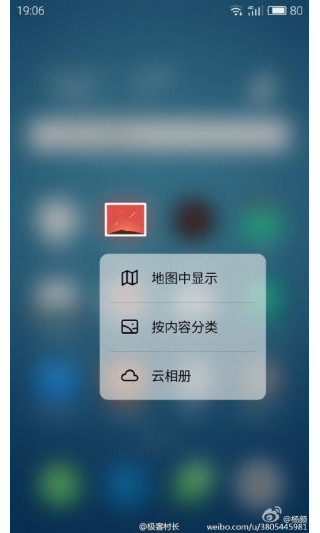
    Meanwhile, it also appears that Meizu’s upcoming Pro 6 will feature 3D Touch functionality as well. Weibo recently posted an image of what you can expect from the feature on the Pro 6 and it appears to work just like the iPhone 6s’ Peek and Pop. Force touching the display will bring up a context menu with options on top of a blurred background.

    meizu-3dtouch

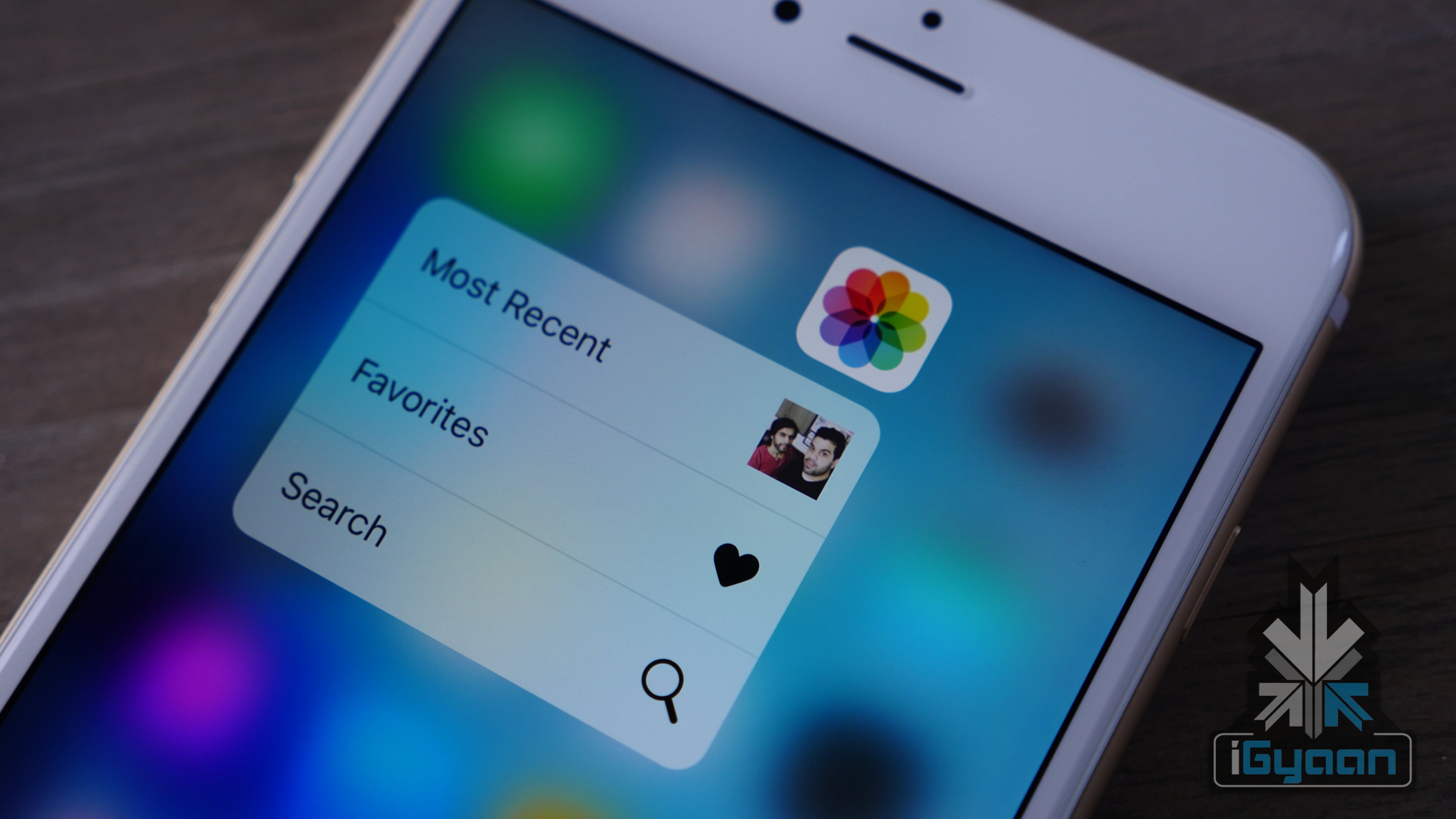
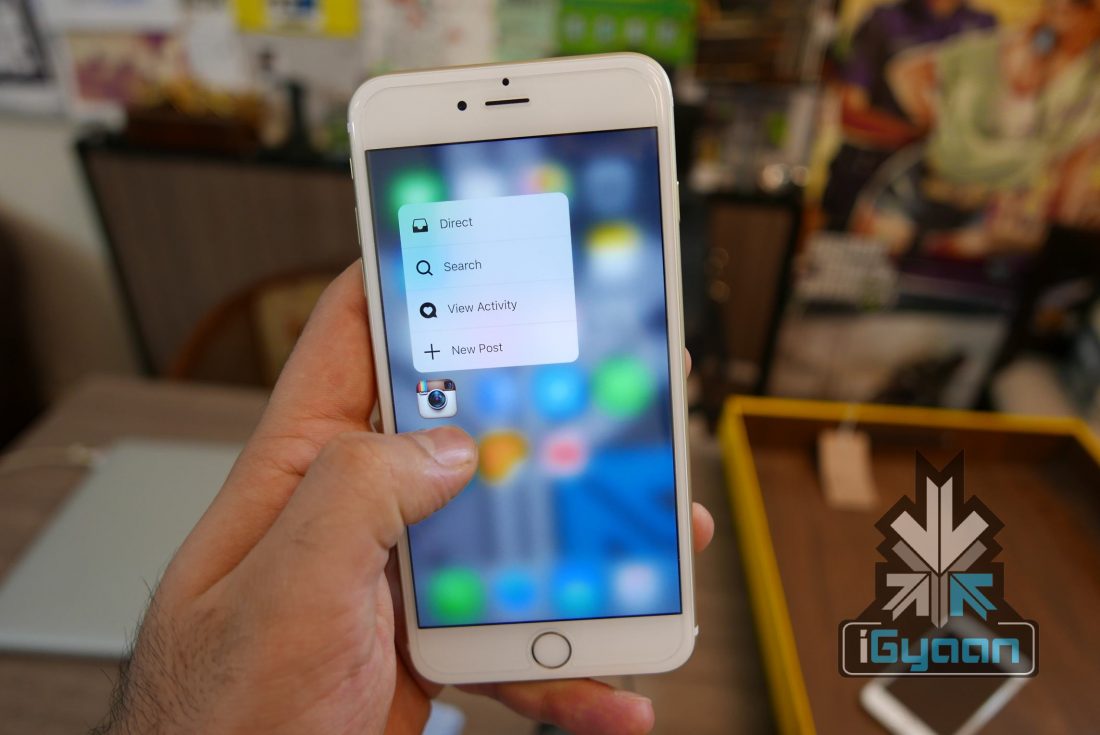
    Apple’s 3D Touch in the recently launched iPhone 6s did exactly what the company had wanted. It was a smooth, no fuss feature that changed that way a phone could be operated. Apple played it smart too, keeping minimal functionality of its 3D Touch feature, restricting it to basic quick access features when, in fact, a pressure sensitive screen could have been used in unimaginable ways. There are literally a hundred untapped uses for pressure sensitive screens.

    However, by restricting what developers can do with the 3D Touch, Apple can make sure there isn’t any unnecessary fragmentation. Yes, Apple’s 3D Touch functionality currently lacks novelty which works for Apple. But this is where Google can jump in and explore the full potential of 3D Touch.

    iPhone 6s and 6s plus igyaan 2

    Rumours have it that Google plans to incorporate the pressure sensitive technology as a native feature in Android. This will help make the technology common for Android users, and will boost adoption rate. Furthermore, this will also push app developers to come up with creative ways to allow users to fully utilize the technology. It is common knowledge that Apple is very choosy about the apps it lets in its App Store.

    Where Apple may be restrictive about the way developers use 3D Touch, Google has the opportunity to let developers play with the feature a lot more. What one can expect to see, once 3D Touch becomes native to Android, are apps that will likely do a lot more than simple Peek and Pop function. 3D Touch has the potential to take mobile gaming to the next level, and this is something Google will be keen on in the future.

    Huawei Mate S

    It is also interesting to note that prior to the launch of the Galaxy S7 and S7 Edge, rumours were abound that Samsung would incorporate its own version of 3D Touch and was working with Synaptics to do so. This, however, never came to be. Perhaps Samsung wanted to wait until Google nativized 3D Touch before having it in its flagship device. Whatever may be the case, it looks as if 3D Touch is being embraced by many OEMs and it’s only a matter of time that pressure sensitive displays become the new norm for smartphones.

  • Oculus Rift Will Support Macs ‘When Apple Makes a Good Computer’

    Oculus Rift Will Support Macs ‘When Apple Makes a Good Computer’

    Oculus founder Palmer Luckey has voiced his opinion about Apple’s Macs and has clearly stated that the computers just aren’t powerful enough to support the Rift VR headset.

    “That is up to Apple and if they ever release a good computer we will do it,” Luckey tells ShackNews when asked about Mac support. “It just boils down to the fact that Apple doesn’t prioritize high-end GPUs. You can buy a $6,000 Mac Pro with the top of the line AMD FirePro D700, and it still doesn’t match our recommended spec.”

    MacBook_Pro_15inch_3533010905

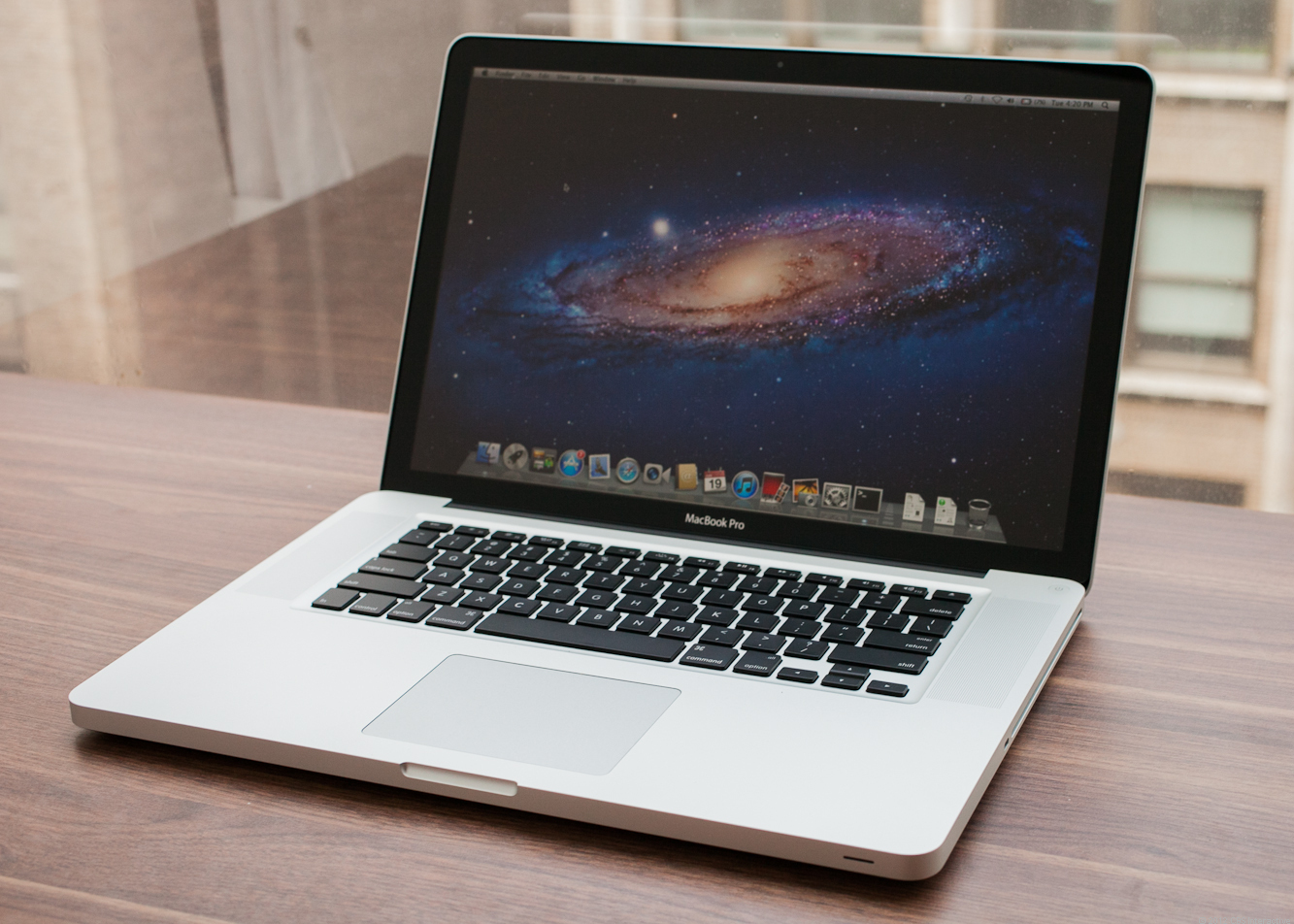
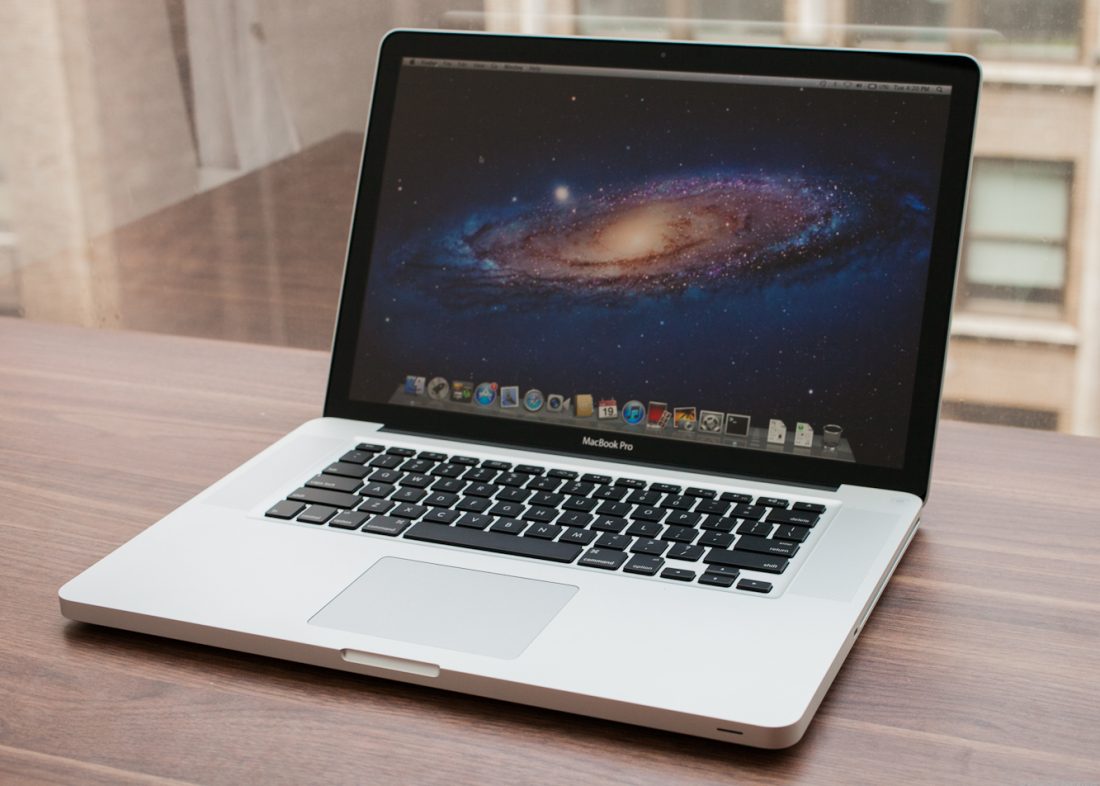
    Apple’s high-end MacBook Pro laptops come with pretty mighty specifications including dual-discrete GPUs. However, the Macs are primarily designed for professional applications and are not as equally proficient when it comes to gaming. The Oculus Rift, on the other hand, requires intense graphic processors that are gaming focused such as the Nvidia GTX 970.

    “If they prioritize higher-end GPUs like they used to for a while back in the day, we’d love to support Mac,” Luckey continued. “But right now, there’s just not a single machine out there that supports it. So even if we can support it on the software side, there’s just no audience of people that can run the vast majority of software out there.”

    The Oculus Rift headset is tested by attendees at the Eurogamer Expo at Earls Court in London.

    Despite Luckey’s obvious criticism towards Apple, the Oculus founder also highlights that Apple has been focusing a lot on its professional applications, potentially losing a gaming-centric base that would choose laptops that are superior in graphics processors.

    Moreover. Apple has already expressed keen interest in virtual reality and has hired a number of expert for its VR department. If Apple does want to get into the VR game, and indeed it is a technology that is quickly becoming mainstream, then it will have to make some serious changes to its future Macs in the hardware department.

  • Samsung Launches T3 SSD in India, Offers up to 2TB Storage

    Samsung Launches T3 SSD in India, Offers up to 2TB Storage

    Samsung Electronics India today launched the successor to the T1 ultra portable SSD with the T3. The T1 was a light, thin and fast SSD that was launched last year. The T3 is bigger and offers a lot more storage than its predecessor.

    The T3 is available in 250GB, 500GB, 1TB and 2TB options priced at Rs 10,999, Rs 18,999, Rs 37,999 and Rs 74,999, respectively. The T1 sports an all-metal body and will be available for purchase starting March 21 across offline and online stores including Flipkart, Amazon and Snapdeal. The T1 also comes with a 3-year warranty.

    samsung-ssd-t3

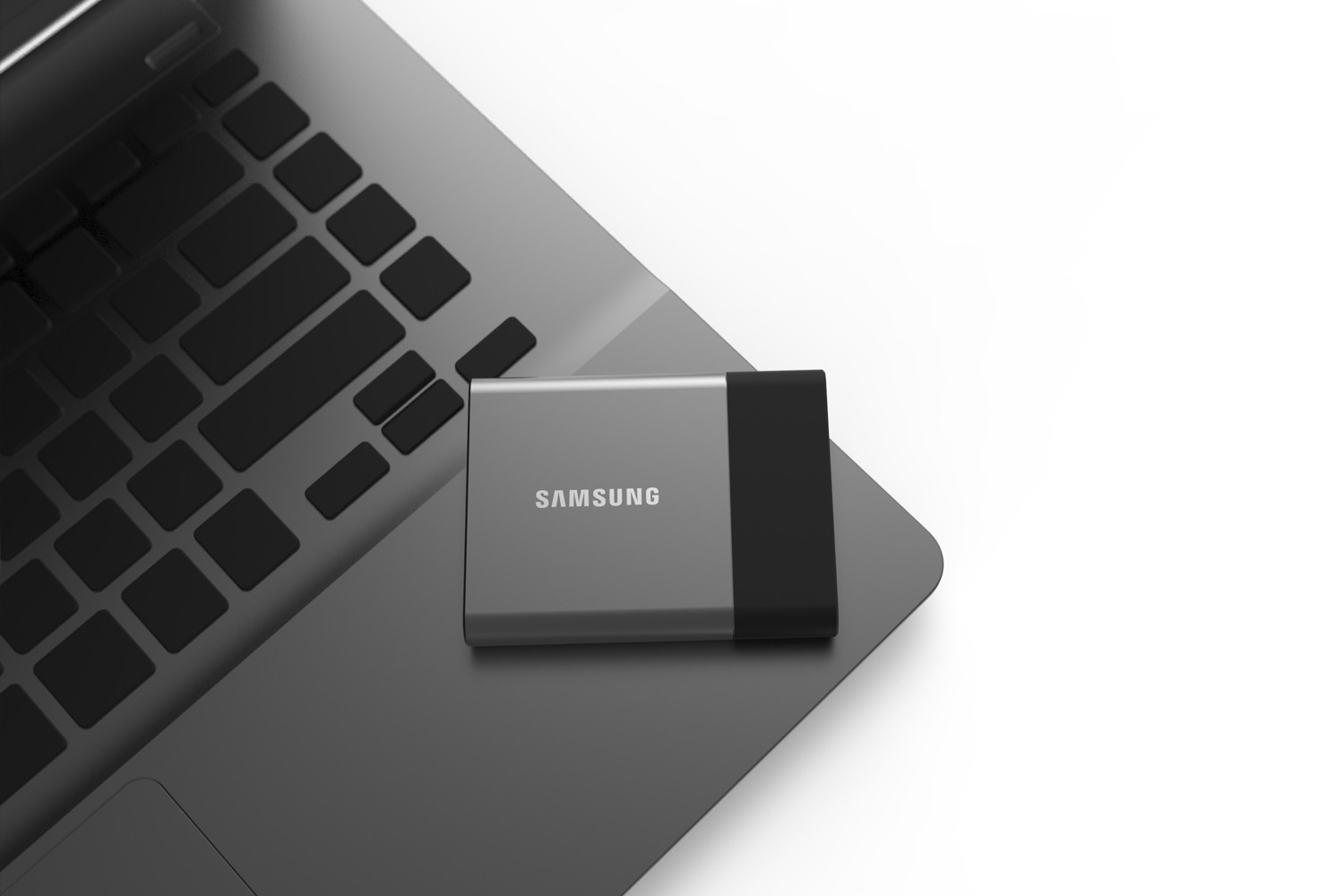
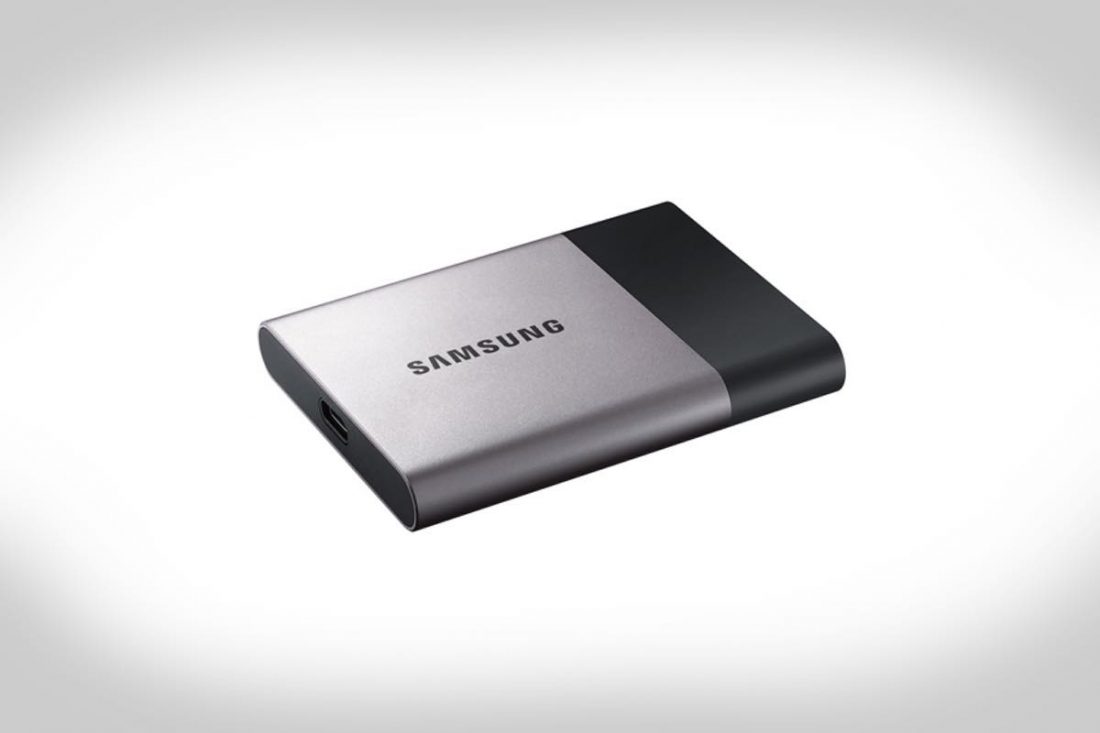
    Like the T1, the T3 has a credit-card shape and is light and compact, weighing around 51 gms, designed for easy portability. Samsung claims that the SSD can survive a 6 feet drop. The T3 is capable of read/write speeds up to 450 MB/s. With a full AES 256-bit hardware encryption, the T3 guarantees safe and secure data.

    The T3 supports both USB 3.1 Type C as well as USB 2.0 and is compatible with laptops, desktops, SmartTVs, tablets and Android devices. The T3 was first unveiled at CES 2016 and Samsung will gradually phase out the T1 after the launch of the successor on the 21st.

    https://www.youtube.com/watch?time_continue=20&v=GsVHSykXB0Y

  • OnePlus 3 to Launch in June 2016

    OnePlus 3 to Launch in June 2016

    It has been three months into 2016 and we have heard very little about OnePlus’ next flagship killer. We’ve so far received small hints that the company is working on a OnePlus 3 device, but now we have some more to add to that. According to co-founder and CEO Pete Lau, the OnePlus 3 will be ready and available by June this year. This he said during the SURGE tech conference in Bangalore, India.

    Add to this, the other co-founder of OnePlus, Carl Pei has confirmed that the OnePlus 3 will sport a whole new design. Though nothing more has been said on the design front and we’ll just have to wait for leaked images to have a better idea of what OnePlus plans to offer.

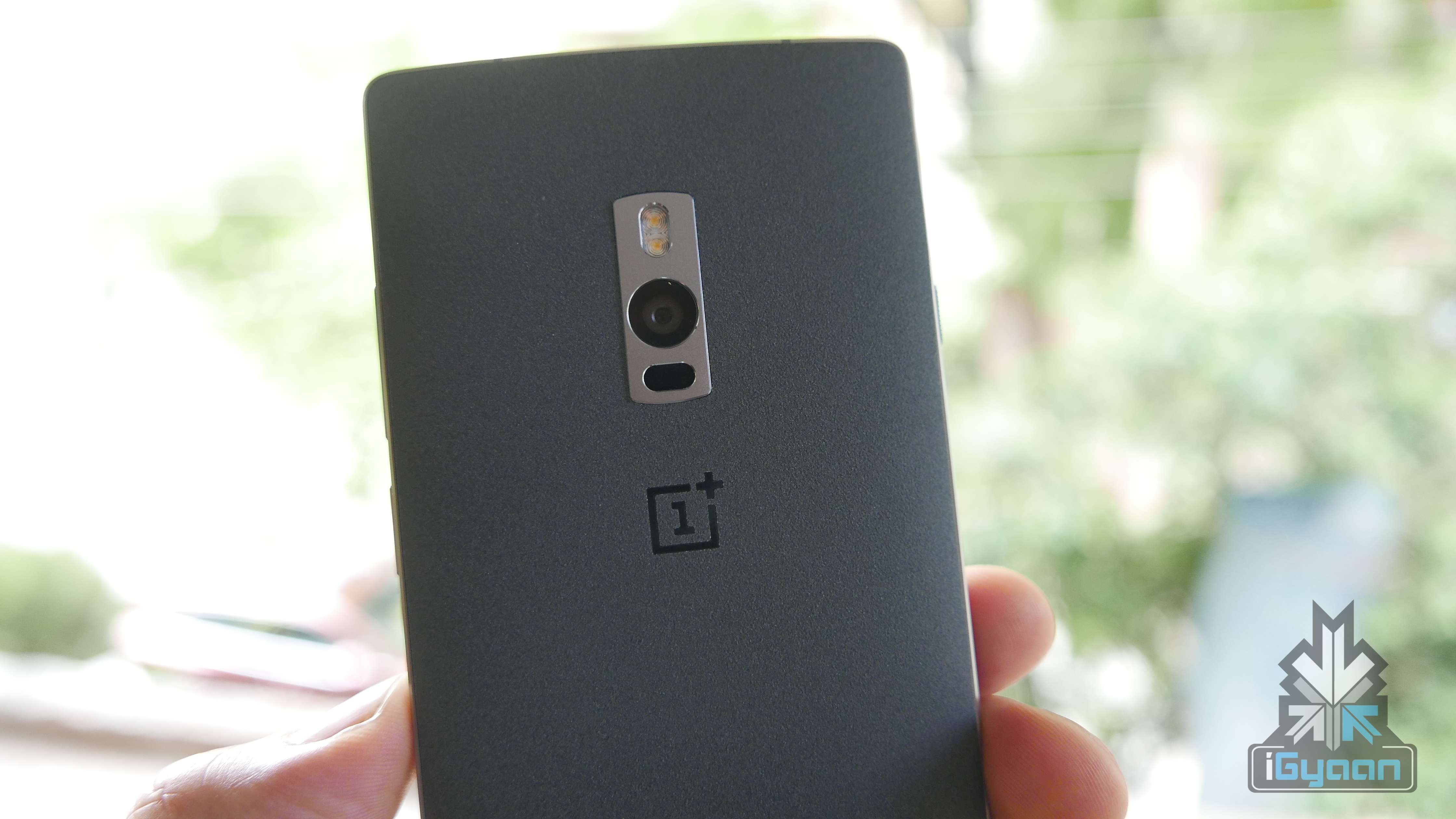
    What we can definitely take away from this is that the OnePlus 3 will stay away from the OnePlus One and 2. The OnePlus 2, much like its predecessor, received very positive reviews and fans found very few faults with the handset. The OnePlus 2 mainly found criticism regarding overheating issues, thanks to the Snapdragon 810 processor.

    OnePlus 3 Render
    OnePlus 3 Render

    From what we’ve heard so far, the new OnePlus device will sport a 5.5-inch Quad HD display and will come in two variants – one with 3GB of RAM and 16GB storage and the other being 4GB RAM and 64GB storage. Rumours also reveal that the handset will arrive with the Snapdragon 820 chipset as most flagship devices this year.

    On the camera front, the OnePlus 3 is said to sport a 13MP rear-facing shooter while its front would be of 5MP. The handset is also rumoured to include a removable battery pack MicroSD card support. Early leaked renders of the OnePlus 3 show that the device could feature front speakers and sport a glass back, like the OnePlus X.

    So far, the rumoured specifications don’t really offer anything noteworthy. Some of the rumoured specs are similar to the ones found in the OnePlus 2. Seeing as how some of this year’s flagship devices already unveiled feature, at least, one new technology, OnePlus may just have something special for the OnePlus 3. Of course, it’s still early in the day to know anything for sure.

  • HTC’s Next Nexus Device to Feature 3D Touch Functionality

    HTC’s Next Nexus Device to Feature 3D Touch Functionality

    Many would say that Apple was the first to bring 3D Touch pressure sensitive screens to smartphones. There are those who contest that the technology has been employed much before that. While you are free to choose your side, there is no denying that 3D Touch or Force Touch technology is here to stay. This fact has been accepted by companies like HTC, Meizu, Xiaomi, Oppo and many other OEMs as they all are rumoured to launch smartphones this year with pressure sensitive screens.

    HTC is among the most well-known and established brands. While the world awaits the launch of the One M10 flagship smartphone, it seems the company is already busy working on its next Nexus device. In fact, the last known rumour that circulated a few weeks ago suggested that HTC will not release one but two Nexus handsets, and both will likely feature 3D Touch functionality.

    Huawei Mate S
    Huawei Mate S features 3D Touch functionality

    Rumours also say that Google plans to incorporate the pressure sensitive technology as a native feature in Android. This will help make the technology common for Android users, and will boost adoption rate. Furthermore, this will also push app developers to come up with creative ways to allow users to fully utilize the technology.

    It will still be a while before we hear anything more on HTC’s Nexus device(s). Before that, it is said that Meizu will be among the first this year to ship its upcoming Pro 5 handset with 3D Touch feature in the first half of 2016.

  • Meizu Pro 6 Concept Shows Off a Curved Screen

    Meizu Pro 6 Concept Shows Off a Curved Screen

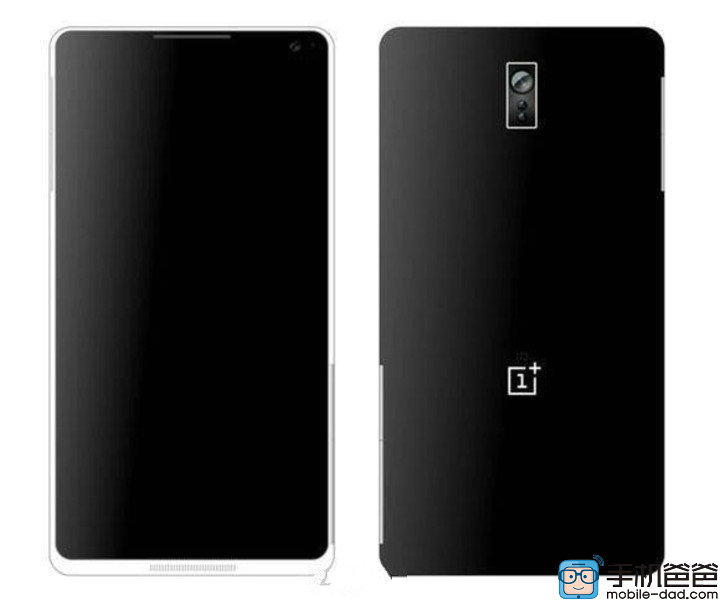
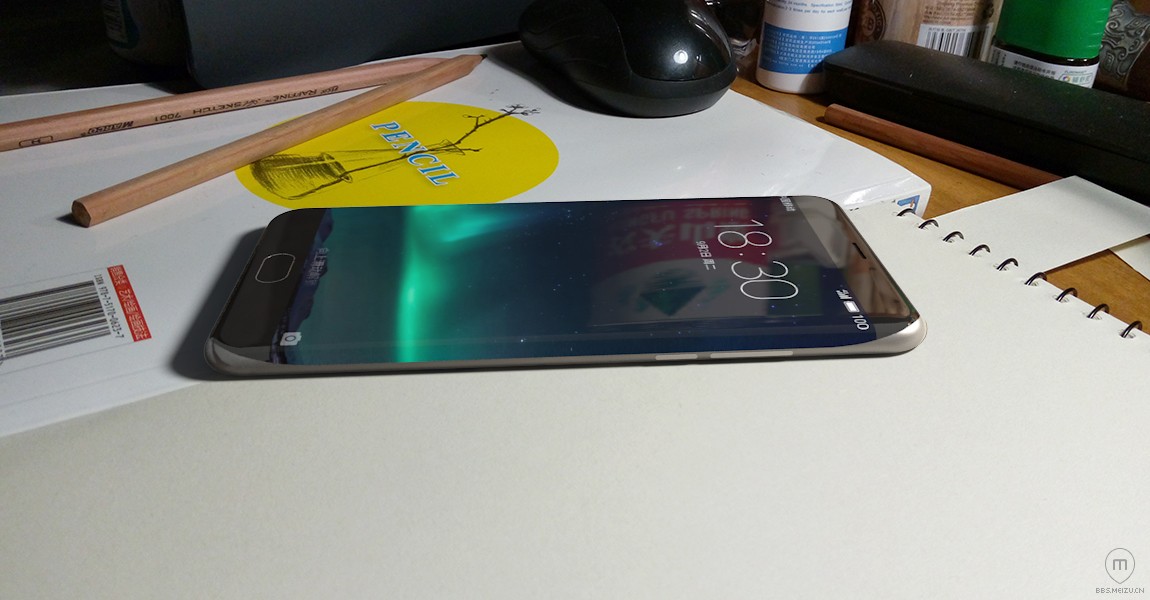
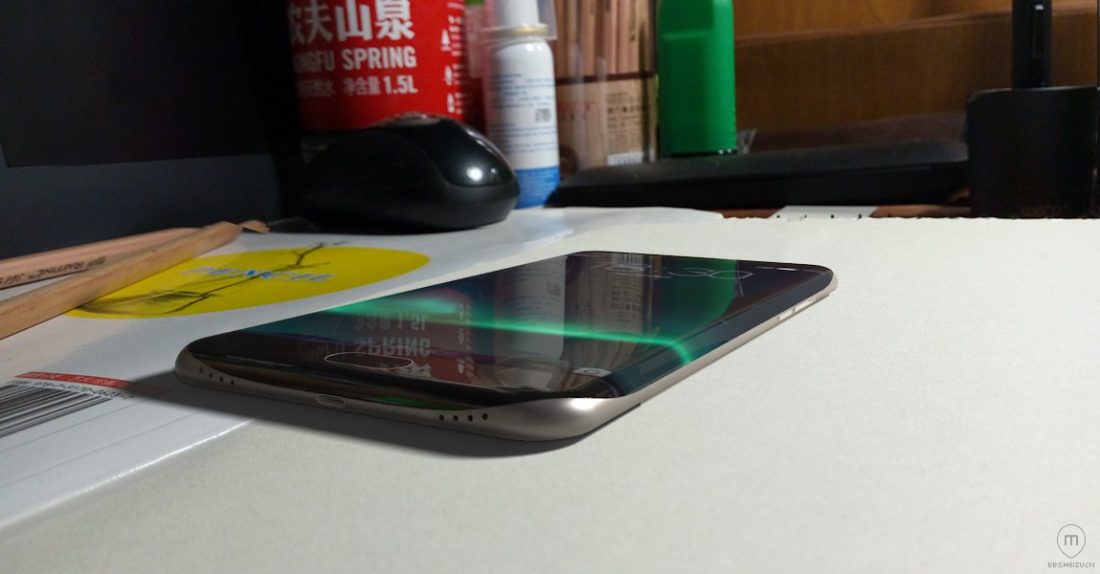
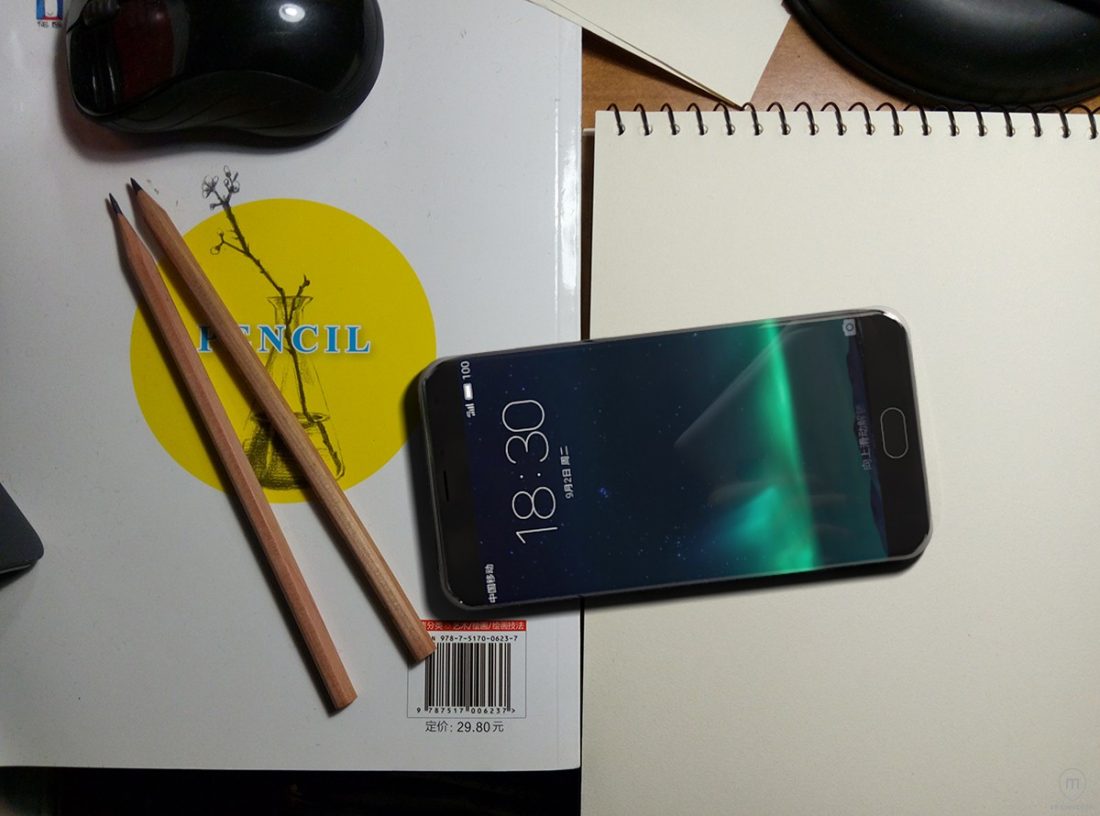
    If there’s one thing you’ve got credit Chinese smartphone makers it’s their ability to carve great looking devices. Meizu’s M2 Note, Pro 5 and MX5 are among the company’s most popular, and most loved phones. The MX5, in particular, had some mighty impressive specs including a 20MP Sony sensor and the handset pleased the eyes with slim bezels and a great screen to body ratio. Now, some concept renders of Meizu’s next offering have surfaced online.

    Meizu-MX6-or-Pro-6-concept-renders-3

    Since Meizu has yet to confirm it’s next high-end device, the renders could either be of a MX6 or Pro 6 handset, but we’re leaning more towards the Pro 6. The upcoming MX6 handset is rumoured to pack MediaTek’s Helio X20 chipset with its deca-core CPU and Mali-T880 GPU. That’s right, if rumours are true, the Pro 6 will feature a cool 10-core processor that will likely shatter in multi-core performance in benchmark test (results of which you can expect as we approach closer to the launch of the device).

    But that’s not all that is being said about the Pro 6. Rumour has it that Meizu is developing it’s own version of Force Touch technology and the device will sport a curved edge design, much like Samsung’s Galaxy S7 Edge and Vivo XPlay 5. It is also being said that the display technology seen in the renders are flexible. Meizu is likely working with a POLED (Plastic OLED) screen for its upcoming handset. You’ll notice that the concept not only shows the display curving at the sides but also from the top and bottom. The phone’s corners are protected by a single piece of smooth aluminium.

    The concepts look like something Meizu can pull off. A curved edge design on a phone that could also look like an iPhone (as the Pro 5 did) could make for a smashing combination. Since we’re not sure whether the concepts are of an MX6 or Pro 6 handset, anything is possible as of now. The Pro 5 was a beautiful piece of machinery that, even though mimicked the iPhone, had managed to carve it’s own language, and top notch specs with that.

  • Samsung Galaxy J7 and J5 (2016) Photos are Out

    Samsung Galaxy J7 and J5 (2016) Photos are Out

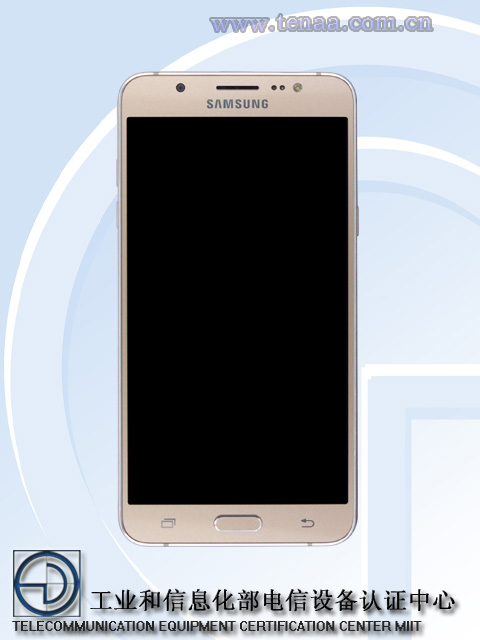
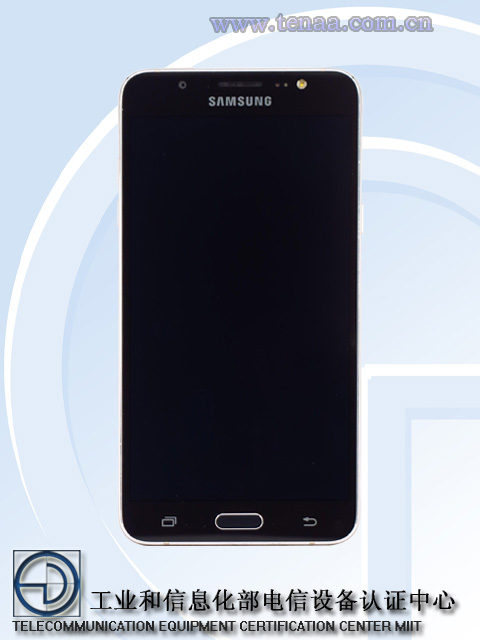
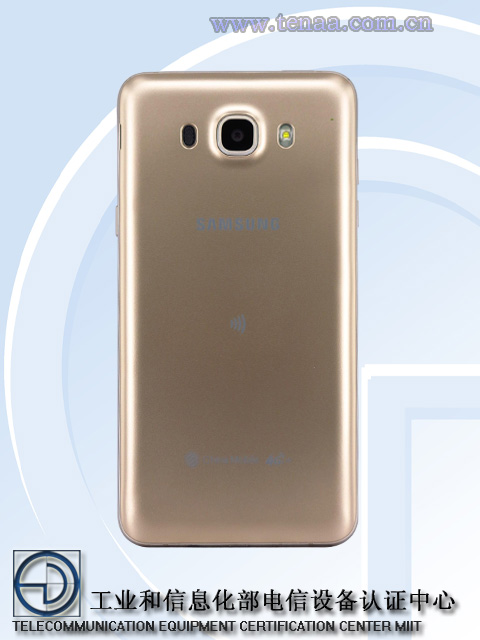
    Late last month, we got some specifications of the new, updated Galaxy J7 handset. Samsung had launched the Galaxy J7 and J5 in summer last year, which were the first handsets to feature front-facing LED lights. 2016 has been all about updating the Galaxy series. Today, we have some photos of the Galaxy J7 and J5, released by China’s Telecommunication Equipment Certification Center.

    The J7 and J5 look very similar to their predecessors, expect the 2016 models will have some bumped up specs and will come with a tad bigger screen size. The Galaxy J7 (2016) will have a 5.5-inch 1080p display while the J5 (2016) will have a smaller 5.2-inch 720p display.

    Under the hood, the Galaxy J7 will pack a Snapdragon 650 SoC paired with 3GB of RAM. The 2016 model of the J7 will come with a 13MP camera on the back, with a 5 MP shooter at the front. The kernel code also lists the J7 to come packing a fingerprint sensor and lists a 4300mAh rated battery to power the device.

    The Galaxy J5 (2016), on the other hand, will have lower specs, being the smaller and cheaper of the two. While the cameras on both the devices remain the same, the J5 will be powered by a quad-core 1.2 GHz processor, with 2 GB of RAM and 16 GB of storage.

    Samsung has yet to make the devices official, and what we know so far are only based off of the Chinese certification listings. Since the Galaxy J7 has already been certified, the launch of the devices can be expected within this month.

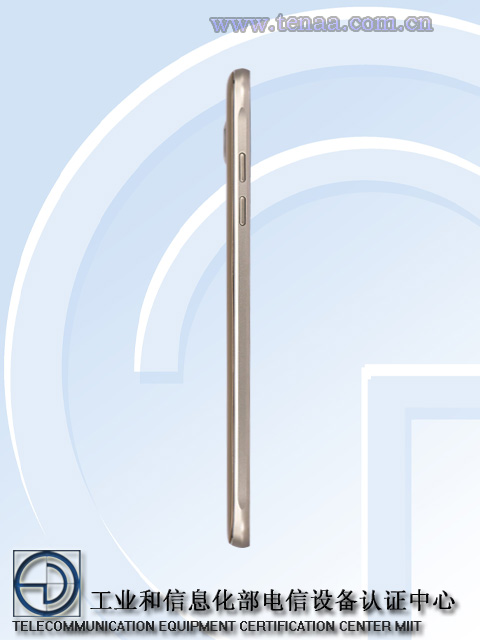
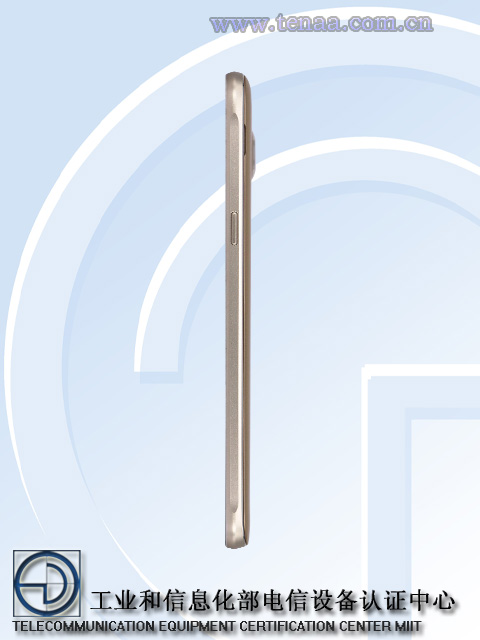
  • Samsung Galaxy A9 Pro Revealed in Images

    Samsung Galaxy A9 Pro Revealed in Images

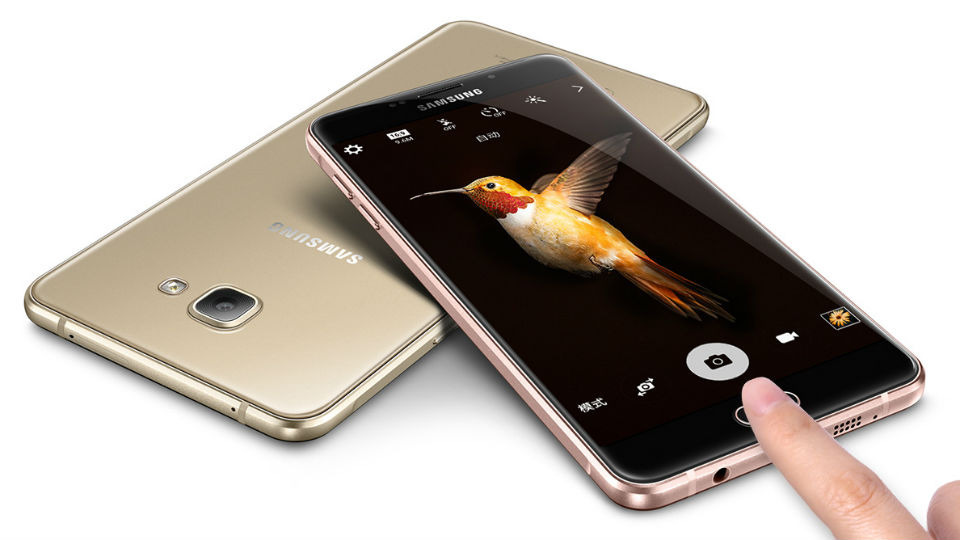
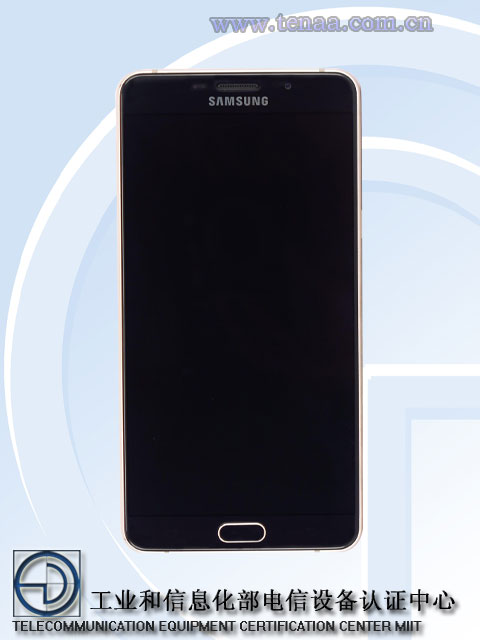
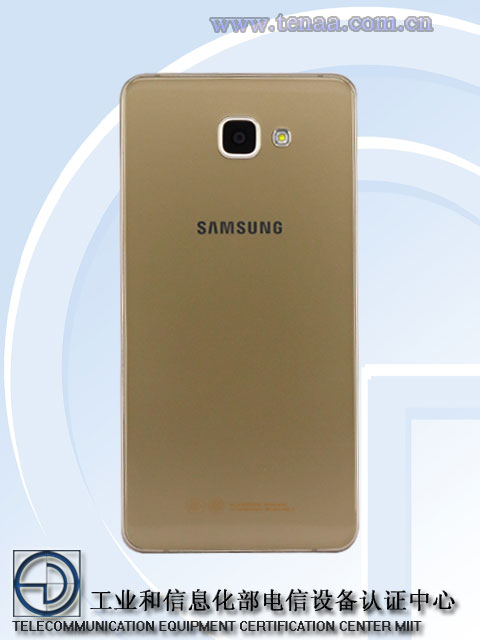
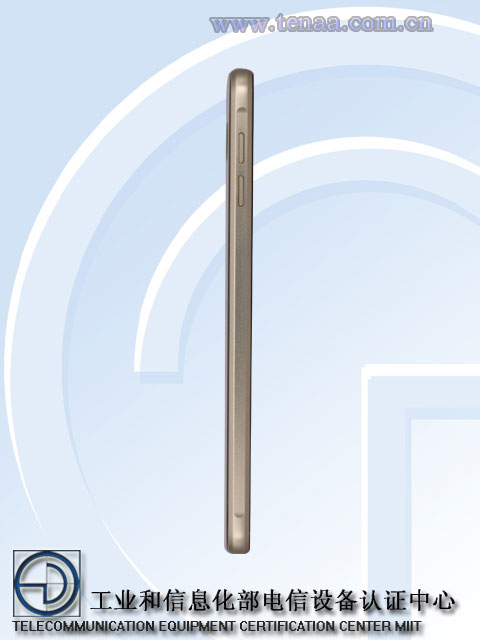
    With all the leaks and rumors coming thick and fast about Samsung’s Galaxy A9 Pro, it looks like the time for its official announcement is very near. We know that the A9 Pro is a beefed up version of the Galaxy A9. This means the phone will come with specifications that are a notch higher than what you would find on the Galaxy A9. Today, the Chinese certification website TENAA, has revealed what the device looks like, and unsurprisingly, it looks exactly like the Galaxy A9.

    The original Galaxy A9 looked beautiful, with a Gorilla Glass 4 on the front and back. Indeed, the A9 looked and felt the part of the most premium model in the A series. Looking at the images from TENAA, the A9 Pro will go with the exact same look as well. The Galaxy A9 also came with a massive 6-inch Full HD AMOLED display and a metal frame, and the A9 Pro is likely to follow suit.

    On the specification front, the A9 Pro will bump up some specs from what you find in the A9. The A9 Pro will be powered by Snapdragon 652 chipset and feature 32GB of internal storage. The RAM will get a bump from 3GB to 4GB.

    The phone’s camera gets an upgrade and moves up from a 13MP primary camera to 16MP. This will also mean the A9 Pro won’t have the same sensor as the rest of the A (2016) lineup. The A9 Pro comes with an 8-Megapixel camera at the front. Finally, the handset will run on Android 6.0 Marshmallow.

    Source

  • 9.7-Inch Apple iPad Pro to Feature 12MP Camera

    9.7-Inch Apple iPad Pro to Feature 12MP Camera

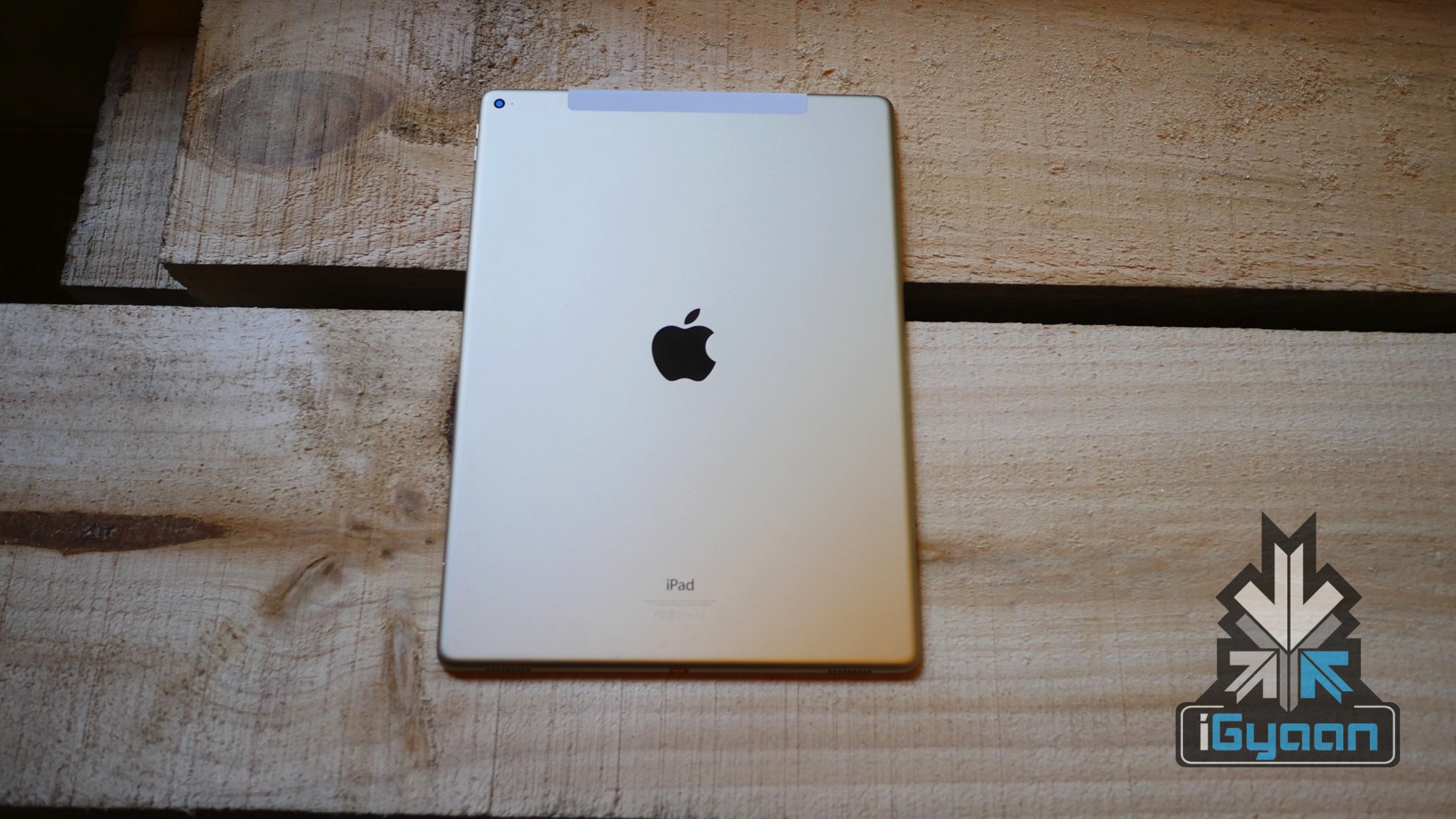
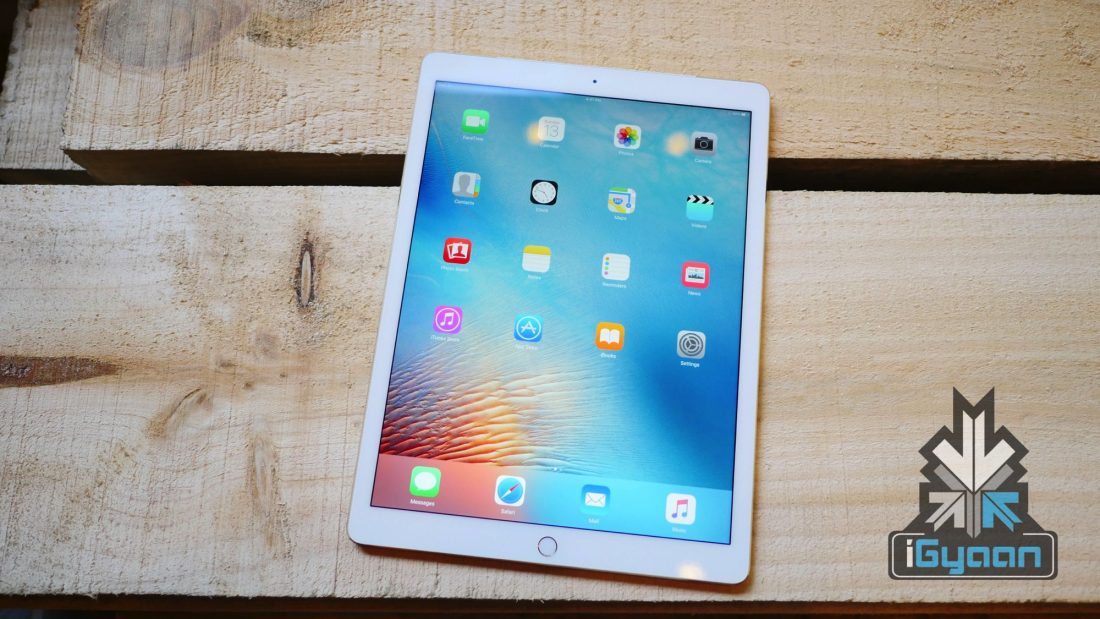
    When Apple brought out the powerful, ginormous iPad Pro, it was certain that the 12.9-inch tablet would reach only the wealthy few (being priced at $1079). Cut to 2016 and rumours of a 9.7-inch iPad Pro variant began that reignited hope for a powerful yet affordable tablet for Apple fans. It is rumored that the 9.7-inch iPad Pro will feature essentially the same features as its elder sibling.

    The 9.7-inch iPad Pro is said to be powered by the A9X chipset, include 4GB of RAM, feature quad-speakers, and support both the Apple Pencil and the Smart Keyboard. The one area missing from speculations was regarding the rear camera, which today’s rumour claims will be at 12MP, much like the one found in the iPhone 6s.

    Apple iPad Pro
    Apple iPad Pro

    While the original iPad Pro came with an 8MP rear camera, the new 9.7-inch version will get a major bump to 12MP and will also feature 4K video recording as well. Meanwhile, The new, smaller iPad Pro will be available in the same color options as the larger model (Silver, Gold and Space Gray). It also will be available in Wi-Fi (32GB and 128GB) and Wi-Fi+ Cellular (128GB) just like the 12.9-inch iPad Pro.

    The 9.7-inch iPad Pro will be unveiled along with the iPhone SE and an updated Apple Watch at a media event on March 22.

iGyaan Network
Privacy Overview

This website uses cookies so that we can provide you with the best user experience possible. Cookie information is stored in your browser and performs functions such as recognising you when you return to our website and helping our team to understand which sections of the website you find most interesting and useful.