Author: Shivaank Rana

  • Samsung ATIV Book 9 Plus, ATIV Book 9 Lite Announced

    Samsung ATIV Book 9 Plus, ATIV Book 9 Lite Announced

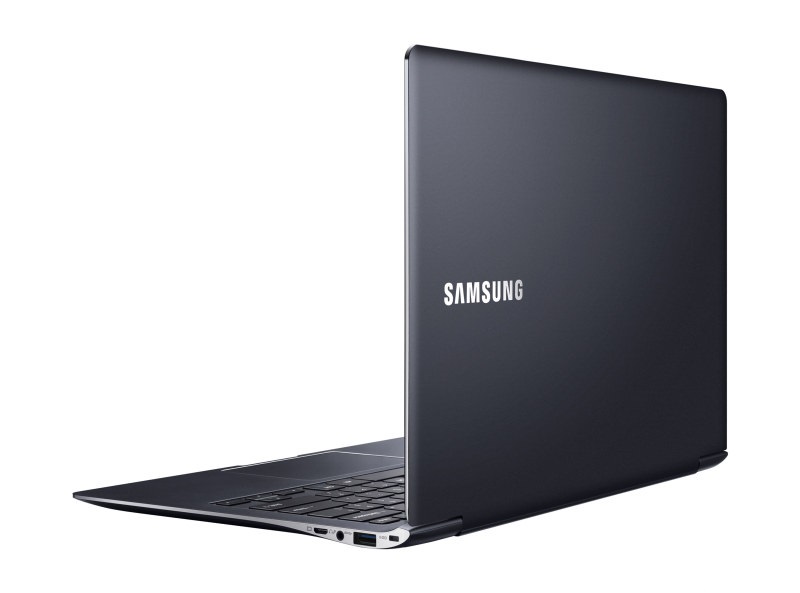
    Samsung today announced two new Ultrabooks, the Samsung ATIV Book 9 Plus and Samsung ATIV Book 9 Lite.

    Both feature aluminium unibodies and 13.3-inch screens with touch functionality. The one on the ATIV Book 9 Plus however packs the whopping 3200 X 1800 QHD+ resolution.

    The ATIV Book 9 Plus supports a 256GB SSD, up to 8GB RAM and offers a battery life of 12 hours. At its thickest point its said to be 13.6mm, and weighs just 1.39kg.  They’ve also made improvements to the backlit keyboard and trackpad and the touchscreen touts Gorilla Glass, which makes it quite durable.
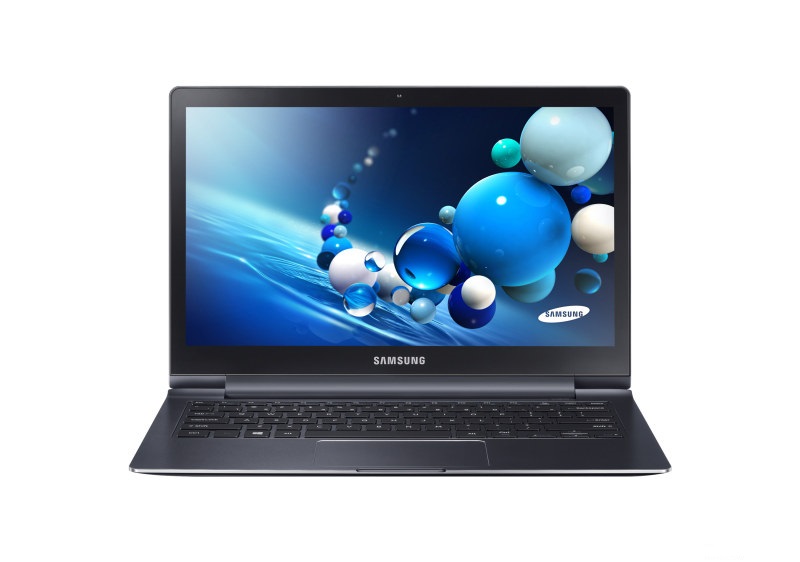
    Samsung Ativ Book 9


    The Samsung ATIV Book 9 Plus can be hinged in two positions, one is around 105 degrees and the other is a flat 180 degrees. Samsung says that the touchscreen display will offer an improved experience due to the use of OCR bonding.
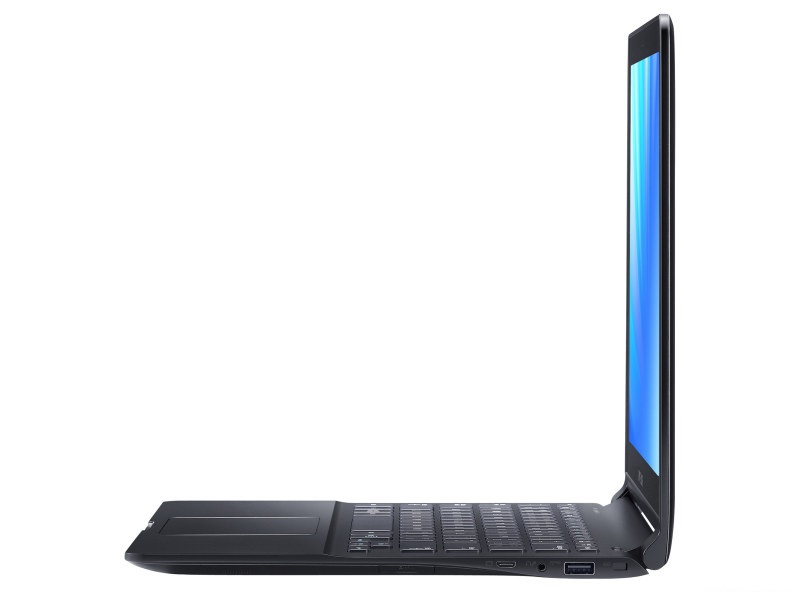
    Samsung ATIV Book 9

    Samsung also announced the lower-end ATIV Book 9 Lite, which ditches the high resolution display for a standard 1366 x 768 display, and features one of AMD’s new Kabini APUs under the hood. The machine does have a 256 GB solid state drive in its 1.44-1.58 kg body, but it’s not surprising to learn the battery life is lower than its flagship counterpart: apparently you’ll only be able to manage a maximum of eight hours out of this device.

    As with the ATIV Book 9 Plus, the Book 9 Lite is slated for a Q3 release with no price announced just yet.
  • Is This The Future? Tesla Unveils 90-Second Car Battery Pack Swap

    Is This The Future? Tesla Unveils 90-Second Car Battery Pack Swap

    While there have been many electric and hybrid car models around for quite some time now, the idea of charging the batteries manually and “plugging in your car” didn’t bode well with many customers. That might just change now.

    Tesla has unveiled a new system that allows people to change the battery pack in their electric cars in just 90-seconds, less than half the time it takes to fill up a car with petrol/diesel.

    Musk and Franz Von Holzhausen, Tesla’s chief designer, demonstrated the system late yesterday at the company’s Hawthorne, California, design studio.

    “There are some people, they take a lot of convincing,” Musk said at an event at Tesla’s Los Angeles design studio. “Hopefully this is what convinces people finally that electric cars are the future.”

    The device removes and replaces the car’s 1,000-pound (454 kilogram) lithium-ion battery with a fully charged one in just 90 seconds, said Musk, who used it to swap packs in two cars faster than an Audi AG sedan could be refilled with gasoline.

    A battery pack swap will cost between $60 and $80, about the same as filling up a 15-gallon gas tank, Musk said. Drivers who choose to swap must reclaim their original battery on their return trip or pay the difference in cost for the new pack.

    These charging stations will cost about a half a million dollars each to build. They will be located alongside Tesla’s fast-charging stations, which take around 30 minutes to charge the car’s battery.

    A boost for the clean fuel industry!

    [Via]

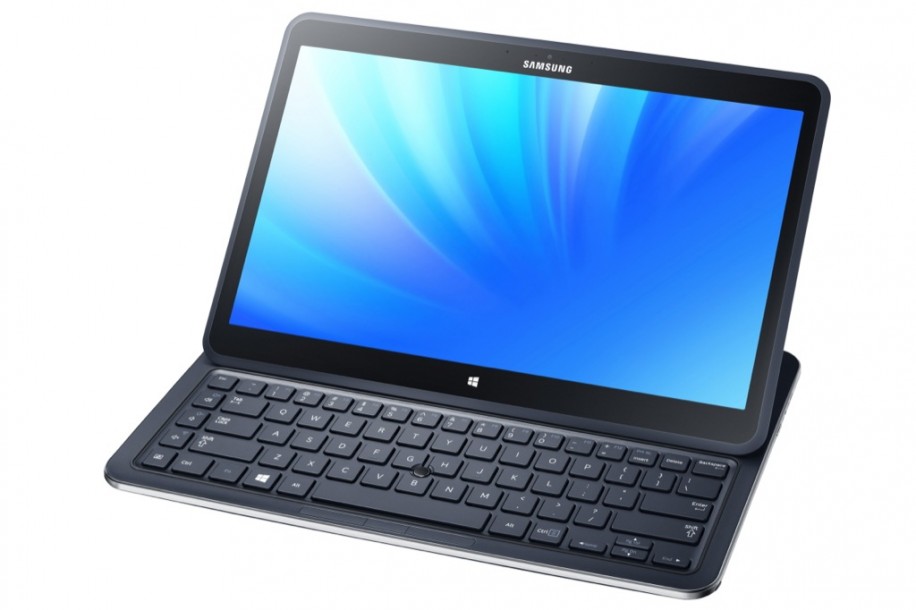
  • Behold The Samsung ATIV Q, Android And Windows In One Device

    Behold The Samsung ATIV Q, Android And Windows In One Device

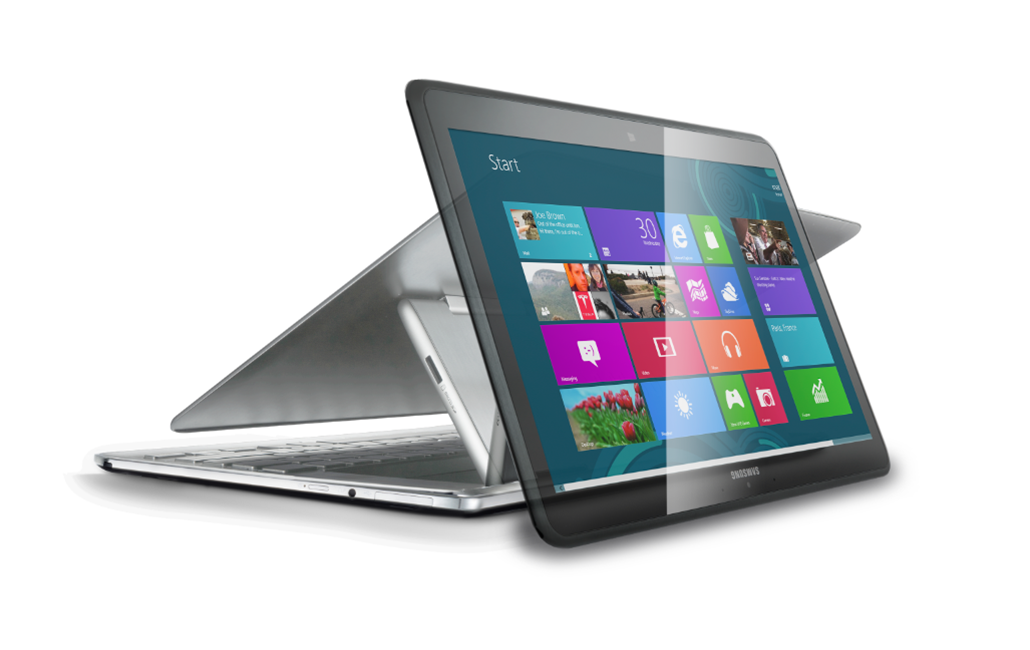
    Samsung is aiming to make your decision regarding which tablet OS to choose, much easier. The electronics giant announced the Samsung ATIV Q which combines Android (Jellybean 4.2.2) and true Windows 8 (not RT) on the same device.

    It comes just over a fortnight after Asus unveiled its own laptop-tablet hybrid which also runs both Microsoft and Google’s systems.

    The Samsung ATIV Q features a razor-sharp 3200×1800 qHD+ display. It measures 13.3 inches on its diagonal — meaning the Q going to be a tad more bulky than the Galaxy Note 10.1. While you might normally be concerned about the Windows performance of a device like this, you don’t need to worry about the  Samsung ATIV Q. It’s not running an Atom like some other dual-booters. It’s running Intel’s latest silicon, a Core i5 Haswell with HD 4400 graphics and 4GB of RAM. That should provide the Ativ Q with brilliant battery life in Windows and equally brilliant performance while running Android. And yes, that also means that you’re getting the full Windows 8 experience — not the confusingly limited Windows RT.

    As for storage, it has a 128GB SSD which is considered large in the tablet segment.

    samsung ativ q

    The hinged Samsung ATIV Q allows users to lay the display flat over the keyboard for tablet mode; raise the display upright to type as on a laptop; ‘float’ and adjust the display to a comfortable viewing angle; or flip the display to place in the stand mode to watch movies.  A stylus is also included to enhance the tablet experience.

    Users will not only get access to Android apps via Google Play but also be able to transfer files, to share folders and files from Windows 8 to Android, truly marrying the mobile and PC experiences”.

    The two distinct operating systems are individually hosted but provide strong, seamless file and data transitions work together well, quietly and behind the scenes.

    Whether or not people will warm up to the idea of dual boot devices remains to be seen, but it is surely a step in the right direction.

    Pricing and availability details have not been revealed yet! 

  • Microsoft Giving Away $100,000 Rewards For Finding Windows 8.1 Security Flaws

    Microsoft Giving Away $100,000 Rewards For Finding Windows 8.1 Security Flaws

    If you’re good enough with code, perhaps you can make some good money digging up bugs for Microsoft.

    Microsoft is offering what it calls a ‘Bounty Program’ to finding exploits and vulnerabilities for Windows 8.1.  Google has had a similar program for its Chrome web browser for quite some time now, though not offering as much money.

    The new exploitation method must not be one that Microsoft already knows or that has been described in prior works and the submission must also include a white paper explaining the method.

    The biggest one is the Mitigation Bypass Bounty, which will pay up to $100,000 to developers who find “truly novel exploitation techniques” in Windows 8.1.

    Any successful hacker can earn an additional $50,000 “BlueHat Bonus” if they can tell Redmond how to fix a major flaw in the operating system. In addition, there’s an $11,000 bounty on Internet Explorer 11 Preview Edition vulnerabilities – but with a 30 day time limit – presumably so that any new problems can be fixed in time for the final release.

    “Microsoft will pay up to $100,000 for truly novel exploitation techniques against protections built into the latest version of our operating system (Windows 8.1 Preview). Learning about new exploitation techniques earlier helps Microsoft improve security by leaps, instead of capturing one vulnerability at a time as a traditional bug bounty alone would,” the company explained.

    That program begins on June 26 but will end 30 days later on July 26th. More details on all three bounty programs, including some advice on how to submit a good exploit report, can be found here.

    The company is set to introduce the new Windows 8.1 Preview at the BUILD developer conference in San Francisco on June 26th as well.

  • Report : Microsoft Was Close To Acquiring Nokia But Talks Broke Down

    Report : Microsoft Was Close To Acquiring Nokia But Talks Broke Down

    Technology pundits have long speculated that, one day, Microsoft would buy its way into manufacturing of its own mobile phones. Apparently that day came a lot closer to fruition than people had thought.

    Microsoft’s acquisition of Nokia’s mobile phone business – the deal you probably assumed would happen sooner or later – has been scuppered before talks were even made public, according to a new report.

    On Wednesday, the Wall Street Journal wrote that Microsoft has been engaged in “advanced talks” to snap up the Finnish mobile maker, but that those discussions have recently broken down and are not likely to resume.

    The WSJ also adds that both companies were close to an oral agreement with Microsoft purchasing the device division of Nokia, using some of Redmond’s reported $66 billion held in off-shore businesses. That method would have let Microsoft avoid a hefty tax penalty for purchasing the massive phone maker.

    microsoft

    The price was reportedly too high in Microsoft’s reckoning and the software giant was understood to be concerned by Nokia’s inability to mount a serious challenge to the likes of Apple and Samsung in the smartphone business. This may sound a little rich coming from Microsoft, but the addition of HTC to the ranks of top class smartphone makers and the recent return to form of Sony and BlackBerry has made Nokia an outside bet in the smartphone race.

    Nokia’s smartphones exclusively use Microsoft Windows Phone software, under a deal the two companies struck two years ago.

    [Via]

  • Microsoft Backtracks On Xbox One DRM And Used Games Policy

    Microsoft Backtracks On Xbox One DRM And Used Games Policy

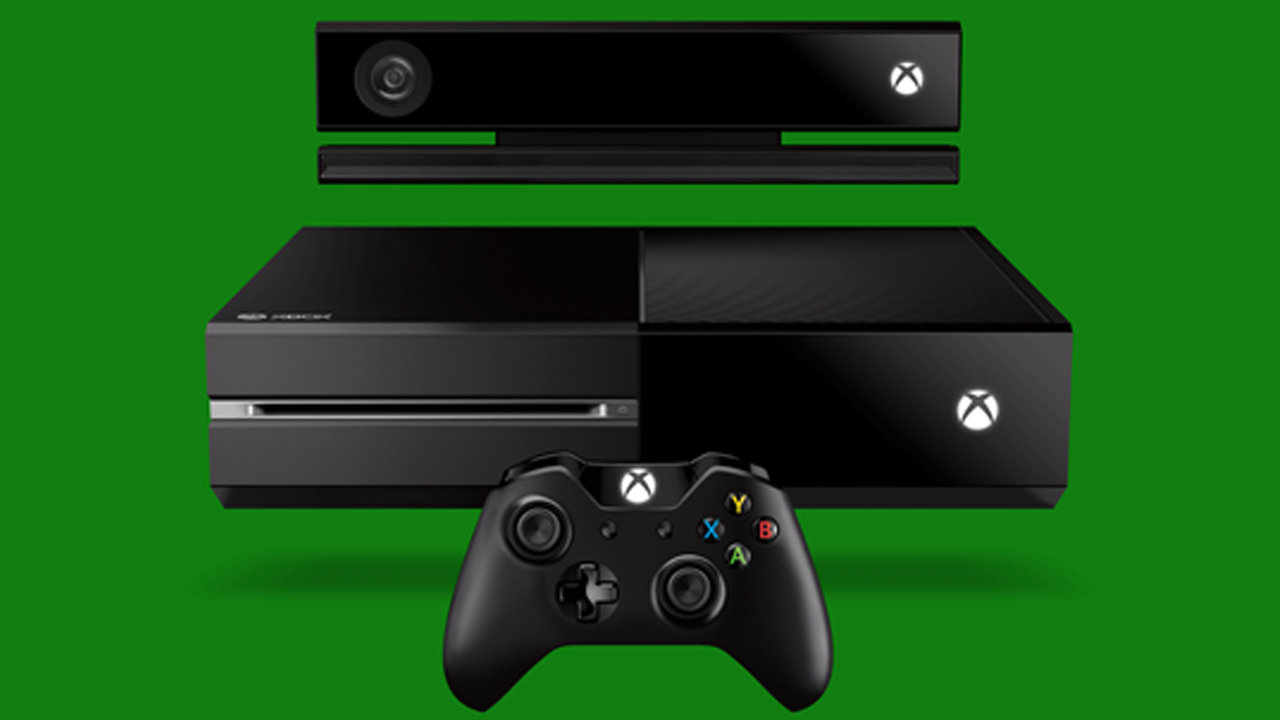
    Xbox One will not require regular online check-ins or place restrictions on game-lending “as a result of feedback from the Xbox community,” Microsoft announced today.

    “Today I am announcing the following changes to Xbox One and how you can play, share, lend, and resell your games exactly as you do today on Xbox 360,” wrote Don Mattrick in an official blog post today.

    Additionally, Mattrick wrote, players will be able to “trade-in, lend, resell, gift, and rent disc based games just like you do today. There will be no limitations to using and sharing games, it will work just as it does today on Xbox 360.”

    This will come at a small cost — despite previous announcements, Xbox One will require that discs remain in the tray in order to play games, and players will be unable to share downloaded games. In other words, it’ll work exactly like the Xbox 360 — for better and for worse.

    Originally it was planned that the new Xbox One would have allowed digital games to be shared with ten friends and family, allowing others to log in and play the titles. A cloud-based system also meant that software would be available from any console, even without a physical disc, and downloaded titles could be shared and sold. That would not be the case now.

    Now, when the new console is released this November, there will be no need to authenticate the system online every 24 hours – a requirement thought to have been introduced as a digital rights management measure. According to the statement, “After a one-time system set-up with a new Xbox One, you can play any disc based game without ever connecting online again.”

    On the other side of the coin, capitalizing on online anger about Microsoft’s policies, Sony took E3 by storm with their announcement that the PlayStation 4 would use no similar DRM scheme.

  • LG To Begin Mass Production Of Flexible Mobile Displays Later This Year

    LG To Begin Mass Production Of Flexible Mobile Displays Later This Year

    LG demoed their “unbreakable and flexible” 5-inch and 7-inch display last month at the SID Display conference in Vancouver. Reports indicated that the 5-inch display will have a “1.0mm bezel allowing production of borderless smartphones,” plus the 7-inch display would be for tablets and has a HD resolution “that exceeds 300 pixels per inch (PPI).”

    LG

    LG was rumoured to launch a smartphone with a flexible display sometime in Q4, but plans of this were reportedly halted due to a manufacturing issues. Recently, Dr. Sang-Deok Yeo, CTO and Executive Vice President of LG Display, said “with the resulting rapid need for new display advancements, LG Display, at the forefront of these trends, is well positioned to lead the market with its differentiated and cutting-edge technologies.”

    An overseas report today surprisingly reveals that LG is heading into production of its flexible displays. LG spokesperson Frank Lee, who was once leading the Canadian communications arm of LG, stated “We have completed the development of our first flexible displays. We will mass produce flexible displays from the fourth quarter of this year.” The flexible display that will be used in mobile devices will be OLED (organic light-emitting diode) supporting ultra-high definition (UHD).

    Unfortunately there’s no indication of specific details of the smartphone, only that it’ll be released “later this year” and that LG might be “selling the screens to other major mobile producers.”

    The new technology will break the conventional cycles in the industry, and LG confirmed it is also working on TVs with flexible UHD displays.

    [Via, Via]

  • HTC One Giveaway Winner And Runners Up

    HTC One Giveaway Winner And Runners Up

    The winner of our recently concluded HTC One giveaway is Prateek Mishra! Congratulations! You have won yourself a brand new HTC One! 

    The runners up are as follows :

    1. Ankush Thakur 

    2. Melbon Fernandes 

    3. Ashutosh Kumar

    4. Darpan Sadaye

    5. Gautham Sharma

    6. Abhishek Chawande

    7. Gurpreet Dhiman

    8. Rishabh Maheshwari

    9. Mridul Bhatia 

    10. Shriram Kathir 

    Congratulations to the runners up! You have won yourselves iGyaan merchandise! 

    We will be contacting you all via email for verification. Meanwhile, do head over to our Facebook page and take part in our Samsung  Galaxy S4 giveaway!

  • Remove Sticky Residue From Screens, Left by Stickers And Labels

    Remove Sticky Residue From Screens, Left by Stickers And Labels

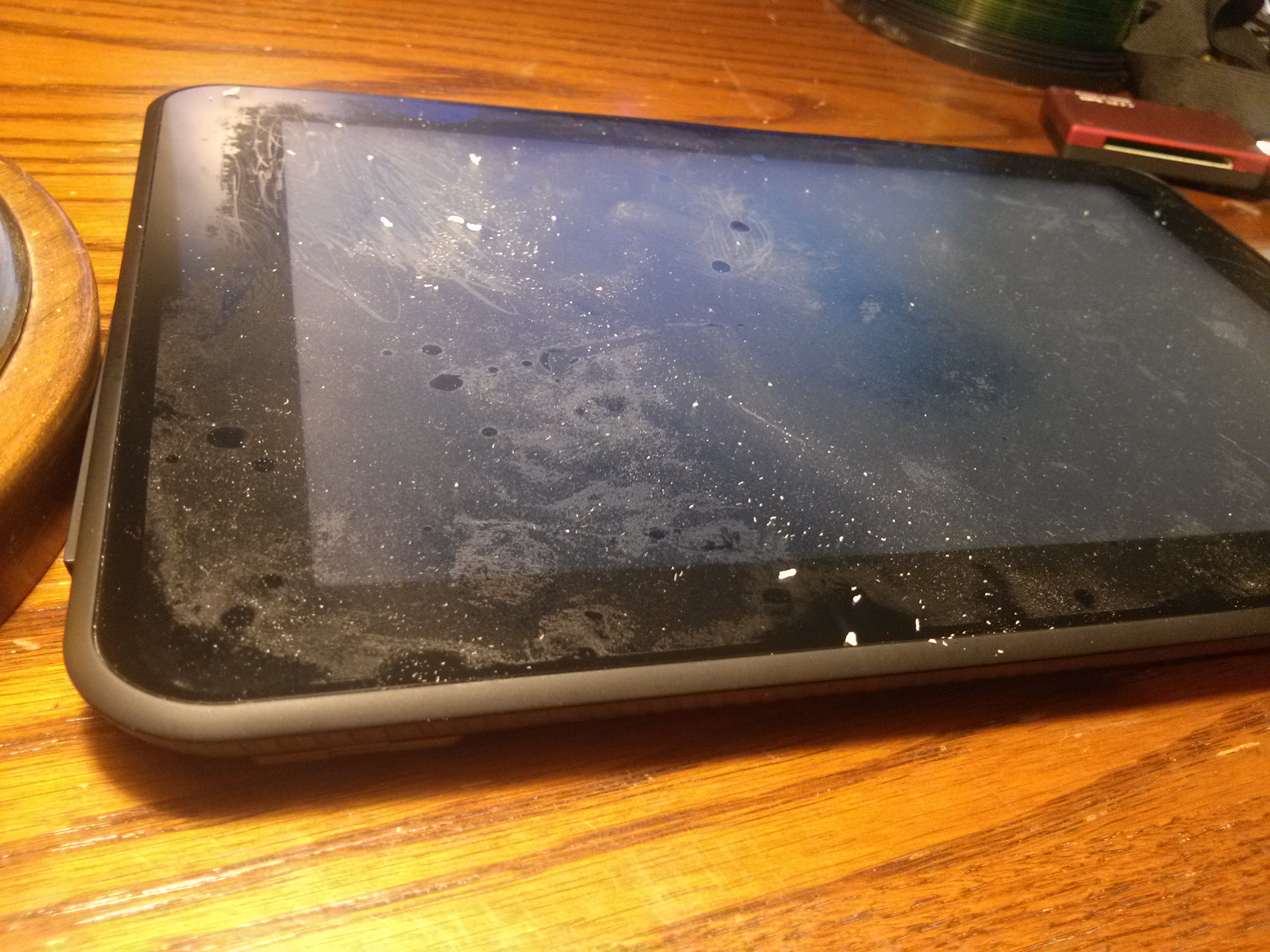
    Things like price stickers and labels, different types of tape (packing, masking, scotch tape) can leave behind a sticky, gooey residue that’s a tricky mess to remove. That old screen protector that you just removed from you device’s screen also leaves behind sticky residue.

    The sticky residue that is left behind can collect dirt and quickly become a dark, sticky area that takes away from the attractiveness of the new piece.

    Here’s a list of methods that can help make the cleanup job a lot easier.

    1. Finger Rubbing

    The most obvious solution, but the most widely used. If it’s really sticky, skip this method as you’ll just make it worse. If not, try to “ball-up” the residue with your fingers and wiping the surface with a wet cloth.

    2. Use Vinegar

    Soak a washcloth or rag in a mixture of vinegar and water (a bit more vinegar than water), then use the cloth to apply the mixture to your label or sticky area. Let the mixture sit on the area for a few minutes so it has time to dissolve the glue. The glue should rub off easily, taking the sticky residue with it.

    3. Alcohol

    That bottle of Romanov you’ve been eyeing in your dad’s closet, yes that one, can be used to remove adhesive residue as well. Avoid using any sweet or flavored alcohols, as these will introduce more stickiness from the sugar content. 

    Dab a little alcohol onto a paper towel or soft cleaning rag, and lay the moistened area of the paper or rag over the sticky stain. Let sit for a few minutes to be absorbed by the stain.

    Remove the soaked sticky residue with your fingers or use a plastic scraper. The residue should lift off easily.

    Note : Alcohol could also damage the paint on your device in some cases, so be careful.  

    4. Petroleum Jelly 

    Rub the petroleum jelly directly onto the sticker glue residue. Allow it to remain on the residue for a few hours. Scrape off the petroleum jelly, along with the glue, using a credit card or any other flat plastic surface.

    Wipe the affected area with a damp rag to remove the petroleum jelly and any remaining glue.

    Let us know in the comments section below if we missed out on any method!

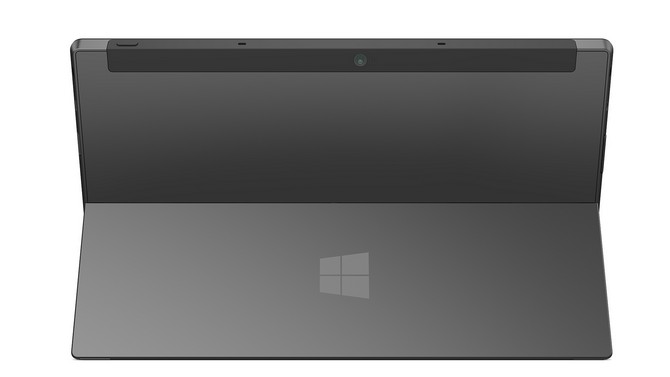
  • Rumour : Qualcomm Likely To Power Microsoft’s Next Surface RT

    Rumour : Qualcomm Likely To Power Microsoft’s Next Surface RT

    The latest rumours surrounding the Surface RT state that Microsoft is currently testing a new version of the tablet with Qualcomm’s Snapdragon 800 chipset inside. Bloomberg claims that Microsoft will update the tablet with new chips from Qualcomm, while NVIDIA will “continue as a supplier for some versions”, presumably including the existing model with its Tegra 3 chipset.

    The Verge is even more specific on the new chips at the heart of the Surface RT. Its sources claim that the Snapdragon 800 is the CPU in question.

    The news comes just as the Snapdragon 800 MDP leaked out showing impressive results, comparing well with Cortex A15 architectures and showing big strengths in the graphical department where the Adreno 330 basically sets a new standard for mobile graphics. 

    Sales of the Surface RT – which runs the pared-back Windows RT, a version intended for ARM processors, and which does not offer direct app support for software written for full Windows 8 – have failed to grab Microsoft a significant share of the market.

    Earlier this month, Microsoft reaffirmed its commitment to RT at the Computex show in Taiwan and said it will add a version of the Outlook e-mail and calendar application in an attempt to make it more attractive to businesses.

    Recently Microsoft appear to have been clearing out their remaining Surface RT stock, offering low prices to students, offloading 10,000 units to educators across the United States, and deeply discounting the tablet at TechEd earlier in the month.

    [Via]

  • HTC Butterfly S Officially Announced, Features Ultra-Pixel Camera

    HTC Butterfly S Officially Announced, Features Ultra-Pixel Camera

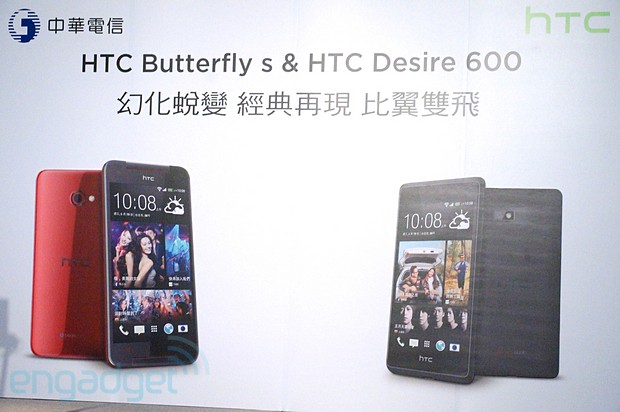
    Last week we saw some leaked photos of the new HTC Butterfly S, the handset has now been announced in Taiwan and we have all the specifications on new Android smartphone.

    You should rejoice as the Butterfly S packs a massive 3,200 mAh battery, a big upgrade over its predecessor which had a 2020 mAh battery.

    HTC Butterfly S
    Image Courtesy : Engadget

    The new HTC Butterfly S comes with a Snapdragon 600 quad core processor clocked at 1.9GHz. It has a 5 inch full HD display with a resolution of 1920 x 1080 pixels.

    Other specifications on the HTC Butterfly S include 16GB of built in storage and a HTC Ultrapixel camera, the device also comes with HTC Boom Sound speakers.

    The device runs on Android 4.2 with HTC Sense 5.0, and hence has the HTC Zoe feature. Blinkfeed is likely to be brought to the device as well.

    In terms of the connectivity, the phone comes with quad-band HSPA , Wi-Fi a/ac/b/g/n, Bluetooth 4.0, Infrared and GPS.

    The HTC Butterfly S is a little chunky, weighing in at 160 grams and measuring 10.6 mm in thickness, but that’s what you get when you dramatically increase the battery size.

    The HTC Butterfly S will go on sale in Taiwan in July it will also launch in Europe and Asia later this summer, although we do not have any details on an exact launch date.

    We hope HTC price the phone better than last time.

    [Via]

  • Report : NVIDIA Set To License Kepler GPU Technology To Other Manufacturers

    Report : NVIDIA Set To License Kepler GPU Technology To Other Manufacturers

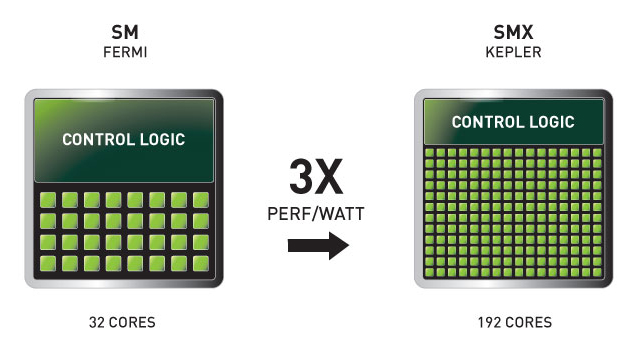
    We knew NVIDIA had some big plans for the mobile market, but the company has announced just how big those plans are to be. NVIDIA will be licensing it’s Kepler GPU architecture and visual computing patents to manufacturers for mobile products.

    This build is found in Nvidia’s GeForce 600-series GPUs and now may end up in graphics cores from other manufacturers, too.

    Kepler

    Nvidia said Kepler’s improved performance and efficiency, as well as its Direct3D 11, OpenGL 4.3, and GPGPU capabilities would endear device makers to its licensees. In turn, licensees will receive designs, collateral, and support from the company.

    Nvidia said the move has precedent: Nvidia licensed GPU core technology to Sony for the PlayStation 3 game console in past, and also receives hundreds of millions of dollars per year from Intel for the license to Nvidia graphics technology.

    Aside from offering smartphone makers the possibility to license its Kepler architecture, NVIDIA has confirmed that it will also offer licensing rights to its visual computing portfolio, thus enabling them the option to design their own GPU functionality.

    There’s more to it, as the company has announced that all licensees will get “all necessary designs, collateral and support to integrate NVIDIA’s powerful graphics cores into their devices.”

  • Report : PlayStation 3 Update Version 4.45  Bricking Consoles

    Report : PlayStation 3 Update Version 4.45 Bricking Consoles

    For the time being, it’s probably a good idea to decline the latest system update for the PlayStation 3. Many users are reporting bricked consoles after updating.

    The firmware update is intended to improve system stability and add options for in-game trophy notifications. However, several user comments on the PlayStation forum have stated that the latest 4.45 update is causing a lockdown on their consoles.

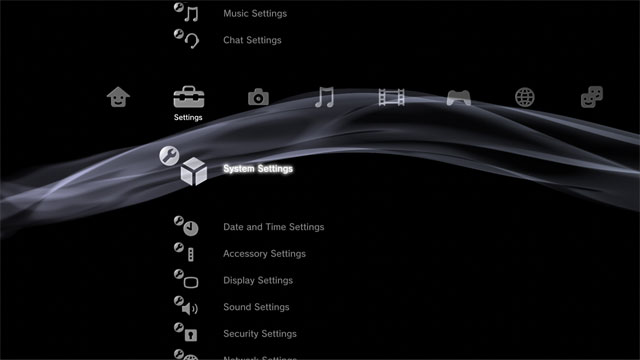
    User JadeTreeInWind, for example, said that after the Playstation 3 logo was on display post update, the crossbar menu would not show up. The user tried restarting the console, but the same problem still persisted.

    playstation 3

    Restarting the system and other recovery attempts do not appear to resolve the issue. If you haven’t downloaded the update yet, avoid it until Sony gives the all-clear. If you have downloaded it and can’t access the XMB, sit tight until we know more.

    Assuming the speculation that this issue arises from user-replaced hard drives, then it would bring back memories of the time when the 3.41 update caused a few corrupted Playstation 3 drives, too. Hopefully things will look up for the better in the long run, and a solution should be released sooner rather than later.

    As of now, the latest firmware is 4.41, and Sony has yet to offer a statement concerning the bricked consoles.

  • Microsoft Frees 2 Million PCs From Citadel Botnet

    Microsoft Frees 2 Million PCs From Citadel Botnet

    According to Microsoft, the actions it took against the world’s biggest cyber-crime rings (the Citadel botnet) freed at least 2 million PCs infected with the virus. It is believed that the Citadel Botnet was used to steal more than $US500 million from bank accounts worldwide.

    The information comes from Microsoft Digital Crime Unit’s Assistant General Counsel Richard Domingues Boscovich in an interview earlier this evening. Said Boscovich, “We definitely have liberated at least 2 million PCs globally. That is a conservative estimate. We feel confident that we really got most of the ones that we were after. It was a very, very successful disruptive action.”

    The botnets, which were run from “command and control” servers at data hosting centers around the world, were used to steal from hundreds of financial institutions, according to court documents that Microsoft filed to get permission to shut down servers in the United States that were being used to run the operation.

    Data center operators typically are not aware that their servers are being used to run botnets.

    Among the PCs liberated, the majority were located in the US, Hong Kong, and throughout Europe. The take down process worked by severing the Citadel networks from the infected machines, with a total of 1,400 networks being successfully pulled. Those responsible for leading the networks, however, one of which is known as “Aquabox”, were not captured, and have not been identified.

    Though the chief botnet organizer is still on the loose and many machines are still burdened by Citadel, Domingues Boscovich says they “feel confident that we really got most of the ones that we were after.”

    [Via, Via]

  • Huawei Ascend P6 Launched, The World’s Slimmest Android Smartphone

    Huawei Ascend P6 Launched, The World’s Slimmest Android Smartphone

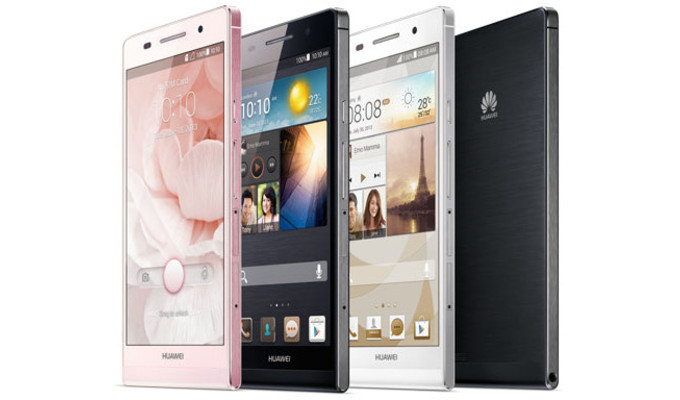
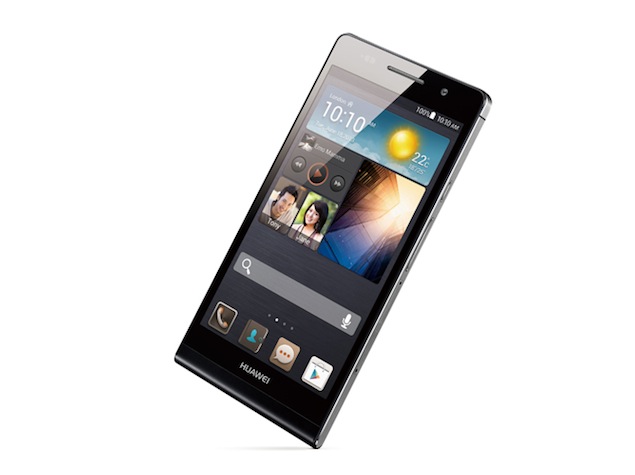
    Huawei announced today its many-times-leaked and the world’s slimmest Android smartphone, the Huawei Ascend P6, the new metallic prize in its smartphone collection.

    The 4.7-inch device comes in at a staggering 6.18mm thin and weighs a slight 120g, with a 1280×720 in-cell display that has MagicTouch abilities, another term for being responsive while wearing gloves.

    Huawei Ascend P6

    Under the hood of the Huawei Ascend P6, you get Huawei’s very own HiSilicon K3V2 SoC at the helm of things. This chip combines a quad-core Cortex-A9 CPU clocked at 1.50 GHz, with a 16-core GPU, and a soft-modem that’s capable of HSPA+ (21.1 Mbps), 802.11 b/g/n Wi-Fi, and Bluetooth 4.0. In Dual-SIM versions, the SoC is backed by 2 GB of RAM, and 8 GB of internal storage that’s expandable with micro-SDHC (by up to 32 GB). A 2,000 mAh battery powers the device, which is generous, considering its dimensions of 132.7 x 65.5 x 6.2 mm, and 120 g weight.

    Huawei is also promoting its sealed 2000mAh battery as providing up to 30% better uptime than the equivalent cell size from another manufacturer, and the 8MP rear camera boasts macro views of 4cm. The front-facing camera is also noteworthy, as its absurdly high 5MP resolution may be approaching overkill.

    Lastly, Huawei has dropped Android 4.2.2 into the Huawei Ascend P6 ? lap, covered by the company’s bright and colourful Emotion UI, which has received a few tweaks since the last iteration.

    Huawei is pushing into handsets just like it pushed into infrastructure, using technical innovation funded from a secure home market reaching out to grab some market share.

    Indian pricing and availability has not been announced yet.

iGyaan Network
Privacy Overview

This website uses cookies so that we can provide you with the best user experience possible. Cookie information is stored in your browser and performs functions such as recognising you when you return to our website and helping our team to understand which sections of the website you find most interesting and useful.