In what will be a major shift from tradition, Apple has set its sights on launching three iPhones in a calendar year. It had almost become a tradition for Apple to release two variants of its flagship phone, a cheaper variant along with a more expensive one in the past years. It was the case for the iPhone 5 series, and so was the strategy followed for the last set of iPhones from 2015.
For weeks now we have been hearing rumours that Apple is working on a 4-inch iPhone. The device is likely to be called the iPhone 5se and according to reports will be unveiled at an Apple event on 18th March 2016. Here’s a roundup of everything we know so far from the various rumours that have been going around about this still to be confirmed phone.
Design
This device which is believed to be a replacement for the current entry-level iPhone 5s, has already managed garner a lot of attention. Many analysts predict that it could even turn out to be the years hottest model. The 4-inch display is expected to be a great asset to the iPhone 5se’s design. The idea behind this small form factor is what the company’s founder Steve Jobs believed was to give the user a comfortable experience of navigating across the phones display with just one hand.
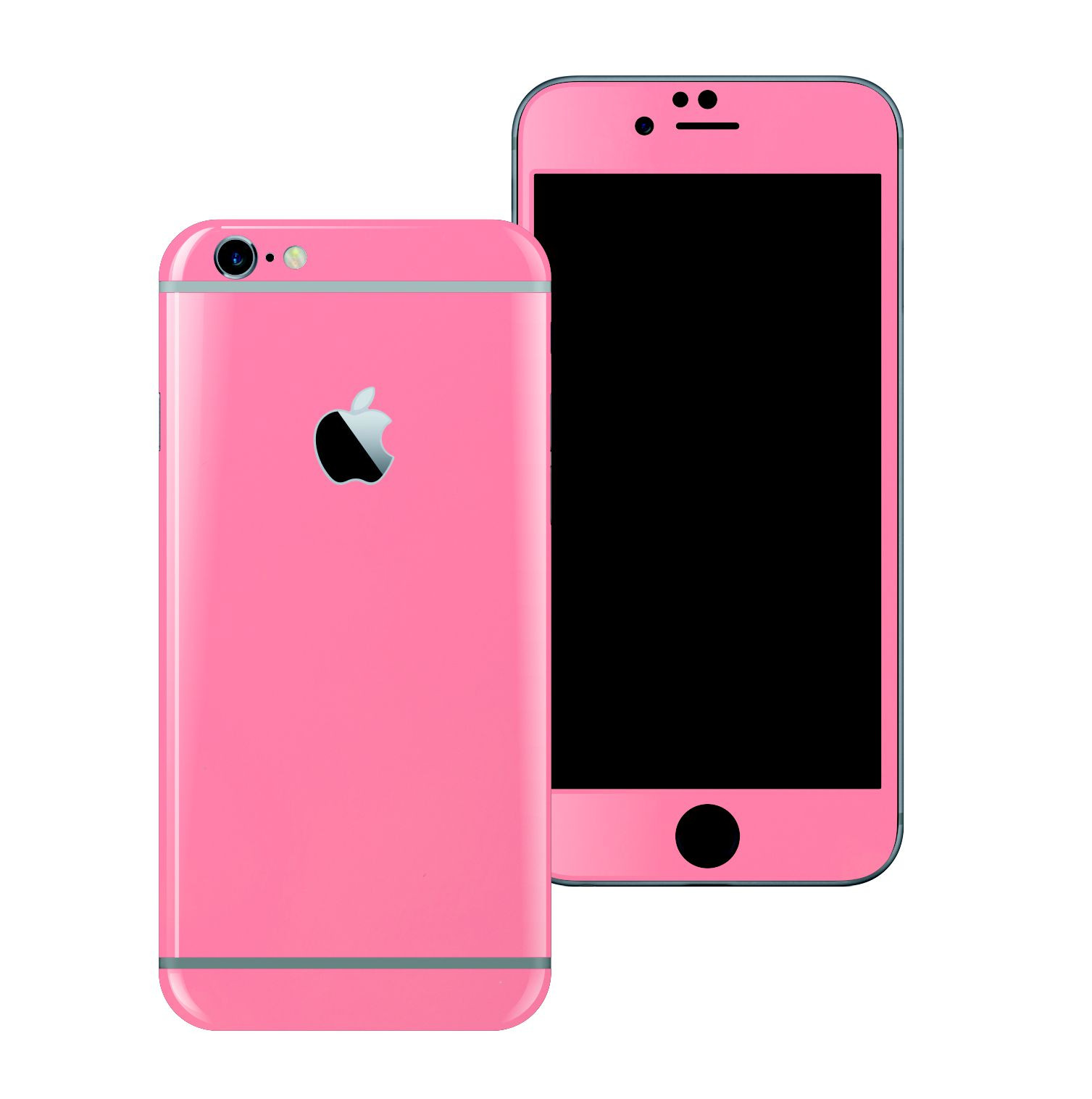
According to reports, the sharp, angular edges of the iPhone 5s are rumored to be replaced by smooth, curvier designs that Apple debuted on the iPhone 6 and iPhone 6 Plus. The phone is expected to come out in three color variants, “Rose Pink”, “Space Grey” and ” Silver”. The Gold hue is expected to be given a miss for the cheaper iPhone 5se.
Processor and Other Specification
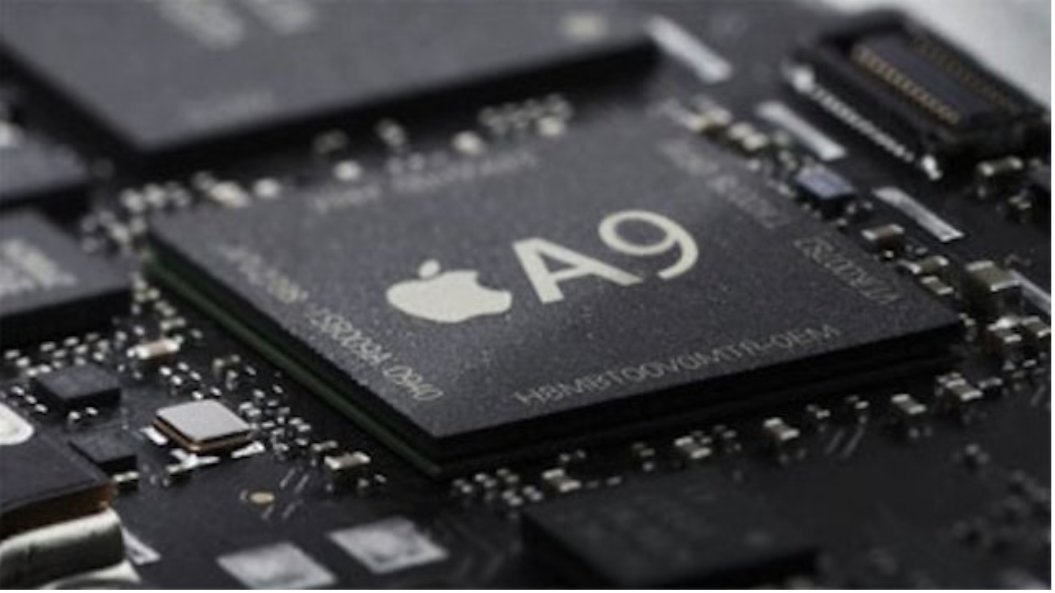
The new iPhone 5se, as rumours suggest, will come with solid processing power so that it can keep pace with the best flagships available in the market. The phone is said to pack under the hood either an A8+ M8 combo, or the more poweful A9 SoC which is currently used on the latest and greatest iPhones that Apple can offer in 2016. The phone will come equipped with 1 GB of RAM, 16 GB internal storage. A 1642 MaH will come housed inside the phone.
Having said that, taking in perspective the phone’s relatively small 4-inch display, and Apple’s previous track record of being a bit economical with the firepower they add to their phones, betting on the new smartphone to be equipped with the A8 would seem more plausible.
Camera
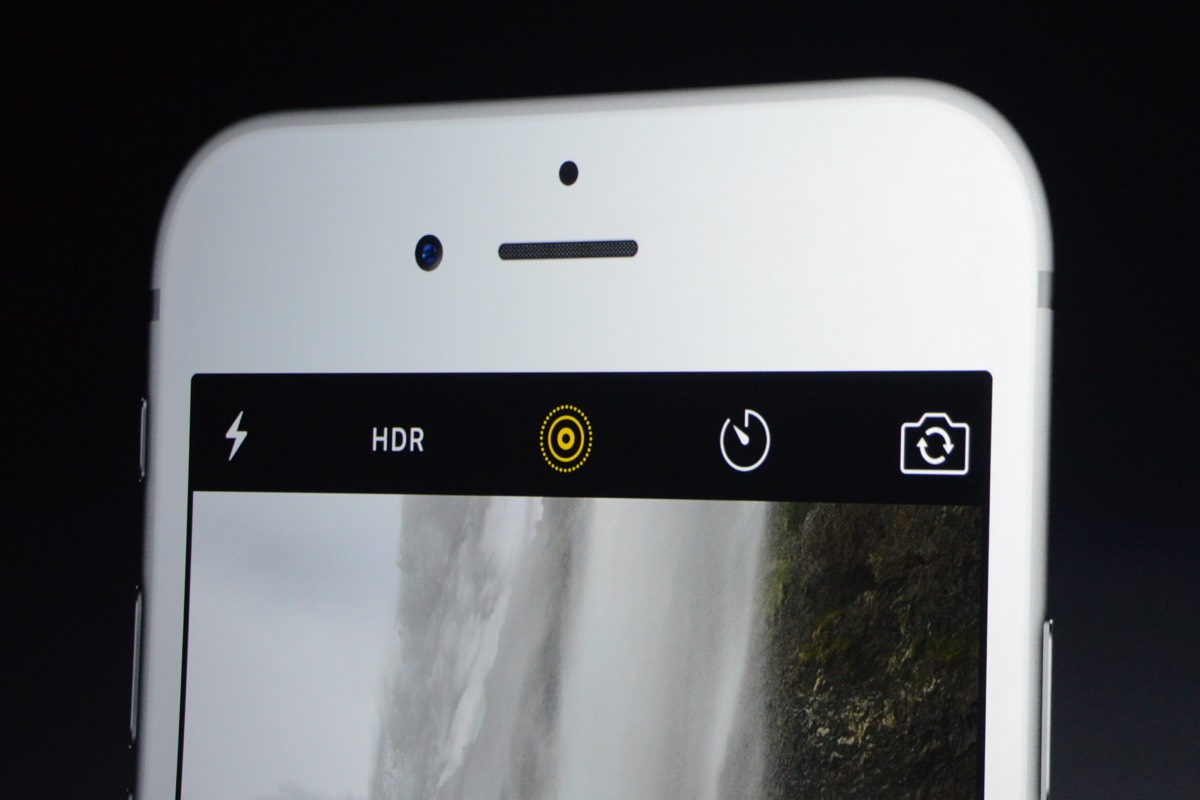
Apple which has always been known for bringing to the users phones with great cameras, plans to shower the iPhone 5se with good specs. Reports suggest the iPhone 5se to get the same 8-megapixel rear and 1.2-megapixel front-facing cameras from Apple’s iPhone 6. Sadly, the better 5-megapixel front camera from the 6s will fail to make the cut.
The new phone though will be able capture large panorama shots, along with getting the capability of capturing Live Photos.
Display
An interesting rumour doing the rounds about the iPhone 5se is that the phone will support a sapphire display, which is highly scratch and shatter resistant. In fact, some of the higher-end Apple Watch models have sapphire display as well as OLED technology, which Apple is rumoured to bring to its next flagship device, but will not likely be seen in the iPhone 5se.
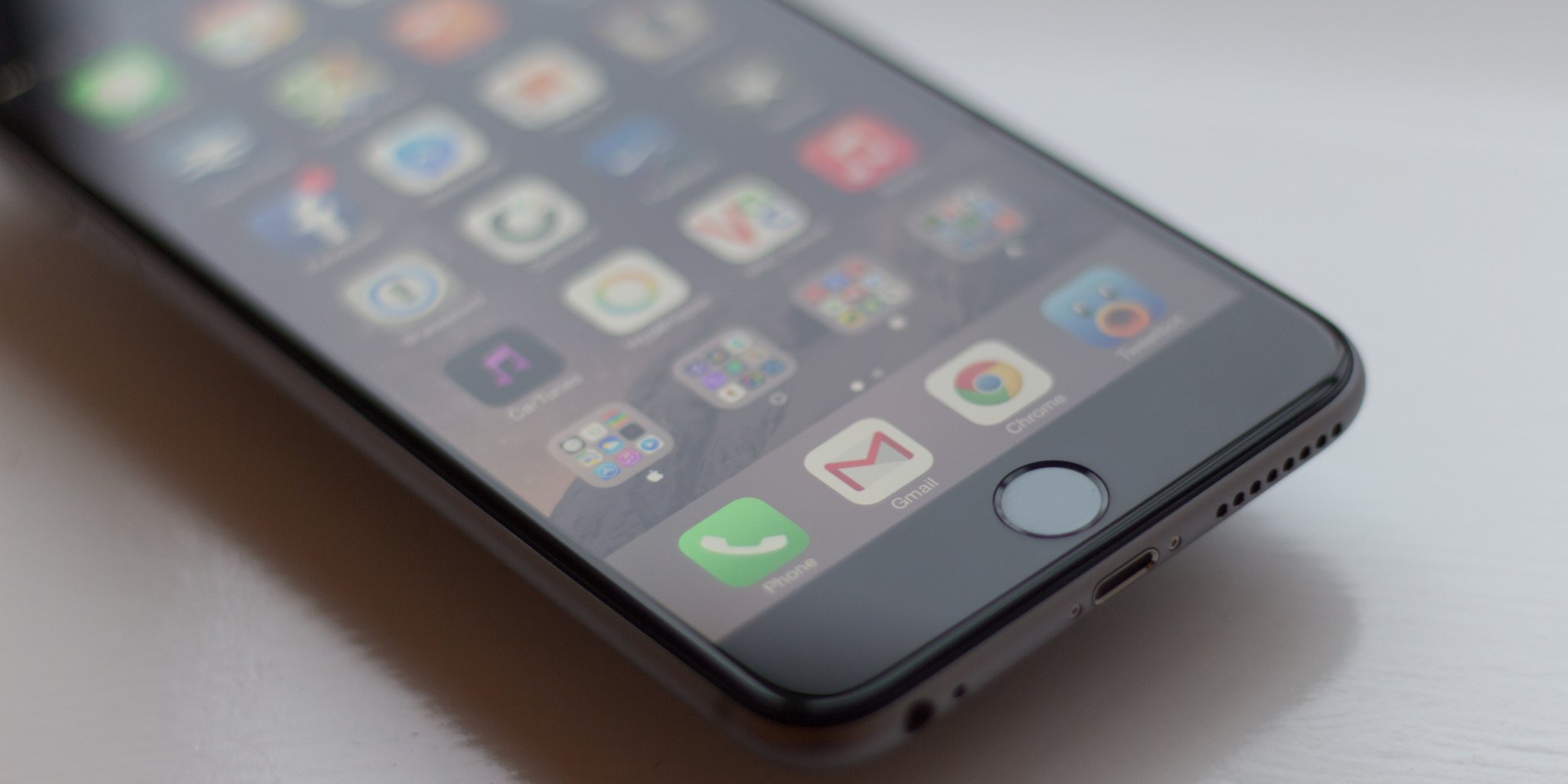
One thing that is also expected is the phone to miss out on the 3D touch display which the iPhone 6s and 6s Plus come equipped with, which shouldn’t come as a big surprise considering the expected low price point of the iPhone 5se.
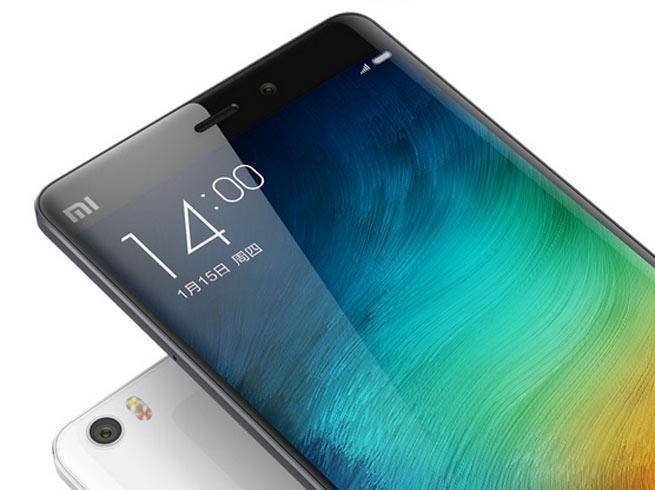
China’s Apple is all set to launch its latest flagship, Xiaomi Mi 5 to eager audiences this week on the 24th at a media event during the upcoming Mobile World Congress 2016. This is the first time that the Chinese smartphone company will be rubbing shoulders with the big boys at MWC, so as such Wednesday’s launch event holds great importance for the company.
In the run-up to the launch, the company has already posted multiple teasers to wet the appetite of fans around the globe calling the upcoming handset ” all you ever imagined, and more.” The company has been nice enough to reveal the phone’s SoC, but other than there has been a lot that has leaked onto forums on the Internet. Today, we bring to you an assortment of the most credible of those leaks and rumours.
Design
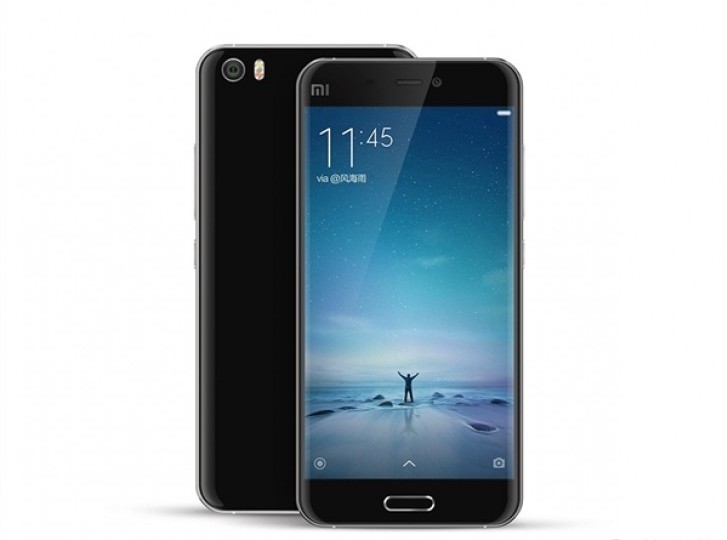
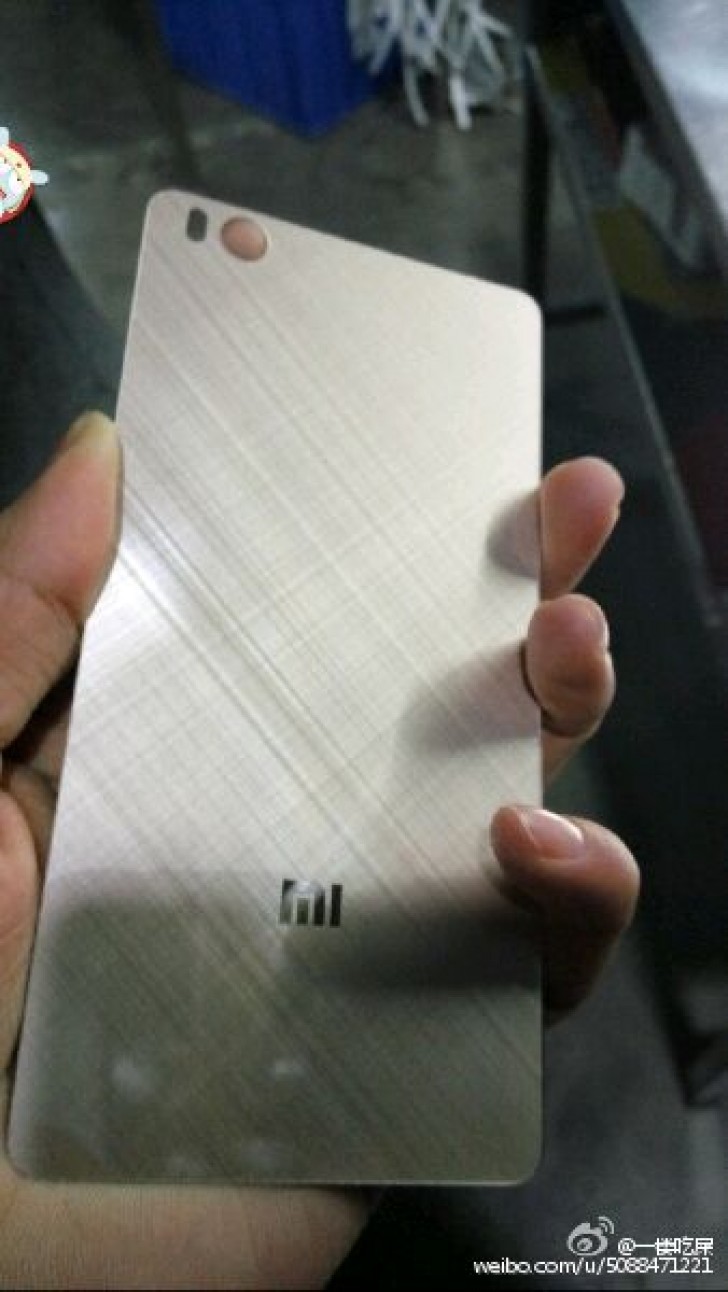
This flagship killer from Xiaomi is to come with impressive design scheme. The phone will see a metallic frame with glass panels at the front and back of the phone. It will be available in colors like gold, pink, silver and black.
On the design front, the MI 5 seems to show thin bezels. It looks like the phone will not have a 2.5D curved glass. The screen to body ratio looks great and you also see a thinner home button at the bottom. A fingerprint scanner which will be able to receive 3D commands on the front right under the hardware home button is also expected.
Processor
The Xiaomi Mi 5 will be powered by the highly anticipated Snapdragon 820 SoC. This chipset is the next big thing by Qualcomm, and it will be seen in many of the major flagship devices set to come out this yeat, Xiaomi will be one of the first devices to join the party.
The 820 SoC with X12 LTE supports the ultimate in connectivity, graphics, photography, power and battery efficiency. The SoC comes with the Adreno 530 GPU which offers 40% improvement to graphics performance, compute capabilities, and power usage when compared to last year’s Adreno 430, and at the same time this SoC will be almost 50% more energy efficient than last year’s chip. Big gains indeed.
Camera
Xiaomi’s co-founder and President, Lin Bin, along with other from the top brass of the company such as Hugo Barra have been sharing camera samples of the Mi 5 handset for some time now, hinting at how great the camera on their new phone is.
Latest reports reveal the phone to come with a beefy 26-megapixel camera with f/1.6 lens. The is front camera is expected to be an 8-megapixel shooter. The main camera is also expected to come with tech like laser autofocus and Optical Image Stabilization.
Display
There has been conflicting news about the display on the phone. Earlier reports indicated a 5.7 inch Full HD display on the phone while others pegged the phone to come with a 5.2-inch QHD display with 2.5D curved glass on the front.
But, latest reports deem these to be fanciful tales from the land of rumours, and claim that the phone will indeed come with a 5.2 inch Full HD display only. The company is also expected to give a miss to the 2.5D curved glass.
One thing that is surprisingly being tipped to make the cut is the phone using a pressure sensitive display panel, much like Apple’s Force Touch or 3D Touch display that’s used on the iPhone 6s and the 6s Plus.
Other Specs
The Xiaomi Mi 5 will feature 3 GB of RAM on 32 GB storage model and 4 GB of RAM on 64 GB storage edition. It will also come with support for microSD card slot. The Xiaomi Mi 5 is expected to feature 802.11ad an industry-first Wi-Fi connection standard. A battery of 3600 mAh will be present inside the Xiaomi Mi 5. The device should also be compatible with Qualcomm’s Quick Charge 3.0.
Things are getting ugly between the FBI, and Apple. In latest developments in this ongoing saga, the Department of Justice has gotten itself involved and has filed a motion asking Apple to comply with the FBI order.
Over the last few days, the courts ordered Apple to create a special version of the iOS to access a work iPhone 5c of one of the suspected terrorists involved in the San Bernardino shooting. What ensued then was Apple bringing the debate to the public discourse when its CEO, Tim Cook, wrote a strongly worded open letter to its customers worldwide in which it insinuated that it will not comply with the court’s orders as it will be detrimental to the privacy of each and everyone using the iPhone 5c.
This motion filed against Apple shouldn’t come as a surprise after what the Obama government has already said on the issue. The government earlier revealed that it is in the favour of FBI’s argument, and considers rooting out terrorism a priority over the privacy of millions around the globe.
The Department of Justice filing which could have grave implications for all of us read,
“Apple left the government with no option other than to apply to this Court for the Order issued on February 16, 2016. The Order requires Apple to assist the FBI with respect to this single iPhone used by Farook by providing the FBI with the opportunity to determine the passcode. The Order does not, as Apple’s public statement alleges, require Apple to create or provide a ‘back door’ to every iPhone; it does not provide ‘hackers and criminals’ access to iPhones; it does not require Apple to ‘hack [its] own users’ or to ‘decrypt’ its own phones; it does not give the government ‘the power to reach into anyone’s device’ without a warrant or court authorization; and it does not compromise the security of personal information.”
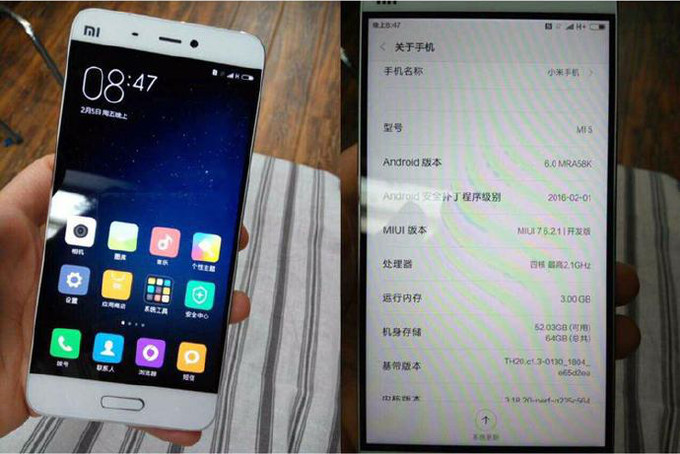
Ahead of the Xiaomi Mi 5 launch on 24th February, leaks about the phone coming in thick and fast. The latest leaked images reveal the phone in all its glory with a 5.2-inch 1080p display, and a fingerprint sensor.
A screenshot has also leaked which shows the phone’s information and takes the lid off on this badly kept secret’s internal hardware specification.
The screenshot reveals most of what was already known. The screenshot shows the phone to come with a Qualcomm Snapdragon 820 clocked at 2.1 Ghz paired with 3GB of RAM for smooth performance. Internal memory is revealed to be 64GB storage (of which 52GB is available), and it shows the phone to come running Android 6.0 with MIUI 7.6.2.1.
The specifications look impressive, so does the phone’s aesthetics in the leaked image, what’s left now is to see just how well the phone does in the comparison to the other flagships in the market.
As the Android operating system has grown, Samsung has not just grown with it, but completely dominated it. From the platform’s early days it has complemented the software with aggressive hardware and pleasing aesthetics. The South Korean manufacturer has sold more mobile phones than any other Android device manufacturer, and this success has been entirely built on Samsung’s Galaxy brand which to date has churned out over 100 separate devices.
Samsung’s Galaxy S range of flagship smartphones has been one of the major reasons behind Samsung achieving such success at the market. In all honesty, the Galaxy S series devices have done as much to help the Android operating system grow, as the platform has done to help it grow. Today we take a trip down memory lane, and take a look at the Galaxy S series flagships from the year’s gone by.
Samsung Galaxy S
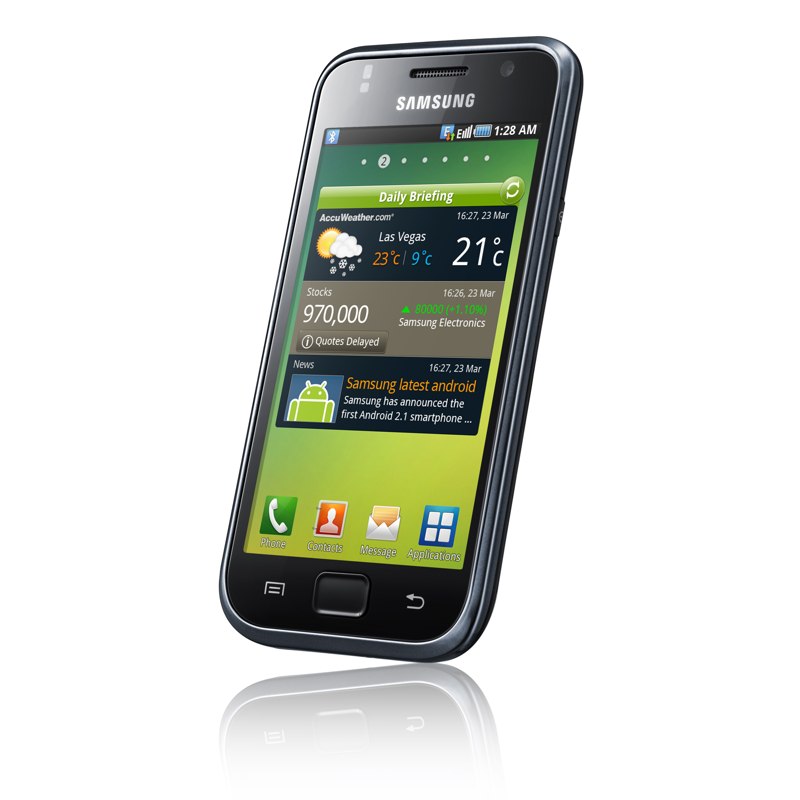
The original Samsung Galaxy S was released in June 2010 and by the time it was taken off shelves, the handset sold over 24 million units worldwide. This Android device was pitted against the iPhone as a high-end, premium smartphone alternative. The Galaxy S set the tone for the rest of the Galaxy series and as such sealed its legacy forever.
The phone came with 1 GHz processor, a 4.0-inch AMOLED screen and had a 5MP rear facing camera without a flash, and a front facing VGA camera. The Galaxy S came with impressive specs for the time and was generally accepted to be one of the better devices to come with Android on-board but the sales still were a little disappointing. The device was originally launched running Android 2.1 Eclair, and was later updated to 2.2 FroYo, and finally then finally updated to 2.3 Gingerbread before being ignored by Samsung for further updates.
Samsung Galaxy S II
The Summer of 2011 saw what probably was the game changer for Samsung. The South Korean company which had been making phones long before its competitors, HTC and Apple had even stepped into the industry was finally going to have its moment of glory.
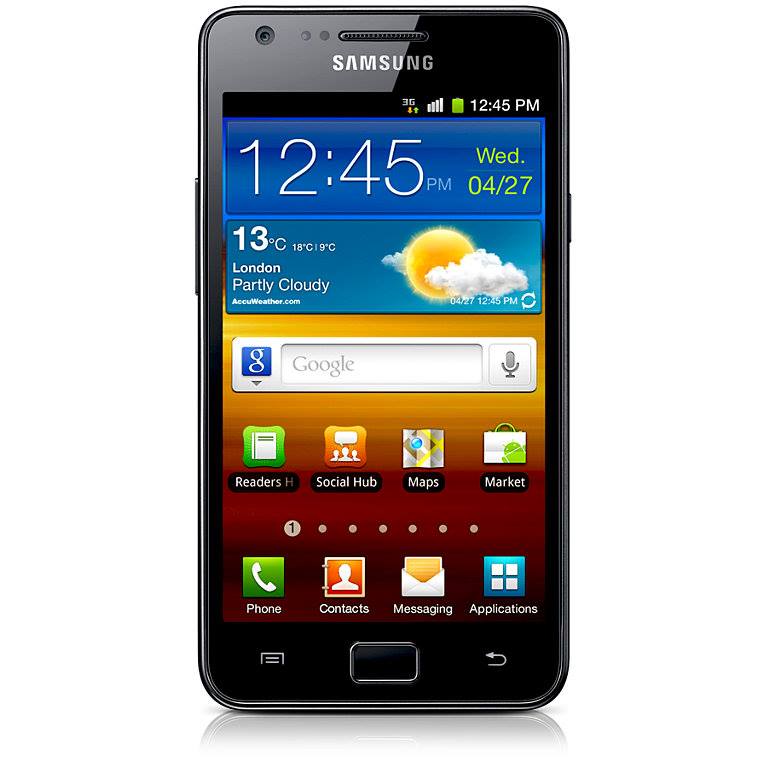
The Galaxy S2 turned out to be the device which secured Samsung’s place at the top of the Android tree. The S2 launched in more than 120 countries in the summer of 2011, and was met with great reception with over 50 million S II being sold by Samsung Worldwide.
The phone was big on internals, and featured a dual-core Cortex A9 processor paired with 1 GB of RAM and a newer generation, 4.3-inch Super AMOLED display. The display was also covered with the first generation Corning Gorilla Glass coating.
There was an 8MP rear camera and this time it came with a flash. The front camera was also bumped to a 2MP camera. The design pattern evolved from the first S series handset and saw the impressive hardware being nicely tucked into a squared design that was very thin. Importantly, the phone’s design incorporated space for a Removable Li-Ion 1650 mAh battery which was one of the biggest draws for the phone.
Galaxy S III
If S II was good, then S III was going to be even better for the South Korean tech giant. Riding on the back of the S II, Samsung came into 2012 firmly as the market leader. The S series phones by now had evolved from being just high-end Android offerings, to being positioned as the “Anti-iPhone” smartphones.
S III was at that time Samsung’s best-selling smartphone to date. It’s helped the South Korea-based company dethrone Apple’s global market share, and it made the Galaxy S series name synonymous with Android.
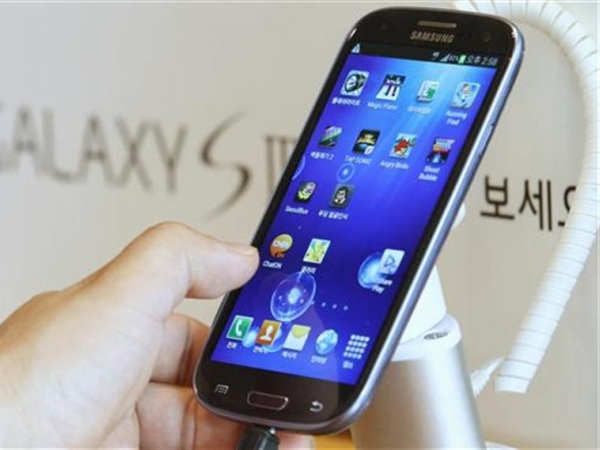
S III saw a design change for the Samsung Galaxy S series. The S3 perfected on the chinks of the phone before and came to the market as a beautiful offering curved design and brilliant specs.
The smartphone was powered by a quad-core 1.4GHz Cortex-A9 CPU, while the Mali-400MP GPU also showed up alongside 1GB of RAM. The phone retained the 8MP rear camera but produced better pictures owing to ertain software improvents. The display on the phone was a 720p HD resolution SuperAMOLED screen. S III came with Android 4.0 Ice Cream Sandwich which paired with the internals produced great results.
Samsung also started to significantly improve things at the software end starting with the S III. It included many additional features such as Smart Stay, which wallowed the screen to stay on when the user was looking at it. The S III also introduced the Nature UX, whichbrought in new notification whistle and watery sounds when unlocking the device. All of these addtions very popular with its growing customer base.
Galaxy S IV
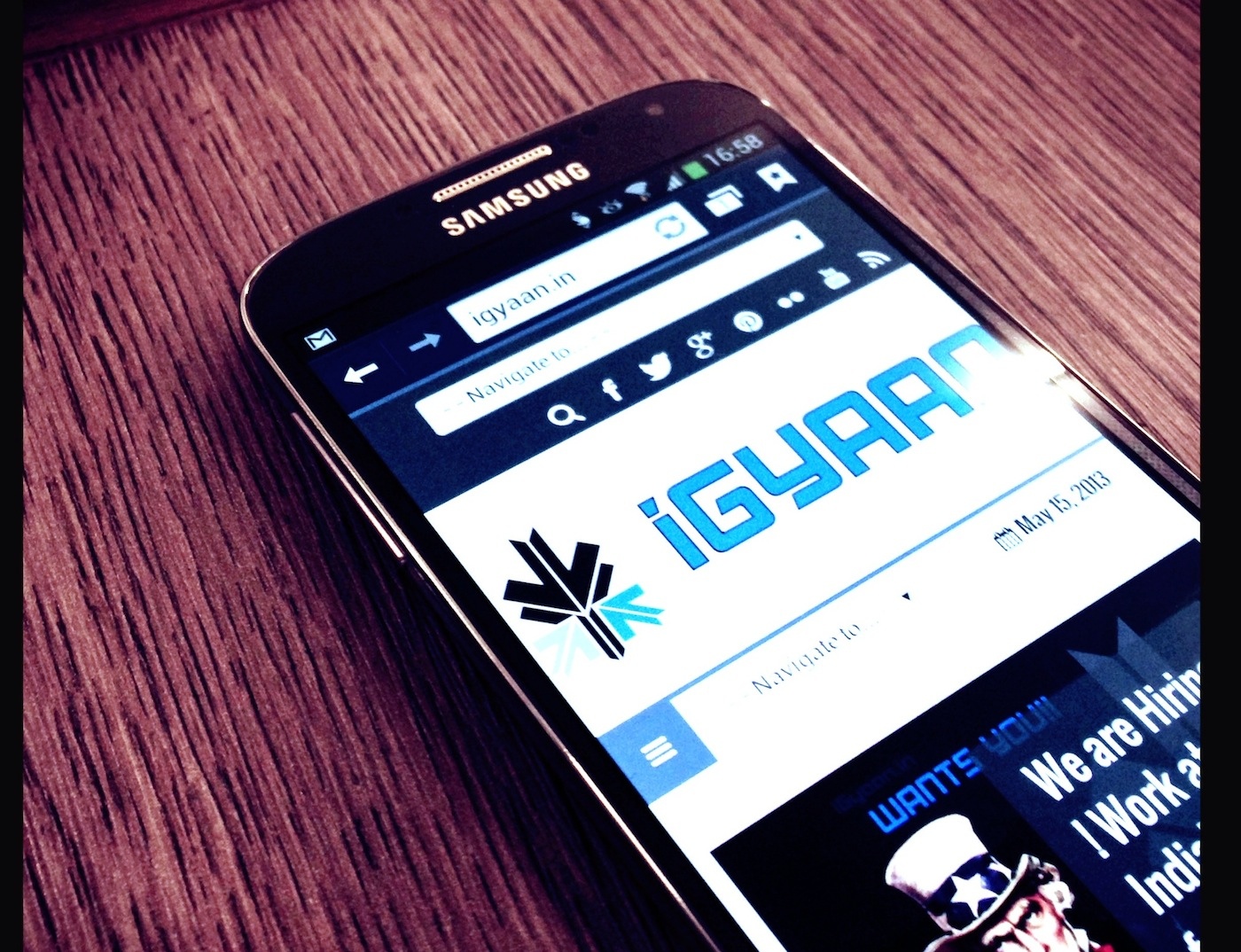
Samsung introduced in 2013 the Galaxy S IV. Samsung sold over 40 million of these in just the first 6 months, and by the end of the year ended up with 65% market share of all Android devices but according to reports from that time, the company apparently was’nt too happy with its showing. Nonetheless, the phone again managed to cement its supremacy in the market.
The handset was built around a 5.0-inch, 1080p SuperAMOLED screen. Samsung fitted it with a higher clocked a 32-bit, quad-core version of the Qualcomm Snapdragon 600 processor clocked at 1.9 GHz. The phone used 2 GB of RAM for smooth performance. It came with a minimum of 16 GB of internal storage and a beefy 13MP rear camera. The S4 also came with a heart rate sensor which was a first for the market.
Galaxy S5
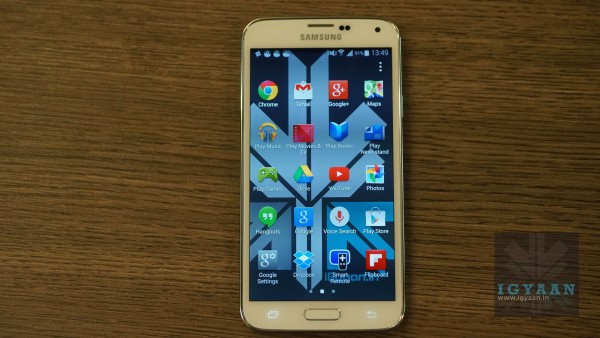
Galaxy S5 used as illustration
2014 saw Samsung bring to its fan base the S5. The galaxy S5 was not a huge departure from the S4. Key differences lay in an upgraded processor, camera and nifty features like water/dust resistant body. The phonesaw great sales at the market, and was widely appreciated for its design which saw a polycarbonate rear panel that provided access to a removable battery.
The S5 came rocking two Quad Core processors, one clocked at 1.9 GHz and the other at 1.3 GHz. Samsung claims that unlike its predecessor, the Galaxy S5 had both the quad cores running simultaneously thereby giving you the experience of a true octa processor. The phone used the 1.3 GHz Quad core to handle the lighter applications, whereas the more power intensive apps (HD games, HD video playback) were taken care of by the 1.9 GHz Quad Core processor. 2 GB RAM is what supports the processors in the Galaxy S5.
Galaxy S6
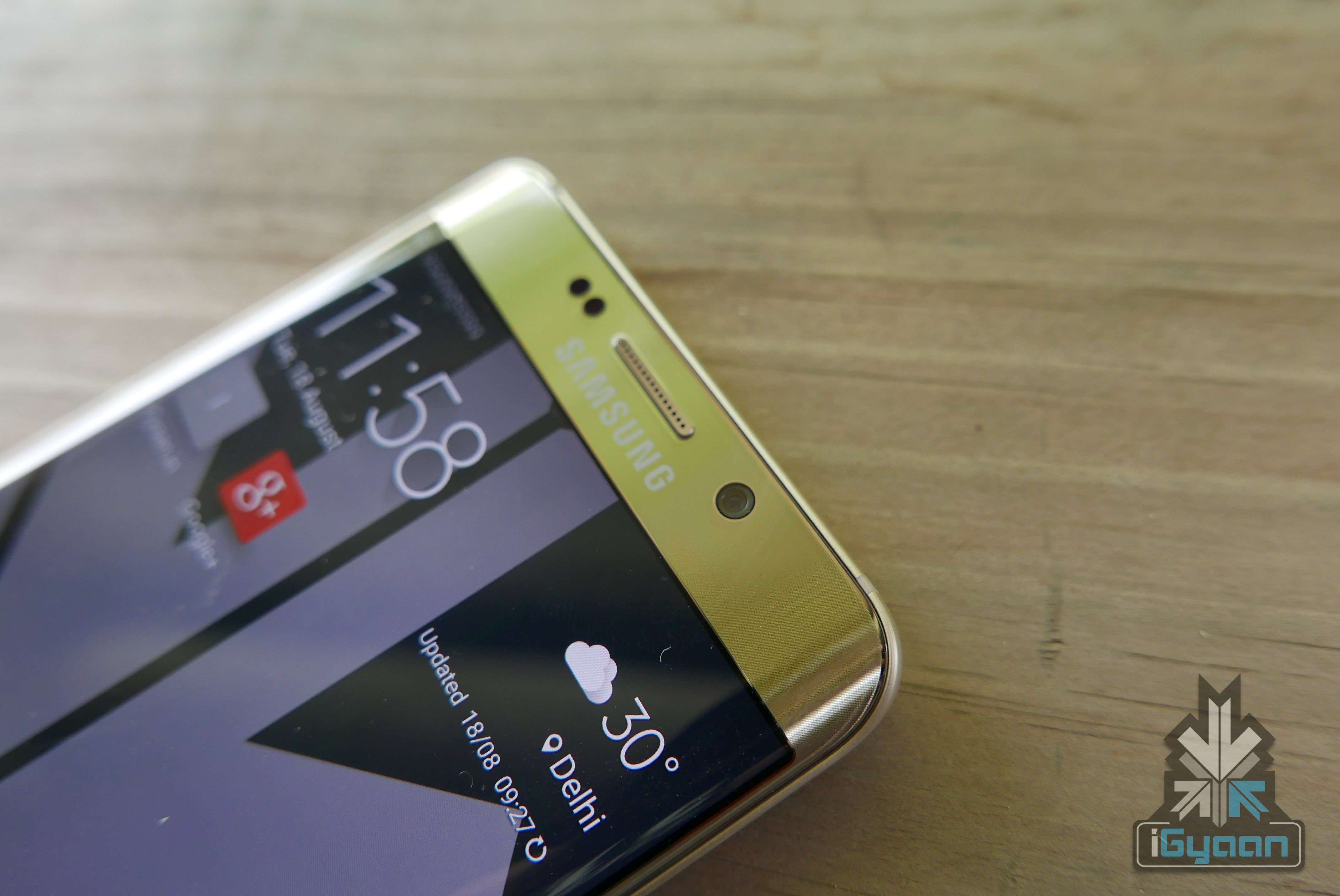
The last iteration of the Galaxy S series phones came in multiple variants in 2015. The S6 was avaialble in three variants, the standard S6, the more fancy looking S6 edge, and the S6 edge+.
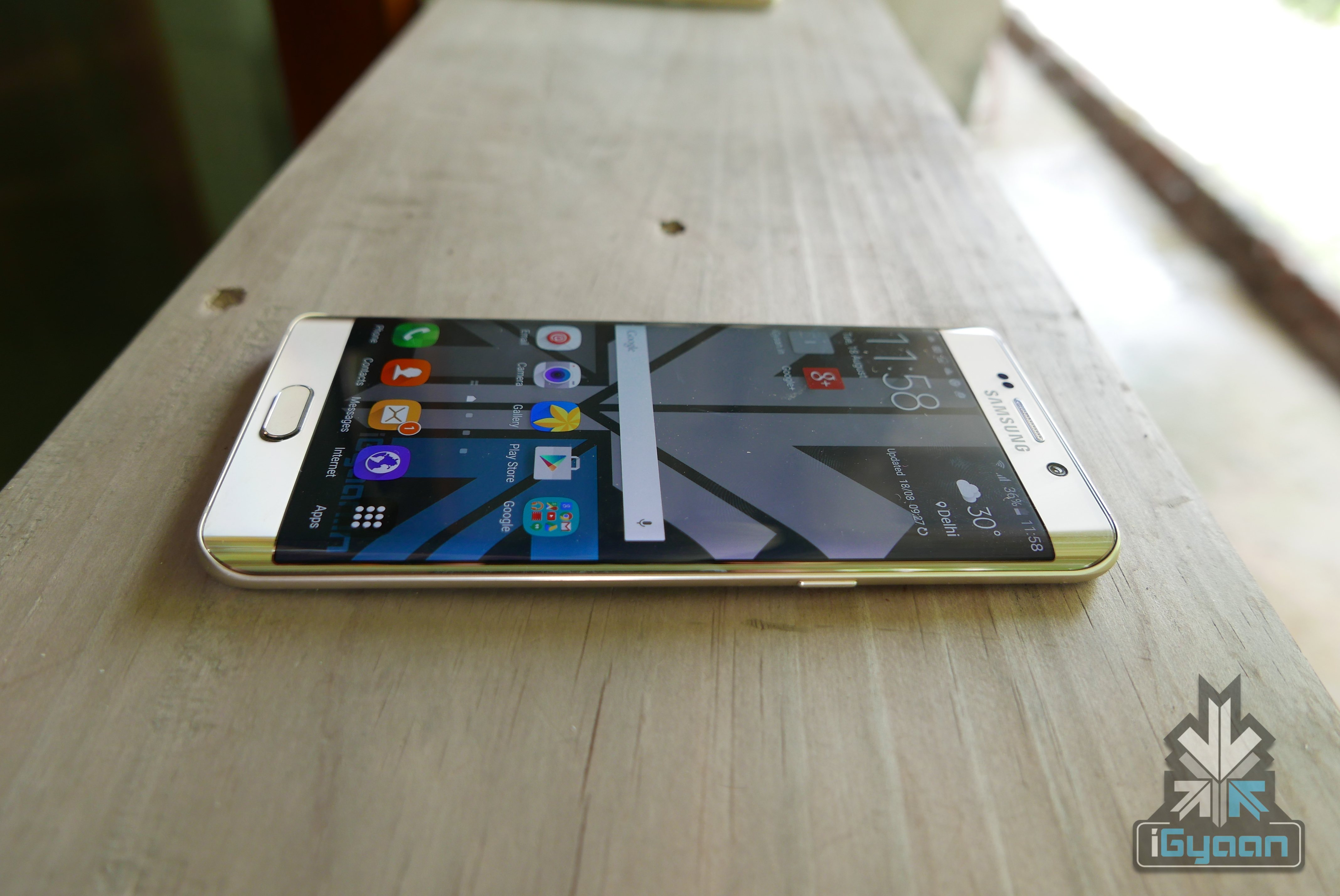
The Samsung Galaxy S6 featured many radical changes. The company moved a more premium metal and glass build. The use of these new build materials not only makes for a device that is still one of the best looking in the market, and frankly was a far better designed smartphone than the previous years had seen. It did though result in the doing away with the microSD card slot and removable battery.
Talking about the two most well recieved variants of the S6, both carried almost identical specs, and only diffrered slightly when it came to the processor and battery power. Both of them sport a 5.1-inch QuadHD Super AMOLED (577ppi) and feature 3GB LPDDR4. The former handset is powered by 2.1GHz Exynos octa-core, while the latter embeds a bit powerful 2.5 GHz Exynos octa-core processor. Running on Android 5.0.2 Lollipop with 16MP rear and 5MP front snapper, the standard Galaxy S6 gets its juice from the 2550mAh battery. On the other hand, its curvy counterpart boasts a slightly robust 2600mAh battery.
.
According to latest reports, the iPhone 5se will come equipped with an A9 processor, and the iPad Air 3 will be equipped with the A9X chip. These are the same chips found currently on the iPhone 6s, the iPad Pro.
Early iPhone 5se rumours pointed towards information on the processor regarding the processor. Multiple reports suggested it to come with the A9 while others pointing towards the previous-generation A8. But latest reports from reliable sources confirms what already was expected.
Latest reports also corroborates earlier reports about Apple planning to introduce the iPhone 5se and iPad Air 3 during an event in March. Previous rumors all point to this event taking place on Tuesday, March 15.
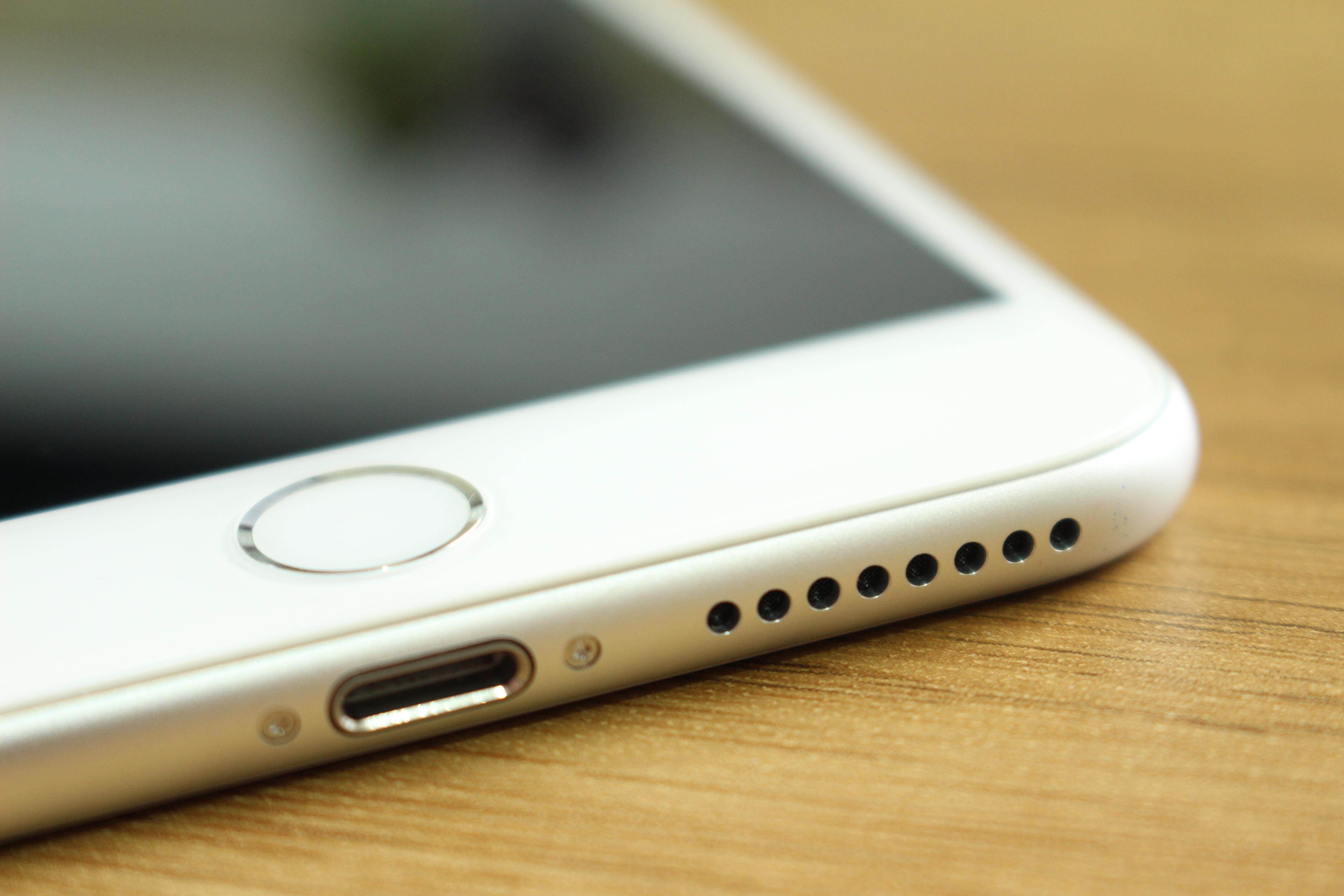
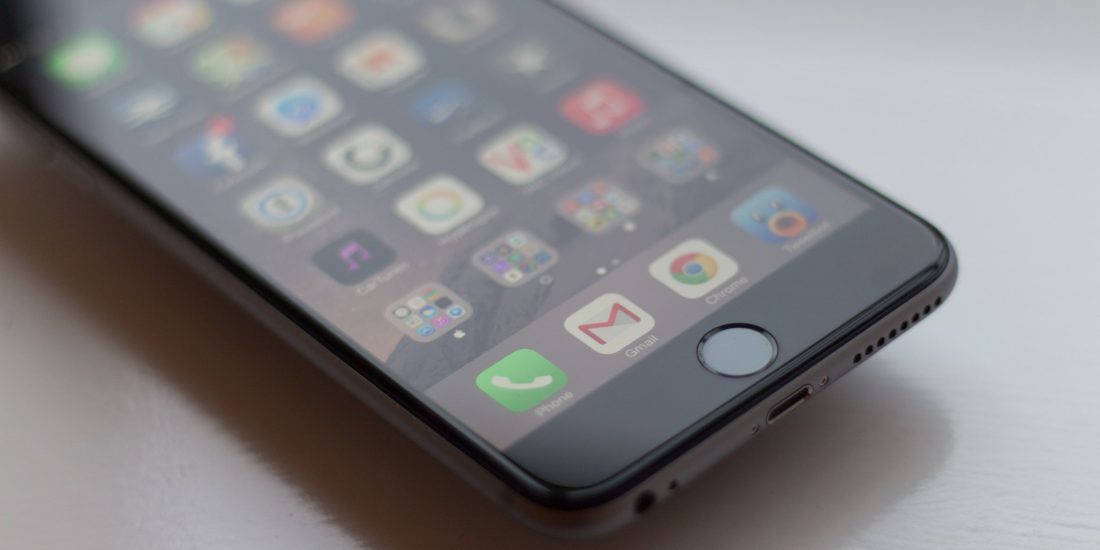
The still to be announced iPhone 5se is Apple’s 4-inch iPhone, which will be sold alongside its larger-screened flagship devices. iPhone 5se rumors suggest it will look like a cross between an iPhone 5s and an iPhone 6s, and will use the iPhone 5s body with the curved display glass of the newer device.
The iPad Air 3, will feature several design similarities with the iPad Pro. It is expected to include four speakers, two at the top and two at the bottom, along with a possible Smart Connector for accessories and a rear LED flash, the first to be implemented in an iPad.
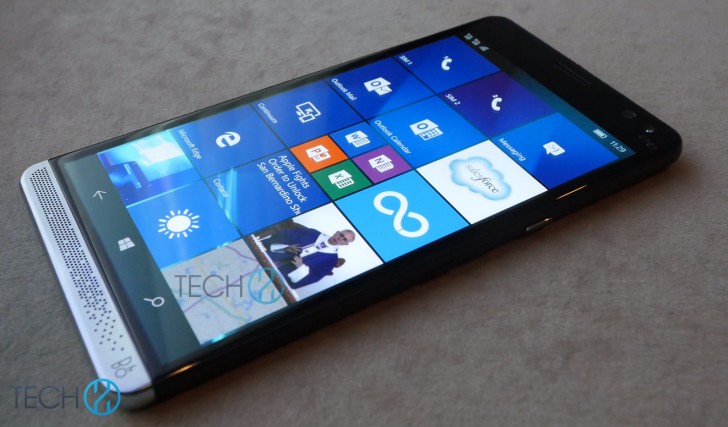
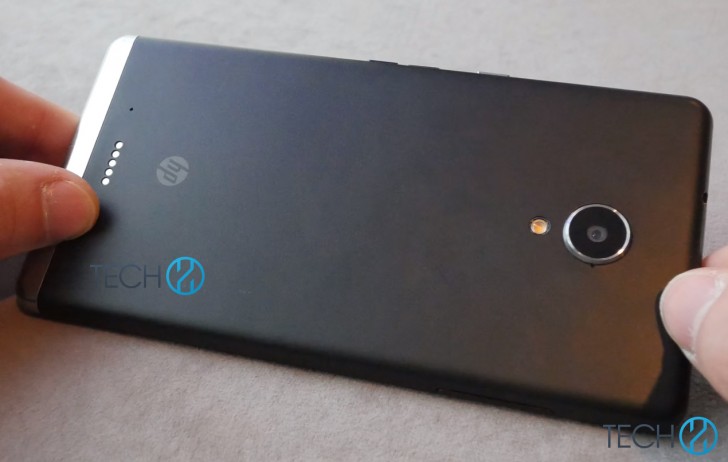
It’s hardly been a week that the rumours of HP readying a new weapon to take on the smartphone market reached the Internet, and now latest leaks are here to reveal the might of the smartphone, HP Elite x3 in all its glory.
HP is expected to announce the Elite x3 at MWC next week, and as such, it’s not too big of a surprise images and specs of the device have leaked today. The Elite x3 which will be a Windows phone will pit itself against the Microsoft’s Lumia 950 XL in the Windows 10 mobile ecosystem, as it packs some very high-end innards.
The phone will come with a 5.96-inch QHD touchscreen, a 16-megapixel camera at the back, an 8-megapixel camera at the front for clicking selfies. It will be powered by Qualcomm’s Snapdragon 820 SoC paired with 4GB of RAM and 32GB of expandable storage. It will also come with support for USB Type-C and will also support USB 3.0, Qi wireless charging.
The Elite x3 will also house a fingerprint scanner, a fancy iris sensor, a special docking connection, IP67 certification for water and dust resistance, as well as MIL-STD-810G rating for withstanding drops from 1 meter or less. It will also support Microsoft’s Continuum feature. Pretty impressive we say.
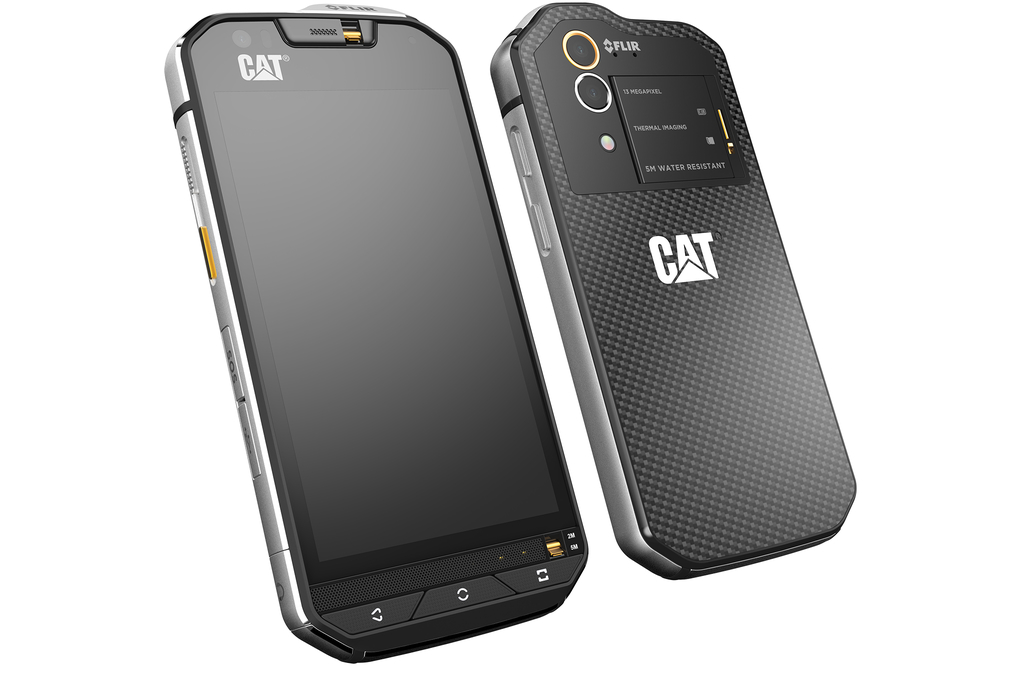
As big name brands set themselves to launch their latest and greatest phones at the Mobile World Congress 2016, a brand which makes relatively niche products, Cat, will look to steal the limelight with an offering that might not give any of the flagships a run for their money in terms of specs, but lacks behind none in terms of innovation.
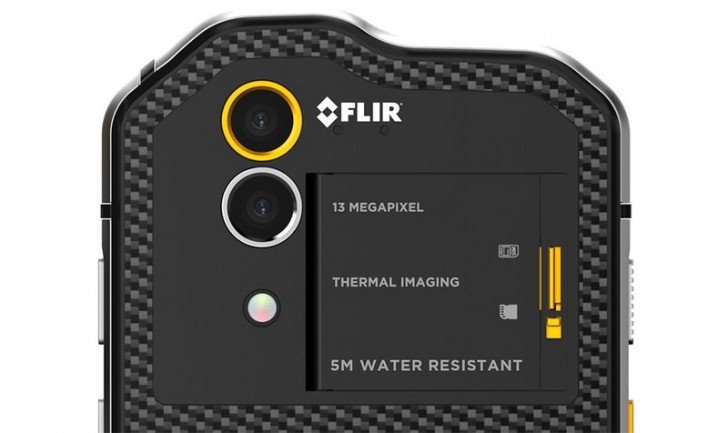
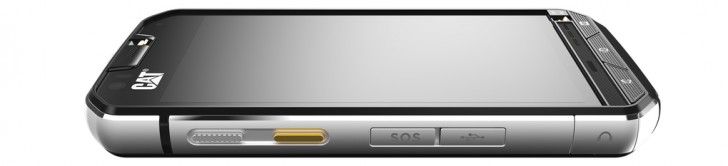
Cat’s new S60 is the latest in the line of rugged smartphones from the United Kingdom based brand, and it comes with two very unique features. Cat has added a FLIR thermal imaging camera and the first waterproof rating to a depth of 5 meters for up to an hour on this rugged phone.
The Cat S60 features a military-grade thermal imaging C2 camera module from FLIR. This is the same technology used in the Intel-powered Daqri smart helmet, enabling the Cat S60 to show temperature changes.
The sensor is the smallest of its kind, and can measure surface temperatures from a distance of up to 100ft. It can see through obscurants such as smoke, and is aimed at building professionals, utility workers, and outdoor sport enthusiasts.
The Cat S60 comes with added protection for its display too which even after being covered by a 1mm ( normal phones get 0.4mm) thick sheet of Gorilla Glass 4 works pretty well, and has a brightness rating of 540nits.
Other specs of the phone include a 4.7-inch 720p display, Snapdragon 617 with 3GB of RAM and 32GB storage. The phone runs Android 6.0 Marshmallow and offers 4G LTE connectivity. It also comes with a 13MP main camera, 5MP front camera. A massive 3,800mAh battery powers the device.
In this age of streaming and downloading, where our hunger for data is exponentially growing, most users often find themselves struggling with this ever losing battle of trying to not exceed or finish up their data allowances.
Data plans have become so expensive that most of us live in constant fear of exceeding our monthly smartphone data allowance, forcing us to run from one Wifi hotspot to another just to conserve as much data as possible.
Today, iGyaan brings to you tips and tricks for Android users to conserve data, and help them keep more of their hard earned money away from the clutches of the evil ISPs.
Chrome Webpage Compression
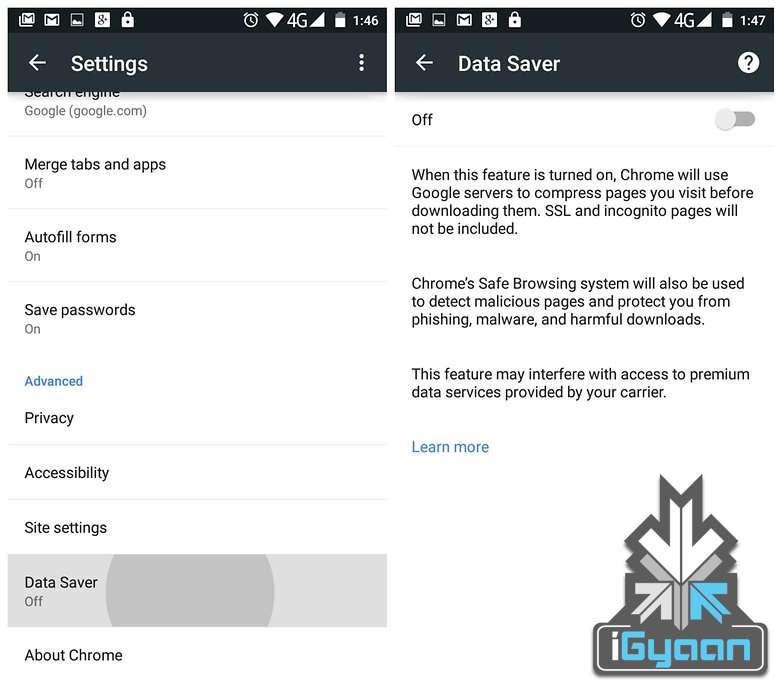
For users who use Google Chrome for browsing the Internet this tip can help them cut down significantly on data used for browsing. Google claims you can save upwards of 35% of data while using Chrome’s Data Saver feature. When enabled, Google’s servers reduce the amount of data that is downloaded when you visit a web page.
But such extreme data saving comes at a cost. When the data saver is enabled, certain websites might load slow, while ones with a lot of images displayed not at their best, but to us it seems like a fair trade for the major data savings that this feature provides.
To activate this feature, the user needs to launch Chrome, tap the three dots in the top right-hand corner, scroll down to the settings buttonand then click omData Saver. Just to see the results for yourself monitor Chrome’s data usage after switching the data saver feature on.
Use Opera for Saving Data on Watching Videos
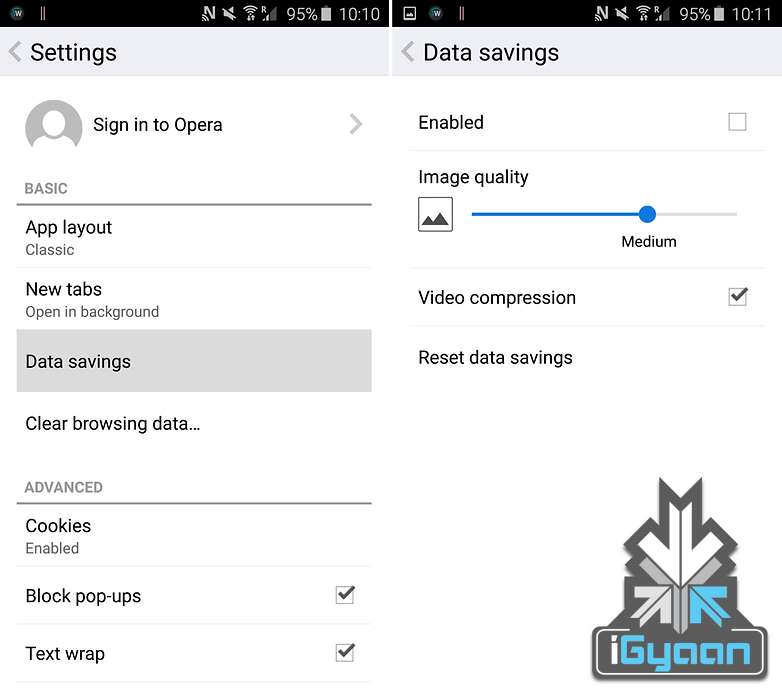
Much like the Chrome browsers compression technology for web pages Opera for Android provides users with a very nifty trick that allows them to watch compressed videos, resulting in almost similar quality content, but greatly reduced size.
The end result being reduced data usage for a very faster loading videos. Can’t say we don’t approve. the Opera browser, go to Settings > Data savingsand tick the box that says Video compression.
Restrict Background Data
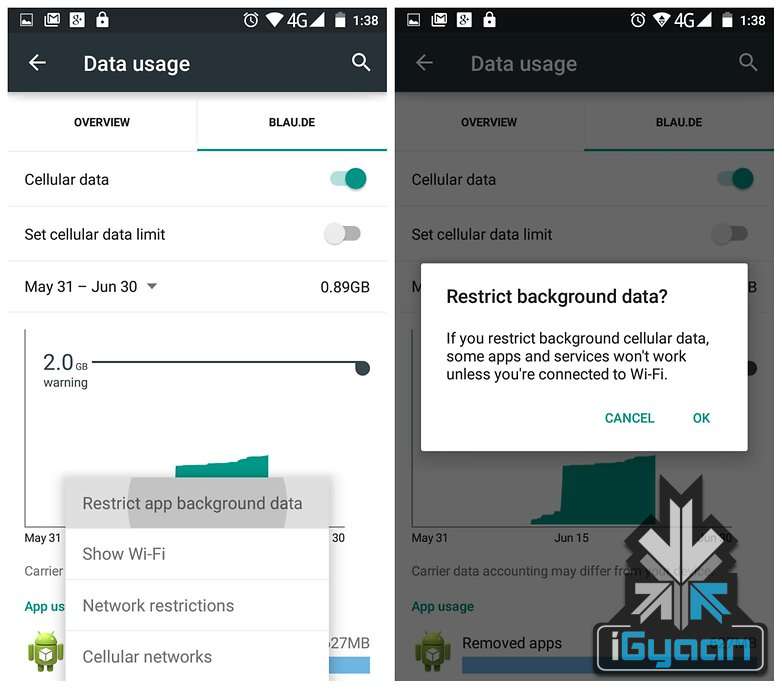
One of the best ways to conserve data that Google provides Android users is with the option of restricting background data using the inbuilt data saving mechanism of the Android operating system.
With this feature users can tell Android to restrict background data usage of specific apps, hence helping in greatly reduce data usage. Apps and tasks such as email syncing, feeds updating, weather widgets and so on can be stopped temporarily, and be taken care of when in a Wifi Hotspot area.
Turn Auto Update Off for Apps
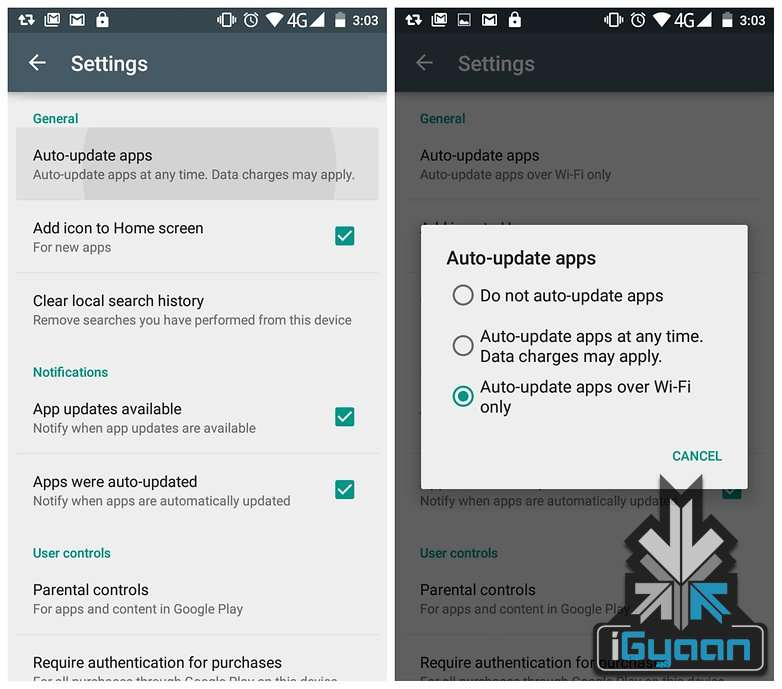
Android by default sets the Play Store to download updates to apps the moment they are available. Depending on your internet speed, this particular feature if left unattended, can eat through your phone’s data pack very quickly. Switching this to Auto Update Apps Over Wifi Only is recommended.
Head to the Play Store and head towards the Settings button.On the page you’ll see Auto-Update Apps. Tap this and make sure you either have it set to ‘Do not auto-update apps’ or ‘Auto-update apps over Wi-Fi only’.
For users looking for more customization, and want to manage individual apps, they can make way to the My Apps page, select an app and then tap the overflow menu to un-check Auto-Update.
Say Bye to the Facebook App
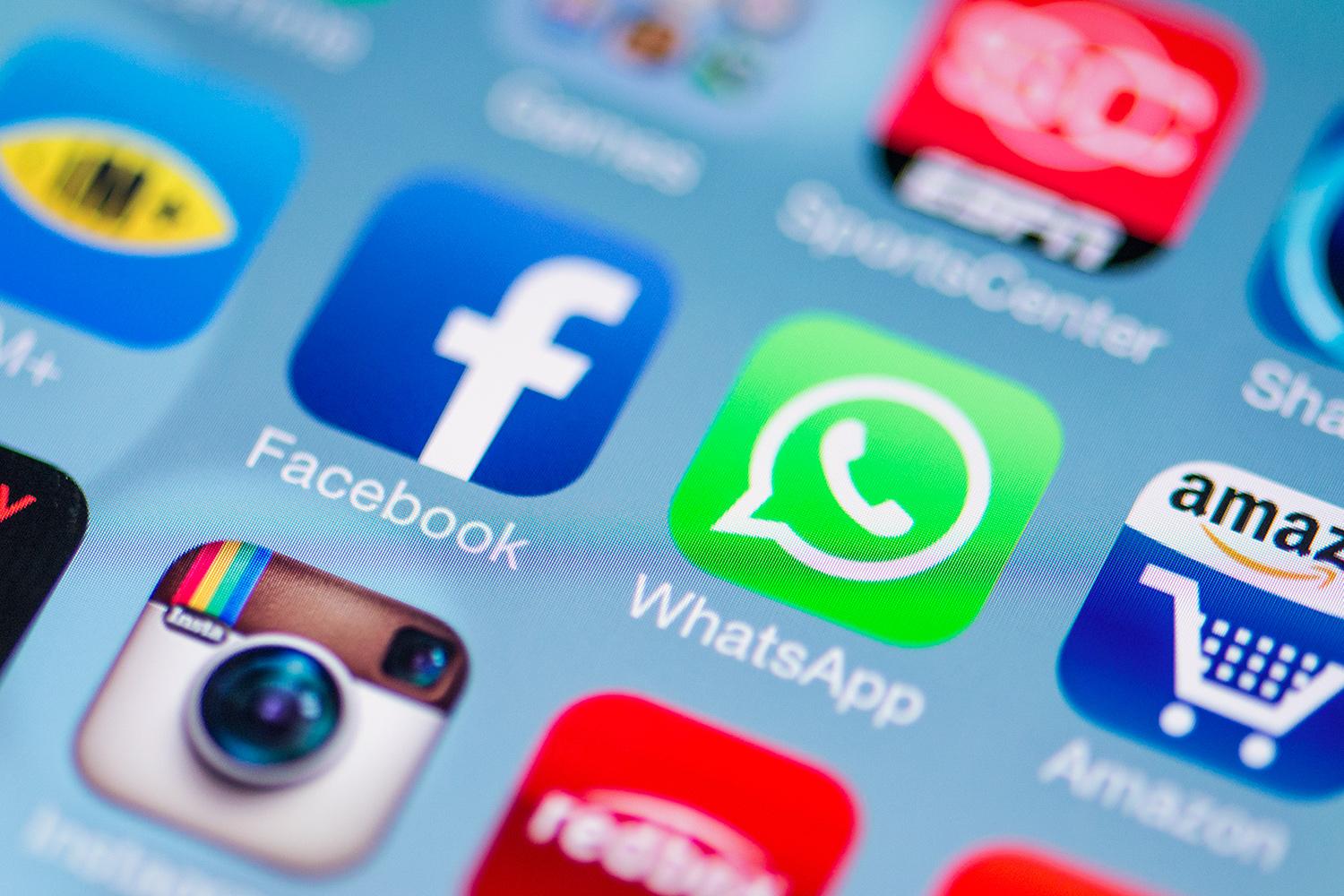
The Facebook App is infamous for its habit of eating through mobile data for fun. Several reports have found that Facebook’s recommended app is a great drain on mobile data on the Android System along with being a dreaded enemy of your battery life. As such, uninstalling it in favour of the Facebook Lite App is highly recommended.
The FBI got hold of the iPhone of dead San Bernardino terrorism suspect, Syed Rizwan Farook back in December, but sophisticated encryption technology present on the Apple made phone has prevented the authorities from accessing its contents.
Hardly two weeks back, the Federal Bureau of Investigation accepting defeat called Apple’s headquarters in Cupertino, California, asking the company to help them get into his iPhone. Apple politely refused.
Things quickly escalated on 16th February, when a federal judge in California on the request of the FBI ordered Apple to provide the investigative agency with the tools required to unlock Farooq’s phone which according to the FBI was used by the shooter in the San Bernardino attack.
And just last night, Apple CEO Tim Cook responded to this new development with a strong-worded open letter to its customers. Cook in his letter described the FBI’s actions as an “unprecedented step which threatens the security of all customers” hinting that the actions involved in this one case could have far-reaching repercussions beyond just this one isolated case. And, for once, Tim Cook has got things spot on.
The FBI’s request to violate the privacy rights of a dead suspected terrorist may not ring any alarm bells or the consequent order of the court asking Apple to cook up a custom version of its iOS specifically for this phone to help the authorities gain access to it does not sound malicious in isolation, but As Tim Cook points out this small step has the potential to undermine the security of each and every iPhone around the globe.
“The government suggests this tool could only be used once, on one phone,” Cook wrote. “But that’s simply not true. Once created, the technique could be used over and over again, on any number of devices.”
What essentially the FBI wants Apple to do is help it get around crucial privacy features meant for safeguarding the phone from criminals using brute force attack. If Apple complies, and puts its best minds to cook up a software to nullify the encryption chip on its phone, and bypass the AES 256 bit encryption system on it, this will not only set the precedent for further legal or illegal use of this new technique by the government for any iPhone in the world, but also leave the door wide open for criminals to get their hands on this tech, and compromise the privacy of everyone with an iPhone.
In today’s digital world, the “key” to an encrypted system is a piece of information that unlocks the data, and it is only as secure as the protections around it. Once the information is known, or a way to bypass the code is revealed, the encryption can be defeated by anyone with that knowledge.
In the physical world, it would be the equivalent of a master key, capable of opening hundreds of millions of locks — from restaurants and banks to stores and homes. No reasonable person would find that acceptable.
Google’s CEO, Sundar Pichai has in a list of tweets backed Tim Cook’s open letter giving strength to the argument that giving the authorities such overreaching powers could have serious repercussions. The FBI’s request, however innocent, and noble in intention should be rejected at every chance possible because it holds in itself the possibility of malice that if unleashed could undermine our privacy going forward.
Giving the government access to user data occasionally is wholly different than giving them the power to hack into our phones, and invade our privacy. If the FBI succeeds in this then it could indeed be a troubling precedent going ahead for users not just in the United States, but also here in India.
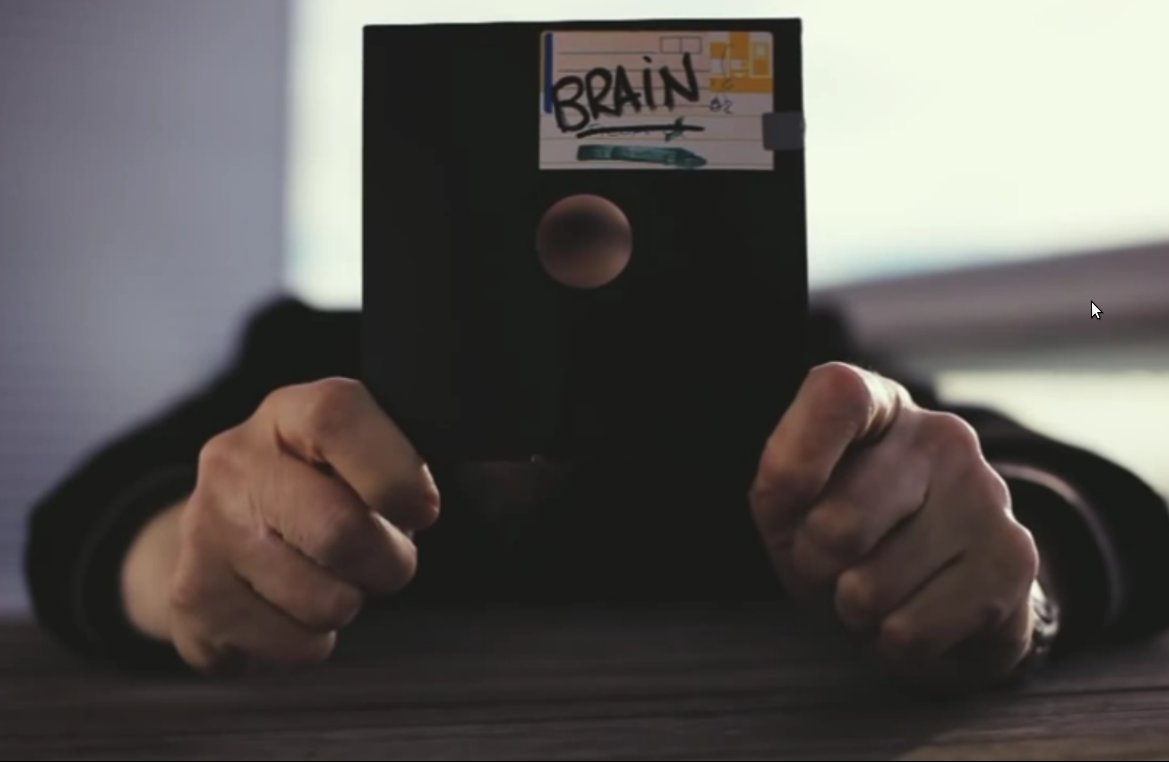
It’s been over 30 years to the date when the digital world first met its dreaded nemesis, the computer virus back in 1986. Unlike the ever connected machines of today, the first MS-DOS virus that the world saw back in the day, the Brain, was transmitted through an old school floppy disk which carried the source code of this virus from one machine to the other, each time replicating it to the host machine’s boot sector.
The Good
The Brain is the first known virus to infect the MS-DOS system, and more importantly, the oldest to hit personal computers. The code for the Brain was conceived closer to home than we might want to believe. This virus which was meant to protect a proprietary software created by the coders of the Brain from pirates was created in a small office space in Lahore, Pakistan.
It’s creators, Basit and Amjad Farooq Alvi, wrote a code which when initiated would display the contact information of the Alvi Brothers with a message intended to scare away pirates. The Brain hence proved to be a code not malicious in nature, a “friendly virus,” as termed by its creators. But since the Brain arrived long before the Internet was born, it remains a relic of another age.
The Bad
With the advent of the Internet and the untethered connectivity it provided to a digital world that controls our very being today, the virus started to grow more sophisticated and sadly its intentions malicious.
A bigger playing field, and higher stakes because of the ever increasing number of computers on the connected platform led to pirates, and hackers using the code for forgery and invading people’s privacy. The Morris worm being the first in the long line of malware which starting in 1988 rendred affected systems connected to the internet unusable, causing over $10 Million in damages to the United States authorities.
The Ugly
Fast forward to what looks to be the future of the Virus, the Stuxnet, a tool of cyber warfare, which can infiltrate government servers and take over nuclear facilities leading to possible destabilization of the whole world. Compare this complicated worm(sub class of virus)to the Brain, and you know the computer virus has traveled a long way. The virus going into the future looks to be more powerful than ever, enjoying almost unbridled power that it has never seen before.
A new battleground has been created in the sky, accessible through complex hardware which can change the course of the destiny of human kind forever. Most countries are spending billions of dollars on creating a system for education and building a knowledge base of how attacks can be perpetrated and what defenses are needed for such complicated worms. The Stuxnet hence is a far cry from the first virus, Brain, created to scare pirates away, which now sees its descendants being used for malice, forgery, and war.
Stuxnet whose code was supposedly created by the CIA to dismantle the unstable nuclear arsenals of countries like North Korea and Iran is in itself a weapon of aggression, so looking at the virus from a contemporary perspective, important questions arise.
Has the virus really lost its way during the course of its evolution, and become a bane that needs to be rooted out from the digital space once and for all? Or does the code still have in itself to evolve and do some good as the Basit brothers intended for it?
Well, if humanity, the creator of this intelligent race of digital beings finds finds itself stumbling to answer no, then probably the time has come to accept the computer virus for what it actually is, and will be, an ugly convenience like in the case of Stuxnet which could well, for better or for worse, change the course of humanity forever.
Countless leaks have already talked at length about how the upcoming flagship from LG, the G5 will come packing a Snapdragon 820 SoC upon its MWC 2016 launch, and today, Qualcomm, the company behind the Snapdragon chipsets has with a reader tweet all but confirmed that the phone will sport the best chipset that Qualcomm currently has to offer.
This will come as great news for Qualcomm which infamously saw the South Korean tech giant choose to ignore the previous top of the line chipset from Qualcomm for the better thermals of the 808.
Other specifications of the phone detail it to come equipped with 4GB RAM, a 5.6-inch QHD display, along with 8-Megapixel camera at the front, and a Dual 20-Megapixel, with laser autofocus and Optical Image Stabilization at the back. The device is also said to come in a modular design for easy access to the battery.
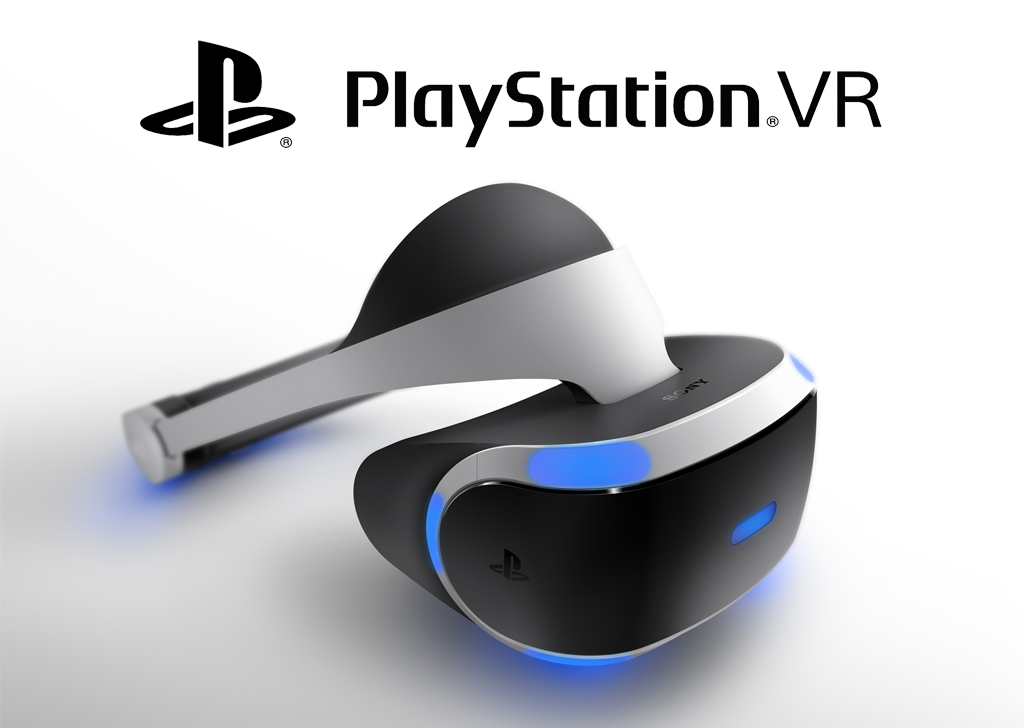
In what is the most clear indication of a launch date for the Playstation VR, GameSpot’s CEO has all but spilled the beans on what will be a September-October launch for the eagerly awaited VR headset from PlayStation.
GameStop CEO Paul Raines was talking about the industry early Tuesday morning on Fox Business when he was asked about the coming year for VR technology. In response, Raines revealed that GameStop as a retailer is preparing for the launches of the Oculus Rift, the HTC Vive and PlayStation VR. The first two not being done deals as of now for GameStop, but for Sony revealed that “Gamespot will launch the Sony product this fall.”
This though does not go in line with what Sony had revealed last year when they announced that the PlayStation VR could hit the markets as early as first half of 2016. PlayStation has still to react on Paul Raines gaffe, and as such the confusion is expected to prevail just a bit longer.
This news about the PlayStation VR launch in fall if true would also mean that Sony’s VR offering will crucially give theOculus Rift and HTC Vive a headstart in the market as both these products are set for a public release this spring. But, having said that, this will also give Sony the benefit of fine tune its VR hardware for just a bit longer ensuring increased chances of it being approved by the end consumer.
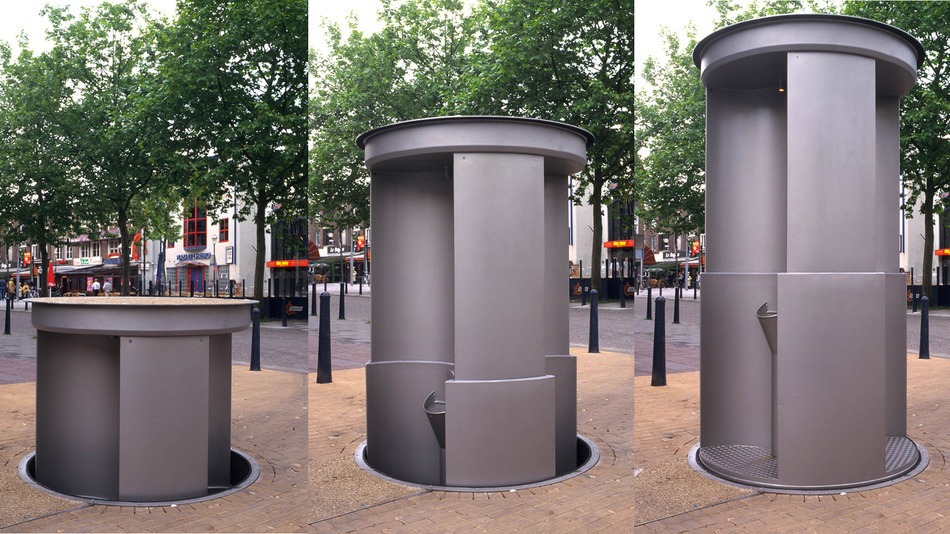
Perth City, in Australia, has seen ultra high-tech urinals being installed in the city which might help us understand what public urinals of the future look like. These are believed to be Australia’s first pop-up urinal in the city’s suburb of Northbridge, according to Seven News.
These pop up urinals will appear on Friday and Saturday evenings for the late-night crowd and then hide away underground during the day.
The Urilift as it’s called is a self-cleaning urinal that has previously been seen in some European cities before and comes at a price of (US$124,381) Approx Rs 85,35,646. The Urilift urinal can be used by three men at a time “in complete privacy”.
The Urilift requires an operator to hydraulically hide, and unhide the urinal with a remote, taking around two minutes to complete the process. Pretty neat indeed!
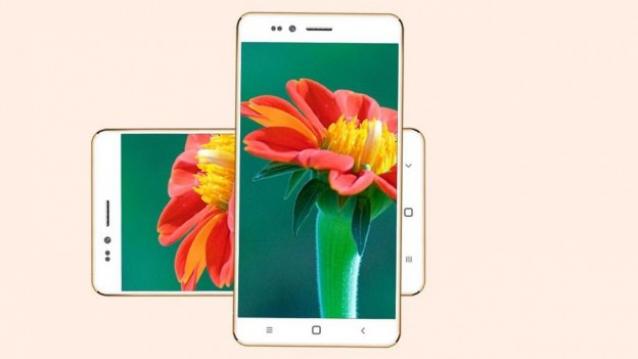
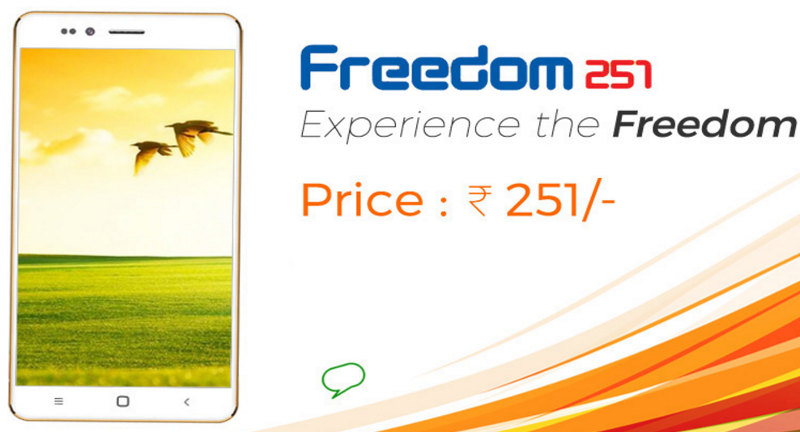
Manufactured by Noida-based Ringing Bells Pvt. Ltd with support from the Indian government, “Freedom 251” is India’s answer to ultra low-cost mobile phones manufacturing across the border in China. The phone is priced at Rs 251(Approx $4) mark will be unveiled today at an event in New Delhi by Union Defence Minister Sri Manohar Parrikar.
The phone on the specifications front comes quite loaded for the price, and will see a 4-inch qHD (960×540 pixels) display adorns the front of the phone. Under the hood, it will come equipped with a Qualcomm 1.3GHz quad-core processor along with 1GB of RAM. The internal memory on offer is 8GB which can be further expanded up to 32GB using a microSD card.
The Freedom 251 comes with a 3.2-megapixel autofocus camera at the back and a VGA camera on the front. Connectivity options include 3G support. It will come running Android 5.1 Lollipop out of the box. In line with the market its targeting, the phone will be preloaded with apps like Women Safety, Swachh Bharat, Fisherman, Farmer, Medical, WhatsApp, Facebook and YouTube among others.
Ringing Bells is offering a one year warranty on the Freedom 251, and already has above 650 service centres across the country.