You bought that expensive phone with an eye popping 2K display but cannot find content that does justice to that phenomenal screen. Well everyone’s favorite video streaming address has now come up with a solution. YouTube is giving a scale up option for smartphones with superior displays.
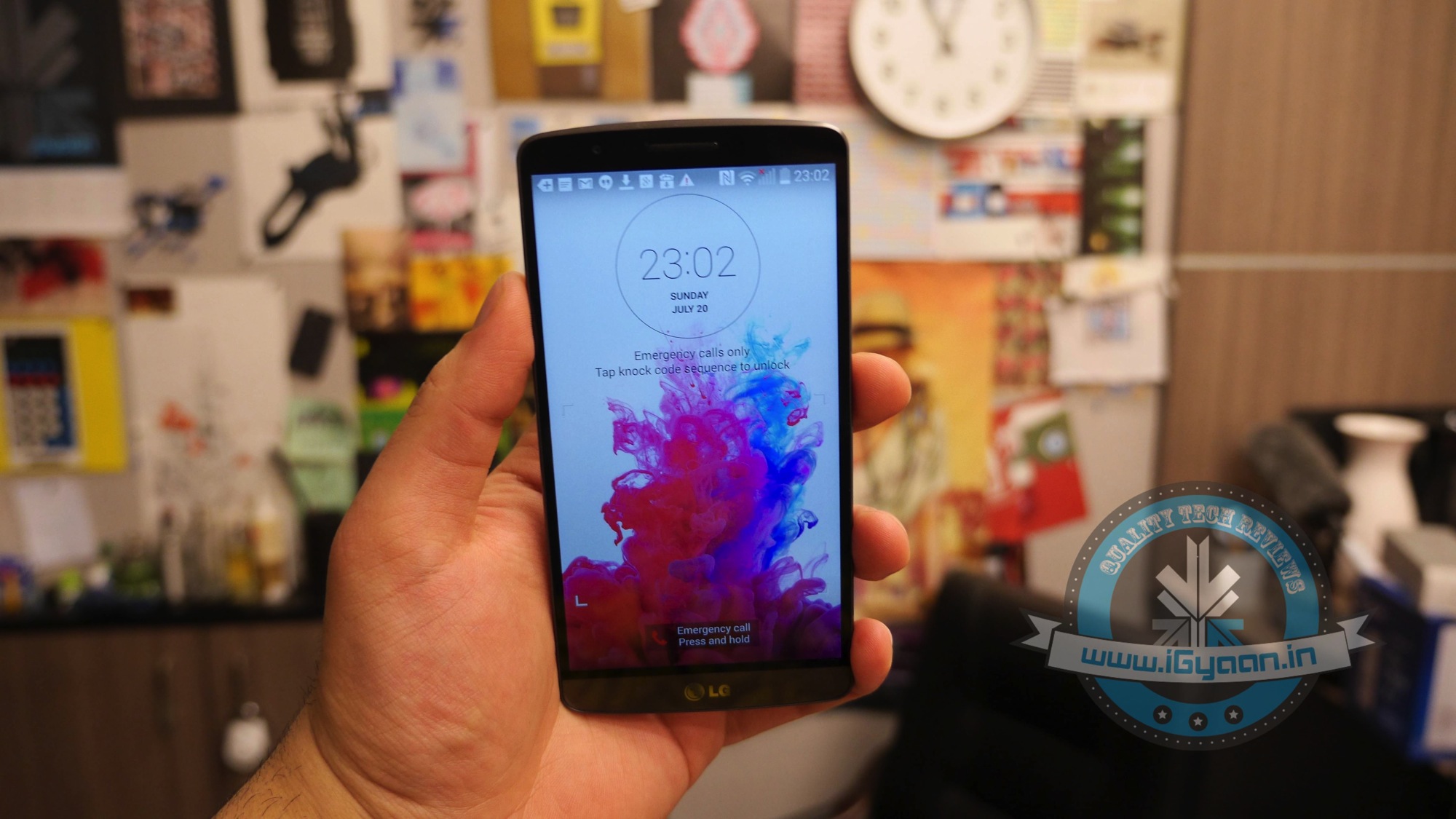
Although Oppo’s Find 7 and Lenovo’s Vibe Z2 had brought their phones with 2K displays, the market started to heat up following the launch of the LG G3. The phones spectacular display and flagship performance was unanimously appreciated.
The issue with screens with such high definition is that there isn’t enough content for these screens. Of course there is some phenomenal HD content that will keep you mesmerized but they don’t unleash the screens full potential.
Now YouTube will provide a higher 1440p output for such screens, thereby giving you a one source option for high quality content. This will of course apply to content that can be presented at that resolution.
This is a great opportunity for other handset makers to bring in the displays and use them in their marketing strategy. It is speculated that Samsung might enter the 2K space with the upcoming Note 4. At a time when companies are actively trying to make smartphones capable of competing with computers, a superior display can be a good selling point.
Many of you have inquired as to how the Chinese smartphone manufacturers are capable of bringing high speced devices that are priced so low. Here we attempt to explain how the likes of Xiaomi and others go about their business of creating havoc in the mobile markets everywhere.
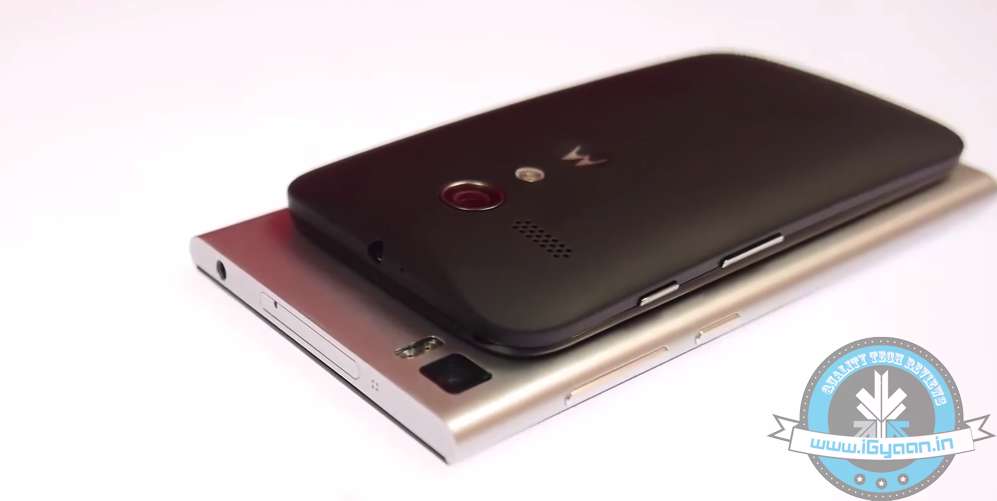
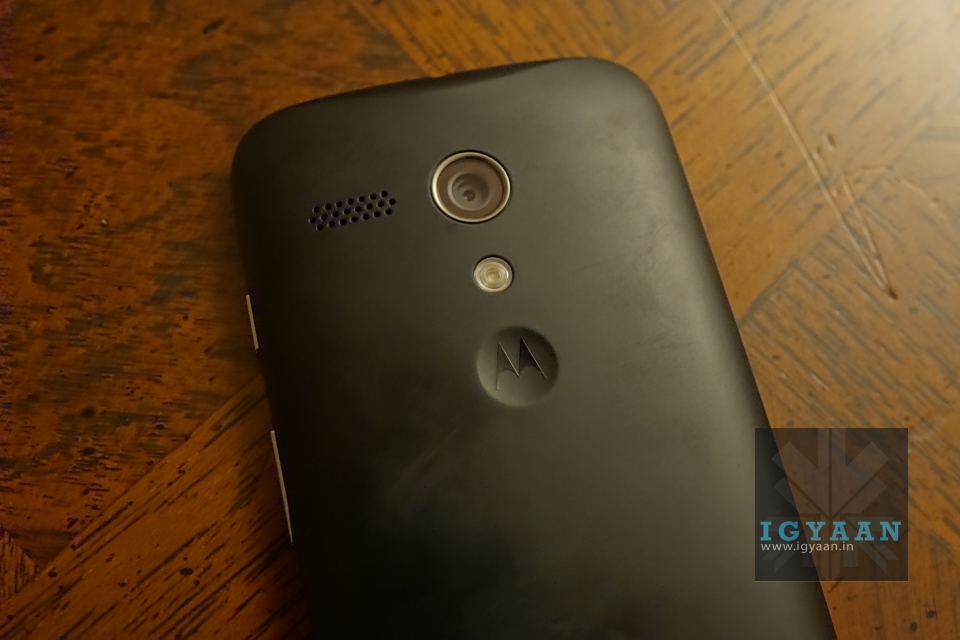
Both Motorola and Xiaomi have kept prices low by using the e-tailing route
It is estimated that companies like Xiaomi are selling their phones at a loss of Rs. 1000 so that they can create a market buzz around their products. Xiaomi is bringing in just about a 1,00,000 units of their phones to India and have been selling them out in periodic flash sales. By bringing in a limited number of device the company start a stampede and this causes other competitors to reduce their prices, something we saw Motorola do when they slashed Moto G’s price by Rs. 2000. By using this strategy, Xiaomi, with its limited marketing budget has made its name shine out in the market.
However there is a downside to this marketing technique. The flash sales are now confusing and sometimes irritating the potential consumers who want the phone but cannot buy them. It has started to create a negative perception amongst such consumers. They are now seeking alternatives to the phone.
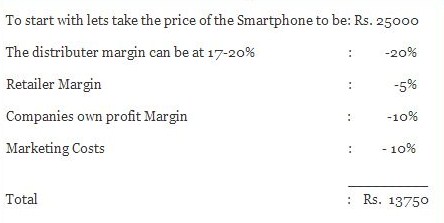
Now here is where the internet marketing convenience adds in. Basically, by just using an online sales channel, a strategy devised by companies like Motorola, the companies get to save massive amounts in distribution, marketing, dealership and other costs. And hence these high speced products reach the consumers in what can be called shockingly low prices, well its shocking for big brands at least.
It is also speculated that another Chinese smartphone manufacturer, One Plus, intends to try its luck in the Indian market. Their phone, the One Plus One is a high speced powerhouse which comes at mid segment prices. They too have limited stocks and might take the Xiaomi approach. But if these companies plan to stay in the Indian market for the long run, they need to come with stocks in accordance with the demand in the market. Or else they will just act as an inspiration to companies with already big reach to bring similar products and in turn, take away these companies potential customers.
It was reported a few days ago that HTC is intending to bring Windows Phone OS back to its stable with a One M8 windows variant. The company which was at the forefront of smartphone technology during its beginning days had begun its operations with the Windows Mobile OS. HTC had quit the Windows game for a while and had concentrated on bringing awesome Android devices to its consumers.
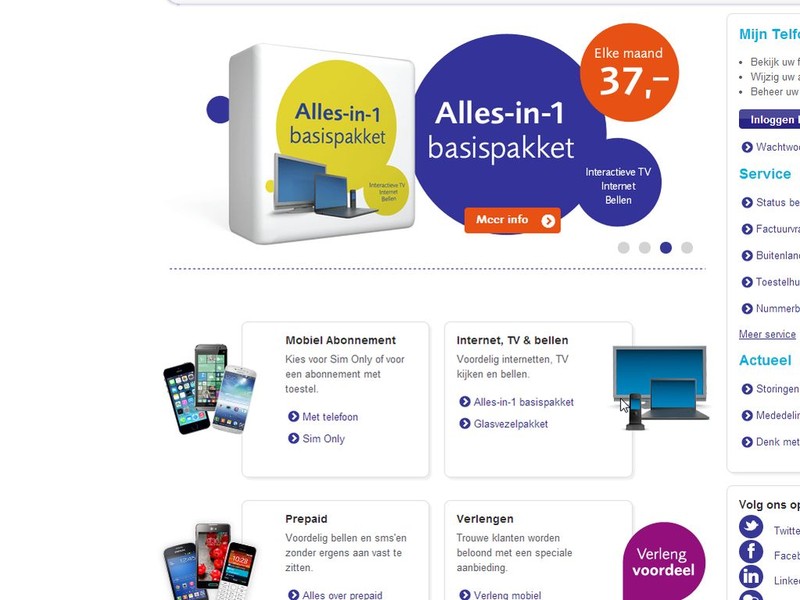
WPCentral managed to screen grab a blunder by the Dutch Telecom company, Telfort. In one of its advertising visuals, the company accidently posted what looked like a HTC One M8 running Windows Phone OS. Telfort took down the image as soon as it realized its folly.
The phone as shown in the promotional image also shows a Cortana tile which further confirms the phone running the Windows Phone 8.1. Apparently according to WPCentral the phone might be just around the corner and might release on August 19 at a press event in New York City. That will be a pleasant surprise for all Windows and HTC enthusiasts. The Windows sibling of the phone might be called One W8.
HTC might also use some of the lessons it learned with its Android smartphones to give a better Windows Phone experience than it did in the past, when it released HTC 8S, 8X and 8XT.
HTC has made some of the most beautiful phones in the Android ecosystem and so it will be real fun to see its take on a revamped Windows release.
Microsoft is seriously getting into the mobile game, which it really needs to compete against its arch rival Apple. The company will try to appeal to the youth demographic by introducing a Selfie centered phone.
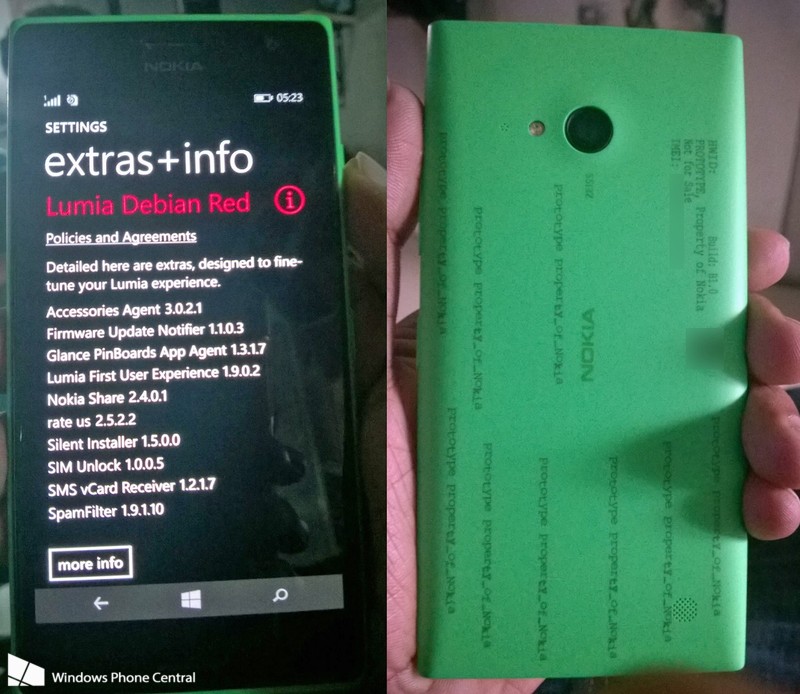
Wpcentral reports that a successor of the Nokia Lumia 720 is being planned by the company. The phone currently codenamed Superman would probably be called the Nokia Lumia 730. The Phone comes with a 4.7 inch screen which is bigger than its predecessors 4.3 inch screen.
The Images of Lumia 720 Successor were featured by Wpcentral
To power up the selfies, Microsoft will pack the phone with a 5-megapixel camera into the phone. Though additional information about the specs of the phone are not yet leaked but it’s said to be running on a new firmware called Debian Red. It is said to be a Lumia specific firmware and will coincide with Windows phone 8.1 update 1 and Update 2 releases. This will be Microsoft’s way of separating its phones from other Windows manufacturers. The details of this firmware aren’t certain as of yet.
Microsoft is late to the smartphones party and apart from HTC, no major handset manufacturer has shown the intention to manufacture the Windows Phone OS based products. With a selfie-centric phone, Microsoft may be able to impress some Windows phone enthusiasts, but to have a bigger market it really has to give the consumers something different.
You may have heard of a lot many schemes employees are offered when the exit door is shown after an acquisition. There are severance packages, voluntary retirement schemes and other options provided to soon-to-be-ex-employees. But then comes Microsoft doing something that can be seen as borderline evil.
Being taken over by one of the biggest tech giants must have made the employees of Nokia’s former factory in China optimistic about their future. But all hopes were lost when Microsoft announced massive job cuts last month. A majority of the 18000 jobs to be cut by Microsoft will be from Nokia’s stable.
Microsoft said that it will notify those employees in the coming 6 months. The process seems to have started at the Chinese factory where the employees are being offered a Nokia 630 as a consolation for leaving the job.
This is a measly goodbye gift from Microsoft. The phones are being offered on a first come first serve basis for 300 employees. The employees weren’t even explicitly told about their job losses and are unsure about the severance plans by the company. Hopefully after the story coming in international light, Microsoft might give a better deal to these employees.
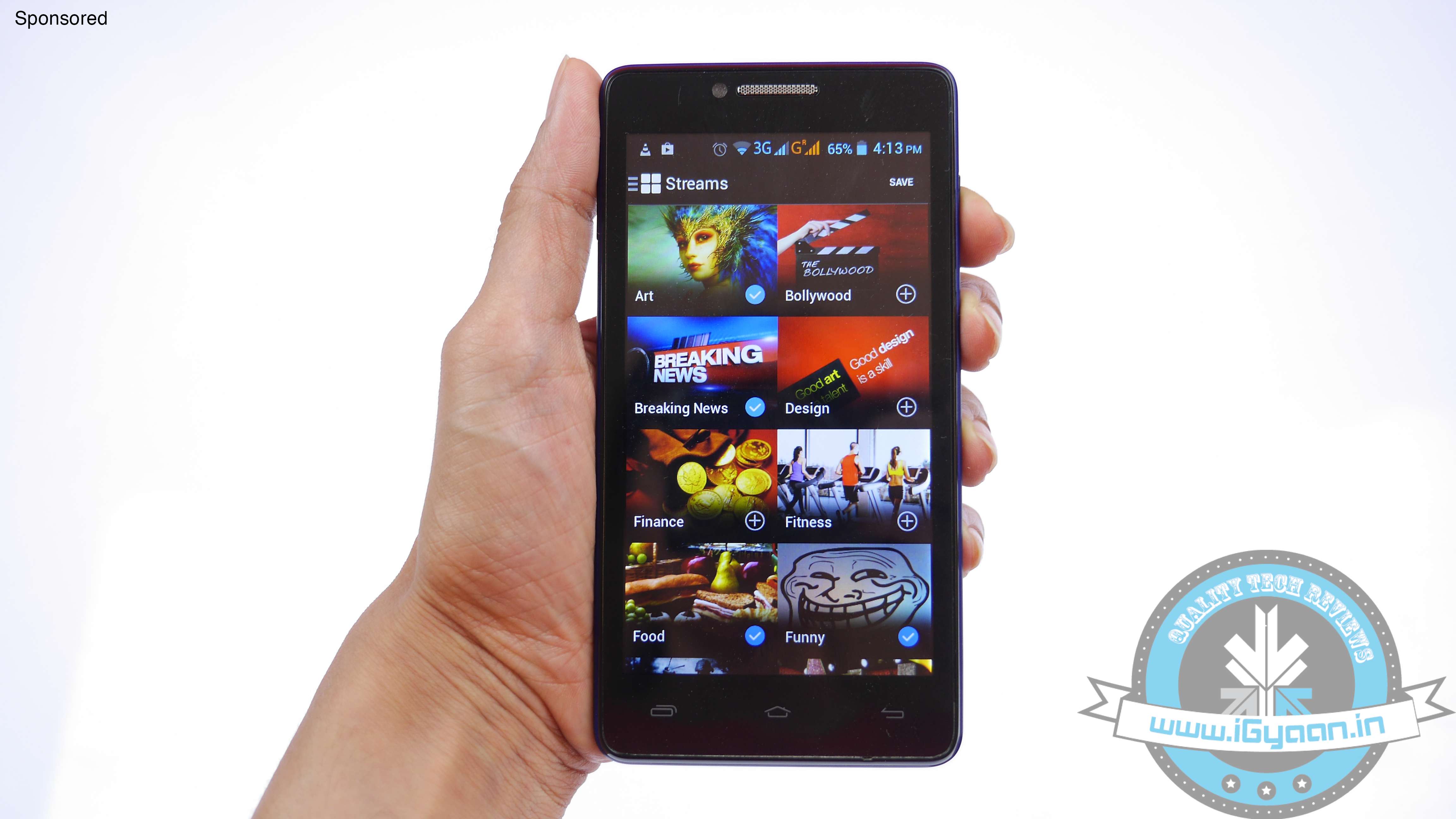
“Wow, that was fast,” that was our first reaction when Canword installed on our smartphone, almost instantly. The company flaunts the fact that it takes 10 seconds to install and only 10 more to set up.
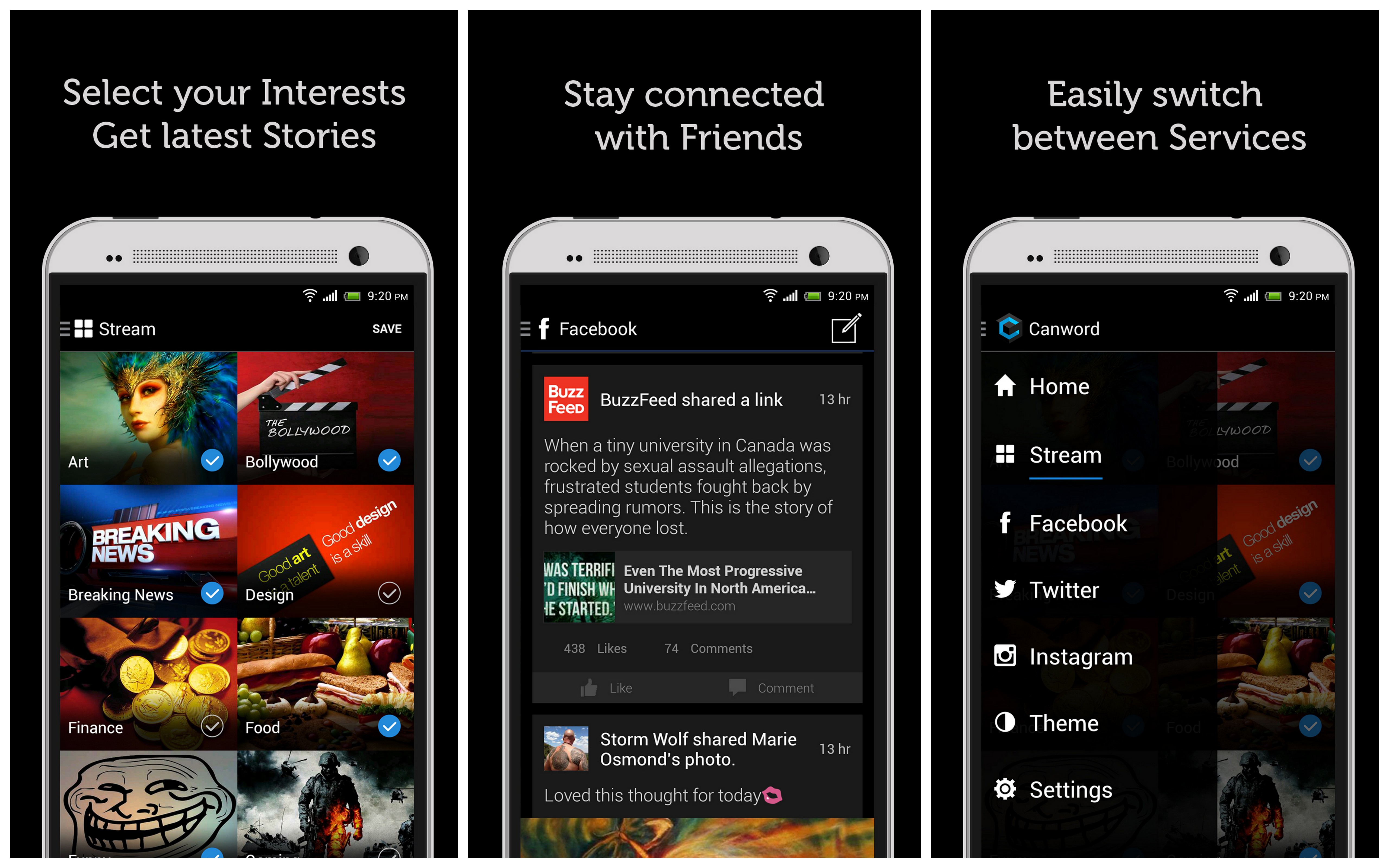
Canword is a feature-laden compilation app for browsing feeds that you prefer. The app tailors the content according to your interests. You can select from a wide assortment of genres such as art, technology, breaking news, fun, food, etc.
Canword is rather easy to set up; the home screen gives you the option to choose your interests from which it tailors a personalized feed. How is it different from the likes of LinkedIn Pulse or Google Currants? It has more functionalities in terms of saving the articles, seamless assimilation with social media and best of all, it’s Made in India. Also, it lets you get feeds from your social media accounts at one place to give you further convenience. Through Canword, you can share the stories you like to your Facebook and Twitter simultaneously.
The features provided by this app are great for folks who want the information they need, consolidated in one place for a quick skim. Quite like the other readers, Canword lets you read the entire story in the app itself but some links do get directed to the original webpages. The app stitches the feed together using geographical locations. If you want a wider reading space and don’t want to be geographically restricted, it can easily be circumvented if you link the app to your Facebook account.
The journal feature of Canword allows you to bookmark stories for later read.
It has a personalisation feature, through which you can change the appearance of the stories on the app. The option for increasing or decreasing text size will also come handy for folks with visual issues or people who prefer a bigger font size. The app is created by Harscelle Goenka and his team at Valvirt Technologies Pvt. Ltd. The team took three months from conception to launch this app. It was designed and developed right here in India. Being a startup themselves, the makers have a special category for start-ups, found only on Canword. The young team seems confident about their app and have received predominantly positive reviews on the Play Store.
You can download the app for Android phones here, and for iOS devices here.
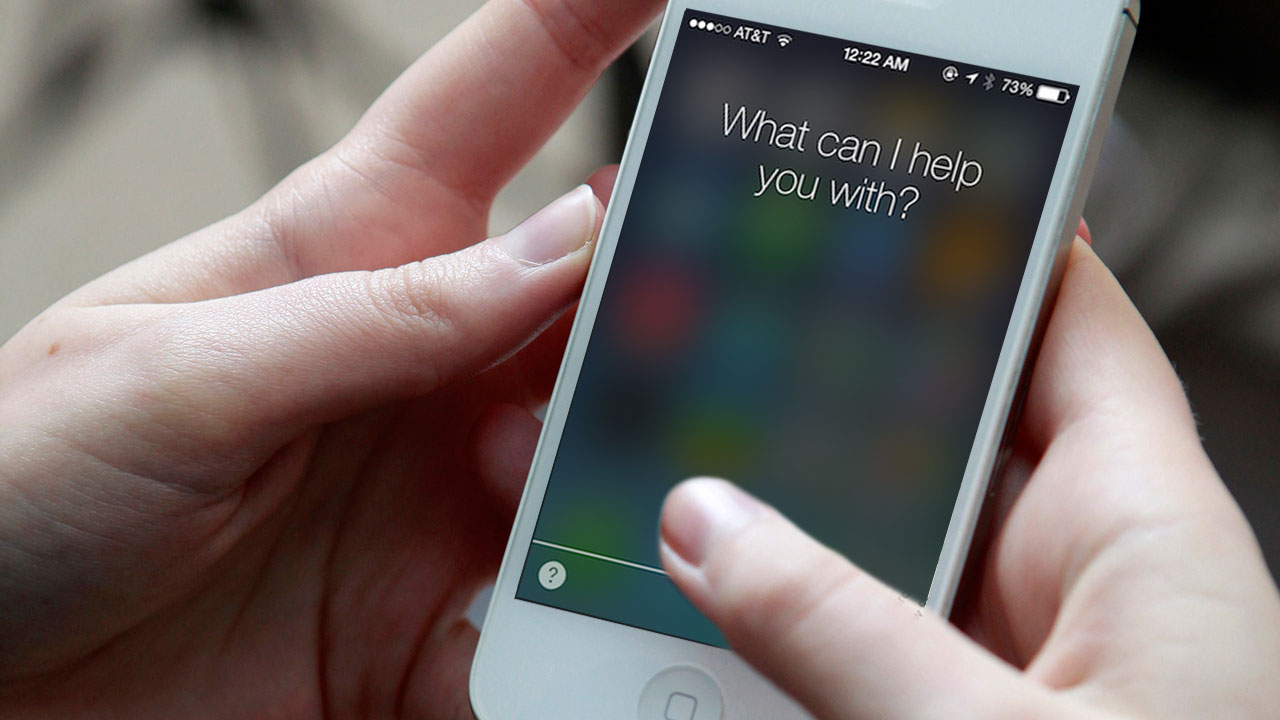
In a development similar to the movie ‘Her’, Apple is planning to bring a voice based personal assistant to their desktop systems that run on Mac OSX platform. The company had filed a patent application back in February which was released yesterday.
The patent doesn’t exclusively mention Siri, but instead uses the term Apple’s “digital assistant”. The new personal assistant or what some may call desktop Siri, will be able to deliver Siri’s functions with added features. It can be conjured up using predetermined gestures on the touchpad or through an icon on screen.
Apple’s patent application also states that the digital assistant will be capable of performing tasks of operating systems like moving files, type and send emails, access internet and look for files, photos or play videos on YouTube. The biggest issue though will be people not just screaming at their phones, but their computers too.
The Yosemite beta has no Siri like feature as of yet so it most probably will be up and running in the next outing of the OSX. It will be a welcome surprise though if Apple includes the assistant in this release itself. But Apple thrives to perfecting its offerings to its best capabilities before bringing it out for its users, so this feature may still be a distant dream.
In the end, this seems like the natural order of things. Maybe the future where we bid farewell to keyboards and mouse is around the corner.
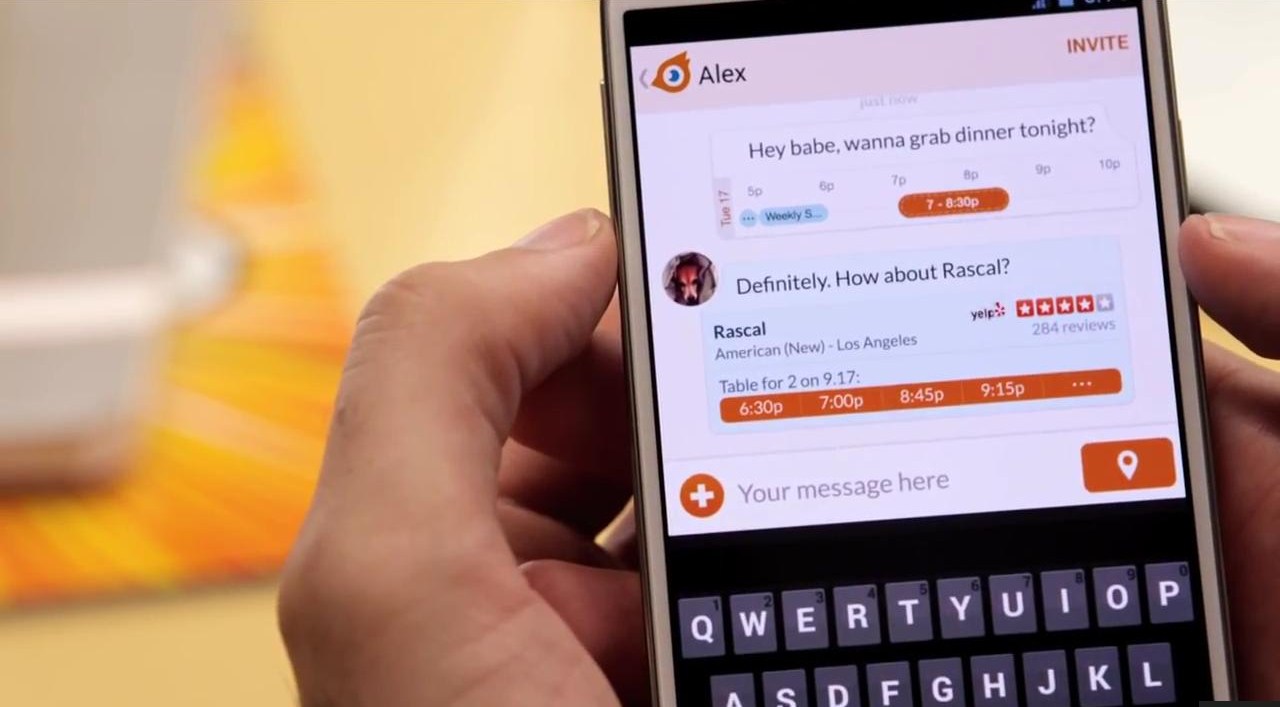
Google has bought an intelligent, personal assistant based messaging app called EMU. The app is created by an ex-Google and an ex-Apple employee who worked on Siri. The basic premise of the app is close to what Google Now offers. It goes through your conversations and picks up leads to provide the users with recommendations related to their interest.
Emu began as an Android app, and its superior assistance feature must have prompted Google to loosen its purse strings. The app is capable of scheduling appointments to the calendar, set reminders and setting restaurant reservations with convenience like never before.
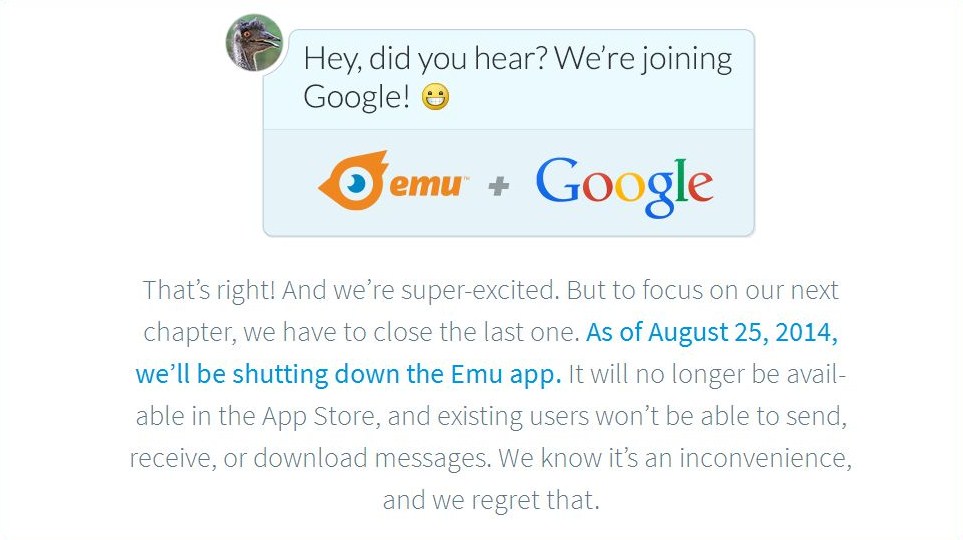
This is how the website looked soon after the acquisition announcement.
Messaging is where a lot of big companies have been investing. With Facebook buying Whatsapp, it was evident that messaging apps have grown in prominence and have overtaken the good old SMS. Now there is a race to perfect a messaging app. Apple, at WWDC this year has already presented a unique messaging feature which intertwines all its ecosystem’s messaging features. Apple’s messaging features were appreciated even though they seemed “inspired” by the features of various apps like Whatsapp, Snapchat, etc.
It is said that Google’s acquired Emu to strengthen its Hangout app, thereby giving an alternative to what Apple has to offer. Emu founders have announced that the app will cease to exist as an independent app and will be shut down by August 25. It will be interesting to see if Google plays the messaging game. Will it repeat its email success with Gmail or we’ll end up with another Google Plus fiasco?
Emu is impressive the way it was introduced and Google might have learnt its lessons by now and may be ready to go head-to-head with Apple.
Check out what the app can do in this video. Caution: They have a catchy background score that will be stuck in your head all day long.
As if Samsung wasn’t facing enough heat from the market and the users, the dealers of Samsung are taking them on the retail and e-tail price gap. The representatives of Samsung Retail dealers have told Samsung if the massive discrepancies in prices are not stabilized, they may have to boycott the brand.
Samsung has not had a good time against the competition in the past couple years. The phones are seen as identical replicas of each other and their features are unable to compete with the likes of Motorola, LG and the latest entrants, Xiaomi and Asus. In fact, Samsung, which boasted of holding the throne of the biggest smartphone company in the top two populous countries in the world saw itself dip to 2nd spot. Micromax toppled Samsung’s majority in India and Xiaomi stole its spot in China.
The center issue is that Samsung offers its dealers a margin of 5.5% while the phones can be bought online for 20-25% discounts. The dealers say that they are not able to meet their sales targets as consumers are scared the prices might keep dropping. Times of India reports that some of the dealers have been selling the phones in wholesale markets to achieve their sales goals. These phones too make their way on the internet and are sold at discounted rates.
The dealers have threatened the company with a boycott that includes blacking out Samsung’s branding. Samsung executives have asked the dealers to not take any drastic steps as of yet. The dealer body has given the South Korean electronics giant time till the 15th of August to resolve the pricing issue. Samsung needs a strategy reanalysis if it wants to prevent a certain dip in sales numbers which includes focus on mobile innovation. Or else it won’t be long before they follow Nokia’s path.
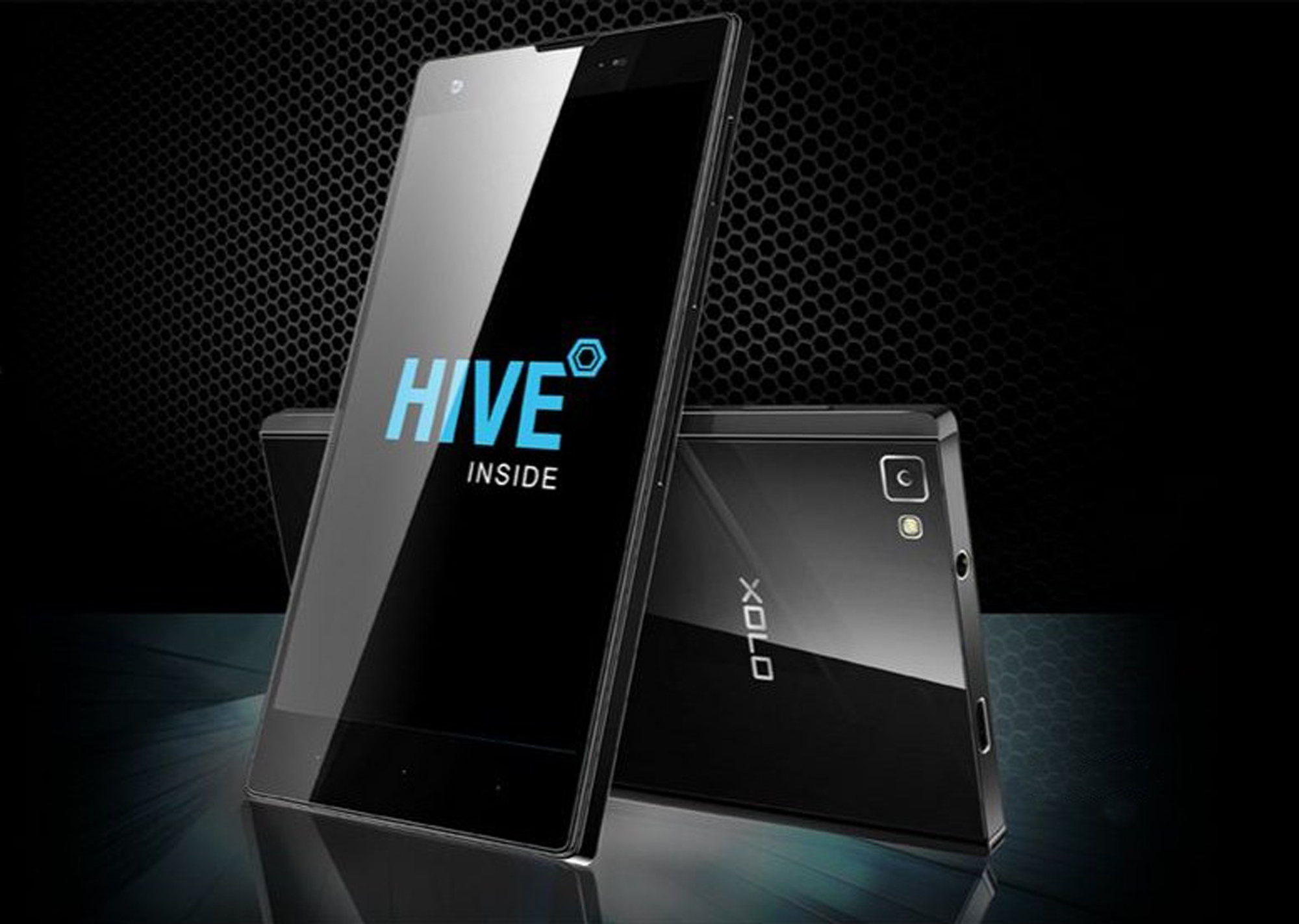
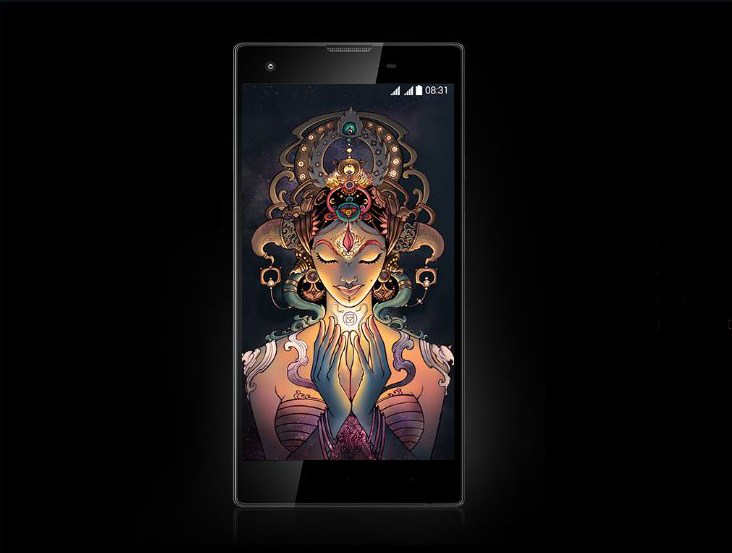
Indian mobile phone manufacturer, XOLO, today unveiled their new phone, the Xolo 8X-1000. The phone is running on its proprietary User Interface (UI) called HIVE. HIVE like Xiaomi’s MIUI is based on Android but comes with plentiful customization options.
The phone is designed with an India centric appeal
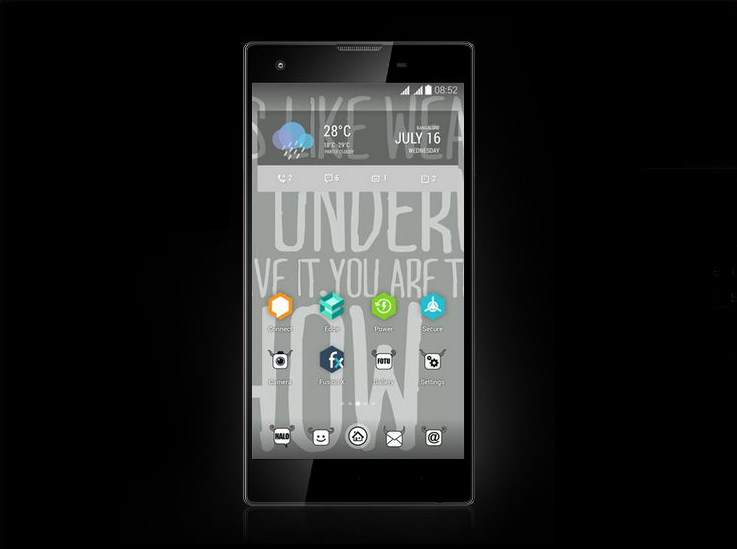
HIVE looks interesting in the first look. The OS is designed with “Made in India, Made for India” philosophy and created by our Software Design Centre at Bangalore. The UI is based on Android KitKat 4.4 which makes the phone an up-to-date effort. HIVE allows users to select from a vast library of customization options. The UI lets you chose themes, launcher, widgets, customized system apps that offer additional features. HIVE also allows users to connect to Xolo’s development team and get feedbacks. It also lets users contribute creatively to the platform and help it grow, thereby making it a step forward in terms of personalization.
The phones provide immense personalization features
Xolo’s HIVE also comes with a multimedia app called Fusion X which consolidates video, audio and radio on one platform. It provides curation services; recommending content based on user’s selections. It is also integrated with YouTube.
The phone itself has some decent specs. Its processing strength comes from a 1.4 GHz Mediatek octa core processor. We have seen this processor before at this clock speed on the HTC Desire 616, and it was able to churn out some good performance. It will be interesting to see how XOLO works out with the power hungry octa core processor’s optimization especially when the battery stands at 1920 mAh. XOLO has mentioned some battery test figures which look decent, but we won’t endorse it until we have tested it on our own.
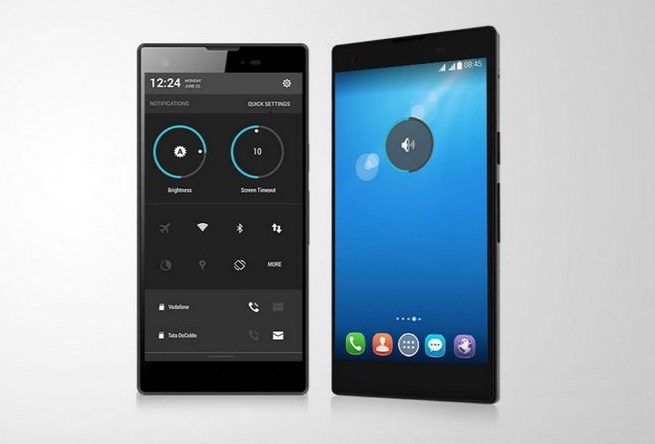
The round dial controls sure are a welcome departure from the usual Android fare
XOLO has given a 5 inch, 1280X720, Gorilla Glass 3 display capable of pixel density of 294 ppi. The camera on the device is an 8 MP shooter with Sony’s Exmor R Sensor with a wide f/2.0 aperture. The camera is capable of full HD (1080p) recording along with features like Scene detection and tuning, vertical & horizontal panorama capture, face beautification, gesture detection, voice capture and object tracking.
The 8X-1000 is going to compete with the likes of Moto G and Xiaomi Mi3. The phone is priced at Rs. 13,999, exactly as much as the Mi3 on Flipkart. On paper the 8X-1000 and HIVE look really impressive. If they had priced it a little less, they could have provided an Indian alternative to the Mi3 with the pride of an India made tag. Xolo can take advantage of the Mi3’s limited stocks and find itself some admirers. But at the end of the day, this is an audacious step for an Indian phone manufacturer, and they need to be commended for their efforts. Your turn Micromax, the number 1 Indian brand, what’ve you got?
Motorola has gathered a lot of goodwill this year. The company has been a star in the developing markets where its low-priced-high-speced products have found a massive fan following. Motorola’s upcoming products are their flagship Moto X+1 and their much awaited smartwatch, the Moto 360. Both their products have found takers in the rumor mills and they are generating a good amount of steam. Now it is being reported that one of their super hits, Moto G is apparently going to get a makeover too.
The specifications of what is touted to be the next Moto G offering is listed under the model no. XT1063 on GFXBench. One spec that catches the eyes is the 1280x720p, 4.5 inch screen of the Moto G has expanded to a 5-inch screen. This maybe an issue with some enthusiast who appreciated the size neutral 4.5 inch screen of the Moto G, but for multimedia enthusiast, this is welcoming news.
The rest of the features in terms of hardware appear to be constant. The phone’s processing power comes from a Qualcomm Snapdragon 400 SOC with an Adreno 305 GPU. The RAM listed is at 0.8 GB and internal storage is 4 GB, these maybe rudimentary figures to keep sniffers away or maybe Motorola will finally offer expandable storage. The only prominent complaint users had with the phone was the lack of expandable storage.
The camera department might see some upgrades too. The main camera will supposedly feature a 7 MP which might be bumped to 8MP and the front camera goes from 1.3MP to 2MP.
We will keep an eye on the happenings in the Moto department and will bring you the latest. Keep checking this spot.
Finally we have a number, a date that will put an end to months’ worth of speculations and rumors. The next edition of Apple’s famed iPhone series will be unveiled on the 9th of September this year. The news was shared by John Paczkowski of re/code.
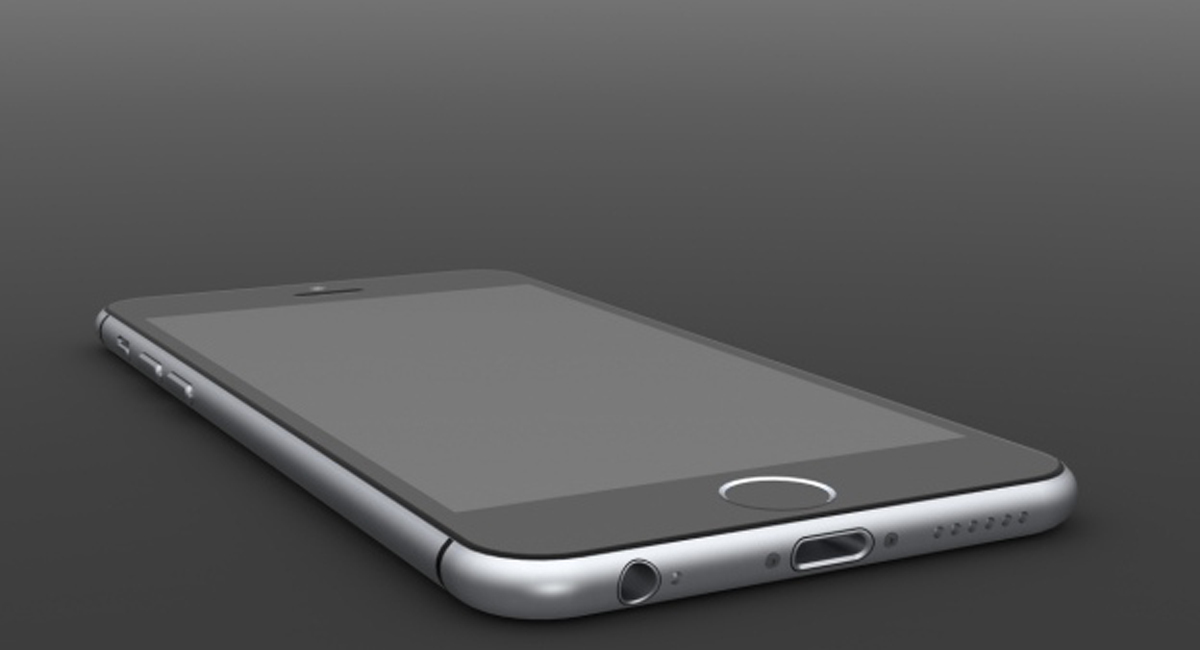
The new phone will see a major departure from Apple’s usual phone design philosophy that has remained constant ever since the first iPhone was released. The next generation iPhone 6 is expected to come in two variants, a 4.7 inch model and a 5.5 inch phablet.
Historically Apple has brought out its flagship phones in the month of September and the phones are released in the market 10 days after the launch. This year is expected to be in line with that, because Apple is all about continuity.
Apart from the iPhone 6 launch, Apple is also expected to bring out its own Smartwatch to enter into a growing market of wearables. Tech industry is impatiently waiting for what could be Apple’s take of a Smartwatch and it is getting a full Apple rumor mill treatment with regular leaks about specs and designs. But nothing is sure of as yet and there has been no official word from the Cupertino based tech giant as yet.
After a long wait, and getting entertained with leaks and rumors, it will be a big relief to finally have a date to set on their calendars. With the smartphone market having radically evolved since the first iPhone release back in 2007, Apple needs to have something phenomenal in store to impress the enthusiast and the market. What is interesting is the Apple’s arch rival Samsung will release its Flagship phablet, the Note 4 at IFA Berlin on September 3. The battle of giants will always be good for the consumers. So Apple, Samsung, Fight !
Now this is surprising coming from Microsoft. The company will try to consolidate all the systems currently running on previous versions of Windows by offering an incredible deal. The next operating system release, Windows 9 might come as a free upgrade for Windows XP, Vista and 7 users.
The thought must have dawned on Windows executives when they saw the WWDC this year when Tim Cook incorrectly stated a low Windows 8 adoption rate (about 14% in comparison to Maverick’s 51%). It did get called out on the internet by Windows enthusiasts who found the figures to be wrong (Windows 8 to Mavericks ratio is about 5 to 1), but the Windows guys must have seen an opportunity here.
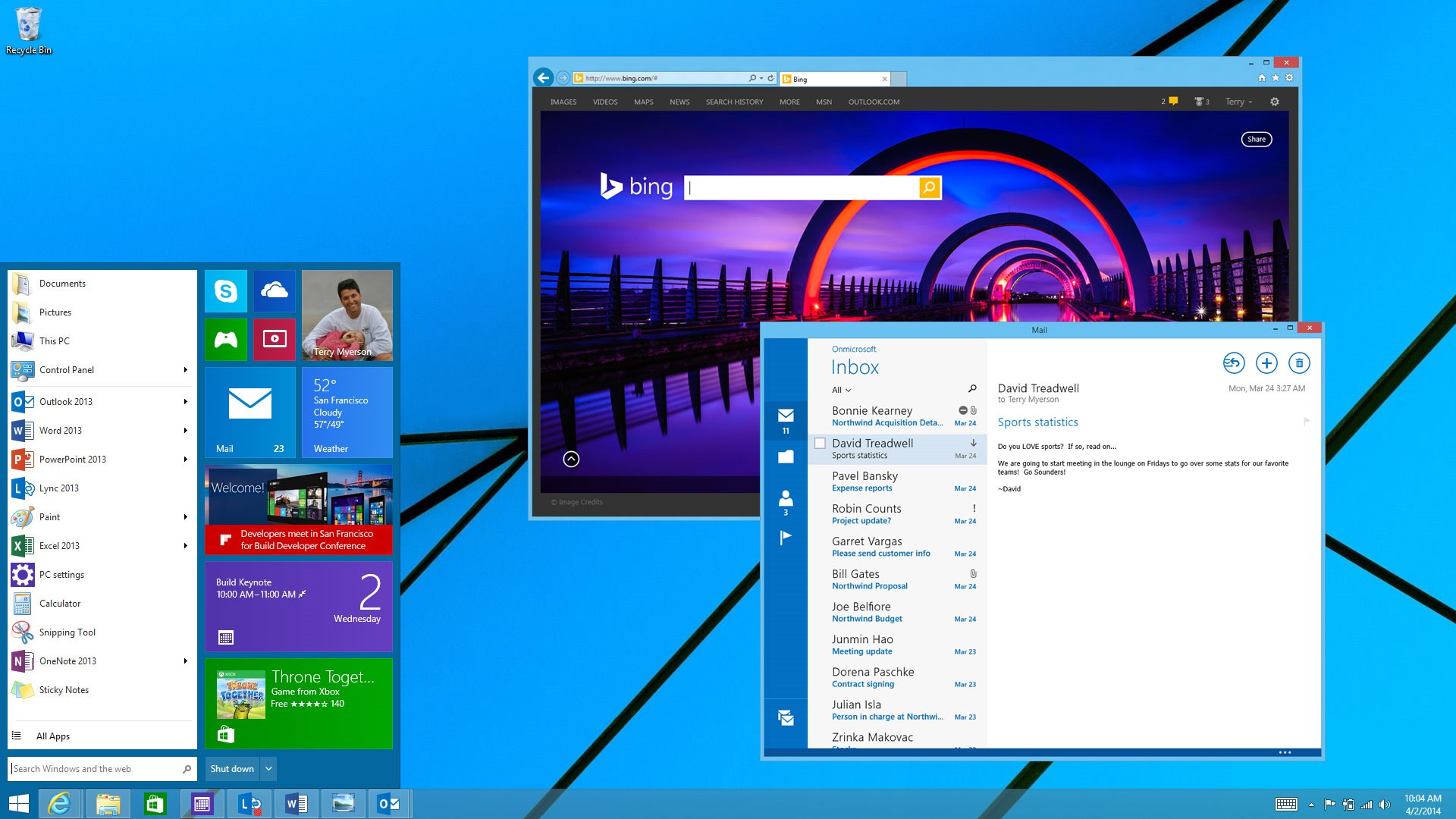
Windows 9 leaks present a refreshing new look while keeping the classic Windows appeal.
There is a huge number of corporates and personal systems users who still work on and prefer Windows XP, one of Microsoft’s most profitable products. The biggest hindrance in upgrading to a new Windows system has always been the cost of buying the softwares. But by offering their software as a free upgrade, apart from making it appealing, functional and hence upgrade worthy, Windows can easily win a lot of hearts. Also Windows 9 needs to be compatible with the previous generation machines.
A large number of people are used to the Windows ecosystem and are quite comfortable. Lately folks have started looking for alternatives such as Ubuntu and Google Chrome. By offering a free update, Microsoft might not only be able to keep the old faithful but might also win some folks over from the Google and Linux ecosystems.
Microsoft is releasing a small update for the present OS called the Windows 8.1 update 2 on the 12th of August. They have set the ball rolling for the next major release, currently codenamed Windows Threshold. The new Windows version might release around Spring next year. The new version has been rumored to have an updated start menu that, if the leaked versions are to be trusted, is quite functional.
It is joked that every alternative release of Windows is better than its predecessor. So people who were impressed by Windows 7 and disappointed by Windows 8 are keeping their hopes up for the next one. Come on Microsoft, show us what you got!
Messaging app WhatsApp has brought their fresh new update and this one has support for your Android Wear devices. With WhatsApp becoming a staple communication tool having almost replaced text messaging, it’s the right move from them.
The New version (Version 2.11.318) lets you access the app on your phone using voice controls and checking on the notifications. The update gives you options to view you entire message on the watch itself instead of just being short notifications.
You can also see all notifications individually without having to take out your phones and reply to them using the voice feature.
This new enhancement provided by Whatsapp is keeping up with the times and the app is ready for the age of the wearables. We can’t wait to see what the other app industry leaders have in store for this new world.
Samsung’s much awaited Note 4 which is expected to release next month will be again Samsung’s high shelf device. Samsung which has recently faced some serious consumer bashing for not innovating in accordance with the competition and its identical looking devices might want to bring back those users back to its side. The Note 4 would be a good opportunity for Samsung to show off its innovation muscle, especially when the competition is getting really tough with LG’s G3 and Apple’s new iPhone 6 being under constant limelight.
The 5.7 inch Super AMOLED display laced Galaxy Note 3 came with a 1.9GHz eight-core Exynos 5 Octa chipset with 3GB of RAM was released at Rs. 49,990. The device is now available on Flipkart for to Rs 37,983.
Besides the Note 3, its mini version, the Note 3 Neo also saw a major price cut. The device was launched in the market in February this year for a price of Rs 40,900. It features a 5.5-inch 720p Super AMOLED display with Exynos hexacore processor paired with 2GB of RAM. The price of the device after the cut stands at Rs 27,249, talk about a massive cut.
There is though not a lot known about the Samsung’s big release, the Note 4. It is expected to help Samsung gain back some lost trust and prove to competitors of Samsung’s formidability in the smartphone market. The new Note 4 might have a 5.7-inch Quad HD display keeping in line with 2K flagship displays with 3GB of RAM and 32GB internal storage. According to the various rumors, the device might also feature an eye-scanner and might also be powered by a new 64-bit processor. Hopefully Samsung will take a departure from Exynos Chipset for this one and bring in something which will let the Note 4 access its full capabilities.