Author: Happy Nagashetti

  • Net Neutrality Vote: The Verdict

    Net Neutrality Vote: The Verdict

    Yesterday we told you about the FCCs net neutrality vote and its consequences on the future of free internet. The votes have been cast and though this is not the final word, it will begin a period of massive discussion on the issue which will go on for the next 4 months.

    FCCs Chairman Tom Wheeler in an impassioned speech before the vote, stated clearly that he stood for “one internet”. The democratic commissioners including the chairman voted for adopting the proposal for “Protecting and Promoting the Open Internet.”

    The proposal invites comments on a variety of proposals from all stake holders and the public in general.

    Public comment period will happen in two phases. The first phase which will run for 60 days till July 27th will be the comment period. After this will begin the 60 day second phase which would be a response to the comments. All comments will be in public domain.

    [quote text_size=”medium”]

    Setting up of fast lanes is not exclusively discouraged in the proposal.

    [/quote]

    The most contentious issue has been the issue of “paid prioritization” or setting up of fast lanes which is not exclusively discouraged in the proposal.

    The Internet Association, a trade group representing Google and other Silicon Valley giants, reinstated their belief that any kind introduction of a fast lane on the internet would lead to a dangerous precedent for the future of the internet.
    Netflix reinstated their support for the net neutrality principle
    Netflix reinstated their support for the net neutrality principle

    Netflix had recently cut a deal with Comcast for faster access to its consumers. They officially stated that they have no intention of being a part of any “pay-to-play” initiatives and they completely support the net neutrality principle.

    By getting the internet under a Title II classification, it will become a public telecommunications utility thereby will be completely under FCCs regulatory controls. This will potentially help keep the internet free and open for a long time to come.

    Only the telecom companies, Verizon and Comcast claim a title II classification will lead to uncertainty in the market, loss of investment and jobs, which has been their obvious rhetoric for quite a while. These companies with their massive capital are capable of innovation in making the services more viable for them and the public, they would rather eye massive profits.
    Senator Sanders is one of the strongest supporters of the principle
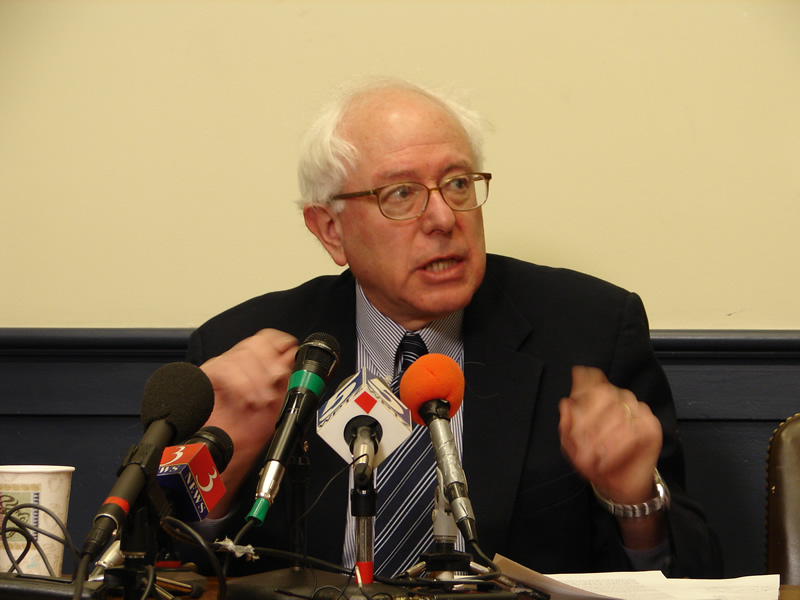
    Senator Sanders is one of the strongest supporters of the principle

    Senator Bernie Sanders who has been one of the fiercest supporters of net neutrality immediately delivered 19,000 comments on the issue.

    The proposal also plans setting up of a public Ombudsman for investigation into discriminatory actions by the ISP’s.

    The Republican commissioners of the five member board were vocal in their opposition to the plan. They stated that FCCs doesn’t have the legal authority to decide on the issue and it should be referred to the US Congress. This would be a really bad idea because the US Congress is infamous for being extremely polarized and is extremely inefficient in law making. Even a draft bill would completely bar FCCs authority over the issue. So what might get done by the end of this year can take forever in the House of Congress.

    The commission made it clear that it wants to get the rules in place by the end of this year. Right now you can ask your American friends to make their voices heard and ask them to raise their voice for a free and fair internet.

  • Net Neutrality vote: Our Internet is in Trouble

    Net Neutrality vote: Our Internet is in Trouble

    “Net Neutrality” – you might have heard this term in a passing reference on the internet or some news show. You may not know this yet, but this term directly has an effect on your life. We attempt to give you all the facts and tell you why you should care about net neutrality.

    Tim Wu Columbia Law Professor
    Tim Wu
    Columbia Law Professor

    The term, coined by Columbia media law professor Tim Wu in 2003, has been one of the major codes of conduct for the internet since its inception. It is the idea that internet service providers are not to discriminate between any content on the internet. The data packets which bring our services should all get equal access speed.

    This basic principle has allowed the internet to be an environment which encourages open competition and has encouraged some phenomenal innovation. It has helped even the smallest business models to grow to become international conglomerates, the most prominent examples of this a Google and Facebook.

    Open internet
    The Open Internet, Equal Access speed for all

    The fact that general public doesn’t realize is that internet is not just a service anymore, it has now become a necessary utility. It is literally impossible to live without a decent internet connection especially in urban areas where it is used for bill payments, shopping, and admissions in universities; in fact internet has intertwined itself with all facets of our daily life.

    The Federal Communication Commission (FCC) had codified the Net Neutrality principles into law in the 2010 Open Internet order. This order was unfortunately squashed by a federal court recently and can spell doom for the internet as we know it. This ruling can help create a precedent for internet companies to create a fast lanes for the highest bidder. This means wensites who agree to pay more will get a faster access while everyone else will end up getting sub par connectivity.

    Neutrality
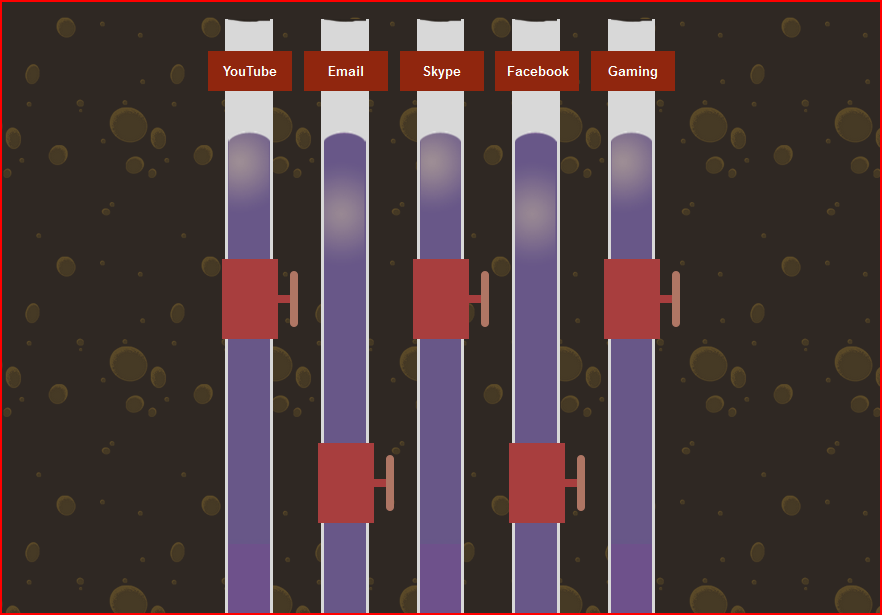
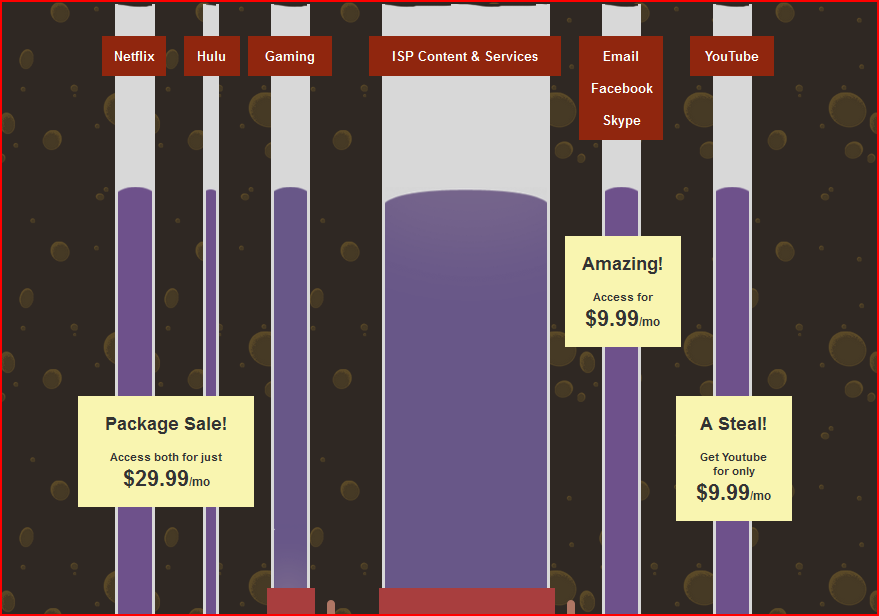
    Without Net Neutrality ISP’s can charge for individual websites.

    Imagine an internet where you have to pay to access individual websites. Like a Cable subscription where you have to pay more for bandwidth intensive websites such as YouTube or Vimeo. Most importantly it would kill smaller start-ups who  aspire to someday become the next Google.

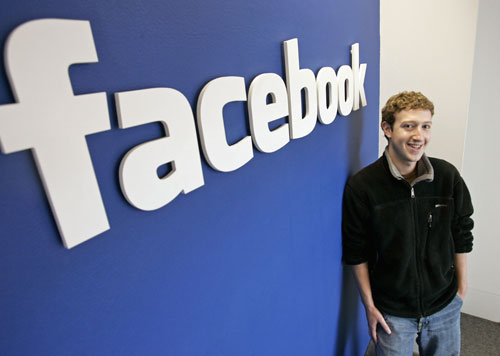
    Mark Zuckerberg could only succeed because of an open internet
    Mark Zuckerberg could only succeed because of an open internet

    The free and fair internet till now has given a level playing field for competition for all. So even a college freshman could create the Forbes listed, world’s biggest social medium called Facebook. It was also because of free internet that even iGyaan could reach its readers. But in a non net neutrality world, these guys will face the same obstacles which are faced by the real world business of finding resources.

    The opponents of net neutrality make a point that currently websites with higher bandwidth consumption pay the same price to reach the consumers like any other website. But when road traffic started getting congested, the government created wider roads and not special roads for rich people. They should consider the same. The Internet Service Providers (ISPs) which are opposing net neutrality earn billions in profits each year. Instead of disrupting a unique ecosystem that is still evolving, it is ISP’s prerogative to invest in making the services more innovative and sustainable for them as well as the internet. The companies will make more money by providing quality services to its consumers instead of trying to squeeze the last penny off them.

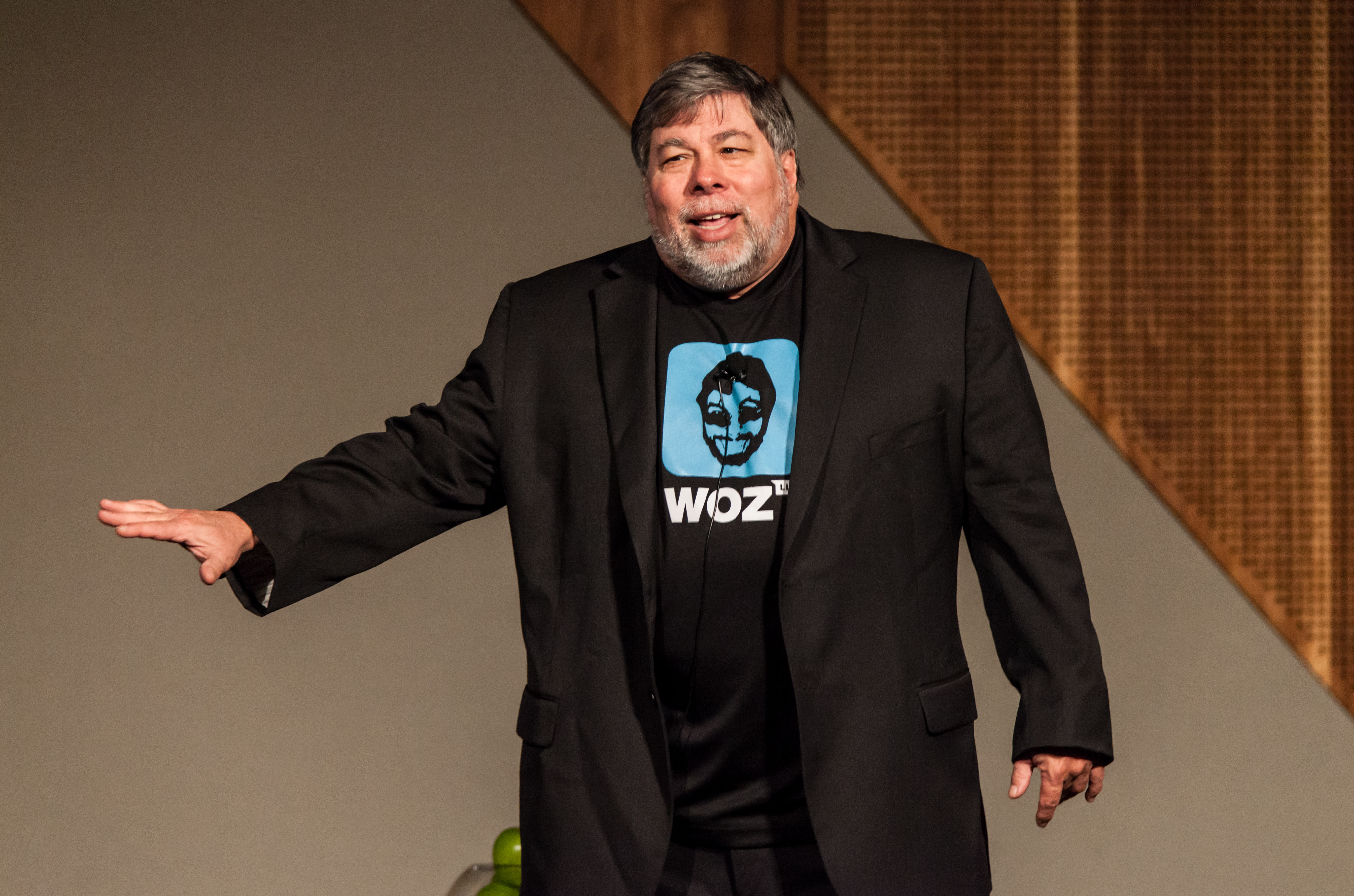
    Steve Wozniak is one of the major proponents of Net Neutrality
    Steve Wozniak is one of the major proponents of Net Neutrality. (Photo: Nichollas Harrison.)

    The great Steve Wozniak makes an excellent analogy when he says that nobody charges you for your per kilometer travel, then why charge for telecom routes. When the roads require maintenance, the government comes to do their part and this must be the responsibility of the ISPs itself.

    newguidelines
    TRAI needs to formulate regulations now

    In India though there are no specific laws safeguarding net neutrality. TRAI in its guidelines mentions non-discrimination, but it is not really enforced.  The high cost of spectrum licensing in India and the ever growing burden of massive mobile devices market  may lead companies to go for charging a premium on some websites. India’s BRICS companion Brazil recently enacted a brilliant piece of net neutrality legislation and we should ask our lawmakers for the same. All we as consumers can do is be vigilant and raise our voices when we see that happen.

    There is going to be a vote at FCC on Thursday the 15th which will decide the future of our internet. This vote can go both ways, the commission can create a precedent where companies can charge websites for priority access. Or the commission can create a legally safe law in which internet will be treated as a telecom service thereby giving FCC complete authority to regulate it. The great news right now is that most of the commissioners are siding with the open internet platform but what happens on Thursday still remain to be seen.
    There have been many times when  governments try to bring laws which discourage the free exchange of ideas. SOPA, PIPA were some of the laws targeted towards decreasing the efficacy of the internet dialogue. But some good sense prevailed and saved our internet. Net neutrality advocates from around the world are wishing for the same and hope to keep the future of a free and open internet secure.

  • Unboxed: The Lava Iris 504q+

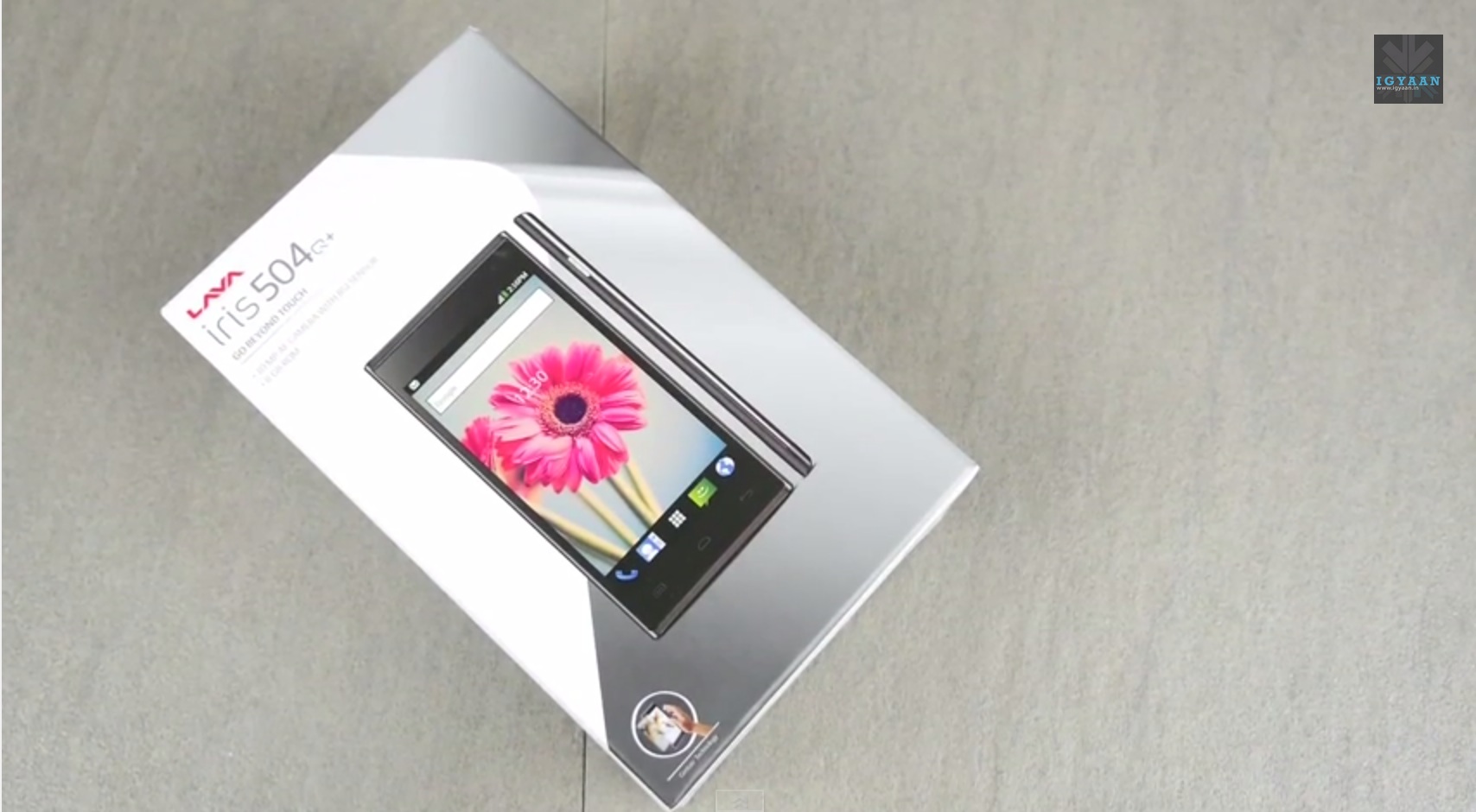
    Unboxed: The Lava Iris 504q+

    Lava released the successor to its 504q which was released in April this year. Just like the predecessor the 504Q+ possesses a 5 inch capacitive screen with 720×1280 pixel resolution. The model comes with a  color option of grey and silver.
    The 504q+ still gives Android 4.2 Jellybean, instead of KitKat which was released in september of last year. The battery is of 2000mAh capacity.

    On the hardware front the 504q+ gives a 1.3Ghz processor in comparison to the 1.2Ghz of the 504q. The RAM is static at 1GB but the welcome step with this offering is the 8GB internal memory. It is ideal for people who don’t carry a lot of data on their phones and so don’t wish to get a memory card.

    The phone features a 10 megapixel camera which is a weird spec as most phones go from 8 Mpix directly to 12 Mpix. The front camera offers a similar 2 megapixel.

    Coming to the contents of the box, Lava gives a good number of goodies and thats why you get a comparatively bigger box. You get a good quality flip-cover and an extra glue strip to secure your phone. Apart from this you also get a screen protector.

    The phone comes with a flat style, tangle free and good looking earphones. The wall charger in the box is pretty small and even the charging cable is not flat style, but as they are gonna be at your home or office, it hardly matters.

    Currently priced at 12999/-, its a decent update over the last Lava offering.

  • Apple’s Acquisition of Beats for $ 3.2 Billion Has a Reason

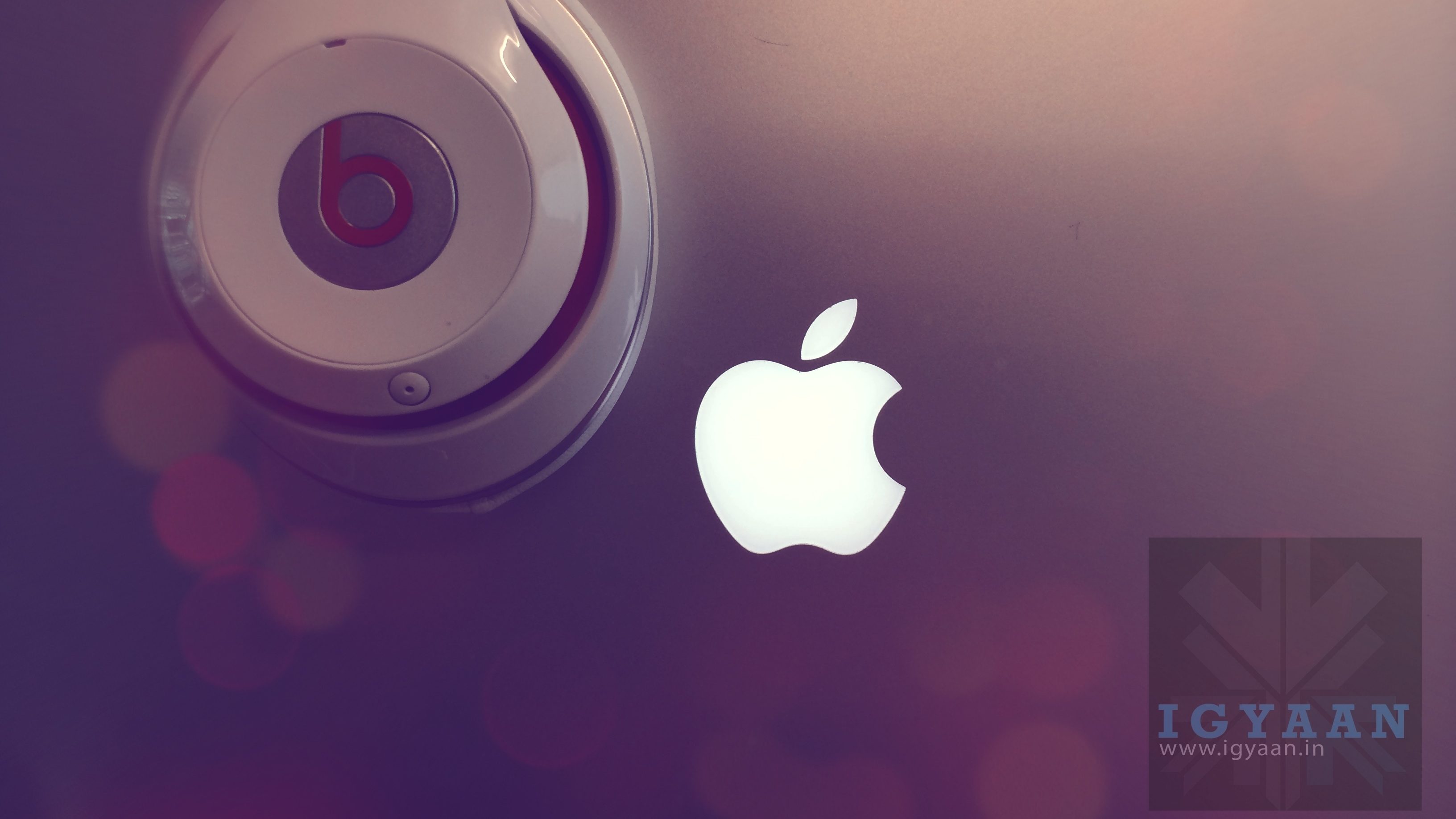
    Apple’s Acquisition of Beats for $ 3.2 Billion Has a Reason

    Since last morning tech columns and channels are abuzz with a takeover news. People are particularly elated with the fact that “Facebook” and “takeover” are not being said in the same sentence. Apple’s intention though is under serious questioning and there seems to be very few answers.

    Beats headphones have quickly become the most visible brand across multiple medias. Especially the recent music videos have really gotten heavy on the “b” logo. But what does it mean for the company when one of the most creative corporations decides to spend $3.2 Billion on an audio equipment manufacturer who is currently valued at just $1 Billion.

    Though the talks are still on and the deal could still be trashed, we try to comb through the noise to look at the facts as they stand now.

    Apple has rarely invested in buyouts and takeovers. It mostly concentrates on getting technology from startups which helps it in its technological endeavors. It’s most recent purchase was of chipset manufacturer P A Semi, back in 2008 for their advanced chipset technology.

    Beats on the other hand was a co-venture of Dr. Dre and legendary producer Jimmy Lovine back in 2008. The company recently took a $500 Million private equity firm Carlyle Group which took Beats’ present valuation at about $1 billion. This deal makes Dr.Dre the first billionaire rapper who could someday brag about his Spaceship in his rhymes. Which he totally deserves for giving humanity the gift called “Slim Shady”.

    There is also a shadow loser in the game and it is HTC. The company even with its well appreciated products has recently been struggling keeping its market share. HTC owned half of Beats but sold all of its shares by September of last year.

    The move also seems like Apple is putting its effort into creating some major hardware for the music industry, where the company has been prominent for a while with its iconic iPods. With the support from Dr. Dre and Jimmy Lovine, Apple may try to up its influence.

    Steve Jobs had long emphasized that Apple’s greatest strengths lay in its software and in its ability to integrate hardware and software.

    Beats had also released its music streaming service this January but it’s nothing the makers of iPod and iTunes can’t develop on their own. Also as the service is fairly new and area locked so it doesn’t have a massive consumer base like Whatsapp had when it was bought by Facebook.

    It has also been contemplated that Apple would want to make profit in the non iPhone smartphone market. A healthy music equipment market seems like the right way forward.

    So as of now between all the speculations the real intent of Apple behind such massive investment seems to be known only by Tim Cook’s men as of now. We just have to wait and see if this big step by Apple would bring next major leap in music industry or it will be a dud like the PowerMac Cube.

    Late last night we got an “almost confirmation” by the Doctor himself, but we will still wait for the official announcement to confirm anything. You can absolutely feel the excitement in the air: It all starts with the words “Shit, the Forbes list just changed”.

  • 3 Ebook Reading Apps You Should Get Now!

    3 Ebook Reading Apps You Should Get Now!

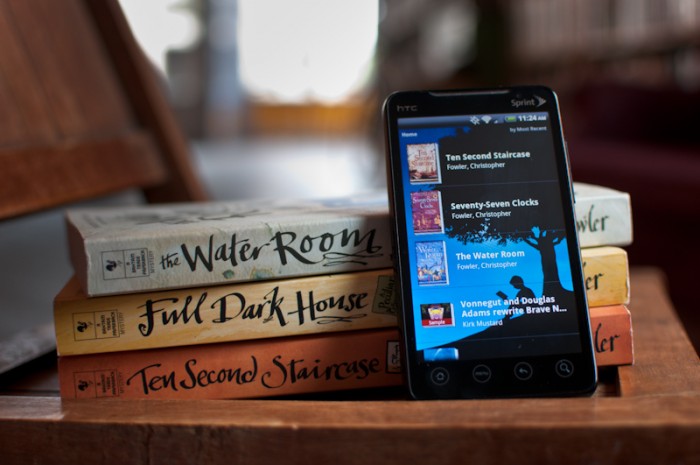
    Books are an essential element of our lives and a lot of us still like to read for pleasure. Eventhough it’s really hard to recreate the feel of a physical book many apps promise the next best thing. We find out which Ebook reading apps give book lovers might feel comfortable to switch to without emptying your pockets on tablets or ebook readers.

    Lets understand the formats first. Epubs are a great way to read books as they have fluid movement which helps to optimize the content according to the screen on which it’s being used. PDF on the other hand is more widely known and used document more rigid as it’s designed to keep the document intact and hence requires zooming in on smaller screens. If you have a library of PDF ebooks that you would like to read on your mobile, there are many websites which offer free conversions to EPUB so that you can have a comfortable time reading them.

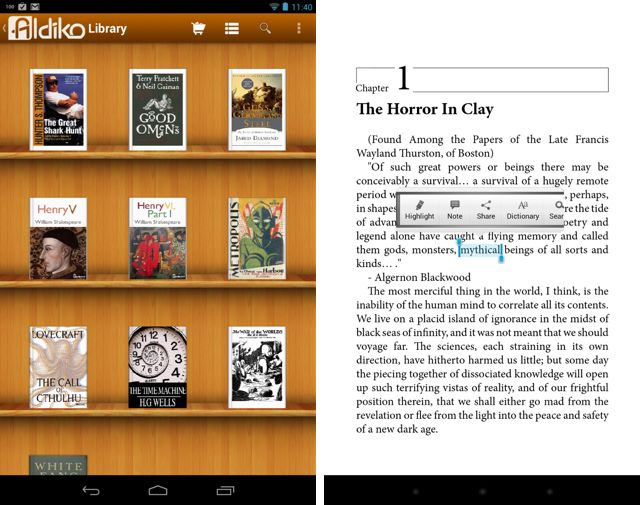
    1. Aldiko Book reader: This is a great one stop solution for book lovers. The reader gives you some of the classics bundled with the app. Apart from that the best part of the app lets you import Epubs from your personal collection. The app is to reading books as VLC player is to listening to music and videos. There are multiple ways to sort your books and categorize them according to titles, authors, date last read, ratings, etc. Apart from these it also gives access to the feedbook store where you can buy the books or choose from the huge free library.
      aldiko
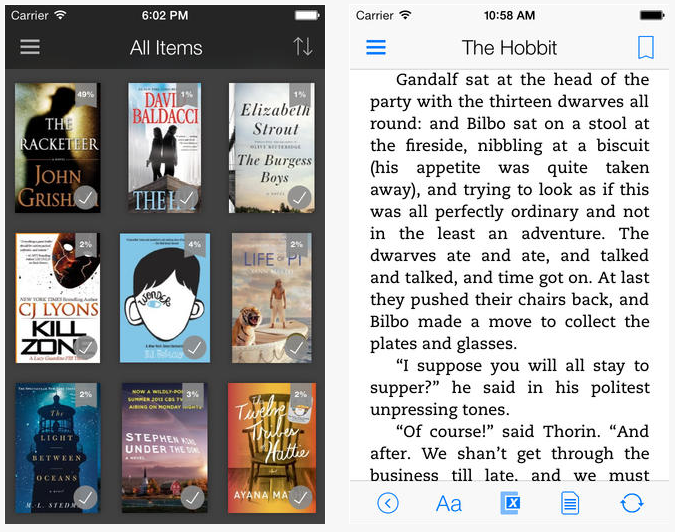
    1. Amazon Kindle App: Unlike the Aldiko, you need to make an account with Amazon to access the Kindle app. But with that comes the access to Amazon’s Kindle store, the biggest library on the internet. The UI is empty after installation and you need to find the books which you want to read in the kindle store. The app is great for Kindle purchases for folks who don’t want to invest in a real Kindle fire.
      Kindle-app
    1. Moon+ reader: This is a great Epub reader with amazing customization ability. There are options for horizontal and vertical reading, options for 3D page flip animations, options for highlighting, adding annotations and an option for installing a dictionary. The app also helps you take notes which will be helpful for academics on the move. Moon+ also supports EPUB3 through which it can play multimedia contents(video and audio). Also the app helps you chose themes to recreate your own personalized reading experience.
      killing-5-moon-reader
  • The Gold Galaxy S5 Launched : Return of the Gold Rush?

    The Gold Galaxy S5 Launched : Return of the Gold Rush?

    It seems as if Apple just started a whole new revolution in consumer electronics. After the release of the Gold variant of the iPhone 5S, it seems like every major company is experimenting with adding some glitter to their gizmos.

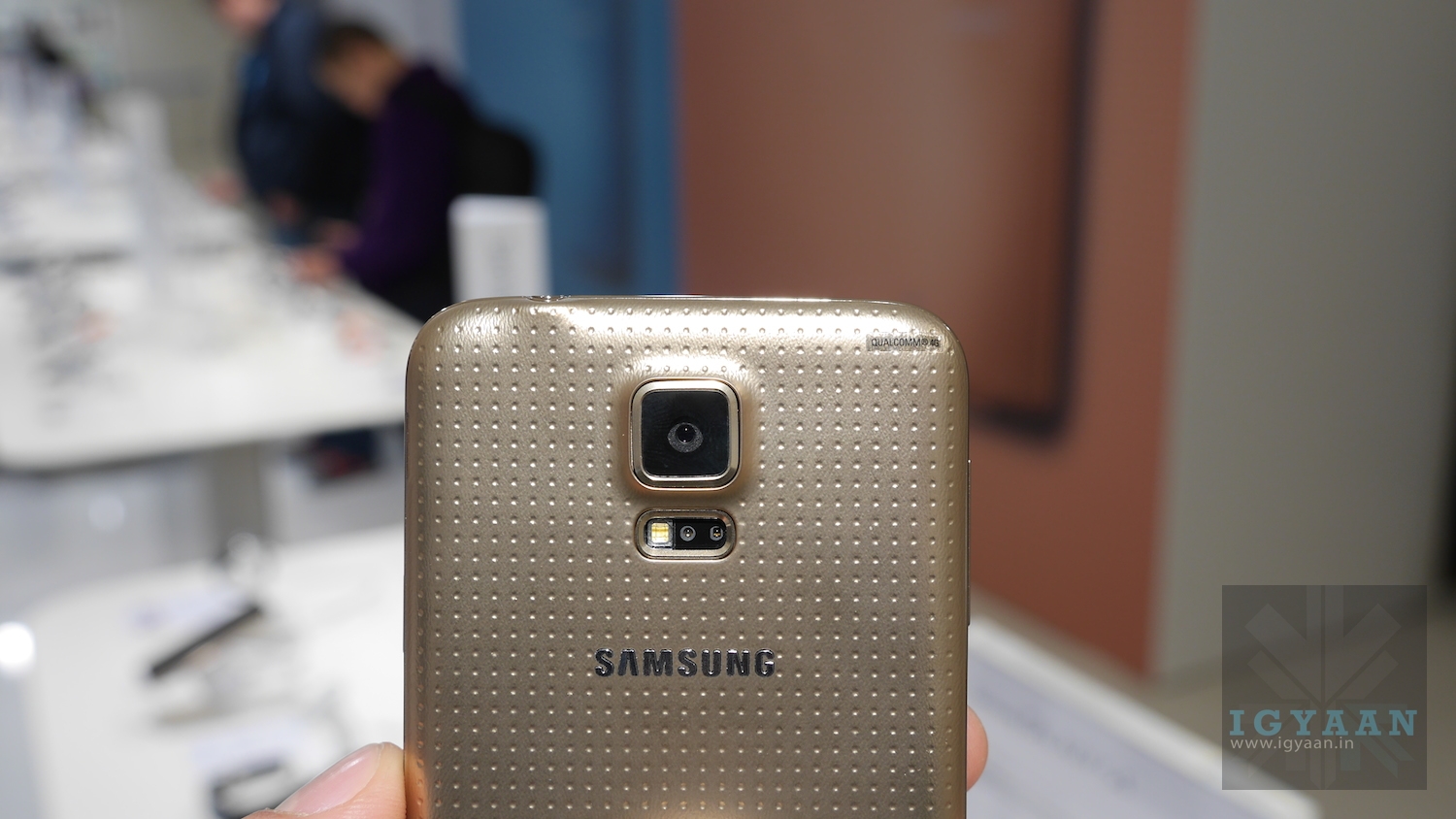
    On Monday Samsung announced the release of the Galaxy S5 with a Copper-Gold(officially listed as “Golden”) back panel in India. Priced at 51,500, the flagship Gold Galaxy S5 also features the latest Android 4.4 Kitkat. It also features a fingerprint scanner on the home button, a heart rate sensor placed near the 16-megapixel camera, and the IP67 certification that makes it dust and water-resistant. We have already reviewed the white Galaxy S5 here.

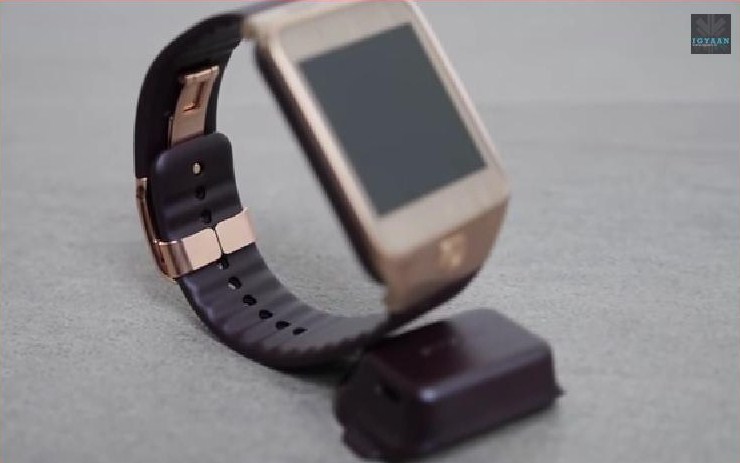
    gear2On the other hand Samsung introduced the gold clasp in the Samsung Galaxy Gear 2, giving it an opulent branded watch feel accompanied with the leather strap. The Gear 2 is a considerable enhancement on its predecessor, which looked like an overpriced toy watch.

    Gold has captured the human imagination ever since its discovery. The obsession is evident in the fact that most our global economy is backed by gold. Gold in itself is a useless element, its rarity is its alibi for its exorbitant price. But its glitter is just too enticing for us to ever get over it.

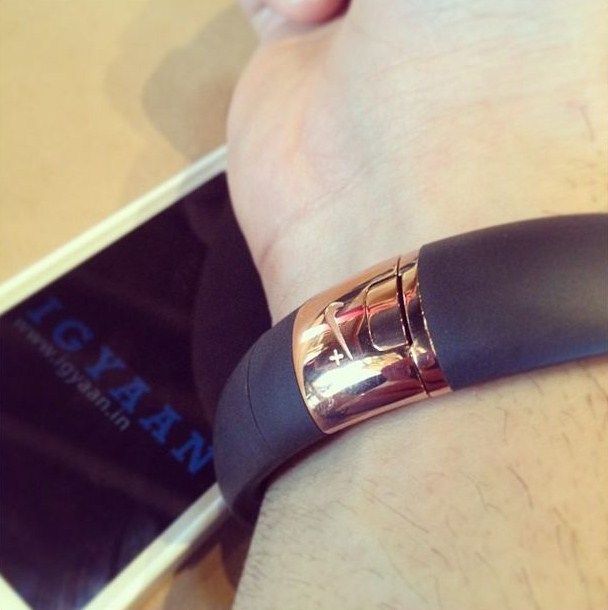
    Nike+It’s not just the two mobile giants who are incorporating the golden hue in their design elements. Even HTC released the gold version of the M8 which is readily available in various markets. Seems like HTC has some serious gold fever, as they also launched a 24k limited edition HTC One M8.

    The Rose Gold Nike+ FuelBand SE is a great example of this. The gold in this limited edition band also fueled the gadget’s luxurious appeal.

    It seems now that a lot more companies will introduce gold in their design elements to quench the hunger for the golden glitz.

  • The Z-2: Next Generation Space Suits by NASA

    The Z-2: Next Generation Space Suits by NASA

    Ever since Yuri Gagarin set a milestone for the human race in 1961, the quest for leaving the gravitational restrictions of planet earth and floating in the mammoth void of space has gained momentum. Over the last 50 years human space flight technology has taken a giant leap. Space suits are required to provide astronauts with: Protection from extreme pressure variations, protection from the Sun’s and cosmic radiation, mobility, breathable air, regulation, communication systems and the ability to collect both solid and liquid wastes of the human body.

    Clearly, space suits have to perform exceptionally in all the above aspects as they are to be entrusted with a highly trained human life. As NASA plans to set a human base on Mars in 2030, there is a race to get the technology for interplanetary travel up to speed.

    nasa-spacesuit03
    nasa-spacesuit03

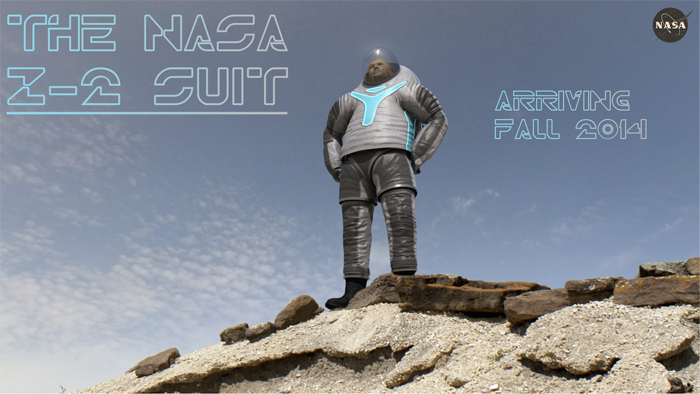
    NASA’s Z-2 Spacesuit is a project under the Advanced Exploration Systems Division which pioneers the development and demonstration of new technologies for future human missions beyond Earth orbit as part of the Human Exploration and Operations Mission Directorate.

    They asked the general public to vote on three options dubbed Technology, Bio mimicry and Trends in Public. The Technology option won easily, with almost 60% votes, most likely because of its Tron-like appearance. But the picture released by NASA seems to resemble more like Gru’s(Despicable Me) Suit.

    nasa-spacesuit02

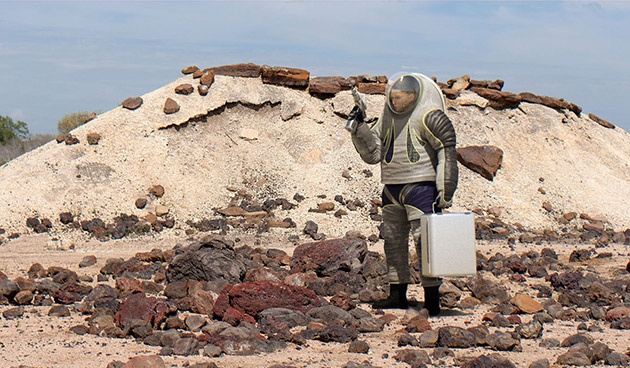
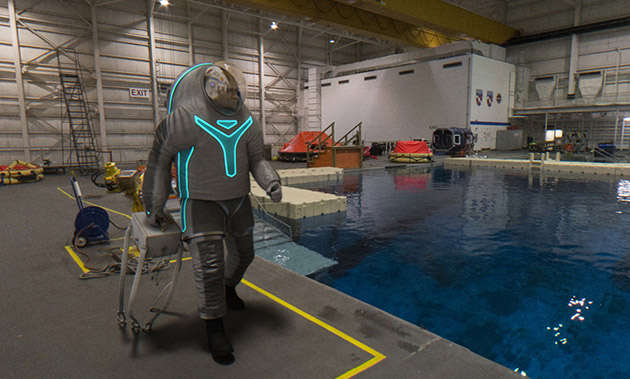
    The Z-2 will go under extensive testing sessions. Engineers will conduct multiple vacuum chamber tests, including one series at full vacuum, mimicking the lack of atmosphere found in space. The tests will take place at the Neutral Buoyancy Lab – the huge indoor pool used to train astronauts to spacewalk. Also, the rocky Martian surface tests will help evaluate the suit’s mobility, comfort and performance for the Red planet. Ultimately, all of these tests will guide engineers in designing the Z-3.

    Engineers and scientists around the world are working hard to develop super technologies. They’re hoping that astronauts will, one day, use them to live and work on Mars and return safely home after taking a giant leap for humanity.

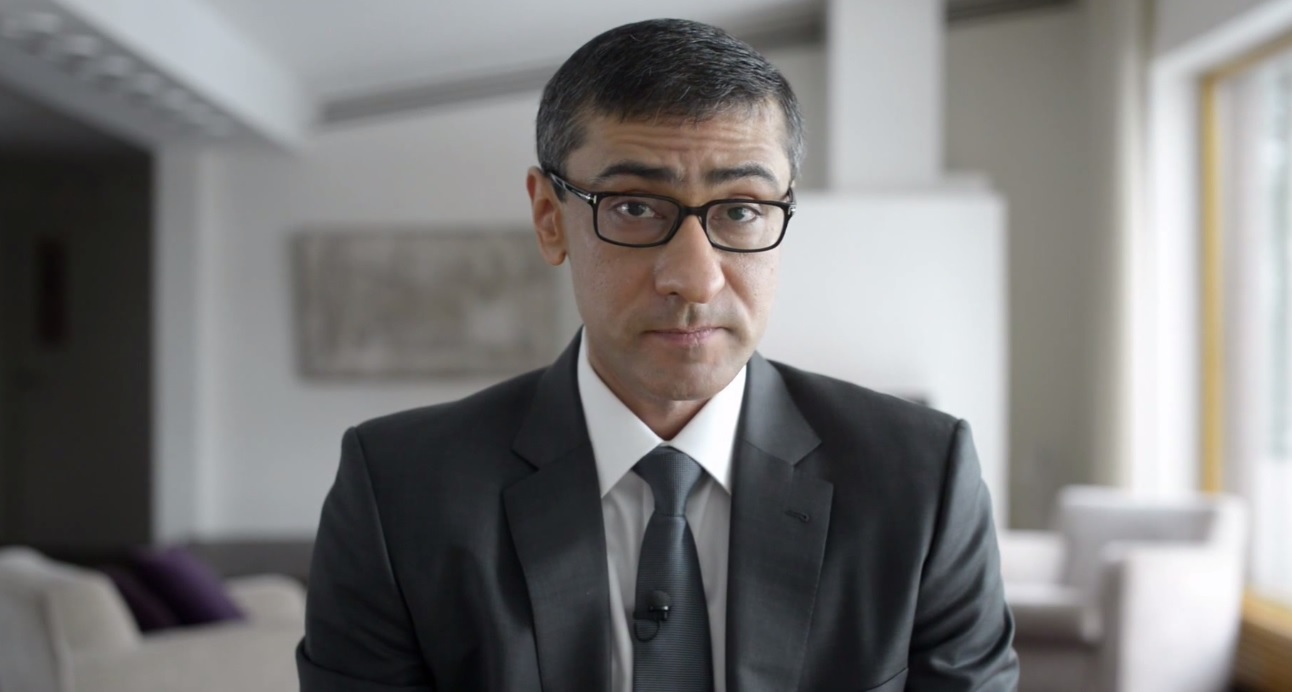
  • Meet Rajeev Suri – As He Takes On The Reigns of Nokia

    Meet Rajeev Suri – As He Takes On The Reigns of Nokia

    The Legend has fallen, sounds like a Transformers title, but in Nokia’s case it’s true.

    After an indomitable hegemony in the mobile phones market for more than a decade, the company sold its mobile phone division to Microsoft corporation in a $7.2 billion takeover. The takeover happened because of continued losses during the last 3 years, so much so that the company was forced to sell their headquarters and lease the premises. Now the company has decided to put strong efforts in hopes for a turnaround. It has decided to concentrate on its Network, Softwares and Maps divisions. Nokia also has a huge patents division which might help it reclaim its lost throne, unfortunately though they don’t have any dragons.

    For this task they have recruited the Indian born, Singaporean Citizen Rajeev Suri as Nokia’s CEO. In the past couple of years, Suri was responsible for the turnaround of  Nokia’s main telecoms network business. He took his chair on the 1st of May replacing their Ex-CEO Stephen Elop who is directly blamed for Nokia Mobile’s demise.

    Rajeev Suri did his graduation in Electronics and Telecommunications Engineering from Manipal Institute of Technology, India (class of 1989). This school’s other famous alumni includes Microsoft’s present CEO, Satya Nadella. This must be a proud moment for the institution’s history.

    Mr. Suri who joined Nokia in 1995, previously headed the networks division and it proved to be profitable for the company under his leadership. He has extensive experience in the fields of strategy, mergers & acquisitions, product marketing, sales, major account leadership, regional and business unit leadership and has lived all across the northern hemisphere except the America.

    Suri also stands apart from the others because he is one of the rare few to reach such great career heights without an MBA or PG degree under his belt. So if your parents are pressuring you to get another diploma in higher education, you now know whose example you should quote.

    He is definitely going to face some challenges as the CEO. Even though Nokia’s networks division accounted for about 90 percent of sales from the group’s continuing businesses last year, it faces tough challenges from companies who still have deep pockets in game like Ericson and Huawei. Also he will have to take some tough decisions to bring down the debt by 2 billion.

    The entire world will have their eye on this guy to see if he can recreate the magic he showcased as the head of the networks division. We at iGyaan, wish him the best and hope he will be the savior that Nokia desperately needs.

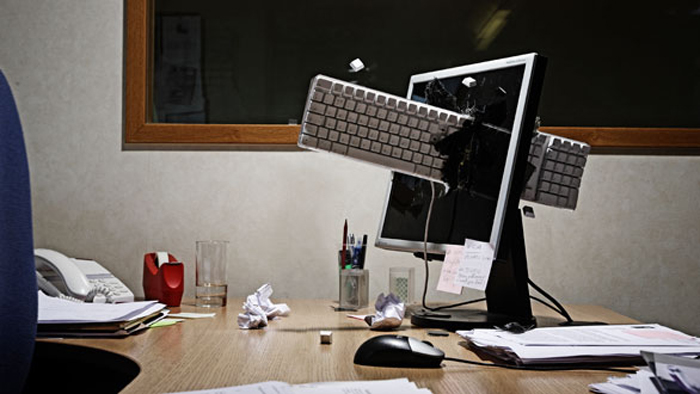
  • Major Tech Blunders of the Last Decade

    Major Tech Blunders of the Last Decade

    If you are a 90’s kid or have lived through them, you’ve had the wonderful opportunity to witness the physical evolution of the electronic devices in front of your very own eyes. I remember being 13 and having access to internet for the first time. It was a thrill to wait 30 minutes to wait for a single image to load. We saw the transition from pagers to cellphones to smartphones. The noughties was an era of innovation explosion, almost reminiscent of the gold rush.

    As with every new innovation, the success path is paved through by a series of failures. So here is a list of some of the major tech blunders of the past decade:

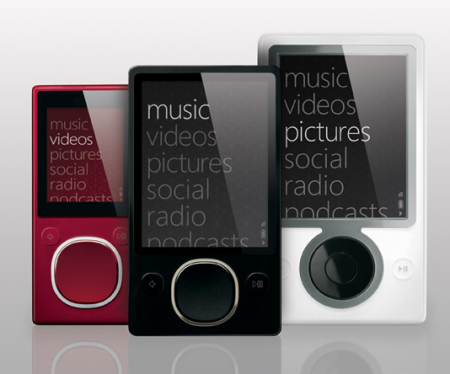
    1. Microsoft Zune:

    zuneYou may ask, “what’s a Zune?”, well, that’s exactly the point we’re trying to make. Microsoft’s “iPod killer” was no match for Steve Jobs’ marvel contribution to consumer electronics. The device wasn’t as bad as it has been played out to be, it just wasn’t any different from the iPod. In fact, the Zune HD was appreciated by a lot of people. The problem could be that it was launched way late into the game – while the iPod was released in 2001, Zune was released in 2006. By that time Apple had settles comfortably into the market, with large number of existing consumers. It also trampled Zune’s reputation by launching massive marketing campaigns to ridicule it across various medias.  In 2011 Microsoft finally gave up and pulled the plug on it.

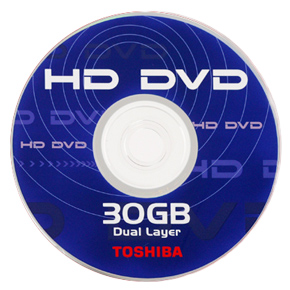
    2. HD-DVD by Toshiba:

    HDDVD It was called the war of the HD Discs. The reason for the war was to find the right media forward for high definition content. Blu Ray won the war easily. One of the major reasons for the HD-DVD shutdown was Sony. The company used its production studio might to convince all other major studios to back Blu-Ray and help it become the release standard for High definition content. The final blow to HD-DVD was Warner Bros. and WalMart siding with Blu-Ray. Toshiba ended up losing a billion dollar because of this attempted venture.

    3. Palm:

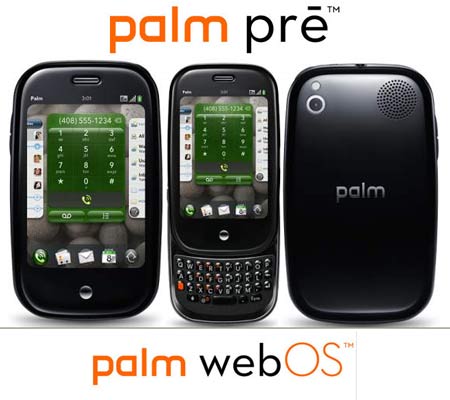
    webos-phonePalm were the manufactures of portable wireless devices and operating systems. They were the creators of the WebOS, an innovative and cutting edge operating system. They were also one of the first manufacturers of smartphones. By 2009 they started dealing with multiple production delays  and the company was slow to realize that consumers wanted wireless voice and data combined in one device. Palm was taken over by HP, who after just eight months of marketing the new devices based on the webOS, shut down the program and sold the webOS to LG. Now LG has incorporated the OS in their new line of Smart + TV’s.

    4. Windows Vista:

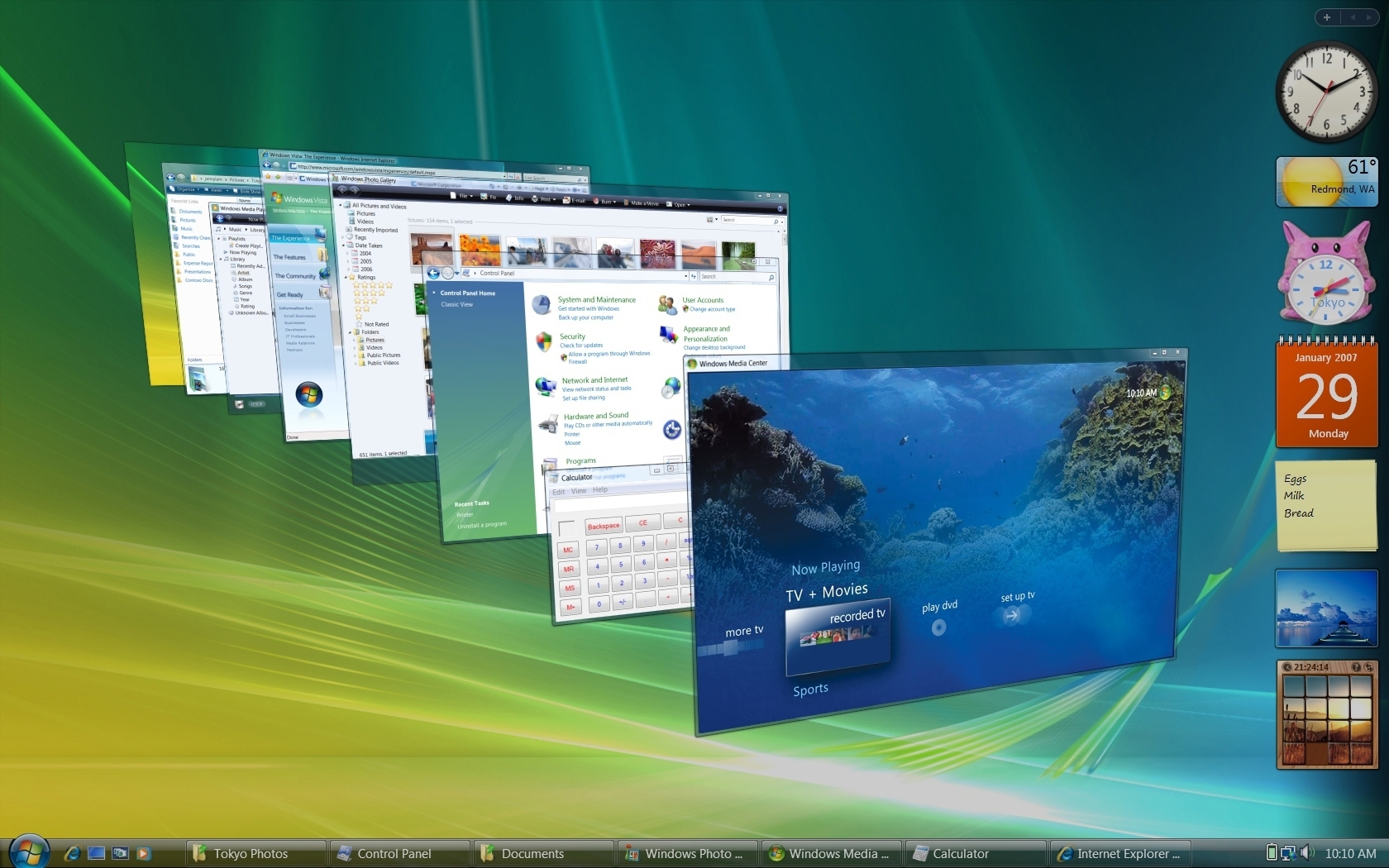
    Windows-vistaNot to be too hard on Microsoft, but they brought this upon themselves. Vista was heavy on the processor, took 50% computing power to run the OS and was even incompatible with a lot of older systems. Vista was marketed as 6 different versions, further confusing the users who decided to stick with their Windows XP. There were regular glitches with the Vista which further persuaded users to stick with the XP. Most of the issues of the Vista were later corrected in the Windows 7 operating systems. The famous Justin Long featured Apple commercials also did major perceptional damage to the Vista.

    5. Nokia N-Gage:

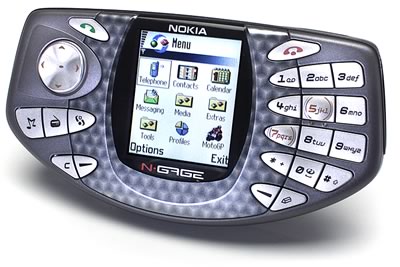
    N gageThis was a dream phone of every teenager which burst as soon as they got their hands on it. It was novel idea during the time of its release but the lack of game selections and crummy design spelled its doom. If it was planned better it could have become one of the top selling gaming phones and would have given a real competition to the PSP or Game Boy Advance. Instead here is a poorly designed phone which was priced twice as much as a PSP.

    6. Apple Cube:

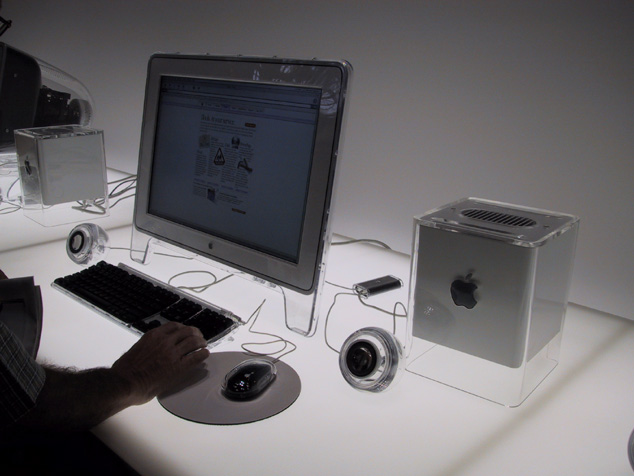
    apple cubeThis would probably be Steve Jobs biggest blunder. Apple Power Mac G4 Cube was a Cube shaped personal computer suspended in an impressive acrylic glass casing. While it got rave reviews for its design, the system was impractical to upgrade. Also, there were numerous complains about cracks in the clear plastic casings. The product was only sold for a year before being shut down to put more emphasis on the iMacs.

    7. Segway:

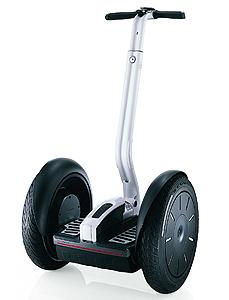
    SegwayYou might remember Akshay Kumar riding it in Desi Boyz or if you are a Marvel fanboy like me, you would have seen the most badass Iron Man villain, Jeff Bridges, riding it in the first movie. It was prompted as the replacement of “Walking”, yes that biological function that can be done for free, while on the other hand a Segway could set you back $5000. It was supposed to prevent the rider from falling which was proved wrong when the former US president George W Bush fell off it. The plan was to sell 50,000 to 100,000 units in the first year, instead only 30,000 Segways were sold between 2001 to 2007. Now its mostly used by mall and airport security.

  • Everything You Need to Know About the Nokia-Microsoft Deal

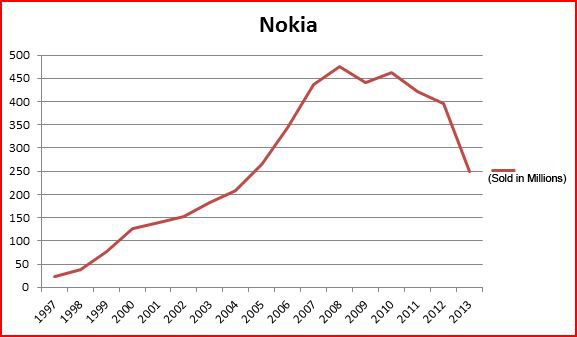
    They were once the Titans of the industry. They made more cell phones than all the other companies combined and even now, having shipped around 250 million phones in 2013, they’re the second biggest manufacturer of mobile phones . From 1998 to 2011 this company was the undefeated champion. Nokia was a brand name trusted by all. This Finnish giant now sold its legendary (now struggling) mobile phones unit to the Microsoft Corporation in a $7.2 billion takeover.

    microsoft-nokia-deaAs of 25th April 2014, Microsoft’s acquisition of Nokia has been approved by Nokia shareholders and by governmental regulatory agencies around the world. Under the Nokia-Microsoft deal, Microsoft will take possession of the Lumia smartphone brand, along with the company’s lower-end Asha phone line and the new Android-based Nokia X phones. With this, they will also inherited 25,000 new employees.

    Windows Phone is the fastest-growing ecosystem in the smartphone market, and its portfolio of award-winning devices continues to expand. In the fourth quarter of 2013, according to IDC, Windows Phone reinforced its position as a top three smartphone operating system and was the fastest-growing platform among the leading operating systems with 91 percent year-over-year gain. Furthermore, Microsoft intends to target the affordable mobile devices market, a $50 billion annual opportunity.

    This deal marks the death of a brand which had become synonymous with mobile phones in India. Even in the smallest villages, people took pride in owning a Nokia. To us, it sounds rather counter intuitive to get rid of a brand with such a strong identity. Now, everybody will have an eye set on how the Microsoft CEO, Mr. Nadella, and Vice President Mr Elop decide to take it forward.

    The tech world is abuzz with all kinds of speculations about the proceedings of this deal. One of the most common assumptions is of a Machiavellian takeover by Microsoft, after the talks of Windows OS for Nokia broke down in 2009. Nokia intended to improve the functionality of the Symbian and were also working on the MeeGo OS. Nokia had made its disinterest in the Windows OS clear and that’s when Stephen Elop, a former Microsoft employee, went on to become the CEO of Nokia. Many critics, especially in Finland, started to speculate that Elop could be a Trojan horse, whose mission was to prepare Nokia for a future acquisition by Microsoft.

    Nokia copy
    As seen from the graph above the company was on an incline throughout the last decade. Stephen Elop took the Chair of CEO Nokia on September 2010.  The 3 years Elop was Nokia CEO, its revenues fell 40%, its profits fell 95%, its market share collapsed in smartphones from 34% to 3.4%, Nokia’s credit rating went from A to junk, it’s share price dropped 60% in value and Nokia’s market capitalization lost 13 billion dollars in value. For this exemplary work he was featured in the Worst CEO list. Not just that, towards the end Nokia was so strapped for cash that they had to sell their HQ in Finland and lease the premises. It seems like Elop came with a mission and accomplished it too.

    It has also been observed by many that the Microsoft strategy of acquisition was almost similar to the 1.2 billion US dollars HP–Palm deal. Palm were smartphone manufacturers who were the creators of the cutting-edge webOS. The webOS was a mobile operating system which  HP abandoned merely months after acquisition and a couple months after launching the WebOS based Mobile devices including Touchpad and Pre 3. LG later bought the OS in 2013 and is now inducting it into its Smart+ TV’s. This was a clear example of how multibillion takeovers are not always done for the best of reasons.

    25762 copyThe most disappointing aspect of the demise of Nokia and several other major brands such as Motorola is the effective centralization of majority of innovation in the hands of a few large multinational corporations that lock knowledge in a safe. Competition is necessary for innovation. Accumulation of progressive ideas in the hands of the few would lead to monopolization and will be a major hindrance to development.


    In terms of India, this deal is not good news for the employees of the Nokia facility in Chennai. This facility couldn’t be transferred because of the tax liens on Nokia property. According to the Nokia India Employees union, there are around 8,000 direct and over 20,000 indirect employees working for the manufacturing facility. The facility will work on contract basis for a limited period, without specifying any time frame, under present deal. Many of the higher level employees have decided to jump ships, while around 730 trainees have accepted the VRS scheme provided by Nokia. The VRS is opposed by the Union.

    As Nokia loyalists, you wouldn’t have a lot to worry about. As a part of the transaction, Microsoft will honor all existing Nokia customer warranties for existing devices, beginning April 25, 2014. As the plans for the new brand are still in progress, we do hope that Microsoft builds upon the massive Nokia stable and give the users the same sturdy and trustworthy experience.

    Hopefully, the second fiddle brands such as Micromax, Gionee and others will take charge of bringing quality innovation in the hands of the next billion before the hording multinationals get to it.

  • 7 Simple Tips To Keep Your Gadgets New

    7 Simple Tips To Keep Your Gadgets New

    Our gadgets are now a necessary part of our everyday life. We honestly believe they deserve their own section on Maslow’s Hierarchy of Needs. We do want to get the most out of them, but often they give us serious heart aches by dying out too soon. There are certain precautions you can take to ensure they manage to surpass their average life of 12-18 months.

    Use these tips to service your gadgets routinely:

    1. Cleaning:

    Like everything else, your gadgets also require regular clean ups. For touchscreens ideally use a microfiber cloth, the same one used for sunglasses, or you can substitute it with a soft cotton cloth. It is extremely important to avoid over rubbing. Make it a point and regularly clean your gadget to avoid the build up of grime.

    2. Battery Management:

    This is one important area of focus as its the life of our gadgets. The batteries have faced the brunt of high performance machines which are released one after the other. Turn off the services you don’t need – Wi-Fi, Bluetooth, GPS, cellular data and high screen brightness are the major juice drainers. You can use a few credible battery apps as well. They help to increase efficiency and enhance the battery backup by automatically closing unwanted applications.

    3.Upgrades:

    Upgrades are cheaper and more efficient than investing in whole new equipment. Scan through the available ones available from time to time, to figure out the best add-ons and upgrades to keep your system efficient. Powerbanks are also a good idea if you don’t find time to regularly charge your phone.

     4. Buy Genuine:

    Whichever accessory you wish to add to your device, it’s important to make sure that it is compatible as well as genuine. Fake accessories have the potential to cause harm to your expensive gadgets. There is also an added value of warranties/replaceability when you’re buying original products.

     5. Maintaining the OS:

    The operating system is  the essence of every device, it is the basis of our interaction with the device. There are several diagnostics and maintenance tools available on the OS which should be used regularly. Unwanted clutter, such as multiple copies of the same file and unnecessary softwares, slows down the system. Take out time every few weeeks to clean up the mess.

    6. Protectors:

    With the increased delicateness of our gadgets, added protection is necessary. Starting with the stage, a.k.a the screen, where it all happens – a protector is required. Invest in high quality anti-glare and anti-scratch protectors, they are worth the extra cost. Also a body guard or a protective case which can protect the gadget from dust as well as impact is always advisable.

     7. Banana:

    Yes, a Banana. We were equally vary of the fact that a fruit might be useful. Just to be cautious, we checked out a few tutorials before trying it out ourselves.  If you want your device squeaky clean, all you need to do is spread a layer of Banana on the surface.  Keep caution about any openings: concentrate only on the screen. Use the banana peel to wipe the surface after a while. Follow it up with glass cleaning liquid on a cotton cloth.


  • Top 5 Music Apps to Tune Your Mood

    Top 5 Music Apps to Tune Your Mood

    Music is undoubtedly one of the most important functions of our mobile phones now. The phones have definitely gotten better for the task with the countless number of specialized apps in the market. Though Soundcloud, Beatport, Last.fm have been giving a staple supply of fresh and innovative music, many more cutting edge apps have cropped up to give music lovers a wider range of music.

    Today we’ve compiled a list of 5 must have apps for music lovers who take pride in exploring new genres.

    1. Stereodose

    stereodoseThis is one heck of a app, where you just have to select the kind of stimulant and mood you prefer and Voila, you get a never ending playlist to keep you hooked. Though it started with this simplistic premise, it has now evolved into a full blown playlist creation app where users don’t have to just listen to the random tracks but create their own playlist and share with fellow “dosers”. It is one of the best tools for finding some fresh artists and tracks.

    2. Moodagent

    moodagentThe Big daddy of Mood Music Apps. It is perfect for Hindi music lovers who cannot find a Hindi streaming service. This app syncs the available music on your device and creates the playlist according to the mood you create using its interactive bars. There are five bars for Sensual, Tender, Happy, Angry and Tempo. These bars can be used individually or in relation with each other. My only disappointment with the app was that even after fully raising the bar on Happy, it never played Pharell’s Happy.

    3. Moodstream

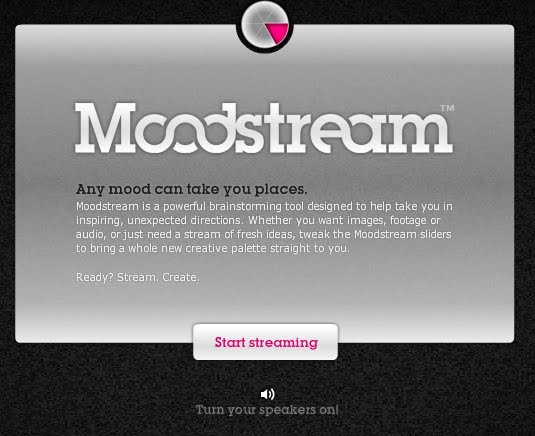
    moodstreamA tiny service from getty images where they give controls to create a feel, it then pulls up images and videos from the getty songs to create the mood you seek. This has got manual controls to set the transition effects, amount of vocals in the songs you desire to hear, image duration and various mood sliders. If you don’t want to go through all that trouble you can simply use the easy preset wheel

    4. Stereomood

     stereomoodStereomood has a refreshing approach to music making. All the user needs to do is select from over a 100 playlist options, updated daily. Some of the tags are: Melancholy, Optimistic, Bohemian, Untroubled and of course, Space trip. I personally preferred the Work tag as it just made the work day fun. The user interface is really interactive and engaging, however there were a few times the app crashed. A minor glitch in an otherwise great app. Overall it has some great tracks and great ways to find them.

    5.TuneIn Radio

    tunein This is one of the most trusted internet radio for me. Not only does it help you listen to possibly every single radiocast from music, sports, news, talk, comedy and much more, it also has the biggest library of music genres to listen to. Even the most niche genres have dedicated statios on the service. Find a station which specializes in your genre and you will have an all-night stream. You don’t have to be an enthusiast, you will find something that meets your taste even if you are an average listener just looking for some tunes. At TuneIn, theres a tune for everybody.


iGyaan Network
Privacy Overview

This website uses cookies so that we can provide you with the best user experience possible. Cookie information is stored in your browser and performs functions such as recognising you when you return to our website and helping our team to understand which sections of the website you find most interesting and useful.