Author: Vipul Vij

  • Honor 7A Vs Xiaomi Redmi 5: The Best Under Rs 10000?

    Honor 7A Vs Xiaomi Redmi 5: The Best Under Rs 10000?

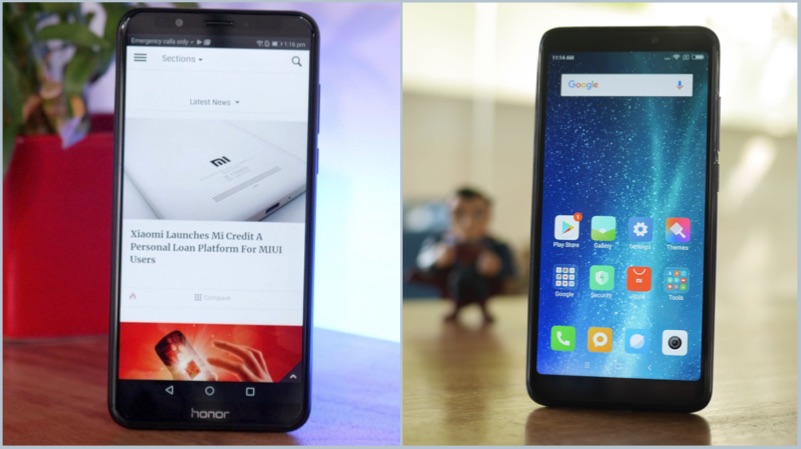
    Xiaomi has been on a roll since the turn of the year. The company has constantly launched either a budget or a flagship device in China and other markets like India. Honor, as well, has launched a few impressive budget smartphones in India in the past few months. The Honor 7X was a great device and so was the Honor 9 Lite. The company recently launched the Honor 7A and Honor 7C in India.
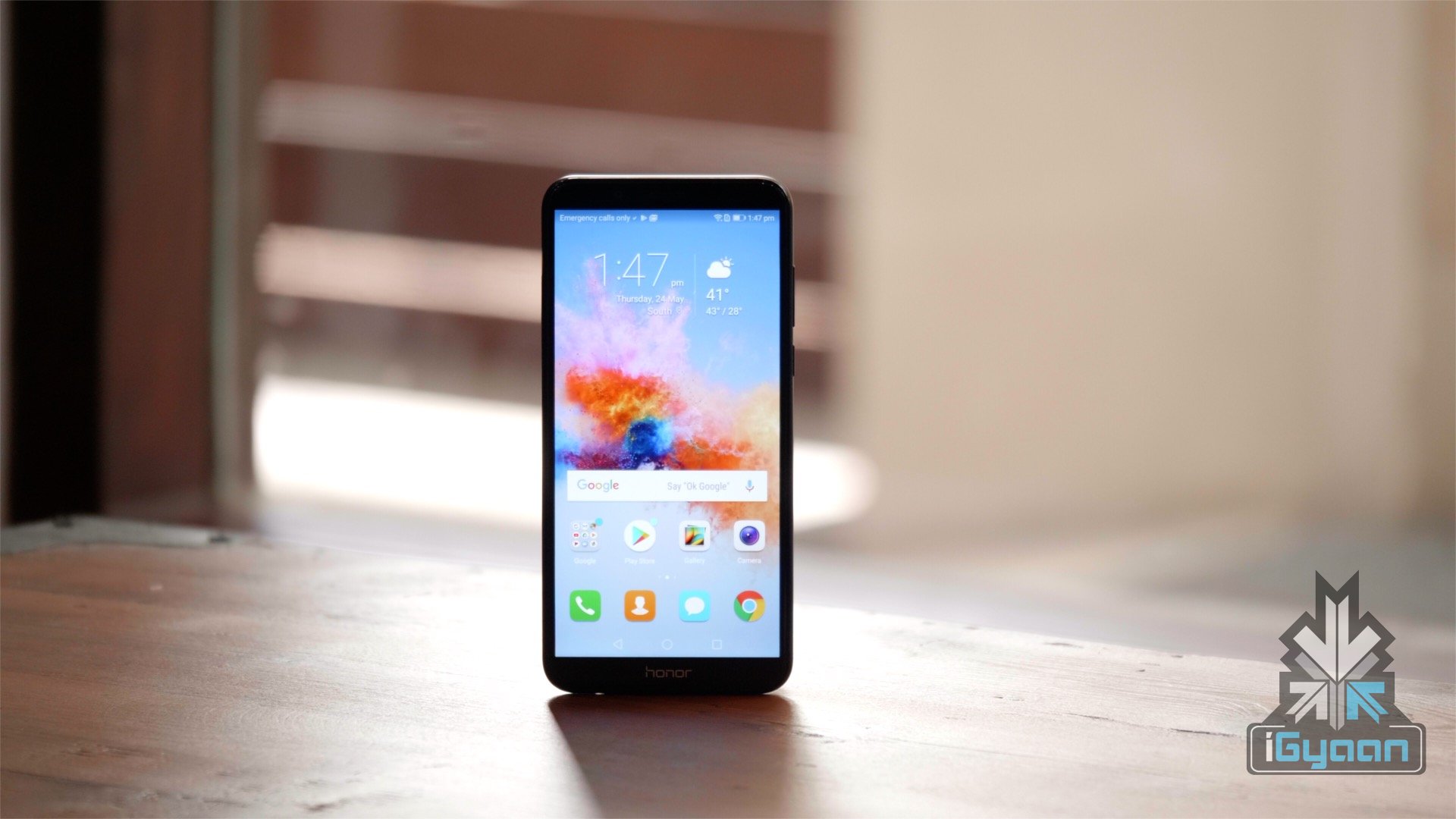
    The Honor 7A is the more affordable of the two and is priced at Rs 8999 (3GB RAM) in India. The Xiaomi Redmi 5, even though starts at a price of Rs 7999, is priced at Rs 8999 for the 3GB RAM variant. While the Honor 7A is available via Flipkart and HiHonor.com, the Redmi 5 retails via Amazon and Mi.com Both the smartphones, unlike some of their more expensive counterparts, are readily available and users don’t have to wait for flash sales.

    [amazon_link asins=’B077PWBC7J’ template=’ProductAd’ store=’igyaan-21′ marketplace=’IN’ link_id=’36aaa1a1-6fc6-11e8-87f4-8de3dcd7228d’]

    While both the smartphones sport an 18:9 aspect ratio, the bezels are thicker on both the devices compared to some premium devices. However, a screen-to-body ratio of over 75% for both the smartphones is a respectable number. The Honor 7A sports a 5.7 inch IPS LCD display with a 1440 x 720 px and a 2.5 D curved glass for protection. The Redmi 5 also has a 5.7 inch IPS LCD 1440 x 720 px display.

    The main differentiating factor between the two smartphones is on the back. The Redmi 5 has a 12MP camera at the back with 1.25-micron pixel size and an f/2.2 aperture. The Honor 7A, on the other hand, has a dual-camera setup with a 13MP RGB sensor and a 2MP depth sensor. The main sensor helps the smartphone to capture the picture and the secondary sensor adds the depth effect. While the Honor 7A is priced only Rs 1000 higher than the Redmi 5, it does offer better camera specifications thanks to the presence of a dual-camera setup. To the front of the Redmi 5 is a 5MP camera while the Honor 7A has an 8MP sensor with an f/2.0 aperture and an LED flash.
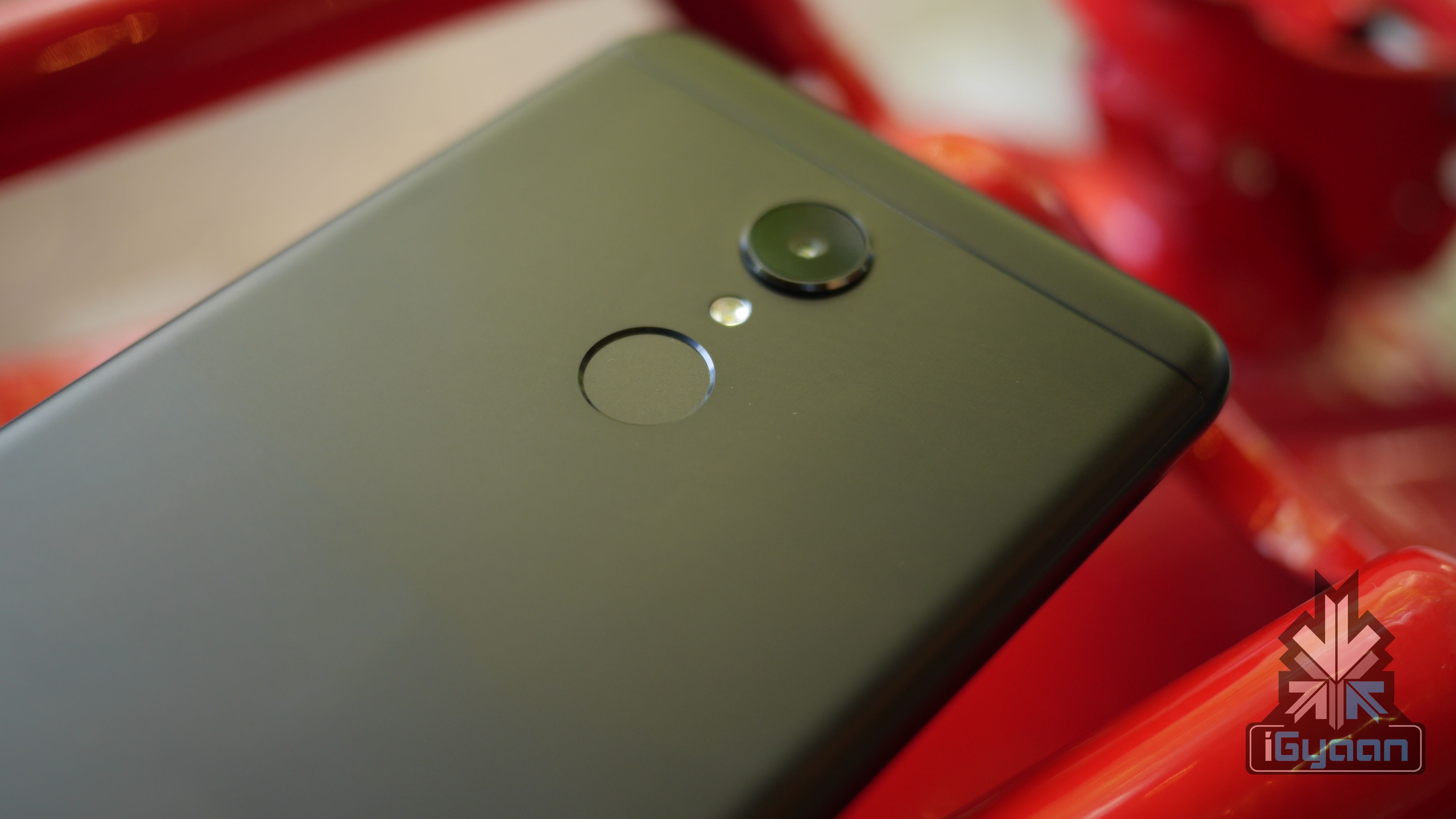
    The Redmi 5 runs on the Qualcomm Snapdragon 450 chipset while the Honor 7A runs on the Snapdragon 430 SoC. The Honor 7A is only available in one variant with 3GB of RAM and 32GB storage while the Redmi 5 has 2GB, 3GB or 4GB of RAM, and 16GB, 32GB or 64GB of onboard storage. Both the smartphones offer storage expandability, although the Honor 7A has a dedicated microSD card slot while the Redmi 5 has a hybrid microSD card slot. The fingerprint sensor is placed on the back of both the devices.

    Let’s now compare the specifications of both the smartphones. For a level playing field, we’re comparing the 3GB RAM model of the Redmi 5 with the Honor 7A since both the smartphones are priced exactly the same.

    Specs
    Specifications Honor 7A Redmi 5
    Price Rs 8999 (3GB RAM) Rs 8999 (3GB RAM)
    Display 5.7 inch
    IPS LCD
    5.7 inch
    IPS LCD
    Resolution 1440 x 720 px
    18:9 aspect ratio
    1440 x 720 px
    18:9 aspect ratio
    Primary Camera 13MP RBG sensor
    2MP depth sensor
    12MP f/2.2
    Primary Camera Video 1080P @ 30fps 1080P @ 30fps
    Secondary Camera 8MP
    f/2.0
    5MP
    f/2.0
    Chipset Snapdragon 430 Snapdragon 450
    Processor Octa-core
    4 x 1.4 GHz Cortex-A53
    4 x 1.1 GHz Cortex A53
    Octa-core
    1.8 GHz Cortex-A53
    RAM 3GB 3GB
    Storage 32GB
    Dedicated microSD card slot
    32GB
    Hybrid microSD card slot
    Battery 3000 mAh 3300 mAh
    Add-Ons Fingerprint sensor
    Face Unlock
    Fingerprint sensor
    Face Unlock

  • OnePlus Bullets Wireless Earphones Unboxing And Review

    OnePlus Bullets Wireless Earphones Unboxing And Review

    OnePlus launched its first-ever Bluetooth earbuds along with the OnePlus 6 in May. Just like its smartphones, OnePlus claims that its Bullets Wireless earbuds will be a value for money proposition for consumers across the world. Priced at US$ 69 or Rs 3990, the OnePlus Bullets Wireless earbuds will go on sale in India on June 19th via the company’s official online store.

    [section label=”Unboxing”]

    Let’s unbox the new earbuds and see what all we get inside the retail unit!

    • OnePlus Bullets Wireless
    • USB Type C Cable
    • Carrying Case
    • Documentation
    • 3 x Earplugs
    • 3 x Fins

    [section label=”Initial Impressions”]

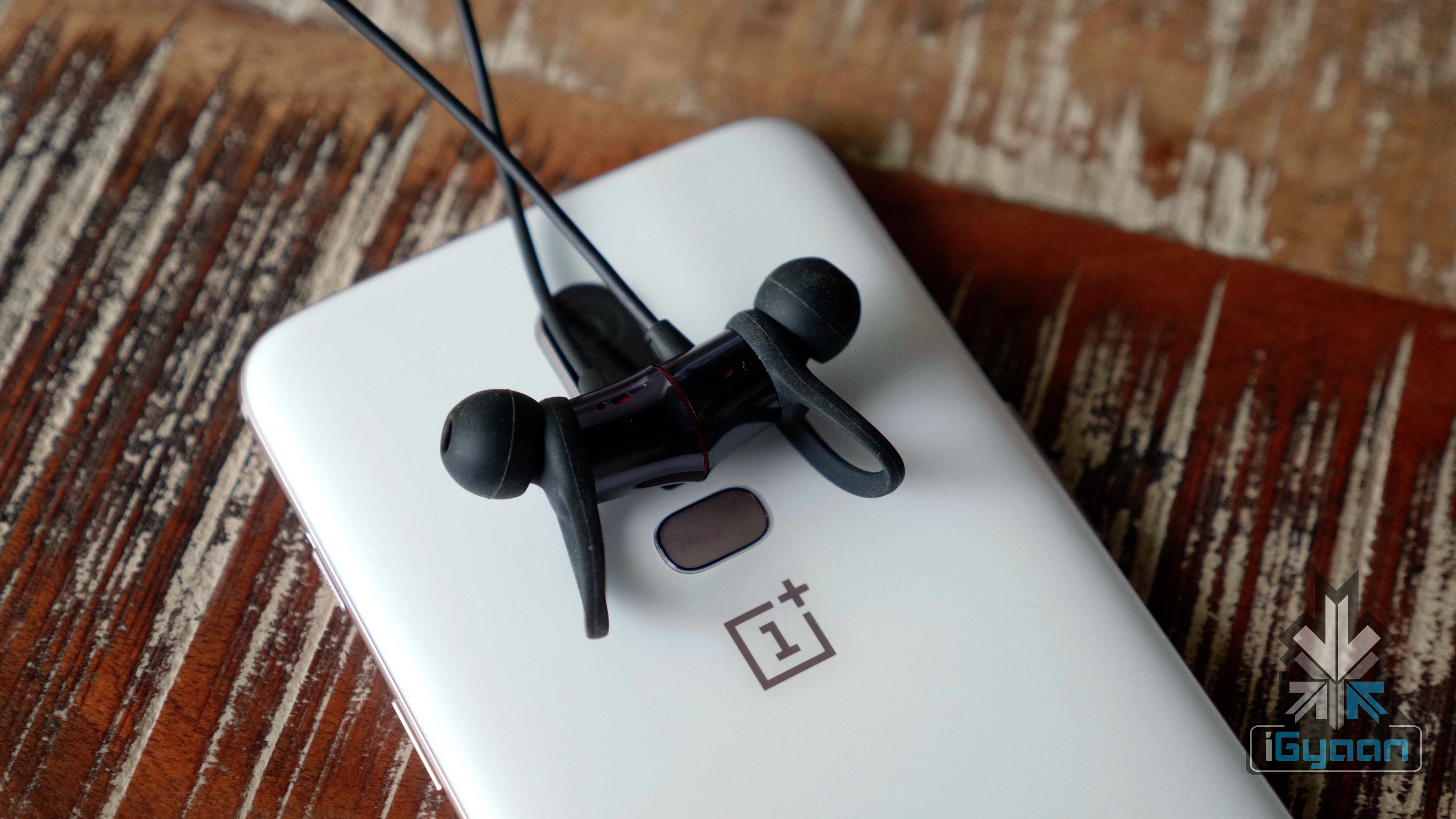
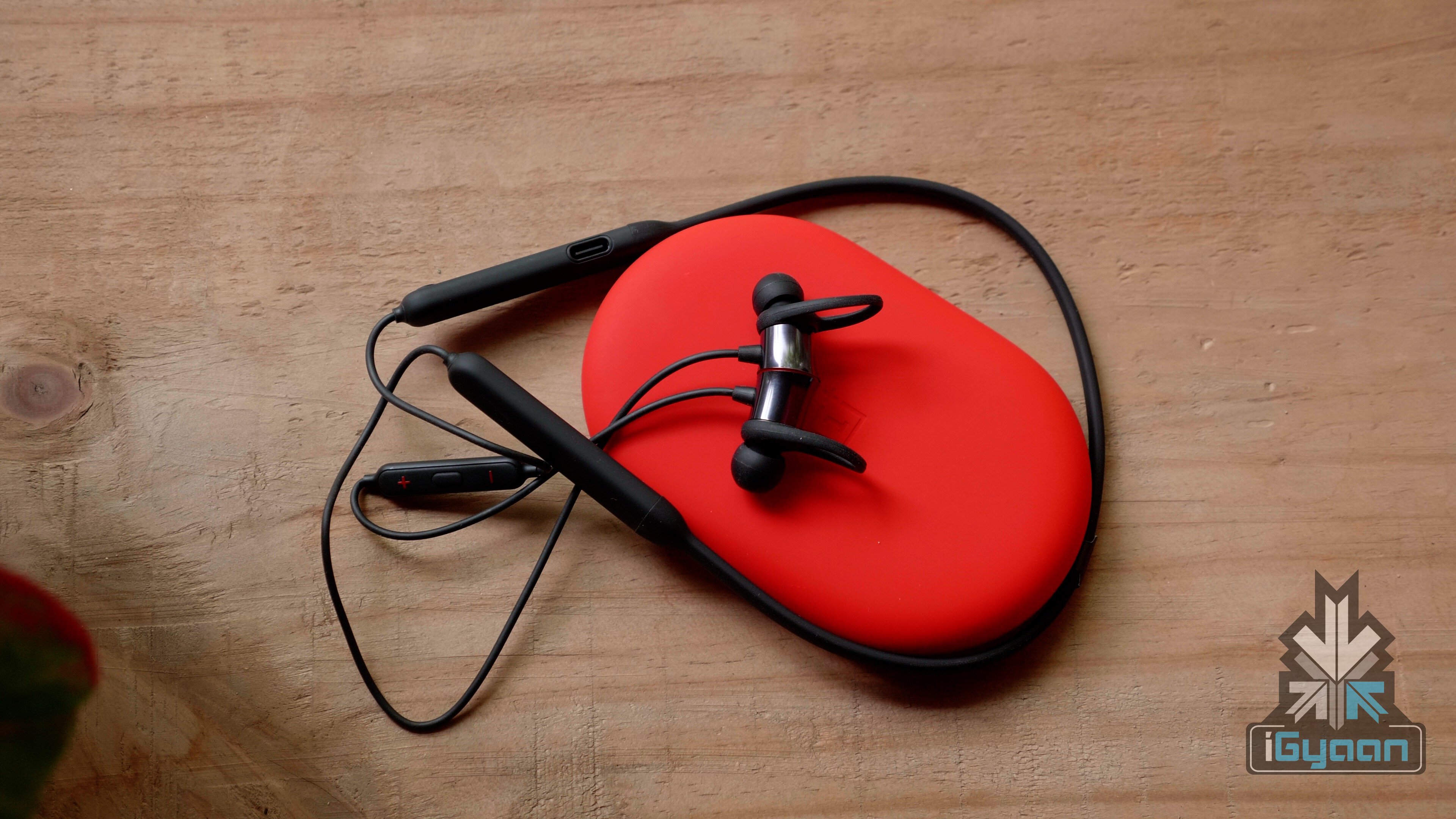
    The OnePlus Bullets Wireless earphones are not truly wireless earbuds like the AirPods. The left and the right earbuds are connected via a wire that goes around the user’s neck. Interestingly, the earbuds have fast charging, and can be charged using a type C cable. OnePlus claims that just 10 minutes of charge can provide up to 5 hours of battery life. The earbuds have a range of up to 10 meters and are powered by the Google Assistant. Just like the OnePlus 6, the OnePlus Bullets Wireless earbuds are splash resistant but, do not have an IP rating.

    The battery of earbuds rests on the neck and there is also an inline control for music and call-taking. OnePlus also announced that the earbuds are magnetic, and once connected together, the earbuds switch off automatically to save battery life. Interestingly enough, users can pick up incoming calls by simply detaching the earbuds. These features are backwards compatible with the OnePlus 5 and OnePlus 5T. Interestingly, this feature is disabled by default, however, users can head to Settings > Sound & vibration > Earphone mode and toggle Auto Play to enable it.

    Must Read: OnePlus Explains Why OnePlus 6 Doesn’t Have Wireless Technology

    The Bullets Wireless earbuds auto-pair with any modern OnePlus device but, Google’s Fast Pair is missing. Adding this little feature would have the made the experience of using the OnePlus Bullets Wireless seamless with non-OnePlus Android devices as well. However, OnePlus decided to give that feature a miss, probably to maintain some sort of exclusivity for its own smartphones.

    [section label=” Specifications”]

    Specifications
    Specifications OnePlus Bullets Wireless Earbuds
    Price Rs 3990
    Effective Range Up to 10 meters
    Battery  8 hours
    Talk time: 10.5 hours
    Driver 9.2mm
    Colours Black
  • ASUS Zenfone 5Z Could Be The Cheapest Flagship Smartphone In India

    ASUS Zenfone 5Z Could Be The Cheapest Flagship Smartphone In India

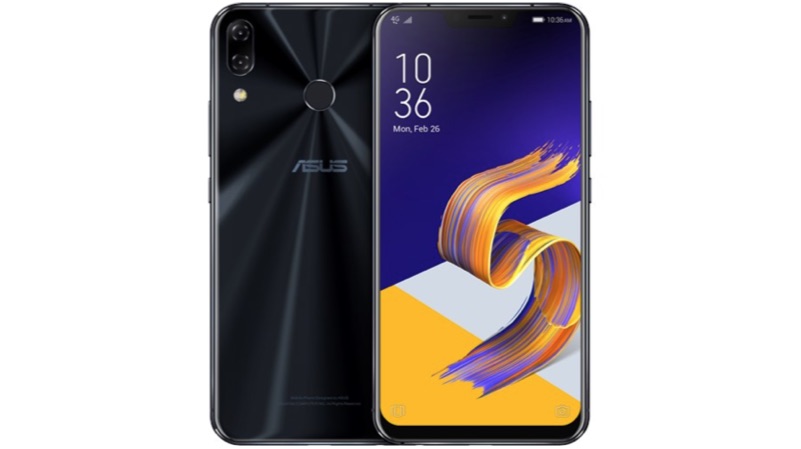
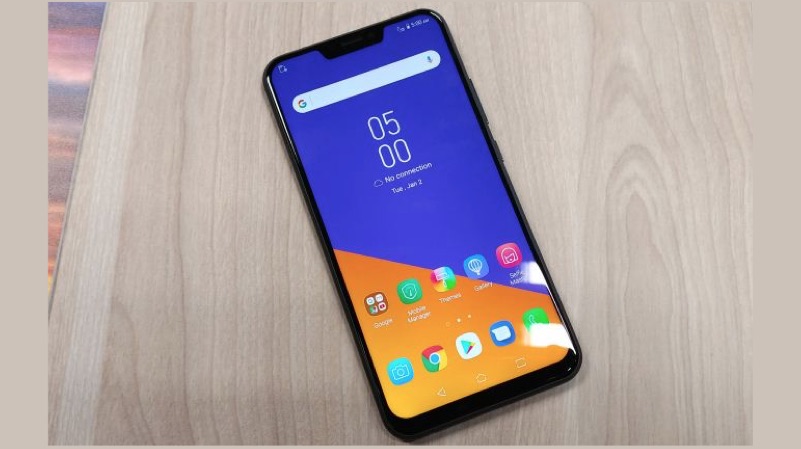
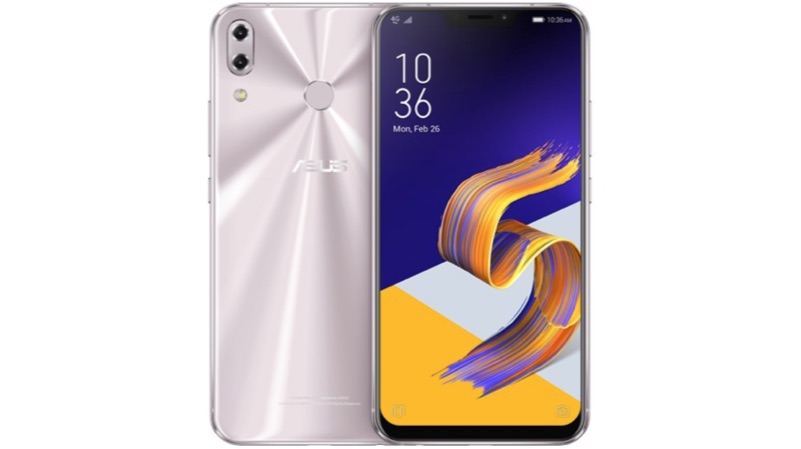
    At the Mobile World Congress 2018, we saw the shifting trend of the notch in Android smartphones. Vivo announced the truly bezel-less Vivo APEX concept phone and many other OEMs like Nokia launched a plethora of devices. ASUS as well announced a few interesting products and the Zenfone 5Z was one of them. With a very familiar notched display, the ASUS Zenf0ne 5Z runs on the Snapdragon 845 SoC and it could be the most affordable flagship device if and when it launches in India.

    The new flagship smartphone has gone on sale in France and Italy for 499 Euros (Rs 39785 approx.) for the 6GB RAM variant. While the currency conversion makes it more expensive than the OnePlus 6, it’s price in India (if launched) will be different. There is also an 8GB RAM variant which is priced at 599 Euros (Rs. 47,770 approx.). The OnePlus 6, for context, retails for 519 Euros (Rs 41,400 approx.) for the 6GB RAM variant.

    With the ASUS Zenfone Max Pro, the company proved that it has a refreshed strategy for the Indian market. The Zenfone Max Pro is very competitively priced especially compared to its Snapdragon 636-running counterpart Redmi Note 5 Pro. This means that the ASUS Zenfone 5Z could also be priced competitively in India, should the company decide to bring it here.

    The ASUS Zenfone 5Z has a 6.2 inch IPS LCD display with a 2280 x 1080 px resolution. The device has a 19:9 aspect ratio and a whopping 90% screen-to-body ratio, the same as the overblown Lenovo Z5.

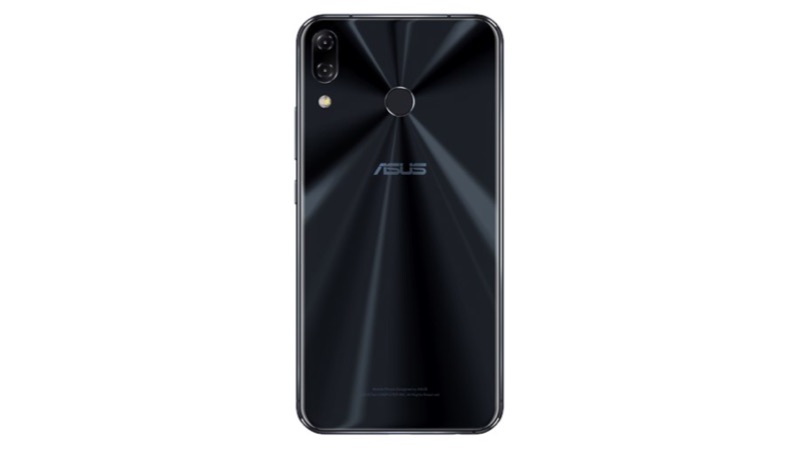
    Under the hood, the smartphone runs on the flagship Snapdragon 845 chipset. Coupled with this SoC is either 6GB or 8GB of RAM and either 128GB or 256GB of onboard storage. The back has the signature ASUS finish on a glass, which means the device an all-glass build with an aluminium frame. The fingerprint sensor is placed on the back of the smartphone.

    The smartphone has a dual primary camera stacked up vertically like the Apple iPhone X. The primary lens in the primary camera is a 12MP Sony IMX363 sensor with an f/1.8 aperture and an 83-degree field of view while the second lens is an 8MP sensor with a 120-degree field of view. For the front-facing camera, the phone uses an 8MP sensor with an 84-degree field of view. The primary and the front-facing cameras are optically stabilised using 3-axial optical image stabilisation method.

    On paper, the ASUS Zenfone 5Z is as good as the next affordable flagship smartphone. It is to be seen whether ASUS jumps the gun and launches the device in India before it’s too late. It’ll be interesting to see if Xiaomi ever launches the Mi 8 in India. The battle between the Mi 8, OnePlus 6 and Zenfone 5Z will be an interesting one and a great prospect for Indian consumers.

  • Xiaomi Redmi 6, Redmi 6A Running On MediaTek Chipsets Launched

    Xiaomi Redmi 6, Redmi 6A Running On MediaTek Chipsets Launched

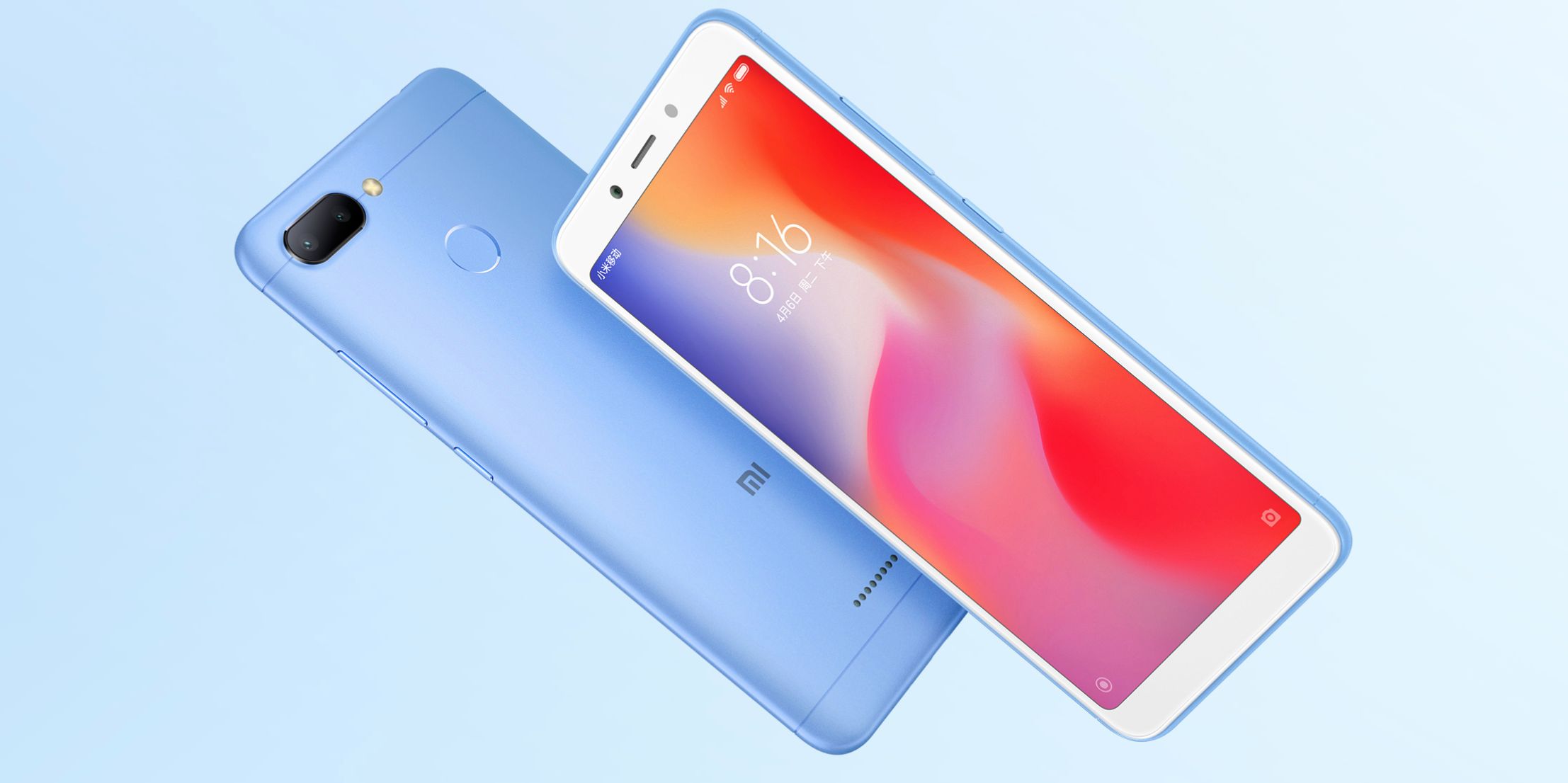
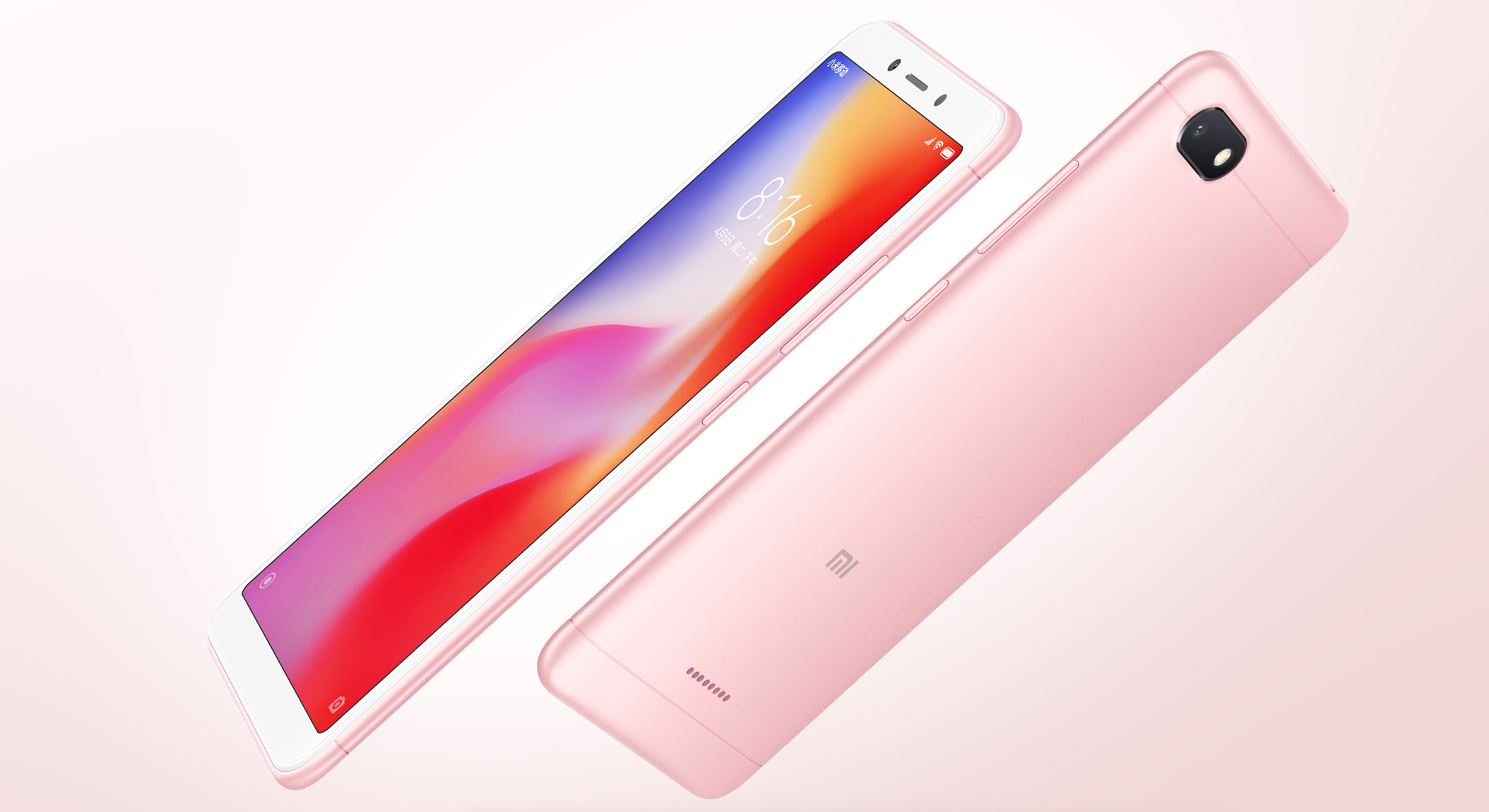
    Xiaomi has launched two new budget smartphones in China today. The Xiaomi Redmi 6 and Redmi 6A succeed the Redmi 5 and Redmi 5A which were launched in 2017. The Redmi 5 and Redmi 5A both have been launched in India at different times but, it’s unlikely that Xiaomi would launch the new budget devices in India. The Redmi 6A is priced at CNY 599 (Rs 6,500 approx.). The Redmi 6, on the other hand, will retail for CNY 799 (Rs 8,500 approx.) for the base model, and the higher end variant will cost CNY 999 (Rs 10,500 approx.).

    Both the Redmi 6 and Redmi 6A sport a 5.54 inch IPS display with a 1440 x 720 px resolution. It was rumoured that Xiaomi would launch a Redmi device with a notch but, that turned out to be a hoax. The smartphones have an 18:9 aspect ratio and it’ll be tough to find going forward that will have the age-old 16:9 aspect ratio.

    Under the hood, the Redmi 6 runs on the MediaTek Helio P22 chipset. The smartphone will be available in two configurations – one with 3GB and 32GB onboard storage and the other with 4GB RAM and 64GB onboard storage. The storage will be expandable up to 256GB via microSD card. The Redmi 6A, on the other hand, runs on the MediaTek Helio A22 SoC. The device will only be available in one variant with 2GB RAM and 16GB onboard storage.

    Powering both the smartphones is a 3000 mAh battery which charges via a Micro USB port. The fingerprint sensor is placed on the back of the Redmi 6 while the Redmi 6A misses out on one. For convenience, Xiaomi has also added Face Unlock, which is not as secure, but, is an easier way to unlock your phone.

    Another differentiating factor between the two smartphones in optics. To the back of the Redmi 6 is a 12MP sensor with an f/2.2 aperture paired with a 5MP sensor with an f/2.2 aperture. The Redmi 6A, meanwhile, has a single 13MP sensor with an f/2.2 aperture. Both the devices feature a 5MP front-facing camera with an f/2.2 aperture.

    The Xiaomi Redmi 6 and Redmi 6A are another entrants to China’s ever-growing budget segment. It seems unlikely that these devices will launch elsewhere.

  • Sony Announces The Last Of Us Part II, Marvels Spider-Man And More Games At E3

    Sony Announces The Last Of Us Part II, Marvels Spider-Man And More Games At E3

    The Electronic Entertainment Expo 2018 in ongoing in Los Angeles, California. After a massive Xbox press conference, the onus was on Sony to steal the spotlight. However, Sony did not announce 50 titles, instead, it had a rather short event and announced a few but, crucial titles for the Sony PlayStation. There were some follow-ups, some new titles but, no major announcements from the Japanese tech giant.

    The Last of Us II

    One of the most popular survival games, The Last Of Us gets a much-anticipated sequel. The Last Of Us II is gory, horrific, and spectacular. The gameplay trailer released by Sony showcases the advanced graphics that will surely grip any player. As was with the first one, we expect the Last of Us II to have a brilliant soundtrack as well.

    Death Stranding

    The 8-minute trailer of Death Stranding, developed by Kojima Productions has quite a few stars in it. In the trailer, you can see Norman Reedus, popular for his portrayal in The Walking Dead ripping off his toenail. The game is studded with stars like mads Mikkelsen who played Dr Hannibal Lecter in the famous TV series Hannibal. Guillermo Del Torro will also contribute his likeness to another character through facial and body scanning.

    Marvels Spider-Man

    We knew this announcement was coming and yet, there was a sense of excitement around it. After the roaring success of Avengers: Infinity War and the audience’s rekindled love for the friendly neighbourhood, the timing was perfect for the new Spider-Man game. The seven-minute-long trailer showcases the game’s most exciting aspect, web swinging. The trailer also shows some great actions scenes where the Spider-Man fights famous supervillains in the Marvel Universe. The game comes out in September which isn’t too far!

    Resident Evil 2

    In 2015, Capcom announced that it was remaking Resident Evil 2. Three years after that announcement, we finally have the first look at the gameplay of the new game. The game is already up for pre-order and goes on sale in January.

    Control

    https://youtu.be/euBPEYR1HSo

    This is a very interesting game from Remedy. The creators are known for being the brains behind popular titles like Quantum Break and Alan Wake. The gameplay trailer has a few interesting time-control combats. The visuals are trippy and the concept is very cool.

    Sony has announced a few interesting titles here. They’re not close to the quantity of Microfost’s but, the buzz around these titles will be great. Which title are you looking forward to?


  • BlackBerry KEY2 To Launch In India Soon As KEYone Receives A Price Cut

    BlackBerry KEY2 To Launch In India Soon As KEYone Receives A Price Cut

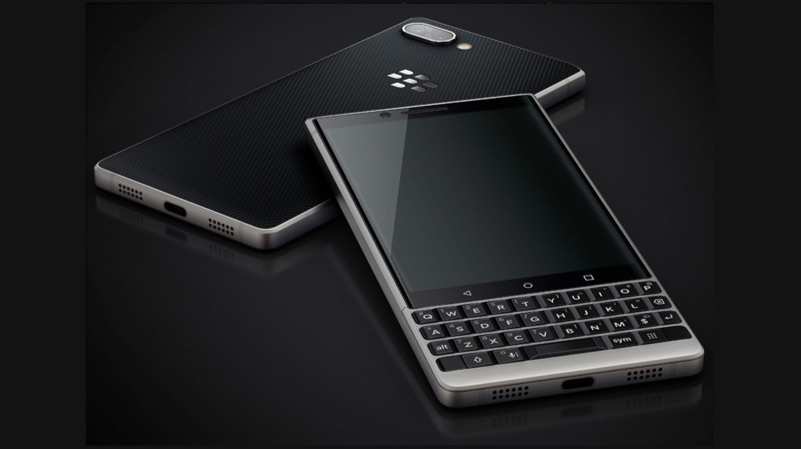
    BlackBerry, the once colossal mobile maker has found it difficult in the past few years. The company has stuck to its guns in certain aspects and is slowly carving out a niche audience for its Android-powered smartphones. The latest in its portfolio is the BlackBerry KEY2 which was launched on June 7th. It now appears that the device could soon launch in India as the BlackBerry KEYone received a price cut.

    Launched in India in August 2017 at a price of Rs 39999, the KEYone was a unique offering. The smartphone is now retailing for Rs 33975 after receiving a price cut of Rs 6024. This usually hints at the launch of a successor and considering the KEY2 was recently launched, it’s not that big a leap. The company has stuck to a similar design and should attract users who crave a physical keyboard.

    KEY2

    [amazon_link asins=’B073ZLLVQ9′ template=’ProductAd’ store=’igyaan-21′ marketplace=’IN’ link_id=’57010157-6e07-11e8-a777-3755840a087f’]

    The BlackBerry KEY2 is priced at US$ 649 (Rs 43700 approx.) for the base model. This suggests that the smartphone could launch in India at the same price as the KEYone. At Rs 39999, users in India will have an option to buy the OnePlus 6 (8GB RAM model) while the KEY2 runs on the Snapdragon 660 chipset.

    The BlackBerry KEY2 has a 4.5 inch IPS LCD display with a 1620 x 1080 px resolution. The 3:2 aspect ratio is mainly because the smartphone will have a physical keyboard making it a large device to hold. The bezels aren’t very thin either and it retains the three touch capacitive buttons from the KEYone.

    The SoC is coupled with 6GB of RAM and either 64GB or 128GB of onboard storage. The storage is expandable up to 256GB using a microSD card. The fingerprint sensor is housed inside the space bar just like its predecessor. Powering the smartphone is a 3500 mAh battery with support for Qualcomm QuickCharge 3.0. The headphone jack is present as well, which has become a rare sight in 2018.

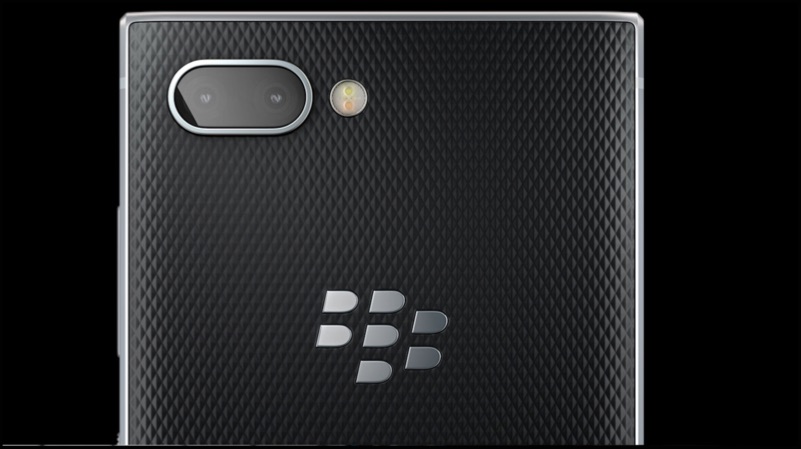
    The dual-camera setup on the back consists of a 12MP primary sensor with an f/1.8 aperture. The secondary sensor is a 12MP sensor with an f/2.6 aperture. The smartphone has an 8MP front-facing camera with the display acting as a flash for low-light selfies. The dual camera at the back can record 4K videos at 30fps while the front camera will record 1080P videos.

    There is no official confirmation about the launch of the BlackBerry KEY2 in India as of now. However, with a significant price cut to the KEYone, we expect the new device to launch in India soon.

  • Nokia X6 Could Soon Launch In India, Global Variant Gets NCC Certification

    Nokia X6 Could Soon Launch In India, Global Variant Gets NCC Certification

    It is hard to fathom that the company is still launching new devices regularly after it unveiled five new smartphones at MWC 2018. The Nokia X6 is one of the new ones. The Nokia X6 is also hands down one of the most exciting smartphones launched by HMD Global this year. It was launched in China last month and is expected to make its global debut soon. That debut might be closer than we thought as a global variant of the budget device has passed through NCC in Taiwan.

    NCC is similar to China’s TENNA. Every electronic device to launch in Taiwan has to be certified by NCC first. A new report by DealnTech claims that HMD Global plans on launching the X6 first in Taiwan (apart from China, of course). Taiwan is expected to be one of the many countries where HMD Global will launch its new budget smartphone.

    The company will take heart from the fact that the Nokia X6 has been well-received in China. The world’s largest smartphone market does not have a dearth of options in price category with companies like Xiaomi, Huawei continuously launching China-exclusive devices. The Snapdragon 636-powered Nokia X6 has gained a lot of popularity in the country and HMD Global would like to replicate similar success in countries like India.

    India, just like China, also has a very congested budget smartphone category. In fact, the Redmi Note 5 Pro and Asus Zenfone Max Pro, two popular budget smartphones in India are also powered by the Snapdragon 636 SoC. This means that the Nokia X6 will have to be priced very competitively to stand any chance in India. It has an all-glass build which, on paper, looks better than the aluminium unibody design of the Redmi Note 5 Pro and Asus Zenfone Max Pro.

    [amazon_link asins=’B077PWJP92′ template=’ProductAd’ store=’igyaan-21′ marketplace=’IN’ link_id=’aacb5ead-6e00-11e8-8b66-bf00c0148e28′]

    The notched budget device from HMD Global has a 5.8 inch TFT display with a 2280 x 1080 px resolution. The smartphone runs on the Qualcomm Snapdragon 636 chipset along with either 4GB or 6GB of RAM coupled with either 32GB or 64Gb of onboard storage. The onboard storage will be expandable via microSD card. The fingerprint sensor is placed on the back which has a glossy finish thanks to an all-glass design.

    Powering the device is a 3060 mAh battery which charges via a USB C port. Out of the box, the Nokia X6 will run stock-ish Android 8.1 Oreo with little customisations done by HMD Global. The back has a 16MP primary sensor along with a 5MP secondary sensor. The dual-camera setup will be able to take portrait shots, a feature that has become very popular recently. The front houses as a 16MP camera with an f/2.0 aperture.

    The Nokia X6, if priced close to Rs 15000 to 16000, should be a great contender. However, HMD Global has missed the mark with its pricing in India so far.

  • Moto G6 Full Review

    Moto G6 Full Review

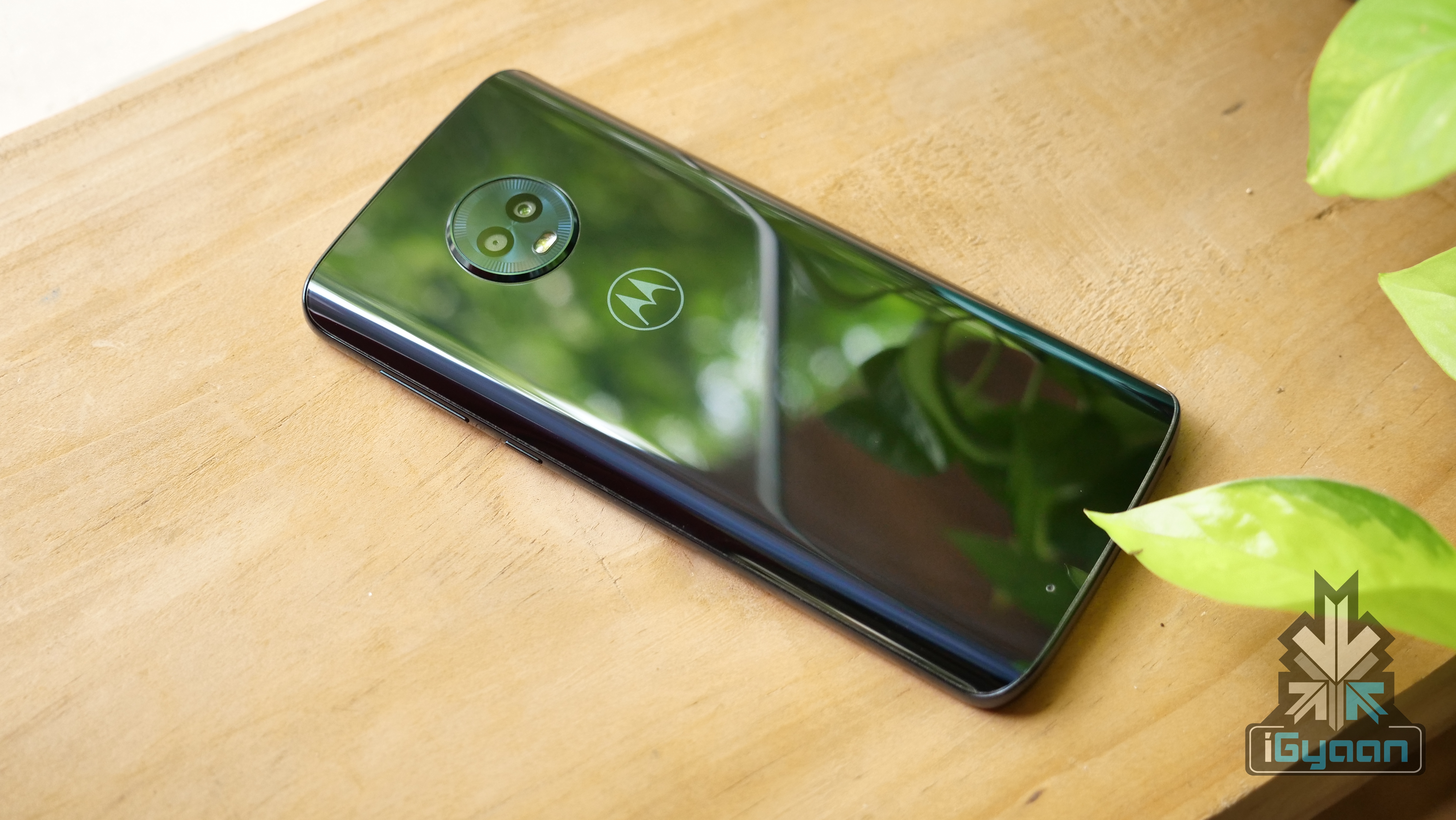
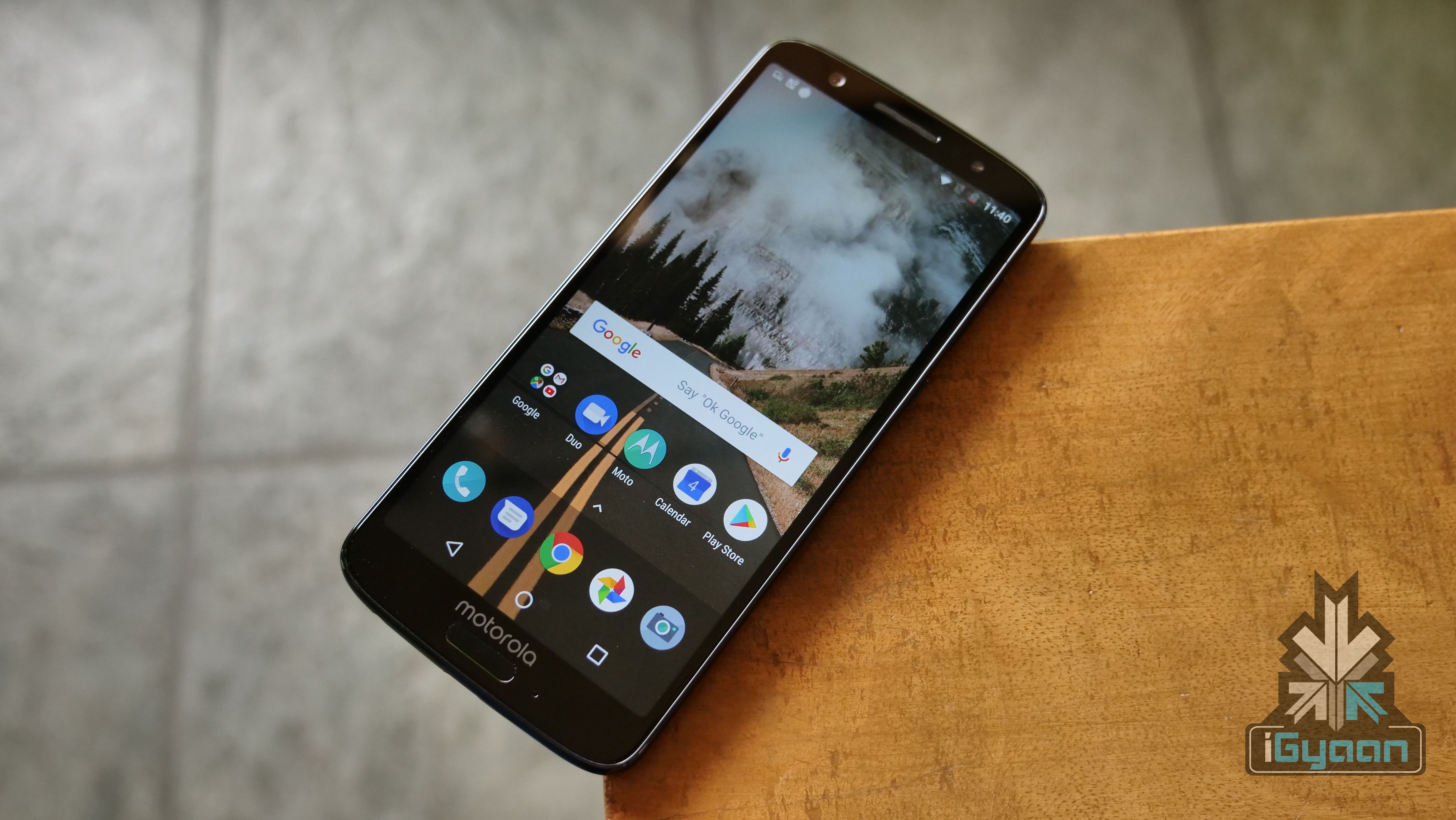
    The sixth generation of Motorola’s highly acclaimed Moto G series has launched in India. The Moto G6, initially launched back on Apilr 19th in Brazil has made its way to India for a starting price of Rs 13999. The Moto G6 is the successor to the Moto G5s which was launched in August 2017 and it will go on sale via Amazon exclusively.

    Buy The Moto G6 Here

    The Moto G6 is a significant upgrade over the Moto G5s in terms of design and build quality. During the Moto G5s launch, there were premium smartphones with the 18:9 aspect ratio but, not many budget devices had adopted the feature. Since then, however, the 18:9 aspect ratio has become the norm across the board. The Moto G6 follows the norm as well and has thin bezels around the display with an 18:9 aspect ratio.


  • Unboxing The HTC Desire 12, Desire 12+

    Unboxing The HTC Desire 12, Desire 12+

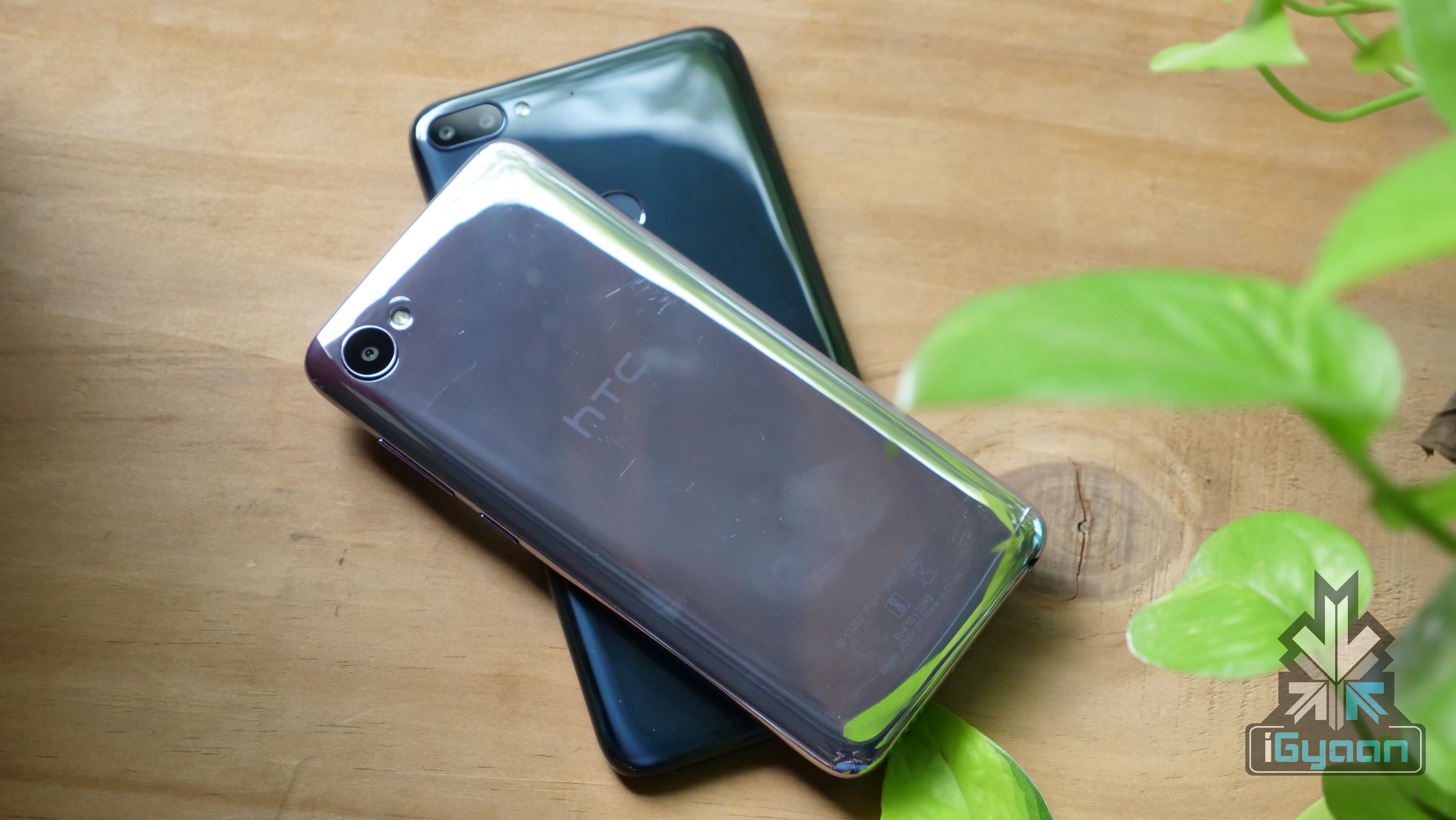
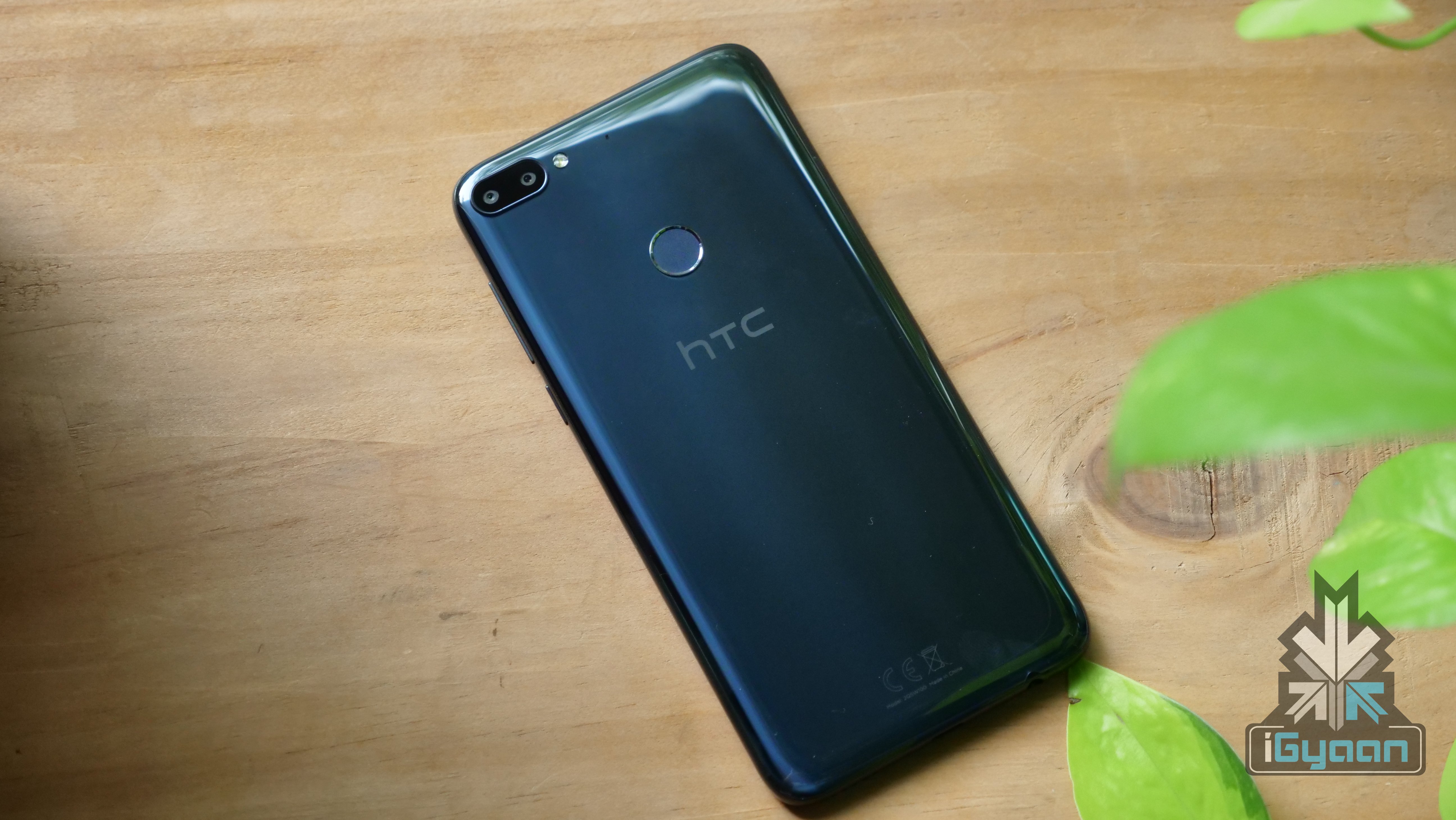
    HTC launched two new budget smartphones in India this month. The HTC Desire 12 and Desire 12+ were launched in the sub-20K category where the Indian market already has devices like the Huawei P20 Lite and Redmi Note 5 Pro. The Desire 12+ is also the first budget HTC smartphone to sport a dual-camera setup on the back.

    The HTC Desire 12 is priced at Rs 15800 while the Desire 12+ will retail for Rs 19790. Pre-order will be done exclusively on HTC India E-Store. Both the smartphones are available in retail since the 11th of June. With the competition quite steep, can the two HTC smartphones hold their own? Let’s unbox the two devices first and do a quick one-over before we dive deep into a review.

    [section label=”Unboxing”]

    Inside The Box Of HTC Desire 12, Desire 12+
    • HTC Desire 12/Desire 12+
    • Documentation
    • Wall Charger
    • Micro USB Cable
    • Earphones

    [section label=”Initial Impressions”]

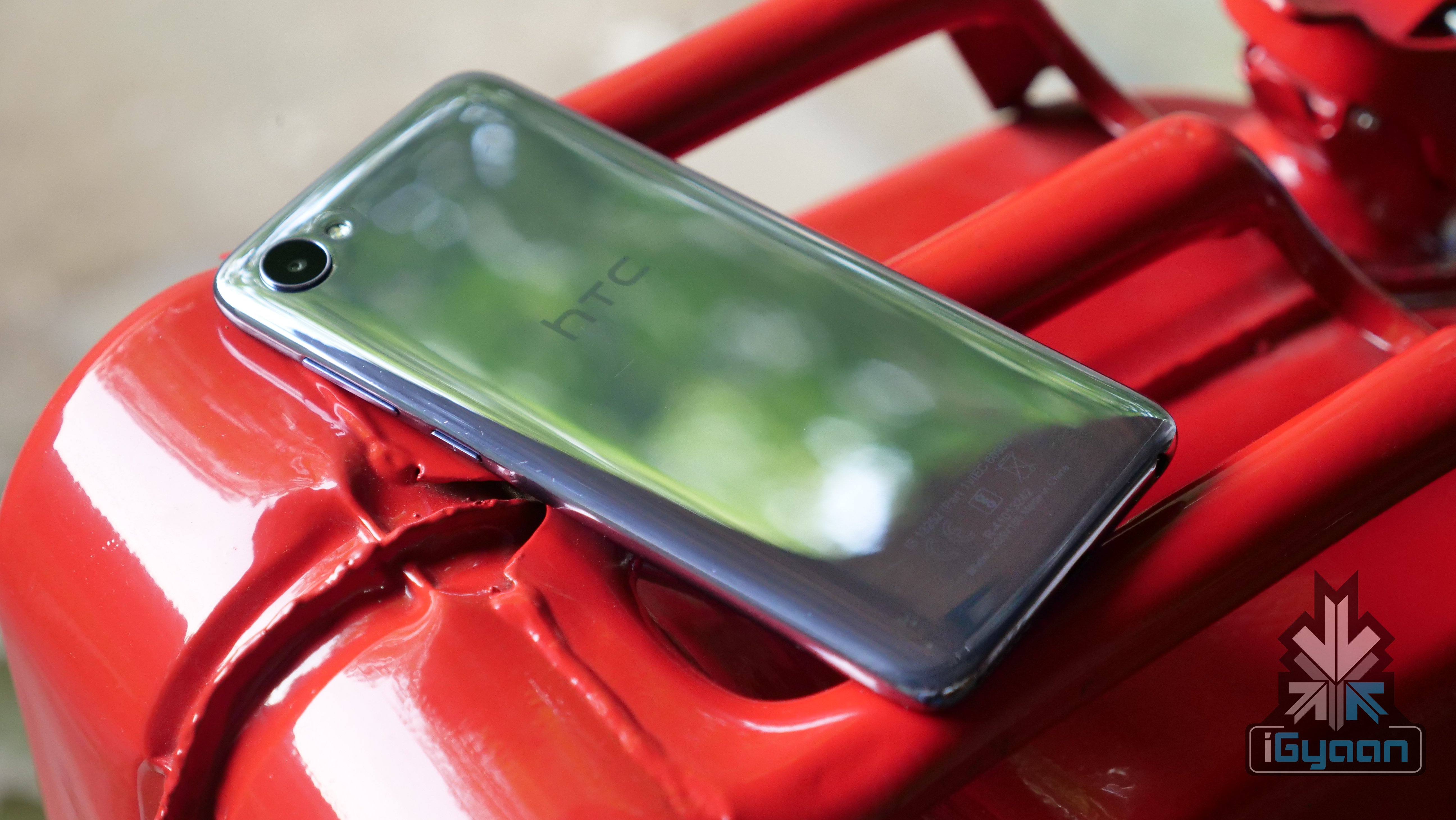
    The moment you hold the two devices you feel that they’re built well. The Desire 12 and Desire 12+ have an all-glass design which is on par with devices like the Huawei P20 Lite. The Desire 12 has a way more glossy finish on the back which is almost like a mirror. The finish on the Desire 12+ is a tad more subtle and at the end of the day, preferences are subjective.

    Both the smartphones sport a shoddy HD+ resolution which was bad even in 2016, let alone 2018. We already have devices like the Realme 1 or Zenfone Max Pro which cost way less and have a FullHD+ resolution. The fingerprint sensor on the Desire 12+ is placed on the back in a central position which is ergonomic. At a price of Rs 15800, the Desire 12 does not even have a fingerprint sensor.

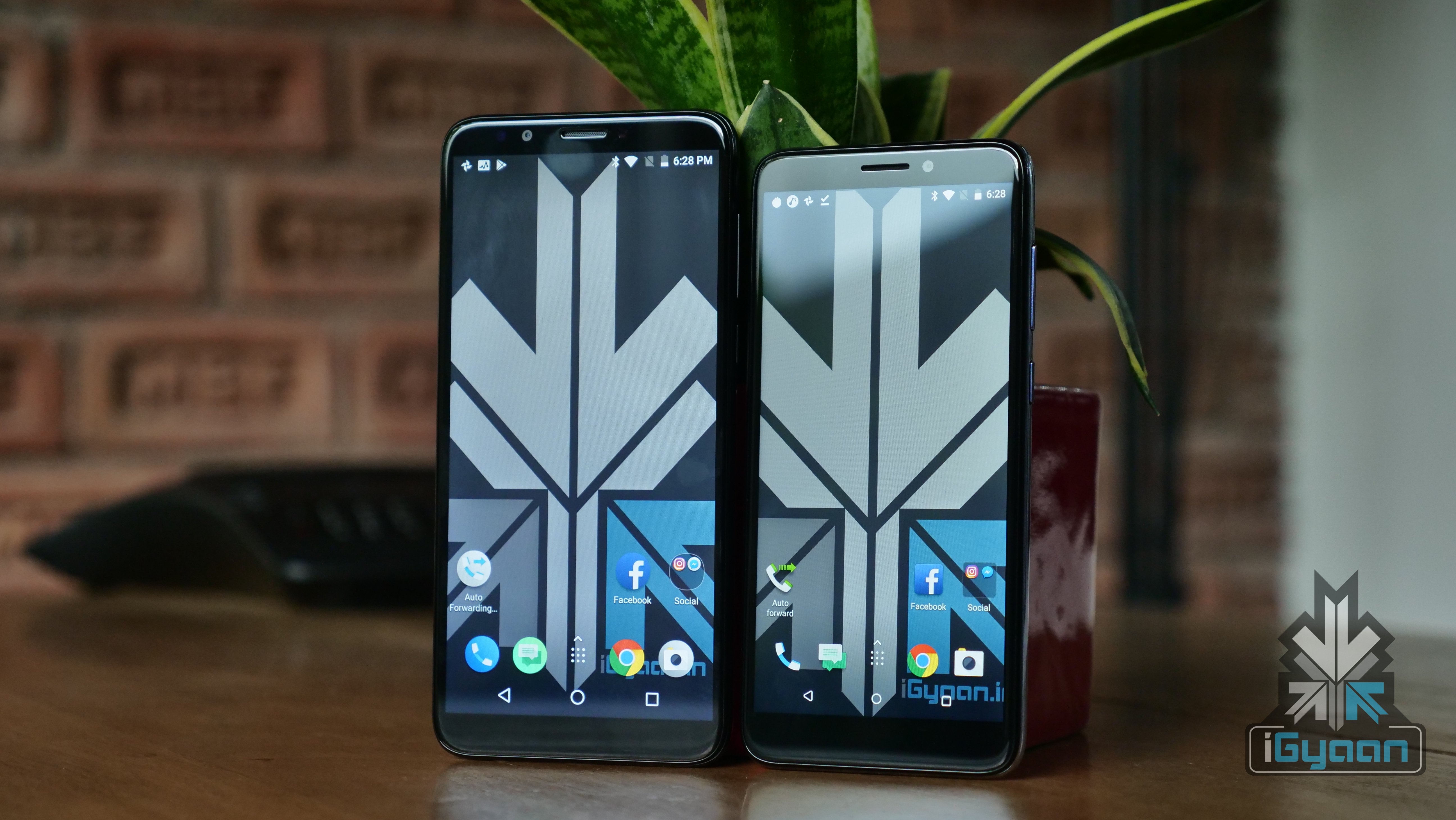
    The HTC Desire 12+ has a 6 inch IPS LCD display with a 1440 x 720 px resolution. This translates into an 18:9 aspect ratio and is the first budget smartphone from HTC to adopt the new aspect ratio.

    Under the hood, the device has the Qualcomm Snapdragon 450 octa-core chipset with 3GB RAM and 32GB storage. The storage is user expandable up to 2TB using a micro SD card. It is worth noting that the Redmi Note 5 Pro, priced at Rs 14999 in India, runs on the Snapdragon 636 chipset while the Huawei P20 Lite is powered by the Kirin 659 SoC. The fingerprint sensor is placed on the back of the device due to thin bezels.

    HTC Desire 12+

    Powering the smartphone is a 2965 mAh battery which charges via a micro USB port. It runs Android 8 Oreo out of the box with HTC SenseUI on top. The custom skin from HTC has bettered over the years and allows a ton of customisation options to the users.

    The smartphone has a dual primary camera setup with a 13MP RGB sensor and a 2MP depth sensor. To the front, the device has an 8MP front-facing camera. Both the camera units can record videos at up to 1080p at 30fps. Before the HTC U12+ was launched, this was the only HTC smartphone with a dual-camera available in the market.

    The HTC Desire 12 is a miniature version of the Desire 12+ with a few other changes. Unlike the ‘Plus’ variant, the Desire 12 misses out on a fingerprint sensor and dual camera setup. The HTC Desire 12 has a 5.5 inch IPS LCD display with a 1440 x 720 px resolution. Under the hood, it runs on the MediaTek 6739 Quad-core chipset with 3GB RAM and 32GB storage. Similarly, the storage is user expandable up to 400GB using a micro SD card.

    Powering the smartphone is a 2730 mAh battery which charges via a micro USB port. It runs Android 8 Oreo out of the box with HTC SenseUI on top. The smartphone has a 13MP primary camera but misses out on the depth sensor. The front houses a 5MP camera with an f/2.4 aperture that records 720P videos at 30fps.

    The HTC Desire 12 and Desire 12+ needed to be priced under Rs 10000 to have any sort of hope in the Indian market. A majority of Indian consumers have grown out of brand consciousness and really want a good device for their money. The HTC devices falter on paper, but, only an in-depth review will give us the full picture. Stay tuned for that!

  • Top Tech: 10 Tech Accessories Under Rs 2000

    Top Tech: 10 Tech Accessories Under Rs 2000

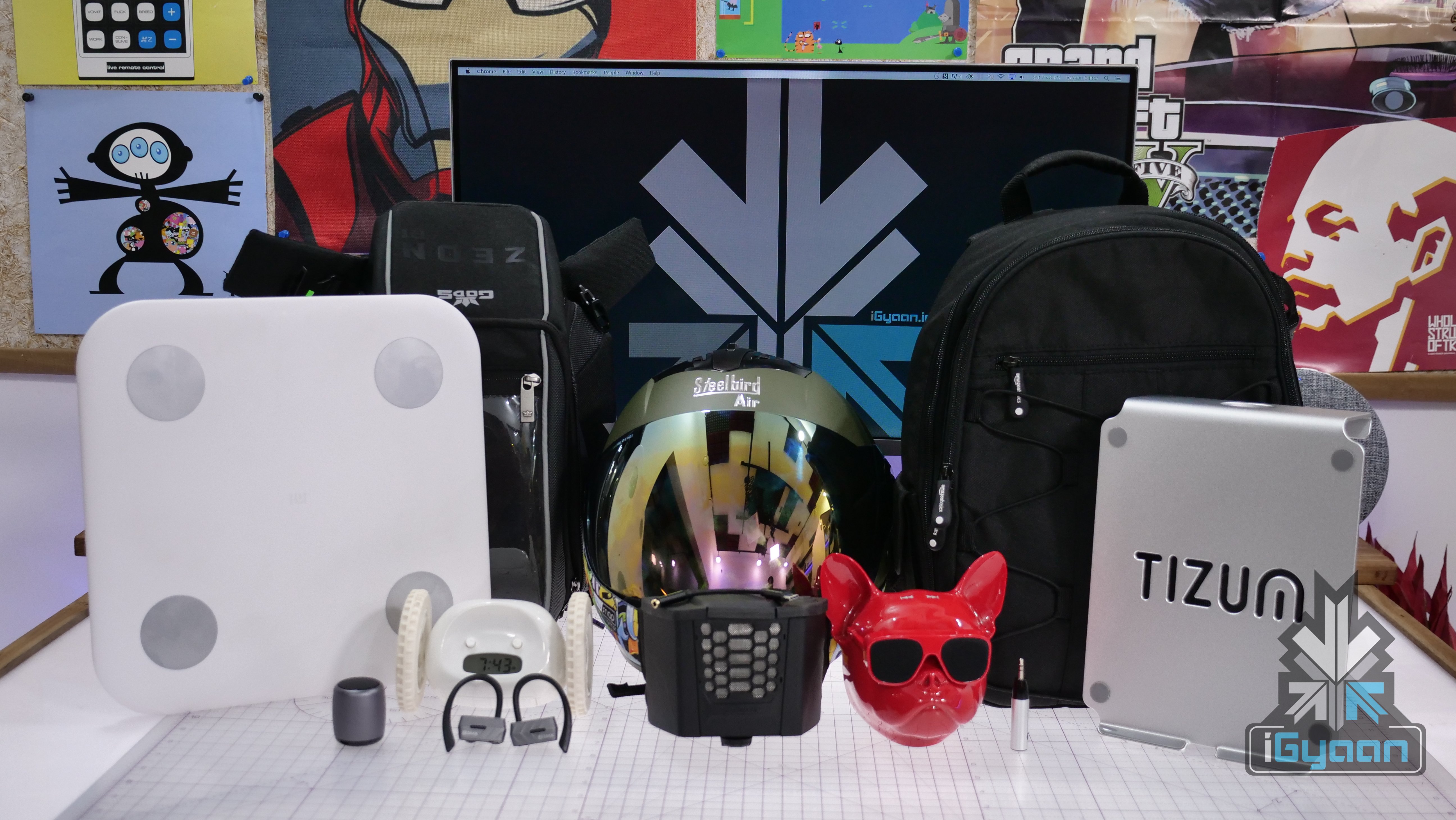
    There is no end to Amazon’s “tech listing” page. There are a ton of tech gadgets that don’t cost a lot but, can be useful. Then there is stuff that barely works is a sure shot way to disappointment. So, instead of going through thousands of products, it’s better to just watch iGyaan’s pick of the top tech and accessories under Rs 2000 which won’t disappoint you!

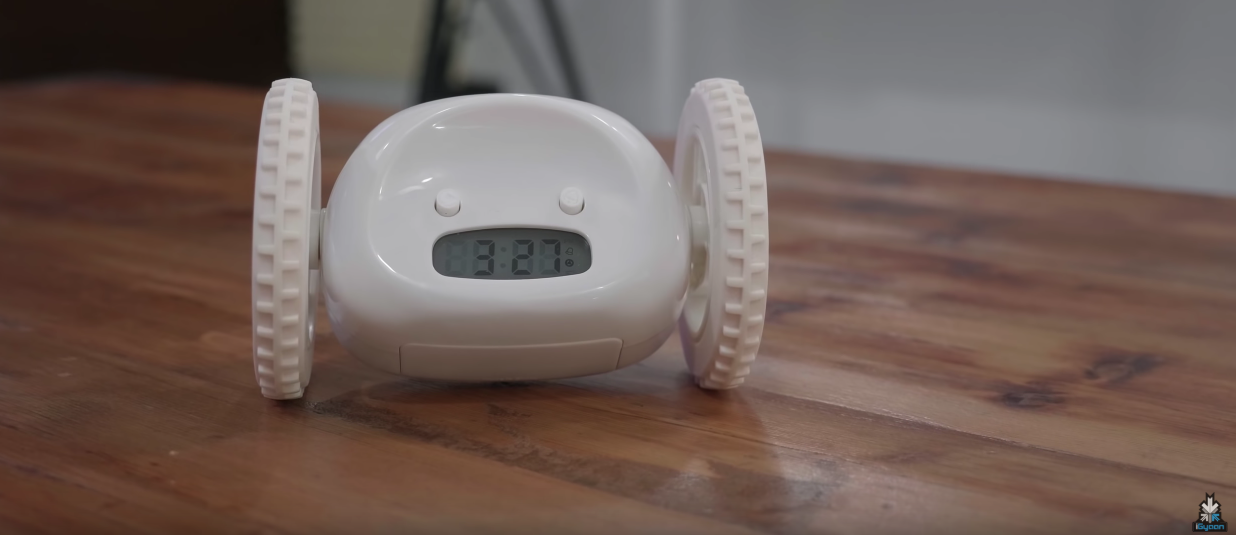
    Running Alarm Clock

    This one is for everyone who’s favourite button is “snooze.” This alarm clock doesn’t have any fancy technology but, does one thing pretty well. If you’re not quick enough in the morning to shut the alarm, this clock starts moving and more often than not, it’ll run away from you and even fall off the table and keep moving away. This essentially means that you have to get out of bed to shut the alarm hence, you’re up.

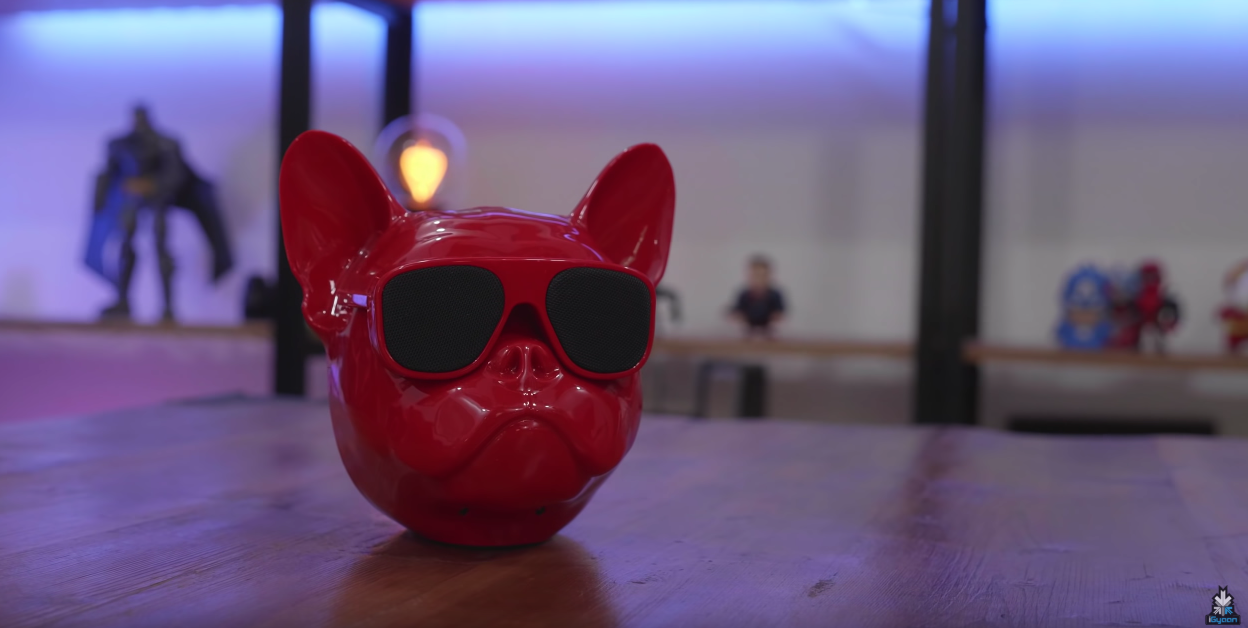
    Bulldog Speaker

    This quirky desk accessory has a powerful speaker built-in. It’s a Bluetooth speaker at its core but, has the looks of being a very handy accessory in a desk setup. The bulldog speaker is available in a plethora of colours on Amazon but, we picked up the red one. The device charges via micro USB port and also an AUX input. Buy this if you’re looking for an accessory that does more than just looking pretty.

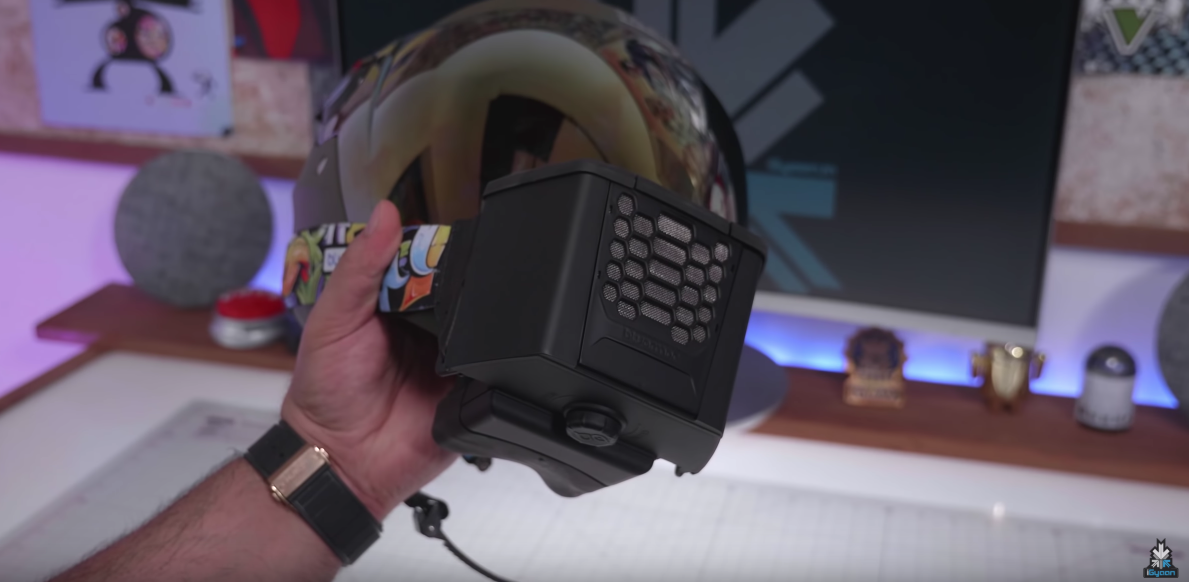
    Helmet Cooler

    This one might be the best accessory for a rider. Summers can be tough on everyone but, especially if you are a bike rider. Wearing a helmet at all times can be suffocating and extremely hot inside. This clever tech accessory from Bluarmor is a cooler for helmets. It constantly lets in air to keep riders from feeling claustrophobic. While it retails for Rs 2299, for Team iGyaan especially, it is available for Rs 1999 for a limited time. Use the code GYAAN300 at the time of checkout.

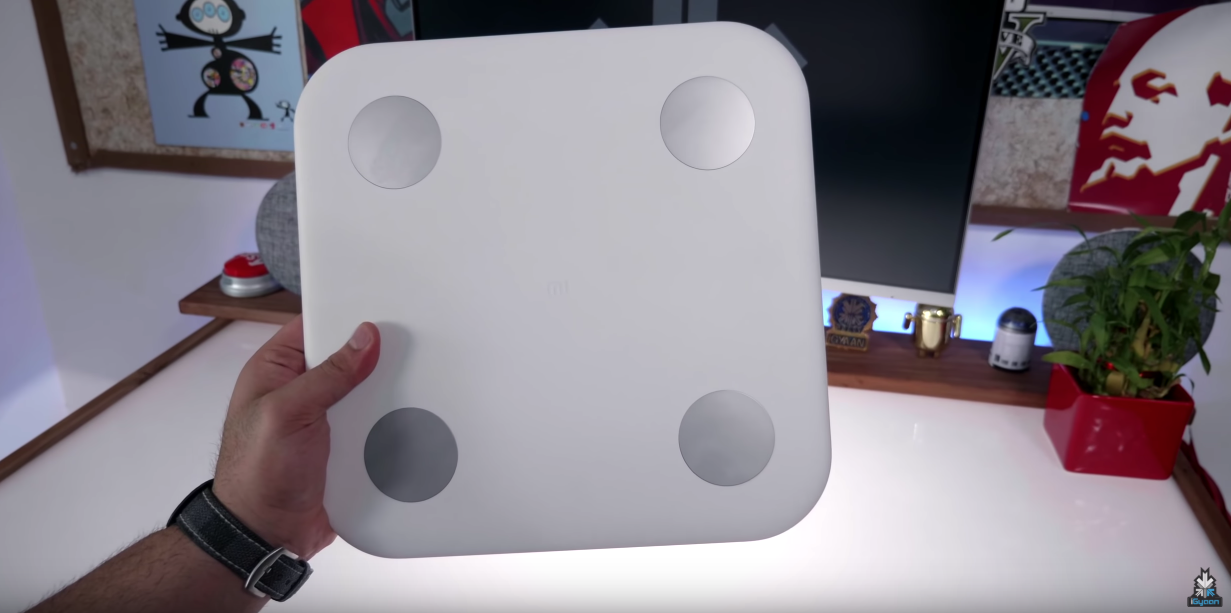
    Mi Body Composition Scale

    Priced at Rs 1999, this body composition scale from Xiaomi is a must-have for fitness enthusiasts. Even those watching their weight and or suffering from a disease that makes them keep a check on their weight should have this tech accessory. It connects to your smartphone using the Mi Fit app and tells you more than just your weight. It has a white LED which lights up three seconds after someone stands on the scale. It shows muscle mass, BMI, visceral fat, bone mass, body score, body fat, weight, basal metabolism, water content, and more.

    Buy the Mi Body Composition Scale here

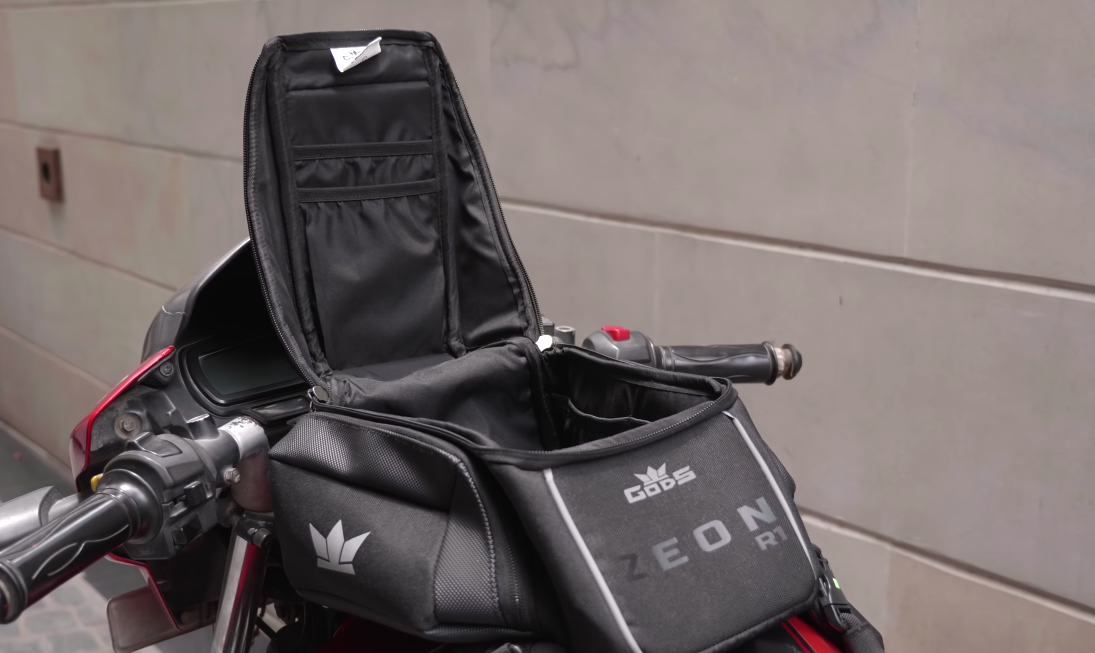
    RoadGod Zeon R1 Bag:

    Another one for the riders! This bag is ideal for daily commuters or even people who like taking out their bikes for expeditions. It fits on to a bike’s fuel tank and gives users easy access to their smartphones. Now, it is very dangerous to use your phones while riding and we condone it. However, this can come in handy when you have Google Maps or Apple Maps (if you use that) on. It is even possible to use the phone while it is in the front pocket.

    Crossbeats Connect

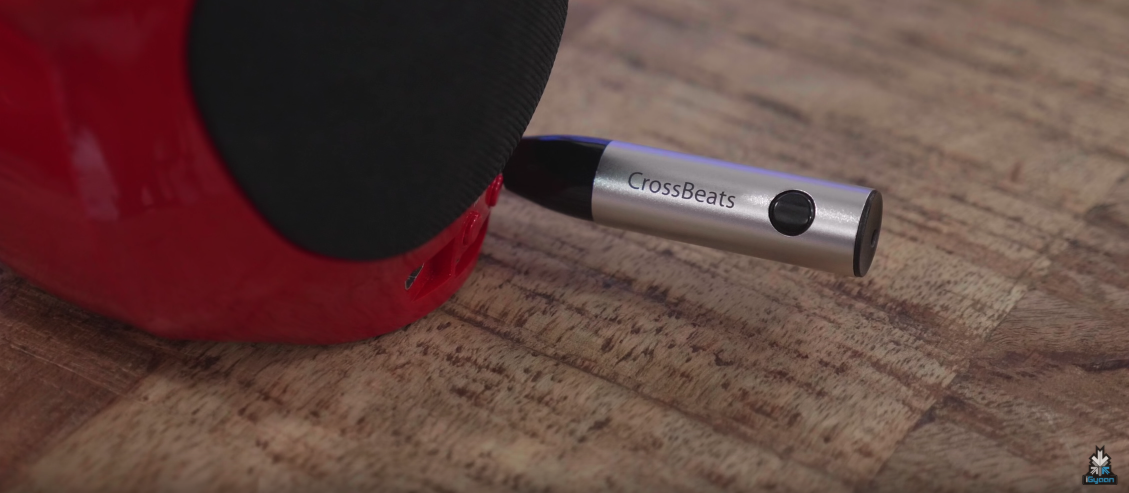
    It is fair to say that not everyone has a Bluetooth speaker. A lot of people still use wired speakers and even have car stereo systems that aren’t Bluetooth enabled. This is where the Crossbeats Connect comes in handy. This Bluetooth receiver plugs into a 3.5mm port and converts a music system into Bluetooth music system. It is as easy as plug-and-play.

    Tizum Laptop Stand

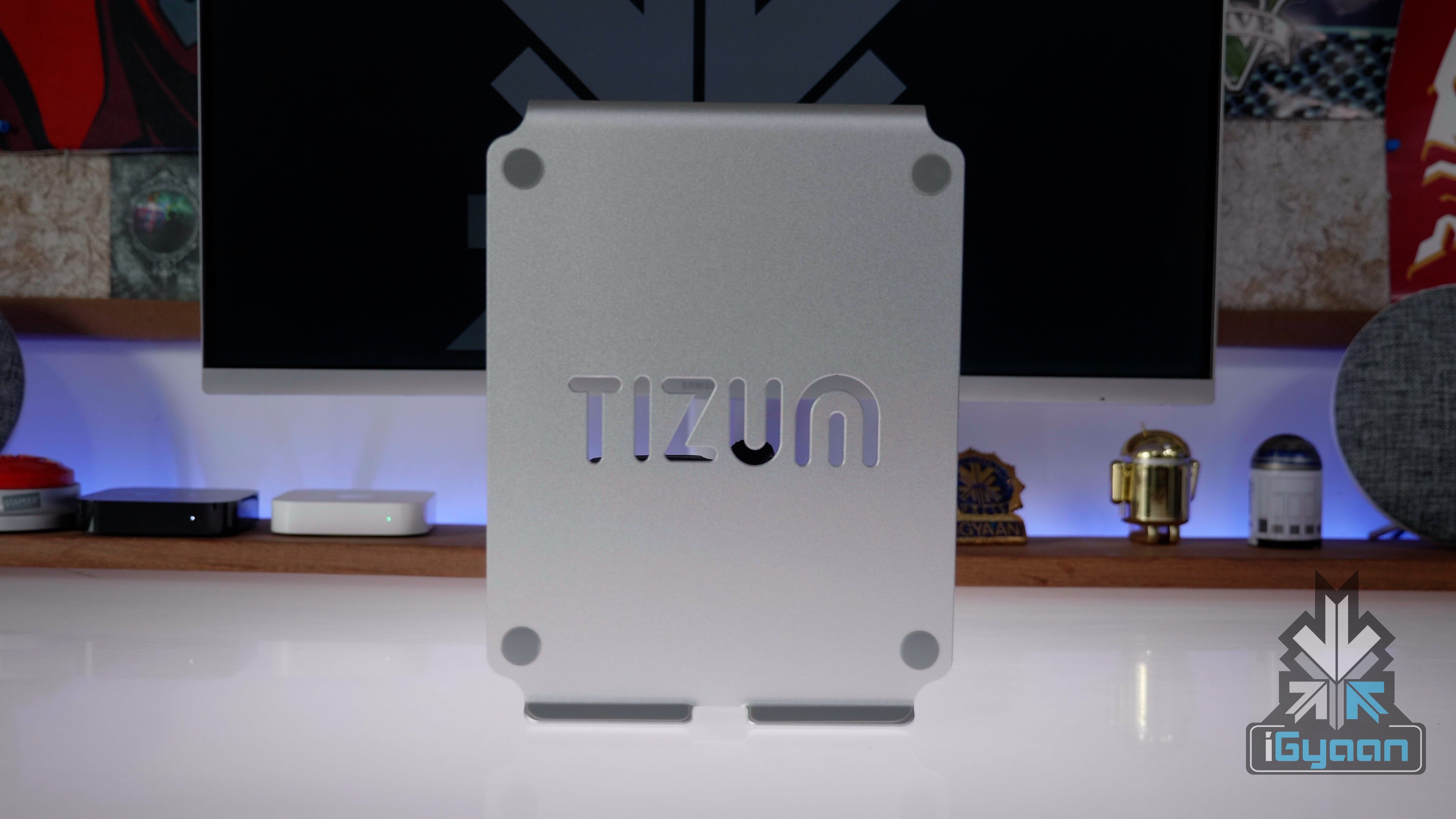
    This laptop stand from Tizum is sturdy and good-looking. The stand gives a nice elevation to the laptop which can make it easier to work on for long hours. The stand is large enough to fit any sort of laptop without making it wobble. A must-have accessory for people who spend long hours typing on their laptop.

    Moarmouz Headphone Adapter with DAC

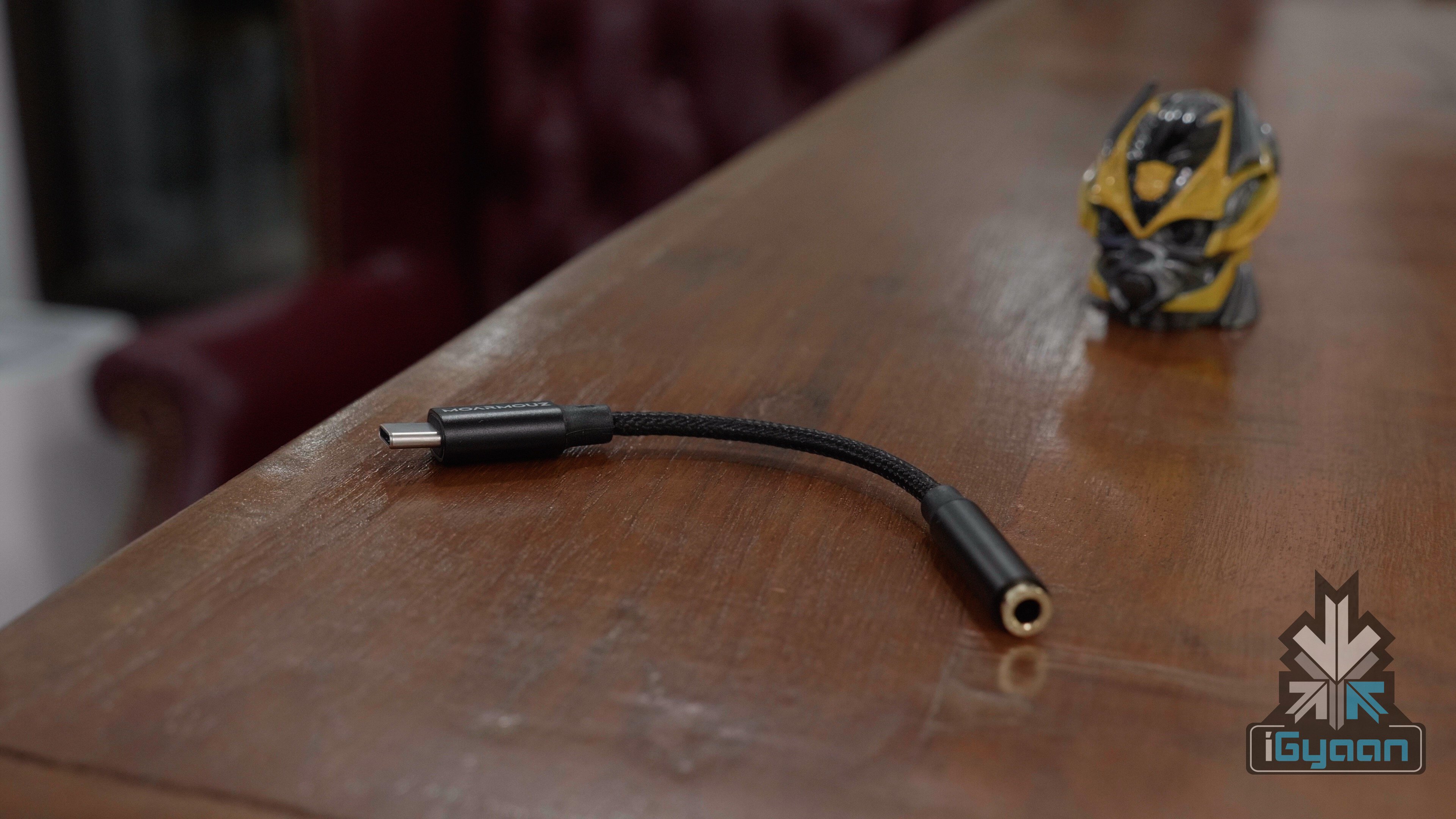
    The beloved headphone jack is being phased out. It’s a harsh reality that we have to face and we honestly can’t do much about it. Other than, of course equip ourselves with the right accessories to continue using our wired headphones. This is where this headphone jack adapter with a DAC comes into play. Unlike cheap adapters, this one will enhance the sound quality and allow you to still use your wired headphones if your new and shiny smartphone does not have the headphone jack.

    AmazonBasics Camera Bag

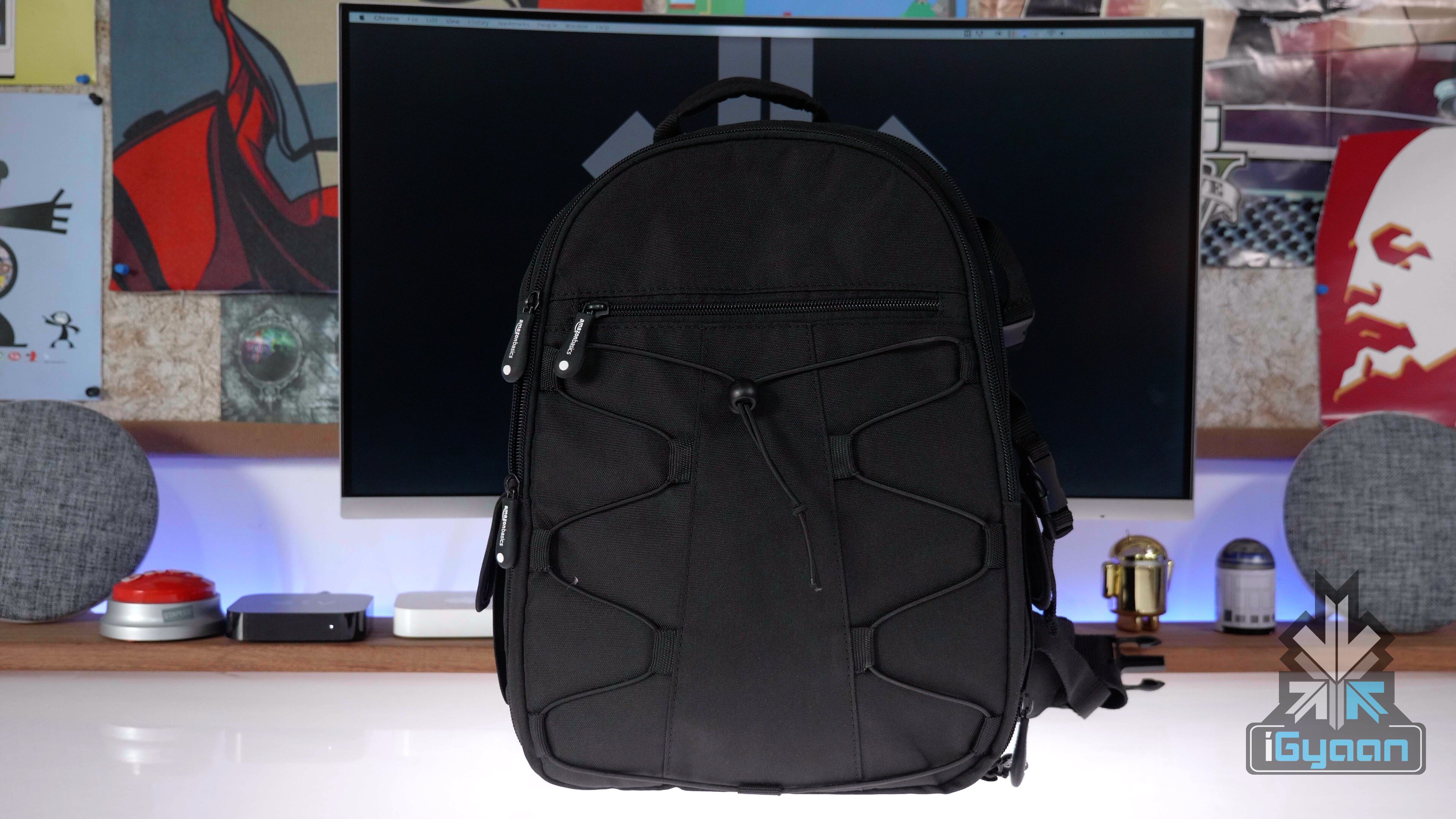
    Every video content creator needs a travel bag for their tools. This bag from AmazonBasics holds and protects 2 smaller SLR camera bodies, 3-4 lenses, and additional small accessories. For a short shoot just outside the city where you don’t need to carry your heavy-duty accessories, this Rs 1999 priced bag from AmazonBasics is the right fit.

    ZAKK Twins


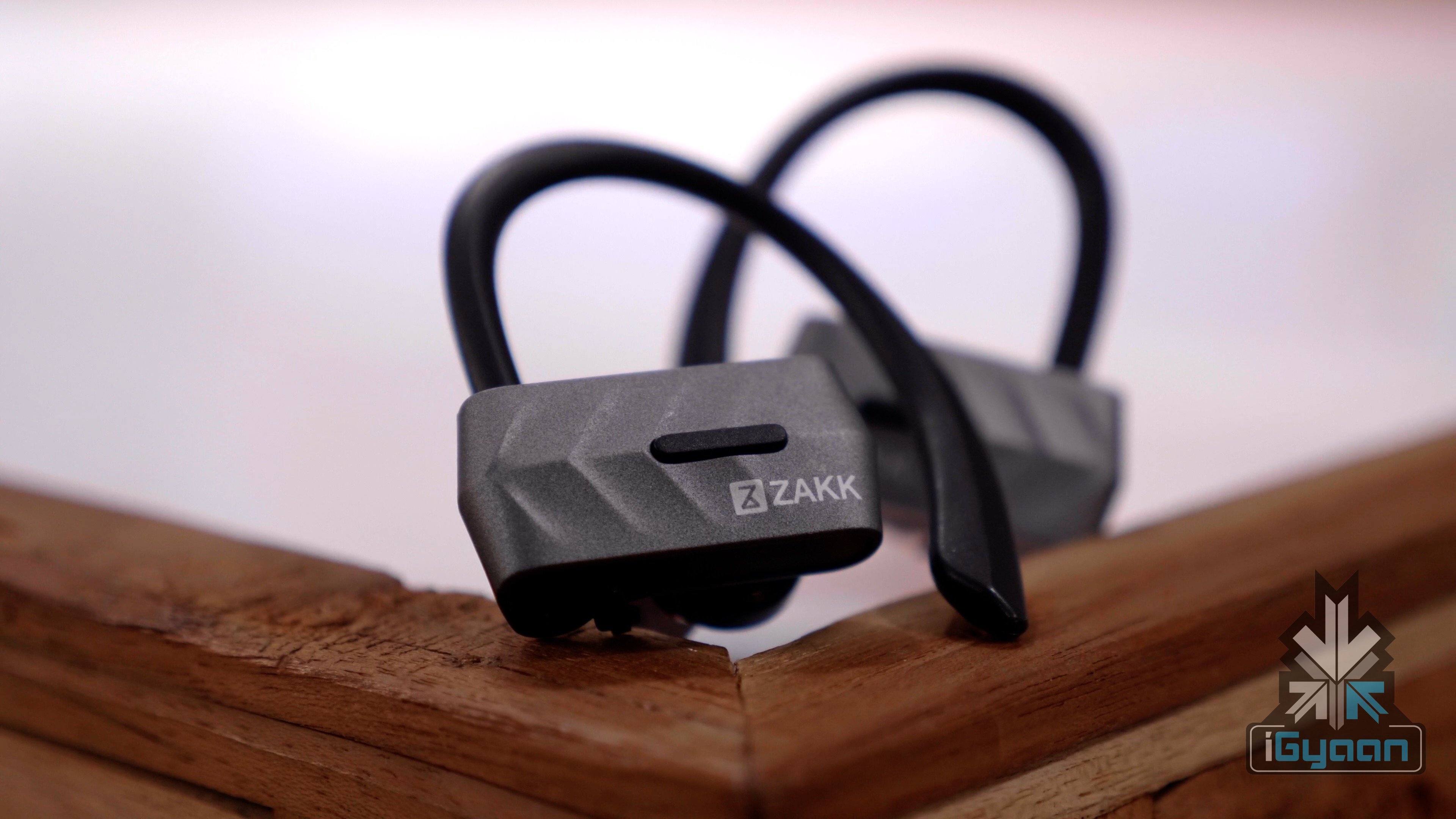
    Usually retailing for close to Rs 3000, the ZAKK twins are a great pair of Bluetooth earbuds that won’t break the bank. However, the reason these are on our list is that for a limited time and only for Team iGyaan, the ZAKK Twins will retail for Rs 1999 on Amazon. At the price, these are pretty much unbeatable. Hurry up before they are sold out because that tends to happen when the deal is this great.

    X-Mini Nano-X (Bonus)

    This mini Bluetooth speaker from X-Mini is surprisingly loud. It literally fits in the palm of your hand and is extremely portable. Make sure to keep it separately in a pocket because it might be easy to lose it in the large pocket of a backpack. For a short trip or to even fill a small room, Nanp-X from X-Mini is a great choice.

  • A One Year Old’s First Word Was ‘Alexa’ And That Is No Laughing Matter

    A One Year Old’s First Word Was ‘Alexa’ And That Is No Laughing Matter

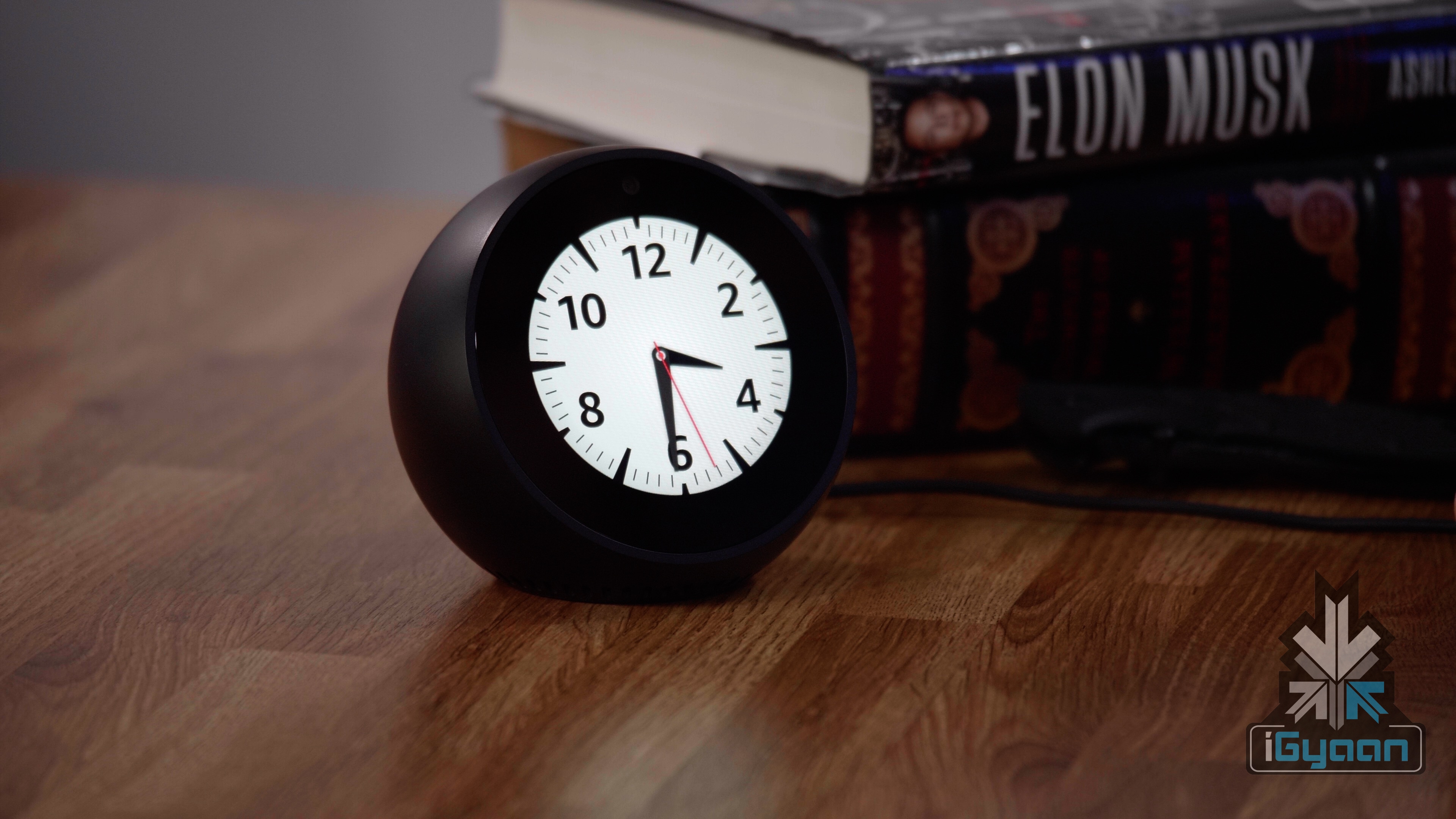
    Technology is ever evolving and there is no denying that our lives are much easier now. We have technology in everything in our lives and sometimes it is hard to fathom what our lives would be without certain inventions and advancements. Smart home tech is a new arena where big companies like Amazon and Google excel and smart speakers, in particular, have become very popular. One incident in the UK, however, gives us a glimpse of how intrusive technology has become.

    The parents of one-year-old Joe conceded that their son’s first word was rather conventional. Us humans emphasise a lot on a kid’s first word and more often than not, it is either “mum” or “dad.” Seldom is it the name of a virtual assistant which lives around the house. Joe’s parents revealed that his first word was “Alexa” to an Amazon Echo in their home.

    While this can easily be shrugged off an isolated incident and even be joked about, it shouldn’t. Smart devices, while helpful, are intrusive. And you cannot solely blame technology here as we, human beings, allow certain pieces of technology to intrude in our lives. Amazon’s Alexa-powered smart speakers are very successful globally and compete with the likes of Google Home Mini and Apple HomePod. To trigger a response from a smart speaker, the word “Alexa” has to be spoken. This gives us a hint at why Joe would know the word Alexa since there are is an Echo device in their home.

    This incident raises some telling points about our relationship with technology. Kids and young adults prefer iPads and PlayStations over outdoor activities and most of their online activities are not monitored. An exposure to technology and the internet at an early age can be damaging for many kids as we all know that not everyone has a pleasant experience on the internet. Cyberbullying has grown rapidly over the years and affects so many people these days.

    Our relationship with technology needs to be checked, if not curtailed. Maybe if we scrutinise this incident enough, we will be able to come to an understanding where we need to draw a line with technology. Now, excuse us while we ask Alexa to make us some coffee.

  • Nokia 5.1 Plus Has A Wide Notch And A Thick Chin

    Nokia 5.1 Plus Has A Wide Notch And A Thick Chin

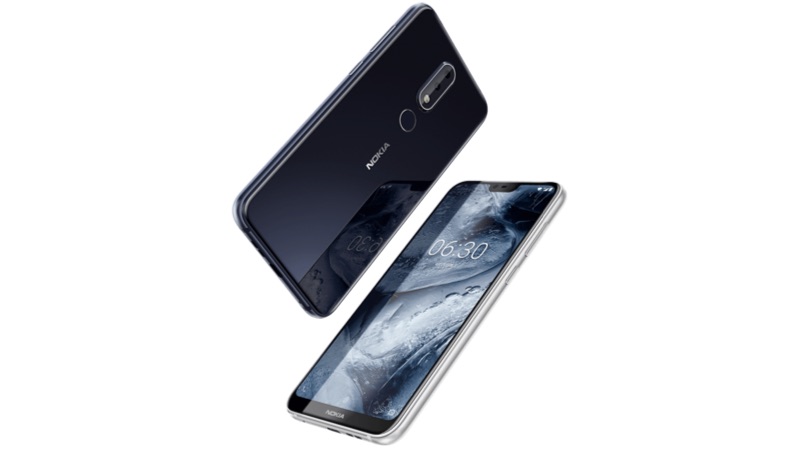
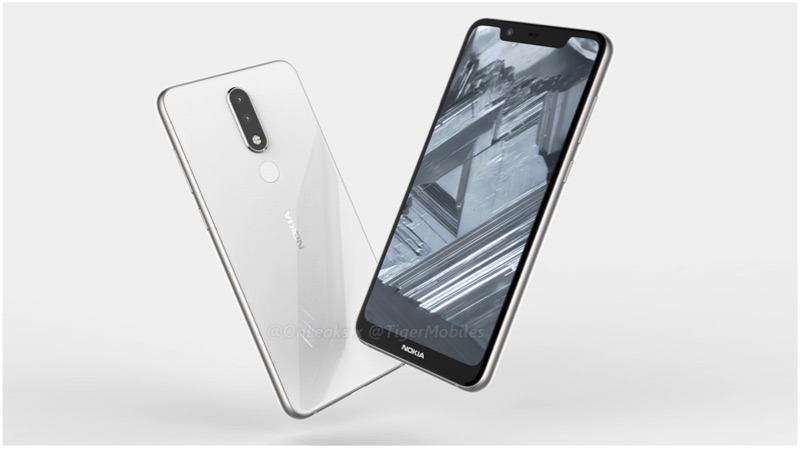
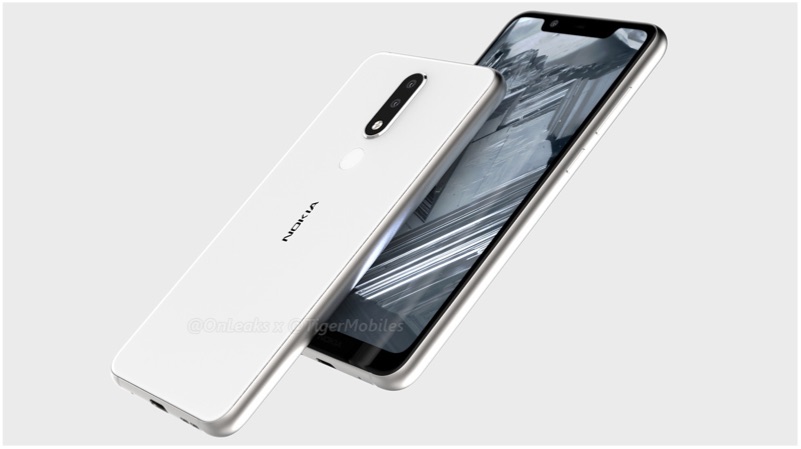
    HMD Global has launched a few interesting smartphones in 2018 so far. The Nokia 7 Plus is one of the best in its price segment in India and the Nokia X6 has been a huge hit in China. The Nokia 8 Sirocco looks classy and the upcoming Nokia 5.1 Plus would want to take things up a notch (pun definitely intended). The new renders of soon to be launched Nokia 5.1 Plus are out and it looks eerily similar to many Android smartphones of 2018.

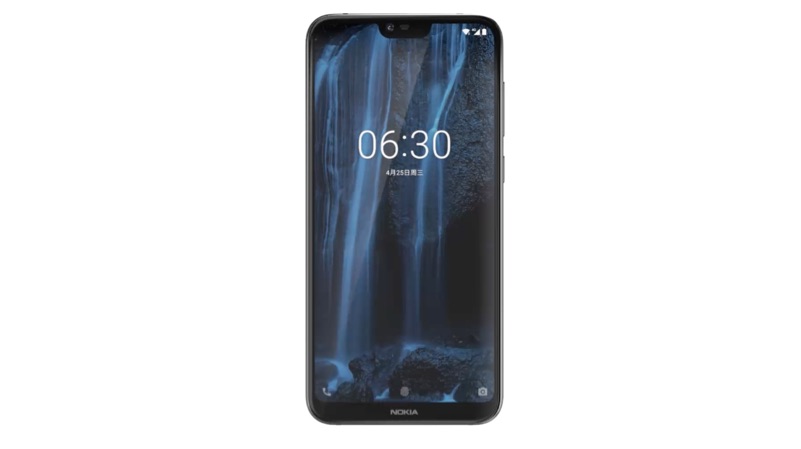
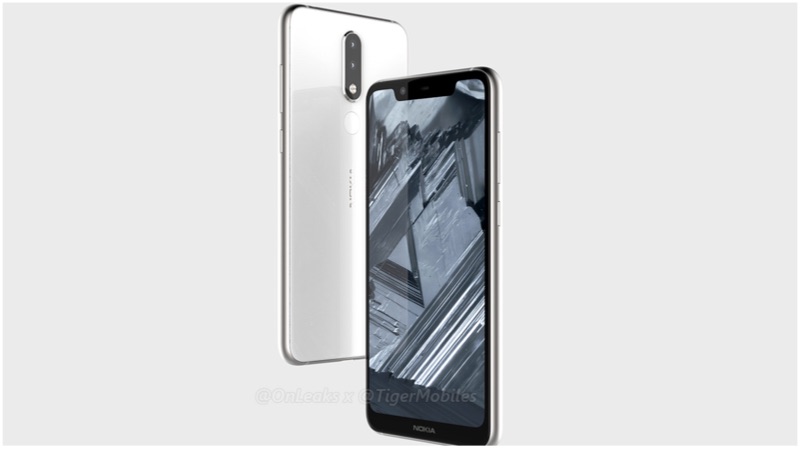
    Popular smartphone leaker Steve H. posted 360º renders of the yet unannounced Nokia 5.1 Plus. The renders give us a detailed look at what the smartphone could look like. Unlike the Nokia X6, the company has not shied away from flaunting the notch. The Nokia X6 had a narrow notch like the OnePlus 6. The Nokia 5.1 Plus, on the other hand, will have a wide notch like the iPhone X or Mi 8.

    The one thing that does differentiate the design of Nokia 5.1 Plus from the iPhone X is the chin. As expected, the Nokia 5.1 Plus will sport a chin, just like every other notched Android smartphone. However, unlike the Huawei P20 Pro, the chin won’t be utilised for a front-facing fingerprint sensor. Instead, it will house the Nokia branding which is slightly disappointing.

    The back of the smartphone houses a dual-camera setup in typical Nokia fashion. The fingerprint sensor has a central location just below the camera module. The smartphone has a metallic unibody build quality which a lot of people would appreciate over an all-glass build. The Nokia 5.1 Plus looks like a crossover of the Nokia 5.1  and Nokia X6.

    Must Read: OnePlus 6 Gets Selfie Portrait Mode With New OxygenOS Update

    The Nokia 5.1 Plus is another Android smartphone that has embraced the notch but, also retained the chin. It appears that Apple would be the only smartphone maker in 2018 to launch a device with a notch and remove the chin as well (like it did with the iPhone X). There are no details about the launch of the Nokia 5.1 Plus as of now in China or globally. We will keep you posted with all the details if and when they are revealed.

  • OnePlus 6 Gets Selfie Portrait Mode With New OxygenOS Update

    OnePlus 6 Gets Selfie Portrait Mode With New OxygenOS Update

    The OnePlus 6 was launched in India on May 17th at a starting price of Rs 34999. Most of the details of the smartphone were leaked before it officially launched but, the device overall was a pleasant surprise for OnePlus 6 suitors. In terms of build quality and design, the smartphone is a definite upgrade over any of its predecessors. The company, in fact, is continuously adding new updates to its flagship device and the OxygenOS 5.1.6 update has done just that.

    [amazon_link asins=’B0756Z43QS’ template=’ProductAd’ store=’igyaan-21′ marketplace=’IN’ link_id=’70d711c3-6d34-11e8-bd2d-d557592c4236′]

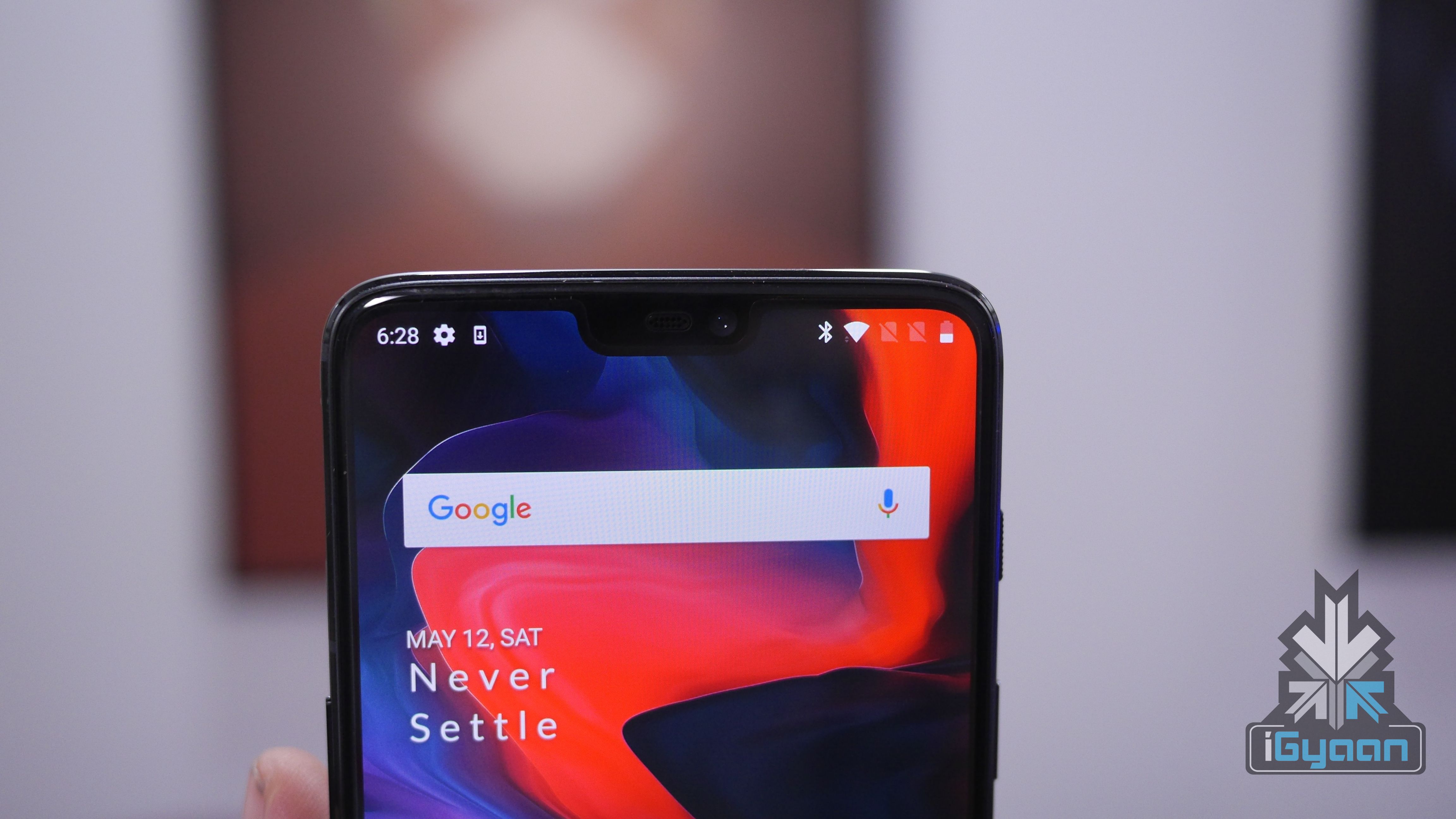
    With new the update to OxygenOS, the OnePlus 6 gets the famed selfie portrait mode. This feature has become quite popular over the course of a year-and-a-half with many smartphones being marketed solely on the basis of this feature. The OnePlus 6 now has portrait mode on both the rear and front-facing camera. Selfie enthusiasts should definitely appreciate this new feature. The update also brings a preview for Light Bokeh Effect in Portrait Mode but for the rear camera only.

    The update also includes other notable additions like battery percentage in the status bar, a schedule for DND (Do Not Disturb), dual 4G network support in SIM and Network Settings, and smart answer for Bluetooth devices. The smart answer allows automatic answering of incoming calls when connecting a Bluetooth device for example headphones, car stereo etc.

    Just like every other update, there are a few bug fixes as well. The new update is 223MB in size and for safety, make sure your data is backed up. Although official system updates seldom cause data loss, there is no harm in being precautious. Head over to Settings, then About Phone and then click on Software Update to update the system.

    Must Read: Lenovo Z5 Running On Snapdragon 636, With An iPhone X Like Notch Launched

    The OnePlus 6 is available in Mirror Black and Midnight Black colour variants only. The Silk White variant went on sale on June 5th and is currently out of stock. The Avengers Edition as well, is out of stock with no information about a further flash sale of the limited edition variant.

  • Apple iPad With Face ID Hinted At In iOS 12 Beta

    Apple iPad With Face ID Hinted At In iOS 12 Beta

    Apple launched the iPhone X in September along with the iPhone 8 and 8 Plus. The iPhone X was a major departure from Apple’s design philosophy and introduced us to Face ID. While Face ID was received with some scepticism in the beginning, however,  it has ably replaced Touch ID and the company plans to phase out the fingerprint sensor in all its iOS devices. This means that future iPads will also launch with Face ID, which has been seemingly confirmed in iOS 12.

    iOS 12 beta was made available to users right after the first day of WWDC 2018. iOS developer Guilherme Rambo, during his usual poking around in iOS 12 found something interesting pertaining to Face ID and iPads. Rambo tweeted videos and screenshots of iOS 12 that contain hidden references to Face ID on the iPad, including the setup UI and relevant section of the settings menu.

    Must Read: Apple iPhone X Was The Best Selling Smartphone In Q1 Of 2018

    It is worth noting that these references could pertain to a feature that lets users unlock their iPads using the iPhone X. If true, this will be similar to the feature wherein users can unlock their Mac using the Apple Watch. However, there has been enough evidence that suggests that Face ID is coming to iPads and with iOS 12, it could be as soon as late-2018. In December 2017, Apple announced a US$ 390 million investment in Finisar, a facial recognition technology company.

    Must Read: Apple Working On An AR/VR Headset With 16K Resolution Display

    [amazon_link asins=’B07C53VXH8′ template=’ProductAd’ store=’igyaan-21′ marketplace=’IN’ link_id=’7bfe5547-6bdd-11e8-9ac5-d9ac21ec5da3′]

    Finisar will use the funds to build a 700,000-square-foot manufacturing plant in Texas to develop vertical-cavity surface-emitting laser (VCSEL) chips. Jeff Williams, CEO at Apple had said:

    VCSELs power some of the most sophisticated technology we’ve ever developed and we’re thrilled to partner with Finisar over the next several years to push the boundaries of VCSEL technology and the applications they enable.

    It is evident that Apple believes Face ID is the future. Apart from the iPhone SE 2, all 2018 iPhones are rumoured to feature the facial recognition technology. With iPads being the only major player in the tablets industry, Apple would want to move ahead of any sort of little competition it has in that space. With Face ID coming to iPads, it also means that there will be a uniformity in all iOS devices in the future.

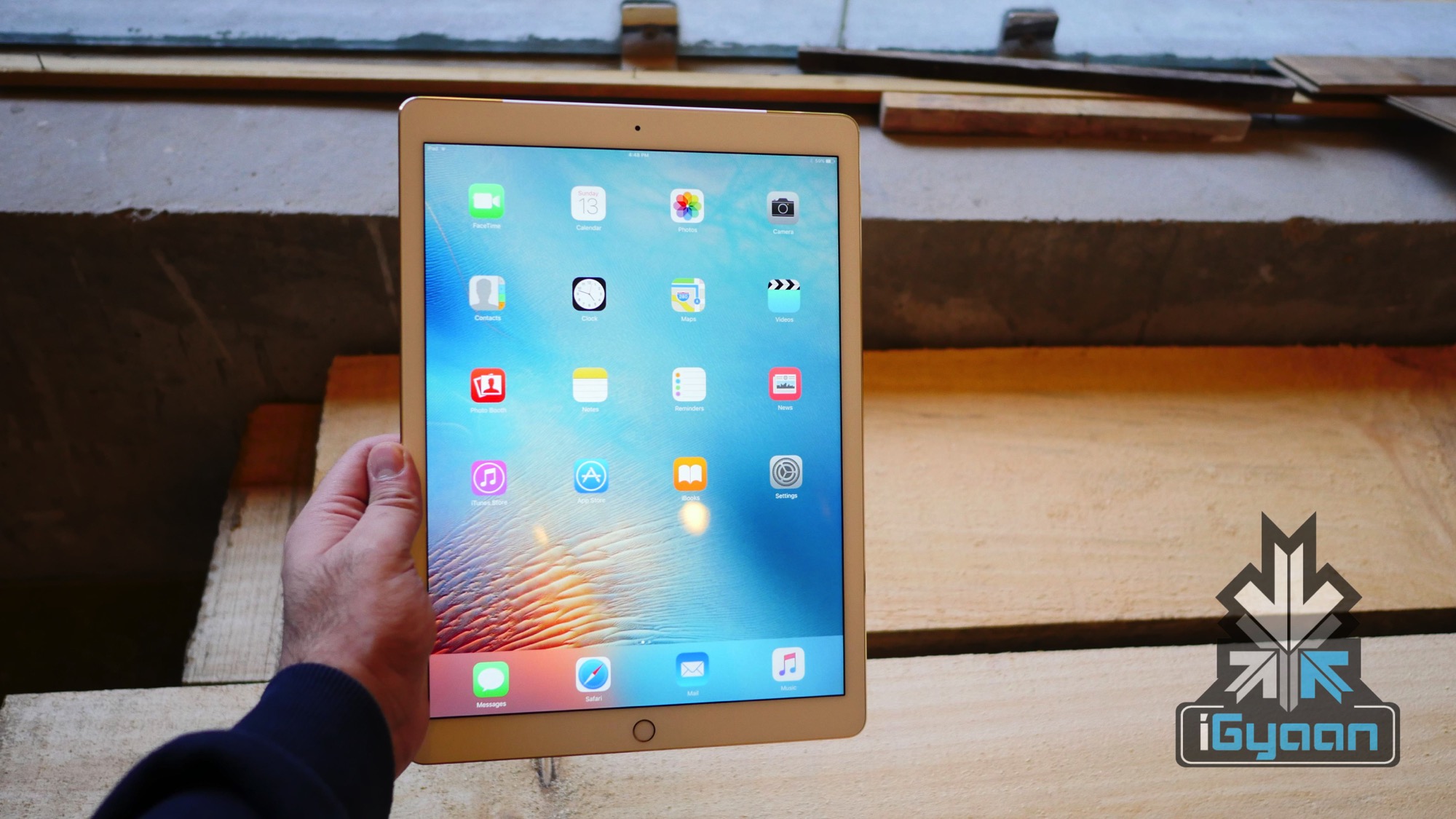
    Whether this means the upcoming iPads will thin bezels like the iPhone X is yet to be seen. With larger devices, you need bezels around the display to hold them and not be prone to accidental touches. The Face ID sensors could easily fit into the top bezel of an iPad.

  • Yahoo Messenger Is Being Killed Off On July 17th 2018

    Yahoo Messenger Is Being Killed Off On July 17th 2018

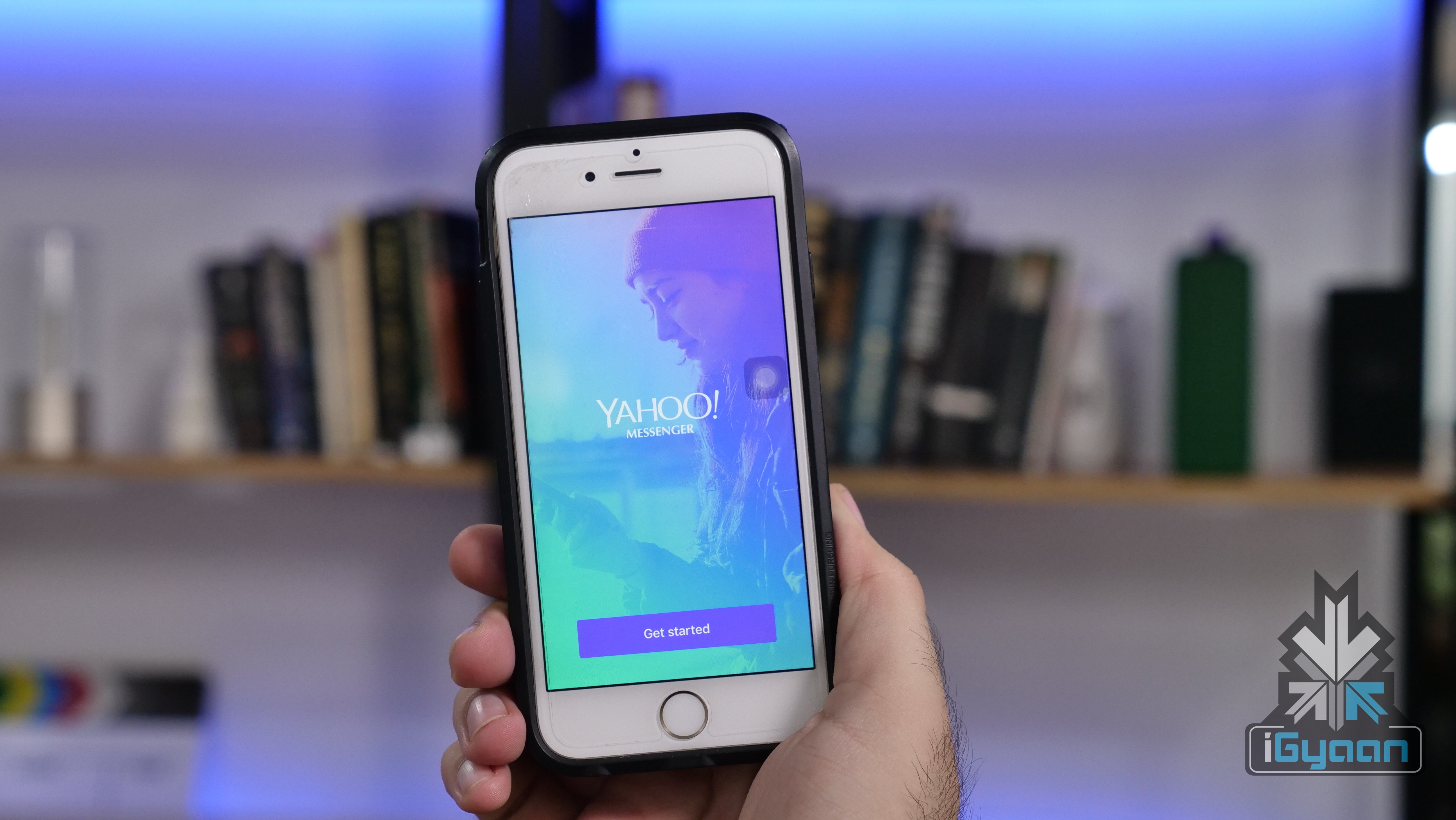
    Anyone who grew up in the early 2000’s knows two things about the internet – the dial-up tone and Yahoo Messenger. Long before Snapcha and Facebook Messenger, there was the ultimate social media platform, Yahoo Messenger. The instant messaging app, which is now run by Verizon-owned Oath will shut down on July 17th.

    Oath will be redirecting its users (if any) to its new group messaging app, Squirrel. The company is encouraging users to sign up for Squirrel which the company has been beta testing since May. Squirrel is currently invite-only, but the app should be open to the public by the time Yahoo Messenger shuts down.

    We know we have many loyal fans who have used Yahoo Messenger since its beginning as one of the first chat apps of its kind. As the communications landscape continues to change over, we’re focusing on building and introducing new, exciting communications tools that better fit consumer needs.

    Must Read: Apple’s Memoji Feature Will Let Users Create Personalised Animojis

    The death of the Messenger has been imminent. In 2016, Yahoo was acquired by Verizon for US$ 4.6 billion. Verizon renamed the business as Oath and started selling off parts of Yahoo. The company recently sold Flickr, a popular photo-sharing app to SmugMug. As was with the case of Flickr, Yahoo Messenger could not cope with the rise of social media apps like Facebook and then instant messaging services like WhatsApp.

    Yahoo Messenger made its debut in 1998 as Yahoo Pager. For many years, it became the sole IM service that teens and adults used across the globe. From anonymous chat rooms to set a status message, Yahoo Messenger did it first. While it is fair to romanticise a fallen legend, the reality is that the Messenger faded away. While Squirrel is what Oath is working on, it isn’t a like-for-like replacement of Yahoo Messenger.

    There currently isn’t a replacement product available for Yahoo Messenger. We’re constantly experimenting with new services and apps, one of which is an invite-only group messaging app called Yahoo Squirrel (currently in beta).

    Must Read: Baba Ramdev’s Kimbho Messaging App Disappears From Google Play Store Within 24 Hours Of Its Launch

    Its users will have up to 6 months after July 17th to download their Messenger chat history. Their Yahoo email ID will continue to work and users will be able to access Yahoo Mail or log in to any other services using their email ID. The writing was on the wall for the end of  the Yahoo! era and the killing off of Yahoo Messenger is just another brick in that wall.

iGyaan Network
Privacy Overview

This website uses cookies so that we can provide you with the best user experience possible. Cookie information is stored in your browser and performs functions such as recognising you when you return to our website and helping our team to understand which sections of the website you find most interesting and useful.