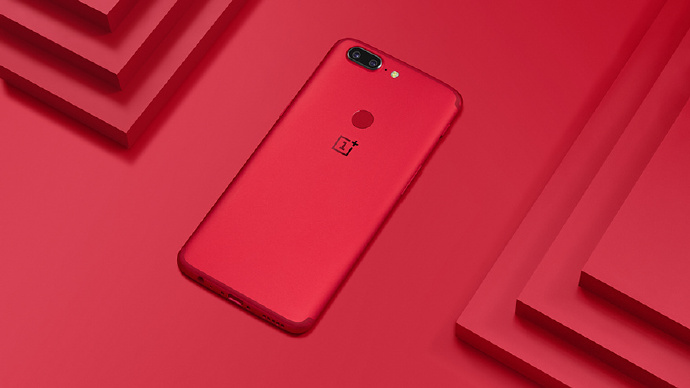
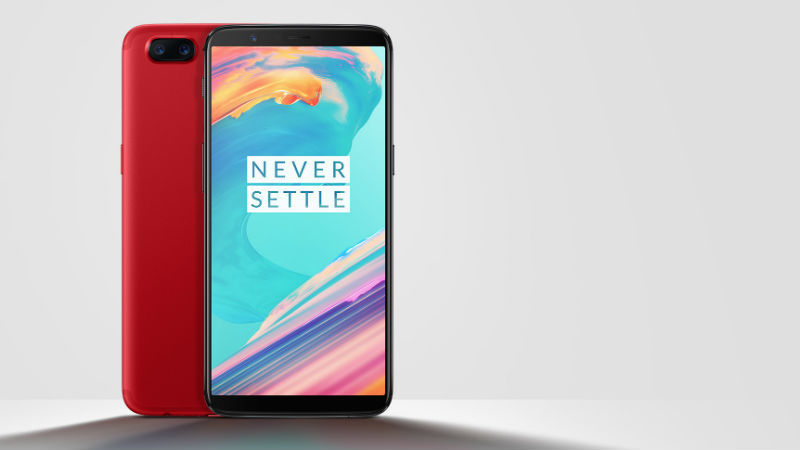
OnePlus is really trying to differentiate the OnePlus 5T from the OnePlus 5. OnePlus has launched its new flagship, the OnePlus 5T in China in a new colour variant called Lava Red. Unlike its predecessors, the OnePlus 5T was only available in one colour, Midnight Black at the time of its launch.
If you are excited to get your hands on the new Lava Red OnePlus 5T, there is a catch. The smartphone is only available in China as of now and in the pricier 8GB RAM model only. There is no word from the company whether this colour variant will be sold outside of China or not.
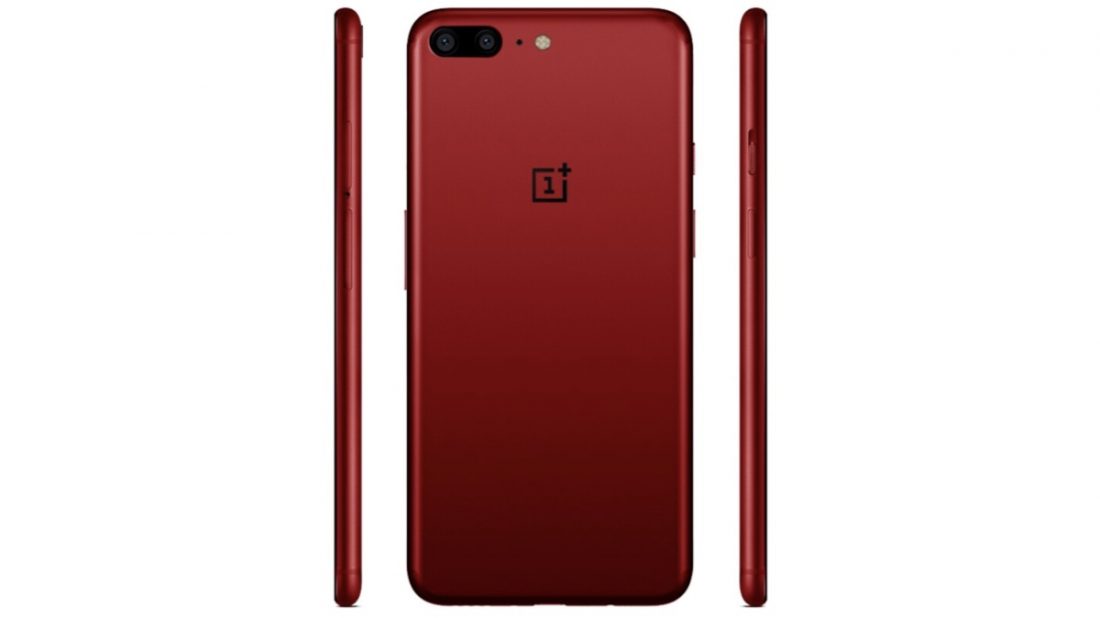
At the time of the launch of the OnePlus 5, there were rumours that a red colour OnePlus 5will be launched. That didn’t happen and instead, OnePlus launched a soft gold colour variant of its summer flagship phone in August. It appears that OnePlus has jumped the RED Product train and similar to what Apple does with its iPhones, a Red coloured OnePlus 5T has been launched.
Other than the fiery red colour, there is no difference in the Midnight Black colour and the Lava Red colour OnePlus 5T.
What A Red OnePlus 5 Could Have Been
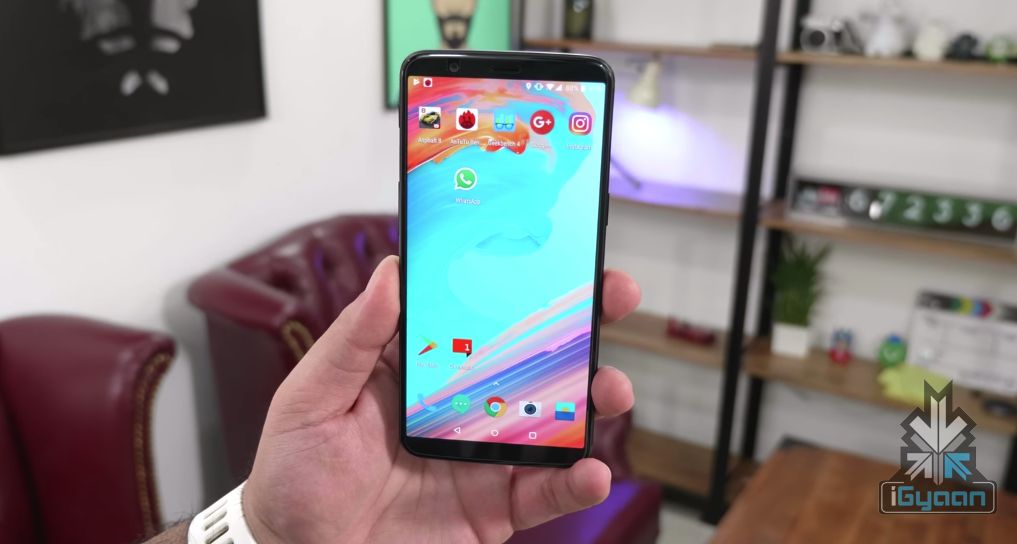
The OnePlus 5T has a 6-inch Full Optic AMOLED display with a 2160 x 1080 px resolution and an 80.5% screen to body ratio. This is a huge detour from the short history of OnePlus devices which have so far had a 5.5-inch display.
Under the hood, the OnePlus 5T has the Qualcomm Snapdragon 835 chipset, a 2.4GHz octa-core processor, 6GB or 8GB of RAM, 64GB or 128GB of onboard storage which cannot be expanded. Powering the device is a 3300 mAh battery which supports OnePlus’ DashCharge technology.
The OnePlus 5T runs stock Android 7.1.1 Nougat with customisability options thanks to the Oxygen OS on top. OnePlus has promised an update to Android 8.0 Oreo by early 2018. The Android 8.0 Oreo beta update will be pushed out to OnePlus 5T in late December 2017.
Due to thin bezels, there is no place for a home button and the fingerprint sensor has now been shifted to the back of the phone and is placed right above OnePlus logo. The OnePlus 5T also features facial recognition for unlocking the device.
OnePlus 5T
One big change in the OnePlus 5T is in the camera department. Unlike the OnePlus 5, the OnePlus 5T no longer has a secondary telephoto lens at the back. Instead, OnePlus has decided to focus on the device’s low-light photography capabilities. The cameras do not have OIS and OnePlus has decided to go for EIS on the dual camera setup at the back. The device has a 16MP camera with an f/1.7 aperture coupled with a 20MP sensor with the same f/1.7 aperture and field of view, ie no optical zoom. On the front is a 20MP camera with an f/2.0 aperture.
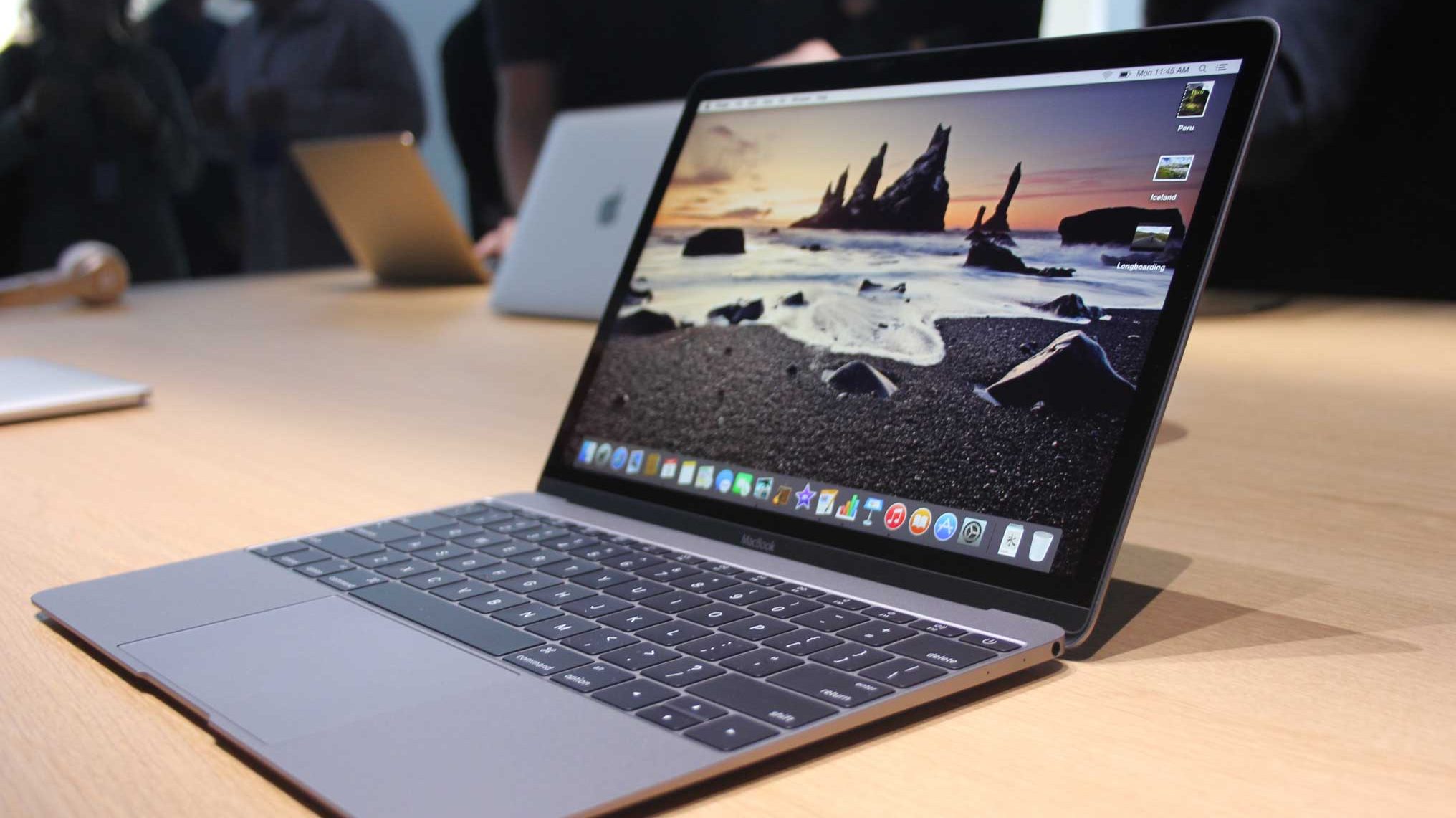
Securing our gadgets in this day and age is of utmost priority since most of our lives are now digital. But, it appears that your Mac running MAcOS High Sierra might be susceptible to a serious security hack.
Apple’s latest MacOS High Sierra operating system has a very serious flaw that can allow anyone with access to a Mac gain root access by simply typing “root” as the username. It appears that the flaw doesn’t even require someone to enter a password, which means that anyone with zero hacking knowledge and evil intentions can get into your Mac.
Apple has responded to the complaints and announced that it is working on a fix.
Patrick Wardle, a security researcher with Synack said:
We always see malware trying to escalate privileges and get root access. This is best, easiest way ever to get root, and Apple has handed it to them on a silver platter.
This was Apple’s response:
We are working on a software update to address this issue. In the meantime, setting a root password prevents unauthorized access to your Mac. To enable the Root User and set a password, please follow the instructions here: https://support.apple.com/en-us/HT204012.
If a Root User is already enabled, to ensure a black password is not set, please follow the instructions from the ‘Change the root password’ section.
If you are one of the many people who updated their Mac machine to the latest OS, it will be sensible to follow Apple’s instructions until a new update fixes this major security bug.
WhatsApp has been the most successful instant messaging app and right now, it barely has any competition. But, an app needs to keep on evolving and adding new features incentivises users to come back to your app rather than switching to some other new one.
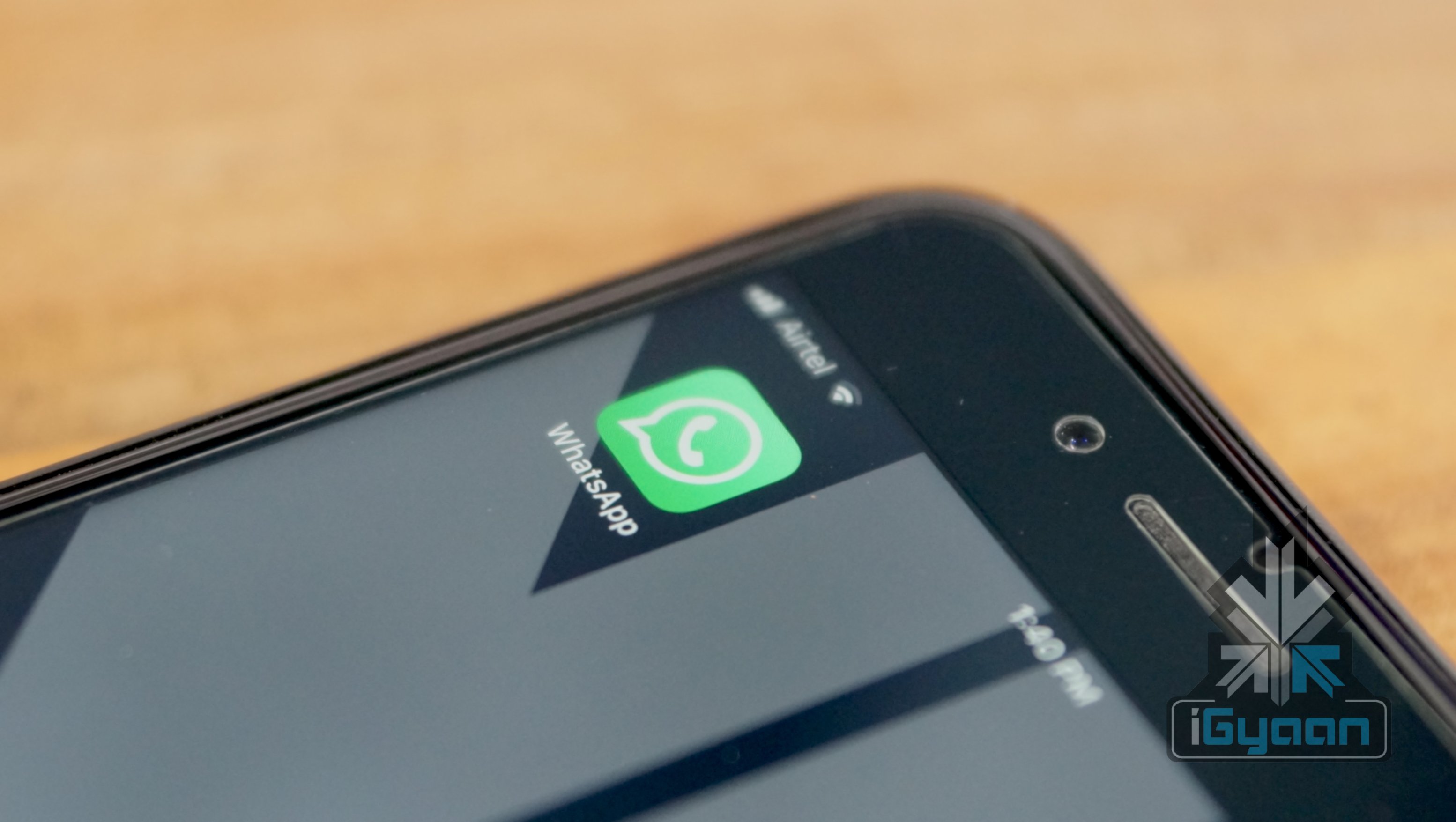
Keeping that in mind, WhatsApp has recently updated its iOS app to add a new functionality which will enable WhatsApp to play YouTube videos within the app.
The new update comes with WhatsApp version 2.17.81, which is currently available to download via the App Store. However, the PiP mode is currently not working and the YouTube link in the conversations still takes you to the YouTube app.
Note that the YouTube feature in WhatsApp is currently disabled, also if the changelog reports it. Probably they missed to enable it. I will inform you when WhatsApp will enable it from the server, probably tonight.
According to WABetaInfo, the YouTube playback feature is not yet enabled from a server side switch, the WhatsApp server. After the update, the app is capable of running PiP mode and it will be functional as soon as WhatsApp enables the switch from its server end.
For Android users, there is no word on this update yet but, the next app update should bring this feature to Android devices as well.
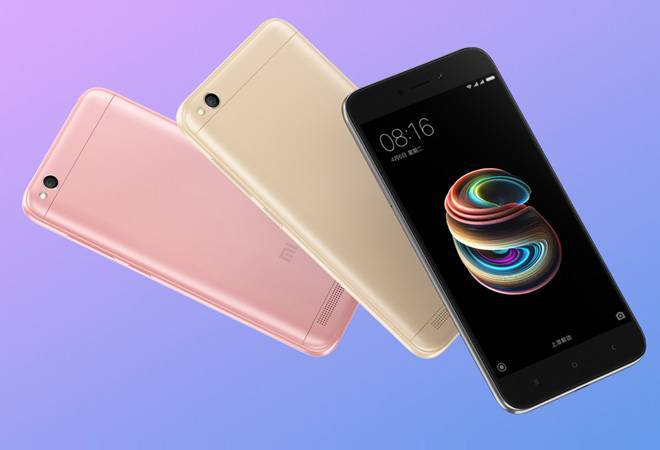
Xiaomi has been teasing the launch of a ‘Desh ka Smartphone’ on social media for a couple of weeks now. The launch is set for the 30th of November and will be a part of the Redmi lineup. Since it is being marketed as the ‘India Ka Smartphone’, it could be priced under Rs 5000 for the base model.
Redmi India’s Twitter account has been teasing a few features of the phone such as long battery life and multiple Indian local languages support. This suggests that Xiaomi could launch the Redmi 5A in India come 30th of November.
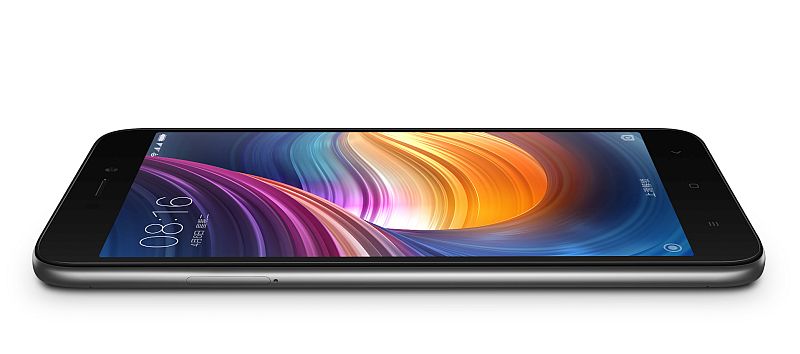
The Redmi 5A isn’t a huge upgrade over its predecessor, the Redmi 4A. The Redmi 5A has a 5 inch LCD display with a 1280 x 720 px resolution.
The Redmi 5A has the Qualcomm Snapdragon 425 chipset, quad-core CPU clocked at 1.4GHz, along with 2GB of RAM. At the time of its launch in China, only one storage model was announced but, more storage and RAM variants could be introduced for its India launch. The current model has 16GB of onboard storage which can be expanded up to 128GB via microSD card.
The dual-SIM Redmi 5A is powered by a 3000 mAh battery which seems to be a downgrade when compared to the Redmi 4A which packs a 3120 mAh battery. The device will run Android 7.1 Nougat out of the box with Xiaomi’s custom MIUI 9 skin on top.
The Redmi 5A has a 13MP rear camera with an f/2.2 aperture, burst mode, panorama mode, HDR mode, and more. To the front is a 5MP camera with an f/2.0 aperture. The smartphone records 1920 x 1080 px videos.
Dual cameras, a trend that started in 2016 in flagship phones trickled down to budget smartphones in 2017. From the iPhone 7 Plus in 2016 to Lenovo K8 Plus in 2017, the trend of dual-camera smartphones is here to stay and has become a norm for a top-performing budget Android device. In a sea of budget smartphones with identical specifications and price, which dual-camera phone should you buy this holiday season? iGyaan brings you its pick for the best budget dual-camera phones you can buy right now:
Xiaomi Mi A1
One of the best budget phones to be launched in 2017, the Mi A1 combines Xiaomi’s hardware and Google’s stock Android OS in this perfectly priced budget phone.
The smartphone has a 5.5 inch 1920 x 1080 px display with Corning Gorilla Glass on top for protection and metal unibody build.
The phone has the Qualcomm Snapdragon 625 chipset, 2.0GHz octa-core processor, 4GB RAM and 64GB of onboard storage which is expandable via microSD card. Handling the graphics under the hood is the Adreno 505 GPU. The pyrolytic graphite sheet will help in heat management as well, Xiaomi claims. The Xiaomi Mi A1 has an IR blaster to control appliances in your home or office. Powering the device is a 3,080 mAh battery and fast charging through the Type C port
The fingerprint sensor sits at the back of the device below the camera. Xiaomi has also included a dedicated headphone amplifier for better music listening experience.
The Mi A1 runs pure Android 7.1.2 Nougat OS and thanks to Android One program, the Mi A1 will get software to Android 8.0 Oreo and Android P as well.
It’s worth noting that despite the stock Android OS, Xiaomi has still introduced a few apps of its own like the Mi Camera app, since Google’s app doesn’t support dual-camera right now. Other apps like the Mi Remote and the Mi Store are also present in the Xiaomi Mi A1.
In terms of optics, the smartphone features a 12MP dual-camera setup with 1.25-micron pixel size. Out of the two cameras at the back, the primary one is equipped with a telephoto lens and the secondary camera has a wide-angle lens. The telephoto lens allows the user to take bokeh effect shots with blurred background and a 2X optical lossless zoom. For landscape shots, Xiaomi has introduced a wide angle lens while on the front is a 5MP camera.
Moto G5s Plus
Successor to one of the best budget camera smartphones the Moto G5 Plus, Moto G5s Plus was launched close to the Xiaomi Mi A1 and carries an identical price tag as well.
The Moto G5S Plus has a 5.5 inch 1920 x 1080 px display with Corning Gorilla Glass 3 on top for protection.
The smartphone has the Qualcomm 625 chipset, an octa-core processor clocked at 2.0 GHz with 4GB RAM and 64GB of onboard storage which can be expanded up to 128GB via a microSD card. The fingerprint sensor is housed inside the home button which sits below the display. The device is powered by a 3,000 mAh battery with included turbo charge capabilities.
The Moto G5S Plus runs Android 7.1.1 Nougat with little customisation done by the manufacturer resulting in stock Android OS experience.
The Moto G5S Plus features rear-mounted 13MP dual-cameras with an f/2.0 aperture. The dual camera captures Bokeh, and selective focus shots, along with other capabilities of background replacement and exposure management. On the front is a wide angle 8MP camera with a single LED flash and a panoramic mode. The rear cameras capture videos in 4K at 30 FPS and the front camera records videos in 1080P at 30 FPS. According to Motorola, additional features such as Night Display and Quick Reply enhance the software experience. The implementation of the dual-camera setup on the Moto G5S Plus is different than that on the Mi A1.
Lenovo K8 Note
The Lenovo K8 Note features a 5.5-inch 1920 x 1080 px display with a pixel density of 441ppi and a Corning Gorilla Glass with oleophobic coating for scratch and smudge resistance.
The K8 Note is also splash resistant due to its P2i coating, although the resistance might decrease with time due to wear and tear of the nano coating. The fingerprint sensor sits at the back of the device under the cameras.
The Lenovo K8 Note is run on a MediaTek MT 6797D Helio X23 a Tri-cluster, 64-bit chipset with a 2.3 GHz high-performing deca-core processor and the Mali T-880 MP4 GPU. The device has either a 3GB or 4GB RAM and 32GB or 64GB onboard storage which is expandable via a microSD card.
The Lenovo K8 Note has a 13M Pure cell sensor mated with a 5MP Samsung BSI sensor dual camera setup and dual LED flash at the back. The phone is capable of depth mode effects along with 1920 x 1080 px Video capture. A 13MP camera with LED flash and an f/2.0 aperture sits on the front of the device above the display. The camera UI will also feature a stock Android layout with no customisation offered by Lenovo apart from the depth mode.
Honor 9i
The Honor 9i has a 5.9-inch 2160 x 1080px display with an 18:9 aspect ratio.
It also has Huawei’s in-house octa-core Kirin 659 chipset, octa-core 2.36 GHz processor, along with 4 GB of RAM and 64 GB onboard storage. Powering the device is a 3340 mAh battery which charges via a micro USB port.
The device runs Android 7.0 Nougat out of the box with Huawei’s EMUI 5.1 skin on top
This is the only smartphone on this list which has four cameras. The rear of the phone contains a 16 MP main sensor and a 2 MP secondary sensor, while the front has a 13 MP camera and another 2 MP secondary sensor. A fingerprint sensor is placed at the back of the phone since the phone has thin bezels and no physical button at the front of the phone.
Dual cameras, a trend that started in 2016 in flagship phones trickled down to budget smartphones in 2017. From the iPhone 7 Plus in 2016 to Lenovo K8 Plus in 2017, the trend of dual-camera smartphones is here to stay and has become a norm for a top-performing budget Android device. In a sea of budget smartphones with identical specifications and price, which dual-camera phone should you buy this holiday season? iGyaan brings you its pick for the best budget dual-camera phones you can buy right now:
Xiaomi Mi A1
One of the best budget phones to be launched in 2017, the Mi A1 combines Xiaomi’s hardware and Google’s stock Android OS in this perfectly priced budget phone.
The smartphone has a 5.5 inch 1920 x 1080 px display with Corning Gorilla Glass on top for protection and metal unibody build.
The phone has the Qualcomm Snapdragon 625 chipset, 2.0GHz octa-core processor, 4GB RAM and 64GB of onboard storage which is expandable via microSD card. Handling the graphics under the hood is the Adreno 505 GPU. The pyrolytic graphite sheet will help in heat management as well, Xiaomi claims. The Xiaomi Mi A1 has an IR blaster to control appliances in your home or office. Powering the device is a 3,080 mAh battery and fast charging through the Type C port
The fingerprint sensor sits at the back of the device below the camera. Xiaomi has also included a dedicated headphone amplifier for better music listening experience.
The Mi A1 runs pure Android 7.1.2 Nougat OS and thanks to Android One program, the Mi A1 will get software to Android 8.0 Oreo and Android P as well.
It’s worth noting that despite the stock Android OS, Xiaomi has still introduced a few apps of its own like the Mi Camera app, since Google’s app doesn’t support dual-camera right now. Other apps like the Mi Remote and the Mi Store are also present in the Xiaomi Mi A1.
In terms of optics, the smartphone features a 12MP dual-camera setup with 1.25-micron pixel size. Out of the two cameras at the back, the primary one is equipped with a telephoto lens and the secondary camera has a wide-angle lens. The telephoto lens allows the user to take bokeh effect shots with blurred background and a 2X optical lossless zoom. For landscape shots, Xiaomi has introduced a wide angle lens while on the front is a 5MP camera.
Moto G5s Plus
Successor to one of the best budget camera smartphones the Moto G5 Plus, Moto G5s Plus was launched close to the Xiaomi Mi A1 and carries an identical price tag as well.
The Moto G5S Plus has a 5.5 inch 1920 x 1080 px display with Corning Gorilla Glass 3 on top for protection.
The smartphone has the Qualcomm 625 chipset, an octa-core processor clocked at 2.0 GHz with 4GB RAM and 64GB of onboard storage which can be expanded up to 128GB via a microSD card. The fingerprint sensor is housed inside the home button which sits below the display. The device is powered by a 3,000 mAh battery with included turbo charge capabilities.
The Moto G5S Plus runs Android 7.1.1 Nougat with little customisation done by the manufacturer resulting in stock Android OS experience.
The Moto G5S Plus features rear-mounted 13MP dual-cameras with an f/2.0 aperture. The dual camera captures Bokeh, and selective focus shots, along with other capabilities of background replacement and exposure management. On the front is a wide angle 8MP camera with a single LED flash and a panoramic mode. The rear cameras capture videos in 4K at 30 FPS and the front camera records videos in 1080P at 30 FPS. According to Motorola, additional features such as Night Display and Quick Reply enhance the software experience. The implementation of the dual-camera setup on the Moto G5S Plus is different than that on the Mi A1.
Lenovo K8 Note
The Lenovo K8 Note features a 5.5-inch 1920 x 1080 px display with a pixel density of 441ppi and a Corning Gorilla Glass with oleophobic coating for scratch and smudge resistance.
The K8 Note is also splash resistant due to its P2i coating, although the resistance might decrease with time due to wear and tear of the nano coating. The fingerprint sensor sits at the back of the device under the cameras.
The Lenovo K8 Note is run on a MediaTek MT 6797D Helio X23 a Tri-cluster, 64-bit chipset with a 2.3 GHz high-performing deca-core processor and the Mali T-880 MP4 GPU. The device has either a 3GB or 4GB RAM and 32GB or 64GB onboard storage which is expandable via a microSD card.
The Lenovo K8 Note has a 13M Pure cell sensor mated with a 5MP Samsung BSI sensor dual camera setup and dual LED flash at the back. The phone is capable of depth mode effects along with 1920 x 1080 px Video capture. A 13MP camera with LED flash and an f/2.0 aperture sits on the front of the device above the display. The camera UI will also feature a stock Android layout with no customisation offered by Lenovo apart from the depth mode.
Honor 9i
The Honor 9i has a 5.9-inch 2160 x 1080px display with an 18:9 aspect ratio.
It also has Huawei’s in-house octa-core Kirin 659 chipset, octa-core 2.36 GHz processor, along with 4 GB of RAM and 64 GB onboard storage. Powering the device is a 3340 mAh battery which charges via a micro USB port.
The device runs Android 7.0 Nougat out of the box with Huawei’s EMUI 5.1 skin on top
This is the only smartphone on this list which has four cameras. The rear of the phone contains a 16 MP main sensor and a 2 MP secondary sensor, while the front has a 13 MP camera and another 2 MP secondary sensor. A fingerprint sensor is placed at the back of the phone since the phone has thin bezels and no physical button at the front of the phone.
In the smartphone industry, every year sees a new trend becoming the norm. 2017 saw thin bezels becoming a norm and with the launch of the Google Pixel 2 and Apple iPhone X, it appears that AI will be the next big thing in the smartphone industry. With Samsung being the biggest smartphone maker in the world, you’d expect the South Korean tech giant to be one of front-runners in the AI game as well.
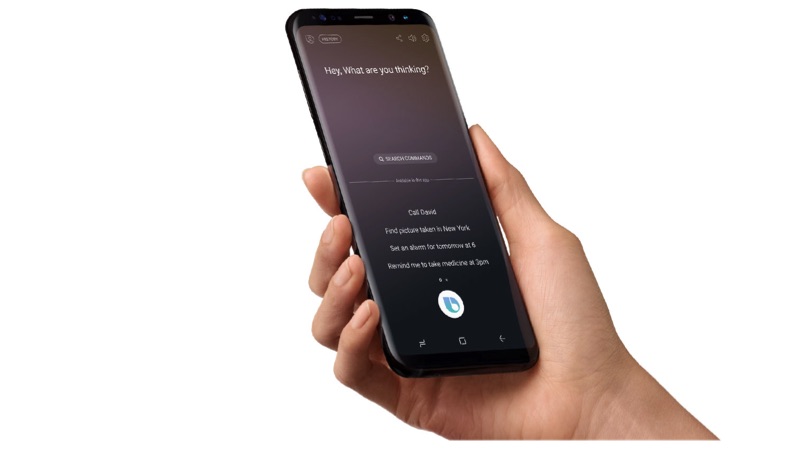
A new acquisition by Samsung shows that it wants Bixby to be the new Google Assistant for all its consumers. According to a report, Samsung has just acquired an AI property, Fluenty, a Korean startup notable for its chatbot of the same name.
Founded in 2015, Fluenty company currently develops a dedicated app and a separate “smart reply” API. The app uses machine learning to give custom response to users and is compatible with a number of popular messaging services like WhatsApp and Facebook Messenger.
This is what the official website of Fluenty says:
Fluenty is able to suggest smart replies that are specific to the person typing them. Let’s say for example that someone likes to say ‘Cheers!’ instead of ‘Bye!’ when closing a conversation. Fluenty is able to pick that up and will suggest it as a way to say goodbye in future messages.
This means that Fluenty uses more than just web searches to customise user experience and adds a personal touch rather just being a robotic assistant.
Bixby could take a few feathers out of Fluenty’s cap thanks to its machine learning capabilities. For example, if you are meeting someone at a bar, Bixby could pull out a Google Map location of the bar and start navigation.
Bixby has not been received very well since it was announced along with Samsung Galaxy S8 and Galaxy S8+. It will be interesting to see how Bixby will incorporate Fluenty’s capabilities and enhance the user experience, and try to replace Google Assistant with Bixby.
Huawei’s sub-brand Honor is preparing to launch the Honor V10 in London on the 5th of December. However, there have been multiple leaks that have revealed a lot of the specifications and features of the smartphone well before the official launch.
The new leaked images show the phone in a bright red colour. The bezels remain thin around the display and the phone has a front-mounted fingerprint sensor.
A benchmark listing revealed the specifications of the upcoming Honor V10.
The Honor V10 will have 5.99-inch FullView screen with Full HD+ resolution (2160 x 1080 px). An 18:9 aspect ratio means that the phone will have a tall display and thin bezels, which has become a norm in 2017.
Under the hood, the Honor V10 will have the Kirin 970 chipset, Mali-G72 MP12, 6GB of RAM and 64GB or 128GB of onboard storage. As per the leaked images, the Honor V10 will have a fingerprint sensor placed on the back of the phone due to thin bezels and a missing home button. The smartphone is expected to be powered by a massive 4000 mAh battery with support for QuickCharge.
Huawei announced EMUI 8.0 along with the launch of the Mate 10 Pro, which means that the Honor V10 might run Android 8.0 Oreo (since EMUI 8.0 is based on Android 8.0 Oreo) and EMUI 8.0 on top.
The Honor V10, according to the listing, will have a 16MP+20MP setup at the back. Considering how Honor has so far predominantly implemented the dual-camera setup, one of the cameras will have an RGB sensor while the other will be equipped with a monochrome sensor. On the front of the phone will be a single 13MP camera.
Bitcoin has reached an all-time high of over USD 9800 and is fast approaching the psychological USD 10000 barrier. At the current rate, it is worth more than seven times an ounce of gold. The cryptocurrency, which started the year at USD 1,000, had reached USD 5,000 by October.
Experts believe that the cryptocurrency is more volatile than ever. Neil Wilson, a senior market analyst at ETX Capital said:
Rather than a commodity or currency, bitcoin is like owning stock in a company that will only ever issue 21m shares and never pay a penny in dividends.
The only way it has value is if the next guy is willing to pay you more for it – the greater fool. With no intrinsic value to bitcoin, it’s hard to see this as anything other than a giant speculative bubble
Bitcoin is a type of cryptocurrency which operates on the encryption technique but, does not have a legal backing from the central bank. It is an unrelated digital private currency created by Satoshi Nakamoto in 2008.
Bitcoin has no value as it is like a digital form of private currency and does not have any underlying asset of value -base.
Bitcoin should not be confused cryptocurrency or blockchain. Cryptocurrency is a digital currency in which encryption techniques are used to regulate the generation of units of currency and verify the transfer of funds.
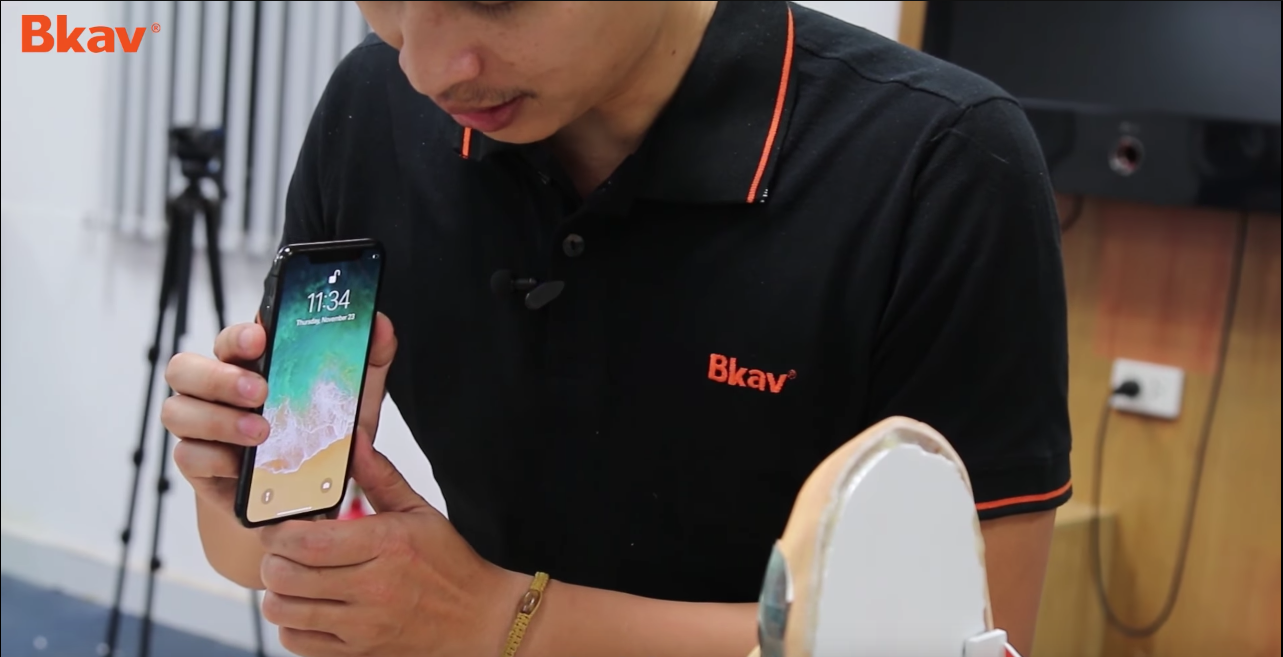
Face ID might be the future, according to Apple but, it sure has some loopholes. Then again, which technology doesn’t? Vietnamese cyber security research firm Bkav was able to crack Face ID for a second time using a more elaborate mask and nearly US $150 in materials.
The researchers were able to crack Face ID with a 3D printed mask of the user’s face made of stone powder. Infrared images of the user’s eyes were printed on paper and glued onto the 3D mask to trick the iPhone X’s infrared camera into perceiving that real eyes were looking at it.
After the first attempt at fooling Face ID, the firm recommended that businessmen and National Leaders not use Face ID for securing their iPhone Xs. After the second attempt, the firm has come to conclusion that Face ID is not secure enough business transactions like Apple Pay.
To say that your iPhone X is not secure at all and you should stick to a passcode is a little far-fetched. The process that Bkav undertook to fool Face ID is quite intensive and required special equipments to attain the desired results. You would also need access to a high-quality image of the person’s face and uninterrupted time with the user’s iPhone X.
Apple can take a feather out of Android Jellybean’s hat by adding an extra layer of security wherein the user has to blink before FaceID unlocks the phone. Android Jellybean had a feature called ‘liveness check’ but, it was easily fooled. Face ID on the other hand will implement it much better.
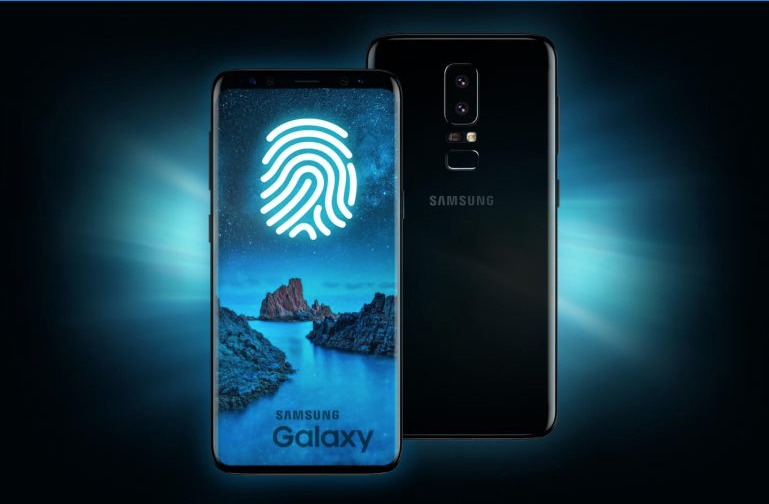
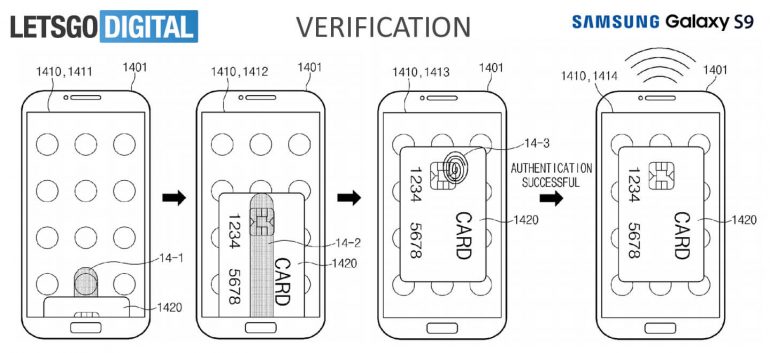
Samsung Galaxy S9, despite many reports, might have a screen-embedded fingerprint sensor.
The Apple iPhone X became available to the public in November, just a few months before the launch of the Galaxy S9. One of the most talked about features of the iPhone X has to be Face ID and the lack of a fingerprint sensor. Similarly, the awkward placement of the fingerprint sensor on the Galaxy S8/S8+ was also a talking point for many and iGyaan pointed it out as well in our full review of the Galaxy S8/S8+.
It appears that Samsung will fix that by embedding the fingerprint sensor inside the display rather than positioning it in the middle at the back of the phone. The patent was first reported by LetsGoDigital, which notes that the new technology is likely to appear on the Galaxy S9.
The international patent was submitted in April 2017, while the Korean patent was filed during 2016. This shows that a screen embedded fingerprint sensor has been a long standing aim of the Samsung design team. This looks like the ideal place for the fingerprint sensor instead at the back or completely moving to another way of biometrics like Face ID.
The Samsung Galaxy S9 is expected to be unveiled at CES 2018. As we have reported, the Galaxy S9 will be the first smartphone to have the Qualcomm Snapdragon 845 chipset, as per a deal with Qualcomm. Other than that, the new smartphone is expected to be an incremental upgrade over the Galaxy S8 although, a screen embedded fingerprint sensor will mean that the Galaxy S9 will grab all the headlines at the time of its launch and might push Galaxy S8 users to upgrade to the Galaxy S9.
Samsung has been the number one smartphone maker in the world for a quite some time now. The smartphone industry has been stagnant in terms of innovation in the past few years. We have seen a surge in new “bezel-less” phones but, they aren’t really bezel-less. But, it appears that Samsung has a few new designs up its sleeves for the coming years.
The Samsung Advanced Institute of Technology (SAIT) has been working on batteries that can be recharged in 12 minutes using graphene. That is five times faster than the existing batteries that support fast charging technology but, they still take about an hour to fully charge.
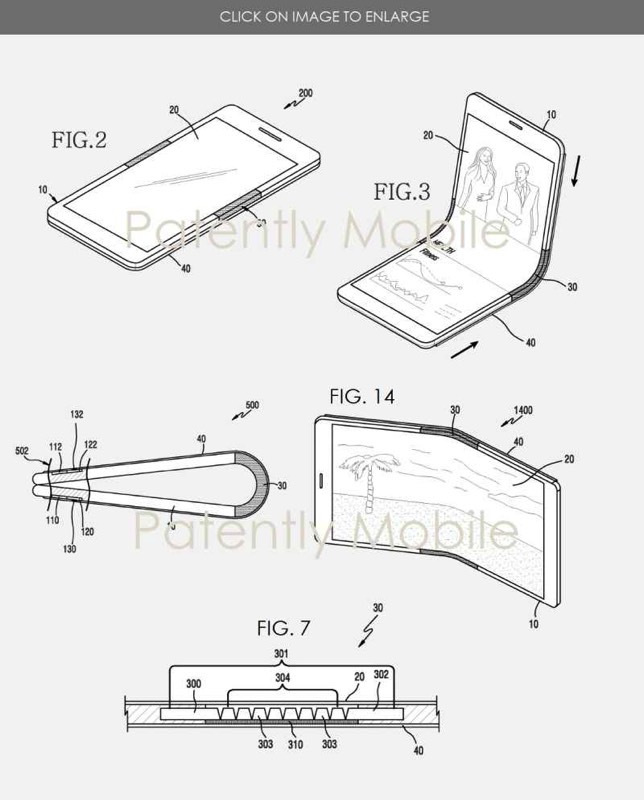
It is not a news that Samsung is working on a foldable smartphone. The Galaxy X is very much a reality and a launch is expected in the first quarter of 2018. Now, a new patent discovered shows Samsung’s plan for a foldable smartphone. The patents show clamshell and candy bar smartphone designs that feature flexible displays and bodies. It will be interesting to see the implementation of the foldable design on the upcoming Galaxy X(tentatively called).
What does seem apparent is that the upcoming foldable Galaxy phone will not have an all-screen design.
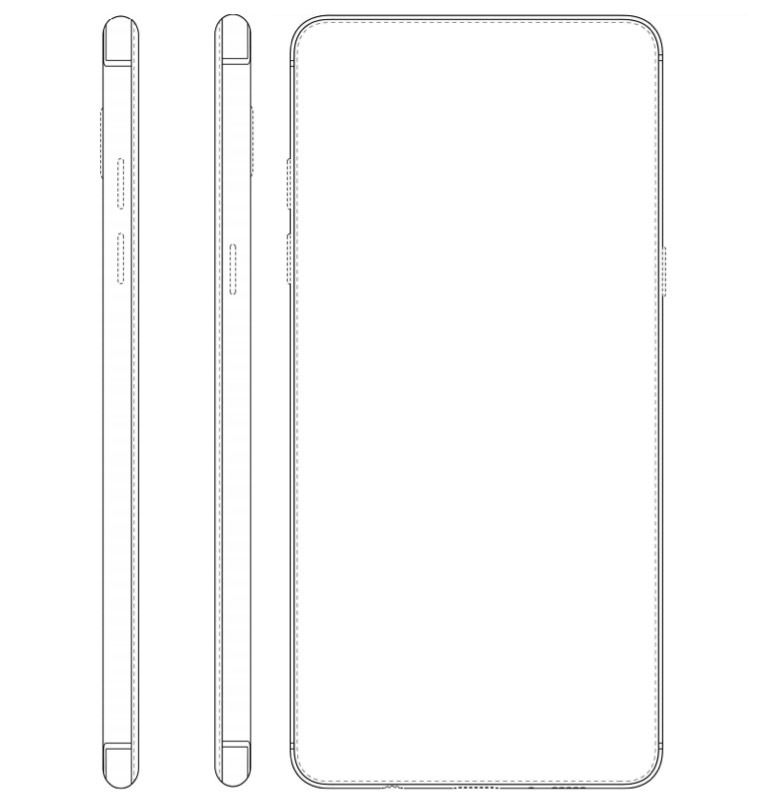
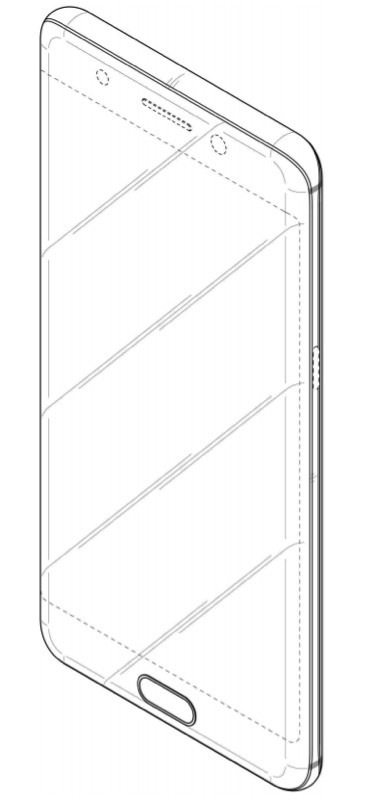
Another patent unearthed that belongs to Samsung shows an all-screen display with no cutouts for a camera or any of the sensor. It is worth noting that the Galaxy S6/S7 turned out to be very similar to their patents. So, to believe that an all-screen phone from Samsung is not too far in the future won’t be a stretch.
Galaxy S6/S7 Patent
A new design change like this along with new offerings like a foldable smartphone which will be available to an average consumer might be the ignition that Samsung needs to stay ahead of the constant competition from Apple.
As we approach the end of 2017, the focus has already shifted to what we can expect from the 2018 flagship phones. A new report suggests that along with the Samsung Galaxy S9, the LG G7 will also be unveiled at CES 2018.
2017 has seen the Samsung Galaxy S8, Galaxy Note8 and the iPhone X steal the limelight from the likes of the LG V30. That, however, has been the case for a few years now. The LG flagship phones make the list of every tech critics’ ‘Top’ list but, never seem to capture the consumer’s imagination like its rivals.
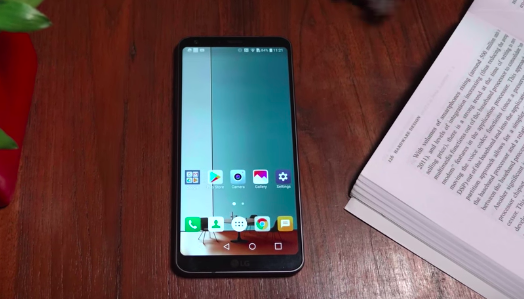
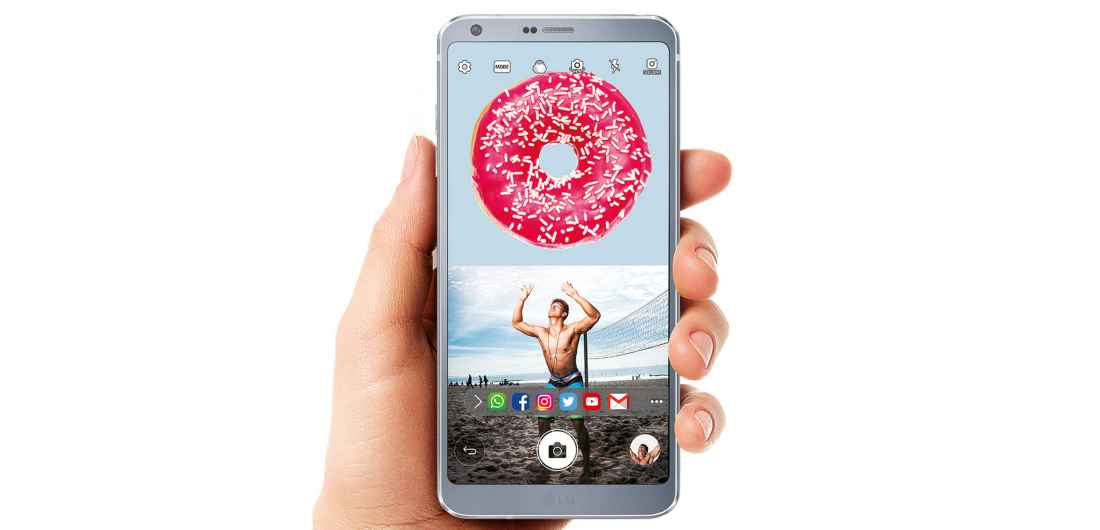
LG G6
2018 by the looks of it, won’t be any different. The LG G7 is expected to be launched with the Qualcomm Snapdragon 835 since Samsung will most probably have exclusive access to the Snapdragon 845 chipset for the first few months of 2017. Something similar happened in 2017 when LG G6 launched close to the Samsung Galaxy S8 and had to make do with the Snapdragon 821 chipset.
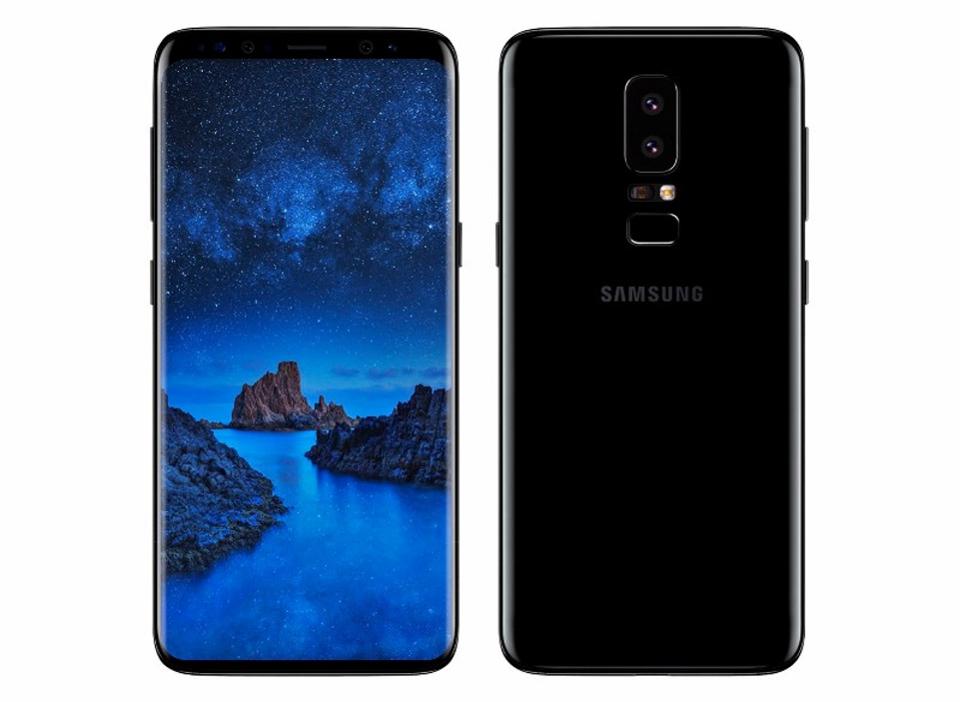
Samsung Galaxy S9 Renders
The LG G7 is also rumoured to feature an OLED display, with the fingerprint sensor to be placed under the screen rather than the back. The Samsung Galaxy S9, meanwhile, will have a regular rear-facing fingerprint sensor but, reports suggest that it will be positioned in a better location.