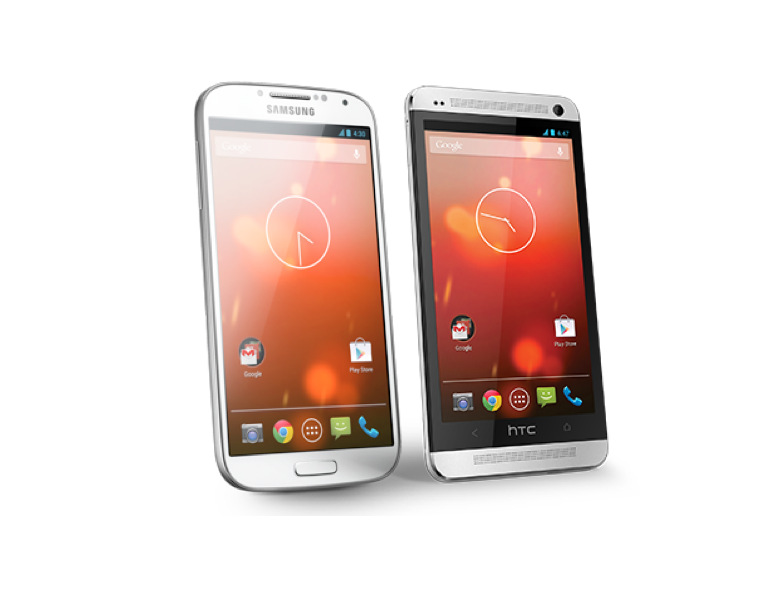
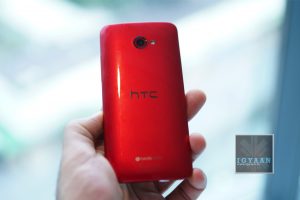
After updating all the Nexus devices this week, the two Nexus 7 tablets, the Nexus 4 and the Samsung Galaxy Nexus, search engine giant Google’s Android division on Friday rolled out the Android 4.3 Jelly Bean update for the two Google Play Edition smartphones, the HTC One and the Samsung Galaxy S4.
When Google announced the Google Play edition of the S4, they promised quick updated along with a stock Android experience. These are two of the main reasons to get these devices over their standard versions that come with OEM customizations and are bound to receive the 4.3 update much, much later.
These phones’ updates include most of Android 4.3’s key features—Bluetooth 4.0 and OpenGL ES 3.0 support among them—plus a few handset-specific enhancements. AnandTech reports, for example, that the Google Play edition HTC One’s IR blaster has now been enabled, as has Bluetooth pairing for the Galaxy S 4. Both phones were already using the new stock Camera app included with Android 4.3 on the Nexus devices, but they each come with a few minor cosmetic tweaks of their own.
Do you think Samsung and HTC will capitalize on this momentum to help them release the Android 4.3 update for their mainstream devices in a more timely manner? Let us know below!
Each month, Google posts the breakdown of its Android versions, ostensibly for developers to see which ones they can target with their apps.
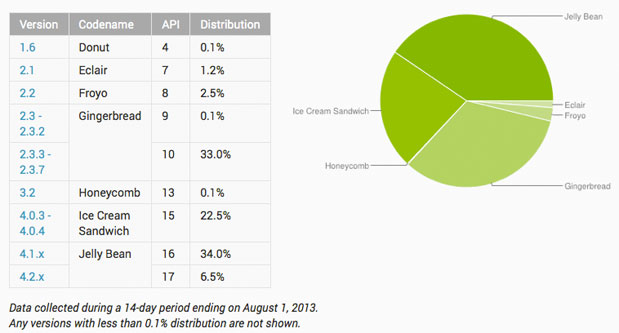
As of August 1st, over 40% of users run Jelly Bean and, combined with Ice Cream Sandwich, 63% of users run phones with Android 4.0 or above. While this is not necessarily the target we’re looking for — over 90% of iOS users run the latest version, according to Apple — it indicates that Google has largely stabilized the fragmentation issue.
Gingerbread is holding fairly steady at 33%, dropping only 1.1% from the previous month. In fact, Ice Cream Sandwich also dropped from last month as more devices were upgraded to Jelly Bean, both in the 4.1 and 4.2 flavours. Google’s now next-to-newest version, Android 4.2, is only running on 6.5% of devices, and some of them would have been upgraded to 4.3 in the past week or so.
Unfortunately, Android 1.6, 2.1 and 2.2 still exist, though their numbers are dwindling as users replace their phones with newer models.
The big takeaway from this is that developers can now soundly target Android 4.0+ without worrying that they’re alienating the entire ecosystem, something that couldn’t be said a year ago.
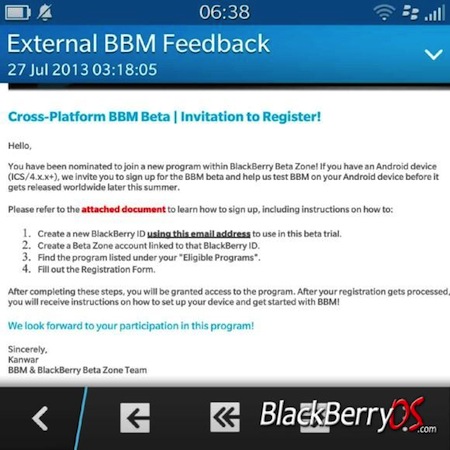
A few folks lucky enough at the BlackBerry’s Beta Zone have been given the ability to test out BBM Beta for Android devices. Once registered at the beta zone, all one needs is an Android Device running Android 4.0 and up.
The program is not available for everyone, but if you have received an email like the one shown above, you’ll find it available under Eligible Programs. Much like it will be when it goes official, the beta version of BBM for Android requires v4.0 (Ice Cream Sandwich); while the BBM beta for iPhone requires iOS 6 as a minimum requirement.
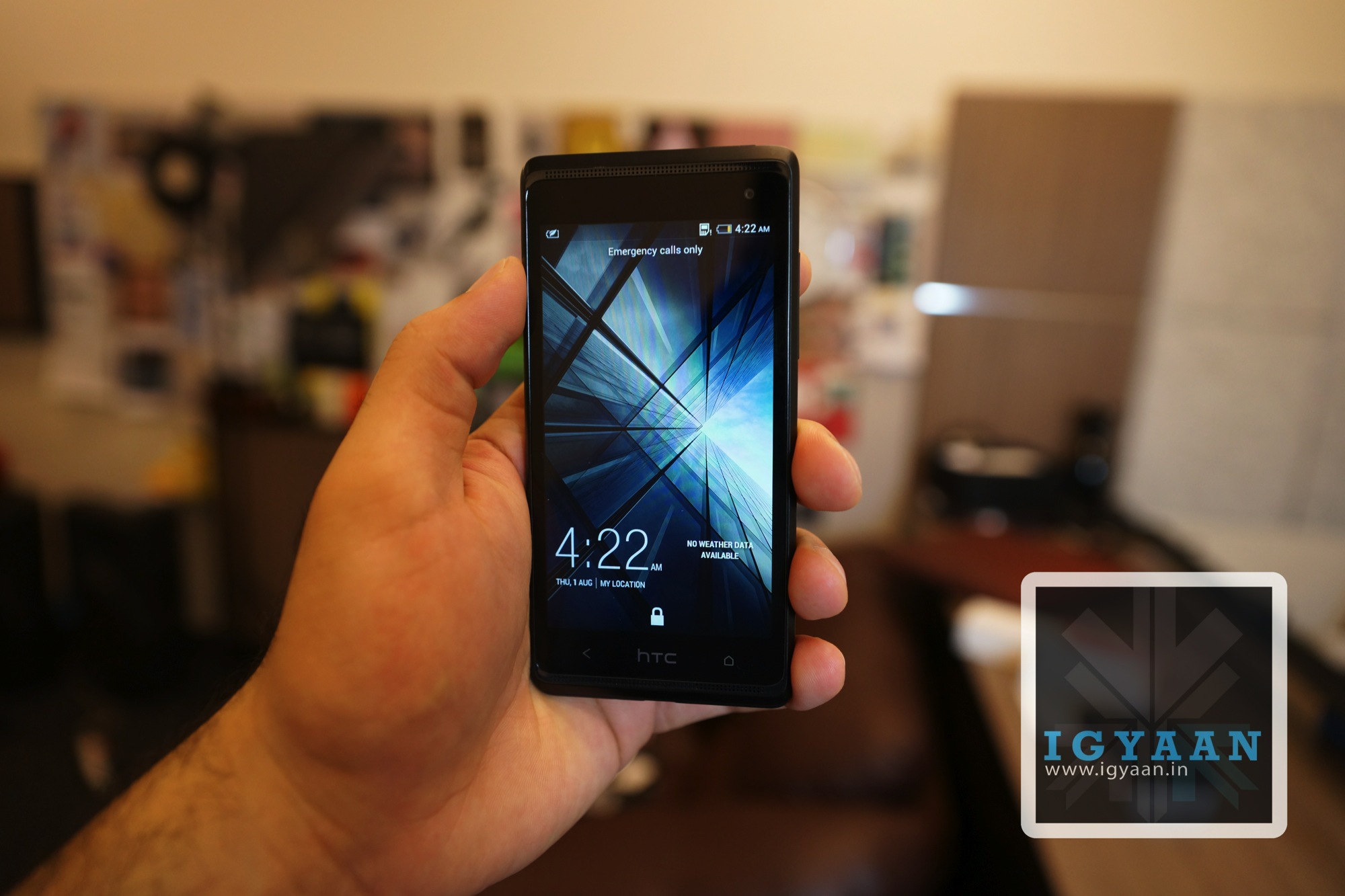
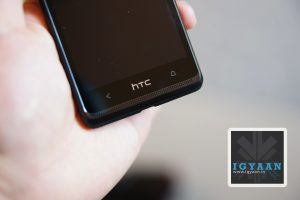
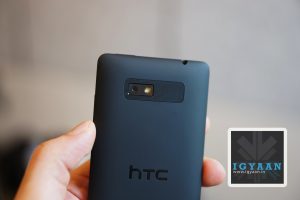
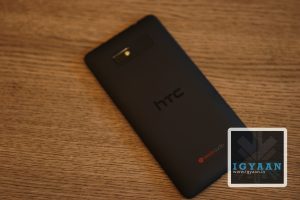
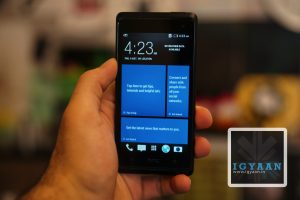
HTC is ready to bring its flagship features to the masses with the new HTC Desire 600 Dual Sim. The Smartphone running Android 4.1 Jelly bean also features the Latest HTC Sense and Blinkfeed UI. Laid out with a 4.5 inch 540 x 960 px Super LCD2 capacitive touchscreen display, it has a nimble 242 ppi pixel density. Cameras are borrowed from the HTC 8X with a 8 MP snapper 1/3.2” sensor size, 1.4µm pixel size. The front facing camera is a 1.7 MP shooter both will do 720p video.
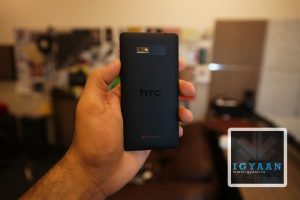
The HTC Desire 600 dual sim is based on a Qualcomm MSM8625Q Snapdragon 200 with a Quad-core 1.2 GHz Cortex-A5 and an Adreno 203, all of which according to the company can tak on any Mediatek based handset offering similar features. The Build quality and feel of the HTC Desire 600 Dual Sim is definitely great. With its rubberized grippy back panel and slim brushed steel bezel the dual sim smartphone is really worth of the brand.
The box we got is not a retail box , but the usual in-box items should include :
Handset
Earphones
USB Cable
Warranty
User Guide
Wall Charger
1860 mAh Battery
HTC has not left out on the usual Sense features bundling 25 GB Dropbox storage. Check out the unbxoing video (uploading) and stay tuned for Gaming Benchmarks and full review shortly.
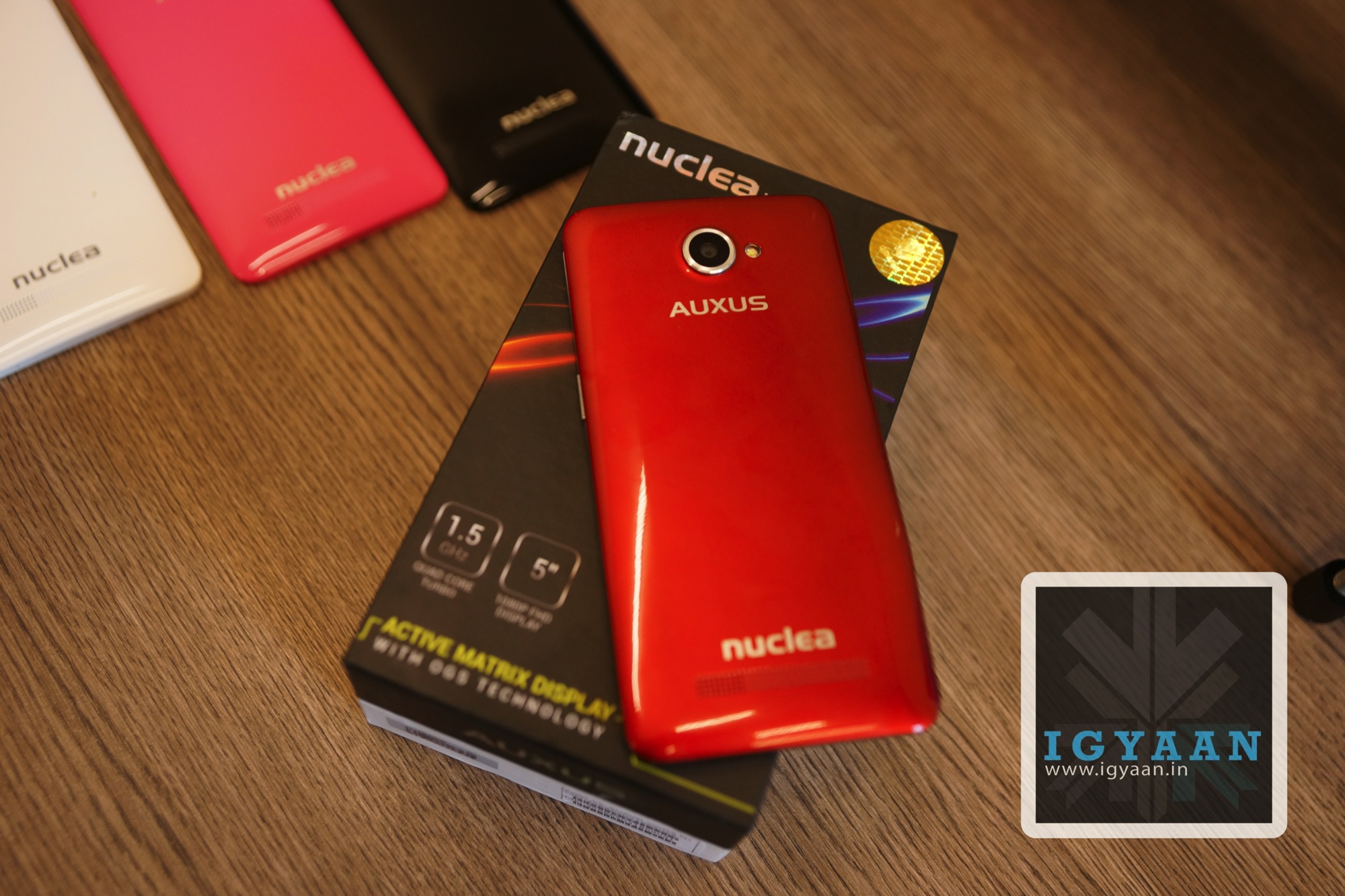
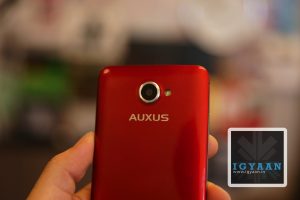
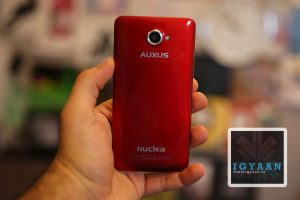
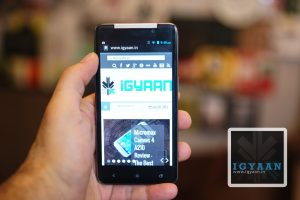
We get you an exclusive unboxing today for the iBerry Auxus Nuclea N1, a smartphone that has basically given Micromax a run for their money when the Canvas 4 was announced. The handset takes away a lot of things but adds a few that will be might appreciated by the phone buyers.
For starters the iBerry Auxus Nuclea N1 has a 5 inch 1080p display, and dual BSI cameras a 13 MP rear and a 8 MP front camera sensor, both capable of 1080p video at 30fps. The chipset that powers this device is a Mediatek 6589t clocked at 1.5 GHz on all four cores. RAM and storage can be the only downsides to this handset with only 4 GB of inbuilt storage and 1 GB of RAM, you may not be able to fully exploit the additional power on the chipset.
Everything on the iBerry Auxus Nuclea N1is backed by a 2800mAh battery that ensures a better battery backup, vs the competition. The iBerry Auxus Nuclea N1also runs Android 4.2.1 Jelly out of the box with little or no custom UI modifications and almost zero bloatware, which also improves on performance and stability (we hope) .
Another thing worth appreciating is that rooting will not void your warranty, well you wont have to root the device anyway, because its pre rooted.
iBerry Auxus Nuclea N1
HTC Butterfly S
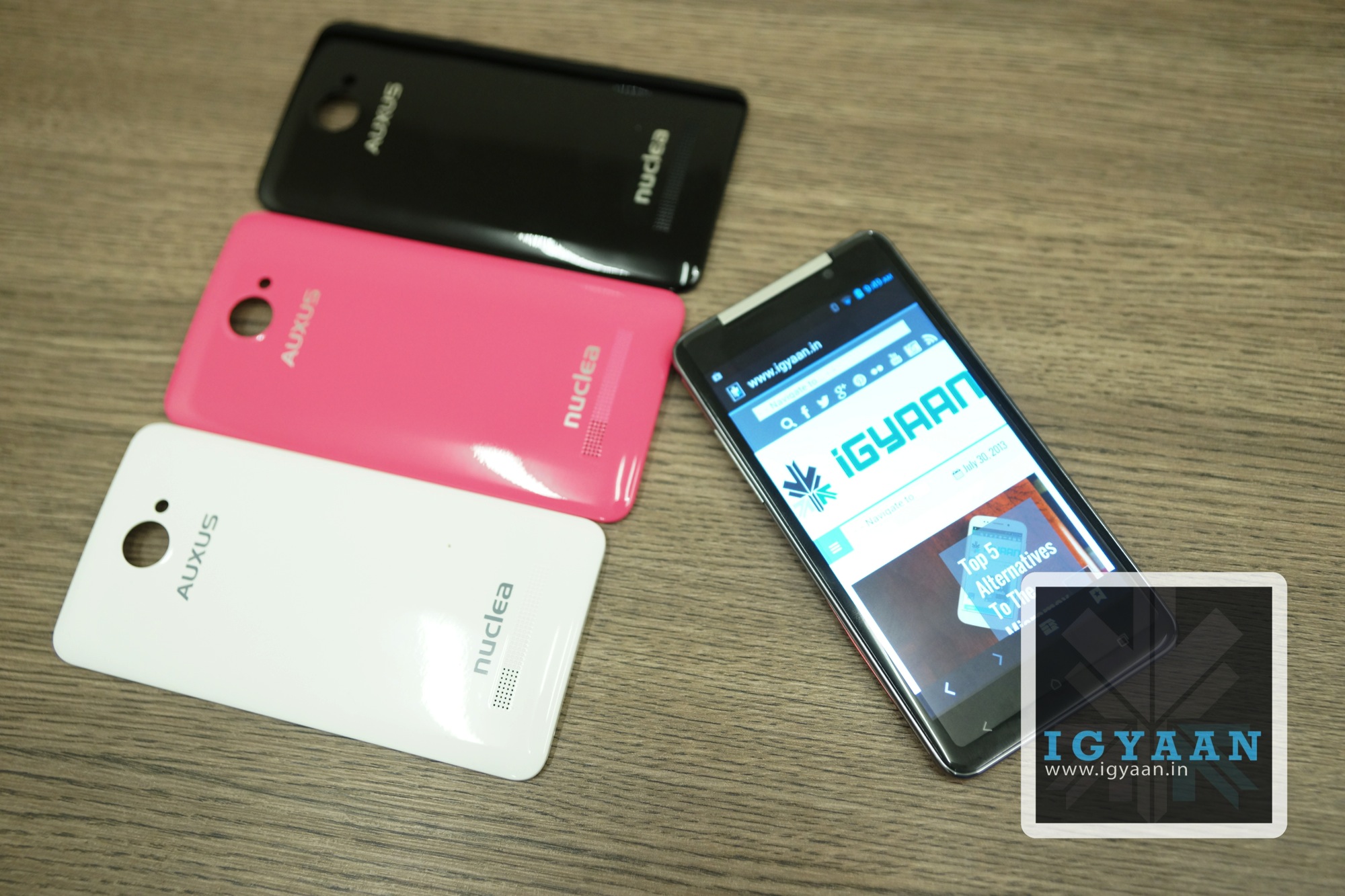
The Build and design are actually quite like the HTC Butterfly, with the paint finish matching the newer HTC Butterfly S. the build quality seems robust at first, no indication as to what the display glass is , but the phone does have an 5 inch 1920 x 1080p Active matrix display and an OGS panel, which means the display and the touchscreen are fused together, which also means that the likely maker of the LCD panel is LG.
The Power and volume rocker buttons appear to have been made from steel, and are very tactile. The replaceable panels included in the box are a great boon, and will reduce the need of a back cover, the handset also comes with an antiglare screen protector, which may be replaced with a more suitable one which cover the ful screen as the one included does not.
The feel and finish of the iBerry Auxus Nuclea N1 are premium, although, some may not appreciate the overly large Logos at the back of the device. Now lets see how the handset performs, stay tuned for benchmarks and gaming.
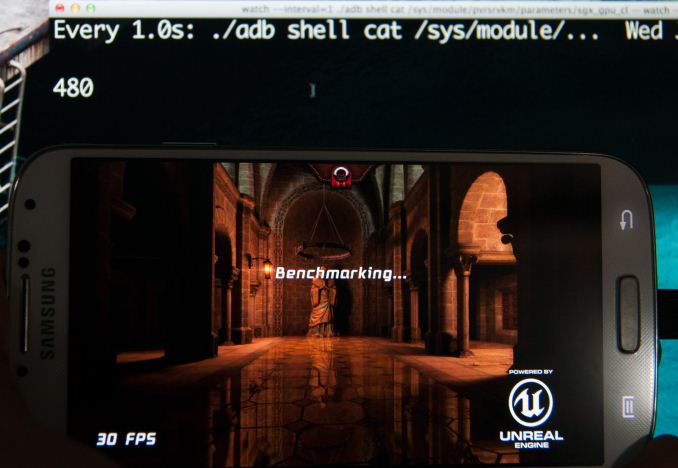
Most people consider the benchmark results of a smartphone before buying the handset. If reports are accurate, it appears Samsung has been boosting Benchmarks and inflating those numbers for quite some time, to enhance the overall outcome of the benchmark scores on Exynos devices. According to the tech explorers at Anandtech, the Samsung Galaxy S4 has a software bot by the name of “BenchmarkBooster,” which is responsible for overclocking the processors when certain apps are running. This causes a 13% average increase in the overall outcome of the GPU benchmark and similar enhancements on the CPU side. The apps affected by this so called “BenchmarkBooster,” are GLBench 2.5.1, AnTuTu, Quadrant and Linpack whereas the GFXBench 2.7.0 is able to bypass the incremental patch.
What Samsung is actually doing is unknown, when we reached a Samsung Rep in India we were told that Korea HQ is looking into the matter and “may soon release an official statement”. Samsung could however be boosting Benchmark scores to impress upcoming customers and even reviewers in believing that the Exynos Based Smartphones perform better than they actually do. This could indeed inflate sales a bucket load more. Let’s see what Samsung has to say. For a detailed account and geeky numbers hit the source link below.
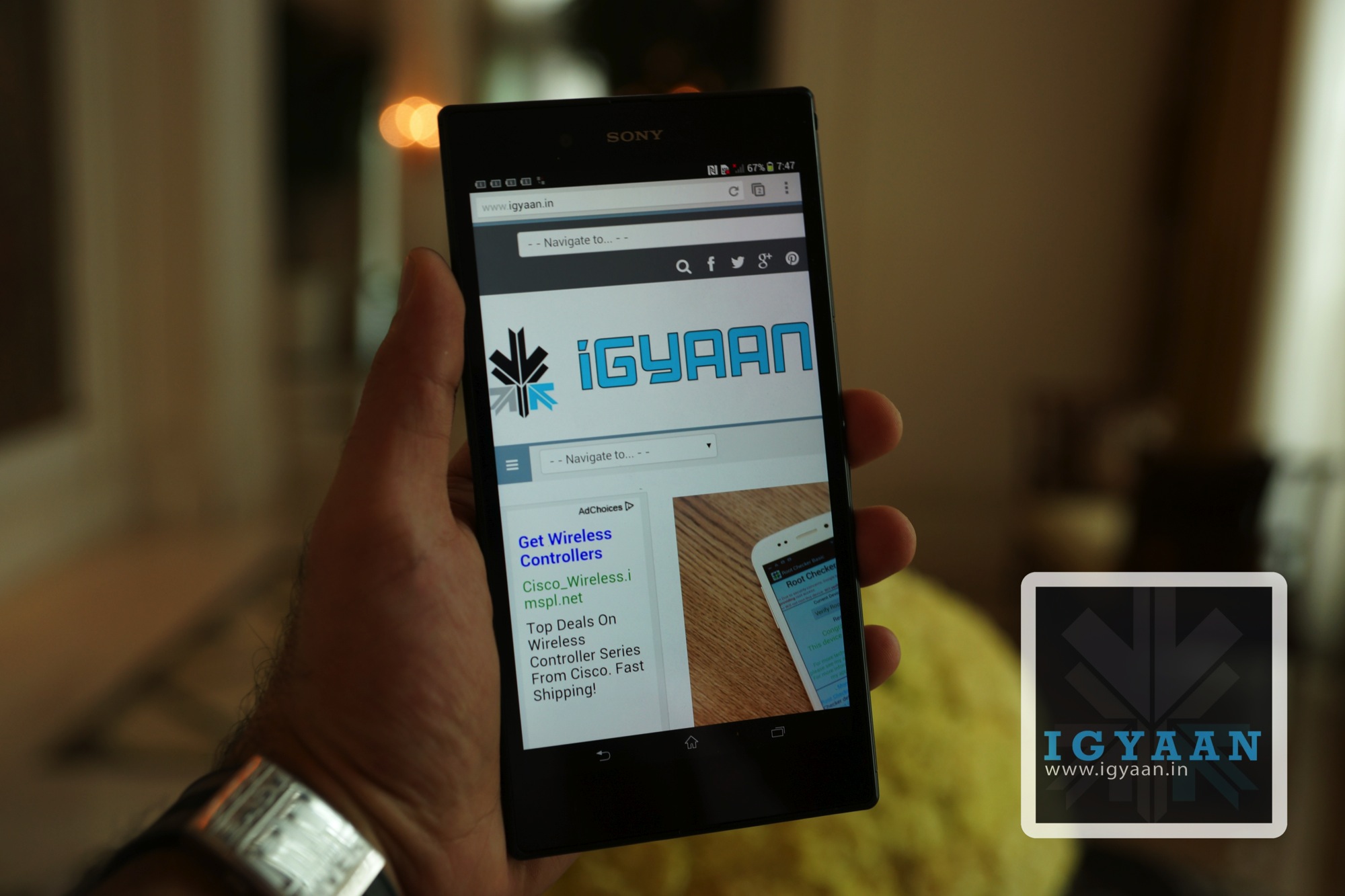
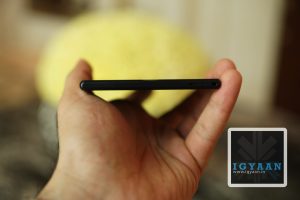
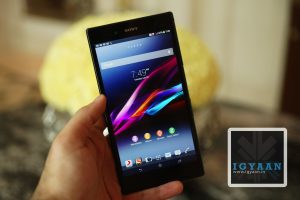
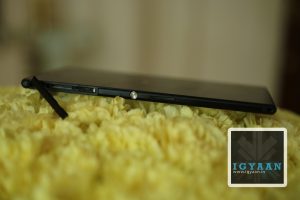
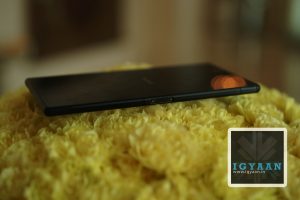
Sony today launched the new Xperia Z Ultra in India, the phone is a bigger (really) sized variant of the Xperia Z and in theory really builds on the design and the features of the Xperia Z. The Xperia Z Ultra features a 6.4 inch Full HD 1920 x 1080p display with 344 ppi pixel density which is powered by the Triluminous and X-reality engines of the Mobile Bravia embed. The Xperia Z Ultra also features a MSM8974 Snapdragon 800 chipset which is more than capable of powering the device, with Quad-core 2.2 GHz Krait 400 CPU and Adreno 330 the phone is really a mammoth creation in both size and hardware power. The Xperia Z Ultra just like the Z before it, is IP58 certified – dust and water proof which means the the Xperia Z Ultra is Water resistant up to 1 meter and 30 minutes.
For Cameras you have an 8 MP rear snapper and a 2 MP front camera both sans a LED Flash and capable of 1080p video at 30fps. The Xperia Z Ultra comes with a 3050 mAh battery which is embedded into the device and is non removable, the profile of the handset is truly fantastic where it is only 6.5mm thick and weighs only 212g considering the size. Sony have also rounded off the sides so that it does not bite your hands when you attempt to grip this passport sized handset. The phone will be available in Black, White and Purple and boasts lots of freebies from the get go, including Asphalt 7 which is pre installed, Sony Live Content from Indian Idol Etc. and free 3months subscription to Big Flix.
The Xperia Z Ultra has 16 GB inbuilt storage and 2 GB of RAm and you can expand the storage with upto a 64 GB microSD card, class 10 recommended.
Google Android 4.3 may be a minor update to Google’s mobile operating system, but it has some nice features including performance tweaks, Bluetooth improvements, support for limiting a user’s access to some apps or content on multi-user devices, and much more.
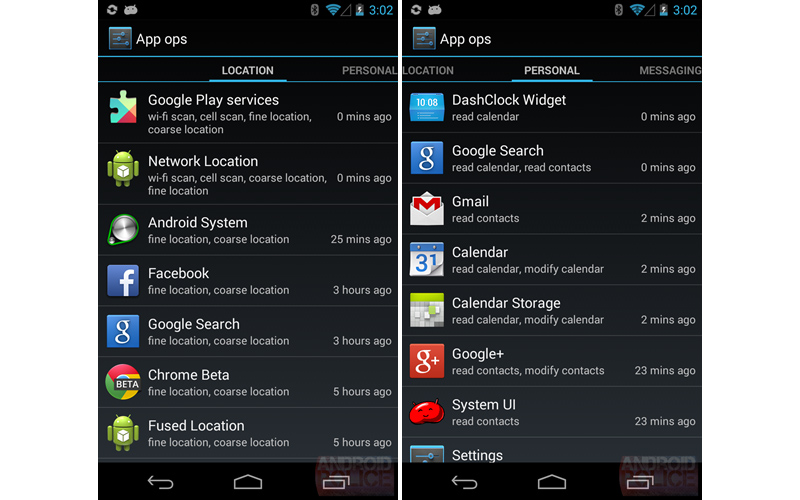
It also has a hidden feature. It’s called “App Ops” and it lets you selectively disable some permissions for your apps. Is some misbehaving app constantly pinging your location and draining your battery in a few hours? You can fix that now.
Once there, the user will see that all of their apps and permissions are broken down into four easily distinguishable categories: Personal, Location, Messaging, and Device. Simply choose an app, tape the on/off button, and voilà! The user’s app is still completely functional without annoyingly draining your device.
Another notable feature in Android 4.3 is improved Photo Spheres. Evan Rapoport, a Google Maps Product Manager, recently revealed on Google+ that the latest version of Jelly Bean offers better alignment and stitching while taking photos with Photo Sphere. The app also offers improved exposure compensation that’ll lead to fewer gray areas and inconsistent coloring in photos.
Other highlights of Android 4.3 Jelly Bean include multi-user restricted profiles which limits access to specified content, a sound for aspect of sale systems and kiosks, for example. Security is in play here as it works for parental controls too. Bluetooth Low-Energy support will easily pair Android 4.3 with a fitness sensor for the workout-aholics out there.
Sony Mobile officially confirmed the upcoming availability of the Android 4.3 Jelly Bean operating system for some of its latest Xperia smartphones out there, including the Xperia Z and Xperia Z Ultra.
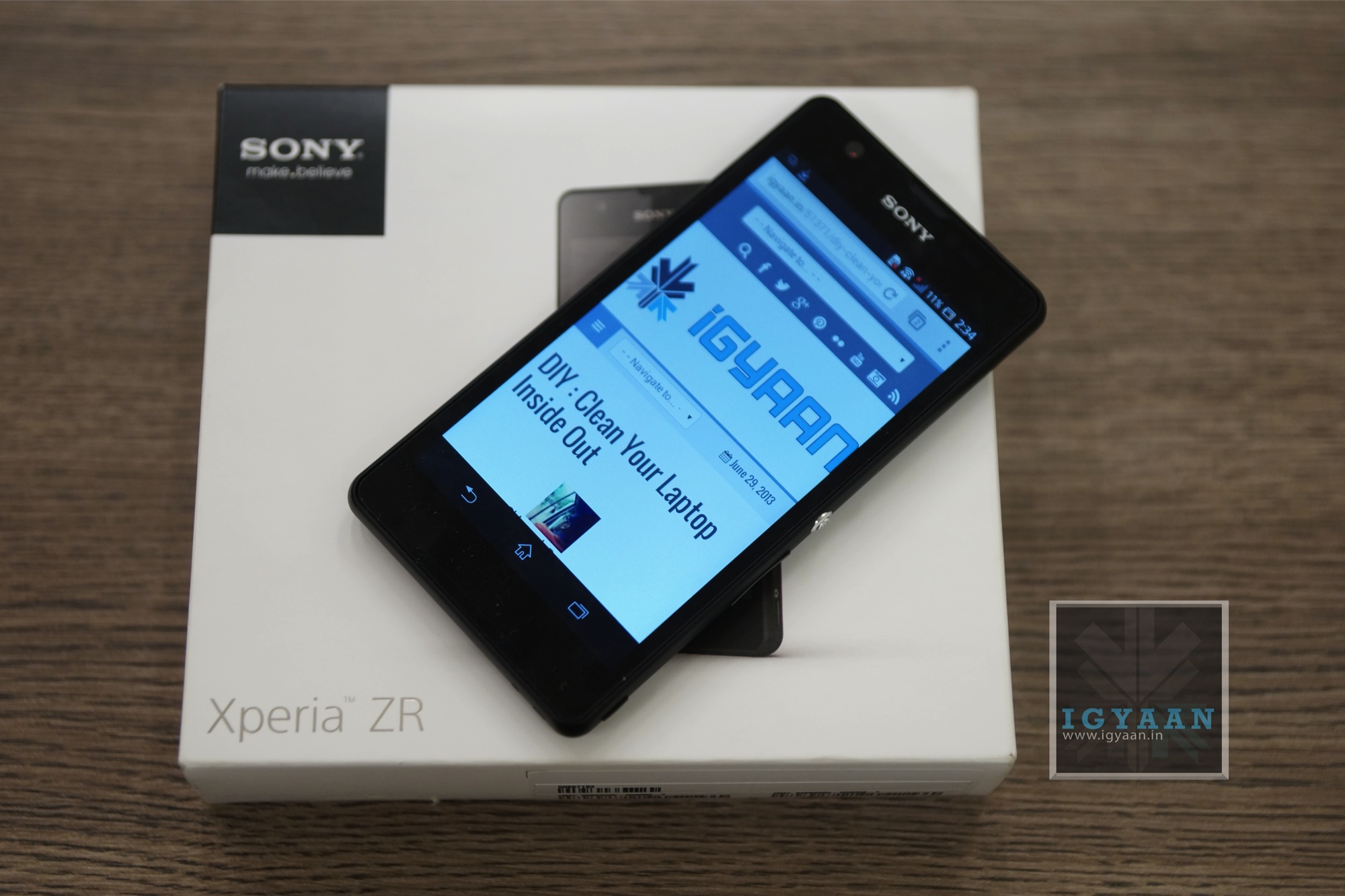
A post on the company’s blog says it is “already getting stuck in” and is working to develop updates for the Xperia Z, Xperia ZL, Xperia ZR, Xperia Tablet Z, Xperia SP and Xperia Z Ultra.
Some older Xperia phones running Android 4.1 are still under examination. There’s a possibility that at least some of them will be updated straight to Android 4.3, but no names have been confirmed yet.
Sony, however, is not known for being quick with Android rollouts so customers will probably need to be patient once again. Back in December 2012, the company promised Android 4.2 updates for 10 of its 2012 Xperia range, and that process was only completed last month.
It admits that the Android 4.1 upgrade “process hasn’t been as succinct or as timely as you might’ve expected”, which leads us to believe that this may happen once again with the roll-out of the third Jelly Bean iteration.
With Android 4.3, many of the updates appear to be under the hood. Among the front-end changes is the addition of a Multi-User Restricted Profiles feature.
Sony posted a video of the Xperia Tablet Z already running the AOSP version of Android 4.3, as they previously did with 4.2.
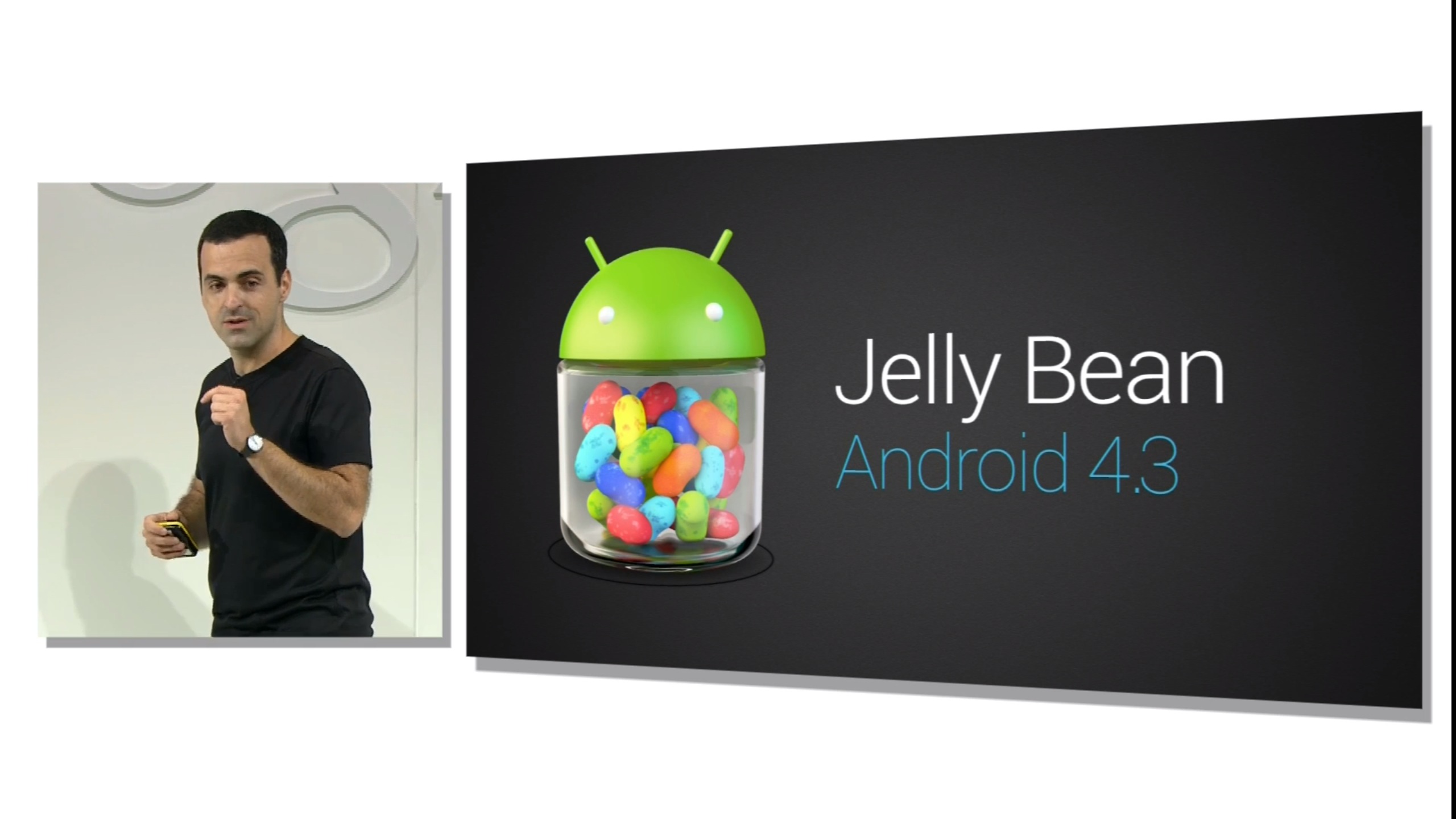
Google today announced the latest iteration of Android – Android 4.3 Jelly Bean during a press breakfast in San Francisco.
The long-awaited OS update will be coming to Android device users based on their devices. The Android 4.3 Jelly Bean update will start rolling out today to the Nexus 4, Nexus 7 and Nexus 10. The “Google Play Edition” versions of the HTC One and Samsung Galaxy S4 can expect it soon, most likely August or September.
As ArsTechnica reports, the new operating system will feature multi-user restricted profiles. This will let users control access to contents and apps per user—so parents, for example, can control which applications their kids can access. When accessed from restricted profiles, applications behave differently. On stage, Hugo Barra demonstrated this by showing a puzzle game whose in-app purchase functionality was automatically disabled when it was accessed on the kid’s restricted profile.
Other features include built-in OpenGL ES 3.0 support, DRM APIs for providing hardware-based encryption for protecting content, which will allow it to provide 1080p video to its tablets. The first partner is Netflix, which supports 1080p HD streaming. The Nexus 7 is the first device to support it.
Android 4.3 also introduces many other features, including support for Bluetooth Smart devices, background Wi-Fi location, more language support and “easier text input.”
We’ll bring you more on the new release as it comes. In the meantime, share your thoughts down in the comments.
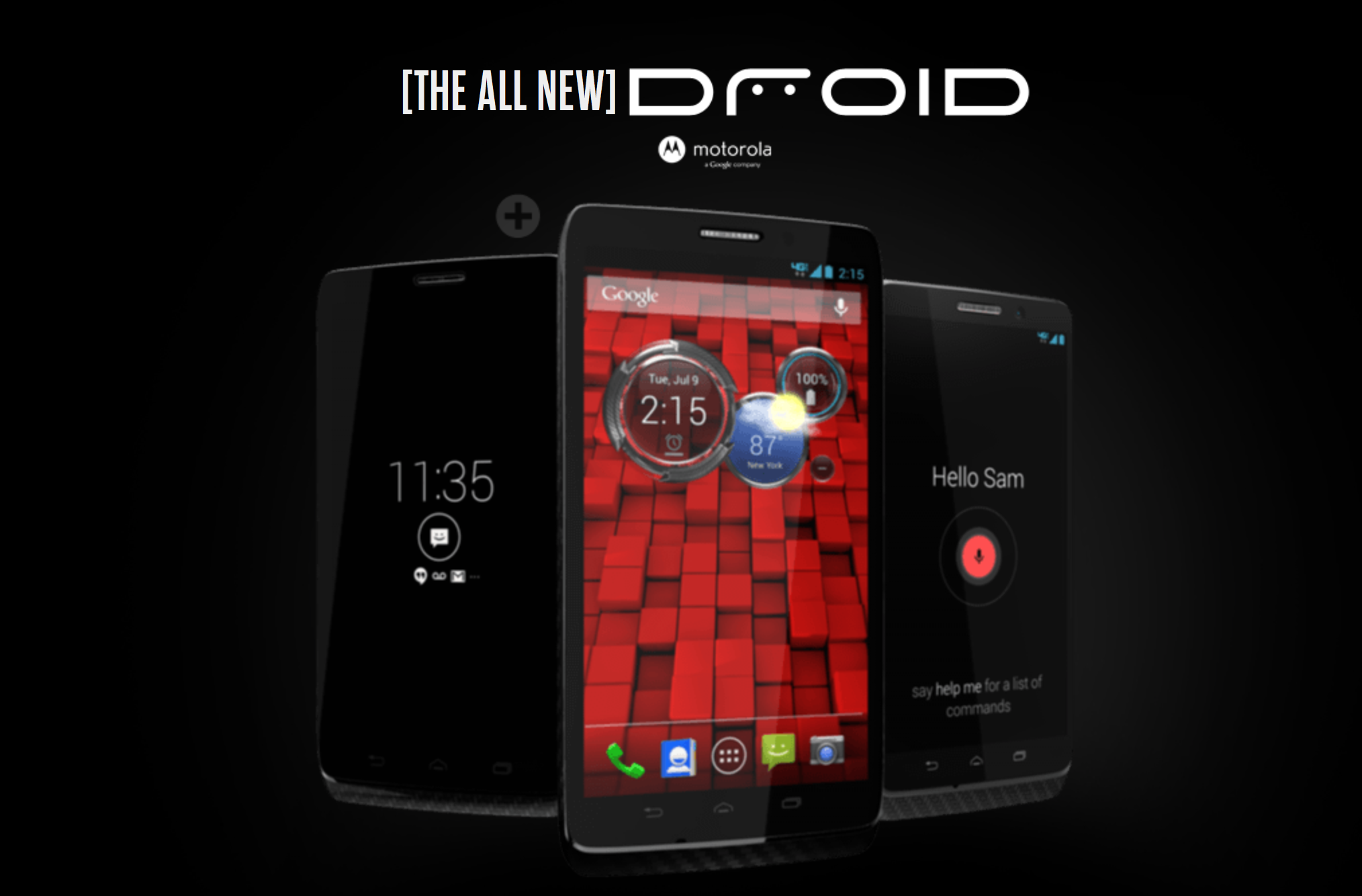
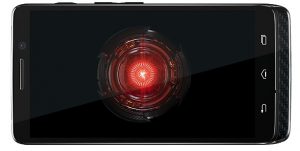
US carrier Verizon today launched three new Motorola phones which may truly change the way the world looks at the Google owned mobility company. Motorola and Verizon have launched a trio of phones which focus on all those things that have come to be the envy of smartphone owners,
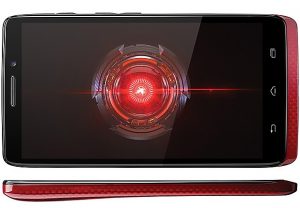
Starting with the Droid Ultra which is a 5-inch smartphone that the company claims is “all about thin,”. The Droid Ultra sports a glossy, unibody Kevlar shell that makes it thinner (7.18mm) yet stronger than its predecessors.
The Droid Ultra sports a dual-core X8 Mobile Computing System delivers about 24 percent faster processing and double the graphics capabilities on all aspects. The Droid Ultra ships August 20th for $199, and pre-orders are starting today.The Droid Ultra will be available in Black and Red models.
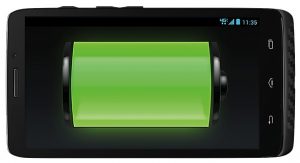
The Droid Maxx on the other hand is designed for a long lasting Android experience, it sports a massive 48-hour battery life and is apparently 9 percent thinner than the RAZR Maxx HD. Just like the Droid Ultra, the phone is said to be 24% faster and double in the graphics department 10-megapixel camera out back that’s capable of shooting 1080p HD video. The Droid Maxx has wireless charging and a 3500mAh battery.
Droid Mini
Droid Maxx
Droid Ultra
Finally the Droid Mini comes with a 4.3 inch display 1.7GHz dual-core processor, 16GB of onboard storage (with 2GB of RAM), a 2130 mAh battery and a 10-megapixel camera with 1080p video capture. The Droid Mini goes on sale for US $ 99 and comes with wireless charging capabilities.
The Motorola Verizon Droid phones aim to focus more on experience and less on the specs of these handsets. The handsets get the new Droid Command Center homescreen widget with access to notifications, weather updates and more, as well as quick capture to take photos with a double-shake.The three phones will also include voice capabilites as leaked in the Moto X and the Droid handsets can apparently be woken on voice command by saying, “Ok Google Now.”
[toggle title=”Press Release”]Trio of New DROID Smartphones Coming to Verizon Wireless
MINI, ULTRA and MAXX: Cutting-edge design meets strength and agility.
A new family of exclusive DROID smartphones is coming soon to Verizon Wireless: DROID MINI, DROID ULTRA and DROID MAXX by Motorola. Keeping up with the DROID tradition, these devices give users what’s expected from a DROID on Verizon – intelligence, strength and endurance.
It starts with DROID Command Center, an exclusive homescreen widget for users to easily access notifications for text messages, missed calls, battery level and weather. It also serves as the gateway to new features including Wireless Display to mirror what’s on the screen onto a compatible HDTV to play games, browse the web and share pictures on a big screen.
Taking a picture and sharing it is now as easy as shake, tap and swipe. Quick Capture lets users access the 10-megapixel camera by shaking the phone twice, then tapping anywhere on the screen to snap a pic or a selfie. Sharing with a friend or a group of friends nearby is simple with the DROID Zap feature. Swiping up on a picture instantly shares it with fellow new DROID owners nearby, all they need to do is swipe down on their screen to receive it.
Hands are full or messy? Wake up the DROID by saying “Ok Google Now” and then tell it what you want to do. And for those users who constantly lose their phone under the couch or around the house, they can simply say “Ok Google Now, call my DROID” and it will start ringing. And Active Notifications lets users preview messages and app alerts without waking their phone.
These Touchless Controls and Active Display let users make calls, send texts, get directions, play music, set a reminder and preview notifications hands-free without having to unlock the phone, giving DROID users a whole new way of interacting with their phones.
The first DROID launched in November 2009 and included features new at the time such as Google Maps Navigation. It was also the first smartphone to feature Android 2.0. The new trio of DROID devices continues to give innovative features.
DROID MINI: A compact design with an edge-to-edge 4.3-inch HD display and wireless charging capabilities.
DROID ULTRA: The thinnest 4G LTE smartphone available, measuring 7.18mm, and with a 5-inch HD display. The ULTRA will be available in Black and Red models.
DROID MAXX: Features wireless charging and a 3500mAh battery that gives users nearly two days of battery life on a single charge, making it the longest lasting 4G LTE smartphone available.
These DROID smartphones are made with DuPont Kevlar fiber unibody design and will be available for pre-order online starting today, July 23, at 1 p.m. ET. The DROID ULTRA and DROID MAXX will be available for purchase starting Aug. 20 and the DROID MINI will be available starting Aug. 29. The DROID MINI will be $99.99, the DROID ULTRA will be $199.99 and the DROID MAXX will be $299.99, all with a new two-year customer agreement.[/toggle]
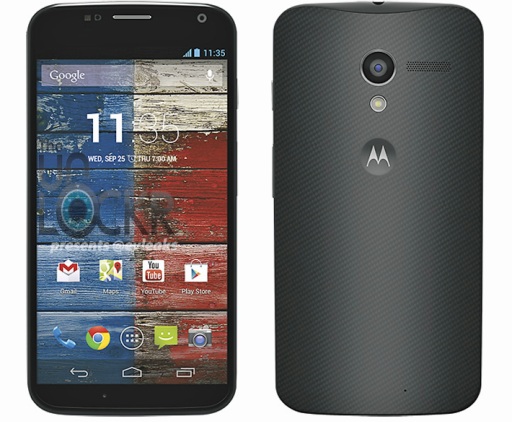
With a mere week and a couple days remaining before the Moto X launches, the device’s camera user interface was leaked in the wild by Android Police.
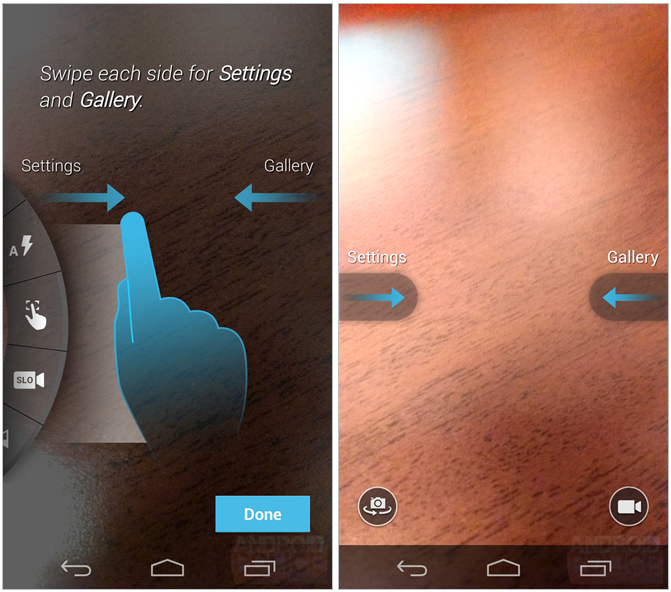
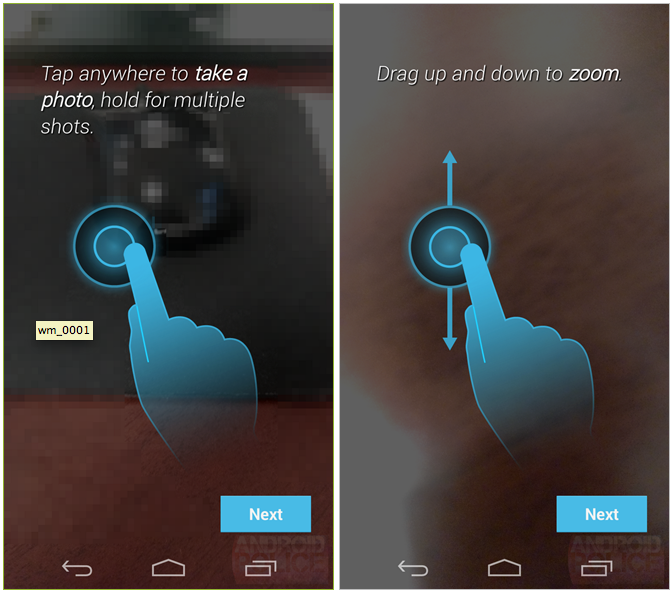
Instead of an overwhelming amount of on-screen options, the Moto X’s camera interface is surprisingly minimalist and primarily controlled by swipe gestures.
Swiping in from the left side of the screen brings up a control wheel that contains typical camera settings, while swiping in from the right side opens up your photo gallery. You can take a picture simply by tapping anywhere on the Moto X’s screen and zoom by swiping up and down.
We also get a glimpse of the Quick Capture mode, which allows you to open the camera app with two flicks of the wrist. This can be done while the phone is off or from any app.
Whether or not this is the next stock Android camera UI isn’t known at this point, but we should know soon enough, maybe before this phone is made official.
Aside from the above features, the Moto X’s rear camera is also said to include Clear Pixel technology and, for the bare essentials, a 10.5-megapixel sensor.
We’ll keep you up-to-date on everything that’s happening, so be sure to check back often!
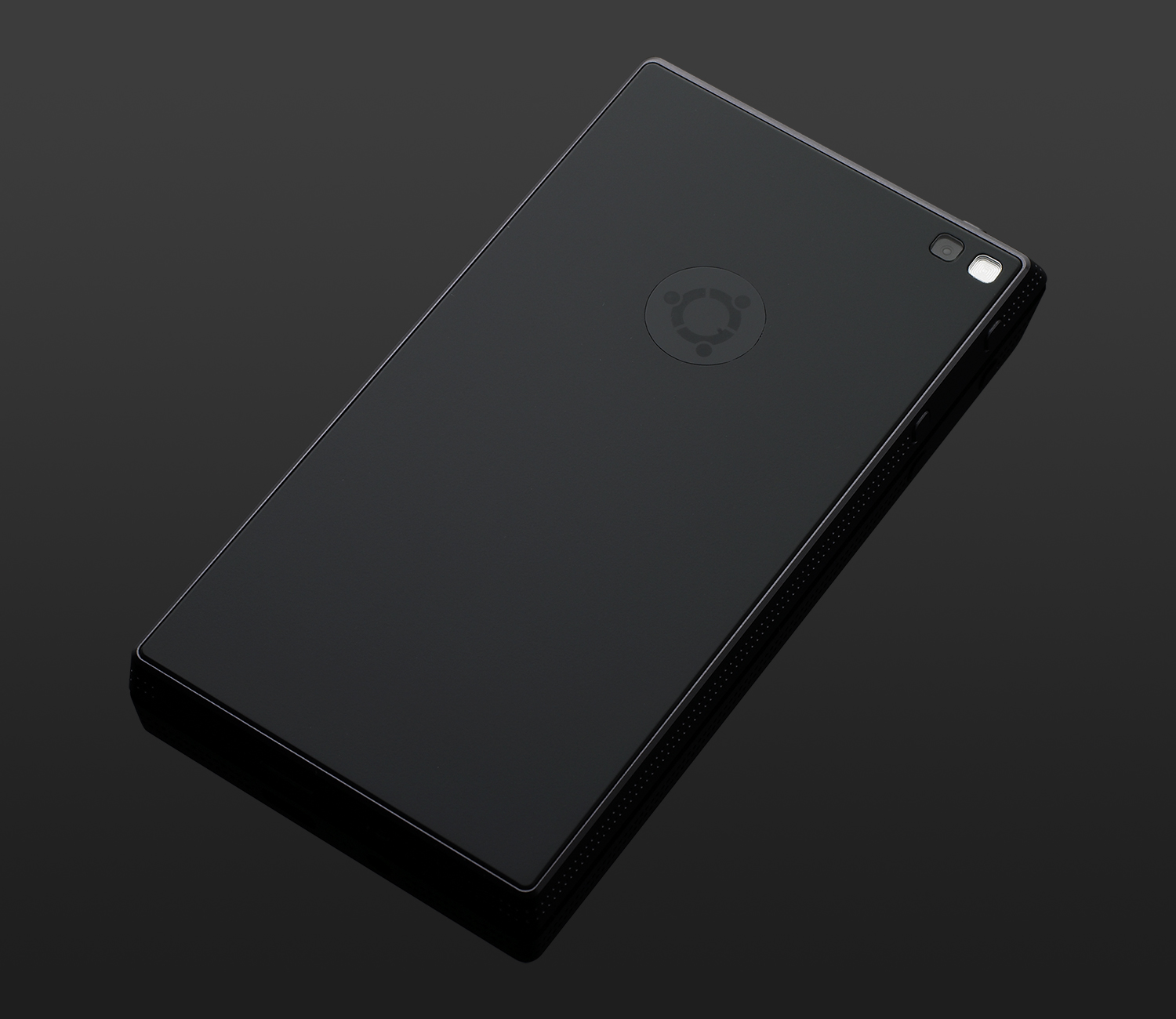
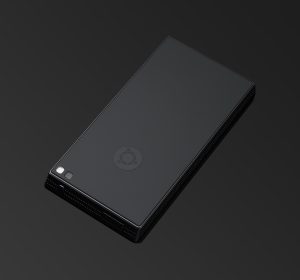
Canonical’s big pans on how the mobile world and the computing world would merge in the future has started to take shape. The new Ubuntu Edge smartphone aims to deliver the benchmark on what future mobile devices could be based on. The Ubuntu Edge will hit the markets in May 2014 for a price of US $ 830, a first day promotion of US $600 has already sold out.
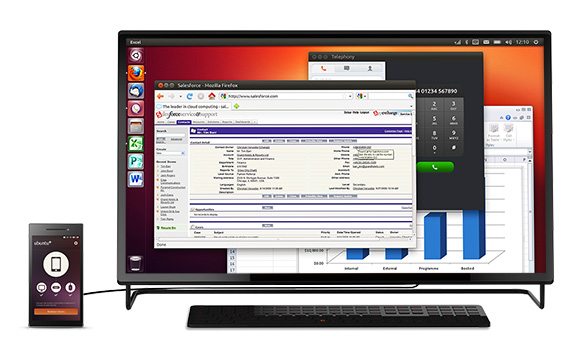
The Ubuntu Edge is a very ambitious smartphone that’ll be capable of running a full-fledged Ubuntu desktop operating system alongside Android. While the specs have not been finalize the company talks of a 4.5 inch 720p display made of sapphire crystal glass on the Edge with a quad-core CPU, 4GB of RAM and 128GB of storage. For optics and sound an 8MP rear with a 2MP front-facing camera and stereo speakers. The Ubuntu Edge will come with globally unlocked LTE, dual-band WiFi, Bluetooth 4.0 and NFC, along with MHL support.
The Ubuntu Edge will only see the light of day if the expected US $ 32 million funding comes through, because the company claims:
none of the phone manufacturers are yet ambitious enough to try to put both things in one package.
The Ubuntu Edge will dual-boot both the Ubuntu phone OS and Android, and convert into a fully integrated Ubuntu desktop PC.
Get the full details on the project at the funding site in the link below.