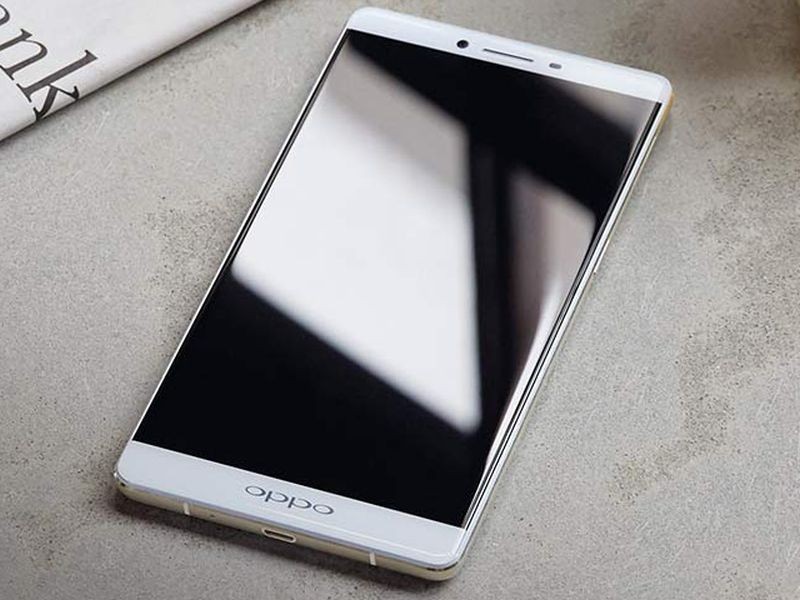
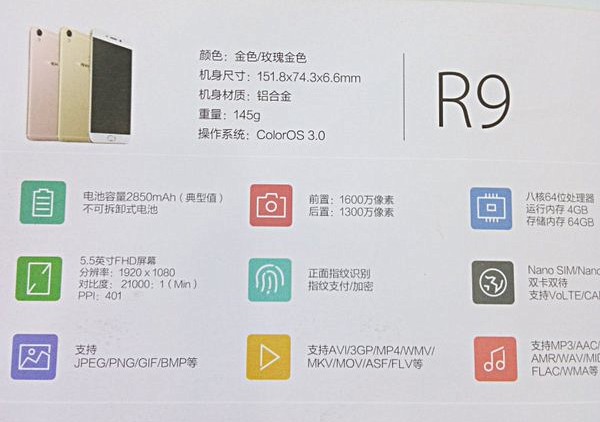
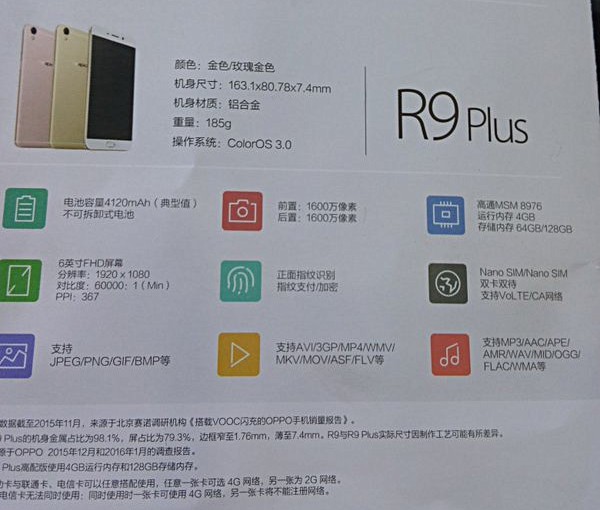
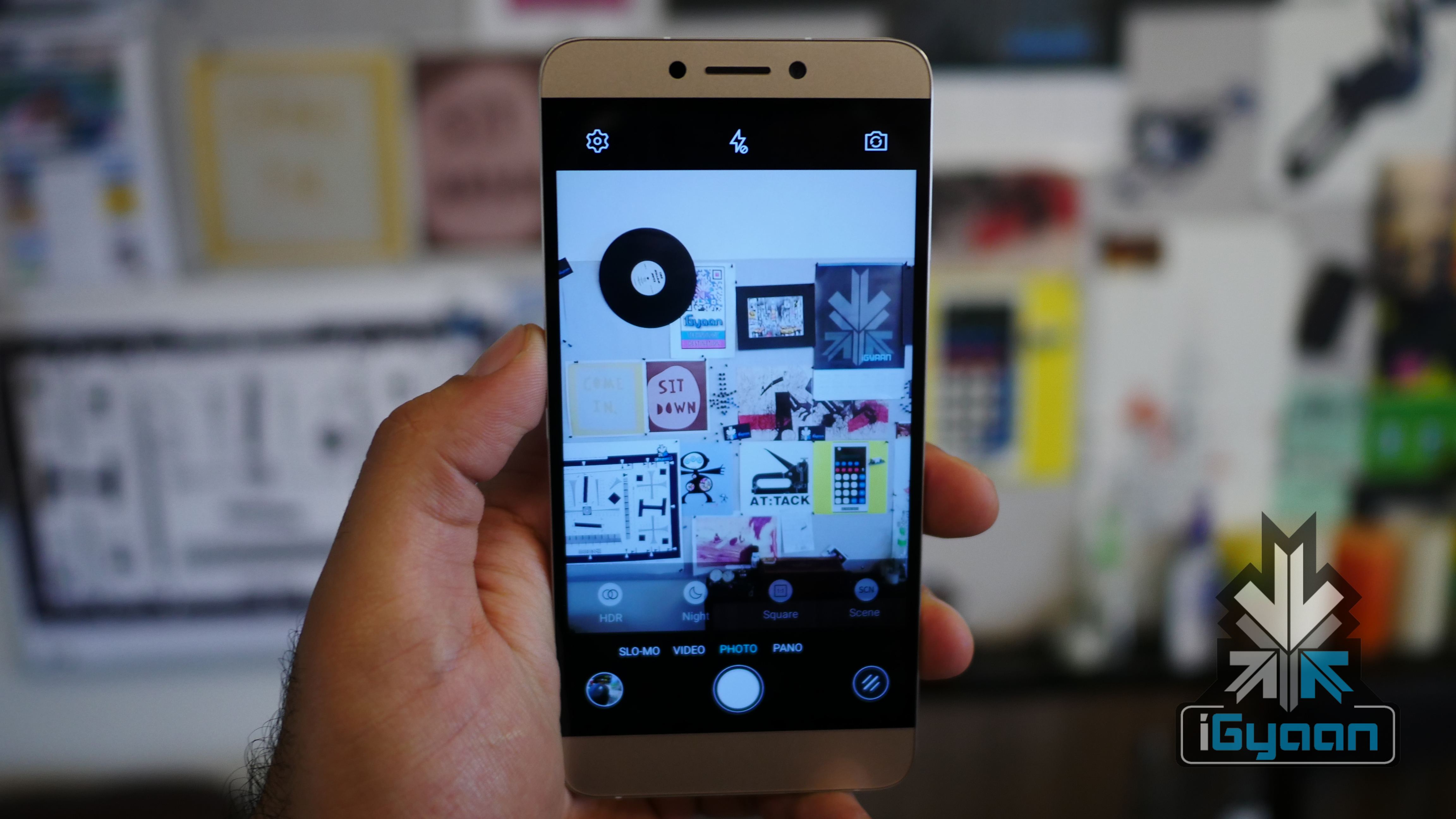
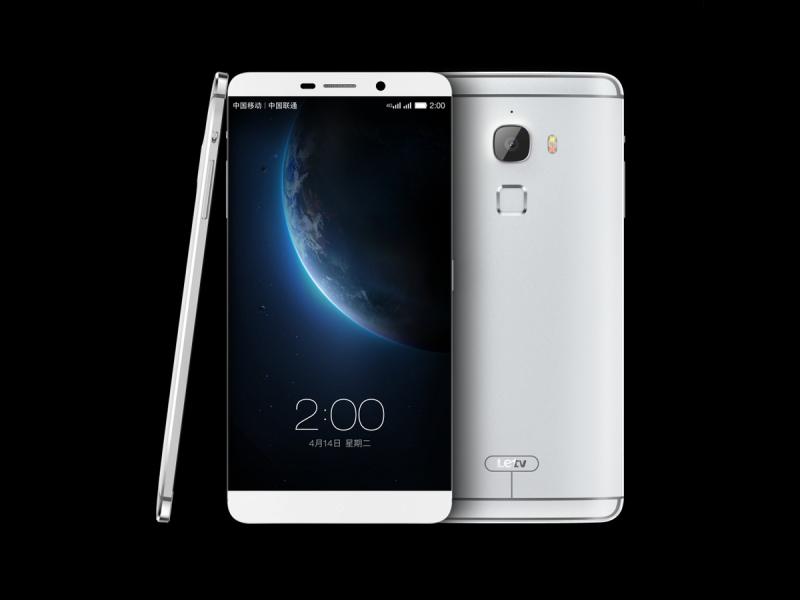
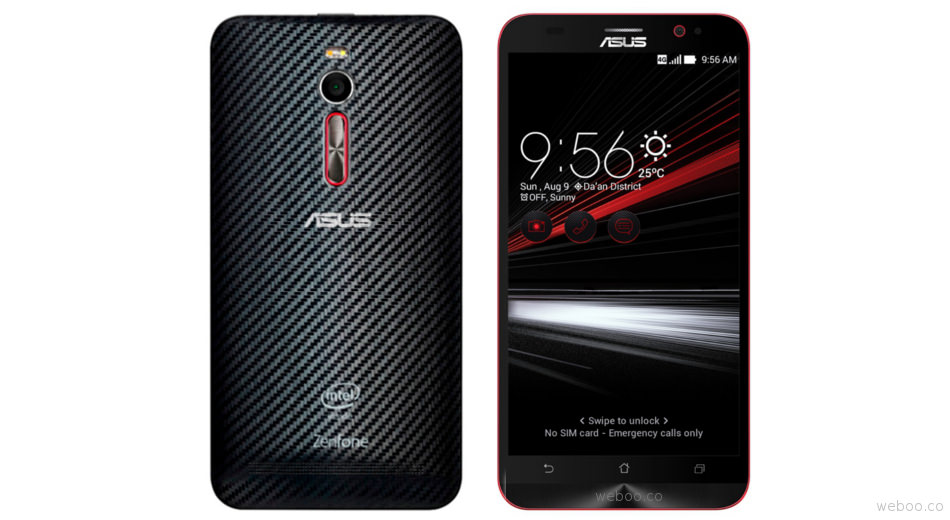
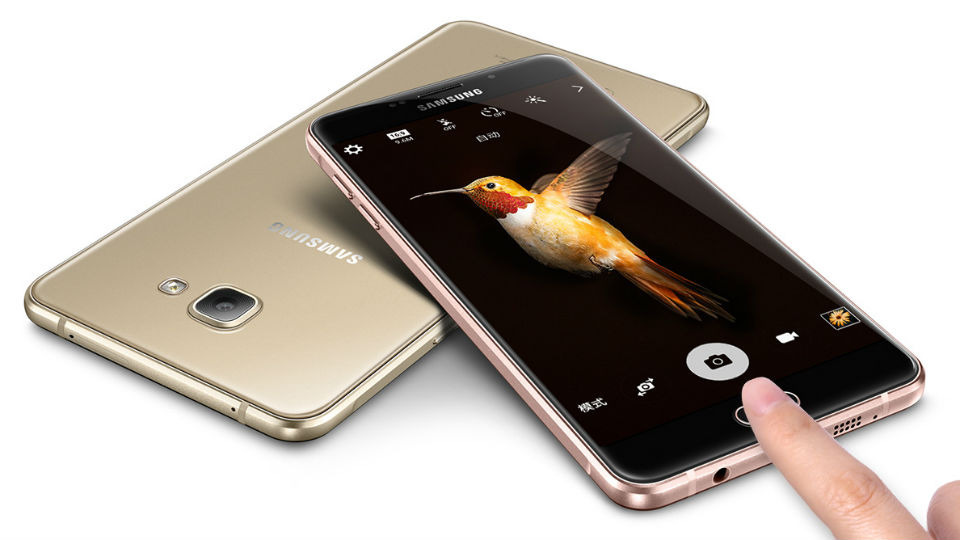
Oppo’s upcoming phones which are set to be launched on March 17th have gotten the full leak treatment today. We now have the full set of leaked specs of the phones courtesy of Steve Hemmerstoffer. The specs leaked through his Twitter handle reveal the phones to come with specs in line with the previous leaks
To kick things off, the Oppo R9 will come with a 5.5-inch Full-HD 401 ppi display and will be powered by an octa-core processor paired with 4GB of RAM and up to 64GB of expandable storage. The phone will get its juice from a 2,850 mAh battery will also come packing a16MP/13MP camera combo.
The elder sibling, the R9 Plus will bring with it a 6-inch display with the powerful Snapdragon 652 SoC. It will bring to the table 4GB of RAM and offer flash storage up to 128GB. Front and back camera on the R9 Plus will be 16MP sensors while a massive 4,120mAh battery will keep it powered on.
Apart from this, both these phones are expected to support Oppo’s Super VOOC charging tech, and will be equipped with fingerprint sensors.
Facebook has always tried to reach out to the most, if not all, of the human population on earth. Facebook currently has around 1.6 billion monthly active users. Seeing as how Facebook also owns Instagram and WhatsApp, it is evident that the company doesn’t want to leave out a single human being. However, despite a world hungry for social media sites, there are still millions who are unable to jump in due to slow internet speed or limited amount of data. To solve this problem, a team of Facebook engineers worked on ways to make the site accessible to those who were left out.
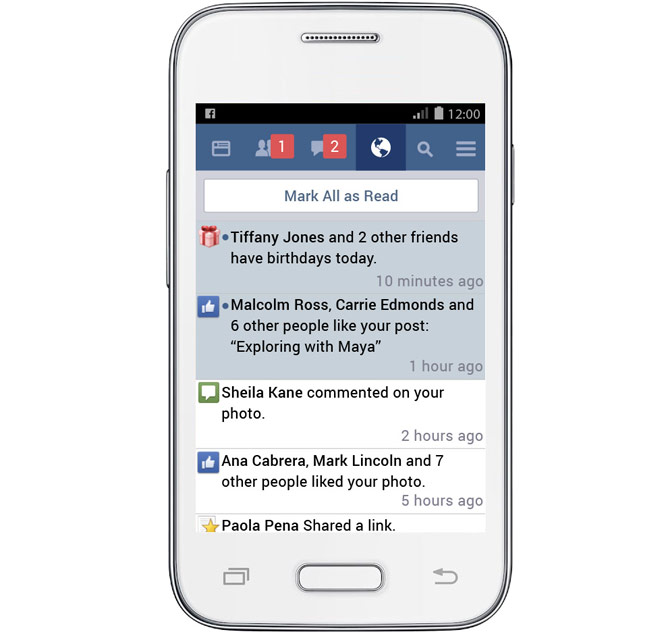
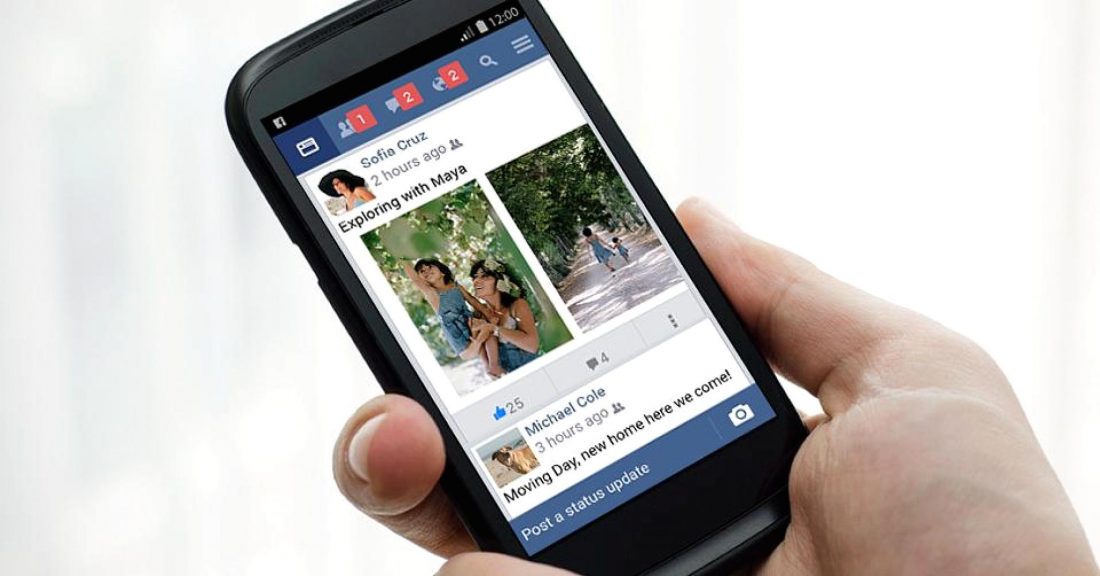
What came out of it was Facebook Lite, a tiny Android-only app that is lighter and less cluttered compared to the original. The app was launched in June 2015 and recently crossed a 100 million mark. That is the magic number that tells us how fast users have accepted the lighter app in just a few months. The app is less than 1MB in size and practically takes no time at all to download.
There are certain design changes with the ‘Lite’ version but the core functionality is uniform in both the Facebook app and its lighter version. Features like News Feed, status updates, photos and notifications on Facebook Lite are almost identical to the original version.
Facebook Lite is the company’s push to make basic Facebook services available in developing countries at the lowest price possible. There are places in the world where buying internet data isn’t the easiest as it is expensive. The app works fast with any device, and is data efficient, providing the same features as you would find on the original app only with less data consumption. It’s like Facebook with an in-built Data Saver mode.
As it works even on slow mobile networks, the page loads comparatively faster. Users can upload, download and check photos instantly, for which users had to wait for more than a couple of minutes on 2G networks. Users can have a real-time conversation with friends – either one-on-one or in group – on the slimmer Facebook edition.
One of the best features about Facebook Lite is that the app helps conserve battery life. Facebook has been recently in the news for being one of the most battery draining apps out there, especially for iOS users. As is the case, we could be seeing a Facebook Lite for iOS in the near future, unless Facebook does something to reduce battery consumption in its original app.
Vijay Shankar, Product Head, Facebook Lite said that the app was made for developing countries like India, Brazil, Mexico, Indonesia and Philippines where slow internet speeds is still a major issue. One of the biggest chuggers of mobile data is videos. To solve this, the team behind Facebook Lite offered users the option to see how large a video so that they may decide whether to view the video or not. There is also the option to view a video later so that you may continue to browse the News Feed and come back to the video once it has been downloaded. Both the features are extremely helpful for users on 2G speeds as it means not having to wait around for a video to load.
It is still unknown as to when Facebook Lite will be available for iOS and Window phone users. As of now, Shankar and his team want to get the Android experience right before moving on to the next step. It is still early in the day but the fact that 9 months on the app has reached a 100 million users means that the app does what it was intended to do – provide a social media experience at an affordable price.
Google has taken the lid off the latest bombshell to hit Android smartphones, the all new Android N. Though it’s still just at developers preview stage, and is understandably bug ridden, but that does not mean we should not be excited.
Android N comes with a host of cool features which promise to get you addicted to this sweet OS. Today we bring to you the best features that Android N comes with.
Multi-window support that allows for multiple apps to run simultaneously
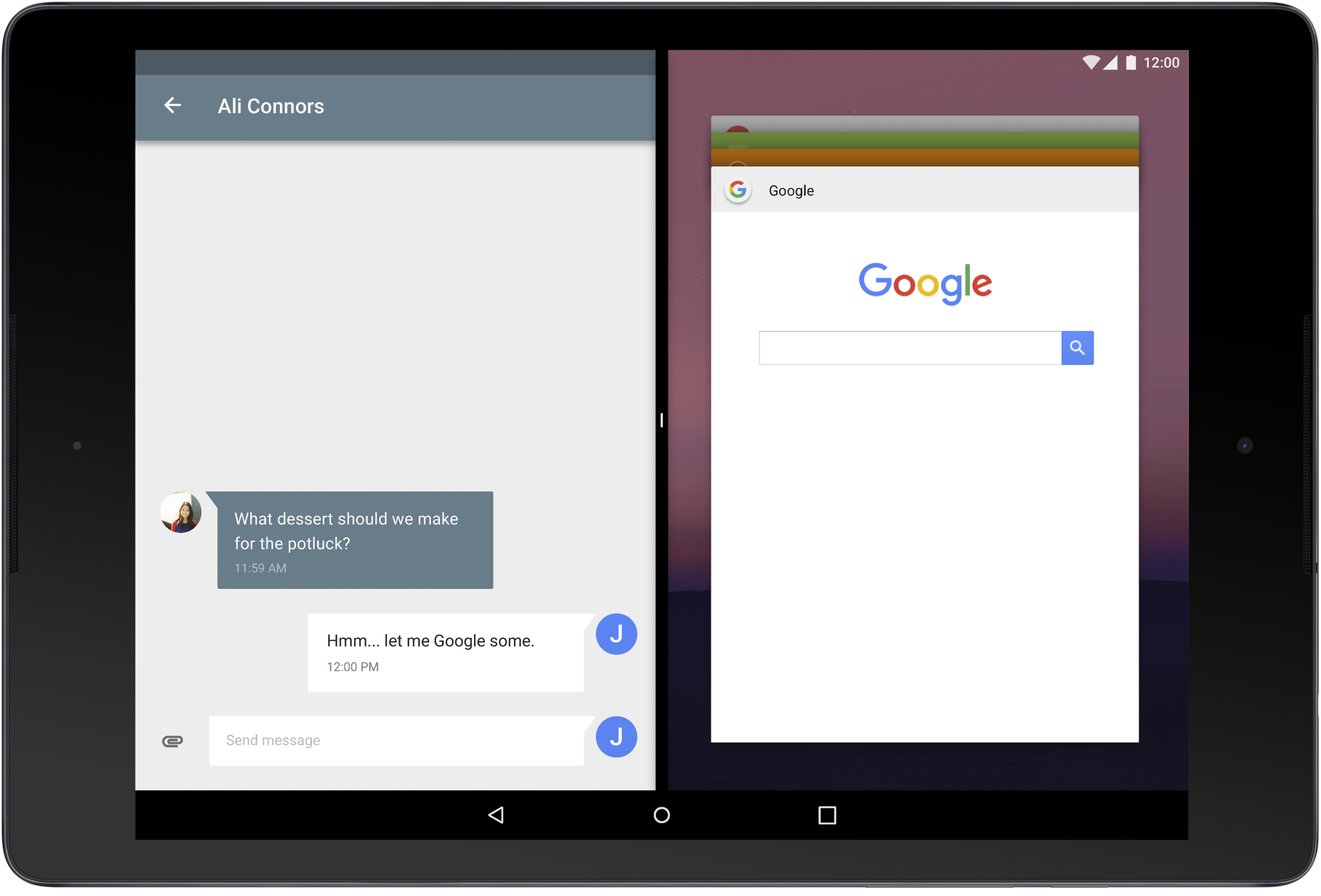
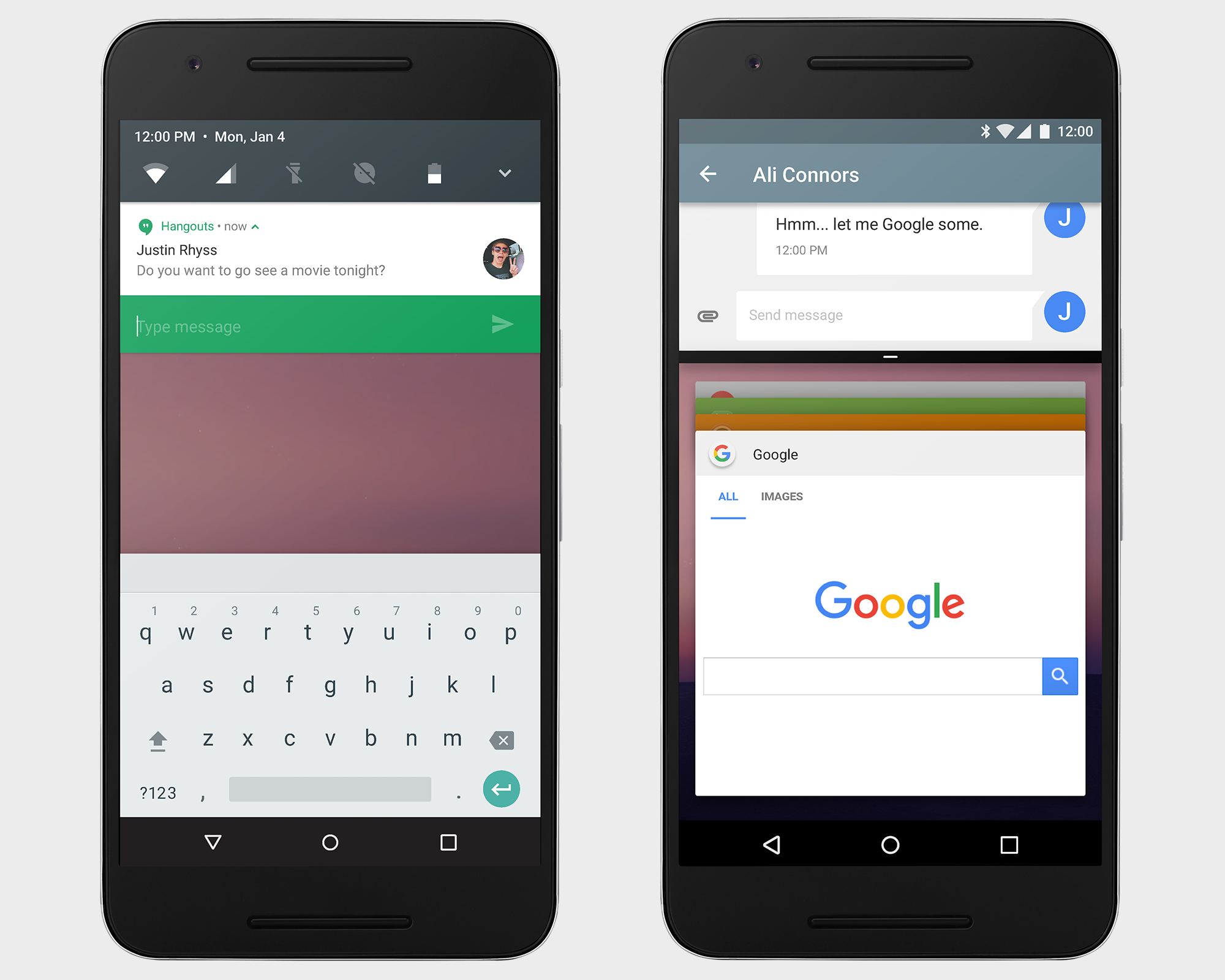
This is one feature that is sure to grab headlines in the coming days. This poster boy of features will surely make a lot of happy Android fans as it adds the functionality of running multiple apps side by side in the same view. With the all new Android N installed, users will be able to launch and use multiple apps right next to each other.
The Android N team hasn’t yet explained how this will particular feature will be executed, but early impressions suggest the interface looks much like Microsoft’s split-screen function. The guys at Android have also revealed that this feature, for now, will only work when developers enable the feature for their apps.
More Power to the Overview Button
This might not look like something huge as most custom ROMs for some time now have had this feature in some or the other form, but now Google is doing its bit in bringing to the overview button the power it deserves.
With the Android N, users can now switch between your current and previous apps simply by double-tapping the overview button.If you keep tapping the overview button you’ll cycle through all the open apps. Long-pressing the overview button opens the current app in split-screen. You can use the same double-tap and continuous taps to switch between apps in split-screen mode too.
Reworked Notifications Center
The latest version of Android brings with it a reworked notifications center that will see Android tweak the notification area again, but this time, adding features which will add amazing functionality. In what will be welcome news for Android users across the globe, this new functionality will give users the power to reply to notifications from within any window without having to close the app first, or open an app to view them.
Android N will also bring a new option for clubbing multiple notifications from a single app. Android N will intelligently handle your notifications and upon receiving multiple alerts from the same app, they will be grouped together into an expandable “bundle.”
Picture-in-Picture
This one feature is one that users had been asking for some time now. Picture-in-Picture support will now mean users will be able to minimise a running video with sending the application to the background and carry on doing other tasks such as searching for rating on IMDB or browse something on the internet while the video still keeps playing in the background.
Talking about this feature, Google explained to devs, “Your app can provide a way for users to queue up additional content while they watch a video. The video continues playing in PIP mode while the main screen displays a content selection activity.”
Enhancements to Improve Battery Life
Marshmallow brought with it a very cool Doze feature that was built to conserve power and battery life on your Android powered smartphone. With Android N, Google devs have taken this a step further as Google has added functionality to Doze to make optimisations whenever the screen is turned off.
Google also plans on adding improvements to how apps operate in the background, which has long been a big drain on users’ battery life.
New Data Saving Options
With Android N, Google has turned its focus towards increasing efficiency of data usage on its Android platform. Apps will gain the functionality to monitor Data Saver changes enabling them to intelligently make changes to how certain apps consume data in the foreground and the background.
Google explains: “In the N Developer Preview, users can enable Data Saver on a device-wide basis to use less data, whether roaming, near the end of the billing cycle, or on a small prepaid data pack.”
Google in an unnatural move has made the next upgrade of Android , aka Android N beta for developers. Google writes that the team decided it wanted to release the preview earlier in order to get more feedback from developers earlier in the process and get the final N release into the hands of device manufacturers this summer.
As we look to the next release of Android, N, you’ll notice a few big changes aimed at you as developers: it’s earlier than ever, it’s easier to try and we’re expanding the ways for you to give us feedback. We hope these changes will ensure that you are heard and reflected — that’s what makes Android stronger
Like all beta releases Google claims that this beta edition is a work in progress and you should expect a lot of bugs.
Many new changes are talked about but namely the ability to directly reply to notifications and split screen view for both tablets and phones seems to be the major highlight of this update. You will also get PIP (picture in picture ) for video play like you have seen on Samsung Galaxy devices for a while.
Google will also put major focus on improving performance and battery life by improving features like Doze. Google also claims its aim is to help apps become less memory and resource hungry.
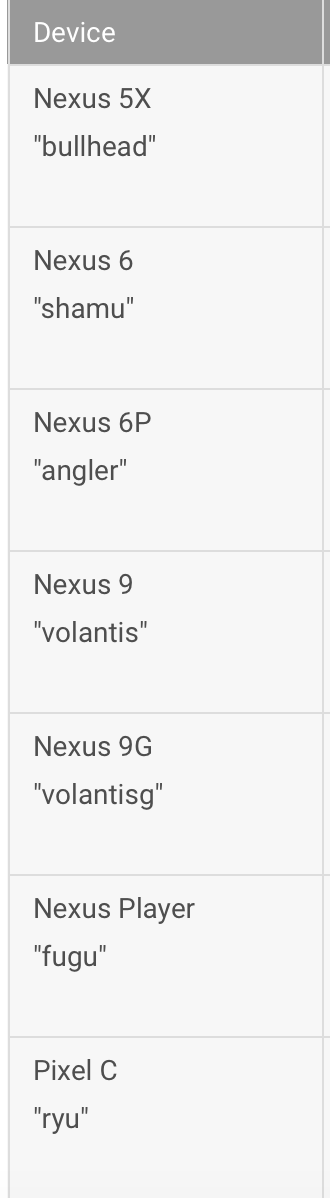
The update can be had today if you are running any of the following devices: Google’s Nexus 6, Nexus 5X, Nexus 6P, Nexus Player, Nexus 9 and Pixel C devices. Once you’ve updated your device, Google will also continue to push new updates OTA to it as they are released.
While the percentage of people on Marshmallow is still low, Google has already moved forward with Android N, what the final name will be, is still unknown. (leave your possible ideas below)
Hit the source link in case you want to try out the new Beta, however if it is your main device, we strongly suggest against it.
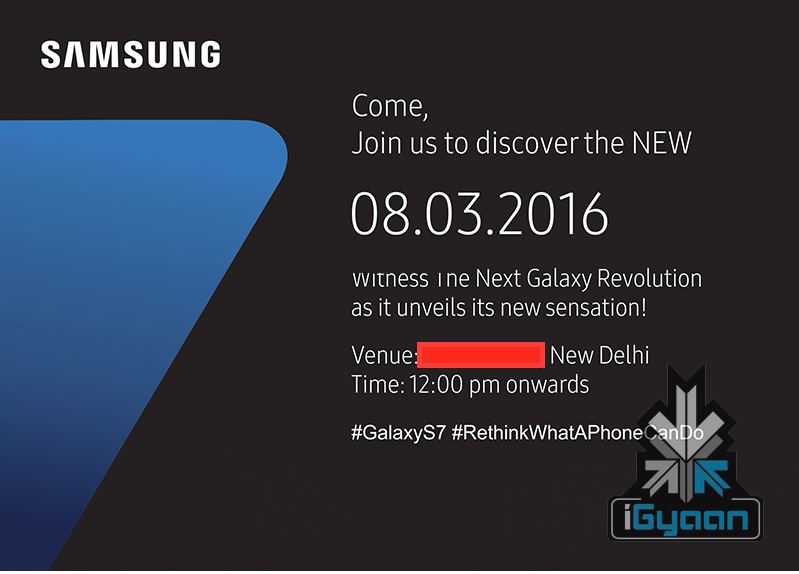
Samsung is all set to launch its much-awaited Galaxy S7 and the Galaxy S7 edge phones for markets in India at a press event in Delhi which will start at 12 in the afternoon on 8th of March,2016. Going into 2016, India remains an important market for the South Korean tech giant, and as such a lot is riding on the duo of flagship phones whose pricing for India will be announced tomorrow.
The Galaxy S series devices which are the best that Samsung has to offer brings to its fans this year the S7 and S7 edge smartphones that are high on specs and look beautiful when it comes to design. Both the phones share under-the-hood specs such as the on board Snapdragon 820/Exynos 8890 SoC paired with 4GB of RAM and up to 64GB internal storage but differ when it comes to the display size which goes up from 5.1-inch QHD present on the S7 to 5.5-inch QHD found on the S7 edge. The latter also comes packing a 3600mAh battery, while the former is equipped with a 3000mAh pack.
Watch the live stream of the launch event for India here.
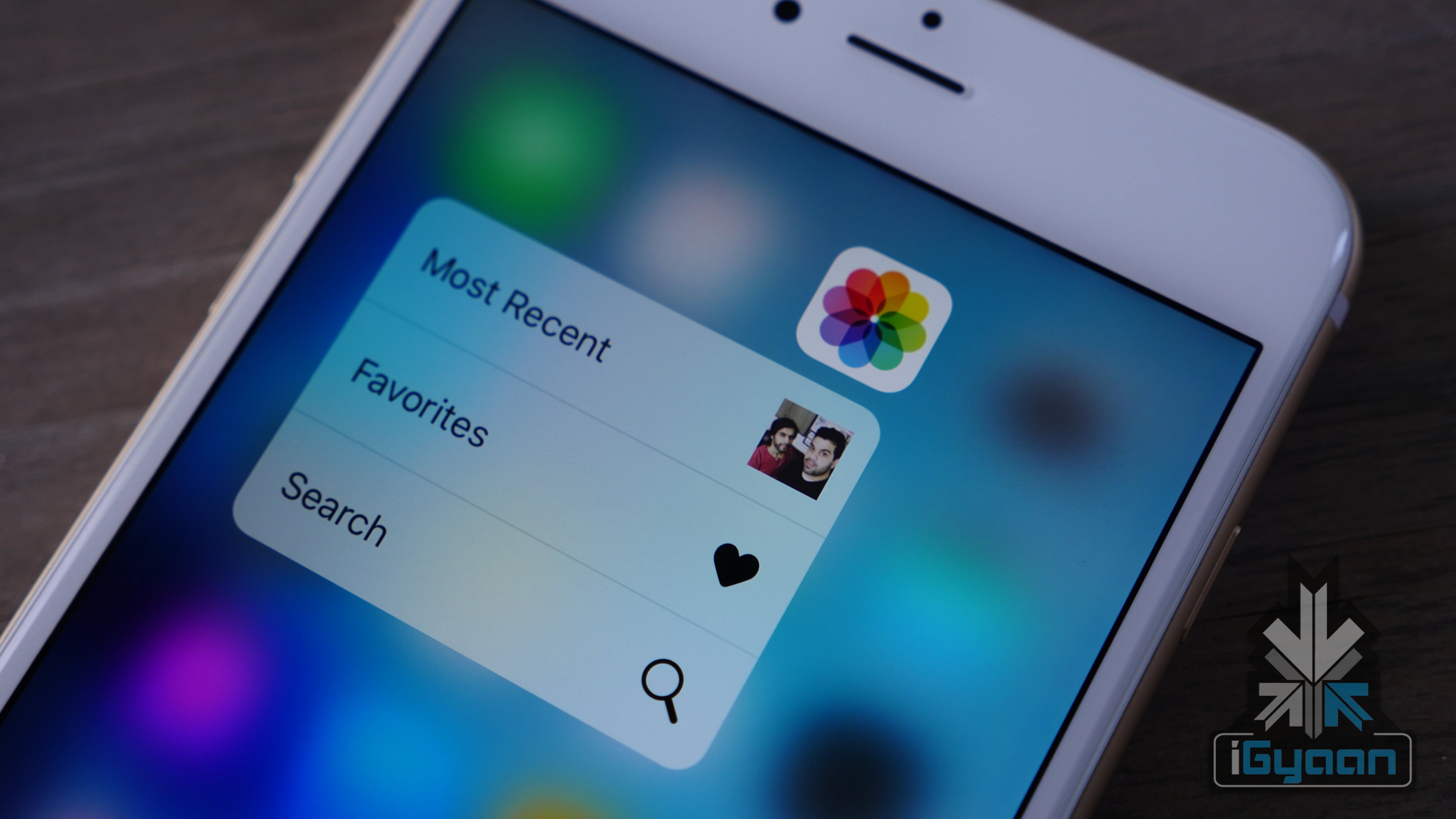
Many would say that Apple was the first to bring 3D Touch pressure sensitive screens to smartphones. There are those who contest that the technology has been employed much before that. While you are free to choose your side, there is no denying that 3D Touch or Force Touch technology is here to stay. This fact has been accepted by companies like HTC, Meizu, Xiaomi, Oppo and many other OEMs as they all are rumoured to launch smartphones this year with pressure sensitive screens.
Recent rumours have suggested that HTC’s upcoming Nexus smartphone(s) will incorporate 3D Touch functionality. However, HTC will not be the first Android device to do so. Huawei already pushed out the feature with its Mate S smartphone.
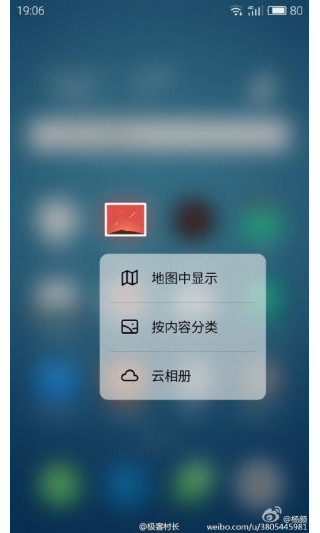
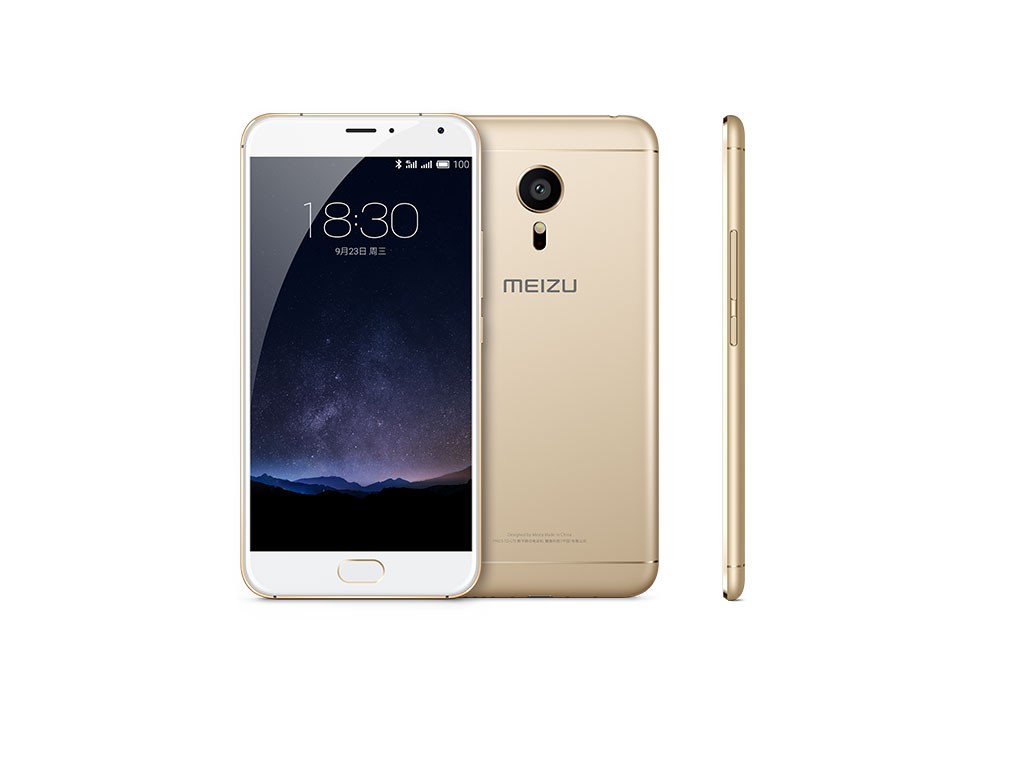
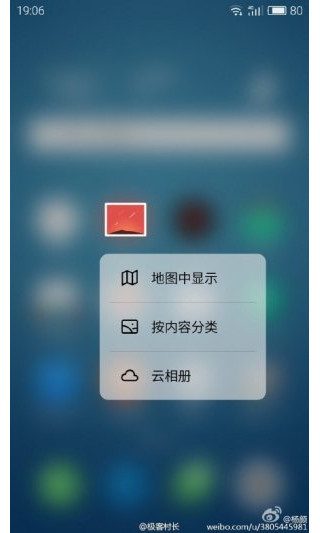
Meanwhile, it also appears that Meizu’s upcoming Pro 6 will feature 3D Touch functionality as well. Weibo recently posted an image of what you can expect from the feature on the Pro 6 and it appears to work just like the iPhone 6s’ Peek and Pop. Force touching the display will bring up a context menu with options on top of a blurred background.
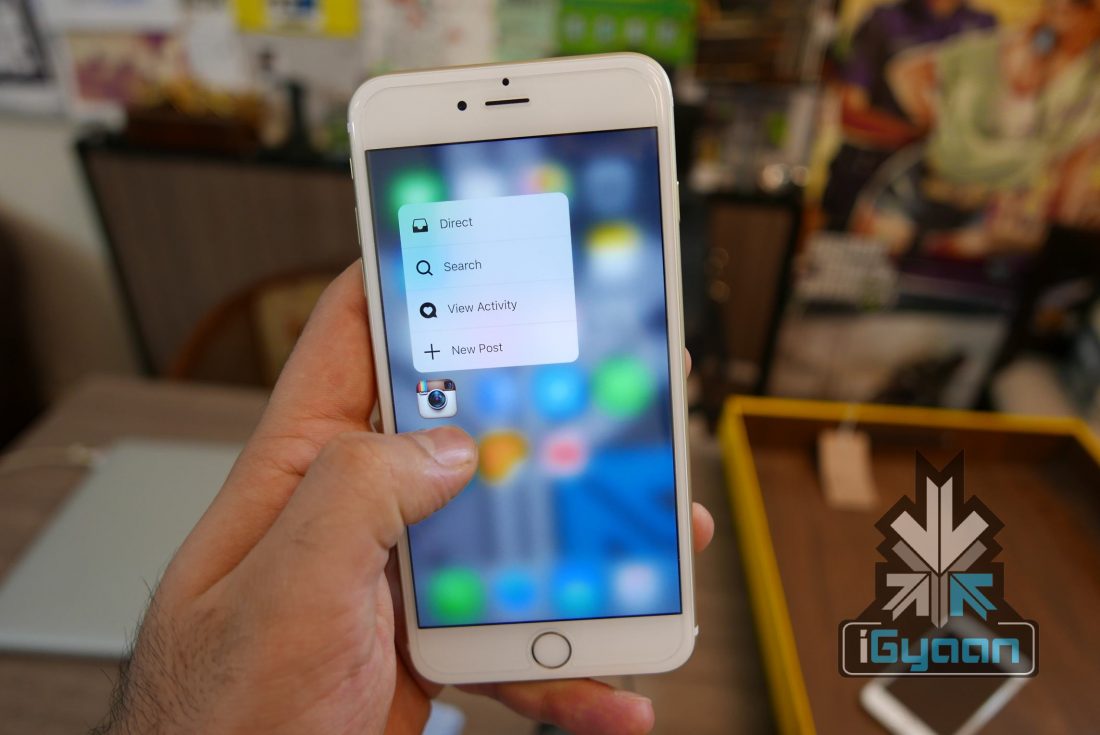
Apple’s 3D Touch in the recently launched iPhone 6s did exactly what the company had wanted. It was a smooth, no fuss feature that changed that way a phone could be operated. Apple played it smart too, keeping minimal functionality of its 3D Touch feature, restricting it to basic quick access features when, in fact, a pressure sensitive screen could have been used in unimaginable ways. There are literally a hundred untapped uses for pressure sensitive screens.
However, by restricting what developers can do with the 3D Touch, Apple can make sure there isn’t any unnecessary fragmentation. Yes, Apple’s 3D Touch functionality currently lacks novelty which works for Apple. But this is where Google can jump in and explore the full potential of 3D Touch.
Rumours have it that Google plans to incorporate the pressure sensitive technology as a native feature in Android. This will help make the technology common for Android users, and will boost adoption rate. Furthermore, this will also push app developers to come up with creative ways to allow users to fully utilize the technology. It is common knowledge that Apple is very choosy about the apps it lets in its App Store.
Where Apple may be restrictive about the way developers use 3D Touch, Google has the opportunity to let developers play with the feature a lot more. What one can expect to see, once 3D Touch becomes native to Android, are apps that will likely do a lot more than simple Peek and Pop function. 3D Touch has the potential to take mobile gaming to the next level, and this is something Google will be keen on in the future.
It is also interesting to note that prior to the launch of the Galaxy S7 and S7 Edge, rumours were abound that Samsung would incorporate its own version of 3D Touch and was working with Synaptics to do so. This, however, never came to be. Perhaps Samsung wanted to wait until Google nativized 3D Touch before having it in its flagship device. Whatever may be the case, it looks as if 3D Touch is being embraced by many OEMs and it’s only a matter of time that pressure sensitive displays become the new norm for smartphones.
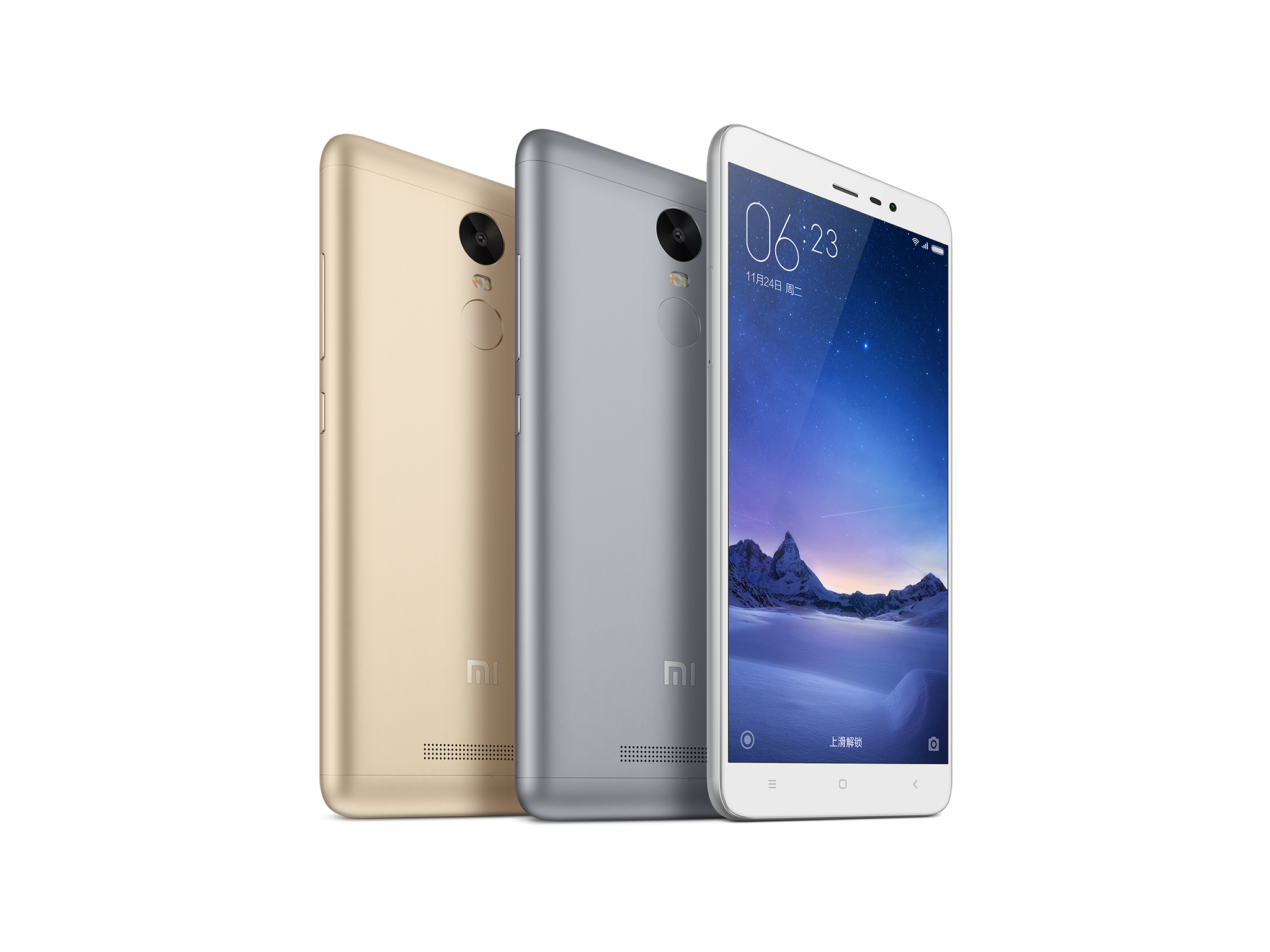
Xiaomi has finally unveiled its Redmi Note 3 phablet in India at an event held at the Talkatora Stadium in Delhi on 3rd March 2016 which saw 8000 Mi fans attend the launch event. This device which has already been launched in China has been highly awaited in India for some time now. Xiaomi which didn’t bring the predecessor to the Redmi Note 3, the Redmi Note 2, to India will look to stir up the market with its latest offering.
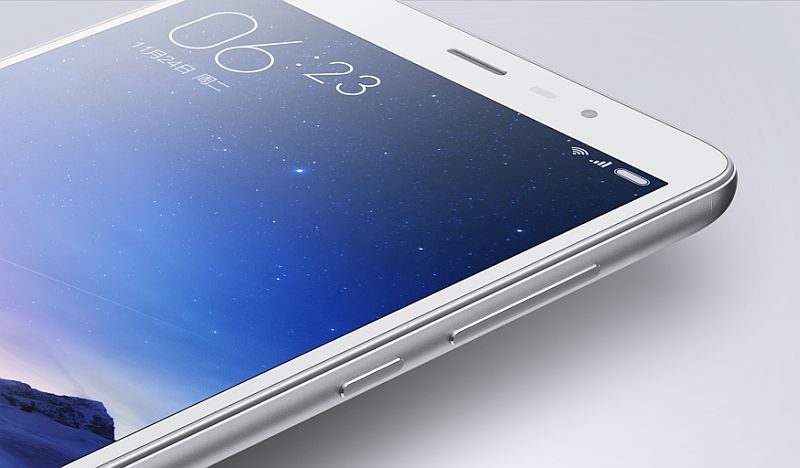
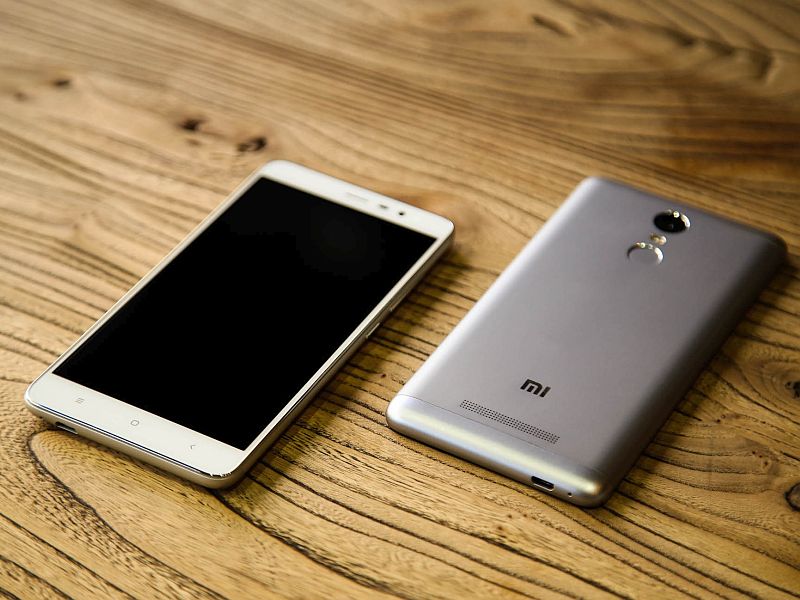
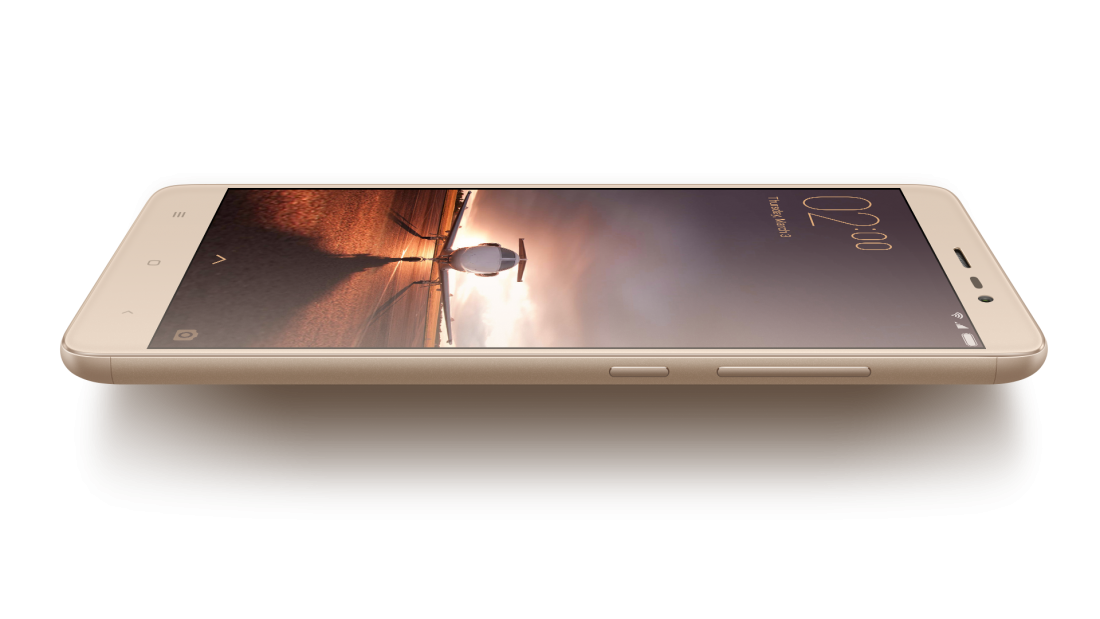
The Redmi Note 3 is an extension of a growing effort by Xiaomi to focus on design and produce beautiful looking phones. This device comes with a full-metal unibody design, with a 5.5-inch 1080p display with pixel density of 403 ppi adorning the front of the phone. It will be available in silver, gold, and gray color options.
The Redmi Note 3 is powered by a Snapdragon 650 SoC that comes with an Adreno 510 GPU. The phablet will come in two variants of 16GB storage with 2GB of RAM, and 32GB storage with 3GB of RAM. Both variants will come packing a non-removable 4,050mAh battery to keep them going through the day.
Coming to the camera, both the variants are equipped with a 16MP rear unit with f/2.0, phase detection autofocus, dual-LED flash and a 5MP front shooter. The Redmi Note 3 also brings with it a fingerprint scanner that can be used to click pictures with both the front and the back camera.
On the connectivity front, the phone comes with dual sim connectivity, Wi-Fi 802.11 a/b/g/n/ac Bluetooth v4.1, A2DP, LE, VoLTE and supports fast battery charging tech. It also runs Android 5.1.1 Lolipop with MIUI 7 skin out of the box. The device with its infrared sensor can also be used as a universal remote for devices in your home.
The pricing of the phone is pretty competitive and for all the impressive under the hood specs the price point of Rs 9,999 for 2GB/16GB variant and the Rs 11,999 for the 3GB/32GB variant is indeed a blockbuster. The phone will go on sale starting 9th march 2 PM in its first flash sale on Amazon, but will later be expanded to offline and other online partners.
Specs
Xiaomi Redmi Note 3
Display
5.5 inches Full HD Display
Resolution
1920 x 1080
Dimensions
150 x 76 x 8.7 mm
Processor
Qualcomm Snapdragon 650 SoC
GPU
Adreno 510
RAM
2GB / 3GB LPDDR4
Storage
16GB / 32GB flash storage
Rear Camera
16 MP, f/2.0, phase detection autofocus, dual-LED
Front Camera
5 MP, f/2.0, 1080p
Expandability
128GB via microSD
Battery
4050mAh
Connectivity
4G+, Wi-Fi 802.11ad, VoLTE, Wi-Fi Direct, hotspot, Bluetooth v4.1, A-GPS, GLONASS, NFC, VoLTE
Xiaomi is all set to launch its much anticipated, Redmi Note 3 phablet tomorrow. The device has been talked about in a great deal for a long time now. We’ve had leaks and specifications about the device, and in less that 24 hours, we’ll know how much of it was true.Xiaomi’s launch event kicks off at 2:00PM IST tomorrow and it will be live streamed online. Here’s how you will be able to follow the launch event online tomorrow.
This device which has already been launched in China has been highly awaited in India for some time now. The Redmi Note 3 comes with a full-metal unibody design, as well as a fingerprint scanner, and sports a 5.5-inch 1080p display which is going to be powered by a Snapdragon 650 SoC.
The phablet is expected in two variants of 16GB storage with 2GB of RAM, and 32GB storage with 3GB of RAM. Both variants come with 4,050mAh battery packs.The camera on the two variants of the phablet will be a 16MP rear unit and a 5MP front shooter. The Xiaomi Redmi Note 3 will run Android 5.0.2 Lolipop out of the box. Pricing details are still awaited.
Huawei has been in the news off late. Earlier in the day we saw leaked images of the Huawei P9 surface online indicating a launch in the near future was imminent, and now, Huawei has added fuel to the fire by teasing fans worldwide with an event invite today.
The Chinese phone maker posted an invite for an upcoming March 9 event in Berlin, Germany. The invite image features “BEER” in bold which could be a hint at celebrations at the launch of a new phone, possibly the P9 range of phones.The company is expected to launch four phones, the P9 lite, P9 Max, and an enhanced version of the P9. The latter will come with more RAM, increased storage.
Leaks earlier from the day confirmed details such as a metal unibody and a 12-MP dual lens camera setup at the back of the P9. Leaks also revealed a fingerprint scanner on the back. Other specs on the Huawei P9 include the Kirin 950 SoC, containing an octa-core CPU and the Mali-T880 MP4 GPU. A 3900mAh battery is supposedly powering the device, which will offer 32GB of native storage.
Looks like Miezu is all set to join the 3D touch bandwagon for phones. As revealed by Meizu VP and Flyme chief architect Yang Yan through a Weibo post just today, the feature which can be found on a couple of flagship devices will soon make its way to this Chinese smartphone maker’s Pro 6.
The screenshot as revealed by Yan hints at the implementation of this new tech in a similar way that Apple uses it. Force touching the display will bring up a context menu with options on top of a blurred background.
Currently, the 3D Touch feature is seen on the iPhone 6s and iPhone 6s Plus, which according to the Cupertino-based tech company was hard to develop at the beginning. Analysts predict that this feature that is still in its infancy will take a fair number of years to become mainstream. Other handsets that have this feature include the Huawei Mate S and the ZTE Axon mini.
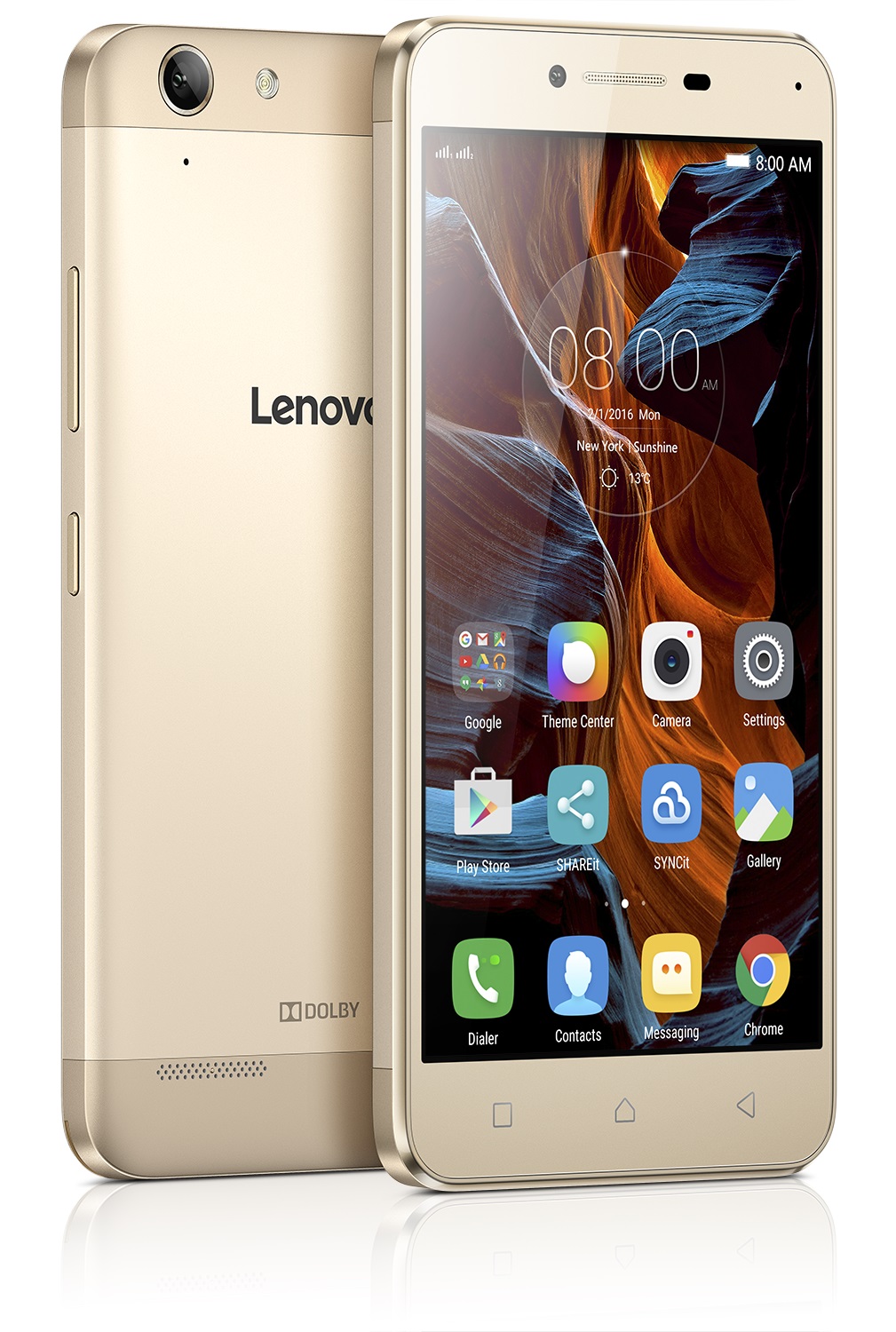
Lenovo which quietly unveiled two new budget handsets for consumers around the world at the Mobile World Congress, 2016, looks set to be bringing them to one of its biggest markets sooner rather than later. The Vibe K5, and K5 Plus whose launch went under the radar amongst the other high profile launches at the biggest mobile phone expo of the world, look set to be coming to India on 15th of March.
Earlier the company in Barcelona had hinted at market availability of the phone by end of March.This teaser circulated by Lenovo today suggests a “Knockout” announcement that the company has in store for the media on the 15th of March, 2016. Our best bet is the company will reveal the pricing and availability details of the upcoming K5 and K5 Plus in India at the event.
Coming to the handsets,both handsets sport 5-inch displays, with the difference in display resolution and on-board SoC setting them apart. The Vibe K5 comes with a 720p display and a Snapdragon 415 SoC while its bigger sibling comes with a 1080p display and Snapdragon 616 SoC.
The Vibe K5 and K5 Plus share specs when it comes to the 2GB LPDDR3 RAM, 16GB inbuilt storage and microSD expansion slot for expandable memory. Both phones also come packing a 2750mAh battery pack to keep them powered on.
Connectivity options on the handsets reveal them to be LTE enabled, and come with 13-MP unit at the back, and an 8-MP unit at the front. Further, both these handsets boast of Dual-Sim connectivity and come with Android 5.1 Lolipop, and house Dolby Atmos-powered stereo speakers in their chassis.
The pricing of the phones as revealed by Lenovo at MWC 2016 peg the Vibe K5 to come for $129 ( Approx Rs 8800), while theVibe K5 Plus will retail for $149( Approx Rs 10200).
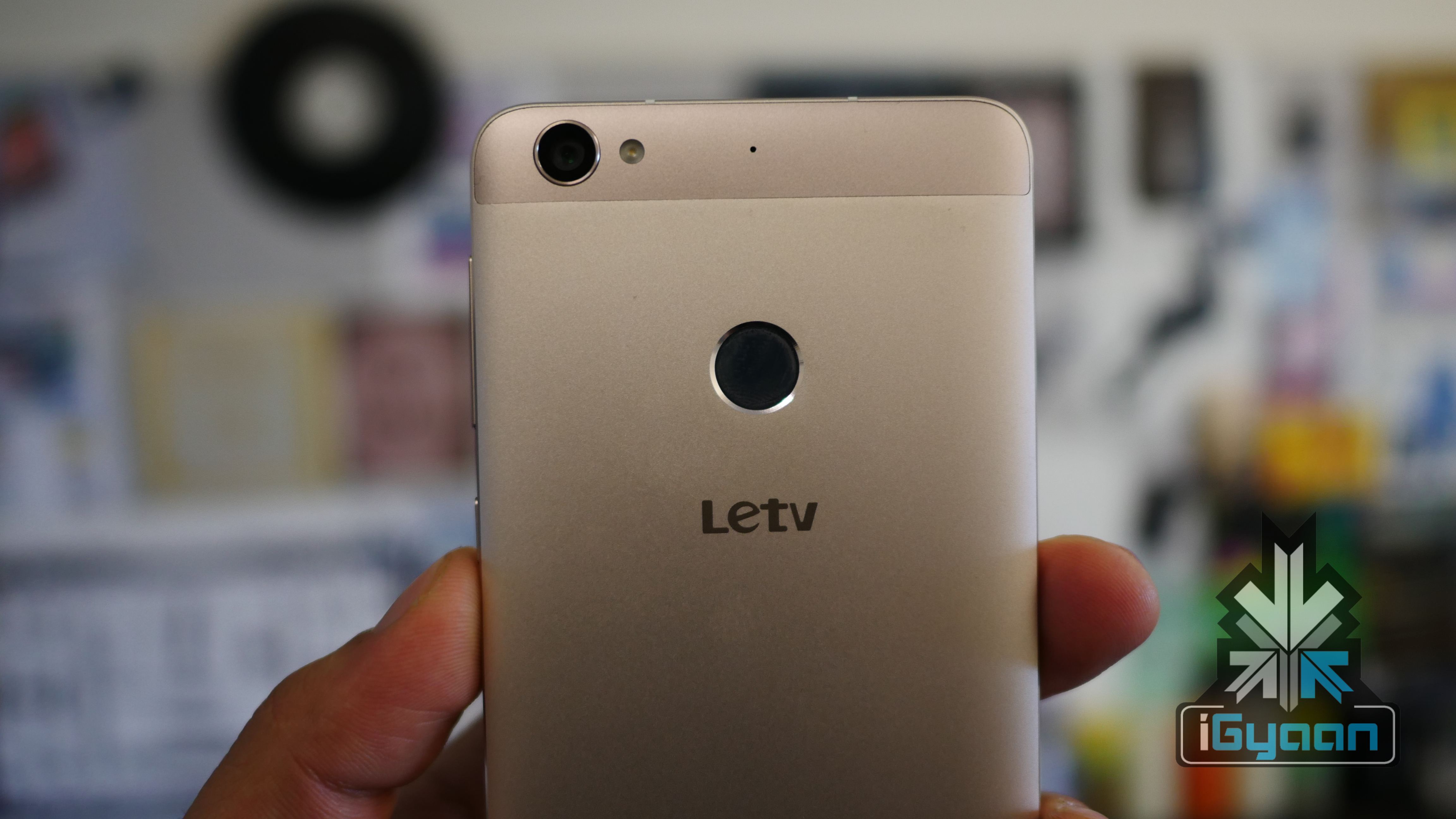
Chinese smartphone maker LeEco which disrupted the Indian markets with its launch of what it fondly calls as ” Superphones” is back at it again. Le 1s and Le Max which previously sold out on flash sales in a short span of time are back on sale on the popular e-commerce website, Flipkart. Le 1s and the premium Le Max are now available on attractive exchange offers on March 1 & 2.
The company has come up great offers for its phones as LeEco has announced a hard-to-pass-up exchange offer that will give consumers a chance to exchange their old smartphone and get up to Rs 6000 off on Le 1s or up to Rs 20,000 for Le Max.
Le 1s
The Le 1s comes with a metal unibody, mirror finished fingerprint sensor, 5.5-inch full-HD IPS display, Mediatek Helio X10 Turbo 2.2GHz octa-core processor, 3GB RAM and 32GB of internal storage. The phone runs Android 5.1.1 Lollipop operating system with the EUI 5.5 custom user interface on top of it.
The smartphone comes with a reversible USB Type-C with fast-charging SpeedVolt technology and is powered by a 3000 mAh battery. The smartphone offers a 13-megapixel rear auto-focus camera with LED flash and a 5-megapixel front camera for selfies and video calling. The dual-SIM handset measures 151.1 x 74.2 x 7.5 mm and weighs 169 grams
Le Max
The Le Max features a 6.3-inch screen with 2K display and sports a metal body design with slim bezels. The device is powered by a Qualcomm 64-bit 2GHz octa-core Snapdragon 810 SoC coupled with 4GB of RAM. It is available in 64GB and 128GB storage variants.
On the camera front, the Le Max comes with 21-megapixel and runs on Android 5.1 with custom EUI running on top. The device comes equipped with multiple desktops – Application Desktop, LeView Desktop, Live Desktop -different screens for the phone that makes different applications, live streaming of events and multimedia available to the user conveniently and smoothly.
the Le Max includes Smart PA-SPK box speakers, full-metal unibody, and is available in two colours -Gold with 128 GB and Silver with 64 GB. The phone further has a Type-C USB port and a hypersensitive fingerprint sensor.
Asus has announced that it will roll out Android 6.0 update to a host of devices that in March 2016.The Taiwanese smartphone maker which is infamous for rolling out updates slower than most other manufacturers has revealed that it will be rolling out the latest offering from the kitchen of Android to a range of its ZenFone handsets. If your smartphone is not among those announced by Asus, chances are your device is not getting updated, so hard luck.
The following ASUS smartphone models will receive the Android M (6.0) upgrade in March of 2016:
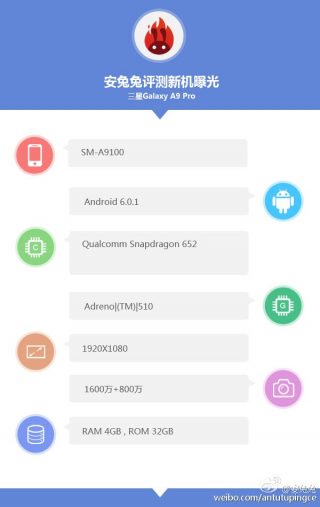
WIth all the leaks and rumors coming thick and fast about the Galaxy A9 Pro, it looks like the time for its official announcement is very near. Earlier this month this bigger sibling of the Galaxy A9 was spotted on GFXBench, and now this upgraded variant of Galaxy A9 has found its way to AnTuTu, confirming to the world the upgrades it will bring over the Galaxy A9.
The Galaxy A9 Pro is revealed to be equipped with a Snapdragon 652 chipset and 32GB of internal storage. Though Antutu doesn’t mention the display size, but an earlier GFXBench listing pegs the phone to come sporting a 5.5-inch display, but rumours peg the phone to come with a 6 display. The A9 pro will also get a bump in RAM, moving to 4GB from the 3GB chip found on the Galaxy A9.
The phone’s camera gets an upgrade and moves up from a 13MP primary camera to 16MP. This will also mean the A9 Pro won’t have the same sensor as the rest of the A (2016) lineup. The A9 Pro comes with an 8-Megapixel camera at the front. The benchmark also confirms the phone to run Android 6.0.1
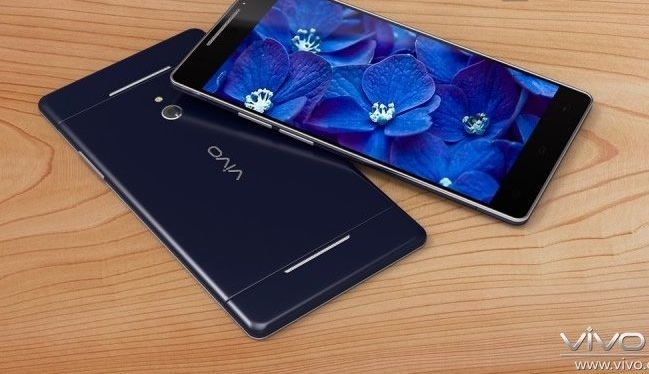
Chinese smartphone maker, Vivo, which is slated to unveil to the world its latest flagship offering, the Xplay 5 with 6Gb of RAM, according to leaks reveal could well be unveiling another smartphone at the launch event on 1st of March. Possibly a ‘lite’ variant of the Xplay 5.
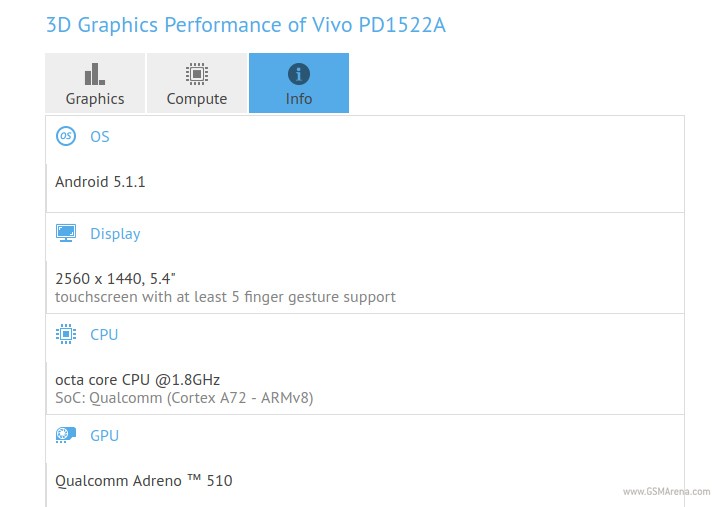
GFXBench shows an unnamed Vivo phone bearing the model number PD1522A being benchmarked on its website.
The PD1522A, comes equipped with the Snapdragon 652 paired with 4GB of RAM.The handset comes with a 5.4-inch QHD display and a 16- megapixel rear camera, and an 8 MP front camera with 128GB of storage, as well as Android 5.1.1 Lollipop on board.
The phone’s specs do pale in comparison to the Vivo XPlay 5, but they still are pretty impressive compared to rest of the market offerings. If prices right, Vivo could have a serious challenger for the market on their hands.