Category: Google

  • Google I/O 2019 Dates And Venue Announced

    Google I/O 2019 Dates And Venue Announced

    Every year, Google shows their software prowess and their hardware capability with the Google I/O. Last year, it was the human like AI calling project called Google Duplex that took everyone’s attention. Google also announced the release of Android P beta to phone from different manufacturers other than Google, which was a big step.

    So because of all this, its no surprise people are eager and excited to know what Google has in store for us this year. And it seems like you don’t have to wait much longer. Google CEO Sundar Pichai has finally announced the dates and the venue for Google I/O 2019.


    Talking on Twitter, Pichai shared an image and announced that the annual event will take place from May 7 to May 9 in the Shoreline Amphitheatre. The venue and dates are not surprising though, as Google has always chosen similar dates for the event. The venue too, will be familiar for most regulars as its not the first time Google is hosting the I/O there.

    What to expect from Google I/O 2019?
    Google I/O has mostly been about the developing technologies at Google and this year will be no different. It is expected that Google will enrol more Smartphone brands in the Android Q beta, to take the next step in eliminating Android fragmentation. New exciting features in Android Q are also expected to be announced. Google may also show new developments to their Assistant, with  things like AI coming more into the picture.
     Also Read: Apple Will Now Pay The Winners Of Its “Shot On iPhone” Photo Contest

    One thing that Google is expected to do differently is launch new hardware this time around. Recent leaks showed that Google is working on devices like the mysterious Google Coral and the Pixel 3 Lite. If its any indication, there is strong possibility that these devices will launch at this year’s Google I/O.

    From all of the leaked stuff  about the Pixel 3 lite and the mystery that is the Google Coral and considering Google’s past year’s records, it seems like Google I/O 2019 will be the one to look forward to.
  • Mysterious Google Device Leaks On Geekbench With Snapdragon 855

    Mysterious Google Device Leaks On Geekbench With Snapdragon 855

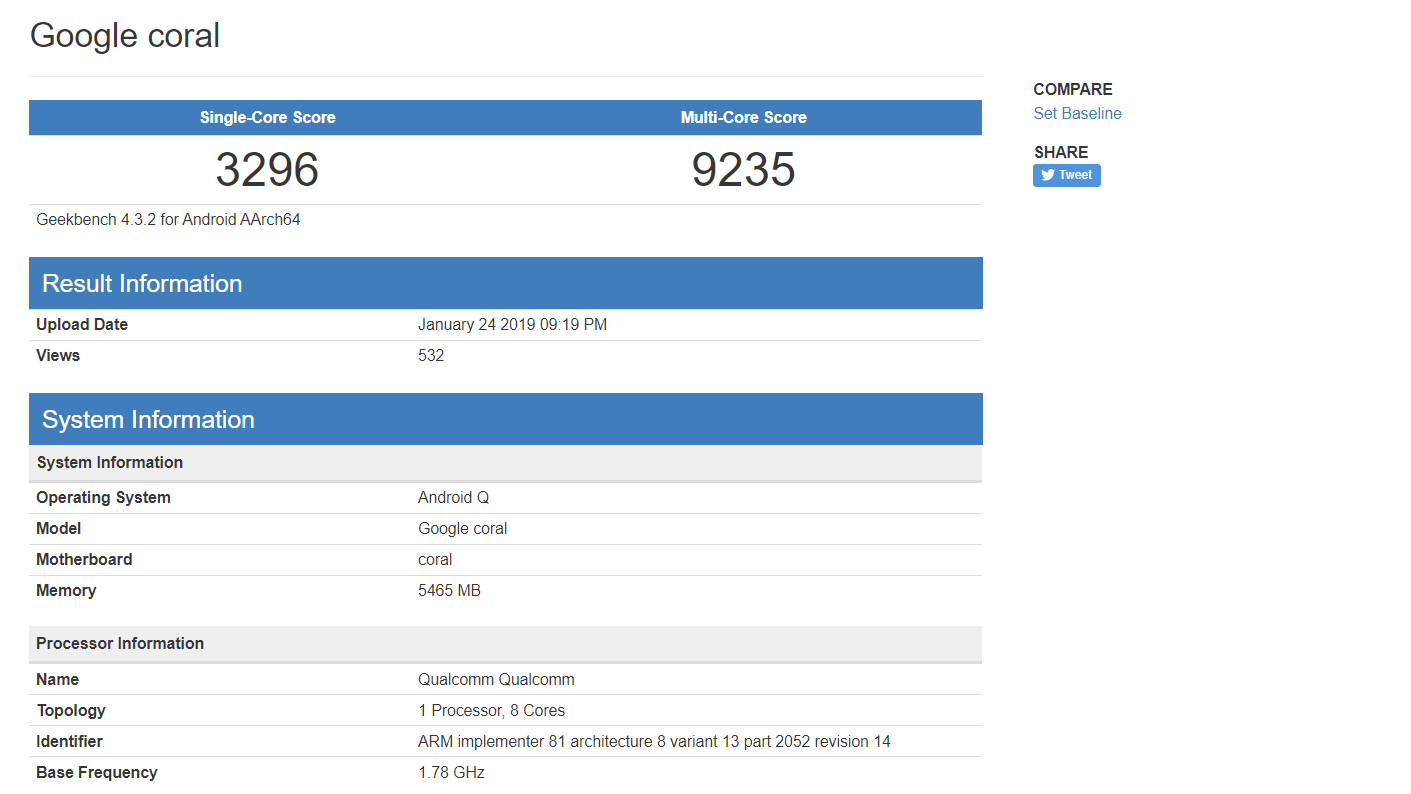
    The year has barely begun and the leaks of all the upcoming smartphones also are on the rise. Amidst the high intensity of Samsung Galaxy S10 leaks, a mysterious device from Google has popped up on Geekbench. And it may be enough to get you a little excited. Code-named Google Coral, the device has some impressive, 2019 worthy, specifications from as far as the eyes can see. The leaked screenshot shows us some of the components that will power this mystery of a device.

    Google Coral Specifications 

    The device may run on a Snapdragon 855, the latest from Qualcomm, 6GB of RAM, which is impressive considering Google only put 4GB of RAM in the Pixel 3 series. The device is also running Android Q, which probably won’t be out until Q3 of 2019, which is maybe what we are looking at as the timeline for the launch of the device.

    What the leak doesn’t emphasize on, is what is under the hood of the device, but the Benchmarks suggest it is the latest and greatest from Qualcomm. As far as the benchmark scores go, the Google Coral scores an impressive 3296 in Single Core scores and a whopping 9235 in Multi-Core. This is on par with all the other leaks of the benchmarks the Snapdragon 855 can work out. One thing that is weird about this mysterious device is the timing of the leak. While there is no doubt that Google is working on the next generation of Pixel devices, but the timing is really too early for a leak. What this mystery device is, remains to be seen.

    Also Read: Huawei Will Launch A Foldable 5G Smartphone At MWC 2019

    Maybe Google is secretly working on a tablet device, or maybe it is the next-gen Pixel. We just hope Google nails it with the design this time. However, it is difficult to say until we know more of the Google Coral, and from what it seems right now, we may find out soon enough.


  • Gmail Adds Useful Shortcuts, Allows Message Downloading

    Gmail Adds Useful Shortcuts, Allows Message Downloading

    Gmail is one of the most widely used email services in the world. Being that as it may, it constantly keeps evolving and changing to make the user experience better and more convenient. An enterprise UI needs to be simple, efficient and easy to use. Gmail, in its bid to simplify life for people who regularly use the service, has introduced a host of new features and shortcuts. 

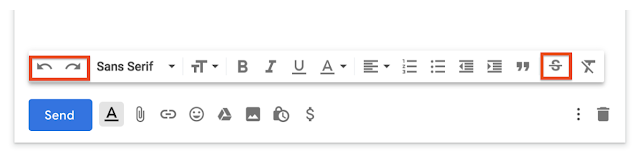
    One of the best features in the new update are the Undo and Redo shortcuts. These are specially great for people who like using their mouse to undo or redo words or sentences. The Undo button restores the previously typed text while the Redo button will reverse the changes. The buttons are added to the taskbar, preceding the font type and font size options. When you open the compose window it should appear right in the front of the taskbar. The positioning of the buttons are convenient and easily visible. These two commands are very frequently used by most people when composing an email. 

    Another great feature added to the taskbar is the option for Strikethrough. This allows a user to mark something as completed. It can also be helpful when suggesting edits in a text. The strikethrough button can also be found in the taskbar itself. 

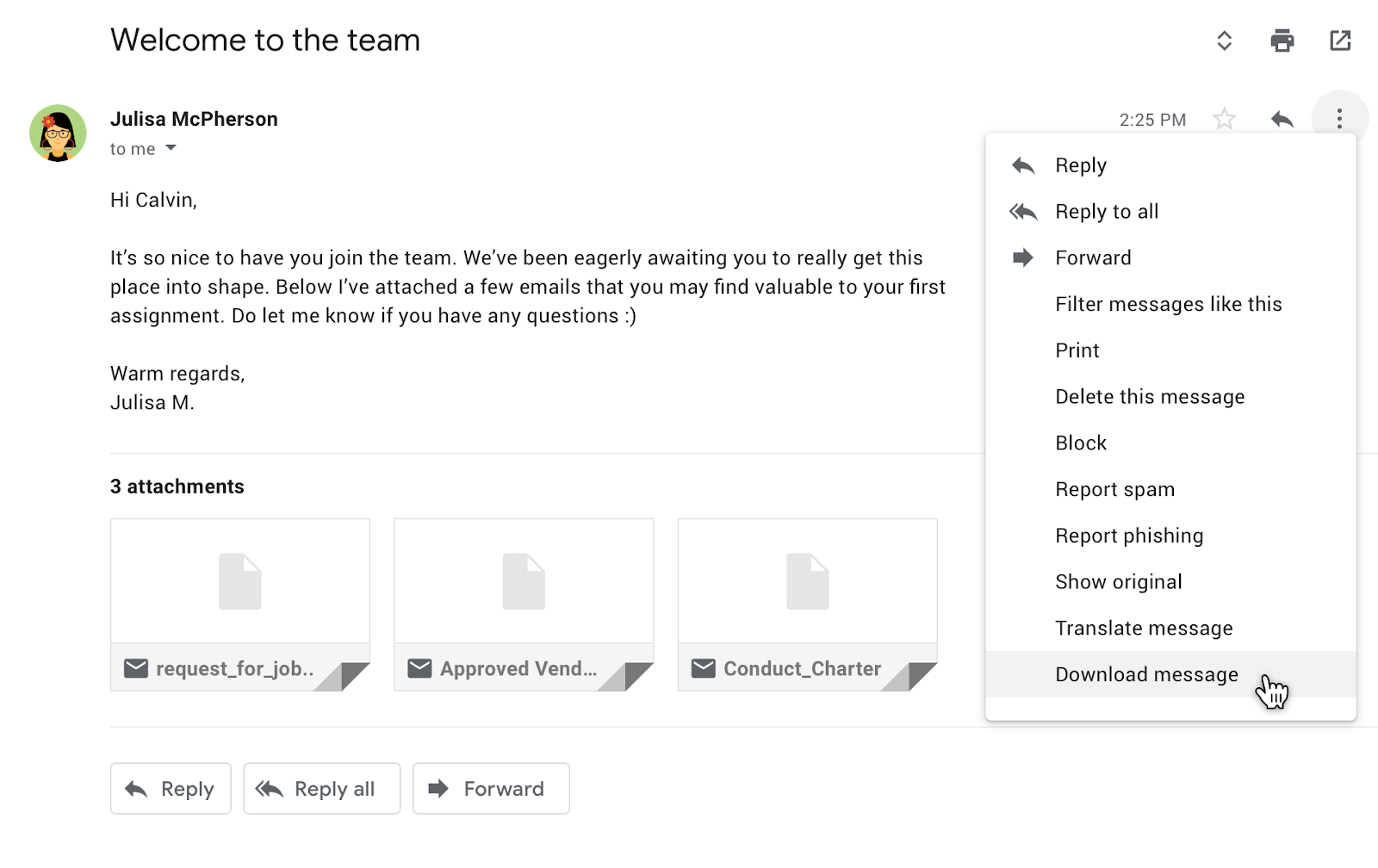
    A great feature, that Gmail has recently introduced and was much anticipated by people is the ability to download messages in the EML format. This feature allows one to view the Gmail content along with attachments within different email clients. Users will have the ability to add these downloaded messages as attachments in other emails. 

    The features are slowly being rolled out for Gmail and GSuit users. It will automatically be added to your Gmail UI soon. The rolling out of these features has started from January 22 and should be available globally in a few more days. These changes however are for the web clients and there is no news of these coming to the App clients anytime soon yet. 

  • Google Maps To Display Speed Limits

    Google Maps To Display Speed Limits

    Google Maps has been constantly evolving and growing the features that it has. Very recently, they added support for Autorickshaws in India. Now, news suggests that they will add speed limits in their iOS and Android Apps. 

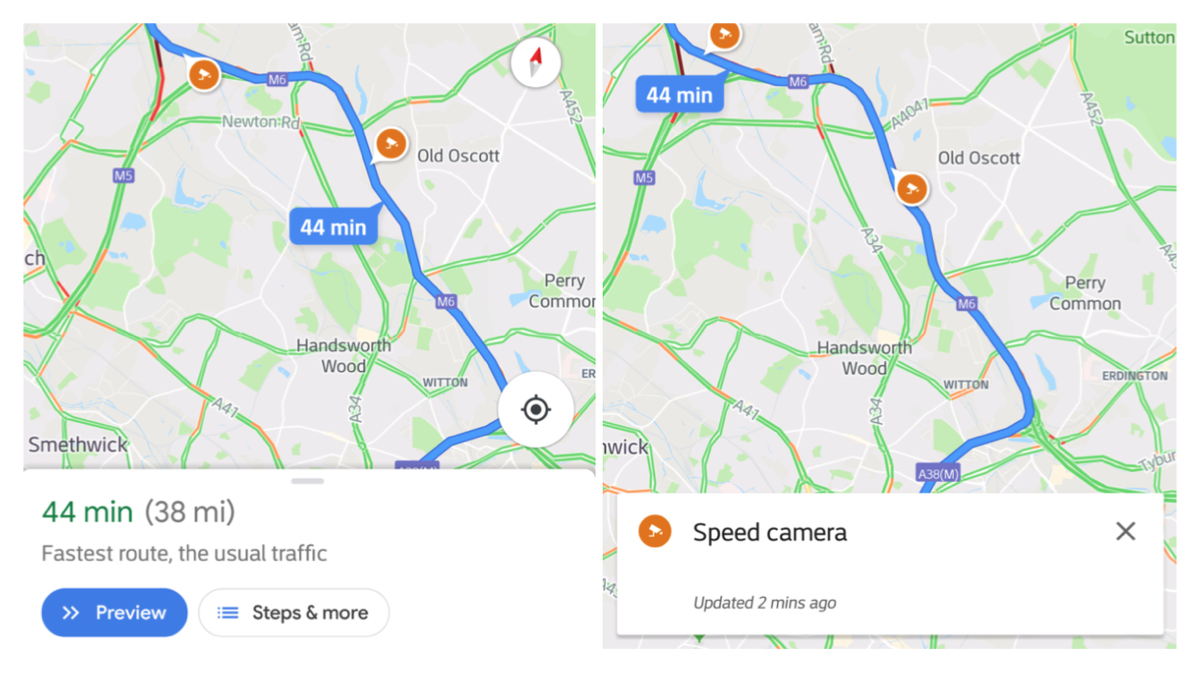
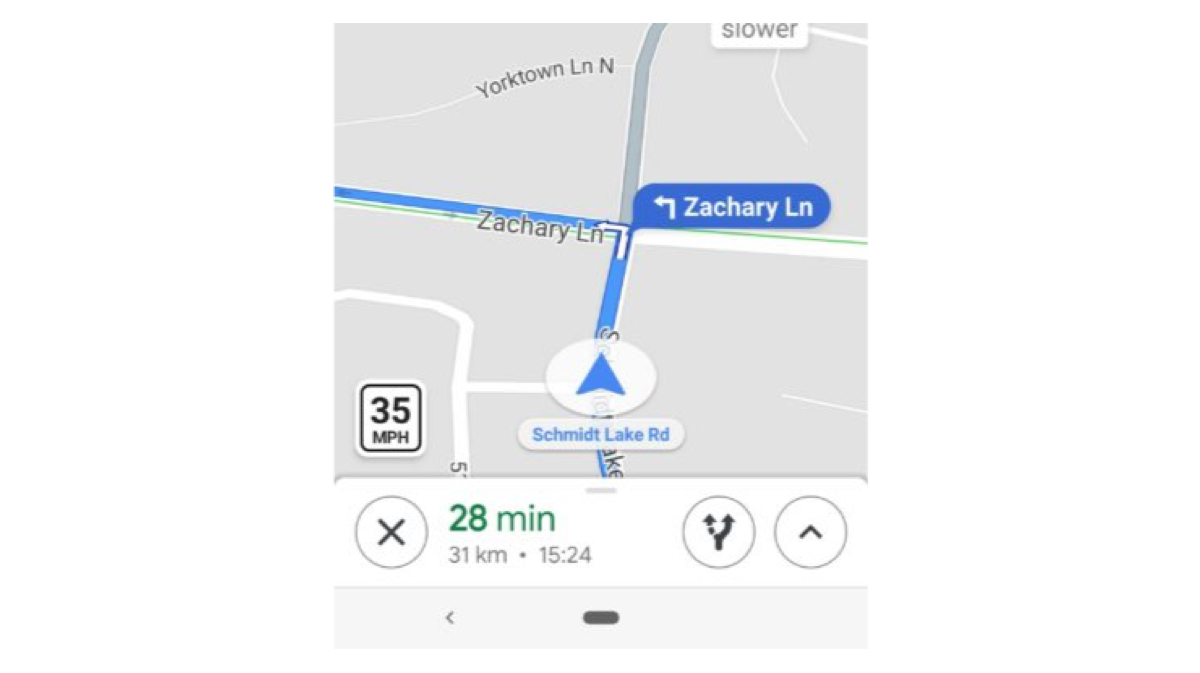
    The new feature adds a badge at the bottom left of the screen while the map is open and shows the speed limit of that particular road. It also displays speed traps. Speed traps are cameras installed in various roads to catch over-speeding drivers. These traps are shows with a small camera icon at the various locations the traps are based out of. 

    via-Android Police

    Drivers will also reportedly get an audio notification when they’re approaching a speed trap. The speed limit update is supposedly rolling out in Denmark, the United Kingdom and the United States. However the speed camera icons are rolling out to Australia, Brazil, Canada, India, Indonesia, Mexico, Russia, UK and US users. According to a report, the speed limit feature was available in San Francisco Bay Area and Rio de Janeiro, Brazil for almost a year now. Since last year, in many areas, users can report a speed trap whenever they face or spot one. This is a welcome feature for people who have cars without smart displays. Those relying on their phones for navigation can use this feature to not over- speed in low speed zones. 


    Also Read: Google Maps Auto Rickshaw Will Calculate Time And Price Of The Ride

    A crowdsourced application called Waze had similar features which was extremely detailed. Google bought Waze in 2013 for nearly US$ 1 Billion. It seems like Google has kept it’s eye on the Maps market for a long time and is doing what the market demands. These new features will not only make the roads much safer to drive in, but also save drivers a lot of money in terms of fine for over- speeding through camera traps.  

  • Google Will Soon Remove Unapproved Apps That Use Call Log / SMS Permissions From Play Store

    Google Will Soon Remove Unapproved Apps That Use Call Log / SMS Permissions From Play Store

    Android as an operating system was developed with safety and security in mind. Over the years, operations within the OS have become very complex, the protection of sensitive user data has become a top priority. Late last year, Google announced a major update to boost security on apps available on the Play Store. The company found that certain types of applications do not need access to user data to function properly. Therefore, the company asked application developers to update respective applications to comply with new Play Store policies. 

    New Call Log/SMS Permission Policy

    The new Google Play Store policy is designed to ensure that an application that has access to Call Log/SMS is manually approved by the device administrator. The company granted a 90-day window to the developers to either update their apps as per the new policy or submit a permissions declaration. 

    Developers that fail to choose either option will result in removal of their application from the Play Store. Google has, however, provided an option even for the developers who fail to do so. Even after the removal from the play store, the developer has the following options available:

    • submit a new version of the application with these permissions.
    • submit a new version of your app that retains the permissions. Doing so will require you to complete a permissions declaration form inside the Play Console (coming soon) and will give developers an extension until March 9th to remove the permissions or receive approval for their use case.
    Benefits Of New Policy

    Also Read: Apple Replaced 11 Million iPhone Batteries In 2018 Up From 1-2 Million In The Past

    Apparently, Google has taken this step to improve the user’s confidence in the security of Android OS. The users will be able to manually select applications that have access to their sensitive data in the form of Call logs and SMS.  

  • Google Increases Storage Limit To 20,000 Photos And Videos For Google Photos Albums

    Google Increases Storage Limit To 20,000 Photos And Videos For Google Photos Albums

    There is some good news for all the Android users! Google has increased the number of photos and videos that can be stored in an album to 20,000. Google Photos is a widely used service and most Android phone users backup their photos and videos in Google’s cloud storage. This enables a user to seamlessly switch to new phones without the hassle of shifting gigabytes of data from one phone to another. Each Google Photos storage is associated with a Gmail account. The limit for each album was previously set to 10,000 photos. With Google introducing the Live Album feature, there will now be more albums than before. The Live Album feature enables the app to differentiate between different photographs and creates and segregates photographs for you. This makes an album of your pets, your travels and so on.

    What This Means For Users

    With smartphone cameras becoming better and better, the size of images have increased. So has the user’s tendency to shoot more photographs with mobile phones. This new expansion of storage allows the user to not have to worry about running low on space and having to delete images from Google Photos. Google has also confirmed that it won’t count some formats of videos under the ‘unlimited storage’ umbrella. These include videos saved in mpg, .mod, .mmv, .tod, .wmv, .asf, .avi, .divx, .mov, .m4v,  .3gp, .3g2, .mp4, .m2t, .m2ts, .mts, and .mkv formats. These videos can still be uploaded to Google Photos, but will take up space on your Google Drive.

    Also ReadXiaomi Launches Mi Pay Mobile Payment Service In India

    While a user gets 15 GB storage for free on Google Drive, one can choose to increase that space by paying a premium. There are six different plans available at the moment which are 100 GB, 200 GB, 2 TB, 10 TB, 20 TB and 30 TB. The lowest plan for 100 GB data storage will set you back by Rs 130 per month. Alternatively, one can create another Gmail account to get 15 GB more data but that would mean you will need to keep both logged in on your phone to access the storage without interruptions.

  • Google Is Reportedly Shutting Down Its Controversial Chinese Search Engine Project

    Google Is Reportedly Shutting Down Its Controversial Chinese Search Engine Project

    Google’s Project Dragonfly has been one of the most controversial issues associated with the company in modern times. It is a ‘secret’ project taken by the internet giant to set up a search engine in China. While that seems like a pretty normal thing, it drew a lot of flak. This was due to the fact that this search engine was allegedly going to help the Chinese government ‘spy’ on users and censor and control content. But now, reports suggest that Google might have internally shut down this project.

    Project Dragonfly

    The news of the apparent shutting down of Project Dragonfly brought a lot of cheer and joy from organisations around the world. A lot of people believed that the project aided censorship and surveillance. Which added to the already ongoing Human Rights violations in China. Recently, Google CEO Sundar Pichai was also subjected to a Senate hearing, which dwelled into whether Google has been censoring and controlling content and spying on people.

    While the Senate Hearing did not bring out a judgement that might have affected Google’s decision, it seems that the entire movement against the project could have motivated the company to do so. In fact, an open letter signed by 200 engineers from Alphabet Inc, which is Google’s parent company might have added to the already existing internal conflict regarding the project. Even members of Google’s privacy team were repeatedly shut out from meetings regarding Project Dragonfly.

    Also ReadWhy Indian Smartphone Brands Lost To Their Chinese Counterparts

    Google’s Move

    All the dispute rose due to a website, 265.com. This had been purchased by Google way back in 2008. The company then used it for ‘market research’. They allegedly used it to see what Chinese users searched for on Baidu and then went ahead to build a prototype of Dragonfly based on this information. Despite all the issues, the project was one of the key efforts of Google, and receiving backing from most of its top executives. Now that the project has been shut down, we can believe that it is a move in the direction of protection of a users data and the safeguard of freedom on the internet.

  • Google Maps Auto Rickshaw Will Calculate Time And Price Of The Ride

    Google Maps Auto Rickshaw Will Calculate Time And Price Of The Ride

    Google has been rolling out country specific features for a long time and it’s Maps feature is one of the best navigation tools in the world. While there are many India-specific features already available, a new feature that has been recently introduced can be extremely helpful for a lot of residents as well as travellers. The new feature allows you to see how long it will take to reach your destination in an auto rickshaw. It also shows the estimated cost for the travel. Indian auto rickshaws are infamous for not using their fare meter and overcharging. Many rickshaws use the fare meter and take tourists around a longer route to get an inflated fare. So we checked out the new feature on Google Maps and it is pretty cool! See how it works:

    First thing is to check if the Maps app is up-to-date or not. Then open the app and select the location you wish to visit.


    Second step is to select the mode of transport. Since the default is always a car or four wheeler, select the ‘Public transport’ section. This looks like a Train symbol which is on the right of the ‘Bike’.

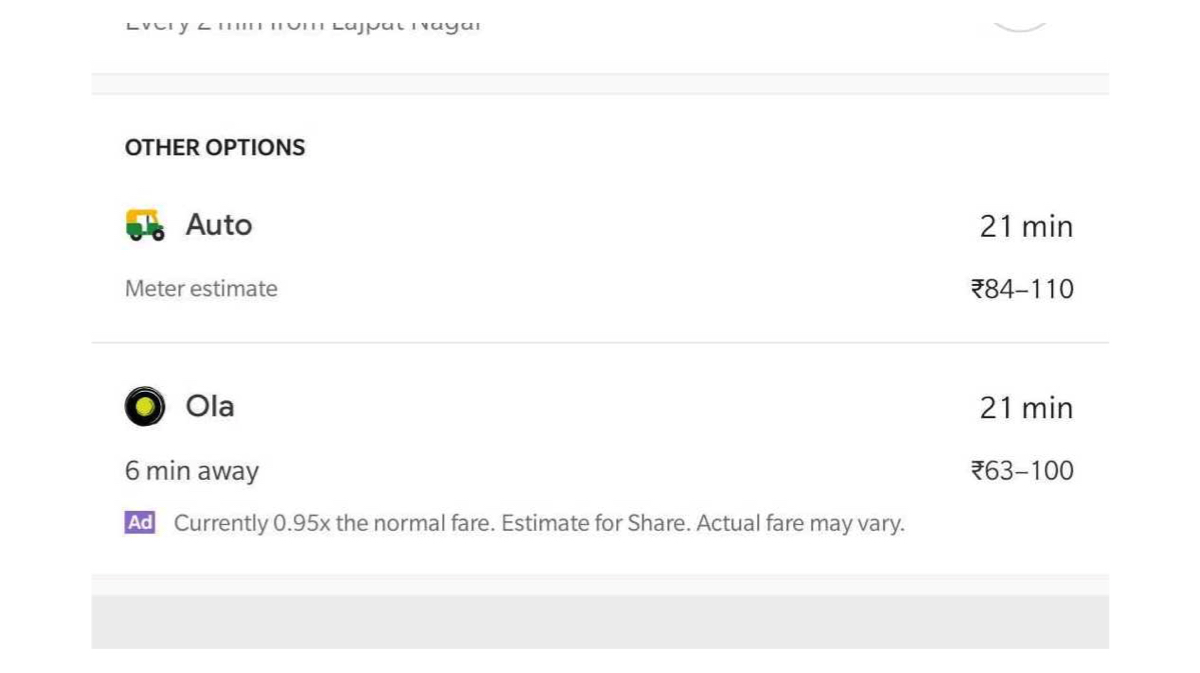
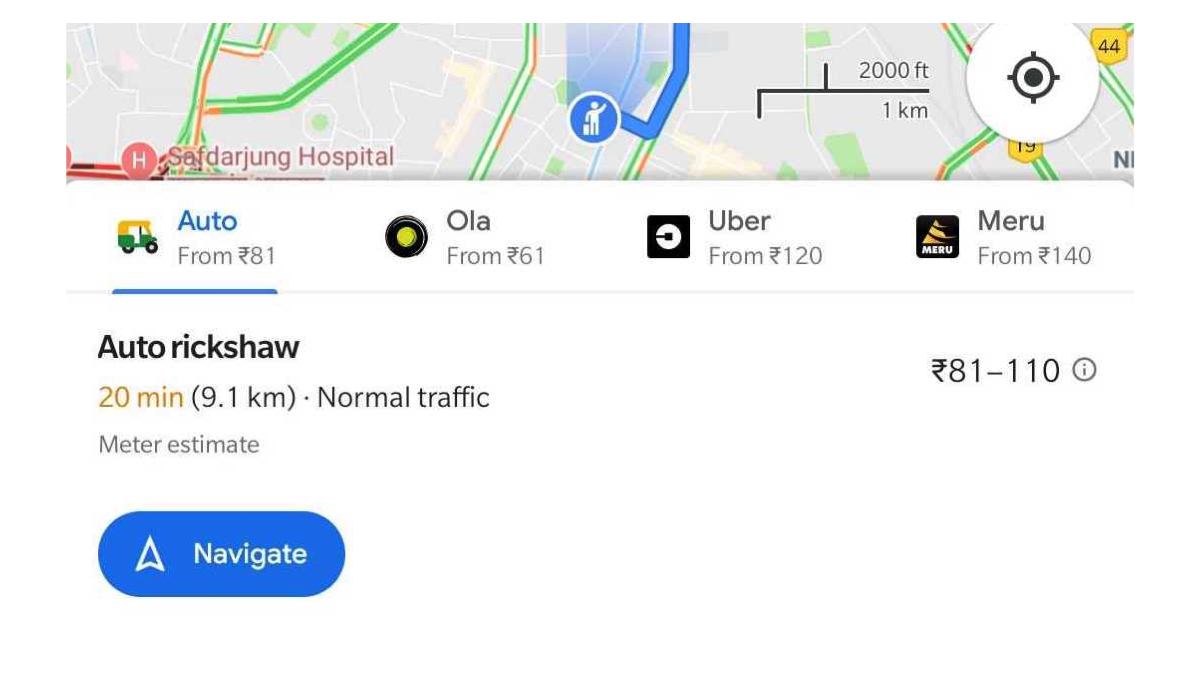
    Scroll to the bottom half of the screen on Google Maps and you will see an ‘Auto’ option in the ‘Other Options’ section. It shows the approximate cost and time taken for the journey.

    You can also find different options for Taxi aggregators such as Ola, Uber and Meru cabs which show the estimated cost and allow you to directly jump to the respective apps for booking.

    While the Auto feature in Google Maps is currently available in Delhi, the country’s capital, we hope Google rolls the feature out to other cities soon.

  • Google Files Patent To Make Foldable Displays Durable

    Google Files Patent To Make Foldable Displays Durable

    Google is a company that is not limited to one particular field or industry. Being in the hardware space for a long time with devices like Nexus and Pixel phones, Pixel tablets and such the company has recently filed for a patent that intends to improve the durability of foldable displays. It seems that the patent is not meant for just one single device but it rethinks how foldable displays are made and operate. The patent details three different types of solutions which can improve the durability of a foldable display panel.

    Limitations Of Foldable Displays

    The currently showcased displays by major companies like Samsung and LG make use of flexible material that is engineered to have high tensile and compressive strength. Every flexible display is rated to bend to a certain degree without experiencing permanent damage. If the display is bent beyond that degree it loses its capability to retract to its original state. Google, however has filed patents for three mechanisms that approach this issue from a completely different perspective.

    Google’s Patents

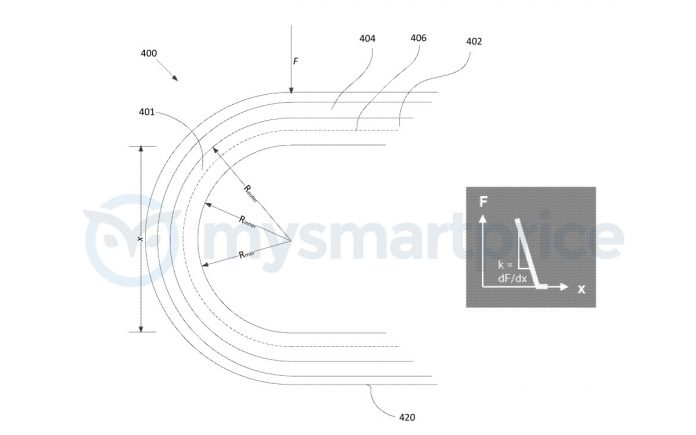
    The patent filed by Google includes three different approaches to making a highly durable foldable display.

    • Low Stretch Fibres- The first type of display has an additional layer of stretchable fibres. The stretchable fibres prevent it from bending after a certain degree. It involves arranging the low stretch fibres in such a manner that ensure that they reach their limit of elasticity before the display is bent beyond its minimum bend radius.
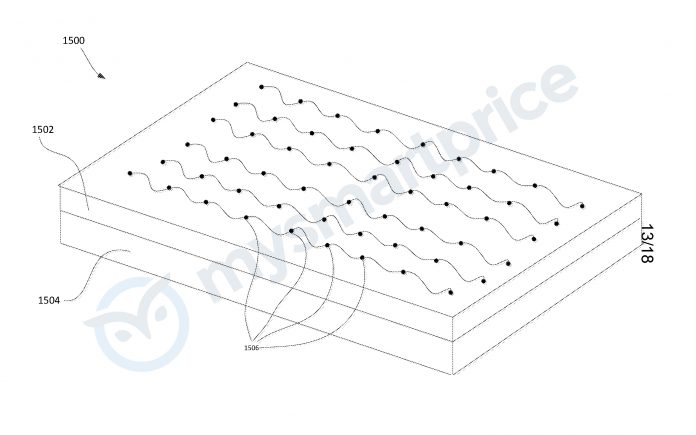
    • Memory Metal Display- This patent has thin wires of a memory metal which is arranged in a grid layout behind the actual display panel. Memory metal is a metal alloy which when bent has the ability to restore back to its original state when one exposes it to a certain temperature. In simple words, attaching such a metal mesh to a foldable display will allow it to spring back to its unfolded state.

    • Non-Newtonian Fluid Display- A non-newtonian fluid is a fluid that does not follow Newton’s law of viscosity. That is constant viscosity independent of stress. Such gel or fluid can be infused with electro-active materials like polymer-metal composites. Electric current and voltage can be used to limit the bending radius of screens having this fluid. Therefore allowing companies to make foldable displays that have a high durability.

    The patents are just a concept as of now. But the ideas look promising and can be shaped into real life future technologies.

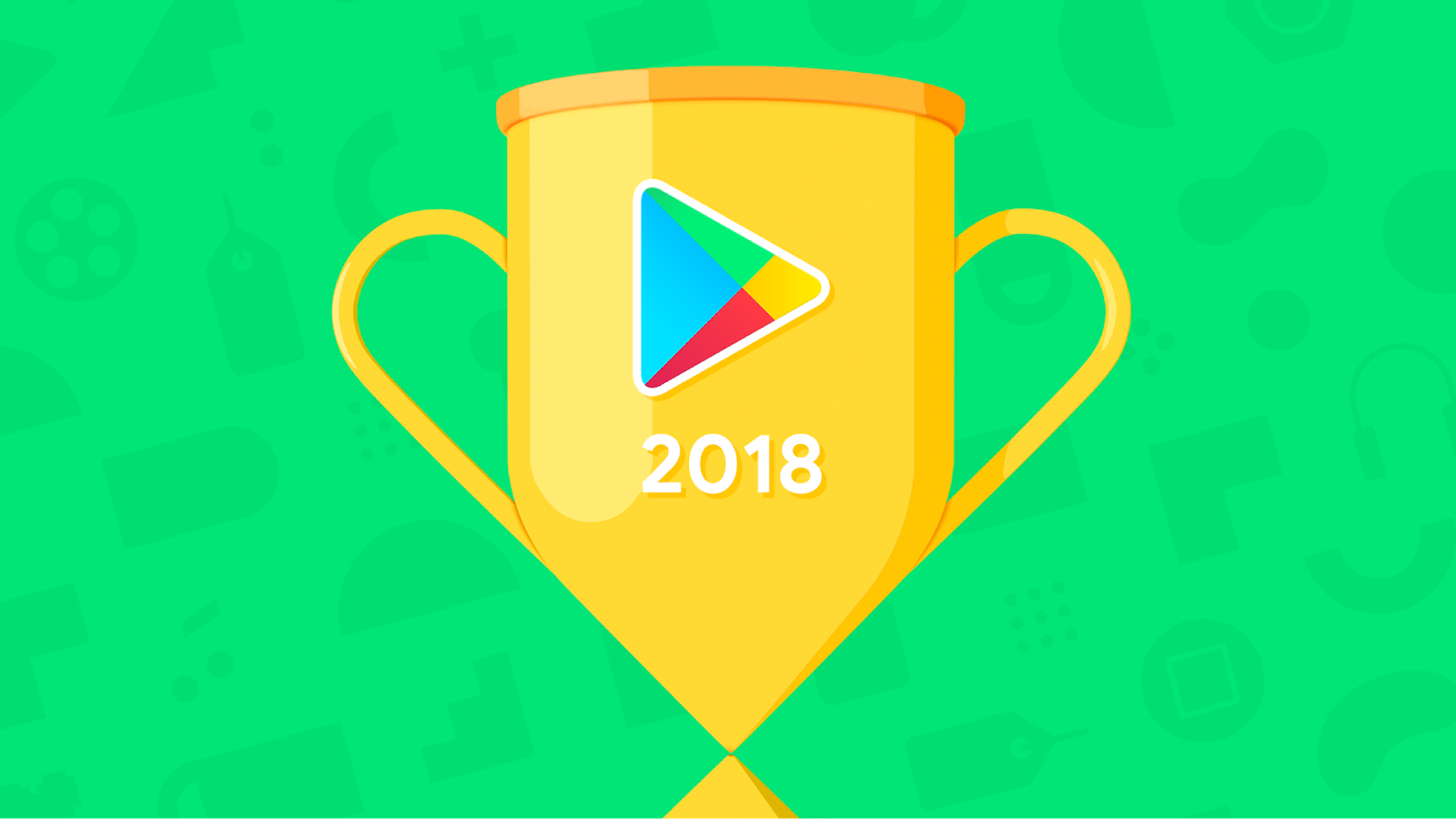
  • PUBG Wins Fan Favourite Game Of The Year At Google Play Best of 2018 Awards

    PUBG Wins Fan Favourite Game Of The Year At Google Play Best of 2018 Awards

    Google recently released a list of the yearly awards that they give out for the best apps. The list includes some well known apps as well as some little known apps which you may not have heard of! PUBG picked up a few awards. Read to find out more about the winners.

    The ‘Google Play Best of 2018’ has several different categories which are as follows:

    • Best App of 2018
    • Most Entertaining Apps
    • Best Self Improvement Apps
    • Most Competitive Games
    • Best Daily Helper Apps
    • Most Innovative Games
    • Best Hidden Gem Apps
    • Most Casual Games
    • Best Game of 2018
    • Best Indie Games

    List of Winners

    PUBG, which is one of the most downloaded games of 2018, picked up several of the awards in different categories. PUBG achieved the 100 million downloads milestone in August of 2018. It also won the Mobile Game of the Year at the 36th Golden Joystick Awards. The game currently has more than 100 million downloads and a 4.5 rating, from 8 million reviewers on Play Store. The Tencent Games’ creation took home  accolades in the ‘Best game’, ‘Most Competitive Title’ and ‘Fan Favourite’ award categories.

    The Best App of 2018 was awarded to ‘Drops’ an app that helps you learn 31 new languages. Meanwhile, the ‘Most Competitive Games’ category had other winners which include Warhammer Age of Sigmar: Realm War by Pixel Toys, Dragon Ball Legends by Bandai Namco Ent., Asphalt 9 by Gameloft and Badland Brawl by Frogmind.

    The award for the ‘Most Innovative Games’ were shared by Gorogoa by Annapurna, Umiro by DevolverDigital, Hero Hunters by Hothead Games, Battlelands Royale by FuturePlay and Life is Strange by SQUARE ENIX Ltd. The award for the Most Casual Games also had a few contenders which included The Sims Mobile by EA.

    Also ReadQualcomm Announces The Snapdragon 855 SoC With 5G Support

    In the category of ‘Best Indie Games’ the winners were Alto’s Odyssey by Noodlecake Studios, Reigns: GoT by DevolverDigital, Cube Escape Paradox by Rusty Lake, Returner 77 by Fantastic, yes and Evoland 2 by Playdigious. In the other categories, notable apps such as YouTube TV won the best app in the Fan Favourites category while The Walking Dead, Riverdale and The Big Bang Theory were declared the most popular TV shows.

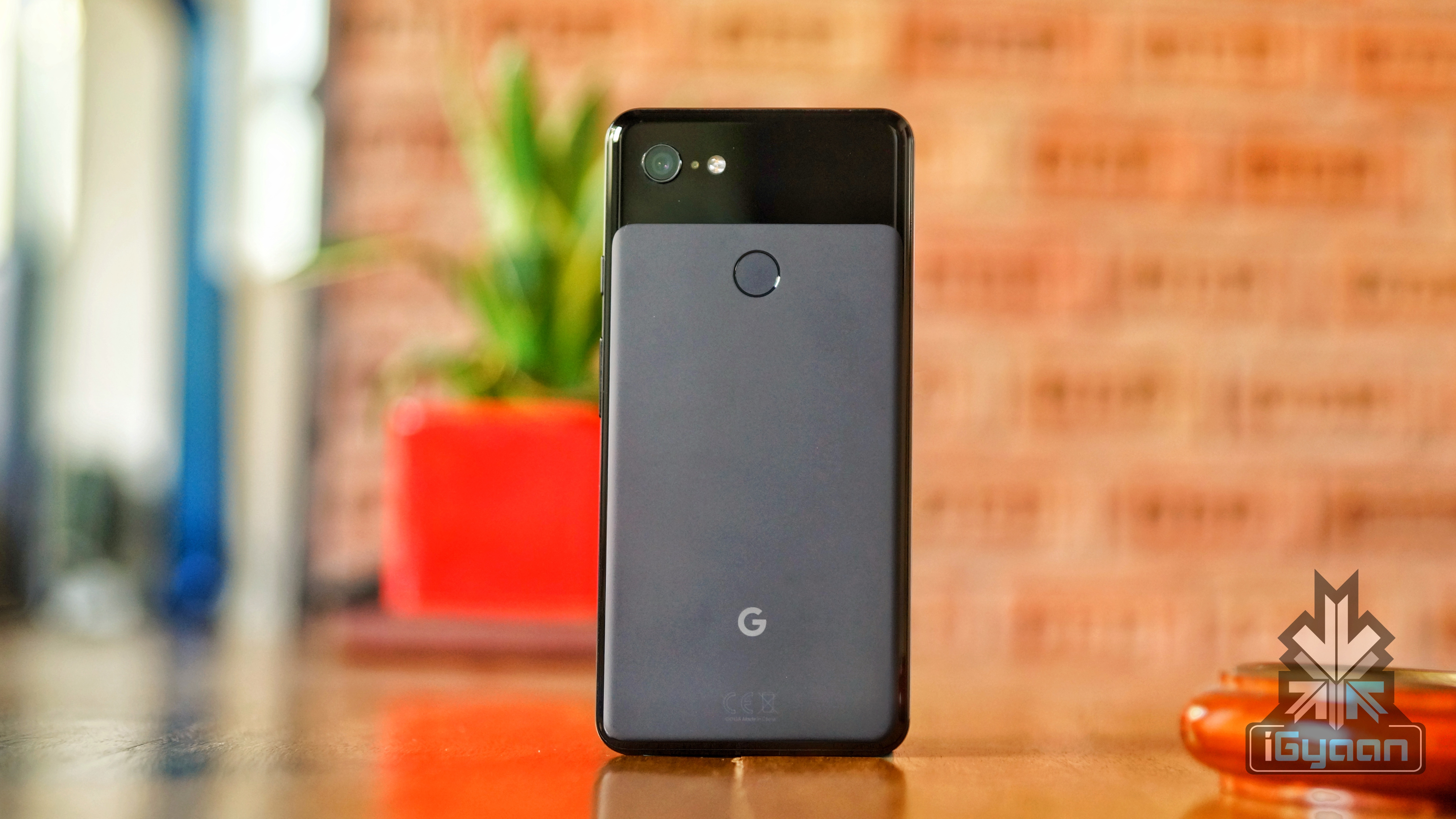
  • Google Pixel 3 XL

    Google Pixel 3 XL

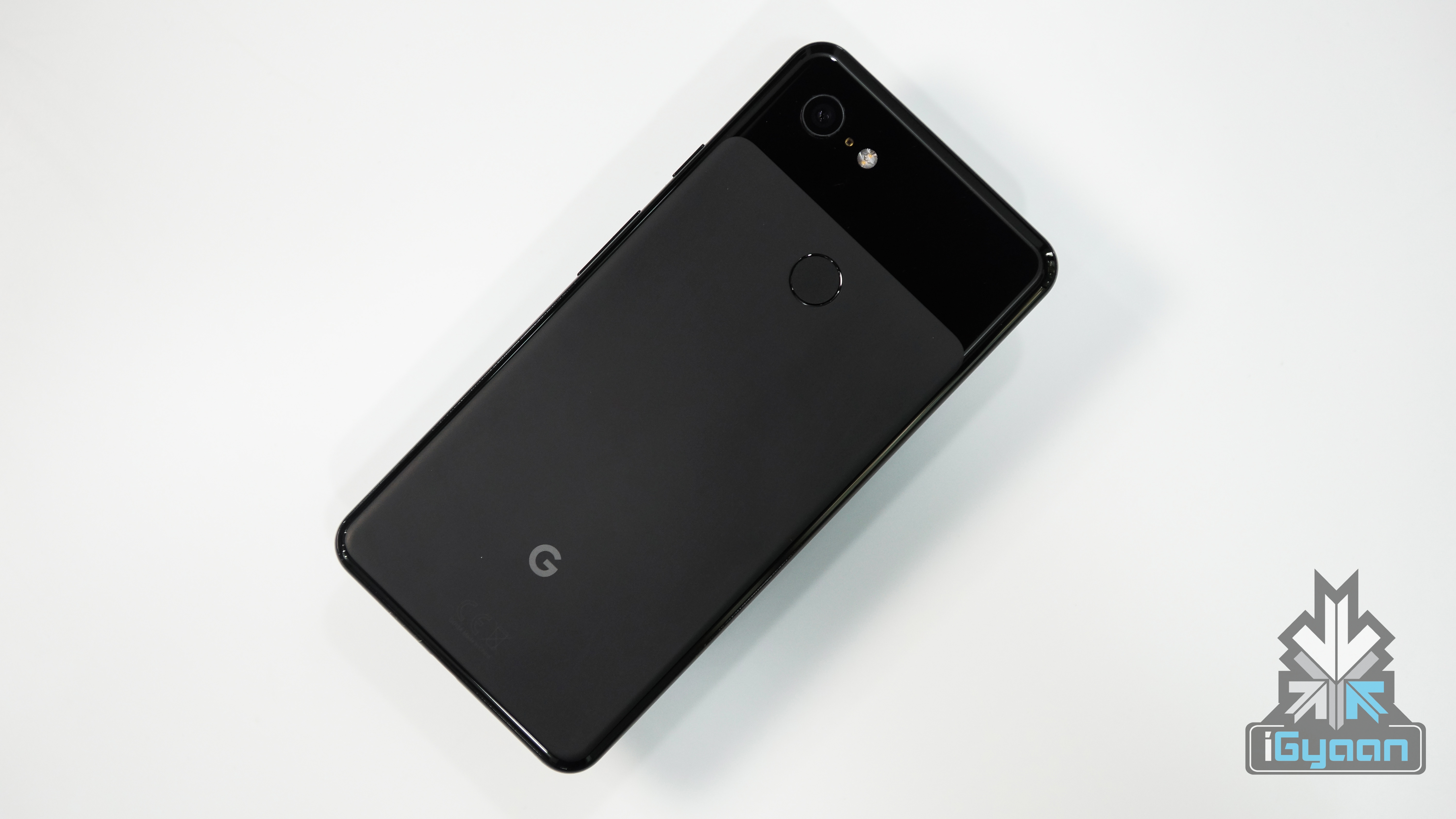
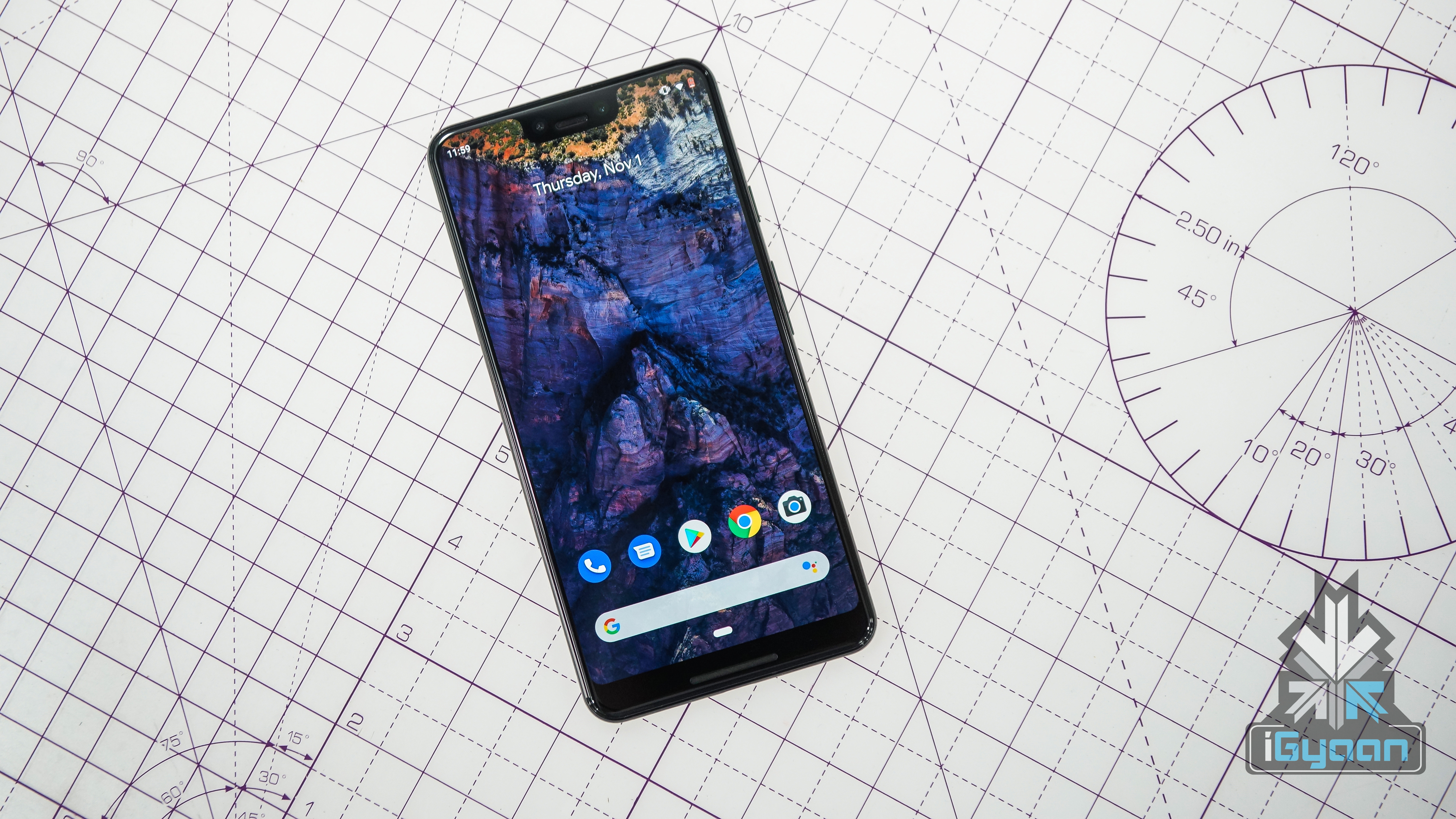
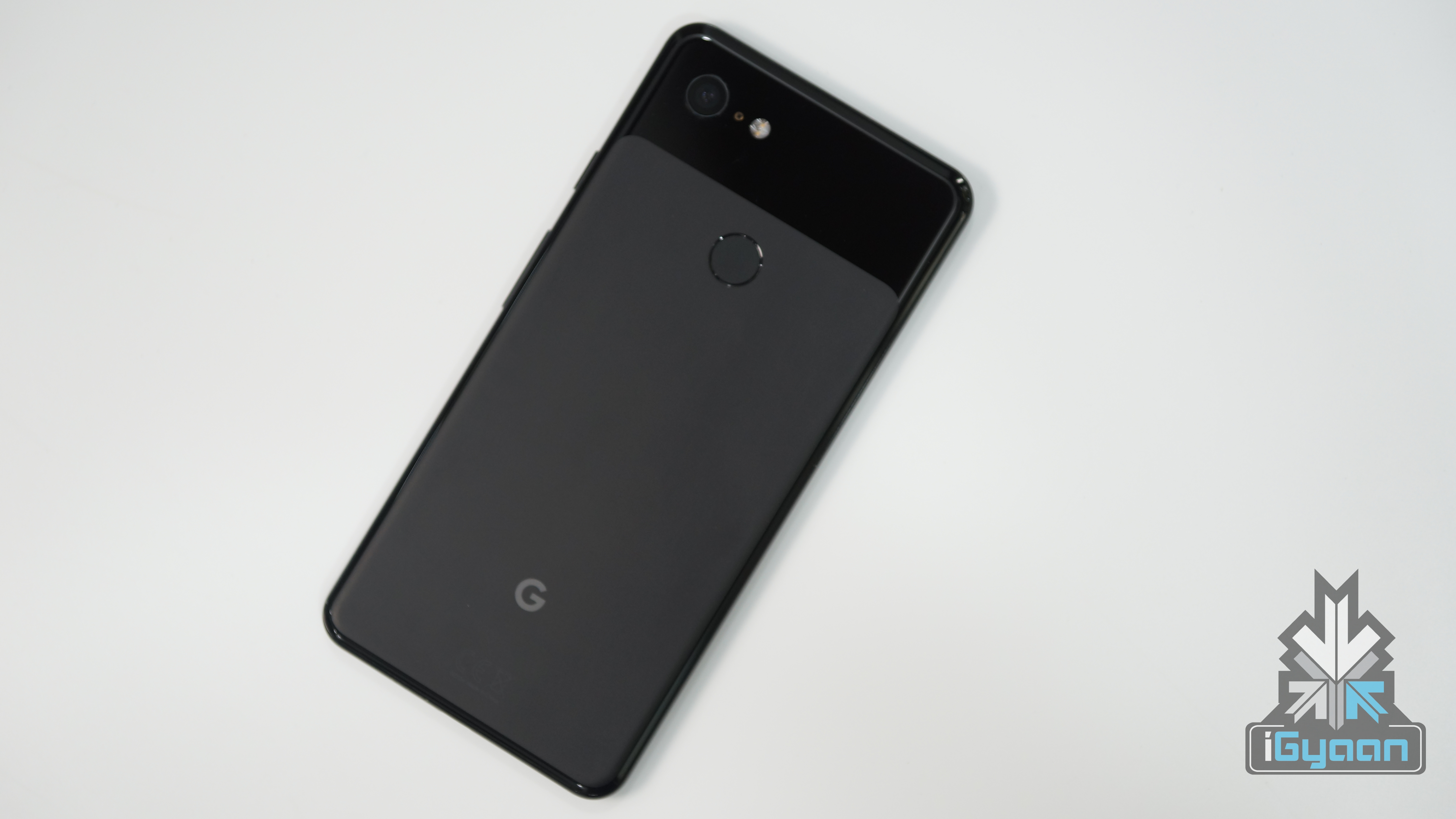
    The latest flagship smartphone from Google, the Google Pixel 3 XL was launched on 10th October. It has a 6.3-inch P-OLED display with a notch up top. Under the hood, the smartphone runs on the Octa-Core Snapdragon 845 SoC. For photography, the smartphone has dual 8 MP + 8 MP front cameras and a 12.2 MP rear facing camera. The phone packs a 3,430 mAh battery which supports fast charging at up to 18 W. The phone is offered in three colour options which are White, Pink and Black. It is available in two storage options for which the price is as follows:

    • 4 GB RAM + 64 GB ROM – Rs 83,000
    • 4 GB RAM + 128 GB ROM – Rs 92,000

    Latest News

    [loop included_categories=”7505″ included_tags=”52681,46869″ loading=”paged” layout=”c” postsperpage=”6″]

  • Google To Introduce eSIM To More Countries Including India

    Google To Introduce eSIM To More Countries Including India

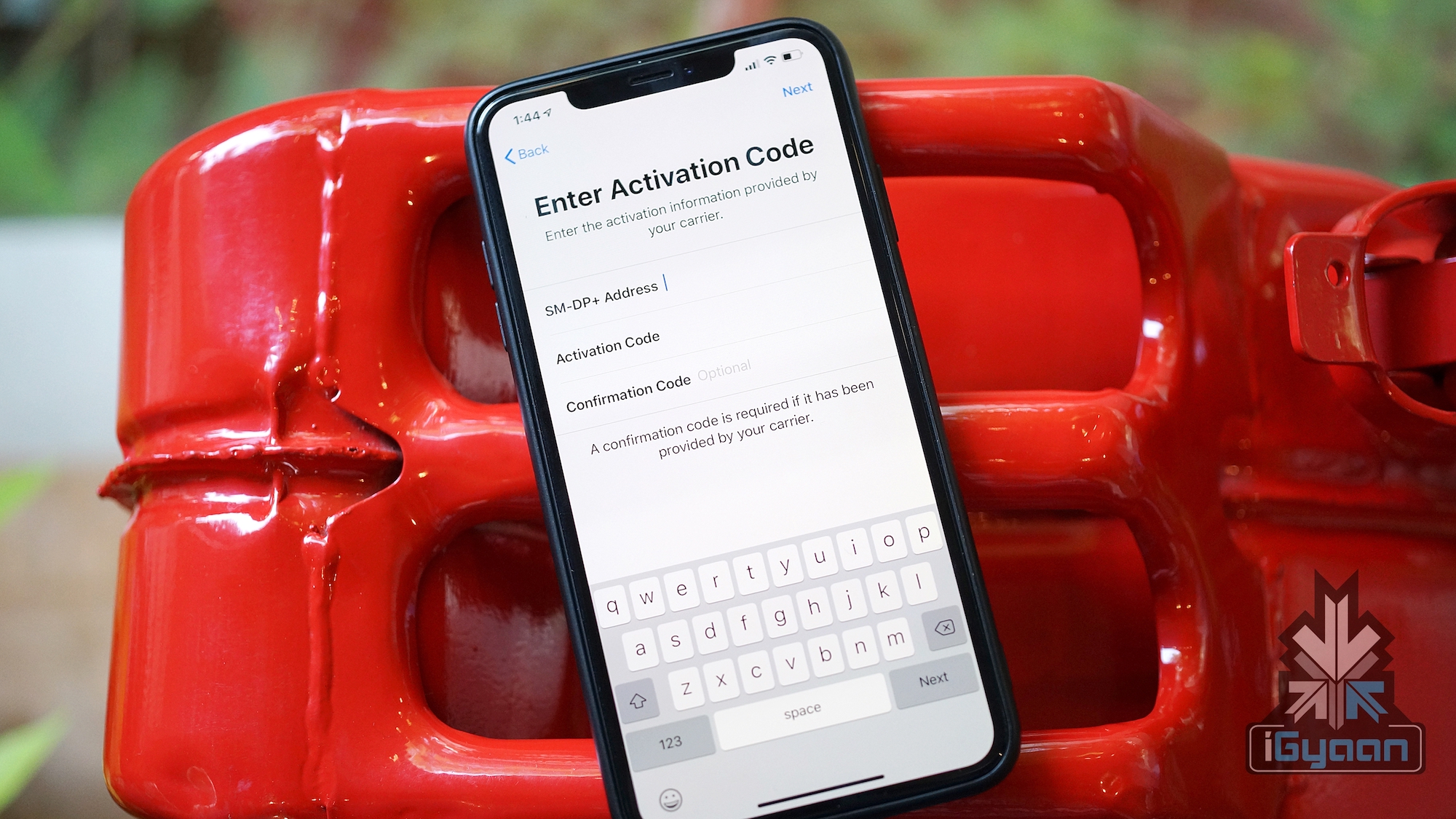
    Google, in it’s blog, has given some great news for Pixel owners around the world. They will soon introduce the eSIM feature to phones in India.  A few other countries will receive it as well. eSIM cards are electronic SIM cards that negate the need to have physical SIM cards as well as the need to have any SIM card slots. Apple introduced the eSIM in their latest range of iPhones and now other manufacturers are slowly catching on. With eSIM, Google says it hopes to bring their users instant connectivity across more carrier networks. Pixel 2 was the first major smartphone to introduce the eSIM feature to their smartphones.

    eSIM Availability

    If you’re in the U.S. and want a phone that has eSIM, you can do so through the Google Fi App. You can alternatively use the Google Store app as well. If you’re in Germany, you can purchase the Pixel 3 with an eSIM functionality from Deutsche Telekom and Vodafone soon. According to Google, Sprint in the U.S., EE in the UK, Airtel and Reliance Jio in India, and Truphone and Gigsky in various countries will also roll out eSIM support for Pixel 3 very soon.

    Also read: No Decision To Shutdown Hangouts, Says Google Representative

    Google is also building a program that allows Android device makers to build eSIM-capable smartphones. eSIM, in-display cameras and foldable smartphones are the three features that most smartphone manufacturers are focussing on at the moment. The eSIM card is a great feature and the reason is twofold. One, is that it gets rid of the hassle of inserting and ejecting SIM cards. One also needs to have a SIM ejector tool handy at all times. The second reason is that the eSIM feature can now replace the SIM tray, which creates more space in smartphones for manufacturers to use to include other features like more camera lenses or bigger batteries.

  • Top 5 Upcoming Smartphones : December Edition

    Top 5 Upcoming Smartphones : December Edition

    The year 2018 has been a big one for smartphones. Companies from all over the globe are trying to take a piece out of this ever-growing market. The year is about to end but a lot of devices are yet to be launched. Here is a list of highly anticipated smartphones which are expected to launch in the month of December.

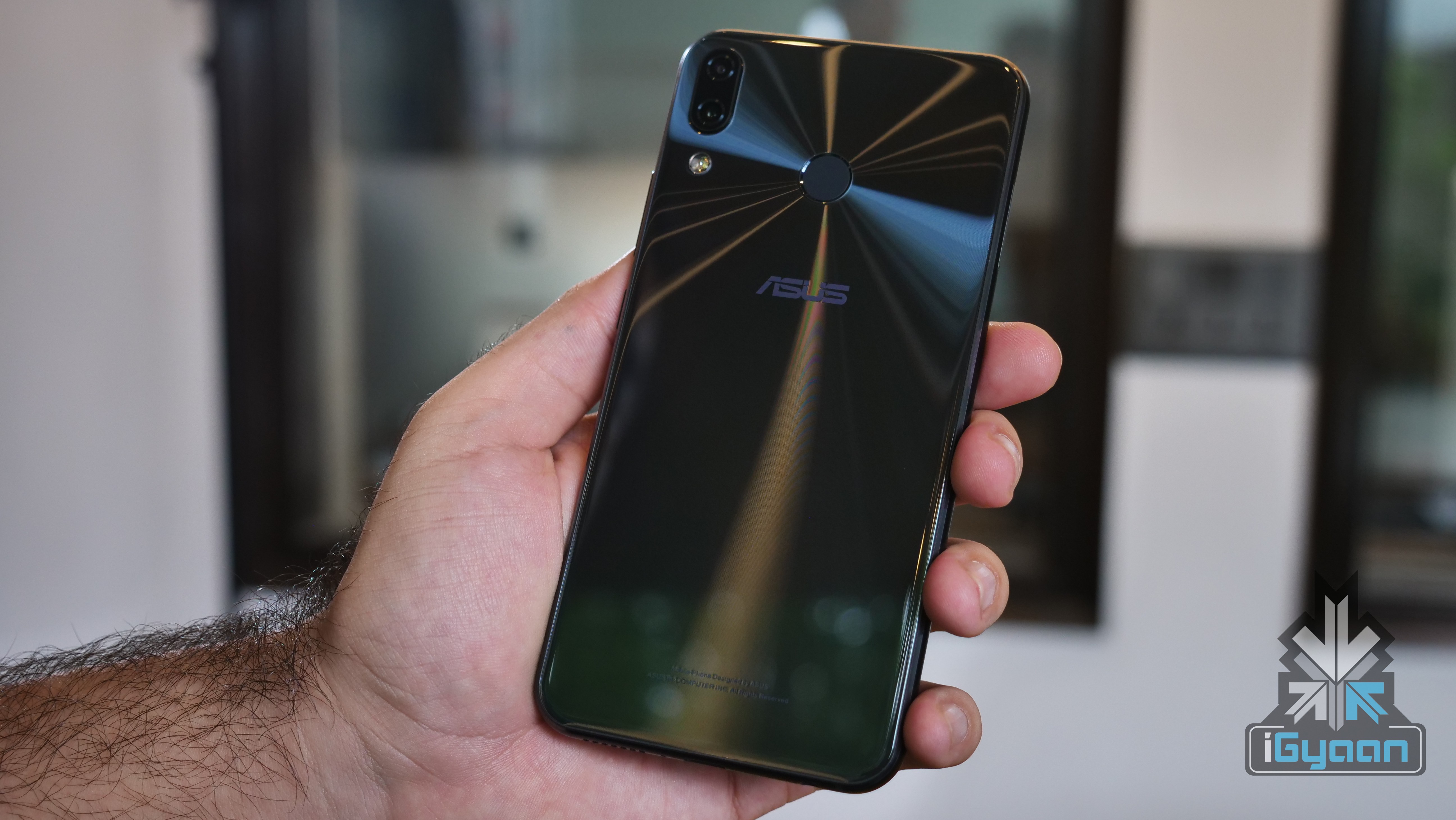
    Asus ZenFone Max Pro M2

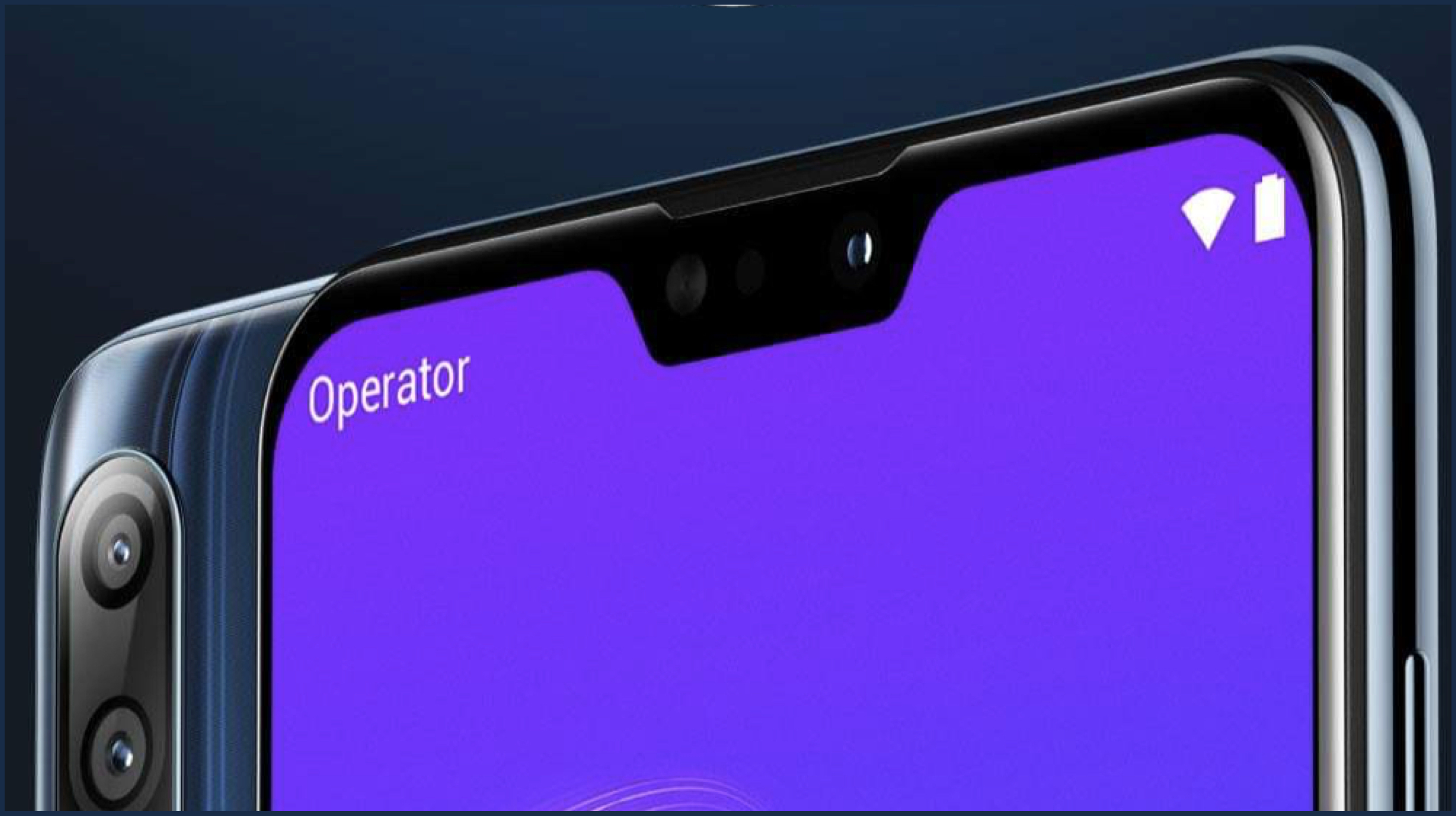
    The Asus ZenFone Max Pro M1 was launched earlier this year. Now the company has announced that its successor Asus ZenFone Max Pro M2, will launch on December 11th. The company has been sharing a lot of tweets which reveal some key features of the upcoming device. The Asus ZenFone Max Pro M2 will have a mammoth 5,000 mAh battery, rear-mounted fingerprint sensor, and Gorilla Glass 6 protection. It will also have a wide notch at the top of the display which will house the front-facing camera. If the company can carry forward the aggressive pricing from its predecessor, the ZenFone Max Pro M2 will also be a sensational hit in the Indian market.

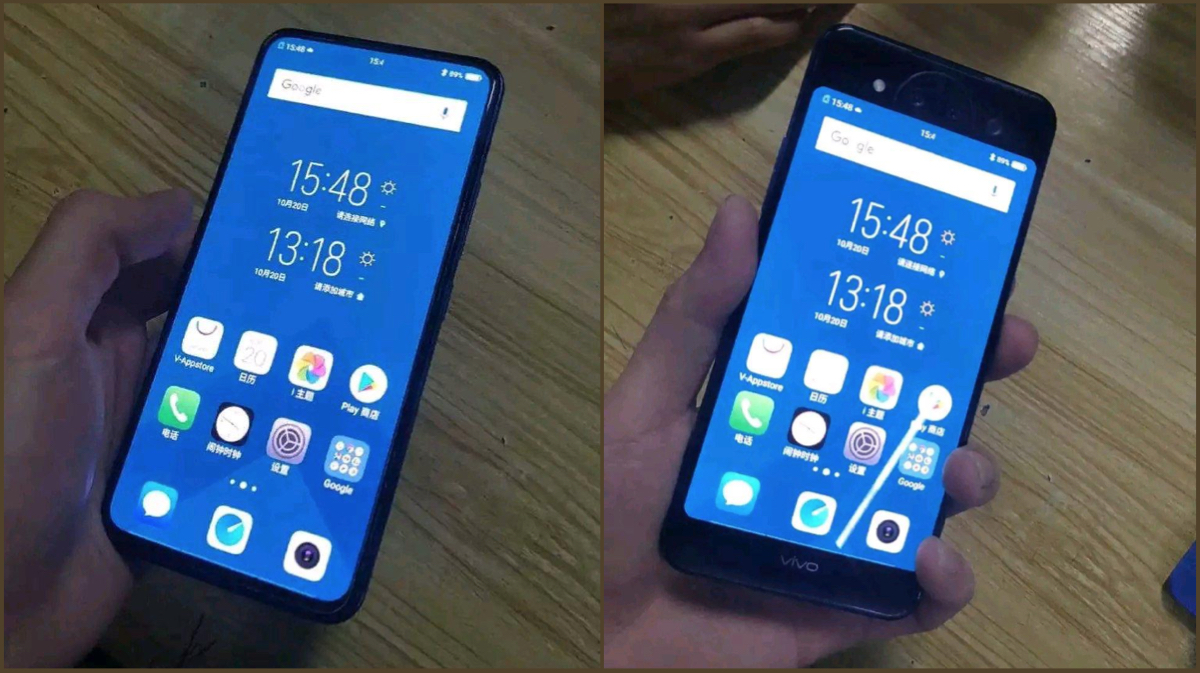
    Vivo Nex S2

    Vivo launched the Nex S smartphone earlier this year and now the company is about to launch its successor, the Nex S2. According to previous leaks, the smartphone will have unorthodox features like dual displays and a triple camera module. The front of the device has an edge-to-edge display and an additional smaller sized display on the rear. Like its predecessor, it is also expected to have an in-display fingerprint sensor. To sum up, all the doubts and rumors surrounding the device will be cleared up as the company officially announces it on December 11th.

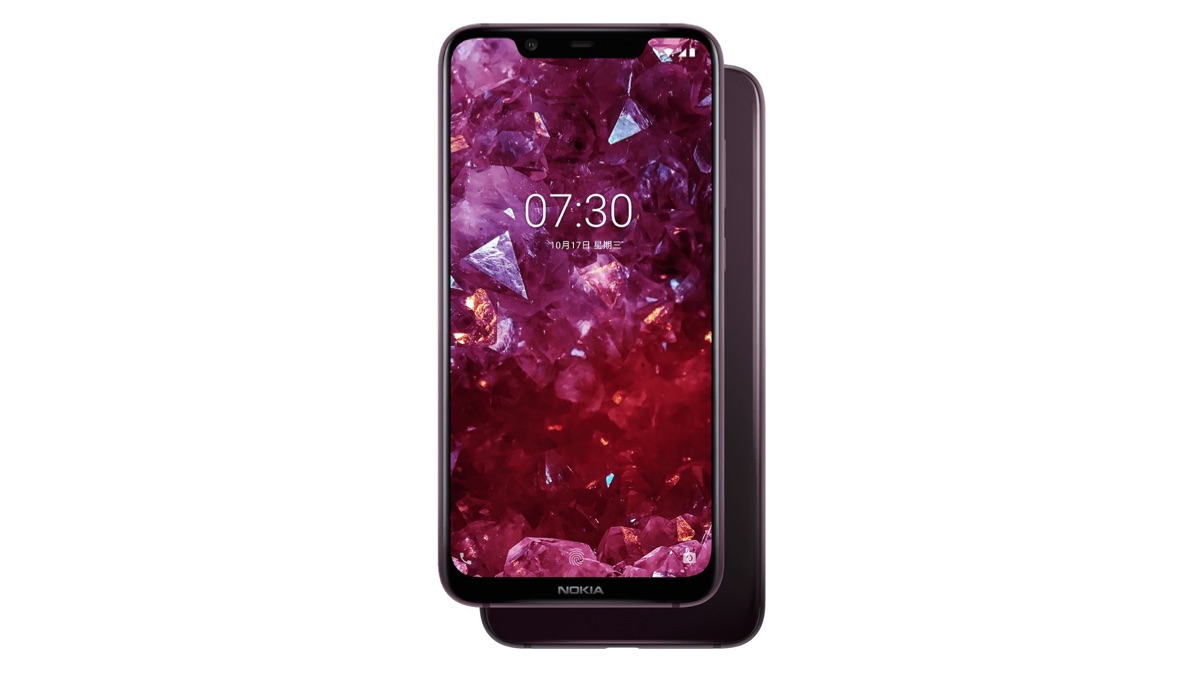
    Nokia X7

    The Nokia X7 aka Nokia 8.1 has already been launched in China. Latest tweets from Nokia India indicate that the device will launch soon in India as well. The Nokia 8.1 has a 6.18 inch Notch display with a pixel density of 403 ppi. The smartphone features the Octa-Core Snapdragon 710 SoC and is powered by a 3,500 mAh battery which supports 18W fast charging. For security, it also has a rear-mounted fingerprint sensor. The Nokia 8.1 has dual 12 MP + 13 MP rear cameras and a single 20 MP front-facing camera. Except for a few India specific changes, the smartphone is expected to carry most features from its Chinese counterpart. However, all details regarding price and specifications will be cleared at its time of launch which is set for the 10th of December.

    Meizu 16

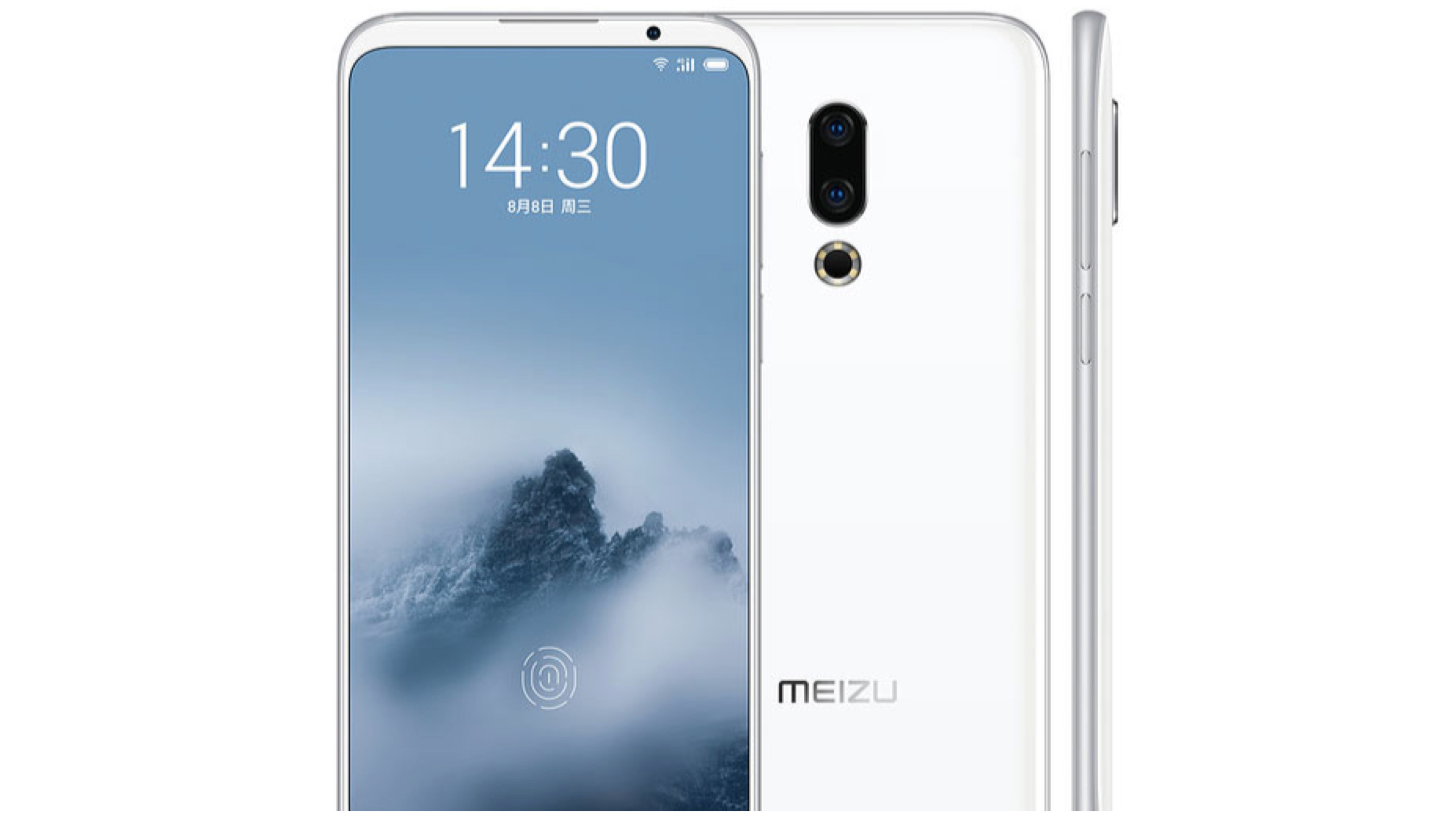
    Meizu is a Chinese consumer electronics manufacturer which is about to launch its first smartphone in India. The company will launch its high-end Meizu 16 smartphone in the country on 5th December. The smartphone has a 6-inch Super AMOLED display with a 2160 x 1080 px display. Under the hood, the smartphone features the Octa-Core Snapdragon 845 CPU and Adreno 630 GPU. For photography, the Meizu 16 gets 20 MP front-facing camera and a dual 12 MP + 20 MP rear cameras along with a 6 LED Ring flash. It packs a 3010 mAh battery which supports fast charging at 24 watts.

    Also ReadAlleged Samsung Galaxy S10 5G Prototype Seen In Video

    Google Pixel 3 Lite

    The Google Pixel 3 Lite aka Sargo has been continuously making rounds of the internet. According to reports, it is a low specced variant of the previously launched Google Pixel 3 and Google Pixel 3 XL. In terms of looks, it has a similar design language as the Pixel 3. It has thin right and left bezels while the top and bottom bezels are quite prominent. The leak suggests that the smartphone packs the Octa Core Snapdragon 710 SoC and is powered by a  2,916 mAh battery. Surprisingly, it also has a 3.5 mm jack which the elder siblings miss out on. The device is expected to be a sub $ 500 smartphone and if it gets the same camera as the Pixel 3, it will definitely turn a lot of heads. Although Google has not officially announced its launch date, it is expected to launch before this year ends.

  • No Decision To Shutdown Hangouts, Says Google Representative

    No Decision To Shutdown Hangouts, Says Google Representative

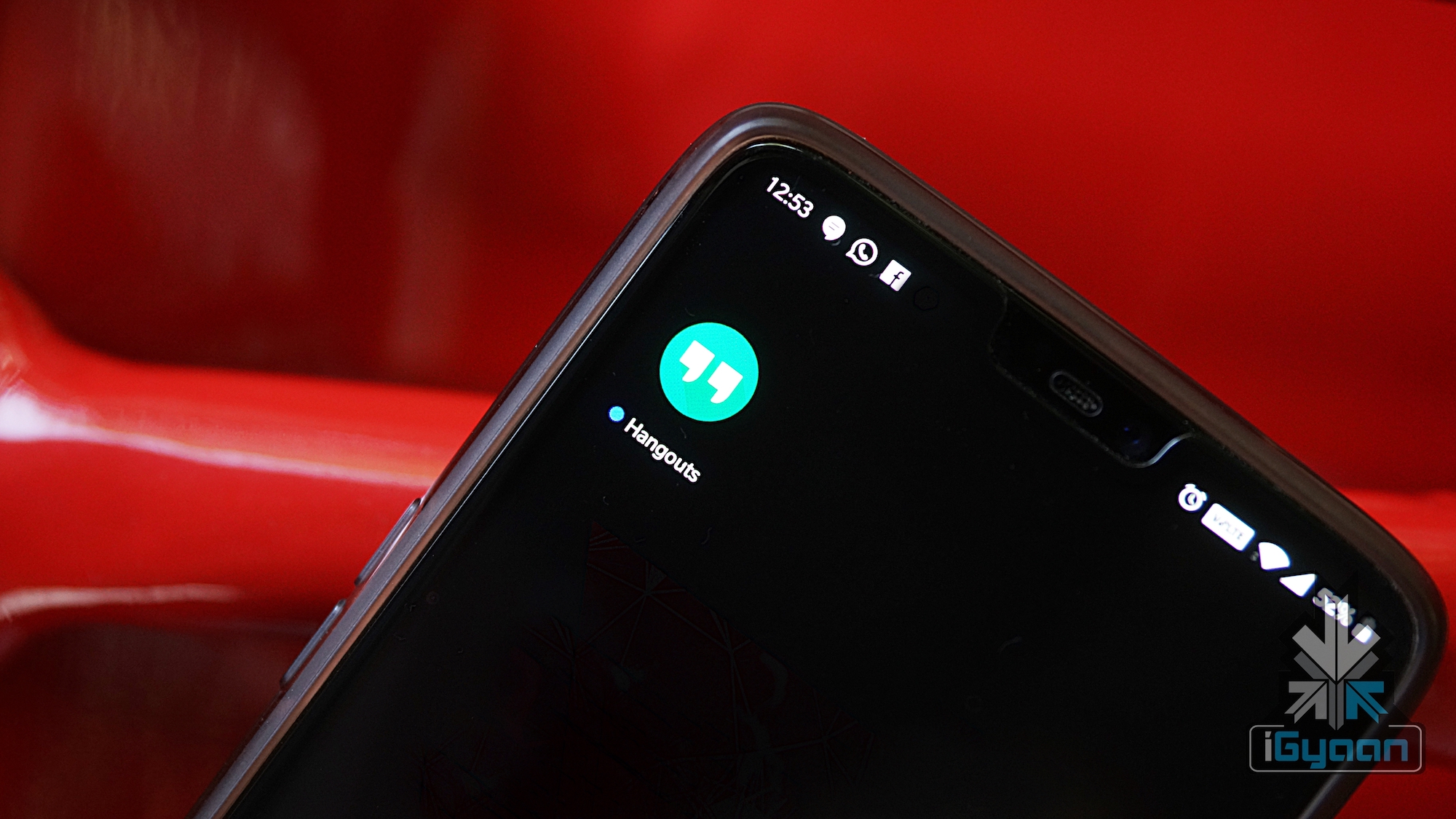
    Just a few days back, a lot of technology websites reported that google had planned to shut down their messaging app- Hangouts. However, according to the Product Lead of G Suit, Hangouts will not be shut down. Well, it won’t exactly be shut down, but the company plans to migrate the users to Hangouts Chat and Hangouts Meet. The company representative also clarified a few more aspects using tweets. They said that while Hangouts classic will be shut down, it does not imply the end of support for messaging provided by the app.

    Also Read: Google’s New Smartwatch Patent To Use Your Skin As A Touchpad

    Google’s Future Plans

    Google Hangouts is a communication platform that includes instant messaging, video chat and VOIP services. It is interesting to note that Hangouts itself was born from separate entities. These include Google Talk, Google+ Messenger (formerly: Huddle), and Hangouts, a video chat system present within Google+. The Google representative also commented that migration to Chat and Meet should be automatic. He also said that it should be invisible to the end user. Hangouts is not shutting down per se. But, it is going to disappear in a while, after all its users are successfully migrated. Google has previously also started and abandoned other apps and services such as Allo, Inbox and Reader.

    Other companies are known to create a single app for instant messaging and video chat. They have then worked on it to improve it over the years, instead of shutting them down to create a new platform. We will have to see how the company handles the huge amounts of users that currently use Hangouts. Competition has been high from Facebook Messenger which is built on top of the most popular social media platform, Facebook. WhatApp also has a huge user base, owing to its first mover’s advantage in the messaging industry.

  • Google’s New Smartwatch Patent To Use Your Skin As A Touchpad

    Google’s New Smartwatch Patent To Use Your Skin As A Touchpad

    Smartwatches are what define the dawn of a new era for wearables. You can now text, set reminders, track your health and do much more, just with a tap on your wrist. While most of the smartwatch makers focused on making sure that they can squeeze in as many features as possible into a tiny space. Google is thinking outside the box and more importantly, outside the watch.

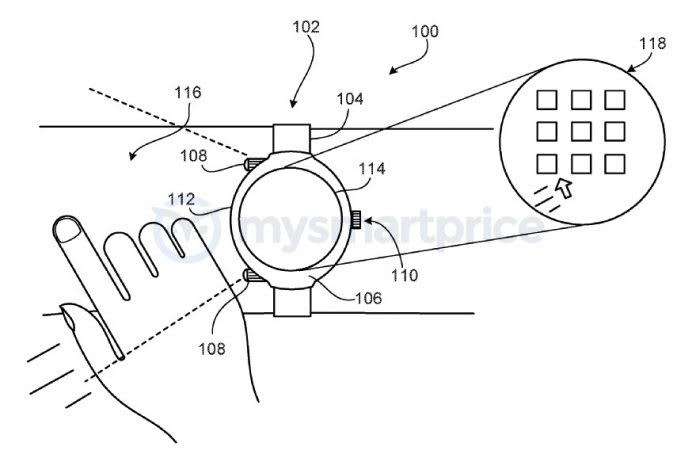
    That’s right, Google now plans to let you use you skin as the interface to control your smartwatch. If it comes through, this will be the most revolutionary smartwatch in the market, without any doubts. We do not know if the technology to make this happen is in place or whether Google plans to develop this as they go along. However, the patent is quite descriptive and explains almost everything there is to know about the possible design.

    A ‘Personal’ Touch

    The entire technology is titled as ‘Gesture Based Small Device Input’ and has a load of other features under it. The main focus of the patent is to ensure that the user is able to interact with the smartwatch. Without causing an obstruction to the really small display present on it. It plans to use your wrist, forearm and even the back of the hand to do so. However, the bottom line is, it will let you use your finger as a stylus to be used on your skin adjacent to the smartwatch. 

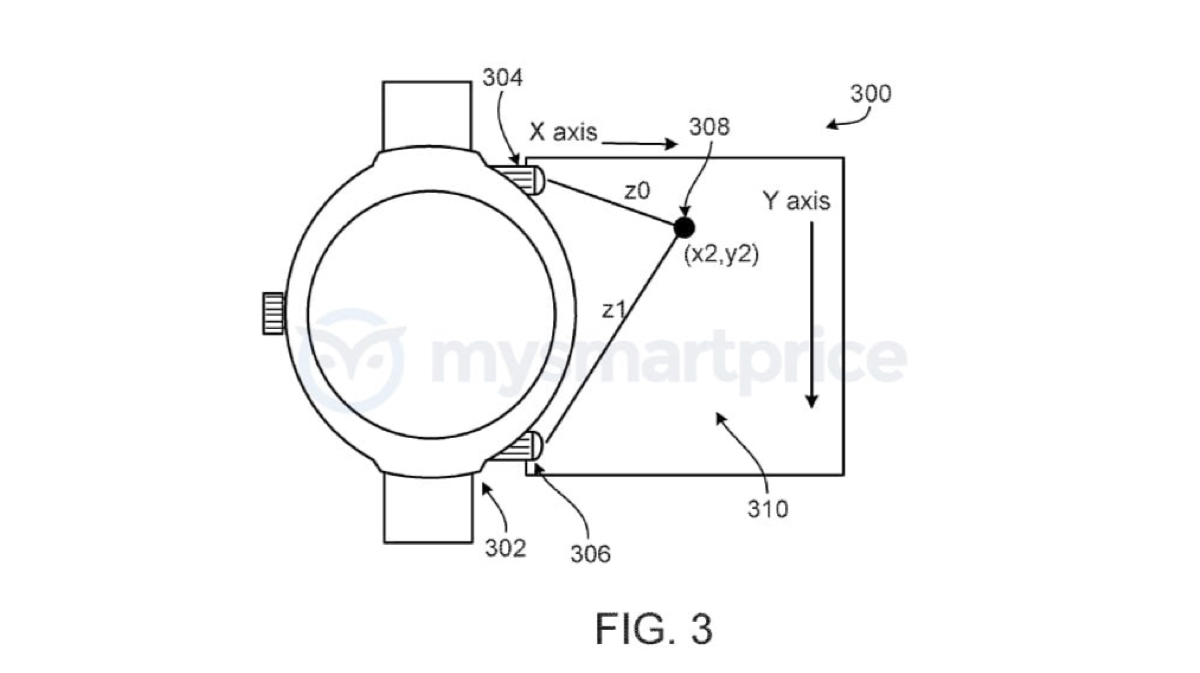
    The patent details a lot of ways to help make this become a reality. It will use sensors, in pairs, to figure out an approximate of your finger’s position relative to each sensor. And it will determine what the gesture is being used for. These sensors will include ultrasound based implementations to deliver almost instantaneous data. It will also use photo-diodes and some low cost CCD or CMOS cameras along with a light emitting diode. This is quite similar to the technology employed by the common optical mouse to read movement data.

    Sources claim that the optical mouse type of system will be the primary sensors to track your hands while the ultrasonic sensors will provide additional data specially in conditions with lower lighting. Another interesting fact is that these sensor can be set up on either sides of the smartwatch. This will allow you to use either sides to control the watch. The patent also mentions the implementation of a QWERTY keyboard which will be projected or superimposed on to your skin for a better typing experience.

    Also ReadNokia 7.1 Launched In India For Rs 19,999

    The Future

    If this technology actually comes into production, it will be the start of a new era for smartwatches, with an extremely increased usability experience. With users not being limited to small keyboards and cramped up displays, the future of smartwatches looks exciting!

iGyaan Network
Privacy Overview

This website uses cookies so that we can provide you with the best user experience possible. Cookie information is stored in your browser and performs functions such as recognising you when you return to our website and helping our team to understand which sections of the website you find most interesting and useful.