Category: Apple

  • Apple ordered to publish Notice that Samsung didn’t copy iPad In U.K.

    Apple ordered to publish Notice that Samsung didn’t copy iPad In U.K.

    Apple Inc.  was ordered by a judge to publish a notice on its U.K. website and in British newspapers alerting people to a ruling that Samsung Electronics Co. didn’t copy designs for the iPad.

    The notice should outline the July 9 London court decision that Samsung’s Galaxy tablets don’t infringe Apple’s registered designs, Judge Colin Birss said yesterday. It should be posted on Apple’s U.K. home page for six months and published in several newspapers and magazines to correct any impression the South Korea-based company was copying Apple’s product, Birss said.

    This order means that Apple will, in a way, advertise Samsung’s tablets, that too on its own website. However, Judge Briss shot down Samsung’s request to bar Apple from further claiming that its tablet copied the iPad’s design. On this, he said, “They are entitled to their opinion.”

    As well as Apple’s website, the company must pay for notices in the Financial Times, the Daily Mail, Guardian Mobile magazine, and T3, according to a draft copy of the order provided by Samsung’s lawyers.

    Apple’s lawyer said the company would appeal the July 9 decision and Judge Birss granted the company permission to take its case to the court of appeal.

  • New iPhone to have thinnest screen ever made – with sensors built into the glass

    New iPhone to have thinnest screen ever made – with sensors built into the glass

    Whoops! SOmething went wrong!

    Apple Inc.’s next iPhone, currently being manufactured by Asian component makers, will use a new technology that makes the smartphone’s screen thinner, people familiar with the matter said, as the U.S. technology giant strives to improve technological features amid intensifying competition from Samsung Electronics Co. and other rivals.

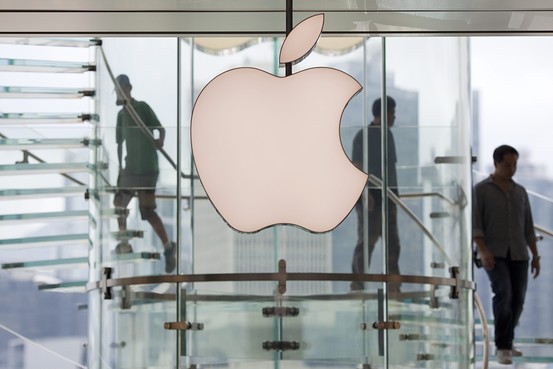
    Apple’s next iPhone, currently being manufactured by the company’s Asian component makers, will boast a thinner screen of the likes used by its rival Samsung. Above, the Apple store in Hong Kong.

    Japanese liquid-crystal-display makers Sharp Corp. and Japan Display Inc.—a new company that combined three Japanese electronics makers’ display units—as well as South Korea’s LG Display Co. are currently mass producing panels for the next iPhone using so-called in-cell technology, the people said.

    The technology integrates touch sensors into the LCD, making it unnecessary to have a separate touch-screen layer. The absence of the layer, usually about half-a-millimeter thick, not only makes the whole screen thinner, but improves the quality of displayed images, said DisplaySearch analyst Hiroshi Hayase.

    The current iPhone 4S is 9.3 millimeters thick, according to Apple’s official website.

    For Apple, the new technology would also simplify the supply chain and help cut costs as it would no longer need to buy touch panels and LCD panels from separate suppliers.

    It was previously reported that the new iPhone will likely come with a screen larger than the current iPhone’s 3.5-inch display. A thinner screen could help offset an increase in weight due to the larger size.

    Technological progress at LCD makers such as Sharp, Japan Display and LG Display is crucial for Apple, given that Samsung has been pushing its organic light-emitting displays as one of the unique features of its Galaxy phones. Samsung’s flagship smartphone, the Galaxy S III, comes with a 4.8-inch OLED screen and is thinner than the current iPhone.

    The vast majority of OLED screens used in mobile devices today are supplied by Samsung. OLED screens, which don’t require backlighting, tend to be thinner than conventional LCD panels.

    While Apple and Samsung together dominate the lucrative market for high-end smartphones, the companies are under constant pressure to meet high expectations for more-powerful, capable devices that are easier to carry.

    A thinner screen in the next iPhone could make the whole device slimmer, or make extra room available for other components such as batteries. But in-cell touch screens are harder to manufacture than conventional LCD screens.

    The people familiar with the situation said that LCD makers are finding the manufacturing process challenging and time-consuming as they scramble to achieve high yield rates.

    Analysts have said that the new iPhone is expected sometime in the fall.

    In May, people familiar with the matter said that the new iPhone will likely come with a screen larger than the current iPhone’s 3.5-inch display. A thinner screen could help offset an increase in weight due to the larger size.

    The LCD industry has been working on the in-cell touch technology for several years. For LCD panel makers like Sharp, Japan Display and LG Display, Apple’s iPhone provides the environment where they can demonstrate their latest technological progress to show that LCD screens can continue to evolve and stay competitive against OLED displays. In the meantime, Sharp, Japan Display and LG Display have also been developing OLED displays.

    At the same time, the adoption of in-cell technology is bad news for makers of conventional touch panels used in many smartphone screens now. Taiwan’s Wintek Corp. and TPK Holding Co., which supplied the touch-panel layer of the iPhone 4S screen, didn’t get orders for the next iPhone, people familiar with the situation said.

    Source : Wall Street Journal
  • iOS 6 Beta 3 Seeded to Developers

    iOS 6 Beta 3 Seeded to Developers

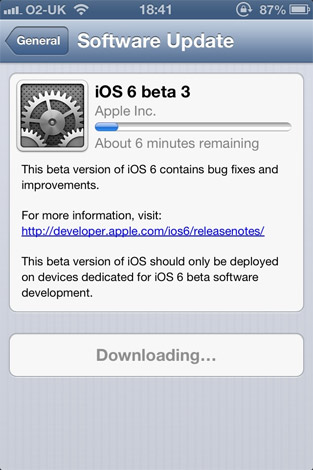
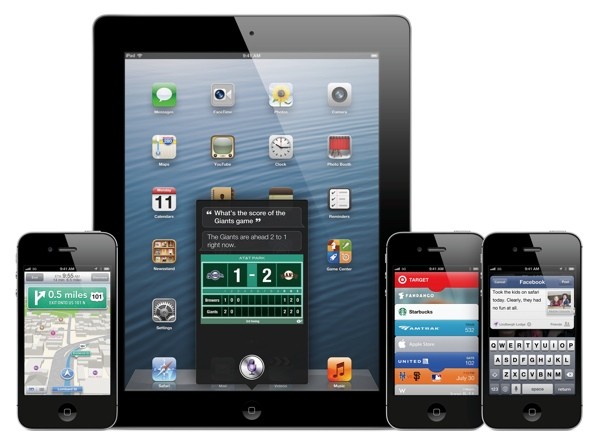
    Three weeks ago iOS 6 Beta 2 arrived, now apple is pushing out Beta 3 of the worldly OS to the developers and those with Developer accounts. This version of iOS6 inches closer with a lot of bug fixes and multiple tweaks that will now finally hit the end user. 

    SInce Apple has already closed down access for in-eligible downloads, its best to wait for the final build to arrive.

  • Apple rejoins environmental registry

    Apple rejoins environmental registry

    Apple has rejoined an environmental ratings scheme a week after quitting the program. The firm published a letter on its site saying it had realized the move had been “a mistake” after many of its customers had complained.

    The u-turn follows an announcement by San Francisco city officials that they planned to ban local agencies from buying Apple Mac computers saying at the time that they hoped Apple would reconsider.

    Apple helped set up the EPEAT (Electronic Product Environmental Assessment Tool) registry in 2006. It is designed to identify which electronic devices pose the least risk to the environment.

    In dropping out last month from the registry, Apple offered no explanation but speculation centered around its use of batteries on some MacBooks which are glued into the frame and thus are not easily recycled.

  • Yet another iPhone 5 image leaked

    Yet another iPhone 5 image leaked


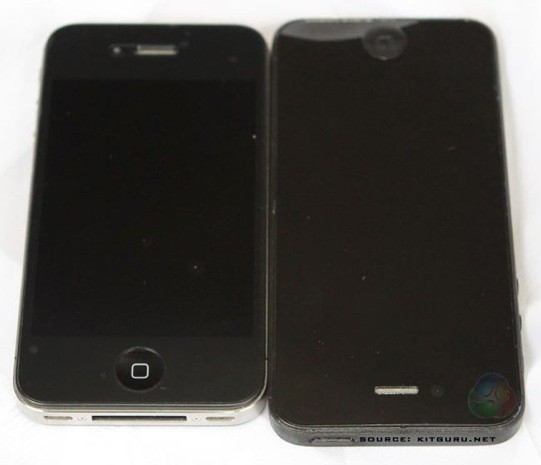
    KitGuru has leaked what it claims is a “test sample” with the glass front panel roughly intact. We’ve seen the darker steel sides, aluminum back and new dock connector before, but the front gives us a much better sense of how the finished product  will turn out. Sitting next to an iPhone 4S, it’s suggested that the new model would stuff in that bigger screen more through a better use of the available area — there’s much less blank space than on the iPhones we’ve known since 2007.  Now as we’re getting closer to the official launch of the next iPhone, be prepared for an avalanche of leaked images!

  • US Court lifts Galaxy Nexus smartphone ban, tablet still blocked

    US Court lifts Galaxy Nexus smartphone ban, tablet still blocked

    Whoops! Something went wrong!

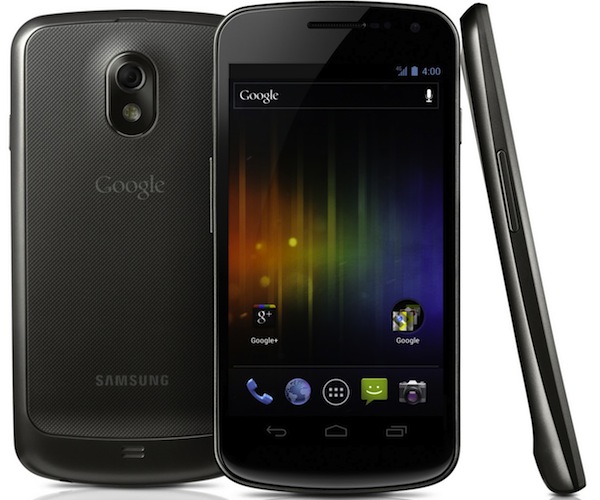
    A US appeals court gave Samsung a temporary reprieve Friday on the sale of its Galaxy Nexus 7 smartphones while leaving intact a court ban on US sales of its tablet computers in a patent battle with Apple.

    In two rulings in the bitter patent dispute, the US Court of Appeals in the capital Washington gave one to Apple and one to Samsung, but only temporarily.

    But the “stay” was just temporary until the panel receives arguments from Apple, which argues the phone infringes on patents in its iPhone.

    In a separate decision, the appellate judges refused to lift Koh’s injunction on the 10-inch Galaxy Tab computer, which Apple claimed was copied from the iPad.

    The court panel in Washington ordered Apple to respond by July 12, while denying a Samsung request to stay, or halt the injunction.

    Both Galaxy devices are powered by Android operating software that Google makes available for free to gadget makers. Nexus is the Mountain View, California-based technology company’s own branded line.

  • Google faces $22.5m fine over iPhone, iPad privacy breach

    Google faces $22.5m fine over iPhone, iPad privacy breach

    Whoops! Something went wrong!

    Google faces a $22.5m fine (£14.5m) for breaching the privacy of iPhone and iPad users after bypassing cookie rejection settings on the devices, according to reports.

    If confirmed, the fine would be the largest ever imposed by the US Federal Trade Commission (FTC) against a single company – and would be the second time this year that the search giant has fallen foul of regulators in the US.

    The Wall Street Journal reports that the FTC and Google are close to agreeing a settlement over the privacy breach, in which Google circumvented Apple’s protections on the iPhone and iPad against the setting of third-party “cookies” – small text files stored on the user’s device – for tracking where users went on the web.
    The discovery of the circumvention, by Jonathan Mayer of Stanford University, was first revealed in February. Millions of users of Apple’s iOS software on iPhones and iPads could have been affected, said Mayer. Google declined a request from the Guardian to specify when it began the tracking.

    However, Google may have escaped further prosecution for breaching an FTC consent decree over privacy that it signed in March 2011 because although the breach seems to have started in or before December 2011, the documentation in which Google explained what it would do dates back to 2009, before the decree, which covered privacy breaches caused by the Google Buzz social network, since closed.

    Whether or not the FCC fines Google over the cookie infraction, it will also publish a report which would detail how it reached the decision, probably with documentation from Google about how many people were affected and for how long.

    Google insisted at the time that the ad tracking was inadvertent and that the workaround to plant the Google cookie was feasible within Apple’s system. It said then: “The Safari browser contained functionality that then enabled other Google advertising cookies to be set on the browser [by other advertising companies using the DoubleClick network]. We didn’t anticipate that this would happen, and we have now started removing these advertising cookies from Safari browsers. It’s important to stress that, just as on other browsers, these advertising cookies do not collect personal information.”

    Apple said at the time that “We are aware that some third parties are circumventing Safari’s privacy features and we are working to put a stop to it.”

  • Apple planning smaller iPad to rival Nexus 7?

    Apple planning smaller iPad to rival Nexus 7?

    Whoops! Something went wrong!

    Hot on the heels of Google’s Nexus 7 tablet, rumours have resurfaced of an iPad Mini. According to Bloomberg, citing “two people with knowledge of the plans”, the smaller tablet will have a screen size of between 7 and 8 inches – less than the 9.7-inch iPad currently out now.

    The tablet could be announced in October and won’t have a Retina Display on-board, one of the sources purportedly said.

    A cheaper iPad tablet could pose a formidable challenge to Google’s $199 Nexus 7 and Amazon’s Kindle Fire slates. Microsoft has also introduced a new Surface tablet range, complete with a keyboard cover and Windows 8.

    Since the iPad went on sale in April 2010, Apple has dominated the tablet market, which is predicted by Display-Search to reach $66.4 billion this year. Apple has 61% of the market share.

  • Apple loses patent war with HTC

    Apple loses patent war with HTC

    Taiwan’s HTC on Wednesday won a London court ruling against US tech giant Apple over a series of patent infringement claims linked to technology used in its mobile devices.

    London’s High Court said in a ruling carried on its website that HTC’s devices did not infringe four Apple technology patents.

    Along with the slide-to-unlock mechanism, HTC challenged Apple’s patents on the iPhone’s “multi-touch” system. Both are prize features in the American company’s portfolio, according to intellectual property experts. The other patents in the case related to the way the iPhone manages photographs, and the use of different character sets in text messaging.

    A HTC spokesman welcomed the London court’s ruling, which said parts of the slide-to-unlock patented were too “obvious” or foreshadowed by earlier patents.

  • Apple Pays USD 60M for iPad Trademark in China

    Apple Pays USD 60M for iPad Trademark in China

    Apple has agreed to pay US$60 million for ownership of the iPad trademark in China, as part of a settlement with a little-known Chinese firm called Proview that had tried to ban sales of the tablet in the country, according to a local court.

    The Guangdong Province Higher People’s Court announced the settlement on Monday, and stated that the legal dispute had been put to rest. Following the payment to Proview, Chinese authorities transferred the “IPAD” trademark to Apple.

    The two companies have been locked in a legal dispute to determine ownership of the iPad trademark, with Apple claiming to have bought the iPad trademarks for China from Proview in 2009.

    The Guangdong court was originally expected to rule on the case. But Apple and Proview were in recent months in talks to settle the dispute, at the initiative of the court.

    Proview had wanted as much as $400 million in settlement from Apple in order to help clear its debts. Eight banks have taken over Proview’s assets and are owed $180 million.

    Li Su, the head of the consultancy representing the eight banks, said Apple initially wanted to pay only a few million dollars for the iPad trademark. But over time, Apple negotiated in good faith, realizing the dispute would linger in Chinese courts unless a settlement was reached, he added.

    Su said he did not know how the $60 million received from Apple would be spent.

  • Chrome No. 1 free app on iTunes

    Chrome No. 1 free app on iTunes

    Whoops! Something went wrong!
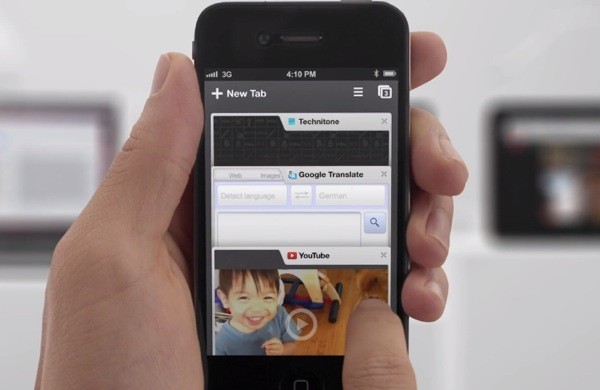
    Chrome for iOS features tab-syncing and incognito mode.

    Within days of it being announced for Apple’s iOS, Google Chrome rocketed to the top by becoming the no. 1 free app on the iTunes app store. 

    It’s getting decent reviews from users who so far have cumulatively ranked it at 4.5 stars, although the biggest complaint they seem to have is the browser is slow compared with Apple’s Safari which is due to the fact that Apple restricts the use of its Nitro JavaScript engine to Safari and other apps don’t have access to it.

    We will be coming out with the Chrome’s review soon, stay tuned. 

  • Google Chrome comes to iOS, iPhone and iPad

    Google Chrome comes to iOS, iPhone and iPad

    While the whole world was skeptical, Google just went ahead and put Chrome mobile on iOS. Both iPad and iPhone users will get the app, either with incognito browsing, syncing and that unique tabbed browsing interface intact.

    With the restrictions on the Apple App Store the Chrome webkit will not be allowed on iOS, but either way the download is now live!

    [App Store]

  • Apple Brings iTunes to Hong Kong, Singapore and 10 others in Asia, India left Out!

    Apple Brings iTunes to Hong Kong, Singapore and 10 others in Asia, India left Out!

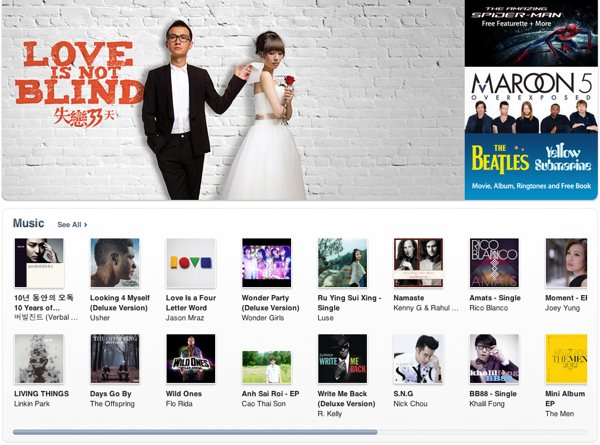
    Apple has finally started to branch out into what is a major chunk of their earning region. Hong Kong, Taiwan and Vietnam are among the dozen new countries where Apple has just launched their iTunes store for music and movies. Other countries include Brunei, Cambodia, Laos, Macau, Malaysia, the Philippines, Sri Lanka and Thailand. If you are asking then the answer is no, India was not included. 

    The company has left out India from the mix, possibly in comparison to the number of account holders. Hopefully, they can roll out the store in the coming months.

    [Apple]

  • Apple Starts seeding iOS 6 Beta 2 to Devs

    Apple Starts seeding iOS 6 Beta 2 to Devs

    While everyone waits the arrival of the next big OS for your iDevice, Apple is working hard to get it ready. The company has pushed out Beta 2 to the developers for testing, there are no special additions the primarily focus is on the bug fixes leading the software closer to a final release. There are still other betas expected before the final release comes out, So, hold on to your horses. 

    Those who have active developer accounts can download the latest betas from their accounts now.

    [9to5 Mac]

  • HTC to Launch Siri Like Assistant : HTC to not Launch Siri Like Assistant

    HTC to Launch Siri Like Assistant : HTC to not Launch Siri Like Assistant

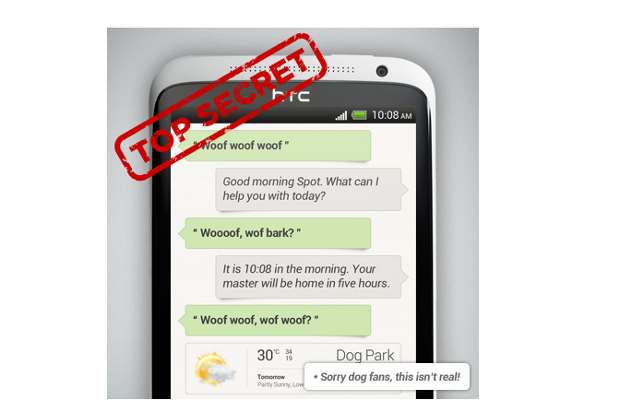
    Several reports came to light when images of supposed Siri like voice assistant from the Taiwanese manufacturer came into being. The image shows a very Siri like interface on the HTC One X. Recently, LG introduced Quick Voice after Samsung announced the S-Voice feature with the Galaxy S III. All these voice commands driven personal virtual assistant services are set to compete with the Apple Siri.

    Speculations of HTC-branded voice recognition software were triggered after the company put a strange image on their official Twitter and Facebook pages. HTC has apparently taken a hit at the rival companies, which are extensively promoting their voice-recognition applications. Apple initiated the war in the voice control segment with Siri, which is due to launch for iPad tablets and remaining countries, including India, very soon, along with iOS 6.

    Interestingly the Google version of Siri Substitute which was slated for late 2012 release might be announced with Android Jelly Bean at the Google I/O this week.

iGyaan Network
Privacy Overview

This website uses cookies so that we can provide you with the best user experience possible. Cookie information is stored in your browser and performs functions such as recognising you when you return to our website and helping our team to understand which sections of the website you find most interesting and useful.