Category: Google

  • Asus to manufacture the Nexus 10 Refresh

    Asus to manufacture the Nexus 10 Refresh

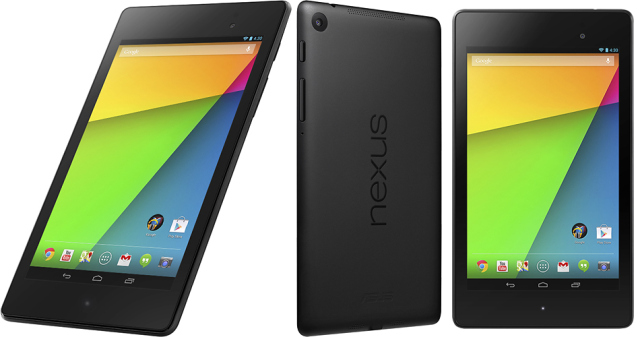
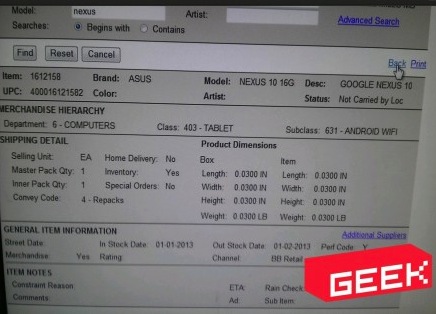
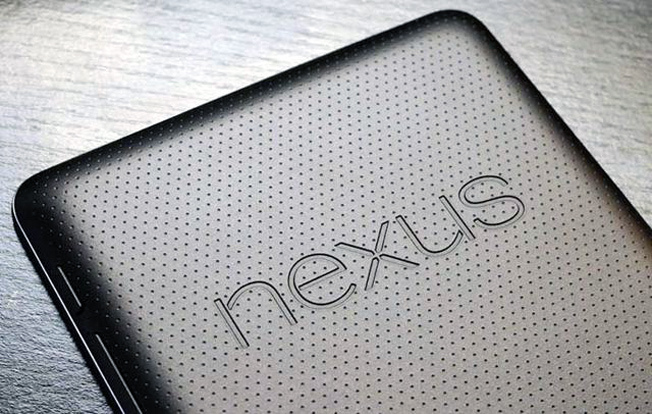
    Following the success of the Nexus 7 2nd edition, Google has decided to hand over the reigns of the Nexus 10 to Asus aswell. The largest of the three Nexus devices from Google is due for a refresh and is expected to hit the market soon. Every year Multiple companies submit designs to Google, who then evaluates which device they want to carry the Nexus branding for the next year. Last year both Nexus tablets were appreciated by the masses the 7 inch manufactured by Asus and the 10 inch by Samsung.

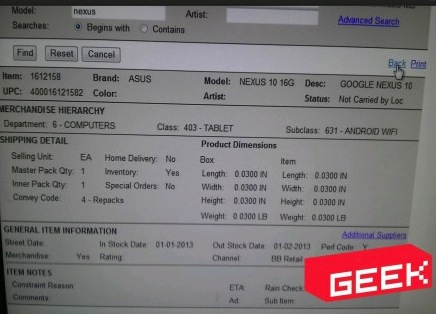
    Courtesy : Geek.com
    Courtesy : Geek.com


    Although the 10 inch Nexus Tablet last year, was almost as popular as the 7 inch variant , it seems that Samsung has been dropped out of the race this year and Asus is the manufacturer of choice. The new Nexus 10 tablet is expected to have a 2560×1600 display and will be powered by the latest generation Snapdragon Chipset by Qualcomm. A retail leak also shows the Brand Asus and the description as Google Nexus 10, which further confirms the story.


    If you have not already checked out our videos on the New Nexus 7, do it below.

    [youtube id=”Dq6MCDLmKXI” width=”100%” height=”300px”]

    [youtube id=”8FAzR1TjrxM” width=”100%” height=”300px”]

    [via]

  • New Nexus 7 Reportedly Suffering From Dodgy GPS

    New Nexus 7 Reportedly Suffering From Dodgy GPS

    Google recently launched their new Nexus 7 tablet, and now a number of owners of the tablet have reported issues with GPS.

    It seems that some owners of the NExus 7 have been having issues with the GPS system on the device, with the feature working ok for a short time before suddenly stopping. The device then reverts to the searching mode with the GPS icon continually flashing, and some owners have stated that a hard reboot sometimes does the trick but not always.

    Some have changed the device for another one for the problem still to occur so it seems the bug is being caused by an issue with the Android 4.3 firmware, and we have already heard of issues with the software affecting other Nexus devices.

    If it’s an issue with the Android code, a simple firmware update could squash the bug. If the problem lies with the GPS hardware, the only solution could be to send off for a replacement Nexus 7.

    Apparently, Google has acknowledged this and are currently is working on a fix, but we are unsure when this come about. Comments on this situation can be seen over on the Google Product Forums, along with other problems encountered with the GPS signal, while others have said that rebooting the system can sometimes sort this issue out as reported above.

    [Via]

  • Bill Gates : People Dying of Malaria Don’t Need Google Project Loon

    Bill Gates : People Dying of Malaria Don’t Need Google Project Loon

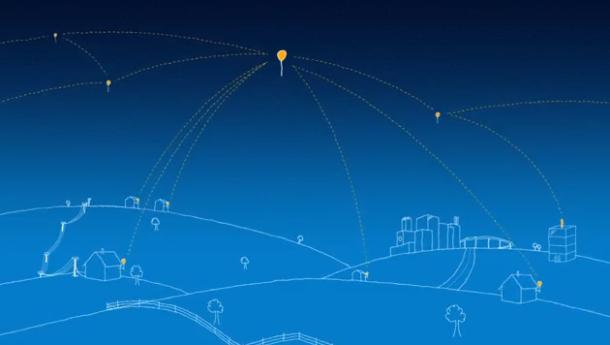
    Google recently unveiled Google Loon, which intends to use hot air balloons 49 feet wide stationed 12 miles above the planet, in order to provide high speed Internet services to regions without adequate broadband infrastructure. While most people around the world, whether they understood the concept or not, were impressed by the idea, Microsoft founder Bill Gates wasn’t. 

    The following is an excerpt from Gates’ interview published by Business Week

    One of Google’s convictions is that bringing Internet connectivity to less-developed countries can lead to all sorts of secondary benefits. It has a project to float broadband transmitters on balloons. Can bringing Internet access to parts of the world that don’t have it help solve problems?

    “When you’re dying of malaria, I suppose you’ll look up and see that balloon, and I’m not sure how it’ll help you. When a kid gets diarrhea, no, there’s no website that relieves that. Certainly I’m a huge believer in the digital revolution. And connecting up primary-health-care centers, connecting up schools, those are good things. But no, those are not, for the really low-income countries, unless you directly say we’re going to do something about malaria.

    Google started out saying they were going to do a broad set of things. They hired Larry Brilliant, and they got fantastic publicity. And then they shut it all down. Now they’re just doing their core thing. Fine. But the actors who just do their core thing are not going to uplift the poor.”

  • Android Occupies Nearly 80% of Smartphone Market, iOS 13%

    Android Occupies Nearly 80% of Smartphone Market, iOS 13%

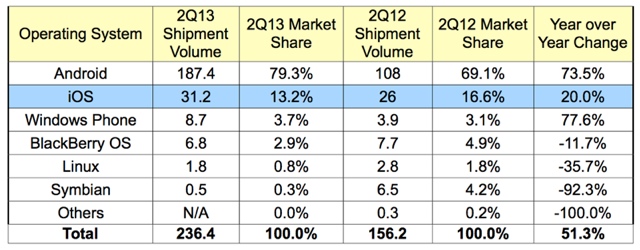
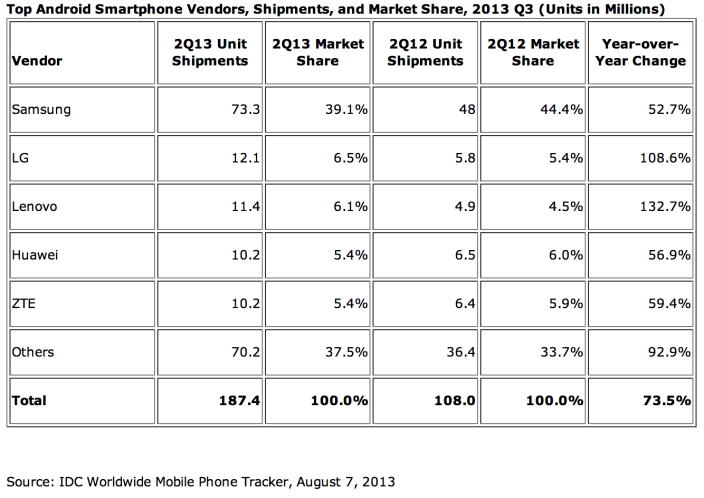
    Apple’s iOS is losing ground to Android when it comes to smartphone operating system market share, according to a new report from research firm IDC. Apple’s share of worldwide smartphone shipments dropped to 13.2% during the second quarter of 2013, while Android climbed to 79.3%.

    android

    The loss in market share is of course attributed to the lack of new product launches during the three month period, as was the case with IDC’s report on tablet market share earlier this week. But it’s also losing ground to both Android and Windows Phone, both of which increased market share and shipments year-over-year during Q2.

    “The iOS decline in the second quarter aligns with the cyclicality of iPhone,” says Ramon Llamas, Research Manager with IDC’s Mobile Phone team. “Without a new product launch since the debut of the iPhone 5 nearly a year ago, Apple’s market share was vulnerable to product launches from the competition. But with a new iPhone and revamped iOS coming out later this year, Apple is well-positioned to re-capture market share.”

    android

    Available on a growing range of Nokia and HTC devices, Microsoft’s Windows Phone 8 operating system was launched late last year and has continued to make third place its own, while BlackBerry continues to fall. Windows comes in at 3.7% during the second quarter of 2013, up 77.6% from its 3.1% share during Q2 2012. 

    [Via]

  • New Google Play Store 4.3.10 Update Brings New Features Including Recently Updated Section

    New Google Play Store 4.3.10 Update Brings New Features Including Recently Updated Section

    Google is rolling out a new version of the Play Store for Android phones and tablets, bringing a much-requested feature that many will be sure to appreciate. Since the implementation of automatic updates, many users have complained that they don’t know which apps are updated. They’re supposed to update and leave an entry in the notification panel, but many times that either doesn’t happen or they are overlooked.

    In version 4.3.10, Google has added a ‘Recently Updated’ section appended to the top of the My Apps tab. Now, when you’re checking for your favourite apps to be updated, they will display at the top of the page, in descending order from recent to least recent. While there’s no word on how many apps the section will fit — it hasn’t been available long enough to test more than a few — it’s a great feature nonetheless.

    Additionally, it seems that the Wallet logo is no longer displayed in the Play Store. Apparently, the update notification will now prompt users to “Touch to update.”

    And, when multiple apps are updated at once now, users will see a single expandable notification indicating which ones were altered, not a never-ending list of intruders. It’s a small but worthy change.

    Also, the new Play Store shows full list prices for book sales, while also packing a series of small tweaks, such as swapped position for the Buy and Rent buttons (with the former now placed at the top now, and the latter at the bottom).

    According to Android Police, which links to the available download, the file’s cryptographic signature guarantees that it hasn’t been modified, and that users can safely download and install it on their devices.

    [Via]

  • Google Adds Touch Features To Chrome

    Google Adds Touch Features To Chrome

    Google is finally testing out some touch-friendly features for its Chrome browser, which seem to be more and more needed with all the mobile devices running the browser.

    The update adds new features including the ability to swipe left to right, or right to left, to shift forward or back through visited web pages.

    And if you go poking around the Flags section of the browser you can also find the “enable pinch scale” option which lets you zoom in and out. Windows 8 also gets a tiny bit of love with Chrome fully supporting the on-screen keyboard on the desktop.

    Google warns users that Canary is prone to complete failures and is designed for developers and early adopters. The stable Chrome browser has 750 million active users browsing across multiple operating systems. 

    Earlier this year Microsoft announced that with the help of Windows 8.1 and industry partners, end users will expect touchscreens on PCs the same way they do on smartphones, leading to 80 percent of all Windows 8 devices having touchscreens by 2014.

    [Via]

  • Android 4.3 Will Keep WiFi Always On

    Android 4.3 Will Keep WiFi Always On

    The latest Google Android 4.3 upgrade brings all new features and also offers great performance. Google has also made a new change to the WiFi settings in Android 4.3. 

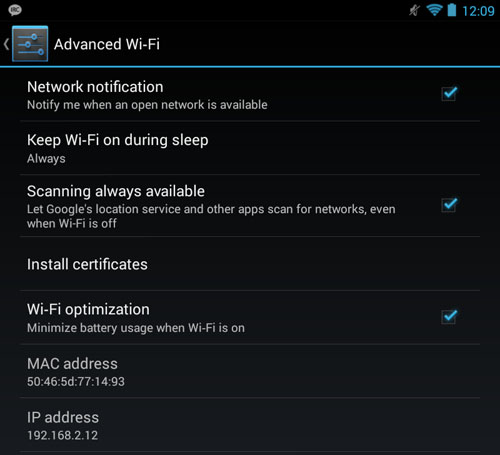
    To improve location accuracy and for other purposes, Google and other apps may scan for nearby networks, even when Wi-Fi is off ” – describes Google.

     It has been seen that the new version of Android will keep the WiFi radio always on, even after the user has manually turned it off. This feature is probably designed to save one’s battery life instead of wasting it, given that the only other way for one’s smartphone to discern one’s location is to drain the battery using GPS.

    To check and see whether your phone has this feature enabled by default (a number do not), you’ll have to navigate through the Android operating system’s settings. Here’s how:

    Android_43_Wifi


    Open up the Settings app and tap your finger on the Wireless and Networks option. Tap on the WiFi option, and then tap on the Menu button on your phone’s lower-right-hand corner. When the list pops up, tap your finger on the Advanced option. From there, you’ll want to make sure to check the “Scanning always available” option if you want to participate in the new Android 4.3 feature. Otherwise, if it’s checked, you need merely to uncheck it to ensure that “WiFi off” really means “WiFi off.”

    However, many now expressed their concern that malicious applications might exploit this new functionality. 

    Various user reports indicate that this feature remains off by default when they’ve updated their devices to Android 4.3. That means, it’s more important that you know about this potentially useful setting than to freak out about it, but it’s also worth checking this, and many of Android’s other “Advanced” wireless configuration options, when you’ve upgraded your mobile OS.

    Now will Google resolve this or add something to counter the issue is to be seen, but for the time being users must carefully read the application access and if they feel something suspicious they should avoid installing that application.


  • Inventor Of Hashtag Chris Messina Leaves Google

    Inventor Of Hashtag Chris Messina Leaves Google

    As The Next Web reports, Chris Messina has left Google to join the digital collectibles platform NeonMob. The former developer advocate and UX designer for the search company announced in a blog post that he will be working to build the new startup’s community and service, something he describes as “an important, new platform for digital creatives and art enthusiasts.”

    An advocate of open social Web technologies, Chris Messina had first joined Google to lead developer relations for the short-lived Google Buzz product. In recent years, he had worked on user experience design on the Google+ team.

    Since creating hashtags back in 2007 as way of grouping online conversations, he’s spent his time focusing on design and the open web at Google. Perhaps more accurately, redesign. Chris Messina is responsible for the search giant’s revamped brand badges, profiles and +1 button, as well as helping create the Google Developers knowledge base.

    Based in San Francisco, NeonMob is building a market for digital art.  He will be the head of the company’s community and growth starting next week.

    NeonMob describes itself as : NeonMob is a platform and community for discovering and collecting awesome, original, limited-edition, digital art. For those who grew up collecting comic books, cards, stamps, coins or other collectible paraphernalia, the concept of collecting online doesn’t stretch the imagination. The difference is, NeonMob is online, which makes finding fellow collectors and trading partners much easier – and on NeonMob, anybody can create stuff for others to collect!

    [Via]

  • Google’s New Android Device Manager Will Help Locate Lost Phones

    Google’s New Android Device Manager Will Help Locate Lost Phones

    Apple’s Find my iPhone has been a very useful feature for those who frequently misplace their gadgets. Or, for those who just enjoy the peace of mind that comes with knowing that Apple has a piece of technology dedicated to securing a lost phone.Android and iOS have been going back and forth battling over feature inclusions for some time now, and it looks like Google’s the follower in this case. The company just introduced the Android Device Manager, which as you may suspect, will help Android users track down lost devices in a similar manner.

    android device manager

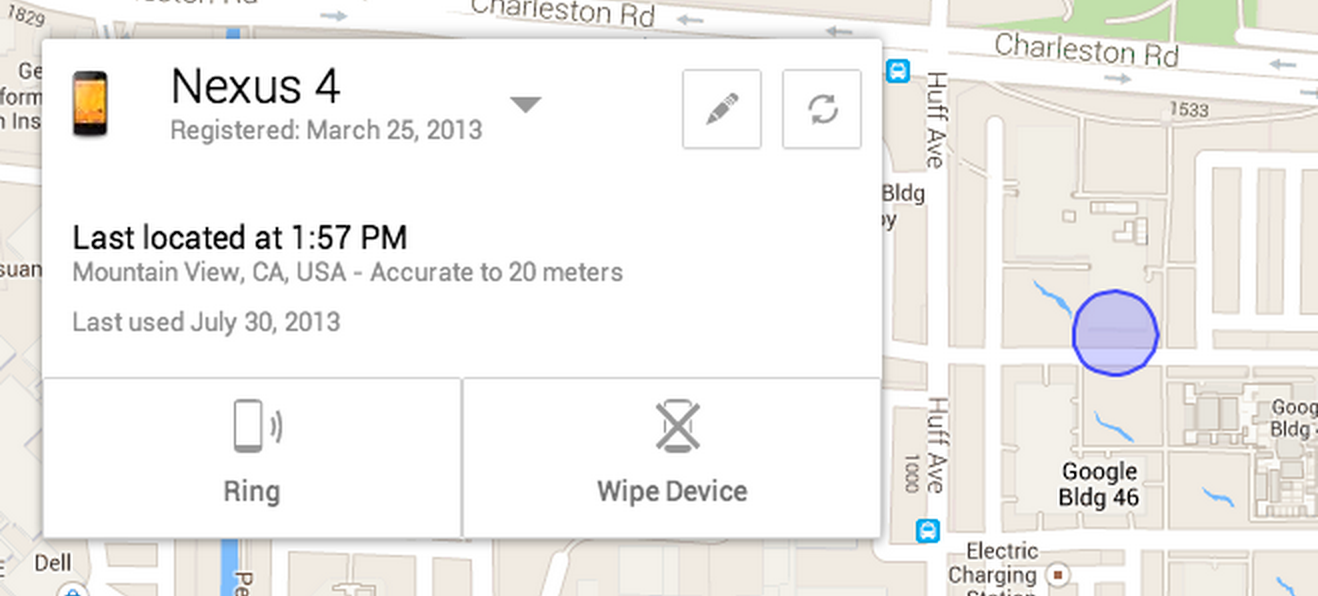
    If you discover you’ve lost your phone, you can go to any computer and log into the Android Device Manager, which will be part of the Google Play Store. All that is required is your Google account login, the same one you used to activate your Android phone.

    Choose your registered phone and push out a signal to ring at full volume, even if your lost phone was last put on vibrate or silent mode. If this doesn’t do the trick, find the phone as a blip a Google Map.

    If you discover that your lost Android phone is on the move and you don’t feel safe going into full-on vigilante mode (or are worried it will get turned off soon), delete all data on the device using a special built-in wipe mode in the Android Device Manager, to keep your data safe from prying eyes. 

  • Google Play Edition Galaxy S4 And HTC One Now Receiving Android 4.3 Update

    Google Play Edition Galaxy S4 And HTC One Now Receiving Android 4.3 Update

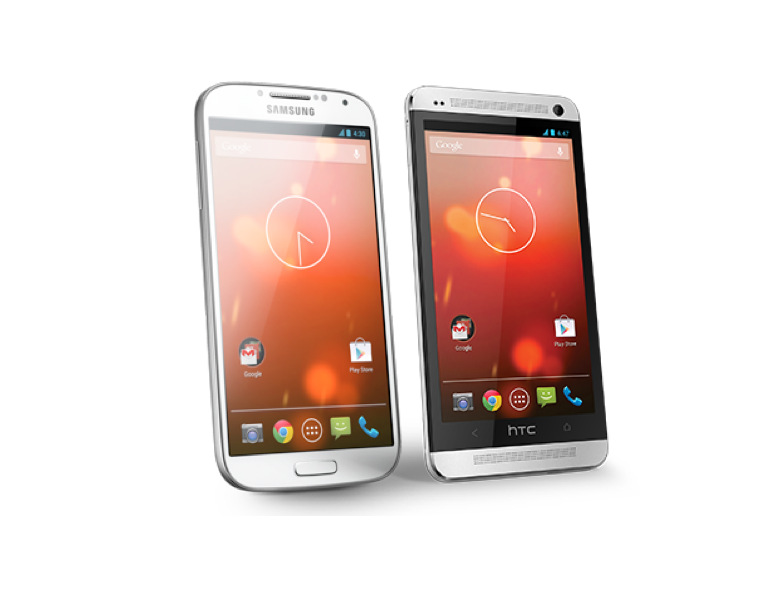
    After updating all the Nexus devices this week, the two Nexus 7 tablets, the Nexus 4 and the Samsung Galaxy Nexus, search engine giant Google’s Android division on Friday rolled out the Android 4.3 Jelly Bean update for the two Google Play Edition smartphones, the HTC One and the Samsung Galaxy S4. 

    When Google announced the Google Play edition of the S4, they promised quick updated along with a stock Android experience. These are two of the main reasons to get these devices over their standard versions that come with OEM customizations and are bound to receive the 4.3 update much, much later.

    These phones’ updates include most of Android 4.3’s key features—Bluetooth 4.0 and OpenGL ES 3.0 support among them—plus a few handset-specific enhancements. AnandTech reports, for example, that the Google Play edition HTC One’s IR blaster has now been enabled, as has Bluetooth pairing for the Galaxy S 4. Both phones were already using the new stock Camera app included with Android 4.3 on the Nexus devices, but they each come with a few minor cosmetic tweaks of their own.

    Do you think Samsung and HTC will capitalize on this momentum to help them release the Android 4.3 update for their mainstream devices in a more timely manner? Let us know below!

    [Via]

  • Jelly Bean Now On 40% Of Android Devices

    Jelly Bean Now On 40% Of Android Devices

    Each month, Google posts the breakdown of its Android versions, ostensibly for developers to see which ones they can target with their apps.

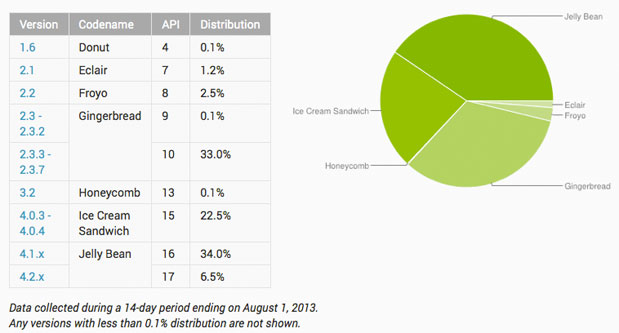
    As of August 1st, over 40% of users run Jelly Bean and, combined with Ice Cream Sandwich, 63% of users run phones with Android 4.0 or above. While this is not necessarily the target we’re looking for — over 90% of iOS users run the latest version, according to Apple — it indicates that Google has largely stabilized the fragmentation issue.

    Android

    Gingerbread is holding fairly steady at 33%, dropping only 1.1% from the previous month. In fact, Ice Cream Sandwich also dropped from last month as more devices were upgraded to Jelly Bean, both in the 4.1 and 4.2 flavours. Google’s now next-to-newest version, Android 4.2, is only running on 6.5% of devices, and some of them would have been upgraded to 4.3 in the past week or so.

    Unfortunately, Android 1.6, 2.1 and 2.2 still exist, though their numbers are dwindling as users replace their phones with newer models.

    The big takeaway from this is that developers can now soundly target Android 4.0+ without worrying that they’re alienating the entire ecosystem, something that couldn’t be said a year ago.

  • Moto X Launched : Motorola X8, 4.7-inch 720p AMOLED starting US $ 199

    Moto X Launched : Motorola X8, 4.7-inch 720p AMOLED starting US $ 199

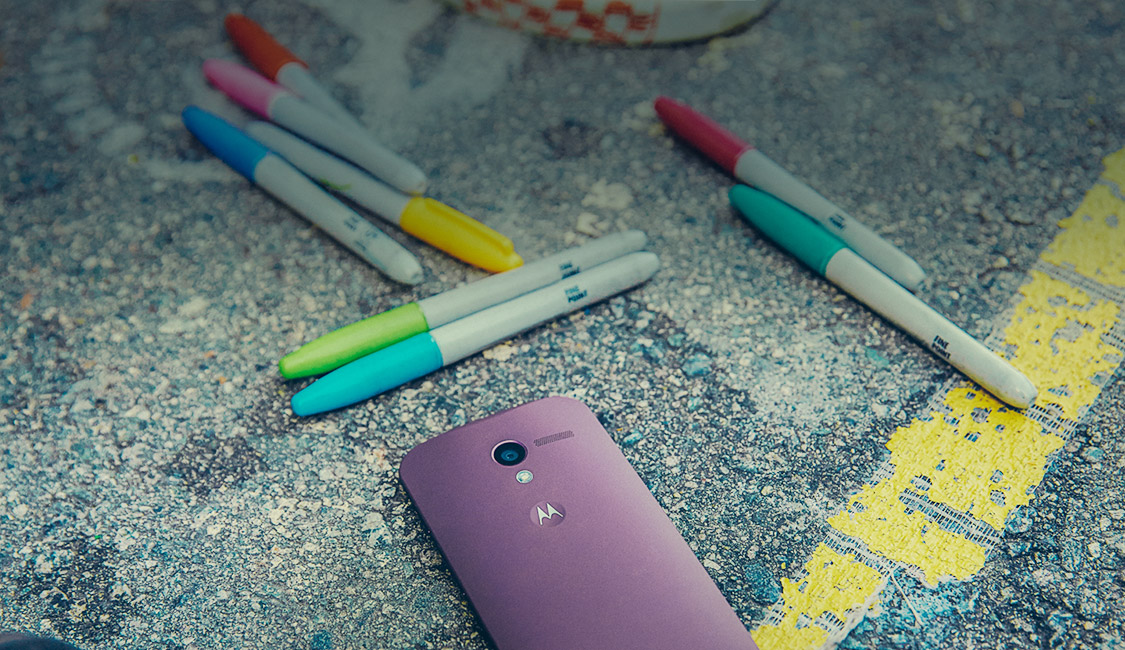
    Motorola and Google have finally made the Moto X rumored device official, it is dubbed the “Moto X” and is designed with the “user in mind”. The Moto X comes with the ability of the User to design their own phone, it is designed and assembled in the US.

    Motorola has also redesigned the structure of the Handset, with new processing via Moto’s new X8 Mobile Computing System. A SoC based on a Snapdragon S4 Pro with a 1.7GHz dual-core Krait CPU and a quad-core Adreno 320 GPU, positioned alongside two unique Motorola processors, including one to handle language interpretation  and a contextual computing core, which manages the smartphone’s sensors. Both of which are designed to ensure minimal battery drain when using these services. 

    hero-moto-x-01

    The new Moto X has a 4.7-inch AMOLED display running at 720p, a 10-megapixel “ClearPixel” camera with 1080p video recording and will run Android 4.2.2. With the online app called Moto Maker, you choose the colors, and decide on the details: front, back, accents, memory, wallpapers, even add a name or a short message, a wooden case is also in the works and Motorola claims there are more than 2000 options with more to come soon. 

    The Moto X is powered by a 2,200mAh battery offering up to 24 hours of “mixed” usage and the handset is 4G LTE enabled. There’s a 10-megapixel Clear Pixel rear camera and a 2-megapixel front-facing camera, both of which shoot 1080p video.

    Bluetooth 4.0, USB 2.0, 802.11a/b/g/n/ac, GPS and GLONASS, a standard 3.5mm headphone jack, Miracast Wireless Display, NFC and a nano-SIM.

    Sales Begin at the end of August, the 16GB model will retail for $199 with a two-year contract on AT&T, Sprint, T-Mobile, US Cellular and Verizon, the 32GB is an AT&T exclusive which will ship for $249. For now only AT&T customers will have access to additional color options via the online app those on other carriers can choose from black and white.

    [toggle title=”Motorola X8″]IBERTYVILLE, Ill. – Aug. 1, 2013 – People want choice. The choice to design their own phones. The choice to control their phones by voice when their hands are occupied. The choice to have their phones assembled in America.

    Moto X offers you that choice. It’s designed by you, responds to you and is made for you by Motorola, a Google company. Once you turn it on, it’s all yours. And every Moto X sold in the USA is assembled right here in the USA.

    With the best of Google services baked in, Moto X helps you get everyday tasks done quickly and with less fuss. But it’s also designed to sip battery, not chug it, so it will go all day and into the night.

    Responds to You

    Moto X is ready when you are. It responds to your voice – no touching necessary. With Touchless Control you can check the weather, get directions, or do just about anything without lifting a finger. Moto X doesn’t guess like other phones do. It knows.

    With Active Display, Moto X keeps the information you need to know at your fingertips. Instead of a constantly blinking light, important information quietly appears on the screen. It doesn’t interrupt. You don’t have to wake it up to look at the time or see your messages. Before you know it, that constant itch to check your phone will be gone forever.

    Need to capture that perfect moment before it’s gone? All it takes is two quick twists of your wrist and Moto X’s Quick Capture camera is ready to shoot. Touch anywhere on the screen and you’ll get just the shot you want. Its high-quality sensor can capture the darkest scenes or stop motion blur in bright light. You’ll see the difference in every shot.

    And all of this is battery-friendly, so Moto X is ready to respond all day long.

    Designed by You

    Your Moto X is truly yours, because you design it. Through our online studio, Moto Maker, you choose the colors, and decide on the details: front, back, accents, memory, wallpapers, even add a name or a short message. When you’re done, we assemble your Moto X right here in the USA and ship it to you for free in 4 days or less*.

    Choose from more than 2,000 possible combinations, with more to come. We’ll be constantly exploring new offerings, such as real wood backs, starting later in the year. Still love the classics? You can choose an eye-catching woven black or woven white model right in the store (see below for more info on availability).

    We’re pretty sure you’ll love your Moto X, but if for some reason you don’t, you can redesign or return it within 14 days**, no problem.

    Made for You

    Moto X has a unique curved back, designed to fit your hand comfortably, along with a 4.7-inch screen that makes it easy to operate with only one hand — when you want to use your hands that is.

    Plus, no one has ever assembled a smartphone in the US before. We think it’s about time. Each Moto X sold in the US is individually assembled in Ft. Worth, Texas. Doing this in the US means you can design a custom phone online and have it delivered right to your doorstep in just a few days.

    You Are What You Wear

    We’ve partnered with the most innovative brands in the world including SOL REPUBLIC to create an ecosystem of accessories for your Moto X. We call it M4DE Motorola™. These include headphones, speakers, cases, docks and more.

    You can even match your headphones to your Moto X. They come in all the same custom colors of the phone, in two different styles. On your ears: SOL Tracks HD headset with a V8 sound engine that has deep base and high quality. In your ears: SOL JAX earbuds with controls for calls and music, plus free ear tips for life.

    Where to Get It

    Moto X will be available in the US, Canada and Latin America starting in late August/early September.

    In the US, woven black and woven white models will be available at AT&T, Sprint, US Cellular, Verizon Wireless and at national retailers including Best Buy stores with a suggested retail price of $199 with a new two-year agreement. Additionally, it will be available on all carriers, including T-Mobile, at Motorola.com.

    Visit motorola.com to sign-up for more details about Moto Maker, which will first be available for AT&T users. And, coming soon to Best Buy.

    You’ll hear from our carrier partners around the globe regarding exact pricing and availability.

    *Subject to parts availability
    **California residents will have 30 days to return

    IMAGES & B-ROLL: Click this link (also in the footer) for images and b-roll (you agree to our license terms when downloading images or video)

    About Motorola Mobility

    Motorola Mobility, owned by Google, creates smartphones, tablets and wireless accessories that simplify, connect and enrich people’s lives. For more information visit motorola.com/mobility.

    Certain features, services and applications are network dependent and may not be available in all areas; additional terms, conditions and/or charges may apply. All features, functionality and other product specifications are subject to change without notice or obligation. Contact your service provider for details.

    MOTOROLA and the Stylized M registered trademarks of Motorola Trademark Holdings, LLC. Google is a trademark of Google, Inc. All other trademarks the property of their respective owners. © 2013 Motorola Mobility LLC. All rights reserved.
    [/toggle]

    [VIA] [Source]
  • Android 4.3 Allows You To Tinker With App Permissions

    Android 4.3 Allows You To Tinker With App Permissions

    Google Android 4.3 may be a minor update to Google’s mobile operating system, but it has some nice features including performance tweaks, Bluetooth improvements, support for limiting a user’s access to some apps or content on multi-user devices, and much more.

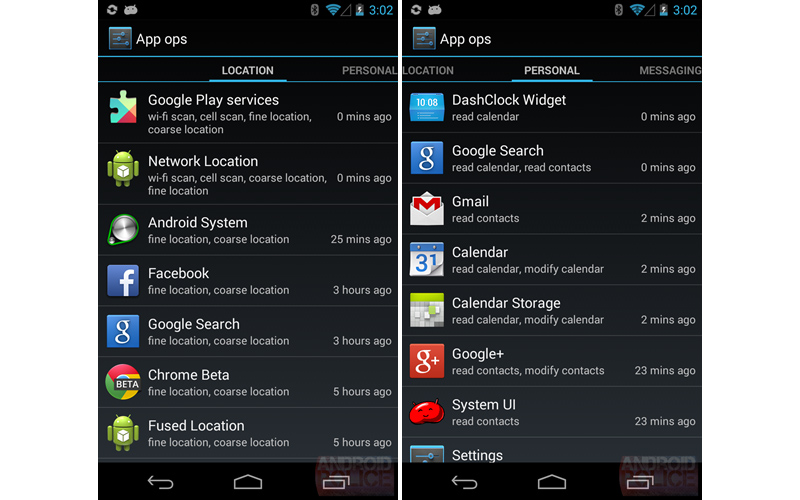
    It also has a hidden feature. It’s called “App Ops” and it lets you selectively disable some permissions for your apps. Is some misbehaving app constantly pinging your location and draining your battery in a few hours? You can fix that now.

    android 4.3

    Once there, the user will see that all of their apps and permissions are broken down into four easily distinguishable categories: Personal, Location, Messaging, and Device. Simply choose an app, tape the on/off button, and voilà! The user’s app is still completely functional without annoyingly draining your device.

    Another notable feature in Android 4.3 is improved Photo Spheres. Evan Rapoport, a Google Maps Product Manager, recently revealed on Google+ that the latest version of Jelly Bean offers better alignment and stitching while taking photos with Photo Sphere. The app also offers improved exposure compensation that’ll lead to fewer gray areas and inconsistent coloring in photos.

    Other highlights of Android 4.3 Jelly Bean include multi-user restricted profiles which limits access to specified content, a sound for aspect of sale systems and kiosks, for example. Security is in play here as it works for parental controls too. Bluetooth Low-Energy support will easily pair Android 4.3 with a fitness sensor for the workout-aholics out there.

    [Via]

  • Report : New Nexus 10 Tablet In The Works

    Just hours after the unveiling of the Google Nexus 7 we’ve heard word that the Nexus 10 could also be getting an update soon.

    According to Google’s Sundar Pichai, the new 10-incher refresh isn’t far away. While we haven’t heard anything from Pichai publicly, The Wall Street Journal’s Amir Efrati has been recounting his experience at today’s Google event on Twitter, and mentions that Pichai advised that a Samsung-made follow-up to last year’s Nexus 10 should be launching “in the near future.”

    The new Nexus 7 launched last night, packing a high-res 323ppi display, 1.5GHz quad-core Qualcomm Snapdragon S4 CPU, 2GB of RAM and Android 4.3.

    Unfortunately apart from the confirmation that a new Nexus 10 is in the works, the exact specifications of the tablet were not shared, obviously, but he did state that we can expect to learn more about it in the near future.

    Samsung will most likely pack the new Nexus 10 with it’s latest Exynos octa-core processor. Guess we’ll have to wait and see!

    [Via]

  • Android 4.3 Jelly Bean Announced

    Android 4.3 Jelly Bean Announced

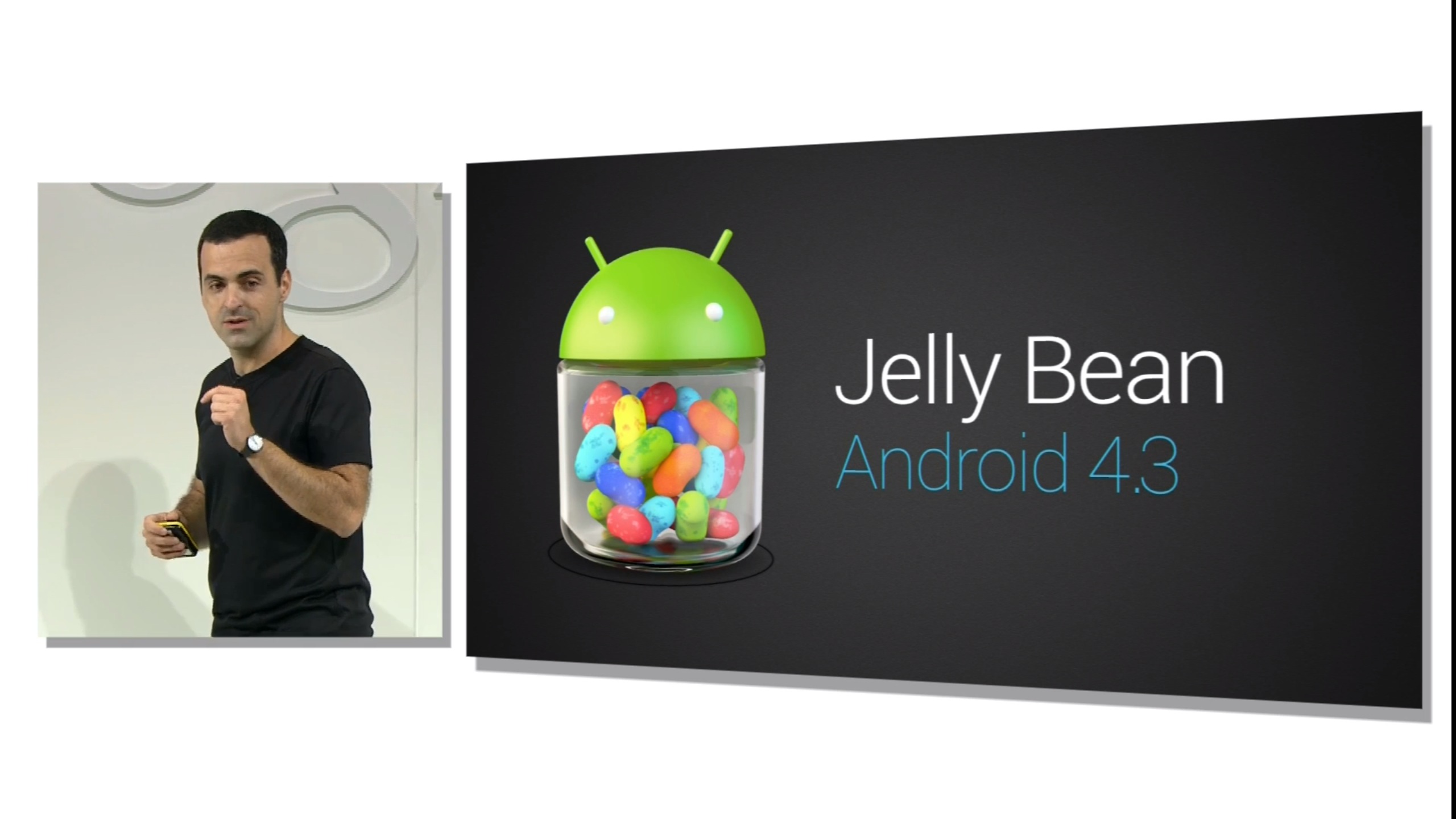
    Google today announced the latest iteration of Android – Android 4.3 Jelly Bean during a press breakfast in San Francisco.

    The long-awaited OS update will be coming to Android device users based on their devices. The Android 4.3 Jelly Bean update will start rolling out today to the Nexus 4, Nexus 7 and Nexus 10. The “Google Play Edition” versions of the HTC One and Samsung Galaxy S4 can expect it soon, most likely August or September.

    As ArsTechnica reports, the new operating system will feature multi-user restricted profiles. This will let users control access to contents and apps per user—so parents, for example, can control which applications their kids can access. When accessed from restricted profiles, applications behave differently. On stage, Hugo Barra demonstrated this by showing a puzzle game whose in-app purchase functionality was automatically disabled when it was accessed on the kid’s restricted profile.

    Other features include built-in OpenGL ES 3.0 support, DRM APIs for providing hardware-based encryption for protecting content, which will allow it to provide 1080p video to its tablets. The first partner is Netflix, which supports 1080p HD streaming. The Nexus 7 is the first device to support it.

    Android 4.3 also introduces many other features, including support for Bluetooth Smart devices, background Wi-Fi location, more language support and “easier text input.”

    We’ll bring you more on the new release as it comes. In the meantime, share your thoughts down in the comments. 

iGyaan Network
Privacy Overview

This website uses cookies so that we can provide you with the best user experience possible. Cookie information is stored in your browser and performs functions such as recognising you when you return to our website and helping our team to understand which sections of the website you find most interesting and useful.