Category: Leica

  • Panasonic Lumix S1, Lumix S1R Mirrorless Cameras To Go On Sale Soon

    Panasonic Lumix S1, Lumix S1R Mirrorless Cameras To Go On Sale Soon

    The entire photography industry slowly moving towards mirrorless cameras. More manufacturers are focusing more on their mirrorless lineup than ever before. Panasonic being on the forefront of mirrorless camera technology, along with brands like Fujifilm, Olympus, Pentax and Leica, has a great lineup of cameras. The company had announced the Lumix S1 and Lumix S1R mirrorless cameras in Photokina 2018 equipped with a Leica L mount lenses.


    Camera Specifications

    Now, at CES 2019, Panasonic has revealed that both the cameras will be available for purchase from end of March of this year. The LUMIX S1R will feature a 47MP sensor. Whereas, the LUMIX S1 will feature a 24MP sensor. Panasonic had also claimed that these cameras will be the world’s first full frame digital single lens mirrorless cameras to feature support for 4K 60p/50p video recording. The company also claims to be the world’s first full-frame camera to be equipped with Dual I.S. system. Panasonic had also announced an update for the Lumix S series cameras. This update will add key features one of which is the HLG photo mode. According to Panasonic, the HLG Photo allows images to be shot with a wider dynamic range. It also increases the precision of the colour accuracy to portrait colours.

    The other update will be a high-resolution mode that combines 8 consecutively shot images into a single high-res image. This will benefit photographers who require large prints such as fashion and commercial photographers.

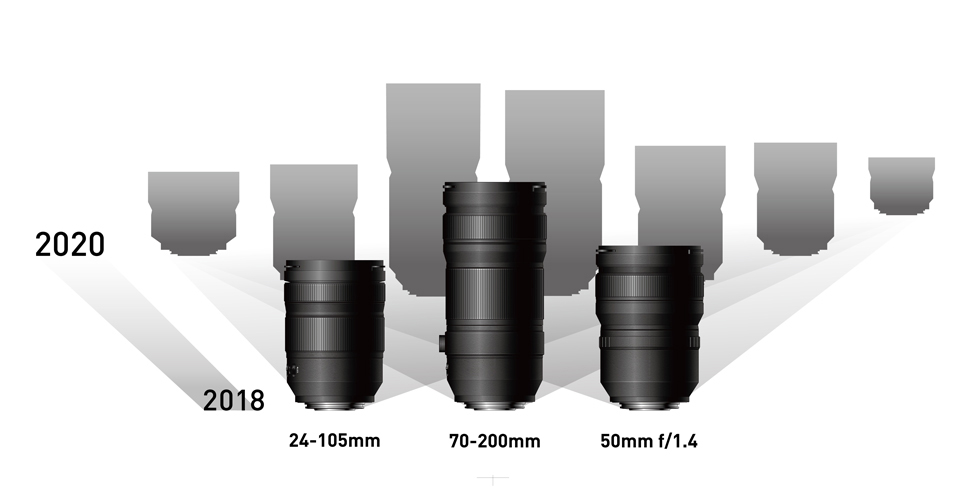
    Panasonic has also promised that they will also expand its lineup of LUMIX S series compatible lenses. They will develop more than ten lenses by the year 2020. These will include 50 mm/ F1.4 single focal length lens, 24-105 mm standard zoom lens, and 70-200 mm telephoto zoom lens among others. These new lenses will give photographers a variety of focal lengths to choose from. Both cameras will have support for  dual card slots for XQD as well as SD cards.

    Availability And Price

    The prices of the two cameras will be on the higher side, given that Leica is also involved in the project. The exact prices however have not been announced yet.

  • Leica Introduces New D- Lux 7 Compact Camera

    Leica Introduces New D- Lux 7 Compact Camera

    Leica has recently set their sights on the Indian market and being a price sensitive market, luxury camera buyers are few. Leica recently announced a new smaller camera, the D- Lux 7, that focusses on low light photography and costs around just 1 Lakh!

    Features And Specifications

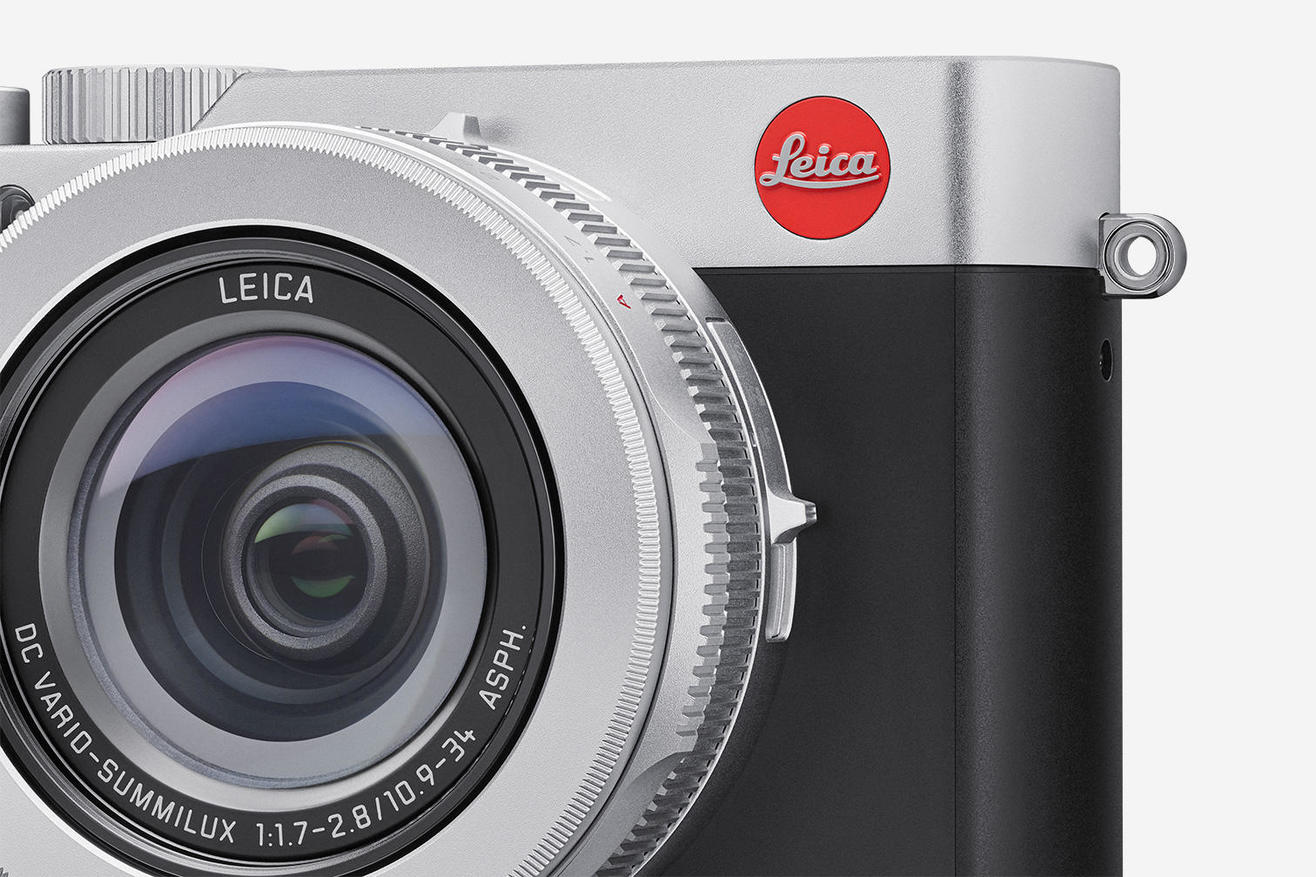
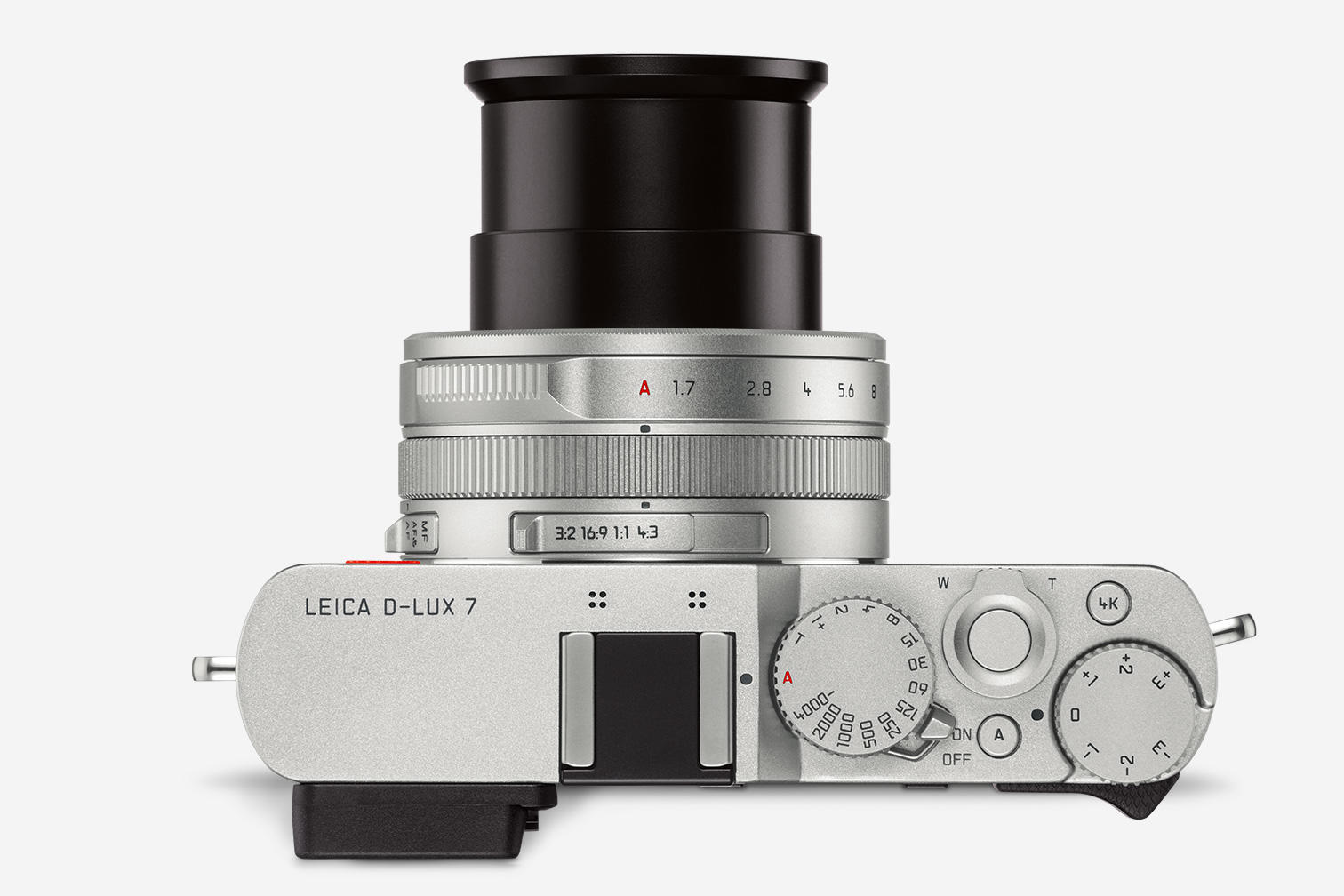
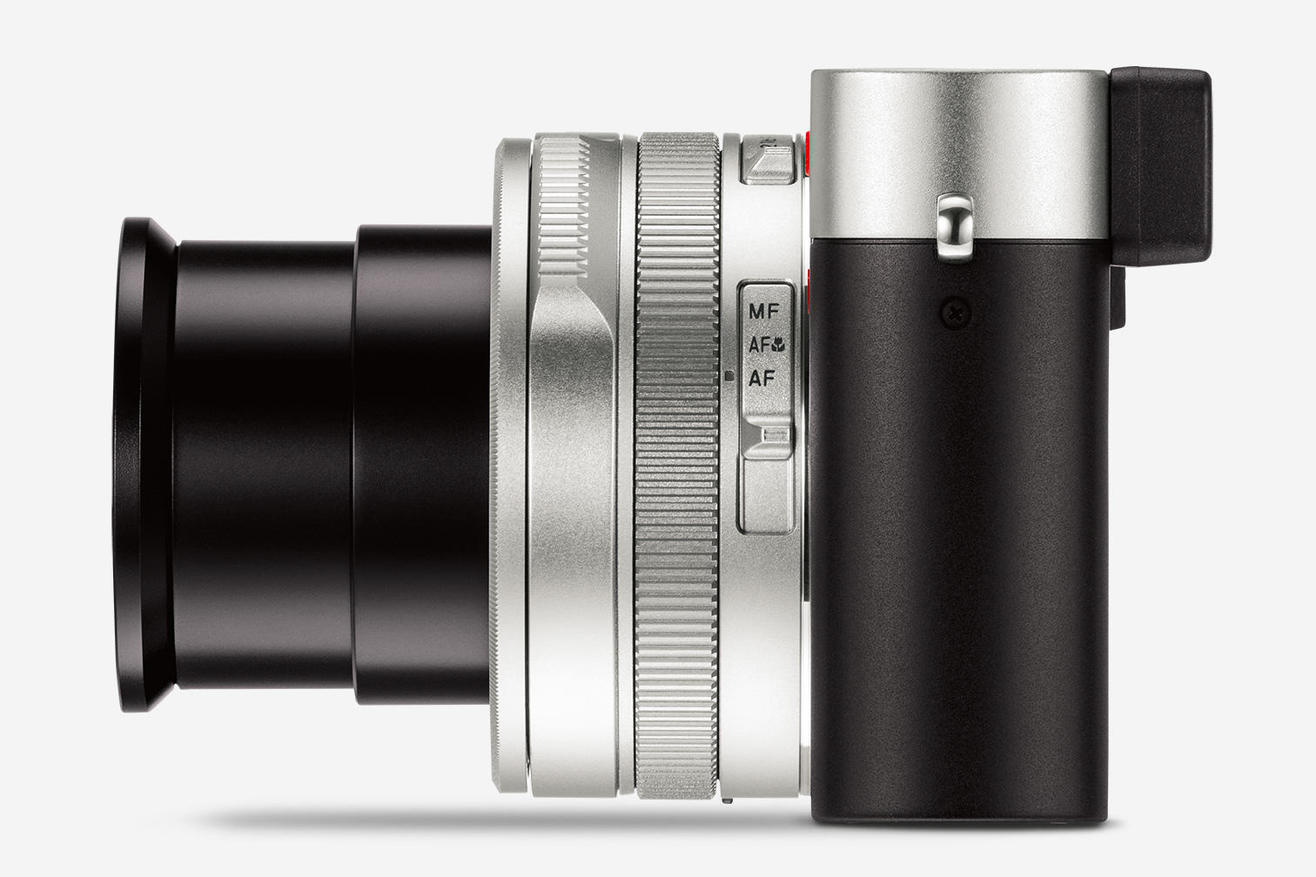
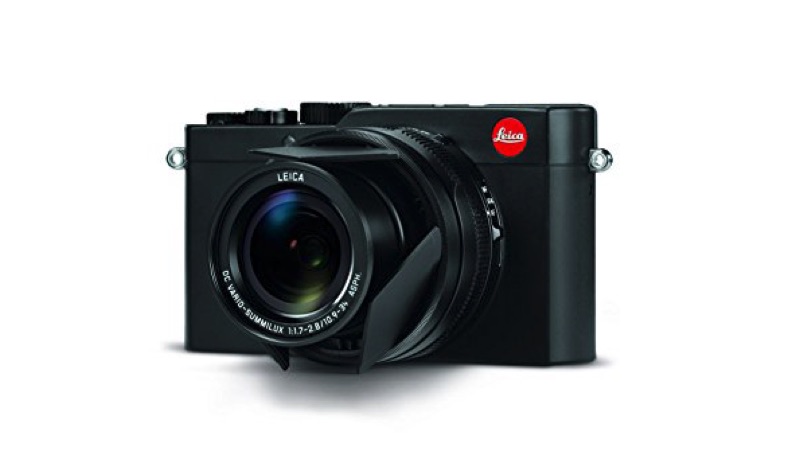
    The D- Lux 7 features a 17-megapixel sensor and automatic exposure mode. The camera also has manual setting options and a 4/3rd sensor. It comes with a Leica DC Vario-Summilux 10.9-34mm f/1.7-2.8 ASPH whose 35mm equivalent is 24 – 75mm. This camera will be the first in the D-Lux lineup that will support the Leica FOTOS App. The app can be used to transfer photos and videos instantly to iOS and Android devices.

    Delivering full resolution images, independent of the selected aspect ratio (3:2, 4:3, 16:9), the camera features a burst mode of up to 11 frames per second. It shoots both RAW and JPEG images. The company claims that it is great for beginners as they can use the automatic exposure mode to their advantage. Street photographers can use this camera quite comfortably given its compact size. It weights just 403 grams and can be easily carried in a small bag.

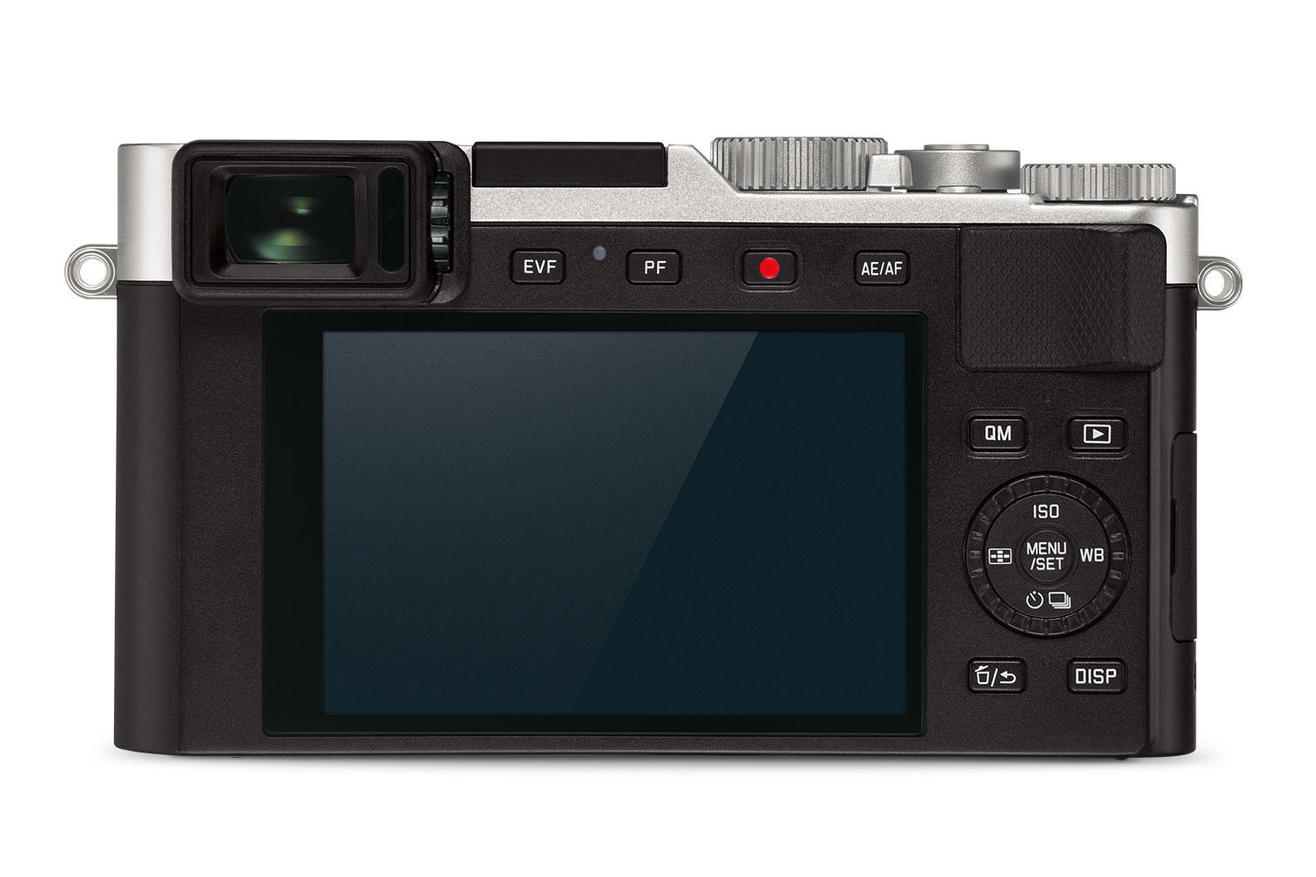
    The 3-inch touchscreen with a resolution of 1.24 million pixels is a great addition. Especially at a time when Leica is removing screens from cameras that support the Leica FOTOS app. The D- Lux 7 shoots 4K resolution videos at 30 frames per second in both MP4 and AVCHD-format. With a maximum ISO sensitivity of 25600, the low light performance is supposed to be great. Leica also claims that the 4/3rd sensor means larger pixels that are able to collect more light which reportedly reduces image noise.

    Connectivity features of the D- Lux 7 include Wi-Fi compliant WPA / WPA2 and Bluetooth 4.2. It also has AUTO/Red-Eye Reduction and can shoot in Program, Aperture-priority, Shutter-priority and Manual modes.

  • Leica M10- D: A Digital Camera Without A Screen

    Leica M10- D: A Digital Camera Without A Screen

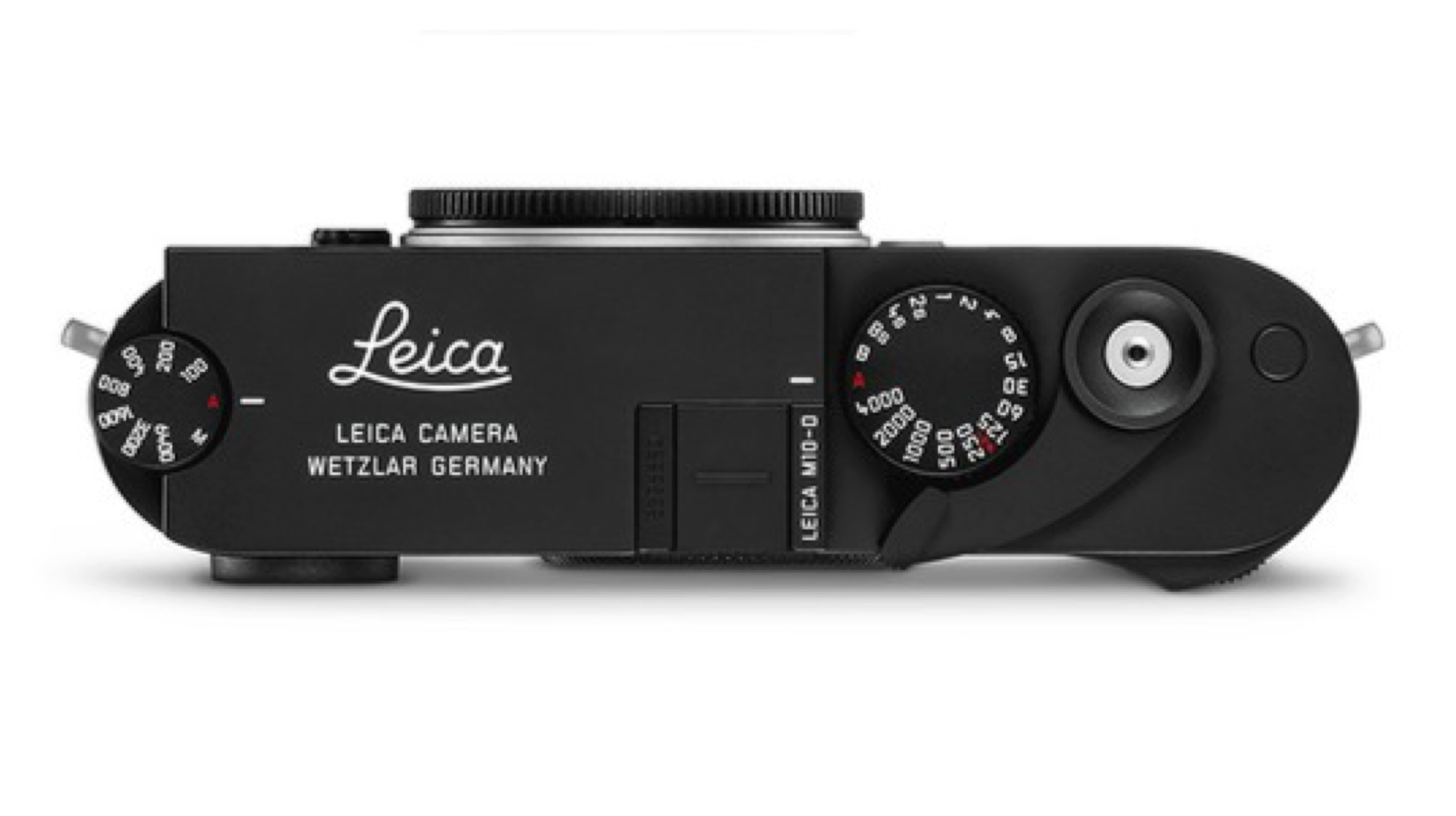
    Leica recently announced their latest version of the M10 and the camera does not have a screen! It is a digital camera with no screen to view your photos. For someone who has shot in film cameras, it will feel like a homecoming as the rangefinder has no clutter – just two dials on top, a shutter button and a dial at the back. The design shouts of the typical Leica trademark. The camera is controlled using the Leica Fotos app. The app works on both Android and iOS devices. It uses Wi-Fi to connect to the app.

    The 24-megapixel full-frame sensor camera is matte black in colour and looks like a film rangefinder to a tee. The M10- D also features the lever that film cameras use, to cock the film. Even though this lever does not do anything functional, it is a good place to rest your finger while shooting. The camera has dials to adjust Shutter speed and ISO and also features a few customisable buttons but has very little otherwise. The lens has aperture and focus rings and the camera also features an optical viewfinder.

    Purpose Of The Camera

    Leica has said, the camera was built to provide the convenience of shooting digital without the distractions of the same. One can easily avoid a common phenomenon in photography known as ‘chimping’ with this camera. Chimping is the practice of immediately looking at the photograph on the screen after shooting on a digital camera. Moments play a big role when shooting street photography. Chimping can cause a photographer to miss out on images from the action that is taking place in front of him or her. The company has previously released cameras without screens, like the Leica M- D. But this is the first camera that features Wi-Fi connectivity.

    While one needs to get used to using the M10- D , it seems like a great idea to remove unnecessary distractions! The app is quite clean, easy to use and can help you look at your images on the go instead of during a shoot. The Leica M10-D costs $7,995 and is available on the Leica USA website.

  • Leica Sofort Camera Launched In India At Rs. 25000

    Leica Sofort Camera Launched In India At Rs. 25000

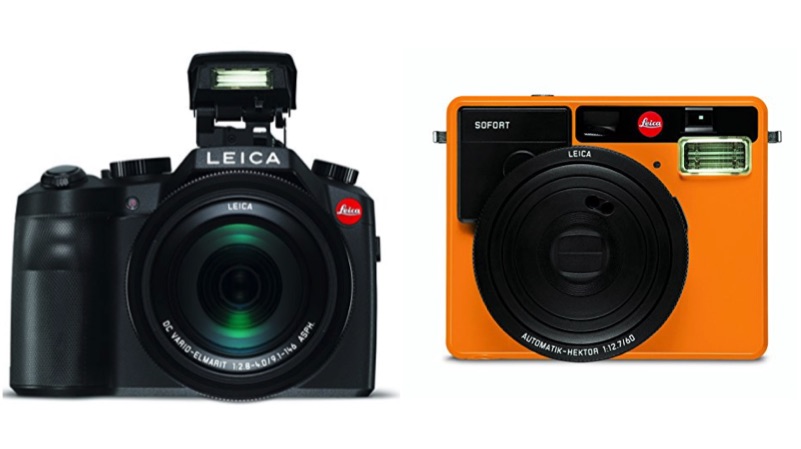
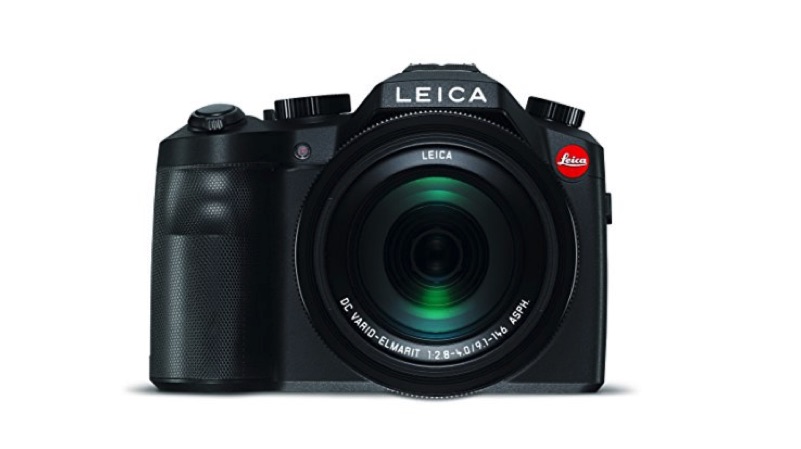
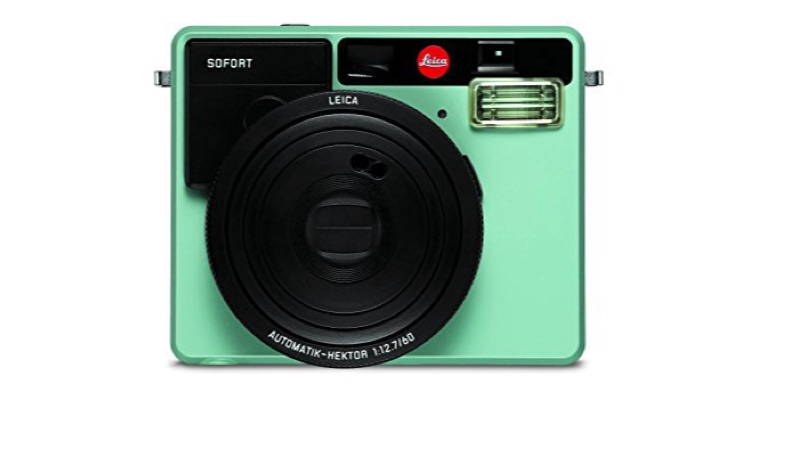
    Leica Camera, the German brand which is known for manufacturing high-end professional cameras have finally entered the Indian market. The company has partnered with Amazon India to launch three cameras at a price ranging from Rs 25,000 to Rs 90,000. The Leica V-Lux is priced at Rs 85,000 and the Leica D-Lux is priced at Rs 90,000. And the Leica Sofort 19106, 19107, 19108 range is priced at Rs 25,000. All these cameras have a standard 3-year warranty.

    Leica V-Lux Specs

    The Leica V-Lux is the costliest of series. This could be an ideal camera for every kind of photography. The camera has a variable aperture of f/2.4 to f/4.0 with 146 mm aspheric lens (ASHP). The camera supports latest wireless connectivity features like Wi-Fi and NFC. Additionally, the camera is remotely controllable using a smartphone or tablet with lag free screen mirroring. The camera also includes additional perks like 90 days free subscription to Adobe Creative Cloud Photoshop and Lightroom.

    Leica V-Lux

    Leica D-Lux Specs

    The Leica D-Lux is a more compact mirrorless camera. The camera has a full metal unibody design with a large 4/3 inch sensor with a 12.8MP lens. Additionally, the camera offers native 4K video recording capability. Additionally, the company claims that the Leica D-Lux has one of the fastest lenses in its lineup. The camera has a variable aperture of f/1.7 to f/2.4 ASHP lens.

    Leica V-Lux

    Leica Sofort Camera Specs

    This is more of a casual camera from the company, aimed at habitual photographers. As this an affordable offering from the company, it does not feature fancy lens or even 4K recording. The camera offers wide-range of photographic features like Macro shots, Self-timer, Party and People and so on. The camera can double the amount of exposure to create professional looking photographs. If you are looking for a funky-camera with premium camera capabilities, then the Leica Sofort Camera should be the one to go for. However, the camera does not have a digital viewfinder.

    Leica V-Lux

  • Huawei’s Recent P9 Image Blunder Paints a Poor Picture for Mobile Brands

    Huawei’s Recent P9 Image Blunder Paints a Poor Picture for Mobile Brands

    Huawei’s recent launch of the new P9 put a lot of attention on the brand, with claims that the smartphone camera can match DSLR quality shots.

    Huawei P9 blunder

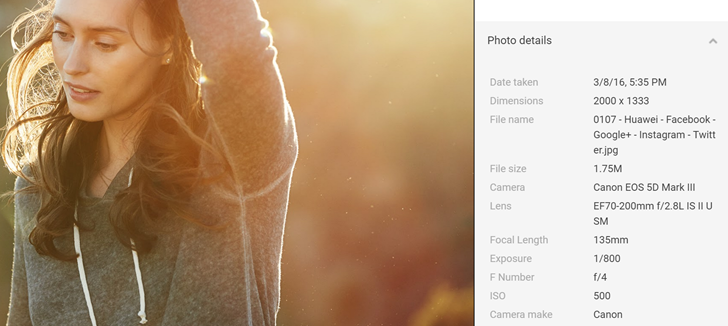
    This image recently posted by Huawei on its Facebook page, promoting the P9.  Even though Huawei never directly claimed it was clicked with the P9. The caption read :

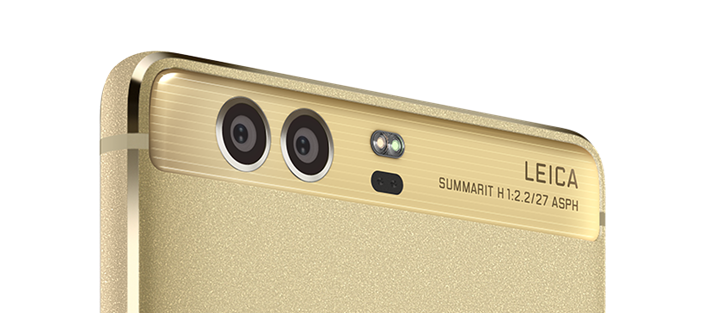
     The #HuaweiP9’s dual Leica cameras makes taking photos in low light conditions like this a pleasure.

    The EXIF data, however, spoke another story altogether. The photo was actually shot with a Canon 5D III using a 70-200 F2.8  L series lens. This reminds us of the bad marketing Nokia did with the Lumia 920 back in 2012.

    Using DSLR images for marketing is more common than users expect. Most companies do it in their mainstream advertisements, and more so on social media.

    Huawei issued an apology on the issue :

    It has recently been highlighted that an image posted to our social channels was not shot on the Huawei P9. The photo, which was professionally taken while filming a Huawei P9 advert, was shared to inspire our community. We recognize though that we should have been clearer with the captions for this image. It was never our intention to mislead. We apologize for this and we have removed the image.

    However, trust once broken is seldom regained, and Huawei seems to have upset a large chunk of its followers.

    Claims in marketing media from brands often mislead users into expecting more from their phones. Claims like 2-day battery life, amazing cameras, and magical unicorns are made with phones that can barely manage to give average results.

    With no regulations in place for marketing norms, a consumers knowledge becomes his best weapon against poor and unethical marketing warlords.


  • Top 6 Pocket Cameras : Pick One Which is Right For You

    Top 6 Pocket Cameras : Pick One Which is Right For You

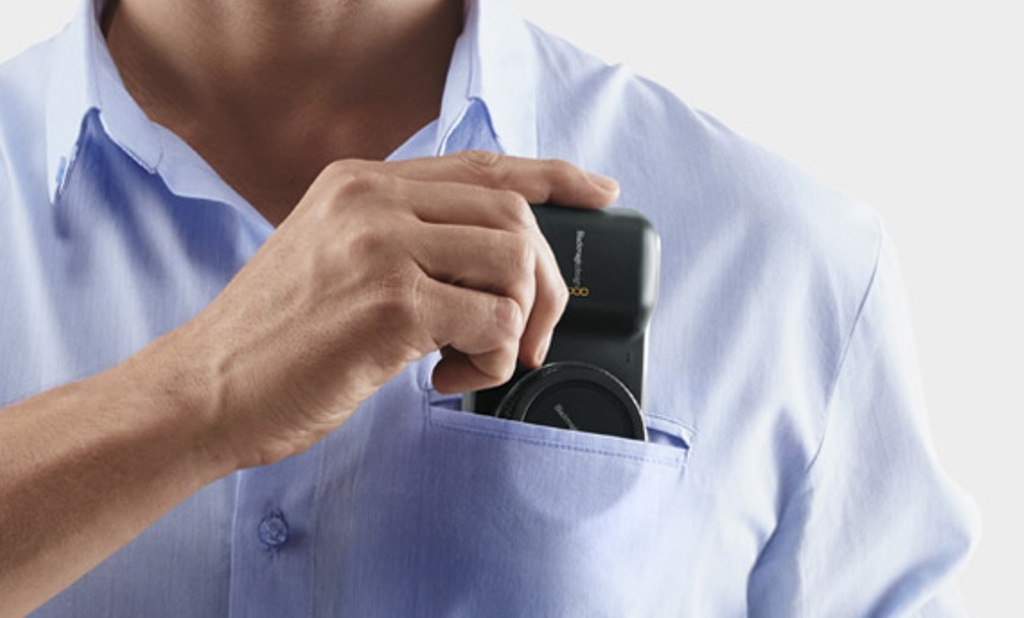
    No, we refuse to acknowledge the statement that smartphones are point-and-shoot replacements. No matter how good your camera phone may be, it still doesn’t have the technology to beat the image quality of the following cameras. Unlike DSLR’s, where you have to manage several lenses – these are handy, cheaper and super convenient if you’re constantly on the go.

    Here are a list of pocket size cameras that you’d wish you’d bought earlier:  

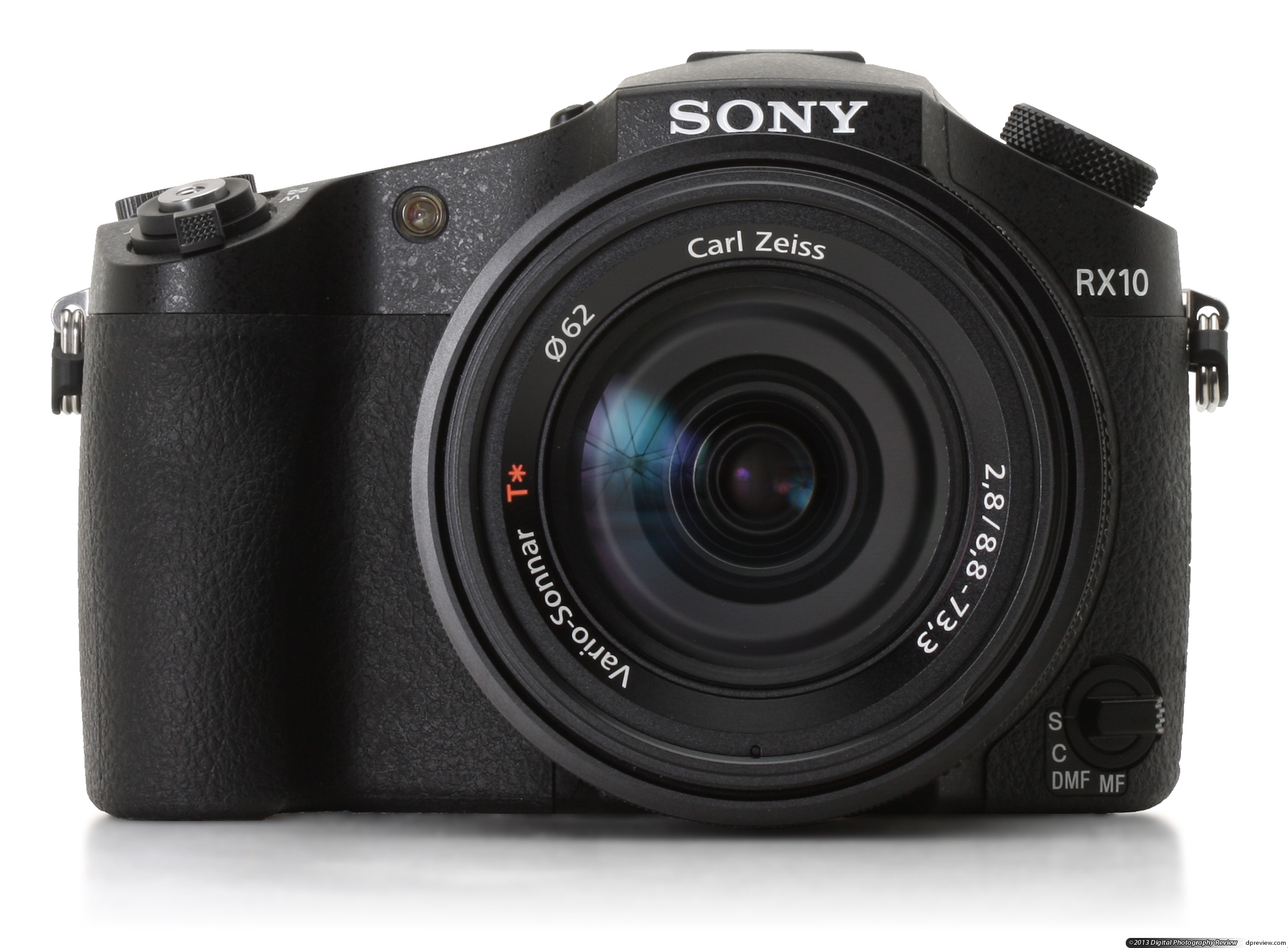
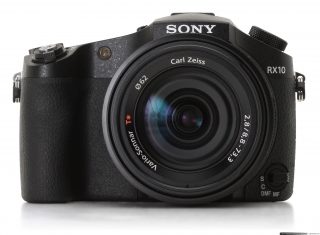
    1. Sony Cyber-shot DSC-RX10
    IntroKey features

    • 20MP 1″-type BSI CMOS sensor (13.2 x 8.8mm)
    • 24-200mm equivalent stabilized F2.8 lens
    • Weather-sealed magnesium alloy body
    • Manual zoom and aperture rings
    • Tilting 1.23 million dot rear LCD
    • 1.44M dot OLED viewfinder
    • ISO 125 – 12800 (expandable down to ISO 80)
    • Built-in 3EV Neutral Density filter
    • Approx 10 fps continuous shooting in ‘Speed Priority mode’
    • 1080/60p video with full-sensor sampling, uncompressed HDMI output
    • Wi-Fi with NFC

    To many photographers, amateurs and professionals alike, digital SLRs represent quality. The fact that you can remove the lens and swap it for another is inconsequential to those who never buy a second optic. It’s that segment of the market that Sony’s targeting with its Cyber-shot RX10.  We love the Sony RX10. But your $1,300 goes a very long way here, and if you need to capture sharp images and full-HD video clips in pretty much any lighting condition, with a vast focal range, you’d be hard pressed to find a more suitable shooter. This is the best fixed-lens camera we’ve ever used, and we wouldn’t be surprised if the RX10 Mark II, whenever that comes about, is the only comparable model worth considering.

    [button link=”http://www.flipkart.com/sony-dsc-rx10-point-shoot-camera/p/itmdvx7gbgwkg62r?pid=CAMDVX66GZXTG8RQ&srno=t_2&query=rx+10&affid=bhnagpalgm” size=”large” text_size=”beta” newtab=”on”]Price : Rs79989[/button]

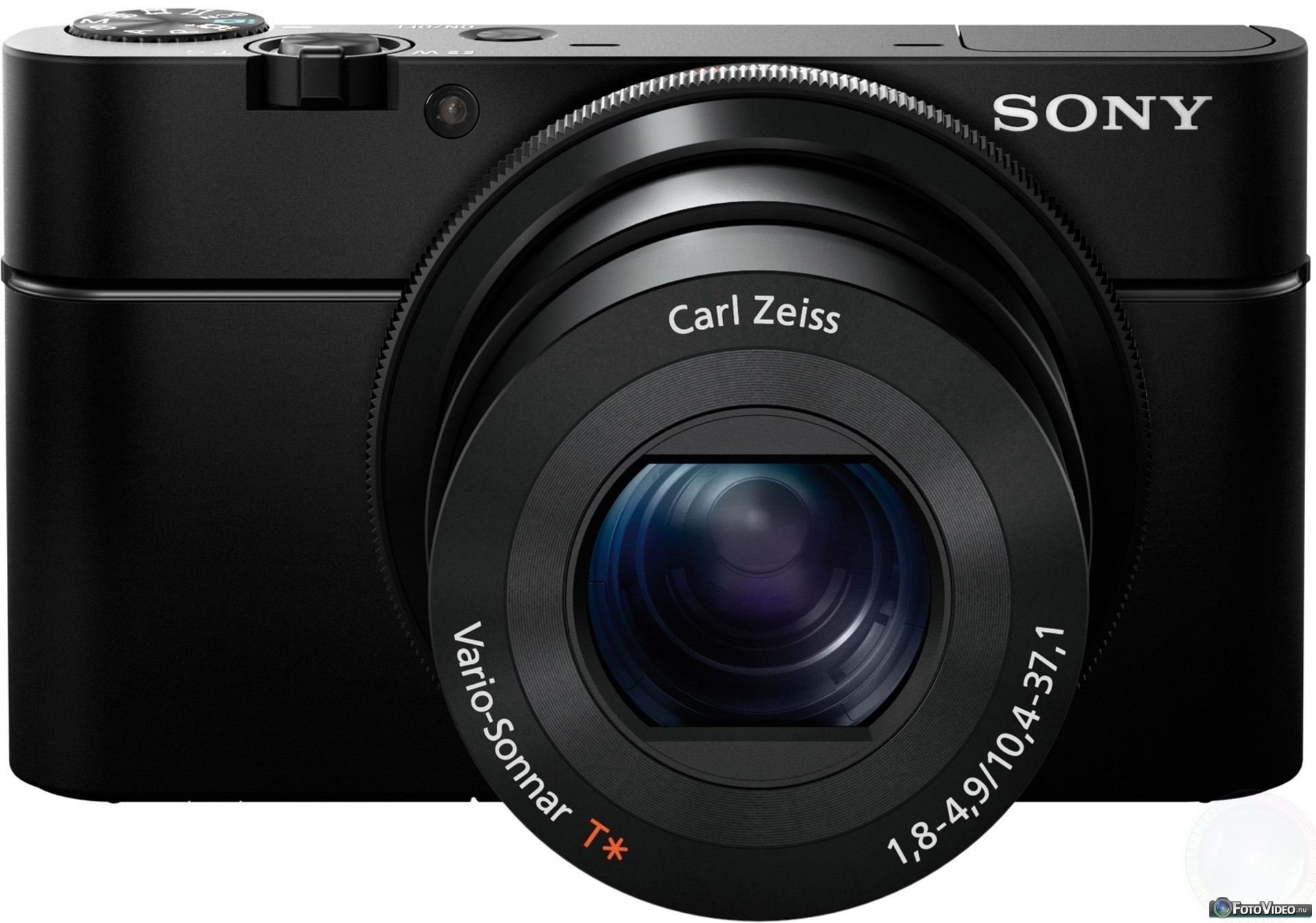
    2.Sony Cyber-shot DSC-RX100 III
    sony_cybershot_dscrx100_black

    Key Features:

    • 20.1 megapixel 1″-type Exmor R BSI-CMOS sensor
    • 24-70mm equiv. F1.8-2.8 Carl Zeiss Vario-Sonnar T* lens
    • Pop-up SVGA OLED electronic viewfinder with 1.44M dots
    • 3-inch tilting WhiteMagic LCD with 1.23M dots
    • 1080/60p video with full sensor readout and 50Mbps XAVC S support
    • Clean HDMI output
    • Zebra pattern and focus peaking
    • Customizable front lens ring
    • 3-stop neutral density filter
    • Wi-Fi with NFC and downloadable apps
    • 320 shots per charge (CIPA standard)

     The pocket-sized shooter processes video in XAVC S format, which, according to Sony, lets you record 1080p videos at a much faster data rate and with very little compression — in other words, this will make your movies look a lot better and crisper. To go with that, Sony also added a built-in, retractable OLED electronic viewfinder (which wasn’t present on either of the older editions), WiFi/NFC for wireless sharing and the ability to capture 4K still images, making the newest RX100 an even more powerful little camera.

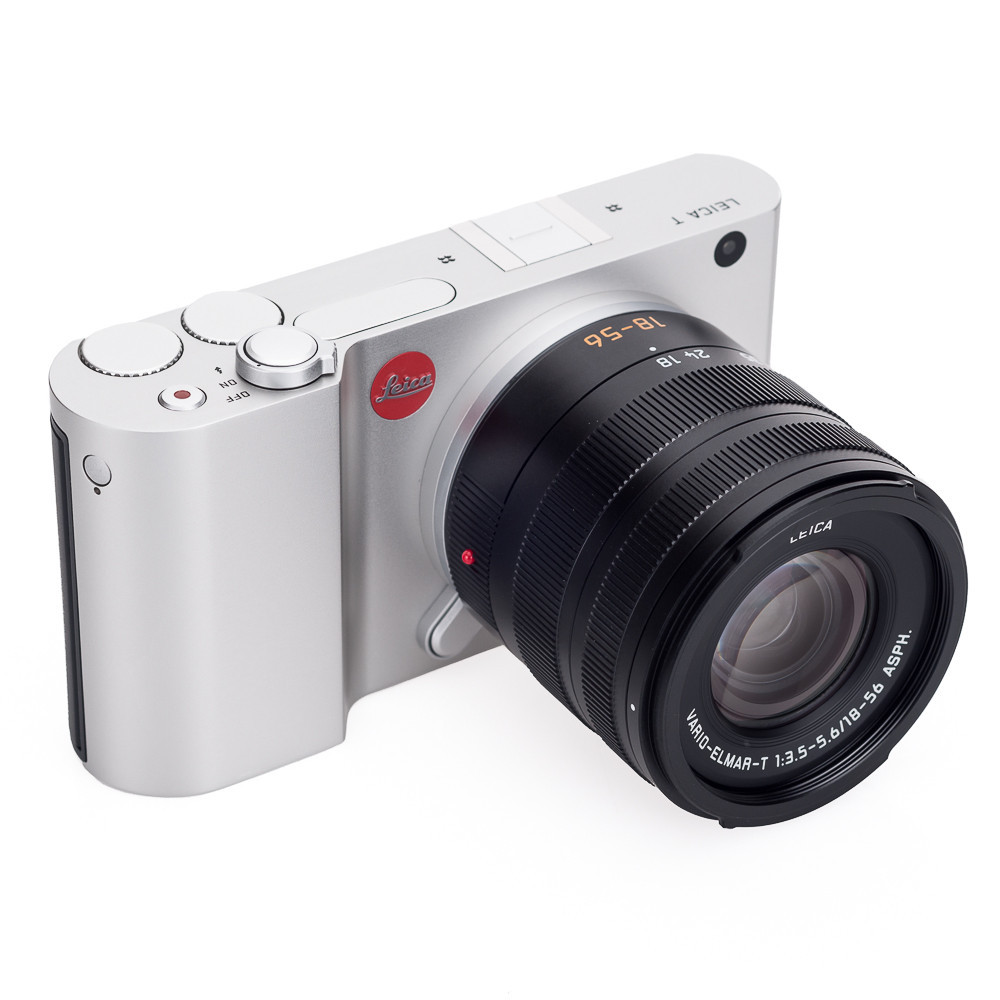
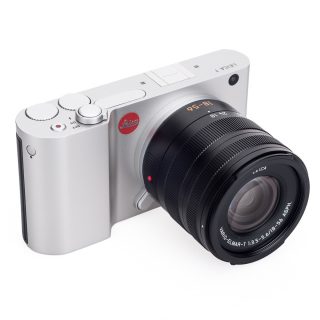
    3.Leica T (Typ 701)
    TBPhotography-2518_1024x1024

    Key features:

    • 16MP APS-C CMOS sensor
    • ISO 100-12500
    • 3.7″ 1.3M dot 16:9 touchscreen LCD
    • Twin top-plate control dials
    • Approx 5 fps continuous shooting
    • 1920 x 1080 Full HD movie recording at 30 fps; built-in stereo microphones
    • Built-in Wi-Fi for easy image sharing, and remote control by smartphone or tablet
    • Optional 2.36M dot electronic viewfinder with built-in GPS unit
    • Built-in 16GB memory
    • Brand new Leica T mount
    • 18-56mm f/3.5-5.6 and 23mm f/2 lenses
    • 11-23mm f/3.5-4.5 and 55-135mm f/3.5-4.5 coming later in the year (at photokina 2014)
    • Available in anodized black or natural aluminum finish

    This is a Leica for the modern age! It’s also quite a bit smaller than the company’s rangefinder cameras (134 x 69 x 33mm), especially in terms of height, not to mention a whole lot lighter (339g without battery, 384g with). That’s actually a little surprising, because the Leica T’s attractive, Audi Design-styled body is milled from a solid block of aluminum. A first for any camera, claims its maker.

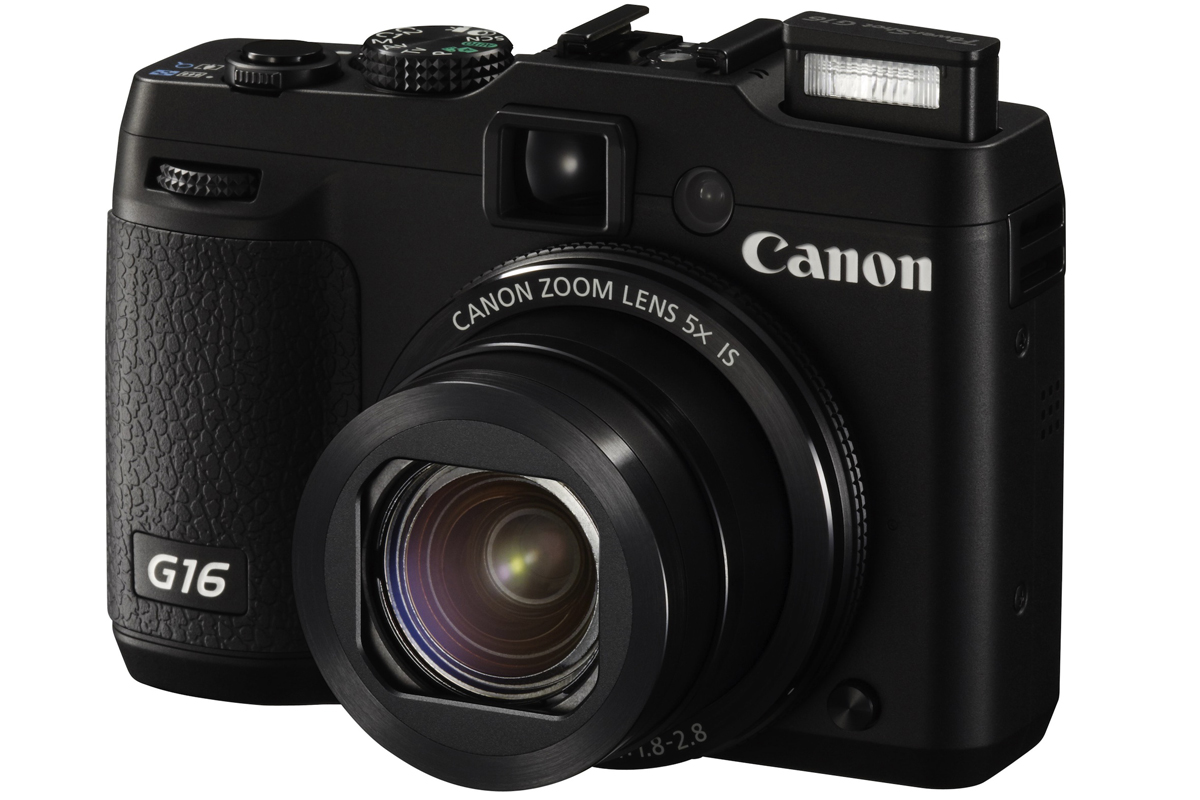
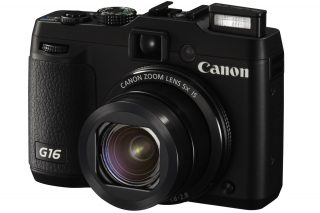
    4.Canon G16
    PowerShot-G16_BLK_FSL_01-1

    Key features

    • 12.1 Megapixel 1/1.7″ CMOS Sensor
    • Canon 5x Optical Zoom Lens (28-140mm)
    • Optical Zoom Viewfinder and 3.0″ LCD
    • Full HD 1080/60p Video
    • DIGIC 6 Image Processing Engine
    • Enhanced Wi-Fi Capabilities
    • Continuous Shooting at 9.3 fps
    • Intelligent IS Image Stabilization
    • ISO 12800 and Canon HS SYSTEM

    The Canon PowerShot G16 belongs to a long line of chunky compacts aimed at enthusiasts. Announced in August 2013 it’s the replacement for the PowerShot G15. The G series has earned a reputation as a serious compact with image quality, performance and handling that won’t disappoint those who’d probably rather be using a DSLR, if it weren’t for the added bulk. The Canon PowerShot G16 is a reassuring camera that does a good job. Its only real stand-out feature is improved responsiveness brought by the Digic 6 image processor. It is an ideal companion for users looking for a classic safe bet and who aren’t tempted by originality or eye-catching innovations. This camera is certainly built to stand the test of time, but the G series also needs to move with the times, otherwise it risks being left behind.

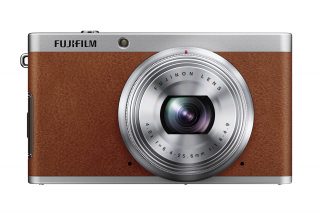
    5.FUJIFILM XF1
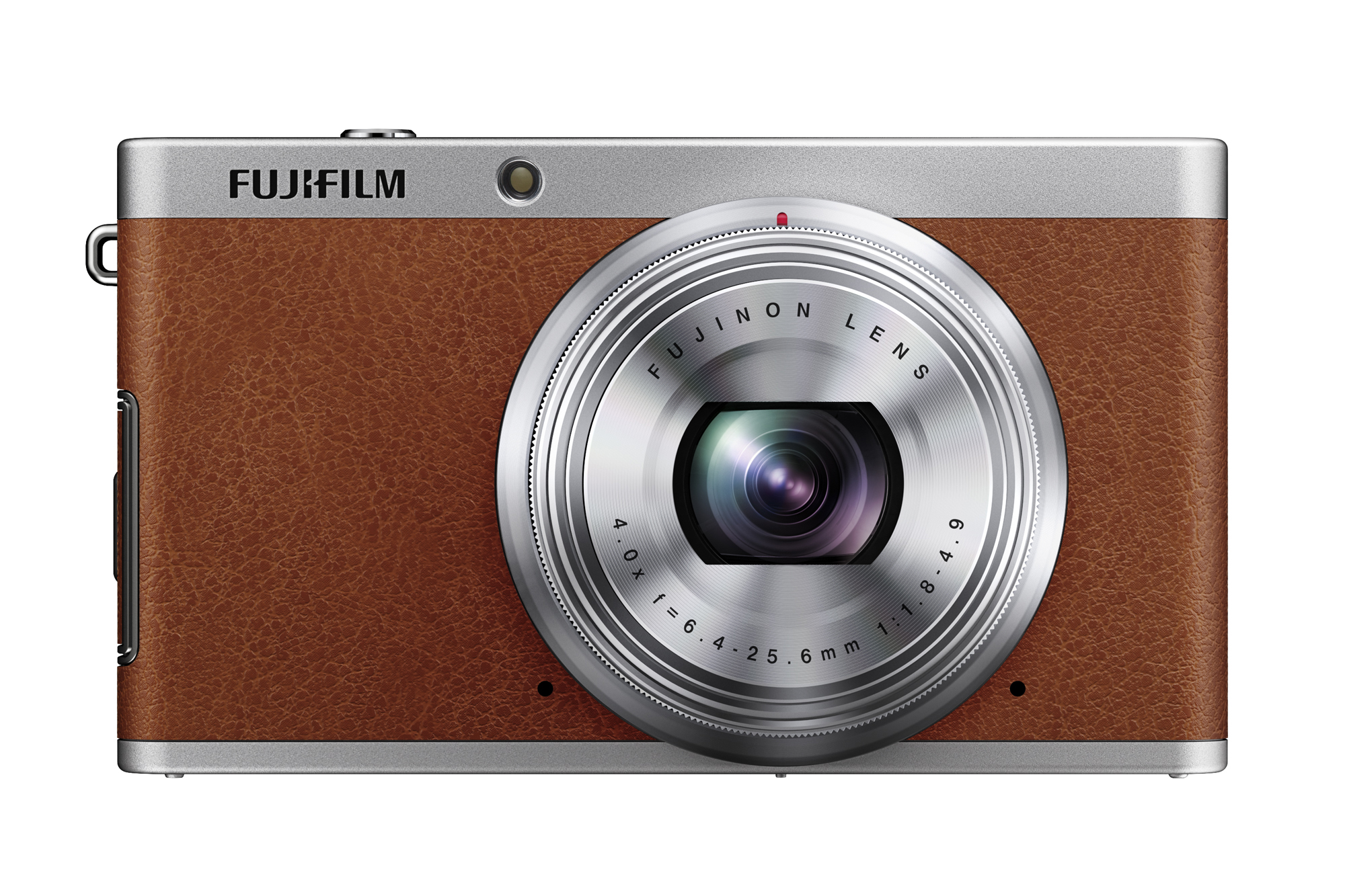
    xf1_tan_front_zoom

    Key features

    • 12MP 2/3″ EXR-CMOS sensor
    • ISO 100-3200, ISO 4000-6400 at 6MP resolution, ISO 12800 at 3MP
    • 25-100mm equivalent, F1.8-4.9 lens with optical image stabilization (4 stops benefit claimed)
    • Manual zoom ring and lens retraction mechanism
    • Full manual control, RAW format recording
    • 3″ 460k dot LCD
    • Full HD movie recording with built-in stereo microphones
    • Film simulation modes for different colour and monochrome ‘looks’
    • In-camera RAW conversion with all in-camera processing parameters adjustable
    • ‘Advanced Filters’ image-processing controls, previewed live on-screen

    Fuji’s XF1 is the latest high-end compact camera to compete with the likes of Sony’s RX100 and brings with it a 12-megapixel sensor, f/1.8 lens, manual controls. It is a beautiful retro design that can’t fail to impress everyone that sees it. The camera’s image quality is markedly better than virtually all other compacts. The camera’s “average low-light performance” as a downside. While it may not beat the RX100 , the XF1 is still a camera for photographers who like something a little bit more unusual than the standard run of the mill point and shoots.

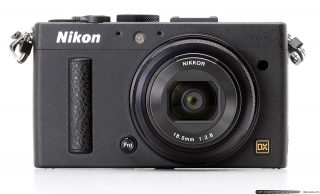
    6.Nikon Coolpix A
    Intro (1)

     Key features

    • 16.2MP ‘DX’ format CMOS sensor
    • 18.5mm (28mm equivalent) F2.8 lens
    • ISO 100-6400 (with 12,800 and 25,600 equivalent extension settings)
    • 3.0″ 920k dot LCD
    • 14-bit uncompressed NEF Raw shooting capability
    • Up to 4fps continuous shooting
    • 1080p movies at 24, 25 or 30fps
    • i-TTL compatible hot shoe

    The Nikon COOLPIX A Digital Camera is a point-and-shoot equipped with a 16.2MP DX-format CMOS sensor for clear, detailed images, even in low light. The lack of an optical low-pass filter enables maximized resolution for exceptionally sharp details. The NIKKOR prime lens features a focal length of 18.5mm  for wide-angle shooting, as well as a fast f/2.8 maximum aperture. Frame shots using the large 3.0-inch LCD monitor, which has a resolution of 921k pixels. Record Full HD 1080p video with stereo sound, and connect the supplied EG-CP16 cable for playback on your TV. Capture RAW still images for a higher level of creative control. Manual options like focus ring adjustment allow you to wield precision control over your compositions. Most of the operation system and the GUI are consistent with Nikon DSLRs. Exposure bracketing is available in both manual and auto modes.

iGyaan Network
Privacy Overview

This website uses cookies so that we can provide you with the best user experience possible. Cookie information is stored in your browser and performs functions such as recognising you when you return to our website and helping our team to understand which sections of the website you find most interesting and useful.