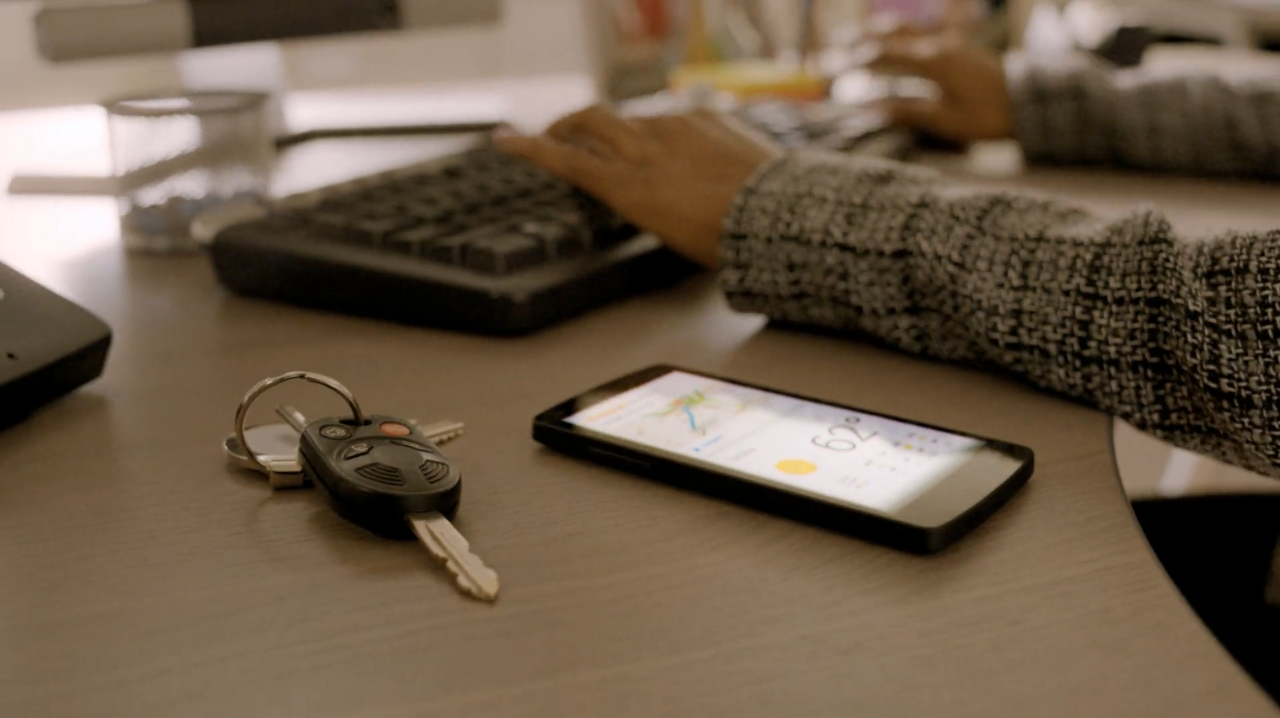
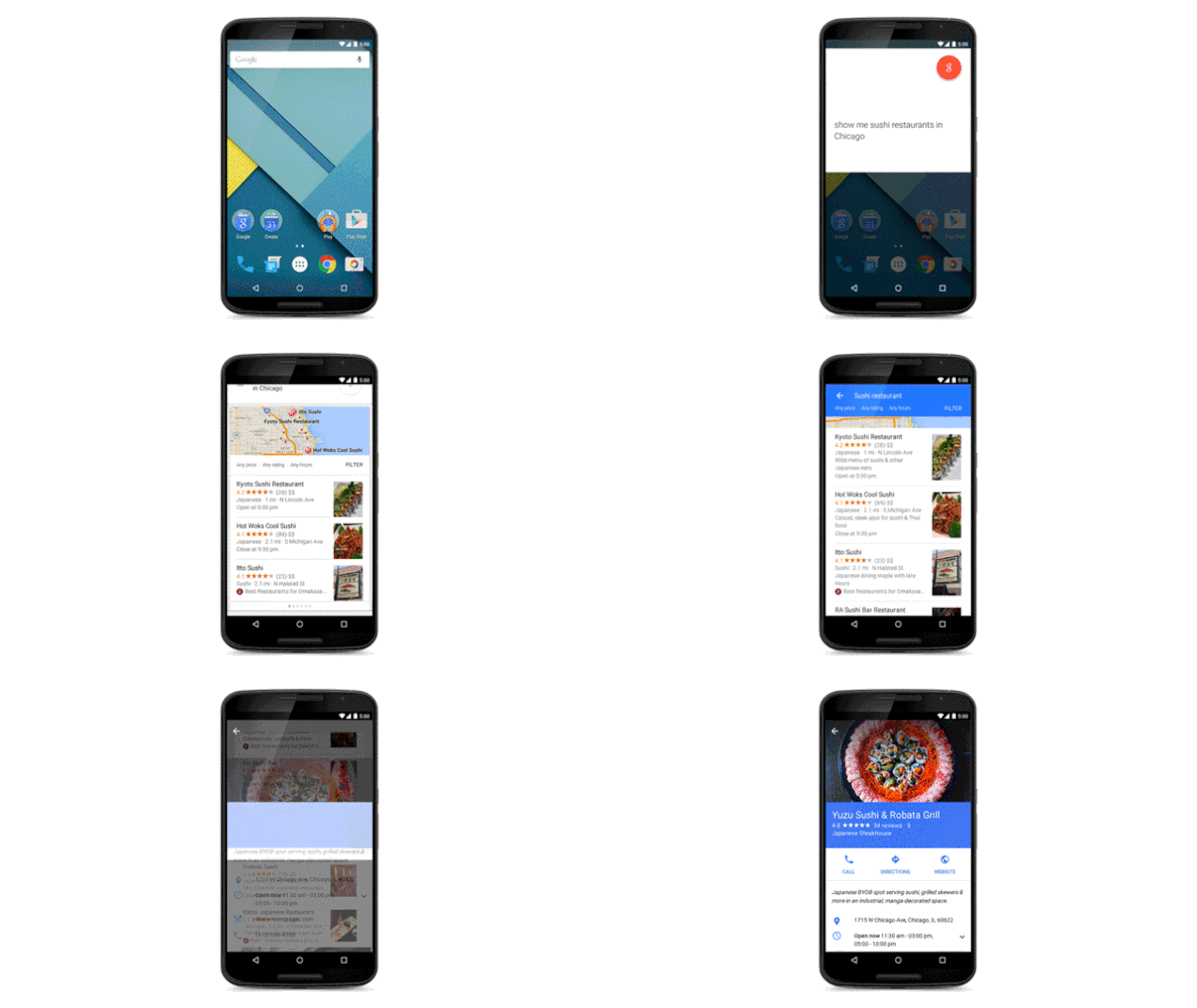
Google’s Material Design is making its way to all the company’s services to make sure its apps look consistent once the new Android Lollipop 5.0 rolls out to the larger public. Well, recently, Google’s search for Android or Google Now has got its makeover, Material Design style.
However, the new update doesn’t only come with a new design, but also with the ability to search within apps installed on your phone. That means if you want to play a track from your Spotify’s playlist, Google Now will do it for you. In case, you need to check the dates of your next flight, you just need to say ‘Ok Google’.
Of course, this won’t be working with all your apps right away, developers need to tweak their apps to enable the functionality first. Apart from this, the new update gives the app better voice search and also, the app will now prompt you regarding the plans you make on your mails and Hangout. This way, it will remind you that you have to meet a friend for a coffee on Sunday morning.
Confirming your choice will at last add the event to your Google Calendar, something we have been expecting. Interestingly,Google has added another option for when you can’t decide to go or not, Google Now will decide it for you too.
With the smartphone market getting concentrated, the companies are now being judged on the speed of update deliveries. Companies have also recognized this, and they are now working proactively to bring the updates to its consumers. With the Android 5.0 Lollipop out in the world, the race is on to be the first company to bring the update as fast as possible. Seems like Motorola, which had previously been the front runner in the KitKat race is taking the lead in the Lollipop side of things too.
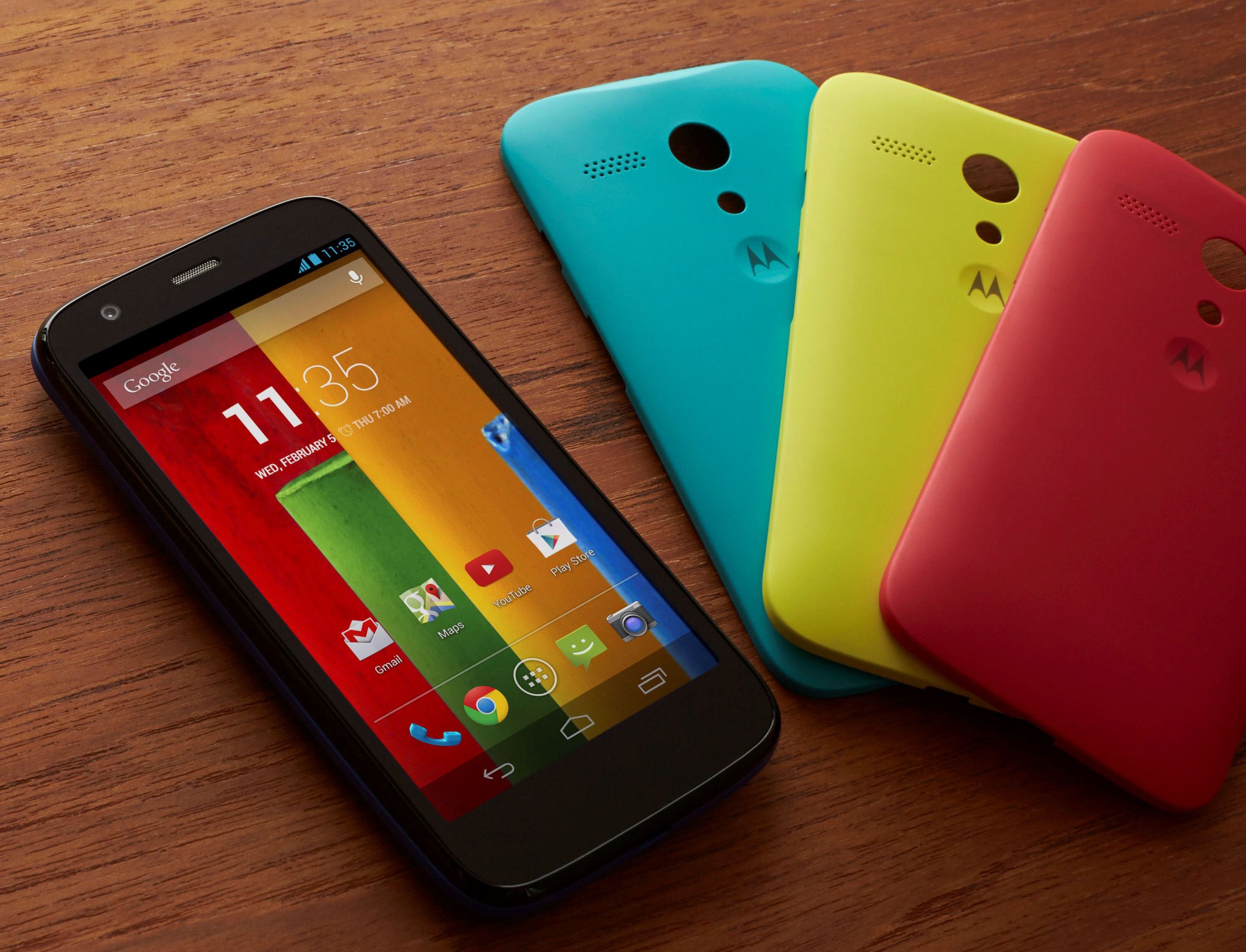
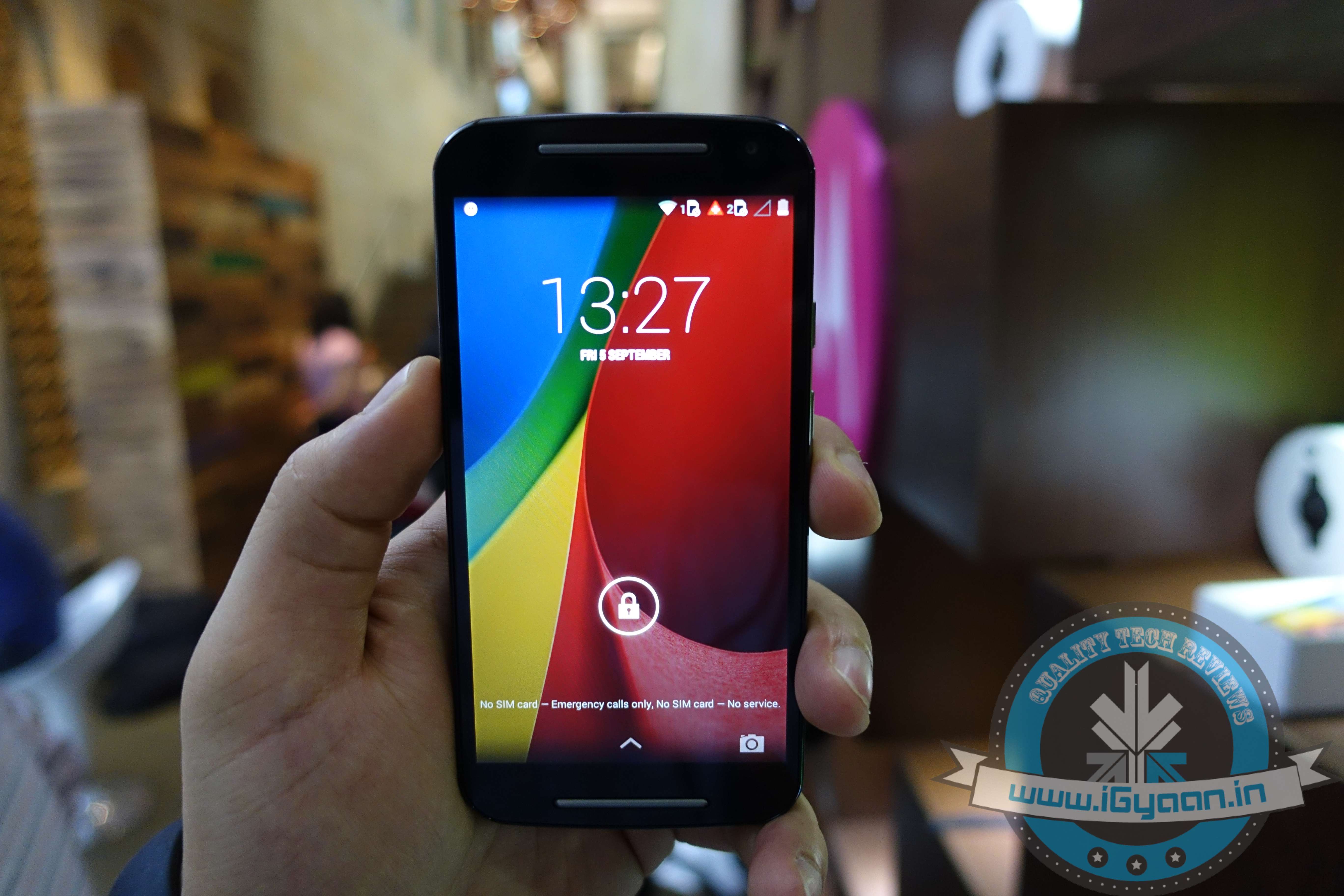
Motorola has begun the process of officially rolling out the new operating system update for Moto X Pure Edition and second generation Moto G. At present the rollout is meant for unlocked GSM phones sold in the US. But soon enough the update will start showing up for users in other markets.
Motorola had previously released an update for testers and clearly the process is all done for the final rollout. This is a commendable feat as even the older Google Nexus devices haven’t received the update yet. LG is also expected to bring out the Android 5.0 update for the G3 by sometime this week.
Android 5.0 Lollipop is the best Android OS, and it’s a really good news that companies are focusing on bringing this update to its users. Lollipop comes with a refreshing new look along with several other features including increased battery life. To know more about what’s in store with the Android 5.0 update, click here.
Xiaomi has announced that it has sold 1.16 million Mi smartphones in just 24 hours in China, generating a revenue of $254 million. This number is 2.8 times over the company’s revenue of 550 million yuan generated as a part of Singles’ Day in 2013. This is quite a phenomenal performance by Xiaomi, which according to IDC has sold over 17.3 million smartphones in the whole of Q3, 2014.
For those who are not familiar with November 11 (11/11), it is known as Singles’ Day (Anti-Valentine’s day or Bachelor’s day) in China and has become one of the largest online shopping days. Heavy discounts are offered by online retailers on a wide array of products as a part of the Singles’ Day sale, which is even bigger than the Cyber Monday and Black Friday sales in the US.
Xiaomi Singles’ Day final record: 1.16 million Mi phones sold, ¥1.56B (US$ 254M) in sales in 24 hours
Xiaomi, which is just 4-year-old, has become the No.1 smartphone brand in China. The company’s VP Hugo Barra confirmed via Twitter that the sales have generated a revenue of $254 million with 1.16 million Mi units sold.
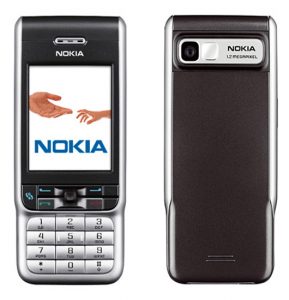
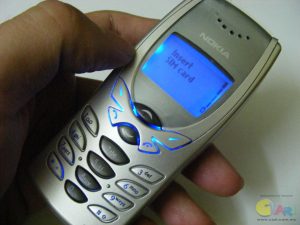
With the release of the new Lumia branded phones by Microsoft, Nokia died as a mobile phone brand. For most, it’s not just a phone brand; it was a revolutionary change maker. It created, nurtured and took the mobile business to its maturity. We have now reached a point of tremendous concentration in the mobile market and the company who started it all has bid farewell. Nokia is like a grandparent; it did its part and then departed, leaving behind a lasting legacy of a communication infrastructure that has brought gigantic leaps in the growth of human civilization.
Journey To The Mobile Business
Nokia’s paper mill on the banks of River Nokianvirta in 1868.
Nokia began as a paper mill back in 1865 with its second mill going up in the town of Nokia in Finland. The name ‘Nokia’ is derived from the river Nokianvirta, on the banks of which the company was established.
The company expanded to working with rubber, electricity, and cables. Nokia rubber boots become a bona fide design classic, still on sale to this day by the name Nokian, albeit under new owners.
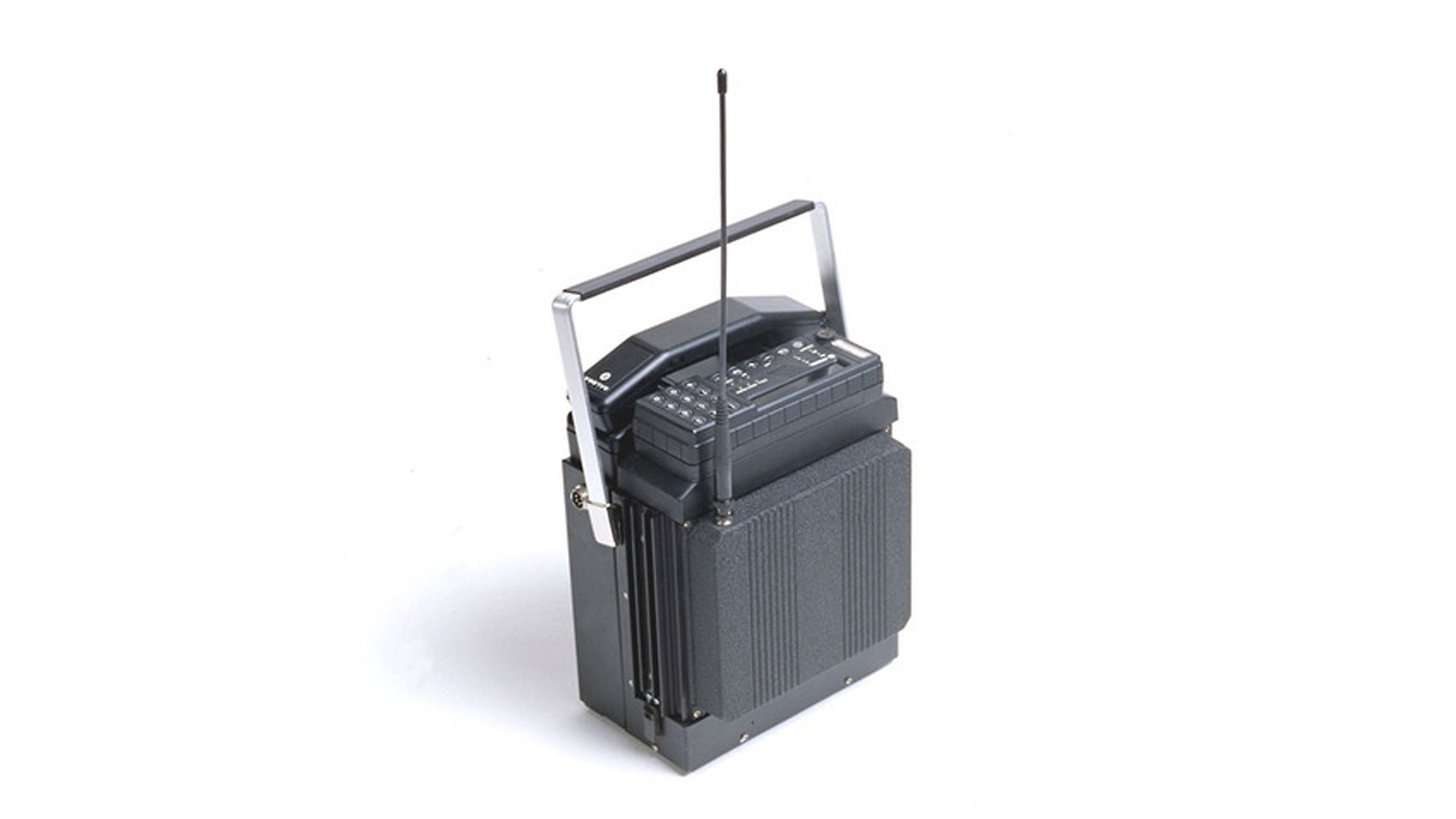
Let’s fast forward to ’60s when the company made its foray into electronics. Nokia developed a host of electronic devices including radio telephones for the army. In 1979 Nokia took its first steps into telephony by creating Mobira Oy in a JV with Finnish TV maker Salora, and they created the Nordic Mobile Telephone (NMT) service. This was the world’s first international cellular network and in the 80s, Nokia launched its first car phone called the Mobira Senator.
The Mobira Senator was the companies first car phone.
In the 1970s and 1980s, Nokia developed the Sanomalaitejärjestelmä (“Message device system”), a digital, portable and encrypted text-based communications device for the Finnish Defence Forces.
In 1987, Nokia launched the Mobira Cityman, the first mobile phone that would run on the company’s NMT network. At 800 grams and priced at $6,308, it may be heavy and pricey by today’s standards, but the device soon hit cult status when Mikhail Gorbachev was photographed using the device.
Nokia also tried its hands at personal computing.
In the 1980s, Nokia’s computer division Nokia Data produced a series of personal computers called MikroMikko, which it later sold to Fujitsu. It briefly tried its luck again in the personal computer market in August 2009 with the introduction of the Nokia Booklet 3G mini laptop. It was not commercially successful but was appreciated for its integrated 3G modem, high-resolution screen, exceptional battery life and its fan-free design.
World’s first commercial GSM call was made in 1991 in Helsinki over a Nokia-supplied network, by Prime Minister of Finland Harri Holkeri. Also, the first device to be used to make a satellite call in 1994 was a Nokia device. Nokia truly started the mobile revolution.
The Devices
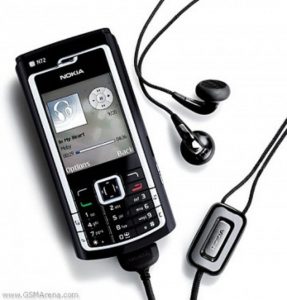
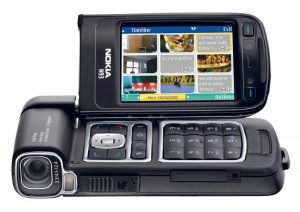
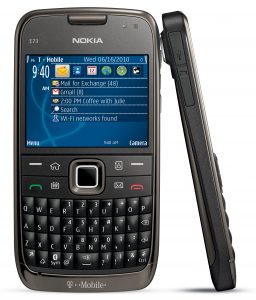
Nokia E Series
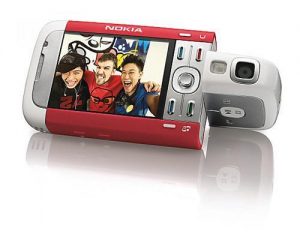
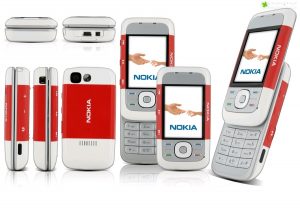
Nokia 5300 Xpressmusic
Communicator
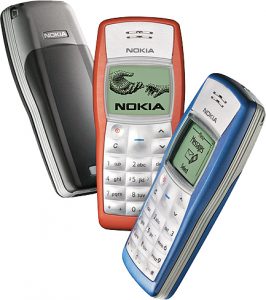
Nokia 1011 was the first mass-produced device from Nokia. The design of the device was quickly copied into making pencil boxes for kids. The memory could hold 99 numbers and had a price tag of $1600.
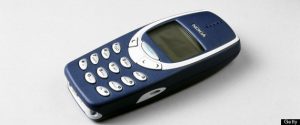
Nokia 3310 announced on 1st September 2000, has now become a cult classic. There are unlimited internet memes based on the “Hulk-ness” of the device. Touted in humor as the only Man-Made thing that can incapacitate the Hulk. Nokia sold over 126 million pieces of the 3310 which had a 96×48 pixel display. You could take off the front and back panel and replace it with the color of your choice. It was the first phone to allow 459 character SMS messaging.
Nokia 2110 was the first phone to come with the Nokia tune. It is estimated that the Nokia Tune is heard worldwide an estimated 1.8 billion times per day, approximately 20,000 times per second. It has been the icon of Finnish corporation Nokia since the 1990s.
Introduced in 2002, the Nokia 3510 was the first color phone from the company. It was also the first mass market GPRS device.
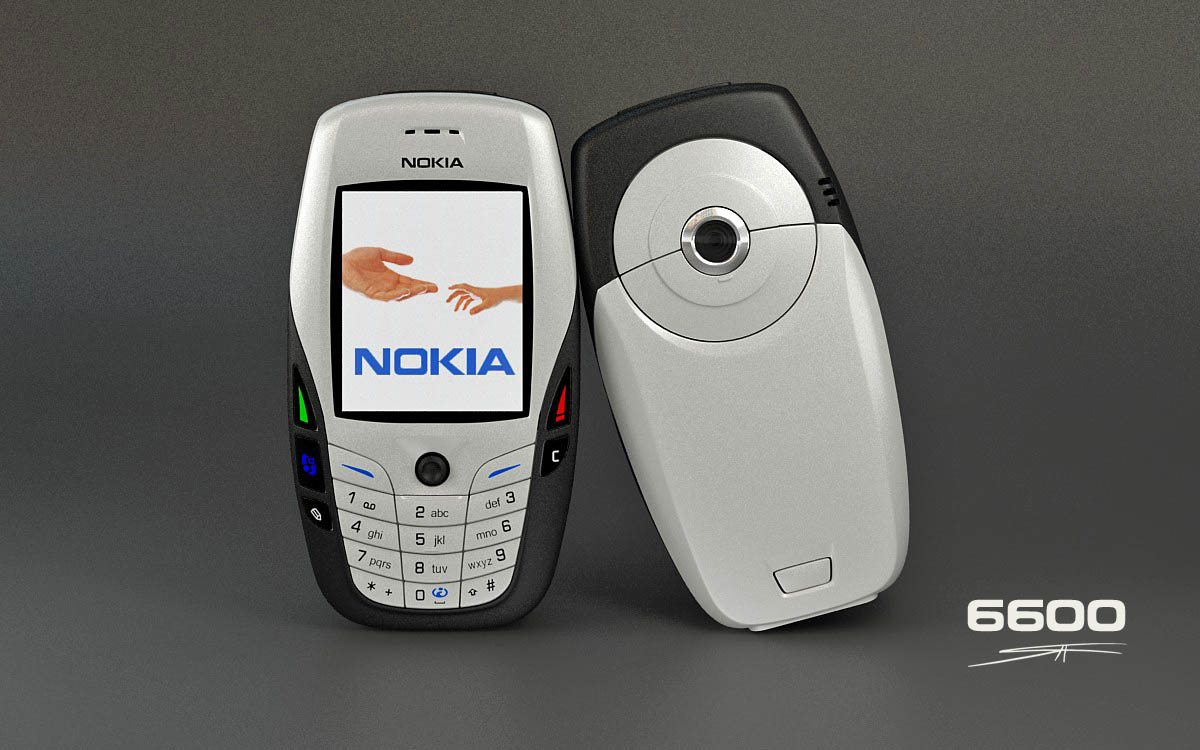
The 6600 was one of the most popular devices and was almost the star of the movie, Cellular.
The Nokia 6600 was a prolific device that was launched in 2003. The owners of the phone flaunted its VGA camera, Bluetooth and expandable memory. It was the first Nokia and Symbian device to sell over a million.
The devices from Nokia were also known for its superior camera performance. Thanks to its popularity amongst the users worldwide, at one point Nokia was the biggest digital camera manufacturer in the world. It surpassed all other conventional camera makers.
The company has set records after records during its stint at the top of the food chain. In fact, the Nokia 1100 is the bestselling phone yet, selling over 250 million devices. At its peak the company sold 475 Million devices back in 2008, a feat that is still unchallenged.
So What Remains of Nokia
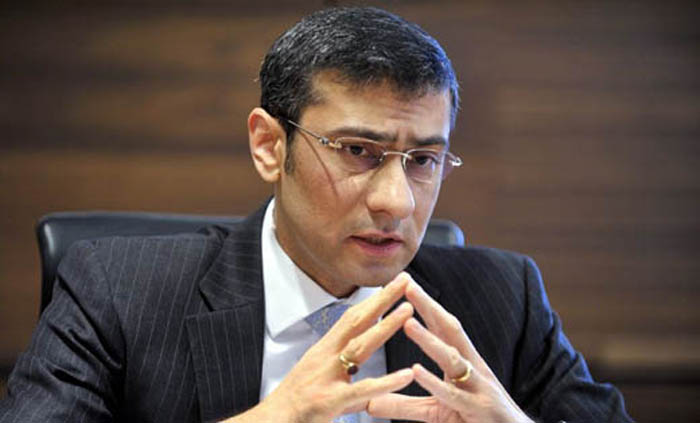
Following the departure of the mobile and services division of the company, the company is now has three business groups: Mobile Solutions, HERE, and Technologies. The company is currently headed by India-born Rajeev Suri.
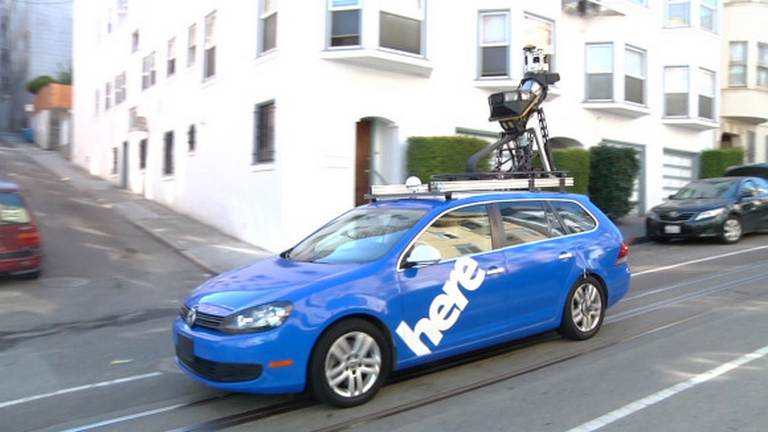
Nokia’s Mapping service Here is one of its remaining businesses.
In 2007 Nokia acquired Chicago-based company NAVTEQ, which was the largest maker of automotive. This set the path to Nokia’s Here Maps. The mapping system is one of the few business retained by Nokia following its acquisition by Microsoft. Nokia will be now selling the mapping data to navigation providers like Garmin, BMW, Oracle and Amazon.com. It will now be available as a service across multiple platforms like Android and iOS.
India born Rajeev Suri will be heading Nokia in its new era.
Nokia Networks, which is a wholly owned subsidiary of Nokia will also stay back with the company. It is a multinational data networking and telecommunications equipment company. They provide business services like Customer care support, fixed-mobile convergence, Hosting, IPTV, Mobile TV, WCDMA frequency reforming. It also provides connectivity solutions to governments, railways and airways.
Nokia had developed a new operating system called MeeGo. When it shifted to Windows phone, the MeeGo team left Nokia to form an independent phone company called Jolla. The phones recently arrived in India.
Another brand that is the offspring of Nokia is the luxury smartphone maker, Vertu. It was established by Nokia as a wholly owned subsidiary in 1998. For long the company used Symbian OS before shifting to Android recently. The phones are known for their stratospheric price and handcrafted luxury devices.
The journey of Nokia was long, arduous and for the most part rewarding. The company deserves credit and respect for spearheading the mobile revolution across the world. For the folks who saw the transition of the mobile world in the past two decades, the name Nokia brings a lot of memories of personal communications through what are now archaic devices. The mobile world has come a long way, but the fingerprints of Nokia will be visible everywhere. We don’t know what the future holds for Nokia, but we sure hope that it pulls a ” Motorola” and has a chance to rise from its ashes. RIP you Tech Giant.
Timeline
1982: Nokia created the world’s first car phone, the Mobira Senator. It was paired with the Nordic Mobile Telephone analog standard and weighed around 22 pounds.
1987: the portable Cityman was Nokia’s first handheld mobile phone. It weighed a little over 1.7 pounds and cost about $5,456.
1994: Nokia launched the 2100 with the now iconic Nokia ringtone.
1997: Launches Snake, one of the most widely recognized mobile games of all time.
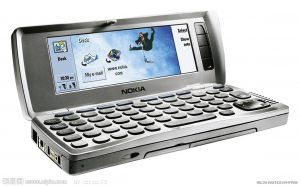
1996: The Communicator 9000 of was the first all-in-one phone of Nokia’s kind. It had email, web browsing, fax, word processing and spreadsheet capabilities came for $800.
2000: Nokia 3310, the hulk of the mobile world is launched, and it sells 126 million units sold worldwide. Later becomes a popular internet meme.
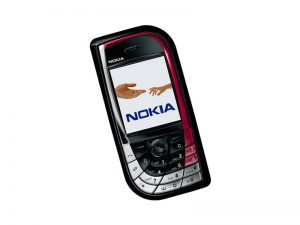
2002: Nokia 7650 for around €600 was Nokia’s first Camera phone.
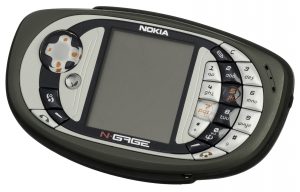
2003: N-Gage, World’s first gaming phone.
2008: 5800 Xpress Music release was Nokia’s first all-touch smartphone, but Apple was out with its iPhone and Android was coming up around this time.
2011, Nokia debuted its first Windows Phone, the Lumia 800.
2014, Microsoft acquires Nokia’s Mobile and Services business and puts an end to Nokia’s existence as a mobile brand.
Despite the reports claiming that the device will not be launched in India, the company seems ready to roll out the Galaxy Note Edge in India, Europe and some other countries, though in limited numbers. Back at the launch, Samsung made it clear that the Galaxy Note Edge would be a ‘limited edition concept device’.
SamMobile has revealed a list of countries where the device would be made available. As it’s a limited edition smartphone, it will be available in limited numbers and will most likely be priced at a premium price segment. Currently, the Note Edge is up for sale in US for $946 off-contract, which translates around Rs. 59,000.
Apart from India, the Galaxy Note Edge will be launched in Australia, Singapore, Nepal with the model number SM-N915G. The Galaxy Note Edge SM-N915FY model will sell in Germany, The Netherlands, United Kingdom, Luxembourg, Spain, Italy, Switzerland, Poland, France, Nordic countries, Austria and Portugal, while the SM-N915F model will sell in Russia and Kazakhstan.
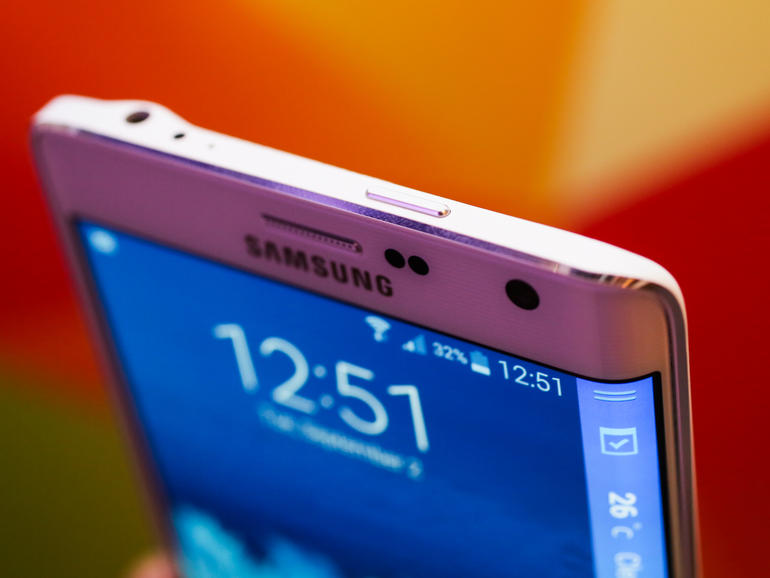
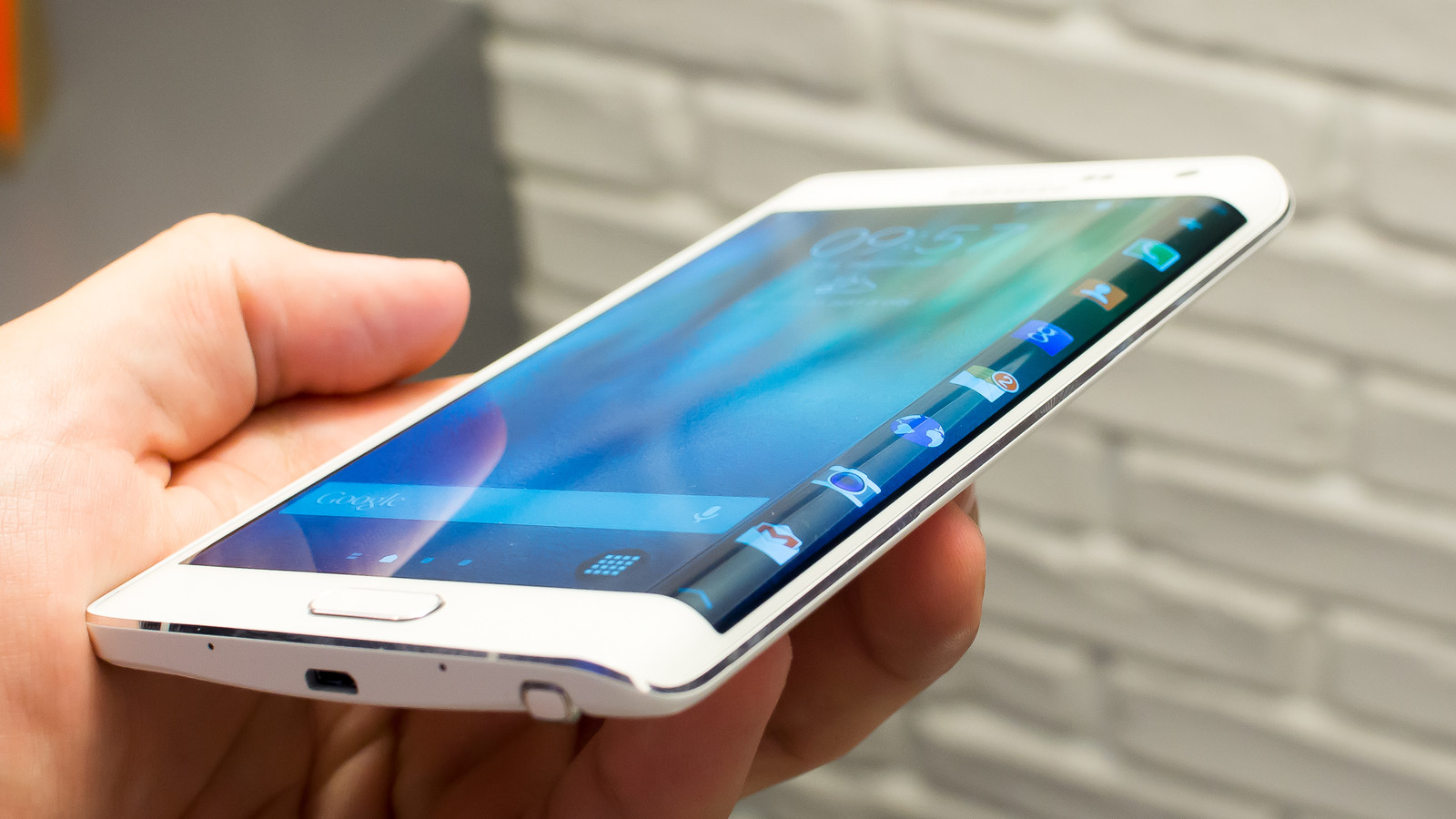
The unique feature of the Galaxy Note Edge is its flexible display panel at the right-hand side, which is a completely separate display panel alongside the primary display panel. Apart from the curved display, the phablet is more or less identical to the Galaxy Note 4 when it comes to features and peripherals.
Specs-wise, the smartphone has a 5.6-inch Quad HD 2560×1440 display and is powered by a 3000 mAh battery. It comes with Snapdragon 805 or Exynos 5433 chipset, Android 4.4 KitKat, 16 MP OIS camera and S Pen stylus. With this launch, Samsung proved that it still has an eye for innovation.
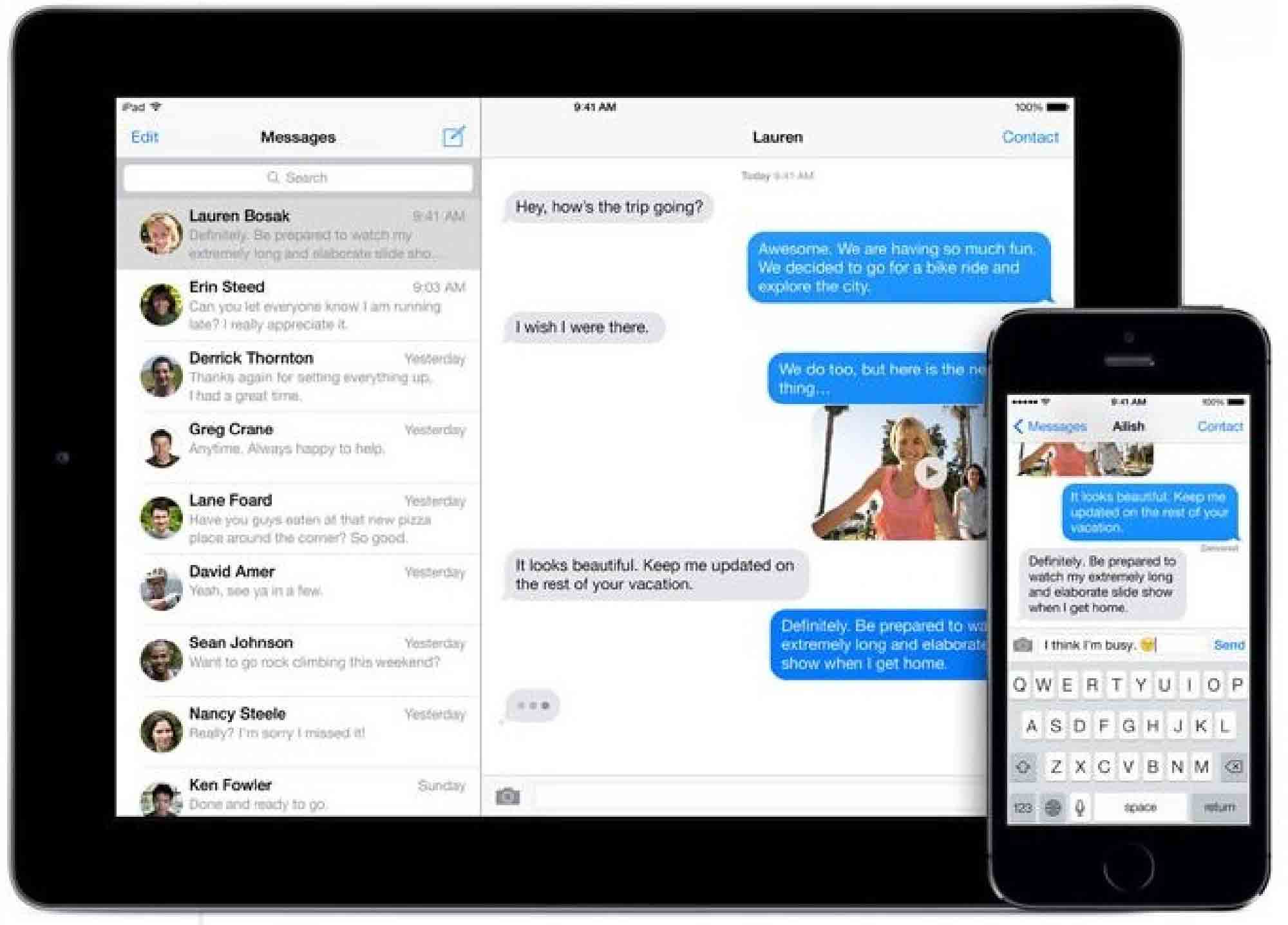
Apple’s iMessage is a free messaging service. This service was announced in 2011, and it along with other free messaging apps have been blamed for the steady decline in the usage of SMS service. There was though a major flaw in iMessage that has got Apple another visit to the courthouse.
Apparently, Apple’s messaging followed the users even after they bid their iPhones goodbye. When an iMessage user used a different device with the same number, Apple’s system was still automatically converting messages from iPhone users. This led to non-delivery of messages. This is an important issue as essential or emergency messages could have been disrupted because of this bug.
Apple has fixed the issue now, but not before getting an invite to court. The company is now facing a class-action lawsuit alleging that the company failed to disclose the bug to the users. The court specifically alleged that Apple’s intentional acts have caused an ‘actual breach or disruption of the contractual relationship.
In response to the allegation, Apple has stated that they have not intentionally kept the bug a secret. They added that there is no incentive in curbing the SMS feature considering that it needs the carriers to sell its devices.
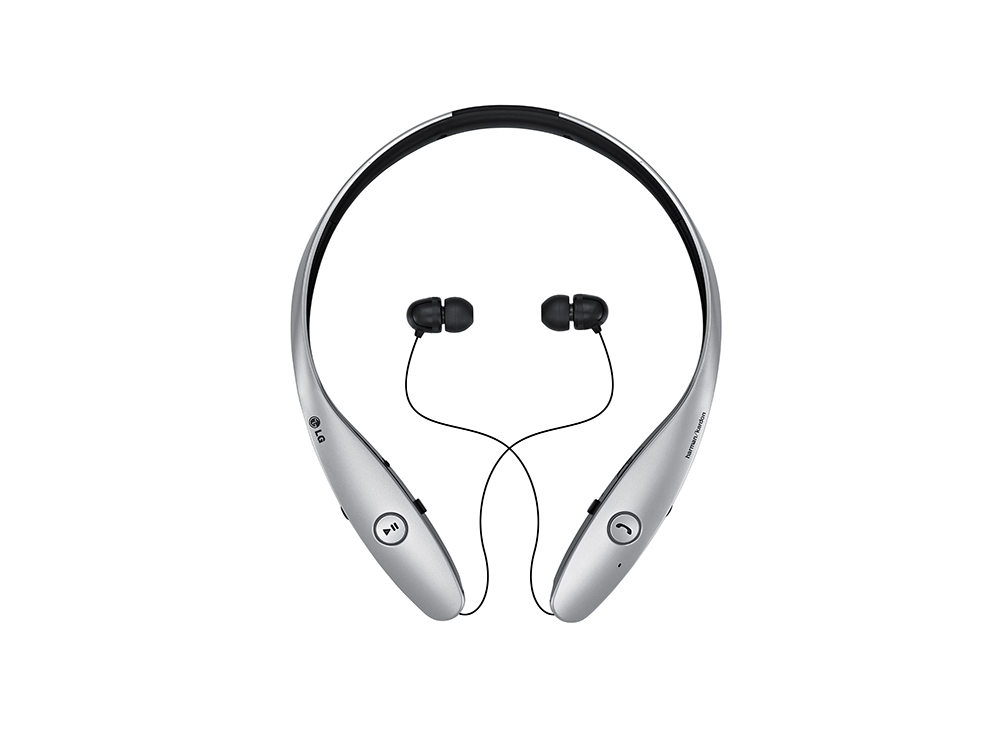
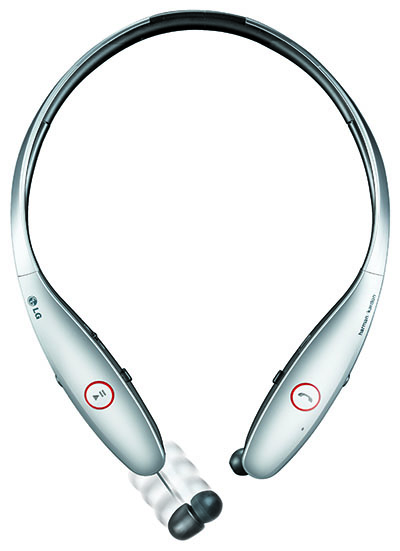
LG, the South Korean electronic giant, has launched new wireless neckband ‘LG TONE INFINIM’ based on ergonomic design for better comfort and sound. The new wireless headset is engineered by Harman Kardon and can be paired with smartphones via Bluetooth. The TONE INFINIM is available in India at Rs. 10,990.
INFINIM has essentially a crisp audio rather than a bass-heavy sound. The gadget includes the company’s retractable wire management technology, a metallic finish and an ergonomic curved design. Its ‘Easy Control’ feature includes control with Jog switch to control music with one fluid motion.
It comes with a handful of features such as Current Time Alert, SMS/SNS Replay, Speed Dial, Direct Dial, Favourite Call and Advanced Vibration Alert. During incoming calls, the device alerts the user with its caller ID. The battery status of the headset can be checked on the smartphone at a glance.
The LG Bluetooth Stereo Headset reads out the most recently received SNS or text messages. Users can directly call the previously saved contacts via the headset without taking out their smartphones. Users can designate up to five contacts on their headsets using this USP. This USP can only be used after saving contacts on the application, Tone&Talk. Users can set different vibration patterns for SMS and SNS so that they always know the type of message received in advance. It also informs about the current time on the smartphone with a simple button press.
LG has given these sleek new headsets a classy look which are available in metallic silver and gold colour variants.
After being accused by NVIDIA of patent infringement, it’s Samsung now who has accused NVIDIA of infringing several of its semiconductor-related patents, counter-suing after the later one filed a lawsuit against the Korean manufacturer in September.
Samsung filed the lawsuit on Monday and is now seeking penalty for the infringement of his several technical patents. The Korean giant has also accused NVIDIA of misleading advertising when it says ‘Shield’ tablet sports the world’s fastest mobile processor, the Tegra. This was in response to NVIDIA’s accusation against Samsung and rival Qualcomm for infringing patents on its graphics-processing unit (GPU).
“We’ll review and respond to these new claims against us, and look forward to presenting our case on how NVIDIA GPU patents are being used without a license,” said NVIDIA in a statement. The company also cited a benchmarking study that supports its claim of Tegra being the fastest mobile processor in the market.
Earlier last year, Samsung was accused by Apple over infringement of several patented technologies, and now the Korean manufacturer is in a tiff with NVIDIA. This makes one wonder – ‘Why always Samsung’.
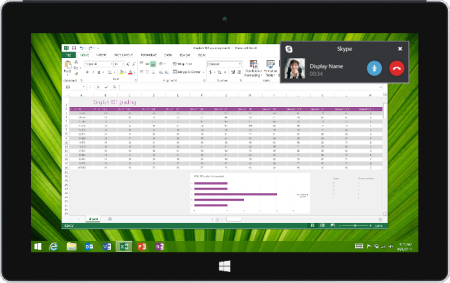
Microsoft recently announced that the company is converging Lync, professional video conferencing service with Skype which will be called Skype for Business. The company lately announced the name change as well as some target dates for the next versions of the offering.
The move comes as a part of Microsoft’s strategy to ‘re-invent productivity’ for all, not just business. Hence, offering a unified experience across services so consumers and businesses have similar experiences.
“Large enterprises know Lync, and consumers all know Skype,” said Gurdeep Pall, Corporate Vice President, Lync and Skype, Microsoft. “If you’re a small or medium business, you’re kind of lost. You feel, ‘Is Lync for me? Is it too heavy duty? But Skype definitely feels too light for me.’ We think that by having this one consistent brand, we are able to reach all the constituents in that spectrum.”
The company promised that Skype for Business will remain an Office 365 exclusive service when it replaces Lync sometime in the first half of 2015. Microsoft Lync, earlier known as Microsoft Office Communicator, uses Microsoft Lync Server, the software infrastructure for enterprise instant messaging, Presence, VoIP, Video Conferencing, and so on. Microsoft said Skype for Business will offer a new client experience as well as a new server release.
“We thought the most important convergence path was to feel familiar,” said Pall. “We have not yet landed on the right model for when you have two identities, and you’re trying to juggle them on the same experience. We are finding our path.”
Skype for Business essentially uses all of the capabilities of Lync, including content sharing and telephony. Microsoft said that transferring a call now takes only one touch or click instead of three. In other words, Skype for Business will essentially be Skype with Lync’s enterprise security, compliance, and control feature.
Back in 2011, when Microsoft bought Skype, the long-term goals of the company were unclear behind having two separate services that could do video chat. Now that the company is converging both of them, it makes a lot more sense as Skype has already become a household name in the field of video conferencing.
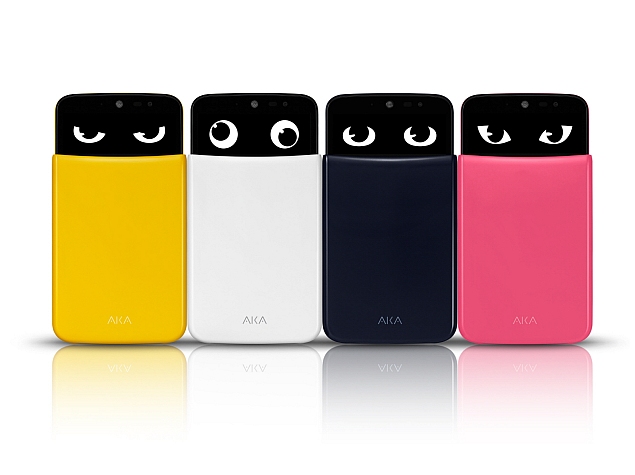
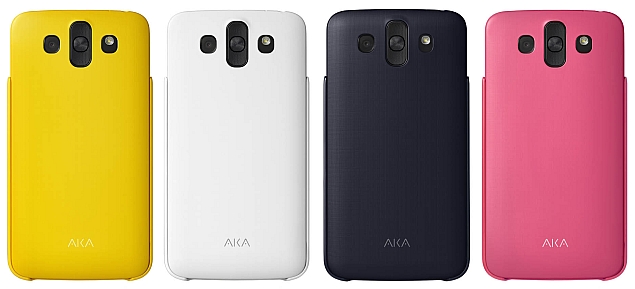
LG has announced a brand new Android smartphone called AKA. Launched in the company’s home market South Korea, the AKA is targeted at young customers, and comes with four unique cases that transform it into different characters: Eggy (yellow case), Wookie (white case), Soul (blue case) and YoYo (pink case).
The front of the phone, when covered with theses interesting cases, shows animated eyes of the four characters. The eyes are more than simple animations as they can provide info including notifications and battery status.
On the hardware front, the LG AKA offers a 5-inch IPS display with 720×1280 pixel resolution, LTE, 8 MP rear camera with laser auto focus, 2 MP front-facing camera, quad-core 1.2 GHz processor (unknown maker), 1.5 GB of RAM, and 16 GB of expandable memory. The handset comes with a 2610 mAh battery and weighs 135.5 grams without the front cover.
LG AKA’s connectivity options include 4G LTE, Bluetooth 4.0, Wi-Fi 802.11 a/b/g/n/ac, NFC, GPS, AGPS, and USB 2.0. and measures 138.7×71.9×9.9 mm. According to the official blog post, LG AKA is available starting today in South Korea via all three carriers running Android 4.4 KitKat out of the box. However, there’s no word on how much the smartphone costs. It seems unlikely that the new AKA will be launched in any other market apart from South Korea.
The South Korean electronic giant on Monday started rolling out its KizON wristband in Europe, which was launched in July. LG KizON is a wearable device exclusively designed to help parents track their pre-school and primary school children.
Surprisingly, according to the recent reports, some 2014 Moto X users have already received the Android 5.0 Lollipop update notification. It is said that the company posted and then pulled out documents for the Moto X and Moto G Lollipop update on its website.
“The very first Moto X variant getting the update is the ‘Pure Edition’ — an unlocked version of the phone, and for right now it’s going out to people who signed up for the ‘soak test’ — a limited rollout in preparation of a wider release,” Ars Technica reports. “Next up for Moto will be making sure none of the soak testers report major problems over the next day or two and getting carriers on board to approve the update.”
Earlier, Motorola announced that they will be rolling out Android 5.0 update for Moto X and Moto G devices soon, and the company may roll out the official update for these handsets soon after upgrades for Google’s own Nexus devices.
Meanwhile, Ar Technica pointed out that there hasn’t been any Lollipop update for Google’s Nexus devices, presumably because Google didn’t want to steal the Nexus 6’s thunder, which will be released on November 12.
Since the announcement of the Gen 2 Moto X and Moto G, we have been expecting that the Lenovo subsidiary, Motorola Mobility, might launch an updated Moto G with 4G support. Well, the news might come true as a handset codenamed ‘Motorola TBD’ has made an appearance at Geekbench Browser revealing similar specifications.
According to the Geekbench 3 listing, the unnamed phone packs a quad-core Qualcomm Snapdragon (MSM8916) 410 chipset clocked at 1.19 GHz. Notably, the Snapdragon 410 is both 32-bit and 64-bit capable. It comes with 1 GB of RAM. The device has scored a 434 and 1148 points under single and multi-core benchmarks.
It is a pretty decent score for a budget smartphone, but there are some confusions about what device it refers to. Many tech blogs say it might be the second generation Moto E (aka Moto E2), while others suggest that this may be the advanced version of the recently released Moto G (Gen 2.). The former one is highly unlikely to receive the update, considering the price bracket Moto E belongs to.
Moreover, if past Motorola device launch history is any indication, we strongly believe the mystery device is the 4G-LTE variant of the second generation Moto G, unless the company is working on whole new other budget handsets. Also, the use of Snapdragon 410 series chipset makes sense over 400 series 3G based Moto G (Gen 2), if Motorola wants to get hold of the developed markets like USA and Europe.
Motorola earlier launched the Moto G (Gen 1) 4G-LTE in European and American markets, almost three months after the 3G model made its debut. As for now, there is no official word on any such device, hence, the report should be treated as pure speculation.
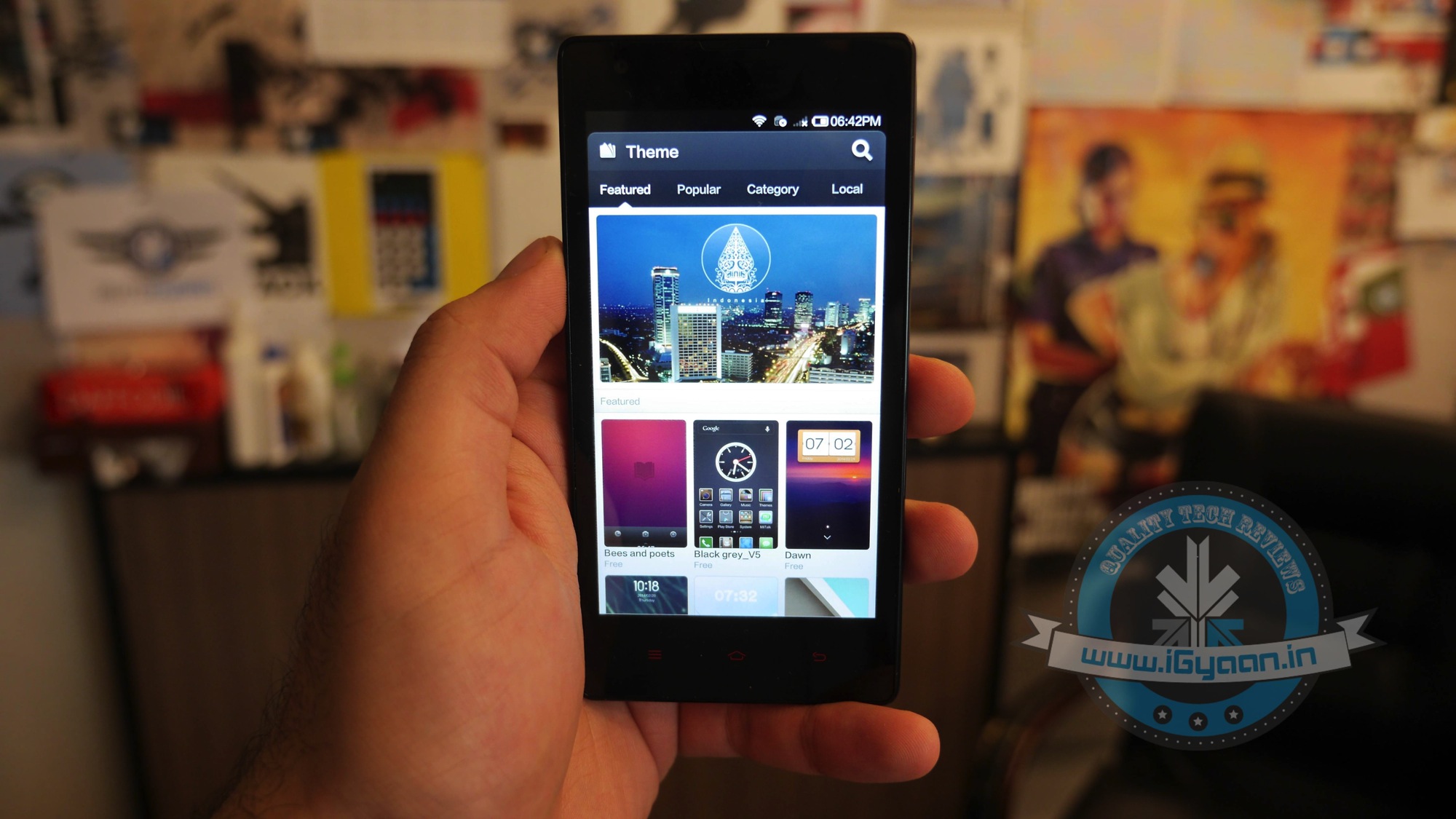
The Chinese smartphone manufacturer Xiaomi is holding its tenth flash sale for Redmi 1S in India. The sale will kick off today at 2pm for registered users on Flipkart.
According to a tweet from the official account of the company, 65,000 Redmi 1S handsets will be up for sale. However, the company will not provide complimentary screen guards and micro-SIM card adapter with the handset in this sale, unlike previous sales.
The Flipkart registration page notes that only one smartphone will be available for sale for single email ID and as usual, advises users to log in at least 2 hours before the flash sale begins. It’s worth noticing that Flipkart’s procedure requires people to just add the handset to their cart for it to be classified as ‘sold out’, and people are given additional time to complete their purchase.
The last flash sale saw 1,00,000 Redmi 1S units going on sale, which was an increase of 40,000 units compared to the last flash sale that saw 60,000 units being made available.
Despite being in controversies regarding privacy concerns, Xiaomi has become the world’s third-biggest smartphone maker replacing Huawei. According to International Data Corporation (IDC), the smartphone maker has tripled the shipment since last year.
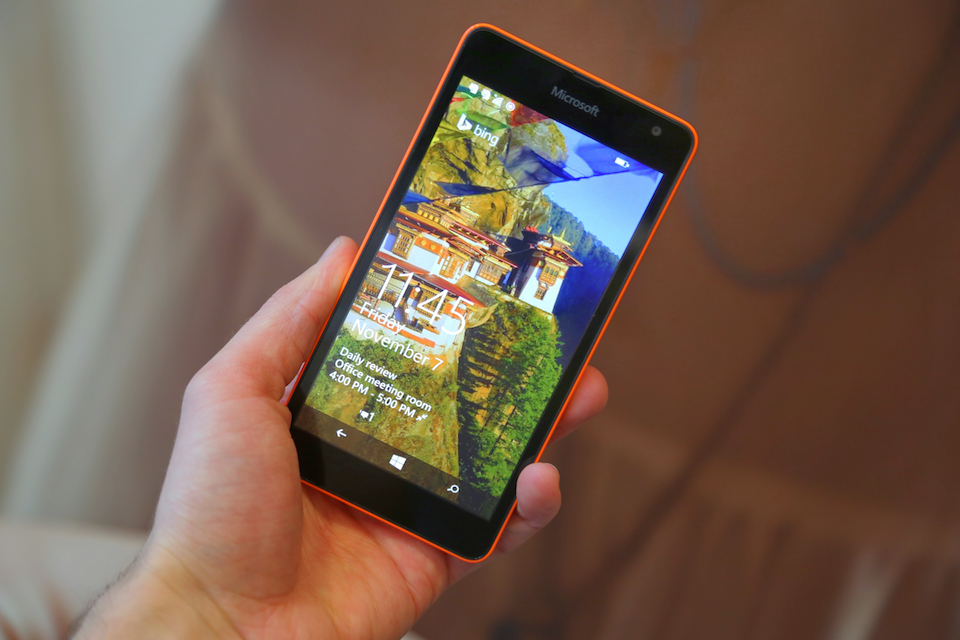
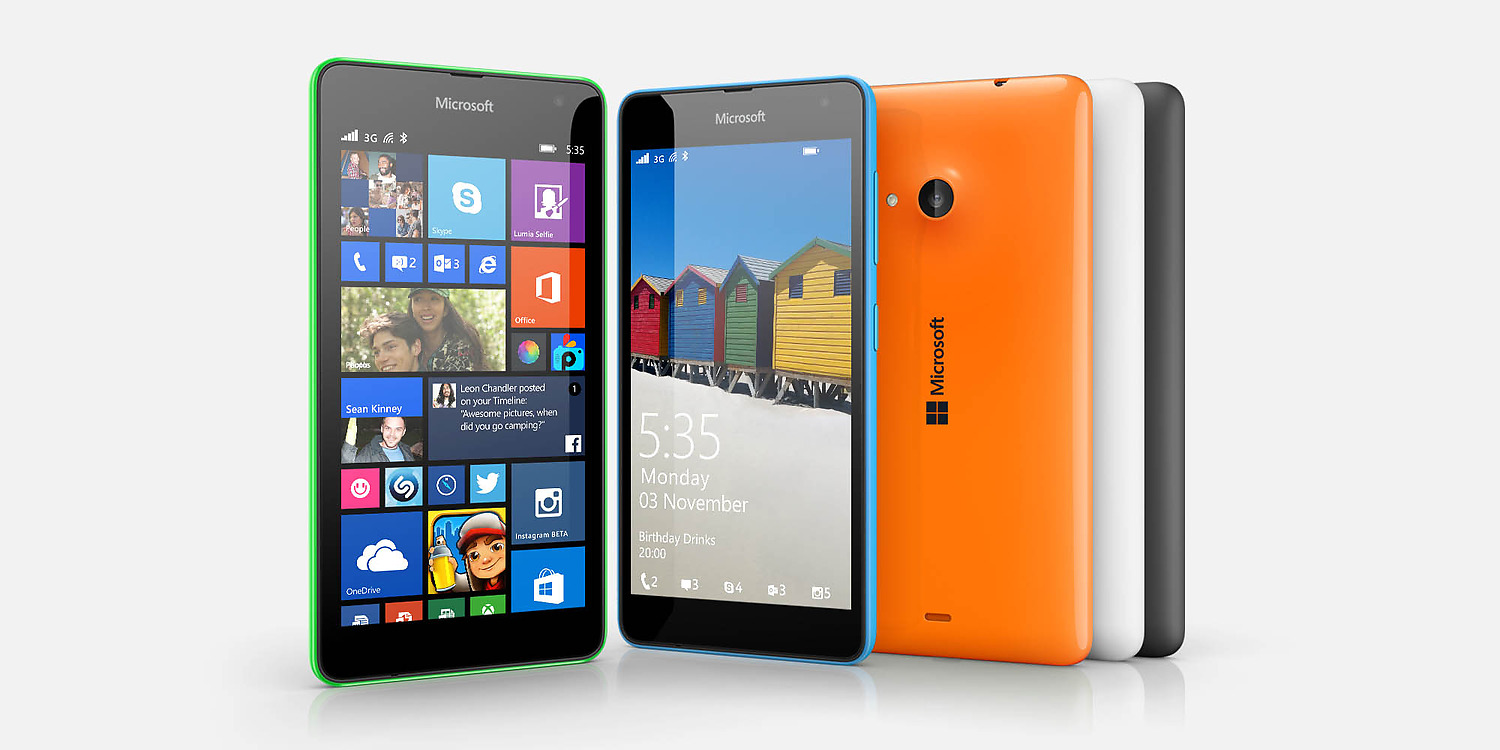
We all knew it was coming. But today finally, Microsoft has officially unveiled the first Lumia device without the Nokia branding. The new Microsoft Lumia 535 is essentially an entry-level device and is somewhat similar to the Nokia devices that have come before it.
One of the most evident differences is that the handset has dropped the Nokia branding in favour of Microsoft at the rear and front, and a company logo has been incorporated on the colourful removable shell. All future Lumia devices will be launched with Microsoft branding, and the existing Lumia phones with Nokia moniker will continue to be known as Nokia handsets.
Microsoft Lumia 535 has been designed as an alternative of Nokia Lumia 530 and will be targeting users from Russia, India, China and other parts of Asia. It is clear that the company wants to push Lumia sales and Windows Phone market share by betting on this low-end device.
Even though, Lumia 535 comes with a low-end specification, Microsoft has tweaked the handset with some considerable changes which, according to the company, will not compromise their experience as much as some other budget Lumia devices. The Lumia 535 comes with 5-inch qHD display with the insufficient resolution of 960×540 pixels. The company claims that it has tweaked the display for outdoor readability. Even if it is true, the miserly pixel count is pretty hard to ignore.
Microsoft has added 1 GB RAM in the Lumia 535 instead of the usual 512 MB, which is an appreciable move as many users, especially Windows Phone gamers, have been complaining about low RAM in their devices. Microsoft has also included auto-brightness, and a 5-megapixel forward-facing camera. The front-facing camera includes a wide-angle lens with a 24 mm focal length, just like the Lumia 730/735.
The Lumia 535 runs on a 1.2GHz quad-core Qualcomm Snapdragon 200 processor and a 1,905mAh battery. There’s 8 GB of onboard storage, coupled with a microSD card slot for up to 128 GB of extra capacity. Like all other Lumia devices, Lumia 535 is available in many colour options – green, cyan, orange, black and white. The backplates of this handset are interchangeable and Microsoft will be offering flip covers in matching shades for those who like to give their handsets a little extra protection.
Microsoft said that the Lumia 535 will launch later this month in Asia-Pacific territories, with Russia, India and China at top of the list, ahead of Africa and Europe. The handset will sell for roughly around Rs. 8,000 (the price will vary between countries).
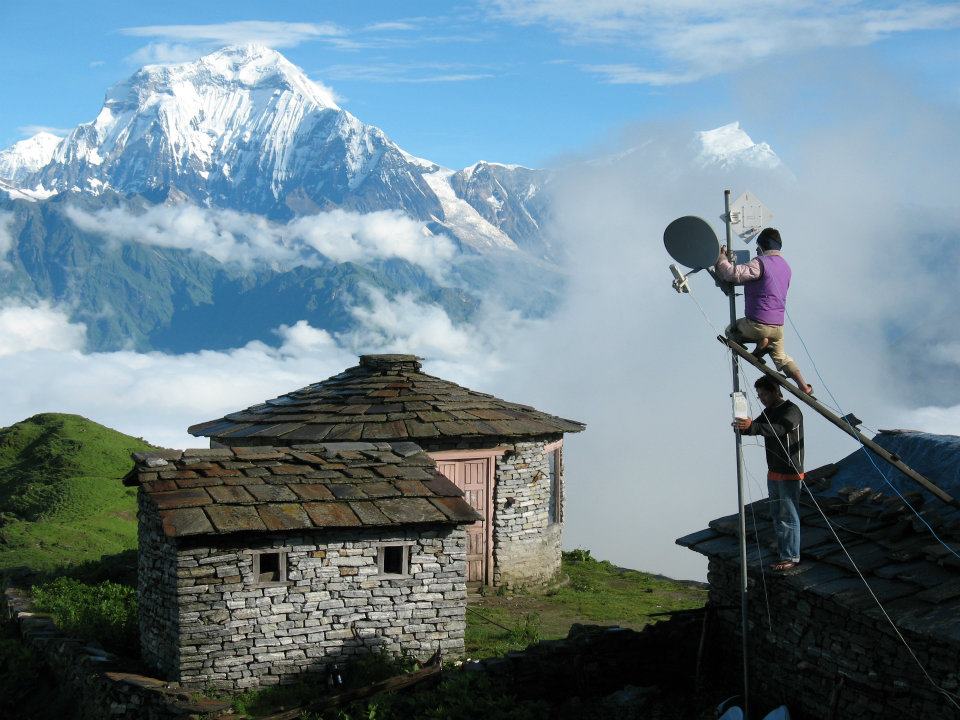
Microsoft India is all set to provide free last-mile internet connectivity across the country. According to a report by Hindustan Times, Microsoft India is seeking approvals to deploy a project that will enable Internet connectivity using ‘White Space’ spectrum that is currently used for television transmission by Doordarshan.
The company has asked permission to initiate a pilot project in two districts, after which it will be rolled out all across the country. The chairman of Microsoft India, Bhaskar Pramanik, said that Microsoft has sought clearance for a pilot program in two districts for its white space initiative. White space technology has previously been deployed in South Africa, Ghana, and the UK, although to this point, white space broadband hasn’t been deployed at a commercially meaningful scale.
“Wi-Fi has a range of only about 100 metres, whereas the 200-300 MHz spectrum band available in the white space can reach up to 10 km,” said Bhaskar Pramanik. “This spectrum belongs mainly to Doordarshan and the government and is not used at all. We have sought clearance for a pilot project in two districts.”
The company said if the pilots are successful, the project will be turned nationwide and could give a huge boost to Prime Minister Narendra Modi’s Digital India initiative, which proposes to use technology to deliver authority to every citizen of India, even in remote areas.
“The challenge is the lack of digital infrastructure across India. This initiative addresses this challenge in a cost-effective manner and creates an eco-system that will benefit everyone, including manufacturers of routers and other technology devices, other technology companies, besides Microsoft,” Pramanik further elaborated.
However, the technology hasn’t been widely adopted anywhere in the world, but experts believe it can lead to a spurt in broadband connectivity in countries such as India. Engineers at Microsoft Development Centres in India have adapted this unlicensed technology for this country.