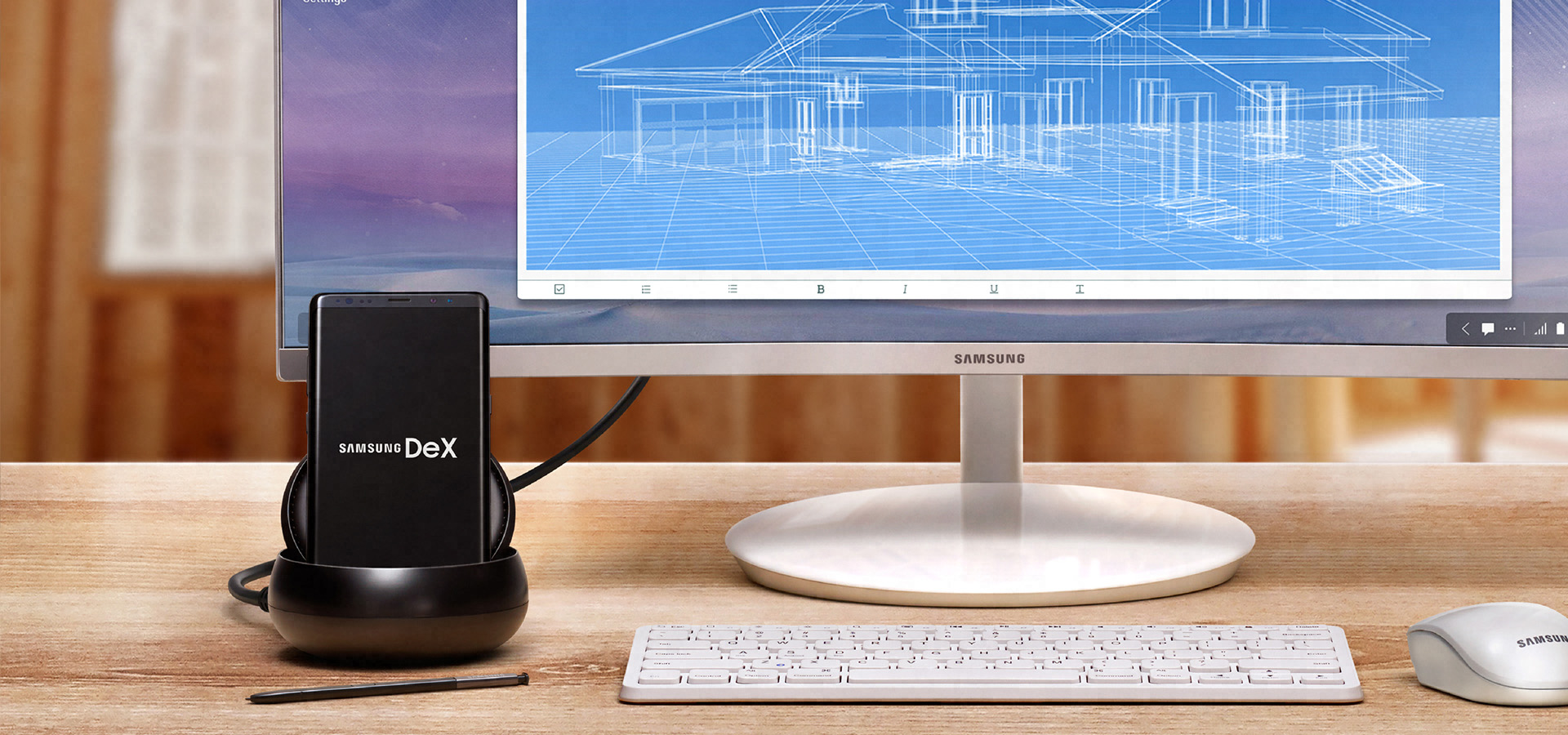
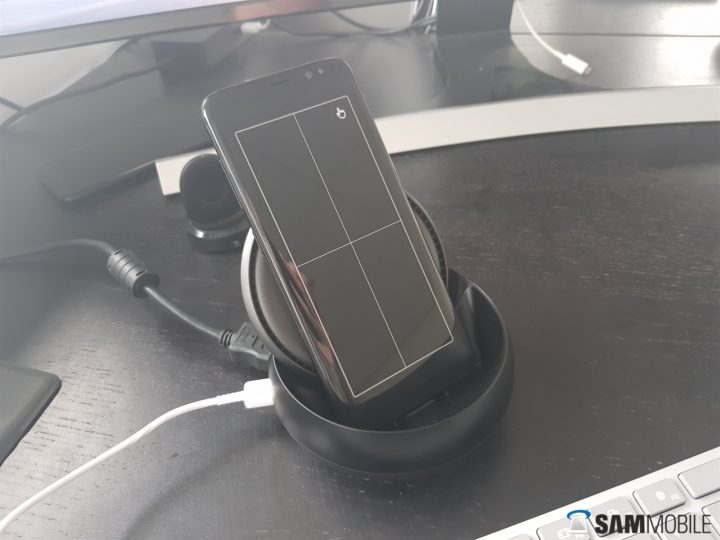
It appears that along with the Galaxy S9 and S9+, Samsung is also working on a new version of its DeX dock. According to a recent report, it won’t be a dock this time around, and just like the Samsung wireless charger, it will be a pad. Also, it will retail along with the Samsung Galaxy S9 and Galaxy S9+ which might make it a great deal.
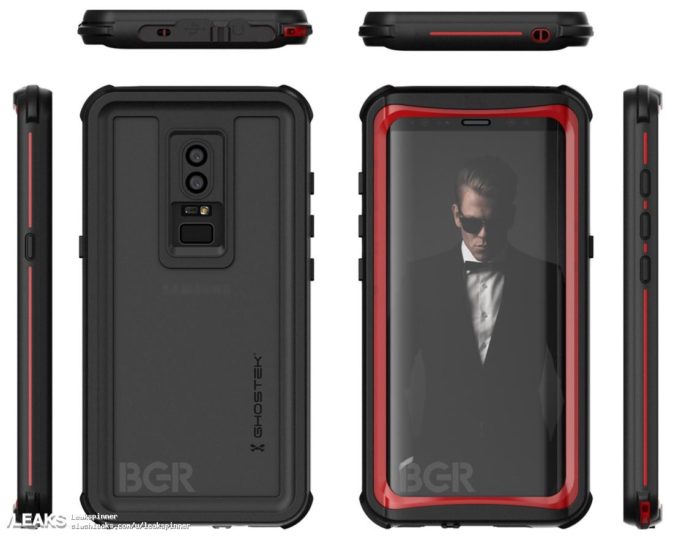
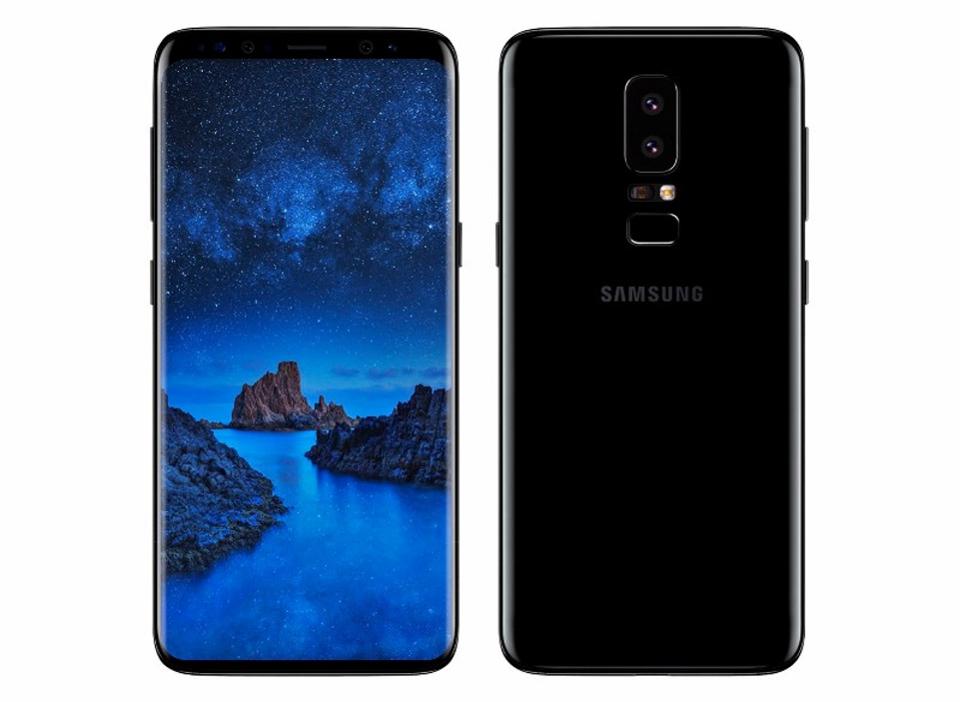
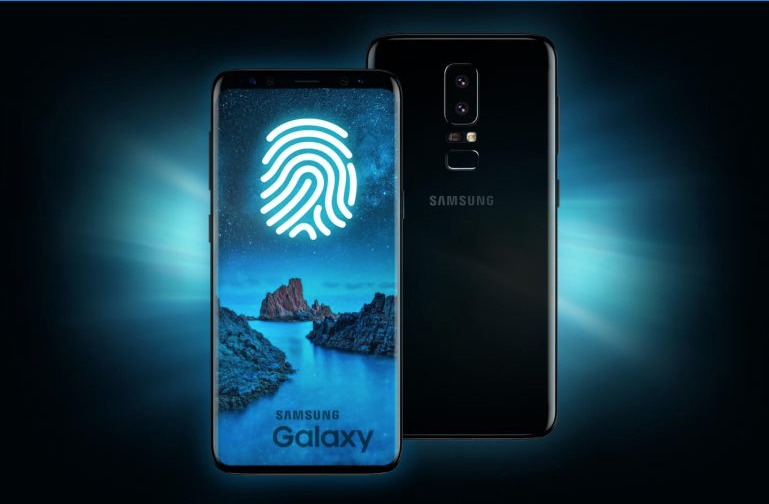
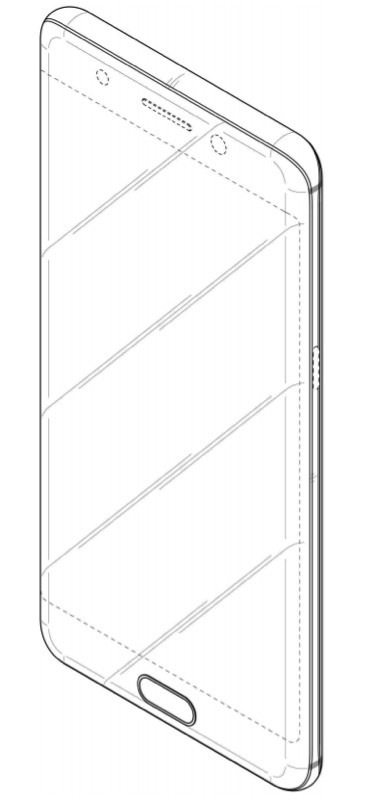
Samsung Galaxy S9 renders
The report claims that with Android 8.0 Oreo, the display of the connected phone can be used as a mouse, and that it will also get the option of being used as a keyboard. This feature will negate the need of carrying a mouse and keyboard to use the DeX pad, which is currently the case with the DeX dock.
Image courtesy – Sammobile
As much as the DeX pad or dock is an interesting accessory, it is, at the end of the day an accessory. Much like the Bixby button, the Dex is something which will never replace a real PC users machine.
It will also be interesting to see if this deal will be a factor in the price of the Galaxy S9 and S9+. The way smartphones are priced these days and the increasing price of every new generation of smartphones, the Galaxy S9 and S9+ may reach the thousand dollar barrier just like the iPhone X.
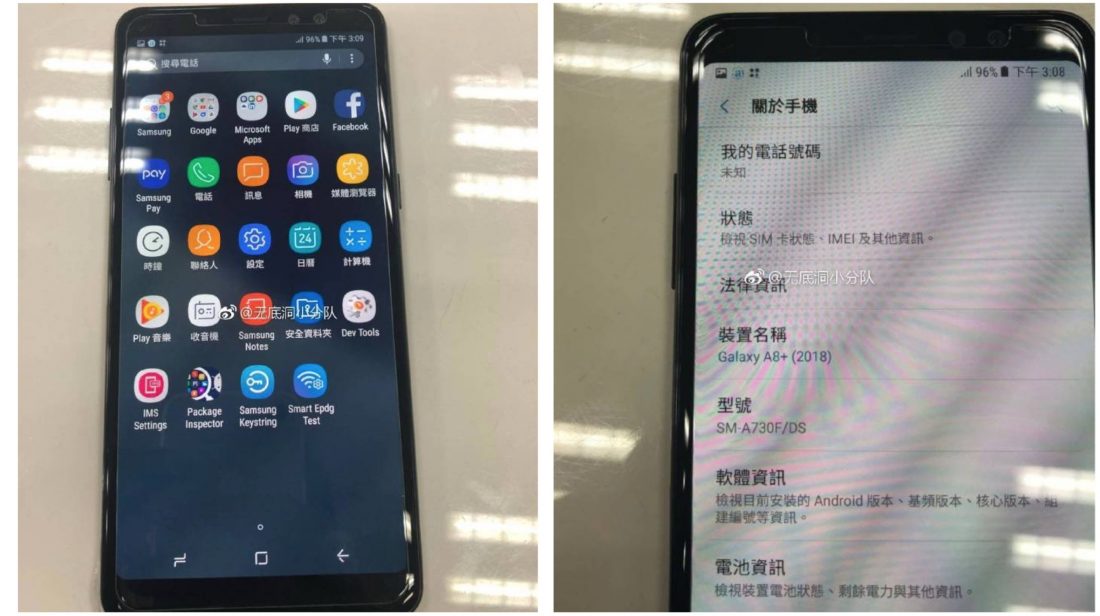
The Samsung Galaxy S9 will not be the only Samsung phone with an infinity display to be launched in early-2018. Numerous reports have claimed that Samsung’s Galaxy A series will also get the infinity display in 2018 and a new leaked image appears to reiterate that.
The images show that the upcoming Galaxy A8+ will indeed have an infinity display although, the top and bottom bezels are prominent and is by no means even close to what the Galaxy S8 and the Galaxy Note8 looked like. The details given on the website reveal that the smartphone has the model number SM-730.
Earlier reports have suggested that Galaxy A7 (2018) or the Galaxy A8+ will have a 5.7-inch 2160 x 1080 px AMOLED display.
Under the hood, depending on the market, the device will either have the Exynos 7885 or Snapdragon 630. The device is also expected to have two variants, one with 4GB RAM and 32GB onboard storage and the other 6GB RAM and 64GB onboard storage.
Galaxy A8+ is expected to have a 16MP main rear camera and a 16MP front-facing camera.
It is also expected to run Android 7.1.1 Nougat out of the box with an update to Android 8.0 Oreo scheduled for some time later in 2018.
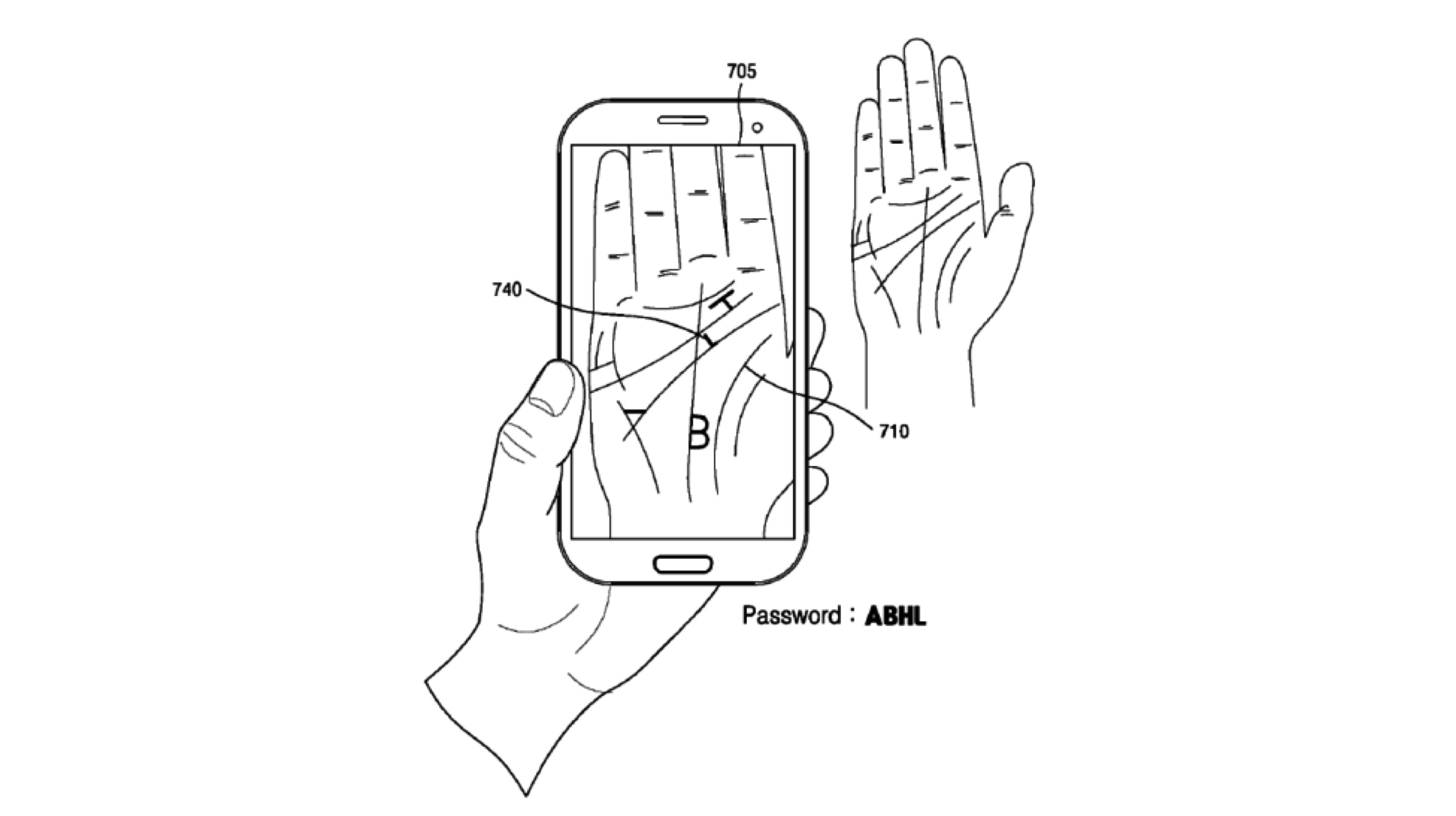
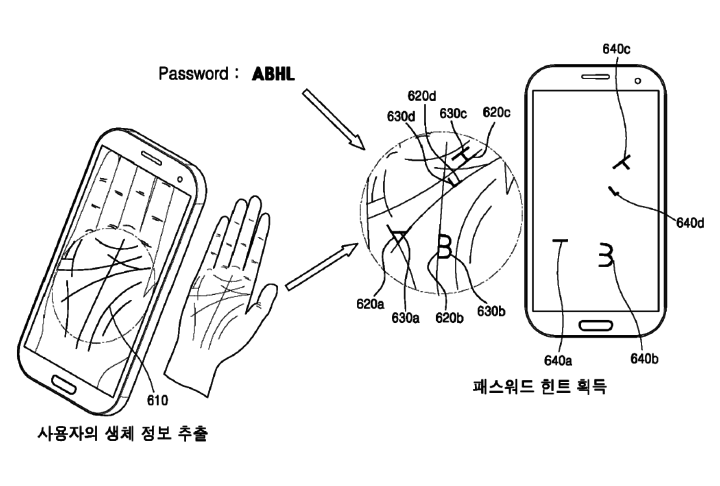
A new patent has revealed that Samsung wants to scan a user’s palm to give them password hints in case they forget the password.
Smartphones nowadays have a lot of different layers of security. Samsung phones have a lot of different ways of unlocking them like pin, password, fingerprint sensor, iris scanner and facial recognition. It is clear that Samsung believes that this method is not the most secure since it’s not planning to use palm scanning to unlock the phone. Instead, it will use the method to show hints in the case of the user forgetting the password.
According to the patent, the front camera is used for taking a picture of the palm. This proves that no matter how unique your palm is, it is not the most secure method. But, unlike photos of your face which can bypass facial recognition, someone taking a picture of your palm will be rare.
The patent also suggests that the password hint won’t simply pop up on the screen, instead it will haphazardly scattered across the lines. This is done to add an extra layer of security since a random person glancing at your phone won’t be able to make out the significance of these scattered letters while being simple enough for you to recognise them and recall the password.
Samsung Galaxy S9 Renders
Like a lot of patents, this might just be thrown to the back burners but, considering the technology behind it, Samsung might just introduce it in the next flagship phone. All said and done, Samsung will definitely be focussed on perfecting its 3D facial recognition technology in time for the Galaxy S9 launch in order to compete with the iPhone X and its Face ID.
If you’re not aware, flip phones were all the rage back in early 2000’s with the Moto Razr being one of the most famous phones back in the day. However, with the advent of touchscreens and smartphones, the flip phone craze slowly faded away. Samsung however, has consistently launched Android powered flip phones in the Asian market, and to many’s surprise, they’re quite popular.
Samsung has launched a yet another flip smart phone, the W2018 at an event in South Korea. The new phone also marks the ‘W’ lineup’s 10th anniversary.
The W2018 has a 4.2-inch full HD AMOLED front display, and a 4.2-inch full HD inner display with a directional pad and a number keypad. There’s a fingerprint scanner beside the rear camera, like other Samsung models, and a Bixby button for voice assistance. It comes in gold and platinum in a metal-and-glass body protected by Gorilla Glass.
It has the Qualcomm Snapdragon 835 chipset, Adreno 540 GPU, 6GB of RAM and 64GB or 256GB of storage which can be expanded via microSD card.
It is powered by a 2300 mAh battery which might seem small considering it has to power to displays with over 4 inches in size. The phone will run Android 7 Nougat out of the box even though Android 8.0 Oreo was launched over three months ago.
Samsung W2018 boasts the first ever smartphone camera with an f/1.5 aperture. This beats the LG V30 which became the first ever smartphone to have an f/1.6 aperture at the time of its launch. Samsung claims that the rear camera can capture sharp images in less light than the cameras on rival phones can. It also has a 5MP front camera. Through software, the camera can sense when there’s enough light to switch to f/2.4 and capture more of the background in photos.
As far as pricing is concerned, there is no official word yet. To give you some perspective, the W2017 was priced at US $3000 so, expect the W2018 to be priced higher than that. This phone is clearly not for the faint-hearted and should be strictly recommended to those who prefer luxury over practicality.
Samsung has had an excellent financial year so far. All three of its flagship phones have been received well and performed well in the market. However, organisationally, the South Korean tech giant has had a rough patch. Now, it appears that authorities in South Korea are still going after the family that runs the Samsung empire. Samsung’s Chairman Lee Kun-hee has allegedly used accounts opened under borrowed names to withdraw money from the company and avoid taxation.
The accounts have been used for illegal transfer of wealth from Lee’s father, the founder of Samsung, Lee Byung-chull, and the sum has been estimated around to be $4.2 billion.
Reports suggest that the authorities are looking to tax the money that was illegally withdrawn. According to the country’s Act on Real Name Financial Transactions and Confidentiality, interest and dividend income obtained on borrowed names can be taxed by up to 90%.
This is just one of the many organisational controversies surrounding Samsung’s founding family.
In October, Kwon Oh-hyun, CEO of Samsung Electronics and Samsung Display, vice chairman and head of Samsung’s components division announced his resignation. He will step down from the role as well as his position on the board in March 2018.
In February, Samsung’s vice chairman Lee Jae-yong was arrested in South Korea for charges of bribery and of hiding criminal proceeds and violating laws pertaining to transferring assets abroad.
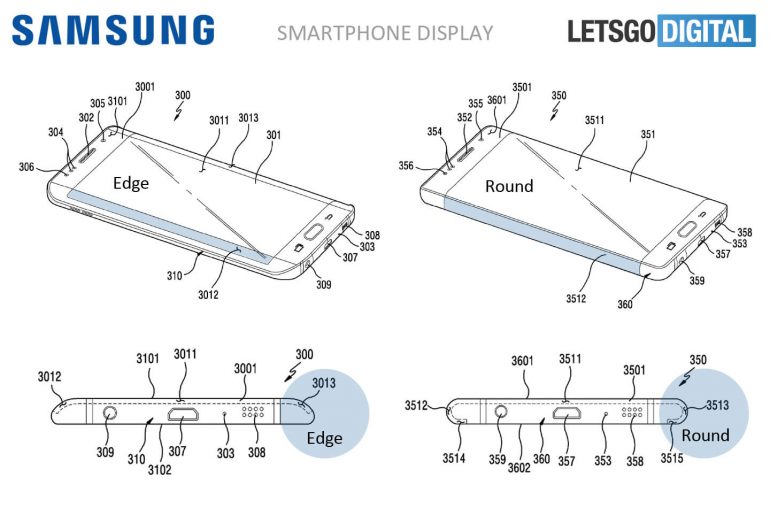
Samsung has been experimenting with smartphone displays for quite some time now. Who can forget the Galaxy Round in 2013 or the Galaxy Note Edge. Recently, Samsung’s flagship phones come with curved edges and in 2017, the top and bottom bezels were extremely thin as well. However, it appears that Samsung is not satisfied with thin bezels and has started working on an all-display smartphone with no bezels.
A series of new Samsung patents have been published in the WIPO (World International Property Office) database. One such patent dates back to May of 2017 which describes an electronic device with a curved display on both sides of the device. So, no rounded display, but, 180? curved, up to the back of the smartphone.
Along with some sketches demonstrating what the device might look like, it also discusses the production method for such a smartphone. That is a positive sign because a lot of patents just sit at the back burner but, a well thought out production plan means that the company is serious about this.
In one of the sketches, you can see the regular edge display, with a rounded screen. Then there is another illustration of a smartphone with a round edge. The display is bent 180? on both sides and extended all the way to the rear of the phone.
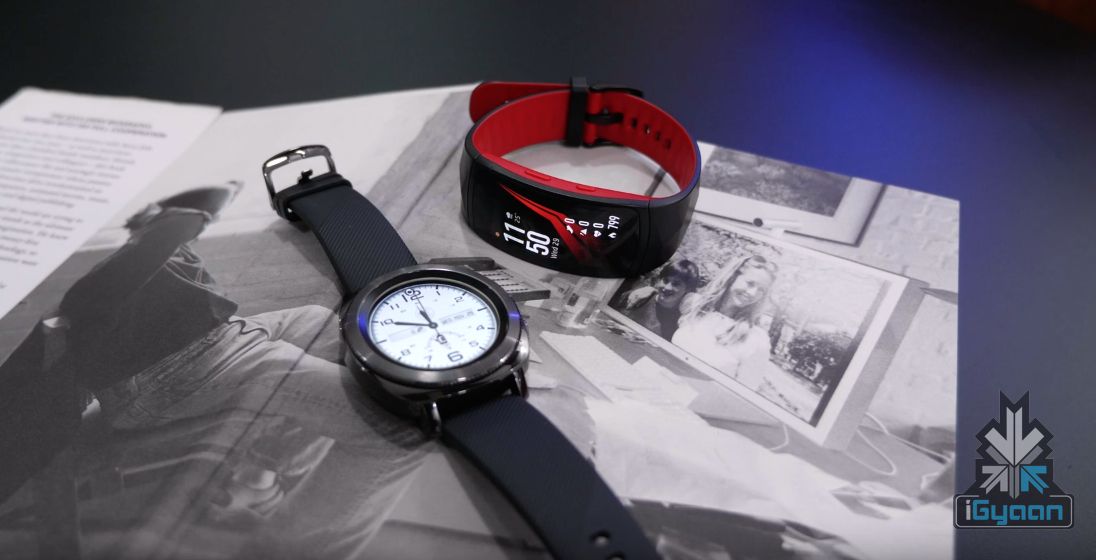
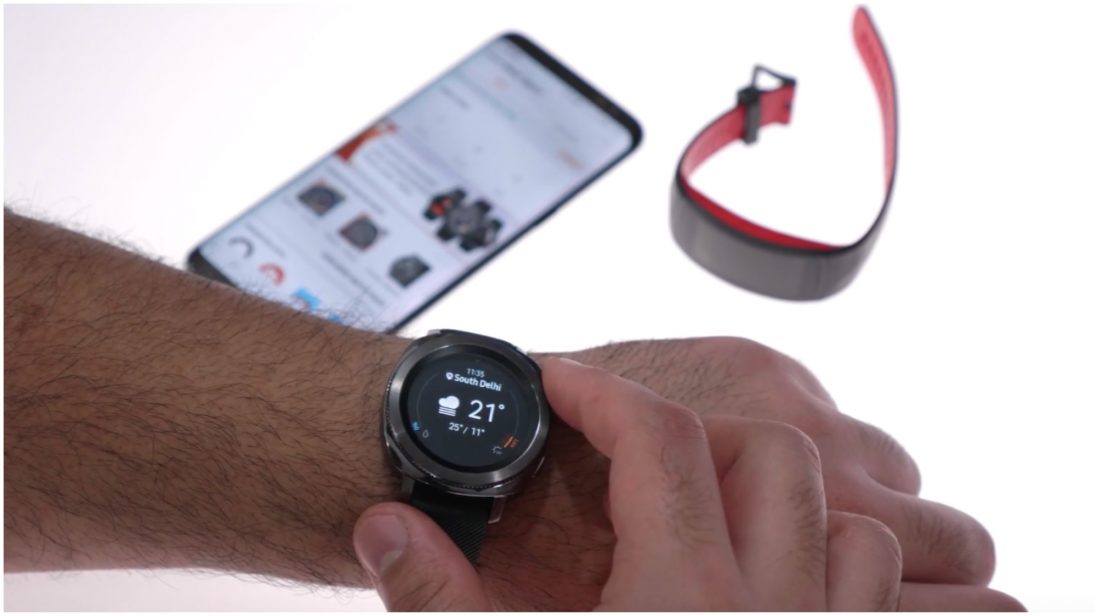
Samsung has launched two new wearable devices in India, the Gear Fit2 Pro and the Gear Sport at a price of Rs 13590 and Rs 22990 respectively. The Gear Fit2Pro is a fitness tracking band while the Gear Sport is a smartwatch. Let’s unbox the two wearables and see what we get inside the box:
Samsung Gear Sport box:
Samsung Gear Sport smartwatch
Extra wrist straps
Charging cradle
Documentation
Samsung Gear Fit2 Pro
Samsung Gear Fit2 Pro
Charging base
Documentation
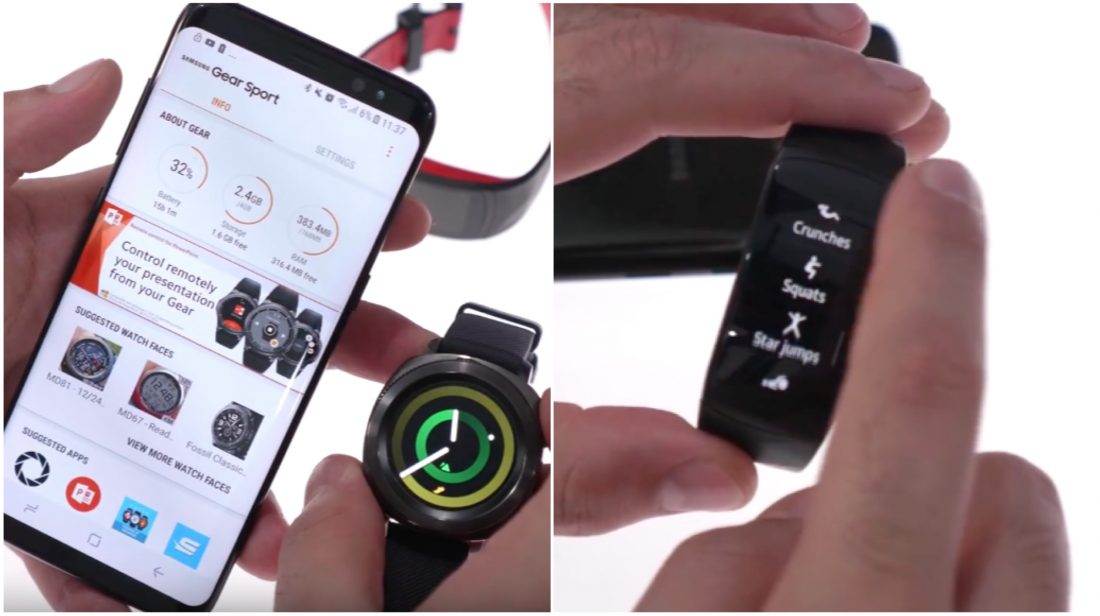
Both the wearables are compact and have different straps depending on the size of the consumer’s wrist which makes it ideal for everyone. Both the wearables can be connected to an Android phone via bluetooth and can be customised through the Samsung Gear app. The Gear Sport has a rotating bezel to interact with the watch which is much more intuitive than tapping on the tiny display.
If you are a swimmer, then the Gear Fit2 Pro can be ideal fro you to keep a track of your swimming performance as the Gear Fit2 Pro has a lot of features for swimming. It can eventrack a user’s stroke type, stroke count, and lap count.
Samsung has launched two new wearable devices in India today. One of them is a smartwatch and the other one is a fitness tracker. The pre-bookings for both the devices will start from the 4th of December and will be available to public on the 11th of December.
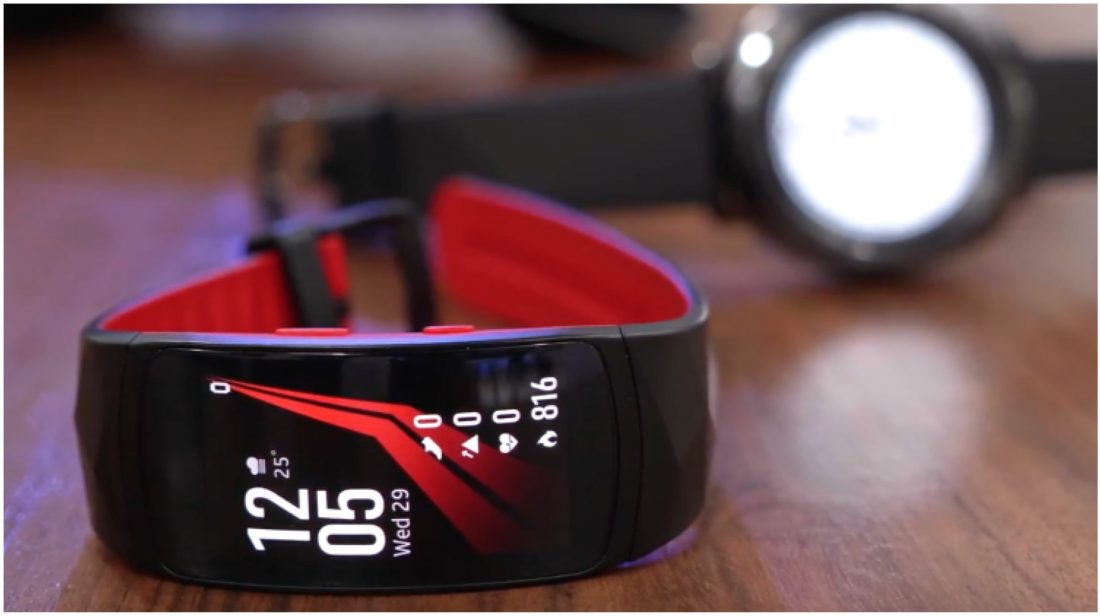
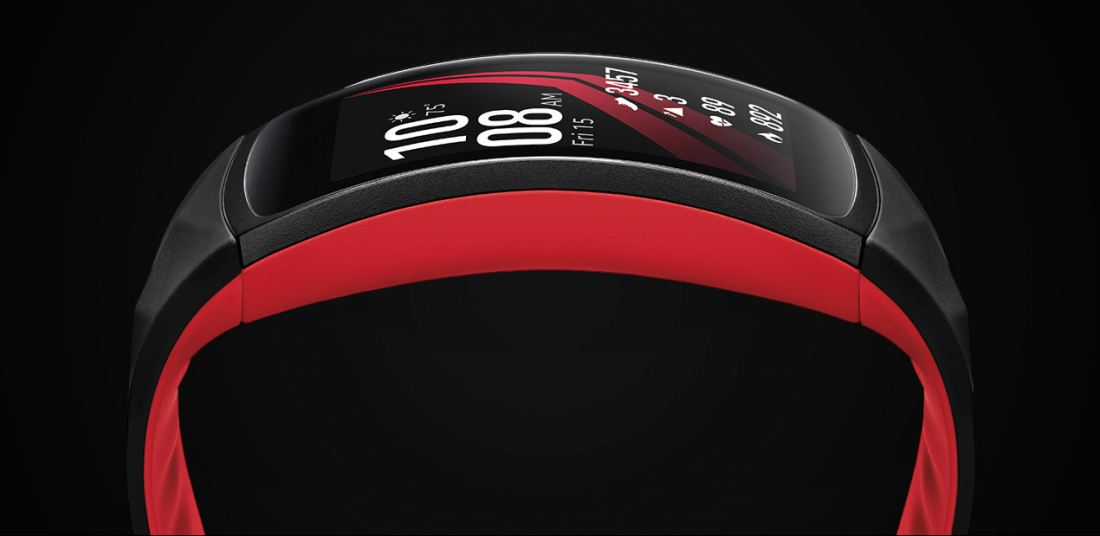
The Samsung Gear Fit2 Pro is priced at Rs 13590 and will be available in Black, and Black/Red colour variants. The fitness tracker has a 1.5-inch curved display, a 5 atm water resistance rating and has features specifically made for swimmers, including ways for the wearable to track a user’s stroke type, stroke count, and lap count. It also has a continuous heart rate monitor.
The Gear Fit 2 Pro has built-in GPS, as well as an automatic workout detection feature.
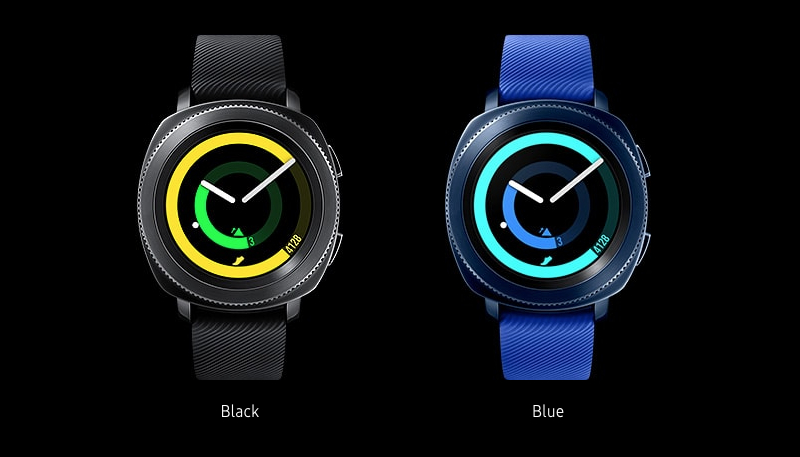
The Samsung Gear Sport is priced at Rs 22990 and has a 1.2-inch circular screen with a 320 x 320 resolution and Gorilla Glass 3, a water resistance rating of five atmospheres, as well as a focus on nutrition, with the ability to monitor your calorie balance throughout the day. The Gear Sport has access to fitness programs, along with a way to help the user complete their weight loss goals.
The new smartwatch can also be connected to Samsung’s smart TVs via the Samsung Connect app, and will support the company’s Samsung Pay service with its NFC hardware. The Gear Sport will be available in Black and Blue and colour variants.
Samsung has launched two new wearable devices in India today. One of them is a smartwatch and the other one is a fitness tracker. The pre-bookings for both the devices will start from the 4th of December and will be available to public on the 11th of December.
The Samsung Gear Fit2 Pro is priced at Rs 13590 and will be available in Black, and Black/Red colour variants. The fitness tracker has a 1.5-inch curved display, a 5 atm water resistance rating and has features specifically made for swimmers, including ways for the wearable to track a user’s stroke type, stroke count, and lap count. It also has a continuous heart rate monitor.
Samsung Gear Fit2 Pro
The Gear Fit 2 Pro has built-in GPS, as well as an automatic workout detection feature.
The Samsung Gear Sport is priced at Rs 22990 and has a 1.2-inch circular screen with a 320 x 320 resolution and Gorilla Glass 3, a water resistance rating of five atmospheres, as well as a focus on nutrition, with the ability to monitor your calorie balance throughout the day. The Gear Sport has access to fitness programs, along with a way to help the user complete their weight loss goals.
Samsung Gear Sport
The new smartwatch can also be connected to Samsung’s smart TVs via the Samsung Connect app, and will support the company’s Samsung Pay service with its NFC hardware. The Gear Sport will be available in Black and Blue and colour variants.
In the smartphone industry, every year sees a new trend becoming the norm. 2017 saw thin bezels becoming a norm and with the launch of the Google Pixel 2 and Apple iPhone X, it appears that AI will be the next big thing in the smartphone industry. With Samsung being the biggest smartphone maker in the world, you’d expect the South Korean tech giant to be one of front-runners in the AI game as well.
A new acquisition by Samsung shows that it wants Bixby to be the new Google Assistant for all its consumers. According to a report, Samsung has just acquired an AI property, Fluenty, a Korean startup notable for its chatbot of the same name.
Founded in 2015, Fluenty company currently develops a dedicated app and a separate “smart reply” API. The app uses machine learning to give custom response to users and is compatible with a number of popular messaging services like WhatsApp and Facebook Messenger.
This is what the official website of Fluenty says:
Fluenty is able to suggest smart replies that are specific to the person typing them. Let’s say for example that someone likes to say ‘Cheers!’ instead of ‘Bye!’ when closing a conversation. Fluenty is able to pick that up and will suggest it as a way to say goodbye in future messages.
This means that Fluenty uses more than just web searches to customise user experience and adds a personal touch rather just being a robotic assistant.
Bixby could take a few feathers out of Fluenty’s cap thanks to its machine learning capabilities. For example, if you are meeting someone at a bar, Bixby could pull out a Google Map location of the bar and start navigation.
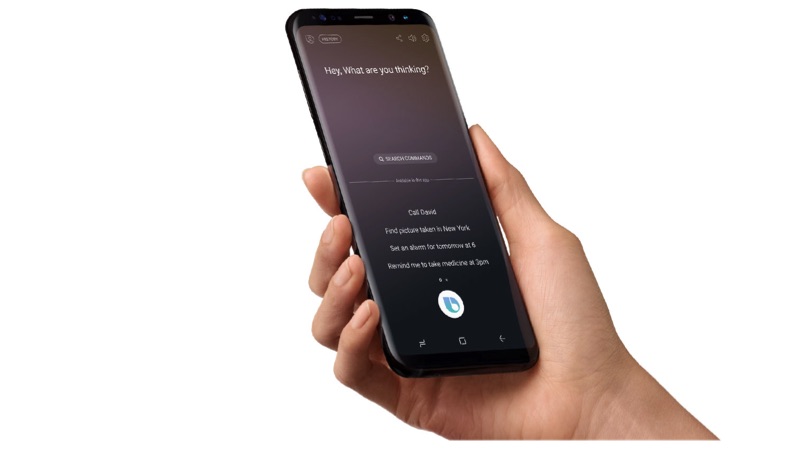
Bixby has not been received very well since it was announced along with Samsung Galaxy S8 and Galaxy S8+. It will be interesting to see how Bixby will incorporate Fluenty’s capabilities and enhance the user experience, and try to replace Google Assistant with Bixby.
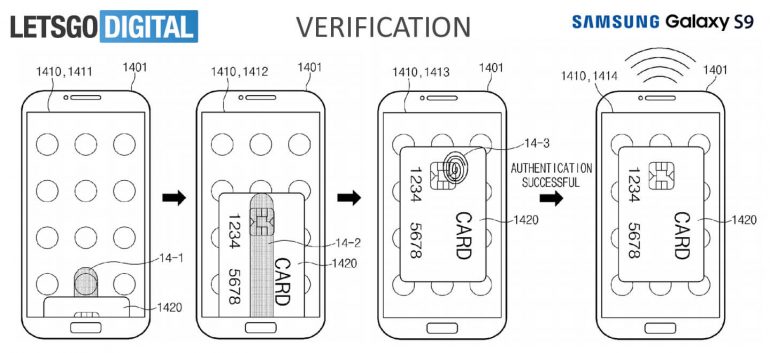
Samsung Galaxy S9, despite many reports, might have a screen-embedded fingerprint sensor.
The Apple iPhone X became available to the public in November, just a few months before the launch of the Galaxy S9. One of the most talked about features of the iPhone X has to be Face ID and the lack of a fingerprint sensor. Similarly, the awkward placement of the fingerprint sensor on the Galaxy S8/S8+ was also a talking point for many and iGyaan pointed it out as well in our full review of the Galaxy S8/S8+.
It appears that Samsung will fix that by embedding the fingerprint sensor inside the display rather than positioning it in the middle at the back of the phone. The patent was first reported by LetsGoDigital, which notes that the new technology is likely to appear on the Galaxy S9.
The international patent was submitted in April 2017, while the Korean patent was filed during 2016. This shows that a screen embedded fingerprint sensor has been a long standing aim of the Samsung design team. This looks like the ideal place for the fingerprint sensor instead at the back or completely moving to another way of biometrics like Face ID.
The Samsung Galaxy S9 is expected to be unveiled at CES 2018. As we have reported, the Galaxy S9 will be the first smartphone to have the Qualcomm Snapdragon 845 chipset, as per a deal with Qualcomm. Other than that, the new smartphone is expected to be an incremental upgrade over the Galaxy S8 although, a screen embedded fingerprint sensor will mean that the Galaxy S9 will grab all the headlines at the time of its launch and might push Galaxy S8 users to upgrade to the Galaxy S9.
Samsung has been the number one smartphone maker in the world for a quite some time now. The smartphone industry has been stagnant in terms of innovation in the past few years. We have seen a surge in new “bezel-less” phones but, they aren’t really bezel-less. But, it appears that Samsung has a few new designs up its sleeves for the coming years.
The Samsung Advanced Institute of Technology (SAIT) has been working on batteries that can be recharged in 12 minutes using graphene. That is five times faster than the existing batteries that support fast charging technology but, they still take about an hour to fully charge.
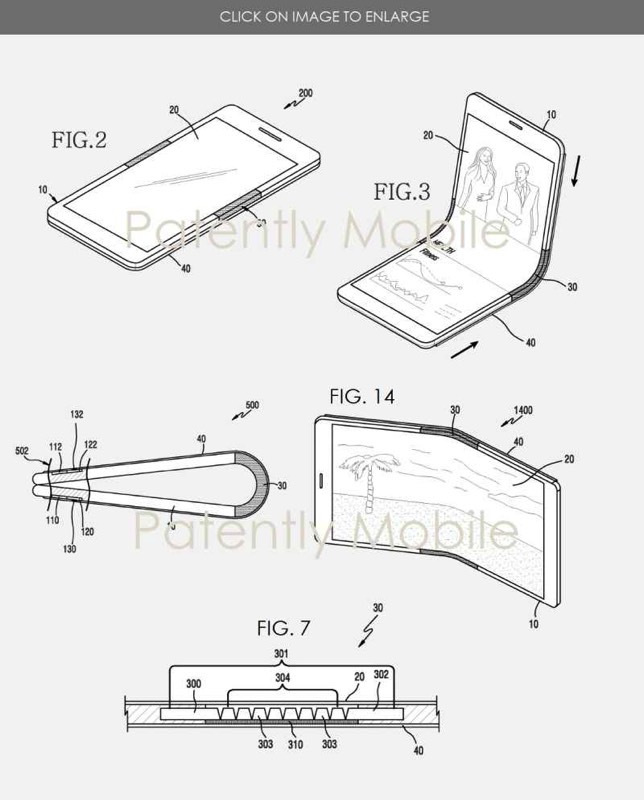
It is not a news that Samsung is working on a foldable smartphone. The Galaxy X is very much a reality and a launch is expected in the first quarter of 2018. Now, a new patent discovered shows Samsung’s plan for a foldable smartphone. The patents show clamshell and candy bar smartphone designs that feature flexible displays and bodies. It will be interesting to see the implementation of the foldable design on the upcoming Galaxy X(tentatively called).
What does seem apparent is that the upcoming foldable Galaxy phone will not have an all-screen design.
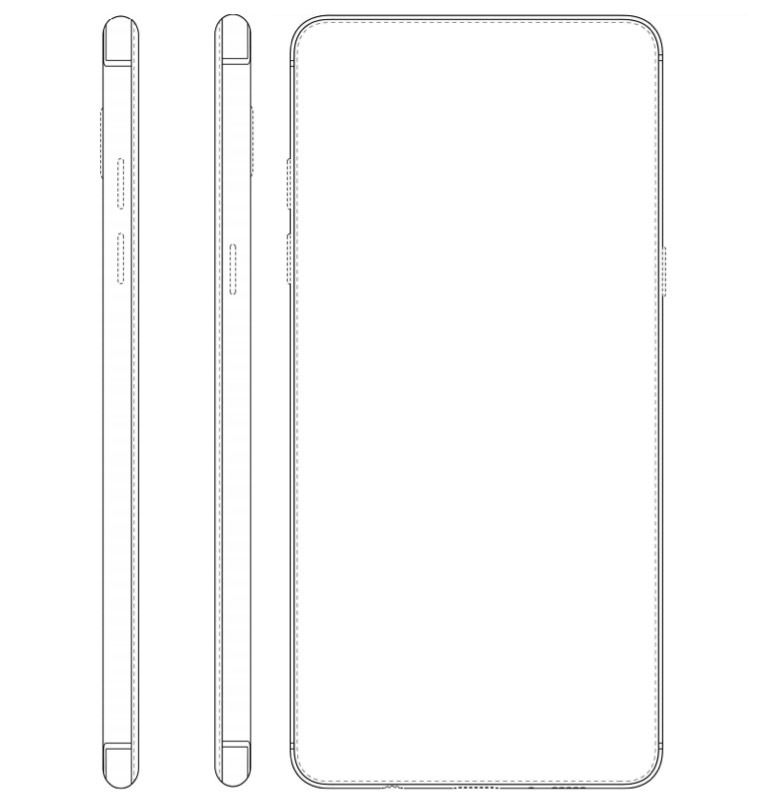
Another patent unearthed that belongs to Samsung shows an all-screen display with no cutouts for a camera or any of the sensor. It is worth noting that the Galaxy S6/S7 turned out to be very similar to their patents. So, to believe that an all-screen phone from Samsung is not too far in the future won’t be a stretch.
Galaxy S6/S7 Patent
A new design change like this along with new offerings like a foldable smartphone which will be available to an average consumer might be the ignition that Samsung needs to stay ahead of the constant competition from Apple.
As we approach the end of 2017, the focus has already shifted to what we can expect from the 2018 flagship phones. A new report suggests that along with the Samsung Galaxy S9, the LG G7 will also be unveiled at CES 2018.
2017 has seen the Samsung Galaxy S8, Galaxy Note8 and the iPhone X steal the limelight from the likes of the LG V30. That, however, has been the case for a few years now. The LG flagship phones make the list of every tech critics’ ‘Top’ list but, never seem to capture the consumer’s imagination like its rivals.
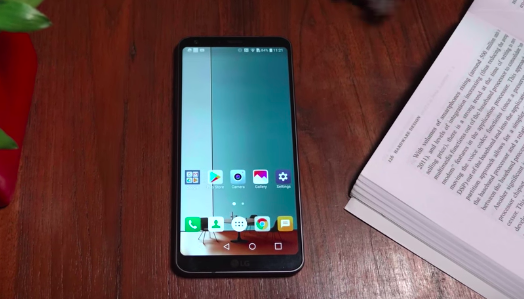
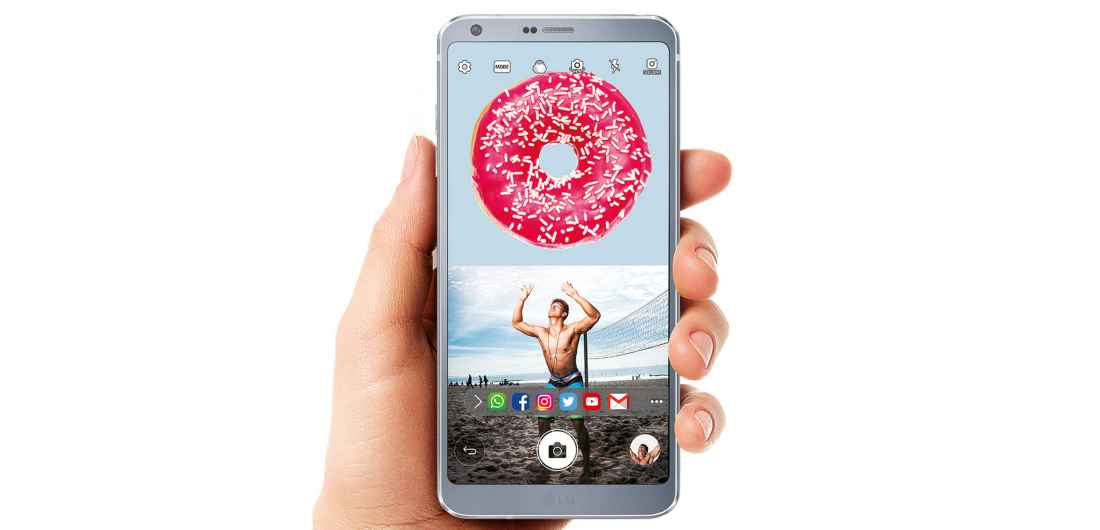
LG G6
2018 by the looks of it, won’t be any different. The LG G7 is expected to be launched with the Qualcomm Snapdragon 835 since Samsung will most probably have exclusive access to the Snapdragon 845 chipset for the first few months of 2017. Something similar happened in 2017 when LG G6 launched close to the Samsung Galaxy S8 and had to make do with the Snapdragon 821 chipset.
Samsung Galaxy S9 Renders
The LG G7 is also rumoured to feature an OLED display, with the fingerprint sensor to be placed under the screen rather than the back. The Samsung Galaxy S9, meanwhile, will have a regular rear-facing fingerprint sensor but, reports suggest that it will be positioned in a better location.
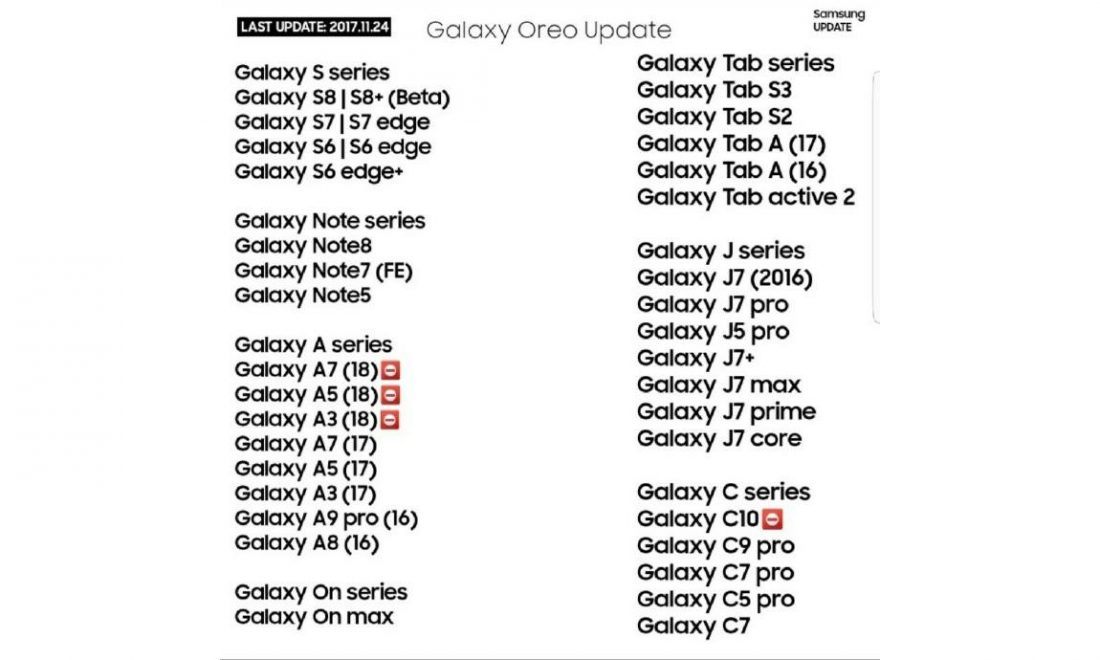
Android 8.0 Oreo was launched back in August and the adoption rate of the newest Android OS has been abysmal, to say the least. Samsung, however, appears to have great plans for updating a slew of its smartphones to the latest Android 8.0 Oreo in the coming months.
In the image leaked above, you can see all the phones and tablets from Samsung that will receive the Android 8.0 Oreo update. Android phones have a notorious history of not being updated to the latest software if they are more than a year old. That is one of the reasons why Android adoption rate for the latest OS is so low as compared to iOS. In this list, however, devices such as Galaxy A8 (2016), Galaxy A9 Pro (2016), Galaxy J7 (2016), Galaxy Tab A (2016) and Galaxy C7 were all released back in 2016 and Samsung has plans of updating them to Android 8.0 Oreo.
Even the Galaxy S6 and S6 Edge, the flagship phones from 2015 will receive the new update. This move from Samsung will definitely be appreciated by the brand loyalists and people who are planning to buy a Samsung mid-ranger in the coming months. It will ensure consumers that their phones will be supported even when newer variants of their phones are launched.
It is worth noting that the list also includes unannounced 2018 A-series smartphones, which, as per many leaks, will be running Android 7.1 Nougat out of the box.
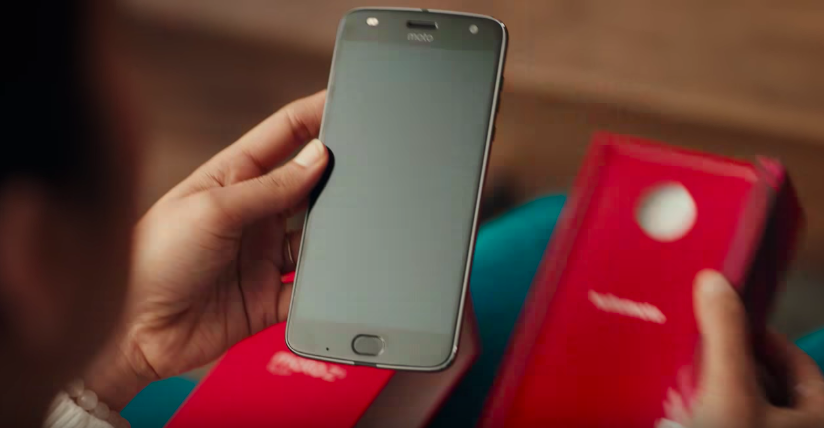
Motorola has come out with a new advertisement in which it mocks Samsung and Apple. The ad continues from where Samsung’s infamous advertisement ends in which Samsung mocks Apple and the iPhone X.
https://youtu.be/Dw7verGkl5c
The new ad from Motorola shows off the projector mod on the Moto Z2 Play. While the Samsung ad was rather elaborate in mocking Apple and its range of iPhones, Motorola has gone ahead and been brief about its attempt at mocking the two smartphone giants. The name of the campaign is “Up-upgrade” in reference to Samsung’s campaign which was called “Upgrade.”
While many were waiting for Apple’s response to the advertisement where Samsung mocked it, Motorola has swooped in and taken the opportunity to mock the two giants in a single advertisement.
This trend of rival brands mocking each other appears to be catching up and it will be interesting to see if either company will go ahead and respond to this effort by Motorola.
Bezel-less displays are the talk of the town. 2017 has been the year of shrinking bezels and it appears that 2018 will take this trend a step further. A new report suggests that the Samsung Galaxy S9 will have a whopping 90% screen-to-body ratio.
To assume that the Galaxy S9 will have smaller bezels than the Galaxy S8 is not wrong. As an incremental upgrade, it is bound have even more shrunken down bezels but, hitting the 90% mark will certainly set the record straight and the precedence of the best screen-to-body ratio on a phone. All of this will happen fairly early on in the year as well, since the Samsung Galaxy S9 and Galaxy S9+ are expected to be launched in March.
According to the information we have received, the bottom chin seen on the Galaxy S8 will be next to non-existent on the Galaxy S9, and the top bezel will be narrower than the S8’s bottom bezel.
With all the high profile launches for 2017 done and dusted, it makes sense that we start receiving “exclusive” and “concrete” information about the 2018 flagship phones and there are a few other things that we know about the Galaxy S9 and Galaxy S9+ so far.
Galaxy S9 Design Leaked In Case Renders
The Galaxy S9 series will be nearly identical to their predecessors and will only include some hardware upgrades. The Galaxy S9 is reportedly codenamed Star 1 and will bear the model number SM-G960, while the Galaxy S9+ will be codenamed Star 2 and will have the model number SM-G965.
The display size of both the phones will be identical to their 2017 counterparts with the Galaxy S9 sporting a 5.8-inch Super AMOLED display while the Galaxy S9+ will have a 6.2-inch display. The bezels will be thinner than the previous generation devices with the infamous curved edges and “Infinity Display.”
Unlike 2017, where there were barely any differentiating factors between the Galaxy S8 and Galaxy S8+, Samsung is planning something different for 2018. It appears that the Galaxy S9 will have a single camera at the back while the Galaxy S9+ will have a dual camera setup at the back. This will give consumers extra incentive to spend more money on the Galaxy S9+.
In terms of pricing, it won’t be a surprise if the Galaxy S9+ surpasses the Galaxy Note8 price and touch the thousand dollar mark, similar to the iPhone X.