Category: Business

  • Apple Recovers US $ 40 Million Gold Thanks To New Recycling

    Apple Recovers US $ 40 Million Gold Thanks To New Recycling

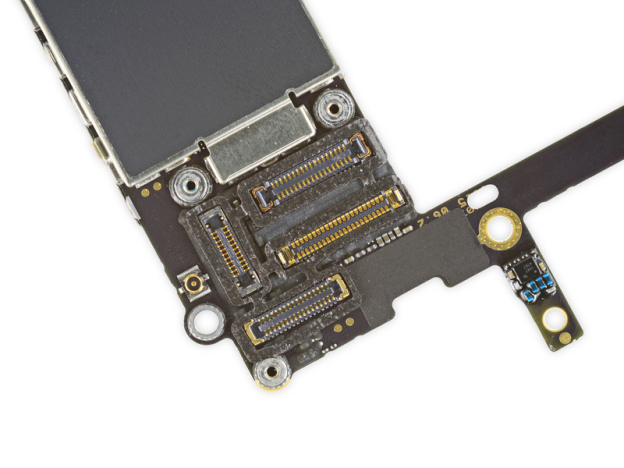
    Apple has run its recycling program for a very long time and users often return their old beat down phones to Apple in efforts to properly dispose of the ruined smartphone. Apple’s latest Environmental Responsibility Report (PDF) shows that it recovered 89 million pounds of materials in its recycling program last year, including $40 million worth of gold.

    iPhone 6s Waterproof

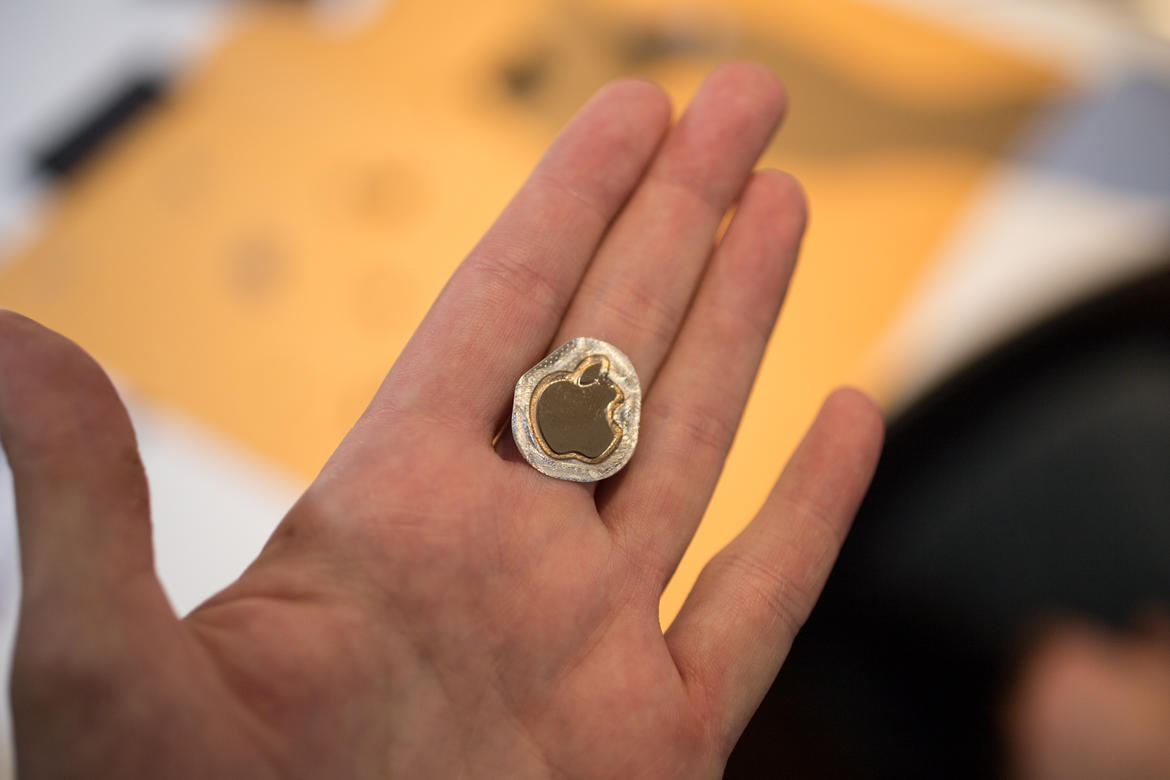
    Gold is used in many Apple portable components and circuit boards because “it has low electrical resistance and, unlike copper, doesn’t corrode.” This adds to the efficiency of the product and if recycled properly can save the wastage of the precious material.

    Apple has already shown off its interests in Recycling this year, pushing the user to add to helping save the environment and the new Auto Recycling Robot LIAM.

    You can read the full report here.


  • iPhone SE Pre-Orders in China Cross 3.4 Million

    iPhone SE Pre-Orders in China Cross 3.4 Million

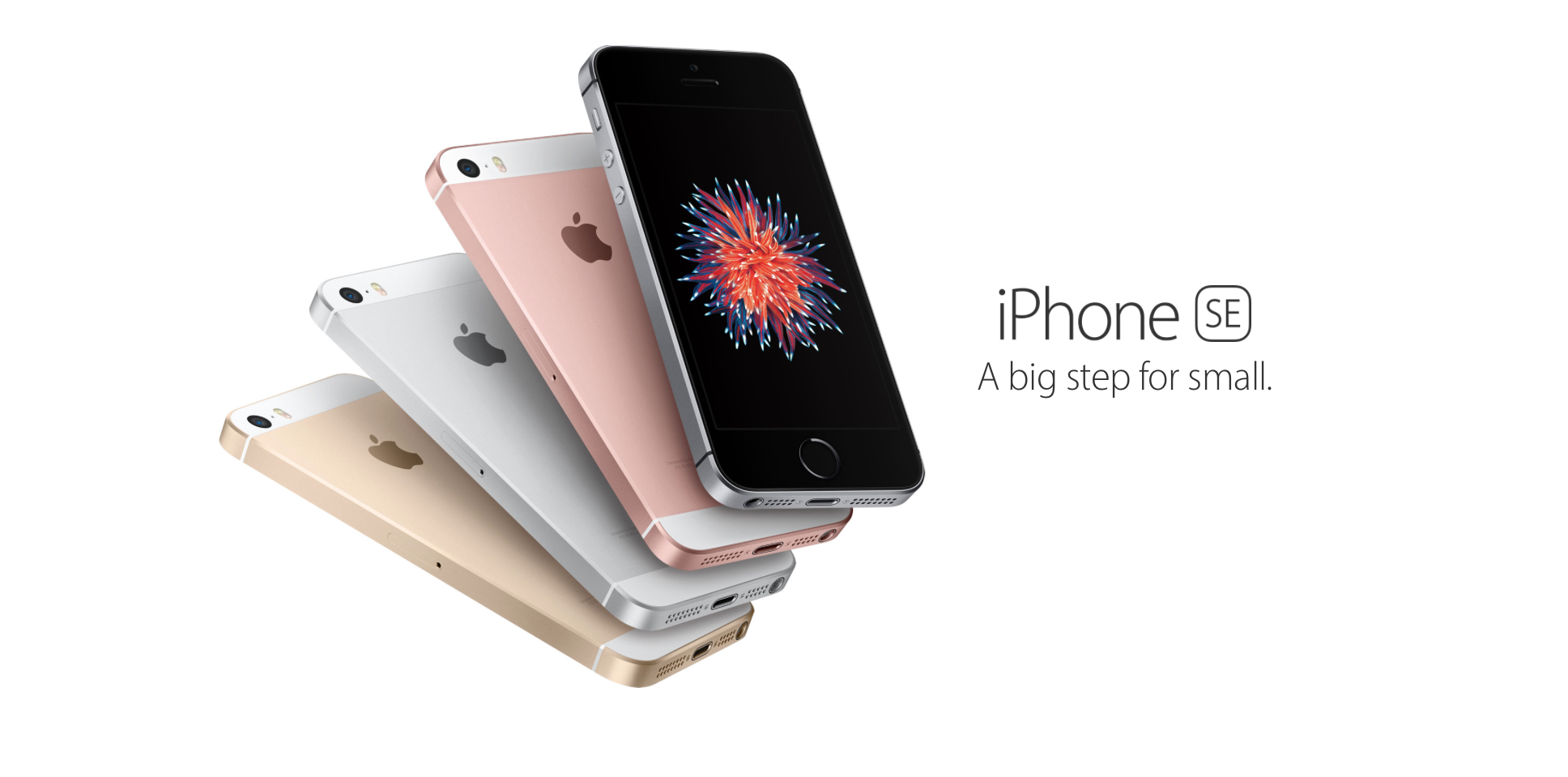
    The iPhone SE, reports suggest may be Apple’s secret super seller. This may just come true thanks to the numbers the phone has already gathered during pre-orders. It is also a huge bump in sales for Apple prior to

    The phone which features many of the features of the iPhone 6s and 6s Plus in a smaller size may be just what the company needed. The iPhone SE should provide a huge bump in sales for Apple prior to their iPhone 7 launch later this year.

    A CNBC report showcases the numbers, massive 3.4 million iPhone SE pre-orders, with people choosing the iPhone SE in Gold as their color of choice, the rose gold variant comes in a close second.

    It is estimated that more than 50% of these pre-orders will end up in the black market.

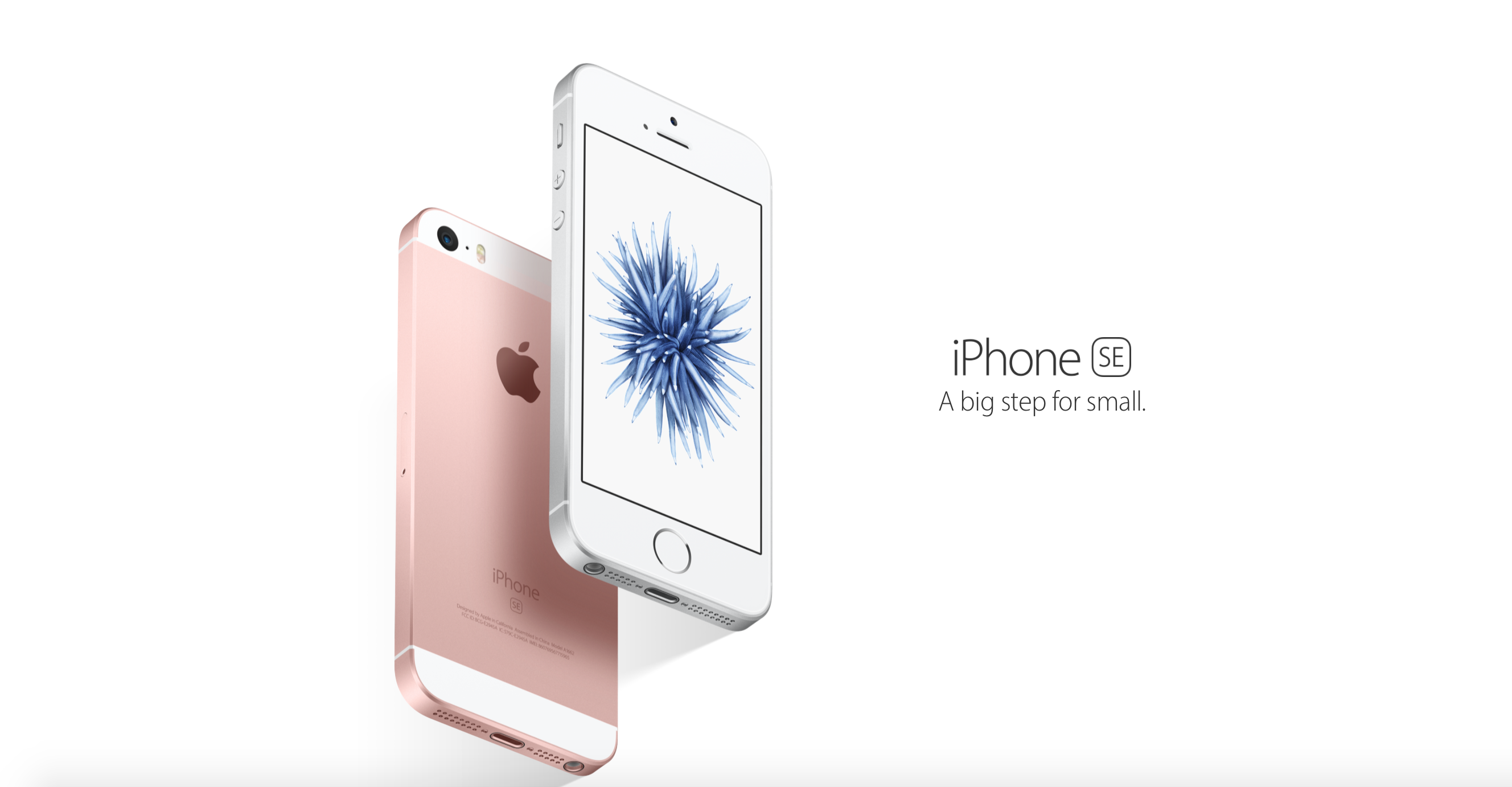
    iPhone SE hero

    The iPhone SE costs US $ 505 in China which is roughly Rs. 33000, a whopping Rs. 6000 cheaper than what Apple will sell it’s iPhone SE in India for.  India and Brazil are where Apple expects to do exceedingly well.


    [poll id=”43″]

  • GoPro and Microsoft Sign Deal for File Storage Tech

    GoPro and Microsoft Sign Deal for File Storage Tech

    Microsoft and GoPro have announced a deal that would allow the action camera manufacturer to take advantage of the software giant’s file storage and other system technologies.

    Both the tech companies have decided to keep the terms of the agreement confidential leaving the media speculating about which patents have been targetted in the deal.

    1022_Microsoft

    In a statement, president of Microsoft Technology Licensing, Nick Psyhogeos, said, “This agreement with GoPro shows the incredible breadth of technology sharing enabled through patent transactions.  Microsoft meets the demand in wearable tech licensing, an area that is continuously growing. Microsoft has a wide array of partnerships with firms from all industries in order to provide optimized solutions for global customers.”

    The likely inclusion in the licensing partnership is the exFAT file system. ExFat is particularly interesting due to its capacity to store large media files, and keeping in mind the fact that GoPro cards below 64 GB still have to use in the old FAT format this partnership with Microsoft for licensing of the ExFat file system could be great news for the company.

  • Apple Reports Quarterly Profit of $18.4 Billion, Sets New Record

    Apple Reports Quarterly Profit of $18.4 Billion, Sets New Record

    Another year another record quarterly earnings by Apple. The Cupertino-based giant announced their fiscal first quarter earnings ended December 26, 2015. A record quarterly revenue of $75.9 billion with a profit of $18.4 billion, the largest in history. This is a little over than the numbers Apple raked in the same quarter the year before, which was the largest ever recorded by a single public corporation then.

    “Our team delivered Apple’s biggest quarter ever, thanks to the world’s most innovative products and all-time record sales of iPhone, Apple Watch and Apple TV,” said Tim Cook, Apple’s CEO. “The growth of our Services business accelerated during the quarter to produce record results, and our installed base recently crossed a major milestone of one billion active devices.”

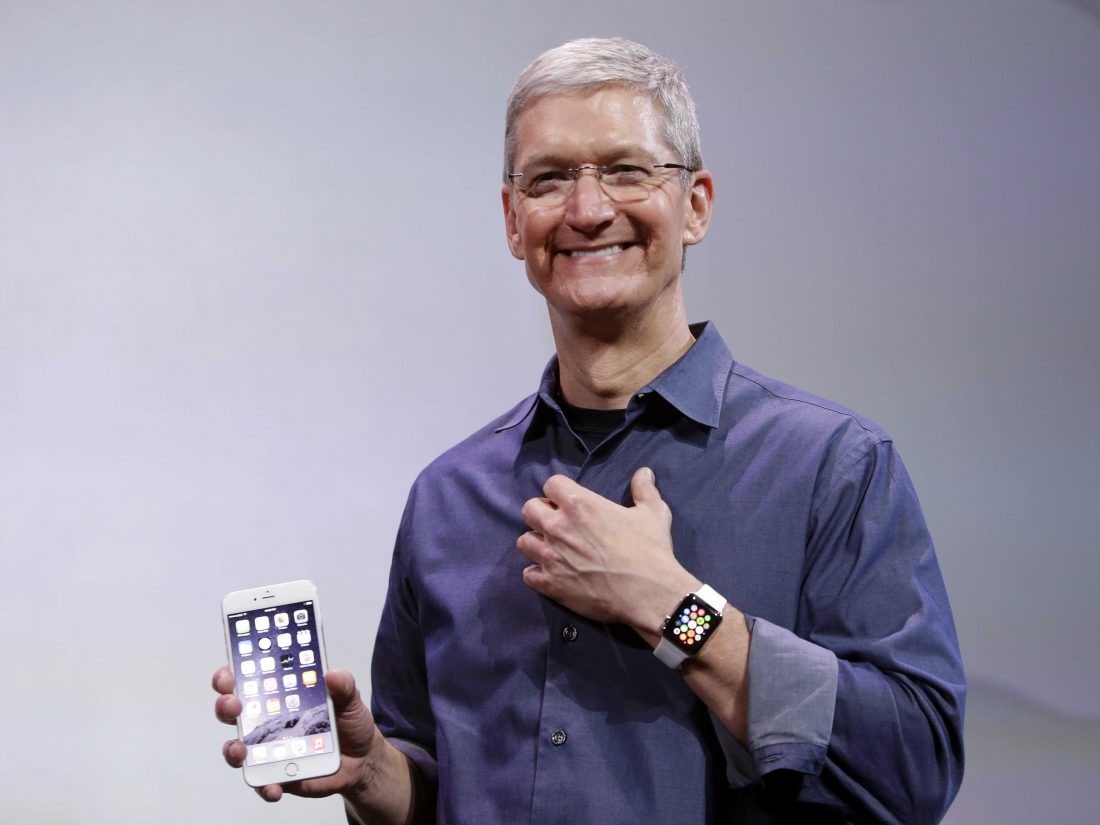
    Tim Cook

    Now that the earnings are in, Apple has provided their prediction for the second quarter, which is the first three months of 2016 for the company. It expects to generate between $50 billion to $53 billion in revenues which is down from $58 billion in revenues it booked for the same quarter last year.

    “Our record sales and strong margins drove all-time records for net income and EPS in spite of a very difficult macroeconomic environment,” said Luca Maestri, Apple’s CFO. “We generated operating cash flow of $27.5 billion during the quarter, and returned over $9 billion to investors through share repurchases and dividends. We have now completed $153 billion of our $200 billion capital return program.”
    The past few weeks, reports have been emerging that Apple suppliers have seen a decline on orders, but the earnings tell a different tale. This is partly due to the record-setting sales seen in China. As usual, the iPhones have been the major generators of revenue for the company, but now it also looks like Apple is earning well from its “services” and “other products”. The services consist of things like the app store, iCloud, AppleCare, and Apple Pay, which grew 26 percent year over year to $6.05 billion.
    “Other products” includes the Apple Watch and Apple TV, grew its revenue 62 percent year-over-year, bringing in $4.3 billion this quarter.
    What does the future look like now for Apple and what new product can become the next cash-cow for the giant is something we’ll just have to wait and see. If recent trend is any sign, then Apple could be making its entry into the virtual reality sector pretty soon.


  • What’s Next for WhatsApp?

    What’s Next for WhatsApp?

    If you had to quickly think of a messaging service today, chances are that WhatsApp will be the first name to pop up in your head. And it should since the name has taken over our messaging unanimously, pretty much making standard SMS services obsolete.

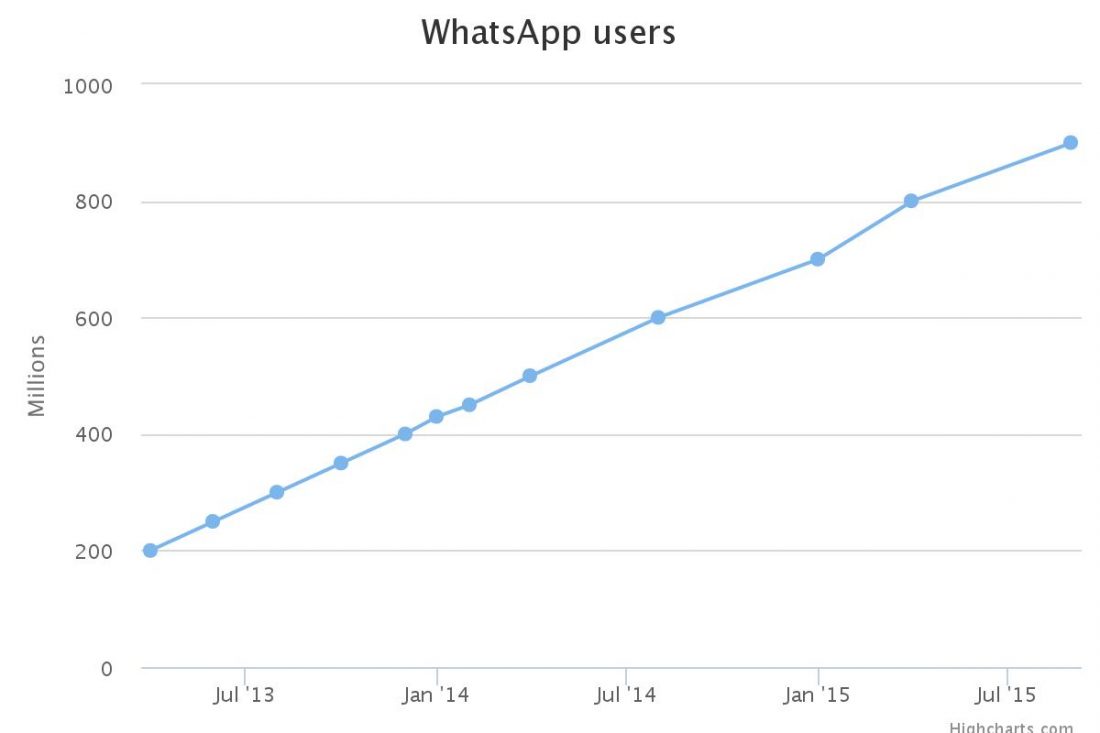
    WhatsApp has seen a rise that shows a steady upward curve ever since its inception. Two years and 450 million users ago, the wildly popular messaging service was bought by Facebook for roughly $19 billion. An acquisition Zuckerberg knew would reap him great rewards. Charging a measly 99 cents a year for the service didn’t pinch anyone, but would generate substantial revenue for Facebook. But $19 billion is no small amount, and to make even $2 billion in revenue would mean the app would need 2.3 billion users, and it’s yet to reach a billion.

    chart

    But WhatsApp is showing no signs of slowing down. The app is just short of a billion users, and if the trend continues, it is likely to touch 2 billion by the end of the decade. So, when the news broke that WhatsApp is going entirely free, the world began to wonder how Facebook would earn its revenues.  Part of the confusion was around the decision to go free when Facebook is on the brink of a major cash-cow in WhatsApp.

    Last week, WhatsApp founder Jan Koum, announced that the company would ditch the 99 cent fee and make its app completely free. He cited the reason that there are many of those who still aren’t on WhatsApp because they don’t own a credit/debit card. While a genuinely altruistic intention, the move in effect stops the revenue for Facebook.

    But the move has clearly been decided with an intention to do more with the app. It’s clear that WhatsApp wants to be more than just a messaging platform. It wishes to take over many of the functions for which one uses the phone. It has already embraced voice calling functionality and has been rumoured introduce video calling soon as well.

    The bulk of the worry behind going free was that people were concerned if WhatsApp would resort to the much-hated advertisements for revenue. But the company has denied the intrusion of ads. What the company is planning, however, is to charge businesses to use the app to talk to customers. So, it won’t just be call centres, soon customers will be able to express their dissatisfaction over a messaging app.

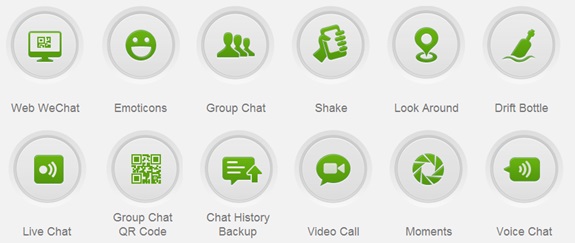
    Calling for businesses to interact with customers via WhatsApp will have its benefits and will have its annoying moments, depending on how well WhatsApp integrates the moves. Yu may soon be able to pay off your bills and ask a bank official about your bank details through a simple text message. This is already in practice with WeChat, a Chinese app owned by internet giant Tencent. The app is used in China for messaging as well as to pay bills, make medical appointments, and check traffic.

    WeChat-Features
    WeChat Features


    Furthermore, it’s no secret that WhatsApp and Facebook have been inspired by the Chinese app. So we could very well see WhatsApp move in a similar direction. Which wouldn’t be a bad thing in terms of revenue – WeChat houses many apps in one and this has led to an average revenue per user to around $7, against the 99 cents that WhatsApp has charged its users.

    The success of WeChat in China may not exactly spell success for Facebook and WhatsApp, but it is something that both the companies are eagerly looking to adopt. The challenge, however, is to get Apple and Google on board if WhatsApp and Facebook do plan to build a platform out of the messaging app. Apple and Google are unlikely to appreciate a platform like that that could leave their own apps redundant.

    We’ll just have to wait and see how much Facebook and WhatsApp are planning to fit into one app, and how much is too much for an audience that largely believes in the concept of “unbundling” or having apps that do less not more, thereby making it simple and easier to use. After all, it’s not that difficult to jump from one app to another to fulfill one’s needs.

    On a parting note, you may also like to know that a new WhatsApp beta update for Android now lets you share your account information on Facebook for better experience and suggestions. Just how much of the user’s chat information is up for grabs is still unknown. Looks like WhatsApp’s move to become the ‘one app to rule them all’ has already begun.

  • Can LeEco Make Good on its Promises?

    Can LeEco Make Good on its Promises?

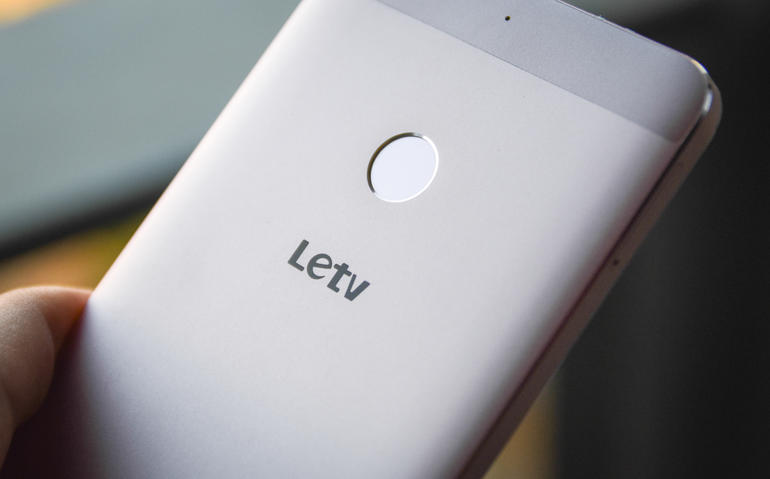
    LeTV rebranded itself as LeEco to reflect its new direction forward. The company held an event yesterday in India where it spoke about its new brand, which involves an open ‘ecosystem’ with a connected world. To do this, LeEco is diversifying itself. The company that started with television and content (hence the original name) has moved on to other venues like smart cycles, internet-linked electric cars, and smartphones.

    LeEco’s Ecosystem
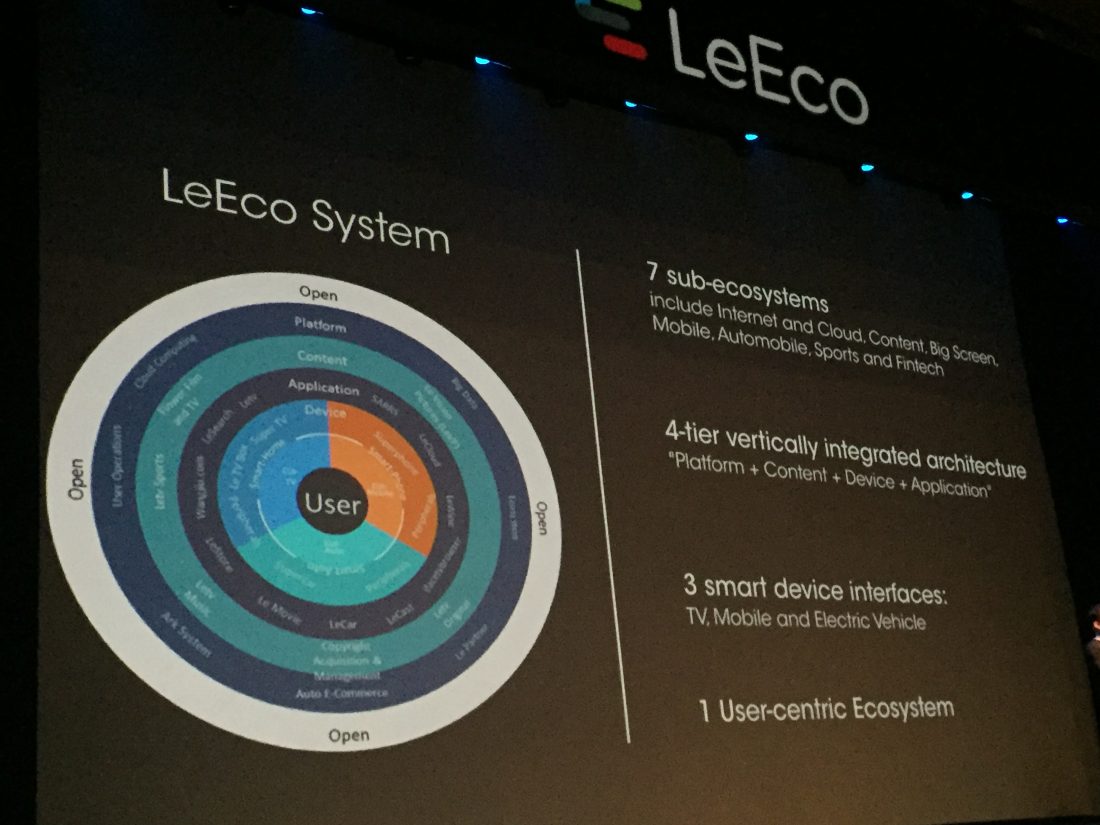
    LeEco Ecosystem

    Yesterday, LeEco launched three new smartphones in India – Le Max, Le 1s and Le Max Sapphire. The first half of the event, however, was used to talk about the brand’s new ideology. The company’s move towards a comprehensive ecosystem incorporate’s four aspects – Culture, Technology, Internet, and Platform. The idea is to have a broad, connected reach. LeEco has already begun this by launching smart accessories, online content, TV, mobile, and electric vehicle by partnering with Faraday Future.

    Flash Sale: Can it Deliver the Goods?

    Indeed, LeEco wants to be everywhere. But the question is whether the company can deliver. In India, after launching the smartphones yesterday, the company stated that it will hold its first flash sale on Flipkart on the 2nd of February. There are some reasons why customers in India may feel a little hesitant in going with LeEco’s new offerings.

    Firstly, one needs to give props to the company in terms of pricing, especially for the Le 1s which is priced at a very impressive Rs 10,999. The company could have easily priced it a few notches higher given the device’s specs and premium look. Now, the Le 1s looks to give devices like the Lenovo K4 Note a run for its money. But will it?
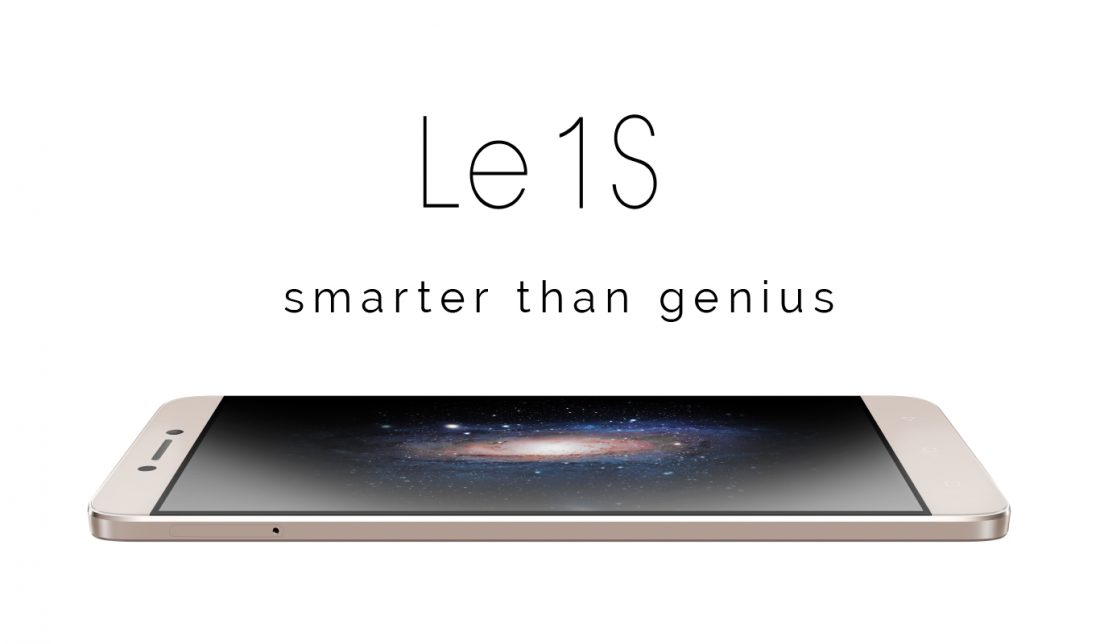
    LE 1S

    Lenovo has established a good base in India and is one of the more trusted names. The company also held a flash sale recently on Tuesday and Wednesday for the K4 Note. The company also stated that it sold 10,000 units in less than a second. Registrations, however, shot up to 4 lakh. The uncertainty is how much of its K4 Note units Lenovo managed to deliver. Certainly there must have been a lot of disappointed fans.

    LeEco sold over 4 million smartphones last year making it the fastest selling newcomer in the market. It beat the likes of Xiaomi, Meizu and OnePlus on that front. For comparison sake, Xiaomi took a year to sell 400,000 units while Meizu sold 600,000 units.

    LeEco’s flash sale will put to test just how well its ‘superphones’ will be received in India. The company’s refusal in providing a figure when asked how many units it plans on selling is not a good sign as it does lead one to question if the company is prepared for the Indian market at all.

    No Physical Stores Will be a Hindrance

    Moreover, without brick and mortar, it’s hard to imagine how LeEco will sustain in the Indian market. On that note as well the company refused to answer when asked when it plans to open up physical stores in India.

    Even today, physical stores remain key to sales of smartphones. Companies cannot rely solely on e-commerce sites like Flipkart and Amazon for sustainment. Granted, LeEco is still early in its entry into a myriad of businesses, but the company does have enough financial backing for brick and mortar.
    lenovo

    On a number of occasions at yesterday’s event, LeEco did not shy away from taking jabs at Apple. The company not only compared its Le Max to the iPhone 6s, but also criticised Apple’s closed ecosystem. However, one has to wonder that in naming Apple over and over again, isn’t LeEco establishing the Cupertino giant’s dominance?

    When it comes to demand and supply, Apple has delivered on units in surplus. LeEco has a tough job ahead if it wants to entry the top three brand in the country as it claimed yesterday. Given its track record in China, LeEco has done exceedingly well. However, without a proper manufacturing base in India it may see some hiccups. While the company begins to establish itself in the country, it needs to be careful on how much it can deliver initially. A disappointing flash sale will in effect damage the company’s image before it even gets started.

    [poll id=”39″]
  • Apple Files Application to Set Up Retail Stores in India

    Apple Files Application to Set Up Retail Stores in India

    Amid growing concerns over the stagnating economies in the western markets, and slowing pace of its own sales in China, Cupertino-based tech giant, Apple Inc, is looking for new markets to expand its business to. On that list of unconquered lands for Apple, India finds itself at the top.

    Apple which has seen a jump of 90% in sales in the country during the last fiscal year is zooming in increasingly on India as the new frontier for its products. To Apple’s credit the company has been quietly building infrastructure for such a move by boosting advertising, logistics network, and most importantly lowering prices for old phones to start making deeper inroads into the homes of millions of customers.

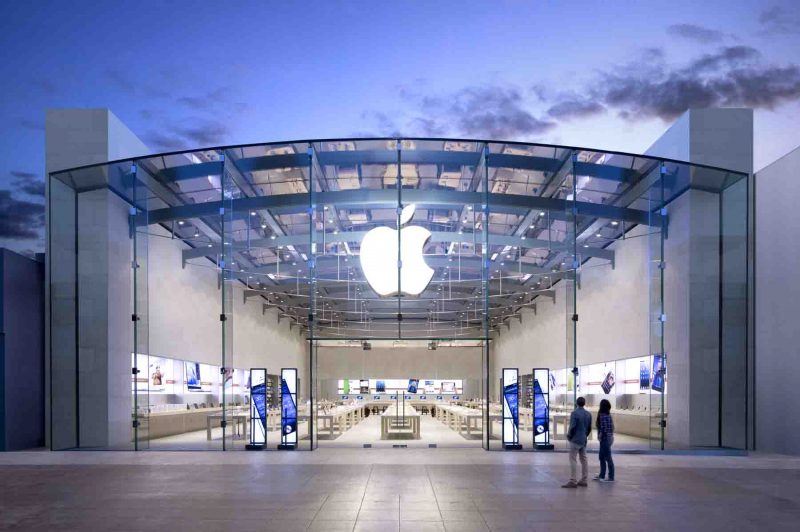
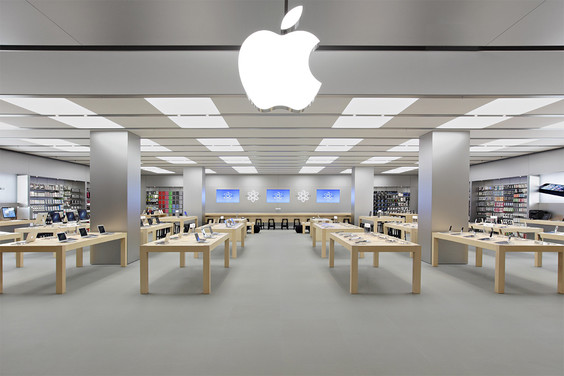
    The next step in this process it seems will be Apple setting up shop in the country. The company plans to bring to Indian customers its very own Apple Stores in the coming months. These stores which are renowned world over for encapsulating Apple’s DNA in their ambience and design will soon start selling you the whole Apple experience.

    According to reports, Apple Inc. has filed an application with the department of industrial policy and promotion (DIPP) to open its own branded stores in India. “We have just received Apple’s proposal. We are examining it,” said DIPP secretary Amitabh Kant.

    Apple store 1

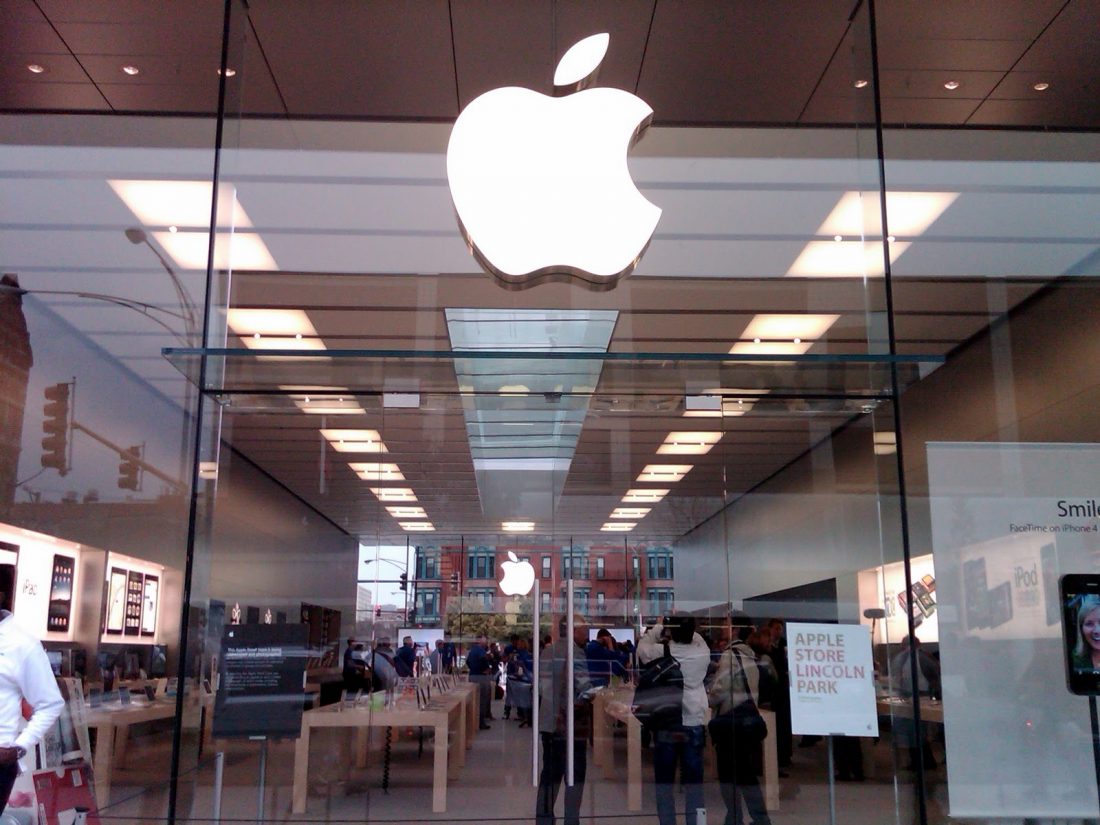
    Apple already has over 460 branded stores worldwide, but there is no information as of now regarding how many such stores Apple wants to set up in India. The move comes on the heels of the government easing foreign direct investment (FDI) rules for single-brand retail in the country. According to new rules, the government has relaxed the mandatory local procurement stipulation for technology manufacturing companies and allowed single-brand retail permission holders to sell their products directly online.

    Apple along with its own branded stores also plans to set up mini stores within stores in a bid to promote its brand. The first set of these could be seen opening at Chroma in the near future.

  • Samsung’s Profit Forecast Misses Expectations

    Samsung’s Profit Forecast Misses Expectations

    South Korean tech giant, Samsung has announced expected operating profits for Q4 2015. The company foretold an operating profit of 6.1 trillion Korean won (around $5.08 billion), which is up 15% compared to the 5.3 trillion won figure the company reported in Q4 2014.samsung-CES-main-photoAnalysts had expected the figure to be closer to 6.6tn won, fueling growth concerns. This comes after Samsung products got hit by weak demand in China and currency woes. Operating profits also fell 7.5% from the previous quarter. Sales of the world’s biggest maker of memory chips, smartphones, and other consumer devices also missed forecasts at 53tn won for the period.

    These figures, point towards what could be a tough year for not just Samsung, but the tech industry itself.

    Samsung is facing strong competition from Apple at the premium end of the market, while cheaper Chinese rivals are eating into the mid to low level range for mobile devices. As such, this next year could well be crucial for Samsung if it wants to protect its supremacy in the market.

  • Apple Acquires Artificial Intelligence Based Face-Detection Start-Up

    Apple Acquires Artificial Intelligence Based Face-Detection Start-Up

    Apple recently bought a Sandiego based Artificial Intelligence start-up called Emotient. The firm was established in 2012 to analyse facial expressions and therefore emotions of viewers, helping the company evaluate their response. Needless to say, this move by Apple comes with its own set of doubts and apprehensions. Apple Face Recognition AITech that detects facial expressions has been a topic of debate and dislike for a while now with Australia being one of the latest places to receive flak for incorporating face-detection tech in its administration. A spokesperson of the company confirmed the acquisition leaving us to wonder what Apple plans to do with it. Apple has been pursuing AI and virtual reality actively the last couple of weeks and this comes as the latest development in that sphere.
    Facebook and Google are also big on AI and virtual reality and are pushing for it with great zeal. The future of tech, as unclear as it might be, looks quite interesting as of now. AI and virtual reality are definitely going to be the next big thing in 2016. While Zuckerberg works on his home-butler which he likened to Jarvis, let’s see what consumers get out of this race for AI and VR breakthroughs.

  • Lenovo May Kill the Motorola Brand

    Lenovo May Kill the Motorola Brand

    It looks like another popular name in the mobile phone industry is set to follow the same fate as Nokia (although the latter might be making a comeback this year). Buzz around the internet is that Motorola will soon be phased out.

    Lenovo, which bought Motorola from Google back in 2014, announced at CES 2016 that it will phase out the Motorola brand for its phones. “We’ll slowly phase out Motorola,” said Motorola Chief Operating Officer Rick Osterloh.

    The decision is particularly interesting when seen in light of Lenovo’s statement back in 2014 when it said that, “We plan to not only protect the Motorola brand, but make it stronger.”

    Motorola logo

    What this means is that Motorola’s phone business will now come under Lenovo and the Motorola name will disappear from its phones this year. Meanwhile, Lenovo will still use the ‘Motorola Mobility’ name for its phone division, but any upcoming phone or wearable will fall under the brand of ‘Moto’ and ‘Vibe’.

    Motorola fans need not despair. The brand name will continue to live on, albeit in a more minimalist way. Future Moto products will continue to sport Motorola’s batwing-like ‘M’ logo along with Lenovo’s blue logo. Indeed, Motorola will be missed, and will always be remembered as one of the earliest, if not first brand to produce a mobile phone.

  • Flipkart Enters into a Partnership with Navigation Company MapmyIndia

    Flipkart Enters into a Partnership with Navigation Company MapmyIndia

    Flipkart has entered into a partnership with the digital map data company, MapmyIndia. MaymyIndia (CE Info Systems Pvt. Ltd.) is known for its GPS navigation, tracking, location-based apps and GIS solutions.

    The move is part of Flipkart’s efforts to improve the service chain with the help of technology. The company will use this business partnership to license map data and location technologies from MapmyIndia.

    Binny Bansal, COO and Co-founder, Flipkart, commented on this, “With this strategic investment, we are taking another concrete step toward transforming the supply chain ecosystem in India, making technology and information the driver of our supply chain and logistics solutions. This partnership is a strategic fit that gives us a sustainable competitive advantage.”

    Flipkart’s entry into a business partnership with MapmyIndia also means that the latter’s earlier investors, which include Nexus Venture Partners and Lightbox Ventures, will exit the company. Using Location intelligence capabilities across Flipkart’s logistics network is the primary aim of this partnership. It would also enable the company to introduce services like better Address Verification and real-time Shipment Tracking, among other things.


  • iPhone 6s Sales Dubbed As ‘Disappointing’ By Reports

    iPhone 6s Sales Dubbed As ‘Disappointing’ By Reports

    Pacific Crest, an investment bank, revealed on Sunday that the latest Apple smartphone has so far sold less than the expected number analysts had in mind. The expected numbers are around 76 million while the shipments so far have been of around 67 million iPhones.Apple+Store

    Within three days of its launch on 25th September, Apple had gone ahead to make an official statement of how the sales have been unprecedented in the history of iPhones with 13 millions devices sold by 28th September. In the light of these claims, Pacific Crest’s report comes as a surprise. The company claims that Apple has seen a drop in the demand of the phones since then, resulting in reduced orders being placed by Apple to its suppliers. Pacific Crest commented on it and said:

    “In contrast to the launch of the iPhone 6 last year, we note: … less than 10% of the carrier stores we surveyed have been sold out of iPhones; last year, carriers didn’t have iPhone stock on hand until November…almost all carriers surveyed indicated that iPhone 6s sales were down y/y, compared to the iPhone 6.”

    iPhone 6 had sold as much as 74.4 million devices, giving Apple the most profitable quarter any tech company had ever seen. Things don’t seem to be following the same pattern this year. Let’s see how the numbers stand for Apple by the end of this year.

  • OnePlus to Start Local Production in India

    OnePlus to Start Local Production in India

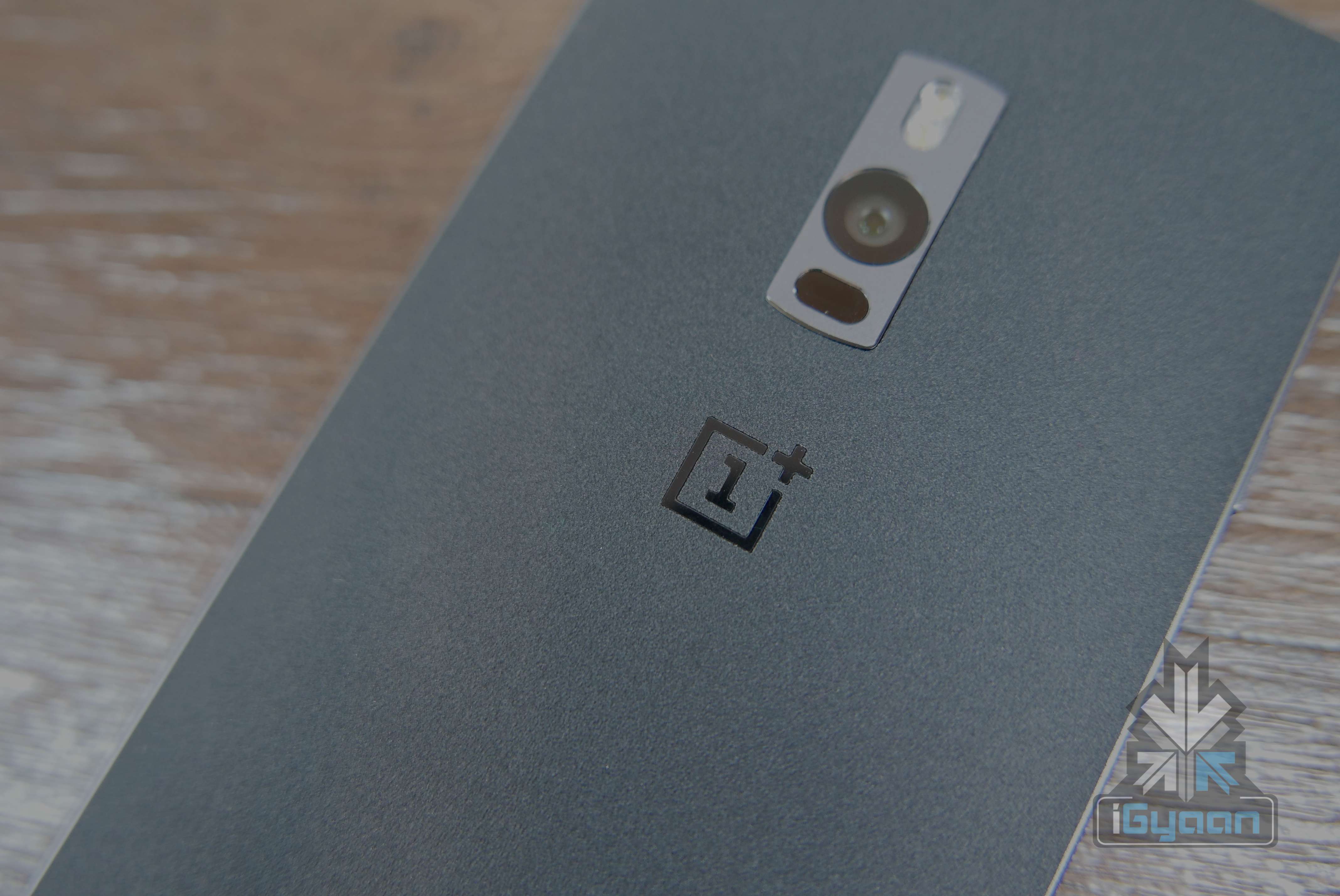
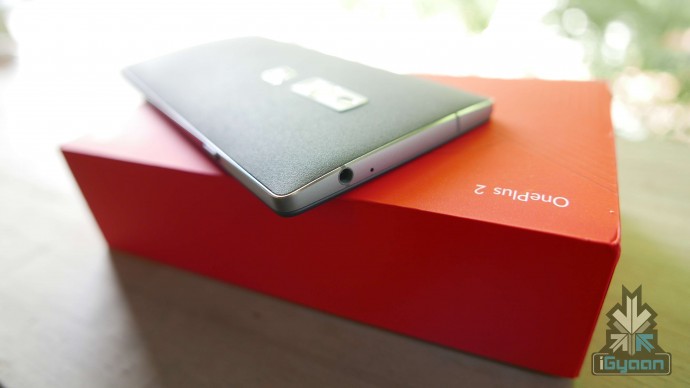
    In keeping with Prime Minister Narendra Modi’s Make in India initiative, OnePlus will start local production of its smartphones in India by the end of 2015. OnePlus will set up shop through contract manufacturing at ‘Foxconn’s Rising Stars’ factory within the Sri City Integrated Business City in the state of Andhra Pradesh.

    OnePlus 2 10

    “We are excited to add another significant chapter in our India journey as we look forward to starting local production of our smartphones within a year of our launch in the country. Local production will not only make our operations more efficient in terms of cost and working capital requirements but also help us in making our products available for sale much faster than ever before,”Vikas Agarwal said at an official event in Bangalore that saw representatives of the Government of Andhra Pradesh today.

    He futher added that, “Ever since OnePlus debuted in India, we have been deluged with requests for invites to buy our products, with more than 5 million registrations worldwide for our latest release – the OnePlus 2 – alone! With the best of our intentions of fastening up the availability process, we have been constrained by  a few supply chain related challenges in meeting consumer demands. The local production will help to address this issue and better cater to the fast growing demands for OnePlus products in India.”

    OnePlus Invites

    Local production of OnePlus’ upcoming devices will start by the end of this year at the 60,000 sq.ft facility at Foxconn’s Rising Stars factory. The facility is likely to produce up to 500,000 units per month to fulfill the growing demand for OnePlus’ smartphones in India.

  • John Abraham Becomes HTC’s Brand Evangelist

    John Abraham Becomes HTC’s Brand Evangelist

    HTC has been following the brand evangelist story for a couple of years. With Robert Downey Jr. taking the reins of the title globally, the new look and brand direction for HTC was formed. This was also a first step in their “Here’s to Change” campaign.

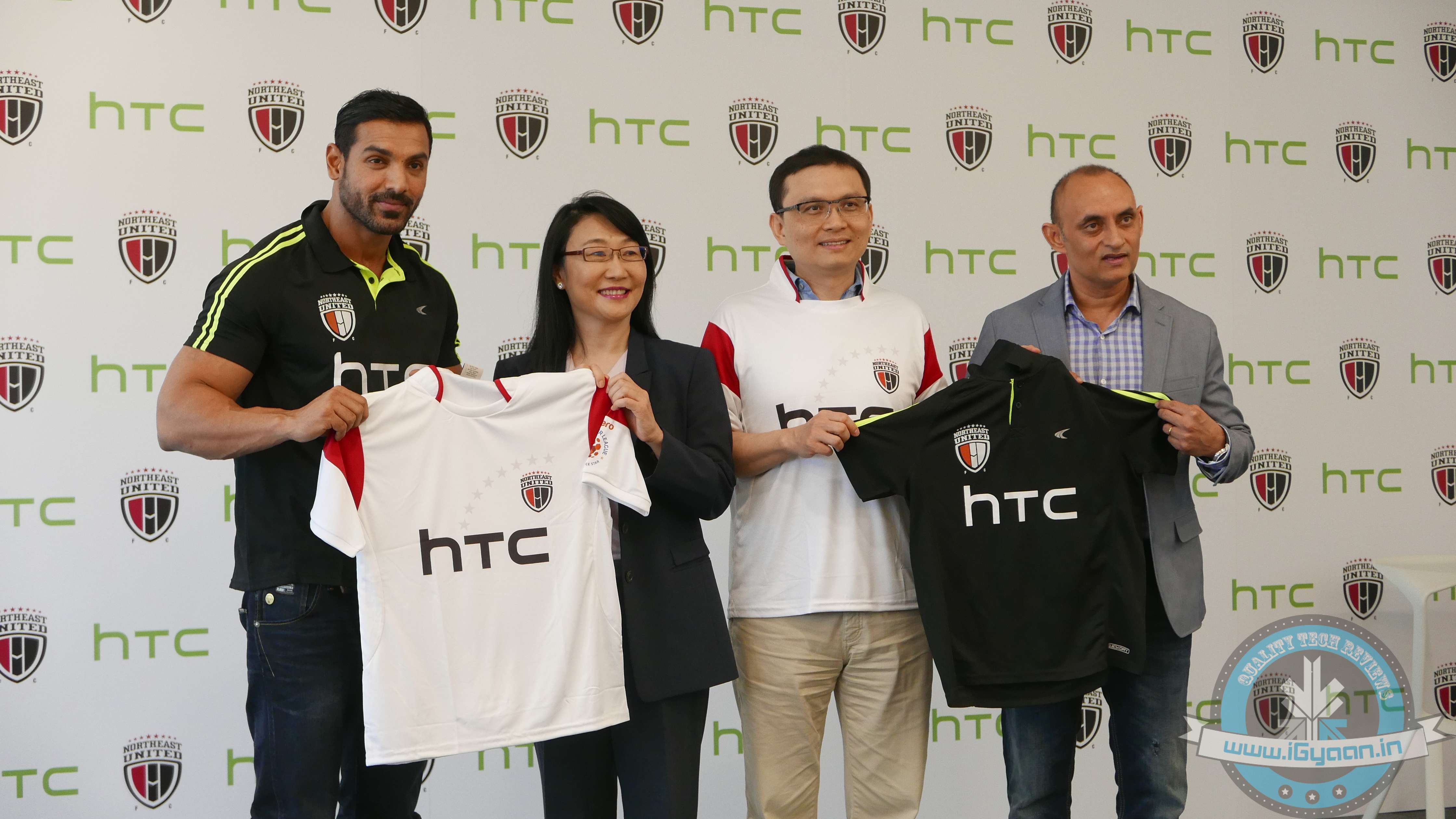
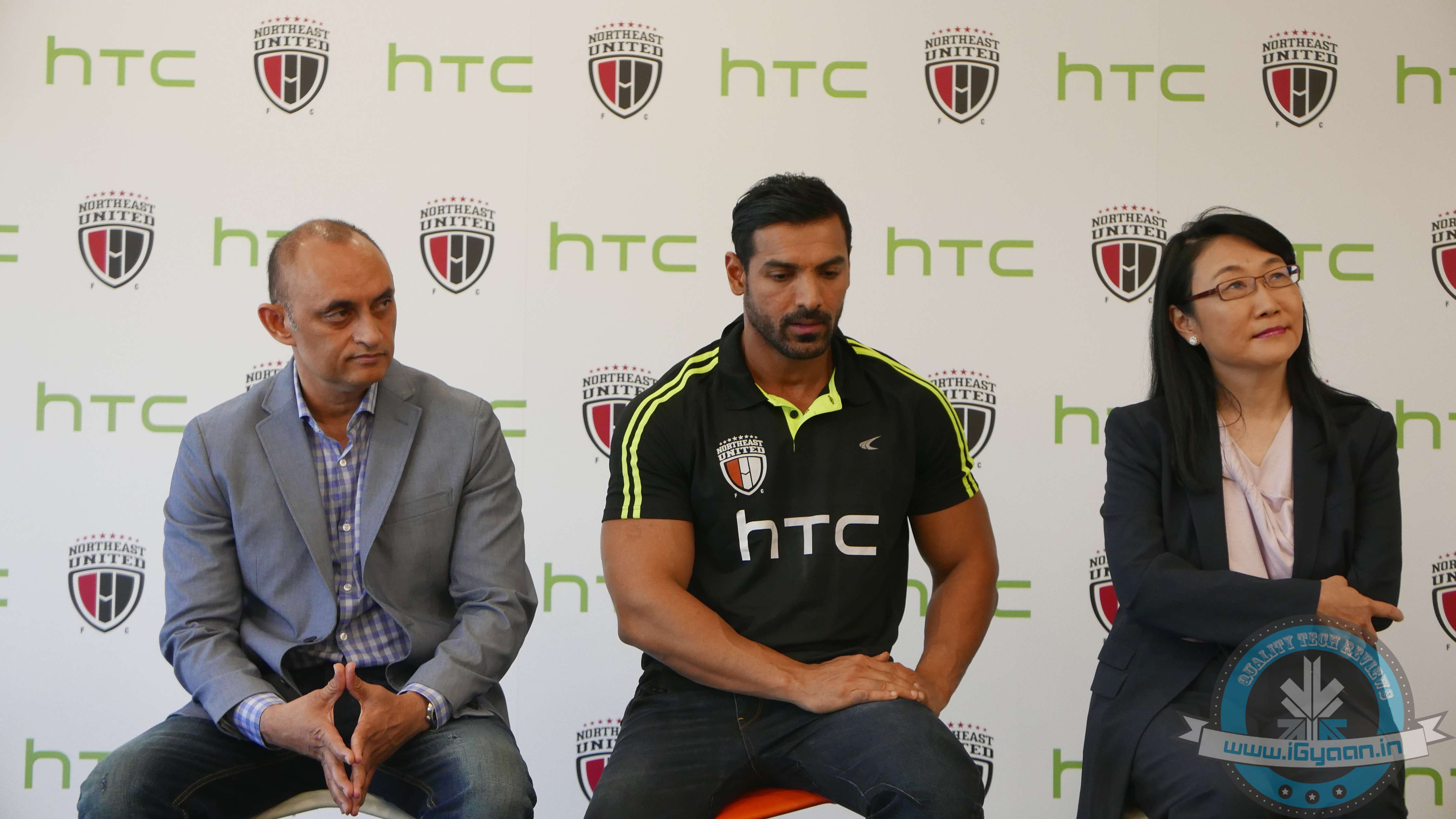
    HTC yesterday unveiled its new jersey in partnership with Northeast United Football Club, which is a team owned by John Abraham. The Partnership goes into its second year as HTC remains the title sponsor for the team.

    HTC stands for substance and elegance, it and has a strong connection with the youth; traits which are amply reflected in my own life. We are delighted that HTC will be supporting us again this season and I look forward to further strengthening our relationship over the next two years.

    -John Abraham

    john htc nufc 1

    John will also lead the Taiwanese company’s brand operations in the Indian market. With experience in marketing prior to his stint as a full time celebrity John claims that he has a right balance in and is the correct person for the position.

    The Indian Super League kicks off on 3rd October and will last through December 2015. However, HTC  and John Abraham will continue building ideas for the brand for the next two years.


iGyaan Network
Privacy Overview

This website uses cookies so that we can provide you with the best user experience possible. Cookie information is stored in your browser and performs functions such as recognising you when you return to our website and helping our team to understand which sections of the website you find most interesting and useful.