Category: Government, Law and Policy

  • Indian Government Asks Apple & Google To Remove TikTok From Their App Stores

    Indian Government Asks Apple & Google To Remove TikTok From Their App Stores

    In the ongoing case against the immensely popular media app TikTok; the Indian government has asked technology giants Apple and Google to take down the short video recording and sharing service from their respective app platforms. The news arrives after the Supreme Court refused to issue a stay order on the banning of the app. ByteDance, the parent company of TikTok had filed the appeal to issue a stay on banning the app alleging it is causing irreparable damage to the company.

    What Is TikTok?
    For those who are unaware, TikTok is a popular Chinese mobile app that was earlier known as ‘Musical.ly’. It lets users create short videos and offers features like filters and effects to be used in the videos. The app has become immensely popular among the younger audience which is credited to the exponential increase in affordable smartphones and the rise of 4G connectivity in the country.

    About The Case
    A case was filed in the Madras High Court after a Public Interest Litigation (PIL) was filed in the court regarding the TikTok app for objectionable, vulgar content. The Madurai bench of the aforementioned High Court passed an order which directed the government to stop the downloading the app in the country. It also put a restriction on certain media houses which restrained them from telecasting the videos created using the TikTok app. As mentioned above, the company ByteDance then challenged this by filing an appeal in the Supreme Court. It has claimed it has taken down almost 6 million videos which didn’t meet its guideline policies and that it trusts the Indian Judicial System to take the right decision. 

    Also read: Redmi Smartphone Leaks With Snapdragon 730, Triple Camera Setup

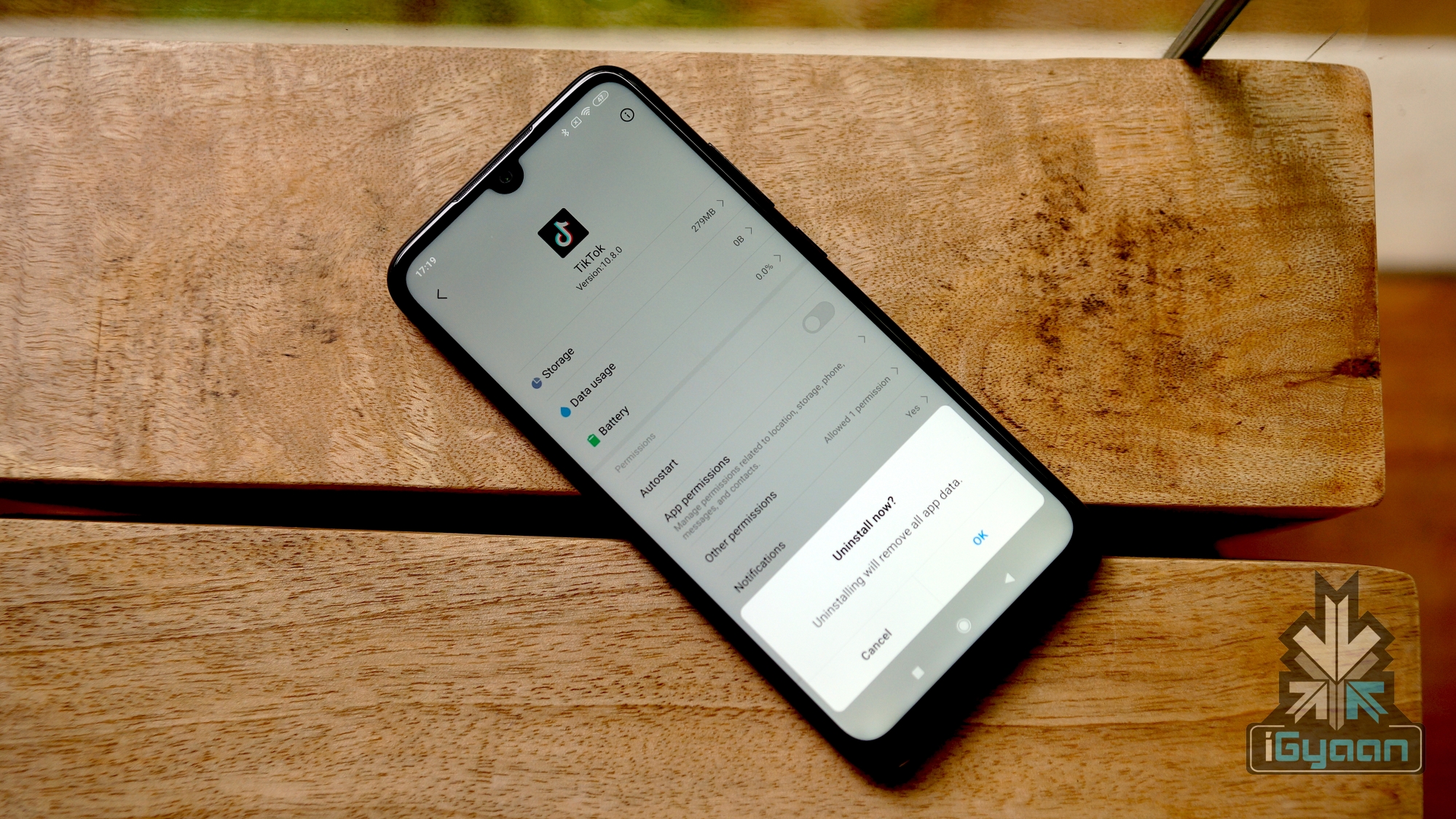
    The aforementioned request to remove TikTok from app stores by the government is issued via the Ministry of Electronics and Information Technology (MeitY). The ministry has asked Apple and Google, both of the companies which own iOS and Android OS respectively. If the companies accept the request made by the government, the TikTok app will cease to subsist on the app stores of both the Operating Systems. This is being done to stop new users from downloading the app. However, for users who have the TikTok app preinstalled on their devices, the change wouldn’t lead to anything, as the app would continue to exist on their devices.
  • Indian Smartphone Market Grew 10% In 2018. Xiaomi Still Maintains No. 1 Position

    Indian Smartphone Market Grew 10% In 2018. Xiaomi Still Maintains No. 1 Position

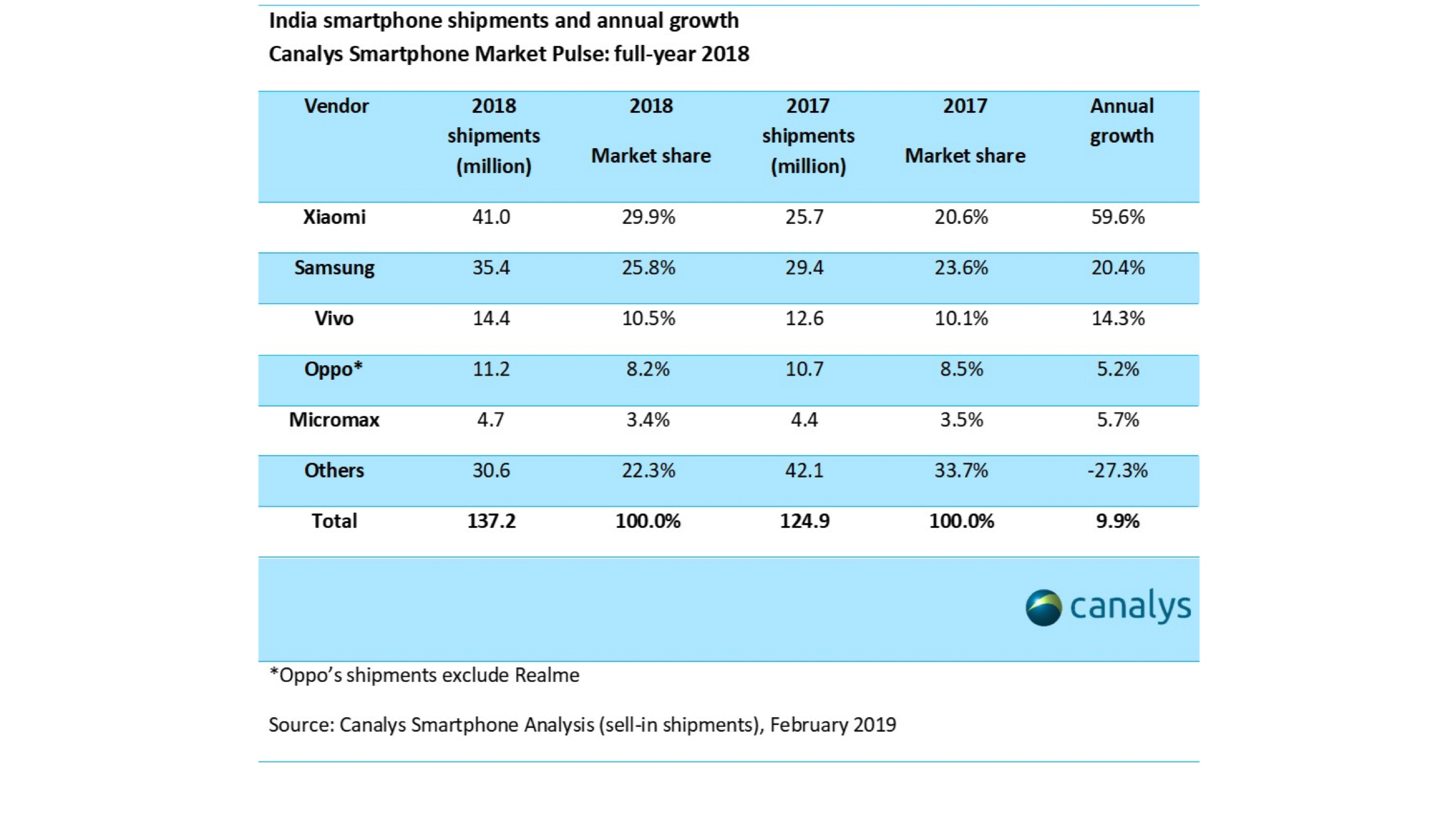
    The Indian smartphone market is a very competitive one. Being one of the biggest smartphone markets in the world, it is natural that everyone wants a piece of the pie. The problem with that is increased competition in the space. There are a lot of players competing in the market and everyone is trying to come out on the top. But according to research by a well-known analyst firm Canalys, the Indian smartphone market grew by 10% in 2018 over the previous year. The company that took the most advantage out of it, was Xiaomi, which claimed the No.1 spot in shipments.

    According to the research, Xiaomi saw shipments of around 41 million shipments over 25.7 in 2017. The brand saw its market share soar from 20.6 in 2017 to 29.9 last year. The second place is occupied by Samsung, with 35.4 million shipments in 2018. With that, Samsung saw its market share grow from 23.6 to 25.8 over the period of 2017-2018. Other players in the top 5 were Vivo, Oppo, and Micromax respectively.

    The Indian Smartphone Market In 2019

    India has become Xiaomi’s biggest market worldwide, bigger than China which is the home country of Xiaomi. In the fourth quarter of 2018, it shipped 9.4 million smartphones to China, and 10 million to India. Despite the global smartphone market decline of sales last year, the Indian smartphone market stayed unfazed, even managed to grow significantly in the time period. More growth is expected in 2019 for the Indian smartphone market.

    Also read: Moto G7 and G7 Plus Launched

    The ideology of providing more specs for a low price seems to have managed to resonate with the Indian audience. Canalys also expects that with the announcements of the Budget 2019 taken into consideration, more growth will be on the horizon as the disposable income will increase. According to the report, India now has 10% of the world’s smartphone market, up from 6% five years ago. It is one of the 6 markets out of the top 20 which saw positive full-term growth.


  • 3D-Printed Rocket Company Given Launch Site In Cape Canaveral

    3D-Printed Rocket Company Given Launch Site In Cape Canaveral

    Relativity Space, a three year old start up, that wishes to send 3D printed rockets to space have finally received a launchpad in Cape Canaveral. Cape Canaveral is America’s busiest spaceport. Relativity is reportedly taking over a site called LC-16. This pad was previously used by the US military to launch Titan and Pershing ballistic missiles at a point in time. The announcement was made by the company on Thursday. According to the company, they have a five-year agreement with US Air Force to operate out of the launchpad in Cape Canaveral. 

    Relativity will be the fourth company to gain access to the popular launch site after SpaceX, Blue Origin and the United Launch Alliance. A bidding was held for the launch site and Relativity won the bid. They also have permission to modify the launchpad to suit its own technology. The company will save approximately four years which would have otherwise been spent on building a launch site from scratch. 

    Relativity Space 

    Relativity wishes to deploy and resupply satellite constellations with industry-defining lead time and cost. The uniqueness of Relativity Space is to build an entirely 3D printed rocket. They also have the first fixed tooling-free, evolvable factory and a proprietary building-sized metal 3D printer called Stargate. The company also wishes to eventually print 3D rockets on Mars.

    The first launch vehicle for the company is called Terran 1. Surprisingly, the company says that it would only take 60 days to print. The vehicle would have a max payload of 1,250 kg (2756 lbs) to low-Earth orbit. 

    Relativity Space CEO Tim Ellis was named by Vice President Mike Pence as a member of the National Space Council’s Users Advisory Group last year. The company, even though just three years old, has come a long way. It also has a long way to go, quite literally. To Mars if things go as planned. 

  • UK Readies Itself  With Military-Grade Protection From Drones

    UK Readies Itself With Military-Grade Protection From Drones

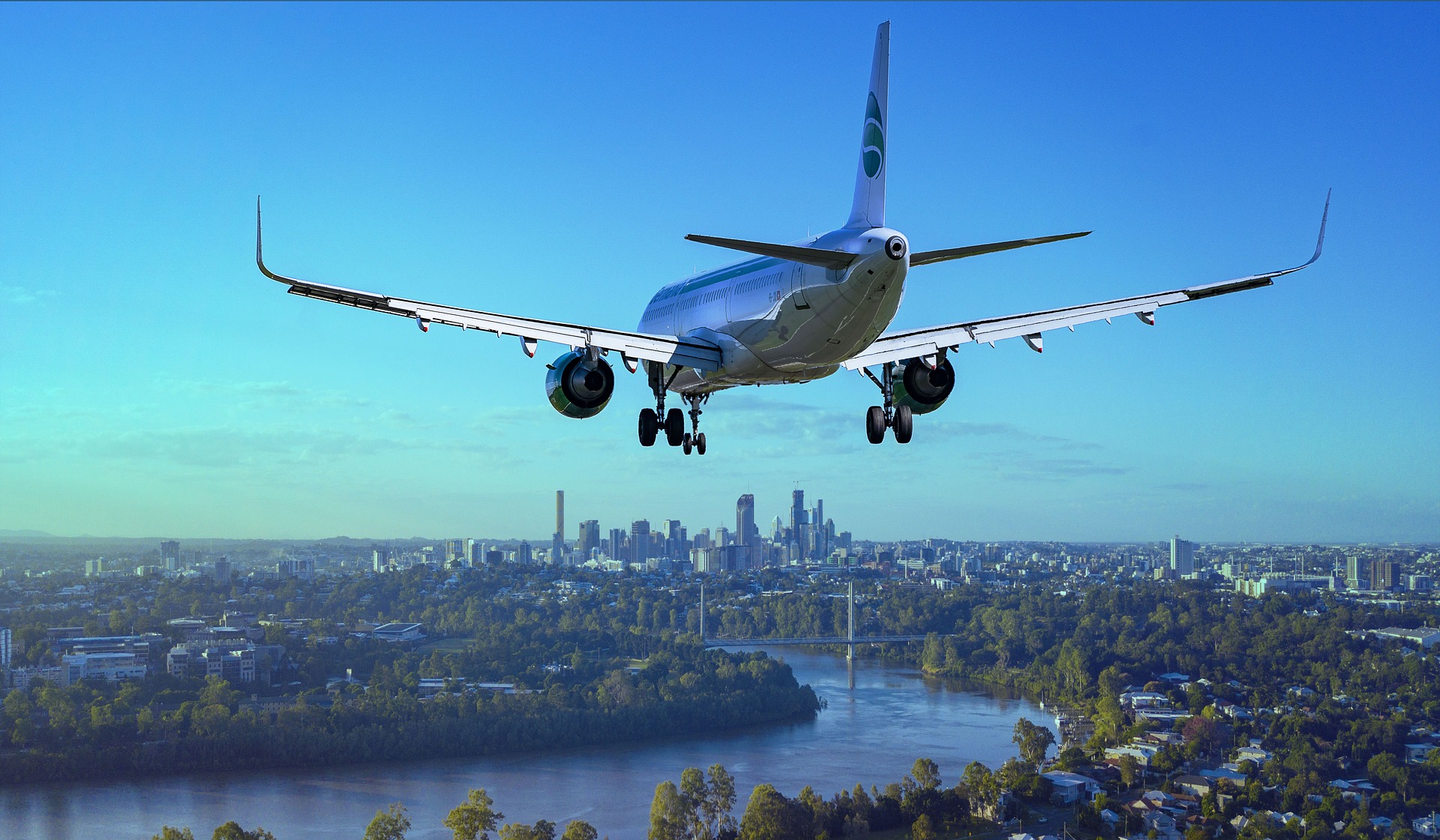
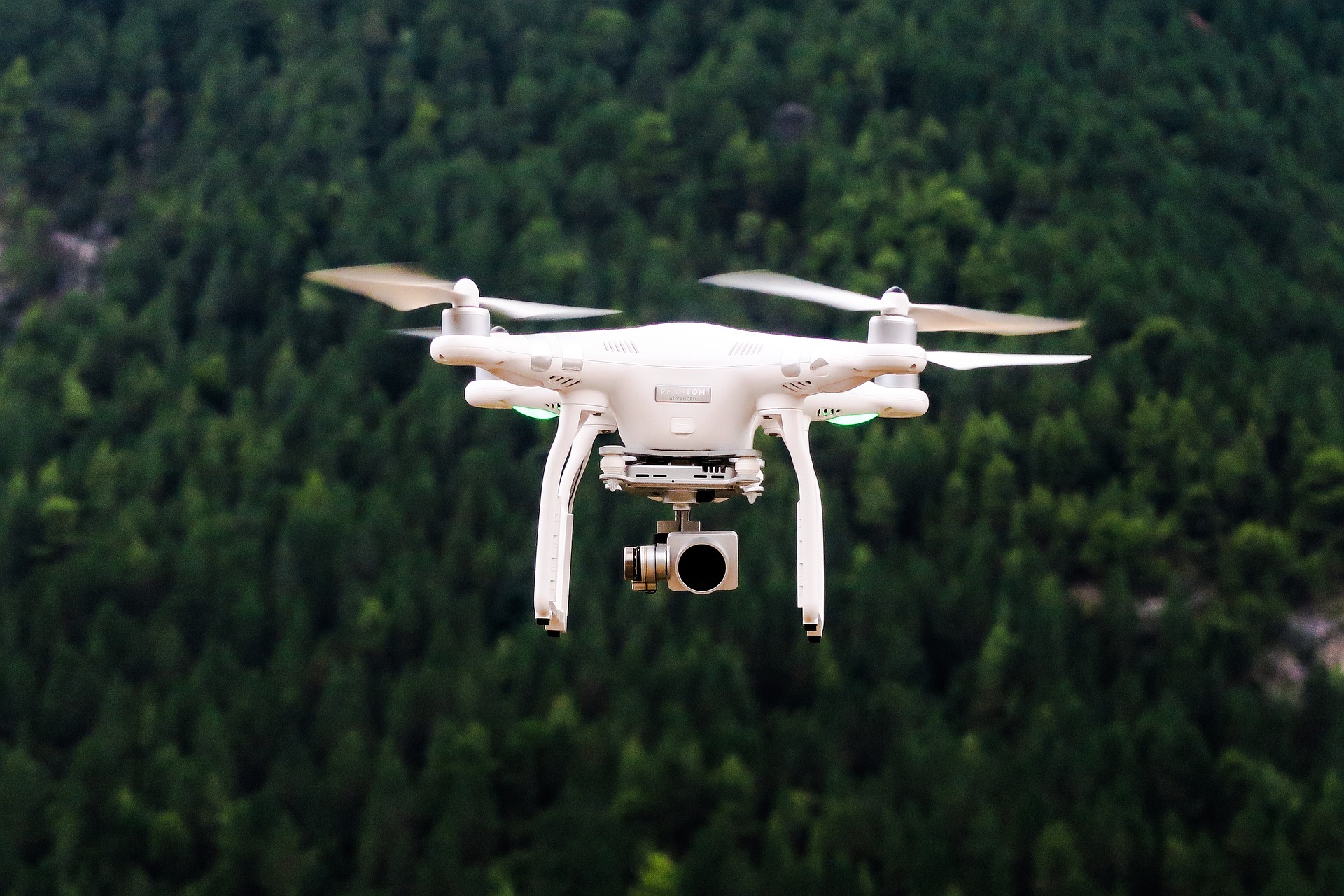
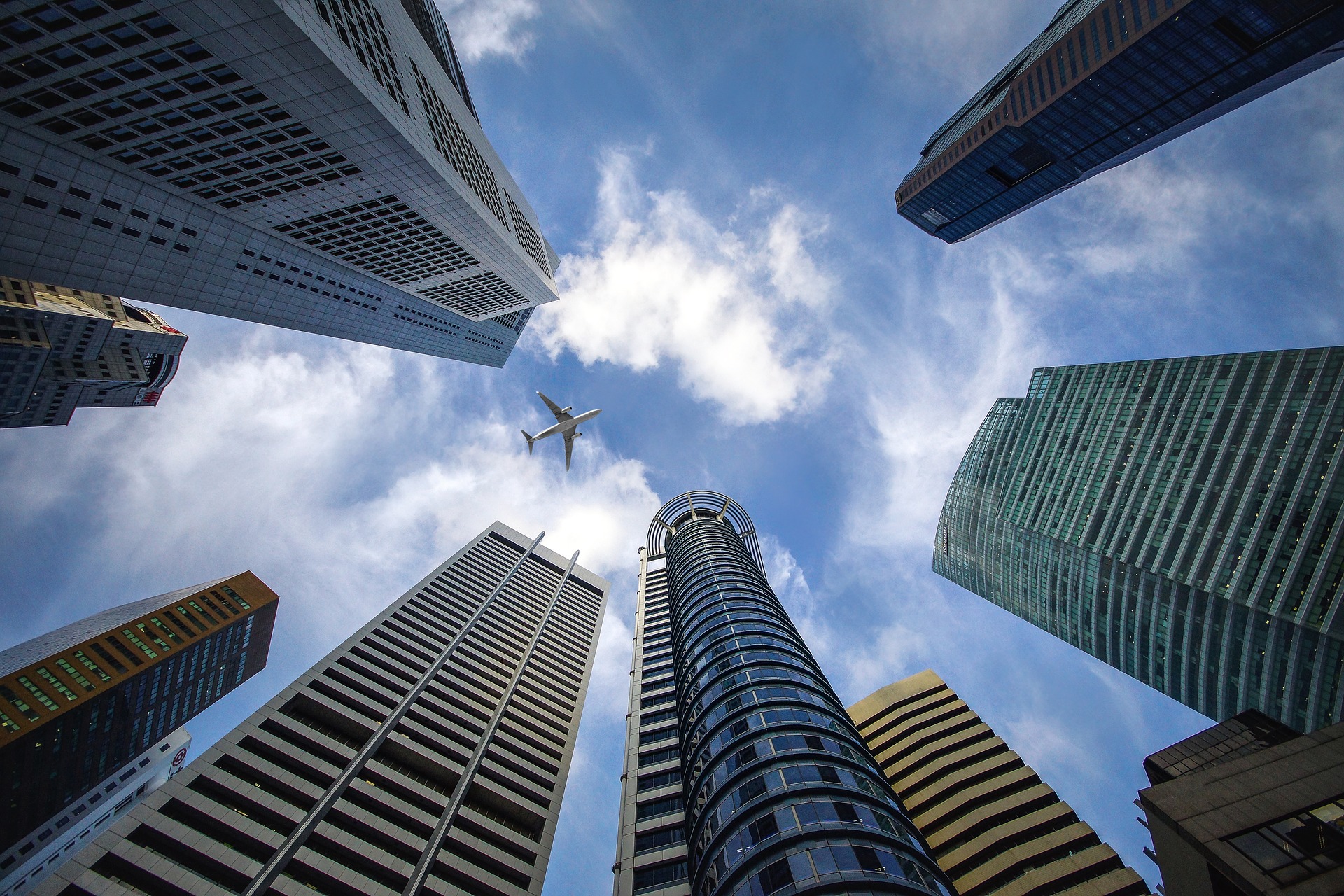
    After a few disastrous incidents of flight delays, cancellations and near misses, UK is all set to put regulations in place for drone flights near airports. It is also reported that all major UK airports now have or will soon have military grade anti-drone equipment.

    UK’s Drone Regulations

    Very recently the military were called in to help when drone sightings causing massive delays at Heathrow Airport. Another such incident involved Gatwick airport when drone flights caused major disruption affecting 140,000 passengers just before Christmas. UK government wishes to or already has technology installed at other critical infrastructure such as prisons, power stations and military sites. Gatwick Airport in a statement said that it had spent £5m to prevent future attacks.

    The current drone regulations in UK suggests:

    • Drone must be in line of sight at all times
    • Not within 50m of people, vehicles or buildings
    • No higher than 120m

    The government in UK are also said to expand technology to detect and repel drones from sites like airports and prisons. A new legislation will reportedly give police additional powers to land drones. They will also be granted the power to require users to produce the appropriate documentation if they deem it necessary.

    India’s Drone Regulations

    On the other hand, India lifted the blanket ban that it had put in place for a long time, in December 2018. However, this has been lifted partially and will now allow commercial activities and drone flights. Drone Regulation 1.0 is a step to open up the use of Remotely Piloted Aircraft (RPAs) for commercial activities.

    The regulation is formulated by the Ministry of Civil Aviation and it has created a huge base for a drone ecosystem in the country. Under this regulation the airspace has been partitioned into Red Zone (flying not permitted), Yellow Zone (controlled) and Green Zone (automatic permission). Permission to fly a drone can be taken using an App. The app is called Digital Sky. 

    The current regulations for a drone flight in India are:

    • During day light (except those flying in enclosed spaces)
    • Within visual line of sight (VLoS)
    • A maximum height of 400 feet above ground limit (AGL)

    Drones will not be able to take flight in “no drone zones”. These include areas close to airports, international borders, State Secretariat Complex in state capitals, strategic locations/vital and military installations. If your drone flight causes damage or injury, you might face penalties under the Aircraft Act 1934, and charged under the IPC sections 287, 336, 337, and 338 which can include anything between Rs 250 fine to two years in jail. 

  • India May Send A Female Astronaut To Space In Their First Manned Mission : Says ISRO

    India May Send A Female Astronaut To Space In Their First Manned Mission : Says ISRO

    India has made much headway in space exploration as well as space research in general. From Space Capsule Recovery Experiment Mission SRE-1 in 2007 to Mars Orbiter Spacecraft launch in 2013, ‘Chandrayaan-1’  launch in 2008 and many more achievements have left a mark on space exploration as a whole. When the entire world is opposing space exploration, citing budget problems, ISRO has remained one of the most budget efficient space research organisation. 

    [blockquote]ISRO’s budget was just three per cent of that of NASA’s Budget in 2010[/blockquote]

    Chandrayaan-1

    Almost ten years after the Chandrayan-1, ISRO has decided on a window for the date of Chandrayan-2 launch. They had earlier set the date at January 3rd but were forced to change as they missed the deadline. ISRO has also set a target for two unmanned missions to space in December 2020 and July 2021, and the target for a manned mission to space in December 2021.

    What ISRO Said

    ISRO recently also stated that a woman astronaut could be a part of the first manned spacecraft that India sends to space. The ISRO chief also stated that the initial training for Gaganyaan will be done in India. Further advanced training maybe conducted in Russia. The prospect of Gangayan carrying women astronauts is extremely forward and can become an inspiration for many women in India. Kalpana Chawla was the first female of Indian origin to go to space. She was one of the seven crew members who died in the Space Shuttle Columbia disaster. In that disaster the aircraft disintegrated during its re-entry into the Earth’s atmosphere in 2003. 

    [blockquote]I would say if you have a dream, follow it. It doesn’t really matter whether you are a woman or from India or from wherever. – Kalpana Chawla [/blockquote]

    The Gaganyaan will carry a three-member crew for a minimum of seven days in space. The total cost of India’s indigenous human spaceflight  will be Rs 10,000 crore. ISRO has also said that the option for civilian inclusion in the mission will also be open. They further added that the selection will be stringent for the first mission but it might be relaxed for the second and third. It is also worth noting that the Union cabinet has already approved the Gaganyaan programme. 

  • Indian Government Bans Smartphone Online Exclusive Sales

    Indian Government Bans Smartphone Online Exclusive Sales

    India is a largely online buyer’s market and many phone manufacturers have switched to selling online instead of investing in brick and mortar stores. Samsung has been in the number one position in terms of smartphone sales worldwide for quite some time now. But Xiaomi had taken the lead in the first quarter of 2018 in terms of India smartphone shipments market share. But now, it seems like Samsung will get a leg up in this battle with a new law that has been introduced by the government banning exclusive deals of phone manufacturers with online marketplaces.

    What Exactly Happened?

    Most manufacturers these days such as Xiaomi, Oppo, Vivo and even OnePlus use these exclusive launches with one of the E-commerce players to promote their phones and drive sales. The new law will bring the websites including Amazon and Flipkart to a level playing field. The government also directed that a single vendor can sell a maximum of 25% of its inventory on an e-commerce platform. This is where Samsung’s brick and mortar stores come in. Since the Chinese manufacturers heavily depend on online sales which help them keep their phone prices down, we can expect a surge in prices of these phones in future. We can also expect phones being sold out quicker. A black marketing of phones due to their unavailability can also be a cause for concern. Xiaomi and OnePlus has already started opening their own storefronts in several locations in India. But they are not nearly enough to compete with Samsung.

    According to Counterpoint, about two years ago, 5% of Xiaomi’s volumes came from offline channels which has grown to around 30%. This can largely be attributed to them opening their own stores and selling through other affiliate stores as well. Xiaomi has around  500 Mi stores at the moment while Samsung has around 2100 stores in the country. This also means that Indian manufacturers who completely missed out on the online selling bandwagon might just regain their footing in the business. OnePlus had also said in March 2018 that they will expand their offline selling stores, which they call ‘experience zone’. Their plans included 10 cities which also include Delhi, Mumbai, Chennai and others.

    It is also important to note that the offline segment witnessed an annual growth of 6.6 per cent in Q3 2018 but still online channels continued to dominate with around 60 per cent of the Indian smartphone market in that quarter.

  • Apple Is Providing User Data To The Indian Government

    Apple Is Providing User Data To The Indian Government

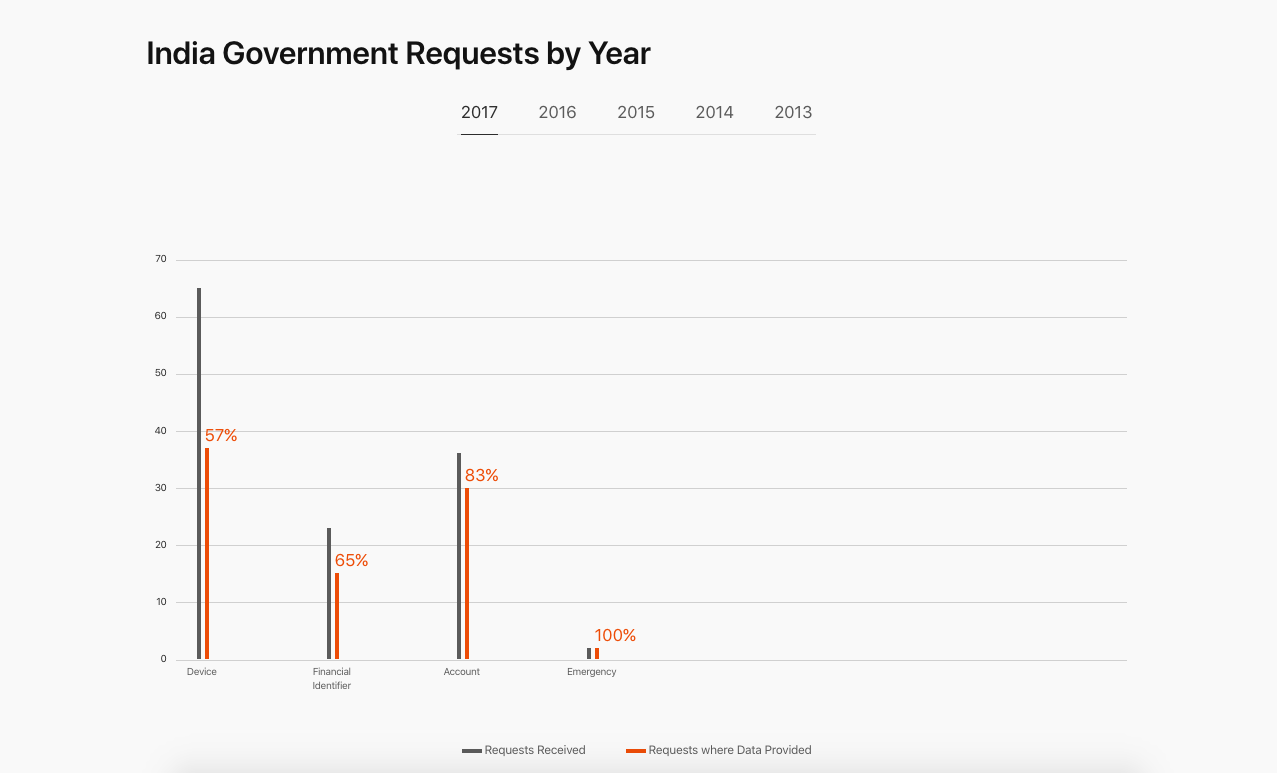
    Apple is the preferred choice for many consumers since privacy is something the company boasts of in their ecosystem. But Apple also abides by the rules and regulations of the respective countries it sells its phones to and according to their latest transparency report, they seem to be providing user’s data to the government. Transparency reports are reports that are published in regular intervals by tech giants such as Facebook and Twitter. These are available for customers to see and includes data such as Government requests, Account Restriction / Account Deletion and Account Preservation.

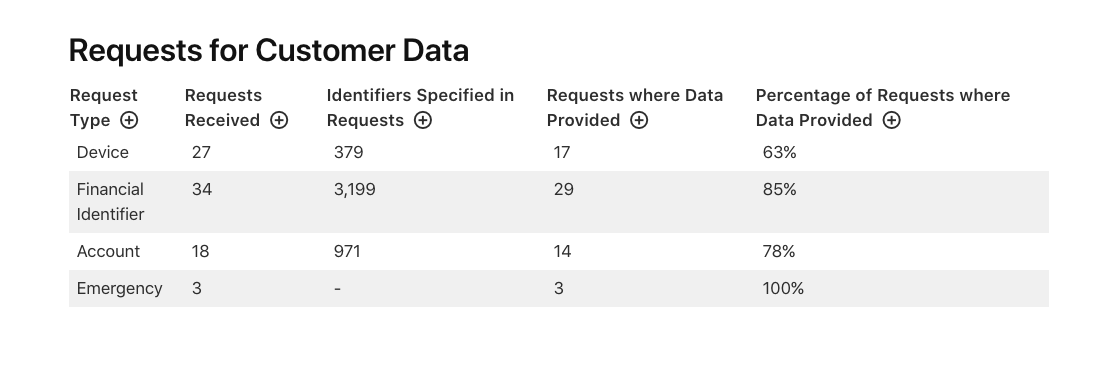
    It must be noted that the government does not ask for every Apple user’s data and these requests go through a rigorous screening process. These include the government asking for information on a particular user through subpoenas, court orders, warrants etc. According to Apple, government and private entities are required to follow applicable laws and statutes when requesting customer information and data from Apple. The reports from January – June 2018 suggest that the total Device requests in that time period were 27. Out of that, 17 requests were granted by Apple which is a 63% request approval. Device requests include information of a particular device that a particular person is using such as IMEI or Serial Numbers.

    Financial Identifier Requests

    Requests on financial identifiers from the Indian government amounted to 34 in total. Out of that Apple granted information on 29 which is an 85% request approval. Financial Identifiers are requests received from a government agency seeking customer data such as credit card or gift card. This is in light of the iTunes gift card fraud that has been prevalent for a while now. Requests for Account details such as Apple ID and emails were also made by the Indian Government. These amounted to a total of 18 in the half-yearly period. Apple gave information on 14 of those requests.

    Also ReadOnePlus 5 And OnePlus 5T Start Receiving Android Pie Stable Update

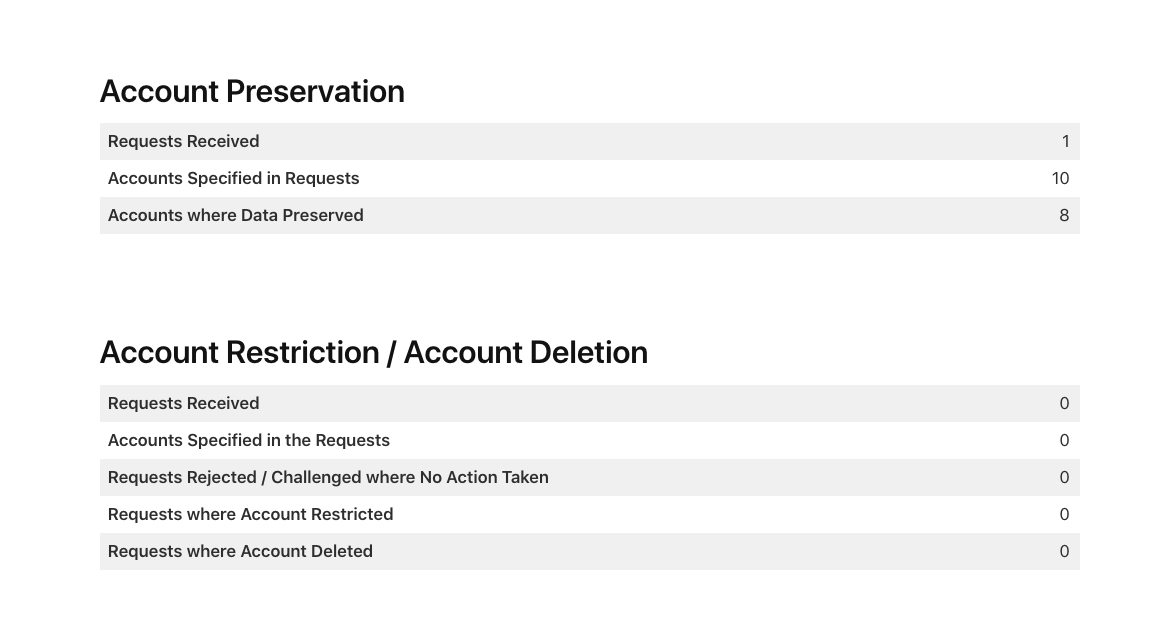
    Apart from these, 3 emergency requests were also made by the government and Apple followed through on all of them. These requests are made when the government requires user’s data on an emergency matter. There were no Account restriction or deletion requests made in the 6 month time period by the government.


  • After China, Apple iPhones Now Face Ban In Germany

    After China, Apple iPhones Now Face Ban In Germany

    Apple and Qualcomm’s patent war has gotten uglier, as some iPhone models have been banned from sale in Germany as well. Earlier, a few iPhone models had been banned in China, following a lawsuit filed by Qualcomm. Allegedly, Apple is using technology patented by Qualcomm. These were related to photo editing and arranging apps on a touchscreen. Apple seems to have found a fix for the China problem by rolling out a software update. But the German issue seem to be more complex.

    The German Ban

    In Germany, Qualcomm has asked for a ban on some iPhones which are using chips made by Intel. The Judge involved in the hearing ruled that some of the phones contain a combination of chips from an Apple supplier and Intel. This violated one of Qualcomm’s patents regarding envelope tracking. This feature helps mobile phones save battery while sending and receiving wireless signals. 

    Earlier this week, Apple had released a software update for its iPhones in Germany, hoping to avoid the ban by using a software update. However, the update was regarding the spotlight feature in the contacts menu. It had nothing to do with the modems in question. The intel modems came into use in iPhones starting from the iPhone 7. While the latest lineup of iPhones use Intel modems, exclusively. While Apple is already working on designing and manufacturing its own chips, that won’t be a possibility for some time now.

    The ban in Germany has led to the stop of iPhone 7 and iPhone 8 models in Germany. While Apple has appealed against the decision, there is nothing it can do as of now. However, the ban is only limited to Apple retail stores and the models will still be available with third party resellers. The latest lineup including the iPhone XR and the iPhone XS remain unaffected. 

    Also Read : iPhone Ban In China To Be Lifted Due To iOS Update

    Apple’s China Issue

    In China, Apple hopes to reverse the ban using the latest software update. But until then, some models of the iPhone are banned there as well. If the ban wasn’t enough to hurt sales of the iPhone in Apple’s third largest market, a new movement is now troubling the tech giant as well. The recent arrest of the CFO of Huawei in Canada has led to outrage in China. More people are shunning their Apple devices. And switching to Huawei and other ‘home-made’ devices to protest against the ‘unfair arrest’.
  • Google Is Reportedly Shutting Down Its Controversial Chinese Search Engine Project

    Google Is Reportedly Shutting Down Its Controversial Chinese Search Engine Project

    Google’s Project Dragonfly has been one of the most controversial issues associated with the company in modern times. It is a ‘secret’ project taken by the internet giant to set up a search engine in China. While that seems like a pretty normal thing, it drew a lot of flak. This was due to the fact that this search engine was allegedly going to help the Chinese government ‘spy’ on users and censor and control content. But now, reports suggest that Google might have internally shut down this project.

    Project Dragonfly

    The news of the apparent shutting down of Project Dragonfly brought a lot of cheer and joy from organisations around the world. A lot of people believed that the project aided censorship and surveillance. Which added to the already ongoing Human Rights violations in China. Recently, Google CEO Sundar Pichai was also subjected to a Senate hearing, which dwelled into whether Google has been censoring and controlling content and spying on people.

    While the Senate Hearing did not bring out a judgement that might have affected Google’s decision, it seems that the entire movement against the project could have motivated the company to do so. In fact, an open letter signed by 200 engineers from Alphabet Inc, which is Google’s parent company might have added to the already existing internal conflict regarding the project. Even members of Google’s privacy team were repeatedly shut out from meetings regarding Project Dragonfly.

    Also ReadWhy Indian Smartphone Brands Lost To Their Chinese Counterparts

    Google’s Move

    All the dispute rose due to a website, 265.com. This had been purchased by Google way back in 2008. The company then used it for ‘market research’. They allegedly used it to see what Chinese users searched for on Baidu and then went ahead to build a prototype of Dragonfly based on this information. Despite all the issues, the project was one of the key efforts of Google, and receiving backing from most of its top executives. Now that the project has been shut down, we can believe that it is a move in the direction of protection of a users data and the safeguard of freedom on the internet.

  • Indian Air Force Successfully Tests Its First Plane Powered By Biofuel

    Indian Air Force Successfully Tests Its First Plane Powered By Biofuel

    With the advancement of technology and the need for more fuel to power everything around us, manufacturers are turning to greener alternatives to do the same. Over the past few years, we have seen huge growth in the sector of eco-friendly automobiles. The same drive has spread to a larger industry, that of aviation. Earlier this year, SpiceJet had tested India’s first commercial flight which ran on biofuel. Now, the Indian Air Force has also stepped into the same arena. It has successfully tested its first military aircraft, flying using biofuel.

    Painting The Skies Green

    The test was carried out using an AN-32 transport aircraft and the Indian Air Force plans to use this biofuel powered An-32 for the flypast during the republic day parade. This was a step closer towards the same. The test was carried out by Test Pilots from the Aircraft Systems and Testing Establishment (ASTE). But it must be noted that the entirety of the fuel used was not biofuel, and only 10% biofuel was used along with conventional aviation fuel. This is similar to the SpiceJet flight which used 25% biofuel and 75% aviation fuel.

    The successful test was done with the help of the Defence Research and Development Organisation (DRDO) and the Indian Institute of Petroleum (IIP). The fuel is made from Jatropha oil sourced from the Chattisgarh Biodiesel Development Authority (CBDA). It was then processed at the IIP facility in Dehradun. The Indian Air Force plans to have transport aircrafts flying with biofuel by 2021. 

    Also ReadSpiceJet Operates India’s First Biofuel Driven Flight

    The test also added India’s name to a very elite list of countries which has done so. This includes the USA , which had done similar tests on transport and fighter aircrafts as well. The Indian Air Force added that they plan to expand this capability to their fighter jets as well. This includes the MiG 29 and the Su-30 MKI fighter jets.

  • DJI Drones Restricted Temporarily In The UK

    DJI Drones Restricted Temporarily In The UK

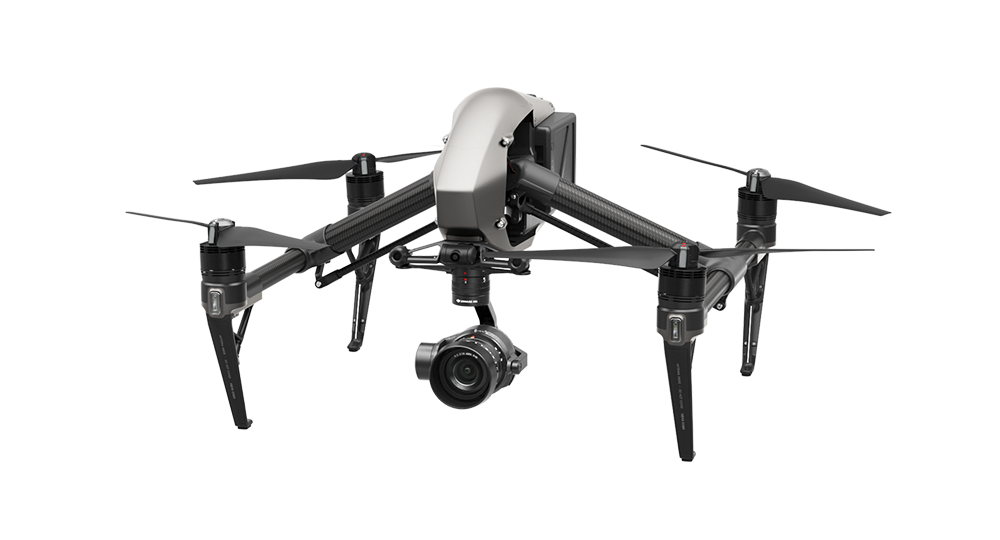
    The Civil Aviation Authority in the UK has restricted DJI drones due to certain issues of the drones failing mid- air. The authorities have issued a safety notice (SN) for operators of the DJI Matrice 200 series multi-rotor small unmanned aircraft. This notice came about after several in-flight battery problems which have led to a complete power loss. The DJI Matrice 200 and Inspire 2 use TB50 and TB55 DJI batteries that are failing specifically. Detection of the power loss was made when there was sufficient battery time still left on the device.

    DJI’s Response

    In a press release, the company has said that DJI is investigating the reports regarding the batteries showing incorrect power levels that have led to loss of power mid-flight. They have also issued a statement regarding the battery problem. Stating that flight safety and product reliability are their top priorities. They have advised customers to fly with caution when operating their drones equipped with these batteries. In addition, DJI is working on a firmware update that will provide improvements to flight safety for the affected drones. DJI is reportedly urgently working on a mitigation plan to allow customers to confidently use these batteries again.

    According to DJI, the best way forward is to constantly keep checking the voltage of the battery before and during the flight. This is a temporary solution till they resolve the problem. A firmware update push to all the drones is underway that use these two batteries. This update will ‘provide improvements to flight safety’. The company has urged customers who have experienced these problems to contact DJI immediately. This is so that they can understand and work on the battery problem.

    Also ReadDJI Launches Mavic 2 Enterprise For Commercial Use

    The company urges customers to also keep the flight within visual line of sight to support a safe return to home. Users should not fly the drone over people, moving vehicles, or other property that is susceptible to damage. CAA has suspended permissions to fly these models over or within 150 metres of any congested area. Instructions were given to refrain from flying within 50 metres of any persons, vessel, vehicle or structure which is not under the control of the SUA (Small Unmanned Aircraft) Operator.

  • More than 50 Million Accounts Affected In Facebook Hack, Your’s Could Be Too

    More than 50 Million Accounts Affected In Facebook Hack, Your’s Could Be Too

    Twitter was ablaze with users commenting about how they had suddenly been logged out of their Facebook  apps. This seemed to be faced by a lot of users, and you might be one of them too. The reason is the latest breach into Facebook’s security system which affected almost 50 million accounts.

    Also Read: Sony Introduces PlayStation Classic, With 20 Pre-Loaded Games

    The Hack:

    The breach was detected by Facebook on 25th September. A hacker or some hackers had used a vulnerability in the code of the social networking giant to gain access to user accounts. This was done by gaining control of the access tokens for the accounts. The access tokens are basically what allow you to log int your mobile accounts without having to retype your password every time. An update to the video uploading feature in July 2017, led to this vulnerability and attackers only needed to find this out to get the access tokens to user accounts.

    To combat this, Facebook immediately reset the access tokens of all the affected accounts and an additional 40 million accounts. This led to users being abruptly logged out of they Facebook and Messenger apps. Along with this, the company is also disabling the ‘View As’ feature in your account until it conducts a thorough security review.

    What has not been answered is who the attackers were and what they used the accounts for. They could have used the accounts to change settings . It could have even been used to log in to third party apps using the accounts. The possibilities are many, but the company has still not found an answer to the question. However, it has added that no credit card information has been exposed.

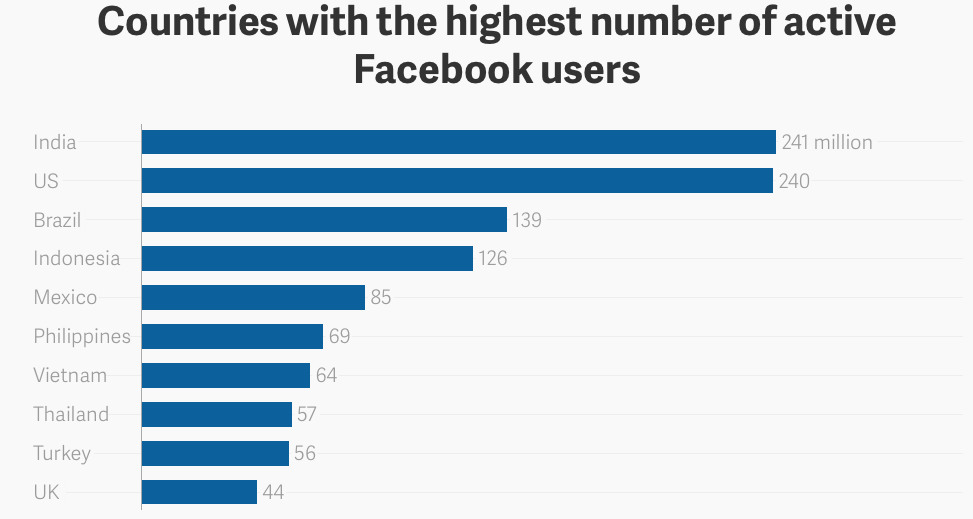
    Facebook is treading through rocky waters. Earlier this year, Facebook had a crisis which forced CEO Mark Zuckerberg to testify in court. The company pledged soon after this that it holds the protection of user information above everything else. Although this is completely different, it is the users who are affected. With around 2.23 billion active monthly users, and the absence of a Chief Security Officer, its high time Facebook steps up its security game.

  • Aadhaar Linking With Phone Numbers/Bank Accounts Not Mandatory

    Aadhaar Linking With Phone Numbers/Bank Accounts Not Mandatory

    Supreme court has extended the timeline to update Aadhaar details indefinitely. The new order from SC says that “The government cannot insist for mandatory Aadhaar even for the issuance of Tatkal passport.”

    Ignore any messages from your telecom operators to link Aadhaar with your mobile number. Similarly, also ignore messages and calls from e-wallet services and banks, regarding the linking of Aadhar.

    The interim order from SC also says that Aadhaar is still mandatory to receive govt subsidies. However, this will depend on the five-judge bench which will consider the different petitions, that challenges the constitutional validity of Aadhar.

    What is Aadhaar?

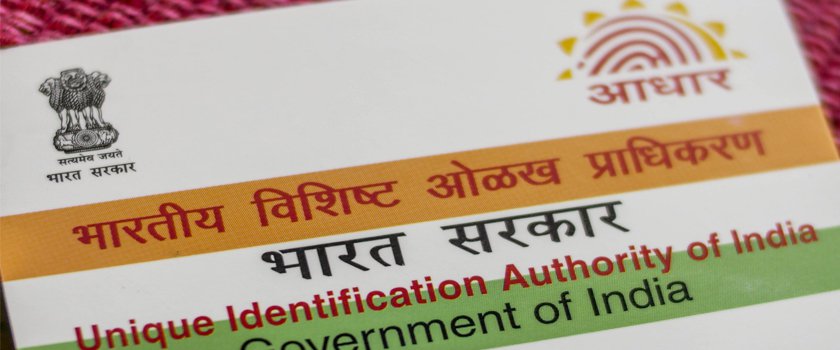
    Aadhar, the unique identification number allotted and maintained by the Unique Identification Authority of India (UIDAI). Similarly, it is the largest database of private information including fingerprints, and iris scans of billions of Indians. The database also includes pictures, addresses and private information of all the individuals registered on the database.

    Security frailty of Aadhaar

    130 Million records of the Aadhaar number were reportedly breached in Q1 of 2017, while UIDAI had claimed that they had rectified the breach. The data of this leak was already out on the Internet, available as access records for the millions of accounts.

    A journalist claims to have bought access to a User Name and Password that allowed him unrestricted access to details of the more than 1 billion Aadhaar numbers. This was provided in less than 10 minutes over a WhatsApp chat, after a PayTM transfer of a mere Rs. 500.

  • UIDAI Claims All Aadhar Biometric Private Data Is Safe

    UIDAI Claims All Aadhar Biometric Private Data Is Safe

    The Unique Identification Authority of India (UIDAI) has responded to reports that someone sold over 1 billion Aadhar card details for just Rs. 500. In a statement, the organisation has claimed that all data is safe. In response, UIDAI has also filed an FIR for unauthorised access to Aadhaar data, such as names and other demographic details, due to the misuse of the grievance redressal facility at the office of the Surat district administration in Gujarat.

    UIDAI denied that the breach allowed access to millions of Aadhaar cardholders’ details, saying the search facility is available for the purpose of grievance redressal to designated personnel and state government officials and details are limited to the particular Aadhaar number punched in.

    UIDAI assures there has not been any Aadhaar data breach. The Aadhaar data, including biometric information, is fully safe. UIDAI reiterates that the grievance redressal search facility gives only limited access to name and other details and has no access to biometric details.

    Stating that the given case appears to be a misuse of the grievance redressal search facility, UIDAI said it maintains a complete log and traceability and legal action will follow.

    The news broke out when a report in The Tribune claimed that after paying just Rs. 500 to an agent, the investigators were handed a login ID and password to the particulars of any Aadhaar number.

    Lo and behold, you could enter any Aadhaar number in the portal, and instantly get all particulars that an individual may have submitted to the UIDAI (Unique Identification Authority of India), including name, address, postal code (PIN), photo, phone number and email.

    You can read the in-depth report on the matter here.

  • Aadhar Biometric Data Reportedly Compromised For Rs. 500 Over WhatsApp

    Aadhar Biometric Data Reportedly Compromised For Rs. 500 Over WhatsApp

    Aadhar, the unique identification number allotted and maintained by the Unique Identification Authority of India (UIDAI) was started in 2009 and is the largest database of privacy information including biometrics that include fingerprints, and iris scans of billions of Indians. The database also includes pictures, addresses and private information of all the individuals registered on the database.

    It is estimated that over 1.2 Billion people have already resisted for the Aadhar number, however, it has not been without problems. Initially there was political push back for the Unique ID system which was intended to allow Indian residents easy access to social programs for healthcare, education, and general welfare. However the program received a major push under Prime Minister Narender Modi and BJP’s political reign in the Center since 2014.

    130 Million records of the Aadhar number were reportedly breached in Q1 of 2017, while UIDAI had claimed that they had rectified the breach, the data of this leak was already out on the Internet, available as access records for the millions of accounts.

    A journalist at the Tribune Newspaper, claims to have bought access to a User Name and Password that allowed him unrestricted access to details for any of the more than 1 billion Aadhaar numbers created in India thus far. More importantly, this was provided in less than 10 minutes over a WhatsApp chat, after a PayTM transfer of a mere Rs. 500.

    Lo and behold, you could enter any Aadhaar number in the portal, and instantly get all particulars that an individual may have submitted to the UIDAI (Unique Identification Authority of India), including name, address, postal code (PIN), photo, phone number and email.

    Interestingly the Tribune team claims to have paid another Rs 300, for which this remote agent provided “software” that could facilitate the printing of the Aadhaar card after entering the Aadhaar number of any individual.

    Claiming more damage, the Tribune , which started investigation into this matter reveals that the racket has been ongoing for over six months and over 1 lakh illegal users have had access to this database for a lowly price of a mere Rs. 500 / US $ 8 (approx). The WhatsApp groups gained access to the records thanks to being able to tap into over 3 lakh village-level enterprise (VLE) operators hired by the Ministry of Electronics and Information Technology, who were willing to part with their access for a small payout.

    Even though, the VLE were rendered Idle in November of 2016 while their jobs were removed, they continued to have access to the large databases available on their access systems. The Tribune further claims that the hackers seemed to have gained access to the website of the Government of Rajasthan, as the “software” provided access to “aadhaar.rajasthan.gov.in”, through which one could access and print Aadhaar cards of any Indian citizen.

    With the Government, Banks and Telecom Providers harassing individuals to link their Aadhar numbers with their accounts and services, the breach of privacy is unprecedented. The case against the invasion and lack of security around the right to privacy of Indians is already pending in the Supreme Court of India with a hearing expected in Feb 2018.

    Here is the Full Chat between the journalist and agent below.

    • 12:30 pm: This correspondent posing as ‘Anamika’ contacted a person on WhatsApp number 7610063464, who introduced himself as ‘Anil Kumar’. He was asked to create an access portal.
    • 12:32pm: Kumar asked for a name, email ID and mobile number, and also asked for Rs 500 to be credited in his Paytm No. 7610063464.
    • 12:35 pm: This correspondent created an email ID, [email protected], and sent mobile number ******5852 to the anonymous agent.
    • 12:48 pm: Rs 500 transferred through Paytm.
    • 12:49 pm: This correspondent received an email saying, “You have been enrolled as Enrolment Agency Administrator for ‘CSC SPV’. Your Enrolment Agency Administrator ID is ‘Anamika_6677’.” Also, it was said that a password would be sent in a separate mail, which followed shortly.
    • 12:50 pm: This correspondent had access to the Aadhaar details of every Indian citizen registered with the UIDAI.

    The UIDAI has responded to The Tribune’s  story by claiming it to be “misreporting” and baseless, however, the publication has responded with concrete facts on the matter which can be read here.

    Th BJP has also responded in a manner which seems to mimic a certain leader of the free world. Their tweet can be found below.


iGyaan Network
Privacy Overview

This website uses cookies so that we can provide you with the best user experience possible. Cookie information is stored in your browser and performs functions such as recognising you when you return to our website and helping our team to understand which sections of the website you find most interesting and useful.