All the Latest, News, Reviews, Updates, How To, Mobile Phone news, Global and International News, From Cameras to Automobiles, from TV To PC and a lot more! Constantly updating!
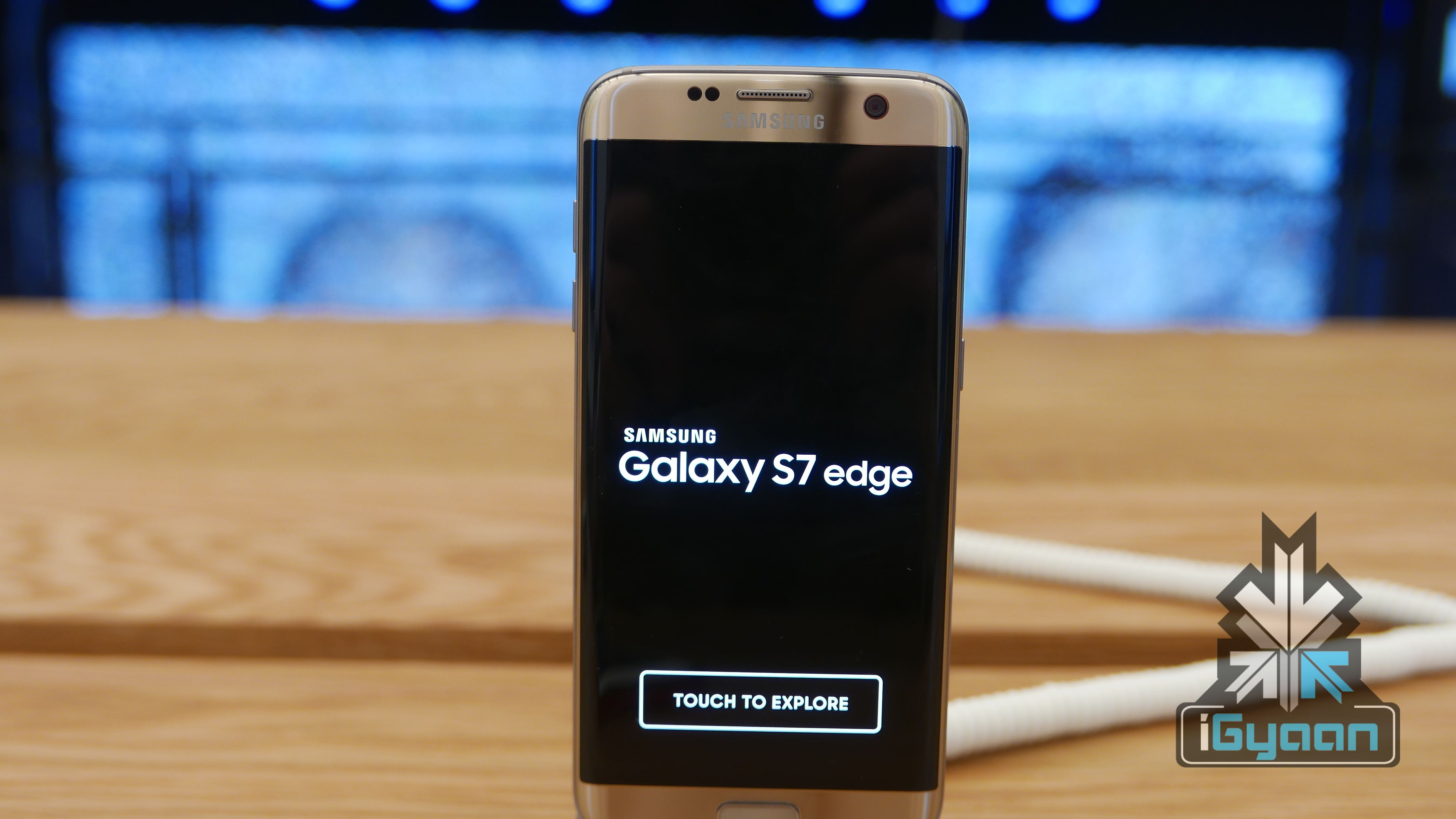
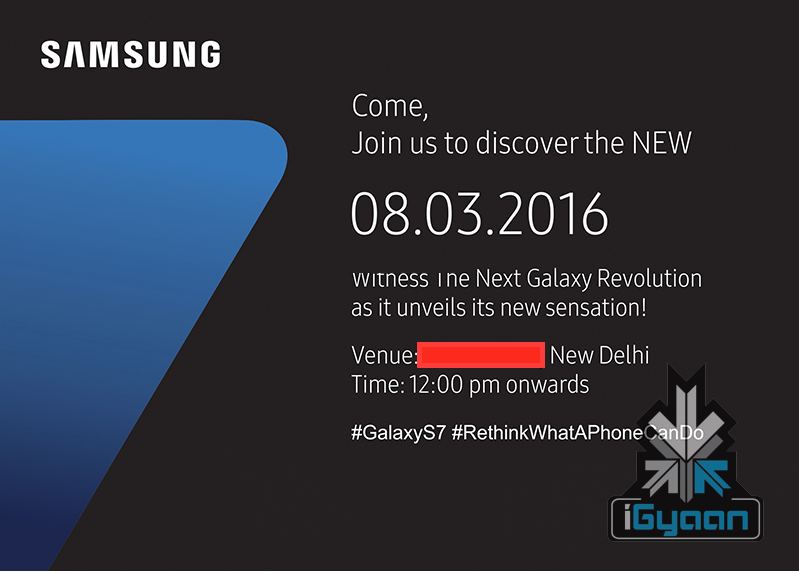
Just as the day unfolds, Samsung India has confirmed the launch of its two new flagships the Galaxy S7 and Galaxy S7 Edge in the country on 8th of March. Rumors that pointed us to a launch prior to 10th of March were clearly on track.
The Korean giant rests its year-long launches on the powerful flagships it launches each year beginning. The Samsung Galaxy S6, the Galaxy S6 Edge, and Galaxy S6 Edge Plus paved the way for Samsung in 2015, and the company wants to start quickly with the Galaxy S7 and Galaxy S7 Edge.
Price wise it seems that the corporation may have to deal with many a grunt when the phones, which now offer expandable storage, may be launched close to the Rs. 60k price bracket. (let the kidney jokes begin).
It is also expected that Samsung India may launch both the Exynos and Snapdragon variants in India, in an attempt to woo customers that have in the past complained that the Korean Electronics manufacturer launches crippled handsets in the country.
In the meanwhile, you can watch our hands-on video.
Flash back five years and Bitcoin, the crypto-currency that so tantalized techies and excited investors were on the rise, but it is a completely different state of affairs today for this digital currency of the future. Its core community is at war with each other and ordinary consumers still don’t care about this supposedly revolutionary form of money.
Now making things more difficult for Bitcoin, the currency is facing a new issue which could spell doom for its existence. As of now, time taken for Bitcoin transactions to be processed has increased dramatically resulting in funds being stranded, and organizations are not accepting transactions in the cryptocurrency.
The current problem is not something that has hit the community out of the blue, as many within the community who use or work on the currency have been pointing out this looming issue for some time. The problem relates to how transactions are processed on the Bitcoin system, the decentralized, distributed ledger technology that manages transactions of the currency.
Bitcoin’s design which is capable of processing at best only seven transactions per second hit its capacity limit, leading to a backlog of stranded transactions being built up. Currently, there were about 20,000 Bitcoin transactions waiting to be processed.
The Bitcoin currency transaction design is as such that many of these transactions will go faster than other, depending on how much the transaction is deemed worth of in monetary terms. Transactions on Bitcoin can be put ahead in a que by adding a fee to the Bitcoin transaction, essentially meaning that those who didn’t pay such a fee or a sufficiently big fee may have to wait hours and in the current situation days for a transaction to complete.
Bitcoin’s overall capacity has hence become a major problem for its existence. Stopgap measures to increase the capacity have been suggested and implementation of it might hardly be months away, but will only delay the inevitable.If things have to be fixed, then the voices coming from the user community needs to be heard and a radical rethink of the currency’s design needs to be looked at.
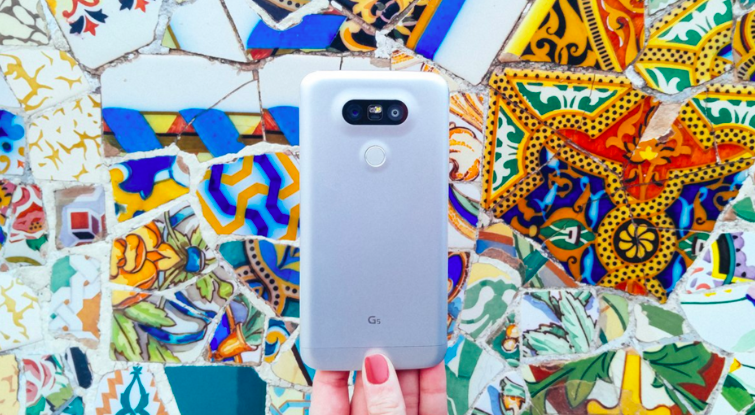
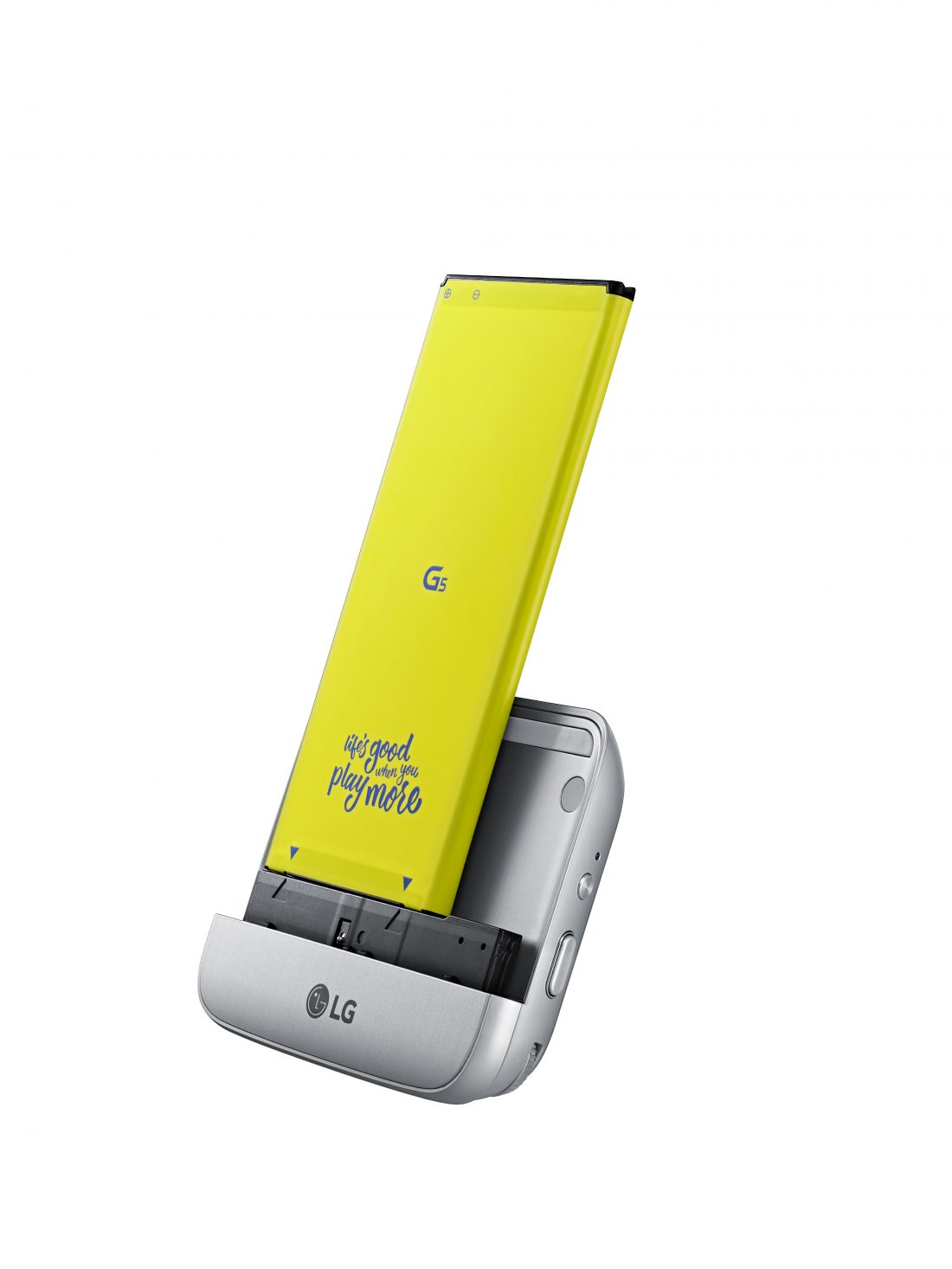
A source close to iGyaan, who have been accurate in the past, state that LG’s newest modular flagship smartphone, the G5, will launch in India by the end of July. The G5 has been said to cost around Rs. 59,000 when it hits the Indian market. Meanwhile, the modules for the G5, called Friends, will also reach the Indian market. The LG Cam Plus camera grip will be priced at Rs 9,000 while the Hi-Fi Plus with B&O Play module will cost Rs 14,999.
On the specifications front, the LG G5 comes packing a primary 5.3-inch QHD LCD display with 3D Arc Glass on top. It also has a cool Always-on feature that lights up the display for access to important updates. The phone’s construction is full metal unibody and is powered by a Snapdragon 820 chipset, paired with 4GB of RAM and 32GB of internal storage, expandable by upto 2TB with microSD cards.
When it comes to photography, the phone is equipped with dual cameras at the back. A standard 16-megapixel 78-degree lens and another 8-megapixel 135-degree wide angle lens. The LG G5 features a front-facing 8-megapixel camera too for clicking selfies.
LG G5 comes packing a 2,800mAh removable battery with Quick Charge 3.0, and when it comes to connectivity it gives users options such as Bluetooth 4.2, NFC and Wi-Fi 802.11ac. The smartphone also features USB Type-C 2.0 port. The G5 runs on Android 6.0 Marshmallow OS with LG’s custom UI on top. The G5 will be available in four different colors, silver, gold, pink and silver.
LG-G5 CAM-Plus
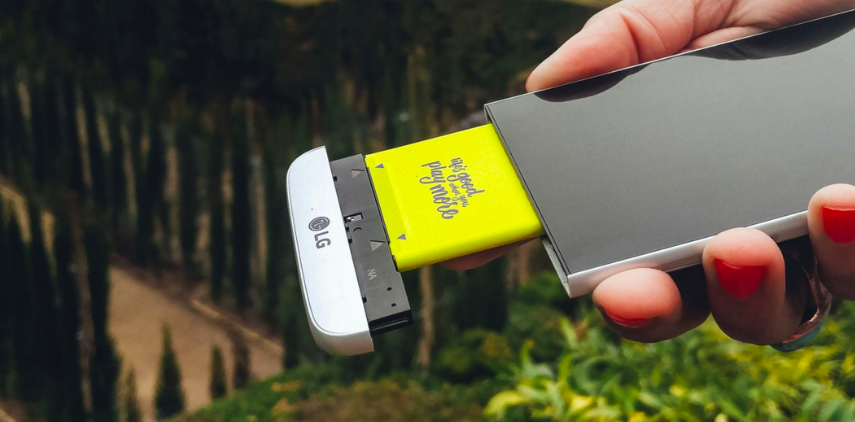
The company also announced modular accessories for the phone at the launch. Most interesting of the lot was the LG Cam Plus module which can be attached to the G5 through the battery slot giving the user “comfortable grip and convenient control of a DSLR” for better imaging and also adds to the battery of the phone taking the capacity up to 4000mAh.
Next is the Hi-Fi Plus with B&O Play module. This is a Hi-Fi DAC audio player which is perfect for audiophiles. It can also play high-definition audio files encoded in 32-bit at 384KHz.
Technology today is improving at a rapid pace. A quick look at our workplaces and homes would reveal that many things that we take for granted today were not possible 10 years ago even after the concerted efforts of the best tech minds.
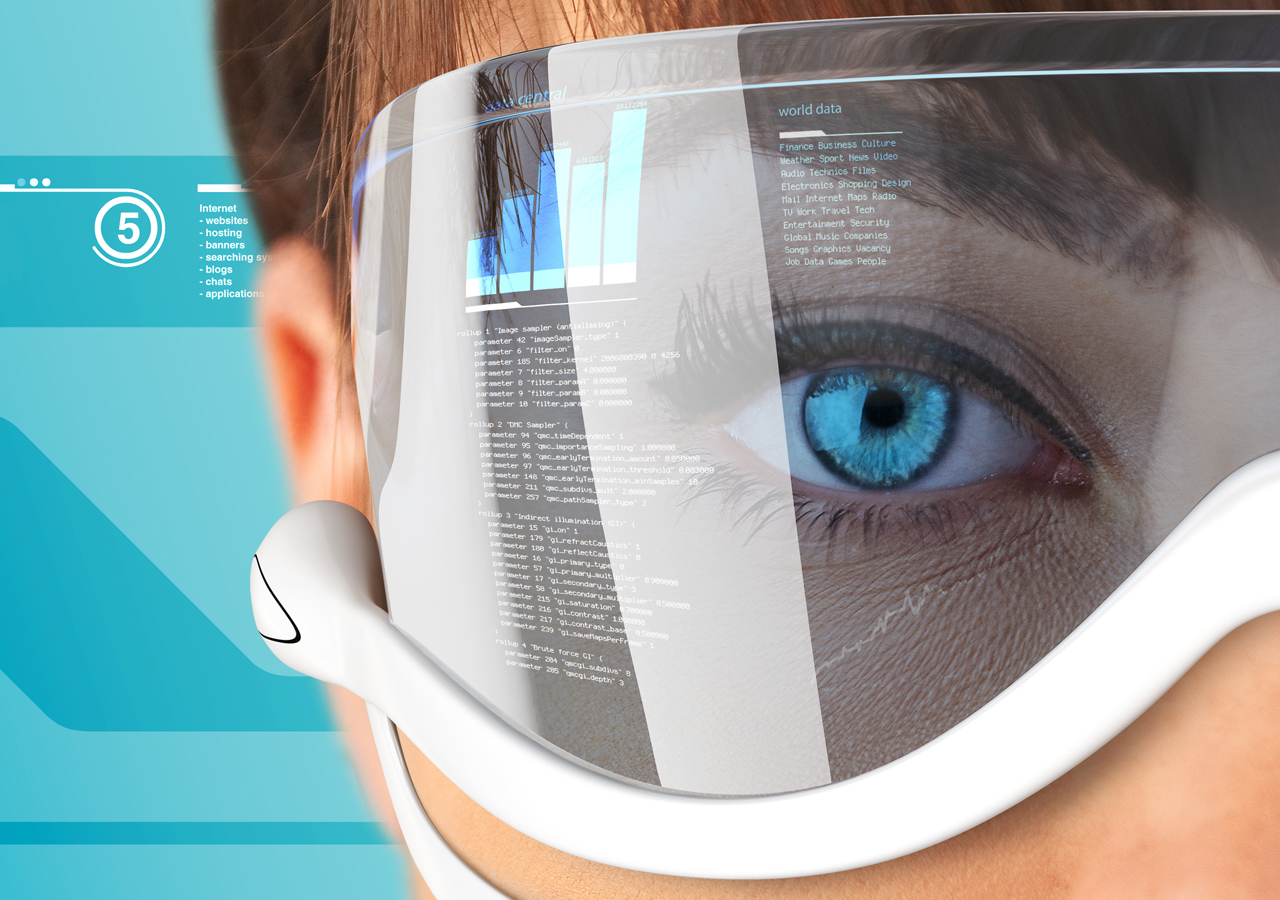
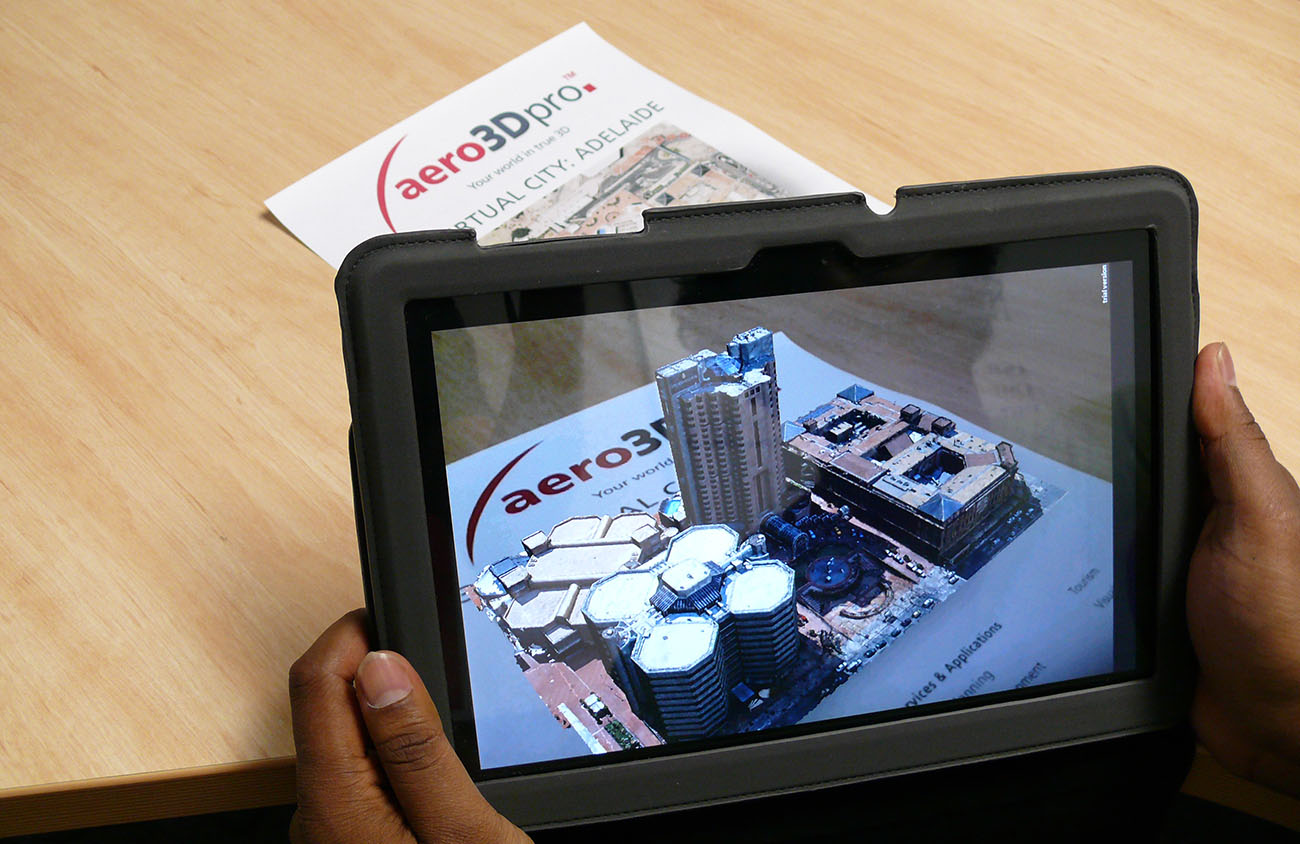
As digital technology continues to grow deep into every into every aspect of our daily lives, It’s only a matter of time before it starts to replace our plain old visual experiences with something a little more engrossing, and here is where the Augmented Reality(AR) will find its opportunity.
The concept of Augmented Reality was coined In 1992 by researcher Tom Caudell .It’s an experience that supplements the real world with a virtual layer of extra information. It is the seamless blending of virtual reality and real life which when executed correctly creates content that blends in with the real world. With Augmented Reality, users are able to interact with virtual contents in the real world, while being able to distinguish between the two at all times.
Virtual Reality’s lesser loved cousin, Augmented reality, has been around for some time now and has in the past tried to find real world applications in Defence, Healthcare, and Education sectors. But unlike the former the tech industry has yet to come up with a concrete plan to unleash its full potential and increase its reach while keeping costs down, but all that is about to change very soon.
2016, as many analysts predict, might be the year for Virtual Reality, but AR is making solid strides towards walking hand in hand, if not over taking it. Microsoft HoloLens, Meta 2, Project Tango are but a few ideas that the tech industry has in mind to bring Augmented Reality to the mainstream.
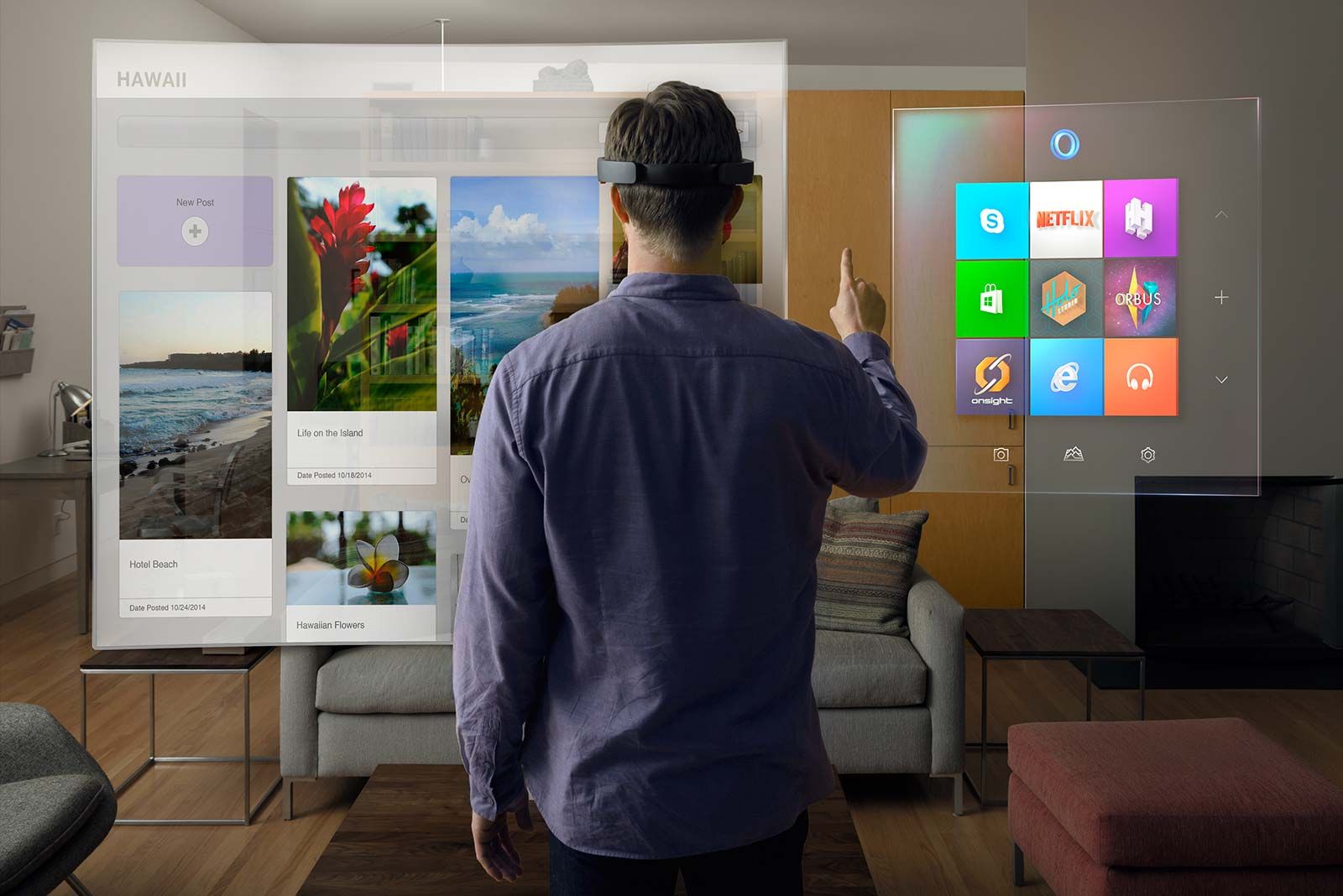
Microsoft’s take on AR is the hologram-themed augmented reality glass which to quite an extent is the true augmented reality concept that will, ideally, have wearers interact with screens and full-color virtual objects wherever they are. This tech will blur the lines between real and virtual, merging them seamlessly into one to enrich the experience of our daily lives with extra content.
Though the HoloLens project is still at a nascent stage, demos reveal users fixing light switches with the help of virtual assistants through the Skype AR app. The HoloLens also allows you to take an augmented-reality trip to Mars, seeing what a rover might see, projected entirely on the floor in front of you.
Another AR project, Meta, in its second iteration will look to replace monitors from your life.This move if carried out correctly will be both economical and productive. It can also usher in a new era of privacy and security allowing a user secure viewing of content while still being around people. Meta has the capability to produce an infinite number of tabs and screens working at the same time all in front of you like images on a wall with the only bottleneck being your own field of view.
Most promising of the upcoming lot though is the Magic Leap project. The industry estimates this idea to be so big that they have already managed to secure $1.4 Billion in funding at a Kickstarter level, and is already valued at $4.5 Billion. The Magic Leap head mounted device will use a camera to show you the room or environment you’re already in but seamlessly layering in computer-generated objects which would suddenly see a dragon breaking through the wall, or the user fighting a Pokemon battle in the middle of the room against another friend in the room.
Several other uses of Augmented reality are also being explored in the form of Google’s Project Tango which can draw 3-D maps of a room the user is in and detail how a piece of custom furniture or a new wall running through it look in it.
Augmented reality is full of potential, and these are but a few of the applications of this budding technology. Industry big shots believe that AR has more of a potential that VR and could outgrow VR significantly in the coming years. With hardware finally mature enough to support the dream of Augmented Reality many suggest the future might be closer than we think. A future more exciting and fun than you and us could even dream of right now.
For $999, you can now know everything, and we mean every little thing about your genetics. This is possible through a consumer-friendly know-your-genome service brought to you by Veritas Genetics, that would detail your genetic makeup with a phone app and on-demand video calls with genetic counselors.
The company said a genome test is a one stop destination that will provide all the answers, essentially replacing every other type of genetic test. It will include all six billion letters of a person’s genome, analyzed by an algorithm to highlight medical predispositions. Users will be able to find out facts about their genetics that range from as silly as knowing the wetness or dryness of earwax to serious matters like whether they have “highly pathogenic germline mutations” that cause problems like malignant hyperthermia. They’ll also learn whether their genomes harbor cancerous genes, such as the BRCA breast cancer genes.
This service is particularly helpful as it provides you with all the facts for simply $999 while many genetic tests, like those for cancer risk, are carried out separately and can cost anywhere between a few hundred to a few thousand dollars each.
The company’s service could attract some trouble from the U.S. Food and Drug Administration. In an interview, Veritas CEO and cofounder Mirza Cifric said that genome data isn’t a substitute for a diagnosis by a doctor. Moreover, this test isn’t based on exact science and is mainly one that will provide logical facts rather than conclusive facts.“It’s a screening test, it’s not diagnostic,” says Cifric.
Veritas will first collect blood or spit samples from April and will reveal the first results by June, according to Cifric. Its app will include a share button that will allow consumers to share DNA information with a coach or trainer.
The app isn’t completely a “direct-to-consumer” service. A doctor will still have to order the test, and customers will undergo a genetic counseling session on the phone or through the app. involving a doctor means Veritas can dodge FDA regulations on “direct-to-consumer” services.
The service also begs the question as to how Veritas will generate a profit at such low prices. “We are going to do it without losing money,” Cifric promises. He says, for example, that Veritas might earn additional revenue charging customers $100 or more for additional genetic counseling sessions.
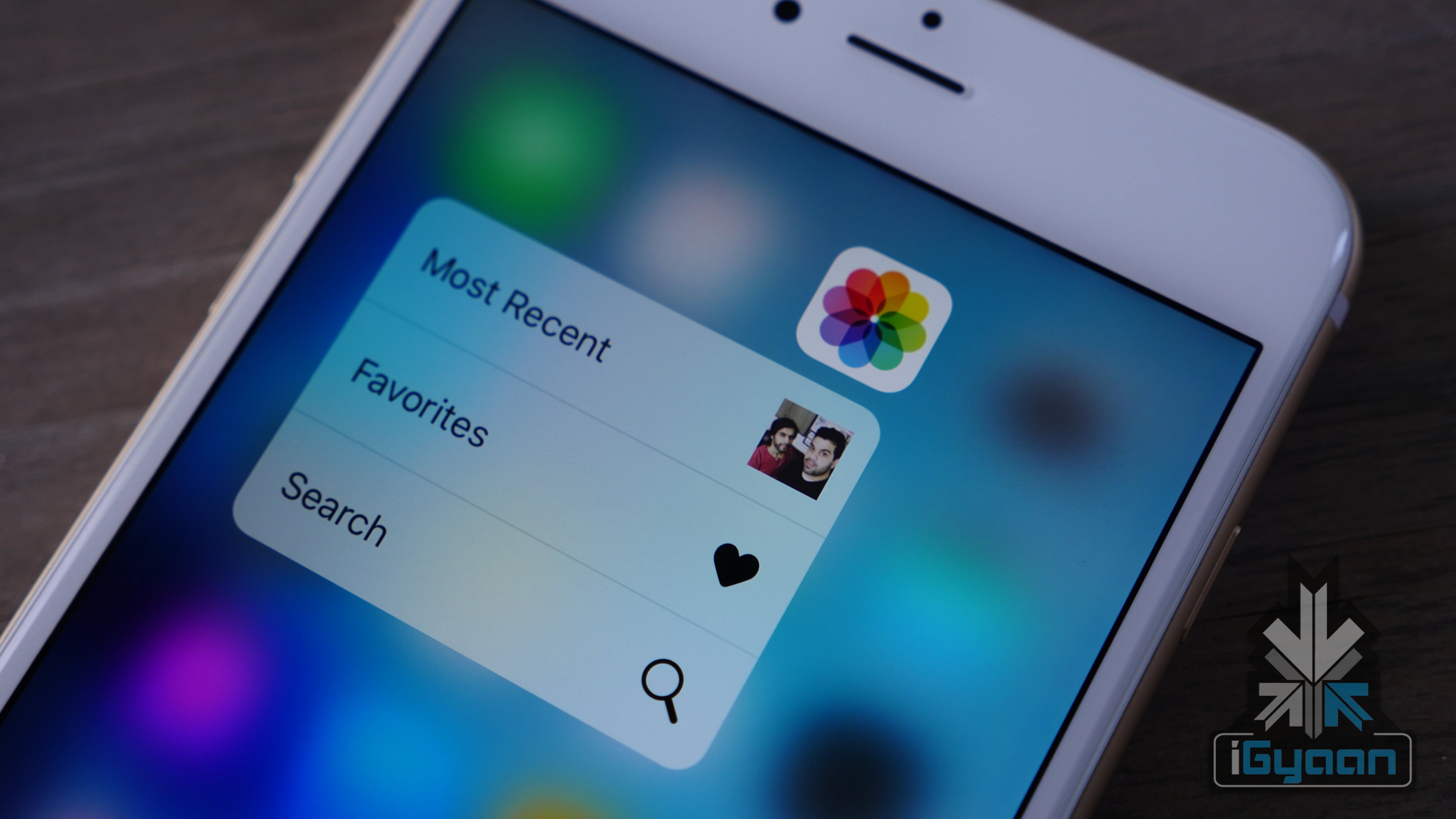
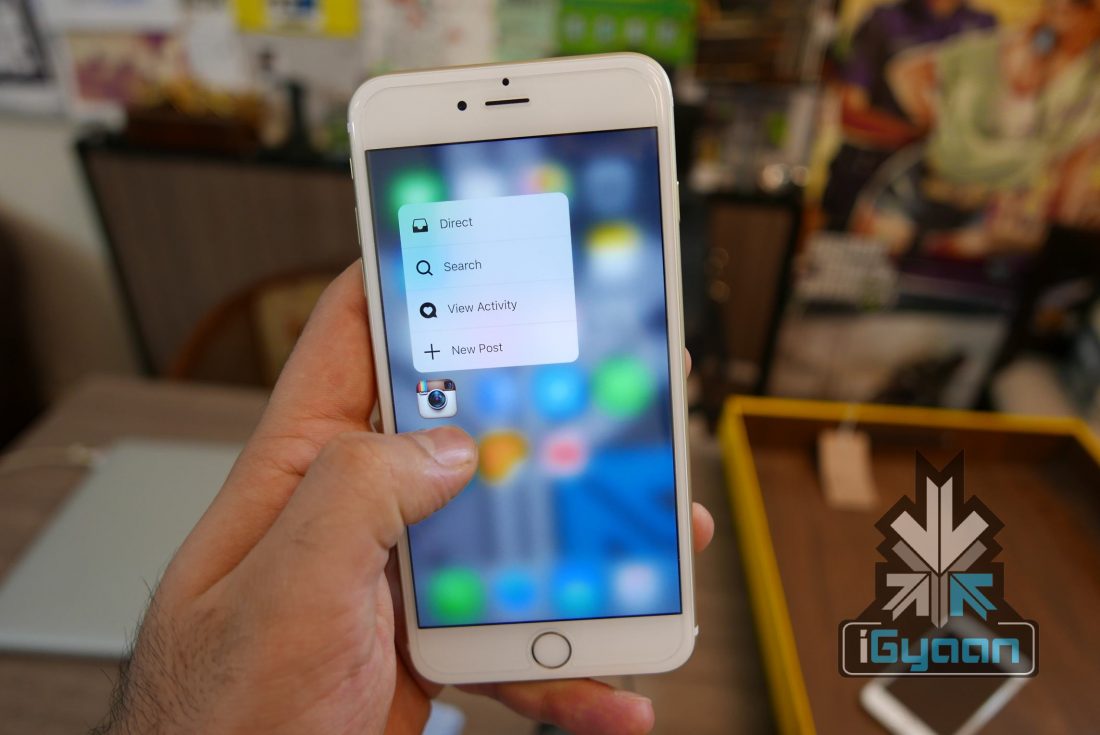
Many would say that Apple was the first to bring 3D Touch pressure sensitive screens to smartphones. There are those who contest that the technology has been employed much before that. While you are free to choose your side, there is no denying that 3D Touch or Force Touch technology is here to stay. This fact has been accepted by companies like HTC, Meizu, Xiaomi, Oppo and many other OEMs as they all are rumoured to launch smartphones this year with pressure sensitive screens.
Recent rumours have suggested that HTC’s upcoming Nexus smartphone(s) will incorporate 3D Touch functionality. However, HTC will not be the first Android device to do so. Huawei already pushed out the feature with its Mate S smartphone.
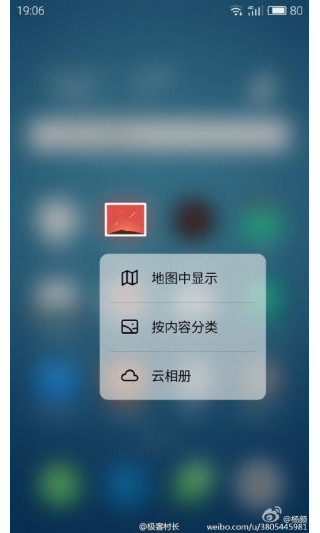
Meanwhile, it also appears that Meizu’s upcoming Pro 6 will feature 3D Touch functionality as well. Weibo recently posted an image of what you can expect from the feature on the Pro 6 and it appears to work just like the iPhone 6s’ Peek and Pop. Force touching the display will bring up a context menu with options on top of a blurred background.
Apple’s 3D Touch in the recently launched iPhone 6s did exactly what the company had wanted. It was a smooth, no fuss feature that changed that way a phone could be operated. Apple played it smart too, keeping minimal functionality of its 3D Touch feature, restricting it to basic quick access features when, in fact, a pressure sensitive screen could have been used in unimaginable ways. There are literally a hundred untapped uses for pressure sensitive screens.
However, by restricting what developers can do with the 3D Touch, Apple can make sure there isn’t any unnecessary fragmentation. Yes, Apple’s 3D Touch functionality currently lacks novelty which works for Apple. But this is where Google can jump in and explore the full potential of 3D Touch.
Rumours have it that Google plans to incorporate the pressure sensitive technology as a native feature in Android. This will help make the technology common for Android users, and will boost adoption rate. Furthermore, this will also push app developers to come up with creative ways to allow users to fully utilize the technology. It is common knowledge that Apple is very choosy about the apps it lets in its App Store.
Where Apple may be restrictive about the way developers use 3D Touch, Google has the opportunity to let developers play with the feature a lot more. What one can expect to see, once 3D Touch becomes native to Android, are apps that will likely do a lot more than simple Peek and Pop function. 3D Touch has the potential to take mobile gaming to the next level, and this is something Google will be keen on in the future.
It is also interesting to note that prior to the launch of the Galaxy S7 and S7 Edge, rumours were abound that Samsung would incorporate its own version of 3D Touch and was working with Synaptics to do so. This, however, never came to be. Perhaps Samsung wanted to wait until Google nativized 3D Touch before having it in its flagship device. Whatever may be the case, it looks as if 3D Touch is being embraced by many OEMs and it’s only a matter of time that pressure sensitive displays become the new norm for smartphones.
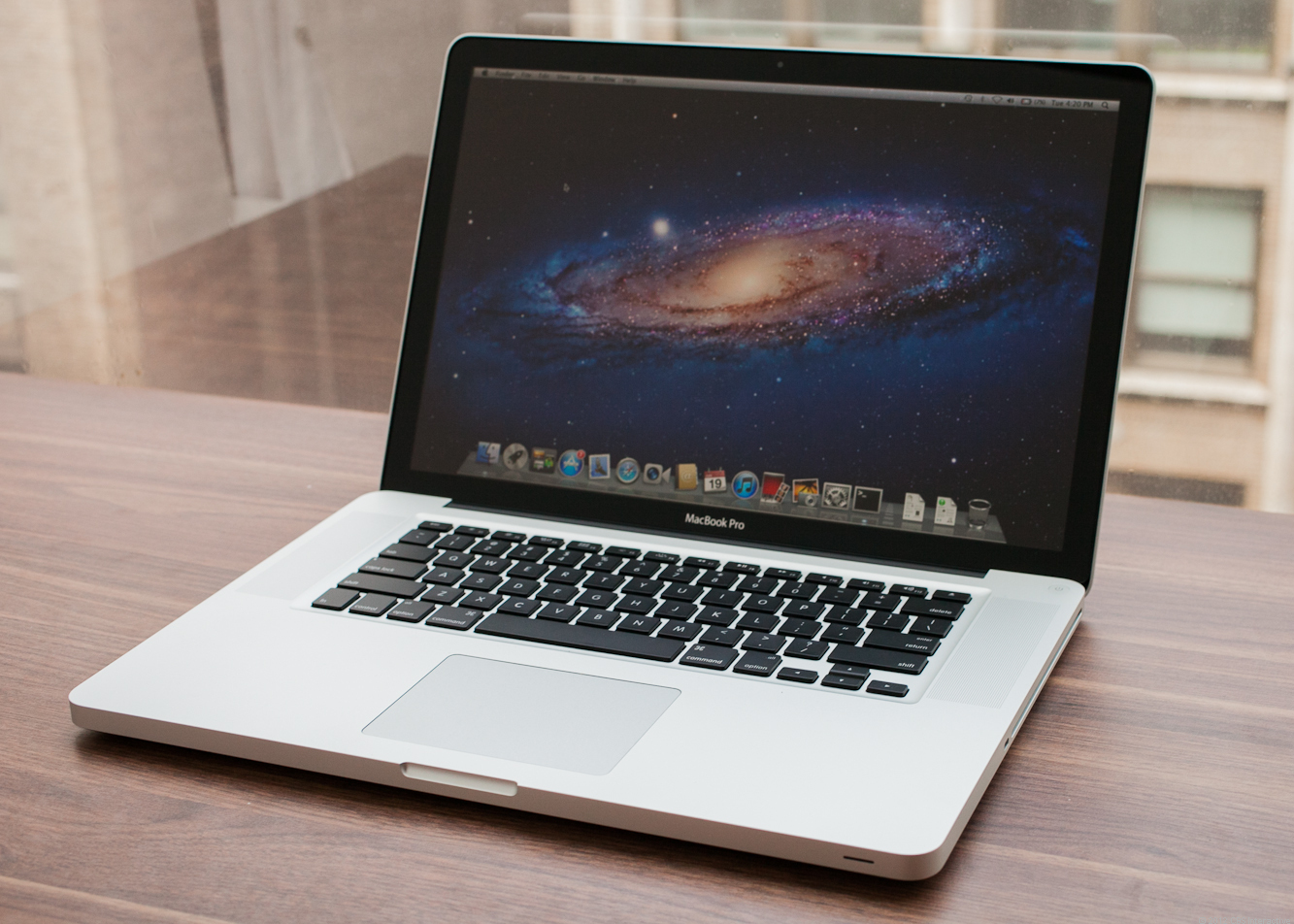
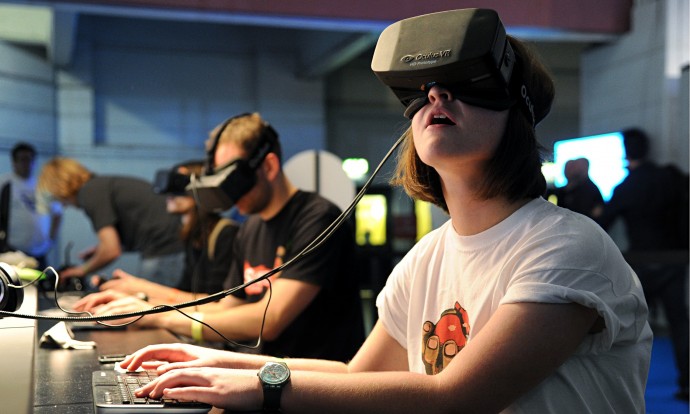
Oculus founder Palmer Luckey has voiced his opinion about Apple’s Macs and has clearly stated that the computers just aren’t powerful enough to support the Rift VR headset.
“That is up to Apple and if they ever release a good computer we will do it,” Luckey tells ShackNews when asked about Mac support. “It just boils down to the fact that Apple doesn’t prioritize high-end GPUs. You can buy a $6,000 Mac Pro with the top of the line AMD FirePro D700, and it still doesn’t match our recommended spec.”
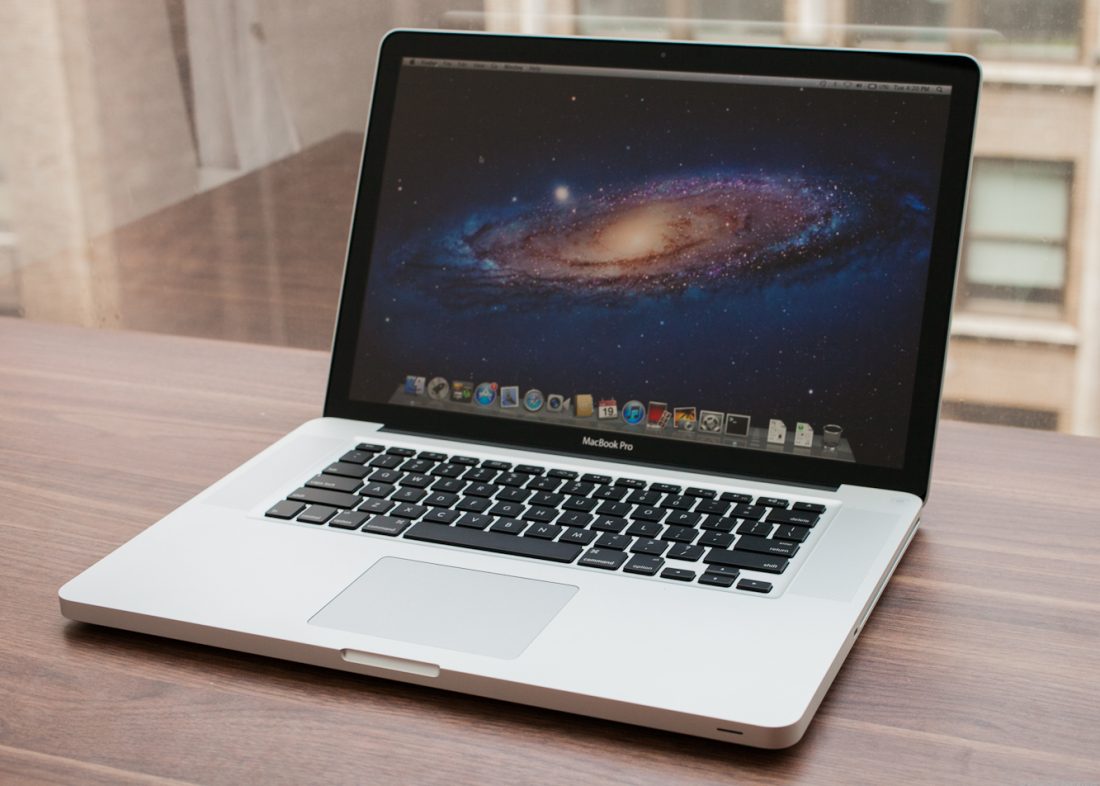
Apple’s high-end MacBook Pro laptops come with pretty mighty specifications including dual-discrete GPUs. However, the Macs are primarily designed for professional applications and are not as equally proficient when it comes to gaming. The Oculus Rift, on the other hand, requires intense graphic processors that are gaming focused such as the Nvidia GTX 970.
“If they prioritize higher-end GPUs like they used to for a while back in the day, we’d love to support Mac,” Luckey continued. “But right now, there’s just not a single machine out there that supports it. So even if we can support it on the software side, there’s just no audience of people that can run the vast majority of software out there.”
Despite Luckey’s obvious criticism towards Apple, the Oculus founder also highlights that Apple has been focusing a lot on its professional applications, potentially losing a gaming-centric base that would choose laptops that are superior in graphics processors.
Moreover. Apple has already expressed keen interest in virtual reality and has hired a number of expert for its VR department. If Apple does want to get into the VR game, and indeed it is a technology that is quickly becoming mainstream, then it will have to make some serious changes to its future Macs in the hardware department.
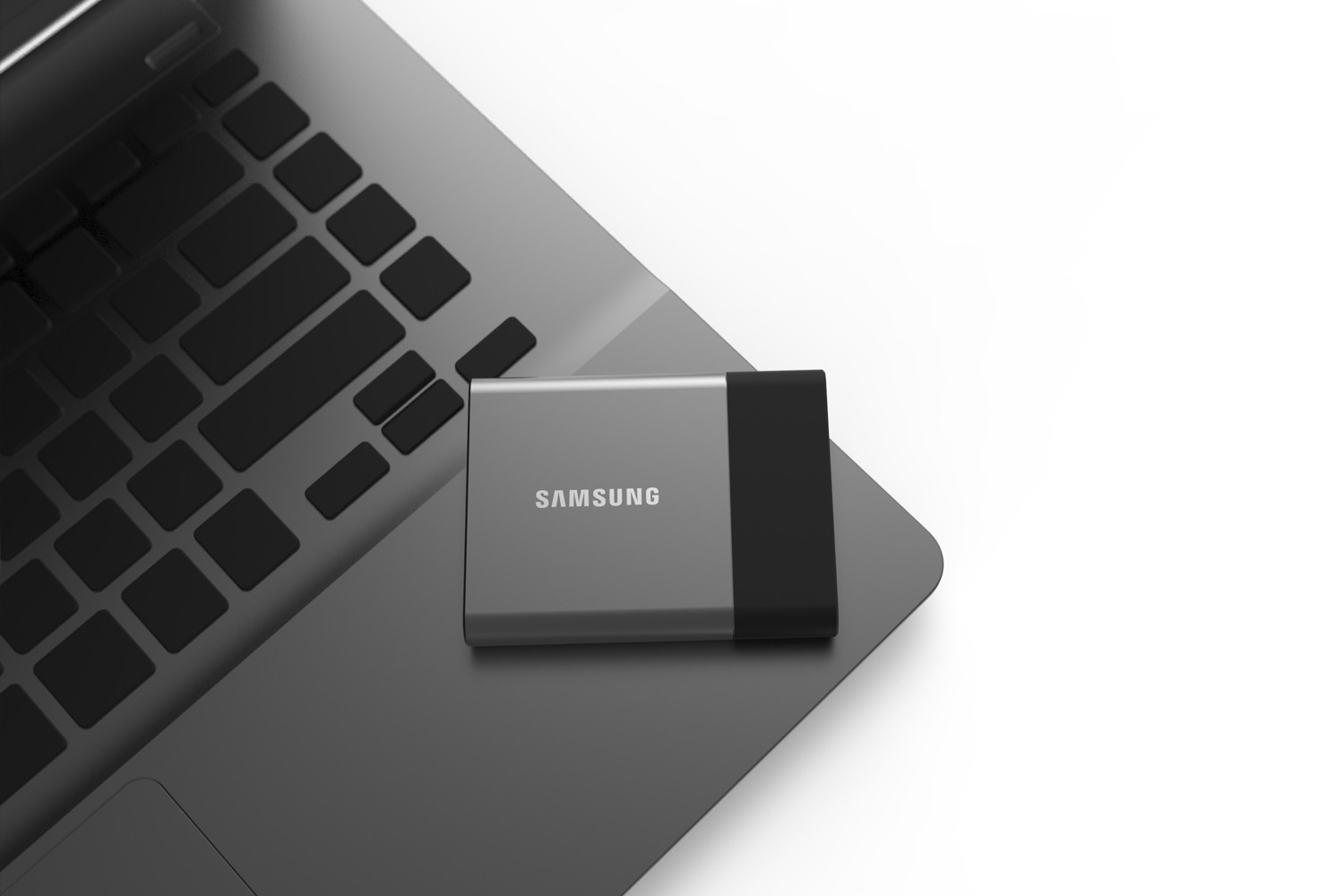
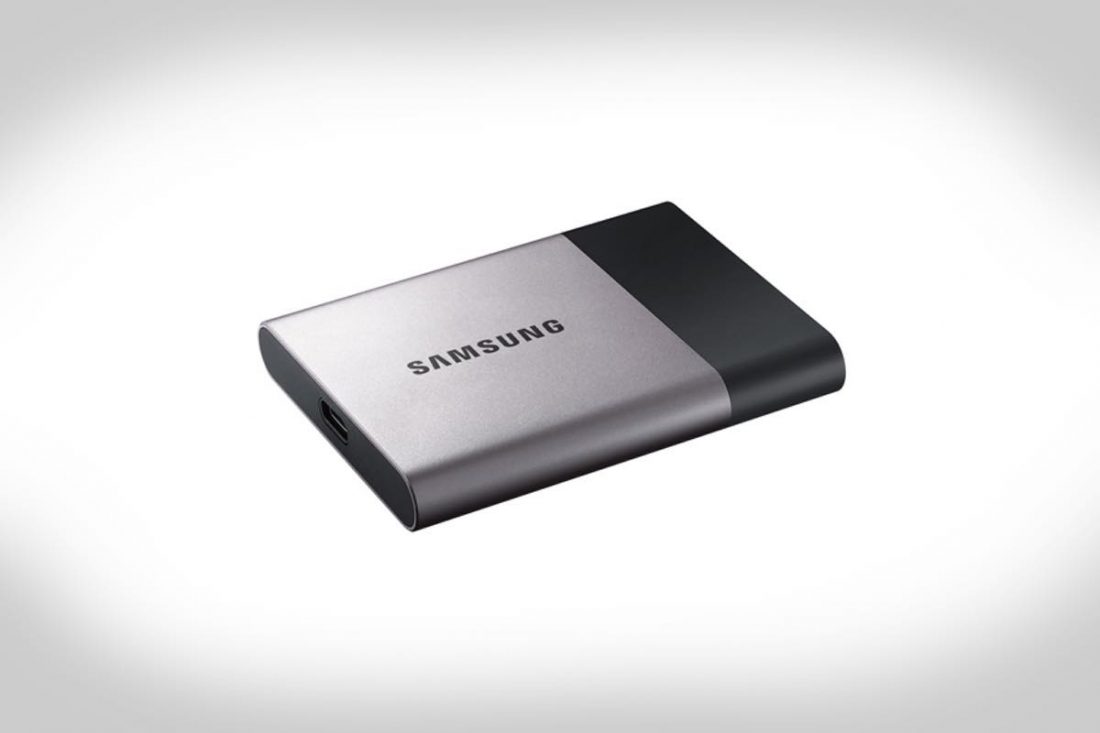
Samsung Electronics India today launched the successor to the T1 ultra portable SSD with the T3. The T1 was a light, thin and fast SSD that was launched last year. The T3 is bigger and offers a lot more storage than its predecessor.
The T3 is available in 250GB, 500GB, 1TB and 2TB options priced at Rs 10,999, Rs 18,999, Rs 37,999 and Rs 74,999, respectively. The T1 sports an all-metal body and will be available for purchase starting March 21 across offline and online stores including Flipkart, Amazon and Snapdeal. The T1 also comes with a 3-year warranty.
Like the T1, the T3 has a credit-card shape and is light and compact, weighing around 51 gms, designed for easy portability. Samsung claims that the SSD can survive a 6 feet drop. The T3 is capable of read/write speeds up to 450 MB/s. With a full AES 256-bit hardware encryption, the T3 guarantees safe and secure data.
The T3 supports both USB 3.1 Type C as well as USB 2.0 and is compatible with laptops, desktops, SmartTVs, tablets and Android devices. The T3 was first unveiled at CES 2016 and Samsung will gradually phase out the T1 after the launch of the successor on the 21st.
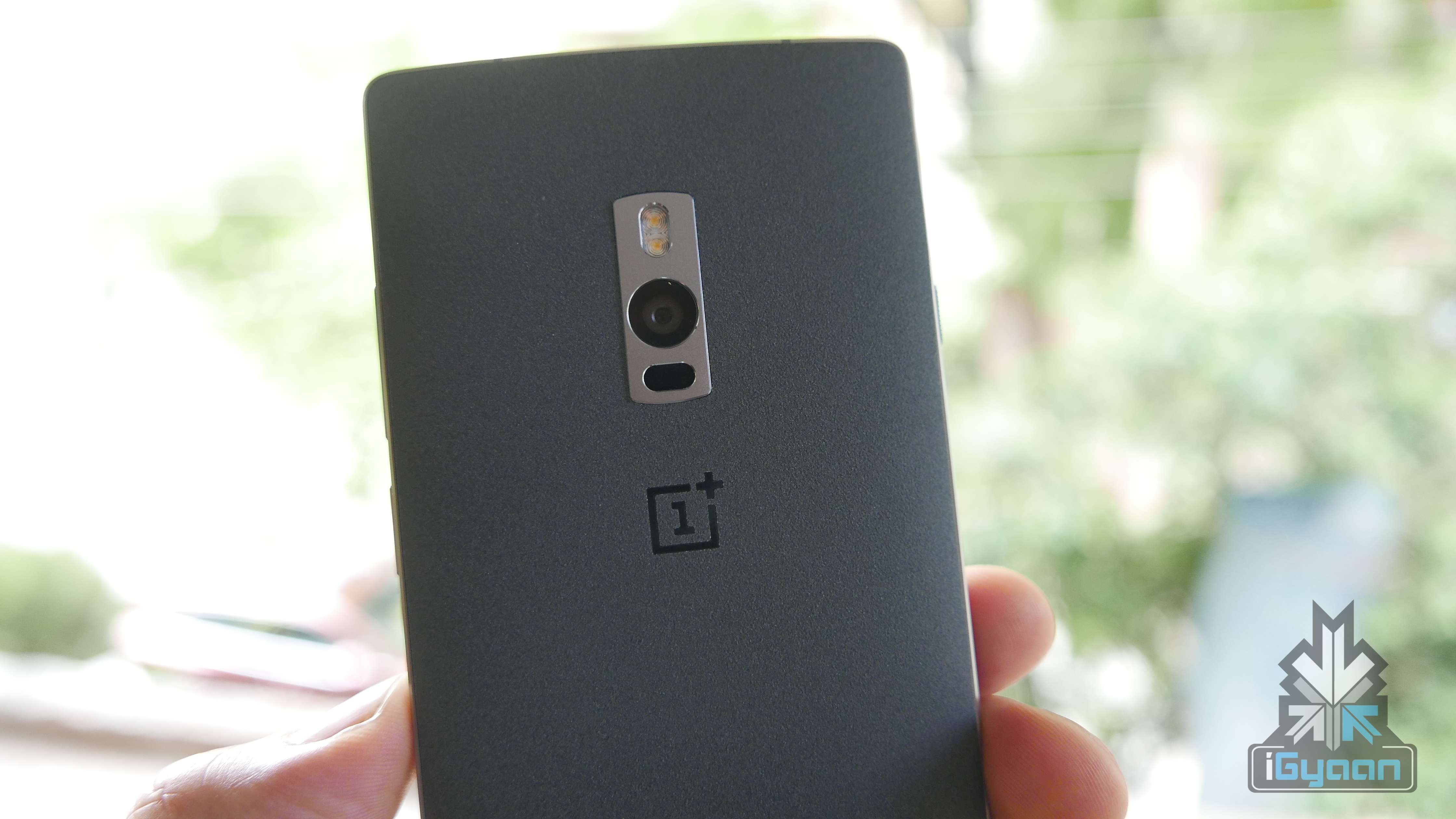
It has been three months into 2016 and we have heard very little about OnePlus’ next flagship killer. We’ve so far received small hints that the company is working on a OnePlus 3 device, but now we have some more to add to that. According to co-founder and CEO Pete Lau, the OnePlus 3 will be ready and available by June this year. This he said during the SURGE tech conference in Bangalore, India.
Add to this, the other co-founder of OnePlus, Carl Pei has confirmed that the OnePlus 3 will sport a whole new design. Though nothing more has been said on the design front and we’ll just have to wait for leaked images to have a better idea of what OnePlus plans to offer.
What we can definitely take away from this is that the OnePlus 3 will stay away from the OnePlus One and 2. The OnePlus 2, much like its predecessor, received very positive reviews and fans found very few faults with the handset. The OnePlus 2 mainly found criticism regarding overheating issues, thanks to the Snapdragon 810 processor.
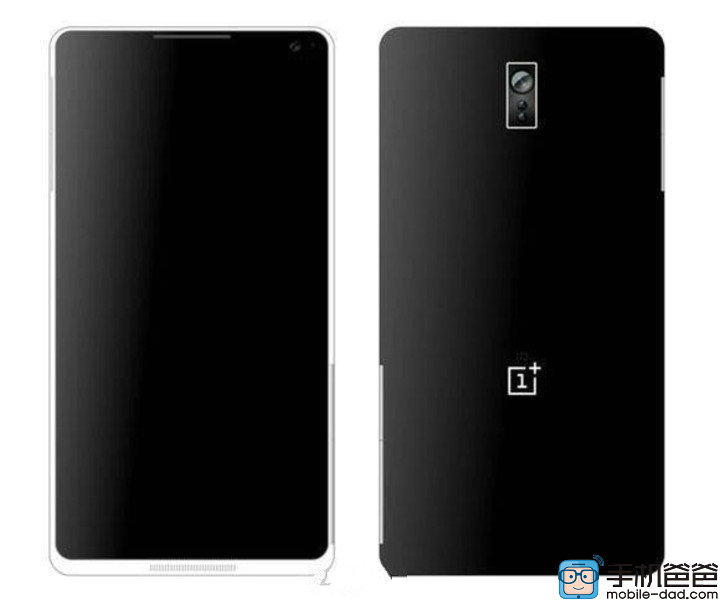
OnePlus 3 Render
From what we’ve heard so far, the new OnePlus device will sport a 5.5-inch Quad HD display and will come in two variants – one with 3GB of RAM and 16GB storage and the other being 4GB RAM and 64GB storage. Rumours also reveal that the handset will arrive with the Snapdragon 820 chipset as most flagship devices this year.
On the camera front, the OnePlus 3 is said to sport a 13MP rear-facing shooter while its front would be of 5MP. The handset is also rumoured to include a removable battery pack MicroSD card support. Early leaked renders of the OnePlus 3 show that the device could feature front speakers and sport a glass back, like the OnePlus X.
So far, the rumoured specifications don’t really offer anything noteworthy. Some of the rumoured specs are similar to the ones found in the OnePlus 2. Seeing as how some of this year’s flagship devices already unveiled feature, at least, one new technology, OnePlus may just have something special for the OnePlus 3. Of course, it’s still early in the day to know anything for sure.
Many would say that Apple was the first to bring 3D Touch pressure sensitive screens to smartphones. There are those who contest that the technology has been employed much before that. While you are free to choose your side, there is no denying that 3D Touch or Force Touch technology is here to stay. This fact has been accepted by companies like HTC, Meizu, Xiaomi, Oppo and many other OEMs as they all are rumoured to launch smartphones this year with pressure sensitive screens.
HTC is among the most well-known and established brands. While the world awaits the launch of the One M10 flagship smartphone, it seems the company is already busy working on its next Nexus device. In fact, the last known rumour that circulated a few weeks ago suggested that HTC will not release one but two Nexus handsets, and both will likely feature 3D Touch functionality.
Huawei Mate S features 3D Touch functionality
Rumours also say that Google plans to incorporate the pressure sensitive technology as a native feature in Android. This will help make the technology common for Android users, and will boost adoption rate. Furthermore, this will also push app developers to come up with creative ways to allow users to fully utilize the technology.
It will still be a while before we hear anything more on HTC’s Nexus device(s). Before that, it is said that Meizu will be among the first this year to ship its upcoming Pro 5 handset with 3D Touch feature in the first half of 2016.
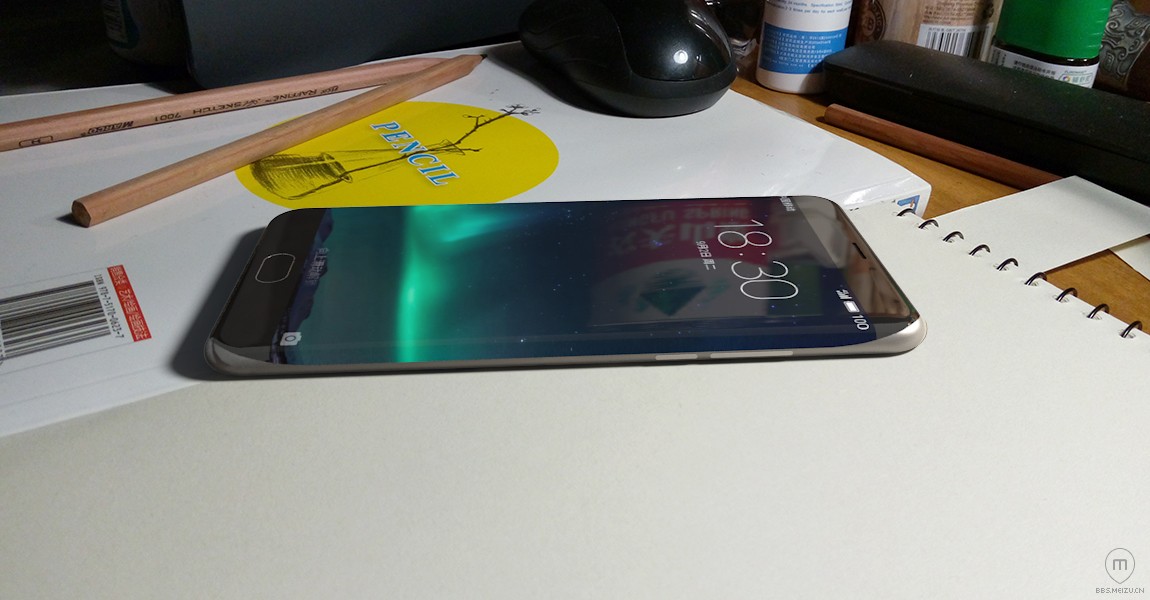
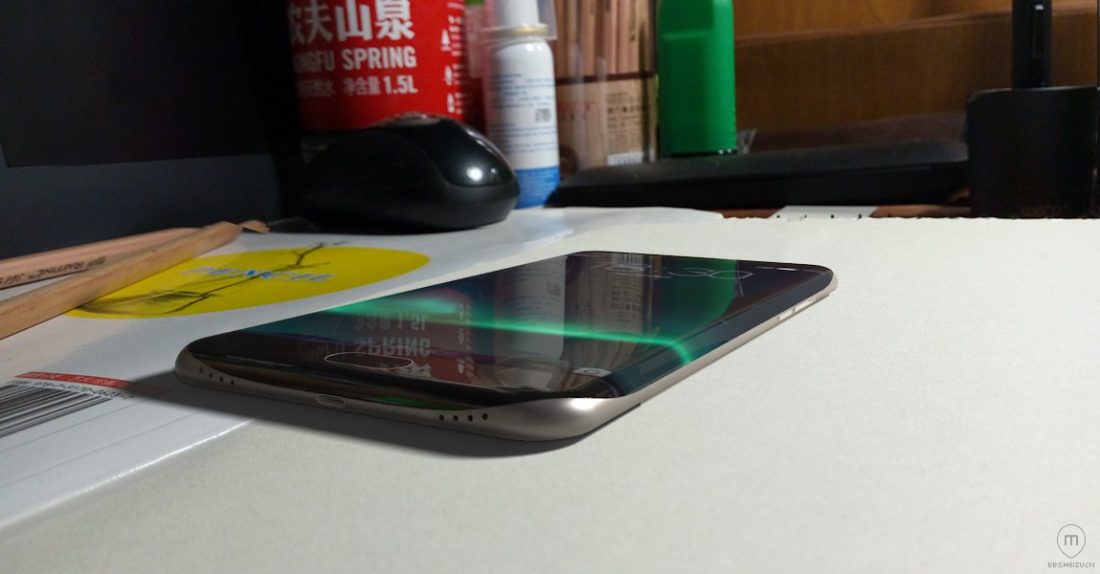
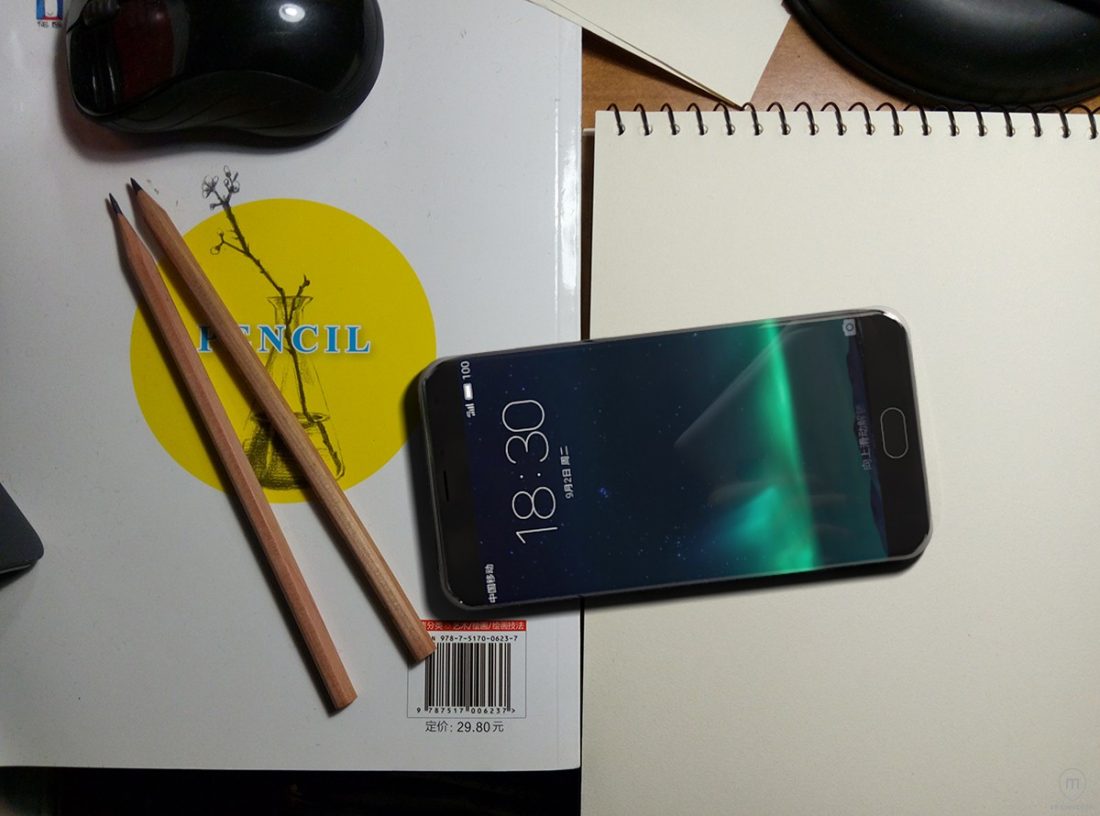
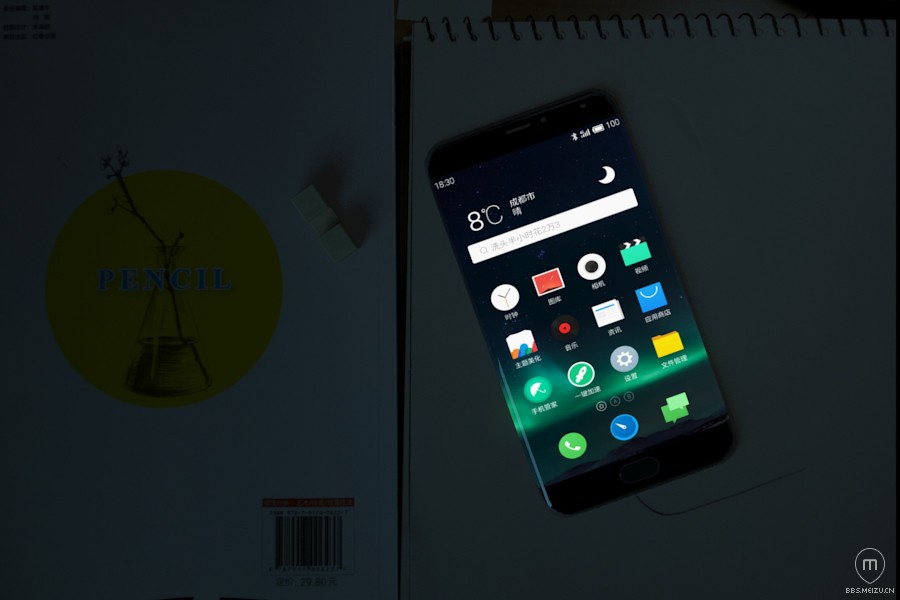
If there’s one thing you’ve got credit Chinese smartphone makers it’s their ability to carve great looking devices. Meizu’s M2 Note, Pro 5 and MX5 are among the company’s most popular, and most loved phones. The MX5, in particular, had some mighty impressive specs including a 20MP Sony sensor and the handset pleased the eyes with slim bezels and a great screen to body ratio. Now, some concept renders of Meizu’s next offering have surfaced online.
Since Meizu has yet to confirm it’s next high-end device, the renders could either be of a MX6 or Pro 6 handset, but we’re leaning more towards the Pro 6. The upcoming MX6 handset is rumoured to pack MediaTek’s Helio X20 chipset with its deca-core CPU and Mali-T880 GPU. That’s right, if rumours are true, the Pro 6 will feature a cool 10-core processor that will likely shatter in multi-core performance in benchmark test (results of which you can expect as we approach closer to the launch of the device).
But that’s not all that is being said about the Pro 6. Rumour has it that Meizu is developing it’s own version of Force Touch technology and the device will sport a curved edge design, much like Samsung’s Galaxy S7 Edge and Vivo XPlay 5. It is also being said that the display technology seen in the renders are flexible. Meizu is likely working with a POLED (Plastic OLED) screen for its upcoming handset. You’ll notice that the concept not only shows the display curving at the sides but also from the top and bottom. The phone’s corners are protected by a single piece of smooth aluminium.
The concepts look like something Meizu can pull off. A curved edge design on a phone that could also look like an iPhone (as the Pro 5 did) could make for a smashing combination. Since we’re not sure whether the concepts are of an MX6 or Pro 6 handset, anything is possible as of now. The Pro 5 was a beautiful piece of machinery that, even though mimicked the iPhone, had managed to carve it’s own language, and top notch specs with that.
LeEco which recently entered the Indian market with its extremely cost effective product Le1s into the Indian market has today revealed the result of its disruptive moves. The company’s bang for buck smartphone, the Le1s which has gone through the paces of three flash sales has now become India’s top selling mobile phone online.
According to information disseminated by LeEco, the company has set a new record of sales in the country by selling more than 200,000 units of the Le 1s in the India within a month, which it claims to be a new record. LeEco further revealed that received a total of 20,28,000 registrations for the handset which is also a record in itself. To to top things off, the company also received a record-breaking total of 2,20,000 orders for the Le1s within the span of 31 seconds.
Responding to this development, Atul Jain, COO, Smart Electronics Devices, LeEco India said,
We are deeply humbled by the response we have received from our Indian consumers which has helped us achieve this leading industry position in such a short span of time. LeEco is in the true sense a game changer purely because of its disruptive business model and a user-centric ecosystem providing consumers a chance to experience disruptive technology at its best
The smartphone market in India is heating up like never before. With the Indian mobile phone market turning into the next frontier for most smartphone makers, we’re currently witnessing phone manufacturers launch devices with great under the hood specs for extremely competitive prices.
At the forefront of this battle for supremacy to win over the burgeoning budget smartphone market has been Xiaomi, exchanging punch for punch with the likes of Lenovo and LeEco which have already declared India a priority market for their products.
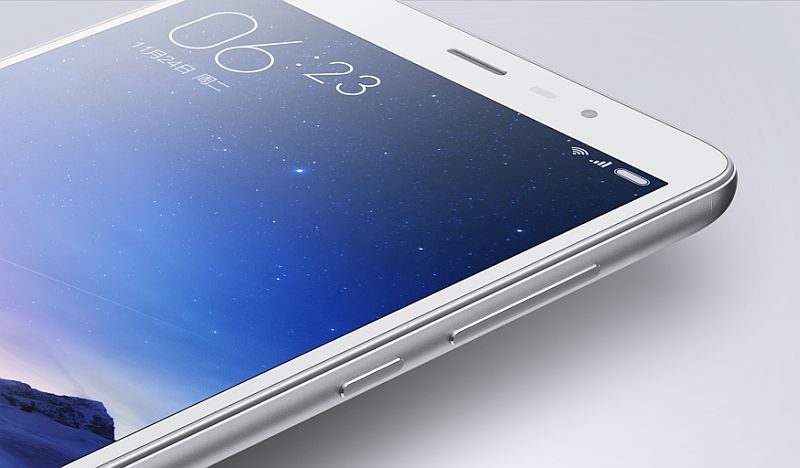
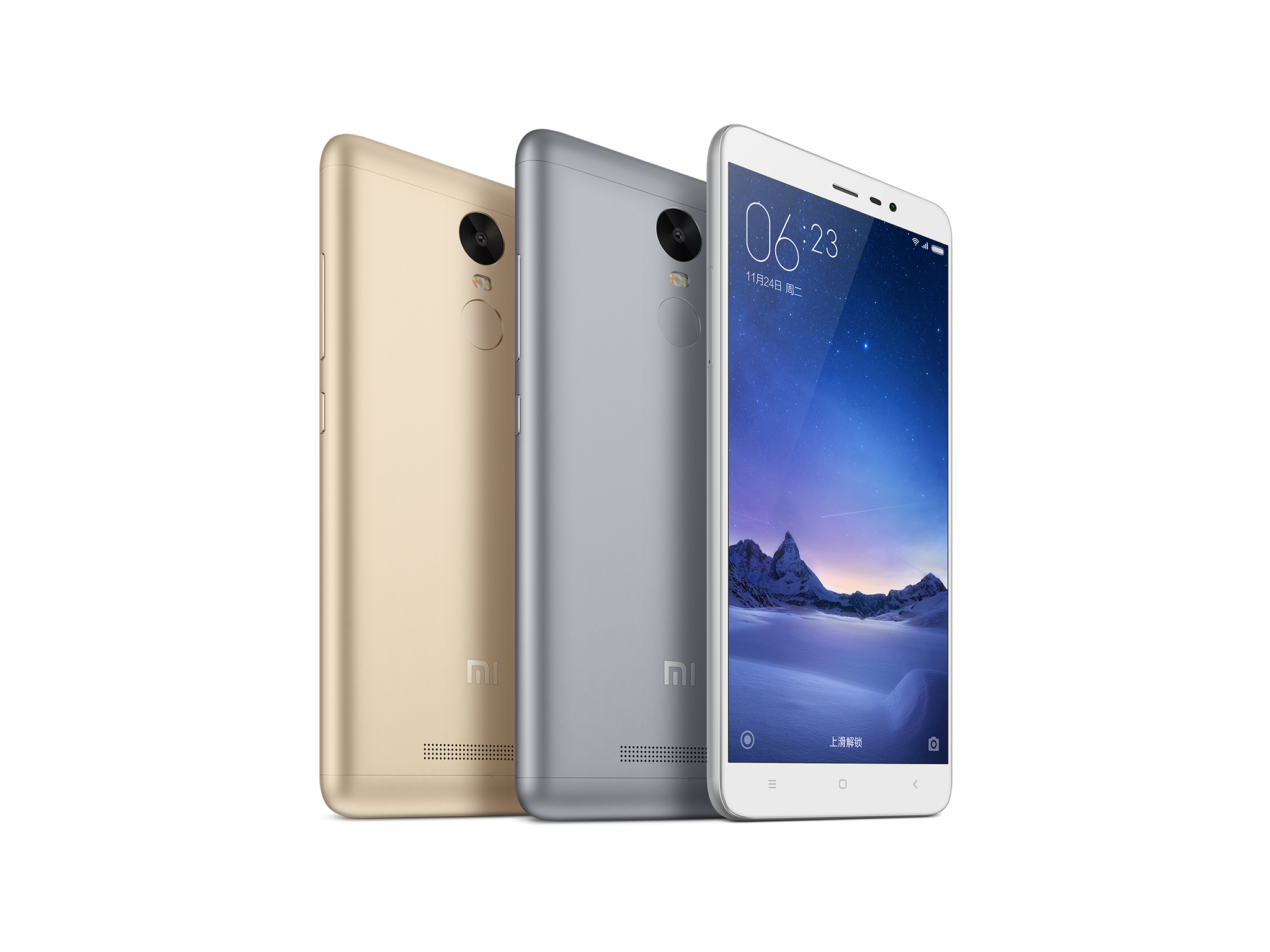
In the latest blow to its competiton, Xiaomi has unveiled the much anticipated Redmi Note 3 in India today. The phablet which comes with decent specifications will be available in two variants of 2GB RAM with 16GB of inbuilt storage, while the other is 3GB RAM and has 32GB storage. The pricing is set at a very competetive, Rs 9,999 and Rs 11,999 for the two variants.
The phone with its spec sheet and the price is a direct competitor to phones like LeEco Le 1s and Lenovo Vibe K4 Note which themselves come as brilliant propositions under the sub-Rs 12000 bracket. Let’s find out which of these three is the winner when it comes to the spec table.
Specification
Xiaomi Redmi Note 3
LeEco Le 1s
Lenovo Vibe K4 Note
Display
5.5-inch Full HD Display
5.5-inch Full HD Display
5.5 inches Full HD Display
Resolution
1920×1080(403 ppi)
1920 X 1080 (403 ppi)
1080 x 1920 pixels (~401 ppi pixel density)
Processor
Qualcomm Snapdragon 650 SoC
2.2 GHz MediaTek’s Helio X10
Octa-core 1.3 GHz Cortex-A53
GPU
Adreno 510
VR G6200
Mali-T720MP3
RAM
2GB/3GB
3GB
3 GB
Storage
16 GB, 32 GB
32GB
32 GB/ 64 GB/ 128 GB
Expandability
microSD, up to 128 GB
N/A
microSD, up to 128 GB
Rear Camera
16 MP, f/2.0, phase detection autofocus, dual-LED
13 MP, High-Definition, f2.0 aperture, ISOCELL technology, PDAF, 4K video
13 MP, f/2.2, phase detection autofocus, dual-LED
Front Camera
5 MP, f/2.0, 1080p
5 MP
5 MP
Battery
4050mAh
3000mAh
3300 mAh battery
Connectivity
4G+, Wi-Fi 802.11ad, VoLTE, Wi-Fi Direct, hotspot, Bluetooth v4.1, A-GPS, GLONASS, NFC, VoLTE
On the sidelines of the Redmi Note 3 India launch in New Delhi, Xiaomi’s VP, Hugo Barra, took off the lid over the company’s plans to bring their flagship, Mi 5 to India. To a thunderous applause of over 8000 fans at the Talkatora stadium, Barra revealed that Xiaomi had already gotten over 16 million registrations for the Mi 5 in China, and that next it plans to bring the flagship phone to Indian users in a month’s time.
Along with this, Hugo Barra also revealed the company’s plans to sell in the country a beautiful looking Mi Bluetooth Speakers for Rs 1999 and soon to be commercially announced Mi Powerbank which can hold a charge of up to 20,000mAh.
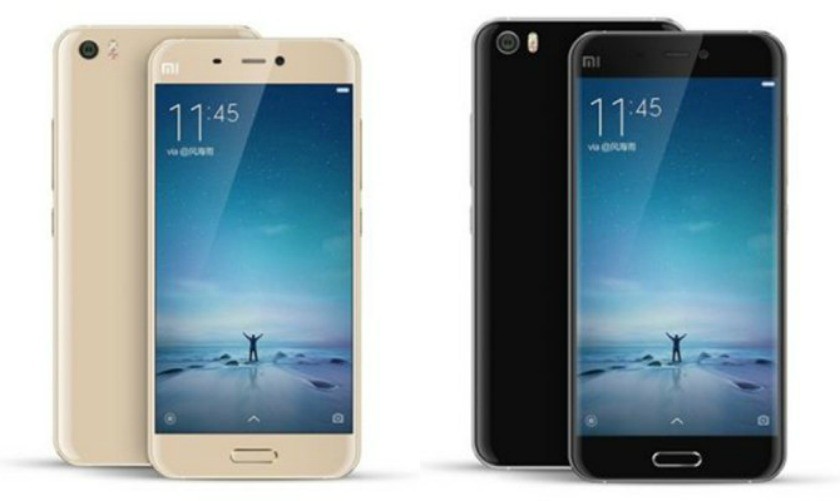
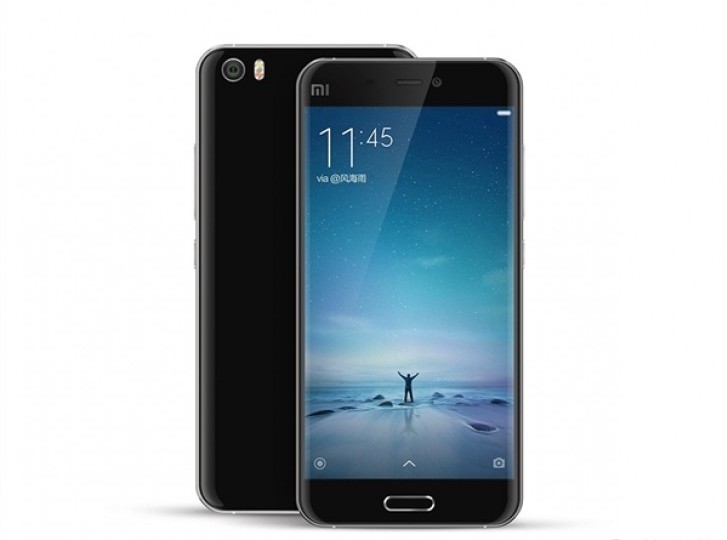
The Xiaomi Mi 5 upon launch in the country will be available in three variants. The Mi 5 (32 GB storage and 3 GB RAM) is priced at RMB 1999 (Approx Rs 21,000), the Mi 5 64 GB variant is priced at RMB 2299 (Approx Rs 24,000) and the Mi 5 Pro with 128 GB storage and 4 GB RAM will be available for a price of Rs 2699 (Approx Rs 28,500).
The three variants will be run by a Qualcomm Snapdragon 820 64-bit quad-core chipset. The Mi 5 comes equipped with a Sony IMX298 16 megapixel sensor with dual-tone LED flash, PDAF, OIS, and 4K video recording. It sports a 4 megapixel front camera with 2um pixel size. It has a 3000 mAh battery with Qualcomm’s Quick Charge 3.0 technology. Panel on all the variants will be 5.15-inch QHD IPS display.
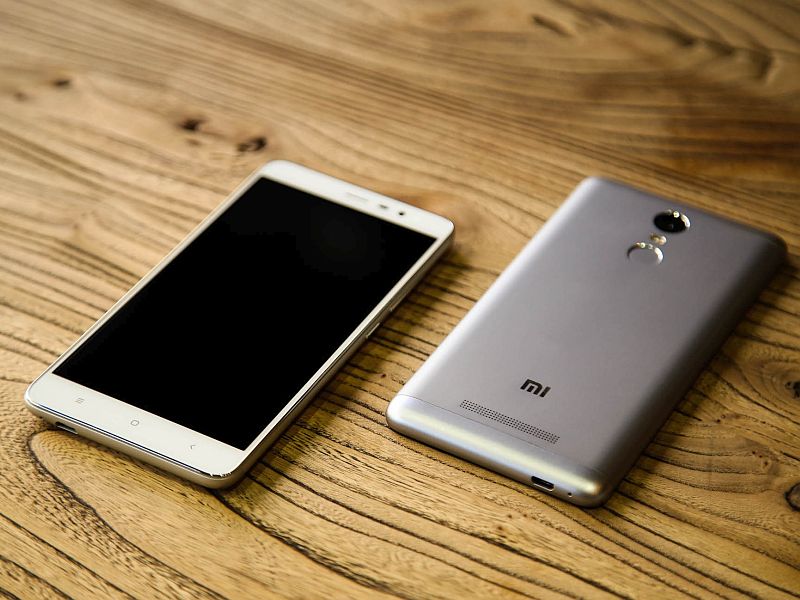
Xiaomi has finally unveiled its Redmi Note 3 phablet in India at an event held at the Talkatora Stadium in Delhi on 3rd March 2016 which saw 8000 Mi fans attend the launch event. This device which has already been launched in China has been highly awaited in India for some time now. Xiaomi which didn’t bring the predecessor to the Redmi Note 3, the Redmi Note 2, to India will look to stir up the market with its latest offering.
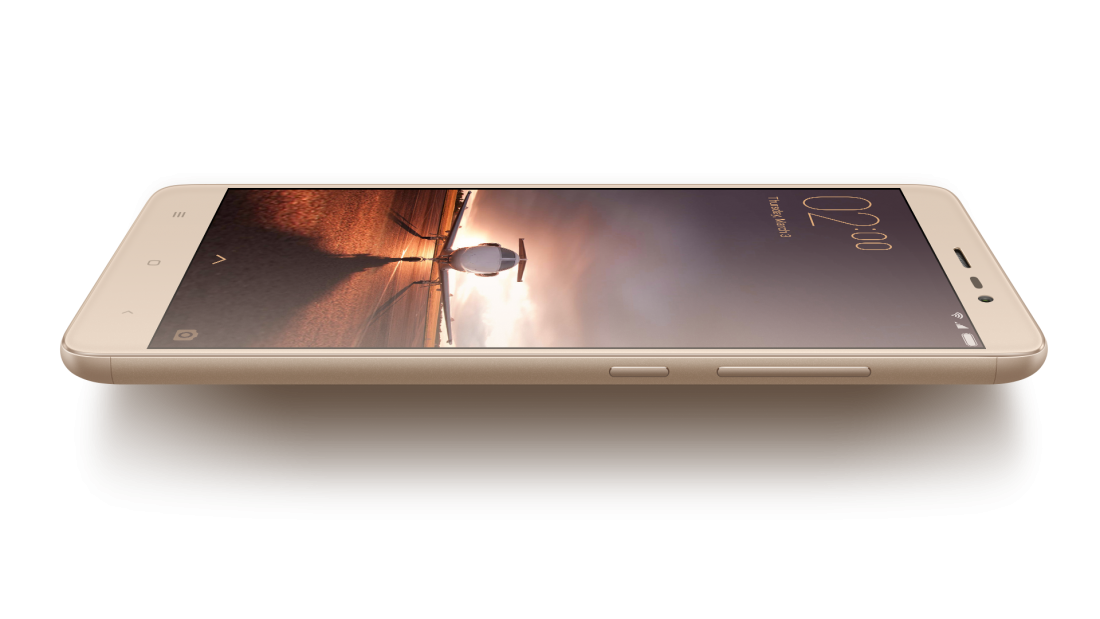
The Redmi Note 3 is an extension of a growing effort by Xiaomi to focus on design and produce beautiful looking phones. This device comes with a full-metal unibody design, with a 5.5-inch 1080p display with pixel density of 403 ppi adorning the front of the phone. It will be available in silver, gold, and gray color options.
The Redmi Note 3 is powered by a Snapdragon 650 SoC that comes with an Adreno 510 GPU. The phablet will come in two variants of 16GB storage with 2GB of RAM, and 32GB storage with 3GB of RAM. Both variants will come packing a non-removable 4,050mAh battery to keep them going through the day.
Coming to the camera, both the variants are equipped with a 16MP rear unit with f/2.0, phase detection autofocus, dual-LED flash and a 5MP front shooter. The Redmi Note 3 also brings with it a fingerprint scanner that can be used to click pictures with both the front and the back camera.
On the connectivity front, the phone comes with dual sim connectivity, Wi-Fi 802.11 a/b/g/n/ac Bluetooth v4.1, A2DP, LE, VoLTE and supports fast battery charging tech. It also runs Android 5.1.1 Lolipop with MIUI 7 skin out of the box. The device with its infrared sensor can also be used as a universal remote for devices in your home.
The pricing of the phone is pretty competitive and for all the impressive under the hood specs the price point of Rs 9,999 for 2GB/16GB variant and the Rs 11,999 for the 3GB/32GB variant is indeed a blockbuster. The phone will go on sale starting 9th march 2 PM in its first flash sale on Amazon, but will later be expanded to offline and other online partners.
Specs
Xiaomi Redmi Note 3
Display
5.5 inches Full HD Display
Resolution
1920 x 1080
Dimensions
150 x 76 x 8.7 mm
Processor
Qualcomm Snapdragon 650 SoC
GPU
Adreno 510
RAM
2GB / 3GB LPDDR4
Storage
16GB / 32GB flash storage
Rear Camera
16 MP, f/2.0, phase detection autofocus, dual-LED
Front Camera
5 MP, f/2.0, 1080p
Expandability
128GB via microSD
Battery
4050mAh
Connectivity
4G+, Wi-Fi 802.11ad, VoLTE, Wi-Fi Direct, hotspot, Bluetooth v4.1, A-GPS, GLONASS, NFC, VoLTE