Category: Latest

All the Latest, News, Reviews, Updates, How To, Mobile Phone news, Global and International News, From Cameras to Automobiles, from TV To PC and a lot more! Constantly updating!

  • XOLO Q1000s Unboxing Video

    XOLO Q1000s Unboxing Video

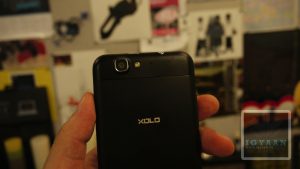
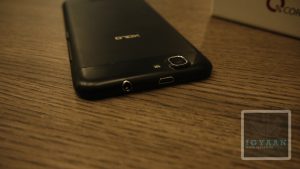
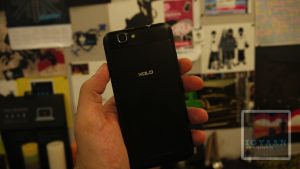
    XOLO has launched its new flagship smartphone the XOLO Q1000S, the phone is a revision of the older Q1000. The new device is just 6.98 mm thick compared to 8.8 mm for the older Q1000.

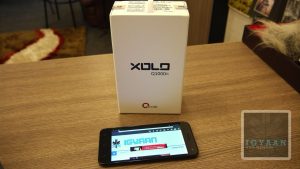
    Xolo Q1000s Unboxing iGyaan 21


    The most prominent features of the XOLO Q1000S are the Unibody construction along with the 5 inch HD IPS One Glass Solution (OGS) with a resolution of 1280 x 720 px and a 13 MP camera with BSI 2 sensor at the back and a 5 MP camera with BSI 1 sensor in the front. A few things users may not like are the non expandable storage which is fixed at a 16 GB and the non replaceable battery. The XOLO Q1000S is powered by a 2500 mAh battery pack and runs the MTK 6589T Quad Core 1.5 GHz chipset with a PowerVR SGX544 GPU and has 1 GB of RAM.  

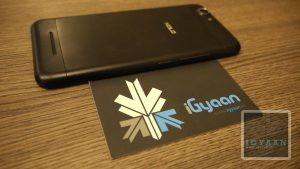
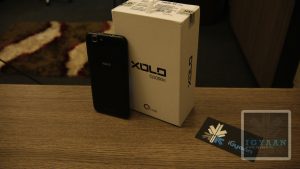
    Xolo Q1000s Unboxing iGyaan 0

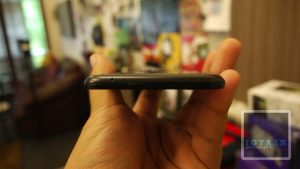
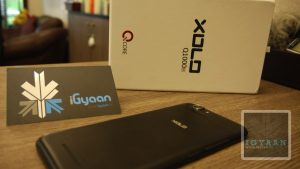
    The Q1000s is fairly pocketable, this is because of the 6.98 mm thickness. Inside the box, there is a usual mix up of things, a charging cable, a set of earphones, the USB wall charger, an extra screen protector and some standard documentation. 


    BUY NOW

  • Sony Smartphone-Mount “Lens Cameras” Leak

    Sony Smartphone-Mount “Lens Cameras” Leak

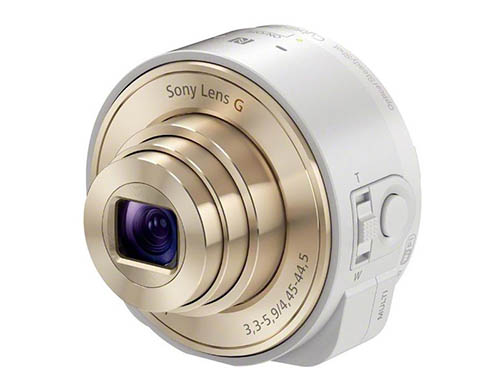
    We’ve previously covered the recent rumours of the 20 Megapixel Sony Wifi ‘smart lens’ which will attach to Android and iOS smartphones and connect to the phone via Wifi. Theoretically, you’ll be able to take much better pictures with the bigger CMOS sensor and Zeiss glass.

    Sony

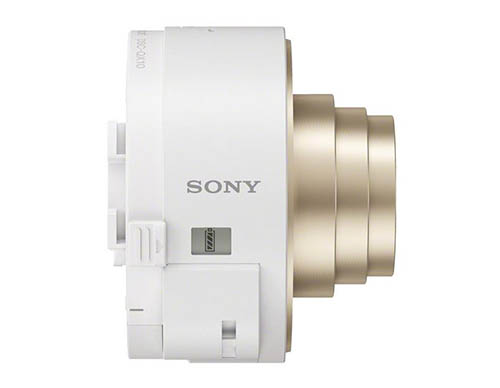
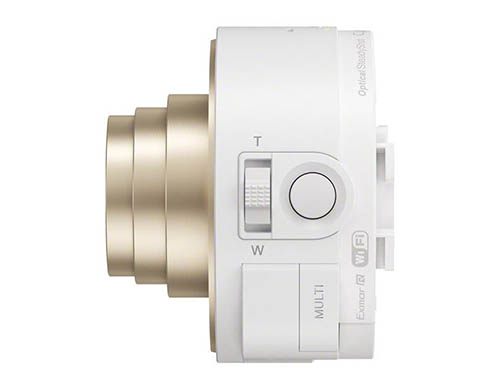
    A new rumored gold iPhone now has a rumored gold lens attachment from Sony, according to a report from SonyAlphaRumors which has also posted an image.  Until now we’d only seen leaks of a black device, and while a white version was perhaps to be expected, how about gold? Would be a perfect match for that rumored gold iPhone 5S. 

    “For the first time you can shoot top quality images with your smartphone. Forget these iPhone or Android lens kits!” said SonyAlphaRumors.com, which posted images of the new devices.

    Sony
    But the lenses won’t have screens or camera controls, and can be attached magnetically to the smartphone, from which they can be controlled, it added.

    The two new ‘lens-camera’ devices will launch as the DSC-QX10 and DSC-QX100, the idea being that they mount onto a smartphone and contain a built-in imaging sensor, Bionz processor, Wi-Fi/NFC, SD card slot and battery.

    The QX10 is rumoured to have a 1/2.3 inch 18MP CMOS sensor and f/3.3-5.9 lens. In terms of pricing, the more expensive QX100 is expected to be priced around the $450 mark. The lenses will be able to capture HD video at 1080/30p.

    Does this interest you shutterbugs?

  • Google Acquires WIMM To Help Its SmartWatch Program

    Google Acquires WIMM To Help Its SmartWatch Program

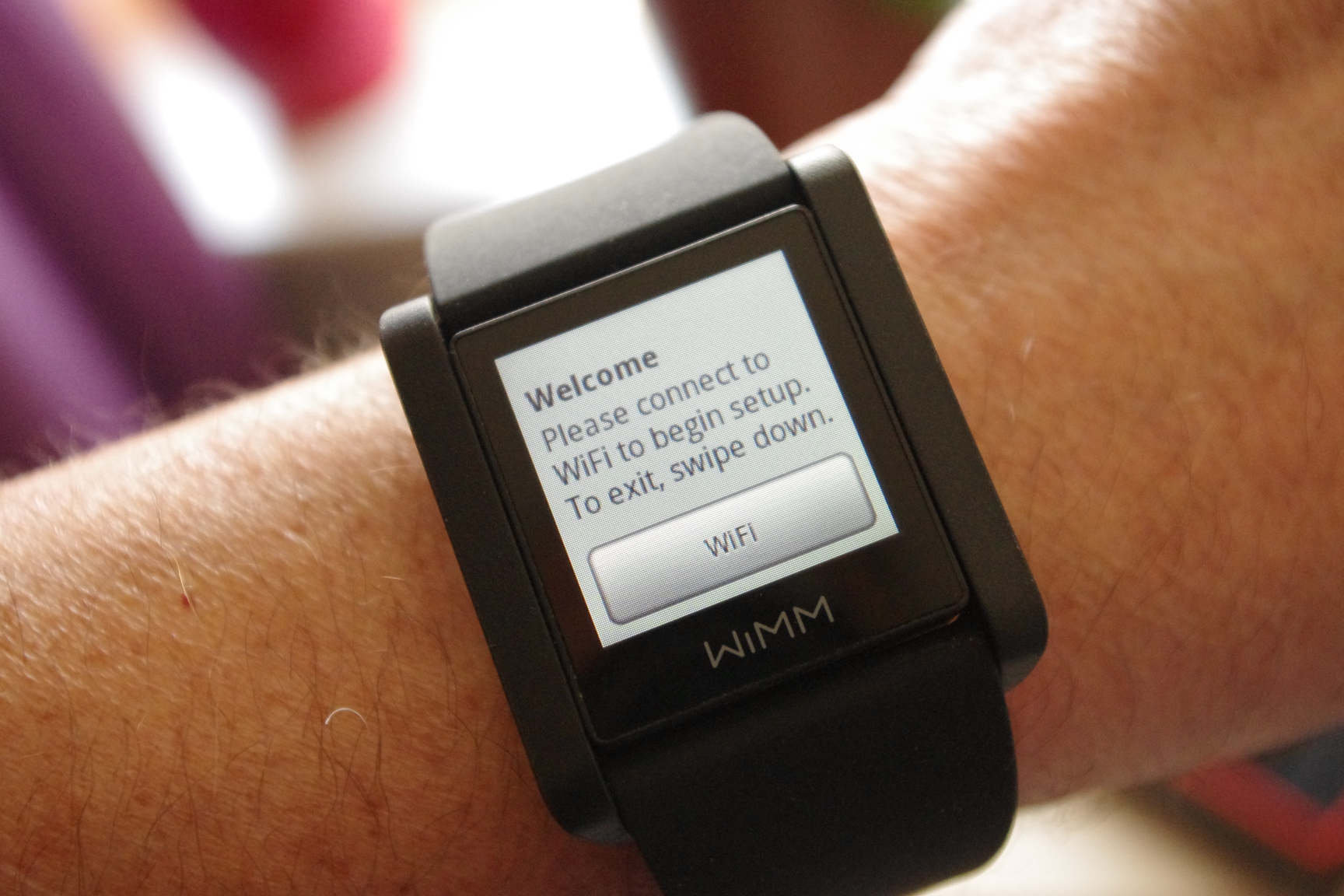
    Google just purchased a company, WIMM Labs, to give its burgeoning smart watch business a boost.

    The Android creator has been rumoured to be working on a smart watch for at least six months, but it appears that there has been activity within Google’s walls from early 2012.

    According to GigaOm, plus a message on their website, WIMM employees were absorbed into Google’s Android team, as the eventual retail product will inevitably run a form of the OS. Sony’s Smart Watch, and Samsung’s upcoming Gear device, run Android as well.

    WIMM had already been working on a smart watch running Android, and had developed a small set of “micro” apps that enhanced functionality between the wrist and smartphone, but worked largely on their own. The company posted a note on their site stating “During the summer of 2012, WIMM Labs entered into an exclusive, confidential relationship for our technology and ceased sales of the Developer Preview Kit.”

    Judging from the WIMM One smartwatch, WIMM’s platform, as neat as it was, still needed work: The watch was thick and ungainly, and its battery struggled to eke out more than a few hours of usage between recharges.

    Whether or not Google intends to release a smartwatch of its own, it certainly would like to see Android running on all sorts of wearable gadgets, which was the big idea behind WIMM in the first place.

  • HTC Desire 600c Dual-SIM Seen On Company’s Website with CDMA Support

    HTC Desire 600c Dual-SIM Seen On Company’s Website with CDMA Support

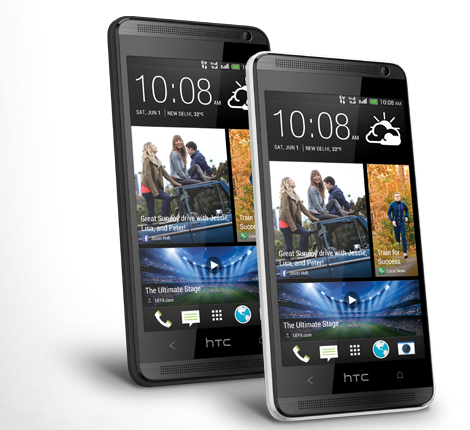
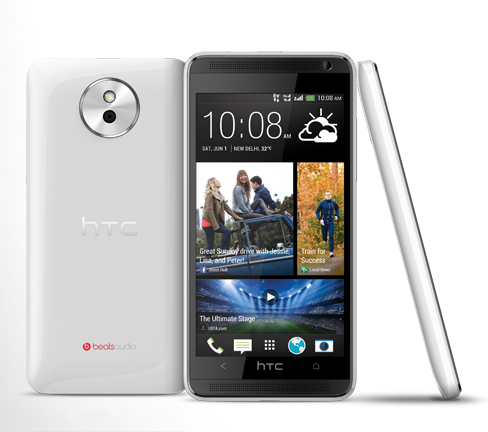
    Not very long ago HTC launched its new phone Desire 600, and now the company is ready to launch the new variant of this phone which is the Desire 600c. While the Desire 600 supported Dual SIM (GSM and GSM), the Desire 600c supports dual-SIM (GSM and CDMA). The handset is already listed on HTC’s official website.

    HTC Desire 600c

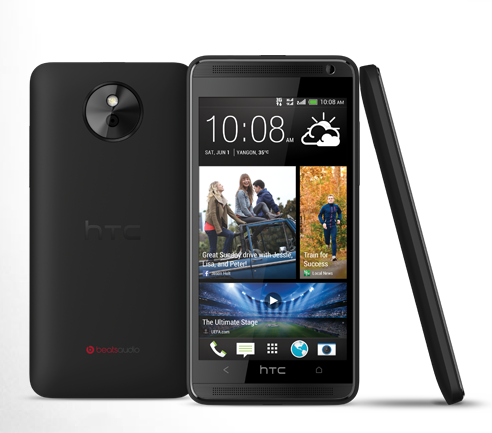
    The HTC Desire 600c features a 4.5-inch qHD display. The device is powered by a 1.2GHz quad-core Qualcomm Snapdragon processor with 1 GB of RAM. It comes with 8GB of internal storage which is expandable up to 64GB via microSD card. The HTC Desire 600c dual-SIM has a 8 MP rear camera with auto focus, LED flash and a 1.6 MP front-facing camera with BSI sensor. The phone is also capable of 720p video recording. The HTC Desire 600c dual-SIM weighs 127 grams and features dual front stereo speakers with built in amplifiers. The phone is powered by a 1860 mAh battery which is similar to the  the Desire 600c.

    HTC Desire 600c

    The HTC Desire 600c dual-SIM is a bit different from its predecessor. Though the device almost have the same specifications, it is not identical in design. The HTC Desire 600c dual SIM is a CDMA variant and supports GSM+CDMA networks. The phone runs Android Jelly Bean with HTC Sense, BlinkFeed and other features. As per the images the phone will be available in two colors Black and white. 

    Pricing and availability has not been confirmed, but the pricing should be around the price tag of the HTC Desire 600 which is INR 26,000.

  • Google Glass Assists Surgeons and Medical Students at Ohio State University

    Google Glass Assists Surgeons and Medical Students at Ohio State University

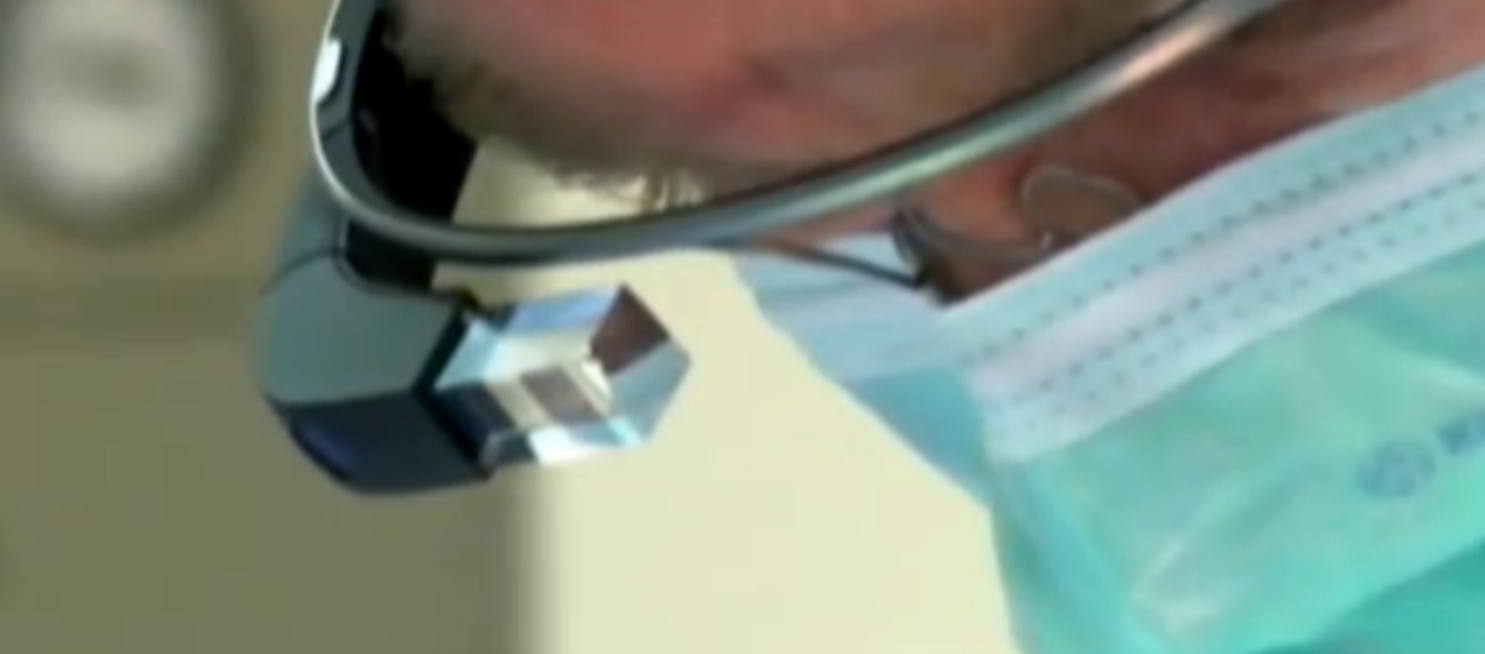
    A group of surgeons at the Ohio State University Wexner Medical Center added to the usage of Google Glass during surgical procedures.

    As reported by ABC news, Christopher Kaeding who is an orthopedic surgeon at OSU, used Glass for a standard surgical procedure.

    When he first put them on, he said that it mildly disrupted his routine. “In surgery, you have a certain feel,” he told ABC News. “But I was surprised how quickly I felt comfortable with it.”

    In this particular case, Glass’s purpose was to allow Christopher to join a Google Hangout,during the surgery. Also in the hangout were Robert Magnussen, an assistant professor of orthopaedics at OSU, as well as few of the medical school’s second year students.

    Ryan Blackwell, one of those students, said that Glass can give students an insider’s perspective.

    “Most students have shadowed a surgeon in the operating room, but you’re often stuck on the outside trying to get a glimpse of whatever you can,” he said. “But with Glass, you get that experience that weren’t able to get before.”

    Magnussen adds that Glass’s filming ability can reach more than just a couple of students at a time. For medical educators, he sees it as a way of making the curriculum more involved. “Say we’re talking about the anatomy of the knee. Watching an actual knee surgery would liven up that lecture,” he said.

    Both Blackwell and Magnussen have a few minor worries about Glass’s video quality and buffering. The location of Glass’s camera also isn’t ideal for surgery, making some of Kaeding’s incisions difficult to see. ” said Blackwell.

    In addition, the short battery life may mean that Glass isn’t suited for certain surgical procedures that take a long time. While other doctors at OSU have said that Glass could also be used to display a patient’s X-rays, as well as both pathology reports and reference materials pertaining to the surgery. Though Glass has potential, it’s important to keep the focus on the patient.

    Kaeding knows that Glass is still a prototype at this point and that there’s room for improvement. But there is one thing that even he can tell is a huge benefit this early on. “Once it’s on, it’s hands free,” he said. “You don’t have to break sterility so you won’t have to regown and reglove.”

    This adds up to the usage of Google Glass, what do you think ?

    [via]

  • Xbox One Voice Commands Won’t Work For Everyone

    Xbox One Voice Commands Won’t Work For Everyone

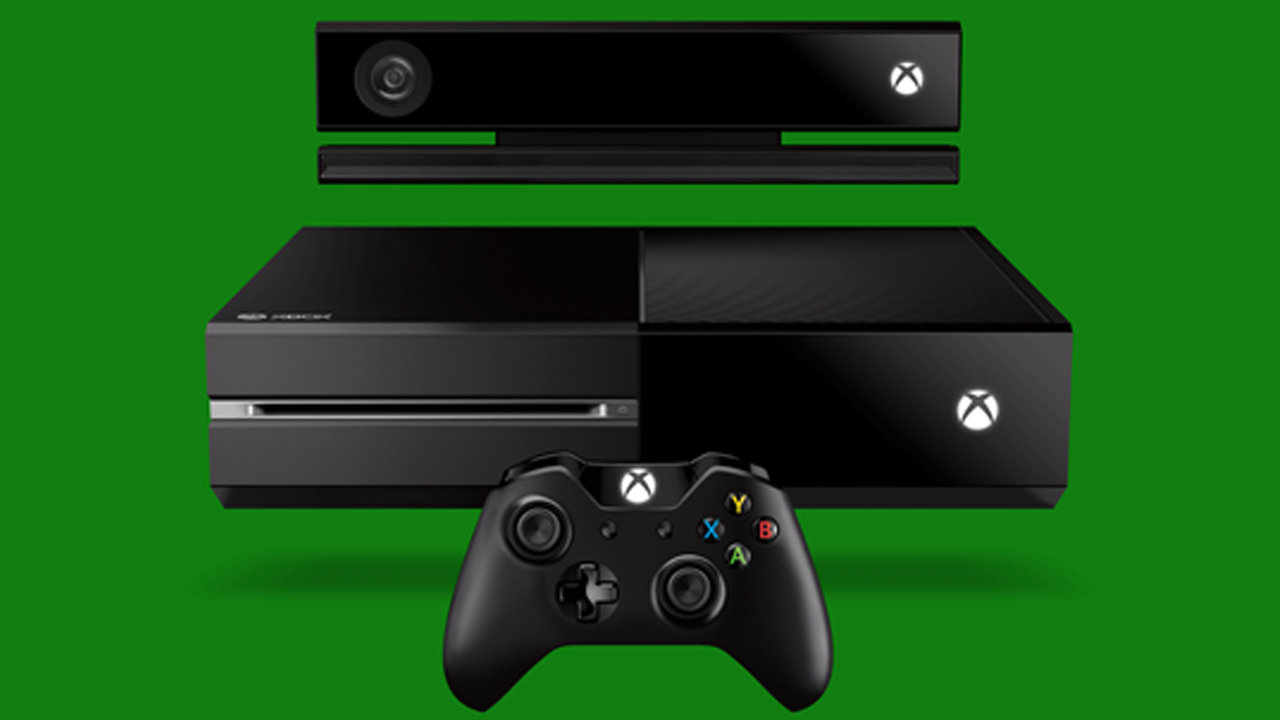
    After slashing the number of countries getting the Xbox One this year to just 13, Microsoft’s website shows that voice command for the Xbox One will only be available at launch in five countries – the US, UK, Canada, France and Germany.

    As Videogamer spotted, the Xbox One website’s footnote reads: “Xbox voice commands will not be available in all markets on the product release date. Voice commands will be available at launch in US, UK, CA, FR, and DE.”

    Microsoft’s tiny disclaimer doesn’t explain why the limited launch of voice interaction is necessary, but it might be related to the voice localization issues that previously resulted in delays for eight other European countries. Although, it could also be server load or production volume related.

    Microsoft at E3 demonstrated how the Xbox One can be turned on by simply saying, “Xbox on”. And while Microsoft has since stepped back a bit from the lofty aspirations it carried into E3, there’s no question that voice controls feature largely in its plans for the future of the console. In fact, the Xbox One “Get the Facts” page specifically states that “advanced voice and motion control open up new game experiences like never before,” and that it can be turned on, off and controlled in various ways using voice commands.

    While the Xbox One will still be usable in all of its launch markets, players simply won’t get a reaction if they buy the console from outside of the five supported regions. 

    Hindi voice commands soon please!

  • Samsung Starts Mass Production Of Advanced DDR4 Memory

    Samsung Starts Mass Production Of Advanced DDR4 Memory

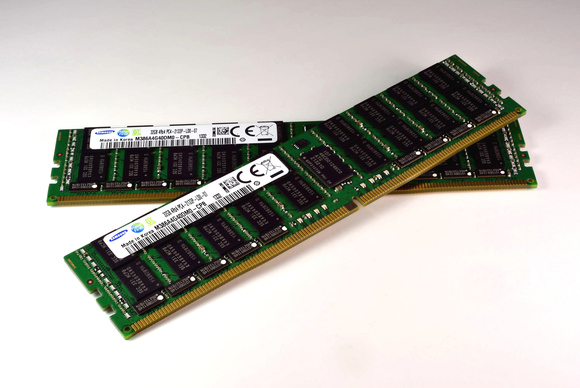
    Samsung announced today that it is mass producing DDR4 RAM modules in 16GB and 32GB capacities, following news that 16GB modules were being sampled back in July 2012. Samsung boasts that its modules support up to 2667Mbps transfer speeds, and that the 4Gb DDR4 memory chips used by the modules lower power consumption by 30 percent relative to comparable DDR3 chips.

    The chips are expected to deliver a data transmission rate of 2.667 gigabits per second, which is 1.25x the speed achieved with 20nm-class DDR3 RAM.

    “The adoption of ultra-high-speed DDR4 in next-generation server systems this year will initiate a push toward advanced premium memory across the enterprise,” said Young-Hyun Jun, executive vice president, memory sales and marketing, Samsung Electronics. “After providing cutting-edge performance with our timely supply of 16GB DDR3 earlier this year, we are continuing to extend the premium server market in 2013 and will now focus on higher density and added performance with 32GB DDR4, and contribute to even greater growth of the green IT market in 2014.”

    In late 2012, JEDEC finalized the DDR4 specification, which promised more performance, reliablity and efficiency compared to current DDR3 modules. DDR4 DRAM will be capable of 1.6 GT/s (gigatransfers per second) to 3.2 GT/s per pin, while running at a lower 1.2 volts, down from the 1.5 volts required for DDR3 memory.

    Samsung hasn’t specified when their DDR4 RAM modules will be available to purchase, or how much they’ll cost, but the company claims that through using their 4 Gb DDR4 chip, they’ve developed “industry’s largest lineup of products tailored to applications from servers to mobile devices”.

  • HTC Fetch : A Tiny Device To Help You Locate Your HTC One

    HTC Fetch : A Tiny Device To Help You Locate Your HTC One

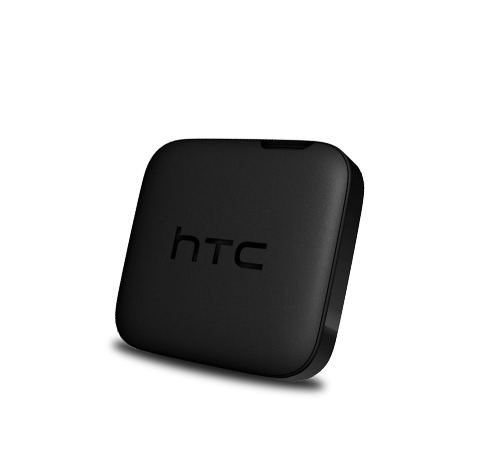
    HTC has unveiled a small Bluetooth 4.0 LE-powered accessory, aptly named HTC Fetch, that helps users find their lost phones or prevents them from leaving it behind.

    It works via Bluetooth 4.0?s Low Energy protocol, which allows devices to stay paired for months at a time with no battery drain. The HTC Fetch itself can attach to a keychain or be slipped in a bag, and has only one button, which sounds an alarm on your phone if it is within 15 metres. It has a six month battery life, with a small user-replaceable battery compartment.

    The whole thing sounds like a less network-connected Tile, which we wrote about earlier this year and has since raised hundreds of thousands of dollars. Fetch does have the advantage of pairing with your HTC phone via NFC, so no fumbling in the Bluetooth settings, but is otherwise a strange product that may not gain much traction.

    HTC Fetch also sounds an alarm if you leave an area that your phone is located, and if the device does get lost or stolen, HTC Fetch updates the phone’s last location, which can be pinpointed through HTC’s website.

    The keychain accessory is expected to retail for around $35, though no word on whether it is coming to India.

  • Samsung Galaxy Gear Control App Confirms NFC And Other Features

    Samsung Galaxy Gear Control App Confirms NFC And Other Features

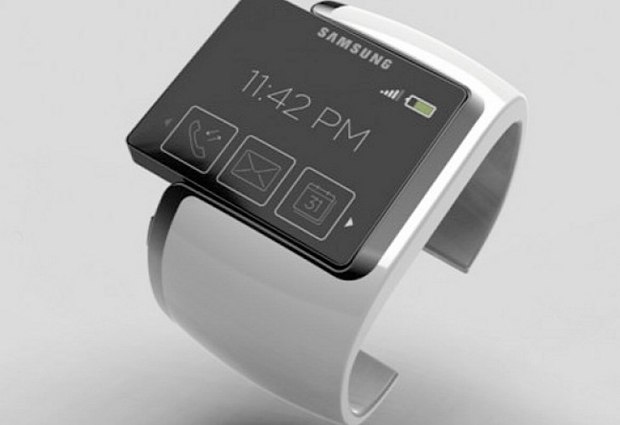
    Samsung has already confirmed that its Galaxy Gear smartwatch would launch on September 4th, but that does not stop more details from leaking out. As the launch date comes near, we all now have a good idea of how the Galaxy Gear would look like, but this recent leak shows the mobile app for Smart Watch and gives us a better picture of how would the device work.

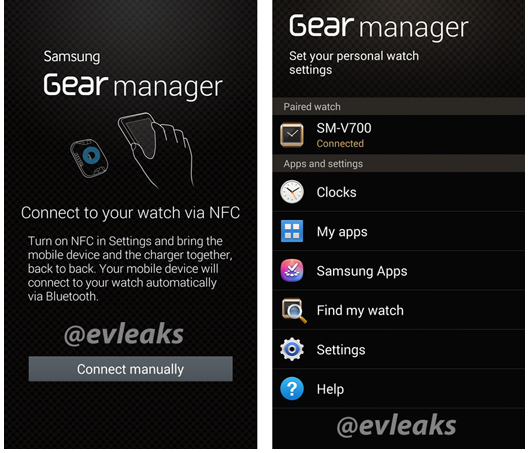
    samsung Galaxy Gear

    Evleaks posted screenshots of the Gear Manager, an app that is said to  connect with the Galaxy Gear. The images mostly contain details from the past rumors, like the SM-V700 model number, app support and NFC pairing. There are also a couple of nifty features like the “find my watch” tool, while another tab shows an abstracted representation of the Samsung Galaxy Gear itself.

    The unpacked event is less than a week away, so we will soon know what the final product will look like and what features will it bring to the consumers.

     [via]

  • Panasonic Showcases its New Range of VIERA LED Televisions and Projectors

    Panasonic Showcases its New Range of VIERA LED Televisions and Projectors

    Panasonic yesterday launched its new range of VIERA LED and Plasma Televisions in India. The new lineup consists of 4 new Smart VIERA-Home enabled Televisions, with a wide range of pricing options, ranging from INR 43,000  to 1,95,000.

    Model number – Pricing 

    TH-L32E6D –      43,000

    TH-L42E6D –      65,000

    TH-P60S60D –   1,32,000

    TH-L55DT60D-  1,95,000

    The new lineup of TVs feature Panasonic’s ‘My Home Screen’ which detects the Users face and shows a personalized home screen, that enables you to watch TV and view your apps and Widgets on the side of the broadcast.

    [youtube id=”pF-sMThjPGU” width=”100%” height=”300px”]

    The company claims that these televisions have a 100Hz backlighting and dot noise reduction which will enhance motion clarity and will be useful to improve standard definition content. These televisions also have the Swipe and Share feature which allows users to share content via any smart phone or tablet, and the new app even allows you to download any image that any one might have swiped on the TV. At one time upto 4 users can swipe and share images on the same TV using the new Smart Viera 2 App.

    [youtube id=”Nb_37w2ZFwk” width=”100%” height=”300px”]

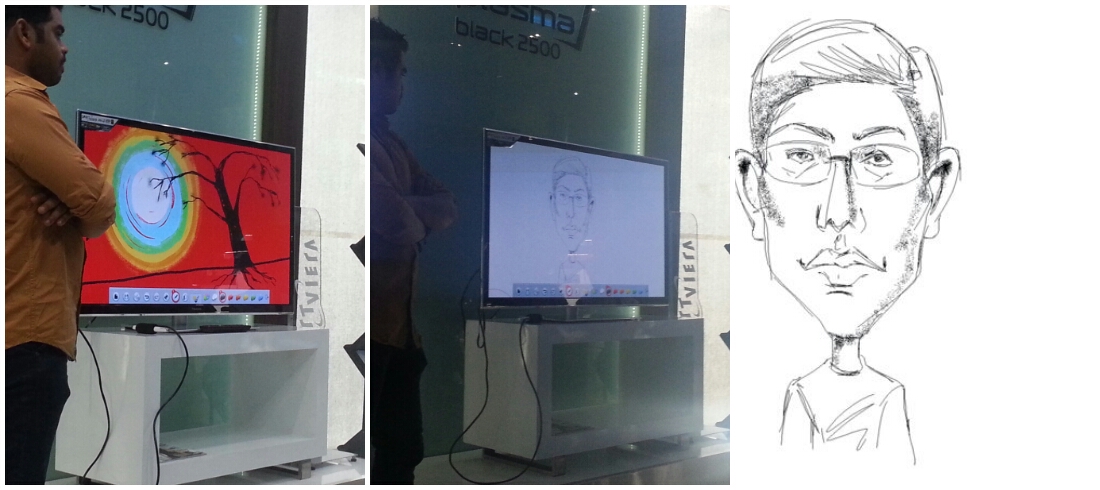
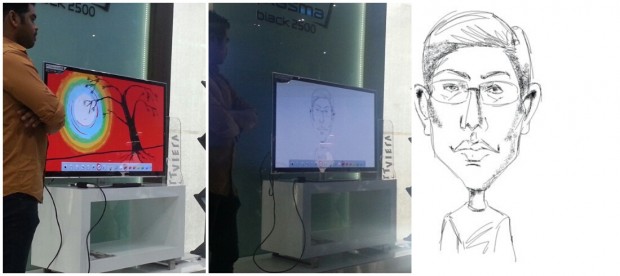
    The company also shared some new accessories like the touch pad controller which helps you to interact with your TV through your voice. The other one is the Touch Pen which allows us to edit, draw and save photos, this accessory can be used on the live broadcast as well. Below are three images, which shows the art made by the artist standing next to it, he even made a caricature of an audience member. 
     

    Panasonic has also launched 17 new Small and Home Office projectors. These projectors are PT-CW330 ulra-short-throw projectors and PT-TW330 normal short throw projectors. The new series includes PT-CW330, PT-CW240 and PT-CX300 as well as three interactive models that have pen capabilities PT-CW331R, PT-CW241R and PT-CX301R. The company claims all these projectors are suitable for classroom lectures, presentation, digital signage and more .
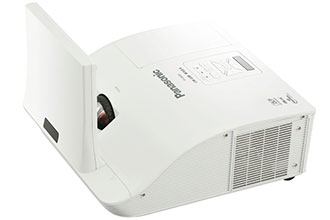
    The PT-CW330 series gives up to 3100 lumens and the contrast ratio of 8000:1. These projectors generate an 80 inches display from less than 2 feet away, which prevents the shadows being cast by the presenters. Whereas, the PT-CW331R. PT-CW241R and PT-CX301R has built-in interactive features which enables two users to work together with the help of IR pens. The projector senses the movement of the pens and accordingly gives you an experience of using a touch screen, no matter where the projection is being projected.

    The PT-CW330 series includes a built-in 10 watt speaker, and the company claims a upto 5,000 hour lamp replacement cycle. These projectors are also 3D ready, the price of this series ranges from 75,000 to 95,000 INR.

    PT-TW330 series has 5 models from which two are interactive, the price ranges from 49,000 to 74,000 INR.
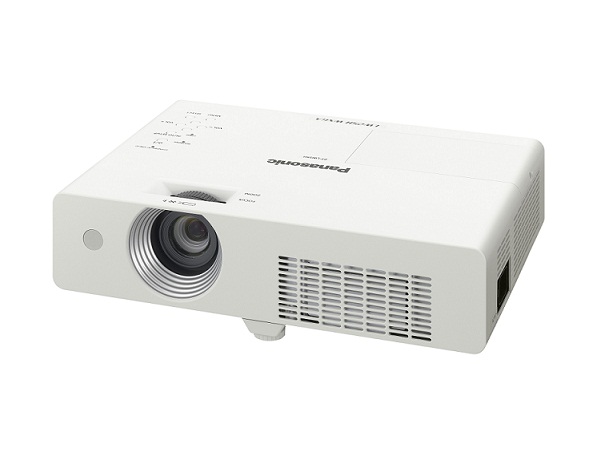
    Panasonic also launched new projectors in the Portable Range Including the PT-LW271 series which are designed for the price sensitive volume zone market as per the company. This series comprises of the PT-LW271 with 2700 lumens, PT-LX351 with 3500 lumens, PT-LX300 with 3200 lumens and PT-LX270 with 2700 lumens. These projectors have a lamp replacement cycle of upto 10,000, when the projector is in auto mode, claims Panasonic. The new portable range of projectors come with HDMI ports and price ranges from 35,000 to 52,000 INR.


    [toggle title=”Press Release “]Panasonic showcases its New Range of VIERA LED TVs and Portable

    Range Interactive Ultra Short-Throw, Short throw and Portable 1-Chip

    DLP™ Projectors

    Panasonic has brought a world full of entertainment with its new series of Viera TVs. The new range

    consist of models that have an attractive and slim line designs. This series of Panasonic LED TV’s

    gives you superior audio output, for a wonderful cinematic experience and offers you various

    other features which make them a lot more than just a Smart TV.

    The new line up provides our customers with a wide range of pricing options so that each

    customer can choose a suitable model at their own discretion. The new series start from the THL32E6D model which is available at Rs. 43,000. It goes up to TH-L42E6D available at Rs. 65,000,

    the TH-P60S60D priced at Rs 1,32,000 to the highest priced model TH-L55DT60D available at Rs.

    1,95,000.

    Additional features like My Home Screen gives you a user-friendly experience by providing everything

    you need in one place, combining the best of broadcast and internet in one space and an instant

    access to the user’s favourite content. You can easily access the LED Television by the Voice

    Interaction and Voice Guidance features which makes TV watching a fascinating experience and

    gives the users a way to control their viewing conveniently. It also has 100Hz backlighting and

    dot noise reduction which enhances its fast motion clarity and improves the standard definition of

    broadcast content. It renders the individualistic functionality of the Swipe, Share & Back 2.0 feature

    which one can utilize by linking a smartphone or tablet device to the TV. It renders the Panasonic

    Viera Remote which lets you comfortably operate the Panasonic Viera TV. It provides a practical

    usability as one can freely share content like photos, videos, and web pages with family and friends

    and achieve easy operation. Touch Pen also adds to the unique features of the range allowing the

    user to edit, draw & save photos even on a moving frame. These features establish the company’s

    main motto of “Smart TV Made Easy”.

    Continuing its focus on innovation and catering to the needs of its customers Panasonic has also

    rolled out PT-CW330 Series of ultra-short-throw projectors and PT-TW330 series of normal short

    throw projectors. The new series includes the PT-CW330, PT-CW240, PT-CX300 as well as three
    interactive models that have dual pen capabilities, the PT-CW331R, PT-CW241R and PT-CX301R.

    All of these projectors are well suited for a host of applications where space is limited and high image

    quality is critical, including classroom lectures, corporate presentations, digital signage and more.

    With up to 3,100 lumens and a contrast ratio of 8,000:1, the PT-CW330 Series produces crisp, clear

    images. Models PT-CW330, PT-CW240 and PT-CW331R are able to generate an 80” diagonal image

    from less than 2 feet away, delivering large image projection in confined spaces, without the fear of

    shadows being cast by presenters.

    The PT-CW331R, PT-CW241R and PT-CX301R built-in interactive features enables two users to

    simultaneously write on the image using IR pens that deliver smooth and natural lines. The result is

    an engaging classroom or corporate experience, without requiring a dedicated interactive whiteboard.

    PT-CW330 Series projectors include a built in 10 Watt speaker, up to 5,000 hour lamp replacement

    cycle

    and CrestronRoomView™ compatibility. The projectors are also 3D capable, ideal for

    1

    classroom education, special projection displays in exhibitions and digital signage. The price for

    CW330 series range from Rs. 75,000 to Rs.95, 0000

    PT-TW330 series has 5 models out of which two are interactive .The price ranges from Rs.49, 000 to

    74,000.

    Further strengthening the model line, Panasonic India announced the new portable range of 1 Chip

    DLP projectors, The PT-LW271 Series meant for price sensitive volume zone market.The PT-LW271

    Series is comprised of the PT-LW271 with 2,700 lumens and WXGA resolution, PT-LX351 with 3,500

    lumens and XGA resolution, PT-LX300 with 3,200 lumens and XGA resolution and PT-LX270 with

    2,700 lumens and XGA resolution. Most attractive is the 10,000 hrs maximum Lamp replacement

    cycle, when the projector is set to auto mode, thus reducing the total cost of ownership by a huge

    amount. Along with a high contrast ratio of up to 4000:1 and equipped with HDMI input, the PTLW271 Series delivers superb basic performance in a compact and lightweight body. Combining

    mobility and flexibility with quality and performance, the PT-LW271 series is perfect for the modern

    business. The price for PT-LW271 series ranges from Rs.35, 000 to 52,000.[/toggle]

  • Nokia 515 Announced : 2.4″ Display, Aluminum Body

    Nokia 515 Announced : 2.4″ Display, Aluminum Body

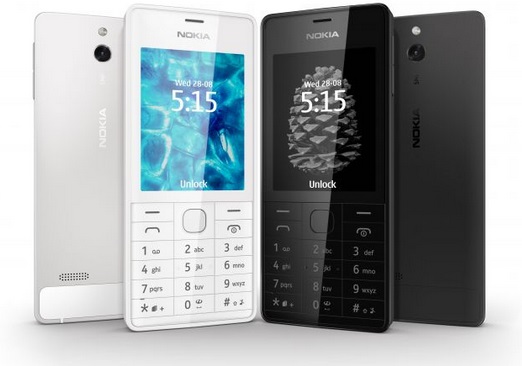
    Nokia today announced the Nokia 515 feature phone, with an Aluminum body.

    The new phone is a candybar “wrapped in lightweight aluminum,” and reportedly “combines the best of Nokia – contemporary design, high quality materials and top performance.”

    The Nokia 515 uses Nokia’s Series 40 UI, and features: a 2.4 inch QVGA display with Gorilla Glass 2, HSDPA, Mail for Exchange, Nokia Slam sharing service, Nokia XpressBrowser, 5MP rear camera with the ability to shoot in Panorama mode, MicroSD card support, and a 1,200 mAh battery.

    The battery life is being touted as an unbelievable 38 days for the single sim variant. The price of the Nokia 515 has been set at $150. No word yet on Indian pricing and availability. We’ll let you know soon.

  • Skype Developing 3D Video Calls

    Skype Developing 3D Video Calls

    Skype has said that it has developed a method for making 3-D video calls–but is being held back by the tech found in consumer devices.

    Microsoft’s corporate vice-president for Skype, Mark Gillett, told the BBC this week that the company had recently achieved the futuristic-sounding scenario in a lab, although it could be many years before the technology is rolled out to businesses.

    “We’ve done work in the labs looking at the capability of 3D-screens and 3D-capture,” Gillet said.

    “We’ve seen a lot of progress in screens and a lot of people now buy TVs and computer monitors that are capable of delivering a 3D image, but the capture devices are not yet there. As we work with that kind of technology you have to add multiple cameras to your computer, precisely calibrate them and point them at the right angle.

    “We have it in the lab, we know how to make it work and we’re looking at the ecosystem of devices and their capability to support it in order to make a decision when we might think about bringing something like that to market.”

    That might even be a barrier to ever seeing 3D video over Skype, as technology manufacturers might decide that there is not enough interest in the format.

    Gillett also told BBC that Skype will likely offer 1080p ”super-high definition” video call resolution to devices other than the upcoming Xbox One. 

  • MoboGenie: Google Nexus 7 Giveaway

    MoboGenie: Google Nexus 7 Giveaway

    The Giveaway is now over! Results are out : Click Here

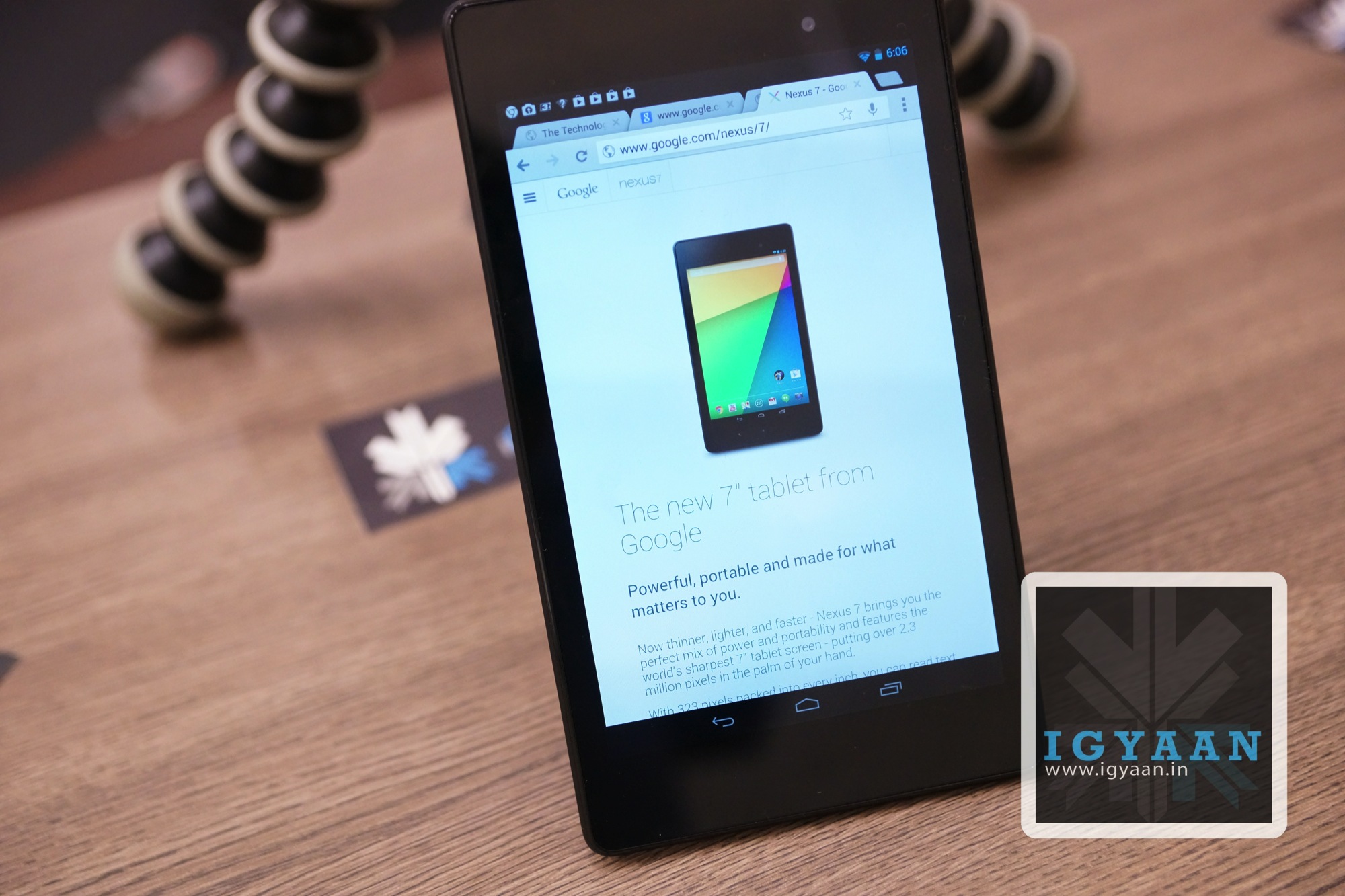
    Here is your chance to win a Brand new Google Nexus 7 2nd Gen courtesy MoboGenie. 

    One of the advantages of owning an Android smartphone is the endless customizations you have access to.   From a wallpaper of your choice, to playing with icons and setting up widgets, An Android phone can mirror your mood or personality.

    mobogenieHowever, what if you want to switch from one Android phone to another, want to install a custom ROM on the same device or even want to reset your device? You need a backup of your entire smart phone so that you don’t lose critical data. This is where MoboGenie comes in, A simple desktop utility that lets you back-up restore and manage your smartphones content directly from your Windows PC. The MoboGenie utility also lets you manage your contacts, applications, media as well as important text messages. You also get access to a wide range of wallpapers, apps and ringtones for ease of customization fro your Android Devices.


    You can download the MoboGenie app for free here : [button_2 color=”#71889c” size=”button-med” icon=”icon-download” float=”none” text=”Download” link=”http://server.mobogenie.com/download/downloadClient.htm?media=38″ id=”mobogenie”]
     

    Once you have downloaded the MoboGenie client above head on over to the contest below and take part to win yourself a brand new 16 GB Nexus 7 2013 edition Courtesy MoboGenie and iGyaan. If you dont see the contest below click here.

    a Rafflecopter giveaway


     Incase you missed out on the review of the new Google Nexus 7 you can find it here.

    [youtube id=”qXVCnqszDOM” width=”100%” height=”300px”]

  • Android Vice President Hugo Barra Leaves For Xiaomi

    Android Vice President Hugo Barra Leaves For Xiaomi

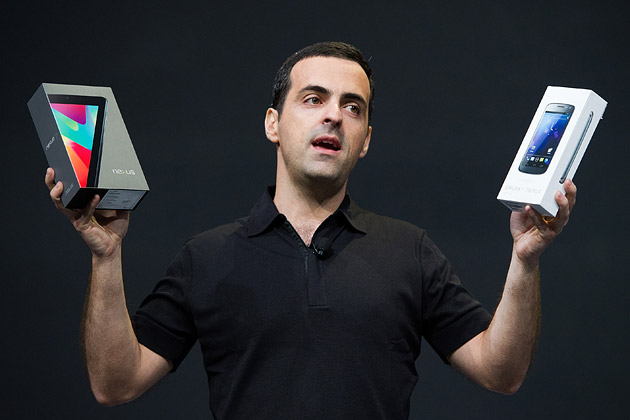
    Hugo Barra, VP of Product Management for Android, is leaving his post at Google and heading to Chinese smartphone manufacturer Xiaomi. This news was first reported by AllThingsD, then later confirmed by Google.

    Hugo Barra confirmed the news himself on his Google+ account.

    “In a few weeks, I’ll be joining the Xiaomi team in China to help them expand their incredible product portfolio and business globally — as Vice President, Xiaomi Global,” he wrote.

    Xiaomi is considered to be the “Apple of China” and makes mobile devices that run off the Android platform, so Barra won’t be completely distant from the OS he helped enthusiastically build. There’s no word yet on what the specific role Barra will play at Xiaomi.

    Android, indisputably one of the most important endeavors at Google, has been undergoing some upheaval. In March, Andy Rubin, who guided the mobile software to be the world’s most popular over Apple, stepped down to “start a new chapter at Google.”

    A Google spokesperson stated that “We wish Hugo Barra the best. We’ll miss him at Google and we’re excited that he is staying within the Android ecosystem.” Hugo Barra has been with Google since March of 2008. That’s a big position Google has to fill.

  • Nokia Asha 502 And 503 Specs Leaked

    Nokia Asha 502 And 503 Specs Leaked

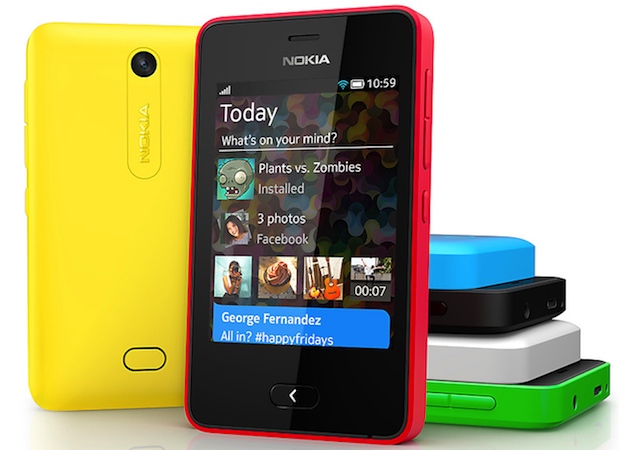
    Nokia Asha 501 is one of the best sellers in Nokia’s stable, and now as per rumors, Nokia is planning for two new devices in the same segment Nokia Asha 502 and Asha 503.

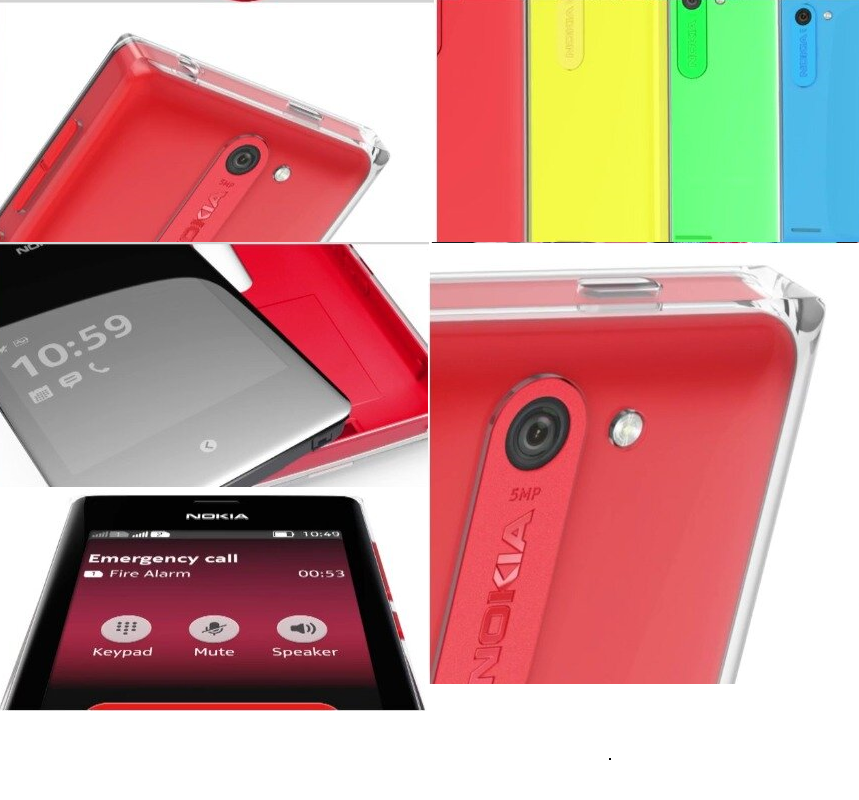
    “Thisisnokia” reportes, that the Nokia Asha 502 will feature a polycarbonate design, is likely to be slimmer and lighter and will have a 3.2 to 3.5-inch scratch resistant display. The RAM could be in the range of 128 to 512 MB while the processor is expected to be 1 or 1.2GHz. The Asha 502 is also said to support 3G connectivity, the feature that was missing on the Asha 501 along with a 5-megapixel rear camera with the new Nokia Camera app for Asha devices. 

    Asha-leak-2

    Whereas, the alleged Nokia asha 503 is also said to feature a polycarbonate and glass design with a  display around 3.2 to 3.4-inches. It could be powered by a 1 or 1.5GHz processor with a GPU and RAM could be in the range of 128 to 512MB. 

    Both of these rumored devices are supposed to work on 3G and also have dual sim capabilities. If the above information is true, one feature everyone would expect these phones to have is Whatsapp support which was missing on the Asha 501.   

    [via]

iGyaan Network
Privacy Overview

This website uses cookies so that we can provide you with the best user experience possible. Cookie information is stored in your browser and performs functions such as recognising you when you return to our website and helping our team to understand which sections of the website you find most interesting and useful.