Category: Latest

All the Latest, News, Reviews, Updates, How To, Mobile Phone news, Global and International News, From Cameras to Automobiles, from TV To PC and a lot more! Constantly updating!

  • Facebook, Ericsson, MediaTek, Nokia, Opera, Samsung and Qualcomm form Internet.org

    Facebook, Ericsson, MediaTek, Nokia, Opera, Samsung and Qualcomm form Internet.org

    The global social network, Facebook and a few major companies like Ericsson, MediaTek, Nokia, Opera, Samsung and Qualcomm have joined hands to form what may be the future of the Internet. Internet.org is an initiative to deliver internet access to two-thirds of the world that currently does not have access to it. 

    The collaborative effort plans to bring down costs for deployment of such large infrastructure, By reducing the cost and amount of data required for most apps and enabling new business models, Internet.org is focused on enabling the next 5 billion people to come online.

    Although, many still struggle with basic internet access, and where implementations can be a lifelong goal, its not one that cannot be achieved. 

    For more than 100 years, Ericsson has been enabling communications for all and today more than 6 billion people in the world have access to mobile communications,” said Hans Vestberg, President and CEO of Ericsson. “We are committed to shaping the Networked Society – where everyone and everything will be connected in real time; creating the freedom, empowerment and opportunity to transform society. We believe affordable connectivity and internet access improves people’s lives and helps build a more sustainable planet and therefore we are excited to participate in the internet.org initiative.”

    “As a world leader in mobile solutions for emerging markets having powered more than 300 million smart devices within 2 years, MediaTek whole heartedly supports the internet.org initiative.” said MK Tsai, Chairman of MediaTek. “Global Internet and social media access represent the biggest shift since the industrial revolution, and we want to make it all-inclusive.”

    “Nokia is deeply passionate about connecting people – to one another and the world around them,” said Nokia President and CEO Stephen Elop. “Over the years, Nokia has connected well over a billion people. Our industry is now at an exciting inflection point where Internet connectivity is becoming more affordable and efficient for consumers while still offering them great experiences. Universal internet access will be the next great industrial revolution.”

    “Today, more than 300 million people use Opera every month to access the Internet. Tomorrow, we have a chance to serve the next 5 billion people connecting on mobile devices in developing countries. It’s in Opera’s DNA to save people time, money and data, and through internet.org we think we can help advance these goals.” — Lars Boilesen, CEO Opera Software.

    “Mobile has helped to transform many people’s lives in the emerging regions where often a computing device will be the first and only mobile experience they’ll ever have” said Paul Jacobs, chairman of the board and CEO of Qualcomm Incorporated. “Having shipped more than 11 billion chips, Qualcomm is a market leader that is committed to the goal of bridging the digital divide. We’re pleased to be a part of internet.org and to be working with key ecosystem players to drive this initiative forward.”

    “This new initiative has big potential to help accelerate access to the Internet for everyone,” said JK Shin, CEO and President of the IT & Mobile Communications Division at Samsung Electronics. “We’re focused on delivering high quality mobile devices to ensure that the next five billion people have great mobile Internet experiences.”


    [toggle title=”Press Release”]Technology Leaders Launch Partnership to Make Internet Access Available to All

    August 20, 2013

    Facebook, Ericsson, MediaTek, Nokia, Opera, Qualcomm, Samsung to be founding partners

    MENLO PARK, CA, — Mark Zuckerberg, founder and CEO of Facebook, today announced the launch of internet.org, a global partnership with the goal of making internet access available to the next 5 billion people.

    “Everything Facebook has done has been about giving all people around the world the power to connect,” Zuckerberg said. “There are huge barriers in developing countries to connecting and joining the knowledge economy. Internet.org brings together a global partnership that will work to overcome these challenges, including making internet access available to those who cannot currently afford it.”

    Today, only 2.7 billion people – just over one-third of the world’s population — have access to the internet. Internet adoption is growing by less than 9% each year, which is slow considering how early we are in its development.

    The goal of Internet.org is to make internet access available to the two-thirds of the world who are not yet connected, and to bring the same opportunities to everyone that the connected third of the world has today.

    The founding members of internet.org — Facebook, Ericsson, MediaTek, Nokia, Opera, Qualcomm and Samsung — will develop joint projects, share knowledge, and mobilize industry and governments to bring the world online. These founding companies have a long history of working closely with mobile operators and expect them to play leading roles within the initiative, which over time will also include NGOs, academics and experts as well. Internet.org is influenced by the successful Open Compute Project, an industry-wide initiative that has lowered the costs of cloud computing by making hardware designs more efficient and innovative.

    In order to achieve its goal of connecting the two-thirds of the world who are not yet online, internet.org will focus on three key challenges in developing countries:

    Making access affordable: Partners will collaborate to develop and adopt technologies that make mobile connectivity more affordable and decrease the cost of delivering data to people worldwide. Potential projects include collaborations to develop lower-cost, higher-quality smartphones and partnerships to more broadly deploy internet access in underserved communities. Mobile operators will play a central role in this effort by driving initiatives that benefit the entire ecosystem.

    Using data more efficiently: Partners will invest in tools that dramatically reduce the amount of data required to use most apps and internet experiences. Potential projects include developing data compression tools, enhancing network capabilities to more efficiently handle data, building systems to cache data efficiently and creating frameworks for apps to reduce data usage.

    Helping businesses drive access: Partners will support development of sustainable new business models and services that make it easier for people to access the internet. This includes testing new models that align incentives for mobile operators, device manufacturers, developers and other businesses to provide more affordable access than has previously been possible. Other efforts will focus on localizing services – working with operating system providers and other partners to enable more languages on mobile devices.

    By reducing the cost and amount of data required for most apps and enabling new business models, Internet.org is focused on enabling the next 5 billion people to come online.

    Facebook, Ericsson, MediaTek, Nokia, Opera, Qualcomm, Samsung and other partners will build on existing partnerships while exploring new ways to collaborate to solve these problems.

    “For more than 100 years, Ericsson has been enabling communications for all and today more than 6 billion people in the world have access to mobile communications,” said Hans Vestberg, President and CEO of Ericsson. “We are committed to shaping the Networked Society – where everyone and everything will be connected in real time; creating the freedom, empowerment and opportunity to transform society. We believe affordable connectivity and internet access improves people’s lives and helps build a more sustainable planet and therefore we are excited to participate in the internet.org initiative.”

    “As a world leader in mobile solutions for emerging markets having powered more than 300 million smart devices within 2 years, MediaTek whole heartedly supports the internet.org initiative.” said MK Tsai, Chairman of MediaTek. “Global Internet and social media access represent the biggest shift since the industrial revolution, and we want to make it all-inclusive.”

    “Nokia is deeply passionate about connecting people – to one another and the world around them,” said Nokia President and CEO Stephen Elop. “Over the years, Nokia has connected well over a billion people. Our industry is now at an exciting inflection point where Internet connectivity is becoming more affordable and efficient for consumers while still offering them great experiences. Universal internet access will be the next great industrial revolution.”

    “Today, more than 300 million people use Opera every month to access the Internet. Tomorrow, we have a chance to serve the next 5 billion people connecting on mobile devices in developing countries. It’s in Opera’s DNA to save people time, money and data, and through internet.org we think we can help advance these goals.” — Lars Boilesen, CEO Opera Software.

    “Mobile has helped to transform many people’s lives in the emerging regions where often a computing device will be the first and only mobile experience they’ll ever have” said Paul Jacobs, chairman of the board and CEO of Qualcomm Incorporated. “Having shipped more than 11 billion chips, Qualcomm is a market leader that is committed to the goal of bridging the digital divide. We’re pleased to be a part of internet.org and to be working with key ecosystem players to drive this initiative forward.”

    “This new initiative has big potential to help accelerate access to the Internet for everyone,” said JK Shin, CEO and President of the IT & Mobile Communications Division at Samsung Electronics. “We’re focused on delivering high quality mobile devices to ensure that the next five billion people have great mobile Internet experiences.”

    The Internet.org website launches today and provides an overview of the mission and goals, as well as a full list of the partners. In the coming weeks, it will feature interviews with technology leaders and experts, along with the latest news on Internet.org activities.[/toggle]

  • Google Starts A ‘Vulnerability Rewards Program’

    Google Starts A ‘Vulnerability Rewards Program’

    The Vulnerability Rewards Program is created to help and reward the contributions of security researchers who invest their time and effort in helping Google to make Chromium more secure. Through this program Google is to provide monetary awards and public recognition for vulnerabilities responsibly disclosed to the Chromium project.

    The eligible bugs can be:

    • An uncontrolled buffer overflow in the browser process, especially if a malicious web site can directly control the contents of the buffer.

    • Most memory safety issues in the browser process, unless the possibility of arbitrary code execution can be ruled out.

    • A bug that allows circumvention of the same-origin policy.

    • A bug that allows arbitrary code execution within the confines of the sandbox.

    • Bugs that interfere with browser security features. E.g. A bug that disrupts the location bar and lock icon. (Note that the status bubble is not a security indicator.)

    • Bug that allows an attacker to enumerate recently visited URLs.

    • Bugs that are not harmful independently, but can be combined with other bugs to cause harm.  For example, ignoring a “do not cache” directive might not itself be harmful but might facilitate other attacks.

    • Any bug that might be High Severity, but requires unusual user action (such as terminating a tab’s process while in full-screen mode).

    • A bug that allows an attacker to hang the browser.  (Note that tab hangs are not security issues if they can be resolved simply by closing the tab.)


    Reward for eligible bugs is $500, but the typical payout is usually at least $1000 as per Google. If the rewards panel finds the bug particularly severe, the value can be as much as $3133.70. Or if the rewards panel finds a report really impressive, the value can be as much as $10,000 or even beyond says Google. 

    Can you find an eligible bug ? Find it to win some $$$, just to remind you guys 1 USD is about 63.10 INR.
     
    [via]


  • Battlefield 4 Beta Coming in October

    Battlefield 4 Beta Coming in October

    Battlefield 4’s beta will launch on PC, PlayStation 3 and Xbox 360 in early October, developer DICE has announced.

    DICE boss Karl-Magnus Troedsson took to the stage at today’s EA Gamescom 2013 press conference to announce details of the game and its DLC Premium service.

    As Game Informer reports, those that buy the $50 season pass will get five expansions and a number of other perks. The map packs have been named and dated:

    • Battlefield 4 Second Assault – Includes four fan-favorite Battlefield 3™ maps now re-imagined with the power of Frostbite™ 3. Available first on Xbox One.
    • Battlefield 4 China Rising – Players fight for dominance across the vast and majestic Chinese mainland. Available December 2013.
    • Battlefield 4 Naval Strike – Experience dynamic ocean combat as the Chinese armada takes the fight to the sea. Available Spring 2014.
    • Battlefield 4 Dragon’s Teeth – The US strikes back engaging in all-out urban warfare. Available Summer 2014.
    • Battlefield 4 Final Stand – Bring the war to its epic conclusion. Available Summer 2014.

    Additionally, players will receive early access to the new content (two weeks), priority queueing on servers, 12 bonus battlepacks (which seem like the bundles of gear in Mass Effect 3’s online mode) that include knives, dog tags, gun attachments, camoflauge, and XP boosts.

    “Fan reaction to Battlefield 3 Premium has been nothing short of amazing. We are humbled to see more than 4 million people join in,” said Patrick Bach, executive producer.

    “With Battlefield 4 Premium we continue to roll out the red carpet, treating our fans like VIPs with a massive amount of new gameplay, exclusive new content and even more benefits at an incredible value.”

    Battlefield 4 will be available on October 29 for the Xbox 360, PlayStation 3 and PC. Battlefield 4 will also be available for Xbox One and PlayStation 4.

  • Apple Patents 3D Gesture Control On Touchscreen Devices

    Apple Patents 3D Gesture Control On Touchscreen Devices

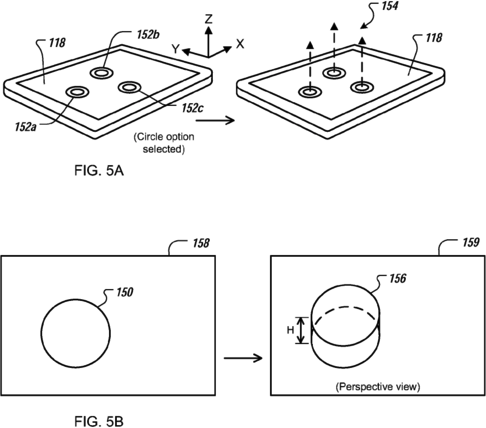
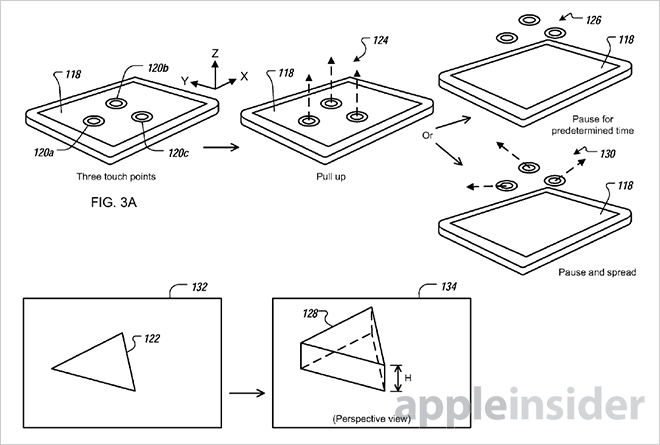
    As Apple Insider reports, the U.S. Patent and Trademark Office on Tuesday published an Apple patent for a method of generating and manipulating a three-dimensional object on a computing device, with the process controlled by special gestures made above a touchscreen’s surface.

    Apple

    The system Apple envisions would work in tandem with its existing multi-touch input controls on devices like the iPad, allowing a user to lift their fingers off of the screen in order to sort of pull out a 3D shape from a 2D one in software like CAD programs, and then twist, turn and modify it in 3D space using gestures in the air just above the device’s screen.

    As the patent application explains it:

    The CAD program may provide a drafting area showing 2D or 3D objects being processed by the user, and menus outside the drafting area for allowing the user to choose from various tools in generating or modifying 2D or 3D objects. For example, there may be menus for 2D object templates, 3D object templates, paint brush options, eraser options, line options, color options, texture options, options for rotating or resizing the objects, and so forth. The user may select a tool from one of the menus and use the selected tool to manipulate the 2D or 3D object.

    Other uses for the new technology include the ability to use 3D gestures to sculpt using virtual clay-like materials and to change parameters such as shadows, brightness, textures and more.

    [Via]

  • HTC Zara Specs Leak, Budget Device With 4.5″ Display And Sense 5.5

    HTC Zara Specs Leak, Budget Device With 4.5″ Display And Sense 5.5

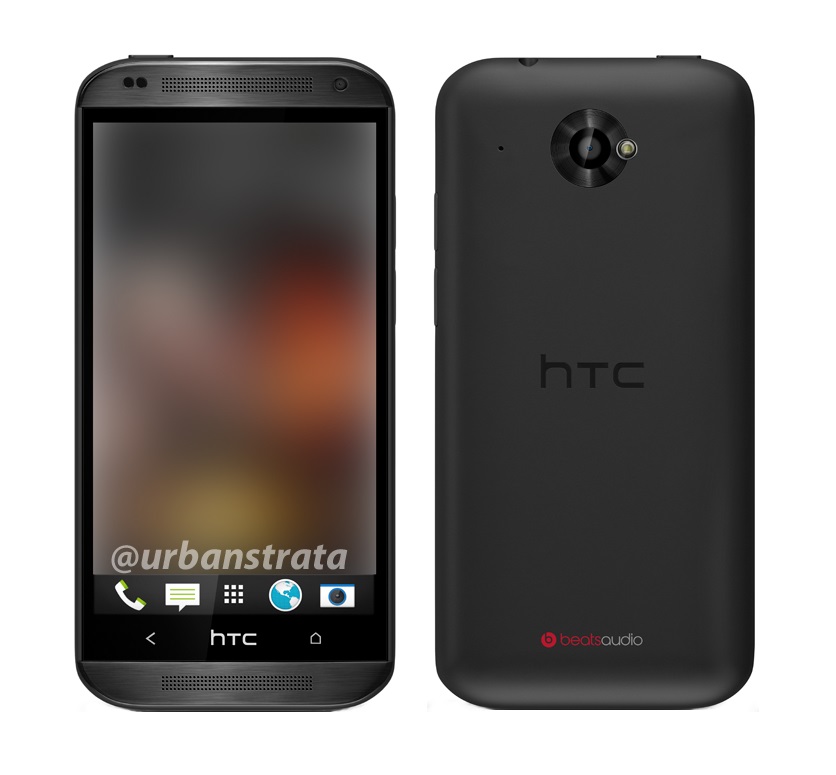
    HTC is bringing the design language from the One series down to entry level devices, according to an image by notorious leaker evleaks.

    The HTC Zara has been rumoured before, but its specs never really jumped out at us. With a 4.5-inch qHD screen (960×540 pixels), a dual-core 1.2Ghz Snapdragon 400 processor, 1GB of RAM, 8GB internal storage, an UltraPixel camera, a 2100mAh battery and, perhaps most interestingly, Android 4.3 with Sense 5.5.

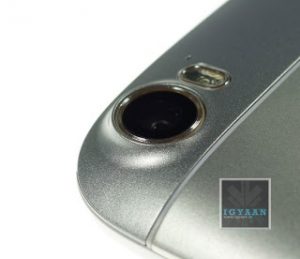
    As handsets go, the HTC Zara (a codename and not final shipping designation) looks to be a mix of the lower-end Desire line and the HTC One. You can see two front-facing speakers along with the company’s unique button placement. The main differences are the more rounded corners and that distinctly Desire-like camera ring on the back.

    HTC Zara is the second phone we hear of that’s going to launch with the updated Sense 5.5 user interface running on top of Android 4.3 Jelly Bean. The HTC One Max is going to debut with the company’s updated UI. Sense is HTC’s differentiator in the Android game, though recently it has been focusing more on hardware improvements than software gimmicks. Whether Sense 5.5 will retain the familiar BlinkFeed home screen remains to be seen, but we don’t think HTC will mess with a good thing.

    [Via]

  • Leaked : Samsung Galaxy Gear Specifications

    Leaked : Samsung Galaxy Gear Specifications

    The finer details of Samsung’s upcoming smartwatch are finally starting to leak out. If you’re into extending technology down to your arm, specifically Samsung technology, you might want to consider wrapping the Galaxy Gear around your wrist. Rumours are that Samsung will unveil this device on September 4th at their upcoming Unpacked event.

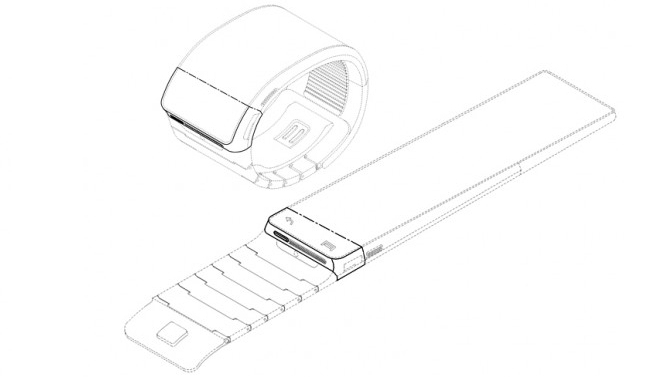
    The Galaxy Gear will be a ‘smartphone companion’ and new reports indicate that it’ll sport a 2.5-inch OLED full colour display with a resolution of 320 x 320, plus have the usual touchscreen gestures and accelerometer, but will lack text-input commands. Under the face the Galaxy Gear reportedly has a dual-core 1.5GHz Exynos 4212 processor and Mali-400MP4 GPU. 

    In addition, GigaOM reports that the watch has a camera that is integrated into the strap and even has tiny speakers in the clasp of the watch, plus built-in NFC to allow for bump-to-sync and authenticate. The watch uses Bluetooth 4.0 LE to connect with smartphones for connectivity.

    As GigaOM reports, the Galaxy Gear watches that have been seeded with the developers are based on Android 4.1 (and in some cases 4.2) and there is very tight integration and syncing between the watch and the phones and tablets. For instance, if one has swiped through notifications, stops at an email blurb and then picks up the smartphone, the phone will display that email message attached to the blurb you were looking at on the watch. The company will feature integration with Twitter and Facebook at launch.

    The watch will connect to a Samsung watch manager app on the phone to manage the connection between watch and the phone. The connection will use Samsung’s proprietary accessory protocol and will use Bluetooth LE as the network transport. Apparently if there is any app running on the watch, it is its own discreet endpoint and will work directly with the servers.

    The Galaxy Gear will use apps ‘not from the Google Play store, but instead from the Samsung App store.” Possibly another signal that Samsung is reducing its need on Google’s Android OS – this could mean the watch will only work with Samsung Galaxy smartphones and tablets. However, popular social media apps like Facebook and Twitter will be heavily integrated, along with a collection of health apps – possibly SHealth – to take on competing watches like the Nike Fuelband.

    The only major items missing now are the completed design, battery life, and yes, pricing and availability.

    [Via]

  • Microsoft Issues Apology And Explaination For Outlook Outage

    Microsoft Issues Apology And Explaination For Outlook Outage

    During this week, Outlook.com suffered from an outage causing users to not be able to read their emails nor could they retrieve their files stored on Microsoft’s SkyDrive service. Today, Microsoft has offered an apology and an explanation on why this outage happened.

    The company posted a message on its service status page to describe the problems, explaining that it was all just a glitch caused by a caching service.

    Here’s the full message posted by Microsoft on the recent Outlook.com outage:

    “This incident was a result of a failure in a caching service that interfaces with devices using Exchange ActiveSync, including most smart phones. The failure caused these devices to receive an error and continuously try to connect to our service. 

    This resulted in a flood of traffic that our services did not handle properly, with the effect that some customers were unable to access their Outlook.com email and unable to share their SkyDrive files via email.

    In order to stabilize the overall email service, we temporarily blocked access via Exchange ActiveSync. This allowed us to restore access to Outlook.com via the web and restore the sharing features of SkyDrive. These parts of the service were fully stabilized within a few hours of the initial incident. 

    A significant backlog of Exchange ActiveSync requests accumulated as we worked to stabilize access. To avoid another flood of traffic, we needed to restore access to Exchange ActiveSync slowly, which meant that some customers remained impacted for a longer period of time.”

    Microsoft has also decided that it’s the time to issue an apology for all its users, as many have turned to the company’s support forums to express their frustration regarding the outage.

    “We want to apologize to everyone who was affected by the outage, and we appreciate the patience you have shown us as we worked through the issues,” it said.

    Microsoft admits it has learnt from the incident and has made two changes to the networks.

  • Google Patents “Pay-per-Gaze” Advertising Model, Exploring Options

    Google Patents “Pay-per-Gaze” Advertising Model, Exploring Options

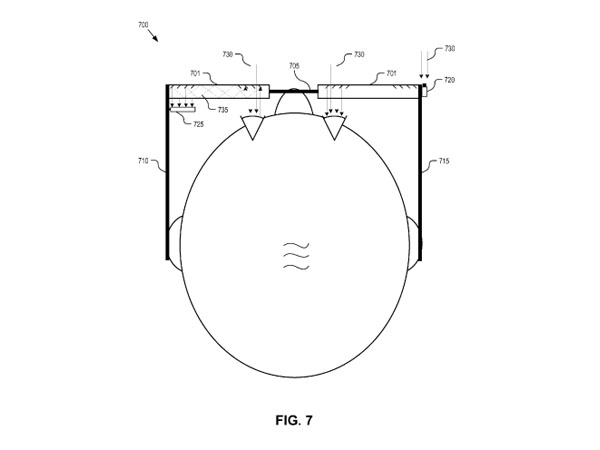
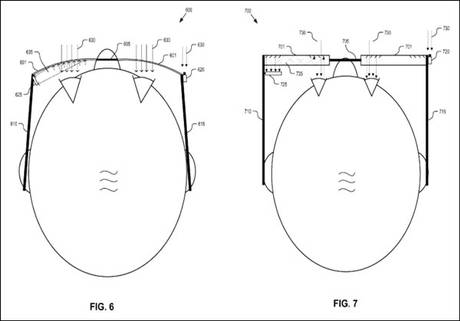
    Google has been granted a patent for eye-tracking technology that could one day allow for a pay-per-gaze model of advertising in the real world and online. The Google Glass-like device registers when individuals look at an advert before charging the relevant company, according to the patent. 

    Google

    The technology (spotted by The Verge via Phys.org) could also detect individuals’ “inferred emotional state information” by measuring pupil dilation. The patent was actually filed back in 2011, but was only granted to the company last week.

    “Under a pay per gaze advertising scheme advertisers are charged based upon whether a user actually viewed their advertisement,” reads the patent. “Pay per gaze advertising need not be limited to on-line advertisements, but rather can be extended to conventional advertisement media including billboards, magazines, newspapers, and other forms of conventional print media.”

    The patent also allows the technology to generate “latent search results” based on “at least a portion of the items views by the user” including items that are in the user’s peripheral vision. Search requests can then be cached for later use automatically without the user’s active permission.

    Google has previously been criticised for its attitude to privacy with regard to Glass, particularly by the Information Commissioner’s Office.

    Google has generously allowed for some degree of privacy here:

    To protect individual privacy, personal identifying data may be removed from the data and provided to the advertisers as anonymous analytics. In one embodiment, users may be given opt-in or opt-out privileges to control the type of data being gathered, when the data is being gathered or how the gathered data may be used or with whom it may be shared.

  • Alleged Rear Shell Of Upcoming iPad 5 Leaks

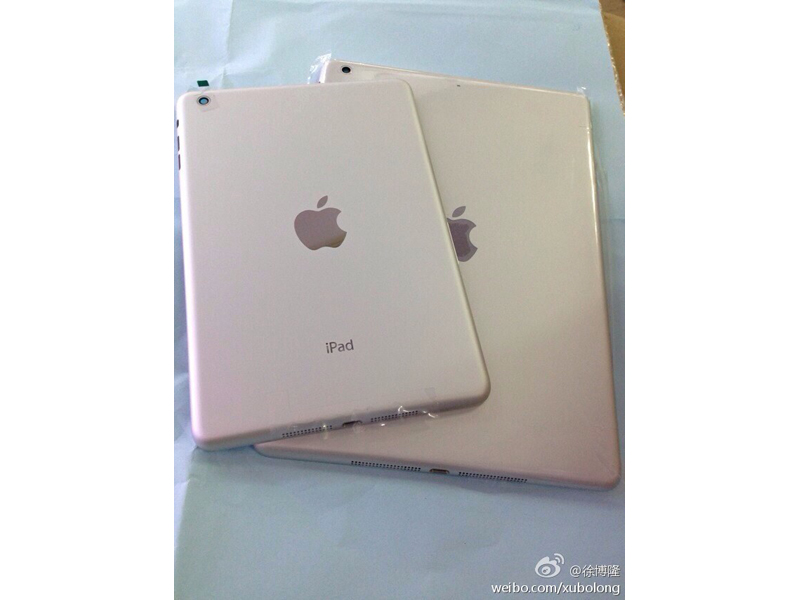
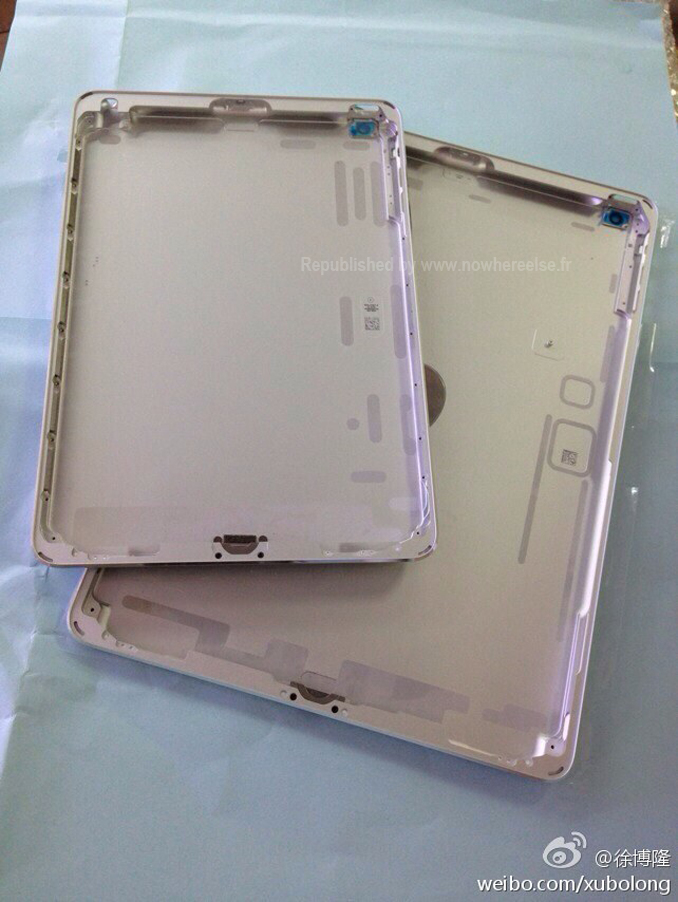
    A couple of pictures leaked on the Weibo forums in China seem to depict the back shell of the next-generation iPad 5, next to the counterpart for the iPad mini (possibly second-generation model).

    The iPad 5 is almost confirmed at this point, with every new leak pointing to a design akin to that of the iPad mini, including the chamfered edges, the super-slim body, and even the reduced bezel size.

    iPad

    We’ve seen leaked images of iPad 5 parts previously, including back covers, and these latest photos tie in with long-time and widespread rumours that Apple would be able to reduce the overall size of its next iPad.

    iPad

    It’s expected that the iPad 5 will release in Q4 alongside the iPad mini 2, although we don’t expect them to be officially introduced at the September 10 event where the reveal of the iPhone 5S is anticipated. You can be sure we’ll bring you further news on all of these devices as we hear it.

    Meanwhile, a report last month stated that the next-generation iPad mini will likely include a Retina display, and will potentially be available with back covers in a number of colours. 

    Moving on to smaller side of the iOS family, a report from MG Siegler has shed a bit more light on the rumored gold iPhone 5S. Siegler claims to have been told by “multiple sources” that Apple is indeed planning to introduce a gold-colored version of its next iPhone that will feature a more “subtle” shade that’s akin to champagne.

    [Via]

  • Rumour : Galaxy Note 3 Will Start Shipping In Early September

    Rumour : Galaxy Note 3 Will Start Shipping In Early September

    Samsung is preparing for their big Unpacked event on September 4th. This is when the Galaxy Note 3 and the rumoured Galaxy Gear smartwatch will be unveiled. Specs of both these Android-powered devices have leaked online, but today a new report by reputable site SamMobile has revealed possible shipping dates.

    If the insider information is to be believed, we should expect the Samsung Galaxy Note 3 to be available for purchase in September. The company’s third-gen phablet is expected to start shipping in Week 36, which goes from September 2 to September 8. Actual market availability usually takes about a week after the units start leaving the factories, so mid-September seems like a a likely target.

    As for the Samsung Galaxy Gear smartwatch, it’s going to hit store shelves in October or Week 40 to be specific (September 30 – October 6).

    Of course, none of these dates are confirmed and SamMobile has a reputable track record of nailing Samsung products and specs, and states there might be “a delay of a week or two may happen, depending on region.”

    Another note on the Note 3 states that Samsung will apparently drop the 16GB version and offer a base model of the Galaxy Note 3 with 32GB of internal storage. Other notable rumoured specs of the Note 3 are its 5.68-inch full HD Super AMOLED (1920 x 1080 resolution, 1.8GHz Octa-core Exynos 5420 processor, 3GB RAM, 13MP camera with OIS, LTE connectivity, 3,200 mAh battery and runs Android OS 4.3 Jelly Bean.

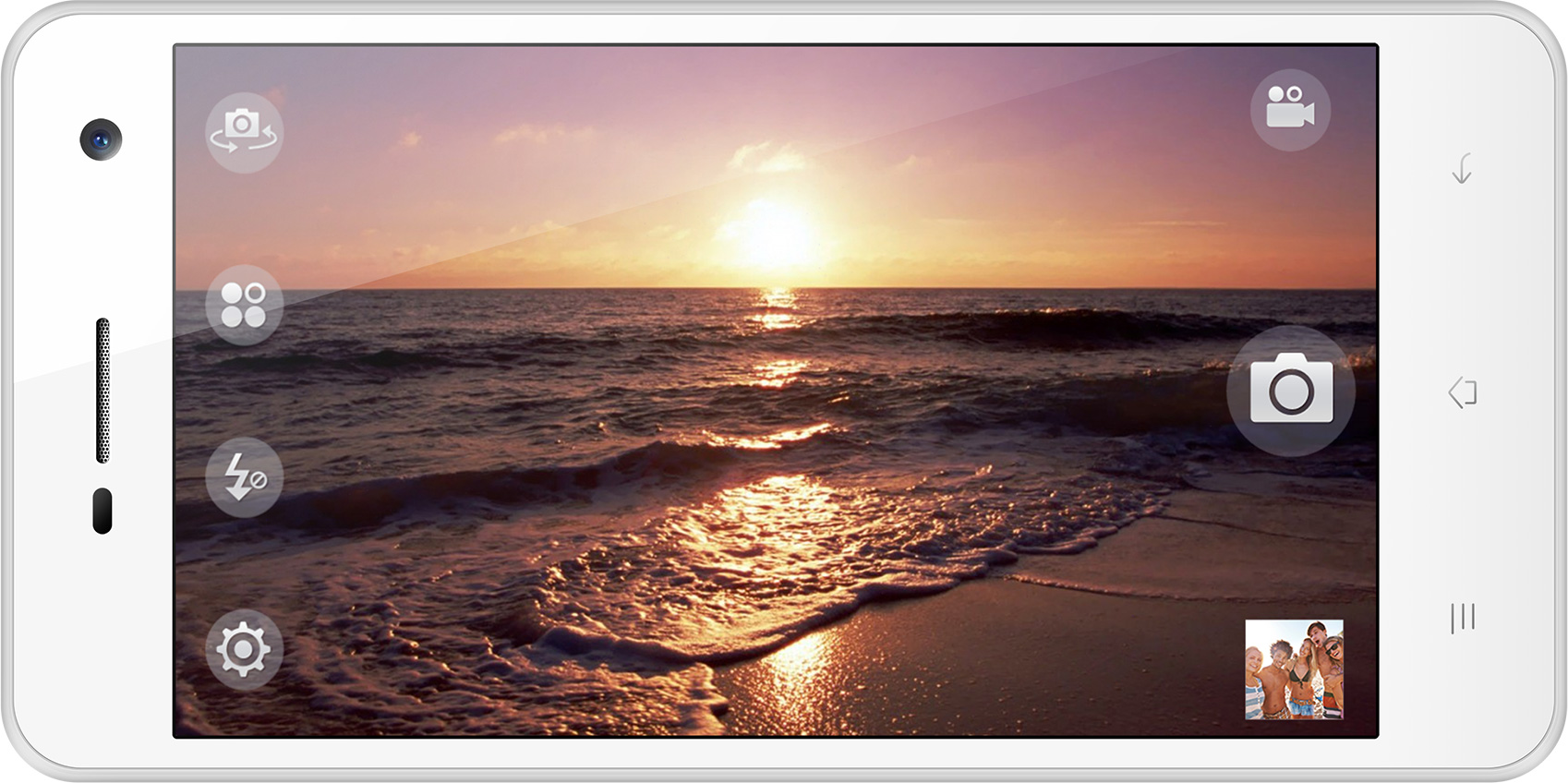
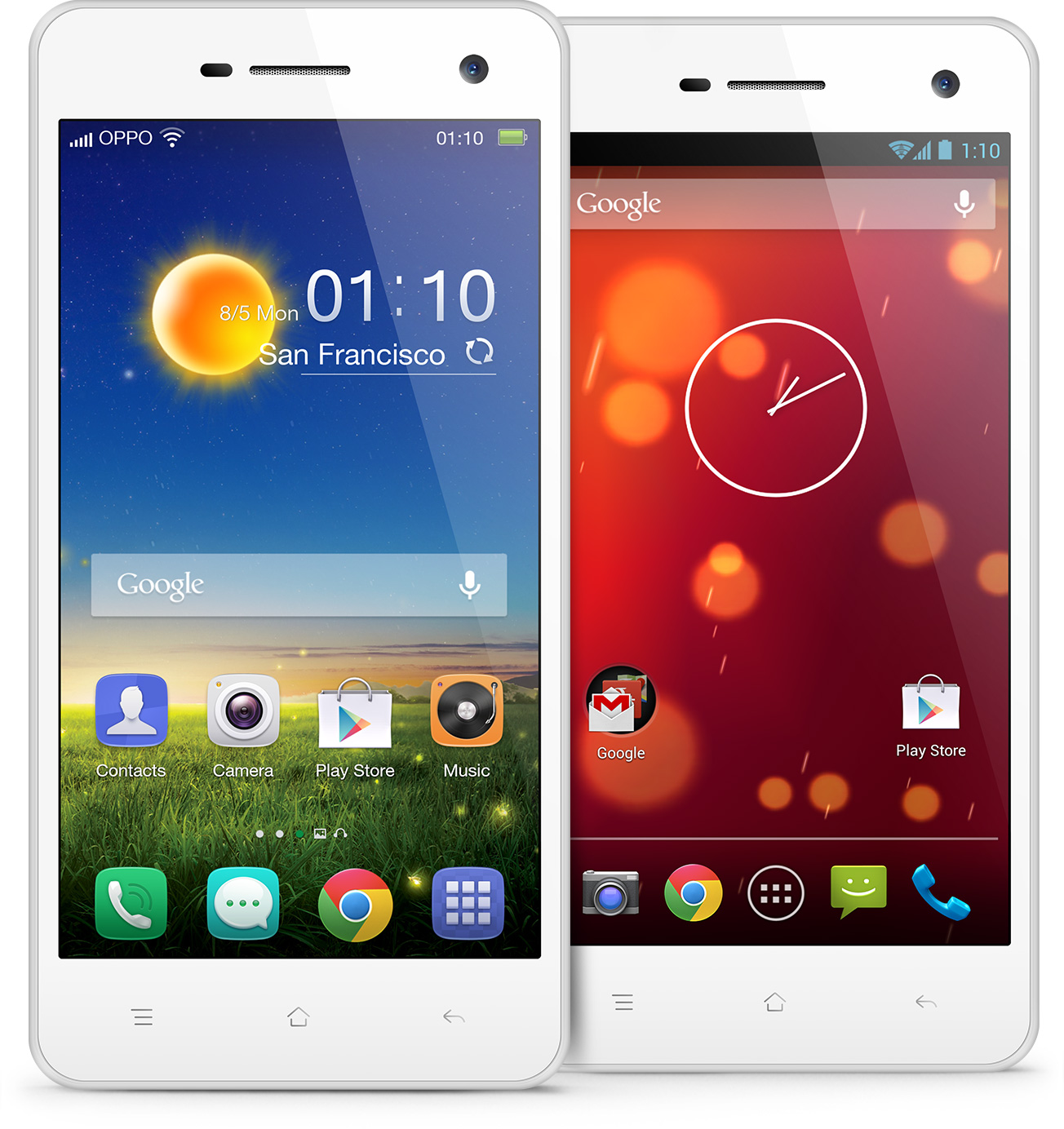
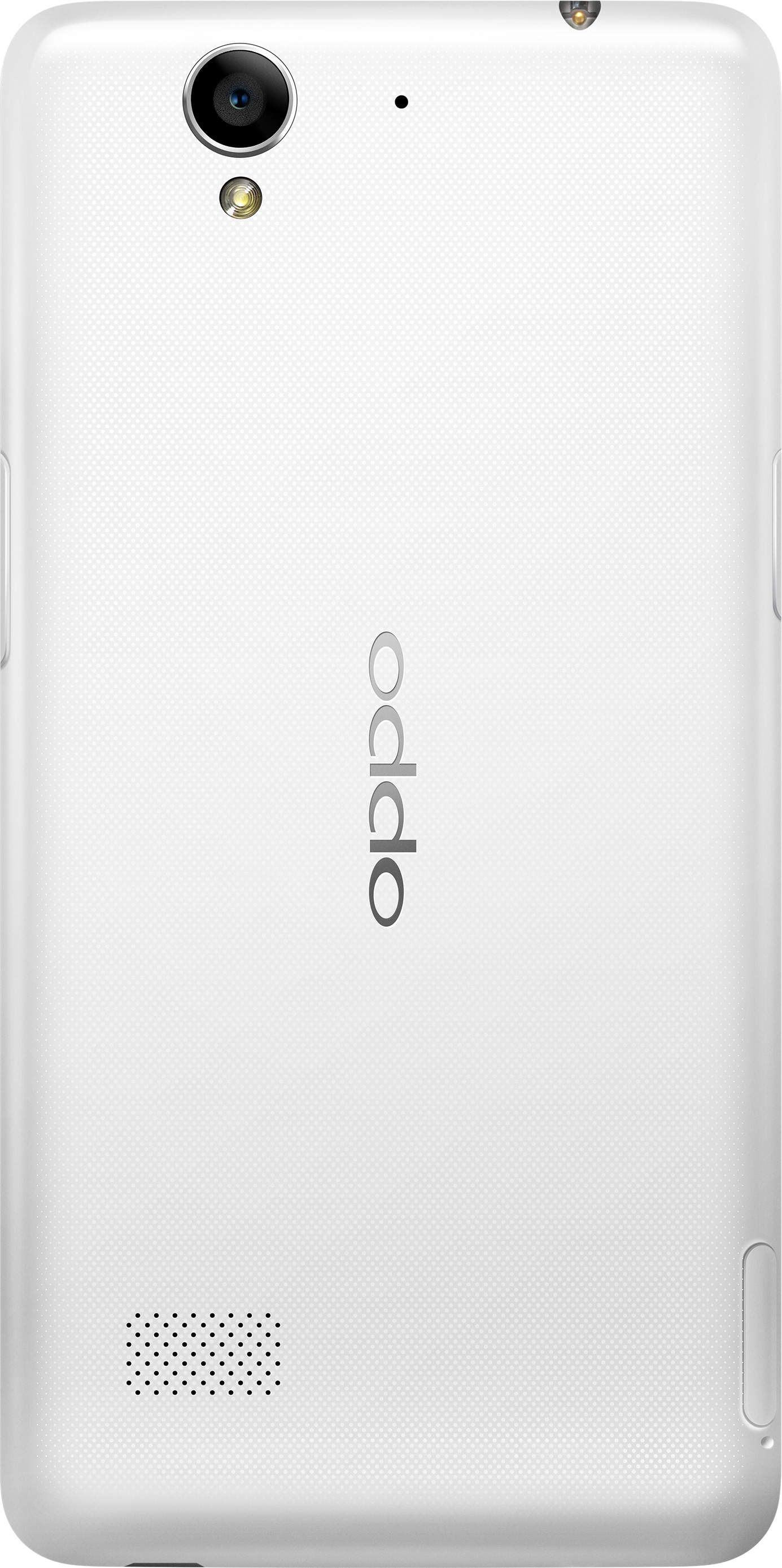
  • OPPO R819 Launched, MT6589, f/2.0 Sony BSI Sensor

    OPPO R819 Launched, MT6589, f/2.0 Sony BSI Sensor

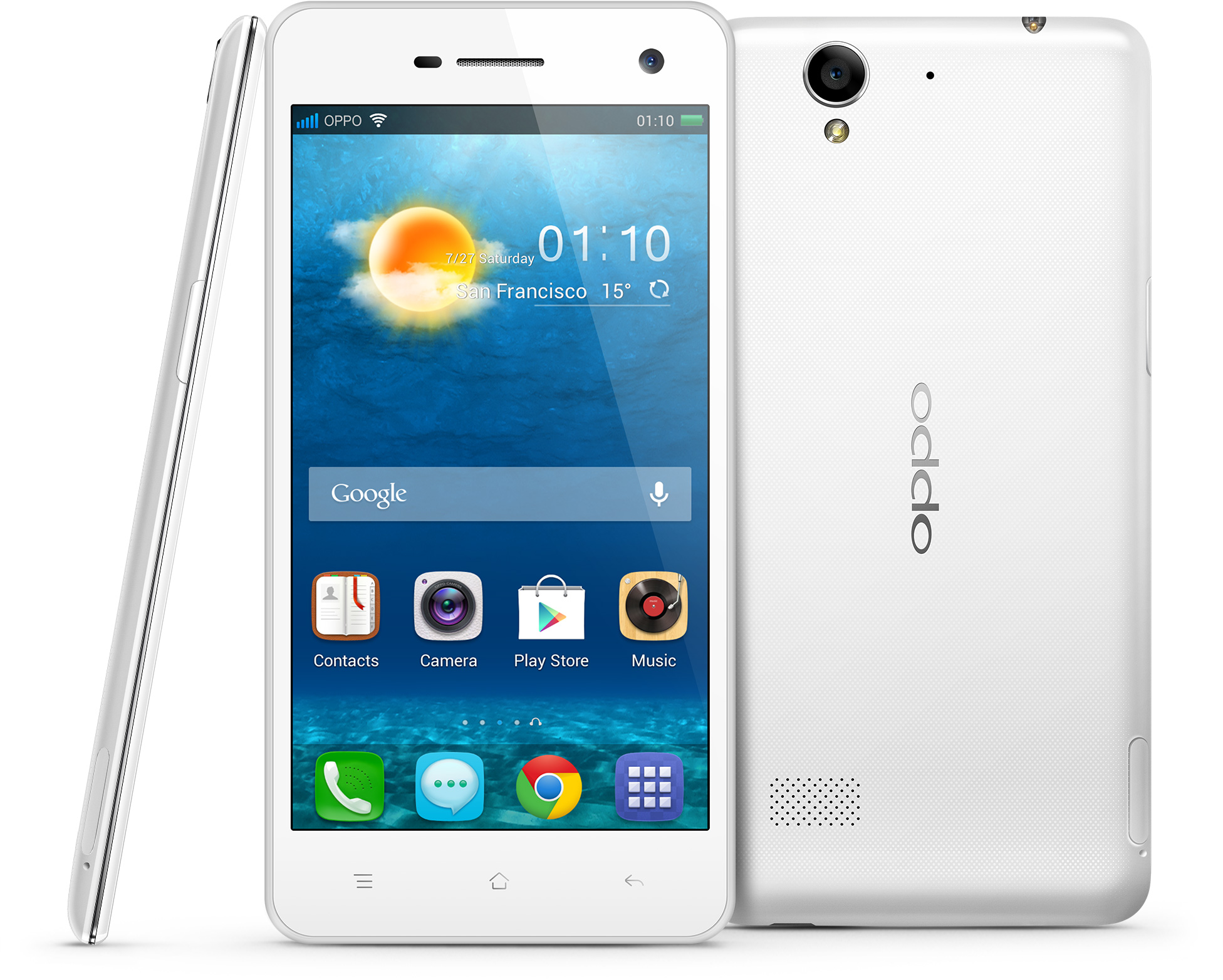
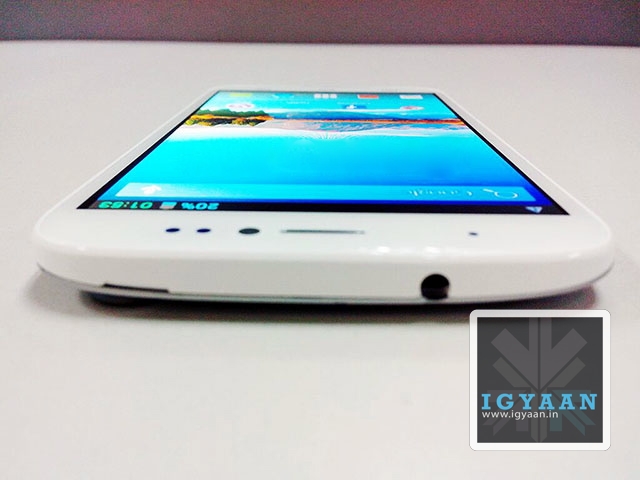
    OPPO today announced the launch of the R819, the company claims that this device is one of the thinnest and lightest smartphones in the world. The OPPO R819 is just 110 grams. The R819 is outfitted with f/2.0 aperture 8 megapixel Sony Exmor BSI rear facing camera and a front facing camera with an 88 degree viewing angle to capture more background.


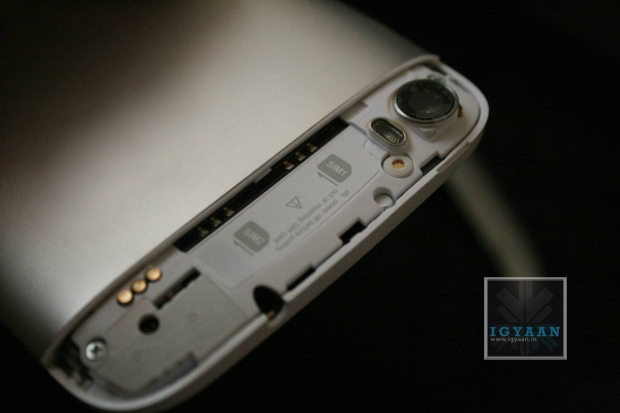
    OPPO R819 has gestures to control the phone with hand movements, dual SIM card support and a 2000 mAh battery coupled with a 1.2GHz 28 nm  quad-core processor.


    With this phone gestures you can control waking, answering and silencing your device with the slightest movements. As per the company, you can wirelessly view your screen’s content on any other TV, tablet or device with Wi-Fi display and DLNA. And the 2000 mAh battery supports a long-lasting charge. OPPO R819 also has dual SIM card support so you can use two numbers at once and get more use out of just one device.


    This phone is outfitted with an f/2.0 aperture 8 megapixel Sony Exmor BSI back facing camera. And the front-facing camera has an 88 degree viewing angle to capture more background.

    This device would be available for pre-order from today and will be out on sale starting from September.


    [toggle title=”Press Release”]SHENZHEN – August 19, 2013 – OPPO today announced the launch of the R819, one of the thinnest and lightest smartphones in the world. Weighing in at just 110 grams, the R819 packs a sharp display, long-lasting battery life, and wide aperture camera into an ultra-thin 7.3 mm frame.

    Let Nothing Weigh You Down
    The R819 boasts a 4.7” IPS screen with OGS technology for amazing viewing angles and ample space for content. Encased in a slim frame of subtle curves and stylish metallic accents, the superior ergonomics make the R819 easy to hold, operate and carry with you.

    R819 was built to simplify and improve your life; to offer you an impossibly thin and light smartphone without sacrificing the craftsmanship or functionality you’ve come to expect from an OPPO device.

    Let Convenience Compromise Nothing
    Using this smartphone is simpler than ever before. Gestures let you control waking, answering and silencing your device with the slightest movements. You can wirelessly view your screen’s content on any other TV, tablet or device with Wi-Fi display and DLNA. And the 2000 mAh battery supports a long-lasting charge to get more out of your phone. R819 also has dual SIM card support so you can use two numbers at once and get more use out of just one device.

    The R819 is outfitted with an f/2.0 aperture 8 megapixel Sony Exmor BSI back facing camera for great shots in low light conditions. The dedicated Image Signal Processor enhances the color of all of your pictures making them more vivid and lifelike. And the front-facing camera has an incredible 88 degree viewing angle to capture more background than ever before.

    Your Device. Your Choice.
    OPPO believes in having the freedom to run the operating system of your choice to get the experience you want from your R819. Use the original ROM, or install OPPO’s Color ROM, which will soon be available, for a completely fresh take on Android that was developed with OPPO fans and is frequently updated. R819 can also run Stock Android, the Android experience as Google intended, for a fast, smooth user experience with familiar Google apps.

    You use your phone every day. It should be able to do everything you need with style, and without ever getting in the way. The R819 offers a stunning screen, great camera and a long battery life. A unique fusion of function and design, the R819 is convenience without compromise.

    The R819 is available online for pre-order today and ships early September.

    R819 Specifications

    Network GSM: 850/900/1800/1900MHz
    WCDMA: 850/900/2100MHz
    Processor 28nm 1.2GHz MT6589 Quad-core
    Display 4.7” 720P HD Display 312 PPI IPS (1280×720 pixels)
    Memory 16GB ROM, 1GB RAM
    Camera Rear: 8 megapixel Sony Exmor BSI with LED flash and dedicated ISP
    Front: 2 megapixel
    Connectivity 800.11 b/g/n Wi-Fi
    Features Android 4.2.1 (Jellybean)
    Wi-Fi Display
    DLNA
    Microphone
    FM Radio
    Dual SIM card support
    Wide angle front facing camera
    Battery 2000mAh
    Included Micro USB Cable
    Accessories Charger
    Earphones
    SIM ejector tool

    [/toggle]


  • Exclusive: Canvas Doodle 2 Leaked Images and Specs

    Exclusive: Canvas Doodle 2 Leaked Images and Specs

    Micromax is planning to launch a couple of phones in the coming months and the first in this list will be the Micromax Canvas Doodle 2, the phone will be powered by a 1.2GHz quad-core MediaTek MT6589 processor paired with 1GB of RAM and 16GB internal storage. The device is expected to sport a 12 megapixel rear camera with LED flash. Other specifications my include are a 5-megapixel front-facing camera, Dual-SIM support and the gestures software seen on the Micromax Canvas 4. The device is likely to be juiced by a 2,600mAh battery and run Android 4.2 Jelly Bean. This device will compete with rivals like Samsung Galaxy Mega 5.8 and the Galaxy Grand Series. Preview a couple of the images of the upcoming device below and wait for a featured Hands On.

    Micromax-Canvas-Doodle-2-Leaked-2

    Micromax had recently launched the Micromax Canvas 4 A210 and this will be the second iteration of Micromax’s high build quality phones. The company is planning to demonstrate better builds with their latest handsets, but the inclusion of merely a MT6589 vs MT6589T that the competition is using may turn out to be a disadvantage for the company. The Micromax Canvas Doodle 2 may be dubbed as the A240 and will feature a HD 5.7 inch display. If the company does end up using the MT6589T chipset they might actually bump the screen resolution to 1920 x 1080 px as seen in the iBerry Auxus Nuclea N1. The top flap of the phone around the camera will open up to make space for the two sim cards. It is also expected that the phone may not have expandable storage.


    Update: It appears the above images are of the MyPhone Iceberg (A Philippines based brand), the same phone is going to be the Canvas Doodle 2.

  • Beats Reportedly Looking To End HTC Partnership

    Beats Reportedly Looking To End HTC Partnership

    The known headphone maker Beats is reportedly attempting to buy back HTC’s 25 percent stake in the company. As per the Wall Street Journal’s report, Beats is looking to bring in a new investor to provide “fresh funds for growth,” and plans on buying back HTC’s stake at the same time. Although HTC bought a $300 million, 50.1 percent stake in Beats back in 2011, the headphone maker paid $150 million to take half of that stake back last year.

    HTC’s quarterly sales have dropped below the US$4 billion mark since the fourth quarter of 2011, as it got squeezed in both the high and low end of the pricing spectrum globally. The Taiwanese company flagged earlier that it may post its first-ever operating loss in the current quarter.

    beats-by-dre

    The two companies had different fortunes over the past few years. Beats’ revenue was reportedly “roughly $1 billion” last year, up five times from 2010, and in June statisticians at NPD claimed Beats had 59 percent of the US market for premium headphones. In contrast, HTC has crashed to quarter upon quarter of dwindling profits, although the company believes it will return to form towards the end of this financial year. All of HTC’s high-end handsets are branded with the Beats logo and claim to have enhanced sound thanks to Beats integration. It’s not clear what would happen to the two companies’ branding partnership should Beats be successful in severing its financial ties with HTC, we will have to wait and see. 

    [via]


  • Intex Adds to Affordable “Cloud” Range With Cloud X4 and Cloud Y2 Smartphones

    Intex Adds to Affordable “Cloud” Range With Cloud X4 and Cloud Y2 Smartphones

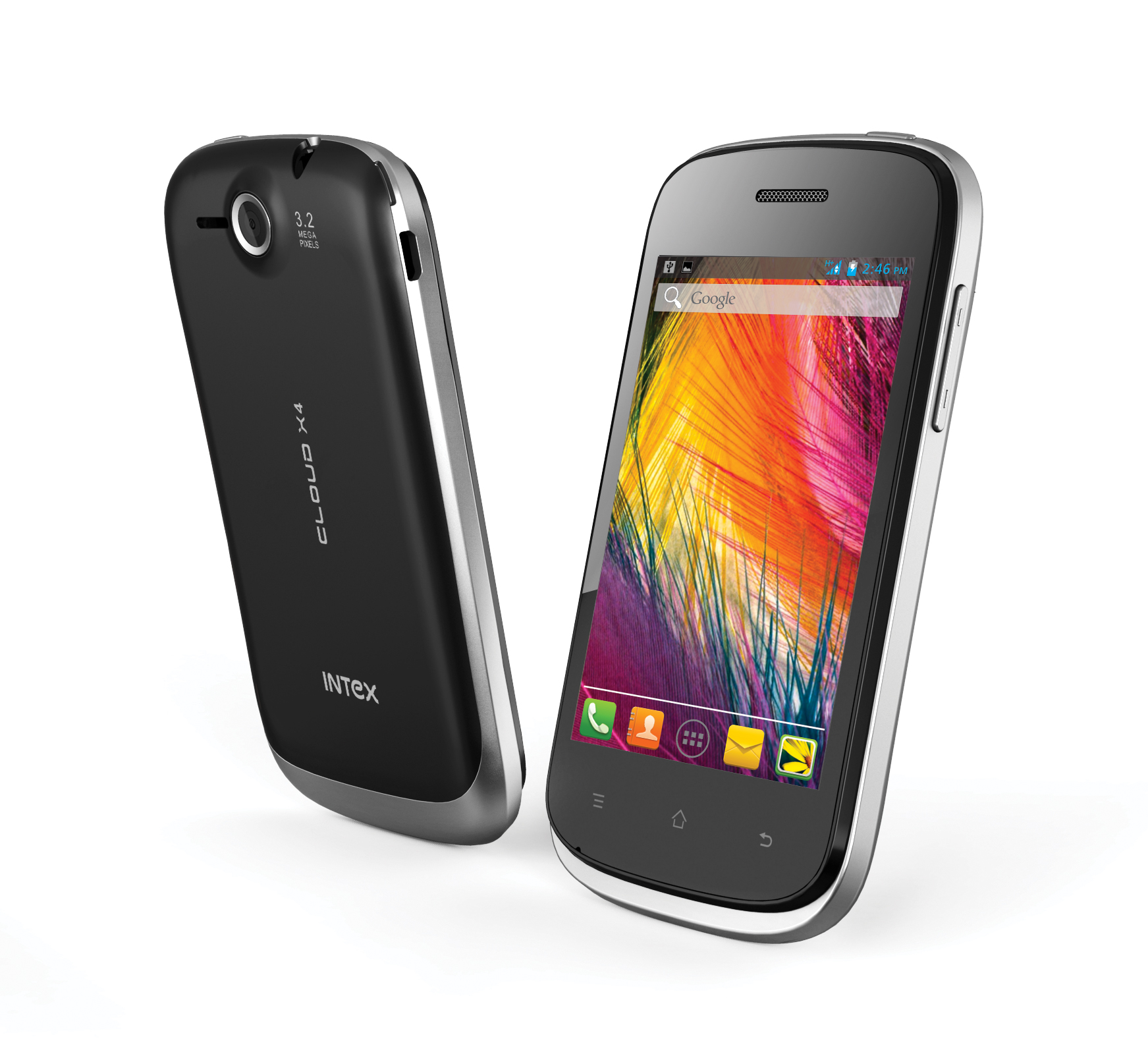
    Intex has launched two new affordable smartphones in the “Cloud” range, the Intex Cloud X4 and Intex Cloud Y2, priced at Rs. 4,590 (Cloud X4) and Rs. 6,190 (Cloud Y2). The new phones are based on Android 4.2 Jelly Bean OS, Cloud X4 flaunts a screen size of 3.5 inches while Cloud Y2 sports a 4.0 inch screen. The handsets are equipped with 1 GHz and 1.2 GHz dual core processor respectively. Both phones have capacitive multi-touch displays, dual SIM support and dual camera capabilities.


    Intex has sold over 4 lacs Smartphones in last quarter and planning to sell 3 million this fiscal year. This widespread acceptance is testimony to our differentiated and rich product portfolio, which is backed by a strong service and support network. Our latest offerings in the ‘Cloud’ series offer an enhanced mobility experience to users who demand the best of features and performance from their smartphones and are economical too.”

    : said Sanjay Kumar Kalirona, GM-Mobility Division, Intex Technologies (I) Ltd.


    Cloud X4
    Cloud X4

    Cloud X4:

      • Dual-SIM phone
      • 3.5-inch WVGA
      • 320×480 pixels resolution
      • 1GHz processor
      • 256 MB RAM
      • 512 MB of ROM
      • Expand 32GB using a microSD card
      • Android 4.2 Jelly Bean.
      • Price : Rs. 4,590
      • 3.2-megapixel rear camera
      • VGA front camera
      • 1,500 mAh battery
      • 7 hours of talktime and 300 hours of standby
      • 3G, EDGE, Wi-Fi, Bluetooth, WAP and GPRS support
      • Colors : Black & White
    Cloud Y2
    Cloud Y2


    Cloud Y2:

      • 4.0 inch 480×800 pixels
      • 1.2 GHz dual-core processor
      • 512 MB RAM
      • 4GB ROM
      • Expand 32GB using a microSD card
      • Android 4.2 Jelly Bean
      • Price : Rs. 6,190
      • 5.0 MP (rear) with flash
      • 1.3 MP (front) camera
      • 3G, Bluetooth 4.0 with A2DP and Wi-Fi
      • 1500mAh lithium-ion
      • 7 hours and standby of 300 hours.
      • Colors : Black & White


    Both the phones will come with Pre-loaded apps that, include Intex Play, Intex Life Box, Intex zone, Intex movies, YouTube, Facebook, Skype and Hungama.


  • Mark Zukerberg’s Profile Hacked By A White Hat Hacker

    Mark Zukerberg’s Profile Hacked By A White Hat Hacker

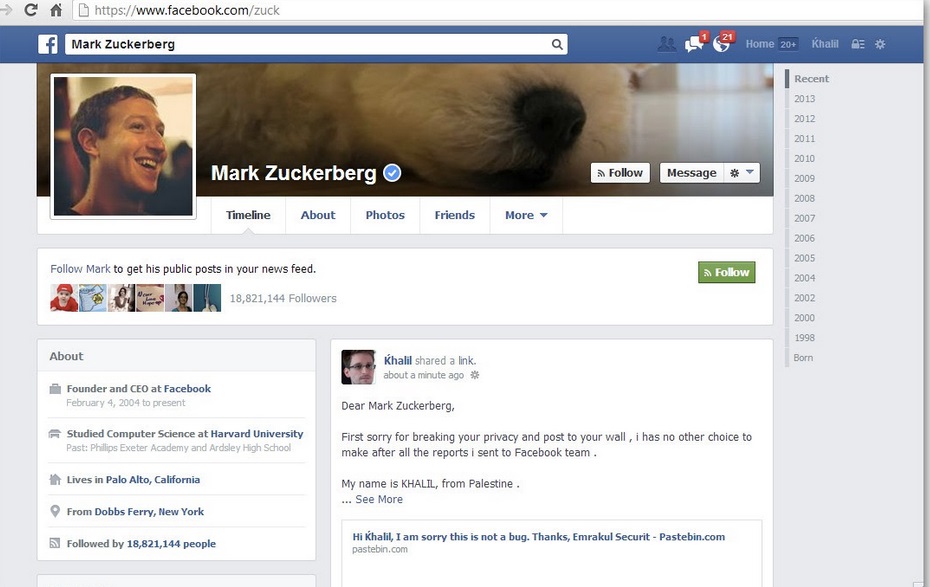
    A Palestinian white hat hacker posted a Facebook security issue on the Social Networks’ CEO Mark Zukerberg’s profile a week ago, in an attempt to prove the security extent of the bugs he had found, to the company. Initial bug reporting attempts by him were not acknowledged by the Facebook team.

    The hacker, who uses the name of ‘Khalil’, discovered an issue that allowed users to make posts to others’ Timeline pages without even being connected to them on Facebook. Khalil said he tried reporting it to the security team earlier in the week, but as it was not acknowledged. Consequently, he made the post on Zuckerberg’s wall by using the security bug he reported for, probably the only way he could think of getting security’s attention.

    It certainly did. The security flaw was fixed as of Thursday, shortly after Khalil posted to Zuckerberg’s page. A post made by a Facebook security team member on Web forum Hacker News said that Khalil’s limited English skills and lack of complete information made it difficult for the team to immediately respond.

    Facebook

    The reason could also be because Facebook receives too many bugs each day thanks to the Bug Bounty Program, which pays hackers for sharing the security related bugs.

    Despite of all this, Facebook admitted its failure to follow up in its dealings with Khalil.

    “We should have pushed back asking for more details here,” Facebook software engineer Matt Jones

    The company said that they encourage further bug reports from Khalil and other White Hat hackers looking to help the site.


    [via] [via]

iGyaan Network
Privacy Overview

This website uses cookies so that we can provide you with the best user experience possible. Cookie information is stored in your browser and performs functions such as recognising you when you return to our website and helping our team to understand which sections of the website you find most interesting and useful.