Category: Camera

Camera, Camcorders, DSLR, Mirrorless, Lenses and Accessories. All Here

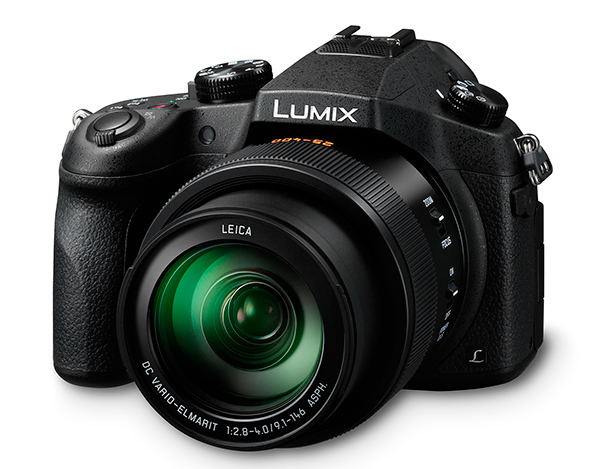
  • Panasonic’s Most Powerful FZ Camera: Lumix DMC-FZ1000

    Panasonic’s Most Powerful FZ Camera: Lumix DMC-FZ1000

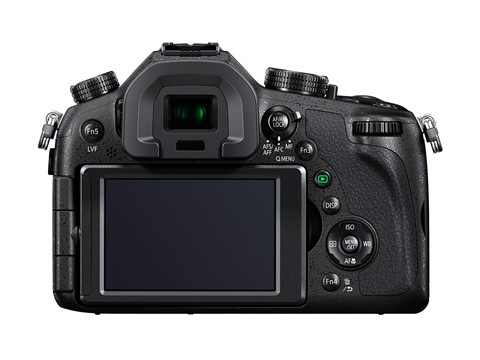
    Panasonic launched a new camera today in its FZ series called FZ1000. It is said to be the most impressive FZ series super-zoom camera to date. The camera also boast of being the first fixed lens camera to have 4K video recording ability. (3840 x 2160, up to 30fps in MP4 format)The new Panasonic Lumix DMC-FZ1000 is described as a premium bridge camera that pushes boundaries –clearly a new-age product.

    Unlike the usual 1/2.3-inch sensor, the FZ1000 features a one-inch CMOS chip which offers 20.1 valuable megapixels. The focal range on the camera stretches from an ultra wide 24mm to 400mm in 35mm terms. As has been with Panasonic, the lens here is a Leica branded 16x optical zoom with an aperture of f/2.8-4.0, supported by a five-axis hybrid Optical Image Stabalization(OIB) systems. This will

    Comprising Panasonic’s DFD (Depth From Defocus technology, the DMC-FZ1000 gives you an ultra high-speed auto-focus of approximately 0.09 seconds at the wide end and approximately 0.17 seconds at the telephoto (Zoom) end, now that is fast. This will help you get the best image with the sharpest of focus, instantly.

    High speed burst shooting is available at up to 12 frames per second using the full 20.1-megapixel resolution. The new camera also boasts a short release time lag and quick start-up time of approximately 0.66 seconds.

    fz1000 1
    The 2359K pixel OLED Live View Finder and LCD monitor with 921K pixel give the perfect feedback

    The DMC-FZ1000 also  includes a stunning 2,359,000 pixel OLED Live View Finder and a 3-inch free-angle LCD rear monitor with 921,000 pixel resolution. The camera is incorporated with a new zoom lever, zoom ring and drive mode dial which provides a spontaneous control interface. Integrated Wi-Fi connectivity and NFC (Near Field Communication) technology provides users with a more supple shooting experience and the capability to share images right away.

    A new addition to the FZ series is a 3.5mm jack for connecting an external microphone for video recording. The device also features remote shooting via downloadable Panasonic ‘app’ which includes a photo collage function. Images can also be Geo-tagged. Convience is a prime objective of this camera and it achieves it spectacularly.

    Panasonic has promised a mid-July release for the Lumix DMC-FZ1000 at a suggested retail price of £749.99 in UK i.e. around INR 75,000. Hefty yes but its truly worth it.

  • Top 6 Pocket Cameras : Pick One Which is Right For You

    Top 6 Pocket Cameras : Pick One Which is Right For You

    No, we refuse to acknowledge the statement that smartphones are point-and-shoot replacements. No matter how good your camera phone may be, it still doesn’t have the technology to beat the image quality of the following cameras. Unlike DSLR’s, where you have to manage several lenses – these are handy, cheaper and super convenient if you’re constantly on the go.

    Here are a list of pocket size cameras that you’d wish you’d bought earlier:  

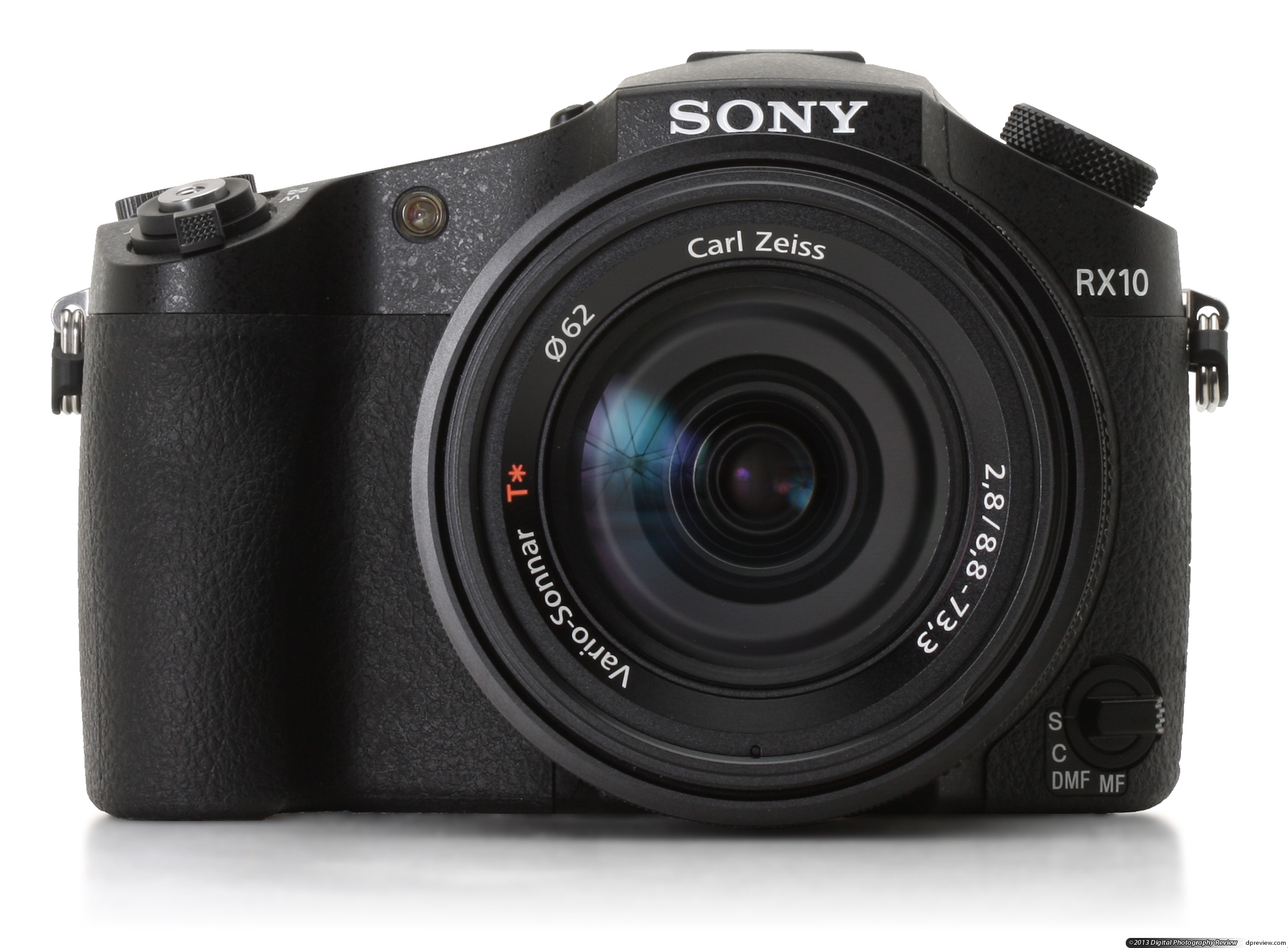
    1. Sony Cyber-shot DSC-RX10

    IntroKey features

    • 20MP 1″-type BSI CMOS sensor (13.2 x 8.8mm)
    • 24-200mm equivalent stabilized F2.8 lens
    • Weather-sealed magnesium alloy body
    • Manual zoom and aperture rings
    • Tilting 1.23 million dot rear LCD
    • 1.44M dot OLED viewfinder
    • ISO 125 – 12800 (expandable down to ISO 80)
    • Built-in 3EV Neutral Density filter
    • Approx 10 fps continuous shooting in ‘Speed Priority mode’
    • 1080/60p video with full-sensor sampling, uncompressed HDMI output
    • Wi-Fi with NFC

    To many photographers, amateurs and professionals alike, digital SLRs represent quality. The fact that you can remove the lens and swap it for another is inconsequential to those who never buy a second optic. It’s that segment of the market that Sony’s targeting with its Cyber-shot RX10.  We love the Sony RX10. But your $1,300 goes a very long way here, and if you need to capture sharp images and full-HD video clips in pretty much any lighting condition, with a vast focal range, you’d be hard pressed to find a more suitable shooter. This is the best fixed-lens camera we’ve ever used, and we wouldn’t be surprised if the RX10 Mark II, whenever that comes about, is the only comparable model worth considering.

    [button link=”http://www.flipkart.com/sony-dsc-rx10-point-shoot-camera/p/itmdvx7gbgwkg62r?pid=CAMDVX66GZXTG8RQ&srno=t_2&query=rx+10&affid=bhnagpalgm” size=”large” text_size=”beta” newtab=”on”]Price : Rs79989[/button]

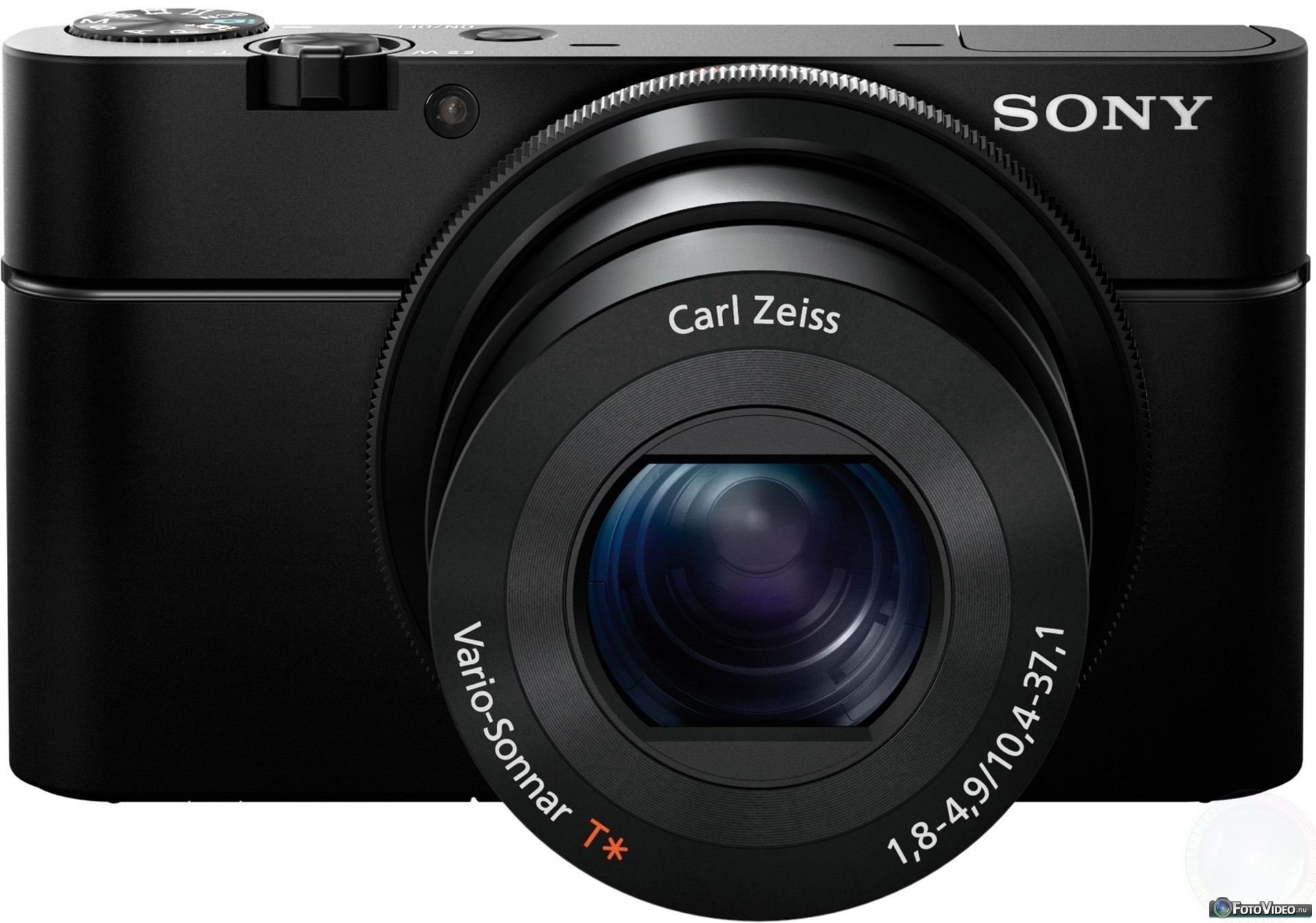
    2.Sony Cyber-shot DSC-RX100 III

    sony_cybershot_dscrx100_black

    Key Features:

    • 20.1 megapixel 1″-type Exmor R BSI-CMOS sensor
    • 24-70mm equiv. F1.8-2.8 Carl Zeiss Vario-Sonnar T* lens
    • Pop-up SVGA OLED electronic viewfinder with 1.44M dots
    • 3-inch tilting WhiteMagic LCD with 1.23M dots
    • 1080/60p video with full sensor readout and 50Mbps XAVC S support
    • Clean HDMI output
    • Zebra pattern and focus peaking
    • Customizable front lens ring
    • 3-stop neutral density filter
    • Wi-Fi with NFC and downloadable apps
    • 320 shots per charge (CIPA standard)

     The pocket-sized shooter processes video in XAVC S format, which, according to Sony, lets you record 1080p videos at a much faster data rate and with very little compression — in other words, this will make your movies look a lot better and crisper. To go with that, Sony also added a built-in, retractable OLED electronic viewfinder (which wasn’t present on either of the older editions), WiFi/NFC for wireless sharing and the ability to capture 4K still images, making the newest RX100 an even more powerful little camera.

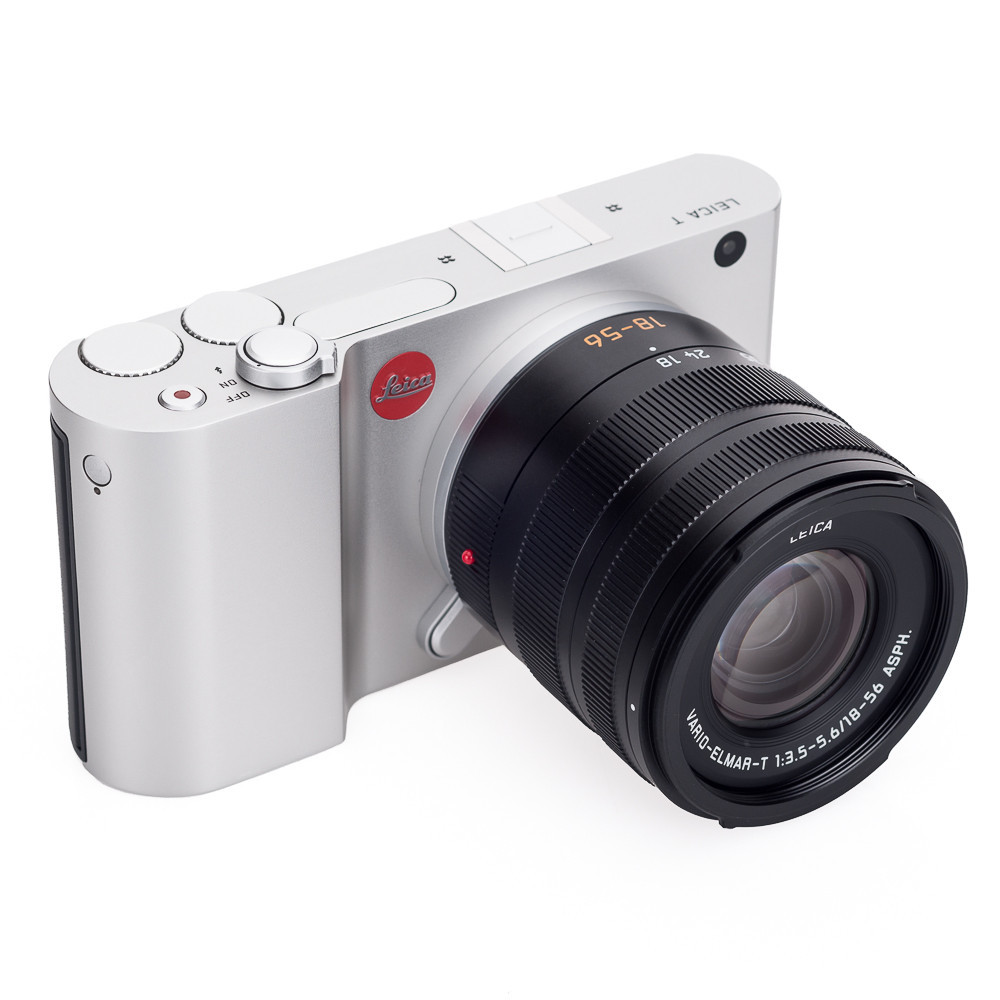
    3.Leica T (Typ 701)

    TBPhotography-2518_1024x1024

    Key features:

    • 16MP APS-C CMOS sensor
    • ISO 100-12500
    • 3.7″ 1.3M dot 16:9 touchscreen LCD
    • Twin top-plate control dials
    • Approx 5 fps continuous shooting
    • 1920 x 1080 Full HD movie recording at 30 fps; built-in stereo microphones
    • Built-in Wi-Fi for easy image sharing, and remote control by smartphone or tablet
    • Optional 2.36M dot electronic viewfinder with built-in GPS unit
    • Built-in 16GB memory
    • Brand new Leica T mount
    • 18-56mm f/3.5-5.6 and 23mm f/2 lenses
    • 11-23mm f/3.5-4.5 and 55-135mm f/3.5-4.5 coming later in the year (at photokina 2014)
    • Available in anodized black or natural aluminum finish

    This is a Leica for the modern age! It’s also quite a bit smaller than the company’s rangefinder cameras (134 x 69 x 33mm), especially in terms of height, not to mention a whole lot lighter (339g without battery, 384g with). That’s actually a little surprising, because the Leica T’s attractive, Audi Design-styled body is milled from a solid block of aluminum. A first for any camera, claims its maker.

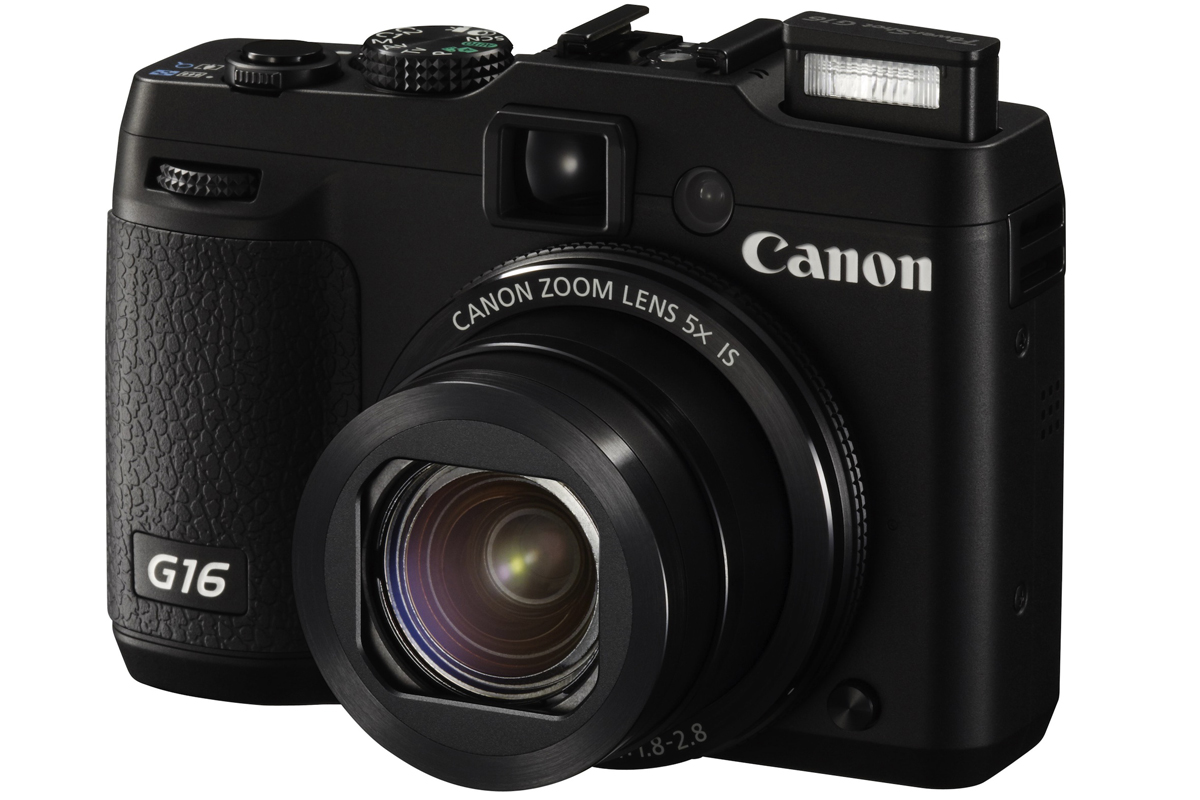
    4.Canon G16

    PowerShot-G16_BLK_FSL_01-1

    Key features

    • 12.1 Megapixel 1/1.7″ CMOS Sensor
    • Canon 5x Optical Zoom Lens (28-140mm)
    • Optical Zoom Viewfinder and 3.0″ LCD
    • Full HD 1080/60p Video
    • DIGIC 6 Image Processing Engine
    • Enhanced Wi-Fi Capabilities
    • Continuous Shooting at 9.3 fps
    • Intelligent IS Image Stabilization
    • ISO 12800 and Canon HS SYSTEM

    The Canon PowerShot G16 belongs to a long line of chunky compacts aimed at enthusiasts. Announced in August 2013 it’s the replacement for the PowerShot G15. The G series has earned a reputation as a serious compact with image quality, performance and handling that won’t disappoint those who’d probably rather be using a DSLR, if it weren’t for the added bulk. The Canon PowerShot G16 is a reassuring camera that does a good job. Its only real stand-out feature is improved responsiveness brought by the Digic 6 image processor. It is an ideal companion for users looking for a classic safe bet and who aren’t tempted by originality or eye-catching innovations. This camera is certainly built to stand the test of time, but the G series also needs to move with the times, otherwise it risks being left behind.

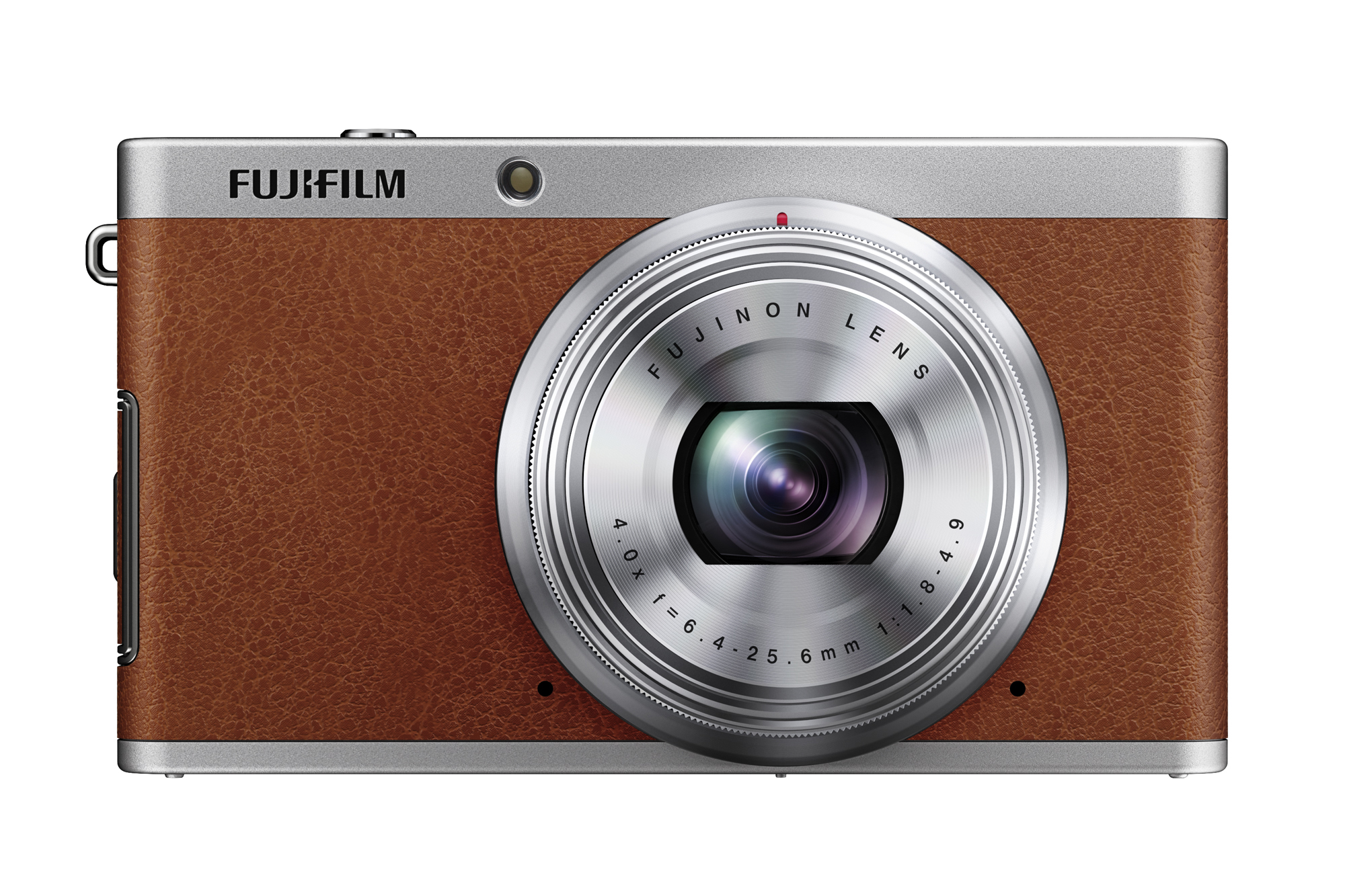
    5.FUJIFILM XF1

    xf1_tan_front_zoom

    Key features

    • 12MP 2/3″ EXR-CMOS sensor
    • ISO 100-3200, ISO 4000-6400 at 6MP resolution, ISO 12800 at 3MP
    • 25-100mm equivalent, F1.8-4.9 lens with optical image stabilization (4 stops benefit claimed)
    • Manual zoom ring and lens retraction mechanism
    • Full manual control, RAW format recording
    • 3″ 460k dot LCD
    • Full HD movie recording with built-in stereo microphones
    • Film simulation modes for different colour and monochrome ‘looks’
    • In-camera RAW conversion with all in-camera processing parameters adjustable
    • ‘Advanced Filters’ image-processing controls, previewed live on-screen

    Fuji’s XF1 is the latest high-end compact camera to compete with the likes of Sony’s RX100 and brings with it a 12-megapixel sensor, f/1.8 lens, manual controls. It is a beautiful retro design that can’t fail to impress everyone that sees it. The camera’s image quality is markedly better than virtually all other compacts. The camera’s “average low-light performance” as a downside. While it may not beat the RX100 , the XF1 is still a camera for photographers who like something a little bit more unusual than the standard run of the mill point and shoots.

    6.Nikon Coolpix A

    Intro (1)

     Key features

    • 16.2MP ‘DX’ format CMOS sensor
    • 18.5mm (28mm equivalent) F2.8 lens
    • ISO 100-6400 (with 12,800 and 25,600 equivalent extension settings)
    • 3.0″ 920k dot LCD
    • 14-bit uncompressed NEF Raw shooting capability
    • Up to 4fps continuous shooting
    • 1080p movies at 24, 25 or 30fps
    • i-TTL compatible hot shoe

    The Nikon COOLPIX A Digital Camera is a point-and-shoot equipped with a 16.2MP DX-format CMOS sensor for clear, detailed images, even in low light. The lack of an optical low-pass filter enables maximized resolution for exceptionally sharp details. The NIKKOR prime lens features a focal length of 18.5mm  for wide-angle shooting, as well as a fast f/2.8 maximum aperture. Frame shots using the large 3.0-inch LCD monitor, which has a resolution of 921k pixels. Record Full HD 1080p video with stereo sound, and connect the supplied EG-CP16 cable for playback on your TV. Capture RAW still images for a higher level of creative control. Manual options like focus ring adjustment allow you to wield precision control over your compositions. Most of the operation system and the GUI are consistent with Nikon DSLRs. Exposure bracketing is available in both manual and auto modes.

  • Nokia’s Refocus App comes to all Lumia Phones on WP8

    Nokia’s Refocus App comes to all Lumia Phones on WP8

    Own a Nokia Lumia phone running Windows Phone 8? Its time to hit the App store and download the Nokia Refocus app. The app was earlier thought to be reliant on the Pure View Camera tech. But it appears that Nokia has made the App available to all.

    How the picture can be refocused is reliant on the apps ability to scan the area, a Focus Sweep while you hold the camera steady. The phone camera and app will then capture multiple images at various focal lengths and combine into one dynamic image which can then be refocused later. Sort of like the Lytro camera.

    In other news it looks like the new HTC One (aka M8) will also have this functionality inbuilt.

  • Nikon’s 1 V3 is a $ 1200 camera that does 120fps slow motion

    Nikon’s 1 V3 is a $ 1200 camera that does 120fps slow motion

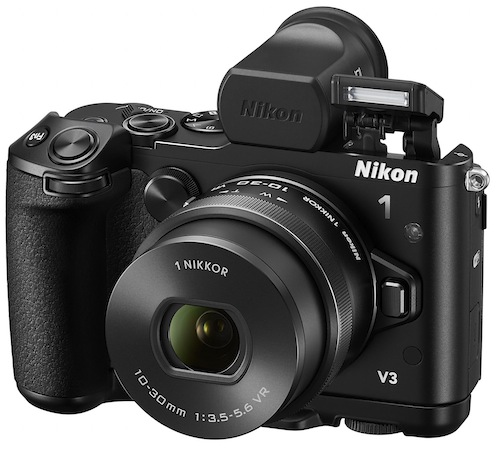
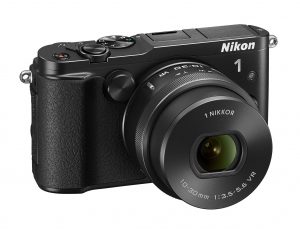
    Nikon has just launched the new Nikon 1 V3, the third iteration in their lineup of their 1 series micro 4/3 mirror less cameras. The new unit packs a 18.4MP sensor, built-in WiFi, 1080/60p video capability and a new image processing chip.

    The fast sensor captures 20fps stills with autofocus  possibly the fastest mirror less yet. The Nikon V3 also does 720p slow motion video recording at up to 120fps and has a massive 171 focus points that Nikon claims make it better to track moving objects than traditional DSLRs.

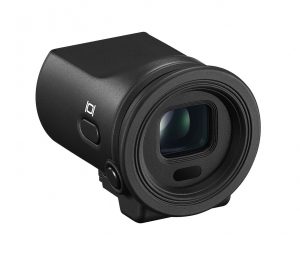
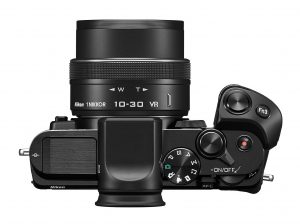
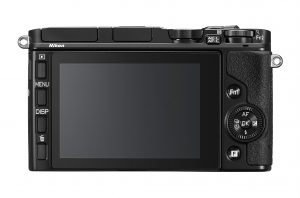
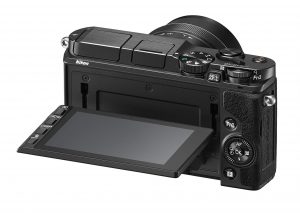
    The camera now comes with two new less in the Nikon 1 lineup a 10-30mm f/3.5-5.6 PD-Zoom and a 70-300mm f/4.5-5.6 priced at $300 and $1,000, respectively. A standard full kit is priced at $ 1200, which contains the body, the 10-30mm lens and a viewfinder. The new V3 also has a tilt touch screen display of 3 inches.

  • Canon Launches Powershot S200 in India at a Price of 19995 INR

    Canon Launches Powershot S200 in India at a Price of 19995 INR

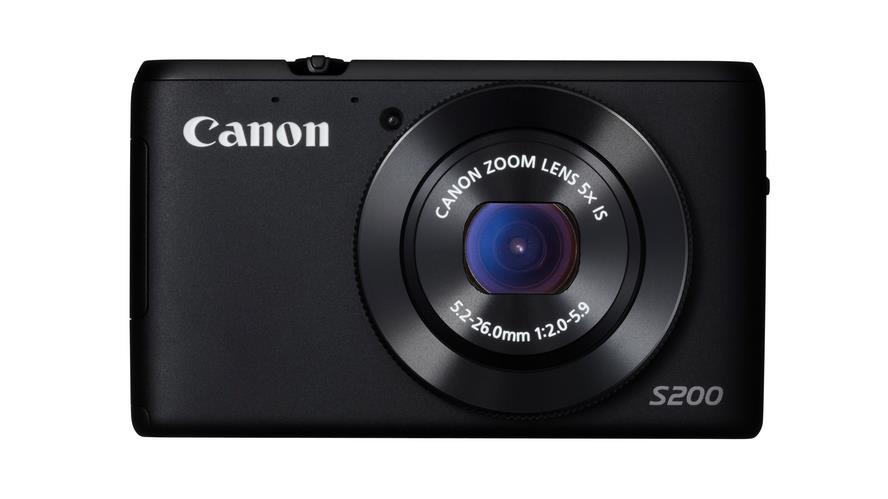
    Canon India has introduced the new PowerShot S200 in India. The latest edition to the S-series is a slim pocked-sized camera body and is priced at 19995 INR. 

    The camera features a Controller Wheel and Control Ring that suits people who want to shoot not only with Auto, but also photos to their own preferences with manual mode. The camera is equipped with Advanced DIGIC 5 imaging processor. The Advanced DIGIC 5 imaging processor enhances the camera’s HS System by incorporating an advanced algorithm to deliver exceptional image quality and also has built in Wi-Fi. WiFi capabilities on PowerShot S200 allows instant sharing and uploading. The Canon Image Gateway(CIG) allows instant uploading from the cameras. Users with smartphones can also use the CameraWindow app (available in the Apple App Store and Google Play Store) to perform the same function.

    The camera is equipped with a F2.0 lens, the company claims that its newly engineered specifically for the PowerShot S200, the device features a 24 mm Wide-Angle 5x Optical Zoom (24mm-120mm) lens with a F Stop of f/2.0–f/5.9.


    [toggle title=”Press Release “]New Delhi, 21st October, 2013: Canon India, world leader in Digital Imaging Space has introduced the new PowerShot S200 in India. The latest edition to the S-series inherits supreme power with slim pocked-sized camera body. The camera comes with Controller Wheel and Control Ring that suits people who want to shoot not only with Auto, but also photos to their own preferences with manual mode

    Key Features:

    · Advanced DIGIC 5 imaging processor

    The Advanced DIGIC 5 imaging processor enhances the camera’s HS System by incorporating an advanced algorithm to deliver exceptional image quality
    · Wi-Fi for easy sharing

    WiFi capabilities on PowerShot S200 allows for instant sharing and easy uploading. The Canon Image Gateway*(CIG) allows for instant uploading from the cameras. Users with smartphones can also use the CameraWindow app (available in the Apple App Store and Google Play Store) to perform the same function

    · F2.0 lens for dramatic depth-of-field images

    Newly engineered specifically for the PowerShot S200, the 24mm Wide-Angle 5x Optical Zoom (24mm-120mm) lens with a F Stop of f/2.0–f/5.9, giving the user exceptional versatility and allowing them to create captivating portraits with beautiful, soft background blur, even in low light.
    · Full range of shooting and recording modes, including Live View Control

    Capture the images the way you envision it using the full Manual mode or Live View Control. The PowerShot S200 gives you outstanding flexibility and complete creative control.
    The PowerShot S200 is priced at INR 19,995/-[/toggle]

  • How To Take Good Images From Your Phone’s Camera

    How To Take Good Images From Your Phone’s Camera

    These days digital cameras are found in a variety of other gadgets – including cell phones. In fact Camera Phones are one of the fastest growing segments of the digital camera market and with the improvements in the quality of what is being offered in some phones (higher megapixels, better lenses, high capacity storage) some believe that they are beginning to win market share away from the low end offerings of many digital camera manufacturers. 

    So keeping that in mind, we present to you some basic tips to improve the quality of images that you click from your cell phone.

    1. Stand Still

    It is really difficult to keep still while clicking images with your phone. Even the slightest of movements can leave the image blurred. The shutter delay is what causes these blurs. 

    smartphone_camera

    Holding the camera really steady and even after the shutter is released, keep it steady for a few seconds more just to be sure. You could also try supporting the phone on a few books, table, against the table vase and get sharper images.

    2. The Better The Lighting, The Clearer The Image

    The better lit your subject is the clearer your image is likely to be. If possible shoot outside or turn on lights when shooting inside. Your phone’s biggest weakness is its inability to take good pictures in low light (unless you have a Lumia 920 or a HTC One), which means you generally will want to get as much light as you possibly can on your subject.

    If your phone camera has the basic white balance features then experiment with them to get the near possible match.

    3. Focus!

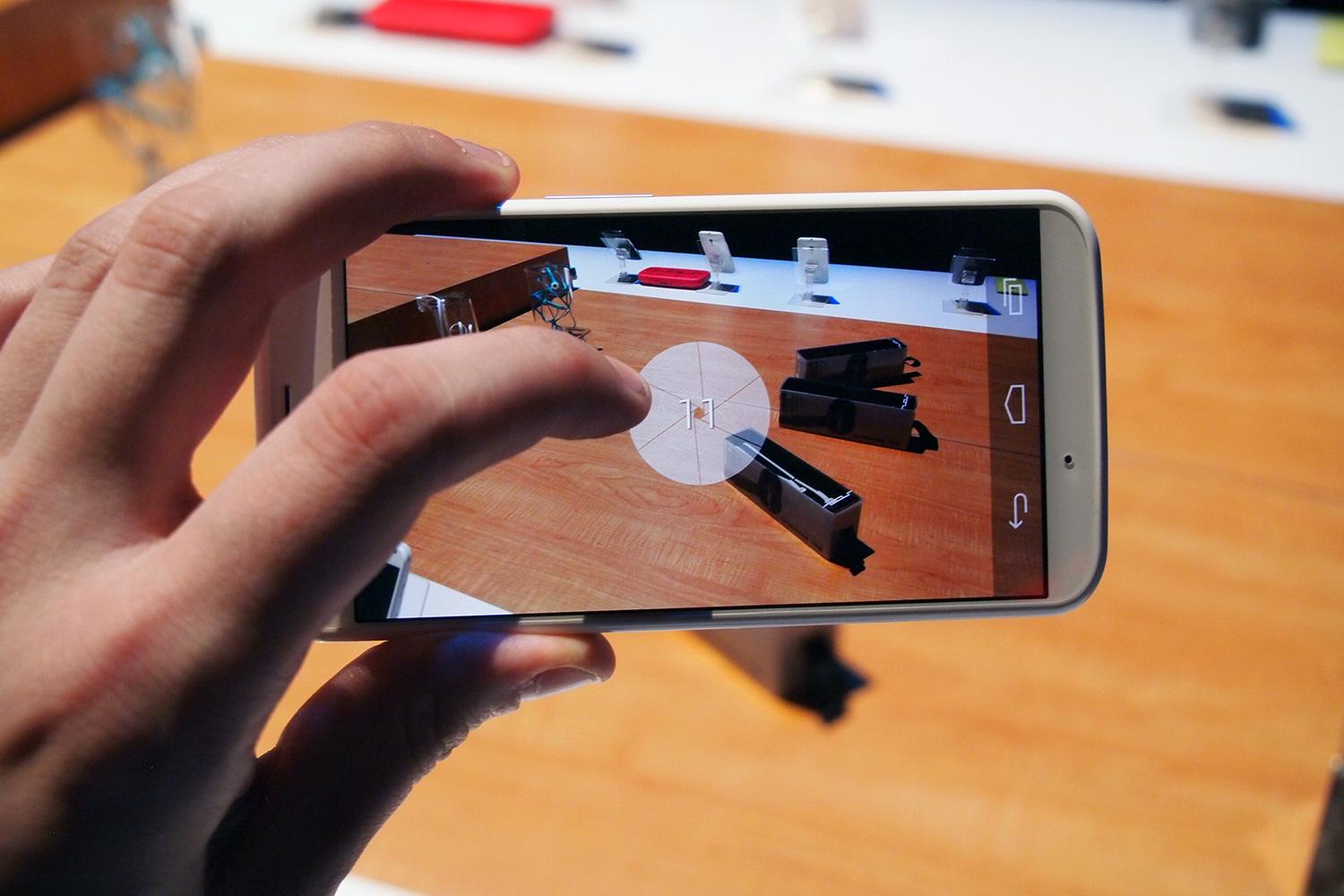
    When you’re taking a close-up, your phone generally focuses on the element closest to the lens. Switching the focus can allow objects in the background to stand out instead, thus making a run-of-the-mill shot more interesting. To focus on an element, gently tap your screen’s viewfinder.
    Motorola-Moto-X-camera

    Wait for the subject to be in focus. Then take the shot. There are apps you can use to selectively focus areas in your image. More on apps later. 

    4. Avoid Zoom

    The built-in zoom in most phone cameras are not optical but digital. Hence, it is advisable to not zoom in to compose a picture because you are not really zooming. 

    Instead, move closer to the object and crop the image later if you have to. You will notice a considerable difference in the quality of the image.

    Most smartphones have 8+ megapixels of resolution and sometimes more. That means you can crop substantially and still have plenty of resolution left for display on the web.

    5. Keep The Lens Clean

    While most of us spend loads of money on buying screen protectors for the front of your devices, we must realise that there is a lens on the back of your device that needs maintenance too. 

    keep your lens clean

    Phones spend a lot of time in pockets, in bags and being used in all manner of weather and conditions and over time the camera lens can collect lint/dust and create a blurred image. Just give it a good wipe with a clean cloth. 

    6. Keep The Background In Mind

    We all have images in our phones that were ruined by poor background surroundings. From photobombing friends or garbage on the road, keep in mind that the background is as important as the subject.

    Backgrounds should vary from shot to shot. You can either go for a subtle, clean background or one with motion and movement. 

    7. The Default Camera App Isn’t The Only One You Can/Should Use!

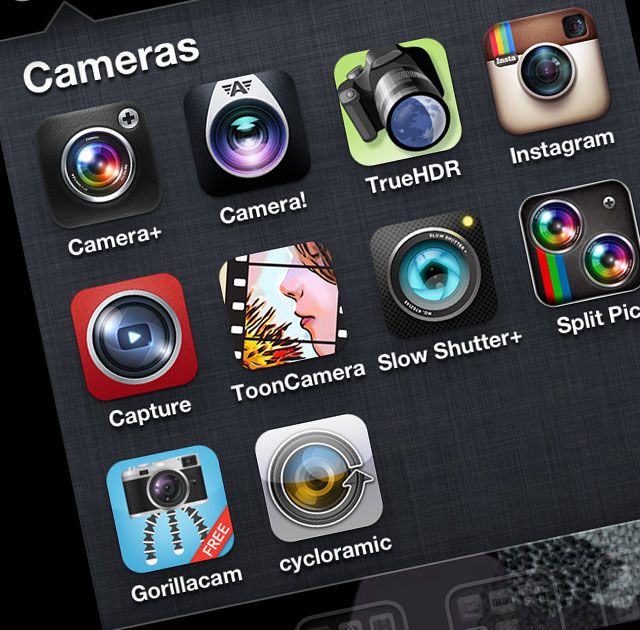
    Depending on your particular phone and the camera app that comes with it, you may have a few settings you can adjust before taking a picture. In almost every case, though, you can do better by grabbing a more advanced camera app.
    10_camera_apps

    Apps like Camera Awesome allow you to shoot in bursts and separates the AF lock from the exposure lock. Other apps like Camera+ have similar options for more controlled shooting.

    There are a ton out there, so look around! 

    8. Use Accessories! 

    If you intend to use your mobile phone as a digital camera, then you would do well to add on some accessories to maximise the camera experience. 

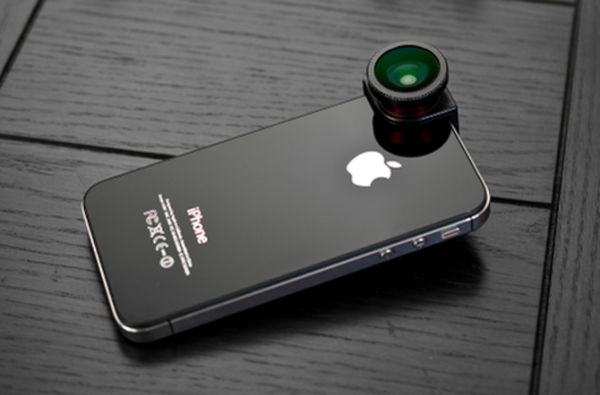
    Given the success of cameras on smartphones, more and more manufacturers are selling accessories specially designed for use with camera phones. These include camera phone tripods, Bluetooth adapters to transfer photos to a PC, and an attachable wide-angle lens.
    1

    When professional photographers want to up the quality of their shots, they often upgrade their lenses. If you have a good smartphone, there are plenty of lens add-ons that allow you to do the same.

    An example is the Olloclip. Easy to slip on and off, the Olloclip is actually three lenses in one: macro, fish-eye, and wide angle. The HitCase for the iPhone 5 also comes with a wide-angle lens, which helps you in taking macro-shots.

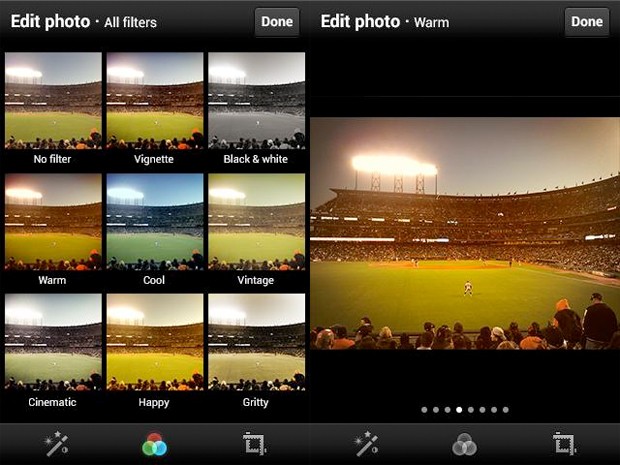
    9. Edit Later, Avoid Using Filters

    While you’re better off tweaking some settings before you take the photo, you can always make a picture look better by editing it after you’ve downloaded the pictures to your computer.

    Take your shots in color at high resolution to keep your options open on how to treat it later. You can always make it black and white on your computer, but you can’t make it colour if you take it in Black and White mode. 
    twitter-filters

    Apps like Snapseed (free) can be used to edit photos easily. Snapseed is very easy to use, and less onerous or labour-intensive than Photoshop Touch. It can auto-fix photos, definitely, but it can be used to make subtle and even minute edits to photos that affect exposure, saturation, sharpness and contrast. In other words, it’s a fully-fledged photo editor that competes with iPhoto.

    10. Experiment!

    The beauty of all forms of digital photography (including that of camera phones) is the ability to shoot off many shots quickly and without cost. This means you can experiment with different modes and composition and discard those that you don’t want to keep.

    Don’t be afraid to try interesting angles. Sometimes playing around with angles can make an image look contrived, and other times, it just works.

    Most importantly, just like any other camera, practice. Practice practice practice.Take lots of pictures. Learn what you like and what you need to improve on. It takes a while to get into a groove where you really start to excel, so shoot often and keep only your best work.

    Armed with these tips and techniques, you’ll be surprised what you can do with a simple camera phone.


    Let us know your tips in the comments section below!
  • GoPro CEO Nicholas Woodman on Building a Google Glass-style Wearable

    GoPro CEO Nicholas Woodman on Building a Google Glass-style Wearable

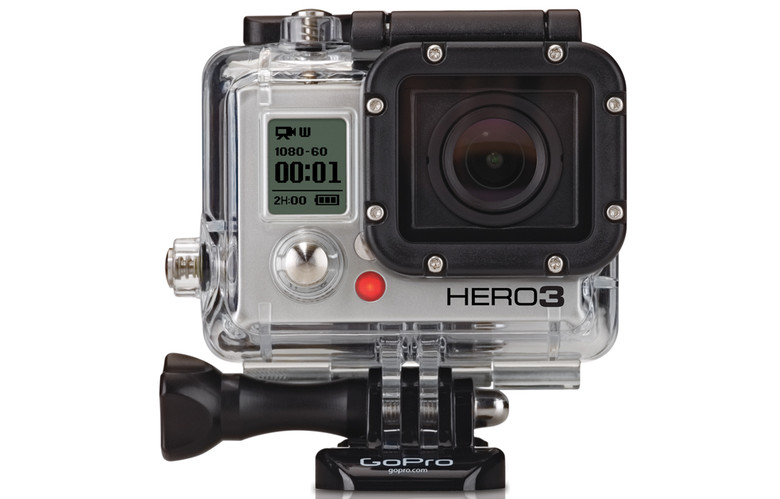
    GoPro is a brand of high-definition personal cameras, often used in extreme action video photography. They are known for being lightweight, rugged or mountable in unusual places such as outside planes, cars, or boats.

    In an interview with Nicholas Woodman(CEO for GoPro), he was asked whether GoPro is working on a Google Glass style product, he suggested that while the company is looking at the space it’s more with a view to thinking about how to interoperate with those type of devices, rather than making a dedicated pair of GoPro Glasses itself.

    I think what’s going to be exciting is you’re going to see more of these products working together,” said Woodman. “You already see it with GoPro and smartphones and  people often ask me are you afraid of the smartphone? And the answer is no — the smartphone is helping our business because it’s killing traditional cameras… which is opening up retail shelf space for GoPro and opening up consumer dollars for GoPro.”

    ”GoPro is used in a totally different way to a traditional camera, and then beyond that the smartphone makes for an incredible video remote control for a GoPro right?” said Woodman. “Now I can preview and control my GoPro with my smartphone, playback my videos and share them directly from the smartphone. Never needing to hook my GoPro to a computer.

    “And then you think of things like Glass and what not — a Glass-like product become terrific heads-up hands-free remote control devices for the GoPros and I think it’s just going to become more and more enabling and you’re going to be able to use your GoPro in even more versatile ways thanks to these complementary products.”

    Woodman said the company is not feeling complacent about potentially having a Mountain View sized competitor, in the not too distance future. ”We’ve very careful to be very appreciative for the success that we have right now but also we still wake up sacred every morning. You know we’re smart but we’re not that smart. Fear drives you a lot harder than success does,” he added.

    Nicholas does not seem to take Glass as its competitor, instead he sees Glass (or other wearables) as an excellent way for folks to interact with GoPro cameras.

    During the interview he was asked which is the best video he has ever seen recorded by the GoPro, he said there are many but the one that come first in mind is :

    [youtube id=”LStXdttFj_o” width=”100%” height=”300px”]

  • Sony Smartphone-Mount “Lens Cameras” Leak

    Sony Smartphone-Mount “Lens Cameras” Leak

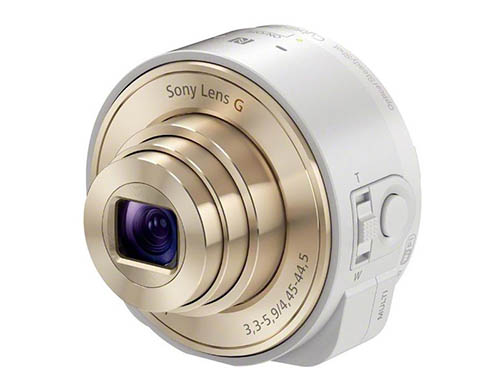
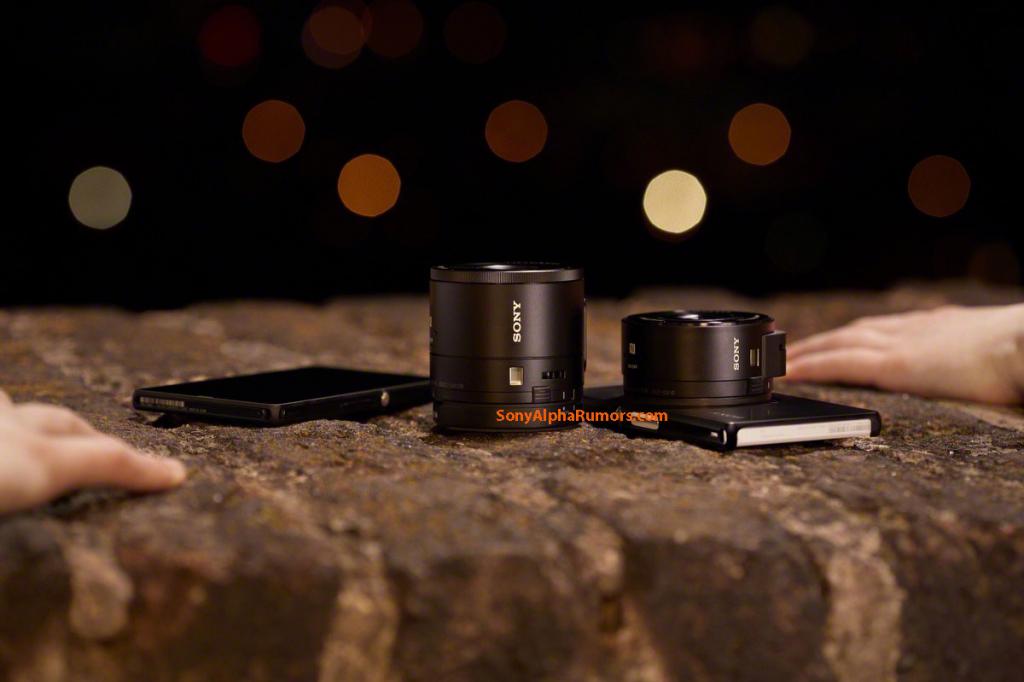
    We’ve previously covered the recent rumours of the 20 Megapixel Sony Wifi ‘smart lens’ which will attach to Android and iOS smartphones and connect to the phone via Wifi. Theoretically, you’ll be able to take much better pictures with the bigger CMOS sensor and Zeiss glass.

    Sony

    A new rumored gold iPhone now has a rumored gold lens attachment from Sony, according to a report from SonyAlphaRumors which has also posted an image.  Until now we’d only seen leaks of a black device, and while a white version was perhaps to be expected, how about gold? Would be a perfect match for that rumored gold iPhone 5S. 

    “For the first time you can shoot top quality images with your smartphone. Forget these iPhone or Android lens kits!” said SonyAlphaRumors.com, which posted images of the new devices.

    Sony
    But the lenses won’t have screens or camera controls, and can be attached magnetically to the smartphone, from which they can be controlled, it added.

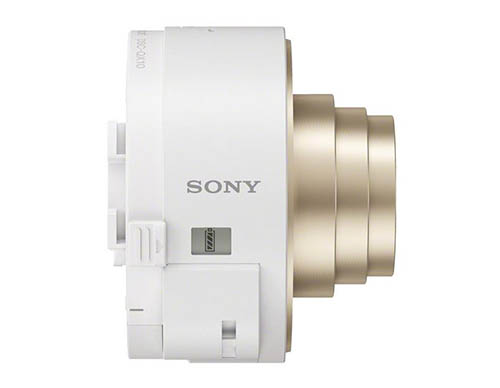
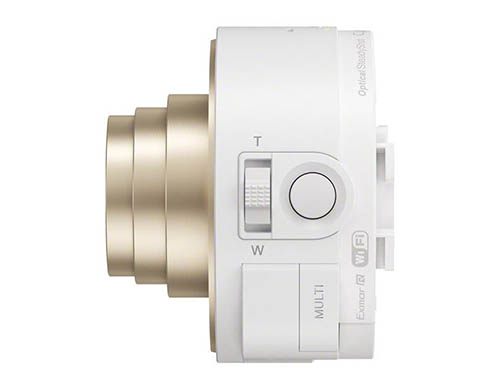
    The two new ‘lens-camera’ devices will launch as the DSC-QX10 and DSC-QX100, the idea being that they mount onto a smartphone and contain a built-in imaging sensor, Bionz processor, Wi-Fi/NFC, SD card slot and battery.

    The QX10 is rumoured to have a 1/2.3 inch 18MP CMOS sensor and f/3.3-5.9 lens. In terms of pricing, the more expensive QX100 is expected to be priced around the $450 mark. The lenses will be able to capture HD video at 1080/30p.

    Does this interest you shutterbugs?

  • Manual Leaks For Sony QX10 and QX100 lens cameras

    Manual Leaks For Sony QX10 and QX100 lens cameras

    A few days ago some images leaked out for the rumored upcoming Sony QX10 and QX100 lens cameras, and now manual of these lens cameras seems to have leaked out.

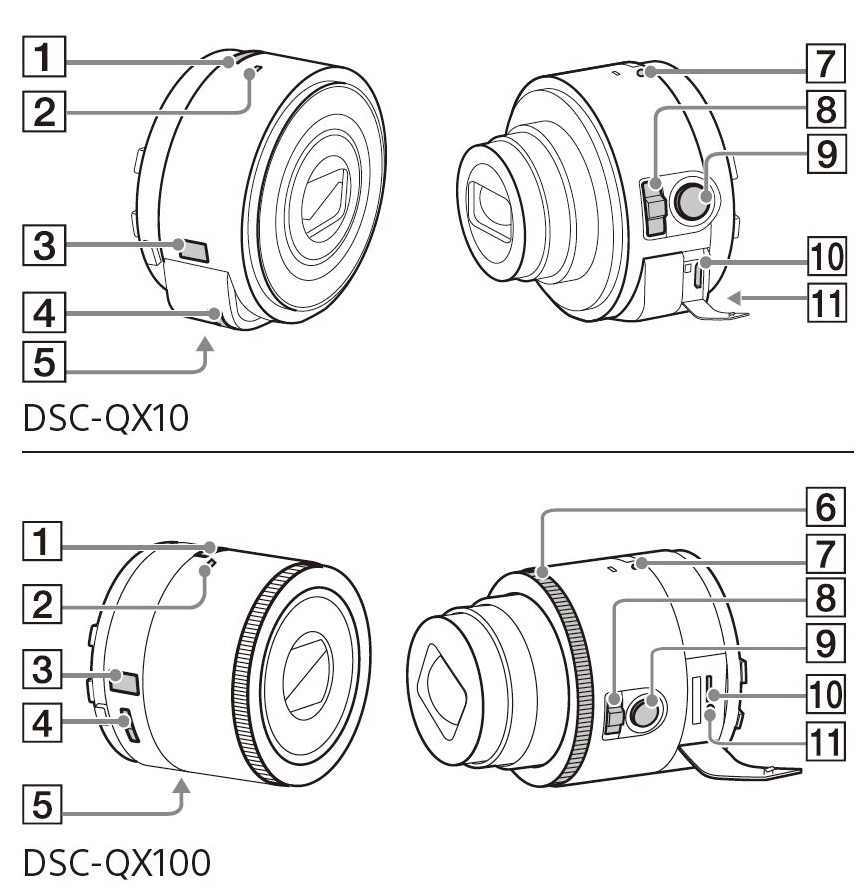
    As per sonyalpharumors the image above is the manual and can be linked with the points below:

    1) Power Button
    2) Microphone
    3) Display Panel
    : Indicates that the card is not inserted
    : Indicates the remaining battery charge
    4) Hook for belt
    5) Tripod
    6) Ring Control (DSC-QX100)
    7) The power / charge / movie
    Green: Power on
    Orange: Running Charging
    Red: running video
    8) Zoom lever
    9) Shutter Button
    10) Multifunctional Jack
    11) RESET Button


    Dimensions (standard CIPA):
    DSC-QX100: 62,5 mm × 62,5 mm × 55,5 mm (W / H / D)
    DSC-QX10: 62,4 mm × 61,8 mm × 33,3 mm (W / H / D)
    Weight (standard CIPA) (including battery pack NP-BN, “Memory Stick Micro”):
    DSC-QX100: approx. 179 g
    DSC-QX10: approx. 105 g
    Power Supply: Rechargeable Battery Pack NP-BN
    Power consumption (during shooting): 1.1 W


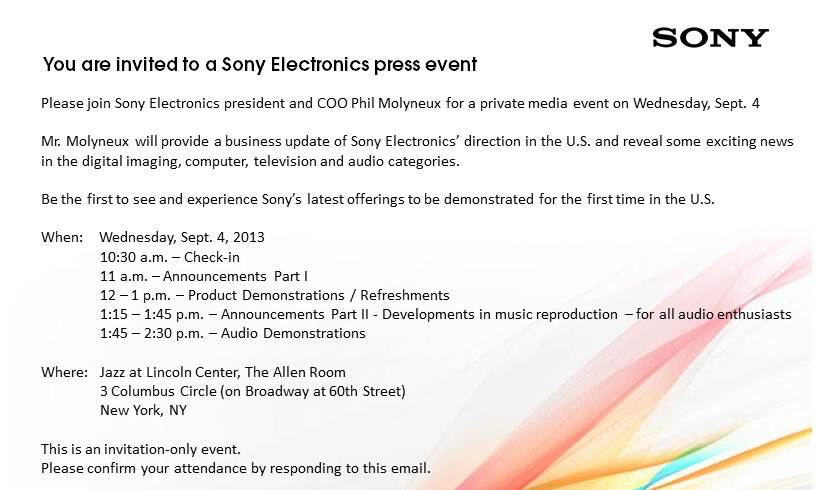
    IFA is just few days away, and Sony is all set for a event. These are some leaked specifications for sony QX10 and QX100. If any of this information is correct, Sony may have what it needs to create a new market segment.

    Sony-Press-Invite_zps2e6ea0f6


    [via]

  • Samsung NX-300 Now Available, Starts From 48,900 INR

    Samsung NX-300 Now Available, Starts From 48,900 INR

    Samsung launched the Mirrorless NX-300 in India earlier in march this year. The device wth 3-D capabilities is now available for sale on samsung e-store for 48,900 rupees.

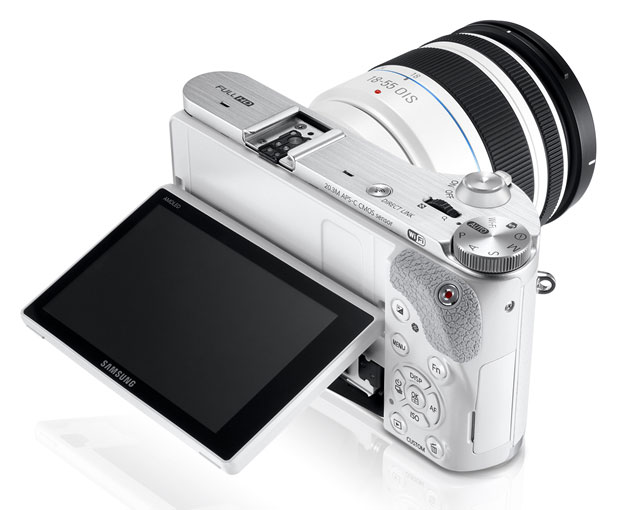
    The  NX300 features a new 20.3 megapixel APS-C CMOS sensor, new Hybrid Auto Focus (AF) system with both phase and contrast detection, expanded ISO range of 100-25,600, 1080p HD movie recording, built-in Wi-Fi connectivity, tilting 3.3-inch AMOLED touch-screen, 8.6fps continuous shooting, 1/6000th shutter speed and 3D Panoramas.

    The Samsung NX-300 looks very similar to its predecessor (NX210) at first glance, but boasts a number of significant improvements and new features. The NX-300’s sensor offers the same 20.3 megapixel count as the previous NX210, but now includes on-sensor phase detection AF sensors which promise to make the auto-focusing system even quicker and more reliable.

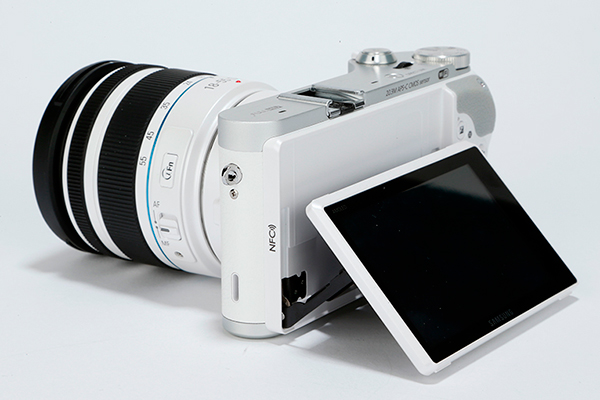
    On the left of the body is the NFC logo. The NX-300 is one of the very first compact system cameras to feature NFC (Near Field Communication) technology, which allows you to connect the camera to a compatible internet enabled device or another NFC enabled camera by simply tapping them together.

    Samsung-NX300-product-shot-3

    If we talk about the rear of the device it supports a 3.3″ AMOLED touch enabled display adds on to what Samsung has to offer to its consumers. As far as the basic camera is concerned which is NX-300 Single Lens pack- 18-55mm it is available and you also have an option to upgrade the lens by choosing the NX-300-Single Lens pack- 18-55mm + 50-200mm which is also available for 58,900 rupees. As this Camera supports 3D, if you plan to purchase a 3D lens that is NX-300 Single Lens pack- 18-55mm + 45mm 3D lens that will cost you 65,900 INR and is currently not available on the website. 

    Would you replace your DSLR with this Mirrorless camera ? 

  • Sony Qx10 and Qx100 Lens Cameras Pair With Any Smartphone/Tablet

    Sony Qx10 and Qx100 Lens Cameras Pair With Any Smartphone/Tablet

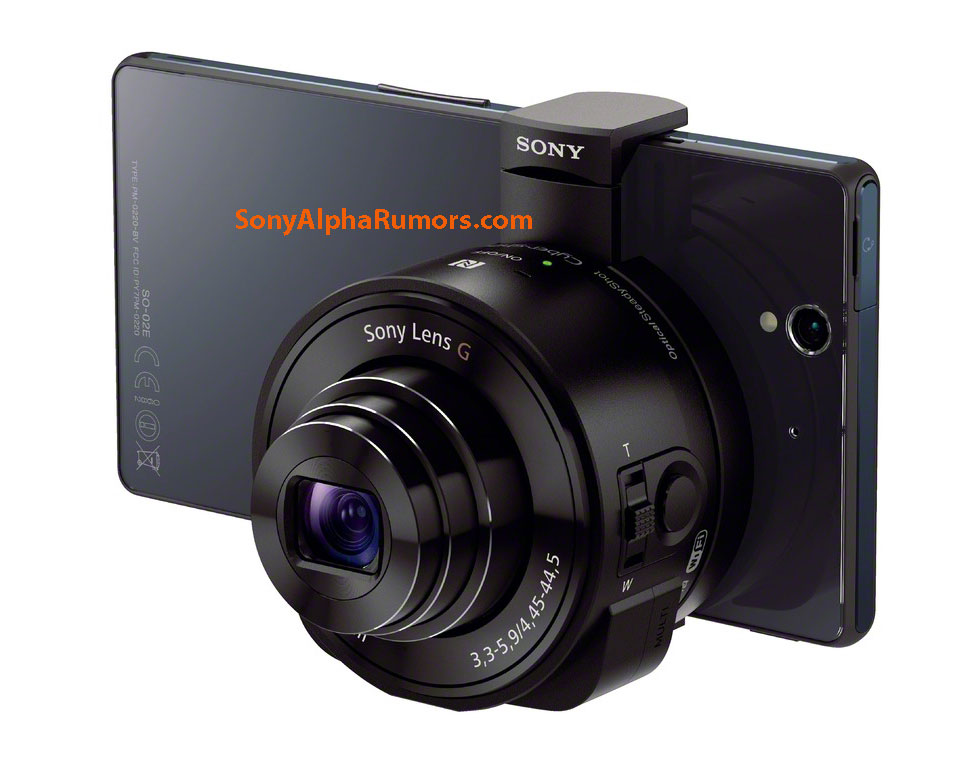
    Sony is rumored to launch a set of new camera lenses, called the QX10 and QX100. According to SonyAlphaRumors they have built-in sensors, Bionz processors, Wifi/NFC wireless connection and a SD card slots. These lenses have no LCD screen and no usual camera controls. According to the website one will be able to control them through any smart phone or tablet (via WiFi or NFC). The lenses can be magnetically attached on your smartphone and they work on both Android and iOS devices.

    QX10 and QX100
    QX10 and QX100


    The price and launch dates are still not out, but the lenses could be shown off on the 4th of September during IFA. Also as per Sonyalpharumors the phone showed in the images is the much rumored i1. So expect both the devices to be announced if not launched at IFA which is around the corner.

    Another leaked image showing how the lens look like with a phone.
    Another leaked image showing how the lens look like with a phone.


    [via]

  • Leica triggers a frenzy, Teases a Mini M camera

    Leica triggers a frenzy, Teases a Mini M camera

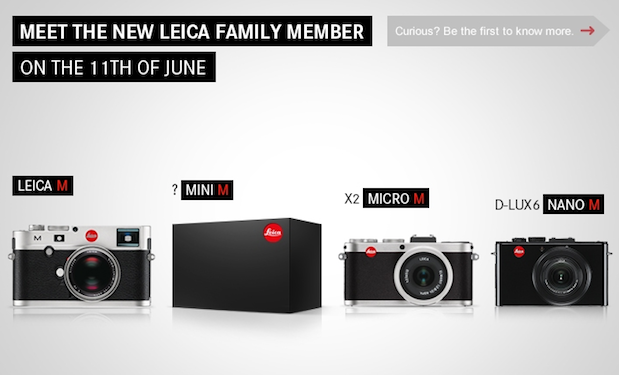
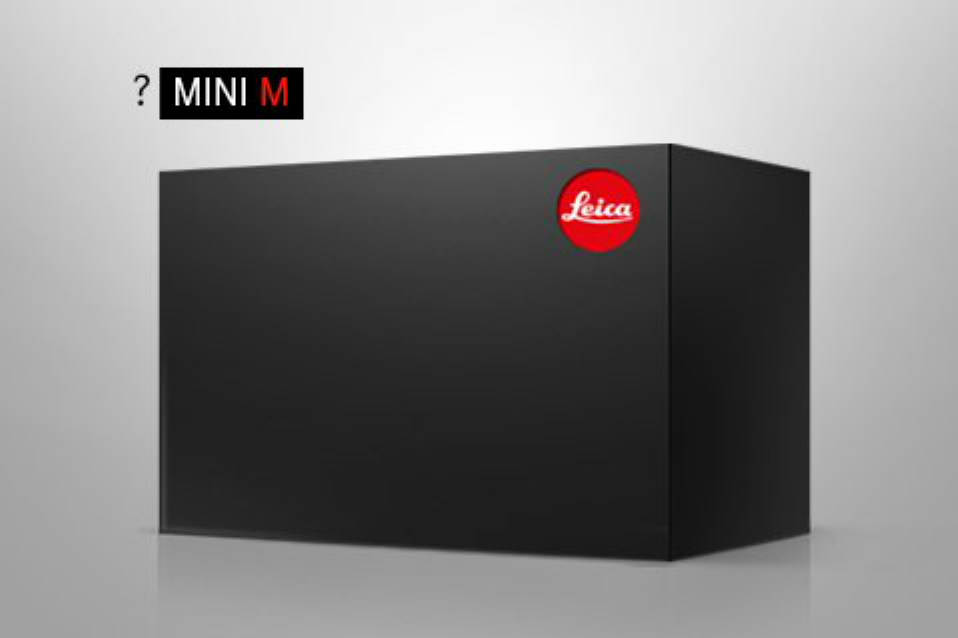
    Its rare for Leica to show off their upcoming products, but looks like they are gaining up on pop culture. The company has just teased a black box, which will uncover the Mini M camera on June 11th. This new model has been placed between the M and the X series and has been a rumor for years.

    Other info includes that the camera would be manufactured in Germany and it will not be part of the Panasonic-rebranded Leica cameras. Stay tuned for updates. 

    leica mini M

    [Leica]

  • BenQ By Launches GH650 And GH210 (PR)

    BenQ By Launches GH650 And GH210 (PR)

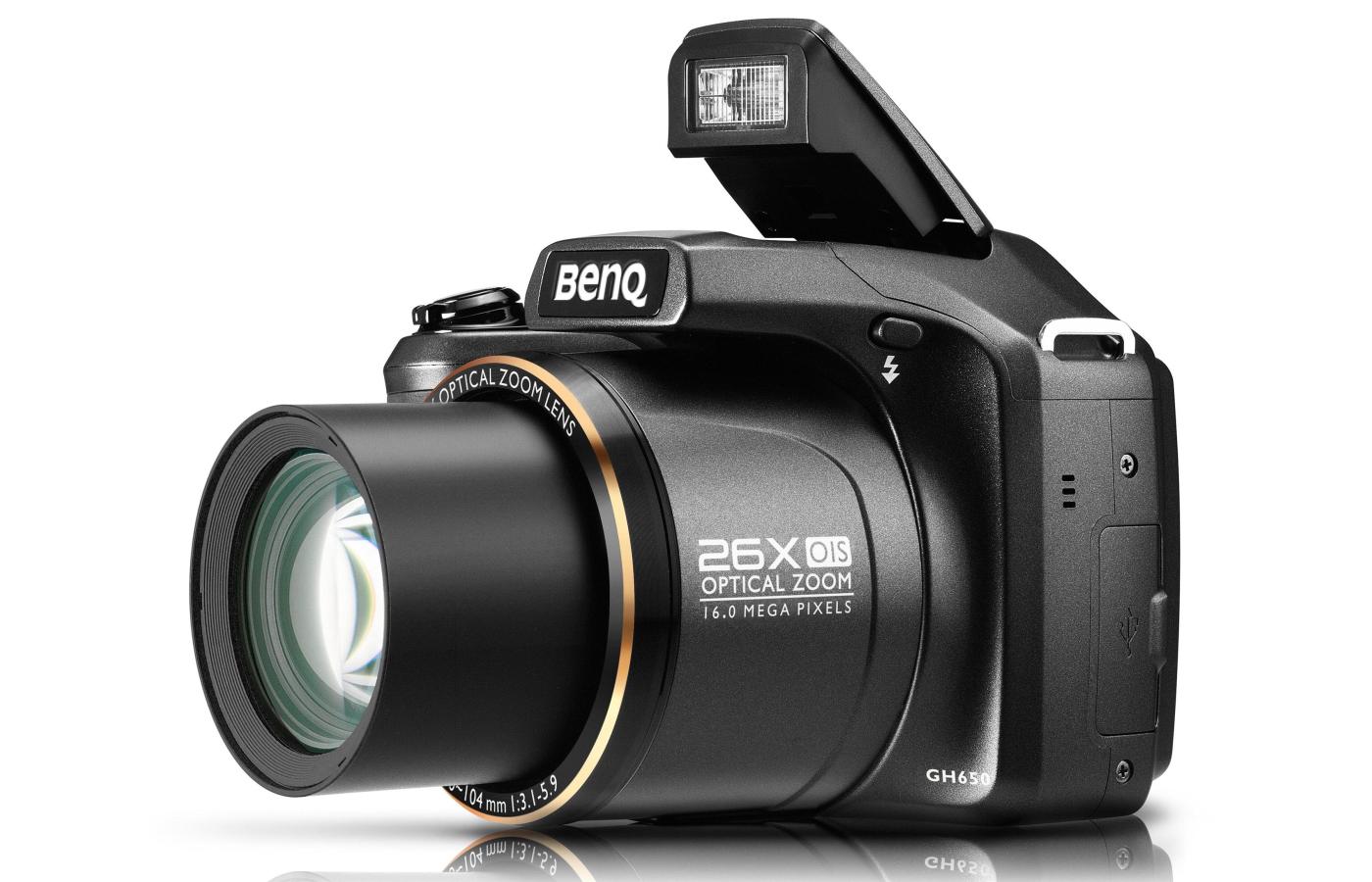
    BenQ has launched two new digital cameras adding to its GH series with GH650 in the bridge type category and GH210 in the point & shoot category. 

    GH650:

    Featuring 26x optical zoom with 16-megapixel image quality and 22.3mm wide-angle view, the  GH650 is set to expand and share your view of the world with ultra-clarity, combining O.I.S. support, 1cm Super Macro Mode and a large 3” 460k LCD screen. The GH650 shoots HD 720p videos at 30 frames per second with zoom for fluid movement in fast-action scenes from far or close and an independent recording button provides a quick access to start recording instantaneously.

    GH210:

    Benq

    Another model launched by BenQ is GH210 with 12.5x optical zoom, 4x Digital Zoom with 16- megapixel image quality , 720p Movie Recording and 1cm Super Macro Mode. The GH210 comes with the O.I.S. anti-shake technology to captures crystal clear and sharper images. In addition the GH210 has a MagiQ filter which is designed to add better intensity to photos with heightened contrast and color saturation 

    The GH series digital camera enhances user experience through wide selection of shooting modes such as:

    • Color Filter modes that include LOMO Mode which adds artistic effects to photographs, turning them into artworks with unlimited creativity
    • Color Accent allows a selected color in the photo to stay whilst having the rest converted into black and white
    • 1cm Super Macro Mode Capturing close-up shots is easy with both GH600’s & GH210’s Super Macro mode captures objects from as close as 1 cm, preserving incredible details and an intimate feel.
    • Panorama mode helps to capture splendid landscapes or large group shots.  In addition there are some other interesting shooting modes such as P/Av/Tv/M Mode, Speedy Burst, Beauty Enhancer and the Advanced Smart Scene Mode.

    “BenQ expands the exciting GH series of digital cameras in India by adding two new models in the point and shoot and high zoom bride type category. With this launch we reiterate our commitment to offer trendy and innovative products power packed special features to capture crystal clear images of your moments of life. Combining the advantages of point-and-shoot cameras with DSLR-like imaging effects both the cameras are unique in its use and will set the benchmark for high zoom digital cameras in India” said Mr. Rajeev Singh, Country Head, BenQ India

    The BenQ GH650 is available in black color at a price point of Rs. 11990(MRP) & GH210 is available in red color at a price point of Rs. 7490(MRP). 

    [toggle title=”Press Release”]BenQ expands its GH series of digital cameras in India by launching GH650 and GH210
    High Zoom bridge type and point & shoot camera


    New Delhi, April 29, 2013– BenQ, an internationally renowned provider of digital lifestyle innovations today launched two new digital cameras adding to its GH series with GH650 in the bridge type category and GH210 in the point & shoot category. Providing the convenience of High zoom and point & shoot delivering innovative imaging effects, these models give the users a sophisticated photography experience with added creativity.
    GH650:
    Featuring 26x optical zoom with 16-megapixel image quality and 22.3mm wide-angle view, the GH650 is set to expand and share your view of the world with ultra-clarity, combining O.I.S. support, 1cm Super Macro Mode and a large 3” 460k LCD screen. The versatile GH650 shoots brilliantly crisp HD 720p videos at 30 frames per second with zoom for fluid movement in fast-action scenes from far or close and an independent recording button provides a quick access to start recording instantaneously so that no precious moment will be missed.

    GH210:
    Another model launched by BenQ is GH210 with 12.5x optical zoom, 4x Digital Zoom with 16- megapixel image quality , 720p Movie Recording and 1cm Super Macro Mode. Compact, slim and stylish GH210 comes with the O.I.S. anti-shake technology to captures crystal clear and sharper images. In addition the GH210 has a MagiQ filter which is designed to add better intensity to photos with heightened contrast and color saturation
    The GH series digital camera enhances user experience through wide selection of shooting modes such as:
    • Color Filter modes that include LOMO Mode which adds artistic effects to photographs, turning them into artworks with unlimited creativity
    • Color Accent allows a selected color in the photo to stay whilst having the rest converted into black and white
    • 1cm Super Macro Mode Capturing close-up shots is easy with both GH600’s & GH210’s Super Macro mode captures objects from as close as 1 cm, preserving incredible details and an intimate feel.
    • Panorama mode helps to capture splendid landscapes or large group shots. In addition there are some other interesting shooting modes such as P/Av/Tv/M Mode, Speedy Burst, Beauty Enhancer and the Advanced Smart Scene Mode.

    “BenQ expands the exciting GH series of digital cameras in India by adding two new models in the point and shoot and high zoom bride type category. With this launch we reiterate our commitment to offer trendy and innovative products power packed special features to capture crystal clear images of your moments of life. Combining the advantages of point-and-shoot cameras with DSLR-like imaging effects both the cameras are unique in its use and will set the benchmark for high zoom digital cameras in India” said Mr. Rajeev Singh, Country Head, BenQ India
    The BenQ GH650 is available in black color at a price point of Rs. 11990(MRP) & GH210 is available in red color at a price point of Rs. 7490(MRP). For further information please visit www.BenQ.co.in
    About BenQ Corporation
    BenQ Corporation, a leading provider of networked digital lifestyle devices, is a multi-faceted company with strengths in product design, visual technology and mobile technology. BenQ offers unrivalled breadth and depth of products and integrated technologies across platforms through the brand promise of “Bringing Enjoyment and Quality to Life,” including digital projector, LCD monitors, laptop PCs, Netbooks, All-in-One PCs, LCD TVs, digital cameras, storage devices, eBook reader, mobile phones, storage media and human interface devices such as mice and keyboards.

    About BenQ Group

    The BenQ Group is currently comprised of 16 companies that operate independently while sharing resources and leveraging synergies among them. The BenQ Group companies include BenQ Corporation, AU Optronics Corporation (world’s top 3 manufacturers of large-size TFT-LCD panels), Qisda Corporation, Darfon Electronics Corporation, Daxon Technology Inc., Daxin Materials Corp., Forhouse Corp., Light House Tech, SiPix Imaging, Lextar Electronics Corp. BenQ Guru Software Co., BenQ Hospital, Darwin Precisions, Ltd, Raydium Semiconductor Corporation, Cando Corporation and Wellypower Co., Ltd.
    [/toggle]

  • Kodak Transaction Related To Digital Imaging Patents Closed At $527 Million

    Kodak Transaction Related To Digital Imaging Patents Closed At $527 Million

    kodak

    Eastman Kodak Co. said Friday it has completed the transaction for the sale and licensing of its digital imaging patents for net proceeds of $527 million.

    The transaction, which achieves one of Kodak’s key restructuring objectives, continues its momentum toward emergence from bankruptcy midyear, the company said.

    A portion of the $527 million was paid by 12 intellectual property licensees organized by Intellectual Ventures Management LLC and RPX Corp. Another portion was paid by Intellectual Ventures, which acquired a substantial majority of the digital imaging patent portfolio subject to these new licenses, as well as previously existing licenses, Kodak said.

    The consortium includes industry giants Amazon.com Inc., Apple Inc., Facebook Inc., Google Inc. and Samsung Electronics Co.

    Kodak originally had hoped to receive more than $2 billion for the patents.

    The deal includes an agreement to settle current patent-related litigation between the participants. Kodak retains the rights to use the 1,100 digital imaging patents sold in the transaction.

    “The licensing and sale of our digital imaging patents is another major milestone toward successful emergence,” said Chairman and CEO Antonio Perez in a statement. “We are on track to emerge as a profitable, sustainable company.”

    The completion of the sale enables Kodak to repay a substantial amount of its initial debtor in possession loan, satisfies a key condition for its newly approved financing facility and positions its core Commercial Imaging business for future growth and success, the company said. Kodak maintains ownership of some 9,600 patents.

    [RBJ]

  • Polaroid Confirms Mirrorless Android-Powered Camera For CES

    Polaroid Confirms Mirrorless Android-Powered Camera For CES

    polaroid

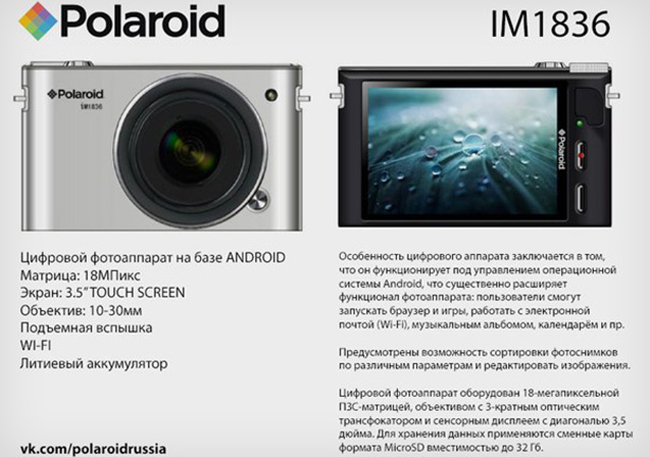
    Polaroid will debut an Android-powered camera with interchangeable lenses at CES, according to the company’s CEO, Scott Hardy. “Additional information and specs will be released during the show.”, he said.

    Days after an image of said camera popped up on a Russian social network, it appears that we don’t have to wait long to take shots with the snapper.

    It looks to be called the Polaroid IM1836, and Sakar will likely build it for Polaroid. The mirrorless camera should come with an 18.1 million pixel sensor. Physically, it resembles Nikon’s J1/J2.

    The baked-in Android gives the camera access to downloadable apps, including email, Facebook and Twitter.

    We should also see pop-up flash, built-in Wi-Fi, HDMI output, microSD memory and a 3.5-inch touchscreen, while the Russian photo looks to show a 10mm – 30mm optic.

    We’ll know more in the coming weeks, but until then you can always buy the Samsung Galaxy Camera and Nikon S800c.

iGyaan Network
Privacy Overview

This website uses cookies so that we can provide you with the best user experience possible. Cookie information is stored in your browser and performs functions such as recognising you when you return to our website and helping our team to understand which sections of the website you find most interesting and useful.