Category: Mobile

Smartphone News and Reviews, Latest Cellphones, Accessories, New Launches, Specifications, Details with Image and Video from Apple, Samsung, Lenovo, Moto, HTC, Xiaomi, Oneplus, Meizu, Sony, Lava, Micromax Yu Mobile and More.

  • Unboxing The Moto G6

    Unboxing The Moto G6

    The sixth generation of Motorola’s highly acclaimed Moto G series has launched in India. The Moto G6, initially launched back on Apilr 19th in Brazil has made its way to India for a starting price of Rs 13999. The Moto G6 is the successor to the Moto G5s which was launched in August 2017 and it will go on sale via Amazon exclusively.
    Buy The Moto G6 Here

    The Moto G6 is a significant upgrade over the Moto G5s in terms of design and build quality. During the Moto G5s launch, there were premium smartphones with the 18:9 aspect ratio but, not many budget devices had adopted the feature. Since then, however, the 18:9 aspect ratio has become the norm across the board. The Moto G6 follows the norm as well and has thin bezels around the display with an 18:9 aspect ratio.

    [section label=”Unboxing”]

    Inside the box of the Moto G6
    • Moto G6
    • Documentation
    • Sim Ejector Tool
    • Wall Charger
    • USB-C Cable

    [section label=”First Impressions”]

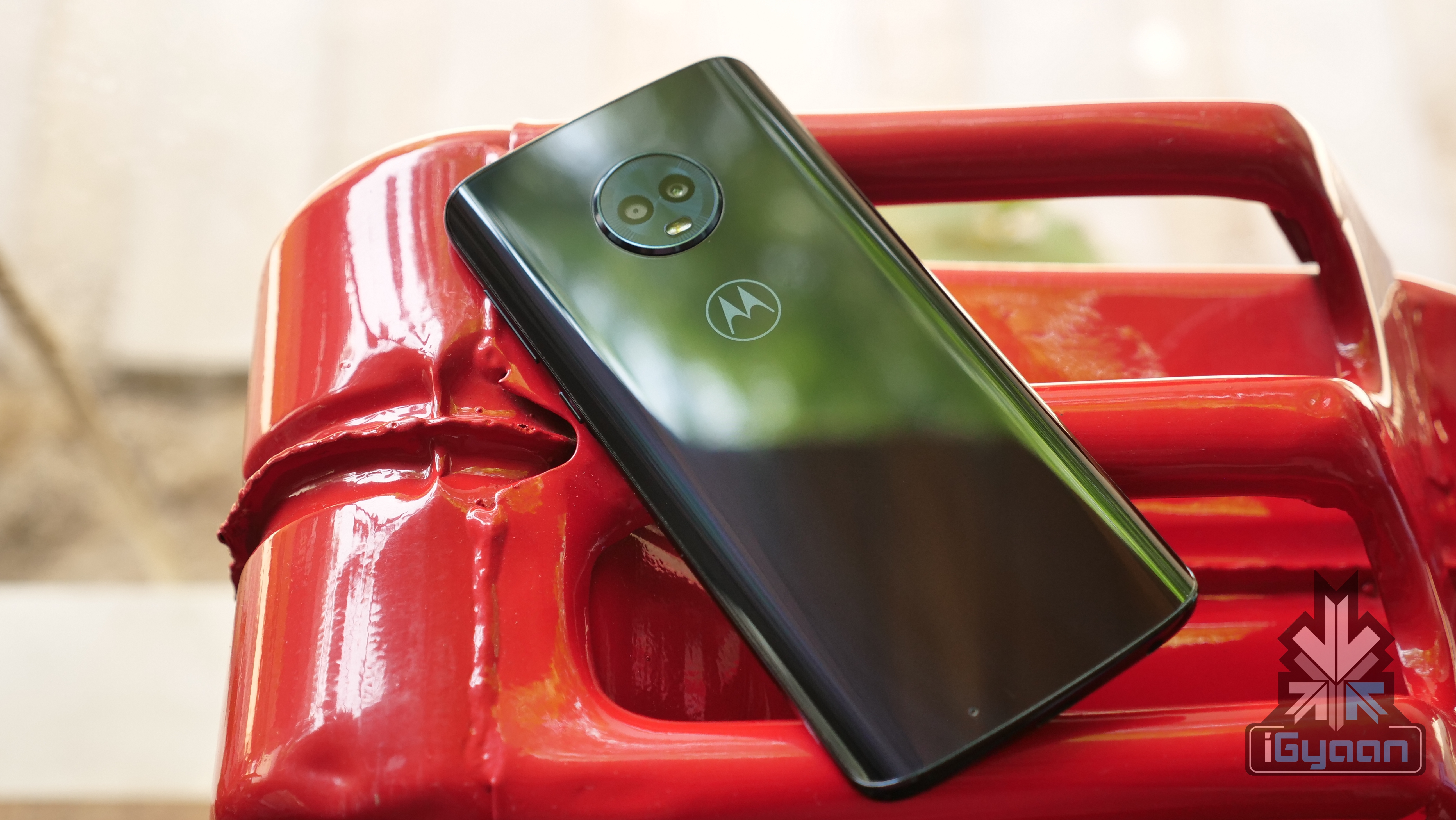
    A few years ago, most budget smartphones were flimsy and had a plastic build. That slowly transitioned into a metal unibody which is much more sturdier, if not the best-looking. 2018 appears to be the year of embracing the glass build quality. Honor did it with Honor 9 Lite and now Motorola has also adopted the all-glass design. The Moto G6 features Corning Gorilla Glass3 on the front and back with an aluminium frame. With the new design, the G6 will be a fingerprint magnet which means a skin or a case is highly recommended for people who like to keep their smartphones clean and pretty.

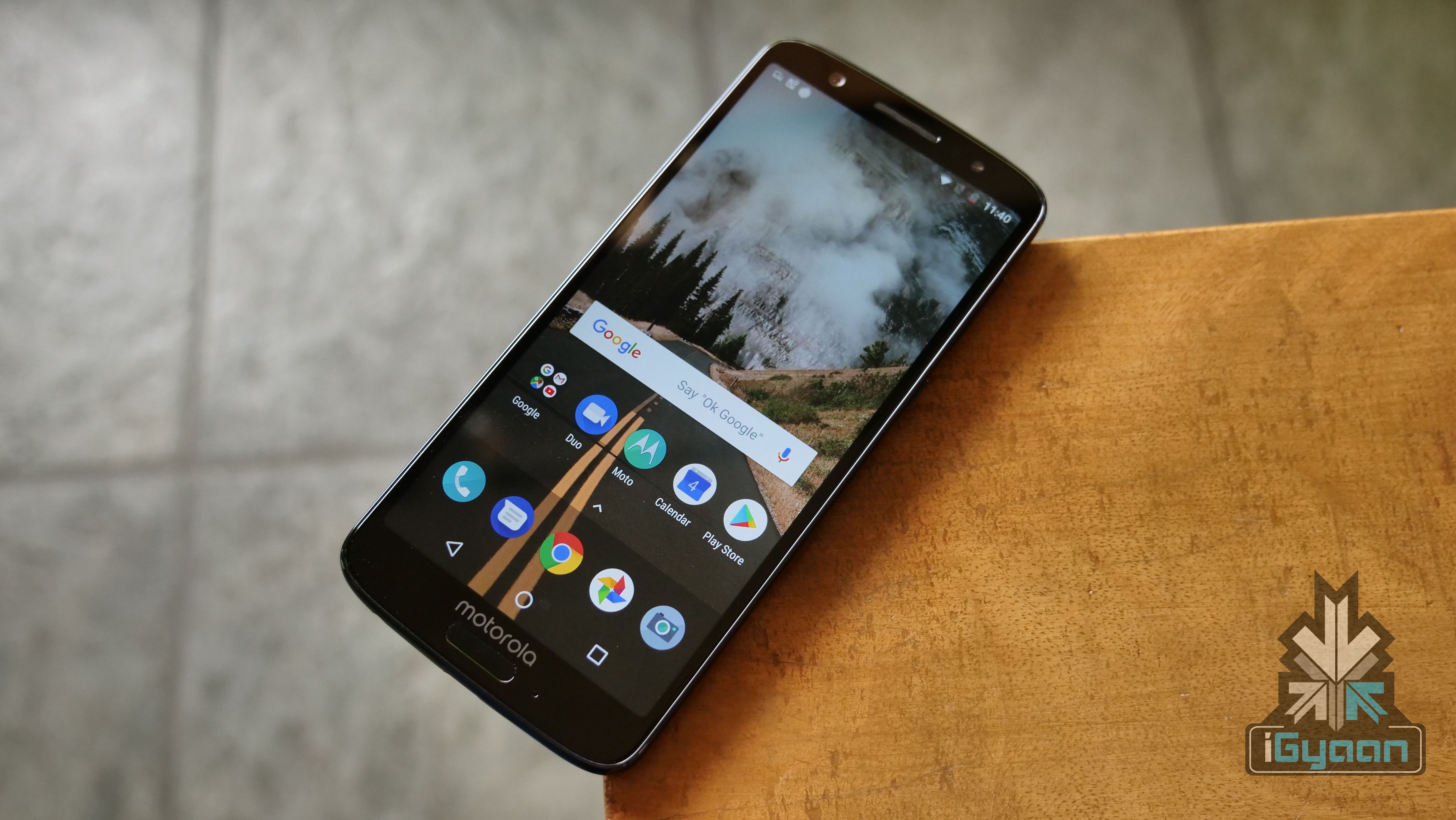
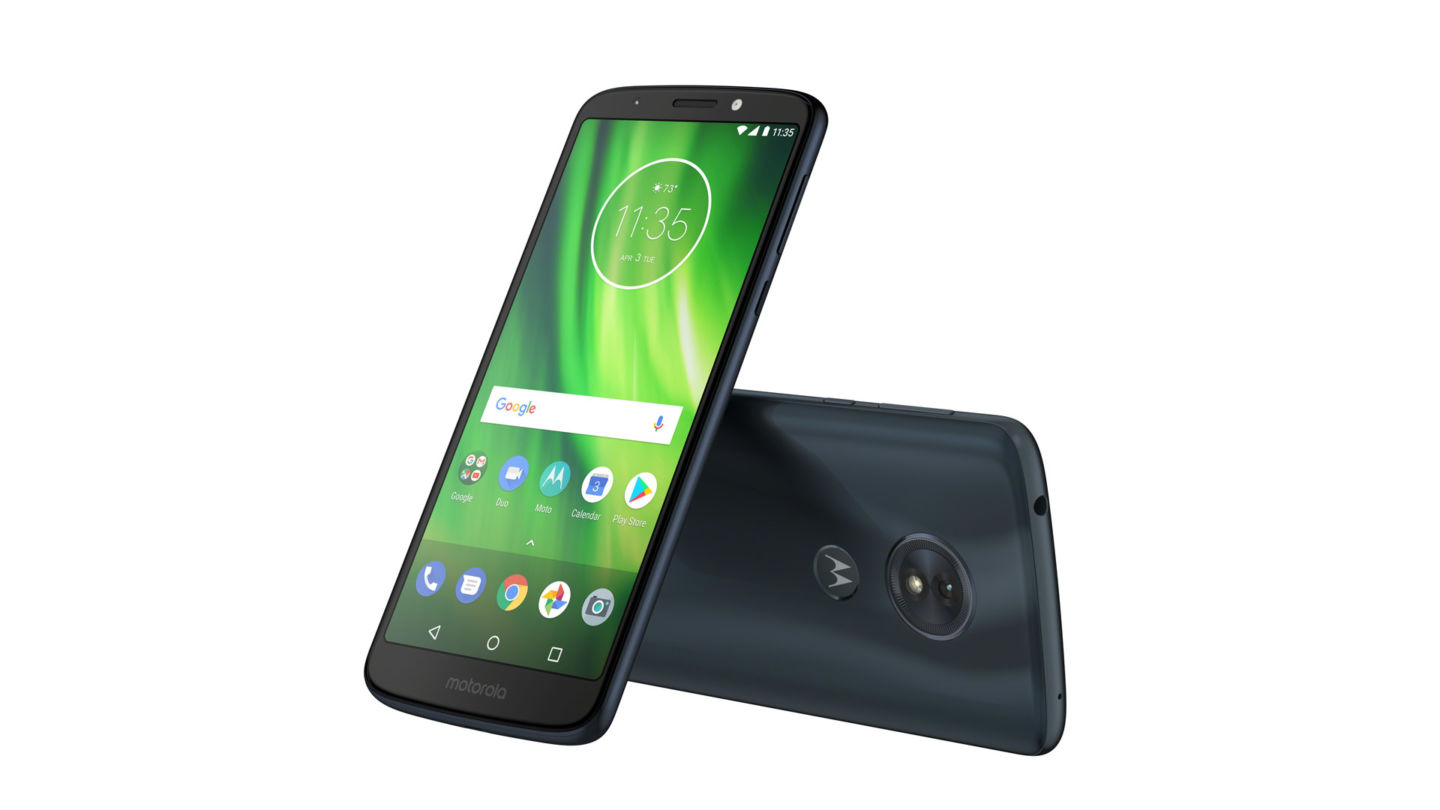
    The G6 has a 5.7 inch LCD display with a 2160×1080. This translates into an 18:9 aspect ratio and thankfully for many, it doesn’t have a notch. Even though it has an 18:9 aspect ratio, the bezels are not the thinnest and it has a 74.4% screen-to-body ratio which is not very high.
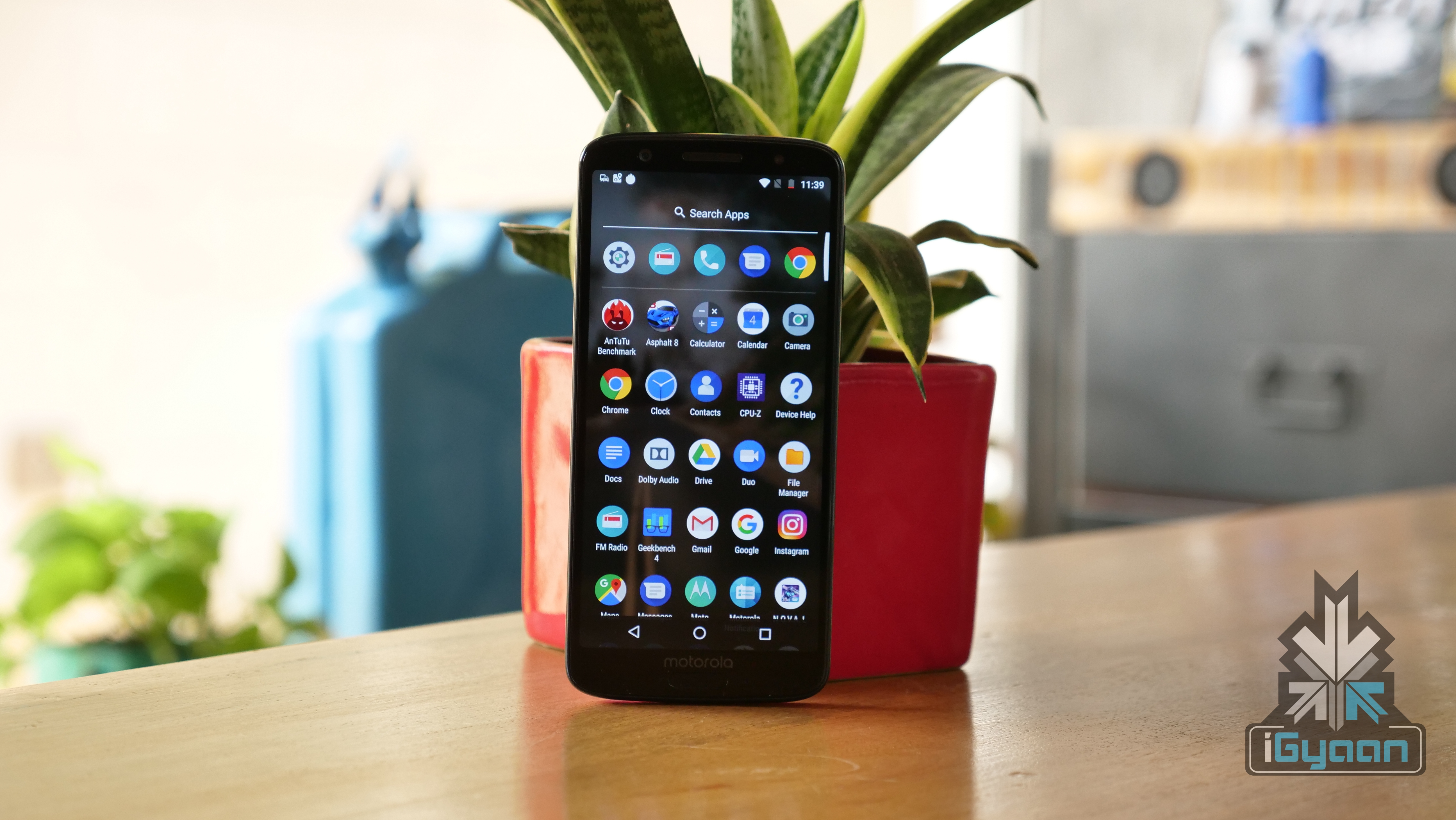
    Under the hood, the smartphone runs on the Snapdragon 450 chipset which has eight 1.8GHz Cortex A53 Cores (14nm) and is basically the rebranded Snapdragon 625. The Adreno 506 GPU adds the graphical prowess with either 3GB or 4GB RAM option bundled with a 32GB or 64GB storage option. The storage is expandable via a microSD card which will use up the second SIM slot.

    The Moto G6 does get the USB C charging capabilities along with a 15W charger, which is bundled with a 3000mAh battery. The G6 will run close to stock Android 8 Oreo out of the box in typical Motorola fashion. There were talks of Motorola adopting Lenovo’s custom skin for the G and E series in 2018 but, it turned out to be a hoax.
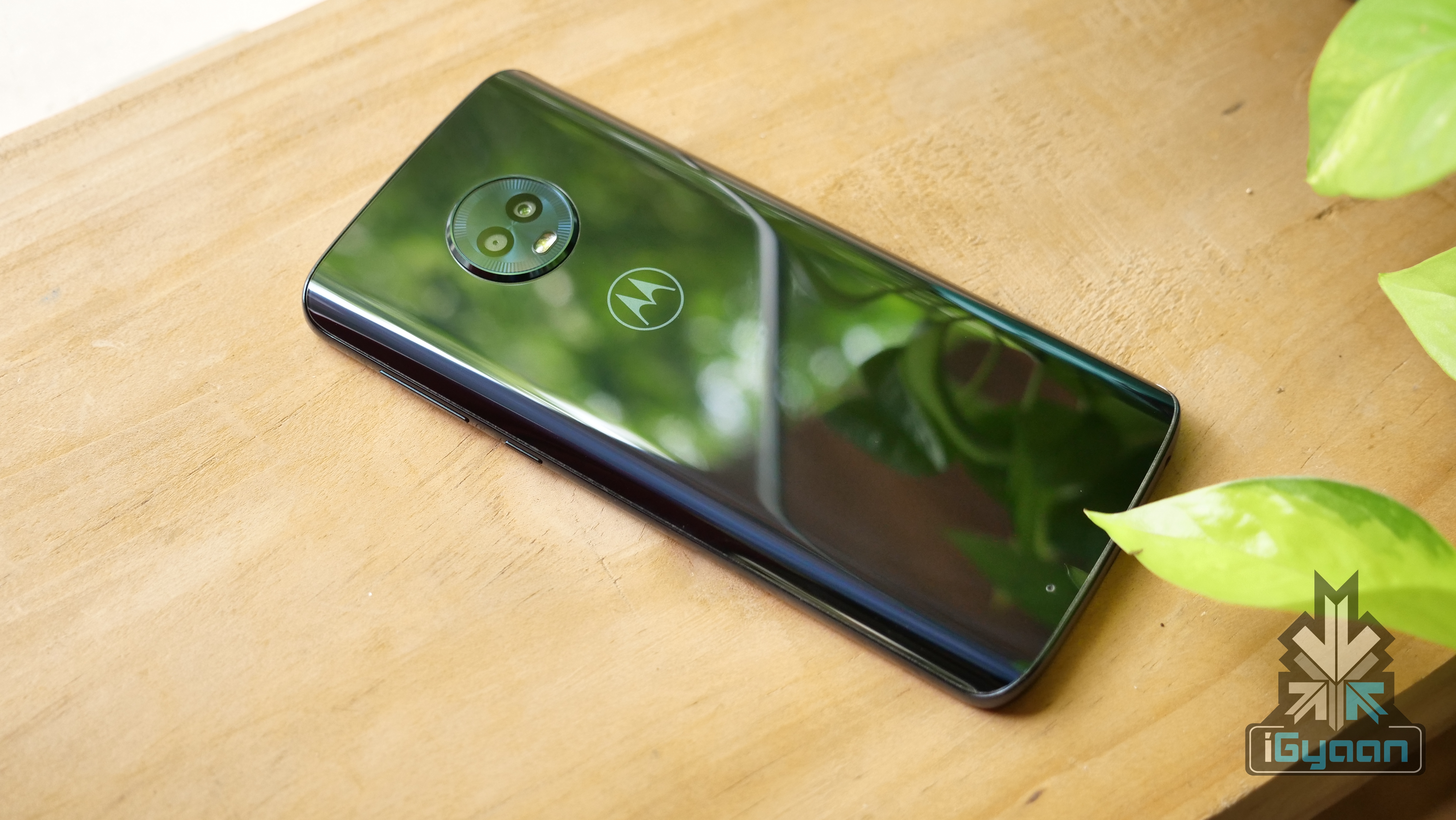
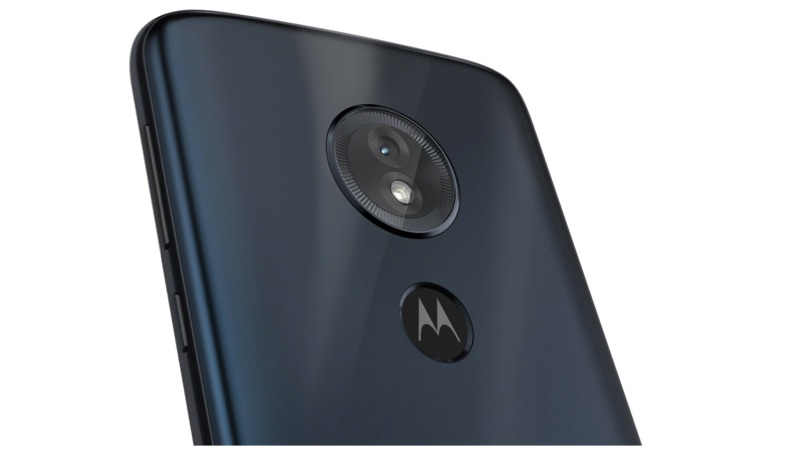
    At the back is a dual camera setup, consisting of a primary 12MP RGB sensor with an f/1.8 aperture along with a 5MP depth sensor with an f/2.2 aperture. Much like previous smartphones from the company, users can apply a depth-of-field effect to a photo after it is shot, thanks to the saved depth information. Users will also get effects like a selective black-and-white mode, a time-lapse feature, face filters, motion photos and visual search for objects and landmarks. The front houses a 16MP camera with an f/2.2 aperture and an LED flash.

    The Moto G6 feels like a worthy upgrade over the Moto G5s. At this price point, however, the consumers also have the options of going for the Redmi Note 5 Pro or the Zenfone Max Pro which are powered by the Snapdragon 636. The G6 does have a better design with its a–glass build but, it’ll be interesting to see how the smartphone is received by the Indian consumers.
  • Moto G6

    Moto G6

    Motorola has launched the sixth generation of its highly successful Moto G series in India. The Moto G6 was globally launched on 19th April in Sao Paulo, Brazil. Over the past few days, Motorola India had been teasing the launch of the Moto G6 on social media. The new Moto G6 succeeds the Moto G5s which was launched in India in August 2017. At a starting price of Rs 13999, the Moto G6 will go on sale on 9th May via Amazon exclusively.

    Buy The Moto G6 Here

    The Moto G6 is a significant upgrade over the Moto G5s in terms of design and build quality. During the Moto G5s launch, there were premium smartphones with the 18:9 aspect ratio but, not many budget devices had adopted the feature. Since then, however, the 18:9 aspect ratio has become the norm across the board. The Moto G6 follows the norm as well and has thin bezels around a display with an 18:9 aspect ratio.

    [section label=”Latest News”]

    Latest News

    [loop included_tags=”40153,40154″ loading=”paged” layout=”c” postsperpage=”6″ disable_ads=”true” disable_excerpt=”true”]

    [section label=”Videos”]

    Videos

  • Moto G6 Play Launched In India For 11999

    Moto G6 Play Launched In India For 11999

    Motorola has launched a “Play” variant in the Moto G series since the Moto G4 Play was unveiled in early-2016. The more affordable of the two smartphones launched today, the Moto G6 Play does not have the same all-glass design and features an HD+ display. The G6 Play will be available in India in two variants at a starting price of Rs 11999 and will go on sale via Flipkart exclusively at midnight on 5th May.

    The USP of Motorola’s “Play” models has been the battery performance and the G6 Play is no different. It features a massive 4000 mAh battery which when coupled with an HD+ display means that in theory, should result in a great battery performance. Like the G6, the G6 Play also has an 18:9 aspect ratio and thin bezels.

    The smartphone has a 5.7 inch IPS LCD display with a 1440 x 720 px resolution. Motorola chose not to give in to the notch trend and many people would appreciate that. The 18:9 aspect ratio means that it has a 75.2% screen-to-body ratio which, interestingly, is slightly higher than Moto G6’s.

    Under the hood, the G6 Play runs on the Qualcomm Snapdragon 427 chipset with four 1.4GHz Cortex A53 Cores (28nm). This chipset is coupled with either 2GB or 3GB of RAM and either 16GB or 32GB of onboard storage. This storage is also expandable via microSD card which will use the second SIM slot. The fingerprint sensor is housed inside the Moto logo on the back while G6 has a front-facing fingerprint sensor.

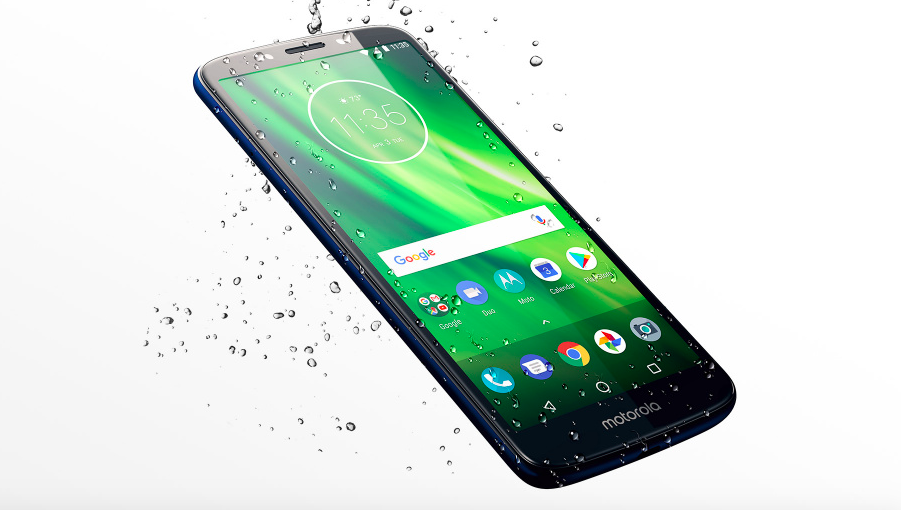
    Moto G6 Play With Water Repellent Coating

    Powering the smartphone is a 4000 mAh battery which charges via micro USB port. The micro USB port means that it also gets a slower 10W charging.

    To the back is a 13MP camera with an f/2.0 aperture and an LED flash. The camera is capable of recording 1080P video at 30fps. The front of the device is a 5MP camera with an LED flash,

    The G6 Play will be up against the likes of the Redmi Note 5 and Honor 9 Lite which offer, at least on paper, much more at this price range in terms of specifications. The G6 Play’s battery is also matched by the Redmi Note 5 which has the Snapdragon 625. The smartphone goes on sale at midnight tonight at a price of Rs 11999.

  • Moto G6 Launched In India Starting Rs 13999

    Moto G6 Launched In India Starting Rs 13999

    Motorola has launched the sixth generation of its highly successful Moto G series in India. The Moto G6 was globally launched on 19th April in Sao Paulo, Brazil. Over the past few days, Motorola India had been teasing the launch of the Moto G6 on social media. The new Moto G6 succeeds the Moto G5s which was launched in India in August 2017. At a starting price of Rs 13999, the Moto G6 will go on sale on 5th May midnight via Amazon exclusively.

    Buy The Moto G6 Here

    The Moto G6 is a significant upgrade over the Moto G5s in terms of design and build quality. During the Moto G5s launch, there were premium smartphones with the 18:9 aspect ratio but, not many budget devices had adopted the feature. Since then, however, the 18:9 aspect ratio has become the norm across the board. The Moto G6 follows the norm as well and has thin bezels around a display with an 18:9 aspect ratio.

    Motorola has also moved on from metal unibody build quality. The Moto G series came to the fore for providing quality products at an affordable price. The Moto G6 follows the same philosophy with the new all-glass design. The Honor 9 Lite did it first and the Moto G6 has followed suit. There is Corning Gorilla Glass 3 on the front and back for added protection.

    The G6 has a 5.7 inch LCD display with a 2160×1080. This translates into an 18:9 aspect ratio and thankfully for many, it doesn’t have a notch.

    Under the hood, the smartphone runs on the Snapdragon 450 chipset which has eight 1.8GHz Cortex A53 Cores (14nm) and is basically the rebranded Snapdragon 625. The Adreno 506 GPU adds the graphical prowess with either 3GB or 4GB RAM option bundled with a 32GB or 64GB storage option.

    The Moto G6 does get the USB C charging capabilities along with a 15W charger, which is bundled with a 3000mAh battery. The G6 will run close to stock Android 8 Oreo out of the box in typical Motorola fashion. There were talks of Motorola adopting Lenovo’s custom skin for the G and E series in 2018 but, it turned out to be a hoax.

    At the back is a dual camera setup, consisting of a primary 12MP RGB sensor with an f/1.8 aperture along with a 5MP depth sensor with an f/2.2 aperture. Much like previous smartphones from the company, users can apply a depth-of-field effect to a photo after it is shot, thanks to the saved depth information. Users will also get effects like a selective black-and-white mode, a time-lapse feature, face filters, motion photos and visual search for objects and landmarks. The front houses a 16MP camera with an f/2.2 aperture and an LED flash.

    The Moto G6 goes on sale at midnight on 5th June and at a price of Rs 13999, it competes with the likes of Redmi Note 5 Pro, Zenfone Max Pro and Realme 1. Although the G6 will be the most accessible thanks to no flash sales but, with a Snapdragon 450 up against the likes of Snapdragon 636, it’ll be interesting to see how many people go for the Moto G6.

  • Apple iPhone SE 2 Screen Protector Reveals A Smaller iPhone X Like Notch

    Apple iPhone SE 2 Screen Protector Reveals A Smaller iPhone X Like Notch

    The existence of an iPhone SE successor has been under scrutiny over the past few months. Up until a day ago, it was anticipated that the iPhone SE 2 will launch bef0re WWDC 2018. However, that seems highly unlikely as the conference is just 4 days away. That uncertainty has not stopped people from posting sketchy images of screen protectors claiming it to be iPhone SE 2’s.

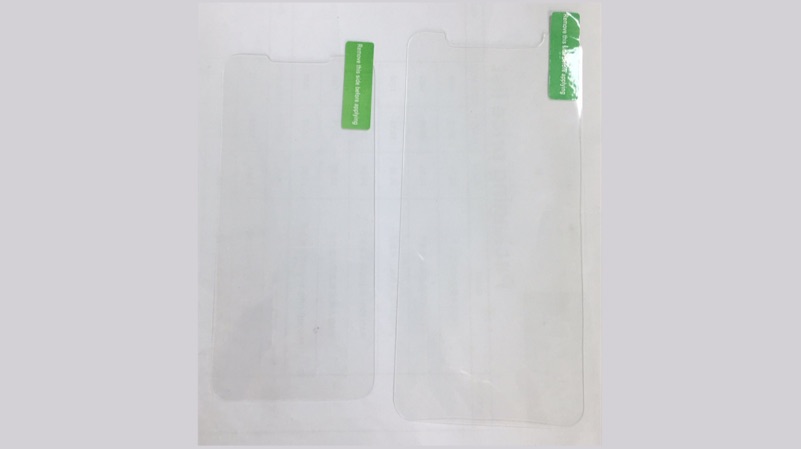
    A new image of two screen protectors has surfaced online which claims to reveal the design of the iPhone SE 2. The image has the iPhone SE 2 screen protector next to an iPhone X’s screen protector. The notch on the iPhone SE 2 is smaller than the iPhone X’s but, it is certainly prominent. What this means for Face ID is a different case altogether.

    [amazon_link asins=’B072LPF91D’ template=’ProductAd’ store=’igyaan-21′ marketplace=’IN’ link_id=’06b1326d-6582-11e8-a420-27f34afb2d6b’]

    If Apple could make a smaller notch for iPhone without compromising on the technology it houses, it would have. The fact that the iPhone SE 2 could have a smaller notch means that Apple is doing that to maintain a design uniformity more than anything else. It will be interesting to see if Apple incorporates Face ID in a smaller notch.

    A report by Bloomberg claims that the WWDC 2018 will only focus on Apple’s software advancements. Unlike last year, there will be no announcements pertaining to the company’s Mac lineup. Apple is working on refreshes to the MacBook Pro and 12-inch MacBook with new Intel chipsets and is planning a new low-cost laptop to succeed MacBook Air. However, these won’t be ready until later this year. Even the iPad Pro with Face ID will launch later in the year and won’t be announced at WWDC.

    Whatever the design of the iPhone SE 2 will be, we won’t know for sure until its official launch. The iPhone SE 2 could launch later in the year with along with the new iPad Pro and MacBooks. Stay tuned for all the coverage of the World Wide Developer’s Conference that commences on June 4th.

  • Motorola One Power Leaked In Live Images

    Motorola One Power Leaked In Live Images

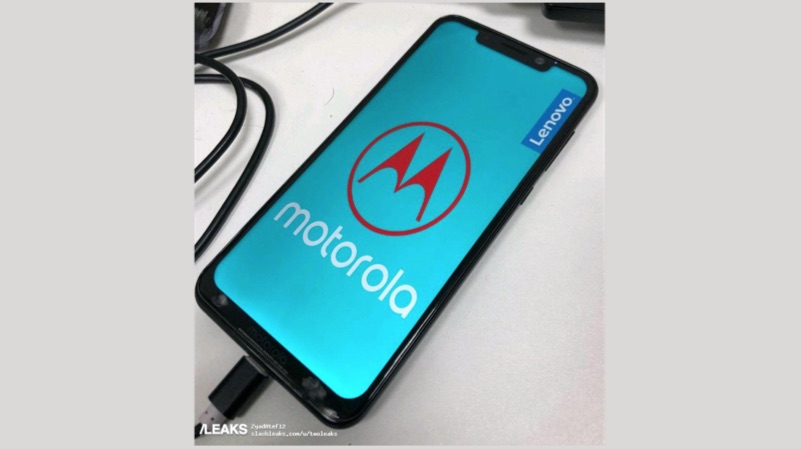
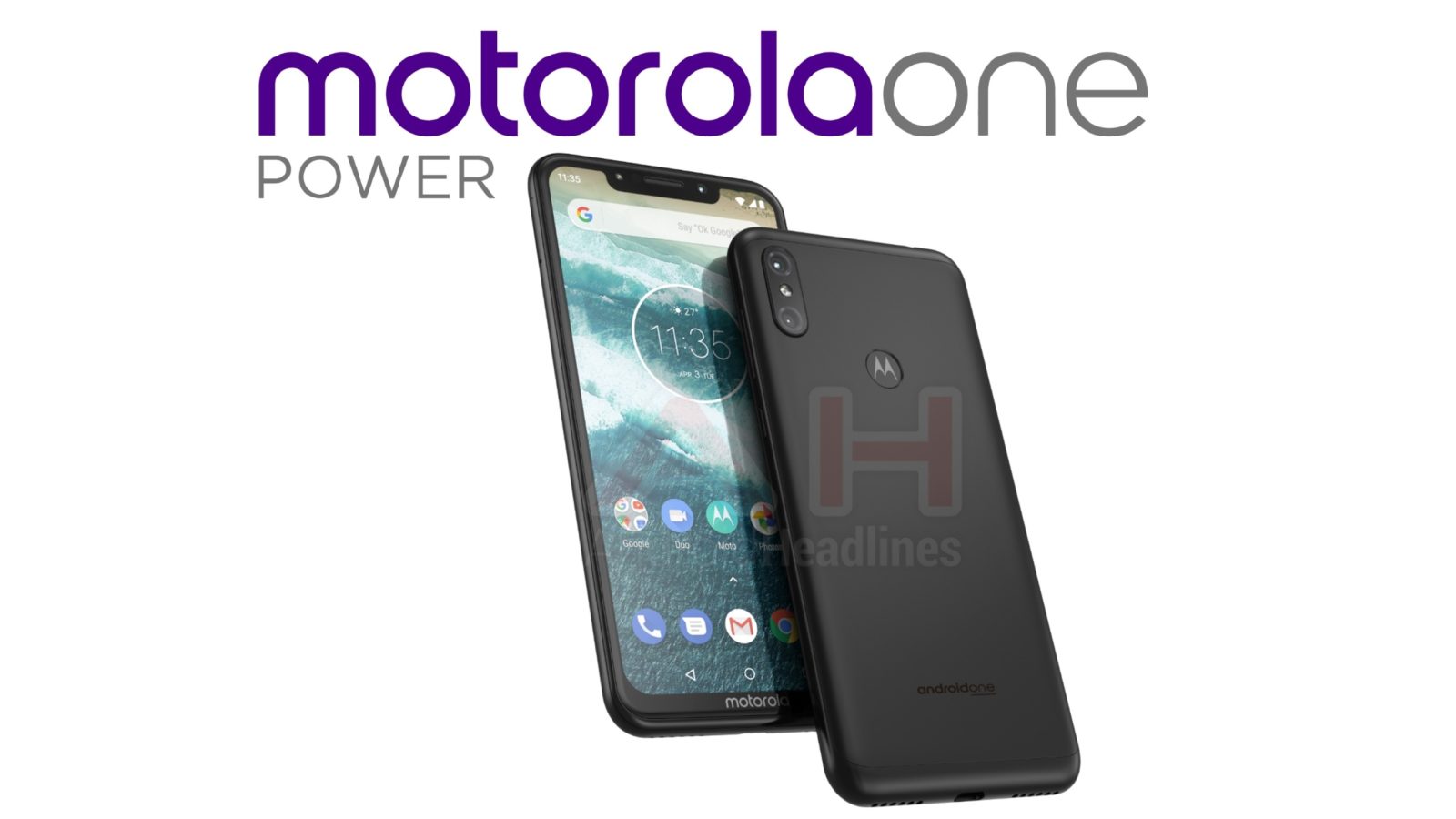
    A couple of days ago, we came across a render of an upcoming Moto device, the Motorola One Power. The smartphone is touted to be Motorola’s entry into the world of notched smartphones. According to the render, the Motorola One Power will have an iPhone X-style wide notch. A new live image has now appeared online which could be the final design of the Motorola One Power. The image is in line with the previously leaked render.

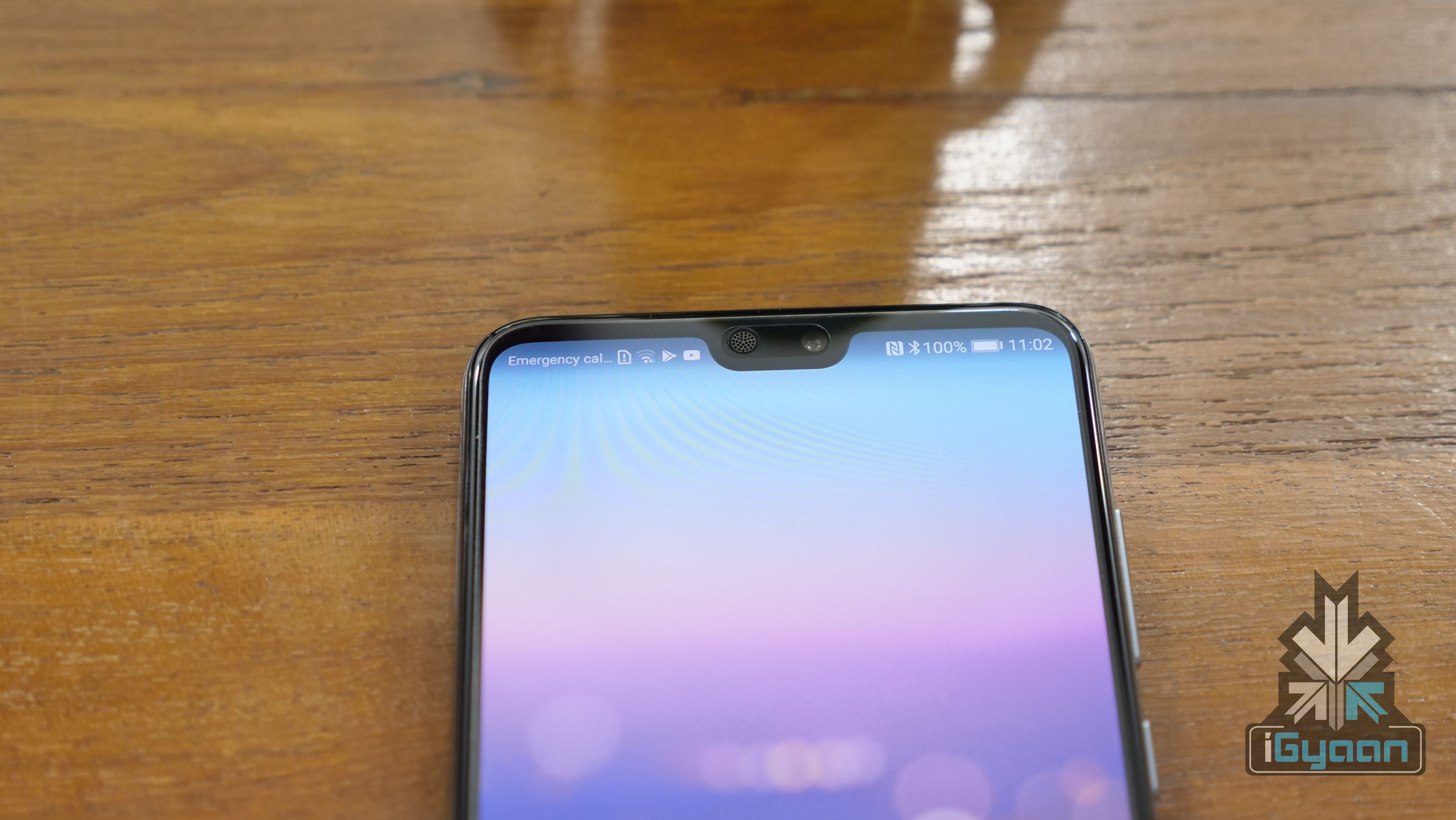
    According to the leaked image, the Motorola One Power will have a wide iPhone X style notch. So far, we have seen Android smartphone makers go for a very thin notch, like the OnePlus 6 and Huawei P20 Pro. The recently launched Mi 8 has a wider notch but, that is mainly because it has 3D facial recognition. It is highly unlikely that the Motorola One Power will feature any sort of 3D Face Unlock feature. This notch could just be a design decision more than anything else.

    The reason the iPhone X was not slated too much for its notch was that Apple managed to get rid of the chin. Android OEMs have embraced the notch but, not found a way to get rid of the chin. The Motorola One Power is no different here. The chin on the Motorola One Power is very prominent and sort of resembles the Pixel 2 XL albeit, a missing speaker.

    Must Read: Apple iPhone SE 2 Won’t Launch At WWDC 2018

    As many would have guessed it by now, the name of the smartphone suggests that it’ll be an Android One device. The Motorola One Power could be the first Android One smartphone with a notch. This should not be an issue in terms of app compatibility since Google has provided support for the notch in the developer’s preview of Android P.

    There is also a high probability of this being a repackaged Moto X5. Long before the launch of the Moto G6 series, a series of leaks revealed the design of the upcoming Moto X5 with a similar notch. There is a possibility that Motorola will rebrand the Moto X5 as the Motorola One Power to market it as an Android One smartphone.

    It is possible the Motorola One Power will be unveiled after the Moto Z3 Play will launch in early-June. We will keep you updated with all there is to know about the new Motorola smartphone.

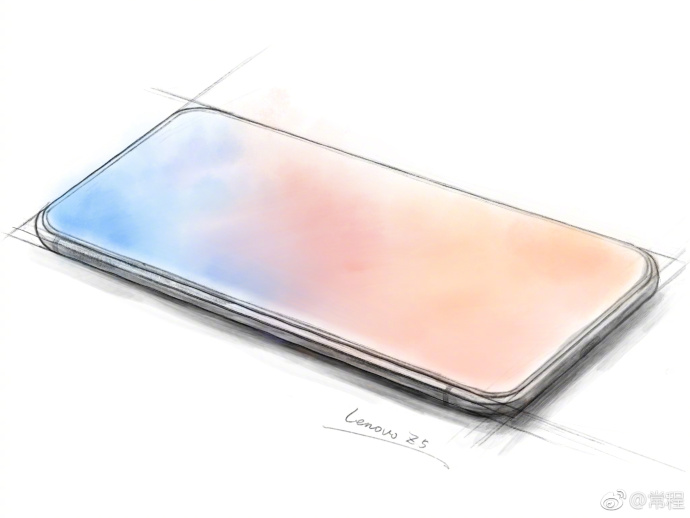
  • Lenovo Z5 Renders Reveal A Bottom-Placed Front Camera And A Tiny Chin

    Lenovo Z5 Renders Reveal A Bottom-Placed Front Camera And A Tiny Chin

    Up until now, Lenovo’s VP has been our sole source of information about the Lenovo Z5. Chang Cheng has been actively posting bits and pieces of the Z5 that have so far impressed everyone. The launch of the smartphone is set for June 5th and we still don’t have any concrete leaks of the device. This is very unusual for a modern-day smartphone and proves that Lenovo is doing everything it can to keep the Z5 a secret. However, we do have a couple of press renders of the Lenovo Z5 giving us a clearer look at the soon to be launched flagship smartphone.

    Must Read: Xiaomi Mi 8 Officially Launched With 3D Face Unlock

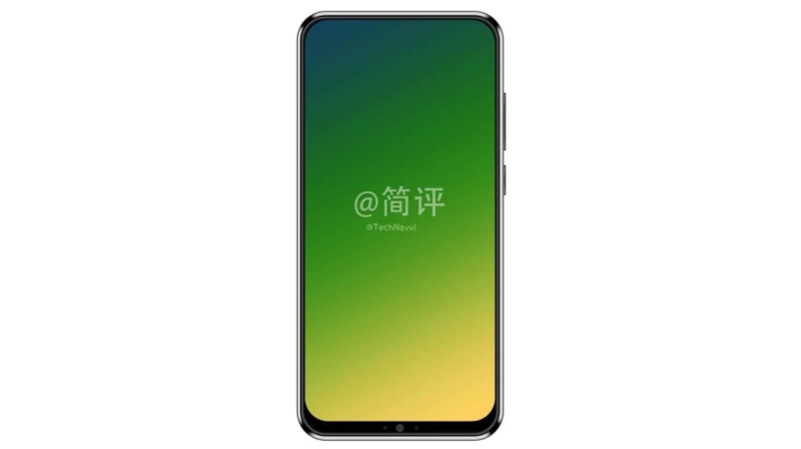
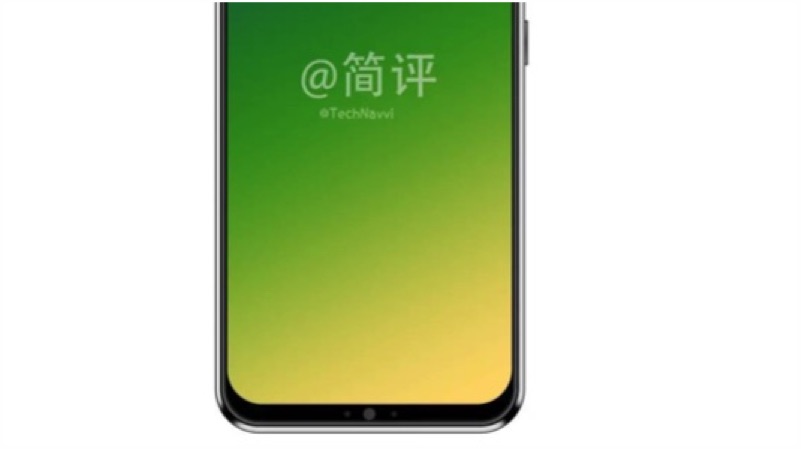
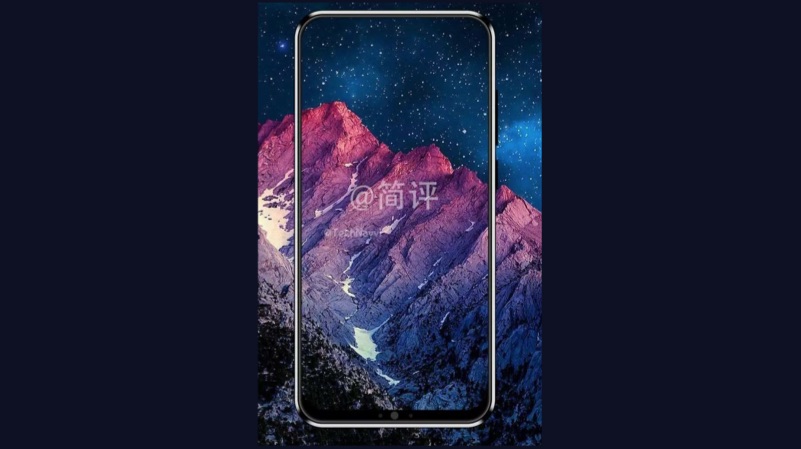
    The renders posted on Weibo are in line with the teasers posted by Chang Cheng. The Lenovo Z5 will have a nearly bezel-less design with a tiny chin. Ever since the first teaser was released, there were speculations about the placement of the front-facing camera. Many believed that Lenovo would use a pop-up camera like the Vivo APEX, or some other unique implementation. This render appears to quash those claims as the camera is placed on the chin of the Z5.

    This implementation is very similar to Xiaomi’s Mi MIX lineup. The Mi MIX devices have thin uniform bezels on three sides while all the sensors and the camera are placed on the slightly thicker chin. The Lenovo Z5’s chin is definitely thinner than any of the Mi MIX smartphones, hence, the company claims a whopping 95% screen-to-body ratio. It also appears that all the necessary sensors will be placed on the chin itself.

    Must Read: Lenovo Z5 Will Have A World-First 4TB Of Onboard Storage

    The earpiece is nowhere to be seen in the renders. This could mean that Lenovo has taken another hint from Xiaomi and gone the Mi MIX route for the earpiece. The renders again show that the Lenovo Z5 will have a stunning design albeit, an awkwardly placed front-camera. Whether this is the final design of the smartphone is yet to be seen. We expect more leaks and renders to surface online as we move closer to the launch event.

  • Apple iPhone SE 2 Won’t Launch At WWDC 2018

    Apple iPhone SE 2 Won’t Launch At WWDC 2018

    Apple will hold its annual developer’s conference in early-June in San Jose, California. The World Wide Developer’s Conference has historically revolved around Apple’s multiple operating systems rather than hardware. However, Apple has managed to unveil a few hardware products at these conferences. The iPhone SE 2 was long rumoured to launch before WWDC 2018 or at least, at WWDC. That, however, seems highly unlikely.

    [amazon_link asins=’B072LPF91D’ template=’ProductAd’ store=’igyaan-21′ marketplace=’IN’ link_id=’1d5a625b-6558-11e8-82fb-75ec7e1fabab’]

    A new report by Bloomberg claims that the WWDC 2018 will only focus on Apple’s software advancements. Unlike last year, there will be no announcements pertaining to the company’s Mac lineup. Apple is working on refreshes to the MacBook Pro and 12-inch MacBook with new Intel chipsets and is planning a new low-cost laptop to succeed MacBook Air. However, these won’t be ready until later this year. Even the iPad Pro with Face ID will launch later in the year and won’t be announced at WWDC.

    The Apple iPhone SE 2 too, won’t be on Apple’s agenda for WWDC 2018. The successor to the highly popular iPhone SE has been anticipated for a long time. The leaks and renders of the smartphone have been polarising to the say the least but, there has at least been chatter about its existence. It seems unlikely that Apple will launch 4 iPhones at its September event. Which means that if not WWDC, the iPhone SE 2’s launch could be further pushed to March 2019.

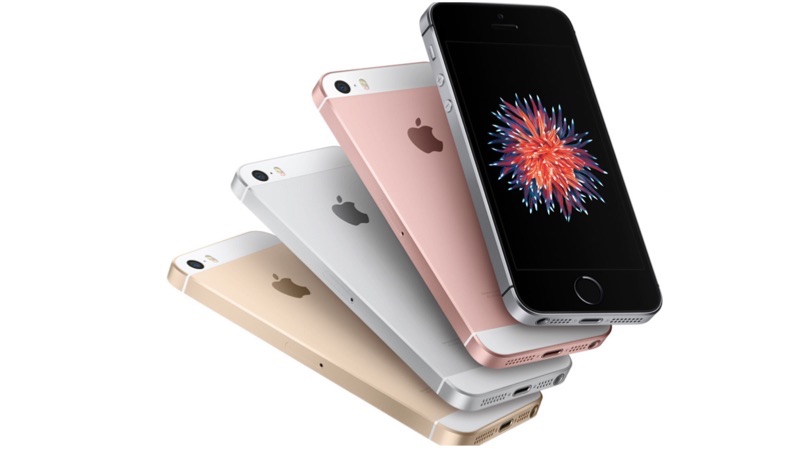
    The iPhone SE was launched in March 2016. The iPhone SE 2 has been rumoured to launch in May but, that ship has sailed with the passing of the month. While an upgraded iPhone SE 2 would be beneficial for a lot of users, whether Apple wants to put time and money into a non-flagship iPhone is a different question. Question marks regarding the design of the iPhone SE 2 have only increased with time. With some leaks suggesting a radical new design and others claiming that it won’t look too different from the iPhone SE.

    Must Read: Apple iPhone X Plus Will be The Same Size As iPhone 8 Plus

    Whatever the design of the iPhone SE 2 will be, we won’t know for sure until its official launch. Apple might spring a surprise and launch it at WWDC 2018 or, it could be a part of an event where the new iPad Pro and MacBooks are unveiled. Stay tuned for all the coverage of the World Wide Developer’s Conference that commences on June 4th.

  • Xiaomi Mi 8 SE Running On Snapdragon 710 Officially Launched

    Xiaomi Mi 8 SE Running On Snapdragon 710 Officially Launched

    Xiaomi launched the Mi 8 to celebrate its 8th anniversary at an event in China. At the same event, the company also unveiled a special edition of the Mi 8, the Xiaomi Mi 8 SE. Up until a few days ago, there was hardly any chatter of Xiaomi launching two version of the Mi 8. However, the leaks started pouring just few days before the launch and the company confirmed all the rumours at its May 31st launch.

    The Xiaomi Mi 8 SE resembles the nomenclature Apple went with when it launched smaller version of a flagship iPhone. Apple launched the iPhone SE and just like the iPhone SE, the Mi 8 SE is a smaller version of the flagship Mi 8. This hardly comes as a surprise as Xiaomi has historically taken “inspiration” from Apple in terms of design, nomenclature and software as well. Shades of iOS are still are evident in MIUI.

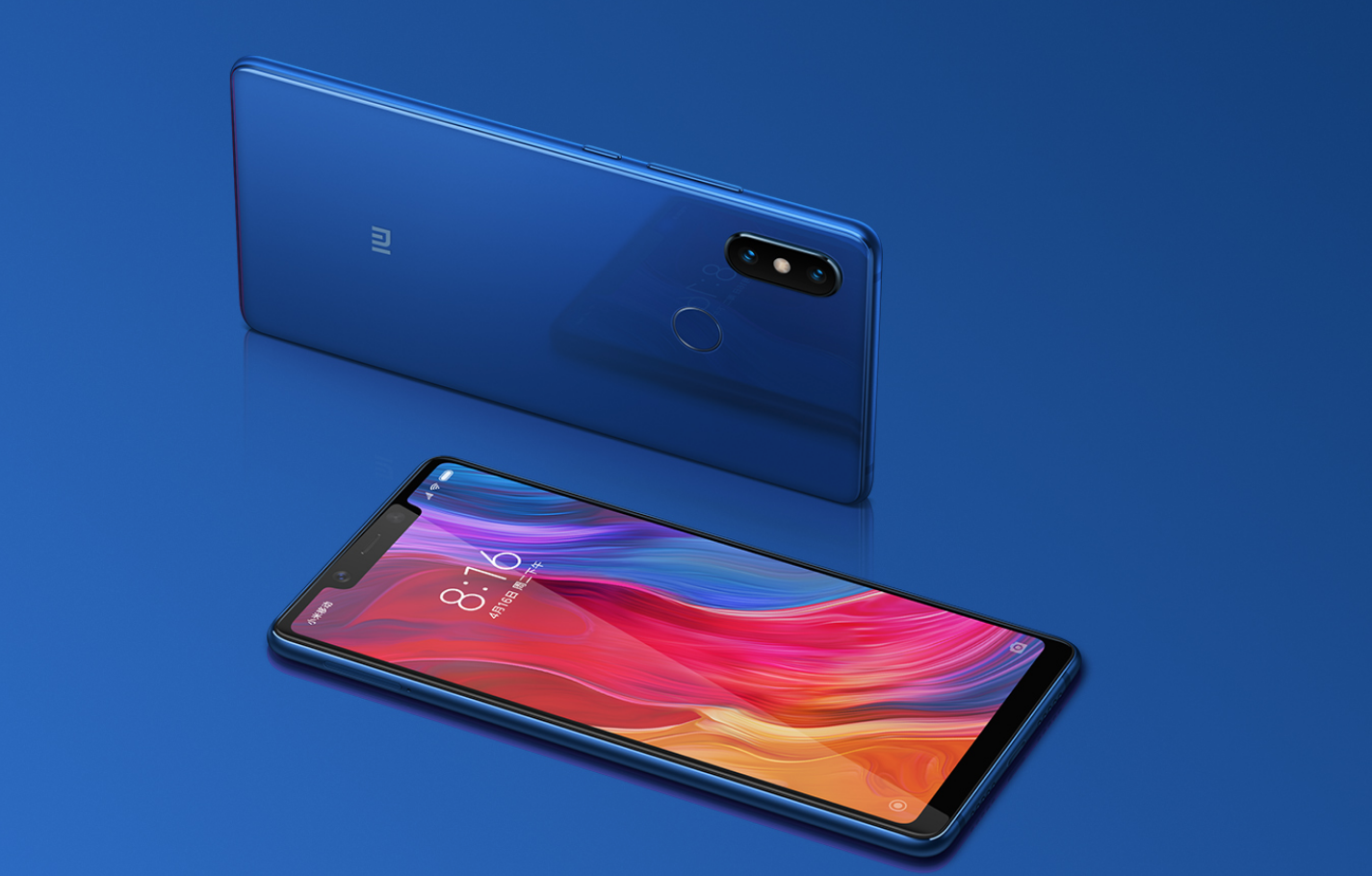
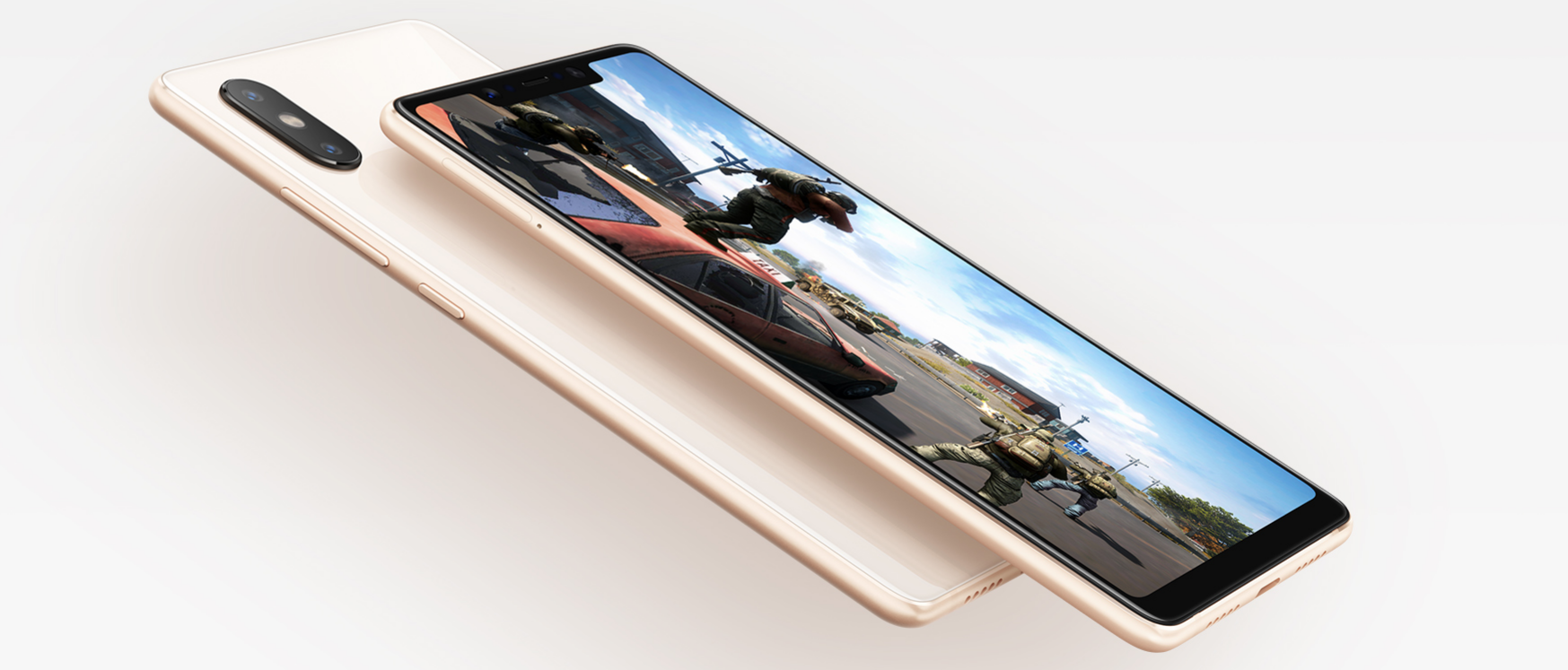
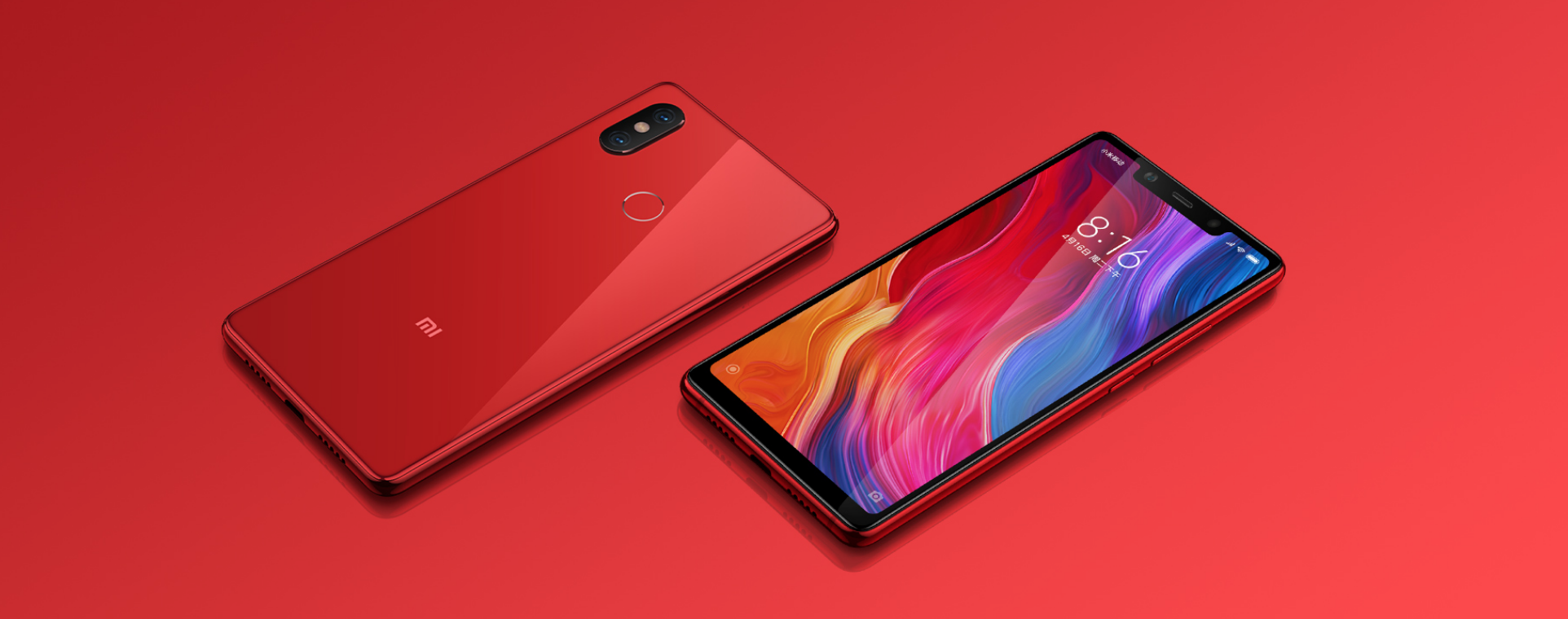
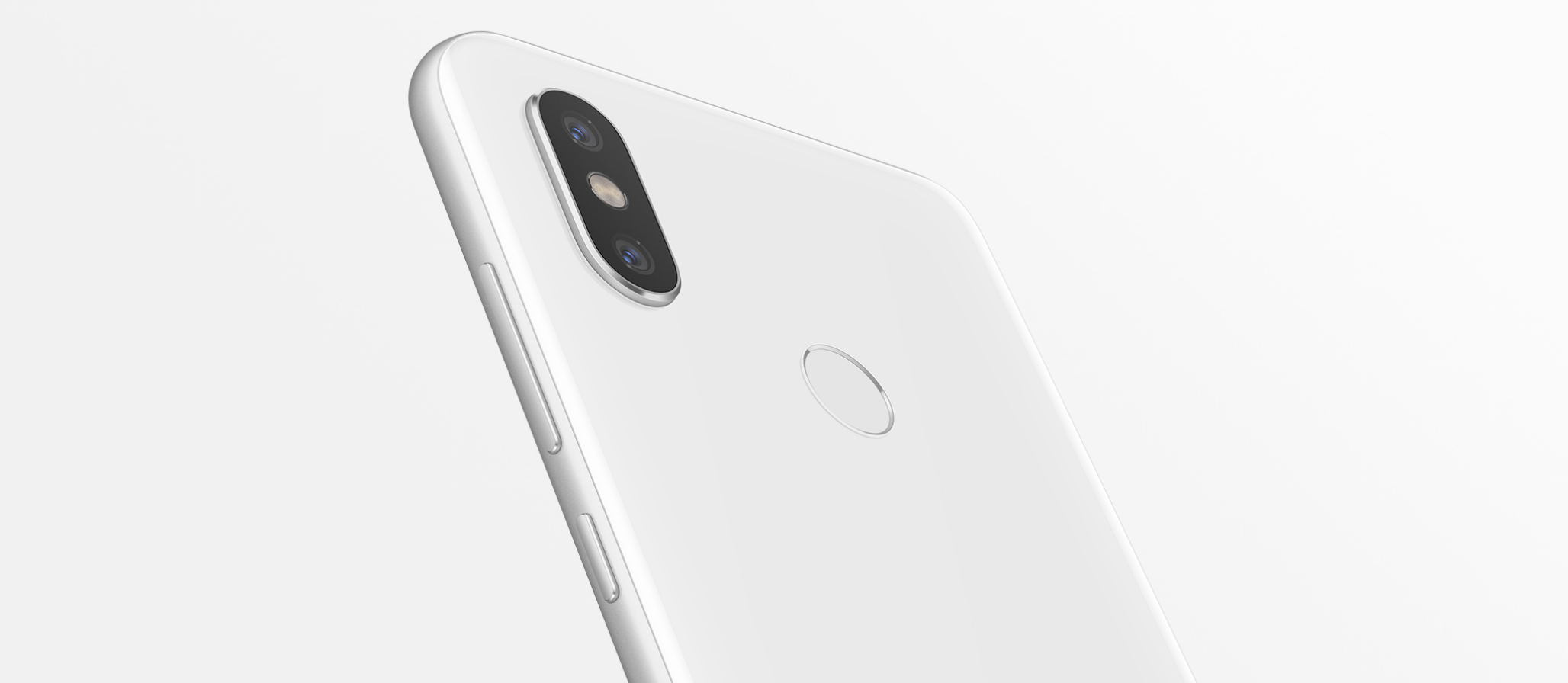
    The Xiaomi Mi 8 SE is priced at CNY 1,799 (Rs 19000 approx.) for the 4GB RAM variant and CNY 1999 (Rs 21000) for the 6GB RAM variant. The design of the Mi 8 SE remains similar to the Mi 8. It has a big notch on the display, similar to the iPhone X and a vertically placed dual-camera setup on the back. The notch on the Mi 8 SE is disappointing to say the least. Unlike the Mi 8, the SE does not have the technology for 3D facial recognition. This means that the company could have done away with the notch for this ‘Special Edition’ variant.

    The Mi 8 SE has a 5.88 inch Super AMOLED display with a 2248 x 1080 px resolution. The aspect ratio is 18.7:9, which is the same as the Mi 8. The Mi 8 SE retains the glass back panel and the aluminium frame, which means that even though it has downgraded hardware, the design and build quality is as good as the flagship Mi 8.

    Under the hood, the smartphone runs on the Qualcomm Snapdragon 710 chipset. It is worth noting that the Xiaomi Mi 8 SE is the first-ever smartphone to be powered by Qualcomm’s new mid-range chipset. The Mi 8 SE will be available in two variants, one with 4GB RAM and 64GB storage and the other one with 6GB of RAM and 128GB of onboard storage. Powering the smartphone will be a 3120 mAh battery with QuickCharge 3.0.

    To the back of the smartphone is a 12MP RGB sensor with an f/1.9 aperture mated with a 5MP depth sensor with an f/2.0 aperture. To the front is a 20MP camera with a 2-micron pixel size and and f/2.0 aperture. Just like the Mi 8, the Mi 8 SE also has AI features like scene detection for better photography in the auto mode.

    The Xiaomi Mi 8 SE has a great price and design. It is to be seen, however, how the Snapdragon 710 performs in the real world since no other smartphone has been launched with this SoC before. Will it make its way to other countries like India? Only time will tell. c

  • Xiaomi Mi 8 Officially Launched With 3D Face Unlock

    Xiaomi Mi 8 Officially Launched With 3D Face Unlock

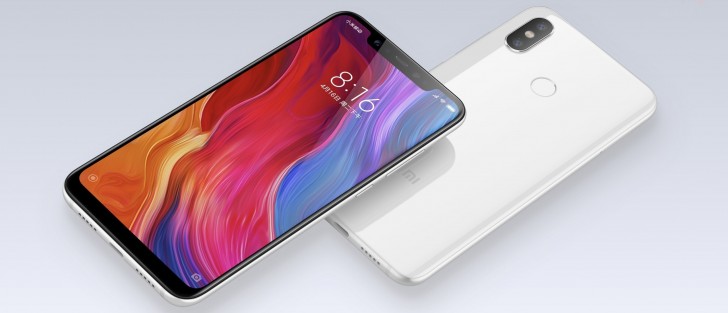
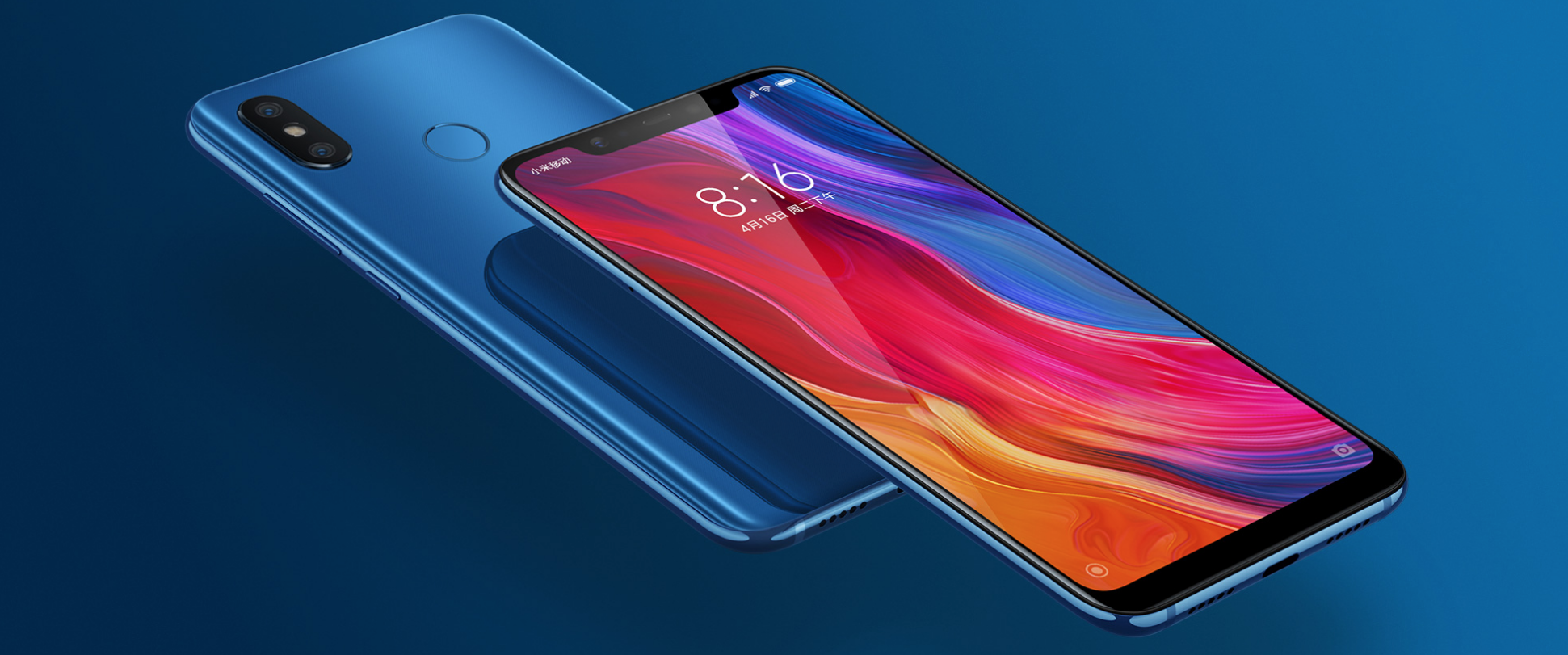
    Xiaomi hosted its 8th anniversary launch event in China and unveiled a plethora of devices. The most anticipated device to launch at the event was the Xiaomi Mi 8. For weeks there were rumours about the Mi 8 being the first Android smartphone to launch with a Face ID-like facial recognition system and even feature an in-display fingerprint sensor. All these rumours were put to rest by Xiaomi and the Mi 8 looks like the best iPhone X recreation yet.

    The Mi 8 will be available in three variants in China. The 6GB RAM/64GB storage is priced at CNY2,699 (Rs 28400 approx.), the 6GB RAM/128GB storage model will cost CNY2,999 (Rs 315000) and the priciest version will retail for CNY 3299 (Rs 34700 approx.) with the same RAM and 256GB storage. It goes on sale in China on June 5th via its official online and offline stores.

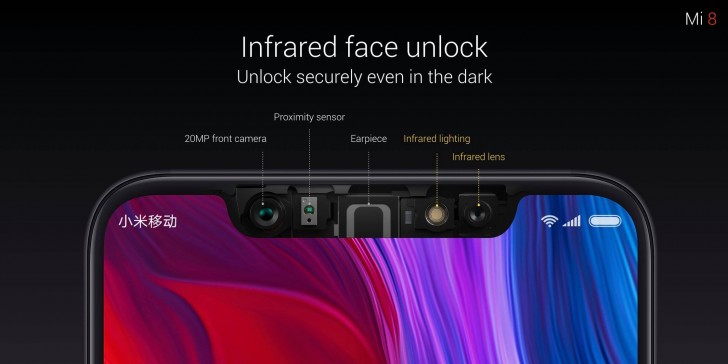
    The Mi 8 is Xiaomi’s first smartphone to sport a notch, a trend slowly becoming the norm. The Mi 8’s notch, however, should not disappoint a lot of people since it solves a purpose, just like the iPhone X’s notch does. As we have been speculating for weeks, the Mi 8 is indeed the first Android smartphone to feature 3D facial recognition which means Xiaomi had to incorporate more sensors than usual in the notch.

    The Xiaomi Mi 8 is also the first smartphone with Dual GPS technology. The dual GPS technology doesn’t use the L1 frequency like other smartphones. It instead uses the L5 frequency usually used by the aeronautical industry. According to Xiaomi, the dual-frequency GPS detects the location more accurately by eliminating radio disturbances from buildings. It also reduces signal delays, making navigation faster.

    The Xiaomi Mi 8 has a 6.21 inch Super AMOLED display (by Samsung) with a 2248 x 1080 px resolution. The unusual resolution is a result of an 18.7:9 aspect ratio. Xiaomi, like OnePlus, has stuck to a FullHD+ resolution instead of a QuadHD+ resolution found in devices like the Galaxy S9.

    Under the hood, the smartphone runs on the Snapdragon 845 chipset with 6GB of RAM coupled with 64GB/128GB/256GB of onboard storage. The onboard storage will not be expandable, which has been the case for flagship Xiaomi devices for a while. The fingeprint sensor is placed on the back of smartphones, giving users an option to choose between Face Unlock and a fingerprint sensor.

    Powering the smartphone will be a 3400 mAh battery which charges via USB C port. Despite the glass back, the Xiaomi Mi 8 does not have wireless charging. Out of the box, the Mi 8 will run Android 8.1 Oreo with the new MIUI 10 on top. MIUI 10 was also announced at the same event and comes with Xiaomi’s own Xiao Ai smart assistant, similar to Google Assistant and Siri.

    The vertically-placed dual-camera setup is also reminiscent of the iPhone X. However, Xiaomi appears to have adopted the design for its 2018 lineup of smartphones. To the back is a primary 12MP RGB sensor with an f/1.8 aperture coupled with a 12MP telephoto lens with an f/2.4 aperture and 1-micron pixel size. The notch houses a 20MP AI camera with an f/2.0 aperture. Just like the iPhone X, it also has a portrait lighting feature and Xiaomi’s own take on the animojis.

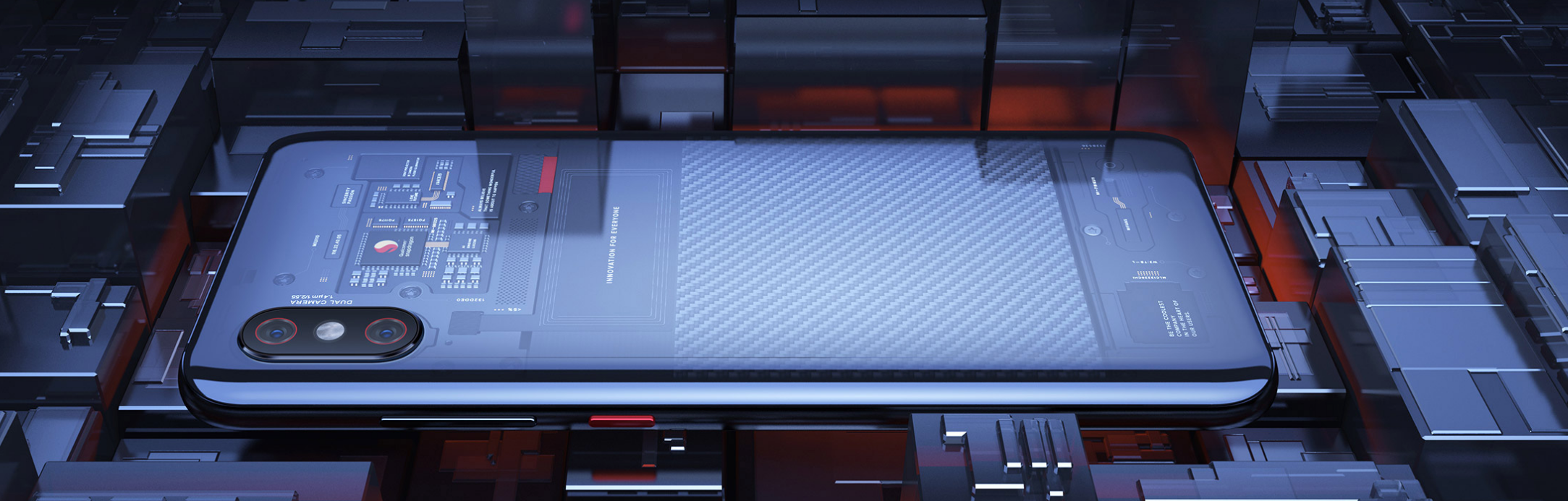
    The company went a step further and launched a special edition Mi 8 as well. The Xiaomi Mi 8 Explorer Edition has an in-display fingerprint sensor which the company claims is faster than Vivo’s. It is also the first-ever smartphone with a pressure sensitive fingerprint sensor. The specifications remain the same as the Mi 8 but, the rear-facing fingerprint sensor disappears. The back of the device has a transparent glass that gives a peek to the internals of the device.

    The Mi 8 Explorer Edition is priced at CNY3,799 (Rs 40000 approx.) and will be available in the 6GB RAM/128GB storage variant only.

    The Xiaomi Mi 8 has a big notch like the iPhone X and follows an industry-wide trend. However, the notch has a reason to exist as it is the first-ever Android smartphone to feature 3D facial recognition technology. With it being a world-first, we expect the company to launch it in other major markets like India. There are no details about it yet and we shall keep you posted on any developments regarding the matter.

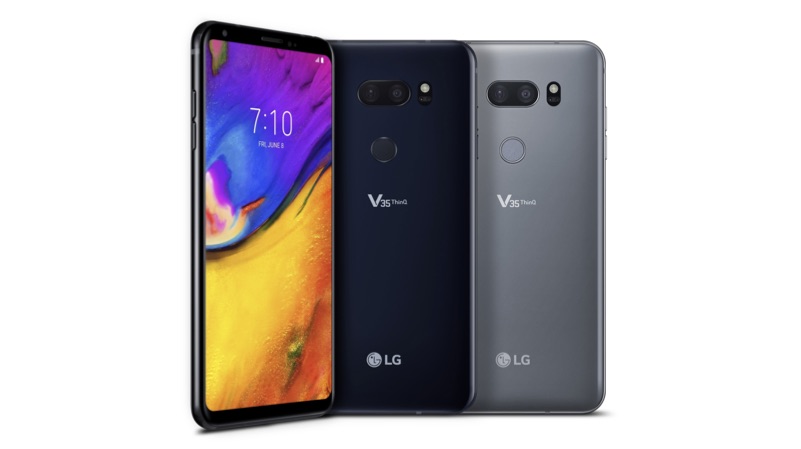
  • LG V35 ThinQ Without A Notch Launched Starting US$ 900

    LG V35 ThinQ Without A Notch Launched Starting US$ 900

    LG has launched a second flagship smartphone in the space of one month. Rather quietly, the company unveiled the LG V35 ThinQ which will go on sale in the US on June 8th for a starting price of US$ 900 (Rs 61000 approx.). The smartphone is identical to the LG V30 ThinQ which in turn, looked exactly like the LG V30 which was launched on August 31st at IFA 2017. The V35 ThinQ with its unusually large name is part of LG’s revamped launch strategy wherein the company would launch a smartphone if and when required rather than following a fixed pattern.

    Apart from the new Snapdragon 845 SoC, the specifications remain the same as the LG V30 ThinQ. The display, the battery, the build quality is exactly like its predecessor, which was launch at MWC 2018 in February. The camera department sees an improvement as well since the V35 ThinQ has the same camera implementation as the LG G7 ThinQ.

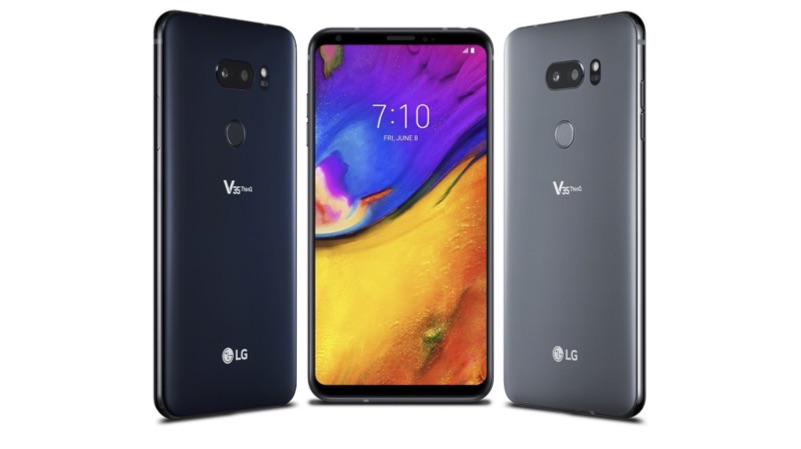
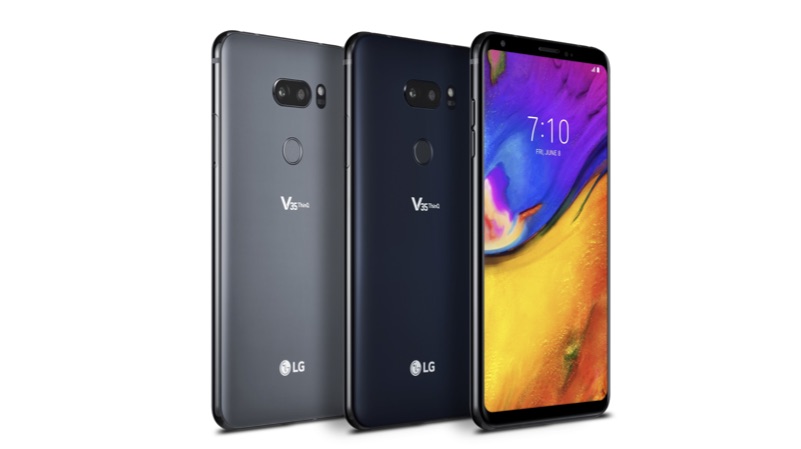
    The LG V35 ThinQ has a 6 inch OLED display with a 2880 x 1440 px resolution. The 18:9 aspect ratio means that the smartphone does not have a notch unlike the LG G7 ThinQ. This should please the notch haters even though it’s evident that the notch is what’s trending right now.

    Must Read: Lenovo Z5 Will Offer 30 Minutes Of Talk Time At 0% Battery

    Under the hood, the smartphone runs on the Qualcomm Snapdragon 845 chipset coupled with 6GB of RAM and 64GB or 128GB of onboard storage. The storage is expandable up to 2TB via microSD card. The fingerprint sensor is placed on the back which also doubles up as a power button. LG again differentiates between the G7 ThinQ and V35 ThinQ here as the G7 has a side-mounted power button and even a Google Assistant button.

    Powering the device is a 3300 mAh battery with wireless charging QuickCharge 3.0. Out of the box, the LG V35 ThinQ will run Android 8.0 Oreo with LG’s own custom skin on top. As the ‘ThinQ’ moniker suggests, there will be a lot “AI features” within the UI and camera app.

    To the back of the smartphone is a horizontally-placed dual-camera setup. The primary 16MP wide-angle sensor has an f/1.9 aperture while the secondary 16MP RGB sensor has an f/1.6 aperture. To the front of the device is an 8MP camera with an f/1.9 aperture. There will be a lot of AI features within the camera app like scene detection for a better user experience.

    The LG V35 ThinQ seems like an amalgamation of the V30 and G7 ThinQ. The design might please the notch haters but, in the world of the OnePlus 6 and Galaxy S9, it’ll be interesting to see how many people opt for an LG flagship smartphone now.

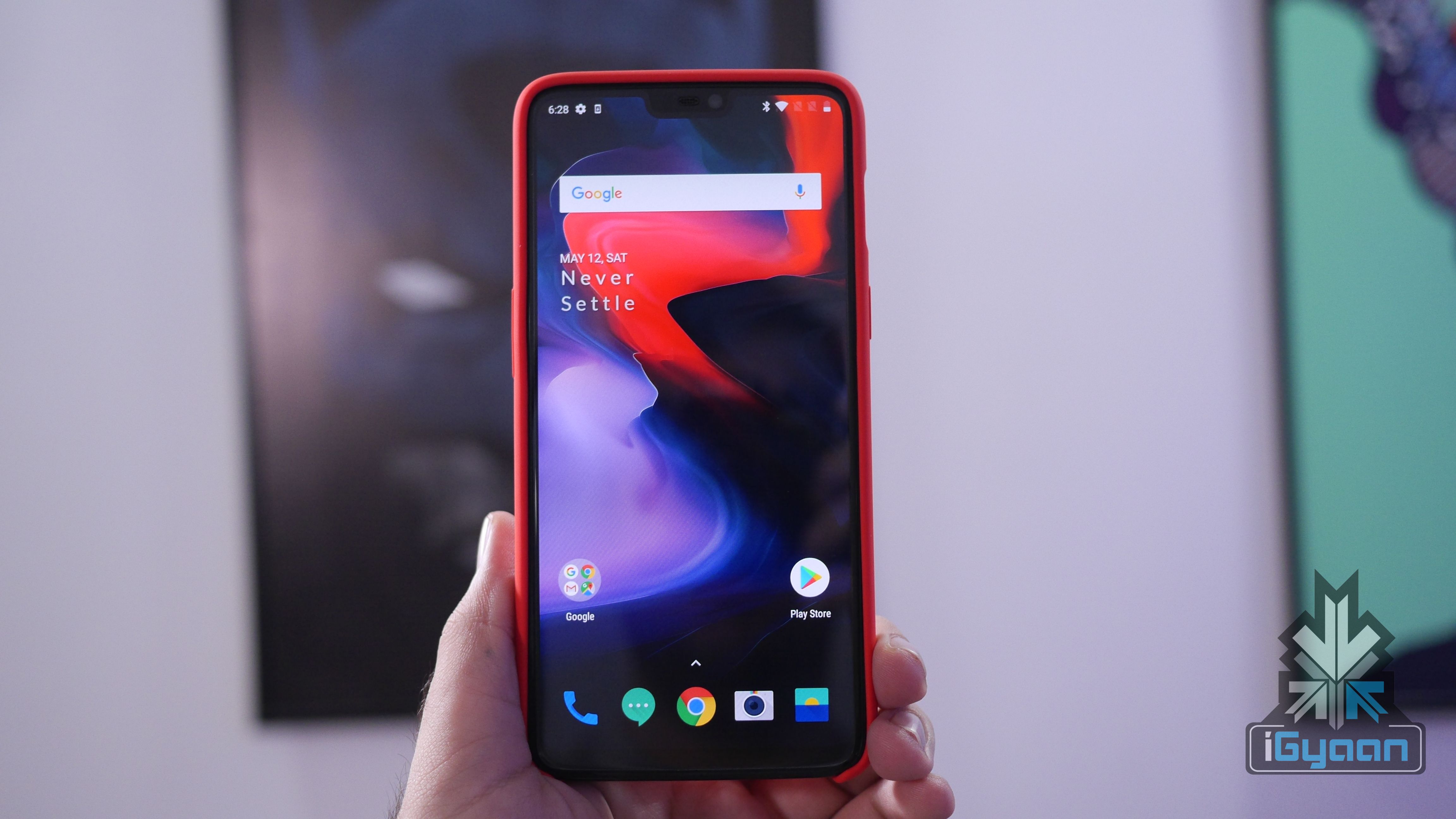
  • OnePlus 6 Face Unlock Bypassed By A Printed Photo

    OnePlus 6 Face Unlock Bypassed By A Printed Photo

    The OnePlus 6 was launched in India on May 17th at a starting price of Rs 34999. While the smartphone looks and feels very different from the OnePlus 5T, it has retained a few important features from its predecessor. One such feature is Face Unlock, which has become so famous that OnePlus has rolled out the feature to OnePlus 3, 3T and OnePlus 5 as well. While it is fast and convenient, it is not that safe and a new video on Twitter just proved that.

    A Twitter user @rikvduijn posted a video of his OnePlus 6 being unlocked by a printed photo of his face. It is also been reported that this will work with a black-and-white printed photo as well. As seen in the video, the photo is not even placed properly on the face and the phone’s Face Unlock is bypassed.

    [amazon_link asins=’B0756Z43QS’ template=’ProductAd’ store=’igyaan-21′ marketplace=’IN’ link_id=’000bfe3d-6405-11e8-82f1-5d911f17a2f1′]

    At the time of the OnePlus 5T launch, the company conceded that Face Unlock is not the most secure way of authentication. Since the OnePlus 5T had a rear-facing fingerprint sensor, the company wanted its users to have a more convenient way of unlocking their device hence, Face Unlock was introduced. Since this purely software based, OnePlus was able to roll out the feature to other devices as well. In its statement to PhoneArena, the company reiterates that:

    We designed Face Unlock around convenience, and while we took corresponding measures to optimise its security we always recommended you use a password/PIN/fingerprint for security. For this reason Face Unlock is not enabled for any secure apps such as banking or payments. We’re constantly working to improve all of our technology, including Face Unlock.

    Must Read: OnePlus 6T To Follow OnePlus 6 In Q4 2018

    Many people compared OnePlus’ Face Unlock with Face ID. The main reason Face ID is relatively slower is because it is hardware-based and is much more secure (since it has replaced Touch ID) than the Face Unlock. As OnePlus has suggested in its statement, OnePlus 3/3T/5/5T/6 users should always use a PIN or a password or fingerprint sensor of security.

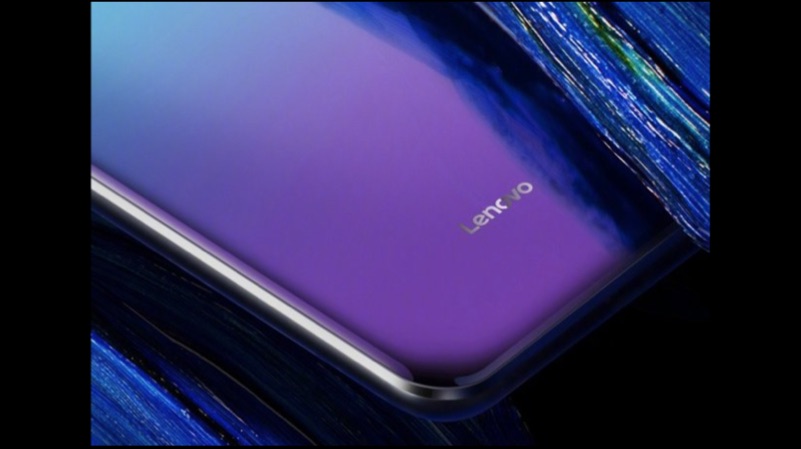
  • Lenovo Z5 To Launch With A Gradient All-Glass Design

    Lenovo Z5 To Launch With A Gradient All-Glass Design

    While the month of May has been exciting for smartphone enthusiasts, June isn’t looking too grim either. Lenovo is set to launch the Lenovo Z5, a highly anticipated flagship device from the company. Interestingly, we have not seen any sort of leaks pertaining to the Lenovo Z5 which is surprising for a modern-day smartphone. So far, Lenovo has taken the onus upon itself and hinted at a lot of interesting features of the device. In a new post on Weibo, the company gives us a glimpse of what the overall design of the smartphone will be.

    Chen Chang, Vice President of Lenovo has been extremely expressive on his Weibo account and posted another photo of the Z5. This time, however, the attention is not on the front, but, on the back of the upcoming smartphone. The Lenovo Z5, according to the official render, will sport an all-glass design with an aluminium frame.

    Another interesting feature of the smartphone will be its colour variants. The image shows a gradient colour variant which reminds us of the Twilight colour on the Huawei P20 Pro. The colours change depending on how the light reflects on the glass back which will help the device stand out from the sea of black and gold coloured smartphones.

    The Lenovo Z5 has been teased to have a lot of features that can make it one of the best smartphones of 2018. According to a post on Weibo, the Lenovo Z5 will offer 30 minutes of talk time at 0% battery. This might seem like a claim too tall to be true, it is an official teaser and the company wouldn’t backtrack from the claims of its Vice President.

    Must Read: Lenovo Z5 Will Offer 30 Minutes Of Talk Time At 0% Battery

    The company has already teased that the Lenovo Z5 could be the first smartphone to offer a 95% screen-to-body ratio. For context, the iPhone X as an 81.1% screen-to-body ratio. In another post, Chang claims that the Lenovo Z5 will have a massive 4TB onboard storage. It has also been confirmed that the Lenovo Z5 won’t have a notch which already means the device will have a different design compared to other flagship smartphones.

    The launch is set for June 5th in China and it’ll be surprising if Lenovo doesn’t make the Z5 globally available. Considering the device could be a world-first in many aspects, we expect the company to showcase the device on a global stage.

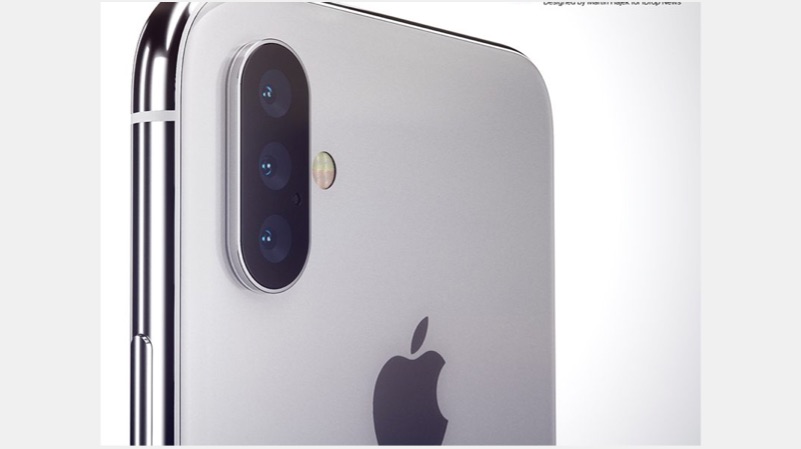
  • Apple iPhone In 2019 To Feature Triple Camera Setup With 3D Sensors

    Apple iPhone In 2019 To Feature Triple Camera Setup With 3D Sensors

    Back in early-April, there was a report about Apple incorporating a triple-camera setup on the 2019 iPhone. It appears that it wasn’t a one-off prediction as a result of boredom and this might actually happen. A new report claims that Apple will indeed use a third lens on the back of the iPhone but, for enhancing AR experience.

    [amazon_link asins=’B072LPF91D’ template=’ProductAd’ store=’igyaan-21′ marketplace=’IN’ link_id=’c5e0c3e8-63f1-11e8-8cb9-6d4304f75268′]

    The report falls in line with the April report by Taiwan’s Economic Daily News mentioning longer focal length, but says that the third lens would also be used to provide enhanced AR capabilities. Last year, Bloomberg reported that Apple would use a 3D sensor in at least one of the 2019 iPhones to provide more accurate 3D modelling with the rear cameras.

    This, if true, would be an interesting take on a triple-camera setup. The report from last month essentially said that Apple would imitate the Huawei P20 Pro which hasn’t been Apple’s forte. The company has stuck to its guns and let other companies experiment with technology and only implement something new if the company feels it can perfect it. The iPhone X is a great example, wherein Apple introduced a nearly bezel-less design long after other brands had already done it. However, the iPhone X has been appreciated for its design, especially with the company eliminating the chin completely, something no other OEM has been able to do.

    In 2013, Apple launched the iPhone 5s with Touch ID. Here again, the company was late to the fingerprint sensor party but, Touch ID, even on the iPhone 5s, was much more advanced than its competition. With Apple investing heavily in AR, it seems plausible that the company would want to take it to the next level with its flagship iPhone next year. However, whether the company will take this new route or just stick to software implementation for the time being is yet to be seen.

    It’s May 2018 right now and certainly feels too early to predict what Apple will do in 2019. The 2018 iPhone lineup looks promising and we will see many more leaked about it once the WWDC 2018 concludes in early-June.

  • OnePlus Will Only Launch Flagship Smartphones Till 2021

    OnePlus Will Only Launch Flagship Smartphones Till 2021

    OnePlus launched the OnePlus One back in 2014 and has dubbed its smartphones as the “flagship killers” ever since. The company experimented with the OnePlus X but, reverted to launching flagship devices soon after. Recently, the Chinese smartphone maker launched the OnePlus 6, another flagship-grade smartphones at a much more affordable price compared to the Samsung Galaxy S9, Huawei P20 Pro and more.

    [amazon_link asins=’B0756Z43QS’ template=’ProductAd’ store=’igyaan-21′ marketplace=’IN’ link_id=’4409c9e1-63e6-11e8-bf08-3759c088a8a4′]

    In an interview, the company’s founder Pete Lau conceded that OnePlus plans on sticking with the same launch policy for the next three years at least. This means that OnePlus will only launch flagship smartphones till 2021. Apart from the last two times when OnePlus simultaneously launched a special edition OnePlus 5T and OnePlus 6, the company launches one smartphone at a time.

    Also unlike in countries such as India, the company only sells one smartphone at a time. For example in North America, the OnePlus 5T went out of stock before the OnePlus 6 was launched. Pete Lau points out that this helps the young company to concentrate its marketing operations and maximise the amount of exposure it generates for any particular product. He also claims that this strategy is what OnePlus fans also like. The company’s market research found out that OnePlus consumers want the latest device from the company instead of an older one at a lower price.

    Must Read: OnePlus Explains Why OnePlus 6 Doesn’t Have Wireless Technology

    One of the main attractions of a OnePlus smartphone is its price. The OnePlus 6, for example, has top notch specifications similar to the Galaxy S9 and is still priced at Rs 34999 for the base model. The S9, on the hand, costs Rs 57900 in India. Pete Lau says that OnePlus operates on extremely thin profit margins compared to the rest of the manufacturers in the premium smartphone segment. This allows the company to undercut its competitors significantly, which is extremely crucial for price-sensitive markets like India.

    While it may take a bit of time before we see OnePlus selling a budget smartphone, it is fair to say that it will have high expectations. The idea of a OnePlus X2 running on Snapdragon 835 SoC priced at under Rs 20000 floated around a bit before Carl Pei declared it was “fake news.” When will we see a OnePlus X successor? Only time (and OnePlus) will tell.

iGyaan Network
Privacy Overview

This website uses cookies so that we can provide you with the best user experience possible. Cookie information is stored in your browser and performs functions such as recognising you when you return to our website and helping our team to understand which sections of the website you find most interesting and useful.