Category: Mobile

Smartphone News and Reviews, Latest Cellphones, Accessories, New Launches, Specifications, Details with Image and Video from Apple, Samsung, Lenovo, Moto, HTC, Xiaomi, Oneplus, Meizu, Sony, Lava, Micromax Yu Mobile and More.

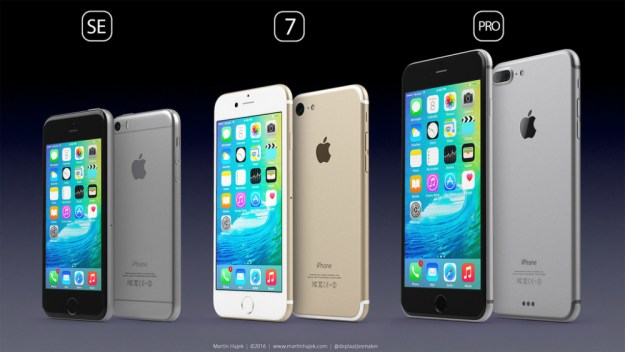
  • iPhone 7 and 7 Pro Renders Show Us a Glimpse of the Next iPhones

    iPhone 7 and 7 Pro Renders Show Us a Glimpse of the Next iPhones

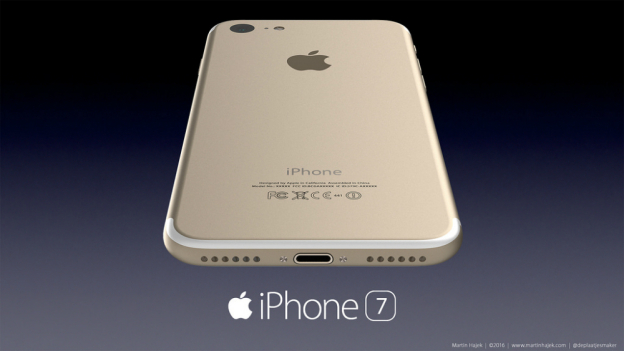
    We are just a few days away from Apple’s mega event and renders are popping up all over the place. The iPhone 7 and iPhone 7 pro may not be launched this time around and may be kept for the September launch. However, it has not stopped designer Martin Hajek, who is known for pretty accurate renders for showing off what the next iPhones may look like.

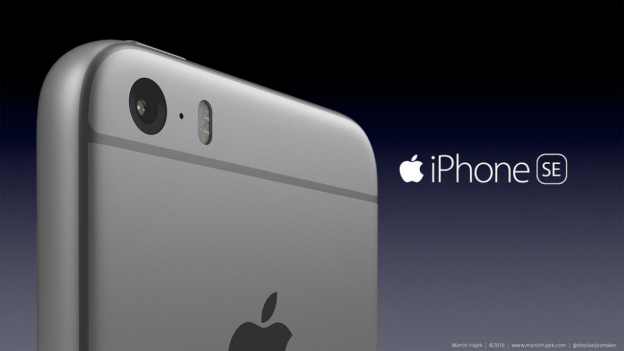
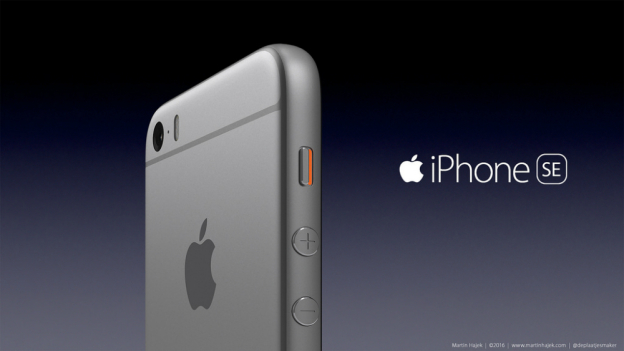
    iPhone SE

    The iPhone SE is supposedly an answer from Apple to its fans asking for a smaller iPhone after they abandoned the compact screen size. Designed on the iPhone 5s the size of the iPhone SE is expected to be very similar to the 5s, however, much more rounded like the iPhone 6.

    iphone-7-pro-vs-iphone-7-vs-iphone-se-martin-hajek-9 iphone-7-pro-vs-iphone-7-vs-iphone-se-martin-hajek-8

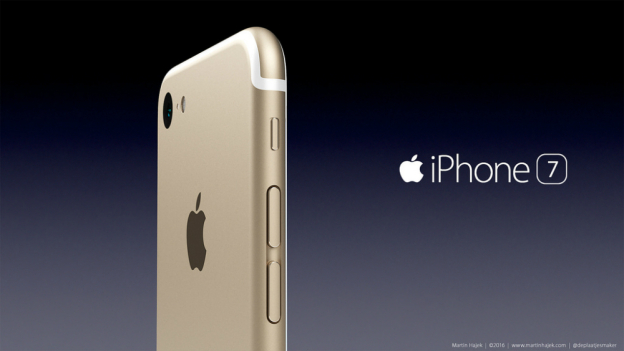
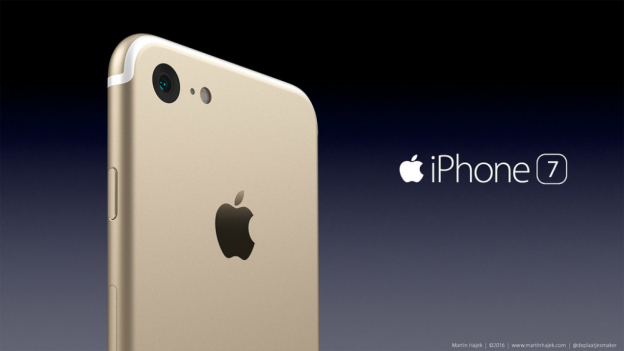
    iPhone 7

    The iPhone 7 will be the notorious handset marking the end of an era of the headphone jack, or so says the world. The new iPhone 7 will have a major overhaul for the optics and some magical battery improvement.
    iphone-7-pro-vs-iphone-7-vs-iphone-se-martin-hajek-7 iphone-7-pro-vs-iphone-7-vs-iphone-se-martin-hajek-6 iphone-7-pro-vs-iphone-7-vs-iphone-se-martin-hajek-5

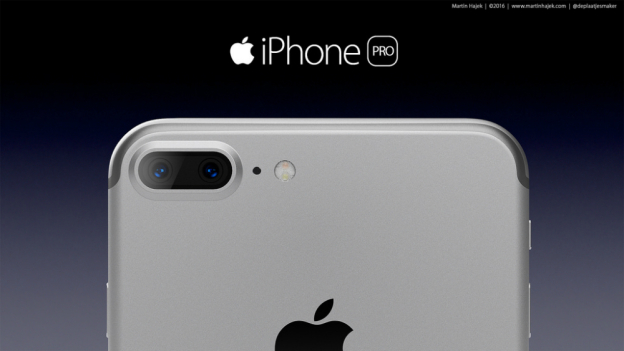
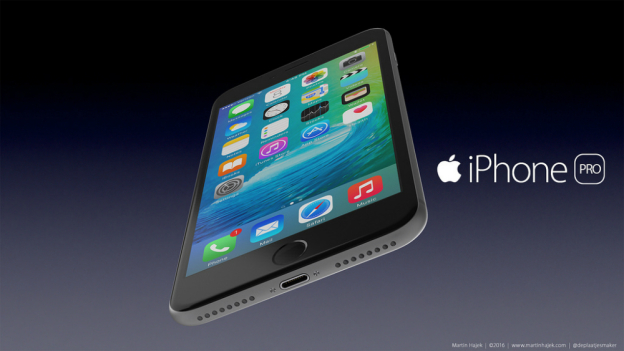
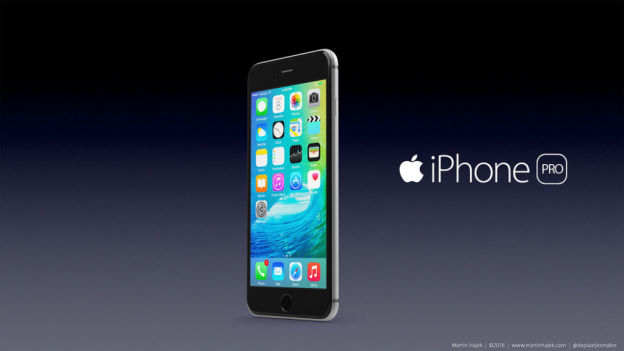
    The iPhone 7 Pro

    It is much rumored that Apple will drop the “plus” nomenclature in favor of the more iPad Pro packaging for the larger iPhone 7, calling it the iPhone 7 Pro. Supposedly, just like the iPhone 7, the iPhone 7 Pro will also drop the headphone jack in favor of DAC enabled lightning headphones. However, rumors and the below renders point to dual cameras, possibly for better resolution or stereoscopic video.

    iphone-7-pro-vs-iphone-7-vs-iphone-se-martin-hajek-4 iphone-7-pro-vs-iphone-7-vs-iphone-se-martin-hajek-3 iphone-7-pro-vs-iphone-7-vs-iphone-se-martin-hajek-2

    While the above is just a guesstimate, it seems more accurate than ever. Also, the dropping of flat antenna bands is also in line with the design change scheduled with the iPhone 7 series.


  • iPhone 7 with 256 GB Storage Option Became More of a Reality

    iPhone 7 with 256 GB Storage Option Became More of a Reality

    Few earlier reports have pointed towards the fact that the iPhone 7 will now come with three storage options as always, however, the sizes may be 64GB, 128GB and 256GB and not the current 16GB 64GB and 128GB.

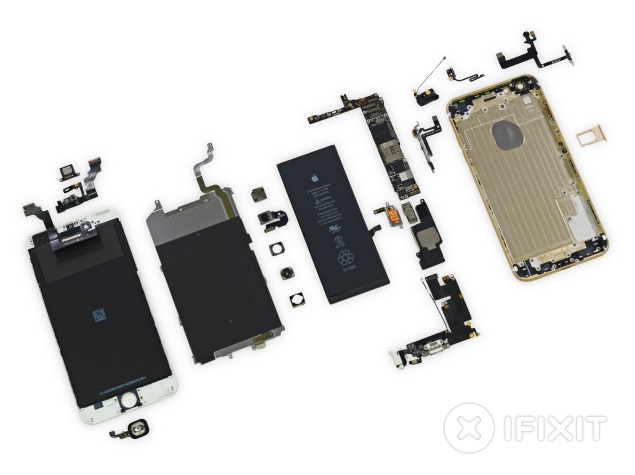
    The below image shows a 256GB SanDisk NAND flash memory chip which is physically smaller than the company’s 64GB chip. This has been designed to fit in the future iPhone, iPad and well other smart devices including those from Apple, like the Apple TV and even Macbooks.

    sandisk-256gb-nand-memory-iphone-7-rumor

    Sandisk has been one of the key suppliers to Apple for storage chips in the iPhone 5, iPhone 6, and iPhone 6 Plus. And with the above image, it seems the rumors are drawing more to a possibility.

    Apple has also used NAND flash chips from Samsung, SK Hynix and Toshiba. While Samsung has been parading its 256GB Nand flash chips and now that Sandisk has joined the party, Apple may not only have the right suppliers but also enough suppliers to amass the requirement for their next-gen iPhone 7.

    Via

    Image: iFixit

  • Oppo R9 and R9 Plus Specifications Revealed

    Oppo R9 and R9 Plus Specifications Revealed

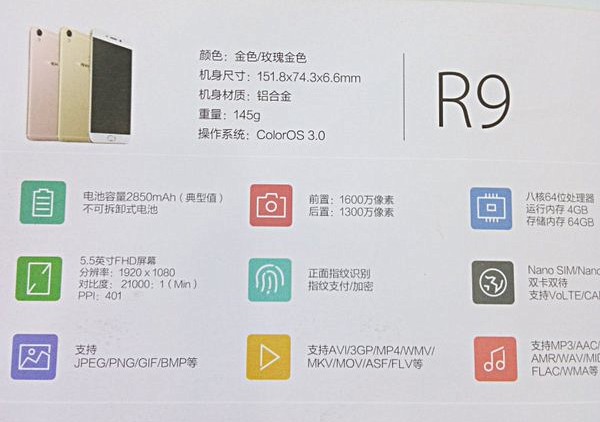
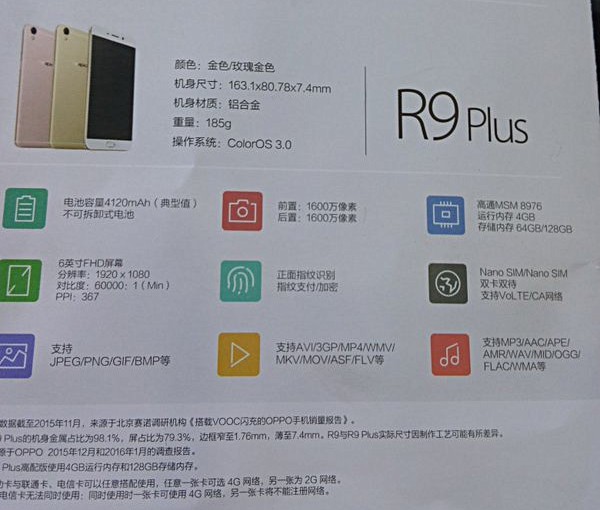
    Oppo’s upcoming phones which are set to be launched on March 17th have gotten the full leak treatment today. We now have the full set of leaked specs of the phones courtesy of Steve Hemmerstoffer. The specs leaked through his Twitter handle reveal the phones to come with specs in line with the previous leaks


    Oppo R9

    To kick things off, the Oppo R9 will come with a 5.5-inch Full-HD 401 ppi display and will be powered by an octa-core processor paired with 4GB of RAM and up to 64GB of expandable storage. The phone will get its juice from a 2,850 mAh battery will also come packing a16MP/13MP camera combo.

    Oppo R9 1

    The elder sibling, the R9 Plus will bring with it a 6-inch display with the powerful Snapdragon 652 SoC. It will bring to the table 4GB of RAM and offer flash storage up to 128GB. Front and back camera on the R9 Plus will be 16MP sensors while a massive 4,120mAh battery will keep it powered on.

    Apart from this, both these phones are expected to support Oppo’s Super VOOC charging tech, and will be equipped with fingerprint sensors.

  • Popslate 2 E-Ink iPhone Case is What Every Phone Needs

    Popslate 2 E-Ink iPhone Case is What Every Phone Needs

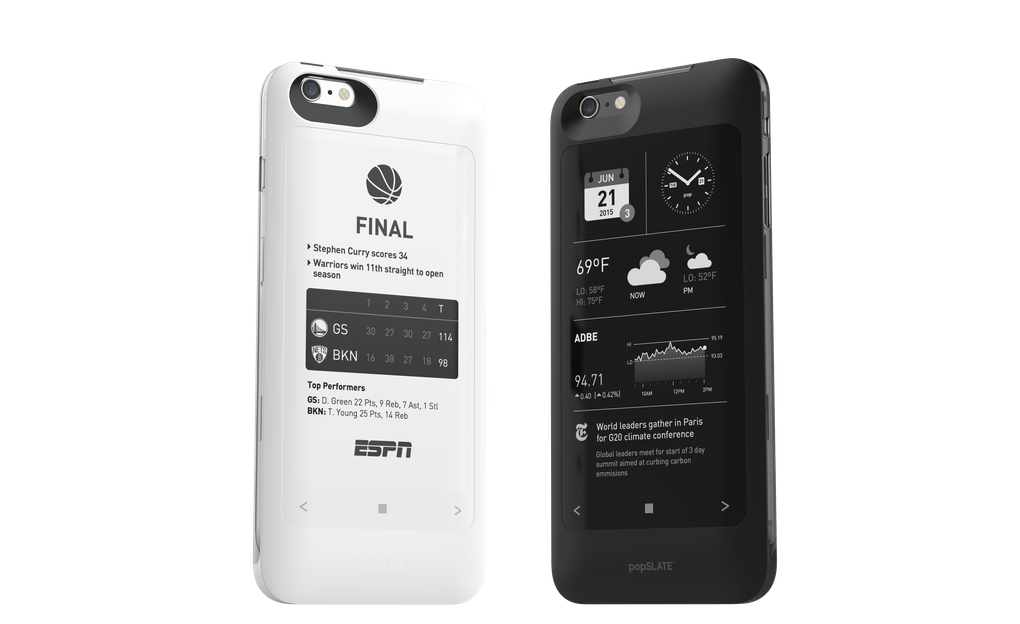
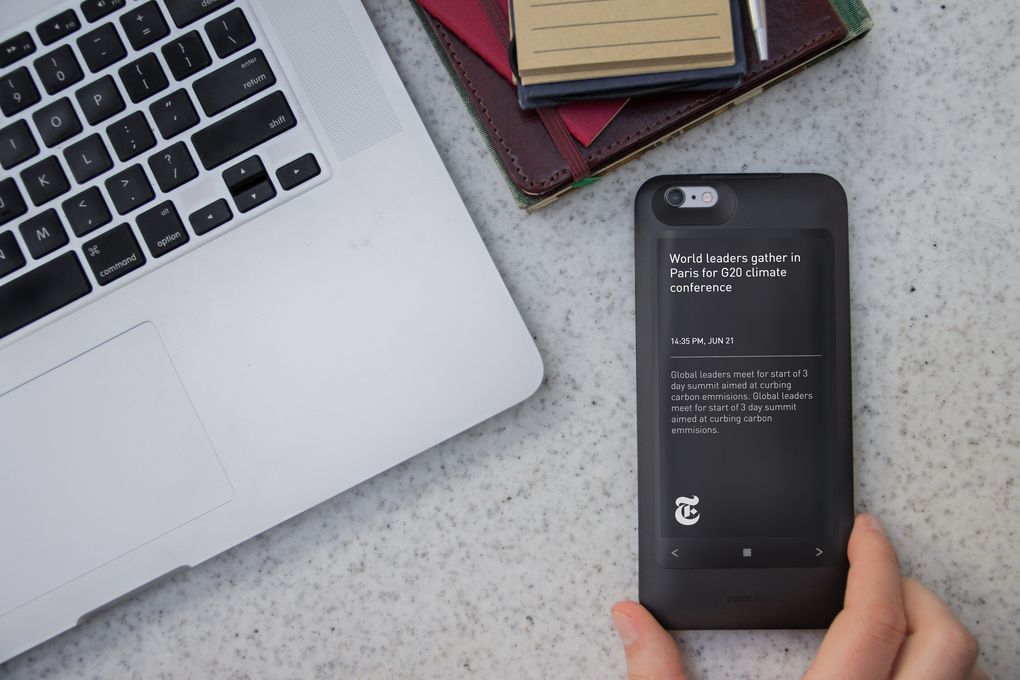
    Last year, Popslate brought put its first E-Ink iPhone case that allowed the iPhone to sport a secondary E-ink display on the back. Users could use the secondary display for notifications. While the first Popslate iPhone case didn’t meet expectations, the Popslate 2 very much does. The company is at the forefront of pioneering e-paper screen on phone case, and Popslate 2 is what that case is.

    Popslate 2 02

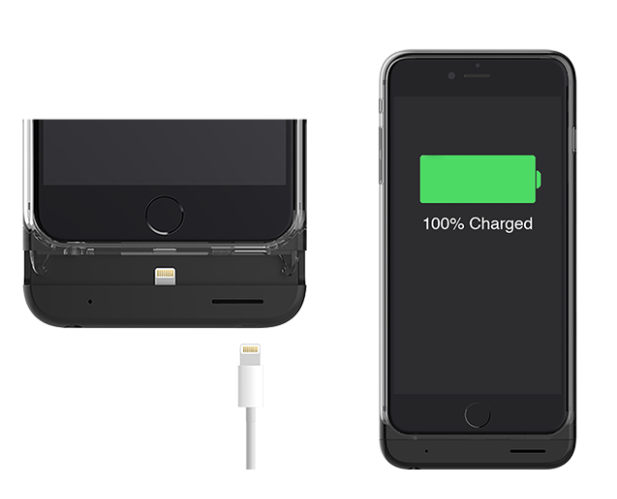
    The second iteration comes with a bigger 4.7-inch display at 200dpi, up from 4 inches and 115dpi. While the original Popslate case needed to be charged via Micro USB, the new one can be charged via the lightning cable, the same used to charge the iPhone. This means you’ll now be able to charge both the case and the iPhone simultaneously. Apart from this, the case has a backup battery that gives up to 9 hours talk time for your iPhone.

    Popslate 2 04

    Popslate 2 was the answer to the question “What should the smart second screen really be?”. The Popslate 2 comes with new, always-on features like configurable Dashboards, richer news and information feeds. Other features include phone-sized clocks, a clutter-saving e-reader, a quick list maker, faster access to the digital wallet, and more.

    popslate 2 06

    Popslate’s smart iPhone case can be seen as a great piece of innovation in recent times. With smartphone makers looking to make slimmer phones with bigger and bigger display, the ideas seem to end there. There are some brands who have managed to feature small strips of secondary screens on the front like LG, but a secondary display as big as the main something new indeed. And this is all thanks to the use of E-ink technology (the same used in Kindles and other E-readers).

    Currently, the company is only focusing on cases for iPhones but also states that with the right partner, they will move to cases for Android devices as well. The company also said that until it understands the state of emerging markets before making any adjustments to pricing and will only then be able to bring these cases to countries like India.

    The Popslate 2 is available for pre-order on Indiegogo today starting at $69, and $129 and $149 for the iPhone 6S and iPhone 6S Plus, respectively. Shipping of orders will begin from July.

  • Snapchat To Possibly Make Smart SnapGlasses

    Snapchat To Possibly Make Smart SnapGlasses

    Founders of  Snapchat are known for taking risks and implementing bold ideas. The company has constantly added new features to Snapchat to reinvent and help it grow from just another photo sharing app to now what it has become a fun supplement to our social media lives. The addition of features such as Discover, Stories, and usage of filters have helped itself set apart in the market. But now, the company is looking at things even more groundbreaking.

    Smartglasses


    Reports suggest that the company is looking at making Google-Glass like smart eyewear which it could use to make a renewed push for the social media industry. Details have emerged of a number of hirings relating to augmented reality. The company has recently hired (formerly Qualcomm’s) Vuforia and eye-tracking tech maker Eyefluence amongst a dozen other high-profile hirings of designers and industry experts that point to Snapchat’s possible development of a pair of smart glasses.

    Snapchat had earlier acquired Vergence Labs, which produced a pair of glasses equipped with an embedded camera, was acquired by Snapchat for $15 million in March of 2014. The acquisition accompanied a larger $50 million acquisition of Scan.me, a QR code-scanning/creating technology that would later manifest itself it the company’s Snaptags feature.

    Though it’s all speculation for now, another report has also suggests that Snapchat’s hiring of individuals from the Augmented Reality field might just be less exciting as it only plans to develop an app for the upcoming VR and AR hardware that will soon hit the market.


  • Oppo R9 and R9 Plus to be Unveiled on March 17

    Oppo R9 and R9 Plus to be Unveiled on March 17

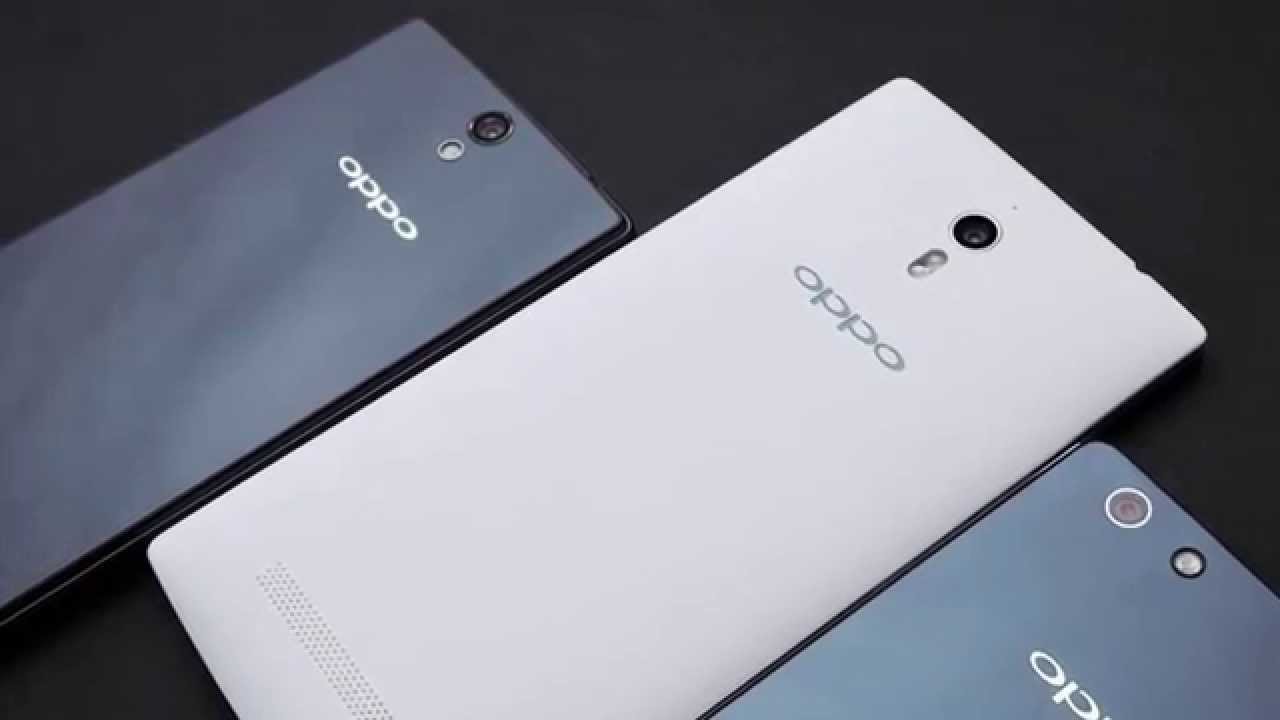
    Oppo is set to unveil the R9 and R9 Plus smartphones on March 17. The company has been teasing the device a lo in the recent weeks and while information about the R9 have been in plenty, very little was known about the R9 Plus. Today, we have details on both the handsets.

    Both the Oppo R9 and R9 Plus will be powered by the mighty Snapdragon 820 SoC. The R9 is said to sport a 5.5-inch 1080p display while the R9 Plus will have a bigger 6-inch display. The phones are expected to come with 4GB RAM and 64GB of expandable internal memory.

    oppo R9

    The camera which is to be the centerpiece of the Oppo R9 and R9 Plus will feature 21MP rear unit and a 13MP front shooter. Meanwhile, the 5.5-inch model will pack a 3,700 mAh battery while the 6-inch model will carry a 4120mAh battery. Both the devices will be supported by VOOC flash charge. The VOOC Flash Charge promises 10 hours of talk time with only five minutes of charging and filling a 2500 mAh battery in only 15 minutes.

    Oppo R9 01

    Another feature that Oppo was proud to reveal ahead of the launch is that the devices come with a front-facing fingerprint sensor that is capable of unlocking the phone in just 0.2 seconds. Pricing of the devices have also been leaked with the R9 Plus priced at 3499 yuan (approx Rs 36,000) and the smaller R9 at 2999 yuan (approx. Rs 31,000).

  • HTC 10 Images Leak Ahead of Launch

    HTC 10 Images Leak Ahead of Launch

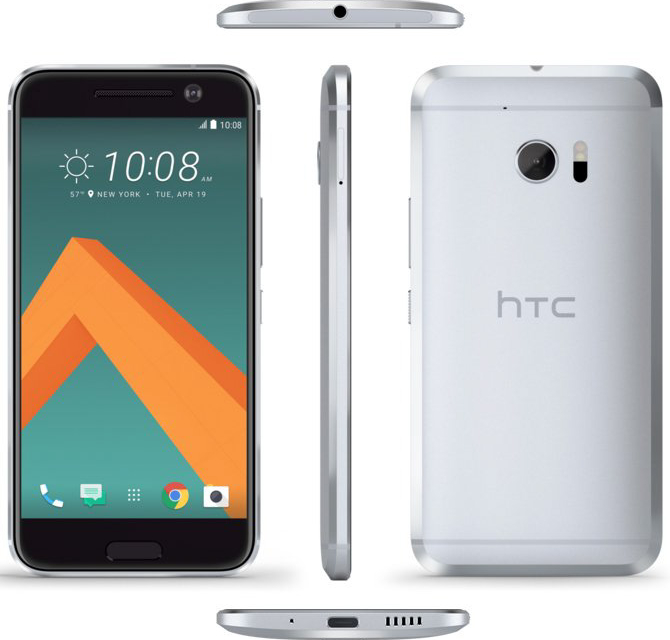
    In what is a clear indication that the HTC 10 launch is right around the corner, more images of the beautiful looking device have leaked online. After the previously leaked images which gave us a glimpse into what the back of the phone would like, the latest batch from today, courtesy a tweet from Steve Hemmerstoffer, reveals the phone’s back and the front in all its glory.

    https://twitter.com/stagueve/status/707988592597934080?ref_src=twsrc%5Etfw

    Today’s leak reveals a very interesting development in the HTC 10’s design scheme. The front of the phone carries a home button below the display of the phone which, by the looks of it, also houses a fingerprint scanner. This is an important development as this move will see HTC move away from its usual three capacitative button system.

    Other than this, previous renders, and leaked benchmark scores peg the phone to come with a 5.15-inch Quad HD display with a top of the line Snapdragon 820 SoC paired with 4GB RAM running the show. The phone’s camera is also being touted to be something of a breakthrough, and HTC will be seen fitting a 12UP (Ultra Pixel) camera sensor with proprietary tech which will enable the phone to click amazing photos.

  • Redmi 3 with Fingerprint Scanner Spotted at TENAA

    Redmi 3 with Fingerprint Scanner Spotted at TENAA

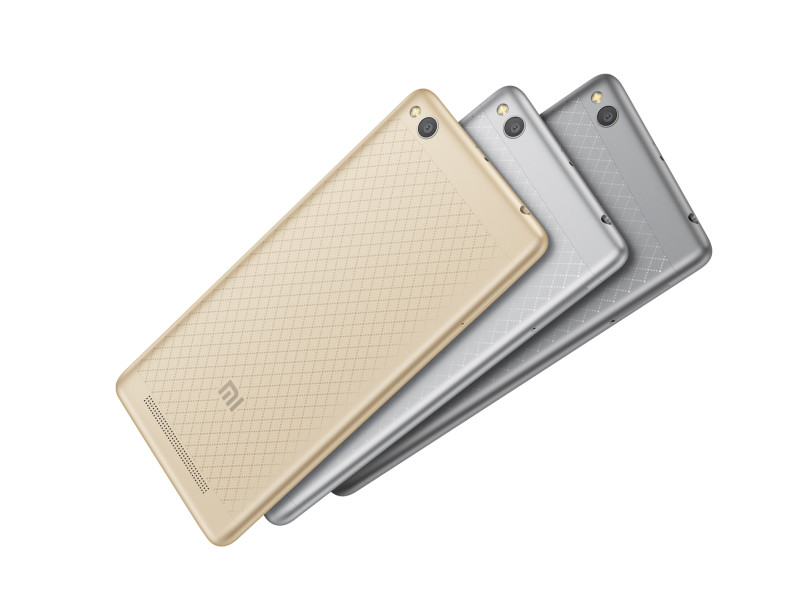
    Xiaomi had announced the Redmi 3 a couple of months ago but it seems that the device was not the only variant in the works. According to the Chinese certification site TENAA, a new variant of the Redmi 3 is soon to come out, and this one will feature a fingerprint scanner whereas the original one did not.

    Fingerprint scanners on smartphones have become an important feature and one wonders why Xiaomi did not add it in the Redmi 3. However, a $100 price tag justifies no fingerprint scanner. The new Redmi 3 is rumoured to feature a 5-inch display with 720p resolution, 1.5 GHz octa-core CPU and 2GB of RAM with 16GB of storage. The new variant, however, might come with a smaller 3000mAh battery pack as compared to the 4100mAh battery in the original.

    With a fingerprint scanner, the device is likely to be priced at RMB 799 ($122), an RMB 100 more than the original Redmi 3. It is still unknown when Xiaomi plans to launch the new variant but it could happen some time this month.

    Source

  • LeEco Le 2 Pro Images and Specifications Leak

    LeEco Le 2 Pro Images and Specifications Leak

    It was only yesterday that eager “Superfans” of LeEco were treated to leaked images of the Le 2, and today pictures and specifications of the Le 2 Pro have found their way to the Internet. The new leak suggests that the Le 2 Pro could be shown off to the world as soon as April, which in all honesty sounds like a bit of a stretch.

    Le 2 pro 4

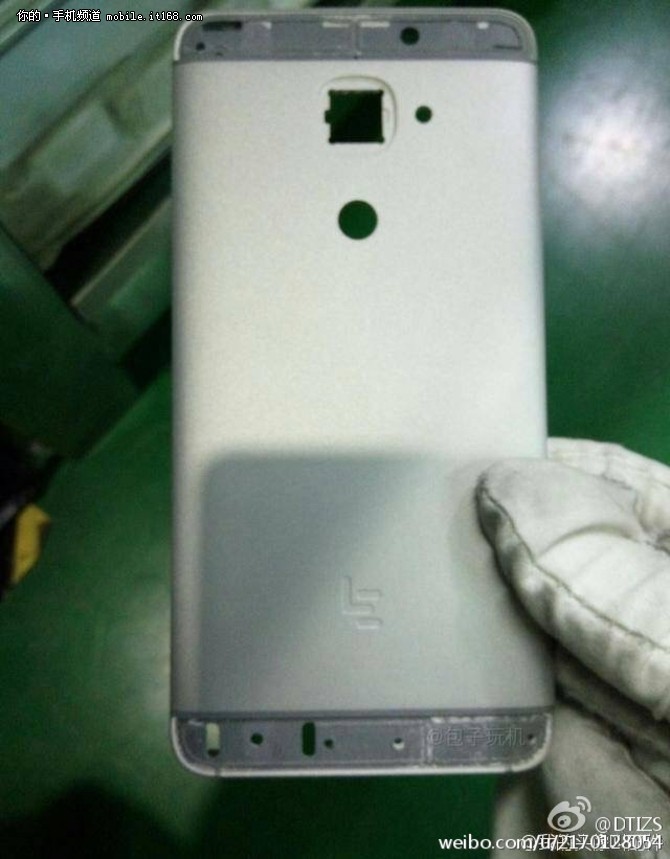
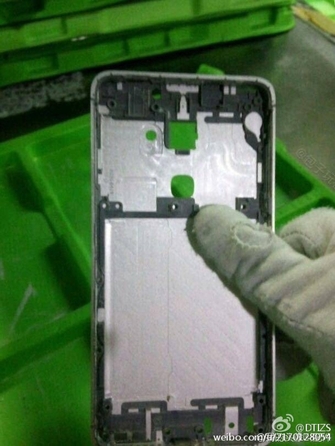
    The phone looks to have carried forward the design scheme followed by LeEco for its first generation of mobile devices. The body seems to be made completely out of metal, possibly even the same aluminium unibody design from the Le1s which won’t be too surprising considering the positive response it got from customers across the board.

    Le 2 Pro 3

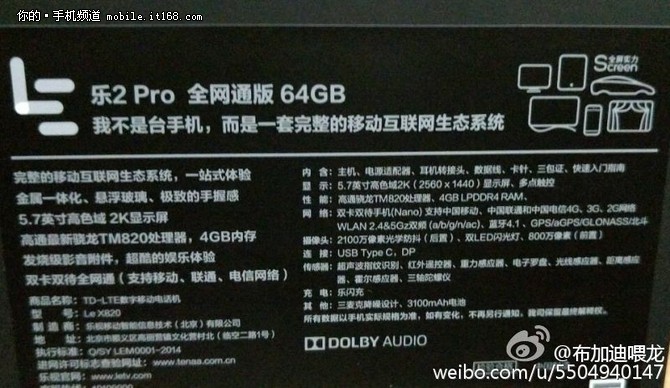
    The leaked images which were earlier posted on Chinese Social Networking site, Sina-Weibo reveal the phone to come packing a Snapdragon 820 SoC paired with 4GB RAM along with 64GB of inbuilt flash storage. Leaked specifications further show the phone to bear a beautiful 5.7-inch Quad HD display and a 20-Megapixel rear camera. The Le 2 Pro will get the juice it needs from a 3100mAh battery pack.

    Le 2 pro 5

    The device will be equipped with Dolby Atmos tech, three microphones for noise cancellation, ultrasonic fingerprint scanner along with a USB Type-C port. The source indicates the pricing of the device could be set around the $380 mark(Approx Rs 25,673) putting it firmly in competition with Xiaomi’s Mi5.

    Source

  • HTC 10 Colour Options, Specifications Leaked

    HTC 10 Colour Options, Specifications Leaked

    There is very little left to know about HTC’s upcoming flagship smartphone, HTC 10. Courtesy popular leakster Evan Blass, we now what the device is going to look like as well as the fact that it will drop the ‘One M’ from the title for a simpler ‘HTC 10’. We’re still not sure about what the new name signifies, but what we do know is the various colors the device will be offered in.

    HTC 10

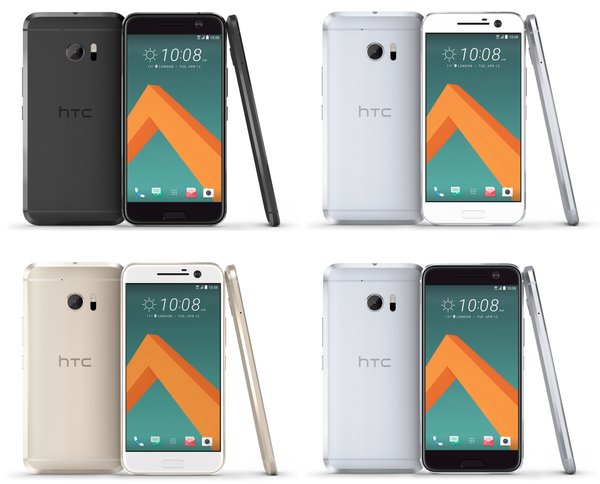
    Blass today tweeted four colour options for the HTC 10: carbon gray, glacier silver (white face), glacier silver (black face), topaz gold. Apart from showing us the colours, the image also confirms that this is what the HTC 10 will look like and much like the One A9 and the One M9, the HTC 10 looks rather underwhelming. The most obvious disappointment comes from the disappearance of BoomSound front speakers and from the (still) large bezels on he top and bottom.

    htc one m10

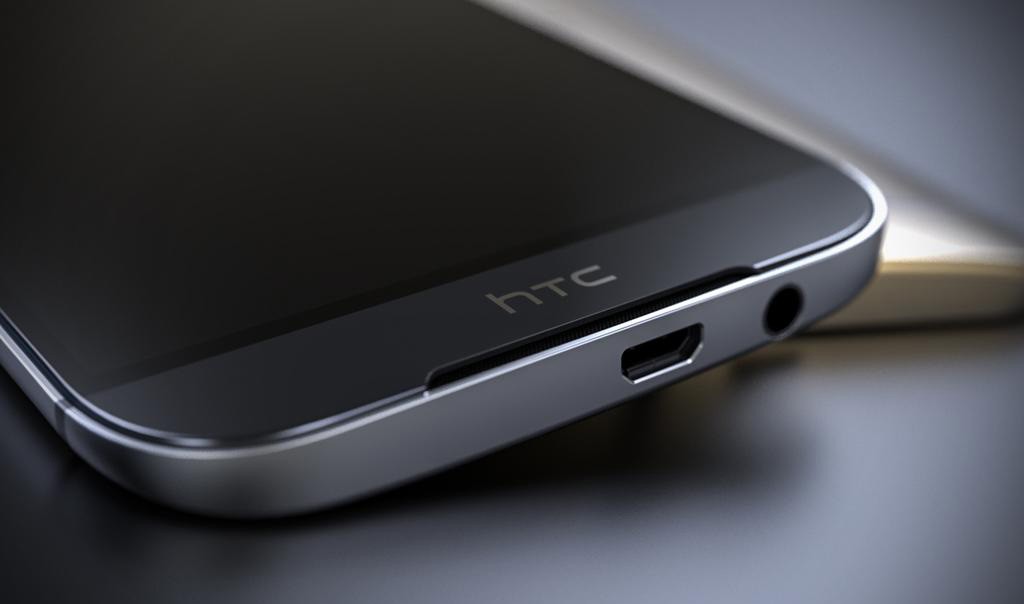
    The HTC 10 will instead have a single speaker grille at the bottom and a USB Type-C port. Over at the back we see the camera placed at the center and chamfered edges. Another popular leakster, @onleaks, started a leaking spree of the actual handset and Antutu benchmark scores that pin the device at 109,936 points on the famous benchmark app.

    This all leaked along with the following information :  5.15? QHD / SD820 / Adreno 530 / 4GB RAM / 12MP / USB Type-C. Which means that HTC might finally be on the right track as far as specs are concerned, and we also see a home button fingerprint scanner like last year.

    HTC has also stated that it’s working hard to bring a “very compelling camera experience” with the HTC 10. HTC’s Chief Financial Officer Chialin Chang is confident about the HTC 10’s camera “after seeing what’s going on in the market.”

    The rear camera is rumoured to sport a 12UP (Ultra Pixel) module with OIS and autofocus while the front still is unknown. If HTC wants to be a contender in the camera department, knowing  that Samsung has upped its camera specs in the Galaxy S7, then nothing short of 5UP for the front and some absolutely spectacular images that compliment a Quad HD AMOLED display will be accepted by fans. HTC needs to get the pricing right if it wants to compete in a market that has already seen the new Samsung Galaxy S7 series, LG G5, and Xiaomi Mi 5 flagships.

    Source

  • Samsung Galaxy S7 and S7 Edge: 7 Best Features

    Samsung Galaxy S7 and S7 Edge: 7 Best Features

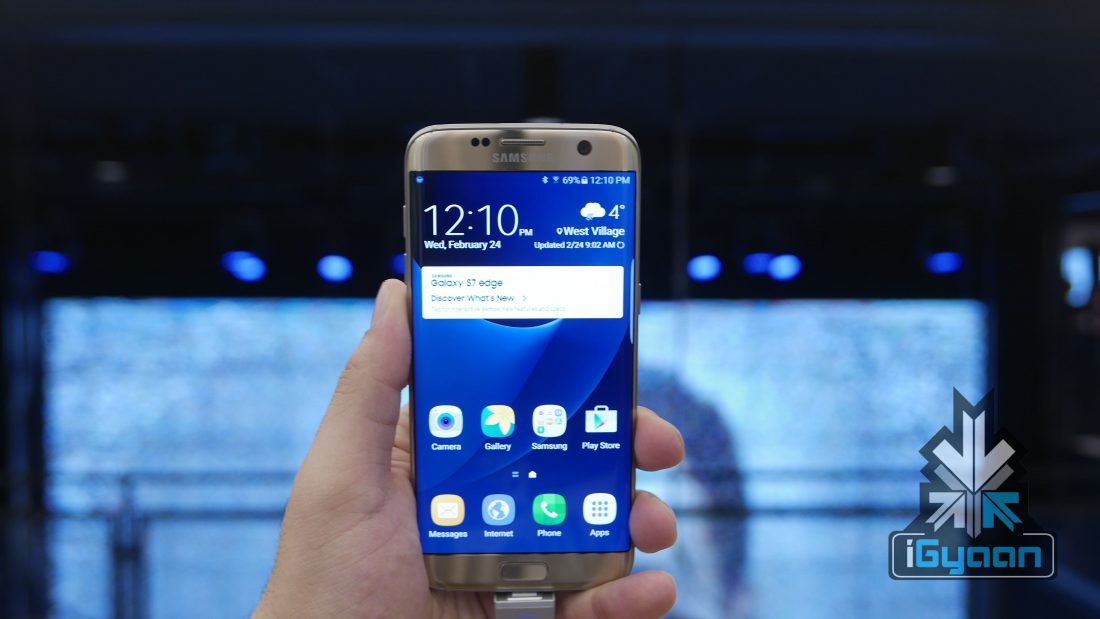
    Samsung launched its flagship Galaxy S7 and S7 Edge in India yesterday. The devices are priced at Rs 48, 900 and 56, 900, respectively. The Galaxy S6 and S6 Edge successors come packed with top-of-the-line specifications and next-gen technology, along with a beautifully crafted design that is carried forward from the S6. We take a look at some of the best new features the Galaxy S7 and S7 Edge have to offer and whether the devices are worth your money.

    Powerful Hardware
    Galaxy S7 S7 Edge - iGyaan Hands On 0

    The new flagship devices have improved on specifications wherever it could. The pair is powered by newly powerful Exynos 8890 Octa, Mali-T880 MP12 and 4GB of RAM. Check out the detailed spec table below.

    Specs

    Galaxy S7

    Galaxy S7 Edge

    Display  5.1-inch Super AMOLED Quad HD display 5.5-inch curved AMOLED Quad HD display
    Resolution  2560 x 1440 pixels   2560 x 1440 pixels
    Processor Qualcomm Snapdragon 820 Processor

    In India : Exynos 8890 Octa

     Qualcomm Snapdragon 820 Processor

    In India : Exynos 8890 Octa

    GPU Adreno 530  Adreno 530
    RAM 4GB 4GB
    Storage 32GB/ 64GB 32GB/ 64GB
    Rear Camera Dual Pixel 12MP with f/1.7 aperture Dual Pixel 12MP
    Front Camera Dual Pixel 5MP Dual Pixel 5MP
    Expandability via MicroSD via MicroSD
    Battery 3000mAh battery  3600mAh battery
    Connectivity Wi-Fi 802.11 a/b/g/n/ac, Wi-Fi Direct, hotspot, Bluetooth v4.1, A-GPS, GLONASS, NFC  Wi-Fi 802.11 a/b/g/n/ac, Wi-Fi Direct, hotspot, Bluetooth v4.1, A-GPS, GLONASS, NFC
    OS Android 6.0 Marshmallow  Android 6.0 Marshmallow

    Dual Pixel Camera Technology

    Galaxy S7

    Among the bumped up specs inside the new Galaxy S7 and S7 Edge, one new technology that grabbed everyone’s attention at the MWC last month was the new Dual Pixel technology employed in the rear camera.

    The Dual Pixel, essentially, is an improvement or a natural evolution from the Phase-Detection Auto-Focus technology used by many other smartphones. Firstly, Samsung downgraded from 16MP found in the S6 to 12MP in the S7. The decision to do this was to focus more on quality rather than quantity. The 12MP sensor brings 56% bigger individual pixels with1.4um pixels as compared to the S6.

    The S7 comes with a wider f/1.7 aperture (the S6 had a f/1.9 aperture) that allows for a lot more light to come in, 25% more to be more accurate. This results in great low-light captures that are sharp and colourful. Much like the human eye, the Dual Pixel technology sends light from the lens to two image sensors separately to adjust the focus.

    Water Cooled Systems to Rival Desktop Machines
    GalaxyS7_HandsOn_Main

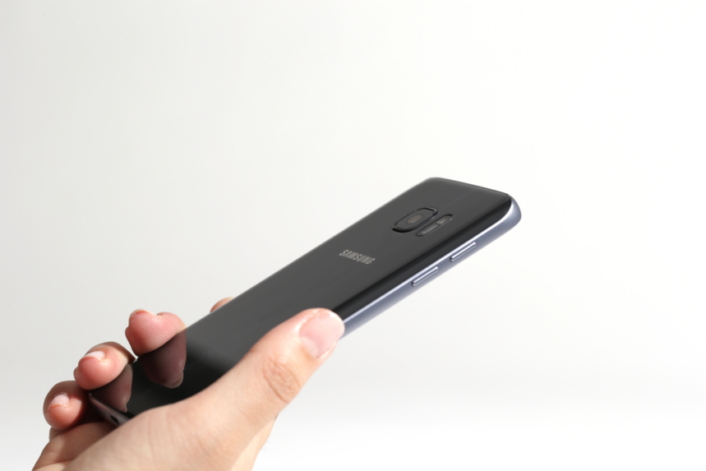
    Phones running high-end multi-core CPUs are notorious for running a bit too hot under stress, and as we know, heat is the ultimate enemy of any gaming machine. No matter the exalted processing capabilities of a phone, or beefy battery packs that they come with, if it runs hot, you game not.

    Samsung in its bid to fight this menace has come up with a system that’s not new to bigger desktop machines but is groundbreaking for mobile devices. The Galaxy S7 and S7 edge are equipped with  a very thin sealed copper liquid based cooling system, enabling these phones to run cool and fast without facing any CPU or GPU throttling. The system keeping the internals of the phone cool will also result in better battery life.

    Vulkan API

    galaxy-s7_gamaing_serious2_l

    Mobile phones benefiting from the great advancements in silicon technology over the years have become smaller, thinner and at the same time grown more powerful. The latest generation of mobile phones bring with them specs which boast of computing power at times even surpassing that of the last generation consoles such as the Xbox 360 and PS3.

    MicroSD is Back
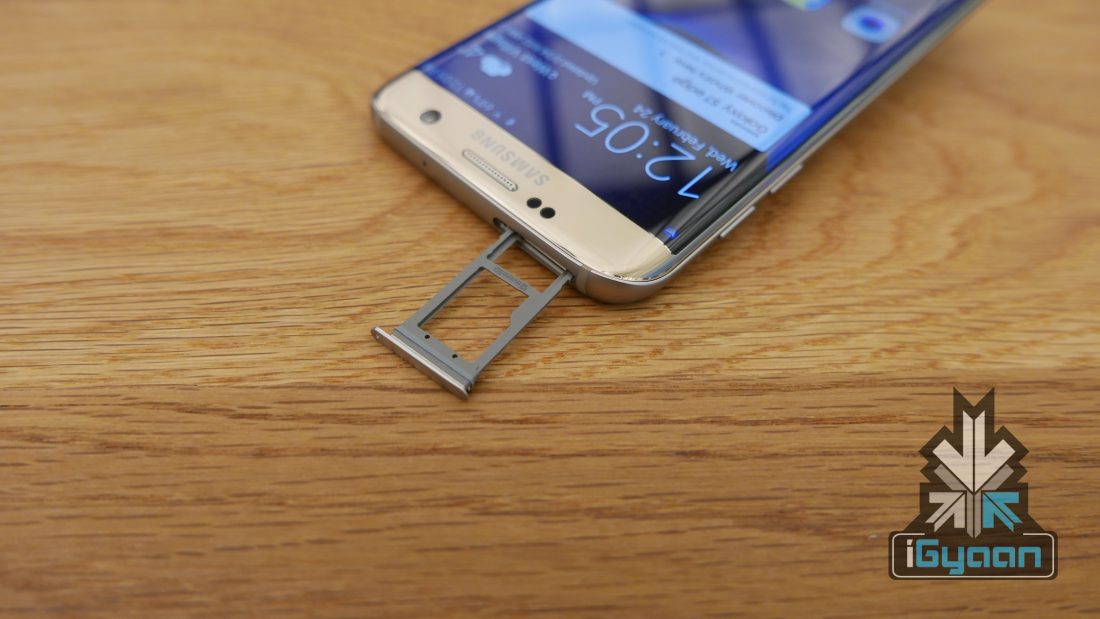
    Galaxy S7 S7 Edge - iGyaan Hands On 15

    Samsung heard the cries of thousands of fans who were disappointed that the Galaxy S6 did not come with a MicroSD card slot. The Galaxy S7 series brings the slot back that allows up to 200GB of expandable storage. With read and write speeds having improved over the years, Samsung felt it was the right time to bring back the option.

    It’s Dust and Waterproof

    Galaxy-S7-in-the-rain-702x336

    The Galaxy S7 series come with IP68 rating which means the devices are dust proof and can handle a rainy day as well. The devices can be submerged underwater up to 3 meters. With premium devices such as these, an IP68 rating is what consumers would love to hear.

    Design
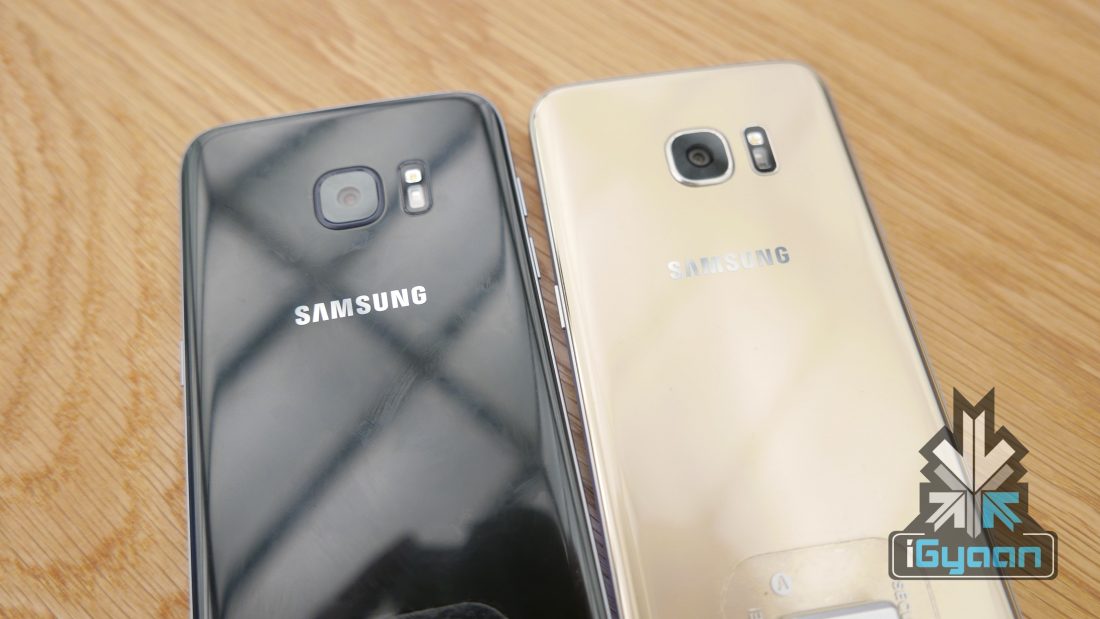
    Galaxy S7 S7 Edge - iGyaan Hands On 4

    We keep design at the end as it is the one thing that isn’t all that new with the new Galaxy S7 devices. And that is not a bad thing at all. Last year’s Galaxy S6 series were praised for its brilliant design language that brought together glass and metal to form a beautiful piece of machinery.

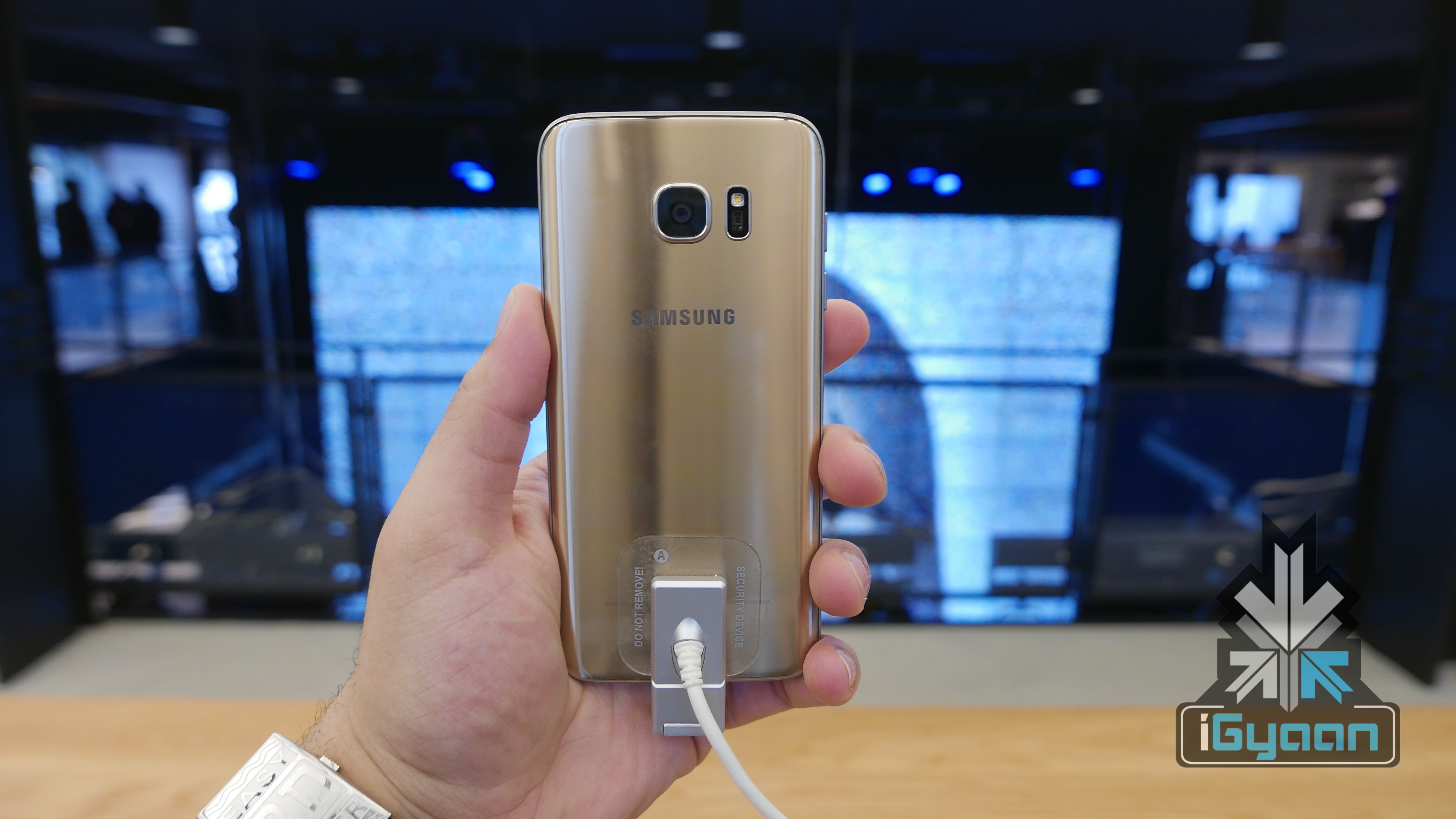
    It’s not surprising, then, that Samsung decided to stick to the same design language with the successor, Galaxy S7. The new flagship retains the looks, adds a MicroSD card slot, and packs next-gen specifications. But what the S7 also adds is a curved edge at the back that exquisitely blends into the metal frame and gives a great looking shape as well as improves the grip.

    Meanwhile, The S7 Edge features the same dual edge design as its S6 counterpart but on a bigger 5.5-inch form factor and comes with a QHD Super AMOLED display with a pixel density of 534 ppi compared to the 5.1-inch QHD 577 ppi screen that we saw on the S6 Edge.
  • LeEco Le 2 Shows up in Leaked Images

    LeEco Le 2 Shows up in Leaked Images

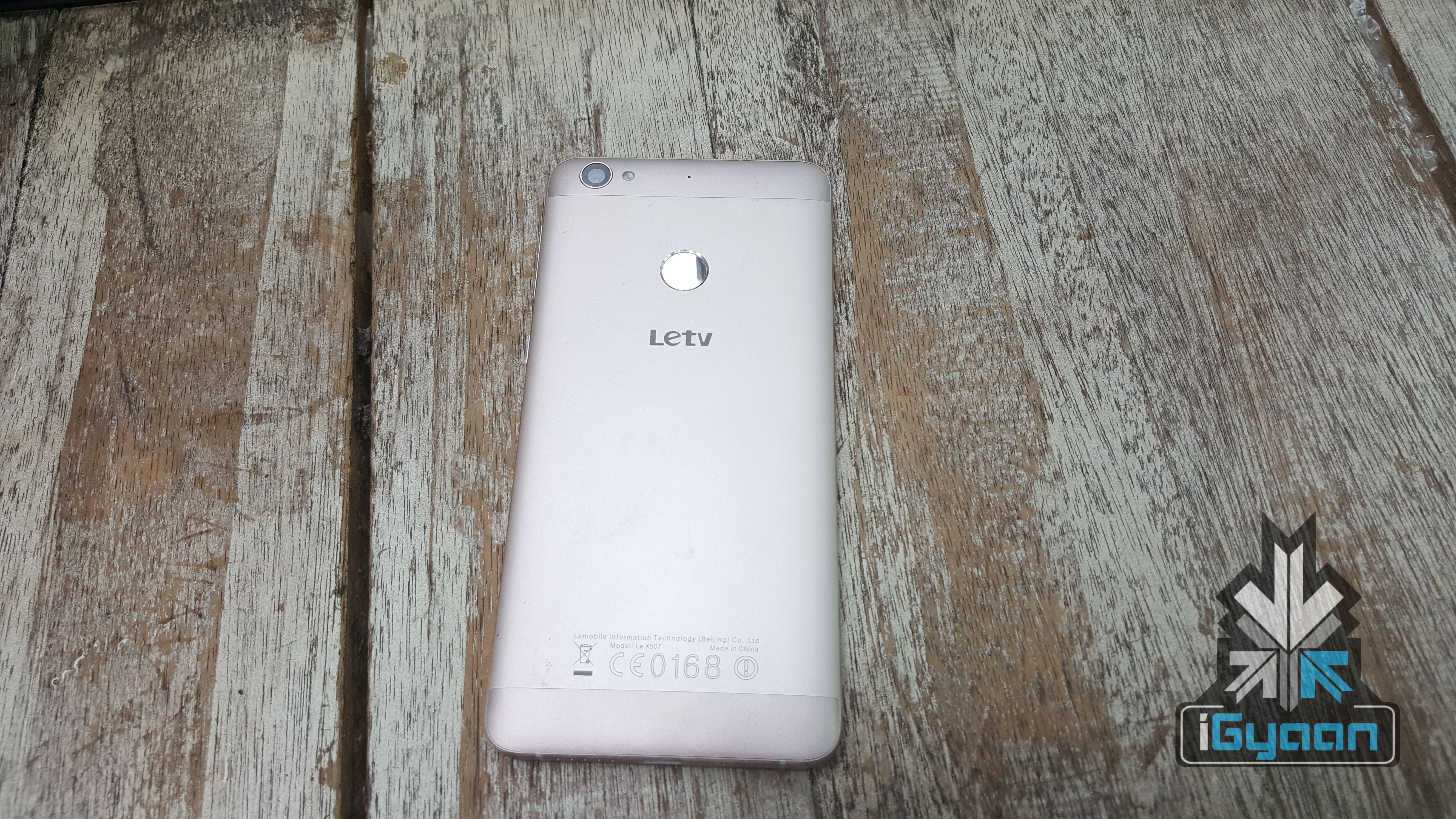
    LeEco (formerly known as LeTV) has been making headlines ever since the year began. At CES in January, the company unveiled the first smartphone ever to sport the Snapdragon 820 chipset with the Le Max Pro. The company also set records in India with its Le 1s flash sales. Now, it looks like LeEco is working on the successor to the Le 1s, allegedly called the Le 2.

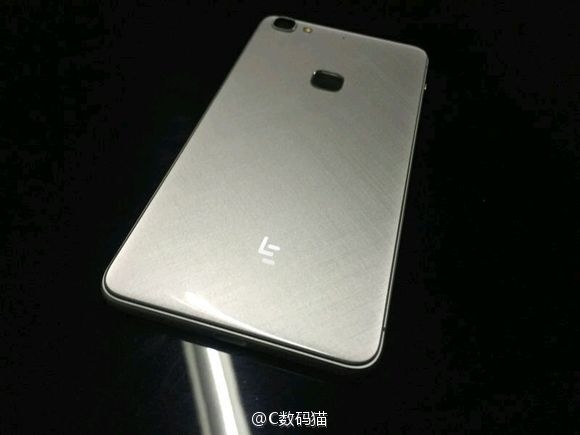
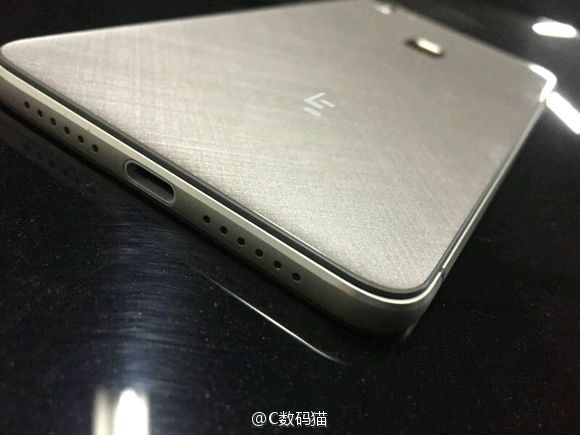
    Some leaked images of an alleged Le 2 smartphone have surfaced online. The images reveal the device from a few angles. We get a good look at the surface, the back and the bottom. Talking about the top, the Le 2 has a pretty large display compared to the body size, and since the company has released phones with almost bezel-less sides, the Le 2 looks to follow the same.
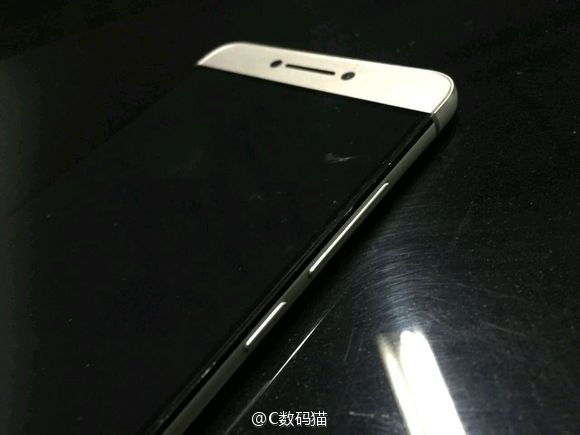
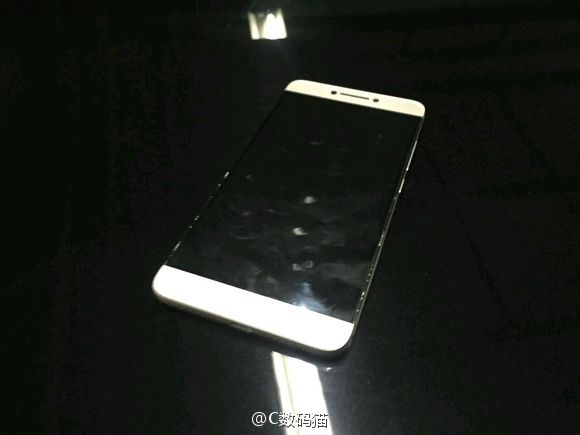
    The bottom reveals two speaker grilles on either side of a USB Type-C port. Over to the right you see the volume controls and the power button. The rear panel could be either metal or glass (it’s hard to tell from the images), but some reflection of light on top seems to point towards the later. Meanwhile, the square fingerprint sensor is placed in the middle while the camera module is pushed to the top left.

    Rumours so far suggest that the LeEco Le 2 will sport either the Snapdragon 820 or the MediaTek Helio X20 chipset (there will be two variants), along with 4GB of RAM and a 21 MP rear camera. Nothing else is known about the device as yet. LeEco has not confirmed the same and there is no word yet on when the company plans to launch the device.

    Source

  • HTC to Make Future Nexus Smartphones: What You Can Expect

    HTC to Make Future Nexus Smartphones: What You Can Expect

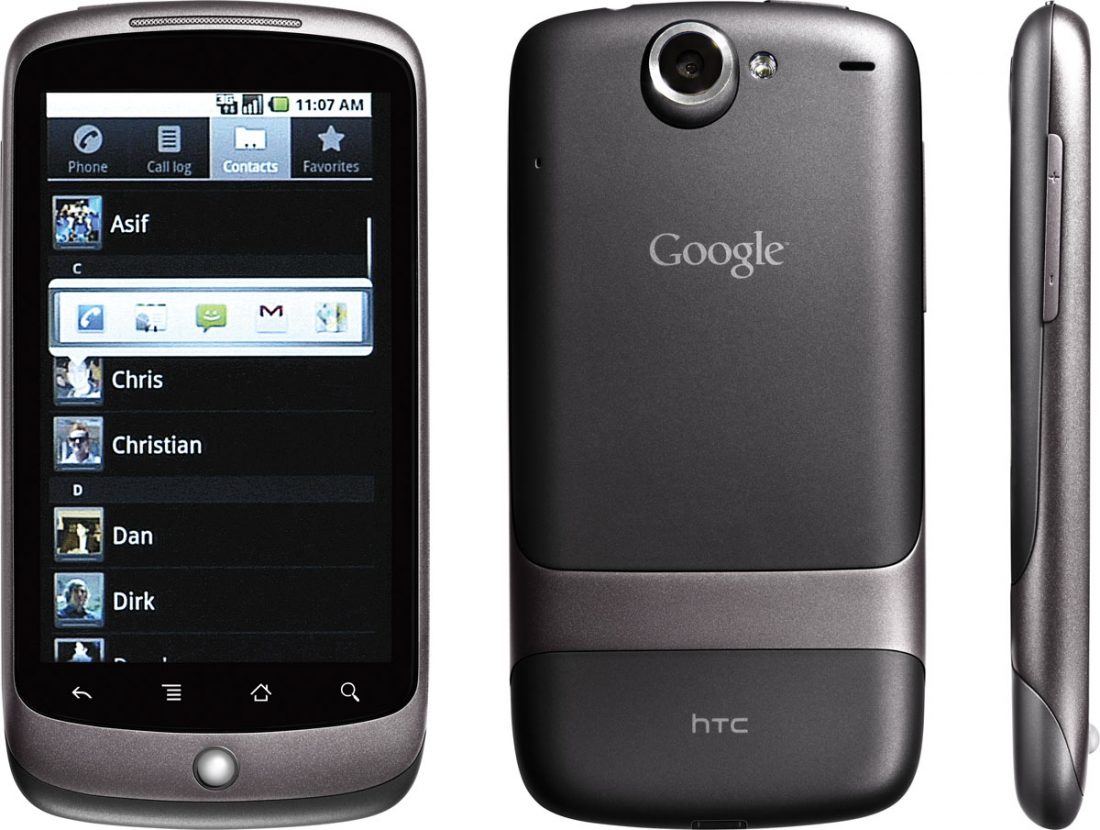
    We all knew that there a lot was riding on HTC to deliver with its upcoming flagship, the HTC 10. It seems that HTC has its hands full a lot more now that Google has returned to it to manufacture the next set of Nexus devices until 2019, at least. According to rumours, HTC has signed a 3-year contract to build Google’s Nexus phones for 3 years. Given that HTC was responsible for the first Nexus device way back in 2010, it’s not an entirely strange decision for Google to come a full circle.

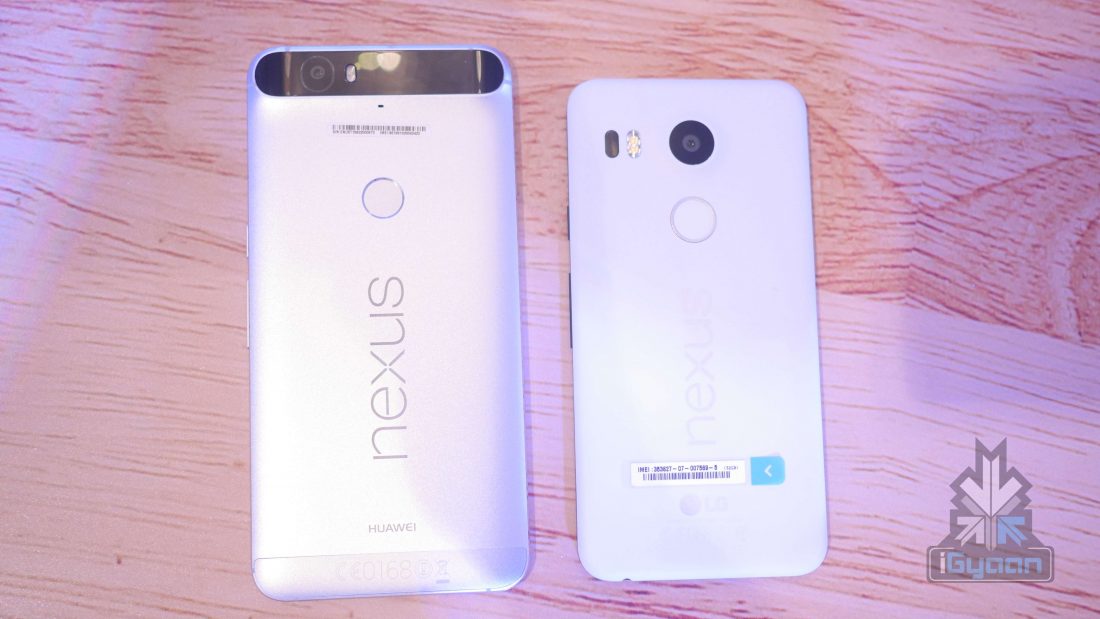
    Last year, LG and Huawei were in charge of building the Nexus phones. The LG 5X and Huawei 6P Nexus phones were received with mixed reactions. The devices came with impressive specifications for 2015 but the designing was less inspiring than most other smartphones out there. This could be why HTC is now donning the thinking cap. But is this the right time for HTC?

    HTC Nexus One (2010)
    HTC Nexus One (2010)

    We’ve seen that HTC has recently been receiving very underwhelming responses towards its latest devices. The One M9 and One A9 were both criticised for its lack of creativity in terms of design. Meanwhile, the upcoming HTC 10 flagship also seems to be influenced by the One A9 while fans were really hoping for a great new design by the company, more in line with the One M7.

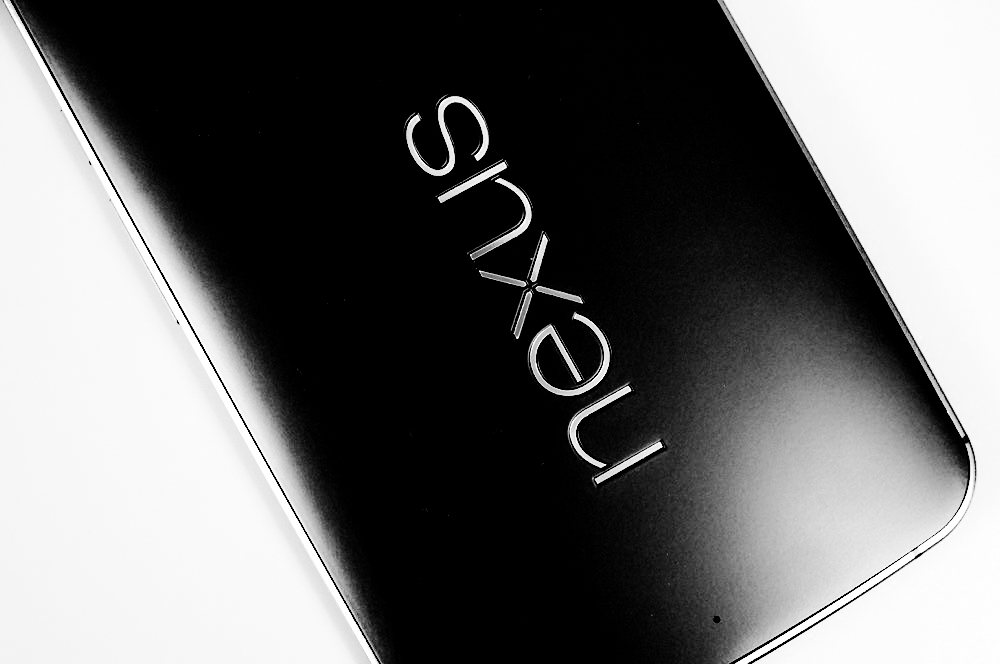
    However, Google seems to feel that HTC has what it takes to make great looking devices. The Nexus 5X made by LG came with a very flimsy looking plastic body and didn’t give too much aesthetically. The one made by Huawei, on the other, came with a premium feel to it with a metal unibody though the long, black rear camera bar on top gave it a slight unattractive quality.

    Huawei Nexus 6P 15
    Nexus 6P and Nexus 5X

    It has been rumoured that Google plans on launching, at least, two Nexus devices this year. While we’re still not sure whether HTC will be in charge for both (Huawei could still be in the game), the company will still be responsible for at least 4-6 Nexus models until 2019.

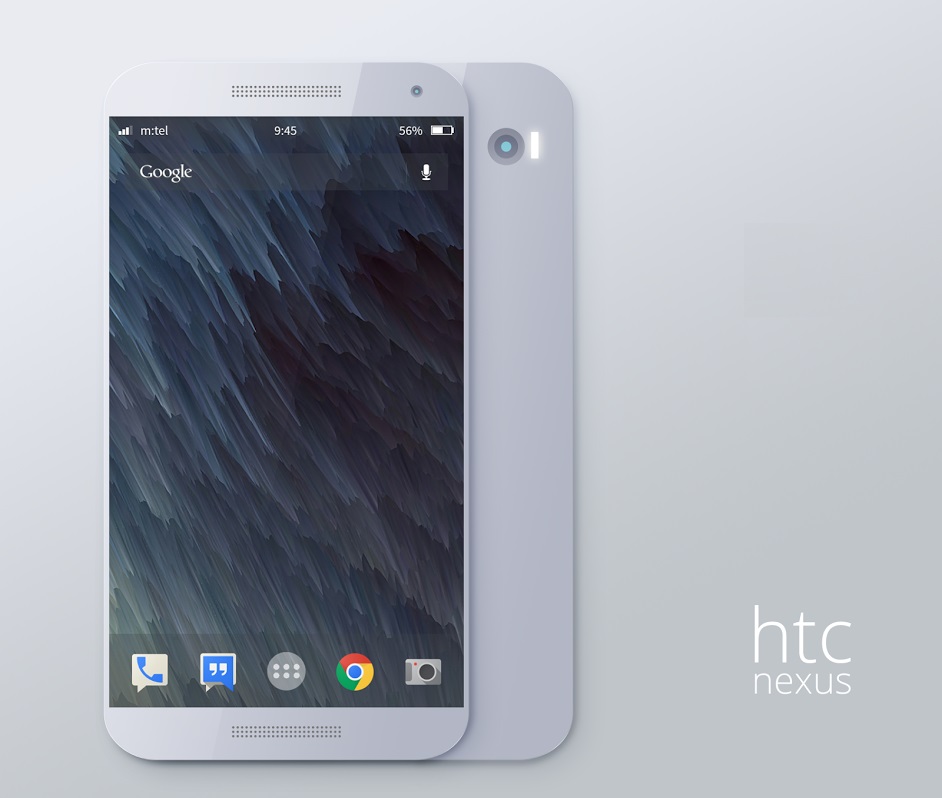
    If we go by rumours and HTC’s design philosophy in the past (which is in a dubious state as of now), we can expect that the upcoming Nexus device will feature 3D Touch functionality, a metal construction, solid build with minimalistic design, and powerful specs. HTC has usually tried to keep things simple when it comes to looks and you can perhaps expect slimmer bezels as compared to the Nexus 5X and 6P. And how about throwing in some BoomSound speakers as well?

    htc-nexus

    HTC has a lot on its plate this year. After launching the HTC 10, the company will shift its focus on the Nexus. Add to this, it also looks like HTC is going to focus on virtual reality a lot more, given that its Vive VR headset is among the best in the nascent VR game. The company is looking at ways to incorporate VR in its flagship which we may get a taste of in the upcoming Nexus device, and you can bet Google is very interested in that as well. After all, Google has the Carboard for it and has been reportedly working on a new virtual reality headset much like the Gear VR.

    Google will also likely release an Android VR software along with the VR headset that will look to enhance the VR experience by making the software native to the Android operating system. This will not only help Google’s own VR product but HTC’s as well. From where we see it, the timing for the two company’s could not have been better. We wait and see what HTC and Google have in store for us this.

  • Huawei P9 to Launch at a Press Event on 6th April

    Huawei P9 to Launch at a Press Event on 6th April

    After skipping the temptation of a more fashionable launch at the Mobile World Congress last month, Huawei, as it stands, has made its mind up to finally unveil to eager fans its flagship phone, the P9 on 6th April at an event in London.

    Huawei-P9-b

    The Chinese company in its press invite for the event has claimed that it will “Change the Way You See the World”. This can be interpreted as an apparent reference to what is much-anticipated camera setup on the upcoming P9 which Huawei has developed in partnership with Leica.

    Murmurs suggest that this partnership will see Huawei bring to its fans a 12-MP dual rear camera setup with the phone capable of going head to head with any camera on a phone in the market.

    Apart from the camera, the P9 will be a pretty high-end red range regarding other specs. The flagship is being tipped to arrive in three different variants. The entry-level phone will feature a Snapdragon 650 processor, 16GB onboard storage, and 2GB RAM. The other standard variant will run a Kirin 950 SoC, 32GB built-in storage, and 3GB RAM Along with a 5.2-inch display.

    The top of the line, P9 Max will come with an 8MP front-facing camera, fingerprint sensor, 64GB built-in memory,4GB RAM, WiFi, 4G LTE, Bluetooth 4.1, and a 3900 mAh battery. The P9 Max will also be equipped with a massive 6-inch Quad HD screen.

  • Huawei P9: Where Does it Stand?

    Huawei P9: Where Does it Stand?

    For the past few weeks, we’ve been hearing quite a few rumours and have been witness to leaked images of Huawei’s upcoming flagship P9 smartphone. The successor to the P8 will look to create a space between big flagship devices like the Galaxy S7 and the Mi 5. It was earlier rumoured that the Huawei P9 will be launched on March 9, but it seems that the launch date is more in line with popular tipster Evan Blass’s speculated April launch.

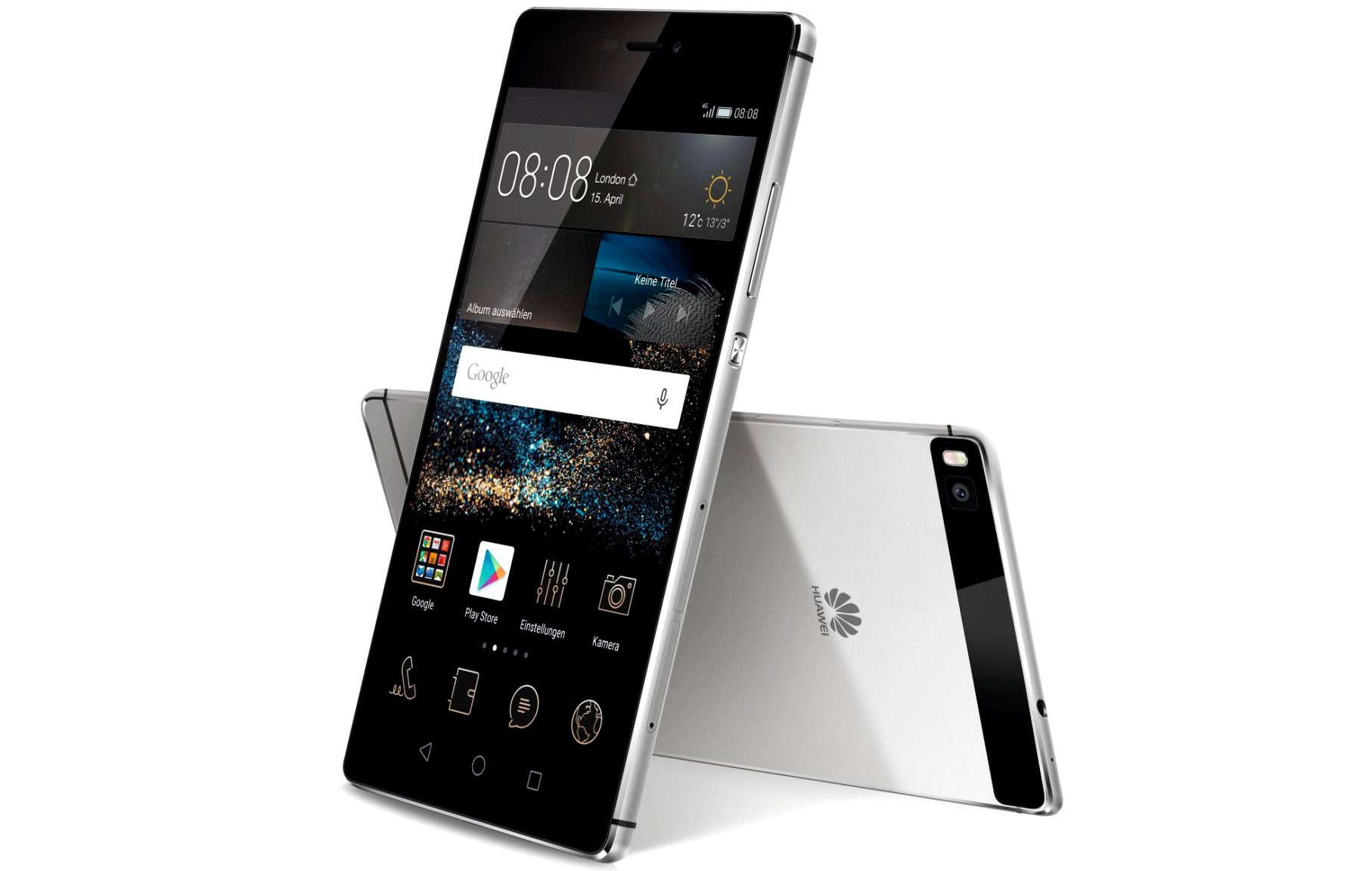
    Huawei has created a niche audience with its devices. Sure, it may not produce devices that can match the best of Samsung, but it does manage to come with impressive flagships that are more affordable than many others. Last year’s Huawei P8 was well-received thanks to its sleek design language and an impressive camera at 12MP with f/2.0 aperture and OIS that took decent low-light captures.

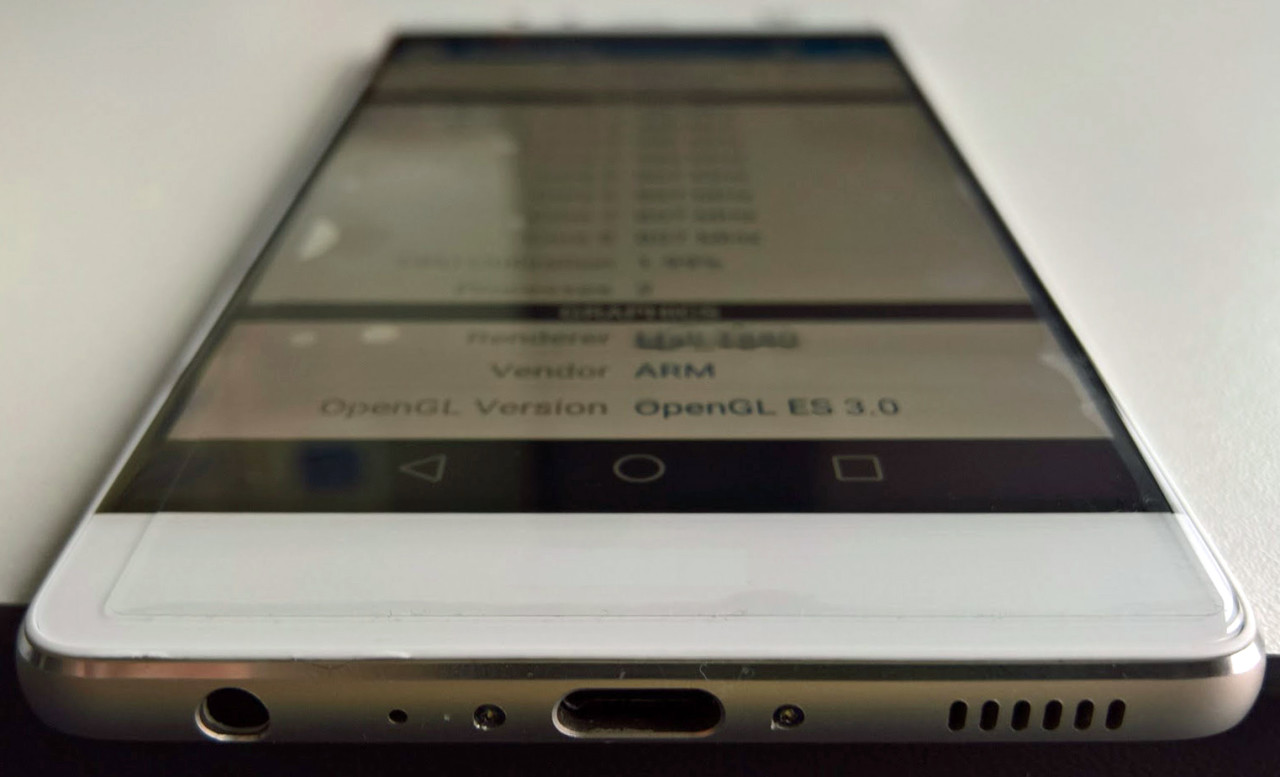
    USB-1280x777

    If one has been paying attention this year, one will notice that flagship devices already launched like Samsung’s Galaxy S7 and Xiaomi’s Mi 5 come with new camera technologies. It seems that 2016 will see phone makers focusing a lot more on camera and other such areas that haven’t seen much development in recent times. And from what we’ve heard so far, Huawei looks to bring out an improved new camera with the P9.

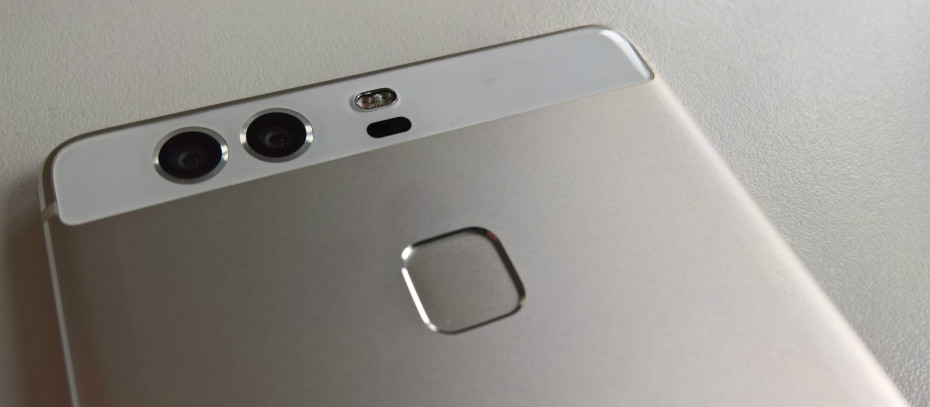
    The Huawei P9 is rumoured to feature a dual rear camera setup that will see a pair of 12-megapixel sensors with Leica lenses. Huawei also plans to incorporate some unique photography features in the phone though it’s not exactly clear right now what the plan is.

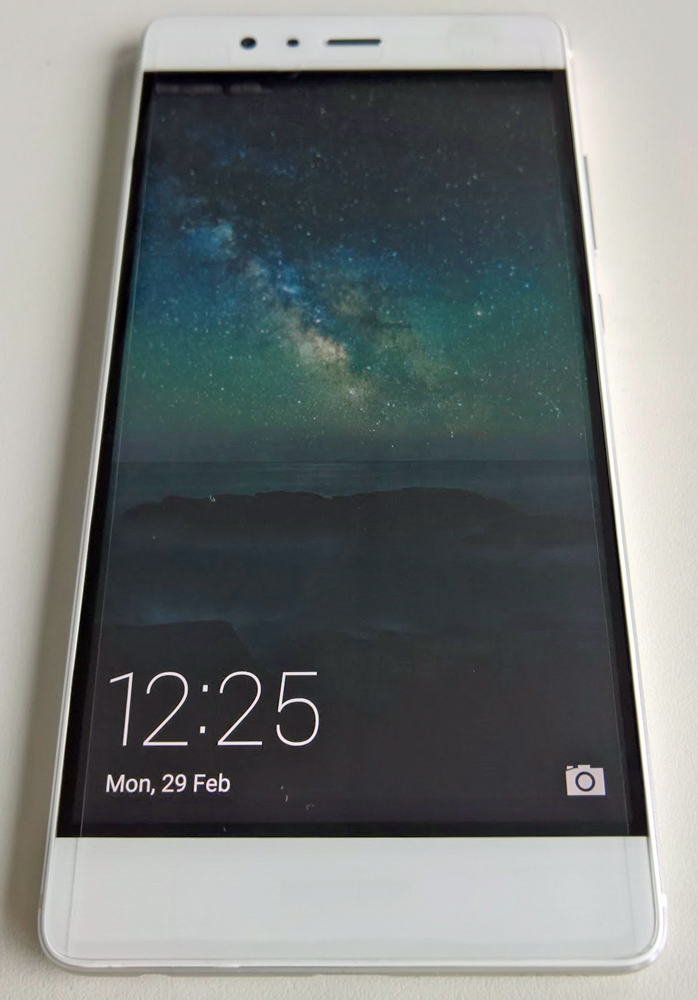
    Front

    Images of the flagship posted by Blass also reveal a slim metal design. Huawei has included a fingerprint scanner on the back, a dual cameras setup and USB-C. Now, while the images show a slim frame, one can’t ignore the large bezels at the bottom. In today’s competitive smartphone market where new devices come with a great screen to body ratio, the P9 may just fall short here.

    According to Evan Blass, the regular P9 will sport a 5.2-inch 1080p display, an in-house Kirin 950 chip, a 3900mAh battery, 3GB of RAM, 32GB of storage and Android 6.0.1 Marshmallow. The premium model could offer 4GB of RAM and a brand new Kirin 955 chip. These specs at least on paper make for impressive reading and quite frankly this is where Huawei will try to score as many brownie points as possible.

    Huawei with the upcoming P9 range of smartphones will come to the ring as a solid competitor to this battle for market supremacy. It has the features, the camera and even the specs, to do well in what will be a close fight, but such is the nature of the battle it will step into that impressive internals might not matter much in defining the P9’s future. What happens next for the P9 might just be defined by the price it retails at which if reports are to be believed should be known in the coming days.

iGyaan Network
Privacy Overview

This website uses cookies so that we can provide you with the best user experience possible. Cookie information is stored in your browser and performs functions such as recognising you when you return to our website and helping our team to understand which sections of the website you find most interesting and useful.