Category: Mobile

Smartphone News and Reviews, Latest Cellphones, Accessories, New Launches, Specifications, Details with Image and Video from Apple, Samsung, Lenovo, Moto, HTC, Xiaomi, Oneplus, Meizu, Sony, Lava, Micromax Yu Mobile and More.

  • Samsung Galaxy Grand 3 Specs Leak, 13MP Camera and 5.5-inch Display

    Samsung Galaxy Grand 3 Specs Leak, 13MP Camera and 5.5-inch Display

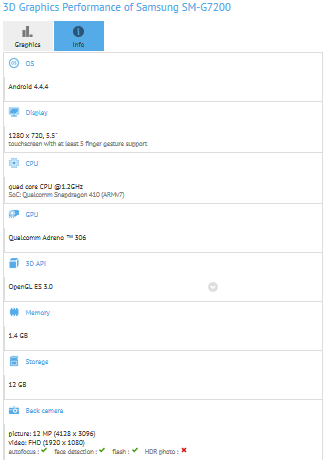
    Reports of Samsung’s next flagship, Galaxy S6, did its first round of leaks yesterday. Now, a phablet with model number SM-G7200 has been spotted on GFXBench, clearly indicating to be the next iteration in the Grand series, the Galaxy Grand 3.

    If these GFXBench results are to be believed, then the Grand 3 seems to be quite an overhaul over its predecessor. Going by the reports, the upcoming flagship in Grand series is likely to feature a 5.5-inch display, which is slightly larger compared to the Grand 2, though the screen resolution remains the same at 720p.

    binch

    Under the hood, it will be powered by a 64-bit Qualcomm Snapdragon clocked at 1.2GHz, bundled with a 1.5GB RAM and Adreno 306 graphics. In terms of memory, it is likely to have 16 GB of onboard storage, out of which 12 GB will be available to users.

    The camera seems to be the biggest upgrade. The Grand 3 will likely get a 12MP rear camera along with a 5MP front-facing camera, compared to the 8MP rear and 1.9MP front snapper found on the Grand 2.

    The Grand 3 is expected to run Android 4.4.4 KitKat. As of now, there is no confirmation regarding the Lollipop update. We can expect the Grand 3 to launch in India anytime before the end of this calendar year.

  • Galaxy Note Edge Confirmed to Debut in the US on 14th November

    Galaxy Note Edge Confirmed to Debut in the US on 14th November

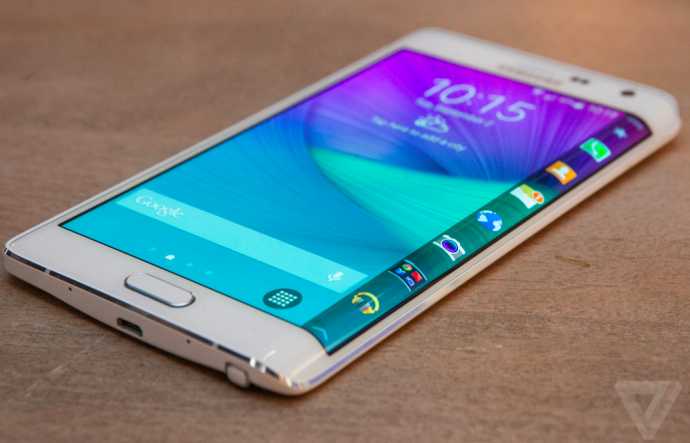
    Samsung’s Galaxy Note Edge, the world’s only smartphone with a functional curved touchscreen, finally gets a launch date. The phone will debut on 14th of this month, but in the US only. Samsung Telecommunications America officially announced this yesterday.

    The Galaxy Edge is a one of a kind device with a fully functional curved display for hassle-free access to notifications. The edge screen gives access to e-mail, internet, apps, notifications, news and more without the need to navigate from the main screen. The phone did grab some attention at floor shows this fall for its bizarre design.

    The Galaxy Note Edge will go on sale via major carriers across the US. AT&T is reportedly offering it at a starting price of $400 on a two-year contract.

    Apart from the curved display, the phablet is more or less identical to the Galaxy Note 4 when it comes to features and peripherals. As of now, there is no word regarding its price, but we can expect it to cost a bomb, as the Galaxy Note 4 is priced at a staggering Rs. 58,300. Samsung has also revealed that the Galaxy Note Edge will be a limited-edition phablet and won’t be produced in large stocks.

  • Leaked Images Show the First Microsoft-Branded Lumia

    Leaked Images Show the First Microsoft-Branded Lumia

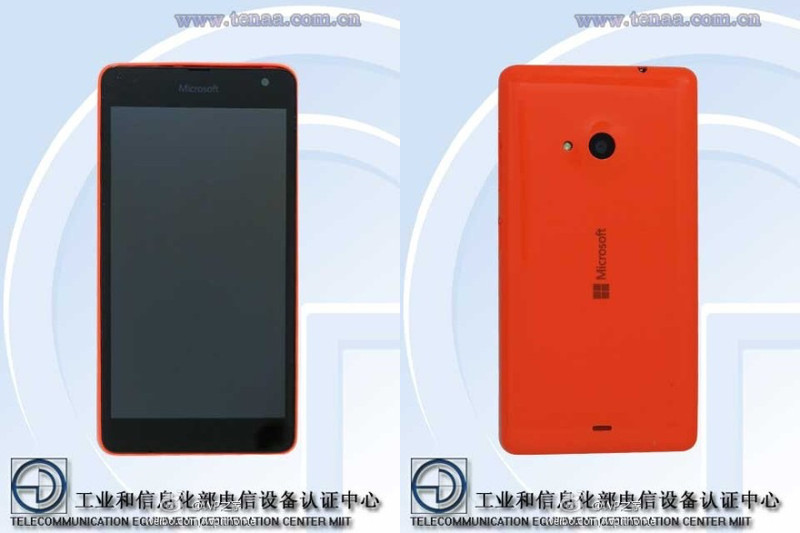
    Earlier this month, Microsoft officially killed the Nokia brand for its Lumia smartphones, and now images have surfaced of what appears to be a new device with the Microsoft Lumia branding.

    Images from Chinese regulator TENAA reveal a new Lumia handset with the Microsoft branding on the front and rear, and perhaps it is a larger version of the Lumia 530. Dubbed as the RM-1090 as of now, it offers dual-SIM connectivity.

    rm-1090-tenaa_0

    Microsoft did hint at the possibility of a new Lumia launch soon, with features similar to that of the Lumia 830. It appears to be the latest addition to low-end Windows Phone from Microsoft. A ploy that the company is using to compete against Android and iOS, as it struggles to stamp its authority in terms of overall OS market share.

    We have a witnessed a slew of launches by Microsoft over the past few months, with price and availability being their primary focus. We are expecting the RM-1090 to be on the same lines and see the possibility of it being unveiled before Christmas.

  • 64GB OnePlus One to be Priced Under Rs. 25,000 in India

    64GB OnePlus One to be Priced Under Rs. 25,000 in India

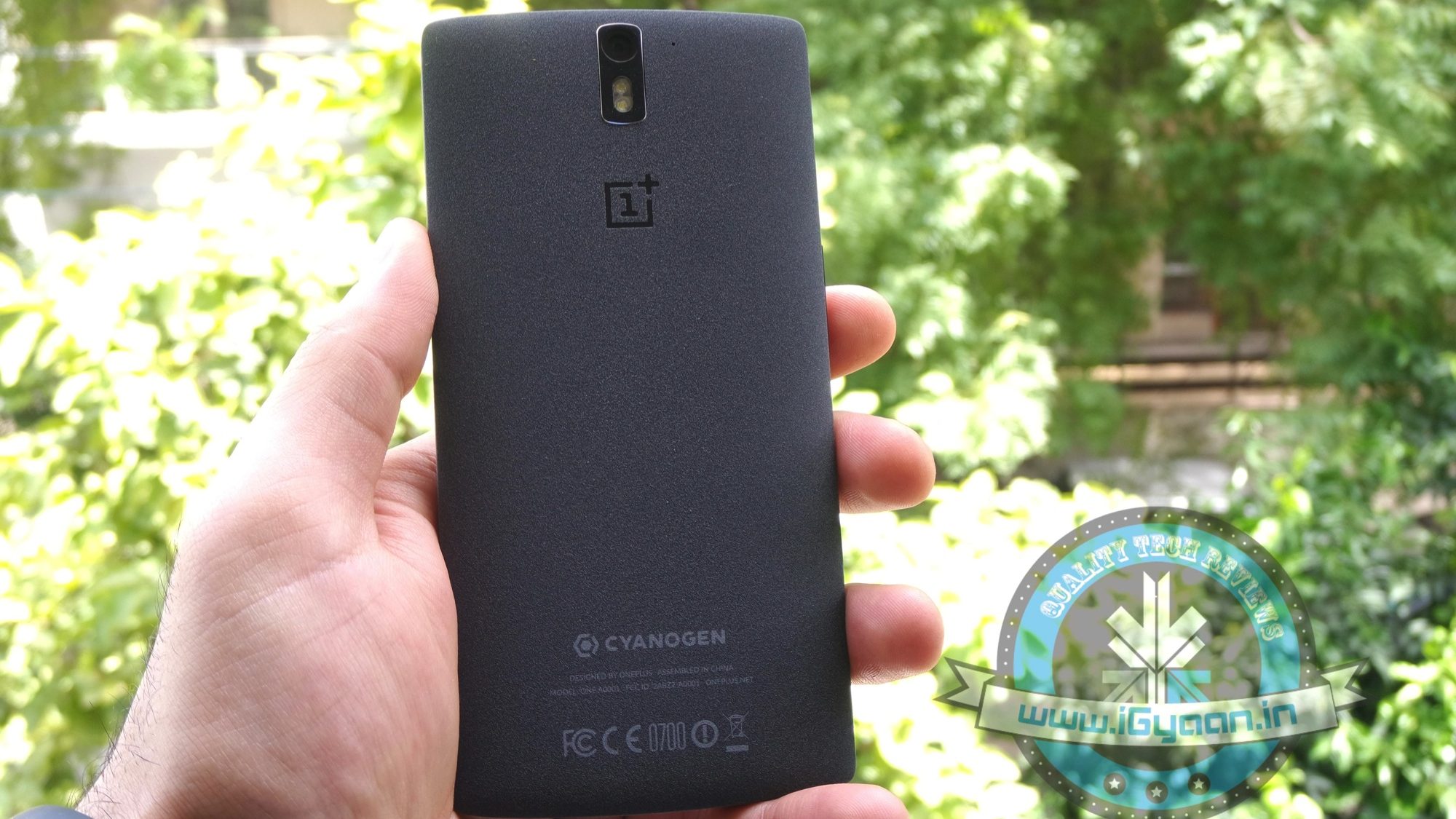
    One of the long-awaited phones in India has been the OnePlus One. This one of a kind phone has created waves all over the world. Its youthful design coupled with high specs and low price has made the device a darling of technology enthusiasts. The added value of exclusivity has made OnePlus One even more desirable. Lately, the company has opened up on what all Indians were till now waiting for, its price.

    The Chinese company will be selling its blockbuster phone through its India-specific invite system. In an interaction with The Indian Express, the company claims that this will prevent shortage of device for potential customers. The invite process is also much fair and transparent then the flash sale model.

    The company has mentioned the price of the 64 GB variant for less than Rs. 25,000 ($407 approx), which is a bit above the expected price range, but still is a great offering if its specs are taken into account. OnePlus One’s Cyanogen-based user experience has been appreciated for its customisability and regular updates. The phone will also be available in its 16 GB avatar, but its price isn’t known as yet.

    The phone doesn’t have much of a competition in its mid-segment price. It will compete with Nexus 5, Elife E7, Desire 820 and their likes. Considering the demand for the device, it is surely expected to repeat a Xiaomi act in India. Whatever may be the case, the winner will still be the consumer who will get this fantastic piece of gadgetry at an enviable price.

  • Collapsible and Wearable Smartphone Kyocera Proteus Sets a Benchmark

    Collapsible and Wearable Smartphone Kyocera Proteus Sets a Benchmark

    No smartphone calls for as many speculative rumors as much as the iPhone. Before every iPhone release, there is one render that keeps making a comeback. It shows a flexible device that can collapse and become a wearable. Well, Apple won’t be making any such device anytime soon, but a Japanese company Kyocera has beaten the brand name to bring such a device for the world to drool over.

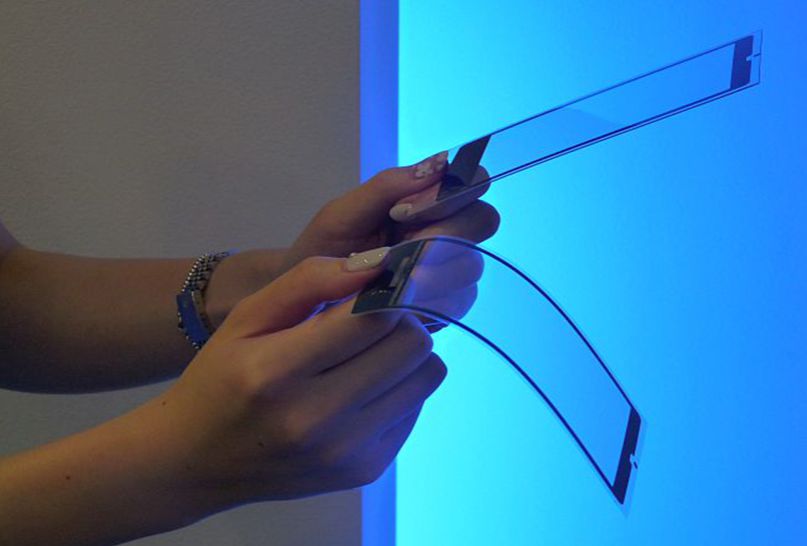
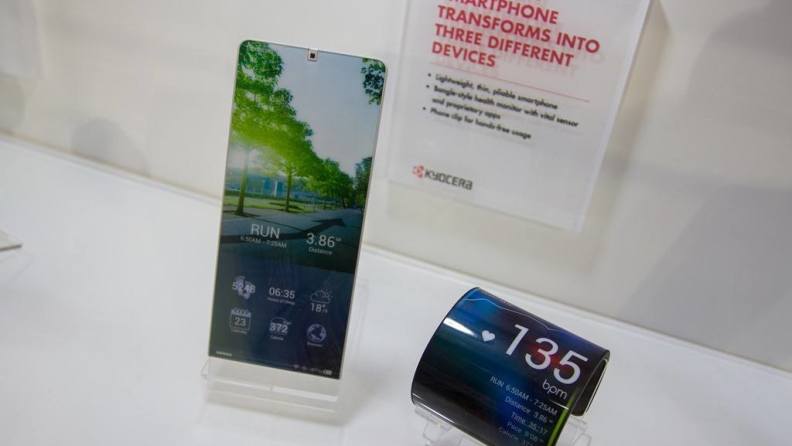
    Meet the Kyocera Proteus, a device with unmatched innovation. It can transform from a flat, bar-shaped phone into a bracelet and can be draped or wrapped around a thin rail, like a cycle handlebar. This device when mass-produced can make all of the present mobile technologies obsolete.

    The Proteus concept was presented at CEATEC, which is Japan’s largest consumer electronics show. The concept is ultrathin, almost see-through, and superlight.

    When folded from the bar mode to a wearable mode, the phone turns on its sensors and you can start your health tracking on the device. When riding a bike, the device can become your GPS guide. The possibilities of this device are endless.

    The Proteus is expected to have AMOLED display. The concept looks great in its initial stages, and it’s a great one-device solution that everyone was looking for. The company is currently in the process of figuring out the battery technology to be utilized to make the device fully functional. There are multiple suggestions being given. According to a source, one of the most innovative suggestion is the inclusion of piezoelectric generators that will convert kinetic energy into electric charge. Hence, the battery can be completely avoided and the device can be charged even on the move.

    Kyocera deserves credit for bringing the fantastic product to reality. We just hope they get rid of all the glitches and take us into the future as soon as possible. Now who is working on those damn jetpacks?

  • With Moto-Power Lenovo Becomes the Third Largest Smartphone Company in India

    With Moto-Power Lenovo Becomes the Third Largest Smartphone Company in India

    The acquisition of one of the most adored brands, Motorola by Lenovo was met with a wide negative response in India. But this acquisition did more for Lenovo than just being the owner of an awesome brand. It took an enormous leap in the Indian smartphone market. The Chinese electronics company now is the third biggest smartphone company in India.

    Lenovo acquired Motorola from Google for a sum of $2.9-billion. The deal was finalized this Thursday, the 30th of October, and it will give Lenovo the boost in the Indian market that it was looking for. The deal got Lenovo in the third spot in India and many other markets globally.

    This may also mean a bit of a pull back for Xiaomi. According to data research by IDC, the company will move down to the fourth spot after just recently hitting the podium stand. Seems like celebrations didn’t last long for the company. This will be a neck and neck competition because both Motorola and Xiaomi are stars of the low-cost markets. This is a market where the maximum amount of sales takes place. Lenovo has a good market stand in the offline channels and combined with the high online demand for Motorola product it can easily set a flag post at the third spot.

    blog_post_banner-01-01v3

    The top spot in India is still in the hands of Samsung, that has come up to become an alternative recognizable brand after the demise of Nokia. It holds 23.8% of the mobile phone market and is distantly followed by Apple with a market share of 12%.

    Lenovo says that it considers India as an important market, and it will continue its original market plan. It will definitely benefit from the brand recognition of Motorola, especially  in the youth market. Since its return to Indian shores, the company has sold over 2 million products from its catalog.

    The Lenovo-Motorola partnership plans to sell about 100 million smartphones and tablets globally by march of next year which is an audacious task. The part of this acquisition that will be appreciated by most folks casting doubts on the future of Motorola products is that Lenovo and Motorola will continue on as separate entities. So you can expect your next Moto buy to still hold the Moto experience that you have come to love and appreciate.

  • Kerala Declares an Internet Strike Against High Mobile Data Charges

    Kerala Declares an Internet Strike Against High Mobile Data Charges

    If you own a smartphone, you know the state of the Indian mobile internet. The speed is pathetic, the access is limited, and the prices are high. The options are limited too as the major companies are monopolistic with the prices being increased unanimously across the board. In the age of heavy inflation, the data charges are a severe blow to the pocket. So the young folks in Kerala are going for an innovative way to protest against these arbitrary rises in data charges by organizing an internet hartal.

    Today on the 31st of October, the data subscribers will be disconnecting from their data connections. It is called the All Kerala Internet Hartal. The organizers have said that the reason behind the hartal is to protest against the day to day increase in the prices of data packs. The protest is specifically targeted at AVoId ( Airtel, Vodafone and Idea) who have now become mind-bogglingly huge with a massive number of users dependent on them.

    The folks are fed up with their inability to share their grievances with the companies, to which the companies tend to lend a deaf ear. Hartals are a proven way of civil disobedience, and this will definitely make the point across to the other side.

    The reason behind the massive leap in prices is the advance of messaging apps like Whatsapp, Hike, Snapchat and others who have caused a severe dent in the SMS revenue. The telecom companies have to pay a heavy sum for renting the spectrums to provide the services, and they want to squeeze every last penny of profit for the sum they invested. But they can also do this by providing cheaper internet and count on the massive users they will bring for the company, specially at the speed Indians are buying smartphones.

    People participating in the protest have also used the analogies from history. One of them has given the reference of bread strike in England. “…once in England when bread companies increased their prices, the whole country did not buy bread for few days, and the company had to decrease their price,” says a message.

    The sorry state of the internet in India calls for protests like this. We at iGyaan understand the need for a real internet revolution in this country. In the coming days, we’ll be announcing a massive initiative demanding a model internet which compliments a nation that sends spacecrafts to Mars. Keep checking the space for more details in the future.

    As for the hartal today, if you agree with the stand of the folks in Kerala, you can support them by switching off your data packs for the day. You can also organize a hartal in your own state. It is also a great way to get rid of all that noise in the digital world and have a glance at the beautiful 3D physical world, at least for a day.
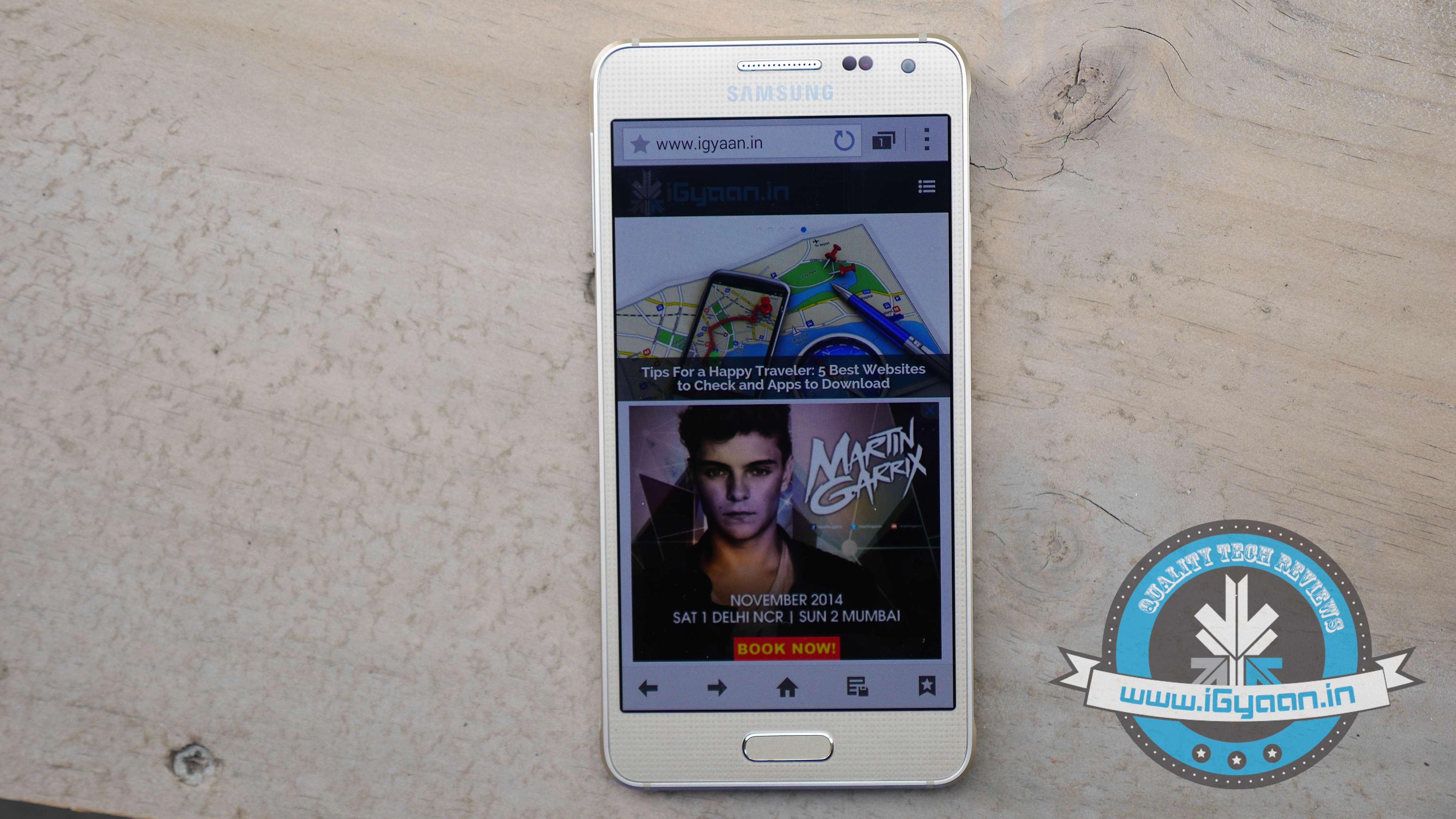
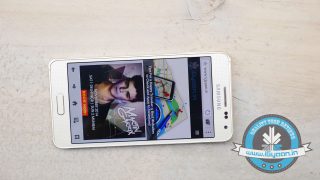
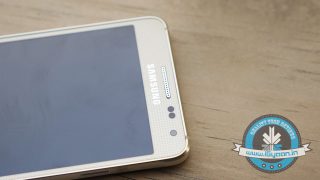
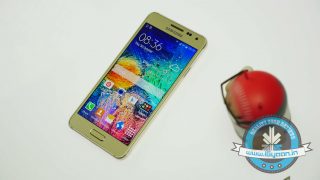
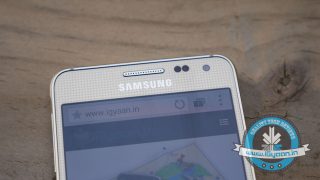
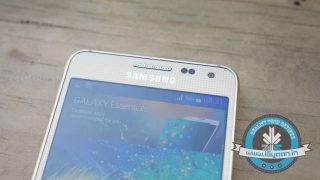
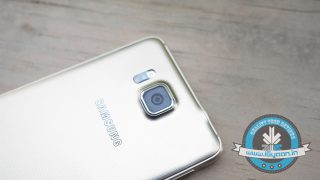
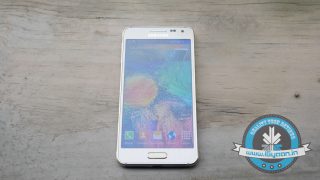
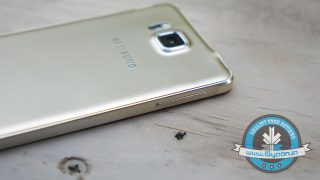
  • Samsung Galaxy Alpha Unboxing and Hands On

    Samsung Galaxy Alpha Unboxing and Hands On


    Specs  Samsung Galaxy Alpha Samsung Galaxy S5 iPhone 6 Moto X (Gen 2)
    Display 4.7 inch 720p HD (312 ppi) 5.1 inch Full HD (432 ppi) 750 x 1334 pixels, 4.7 inch (326 ppi) 1080 x 1920 pixels, 5.2 inch (424 ppi)
    Processor Exynos 5 Octa 5430 (1.8GHz quad-core Cortex A15 + 1.3GHz quad-core Cortex A7) Exynos 5 Octa 5422 (Quad-core 1.9 GHz Cortex-A15 & quad-core 1.3 GHz Cortex-A7) Apple A8, Dual-core 1.4 GHz Cyclone (ARM v8-based) Qualcomm Snapdragon 801,Quad-core 2.5 GHz Krait 400
    RAM 2 GB 2 GB 1 GB 2 GB
    Storage 32 GB (non-expandable) 16/32 GB (expandable upto 128GB) 16/64/128 GB (non-expandable) 16/32 GB  (non-expandable)
    Camera 12 MP Main, 2.1 MP Front 16 MP Main, 2 MP Front 8MP Main, 1.2 MP Front 13 MP Main, 2 MP Front
    Battery 1860 mAh 2800 mAh 1810 mAh 2300 mAh
    Operating System Android Kitkat v4.4.4 Android Kitkat v4.4.4 iOS 8, upgradable to iOS 8.1 Android OS, v4.4.4 (KitKat), upgradable to Android L

  • Motorola’s Newest Smartphone Comes with 3900mAh Battery and 21 MP Main Camera

    Motorola’s Newest Smartphone Comes with 3900mAh Battery and 21 MP Main Camera

    Motorola has officially launched the Droid Turbo, a Verizon-exclusive smartphone manufactured by Motorola, and it appears to be their most powerful yet. Verizon and Motorola have always shared close relationship, at a time where AT&T was the exclusive US carrier for the iPhone.

    The Droid Turbo’s biggest catch is its battery life, though moreover, it’s a fact that it has much more powerful specs than any of Motorola’s available flagship. The Droid Turbo has a Qualcomm Snapdragon 805 with four Krait 450 cores clocked at 2.7 GHz and 3 GB of LPDDR3 memory. It sports a 2560×1440 AMOLED display, which we see quite often these days on Android flagship smartphones. The device comes with a 2MP front-facing camera capable of recording 1080p video along with three capacitive navigation buttons, which means we won’t see any on-screen buttons that Motorola has been using on their devices.


    Key Specs

     Droid Turbo

    Display 5.2-inch 2560×1440 AMOLED at 565ppi
    Processor APQ8084 2.7 GHz Snapdragon 805 with 4xKrait 450 + Adreno 420
    Storage 32/64 GB
    RAM 3 GB LPDDR3
    Camera 21 MP (5248×3936) Rear Camera with F/2.0 aperture, 2 MP Front Camera
    Battery 3900 mAh
    Operating System Android 4.4.4 KitKat

    As already mentioned, the most striking aspect of the phone is its 3900 mAh capacity battery and it claims to last up to 48 hours of usage. The Droid Turbo will also support Motorola’s Turbo Charger, a new accessory from Motorola that is said to provide 8 hours of battery life in a mere 15 minutes of charging. It will have support for 4G LTE with LTE Cat 4, apart from CDMA, EVDO Rev A, GSM/ UMTS/ HSPA+. Meanwhile, the back of the phone houses the 21 MP primary camera, which Motorola claims is capable of recording 4k videos at 24fps, along with support for 1080p recording at 30fps. The back of the phone is quite similar to what we have seen in the Moto X and Moto G, but slightly less curvy. There’s also a lot of branding on the back with a logo for Verizon, the Droid brand, and of course, Motorola. Even with those, it still emanates Motorola’s design language.

    The Droid Turbo will have two choices of materials. One is a metallic finish which comes in black or red and is lighter and slimmer of the two. They will all have 32 GB capacity. Meanwhile, the 64 GB version will only get the Nylon Ballistic Black finish, which is slightly thicker and heavier.

    The Droid Turbo has been priced at $199.99 (approximately Rs. 12,250) for the 32 GB variant, while the 64 GB version costs $249 (approximately Rs. 15,300), both on a two-year term.

    To us, it’s yet another Droid that India won’t get its hands on.

  • OnePlus is Developing a New Android ROM for the OnePlus Two

    OnePlus is Developing a New Android ROM for the OnePlus Two

    Chinese mobile superstar, OnePlus is reportedly creating a new Android ROM for the upcoming OnePlus Two. The CEO of the company told the Chinese media that the company is planning to ship one variant of the Two with a home grown ROM.

    OnePlus One is known and demanded world over for its high specs, awesome design and low price. The device is especially appreciated for running the Android based CyanogenMod, that keeps the devices updated. Apart from this, the device ships with Color OS in China. Color OS can be found on the devices from OnePlus’s sister enterprise, Oppo. It seems that OnePlus might bid farewell to the Color OS for its own operating system.

    The OnePlus One currently runs CyanogenMod and it is unanimously appreciated for it.
    The OnePlus One currently runs CyanogenMod and it is unanimously appreciated for it.

    In the past, the company has taken multiple steps to reduce its dependency on CyanogenMod. They had released a stock Android ROM for their devices. Apart from that they had also offered support for other ROM’s like Paranoid Android and SlimKat ROM.

    It is highly unlikely though that the company may dump CyanogenMod altogether after a regularly updated ROM is one of the centerpieces of the device. But it will be interesting to see if a homegrown ROM will match up to the amazing CyanogenMod.

    OnePlus has also just announced that they will be bringing the One to India with a geography limited invite system. Considering the massive demand for the device, we will assume that they will repeat the millisecond vanishing act that has been perfected by its compatriot, Xiaomi. As for the OnePlus Two, it would be arriving somewhere around the second or third quarter of next year. We are waiting for your arrival OnePlus.

  • Hands On : Micromax Canvas 4 Plus

    Hands On : Micromax Canvas 4 Plus

    Micromax has dropped a few handsets in the past months, that have made big news. The Canvas Nitro, Canvas Gold and the A1 Android One Phone, are a few examples of products that made headlines. The Canvas 4 Plus will make headlines of its own, however, it may be the iPhone 6 plus’ bendgate that influences this one.

    The Canvas 4 plus, is a new entrant and features a 5-inch 1280 x 720 p display along with an octa core Mediatek chipset, 1 GB of Ram and micro SD card expansion. The phone is might slim at just 7 mm thick and boy, does it bend easily.

    In our unboxing of the phone, just because the phone looks so similar to an iPhone, we lightly attempted a bend test and it bent out of shape. We didn’t go all the way, as it would totally ruin the review of the phone. However, once the whole mumbo jumbo is over we might give it another go.

    The phone also shows signs of warming up during basic usage and especially so during browsing the internet. The phone comes preloaded with a bunch of applications and the Quick Look blinkfeed-esque interface that takes away from the user experience and you will find yourself trying to remove them sooner than expected.

    The phone other than the bending issues feels good in the hand and has metallic buttons, however the bending really makes you worry about the build and the plastic top and bottom parts come off easily at the back.


    Specs

    Micromax Canvas 4 plus

    Gionee Elife S5.1

    Gionee Elife S5.5

    Huawei Ascend P6

    Display

    720×1280 pixels, 5.0 inches 720×1280 pixels, 4.9 inches 1080×1920 pixels, 5.0 inches 720×1280 pixels, 4.7 inches

    Processor

    MediaTek 1.7GHz octa-core Qualcomm Snapdragon 400 Mediatek MT6592, Octa-core 1.7 GHz Cortex-A7 Huawei K3V2
    Quad-core 1.5 GHz Cortex-A9

    RAM

    1 GB 1 GB 2 GB 2 GB

    Storage

    16 GB (expandable upto 32GB) 16 GB (non-expandable) 16 GB (non-expandable) 8 GB/16 GB

    Camera

    13 MP rear, 5 MP front 8 MP rear, 5 MP front 13 MP rear, 5 MP front 8 MP rear, 5 MP front

    Battery

    2000 mAh 2100 mAh 2300 mAh 2000 mAh

    Operating system

    Android 4.4.2 Android 4.3 Android OS, v4.2 (Jelly Bean), upgradable to v4.4.2 (KitKat) Android OS, v4.2.2 (Jelly Bean), upgradable to v4.4.2 (KitKat)
  • Kochi-Based Start-Up’s Home Automation Device Has a Job For Your Spare Smartphone

    Kochi-Based Start-Up’s Home Automation Device Has a Job For Your Spare Smartphone

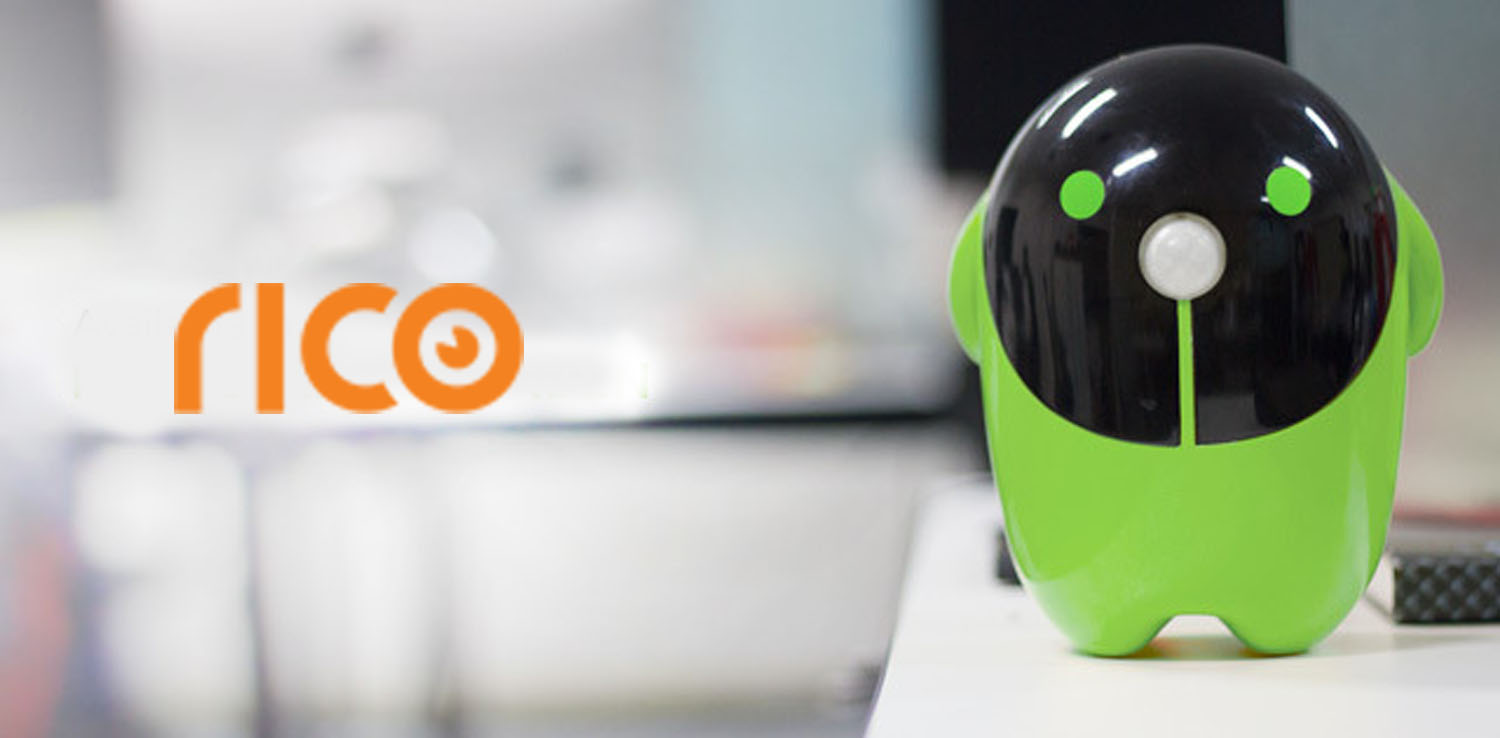
    Start-ups are a great big bastion of innovation. It is there where the real world changing innovations are taking place. There are many start-up’s working the field of home automation. One such startup happens to be Mindhelix, which is known for its personal security app. It came up with an innovative solution to take care of two issues at once. First it gives a new life to your old phone and second it takes your house into the future. The solution is called Rico.

    Rico is a small toy shaped, sensor-laden device that uses your old smartphone to provide advanced home automation services. It can even work without a smartphone but considering that every house has or will have a spare phone lying around, this seems a great proposition.

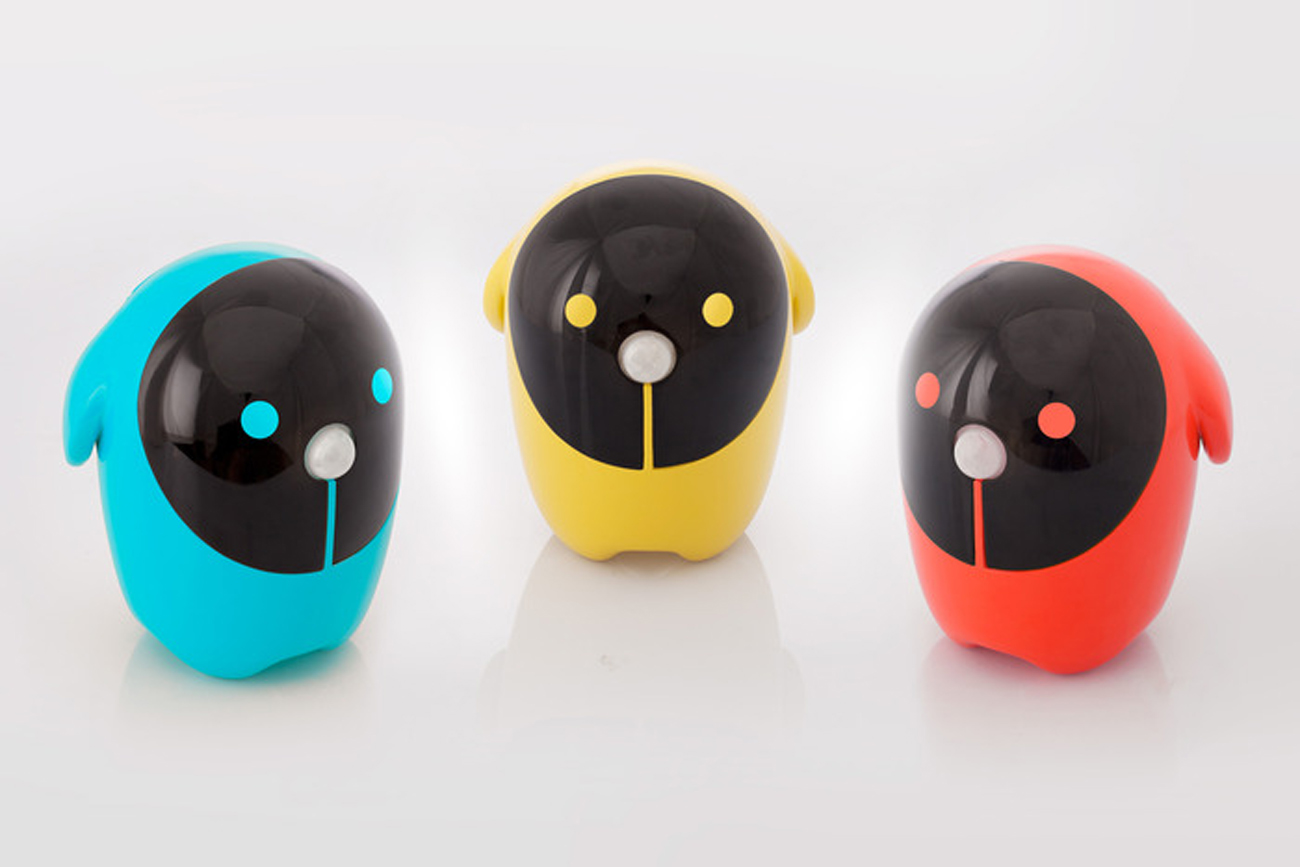
    Rico is available in multiple color options.
    Rico is available in multiple color options.

    The device is capable of multiple functions on its own. It provides motion detection, temperature detection, carbon monoxide, smoke, humidity sensing along with the ability to control smart sockets. Add in a smartphone and the device becomes a home automation powerhouse which provides HD Camera for home monitoring, Wi-Fi connectivity and a more powerful processor.

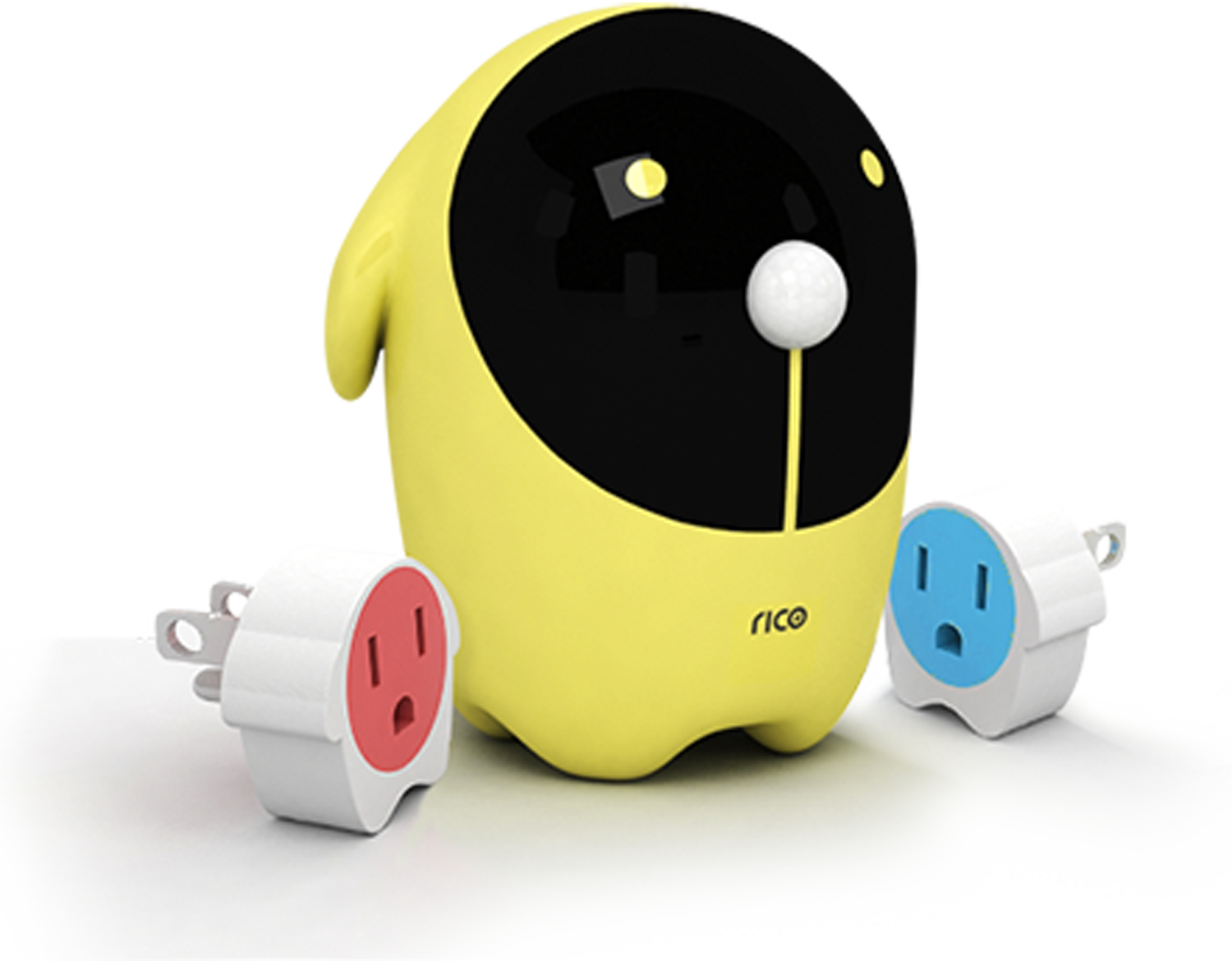
    The company plans to bring Smart sockets, which you can use to control your electronic devices such as refrigerator, AC’s and such. It is also a great way of getting rid of electronic wastes made by discarded phones that are still functional and end up adding toxic materials to the environment.

    Rico's Smart Sockets will let you control your electronic devices through its mobile app.
    Rico’s Smart Sockets will let you control your electronic devices through its mobile app.

    The greatest advantage of devices such as this is that it clears you of the worry of the security of your pad. The device can be controlled using a mobile app. As for the smartphone on the inside, it accepts any android devices running 2.2 and above and Apple devices with iOS 6 and above. It can take in any device up to the screen size of 5.7 inches (sorry Nexus 6).

    Mindhelix’s Kickstarter page has achieved its required target of $100,000 with over 60 hours to spare. The company is expected to ship Rico to its backers by November of 2015.

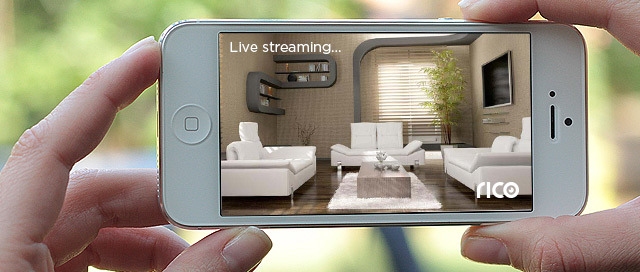
    Its great to get a livestream of your house.
    It’s great to get a livestream of your house.

    This seems like a great device to have in the house. The company is partnering with OEM’s in China to put the device into production. The Indian government also announced today that they want to set up a $15 billion dollar Internet of Things (IoT) market in India. If it is serious about it, the government has to encourage setting up of OEM’s in India by providing incentives to such small businesses. The Start-up village in Kochi where Rico was conceived is a fantastic example of how government-private partnership can lead to innovative solutions. This must be replicated across the country, especially in areas that are devoid of the IT boom. As we have said earlier, there is no dearth of talent in India, all that is needed is good leadership.

  • Google’s Reinvented ‘Inbox’ App to Ease the On-The-Go E-mail Experience

    Google’s Reinvented ‘Inbox’ App to Ease the On-The-Go E-mail Experience

    E-mails have been one of the greatest tools of the last decade. The speed of communication they introduced has helped significantly to help economies grow. Though their place in personal interactions has been taken over by social media, emails have managed to stay relevant by offering features such as video chat. Gmail, world’s most used email service now brings an app that can make using e-mail in the mobility era a breeze.

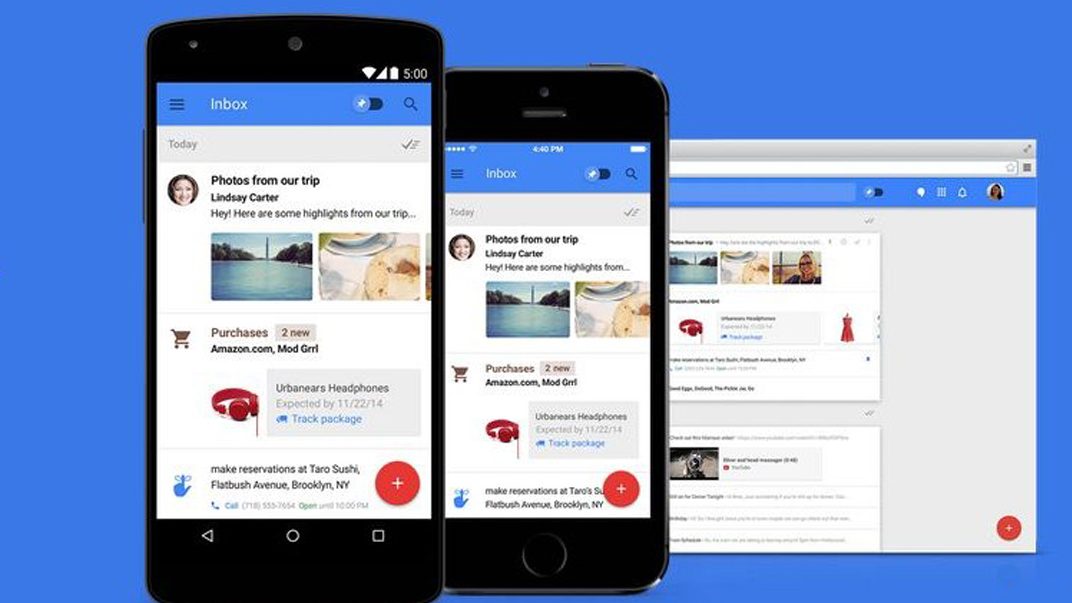
    “Inbox” is an email meant for folks who regularly use their mobile devices to check their emails. It is almost like a personal assistant neatly organizing your inbox so that you can just concentrate on the things you do.  The app offers multiple features to make your life easy.

    First of all is the ‘Bundles’. Google introduced an exciting feature on Gmail where emails were sorted into Primary, Social and Promotions which did the heavy sorting for you. Now with Inbox Google takes it a step further. Using technology that it had for Google Now, the app can read through your content and sort travel related mails into one bundle, and your purchase info into another. You can also create new bundles and customize your inbox according to your needs.

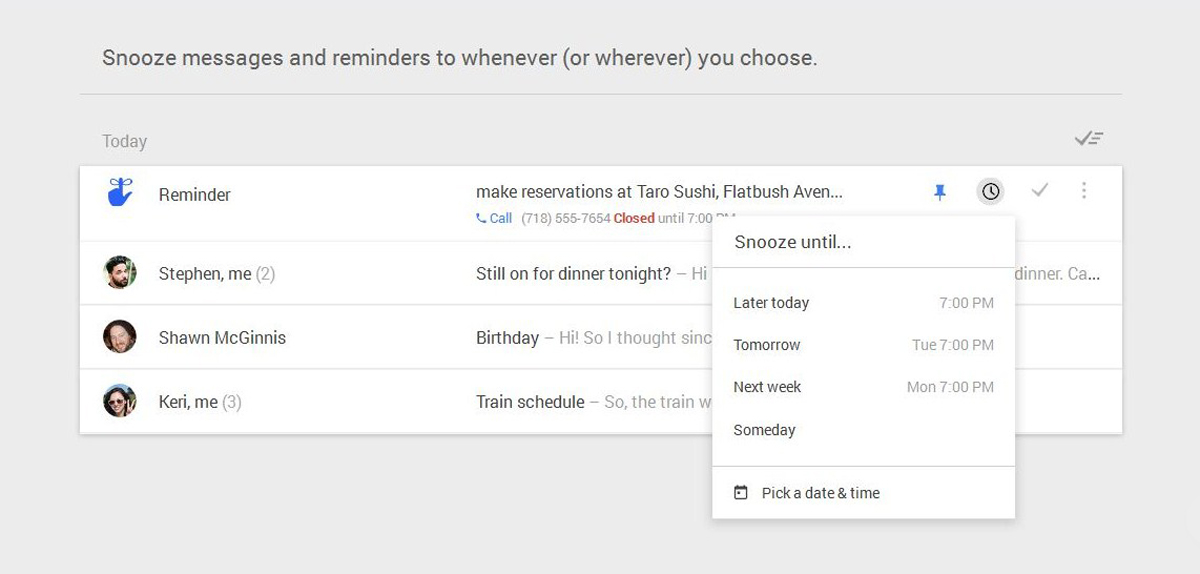
    The Snooze feature will help you get that well needed rest from your inbox.
    The Snooze feature will help you get that well needed rest from your inbox.

    Second feature it flaunts is ‘highlights’. Using this, you can see order updates, flight status, reservation details, and pictures without having to open the message.

    One important feature of the new inbox is ‘reminders’. You can easily set up reminders at the top of your inbox. This way they stay where you can always spot them. You can also use Google Keep for this but having reminders at one place does make sense.

    A feature that will be appreciated by most working professionals is snooze. Using this feature, you can choose to ignore the mountains of work emails during your rest time. Just set the snooze period you desire, and you won’t get any message or reminders during that period. If you snooze a message for office, the app will recognize when you’ve reached the office and it will show up again.

    The interface of the app is clean and lets you give quick access to all you need. Hope Google keeps this app to the basics and not try to add clutter like video chat. There are already too many video chat apps out there. The simplicity of this app is really inviting.

    Now all this sounds enticing enough to hit the Play store to score yourself an Inbox but, unfortunately, all good things ask for patience. Currently, the app is only available through invitation. You can send an email to [email protected] to request your invitation. We will give you a more in-depth review once we get our hands on the app. So stay tuned.


  • In a Post-Nokia World, Microsoft Unveils the New Microsoft Lumia Branding

    In a Post-Nokia World, Microsoft Unveils the New Microsoft Lumia Branding

    With the era of Nokia coming to a close, a new phone ecosystem will take its place. Microsoft has unveiled the new branding for its smartphone line-up which will now be known as Microsoft Lumia. As a part of the transition, the websites and social media pages are already on the move from the old Nokia to new Microsoft’s mobile pages.

    greenimage3

    To make its name prominent on the device, the Microsoft name will be featured prominently on the front and back of devices. According to the acquisition agreement, Microsoft had a good 18 month long period for them to transition from the Nokia brand for its smartphone business. The Nokia name will not be completely scratched out yet. Microsoft still has a 10-year license to use the Nokia brand on basic phones. This was a really shrewd move by Microsoft as Nokia has immense brand recognition in the basic phone market. Microsoft can use it to their advantage to have a constant stream of income through this channel. It is not a resource intensive segment either so Microsoft can literally make easy cash off Nokia’s heavy lifting.

    Microsoft won’t have an easy ride in the market. Though its devices have been commended for superior performance and with the 8.1 update, the Lumia ecosystem have got an immense boost. But the devices have failed to find users in the market that is ruled by Google and Apple. Mobility segment is important for the future of Microsoft as an institution. With the speedy shift towards mobility by the enterprise segment, Microsoft’s core consumers are at stake. With the one platform ideology of the upcoming Windows 10 OS, the company can make some gains in the mobility market too. We just need to wait until next year to see how it all works out for Microsoft.

  • LG Set to Release New Smartphone Featuring Company’s Own Chipset

    LG Set to Release New Smartphone Featuring Company’s Own Chipset

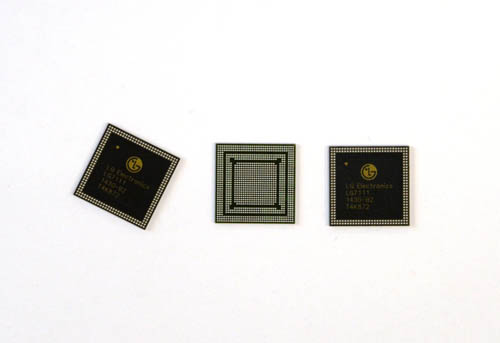
    We have heard for long about LG’s homegrown chipset. It was its effort to catch up with its compatriot and consumer electronics powerhouse Samsung. The chipset is supposedly going to be called Odin. Now it seems that the Chipset is well cooked, and it’s ready for the world to see.

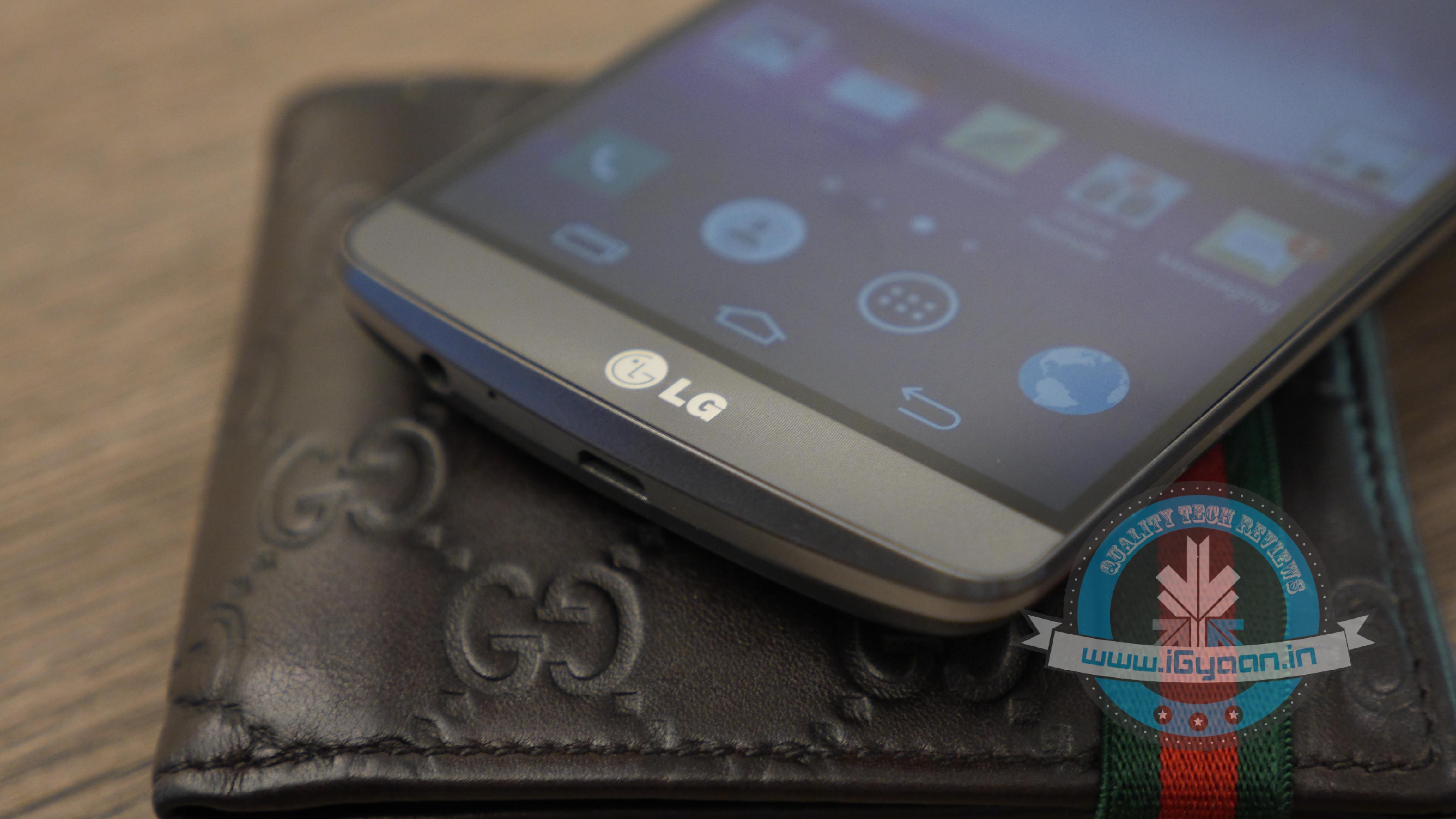
    LG has said that the processor will be inducted in the upcoming LG G3 Screen, which will be unveiled in South Korea. The processor will be called the NUCLUN (pronounced NOO-klun) and will boast of an Octa-Core (1.5GHz Quad-Core +1.2GHz Quad-Core) processing capability.

    Nuclun processor is LTE Category 6 ready.
    Nuclun processor is LTE Category 6 ready.

    The company claims that the Nuclun processors are designed to handle LTE Cat.6 and can provide download speed of up to 225Mbps. It also provides backward compatibility with current LTE networks.

    Dr. Jong-seok Park, President and CEO of LG Electronics Mobile Communications Company said, “NUCLUN opens up a new chapter in LG’s history of innovation in the mobile industry. With this in-house solution, we will be able to achieve better vertical integration and further diversify our product strategy against stronger competition. NUCLUN will give us greater flexibility in our mobile strategy going forward.”

    Samsung’s Exynos processors are still trying to find their mark and LG needs to bring an efficient chipset if it wants to take on the leader of the market; the Snapdragon family. The LG G3 Screen with its 5.9 inch Full HD display won’t make it to India anytime soon, but we’ll know pretty soon if LG has a worthy competitor for this ever-saturated market.

iGyaan Network
Privacy Overview

This website uses cookies so that we can provide you with the best user experience possible. Cookie information is stored in your browser and performs functions such as recognising you when you return to our website and helping our team to understand which sections of the website you find most interesting and useful.