Samsung has confirmed that its new flagship smartphones will launch at MWC in late-February. With the launch just a few weeks away now, the leaks are coming thick and fast and the latest one delves more into the specifications of the Galaxy S9 and its bigger sibling rather than the design.
The new information comes from Brazil’s National Telecommunications Agency (ANATEL) that has published its certificates of the Samsung Galaxy S9 and Galaxy S9+. According to the document, the Galaxy S9 will have a 3000mAh battery while the Galaxy S9+ will be powered by a 3500mAh. This is the same battery capacity as their predecessors from 2017. The upcoming flagship smartphones will also support QuickCharge 4.0+ thanks to the presence of the Qualcomm Snapdragon 845 chipset.
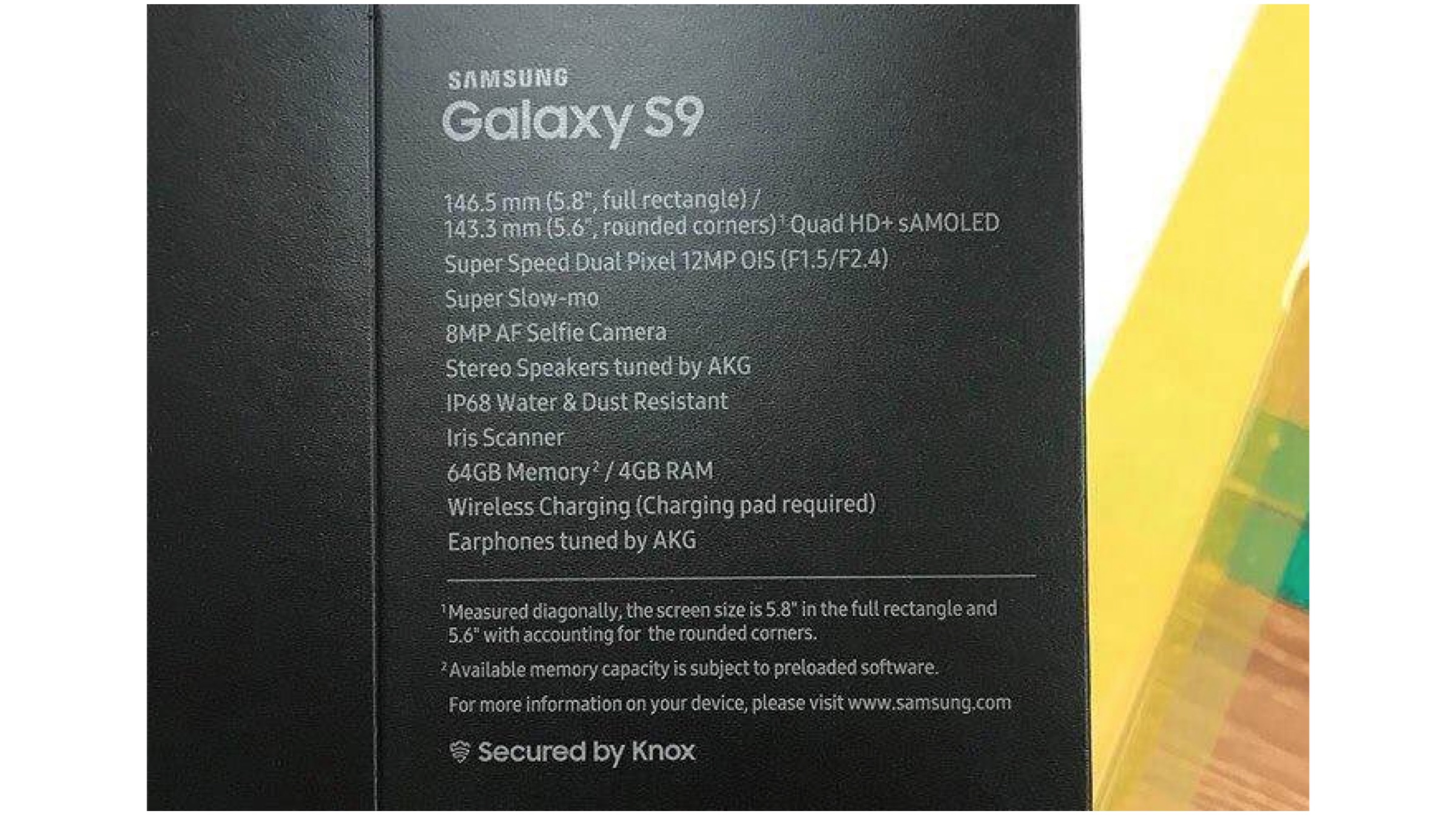
Not just the battery capacity, almost all the specifications of the Samsung Galaxy S9 were leaked, courtesy of a leaked image of the retail box of the Galaxy S9.
According to the specifications listed on the box, the Samsung Galaxy S9 will have a 5.8-inch sAMOLED display with a 2960 x 1440 px resolution. Similar to its predecessor, the smartphone will have a single 12MP SuperSpeed Dual Pixel camera. This time around, however, the camera will have an f/1.5 aperture and record super slow motion videos, probably at 960fps.
The Samsung Galaxy S9 and Galaxy S9+ are expected to be priced at around the price of their predecessors. The price and release dates of the devices will be announced at the time of the launch. India is expected to be one of the first few countries to receive the smartphones.
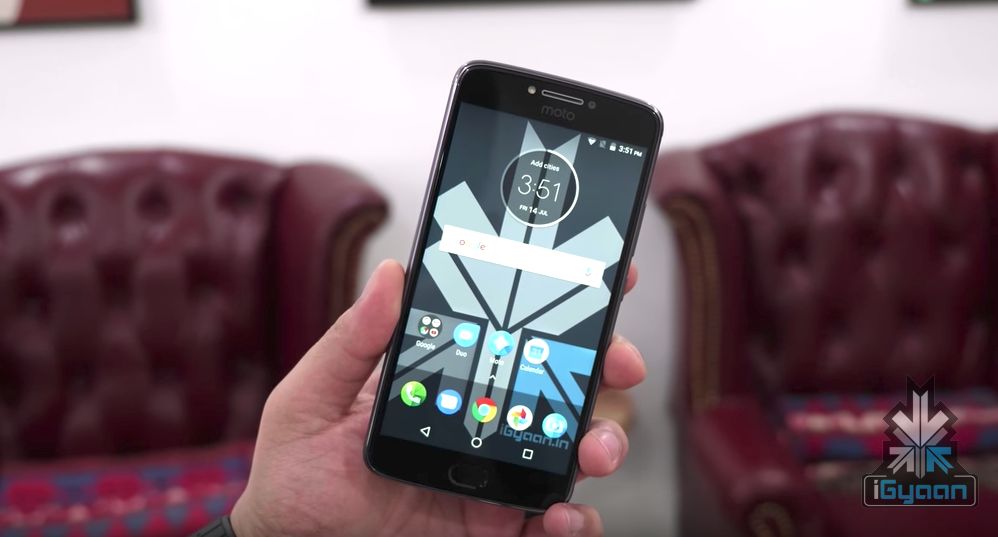
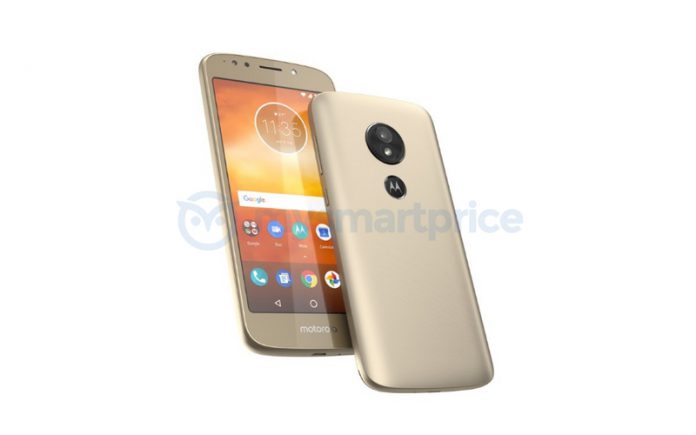
Lenovo-owned Motorola has had a successful stint with its ‘E’ lineup of Android-powered smartphones. The Moto E4 Plus, launched in 2017, has one of the best battery performances in the segment thanks to its massive 5000 mAh capacity. The next iteration of the Moto E series will have to build on that performance and it looks Motorola is close to launching the first Moto E5 of 2018.
The leaked image reveals that the upcoming Moto E5 (tentatively named) will have a similar design to its predecessors. However, what is interesting here is the placement of the fingerprint sensor. Unlike its predecessors, the fingerprint sensor on the upcoming Moto E5 will be housed inside the Moto logo on the back. Something that the company has never done before. This is not the first time that Motorola has decided to go for a rear-mounted fingerprint sensor but, housing it inside the logo itself sure is an interesting move.
There are no other details leaked along with the image. It is expected to have the same 5.5 inch IPS LCD display with a 1280 x 720 px resolution.
Under the hood, Motorola went with a MediaTek chipset last year but, it could revert to a Snapdragon chipset like all its other smartphones.
The battery capacity could remain the same or, Motorola might launch the Moto E5 Plus with a bigger battery and retain a smaller battery for the regular variant, just like it did in 2017.
According to the leaked image, the smartphone will retain the single camera setup on the front and back along with an LED flash.
The Moto E4 was announced in June, and there seems to be no reason for Motorola to disrupt its release cycle. However, it could spring a surprise to its competitors and launch the smartphone earlier, and target the consumers waiting for the Redmi Note 5 to launch.
The LG G7 has been a shadow of what the LG G6 was at the same time back in 2017. There have barely been any leaks, rumours or renders of the upcoming flagship smartphone from LG. The company’s smartphone business has not been doing well at all, after ten back-to-back quarterly losses and the eleventh to follow soon.
At CES 2018, LG came out and conceded that it needs to take major steps to turn the tide around for its smartphone business. Subsequently, a rebranding of the LG G series was rumoured and it appears that this move on the cards. According to a report, vice chairman and CEO of LG Electronics, Jo Seong-jin, has effectively cancelled the G6 successor and ordered the development team to completely overhaul the upcoming flagship.
This could also be a part of the company’s changing launch strategy. LG confirmed that it would move away from a traditional annual release strategy, instead retaining existing models over a longer lifespan with incremental variants to its G and V series.
The report, based on claims by an anonymous company insider, notes that this process of complete overhaul will push back the device’s launch until at least April. It further claims that these orders of revision were sent down to working-level officials right after CES concluded. The official also claims that the reasons to rehash the device are internal as well.
The internal speculation is that the company hasn’t been able to find a strong selling point for the G7 smartphone.
A push back to April means that the device will launch much after the Samsung Galaxy S9 and it might be a blessing in disguise for the company. This timeline will let LG use the Snapdragon 845 chipset for its upcoming device and with a refreshed design and new features, it might catch the attention of consumers as the craze of Galaxy S9, S9+ would’ve relatively decreased by then.
However, all of that will depend on what LG puts out instead of the LG G7 and whether it will be called the G7 or not is also a mystery now.
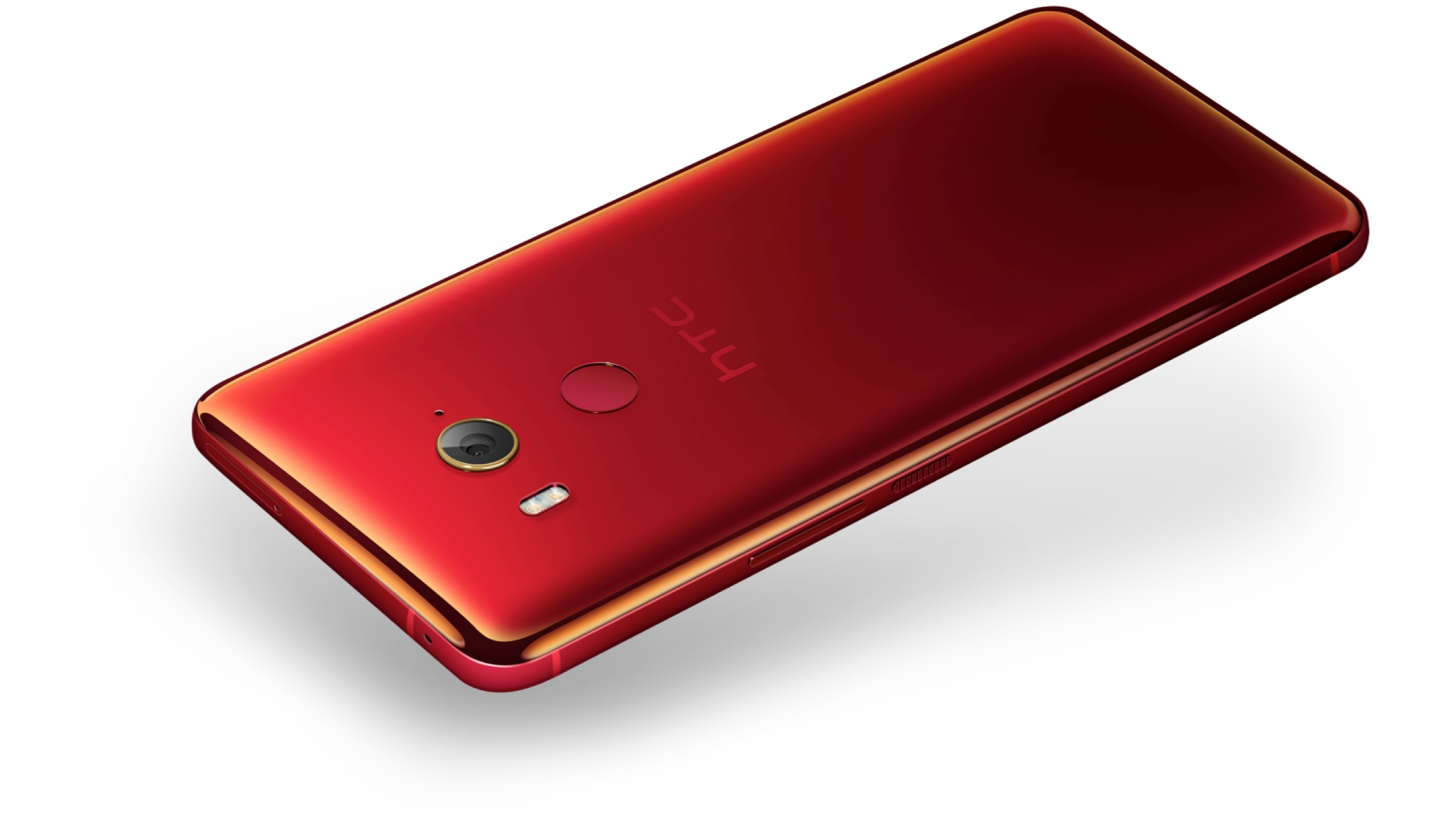
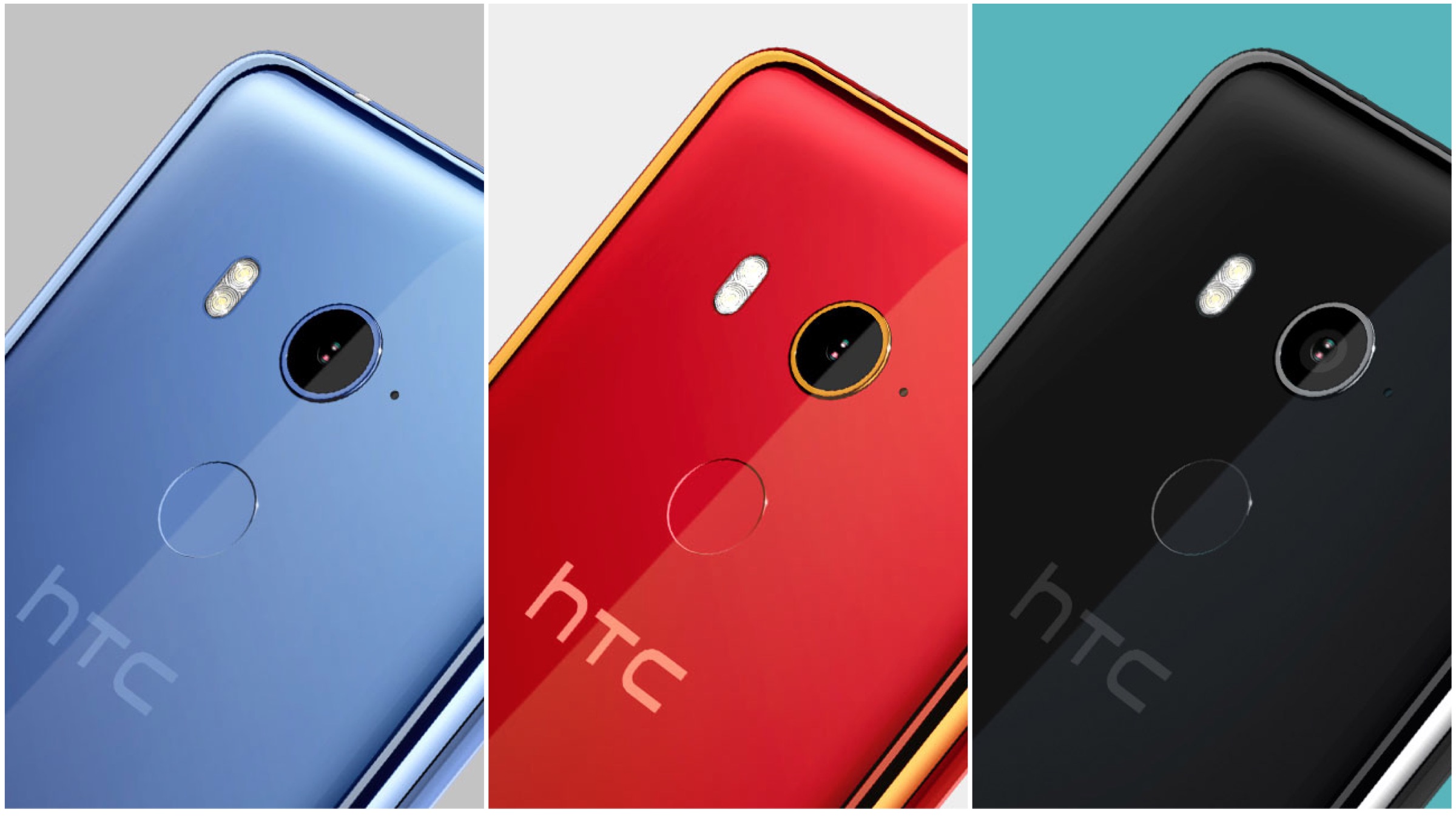
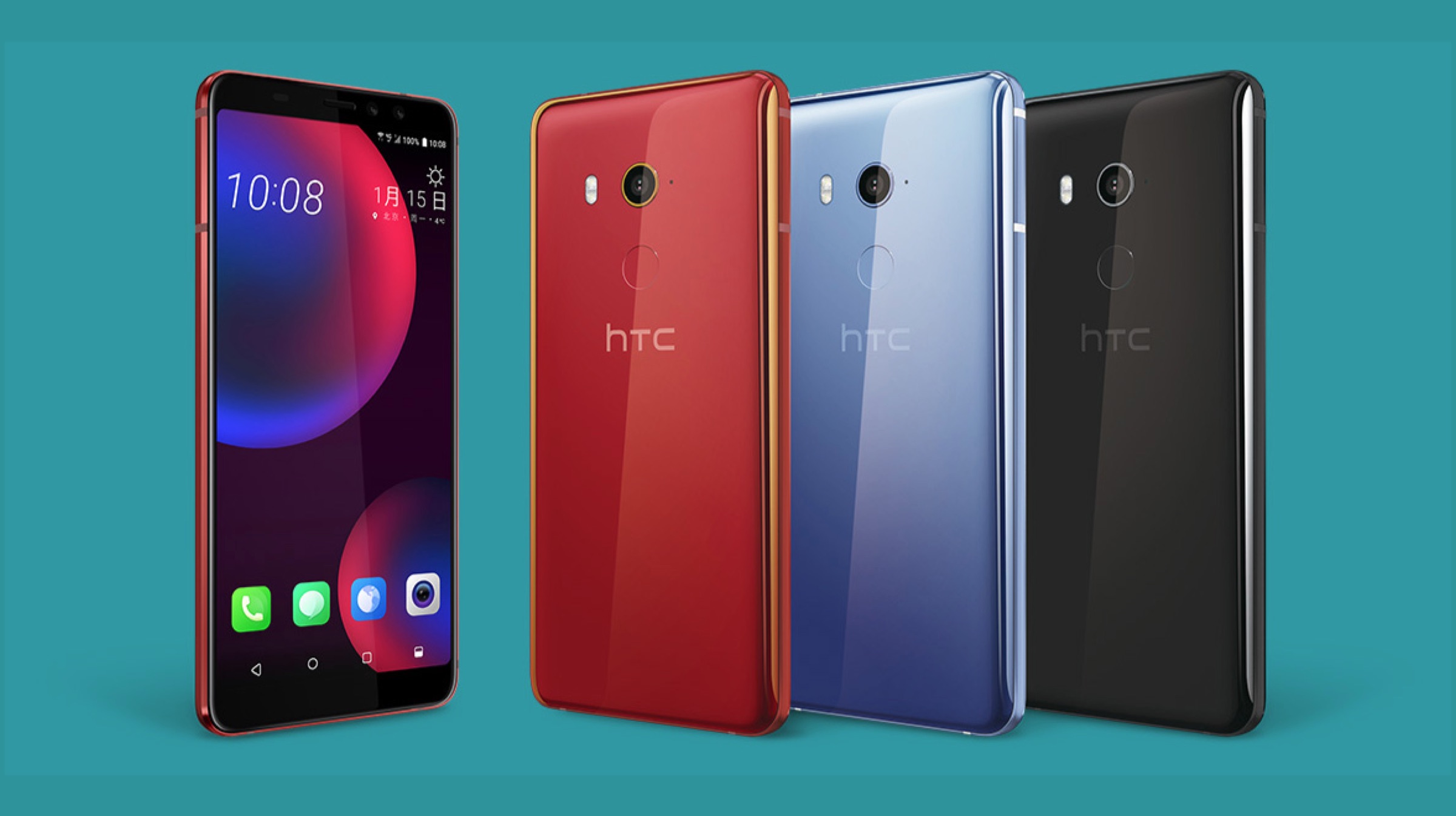
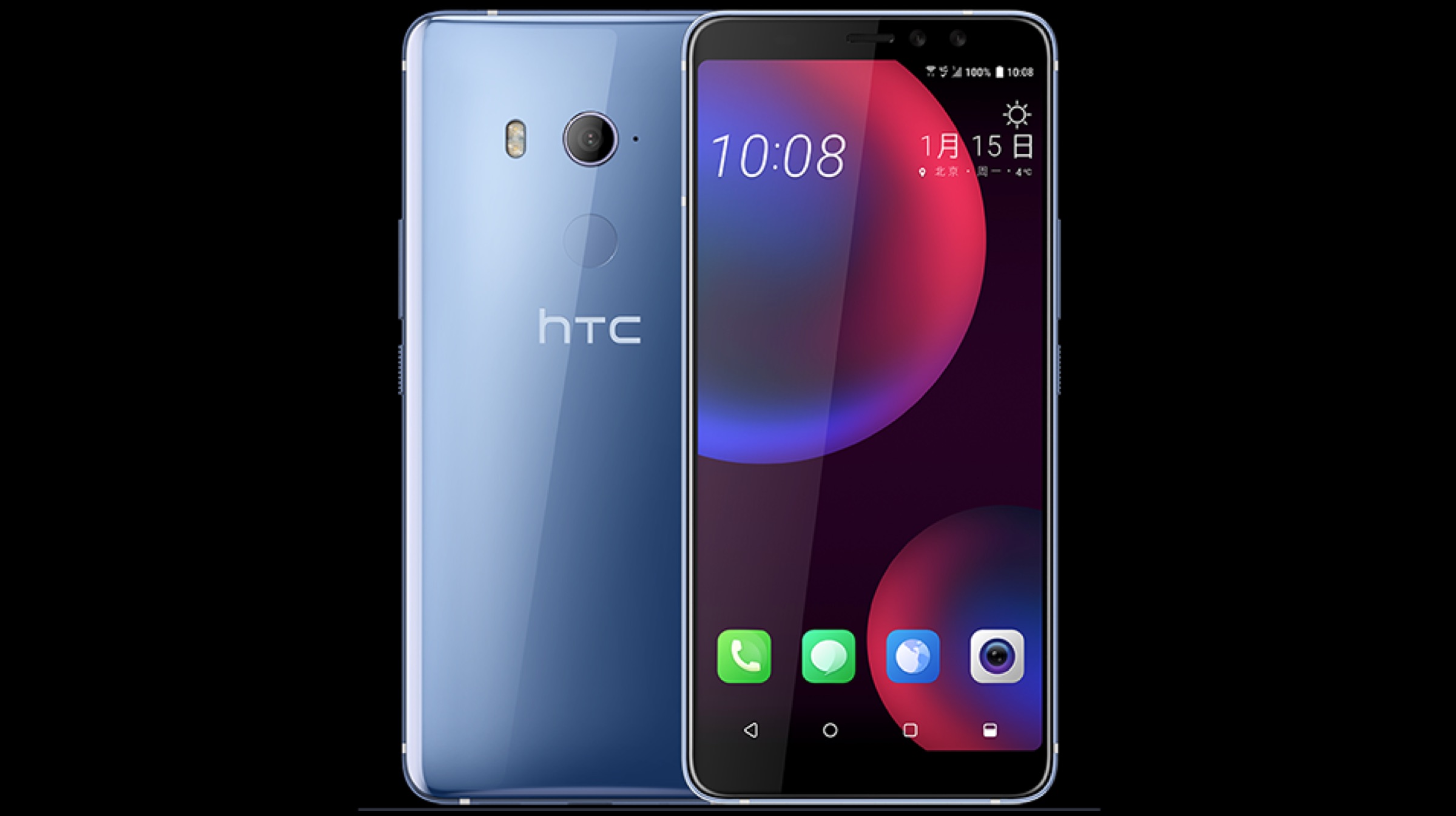
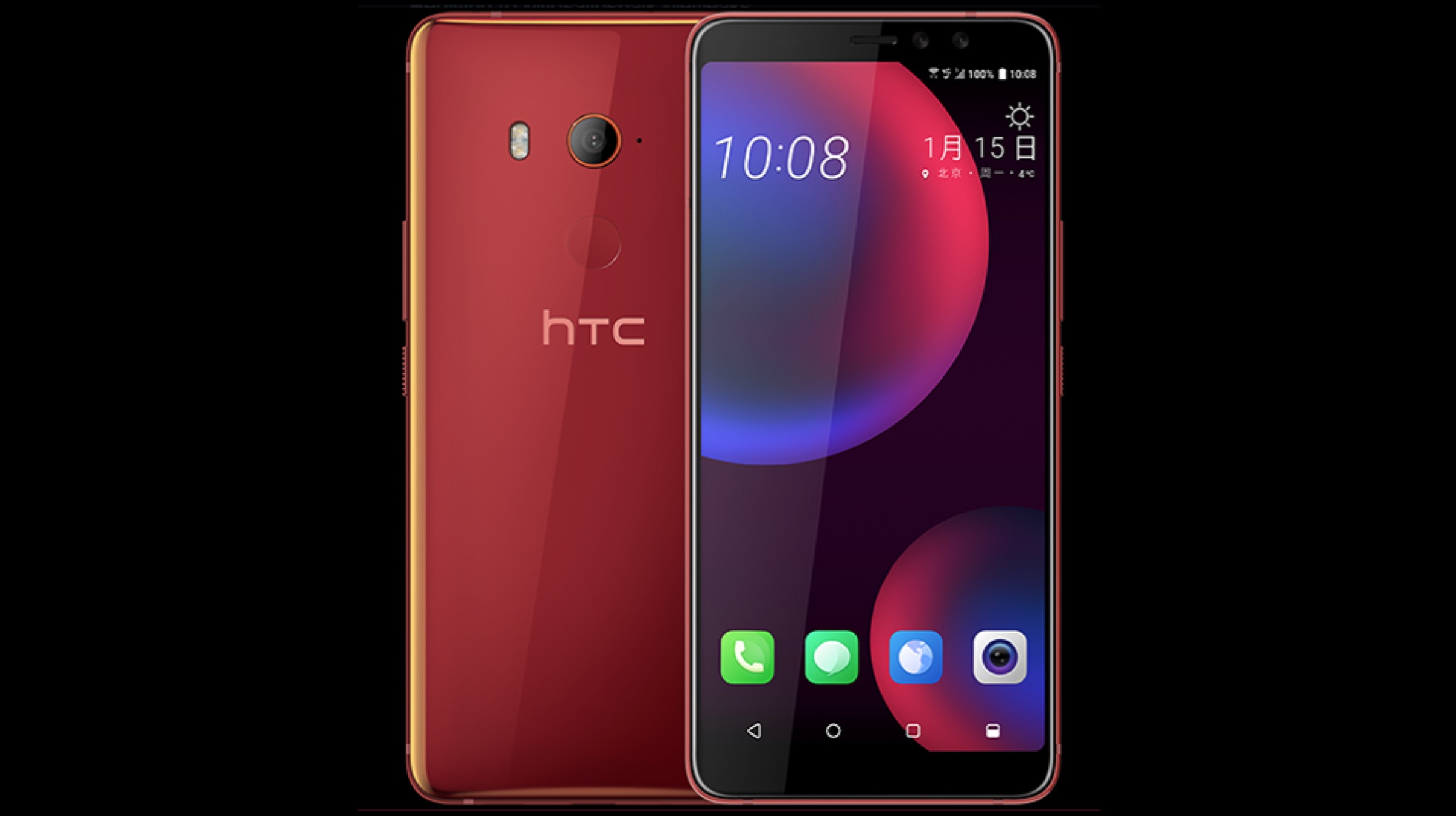
After leaking the device in its entirety on its own official website, HTC has launched the HTC U11 EYEs in Taiwan and China at a price of CNY 3299 (Rs. 32,000 approx.). The device will go on sale from the 25th of January with pre-orders starting today. Back in November, HTC gave in to the industry trend of no headphone jack and thin bezels with the HTC U11+ and now, the HTC U11 EYEs has a face unlock feature.
As expected the HTC U11 EYEs has a 6 inch Super LCD3 display with a 2160 x 1080 px resolution.
Under the hood, the U11 EYEs is powered by the Snapdragon 652 chipset, along with 4GB of RAM and 64GB of expandable storage. The fingerprint sensor is placed on the back of the phone as it has thin bezels around the display. The smartphone also has an IP67 rating for water and dust resistance.
The smartphone also has the largest ever battery found on an HTC device with a massive 3930 mAh capacity which charges via a USB C port. The smartphone will run Android 8.0 Oreo out of the box with HTC’s own Sense UI on top.
Available in three colours
Like a lot of smartphones from HTC, it has the Edge Sense technology which allows users to squeeze the frame of the phone to launch a particular app or action. This feature can be customised to launch a specific action while inside a certain app.
The HTC U11 EYEs has a 12MP “UltraPixel 3” primary camera with an f/1.7 aperture, OIS and “UltraSpeed” autofocus. HTC has revealed a DxOMark score of 90, which is exactly the same as what the HTC U11 received, which probably means that it is the same camera. To the front is a dual 5MP camera setup which will work together to create a bokeh effect. The dual-camera setup also supports Portrait Mode and AR Snapchat-like stickers.
the HTC U11 EYEs might not make its way to India, especially considering that the previous two devices from HTC never saw the light of day in the Indian market. However, if HTC does plan to launch it in India, it will have to priced much lower than Rs. 32000 to stand any chance in the competitive mid-range segment.
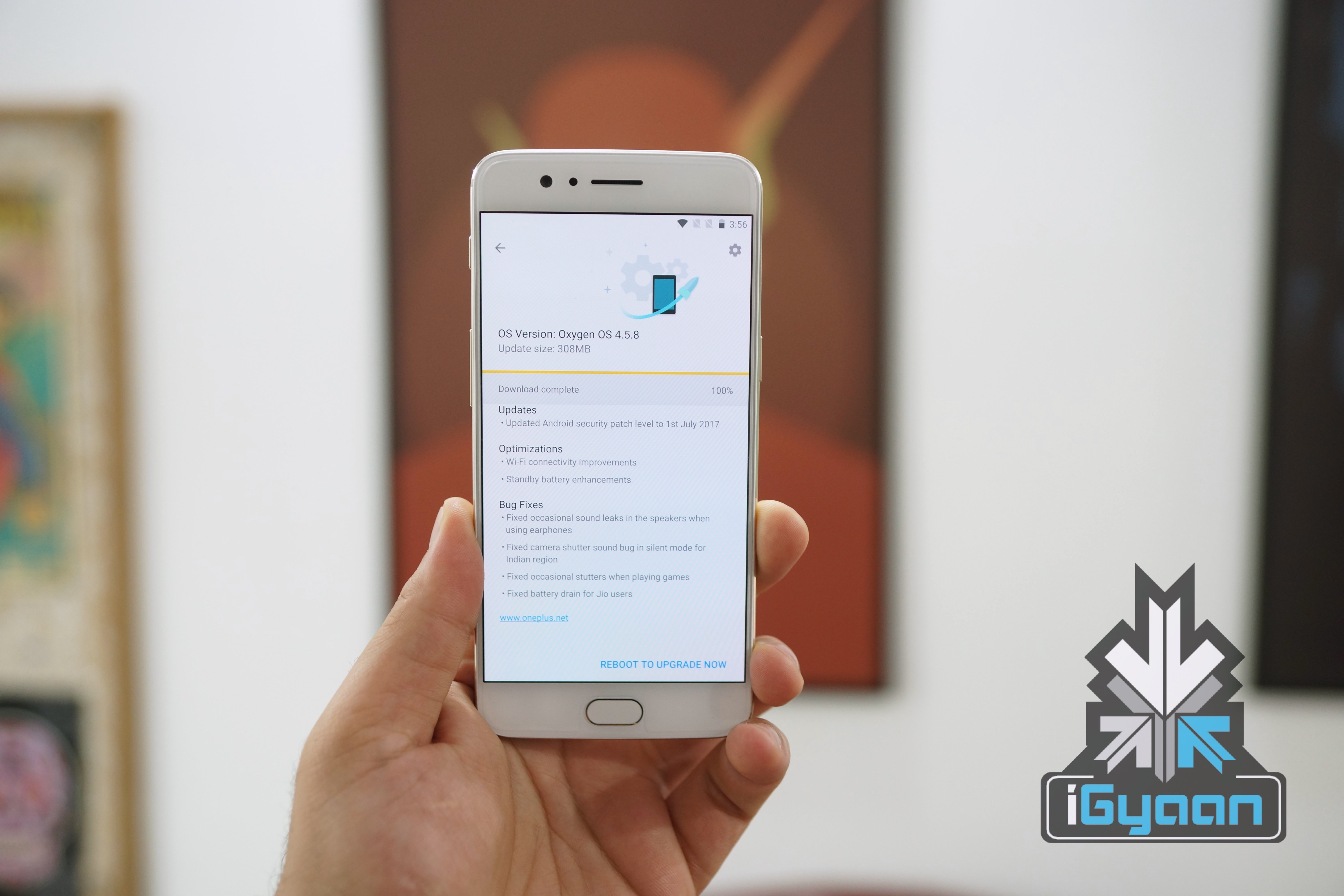
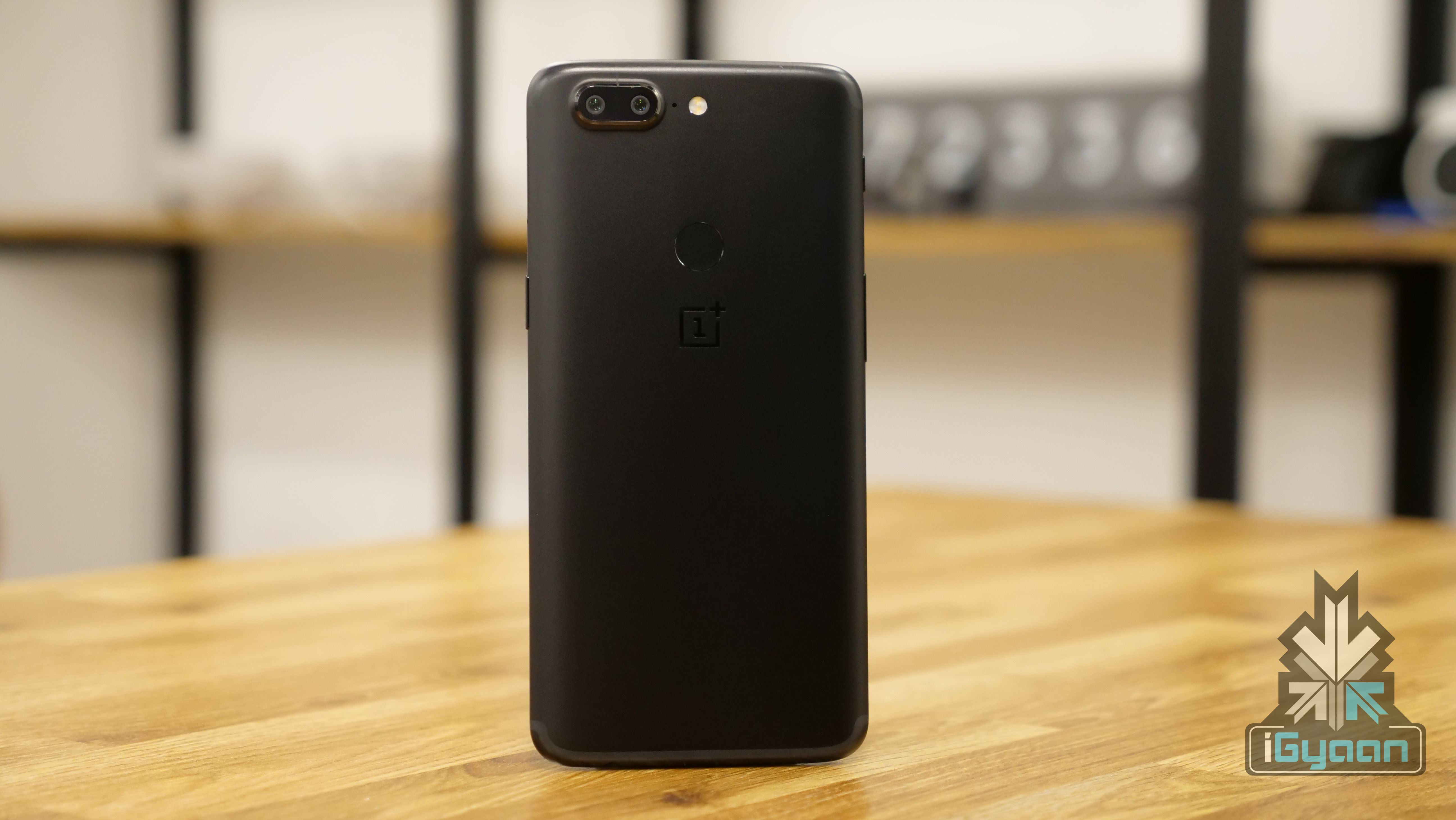
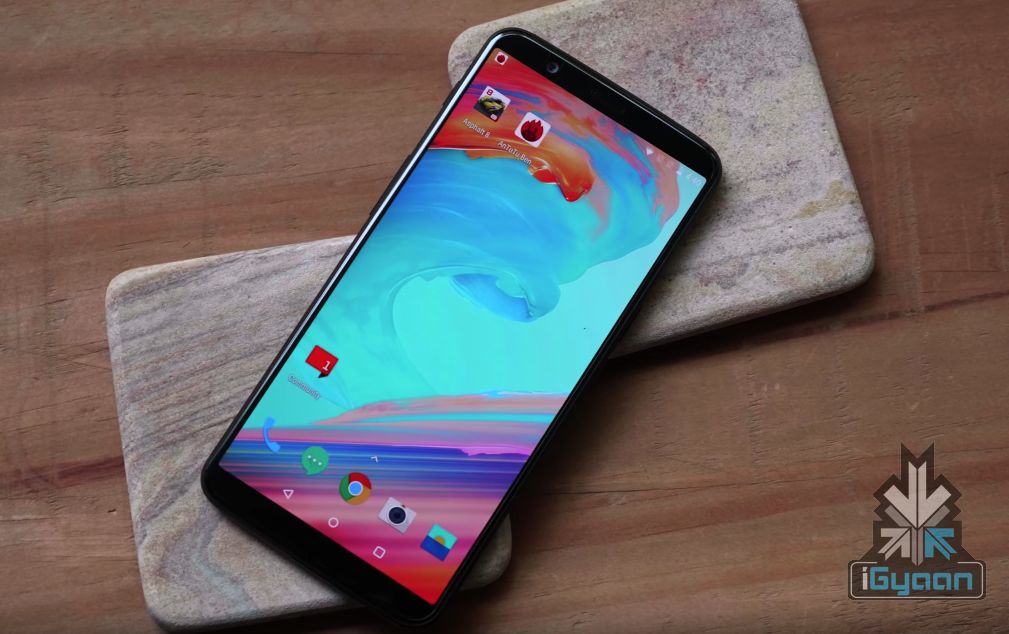
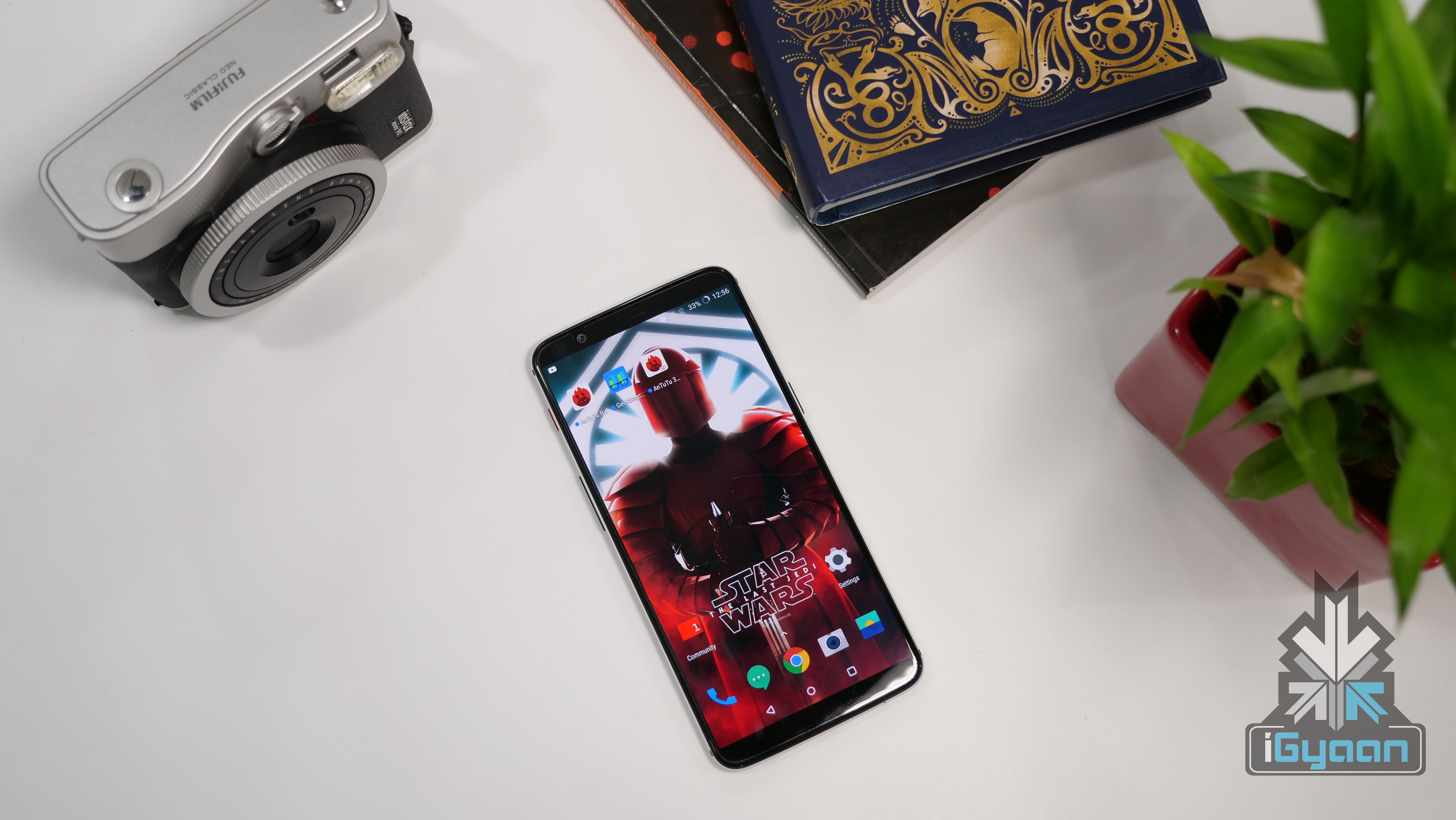
A new leaked image has revealed that the OnePlus 6 could have a mirror finish on the back and an iPhone X-like notch on top. More details will follow, as we move closer to the launch.
OnePlus is a new Chinese smartphone company that burst on to the scene in 2014. In the era of a clear divide between budget and premium smartphones, the OnePlus One was a breath of fresh air. It provided flagship phone-like specifications with very little compromises at almost half the price of top premium smartphones at that point.
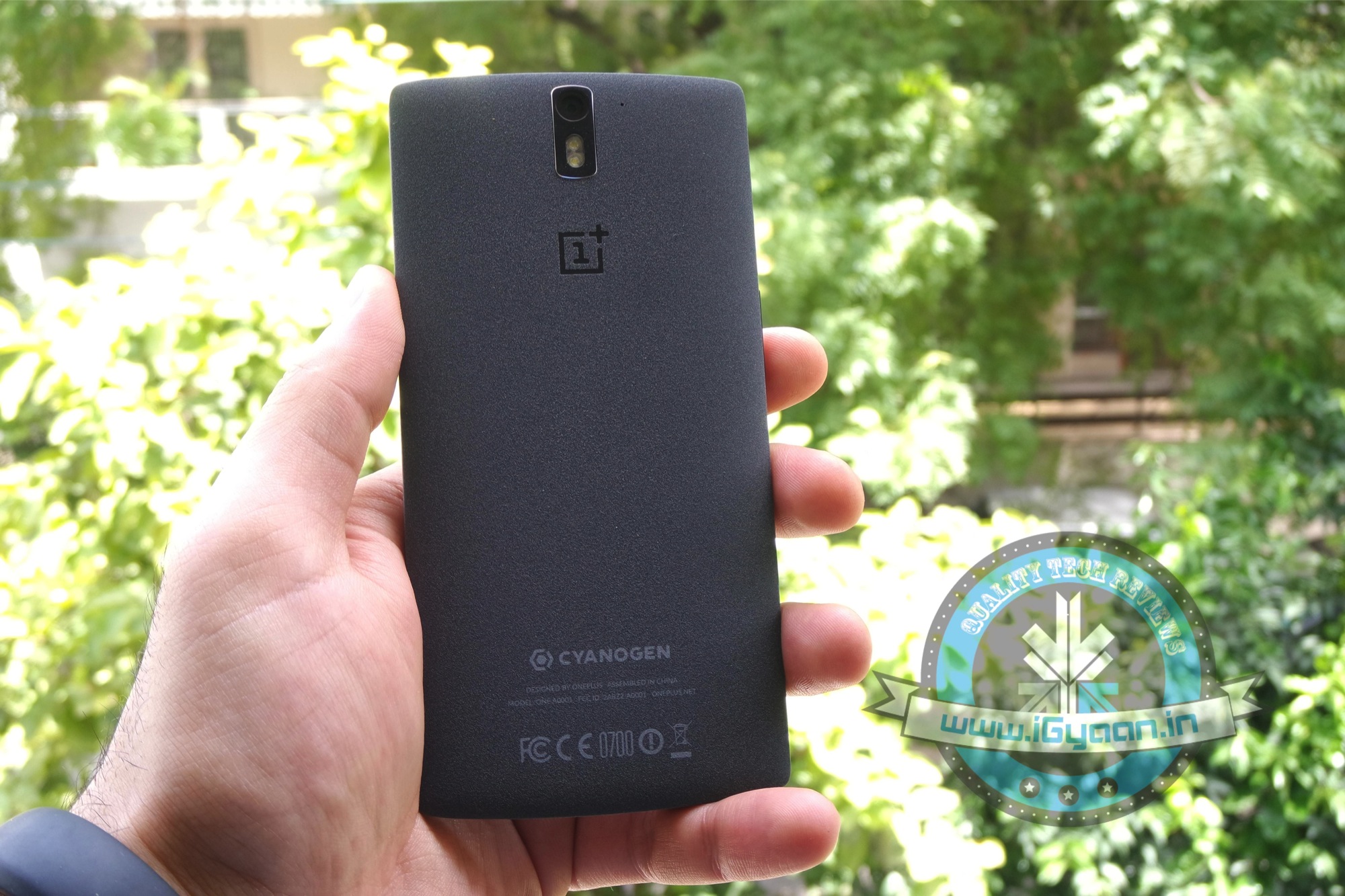
OnePlus One
The company followed up the OnePlus One with the OnePlus Two and even launched the OnePlus X, an even more inexpensive device with a glass build. However, they weren’t received too well by the consumers and in 2016, the company launched the OnePlus 3 and a few months later, the OnePlus 3T. While many OnePlus 3 owners were disappointed with the launch of a better phone just a few months later, the difference between the 3 and 3T was just in the chipset.
The OnePlus 5 was launched in June of 2017, and the company received some flak from consumers for considerably increasing the price of the OnePlus 5. While it was still much cheaper than other flagship devices, the price when compared to its predecessors was a bit too much for the consumers. The company stuck with its release policy and in November of 2017, launched the OnePlus 5T. The OnePlus 5T had a much better design than the OnePlus 5 and according to the company, improved dual-camera setup as well.
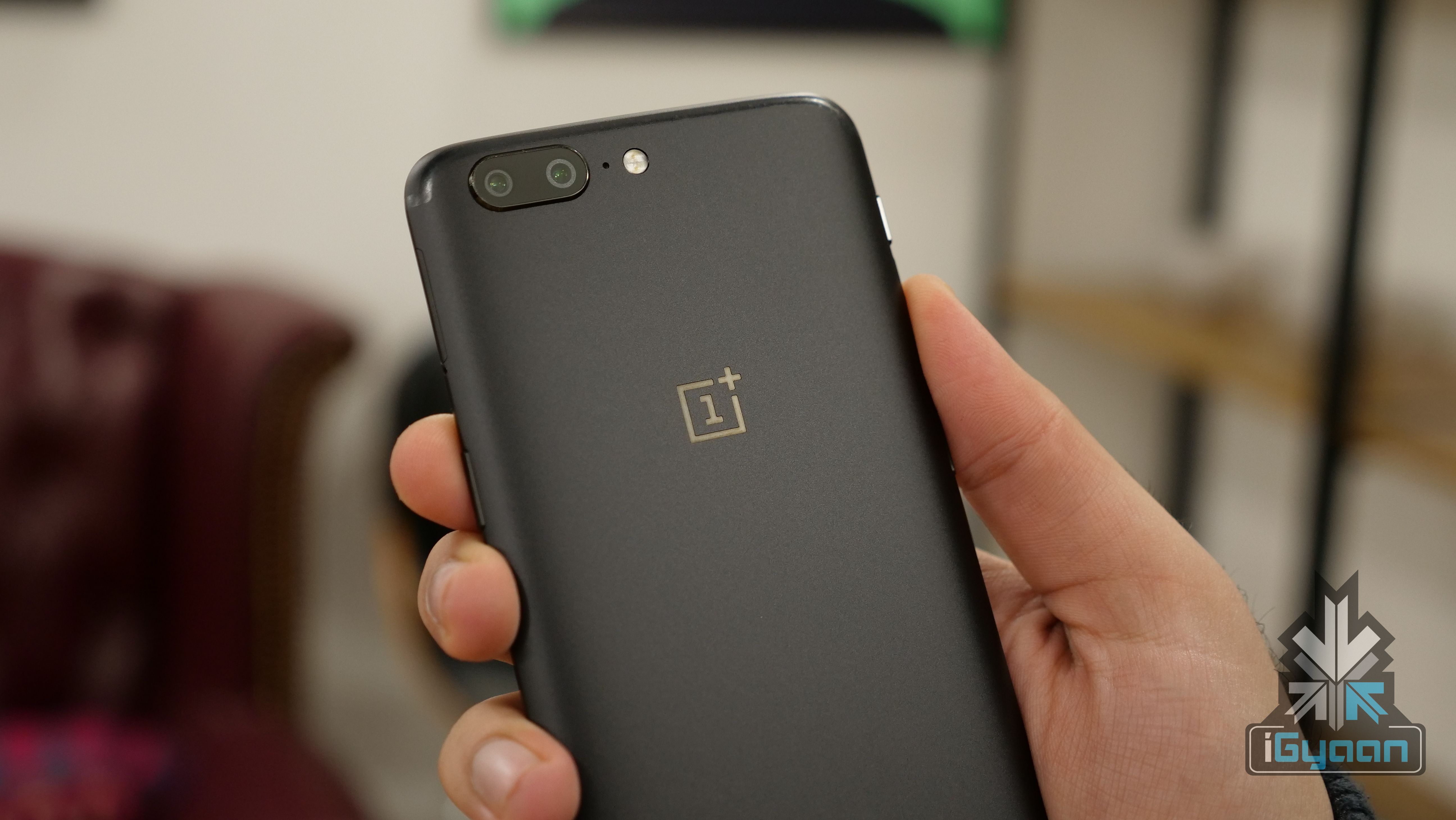
OnePlus 5
The next in line for the company is the OnePlus 6. While there is no confirmation or even a hint from OnePlus on what the devices will be called, the company’s naming policy dictates that it would be the OnePlus 6 indeed. So, what can we expect from the OnePlus 6 in 2018? Let’s find out:
Price
After the launch of the OnePlus 5, the company faced a mini-backlash from consumers for its inflated price. However, the performance of the smartphone and then the OnePlus 5T’s modern design took away the spotlight from its price. The OnePlus 6 could be priced a bit higher especially if the company introduces radically new features in the smartphone. With the history of OnePlus device’s performance, the OnePlus 6 will have no problem justifying its price tag.
Display
6-inch displays are what 5.5-inch displays were in 2016. With thinner bezels and 18:9 aspect ratio becoming the norm, a lot of smartphones will stick to the 6-inch screen size, and the OnePlus 6 could do the same with the Optic AMOLED display. Ever since the OnePlus One was launched, the company has maintained its stance over the Full HD resolution. The OnePlus 6 could continue having the same 2160 x 1080 px resolution.
OnePlus 5T
In-Display Fingerprint Sensor?
Vivo, along with Synaptics, recently announced the first-ever smartphone with an in-display fingerprint sensor. Ever since that announcement, there have been rumours of more smartphone makers launching devices with a similar technology, called Clear ID. There was a recent report that claimed that the OnePlus 6 will have an in-display fingerprint sensor and launch in March 2018. While Pete Lau has confirmed the OnePlus 6 will launch in June, it could be possible that OnePlus introduces an in-display fingerprint sensor in its latest flagship device.
However, it won’t be surprising if the OnePlus 6T is introduced in late-November with an in-display fingerprint sensor.
Under The Hood
Pete Lau also confirmed that the OnePlus 6 be powered by the Snapdragon 845 chipset since it is the latest flagship chip available. Similar to the OnePlus 5 and 5T, the OnePlus 6 will also have 6GB or 8GB of RAM along with 64GB or 128GB of onboard storage. There will be no option for expanding the onboard storage via a microSD card. With AI expected to be huge in 2018 smartphones, it will be interesting to see OnePlus’s approach towards this particular feature.
OnePlus 5T
Face Unlock will, in all probability, be present in the OnePlus 6 and be better than the one found on the OnePlus 5T.
Camera
The OnePlus 5 and the 5T had two different implementations of the dual-camera setup. For the OnePlus 5T, the company focussed on low-light photography and relied on software to create bokeh effect images. The OnePlus 6 will also have a dual-camera setup and after what Google did with one camera on its Pixel devices, smartphone makers will be inspired to make better performing camera smartphones.
Conclusion
While the OnePlus 6 might come with a slightly heftier price tag than its predecessor, it will be another exciting offering from a young smartphone maker. If the OnePlus 6 does come with an in-display fingerprint sensor, it could be the most exciting mid-year smartphone launch and have an advantage over the likes of the Samsung Galaxy S9 and LG G7.
Samsung will soon launch a line of budget smartphones specifically for the online consumers. This new lineup will directly compete with Xiaomi and its dominant lineup in the sub-15K category. Samsung’s new smartphones will also enter the Rs. 5000-Rs. 15000 price bracket.
According to IDC, Samsung and Xiaomi were the top two smartphone brands in India for the first time in Q3, 2017. The companies had a market share of 23.5% each, earning them the top spot in the Indian market with over 9.2 million smartphones. However, the top three smartphones sold during the July-September quarter were by Xiaomi. The majority of these sales happened through online channels and that is what Samsung intends to target with these new smartphones.
At this point in time, Samsung online-exclusive line of smartphones is its On series while the recently launched Samsung Galaxy A8+ is also an Amazon-exclusive for now. According to Counterpoint Technology Market Research, a Hong Kong-based research firm, Xiaomi’s rise in India is due to the absence of competition in the online space. According to the MD of Xiaomi India, the brand has almost 50% share of online smartphone sales in India.
A Samsung Executive has said:
Samsung wants to extend its lead with Xiaomi which is possible by expanding e-commerce sales while consolidating its presence in offline channels. It will ensure that the 1.5 lakh brick-and-mortar stores selling its handsets are not neglected since Samsung knows it will take time for Xiaomi to build such a vast offline network.
Redmi 5 Plus
What smartphones Samsung will launch at this price category is yet to be seen but, they will have to have extremely solid specifications to deter Xiaomi’s top-selling devices in the price category. Furthermore, Xiaomi will soon launch the Redmi Note 5 in India, which will succeed the highly popular Redmi Note 4 and will be priced at around Rs. 11,000.
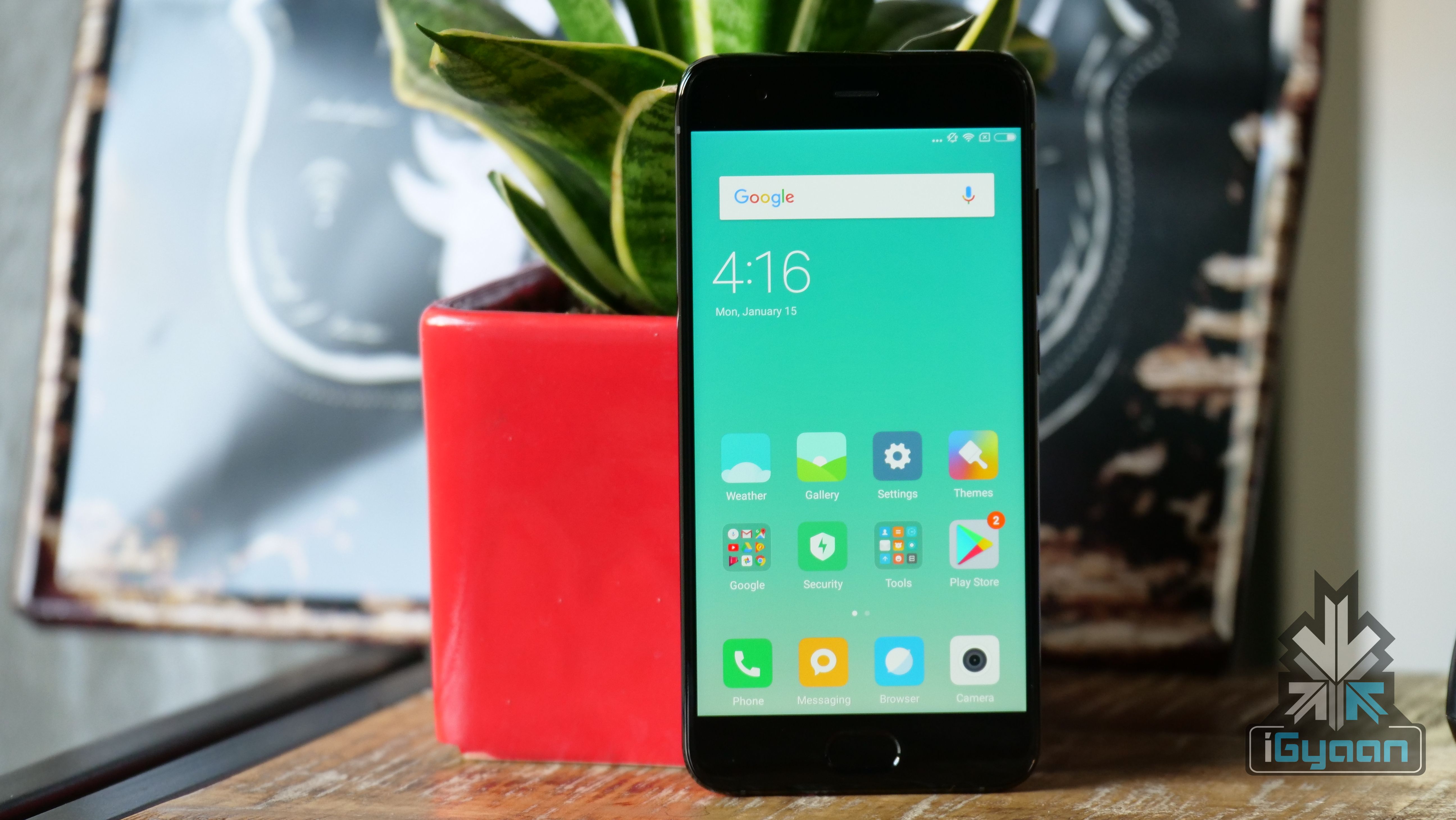
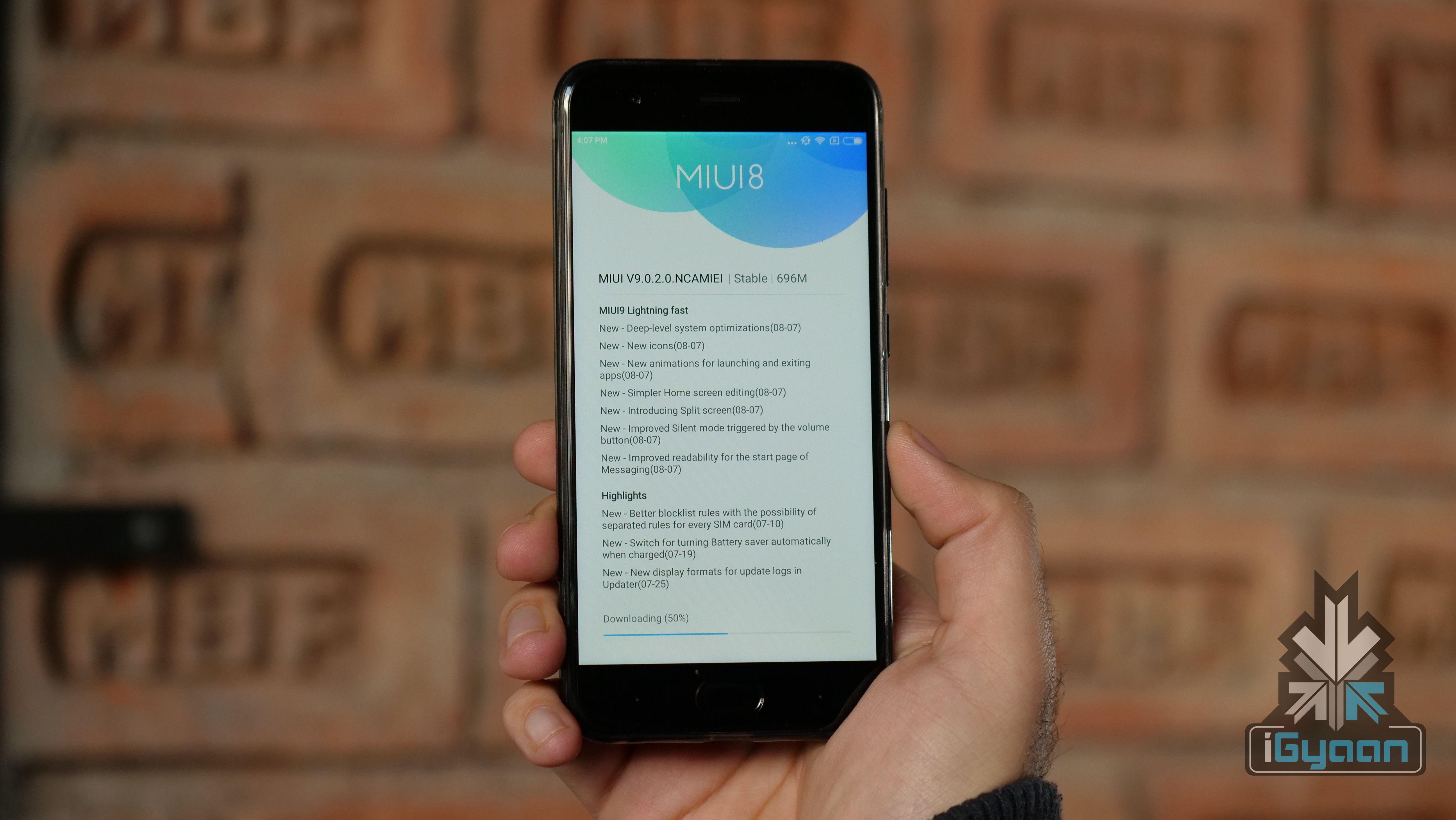
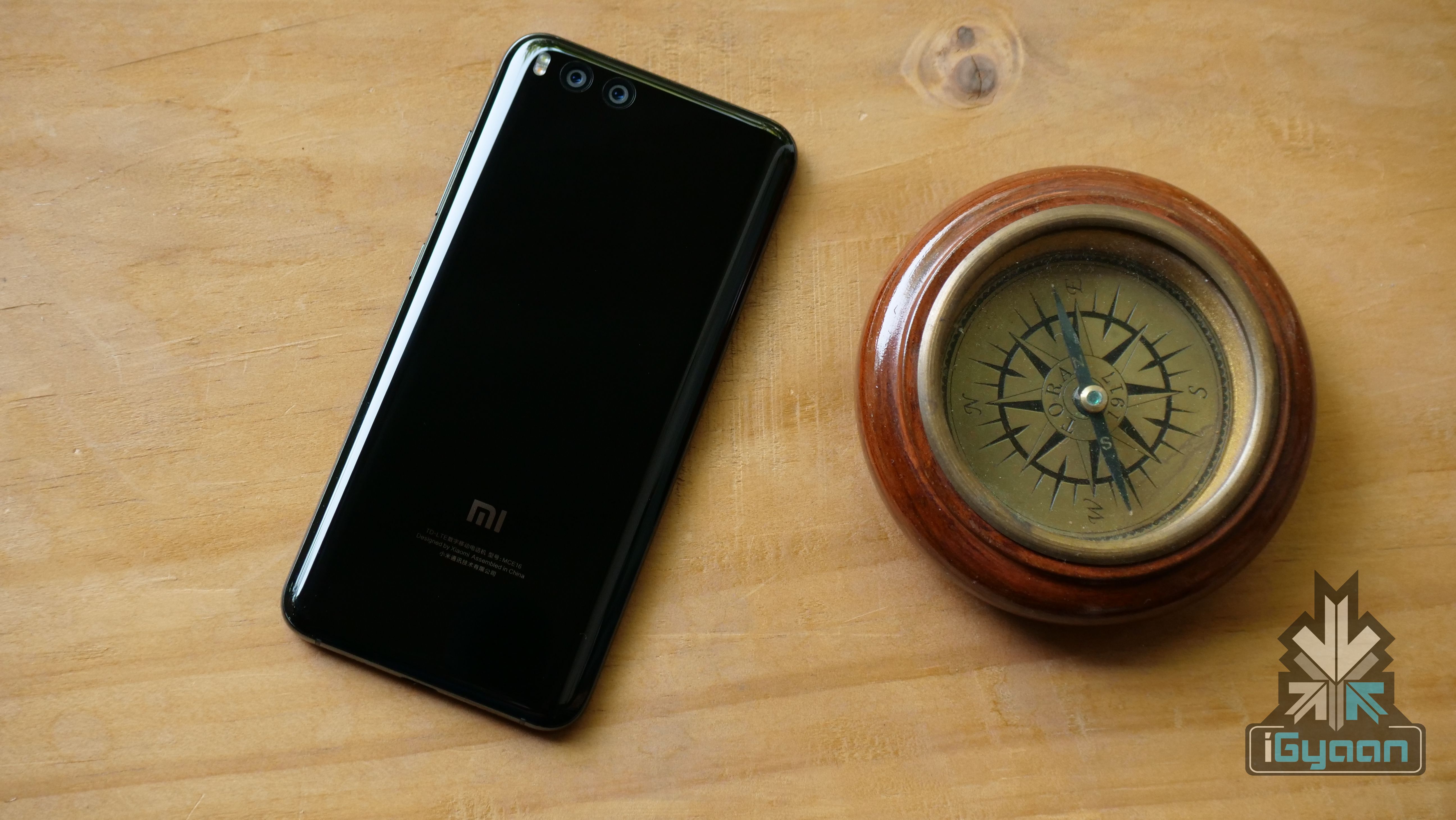
At the launch event of the Xiaomi Redmi Y1 and Redmi Y1 Lite, the company also announced a list of smartphones that will receive an update to MIUI 9 in the coming months. While Xiaomi Mi Mix 2 was one of the first devices to receive the update, the Xiaomi Mi 6 has now joined the list of smartphones as well. The company has rolled out an update to MIUI 9.0.2 which brings a host of new features with it.
Here are a few new features that will be introduced with the new MIUI 9:
Faster App Launching Speed
One of the main criticisms of MIUI has been its sluggish nature and the slow speed of general usage even in the flagship devices. Keeping that in mind, Xiaomi has promised much faster app launching speeds and navigation between multiple apps will be snappier as well. Performance enhancements are always welcome and this looks to be a step in the right direction for the Chinese giant.
The ‘Smart’ Features
Xiaomi has also launched its Smart Assistant to compete with the likes of Google Assistant, Siri, Alexa and even Bixby. The voice assistant will be available in China only for the time being as localisation of the software may take time. Image search allows you to search your image talliers by image context keywords, so if you a looking for pictures of dogs that you have clicked you will be able to do that. It basically means that you can open up a relevant app on the basis of the content on your current app. For example, if a friend sends you a restaurant’s name, you can open up Zomato to look up the restaurant.
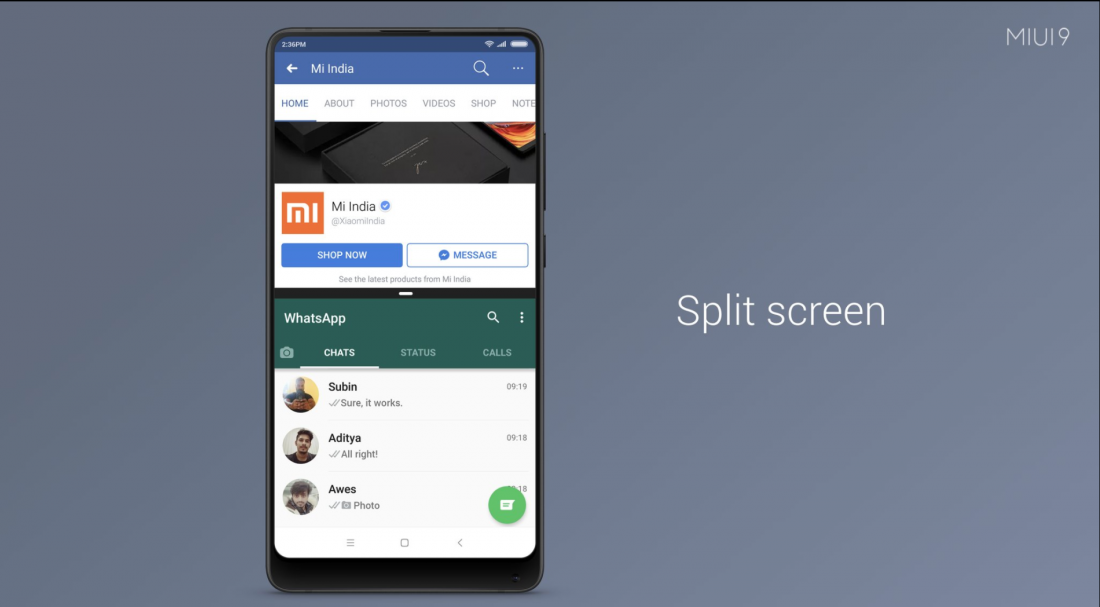
Split-screen
The split-screen feature was one of the major upgrades in Android Nougat and a plethora of phones from mid-rangers to flagships have embraced this handy little feature. Xiaomi, on the other hand, has launched it just now with MIUI 9 and it’s a welcome update.
The Mi 6 has a 5.15 inch LCD display with a 1920 x 1080 px resolution.
Under the hood, the device has the Qualcomm Snapdragon 835 chipset and Adreno 540 GPU for graphics. The fingerprint sensor is housed inside the home button just below the display. Xiaomi Mi 6 is also splash-resistant, with the SIM tray also sealed against splashes.
Powering the device is a 3350 mAh battery which charges via a USB C port.
The Mi 6 has a dual camera set up of two 12MP cameras at the back. One of the cameras has a wide-angle lens with 4-axis Optical Image stabilisation with an f/1.8 aperture while the other one is equipped with a telephoto lens with an f/2.6 aperture for 2X lossless zoom and bokeh effect photos. On its front, it has an 8MP camera which records 1080P videos.
The Samsung Galaxy S9 and Galaxy S9+ are poised to be launched at MWC in late-February. At the launch event, Samsung will also unveil the release dates of the 2018 flagship smartphones in various countries along with the price point. But, before Samsung readies the smartphones for consumers in the US, the two devices need to FCC certification clearance and it appears that the two devices have done that successfully.
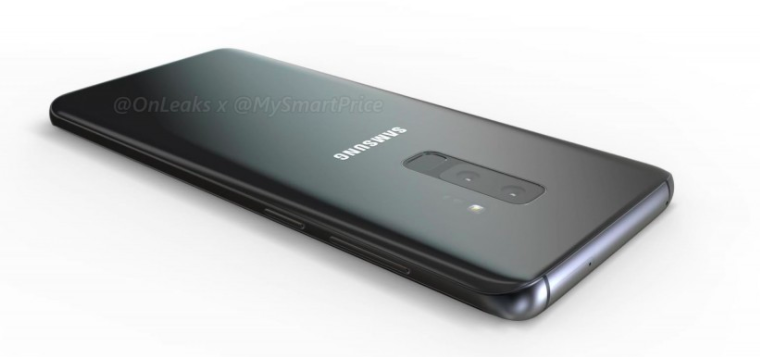
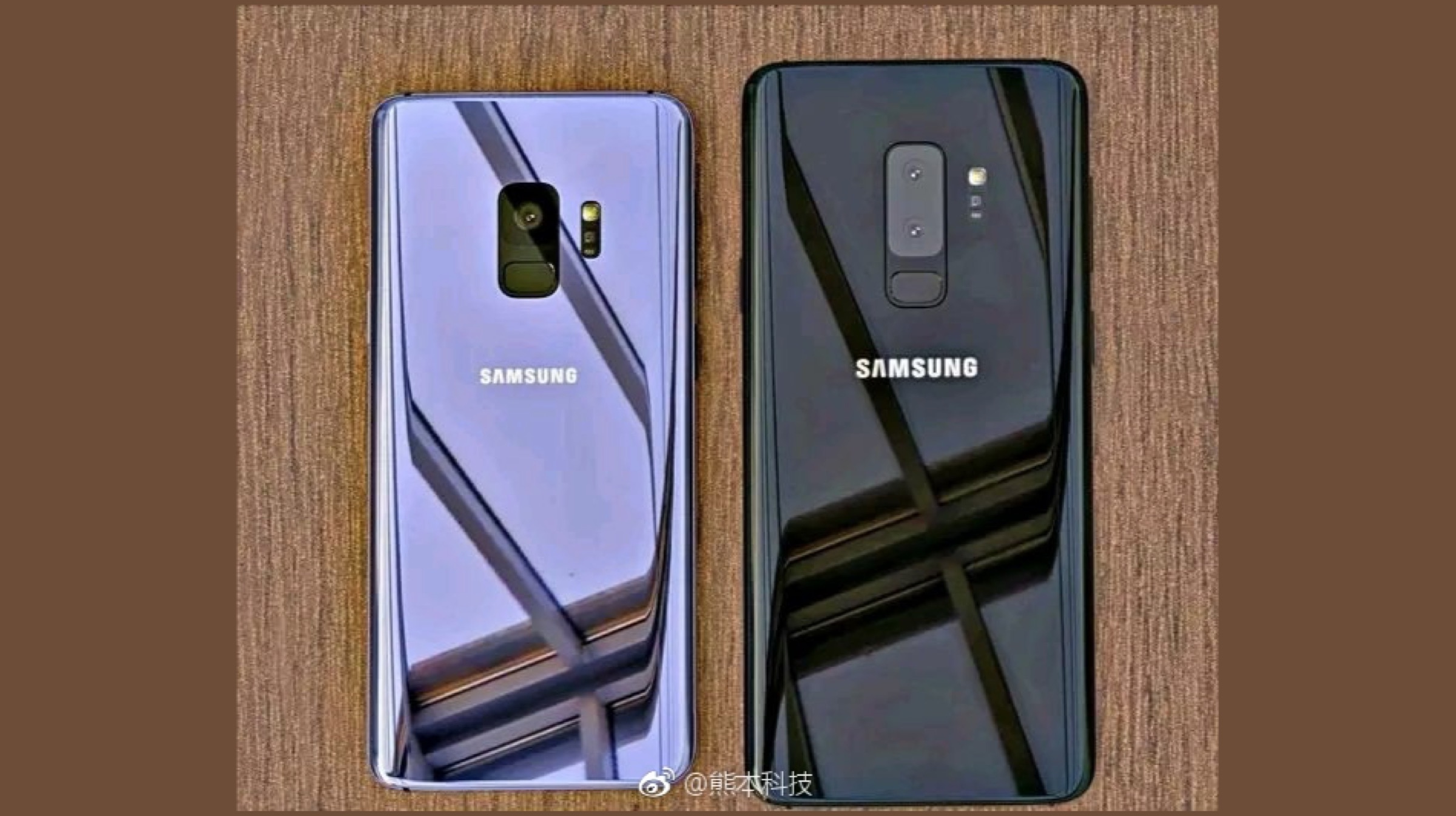
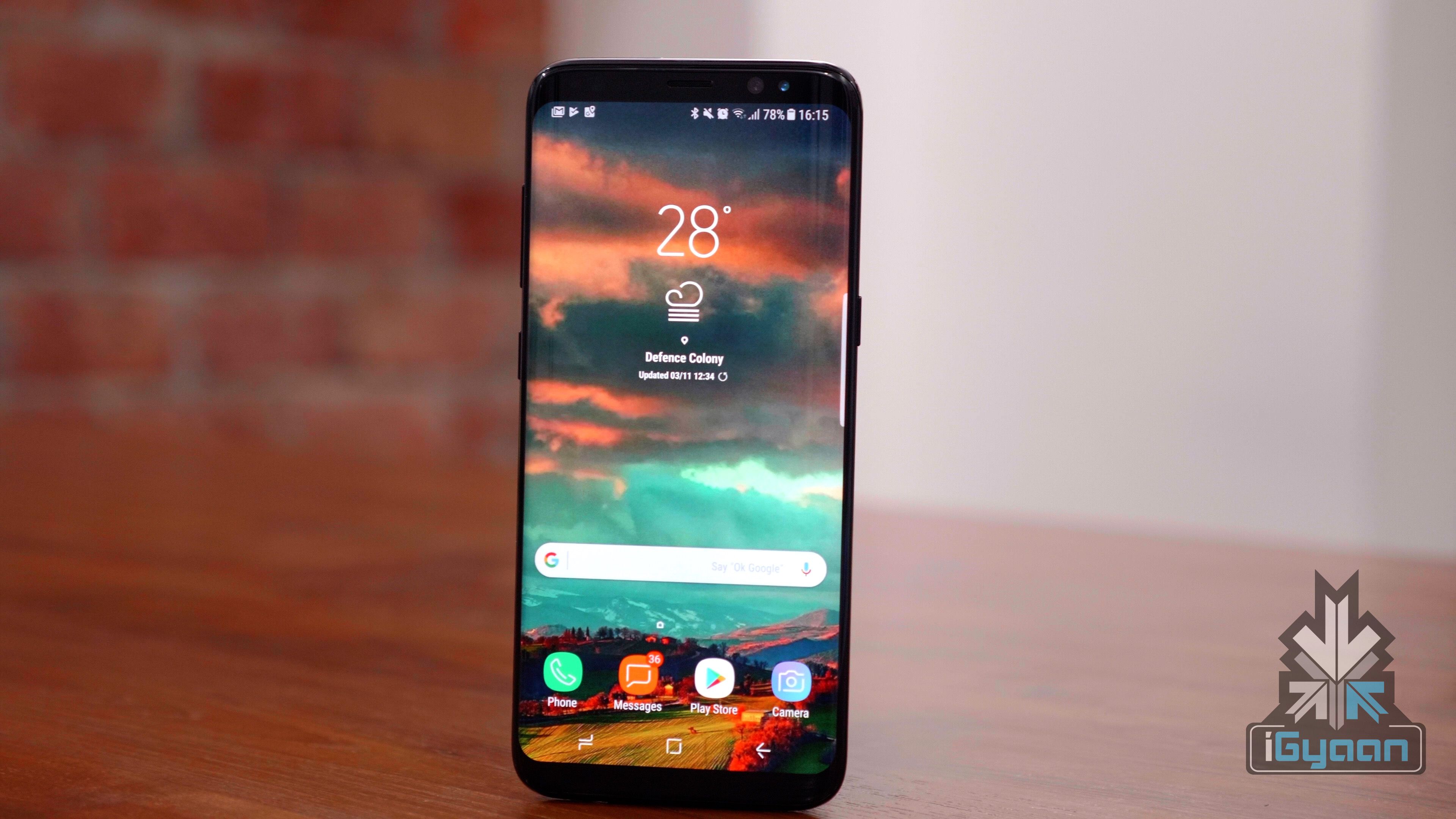
The Samsung Galaxy S9 and S9+ will carry the model numbers SM-G960U and SM-G965U, respectively. However, the FCC database has not revealed any specifications or real-time images of either device but, there have been enough leaks in the past that give us an idea about the design of the phones. Recent renders have revealed that the Samsung Galaxy S9 and Galaxy S9+ will share the same design language as their predecessors and will have marginally reduced bezels.
Samsung Galaxy S9, S9+ Leaked Images
The other major change is the difference between the regular and the plus variant. While in 2017, only the screen and battery size was the difference between the two variants, in 2018, the Galaxy S9 will have a single camera on the back while the S9+ will have a dual-camera setup, much like the Galaxy Note8. Also, as seen on the recently launched Samsung Galaxy A8+, the fingerprint sensor will be moved to a more ergonomic position, unlike the Galaxy S8 and Note8.
A recent leak also revealed a lot of features of the Samsung Galaxy S9 courtesy, the image of a leaked retail box.
According to the specifications listed on the box, the Samsung Galaxy S9 will have a 5.8-inch sAMOLED display with a 2960 x 1440 px resolution. Similar to its predecessor, the smartphone will have a single 12MP SuperSpeed Dual Pixel camera. This time around, however, the camera will have an f/1.5 aperture and record super slow motion videos, probably at 960fps.
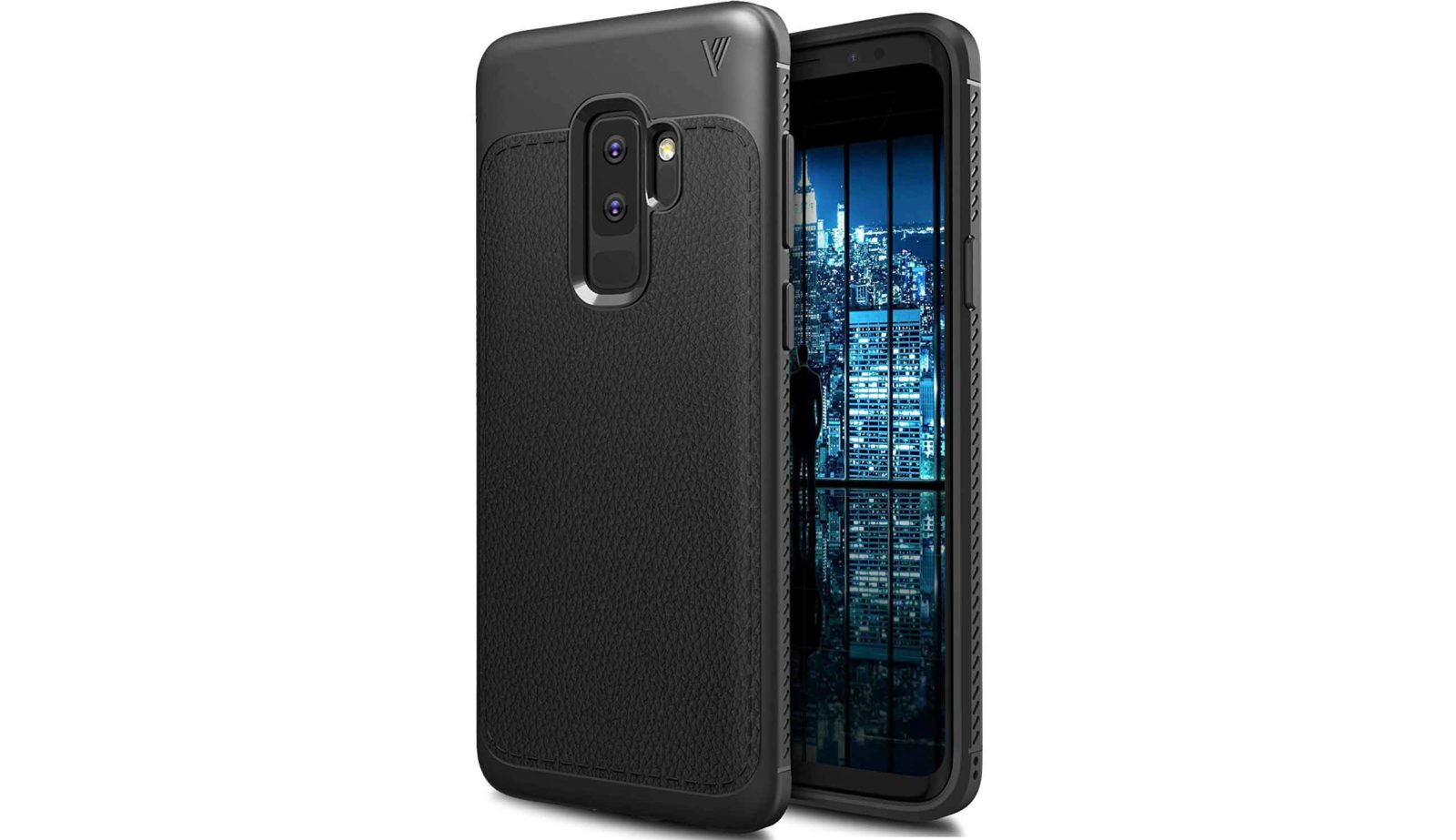
Galaxy S9+ Case Renders
Other features include an IP68 rating for water and dust resistance, an 8MP front-facing camera and stereo speakers tuned by AKG. Last year’s Samsung Galaxy S8 and S8+ also retailed with AKG earphones and this year, it is expected the same from the upcoming Galaxy S9 and S9+ as well. The Samsung Galaxy S9 will have 4GB of RAM and 64GB of onboard storage.
While the US and the South Korean variant of the smartphones will be powered by the Snapdragon 845 chipset, the global variants are expected to have the Exynos 9810 chipset under the hood.
The Samsung Galaxy S9+ is expected to have a 6.2-inch display with the same resolution and aspect ratio. Under the hood, the Galaxy S9+ might have 6GB of RAM and more storage variants unlike the single variant of the Galaxy S9.
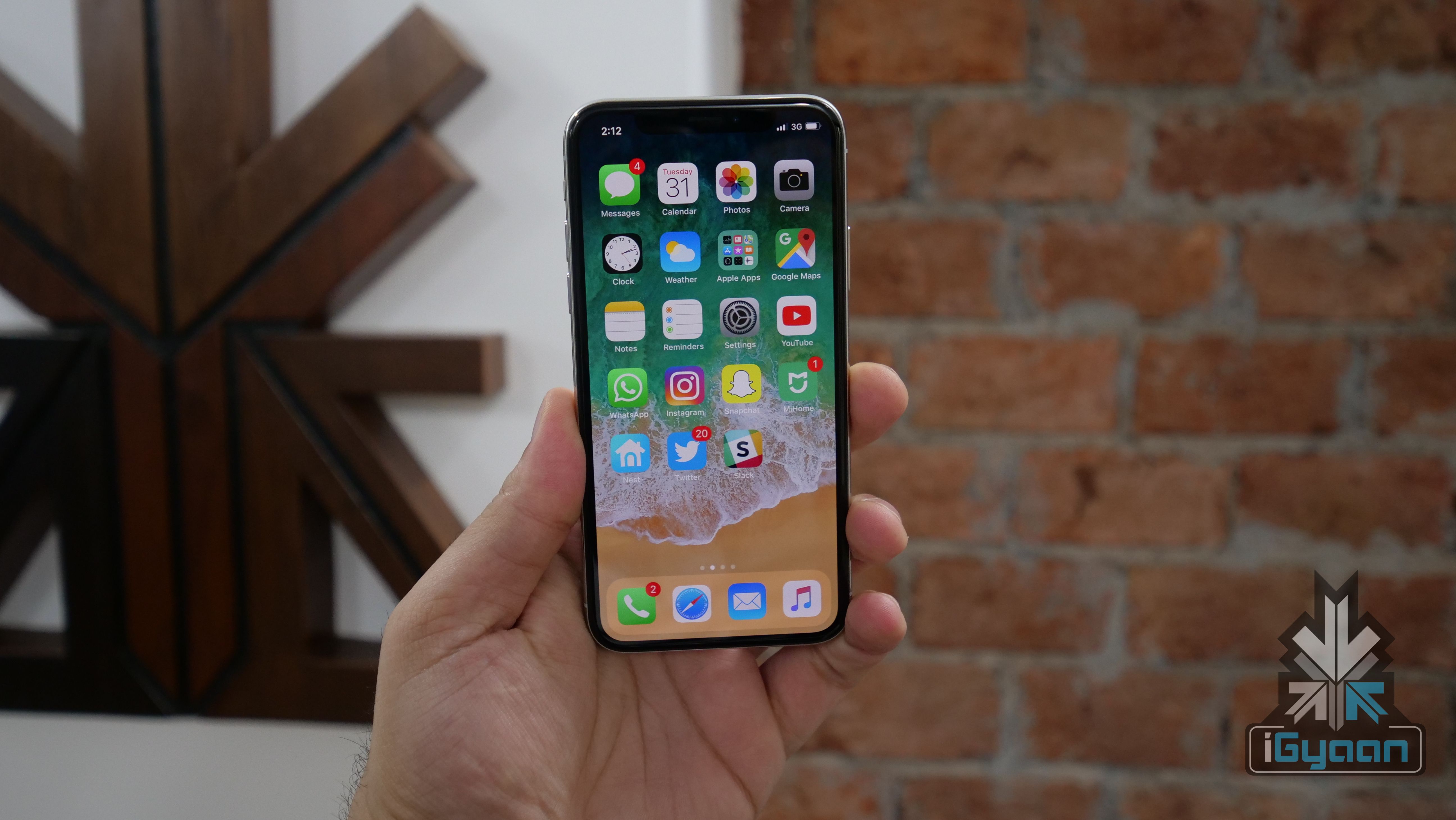
Recently, it was unearthed that older iPhones were being slowed down via OTA updates by Apple. As the story broke out a few days after the iPhone X went on sale, people started questioning Apple’s ethics and speculated that Apple does this to influence consumers into buying new iPhones. After a few days of conspiracy theories doing the rounds on the internet, Apple came out and admitted to the doings.
However, the reason Apple gave was different from what people on the internet were speculating. To tackle battery ageing in a more efficient way, what Apple is doing for older iPhones is it is capping the processor power to prolong the age of the battery. This is an attempt to make people’s phone work for longer with fewer issues, not to get them to switch away from it.
So, it is fair to assume that iPads will be dealt with the same strategy of slowing down the performance in order to increase battery life. Well, it isn’t. Apple is not capping the performance of the processors found iPads.
The reason Apple went this route of slowing down iPhones was that of the battery. An ageing battery is less able to provide power quickly enough to the system that needs it. This was the main reason for random iPhone shutdowns which Apple addressed in its iOS 10.2.1 update. IN this update, the company introduced a feature to manage the instantaneous performance peaks, only when needed, to prevent an iPhone from unexpectedly shutting down.
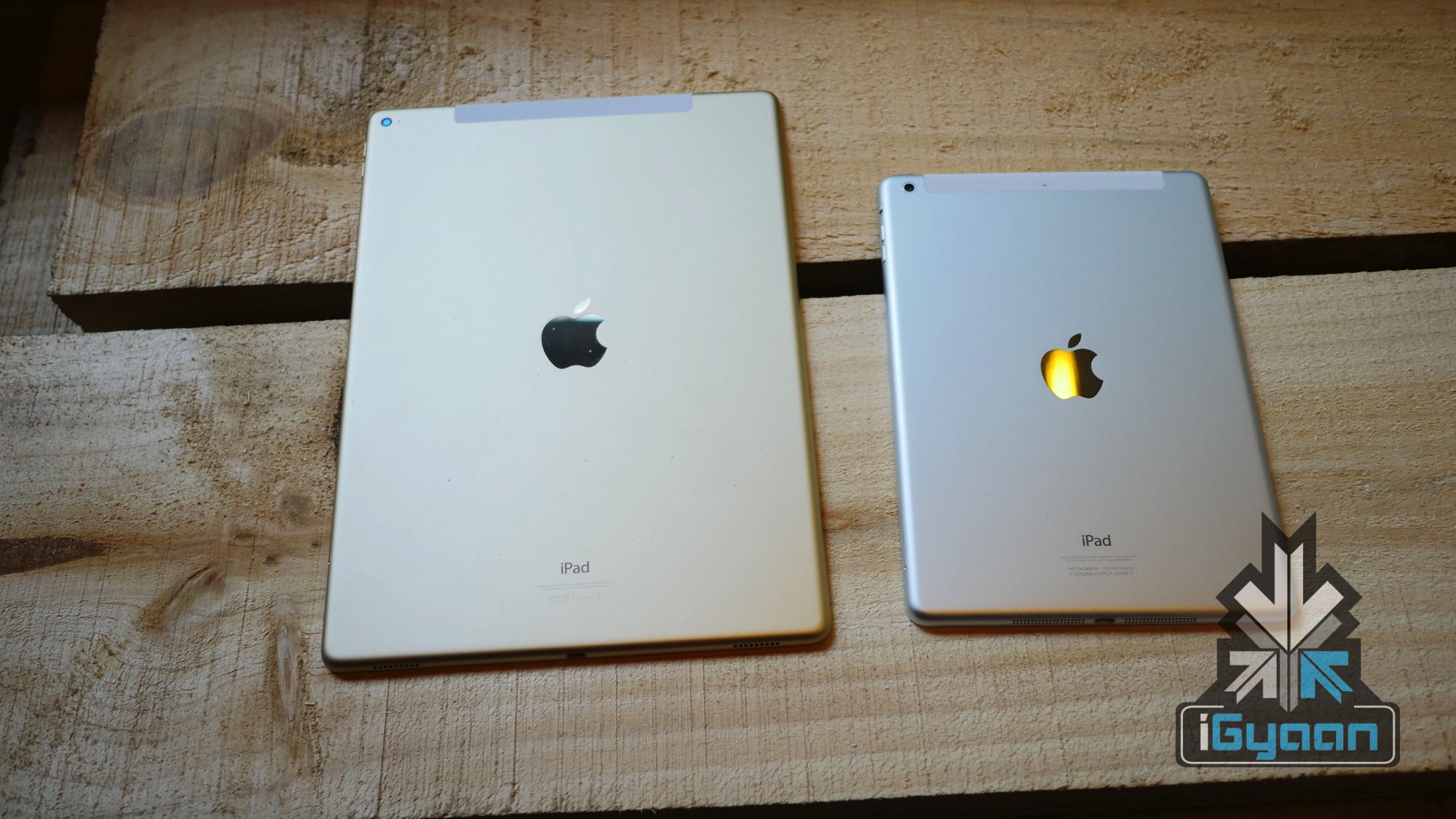
Now, the reason this wasn’t introduced to iPads is twofold. Firstly, an iPad has a much larger battery capacity than an iPhone. For example, the iPhone 6, launched in 2014 has an 1810 mAh (6.9 Wh) battery while the iPad Air 2, launched the same year has a battery capacity of 7340 mAh (27.62 Wh). This means that an iPad battery is much better equipped to handle performance peaks.
Also, the average consumer uses iPads in a very different manner when compared to an iPhone. Since it usually is a secondary media consumption device, it is charged less often, which affects how the battery will age. For now, iPads are safe and protected from the slowing down software. However, in the coming years, iPads could also receive such software updates to prolong their battery lives.
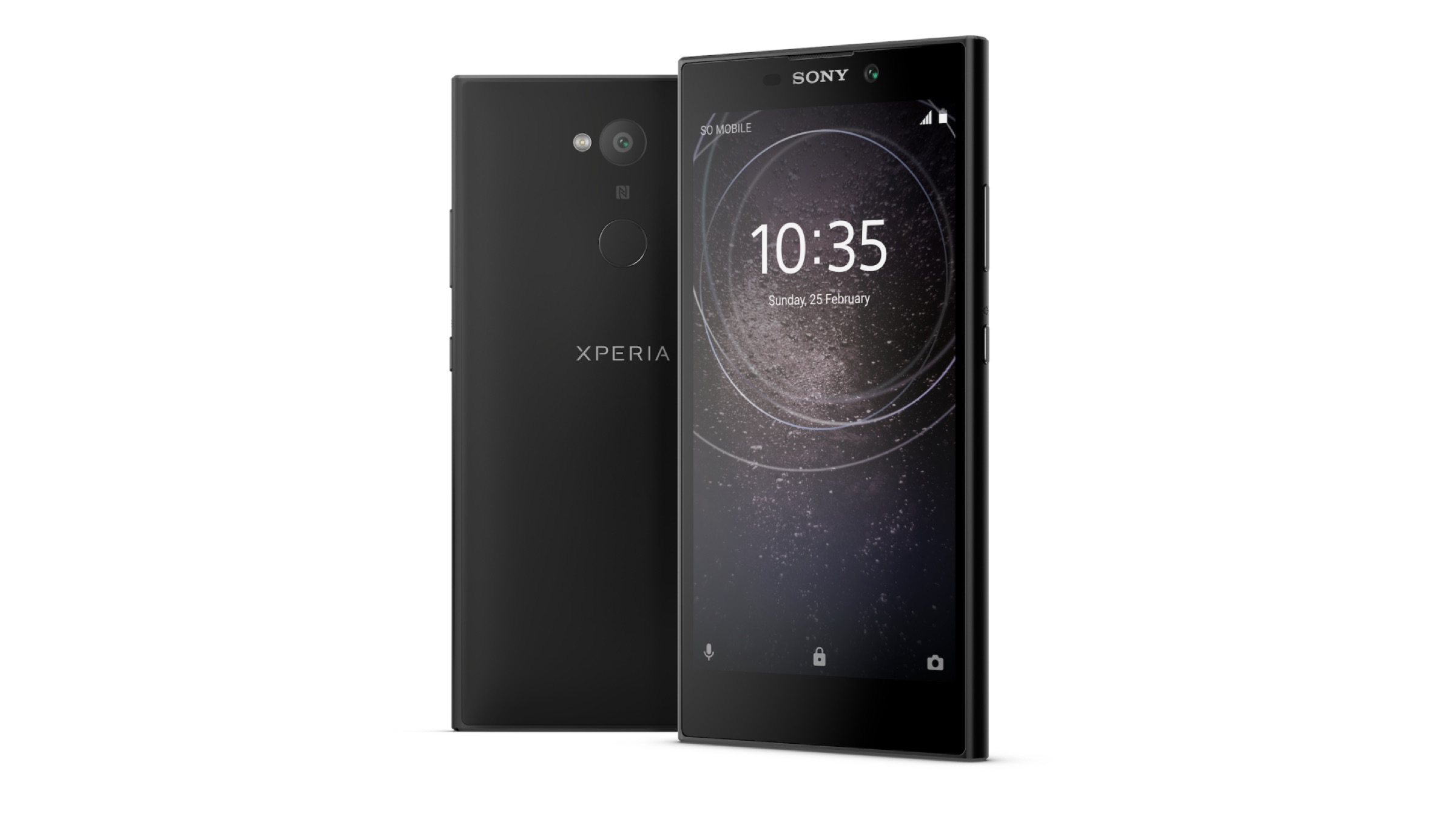
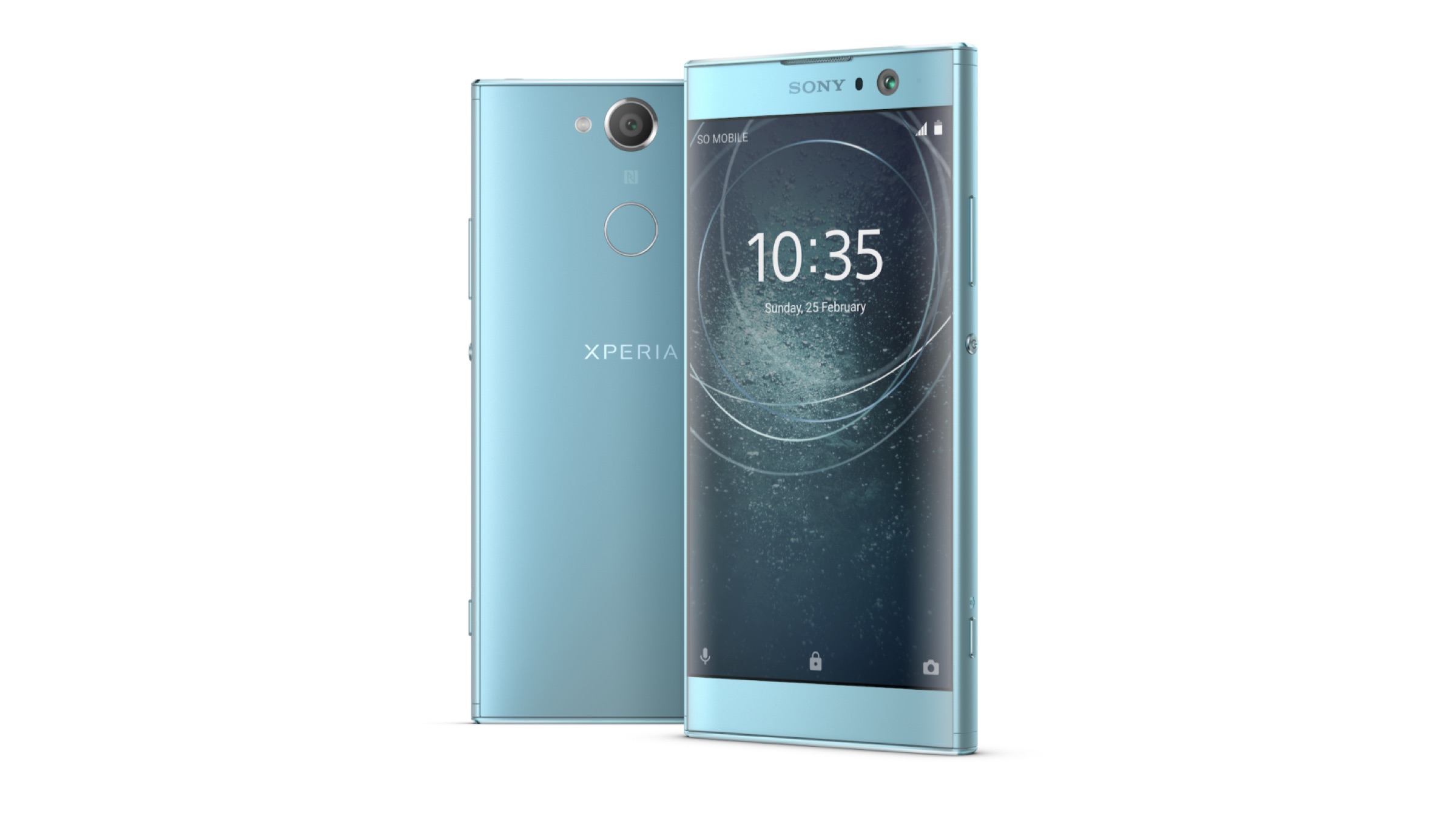
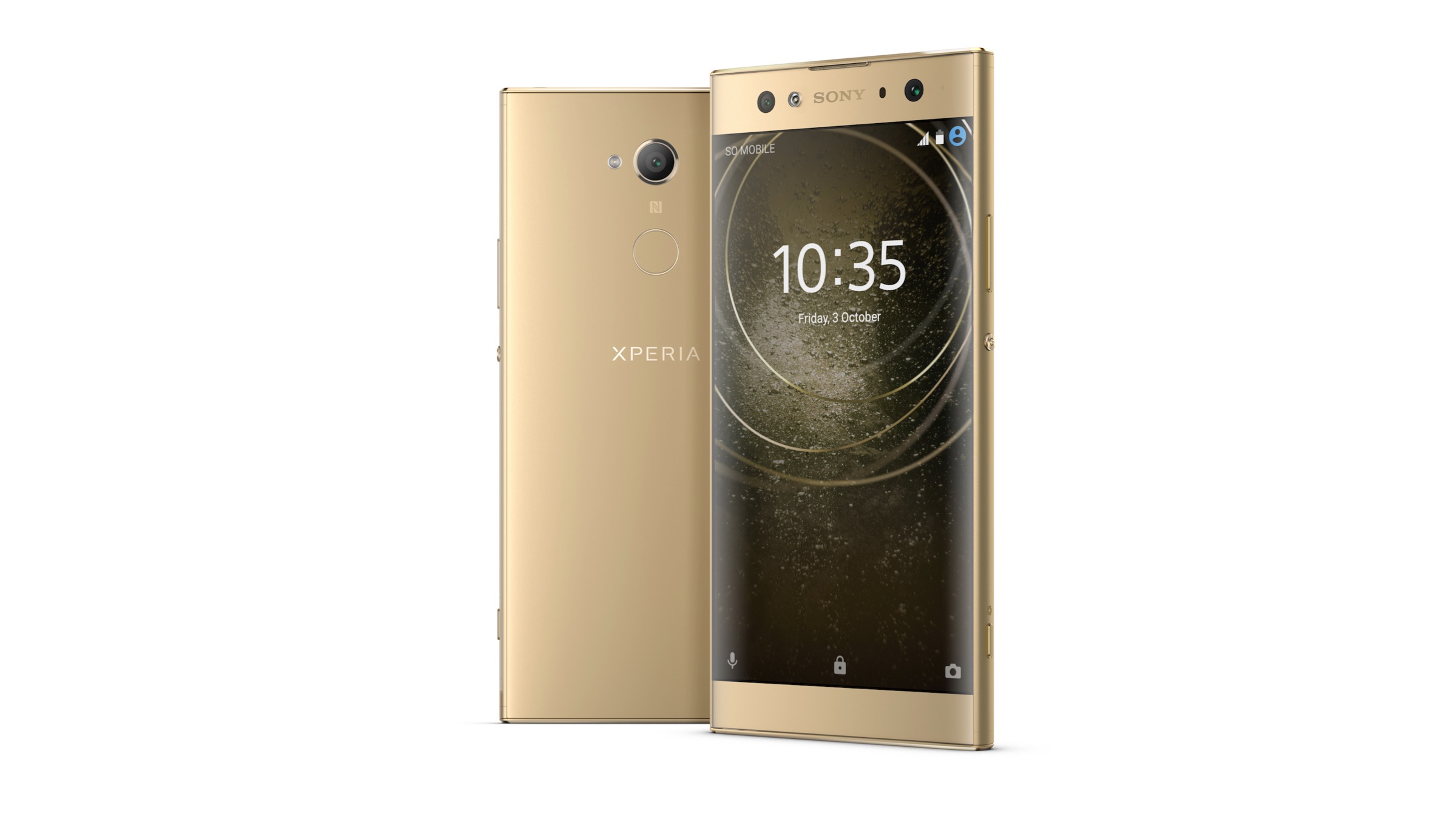
At the recently concluded CES 2018, Sony took to stage to unveil its three new mid-range and budget smartphones, the Xperia XA2, XA2 Ultra and Xperia L2. While the specifications and key features of the devices were chared by the company, there was no word on their pricing. Now, all the three smartphones are up for pre-orders in the US and UK which reveals the pricing of all the three smartphones.
The Sony Xperia XA2 is priced at US $350 (Rs. 22,260 approximately), Sony Xperia XA2 Ultra is priced at US $450 (Rs. 28,620 approx.) while the Xperia L2 will retail for US $250 (Rs. 15,900 approx). If and when these smartphones make their way to India, the pricing could be similar to their US price if Sony wants to compete with other brands in the overcrowded budget and mid-range segment.
Sony Xperia L2
Xperia L2
The Sony Xperia L2 branches out from the now defunct Xperia E series.
The Xperia L2 has a 5.5-inch display with a 1280 x 720 px resolution.
Under the hood, the smartphone has the MediaTek MT6737T chipset, 3GB of RAM and 32GB of onboard storage which will be expandable via a microSD card. The fingerprint sensor has now been moved to the back of the phone and is placed centrally, right below the camera.
Powering the smartphone is a 3300 mAh battery but there is no word on fast-charging support yet. In a move similar to Samsung’s, the Xperia L2 will run Android 7.1 Nougat out of the box.
The Sony Xperia L2 has a 13MP camera on the back and an 8MP camera with a wide-angle lens on the front.
Sony Xperia XA2 and Xperia XA2 Ultra
Xperia XA2
The two mid-range offerings from Sony, the Xperia XA2 and Xperia XA2 Ultra will start shipping in February.
The Xperia XA2 has a 5.2-inch display while the XA2 Ultra has a 6-inch display but, both the devices have a 1920 x 1080 px resolution.
Under the hood, both the devices are powered by the Qualcomm Snapdragon 630 chipset and have the Adreno 508 GPU. The Xperia XA2 has 3GB of RAM and 32GB of storage, which is expandable via microSD (hybrid slot on the dual SIM XA2). The larger XA2 Ultra has 4GB of RAM and two storage options of 32GB and 64GB. Thanks to the big bezels and a massive footprint of the device, Sony has provided a dedicated SIM card slot for both the single SIM and dual SIM models.
The XA2 features a 3,300mAh battery as compared to the XA1’s 2,300mAh unit, while the XA2 Ultra is powered by a 3580mAh. Both of the devices will also support QuickCharge 3.0 via a USB Type-C port. Unlike a lot of Sony devices, the fingerprint sensor now sits on the back of the devices just below the camera module.
Xperia XA2 Ultra
Both the smartphones have a 23MP camera with an f/2.0 aperture. To the front of the Xperia XA2 is an 8MP camera with a wide-angle lens. The Xperia XA2 Ultra has a dual-camera setup on the front, as it has a 16MP camera with OIS along with the 8MP wide-angle lens.
Sony still hasn’t announced its plans of launching these devices in Asian markets such as India and again, it will have to price these devices competitively to compete with the likes of Xiaomi Mi A1, Honor 7X and the Moto X4.
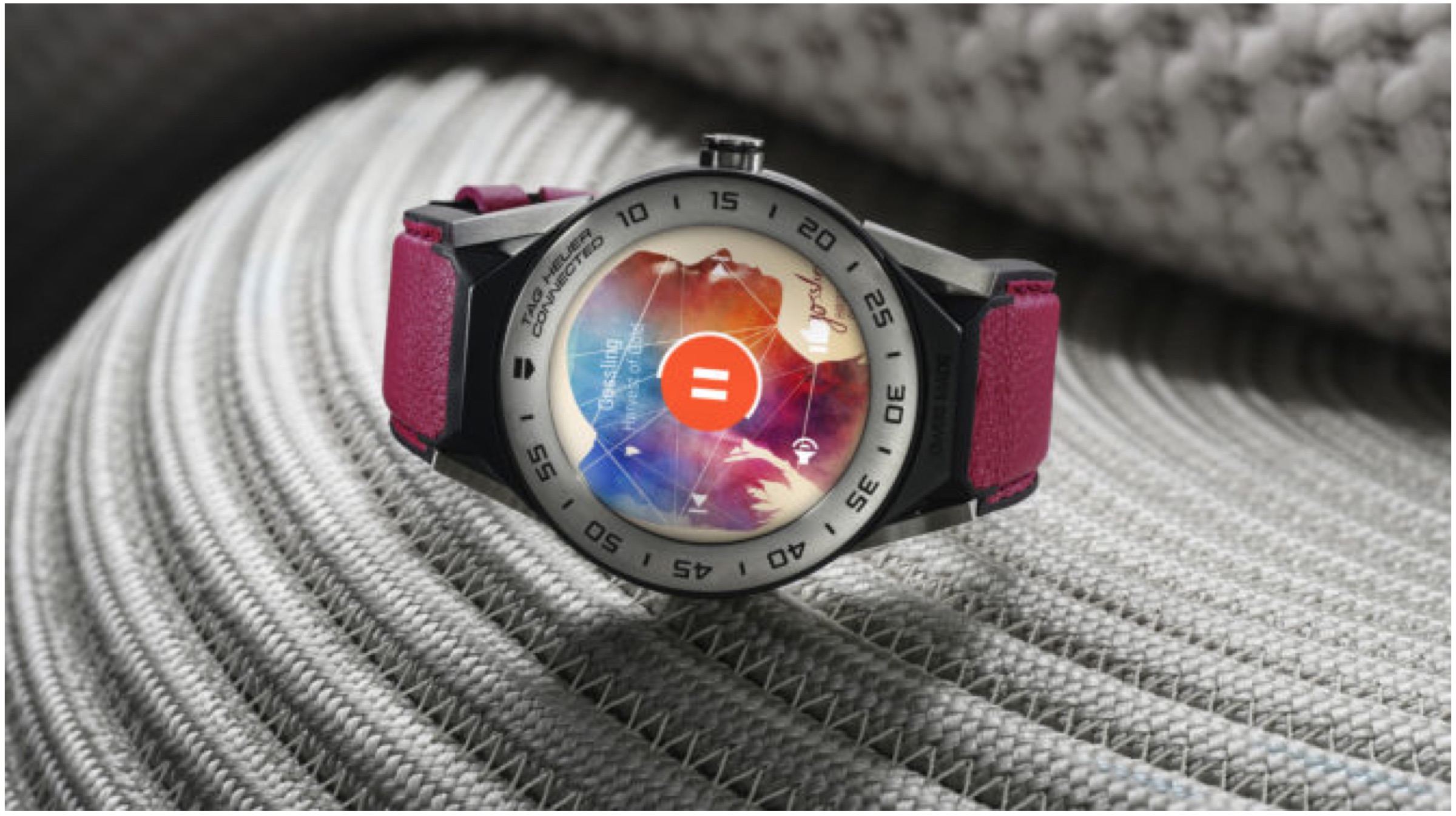
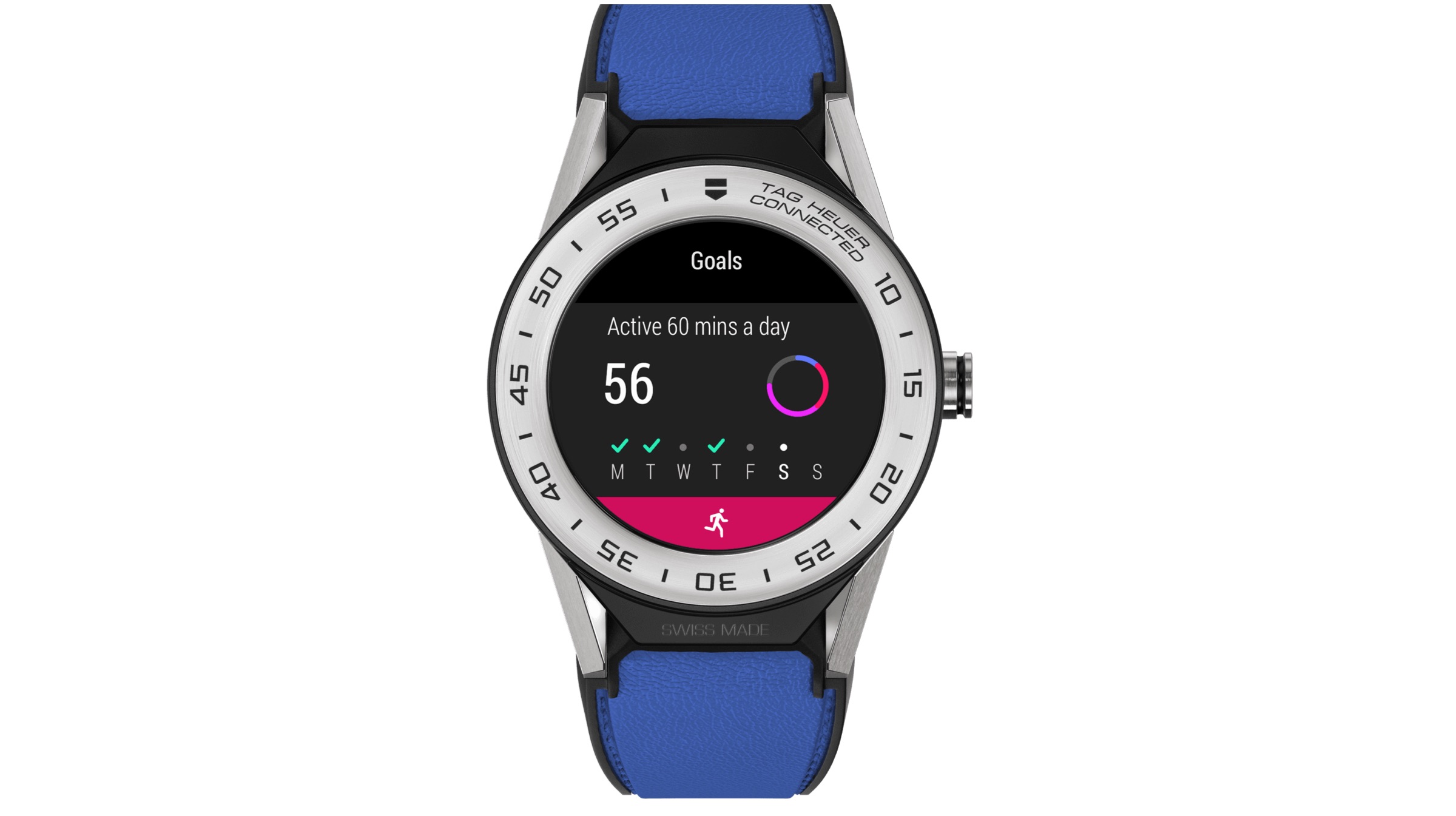
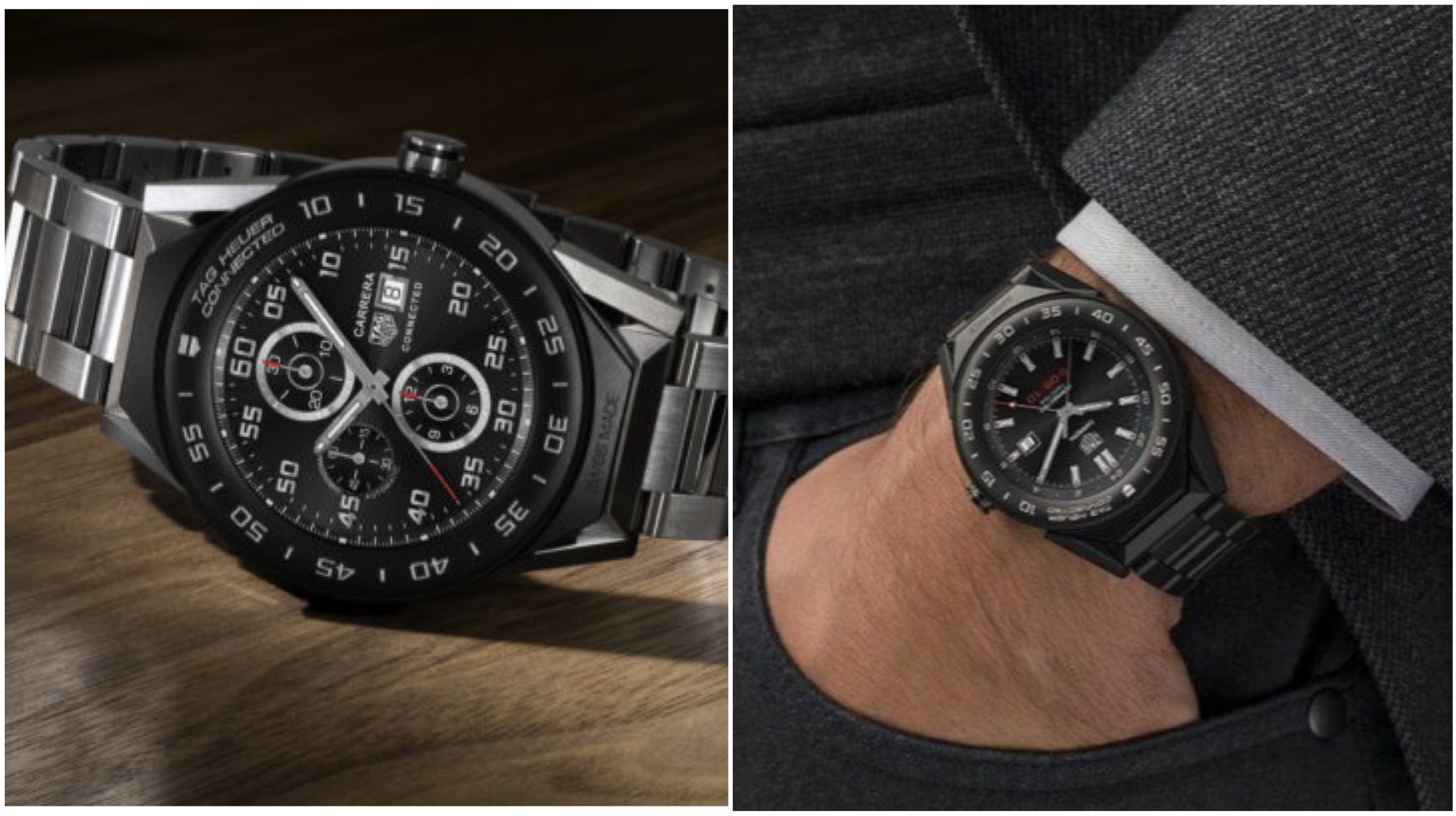
TAG Heuer, the Swiss watchmaker has followed up its Connected Modular 45 with the new and relatively cheaper Android Wear watch, the Connected Modular 41. It starts at a price of US $ 1200 which is less than the US $1500 starting price of the Connected Modular 45.
The watch face on the Connected Modular 41 is 41mm in diameter which is smaller than the 45mm diameter of its predecessor. The smartwatch has an AMOLED display with a resolution of 390×390 px with a 326 ppi. TAG also claims that the brightness of the display has been improved from its predecessors and now goes up to 350 nits.
TAG Heuer will be launching seven standard models of the Connected Modular 41, as well as nine different straps and will also introduce three new colours, pink, blue, and white leather.
Under the hood, the smartwatch has the Intel Atom Z34XX processor, 1GB of RAM and 8GB of onboard storage.
As far as OS is concerned, it is running Android Wear, however, the company hasn’t specified which version though. Even if it isn’t running Android Oreo yet, it will eventually get the update since TAG announced the Oreo update for its predecessor.
As the price of the smartwatch suggests, the TAG Heuer Connected Modular 41 is a premium smartwatch and boasts of premium materials in its built as well. The smartwatch has a scratch-resistant sapphire glass screen and is built from materials such as titanium, or gold for the more expensive configurations. It is also waterproof up to 50 meters, has NFC, Bluetooth 4.1, Wi-Fi, and GPS, and works with Google Pay.
There is no word from the company on the smartwatch’s release date in India as of now.
Smartphone launches nowadays are hardly met with surprise, since a lot of the main specifications and features are leaked way before the official launch. But, while most of these leaks are courtesy of tipsters and renders, sometimes, the smartphone maker itself leaks some important features. HTC has done exactly in the case of the HTC U11 EYEs. The smartphone is scheduled to be launched later in the day but, all the key details of the phone have been revealed via the official HTC website.
Through a comprehensive leak by a famous tipster on Twitter, we already knew that the smartphone will have a 6-inch Super LCD3 display with a 2160 x 1080 px resolution.
Under the hood, the U11 EYEs will be powered by the Snapdragon 652 chipset, along with 4GB of RAM and 64GB of expandable storage. The fingerprint sensor will be placed on the back of the phone and it will be IP67 certified for water and dist resistance.
The smartphone will be powered by a 3930mAh battery with QuickCharge support via a USB C port. Surprisingly, the device will run Android 7 Nougat out of the box even though Android 8 Oreo was launched back in August of 2017.
The HTC U11 EYEs will have a 12MP “UltraPixel 3” primary camera with OIS and “UltraSpeed” autofocus. HTC has revealed a DxOMark score of 90, which is exactly the same as what the HTC U11 received, which probably means that it is the same camera. To the front is a dual 5MP camera setup which will work together to create a bokeh effect.
The HTC U11 EYEs will be launched in China and according to the company’s recent launch tactics, it probably won’t make its way to India. It will be priced at CNY 3299 in China which roughly translates to about Rs. 32000 in India.
As technology moves forward, all future smartphones are expected to have wireless charging as a common feature. One thing that we have learnt from current smartphones that support wireless charging is that they are almost entirely made of glass. This means that as much hard as companies claim their glass is, there are chances of it breaking.
That may not be the case in the near future as a team of researchers in South Korea have developed a self-healing material that can repair cracks in under thirty minutes. The material is called Elastomer and could be the answer to the fragile build of smartphones in order to support certain features.
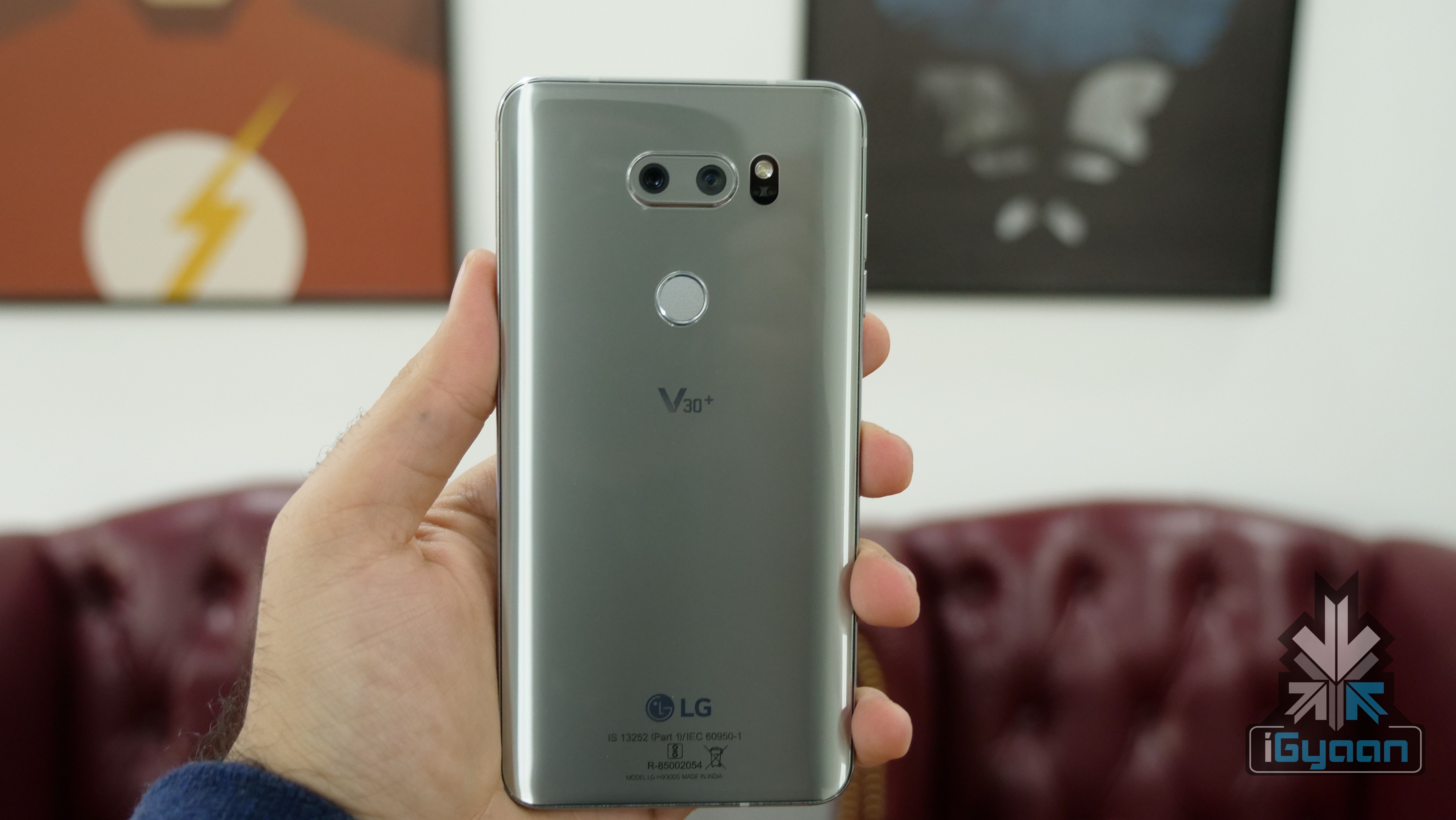
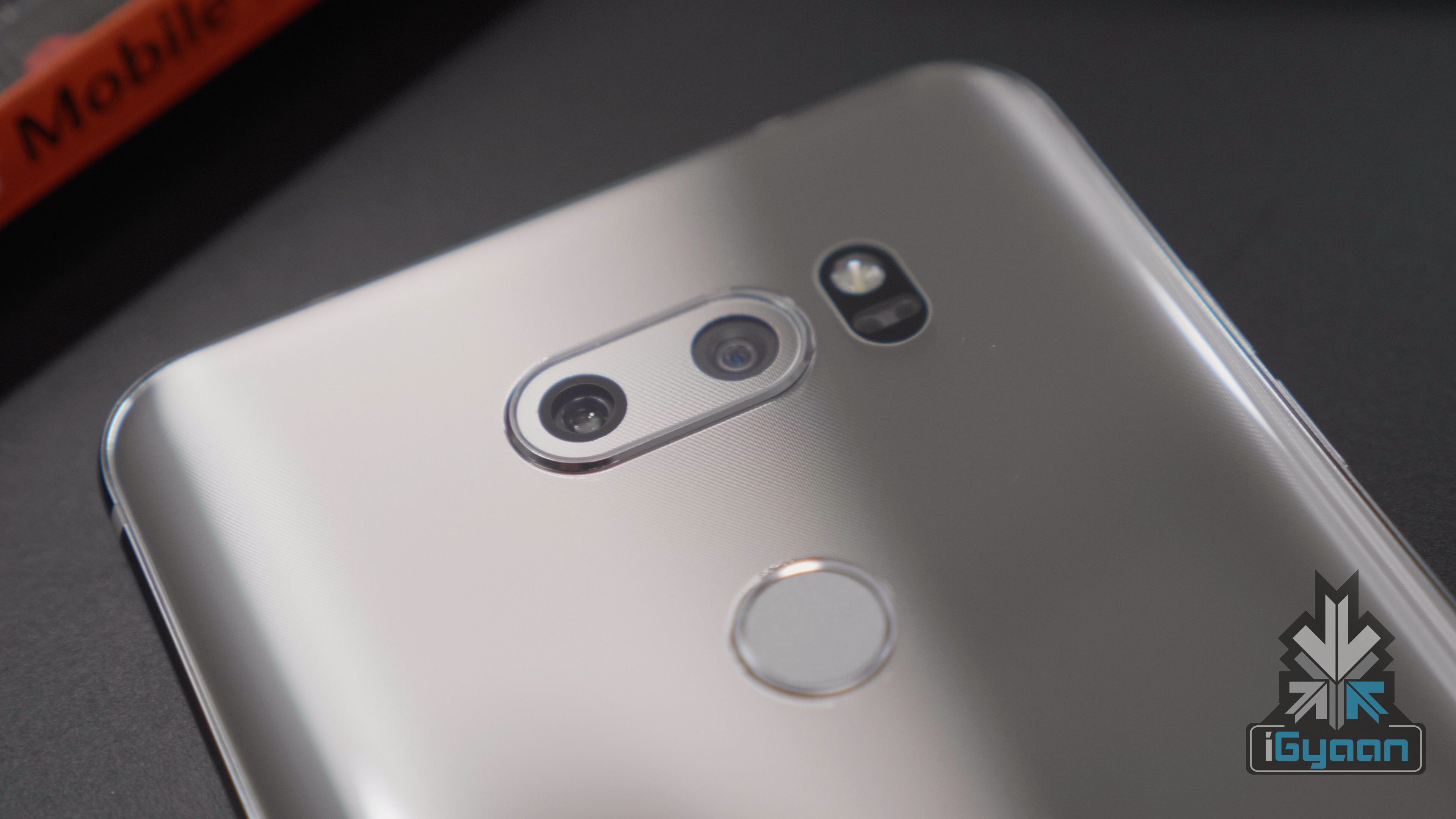
The LG V30+ has glass on the back
Elastomer is able to heal itself at room temperature and at the same time, doubles the amount of the highest level of existing tensile strength. In simple words, tensile strength is the resistance of a material to breaking under tension. Something that happens to a lot of smartphones made of glass. Elastomer not only heals itself but, it also maintains the original ruggedness of the material.
According to the research team, this new material can be used as a protective layer on smartphones. While it is hard to predict the timeline for the material to become commercially available for smartphone makers, it seems like a step in the right direction. As gadgets become thinner, their frailties against drops will invariably become more prominent and companies don’t seem to be lowering the repair costs of out of warranty devices.
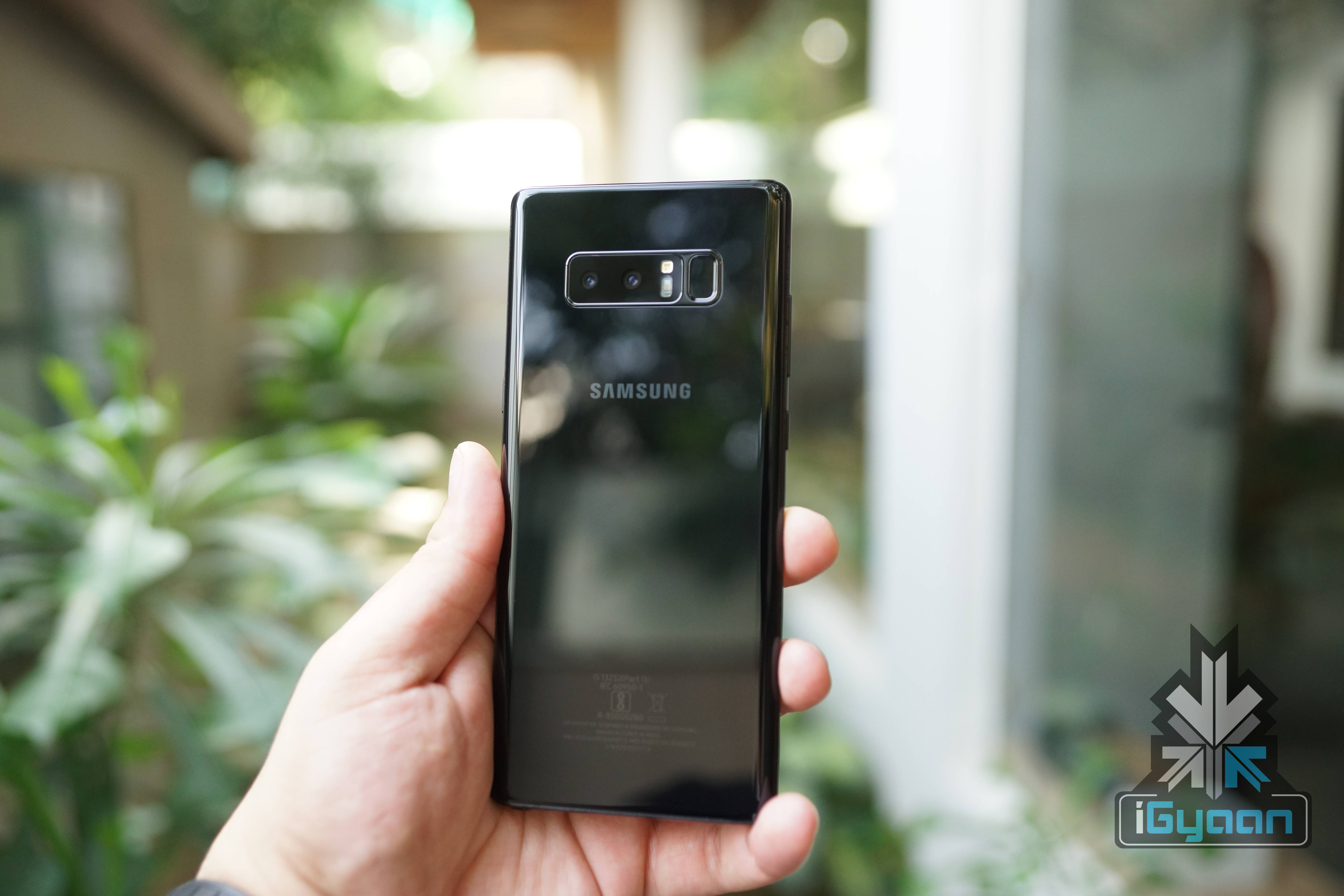
Samsung Galaxy Note8
Right after the launch of the iPhone X, it was discovered that people who don’t opt for Apple Care might have to shell out up to US $279 to get the screen repaired. A self-healing material will definitely help the consumers save money and also use their devices a bit more freely without always worrying about the damage.
This is not the first time we are hearing about a solution for fragile smartphones. A few months ago, it was reported that Motorola would start featuring a self-healing display on its future smartphones. Recently, students of the University of Tokyo claimed that they had discovered a self-healing glass that could be used in smartphones as well.
Samsung Galaxy On7 Prime has been confirmed to be launched in India on the 17th of January. The smartphone will be an Amazon exclusive and the price of the phone is expected to be around Rs. 15000.
According to the Amazon listing, Samsung Galaxy On7 Prime has a 5.5-inch display with a 1920 x 1080 px resolution.
Under the hood, the Galaxy On7 Prime will have the Exynos 7870 chipset, a 1.6GHz processor, and Mali-T830 MP1 GPU. The smartphone will be available in two variants, one with 3GB RAM and 32GB of onboard storage and the other with 4GB RAM and 64GB of onboard storage which will be expandable up to 256GB via a microSD card.
There is no confirmation on whether the smartphone will have a dedicated microSD card slot or not.
According to Samsung UAE website, the Galaxy On7 Prime will be powered by a 3300 mAh battery. The physical home button on the front will, in most likelihood, house the fingerprint sensor as well.
The Galaxy On7 Prime will have a 13MP with an f/1.9 aperture on the front and back along with rear-facing LED flash.
Interested users can register for the device by clicking here.
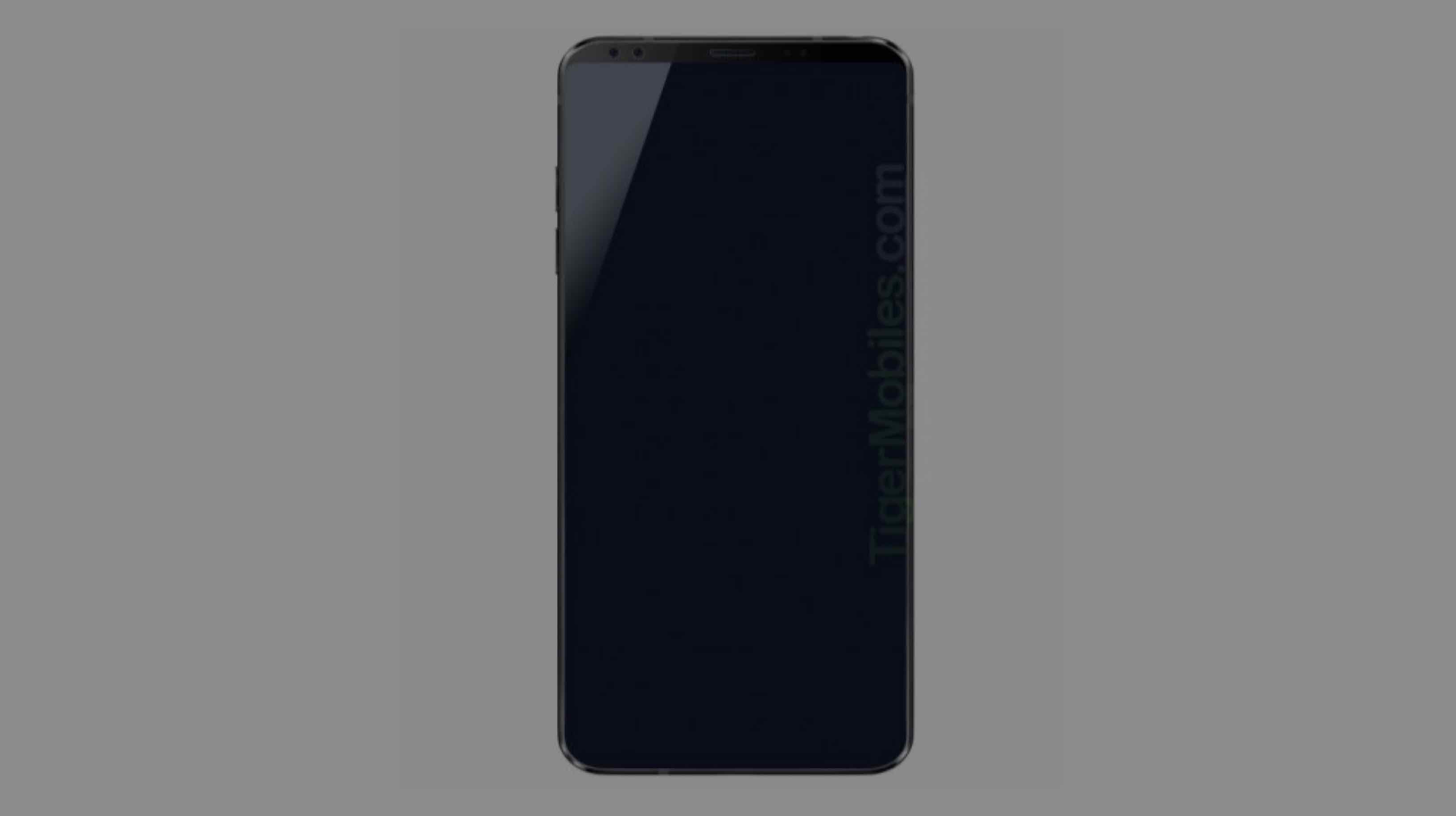
Early months of a year are usually dedicated to the hype around the launch of Samsung’s Galaxy ‘S’ series. Along with the Galaxy S9 and S9+this year, the LG G7 is also expected to be launched in early-2018, most probably at MWC. Unlike the Galaxy S9, there haven’t been a lot of leaks or renders revealing the possible design of the upcoming smartphone.
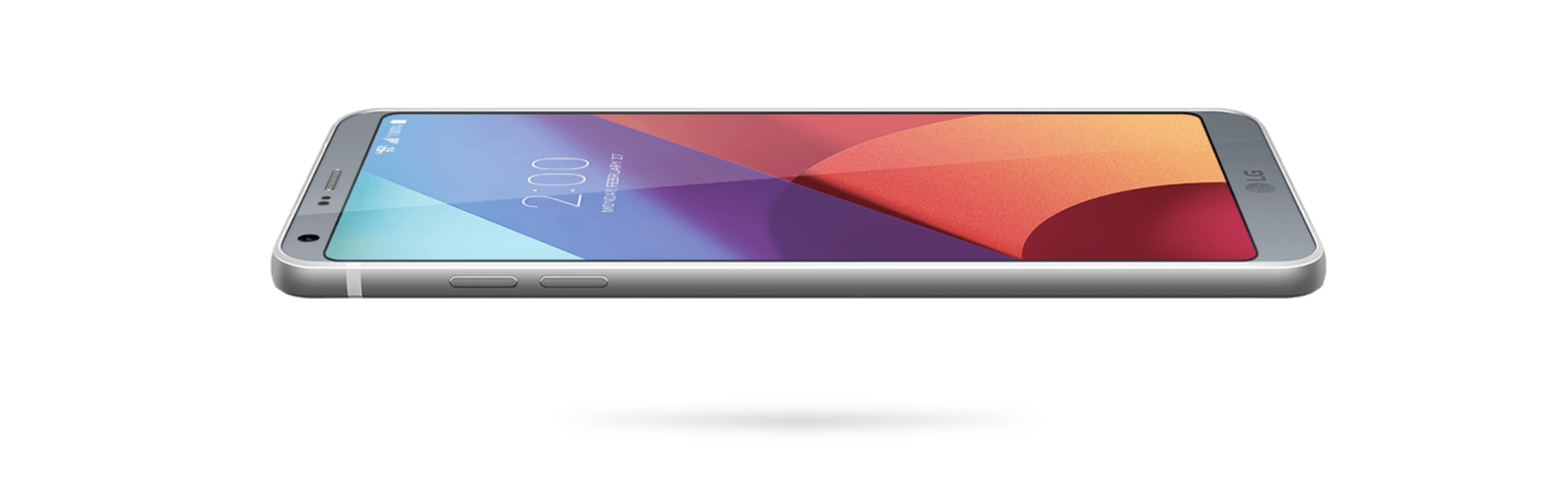
A new leaked image, however, reveals what could be the LG G7. Two striking aspects of this image are the bottom bezel and the front-facing cameras. According to the image, LG will eliminate the bottom bezel from its next flagship smartphone while keeping a relatively thinner upper bezel.
So far, LG has had very good primary camera setup in its flagship smartphones but, it appears that LG will make a few changes in its front-facing camera module as well. The leaked image in question reveals that the LG G7 could have a front-facing dual-camera setup. It will be interesting to see how the company will implement the two cameras or whether it will be similar to the primary camera setup with a wide-angle secondary lens.
Other than the design, there was a hint on LG’s official website that the LG G7 will be powered by the Snapdragon 835 chipset rather than the new Snapdragon 845 chipset. This is similar to the LG G6 situation as it was launched during the period when Samsung had exclusive access to the Snapdragon 835 chipset hence, the G6 was powered by the Snapdragon 821 chipset instead.
The launch of the LG G7 seems nigh, with MWC looming around, it will be interesting to see if the device is launched as the LG G7 or the company will rebrand it, as it was reported earlier.