Following its announcement of serving over a billion users, Facebook is once again in news -this time for a standalone app for delivering news to readers. According to reports, the app is called Notify and it will put together news from different sources which include The Washington Post, Comedy Central and Vogue, among others.
Rumours of Facebook working on a news-only app has been milling since August. This app aims to standout from others in the league by giving alerts to the reader as and when the story they are following develops. The reader would not have to visit specific stories or categories again to view the updates and changes.
Notify is expected to follow in the footsteps of Apple’s pre-installed News app for iOS 9 which boasts of over 40 million users now since its launch in mid-September. Let’s see how users take to this newest update by Facebook. Do you think it will simply add to the fray of many other similar news-related apps or will it be a change as refreshing and useful as reports are making it sound to be? We’ll keep you updated as and when we get more on this.
A couple of weeks ago, Motorola had started a 63-day road-trip to give a hands-on experience of many of its devices to potential buyers. The initiative is called Moto Spotlight and, for those who don’t know, it involves showcasing of Motorola devices in 12 cities across the country on a travelling rooftop stage.
You ask why do we bring this month old news up now? Because this Motorola vehicle is going to be in Delhi starting day after tomorrow. You can catch a bus from Pacific Mall, DLF Saket or Cyberhub in Gurgaon over the next couple of days. Click here for other details.
Additionally, aspiring artists and musicians get a chance to perform alongside names like Parikrama and Junkyard Groove by being in the Moto Spotlight. All you need to do is register yourself or the band, and upload a video. The best entries will be made part of the performance. Register yourself on the official website to stand a chance to perform at Moto Spotlight.
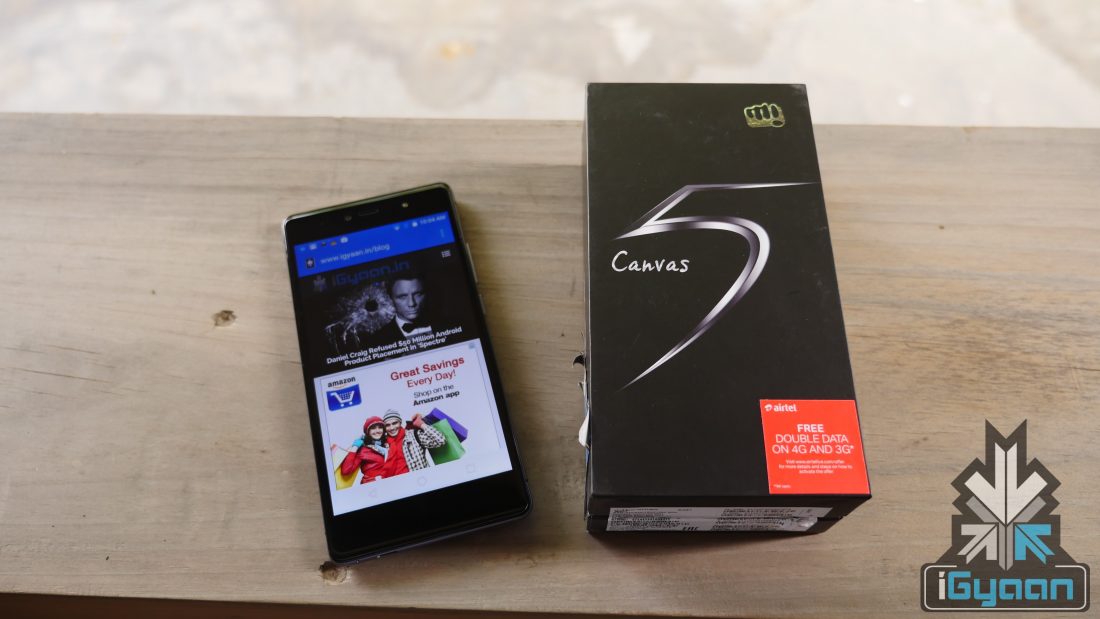
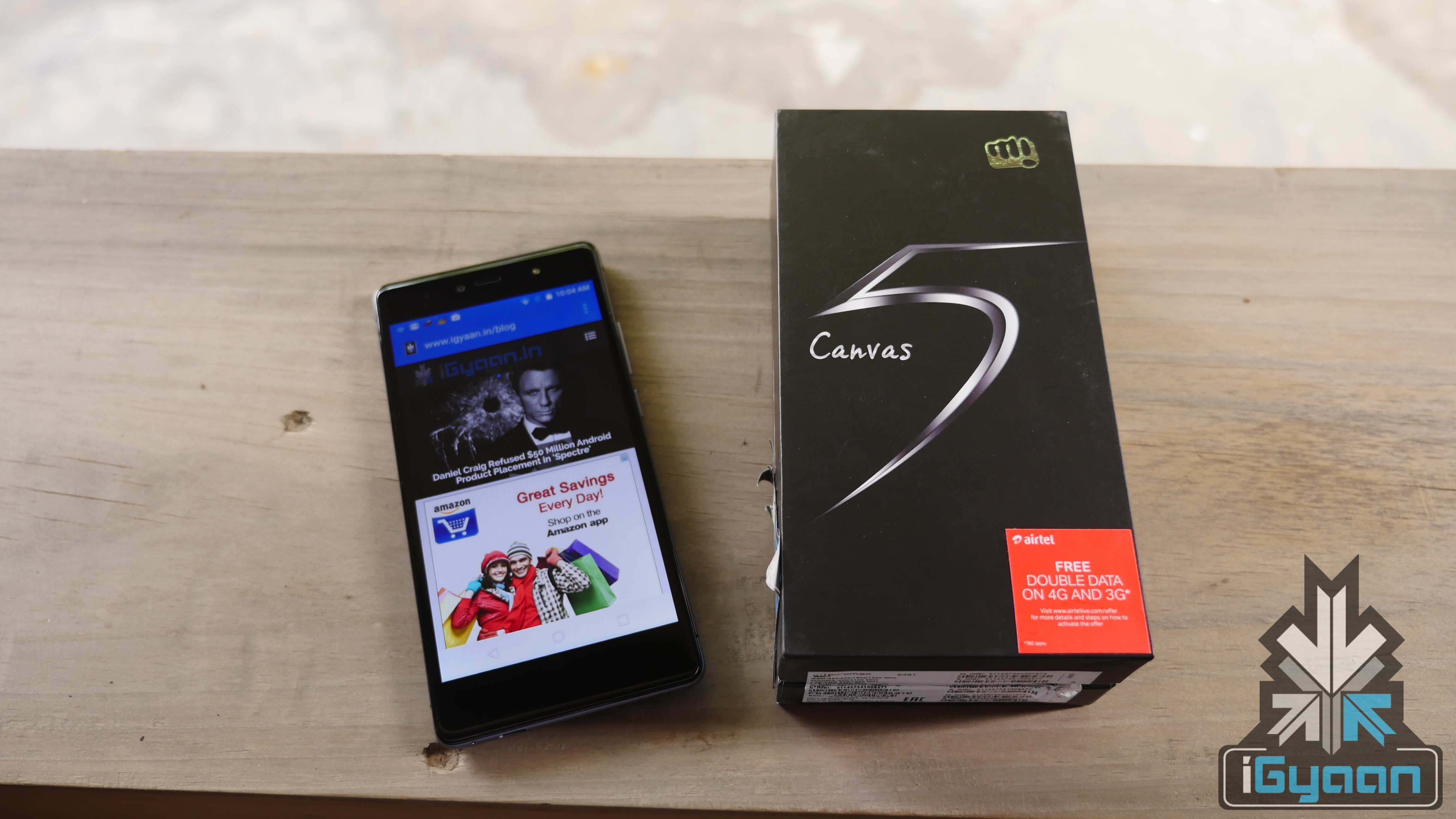
Micromax unveiled the Canvas 5 yesterday and we’ve provided all the technical details as well as a hands-on with the device. But if you’re still a little uncertain about whether you should buy Micromax’s latest flagship then have no worries. We’ve made a list of everything that is going for the Micromax Canvas 5, and if you find your needs mentioned then we suggest you have your wallets ready.
Design
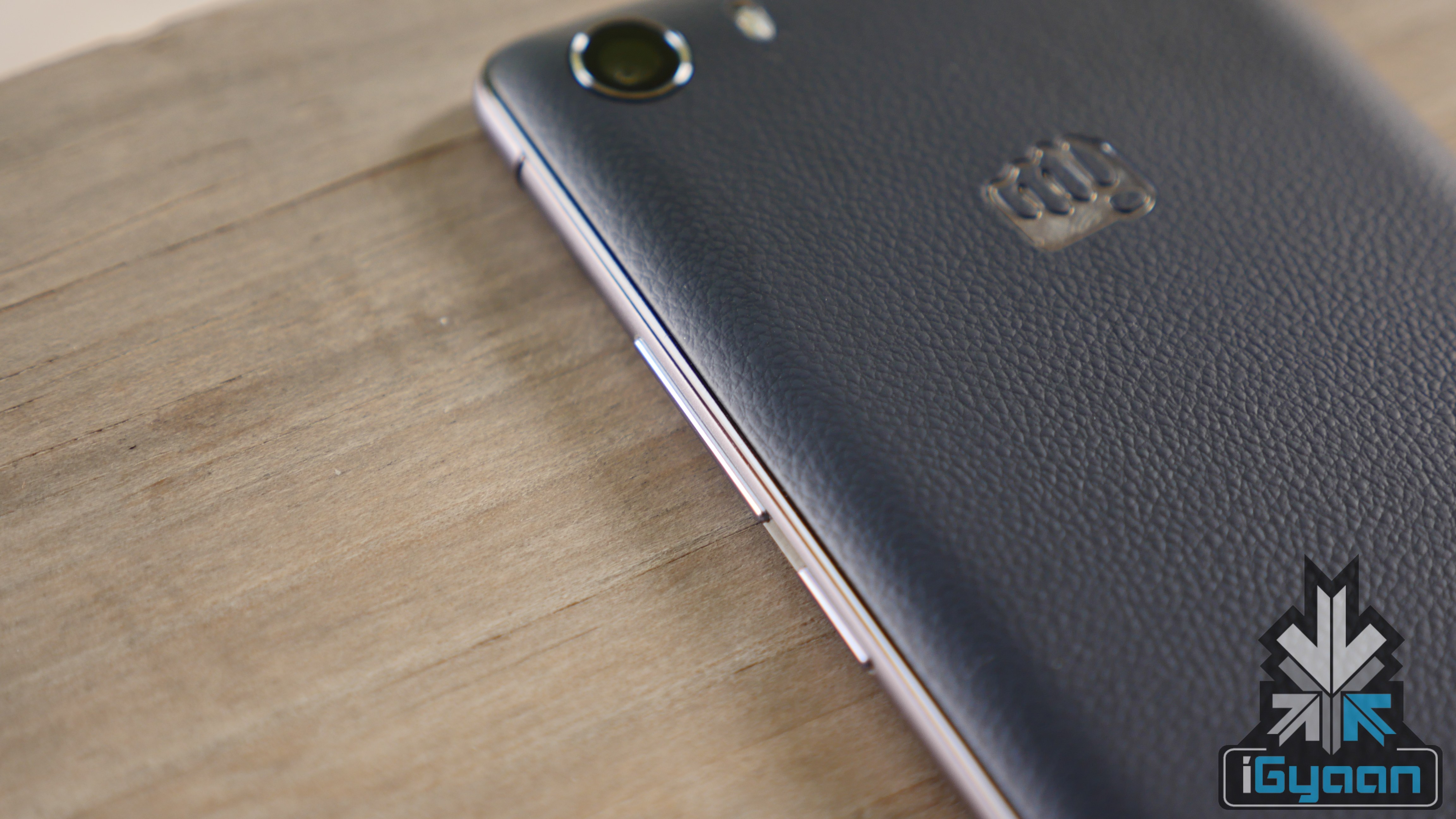
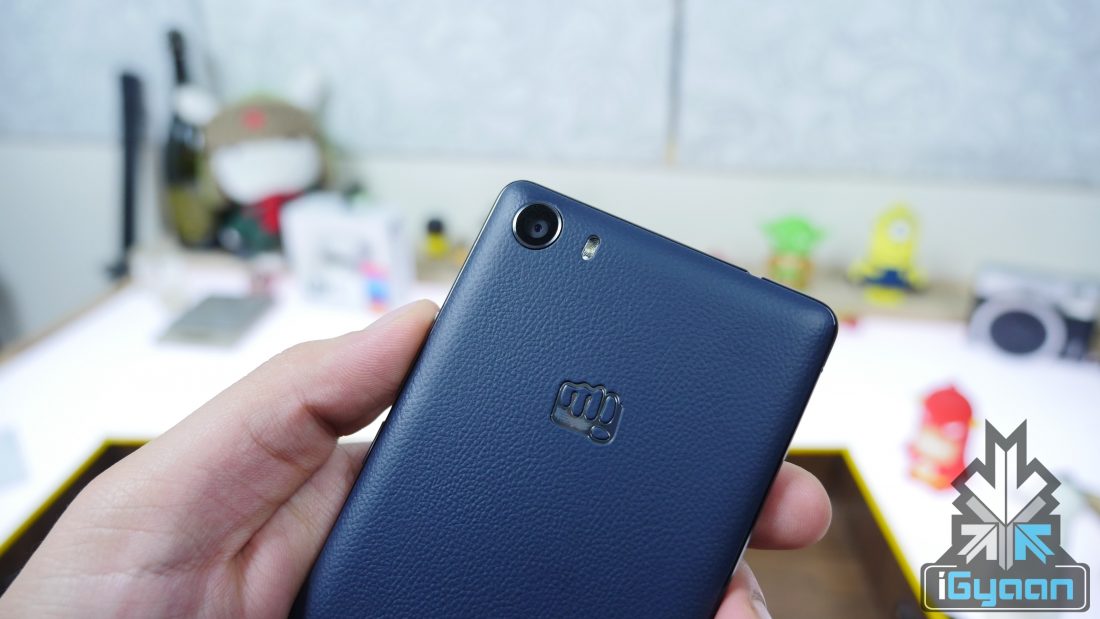
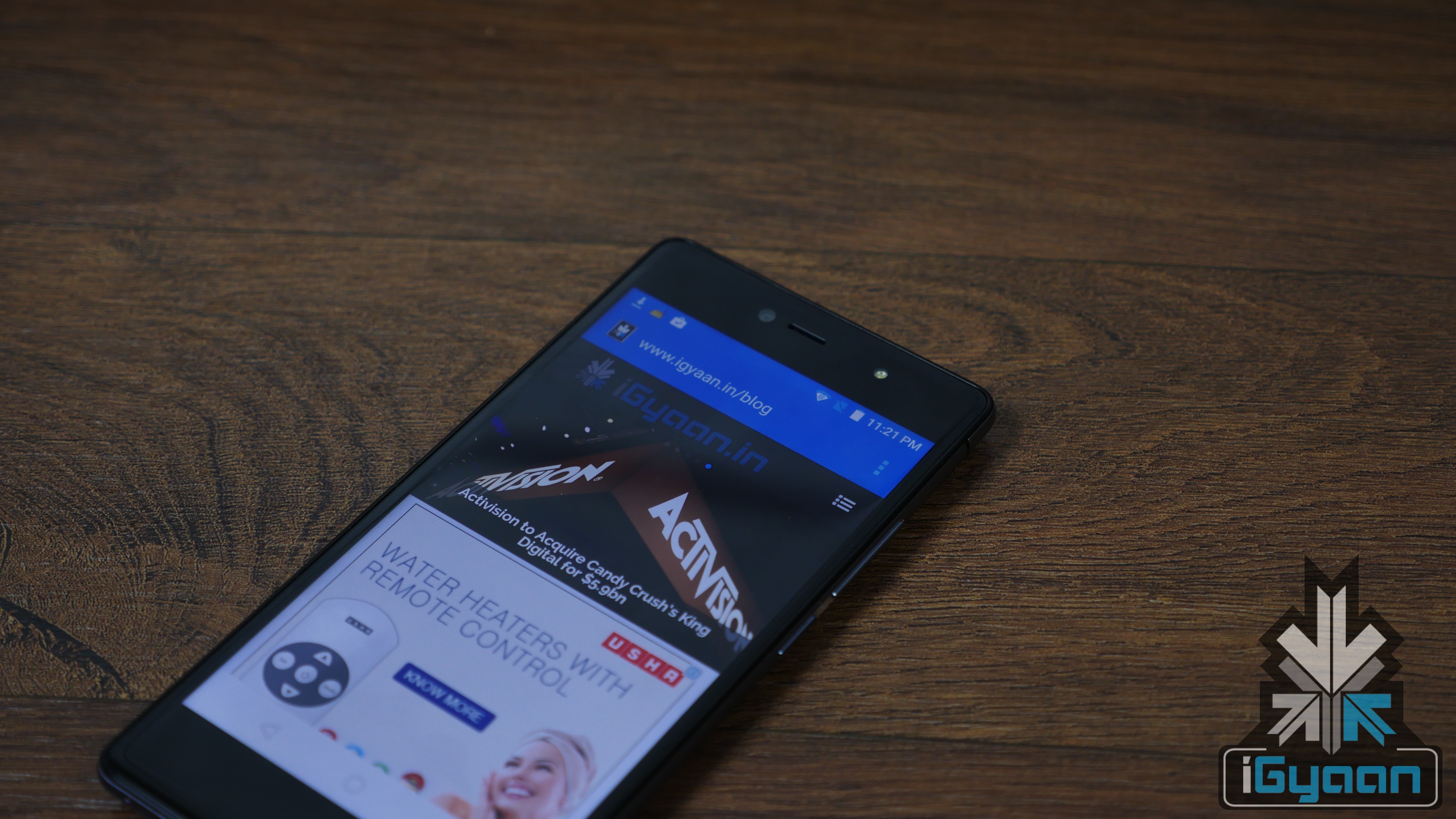
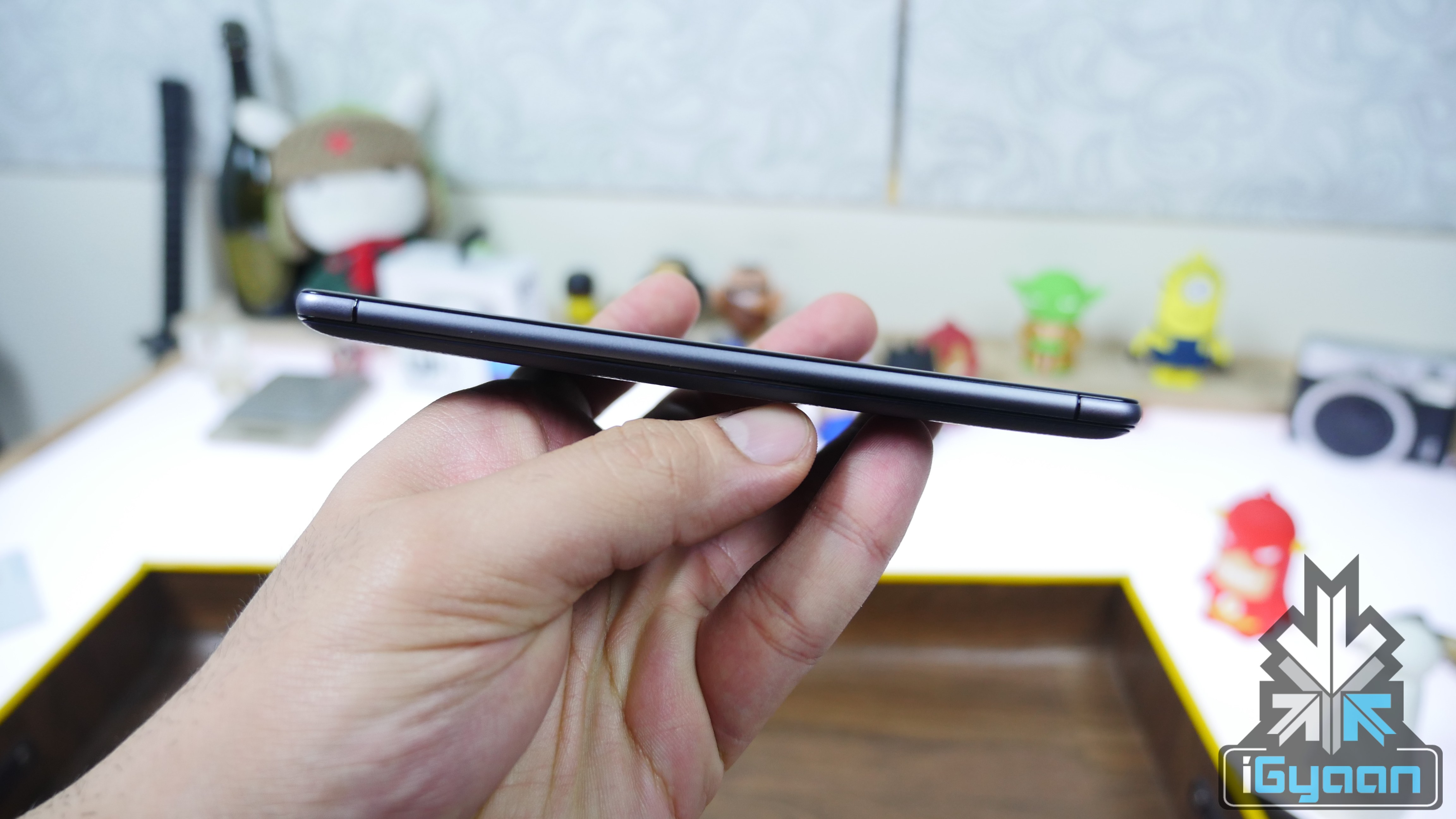
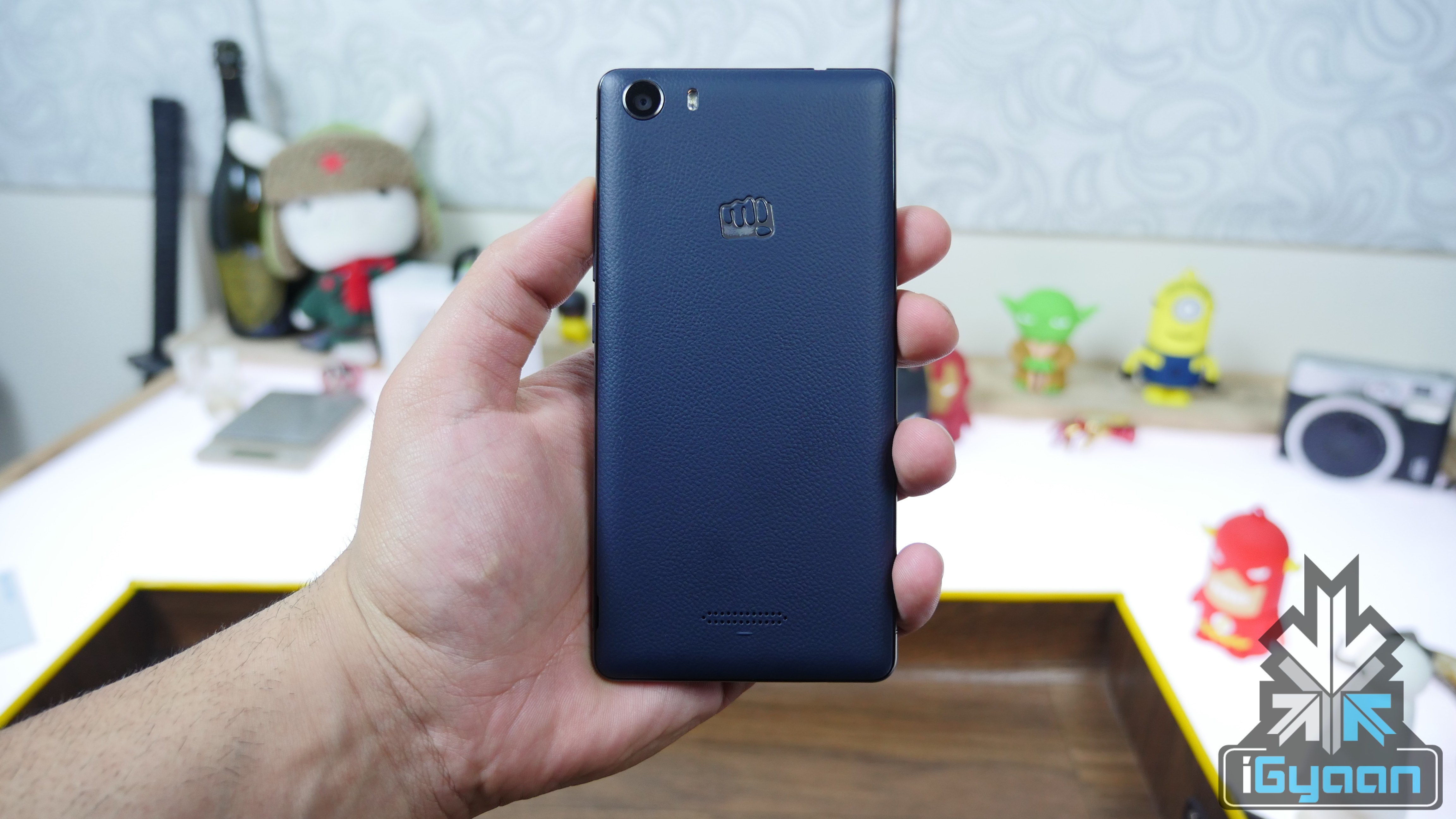
Right off the bat then, the Canvas 5 looks amazing. It has improved a lot since the Canvas 4 in terms of looks. The moment you see the Canvas 5 after unboxing, you’ll notice a shiny and attractive Gorilla Glass 3 on the front that has a 2.5D Curve Touch panel. The glass doesn’t leave smudges and stays pretty clear. This along with a metal side and rounded edge gives the device an iPhone-like feel. In the back you have a removable plastic panel that has a faux leather texture to it. Because it’s extremely flexible, it’s not likely to break any time soon. So if you want a phone that looks and feels great in your hand, you should definitely look to the Canvas 5.
Display
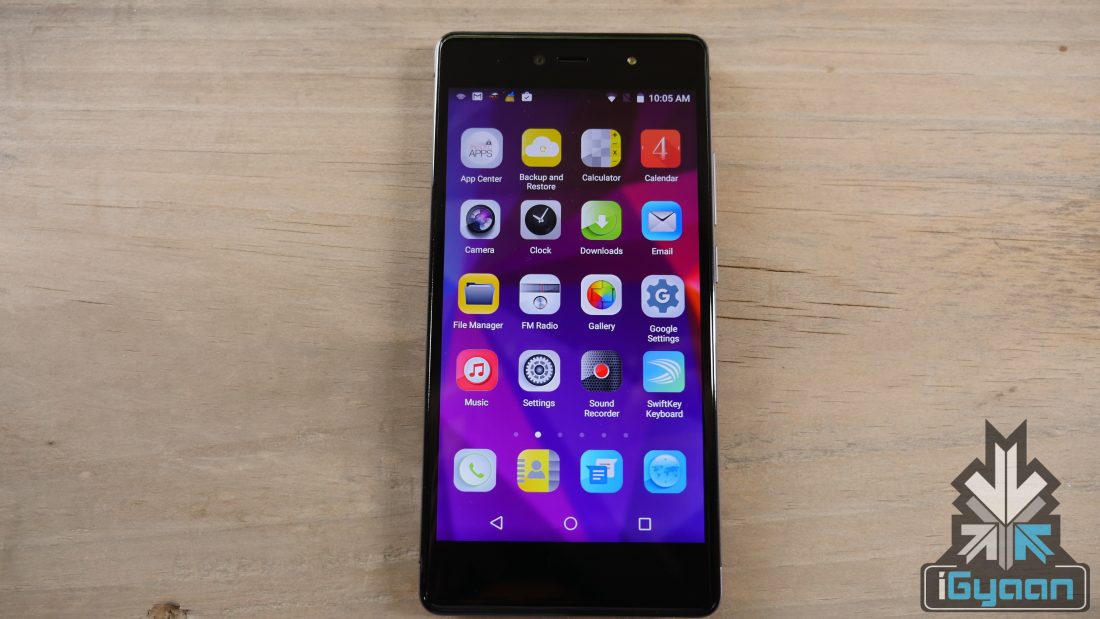
On switching on the device, we found that the 5.2-inch 1920×1080 Full HD display is crisp, clear and bright. The colours are attractive and makes you want to switch on the device even if you have nothing in particular to do. A graphic-intensive game like Asphalt 8 looks great on the device and works pretty smoothly. The details of the game look crisp and also give decent sound clarity.
Performance and UI
First use of the device right after unboxing will generally give a fast performance. So, it is a little early in the day to know exactly how the device will run. But our initial response to the Canvas 5 is that it gives a solid performance for a phone that is priced at Rs. 11,999. The phone will respond quickly to all your basic day-to-day needs and with no app drawer, you can access your apps a lot faster, as is the case with the iPhone. Though, those who prefer an app drawer may find the screen cluttered with bloatware.
Sliding through the phone quick and fluid and you will love the ease of it all within 5 minutes of usage. A 3 GB RAM for a device under 12K bracket is a rare sight and the Canvas 5 comes with just that. This allows you to multi-task with greater ease and also improves gaming performance. In terms of competition, the Canvas 5 wins over the Moto G (3rd Gen) and the Xiaomi Mi 4i for sure.
Camera
The Canvas 5 actually has a great camera app with loads of modes and pro features like those found on flagship Samsung Galaxy phones. You also get an app that lets you retouch images and give the desired makeup that it needs.
The device features a 13MP primary camera and a 5MP front with flash. The images taken by the primary camera are fairly decent and is quick at capturing images. The added professional modes like ISO, exposure compensations and white balance help you take that perfect shot. So, for a mid-range device, the Canvas 5 gives you a lot to play around with.
Price
Pricing is always key for a successful smartphone (unless it’s an iPhone). The Canvas 5 with all the above mentioned pros would be worth it if it is reasonably priced. And luckily it is. At Rs. 11,999, the Canvas 5 is a terrific phone that gives Motorola and Xiaomi a run for their money. The performance, display and design are premium material. The Canvas 5 along with the OnePlus X show us that it is possible to make a great looking device for a mid-level market. Should you go for it? Well, your interests are ticked in the list above then you definitely should buy the Canvas 5.
Samsung’s newest mid-range ‘On’ series has been officially launched in India on the 3rd of November. The On5 and On7 are the first set of devices in this group. We have been talking about them for a while and now let’s take a look at which of the two devices is a better bet.
Design:
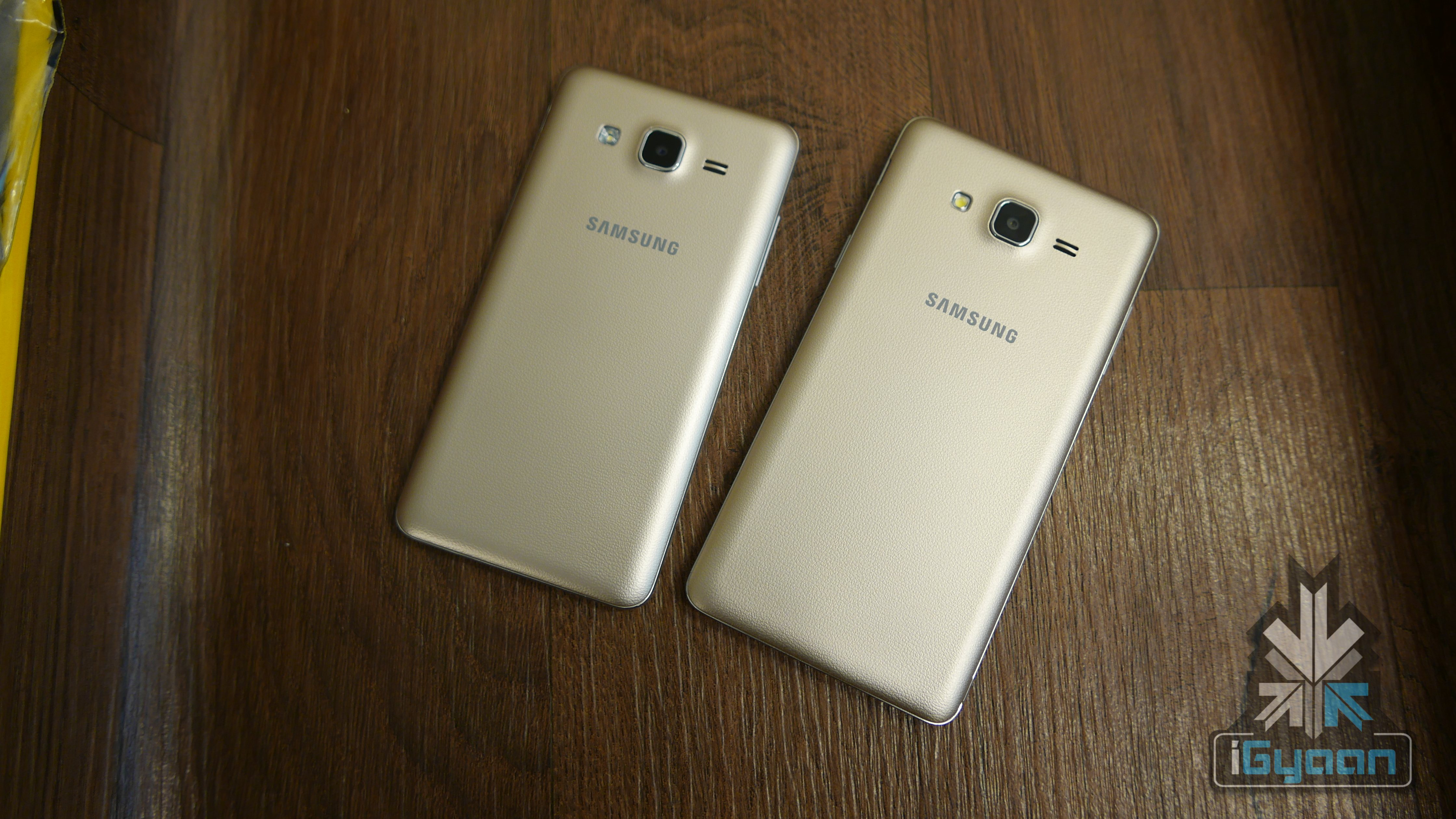
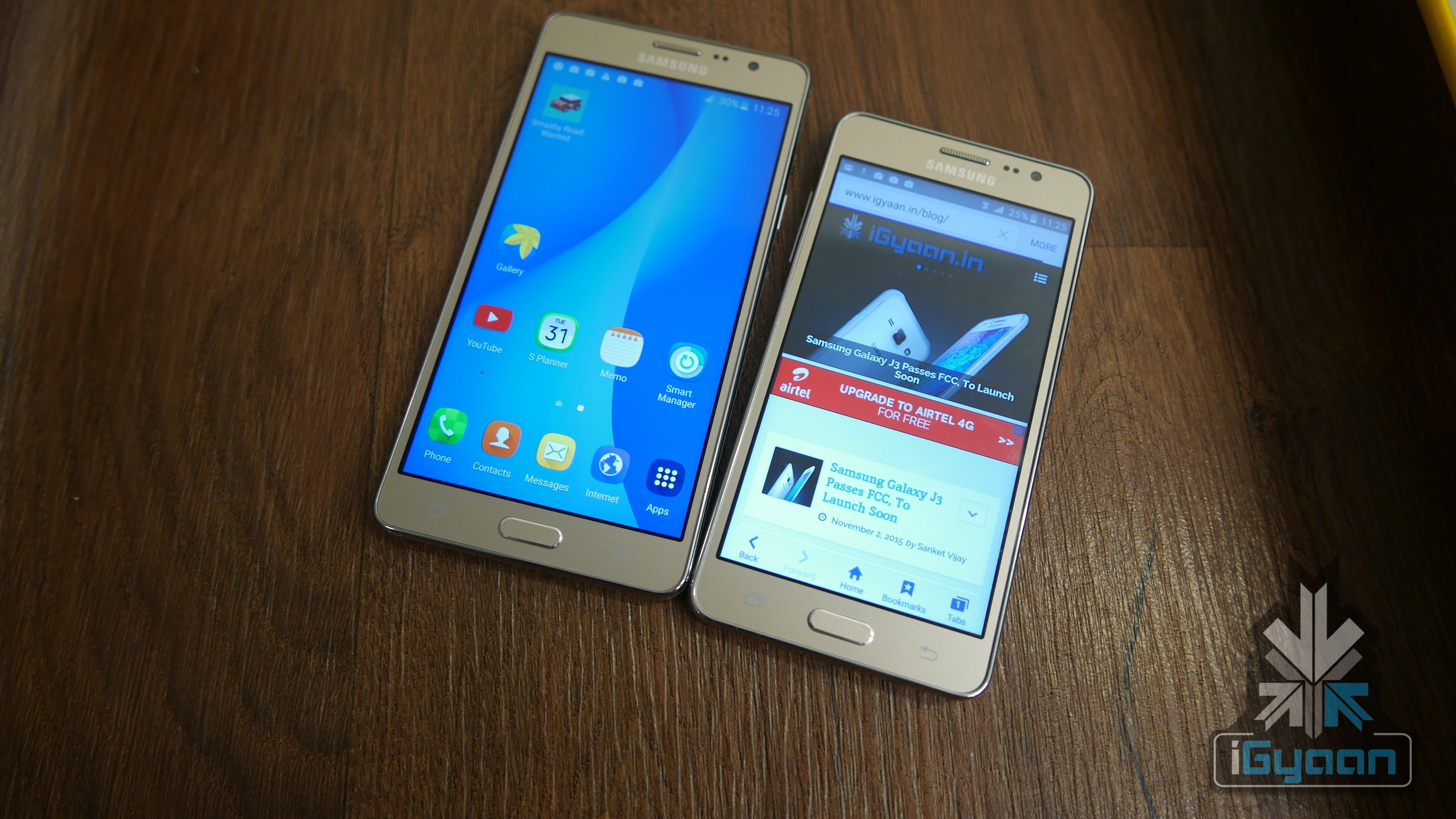
Other than the screen size, On5 measuring a 5 inches while On7 measures a 5.5 inches, both phones are completely identical physically. Because of the screen size, On5 is easier to hold and use with one hand. On5 and On7 also have a tough, sturdy feel thanks to the metal frame of the devices.
It should be noted the two handsets differ in their design from J5, and therefore have a better, more pleasant appearance. J5 is inspired by Galaxy S5 in terms of its design which wasn’t a big success with buyers to begin with. Consequently, J5 doesn’t have design as one of its highlights. It was a smart move on Samsung’s part to ditch the S5 and J5 design for the On5 and On7.
Camera:
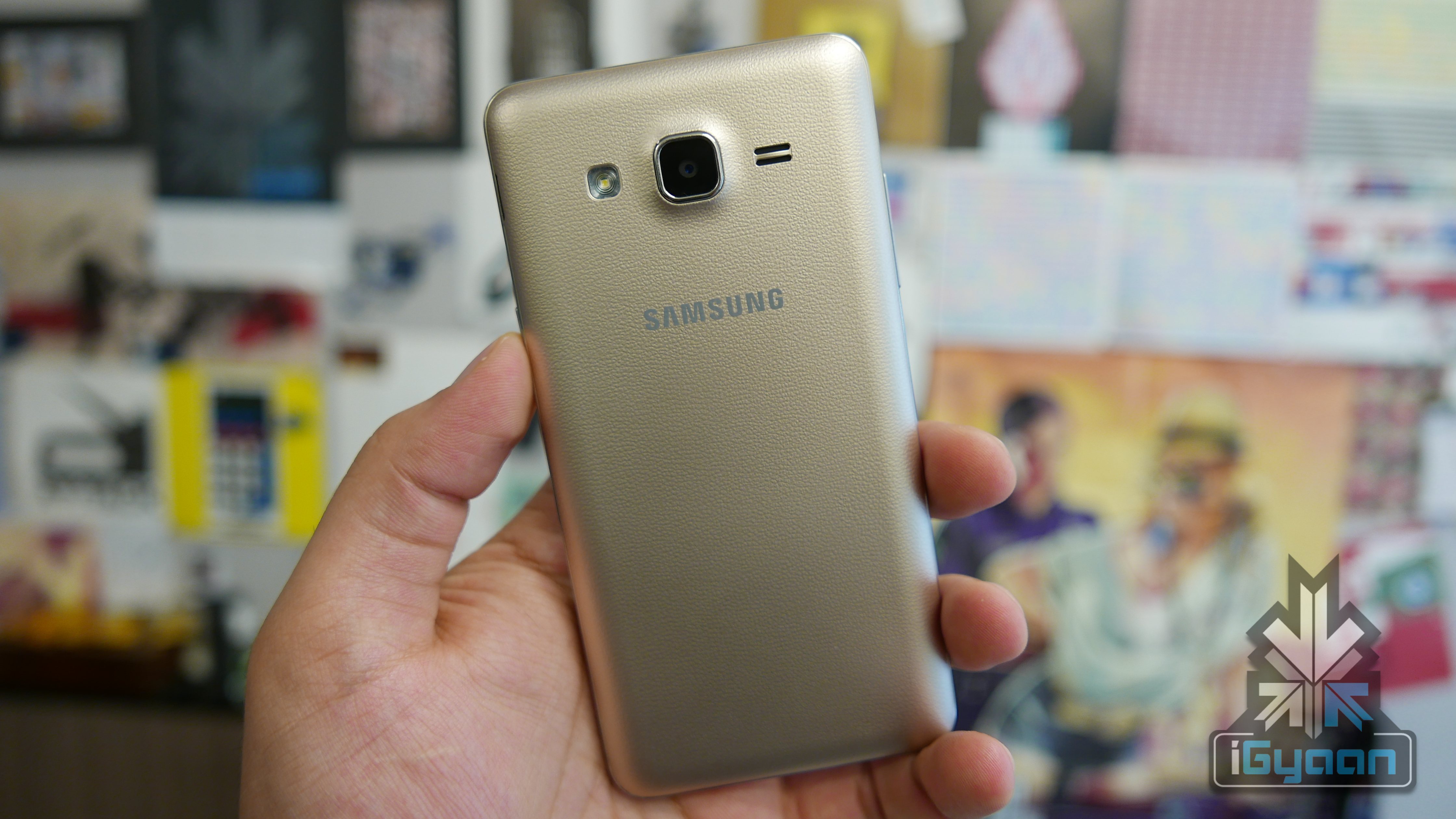
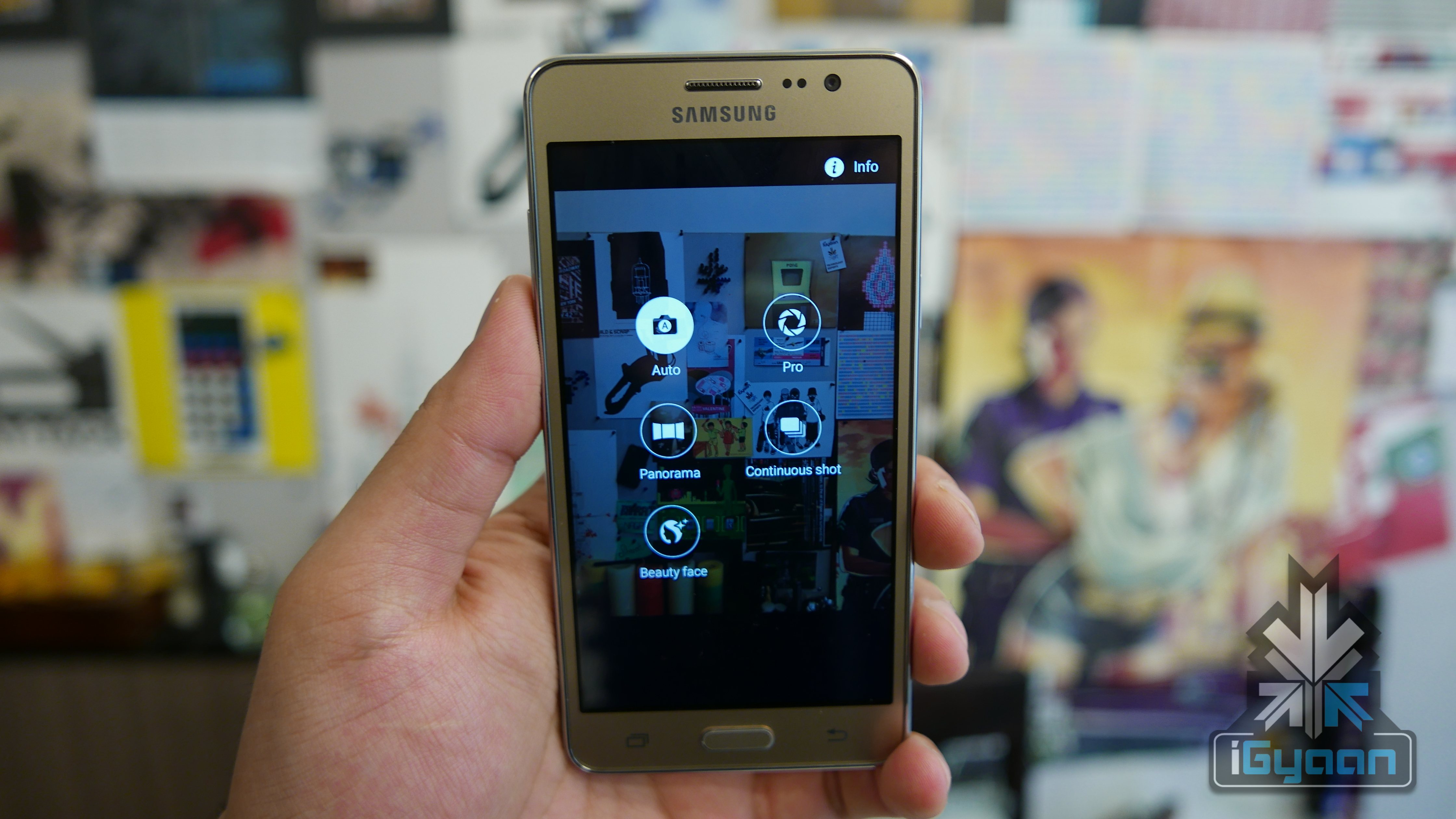
With primary cameras marked at 8 MP for On5 and 13 MP for On7, the latter definitely offers better, clearer images. However, the same thing cannot be said for the front camera. Both devices give identical results with their cameras marked at 5 MP each.
Samsung Galaxy On5
Processor:
Given that the On7 is priced higher of the two phones, one would expect the processor to be better as well. But surprisingly that’s not the case. On7 has a 1.2Ghz Quad A53 processor with a Snapdragon 410 MSM8916 chipset, while On5 is equipped with a 1.3GHz Quad Core processor which is powered by Exynos 3475.
Samsung Galaxy On7
User Interface and Display:
The two handsets have the same specs for display that is (720×1280 pixel) TFT display. Both phones are quick to respond as well offering a smooth UI, and keeping usage of apps convenient, smooth and uncluttered.
Samsung Galaxy On5
Price:
The specs and price of the On7 is quite similar to the Galaxy J5 except for a bigger battery in the On7 at 3,000 mAh. This begs one to question why exactly Samsung felt the need to introduce a new series when it already had one that covered the price range. Samsung claims to have young consumers in mind as the target audience for the mid-range On5 (Rs.8,990) and On7 (Rs. 10,990).
Samsung Galaxy On7
Meizu m2, Meizu m2 Note, Xiaomi Redmi 2 Prime, Micromax Canvas 5 and Moto G (3rd Gen) are some of the devices in the same price range On5 and On7 will face competition from in the market.
Additional Highlights:
The devices are touted as youth friendly and come equipped with an Ultra Data Saving mode that compresses data and saves up to 50% data charges during networking and browsing. The devices also come with MixRadio which is an Apple Music-like streaming service that lets users stream millions of songs, while offering curated music based on the user’s preference at the same time.
Samsung Galaxy On5
Verdict:
With similar specs, and a very narrow difference in their pricing, either of the two devices can be opted for. If you prefer a better main camera and a bigger screen which will definitely be easier on the eyes but harder to use with one hand, then On7 is your device.
However, if you’re more of a selfie-oriented person, willing to let go of crisper images for a more convenient handset that is easier to use with one hand owing to its smaller screen, your answer lies in On5. You would also end up saving a few pennies with this one.
The major difference between the two phones is the 2k price gap, which is equivalent to two movie-outings perhaps? We say let go of two social engagements and get the bigger brother, On7. Let us know in the comments below if you agree and which device would you opt for.
For a closer look, check out the specs table below.
Specs
Galaxy On5
Galaxy On7
Display
5.0-inch HD TFT
5.5-inch HD TFT
Resolution
1280 x 720 pixels
1280 x 720 pixels
Chipset
Exynos 3475
Snapdragon 410 MSM8916
CPU
1.3GHz Quad Core
1.2Ghz Quad A53
GPU
RAM
1.5GB
1.5GB
Primary Camera
8MP(F/2.2) w/ LED Flash
13MP(F/2.1) w/ LED Flash
Front Camera
5MP(F/2.2)
5MP(F/2.2)
Storage
8GB
8GB
Expandability
Up to 128GB via MicroSD card slot
Up to 128GB via MicroSD card slot
Battery
2,600mAh
3,000mAh
Connectivity
Bluetooth 4.1, WiFi b/g/n, Wi-Fi Direct, GPS, Glonass
Bluetooth 4.0, WiFi 802.11 b/g/n, GPS, Glonass, Beidou, NFC O (option)
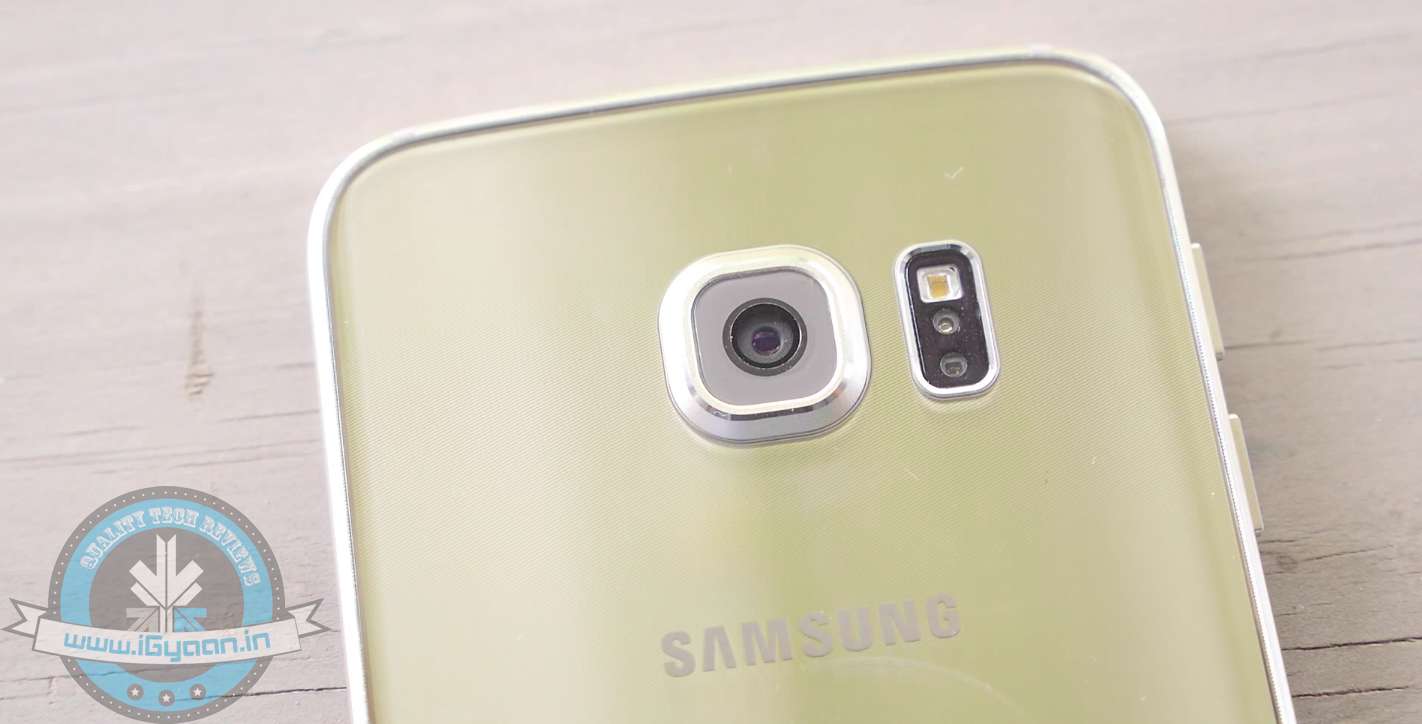
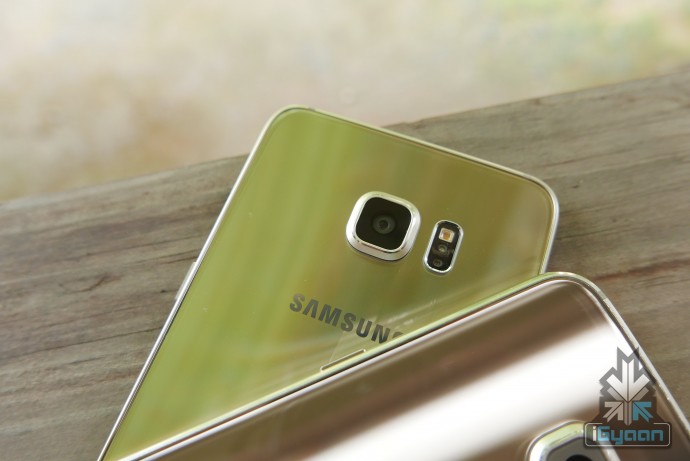
Over the past couple of days there have been tons of rumours regarding the camera of the upcoming Galaxy S7 flagship. Samsung is keen to be the best in the camera department.The S6 received a lot of praise for its camera and the Korean manufacturers now want to make it better.
The initial rumour that was going around was that Samsung might bump up the megapixels to around 20 or 23. The company was looking to Sony’s Xperia Z5, specifically the IMX300 sensor that the device’s camera boasts of. Having Sony’s sensor would certainly give the S7 that edge. Sony would also like to finalise a deal with Samsung so that it can push out its sensors to a wider market. So a 20MP ISOCELL camera could be on the cards.
Galaxy S6
However, the second rumour debunks the first in that Samsung is not looking to enter the megapixel race and will likely go with a 12MP primary camera. However, the sensors will be a large 1/2-inch size. In this case, the camera would have larger pixels and would also improve the camera’s low-light performance.
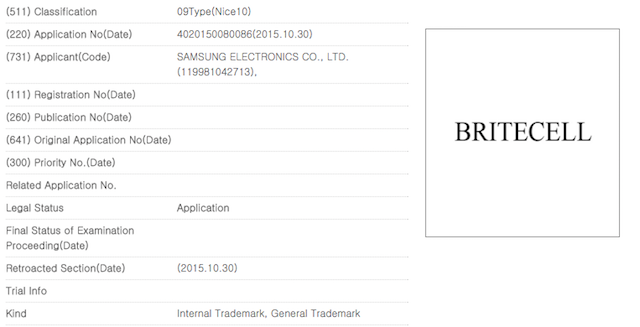
Finally, the third and certainly not the last rumour of the day is that Samsung has filed a trademark application in which the company has trademarked BRITECELL, which, as of now, confirms rumours that Samsung is indeed going for a large sensor. The name doesn’t suggest much except that the sensor will somehow capture more light than Samsung’s previous attempts. Sony has been leading in the sensor department especially with the recently launched Nexus 6P which features Sony’s ExmorR IMX 377 sensor with 1.55 micron pixels.
Samsung is expected to have a January unveiling of the Galaxy S7. You can expect a lot more rumours about the device as we get closer to the date. We’ll keep you updated as soon as we have more dope.
The official Cyanogen 12.1 update for Yureka and Yureka Plus has begun rolling out. Some of the highlights include a Live Display feature which adjusts the screen based on environmental conditions. This would ensure better readability in sunlight and a softer, dimmer screen during the night. Your eyes will definitely be happier about this update.
Another feature of this update is the calendar which is integrated with the email. This allows you to sync emails from different sources like Gmail and Exchange in the calendar, making sifting through appointments and reminders easier and more convenient. It also allows scheduling of appointments directly from an email.
The redesigned UI for the folders and app drawer allows one-handed-use of the device to the user, while also reducing visual clutter. YU also promises better performance and an over-all improved sound experience with an updated audio FX UI.
It is time to get your YU devices updated, folks, and tell us about your experience in the comments below.
Allowing you to take laziness to the next level, Google’s new email app will come up with responses for emails and thereby saving your brain cells the extra effort. The Smart Reply feature of the Inbox by Gmail app was unveiled on Tuesday and offers three responses that can be customised by the user.
Smart Reply, Google’s smartphone app, uses deep learning, a modified version of Artificial intelligence to make the appropriate replies. Over time, the app would study the pattern of responses to emails, and suggest responses based on the most and least often used ones.
The president of the Google for Work program, Amit Singh commented on this, “The possibilities of machine learning are endless.”
Users tend to keep replies short on mobile phones and it was precisely this style of emailing on phones which led to the development of Google’s newest app. Google has also made sure to include or exclude responses which are more commonly used or steered cleared of. This ensures no private replies get mixed with business emails and vice versa. Smart Reply is expected to be available by the end of this week as part of the Inbox app that is compatible with both Android and iOS devices.
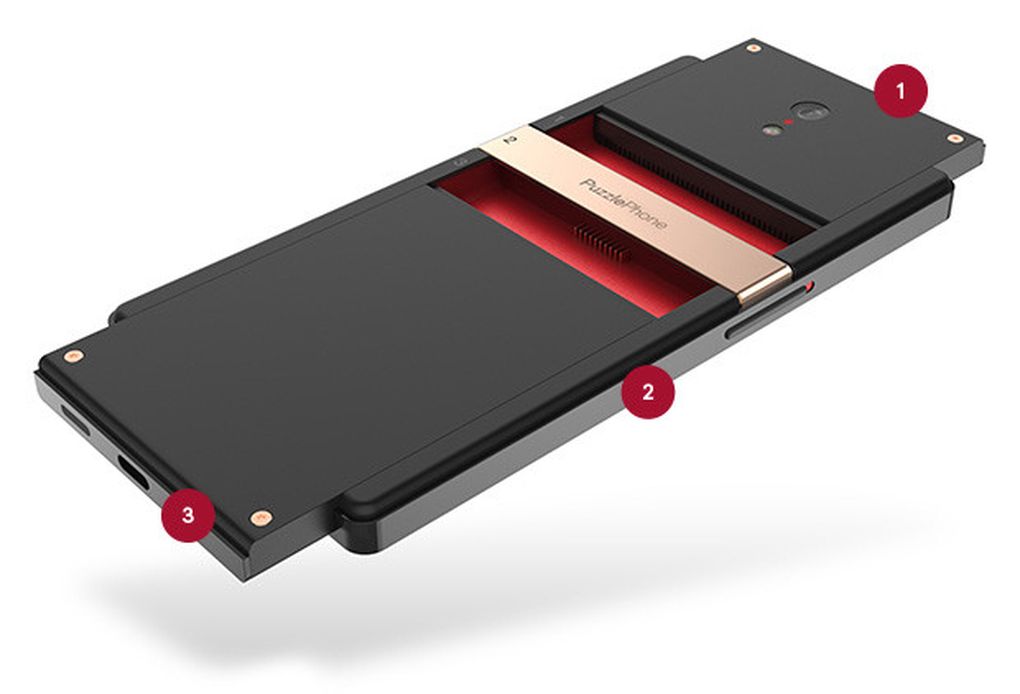
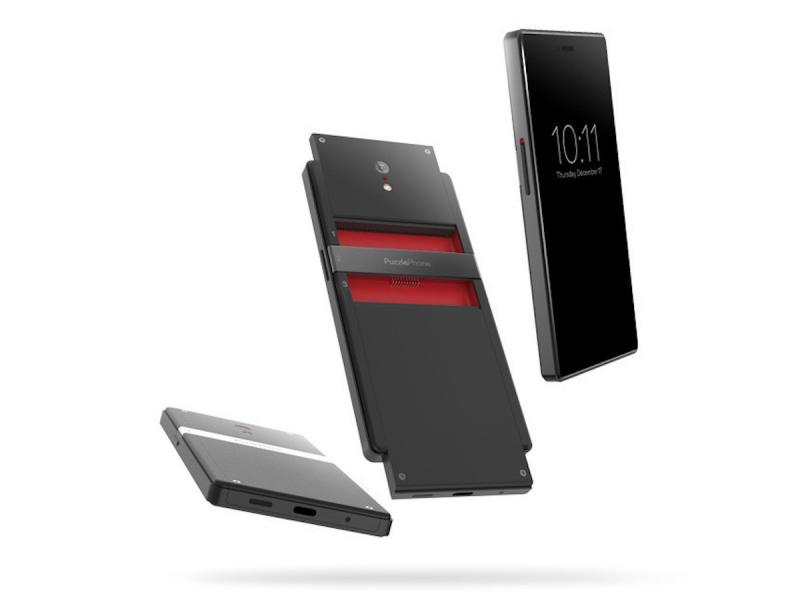
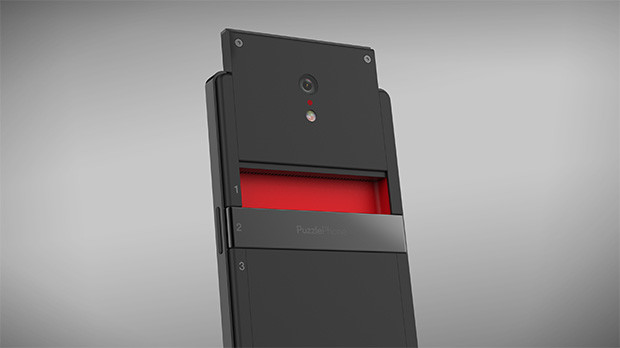
There are smartphones and then there are modular phones. We hear something new about smartphones everyday, but even modular phones need their day in the sun. Last year, the PuzzlePhone was introduced to the masses. The modular phone is made up with multiple pieces that can be upgraded, swapped or replaced as needed. The PuzzlePhone has three pieces: the Brain, the Spine, and the heart.
The ‘brain’ contains the processor, camera, RAM, and storage; the ‘spine’ provides the structure and screen; and the ‘heart’ holds the battery and secondary electronics. Finnish company Circular Devices initially offered multiple size options for the PuzzlePhone, but had to streamline their offer for its initial crowdfunded release.
The team behind the PuzzlePhone has launched a crowdfunding campaign on Indiegogo seeking to raise $250,000 to kickstart production. So far the site has received $40,234 with 41 days left. The Indiegogo money will be used for manufacturing, shipping, and the product itself.
In terms of features, the PuzzlePhone features a 5-inch 1080p display, an unspecified 64-bit octa-core processor, 3GB RAM, a 2,800mAh battery pack, a 12-megapixel back camera, and Android 6.0 Marshmallow (or higher depending on the release date). The PuzzlePhone will have 16GB, 32GB and 64GB storage options for various backers of the campaign.
We’ll know in a few weeks whether the team behind the PuzzlePhone has everything to go ahead with the production. If you want to be a part of the campaign then head on over to Indiegogo and do your part.
Just when you thought things in the country couldn’t get any stranger (to use a safer word), we have been proved wrong one more time as Vodafone chooses to take randomness (once again, playing it safe) to a whole new level. In a very unusual turn of events, the company is offering a 100 MB of data for free to all its users all over India.
Vodafone says in an official statement, “At Vodafone, we are driven with the singular objective of delivering superior experience to our customers.”
Sorry, what? Next time if there’s a brainstorming session for ideas of Diwali free gifts at Vodafone, hopefully somebody comes up with something probably just a tiny bit more useful like – better customer service where the company representatives actually manage to solve the user’s problem for a change, or better network coverage which doesn’t require the user to perform all sorts of acrobats to get a single bar of reception in their device, and what’s up on the 4G front, folks? How about offering something that truly helps your 188 million ‘valued’ customers in the country? Take a look at re-volt to get a better picture of what we’re trying to say.
Vodafone Diwali freebies got us excited like.
Unfortunately, Vodafone is already glorying in the extra 100 MB of data they are going to be handing out to their customers to realise how badly they have missed the mark. The “special” offer, as Vodafone fondly calls its problem child, will be available to all Vodafone customers on Wednesday, November 11, 2015. They can avail it by SMS-ing ‘DIWALI’ to 199. Do let us know how many extra selfies you manage to exchange with all this free data.
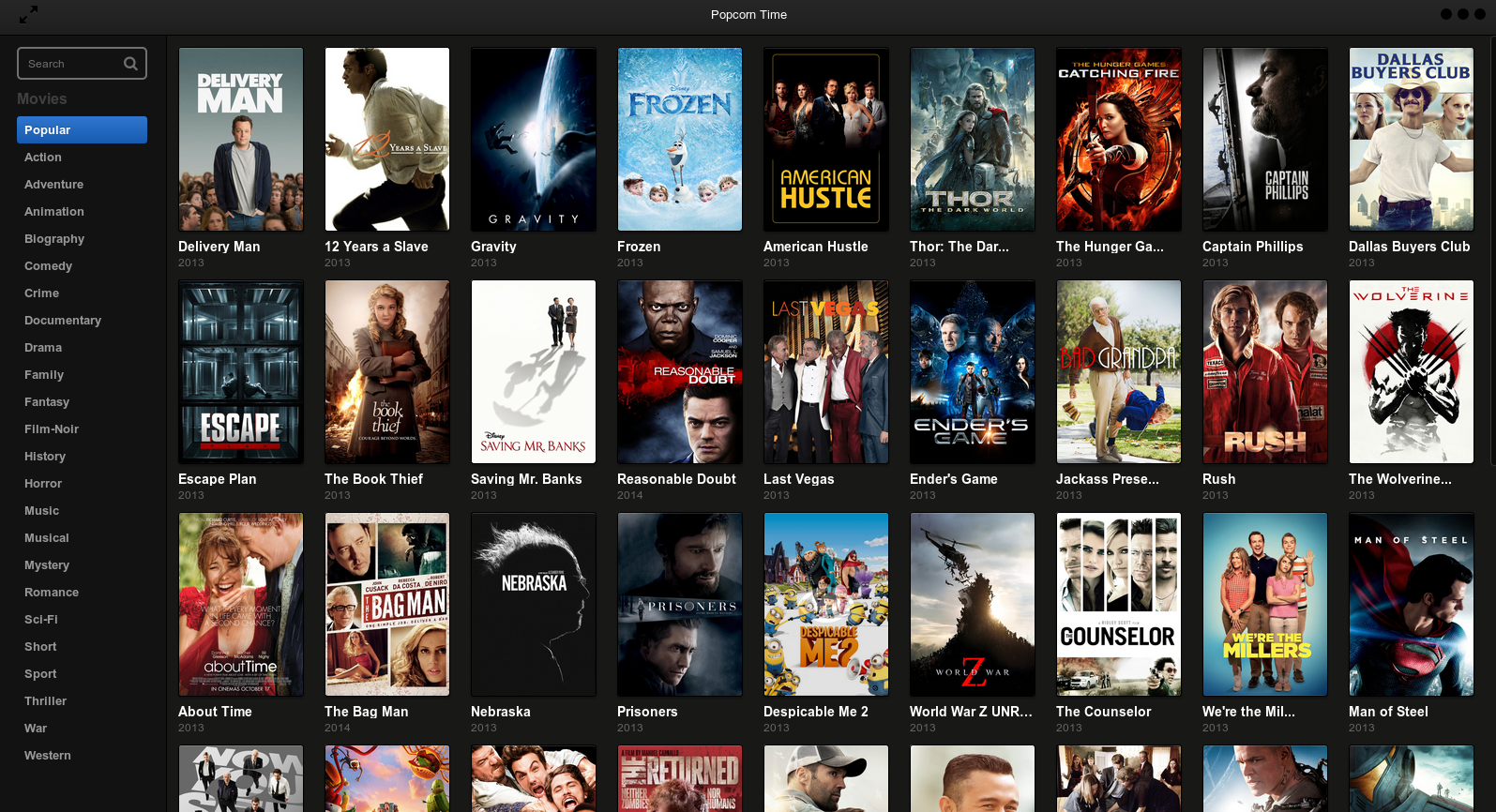
For those of you who secretly watch all the trending TV Shows and movies via online streaming sites such as Popcorn Time – its doomsday for you. Popcorn Time and YTS have been shut down following court orders in Canada and New Zealand.
This isn’t something that has come as a shock, because the Motion Picture Association of America or MPAA had filed a suit back in October against three operators of popcorntime.io, claiming that they had “enabled, authorized and induced copyright infringement via an app that allowed viewers to watch pirated movies and TV shows”.
In Canada, they received an injunction on the 16th of October to shutdown the site while in New Zealand they filed a suit on the 12th of October 2015 against YTS, which is a torrent site. Both sites have therefore, been shut down as the legal procedures continue.
All you can do now, is hope and pray the MPAA don’t get to your favorite site next.
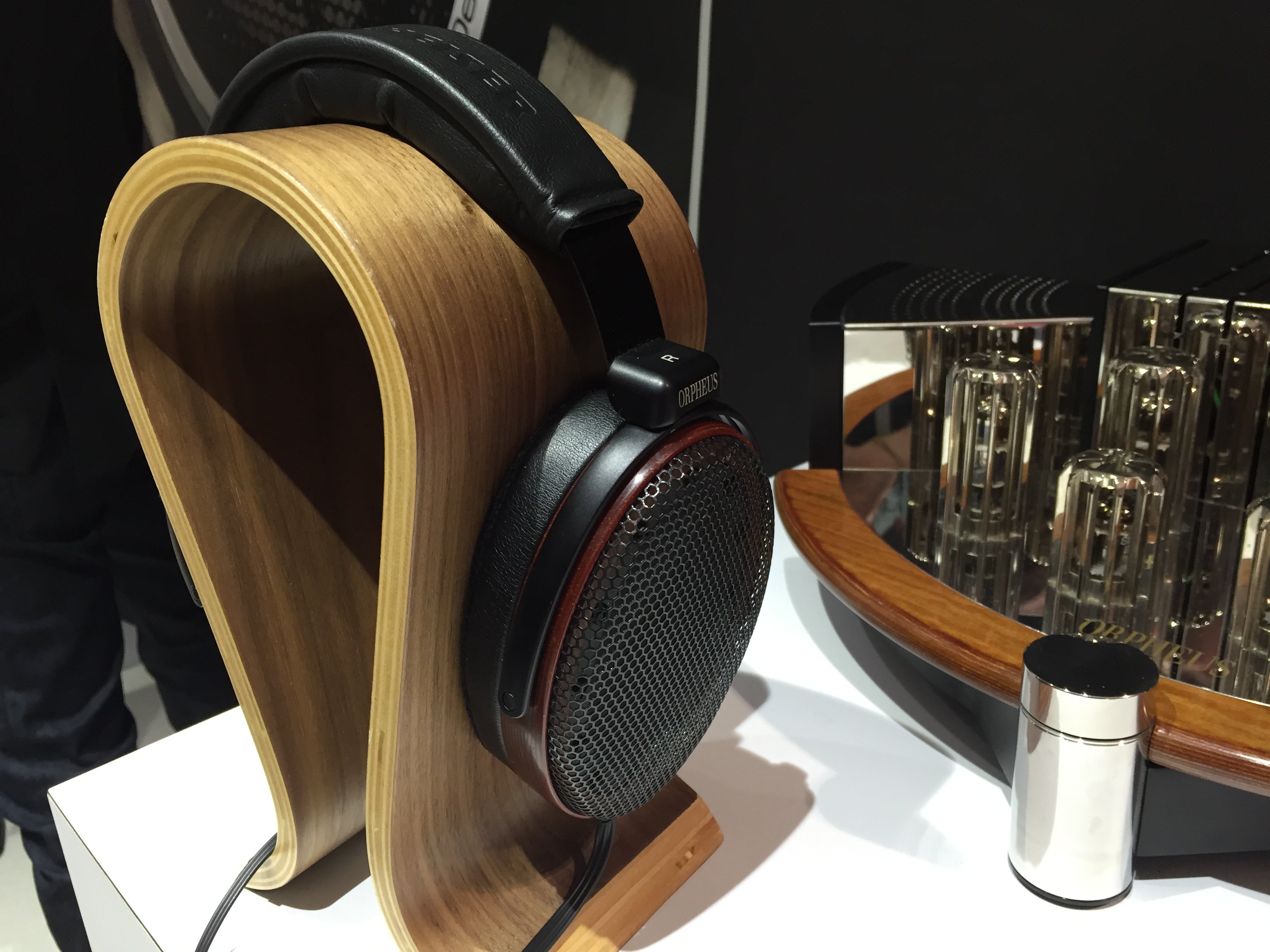
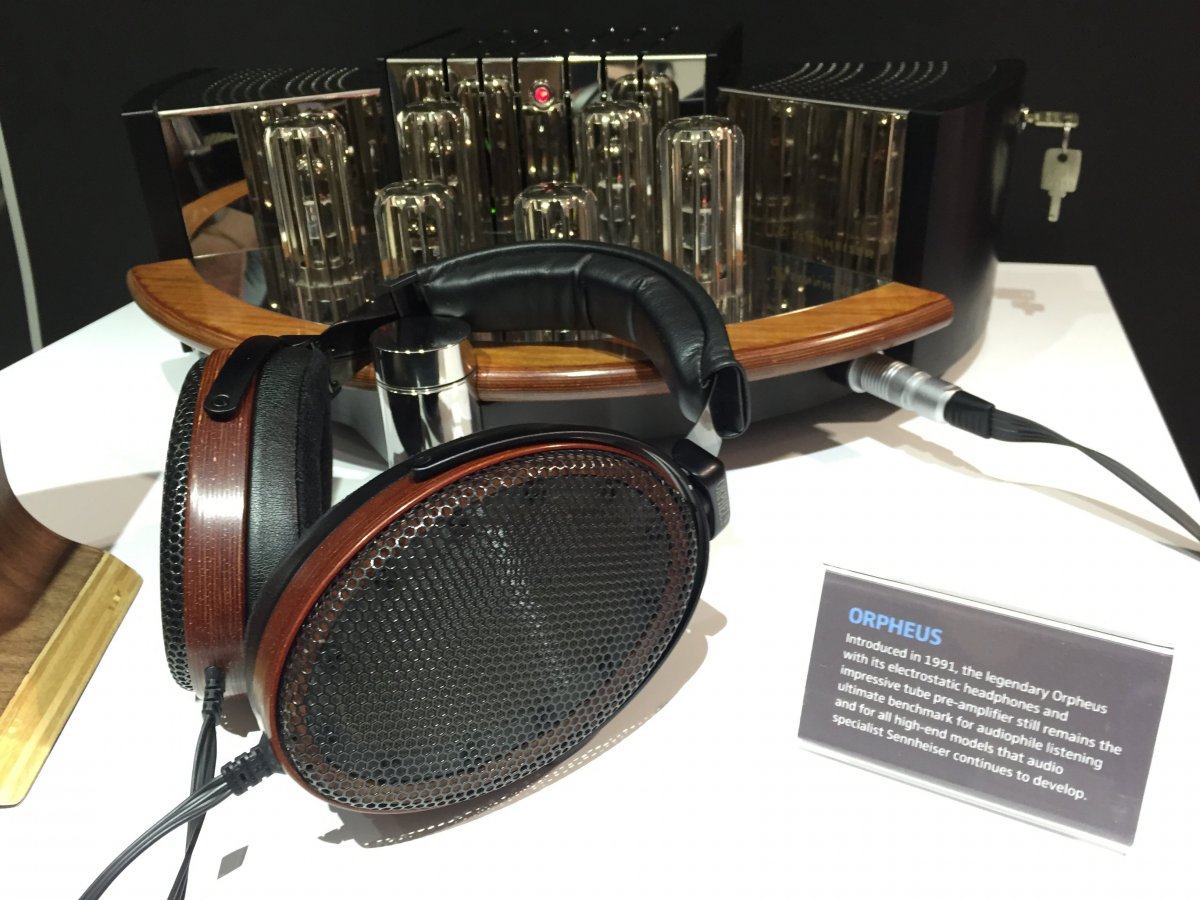
Sennheiser will soon release it’s new set of headphones, Orpheus with a price tag of $50,000 (no, that’s not a typo) or Rs. 32,75,000. About twenty five years ago, the company had come out with Orpheus HE90, which soon came to be known as the best headphones money can buy. There were only 300 of those made by the company, and they came with an amplifier at a cost of about $16,000.
Sennheiser Orpheus in 1991
After almost a quarter of a century since 1991, Sennheiser is ready with an updated version of the Orpheus. The company had been working on the gadget for over a decade now. German craftsmanship and over 6,000 components that include gold-vaporized ceramic electrodes, platinum-vaporized diaphragms, and Carrara marble amplifier housing from Italy -same as the one used by Michelangelo -all have gone into making this beauty. Clearly, these headphones are not meant for metro rides or listening to music on the laptop.
All these intricately chosen components improve sound quality and audio experience. Digital amplification takes place directly in the headphones and therefore steers clear of any disturbance that might have happened because of cord travel of the sound. Sennheiser plans to make the Orpheus available starting mid-2016 and would keep the production at a 250 piece per year. Time to bring out the piggy bank and start saving up, folks!
In the past one week we have seen a number of smartphone launches under the 20K range. The OnePlus X that was officially launched on the 29th of October gave fans many reasons to cheer for the company. Today, it was Micromax’s turn to please the crowd with the launch of the Canvas 5.
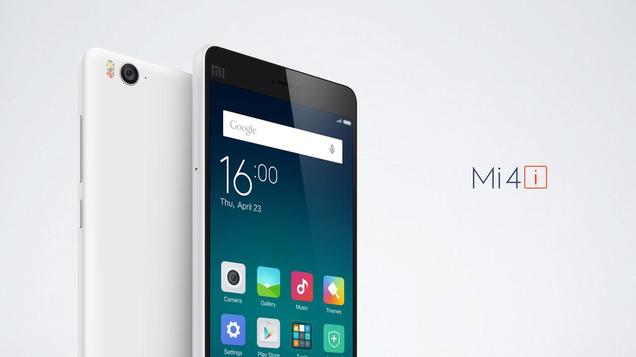
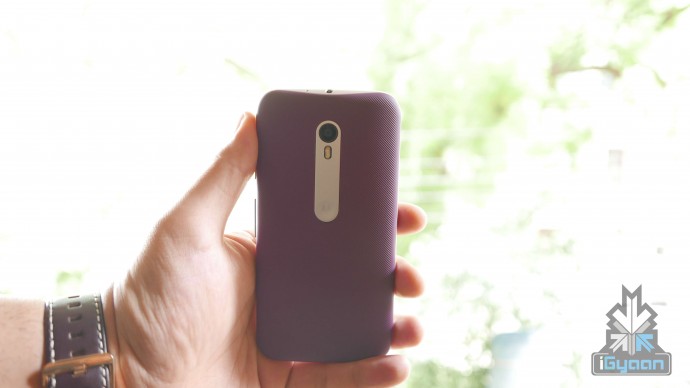
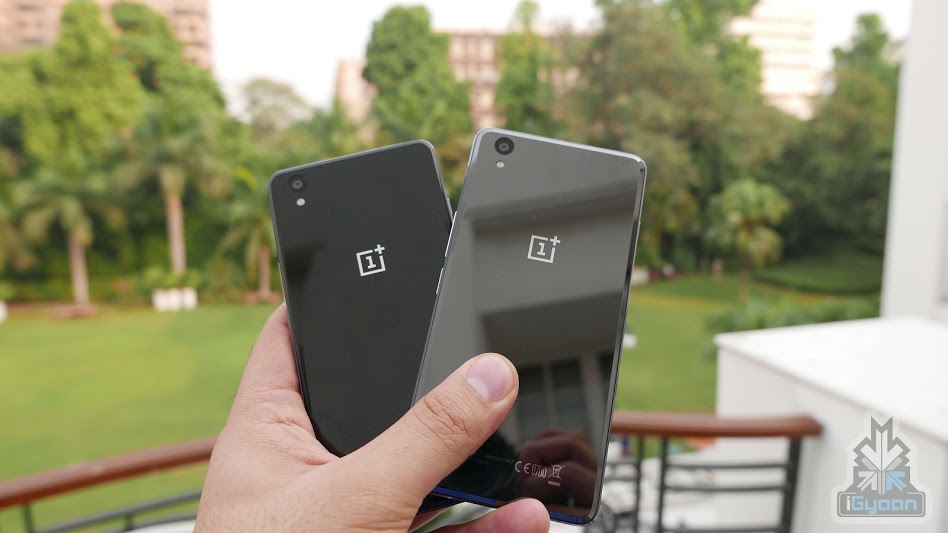
Both OnePlus X and the Canvas 5 have been designed to please the eyes. Two other phones that come under the same banner are the Moto Gen (3rd Gen) device that was launched in July this year and the Xiaomi Mi4i that came out in April.
Starting from the earliest then, the Xiaomi Mi4i has a 5-inch Full HD OGS IPS display with 441ppi pixel density. The phone is powered by a 64-bit octa-core Cortex-A53 processor. It features 2GB of RAM and runs on Android 5.0 Lollipop with the company’s MIUI 6. The two cameras include a 13MP in the rear and a 5MP in the front. The dual-SIM device is powered by a 3120mAh battery. Connectivity options include Micro-USB 2.0, Bluetooth 4.0 and Wi-Fi.
Moto G (3rd Gen)
The Moto G (3rd Gen) with the rounded design and silver accents has a premium look and feel to the device. The device has a 5-inch 720p display with 1280×720-pixel resolution and 294ppi. It is powered by a 1.4GHz Quad core Qualcomm Snapdragon 410 processor with 2,470 mAh battery that can last roughly up to a day. The handset is available in two variants- 8GB storage with 1GB RAM and 16GB storage with 2GB RAM.
OnePlus X
The OnePlus X is a mid-range phone that aesthetically looks high-end with ceramic-glass and onyx variants for the back. The device sports a 5-inch AMOLED display (1920×1080), with a primary camera of 13 MP and a 8 MP front. The device runs on a 2.1 GHz Snapdragon 801 chipset. It features a 3 GB RAM with 16 GB internal storage and is expandable up to 128 via MicroSD card slot.
Micromax Canvas 5
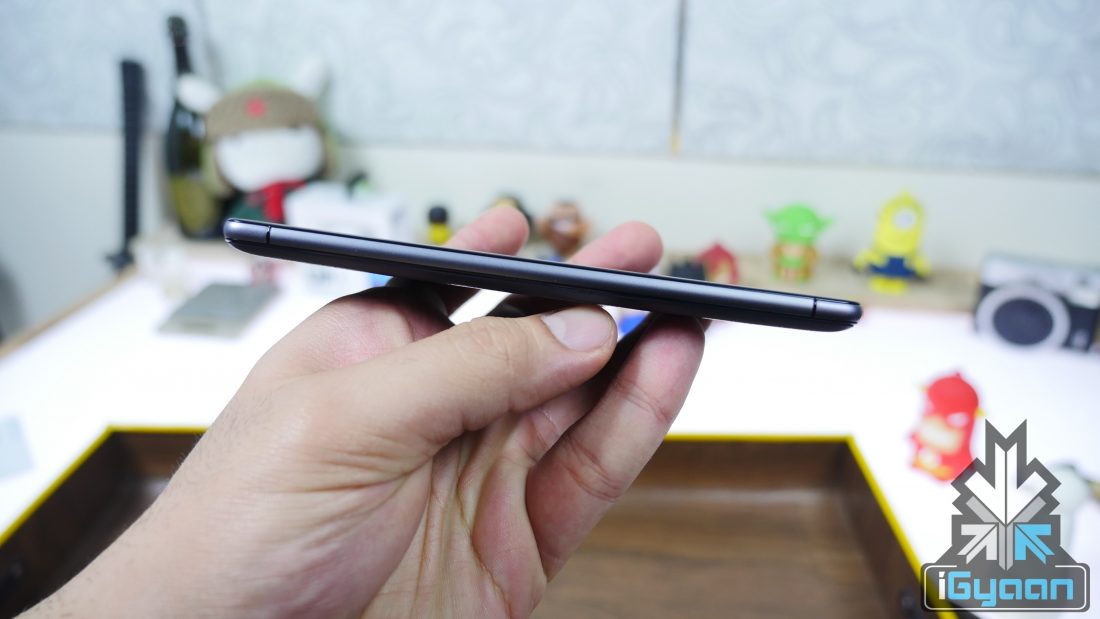
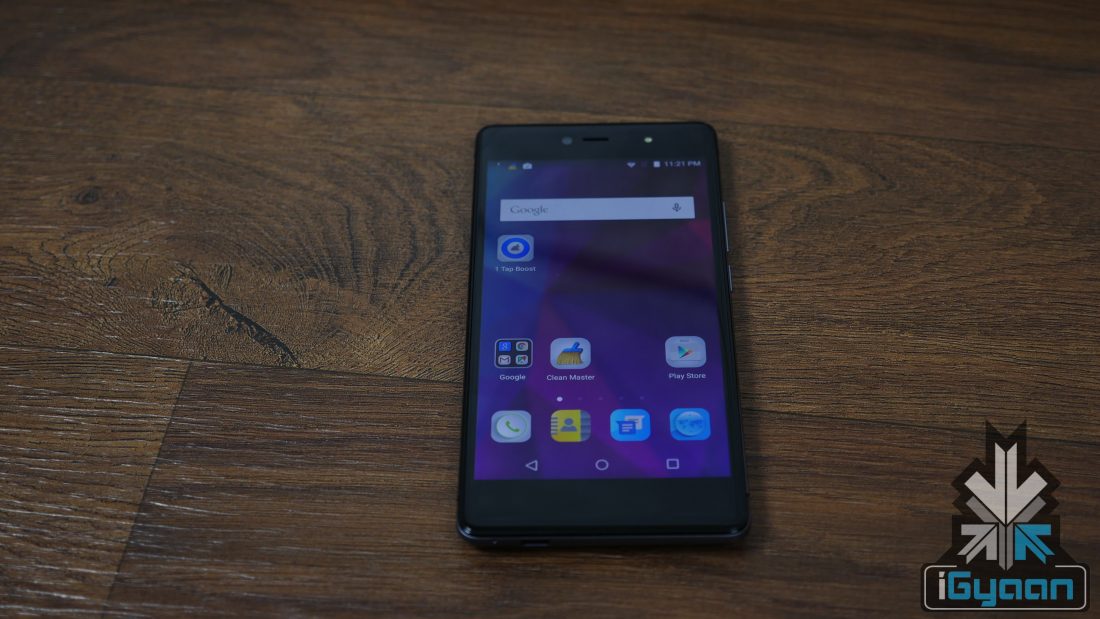
Finally, the Canvas 5 also wins in the design department with curved metallic edges, a plastic back panel that has a leather-like feel to it, and at 8.5mm thickness the device is pretty slim. The flagship sports a 5.2-inch FHD screen with 480ppi. It is powered by a 1.3GHz octa core MediaTek MT6753 ARM Cortex-A53 chipset. It also features 3GB RAM and 11GB internal storage expandable up to 128 GB via MicroSD card slot.
Here’s how the four devices stand in comparison. Have a look and post your winner in the comments below.
Specs
Micromax Canvas 5
OnePlus X
Moto G (3rd Gen)
Xiaomi Mi 4i
Display
5.2-inch full HD screen, Corning Gorilla Glass 3
5-inch full HD AMOLED screen, Corning Gorilla Glass 3
5-inch, 720p HD, Corning Gorilla Glass 3
5-inch IPS LCD capacitive with Gorilla Glass 3
Resolution
1920×1080 pixels, 423ppi
1920×1080 pixels, 441ppi
1280x720p pixels, 294ppi
1080×1920 pixels, 441ppi
Chipset
Media Tek MT6753, ARM Cortex-A53
Qualcomm Snapdragon 801
Qualcomm Snapdragon 410
Qualcomm Snapdragon 615
CPU
1.3 GHz octa-core processor
2.3 GHz Quad-core processor
1.4GHz Quad core
1.7 GHz quad-core
GPU
Mali-T720 MP2
Adreno 330
Adreno 306
Adreno 405
RAM
3 GB
3 GB
1 GB/ 2 GB
2 GB
Front Camera
5 MP
8 MP
5 MP
5 MP
Rear Camera
13 MP
13 MP
13 MP
13 MP
Storage
11 GB
16 GB
8 GB/ 16 GB
16 GB
Expandability
Up to 128GB via MicroSD card slot
Up to 128 GB via MicoSD
Up to 32 GB
NA
Battery
2,900 mAh
2,525 mAh
2,470 mAh
3,120mAh
Connectivity
Wi-Fi 802.11 b/g/n, Bluetooth 4.0, GPS/AGPS
Wi-Fi 2.4 GHz b/g/n WCN3680 / Bluetooth 4.0
MicroUSB, 3.5mm headset jack, Bluetooth 4.0WiFi 802.11 b/g/n (2.4 GHz)
MicroUSB, 3.5mm headset jack, Bluetooth 4.1WiFi 802.11 a/b/g/n/ac
Micromax Canvas is a name that popularised Micromax with the new market of India. The latest Canvas from the company is the Canvas 5 and comes at a time where Micromax needs it the most.
The device is a big improvement from the build quality standards of the company and has a lot to offer for a consumer at a price of Rs. 11999. The phone goes on sale today online and offline.
The handset has decent specifications, however only to be burrowed by the likes of its own YU Yureka Plus. The new Canvas has a fantastic 2.5 D curved glass that not only looks good and feels great to use, the aesthetic makes the device look a lot more premium.
The handset also features Gorilla Glass 3 on the front glass and a front facing flash. Running everything is a MT6753 chip with eight cores at 1.3 GHz. Owners will get 3 GB of RAM which comes in real handy especially if you do a lot of gaming. The phone has an fast and fluid UI and runs Android 5.1 with sober customizations from Micromax not affecting usability a lot.
The handset has a metal frame that adds rigidity and polish along with rounded edges and a matte finish that feels excellent. The back panel is plastic and has a faux leather finish that is soft to touch and easy to grip onto.
The camera app is appreciated with lots of modes and pro features like those found on flagship Samsung Galaxy phones. You also get apps to re touch images and mostly do makeup etc.
The phone scored over 32000 on benchmarks and has been found to be 95% better than devices in the range. Gaming experience on the handset is good and feels like the 3 GB of RAM helps in leveraging that. We managed to play his end games on the handset with graphs turned to max without issues.
Micromax launched the much awaited Canvas 5 smartphone in India today. The newest flagship from Micromax promises improvements on the Canvas 4 that saw some negativity regarding build quality and camera performance.
While some of the specs are similar to its predecessor, the Canvas 5 has improved where it needed to. The Canvas 5 has a powerful processor and larger battery. The display of the phone has improved quite a lot and so has the overall design that feels good in your hand. The handset has a removable plastic back panel that has a leather feel to it. The front glass joins the curved edge that has a matt finish which gives the phone a sleek look; and at 8.5mm thickness, the device is quite slim.
The Canvas 5 does offer is a full-HD display that fans were expecting for a long time. The handset has also bumped up the RAM to 3GB, which is great for a phone under Rs. 12,000. The camera remains the same as the Canvas 4 and a hands on will tell us whether the low-light images come out better with the Canvas 5.
The flagship sports a 5.2-inch FHD screen with 480ppi. It is powered by a 1.3GHz octa core MediaTek MT6753 ARM Cortex-A53 chipset. It also features 3GB RAM and 11GB internal storage expandable up to 128 GB via MicroSD card slot.
The Canvas 5 is priced at Rs. 11,999 and is available starting today. Airtel also has a double data offer going on if you purchase the device from an Airtel showroom. We’ll have a detailed hands-on with the Canvas 5 soon so stay tuned. Till then check out the specs of the device below. We’ll fill the blanks as we know more.
Specification
Micromax Canvas 5
Display
5.2-inch full HD screen, Corning Gorilla Glass 3 with 2.5D Curve Touch Panel
Resolution
1920×1080 pixels with 480ppi
Chipset
Media Tek MT6753, ARM Cortex-A53
CPU
1.3 GHz octa-core processor
GPU
Mali-T720 MP2
RAM
3 GB
Front Camera
5 MP with flash (2560×1920)
Rear Camera
13 MP AF (4160×3120)
Storage
11 GB (7.5GB available)
Expandability
Up to 128GB via MicroSD card slot
Battery
2,900 mAh battery
Connectivity
Wi-Fi 802.11 b/g/n, Bluetooth 4.0, GPS/AGPS, 4G LTE (LTE FDD 850MHz/1800MHz and TDD 2300MHz)
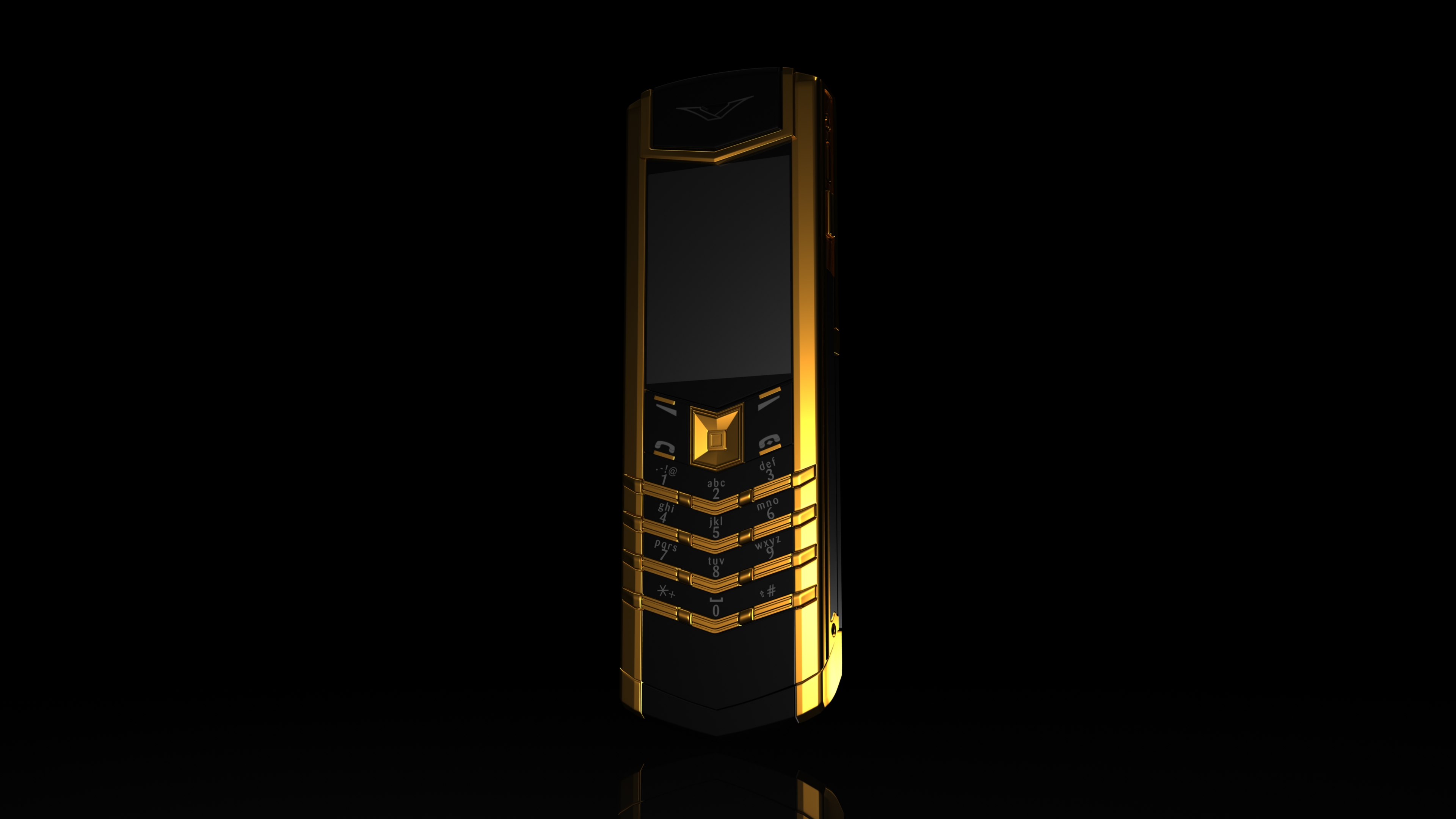
Vertu is a well known UK-based manufacturer of coutour, handcrafted luxury smartphones. The company, previously owned by Nokia, who had created it in order to form a niche in the luxury trade market, has now been sold to Chinese investors.
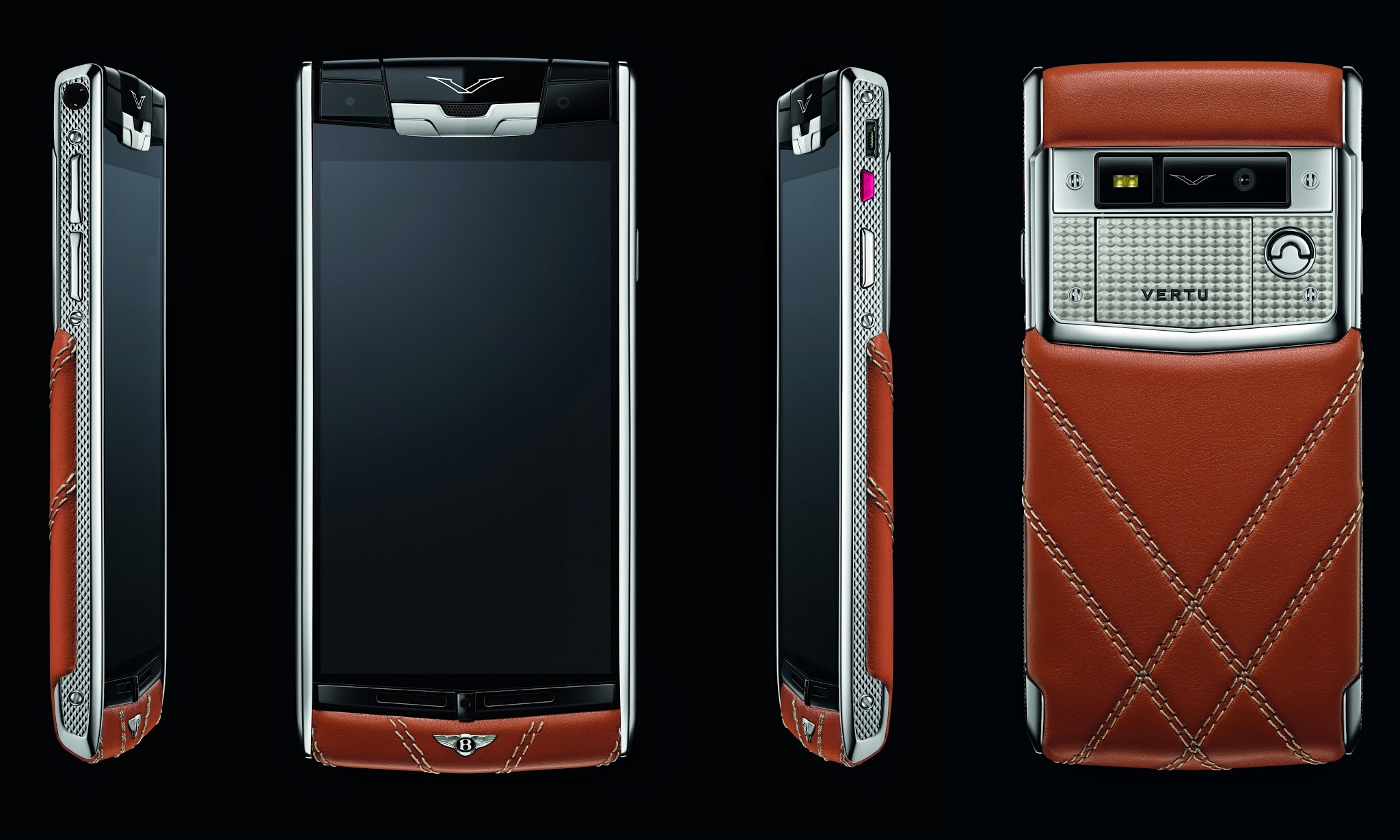
Vertu phones are well known for features that include precious metals, leather casings and sapphire screens. Its chief executive, Massimiliano Pogliani says that it is now “an appropriate time to pass on the baton of leadership to a new team”. And with Chinese investors, occupying a large portion of the smartphone market, they do seem like the obvious successors.
What we know about the company’s timeline is that it was founded by Nokia in 1998 and then bought by a Swedish private equity group called EQT from Nokia back in 2012 for more than 200 million euros. Vertu had shipped its first phone in 2002 and had sold around 450,000 devices by 2015. The company will continue to conduct its business via its headquarters in Hampshire, England.
Vertu was created to provide premium handsets for those who were willing to pay for it. For example, its latest handset costs almost 7,000 pounds or Rs.70,8074 for a basic version and up to 17,000 pounds or Rs.17,19,609 if you want a rose gold frame! It’s most expensive handset is priced at almost 200,000 pounds which is approximately Rs.2,02,30,696 and this comes signed with the name of the craftsman who made it. Yes, that’s a lot of dough indeed.
However, with smartphone companies like Apple providing consumers with a smartphone that bettered Vertu in technology and also came with some sort of a status symbol attached to it, the Swedish company began to struggle in its own niche. Therefore, Vertu has in the recent past tried to improve the technology in its latest phones while also lowering its prices, so as to create a slightly larger customer base.
So, hopefully with the new ownership of Vertu will be able to maintain its position in the luxury phone department while catering to the need for high end specs as well.