Category: Tech

Latest Technology News, Alternative, Bio-Tech, Medical, R&D and Innovations

  • India Plans to Launch Six More Satellites During 2015-16

    India Plans to Launch Six More Satellites During 2015-16

    Till the month of April 2015, Indian Space Research Organisation (ISRO) has launched a total of 74 satellites, out of which seven failed to reach the orbit due to launch failures and three failed in the orbit. Now it has been announced that India will be launching six more satellites during 2015-16. Out of the six, two will be communication satellites, three navigation satellites and one space science satellite, ASTROSAT. Jitendra Singh, Minister of State in the Prime Minister’s office, writes down:

    Six more satellites are planned to be launched during 2015-16. These are two communication satellites GSAT-6 and GSAT-15; three navigation satellites IRNSS-1E, IRNSS-1F & IRNSS-1G; and one space science satellite ASTROSAT.

    Furthermore, ISRO has successfully launched 40 foreign satellites belonging to 19 countries, that include four micro and nano satellites built by Indian students using the Indian Polar Satellite Launch Vehicle (PSLV) rocket. India has also planned to launch 13 more satellites that belong to four other countries using the PSLV.

    ISRO said it was to include the technology of ion propulsion system to power the future satellites. Presently, satellite fuel occupies space and makes it heavy, according to Liquid Propulsion Systems Centre Director, K.Sivan. According to Sivan, the projected technology would be tried, tested and analysed in a communications satellite.

    Meanwhile, ISRO is working on another alternative known as the semi-cryogen engine. It is still under development and will be used to power India’s Geosynchronous Satellite Launch Vehicle-MkIII Rocket in the near future.
  • Micromax YU Announces the Arrival Date of its Next Smartphone ‘YUphoria’

    Micromax YU Announces the Arrival Date of its Next Smartphone ‘YUphoria’

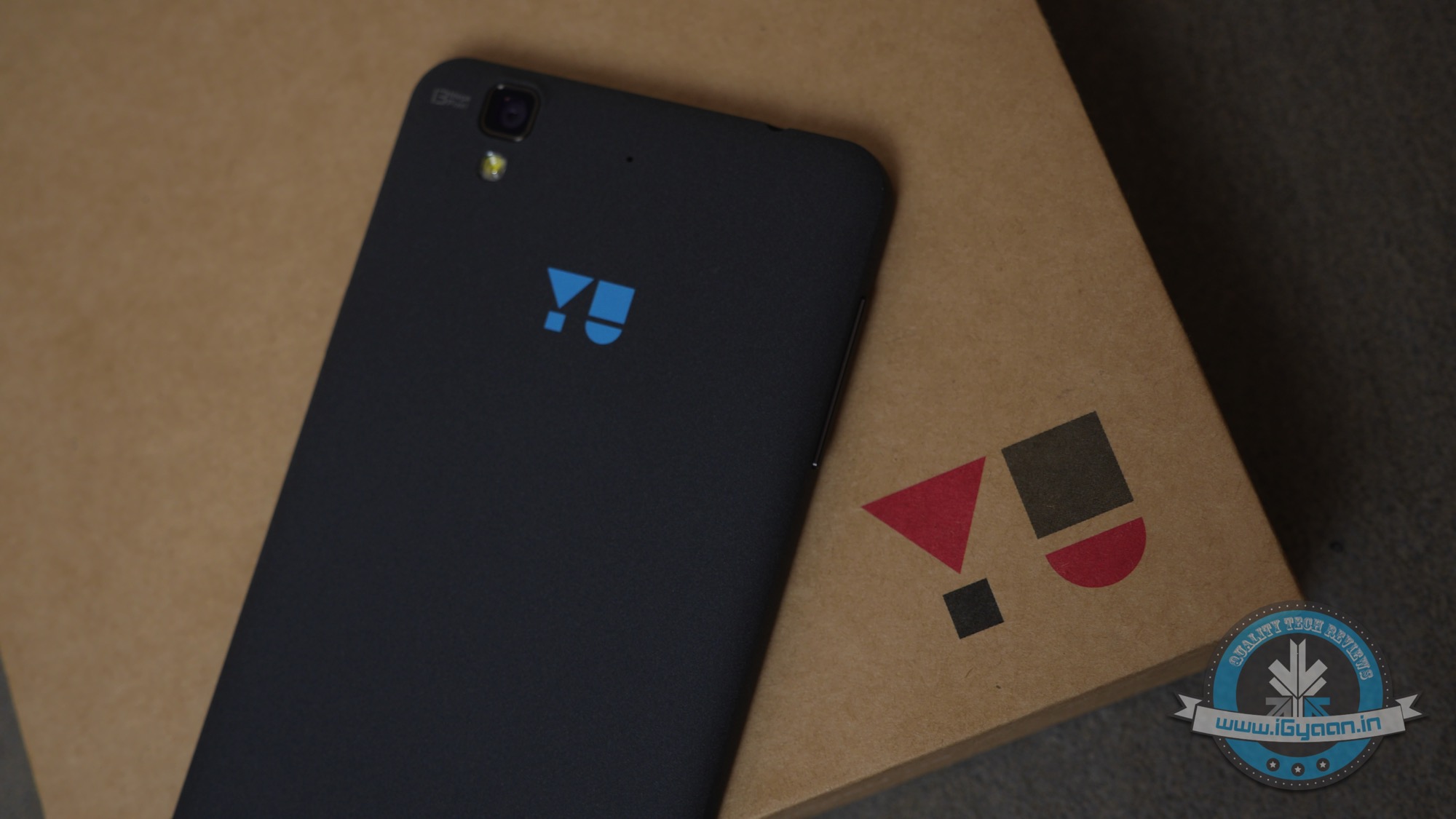
    Yureka by Micromax subsidiary YU managed to create quite a hype. It was the first Indian-origin smartphone that could stand in the marketplace flooded with Chinese and Taiwanese electronics. Now, YU is again geared to triumph over the smartphone market with the release of its next device YUphoria.

    A while back, YU took to Twitter to announce the launch date of YUphoria which speaks of the device coming on 12th of this month. The tweet reads:

    The handset is expected to be another blockbuster by the company, with better specifications than Xiaomi Redmi 2. To sum up the information we know about YUphoria till now – it will boast the Android Lollipop version of Cyanogen OS, making use of the company’s exclusive partnership with Cyanogen. A 64-bit processor with 2GB of RAM and 16GB onboard memory will be equipped to the handset. Other details have been kept under wraps.This was also the company’s first phone to get a crowd-sourcing name.

    Further information on pricing and availability will be known at the launch event itself. Keep checking back for updates.

  • Tesla Introduces Compact ‘Powerwall’ Batteries to Help Homes Run on Solar Energy

    Tesla Introduces Compact ‘Powerwall’ Batteries to Help Homes Run on Solar Energy

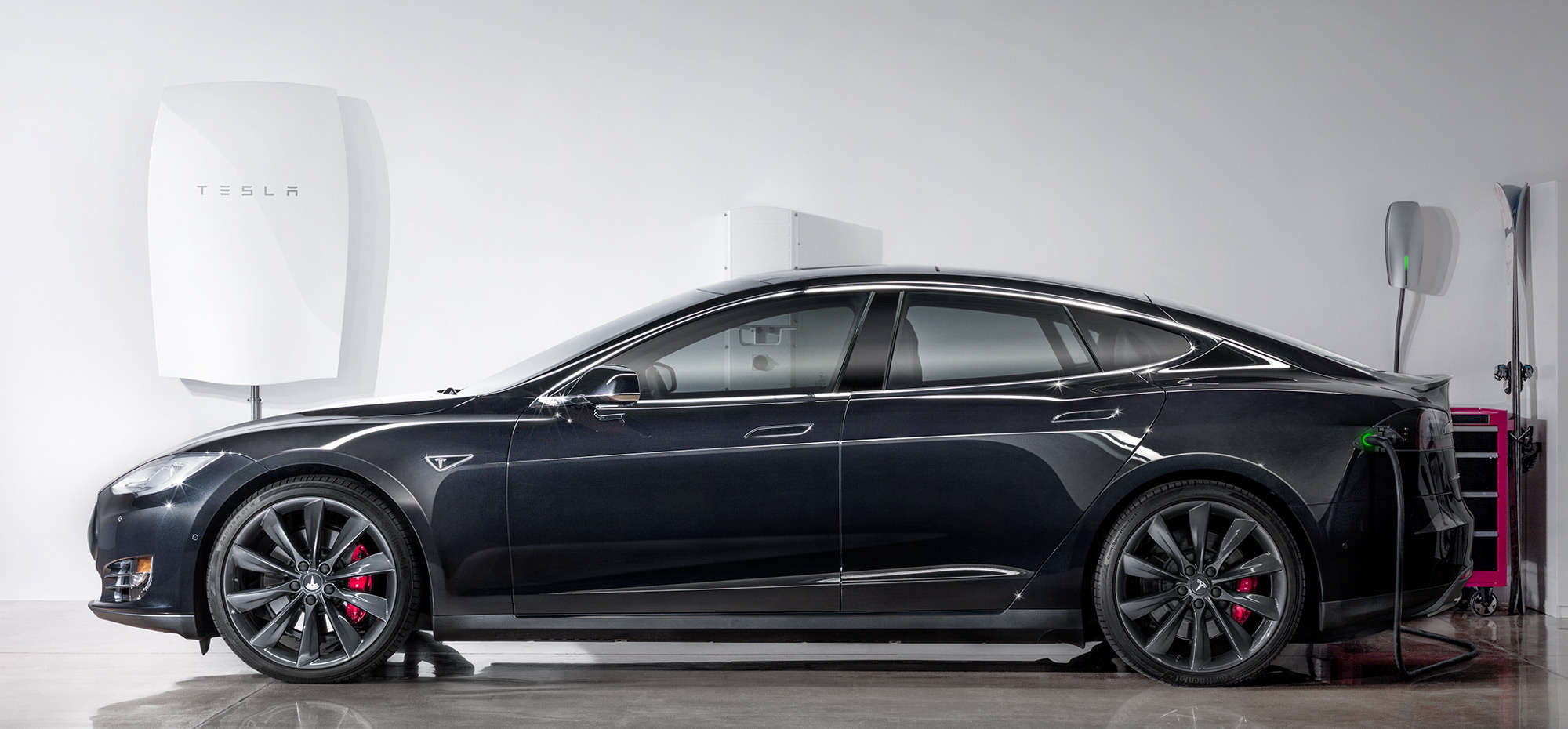
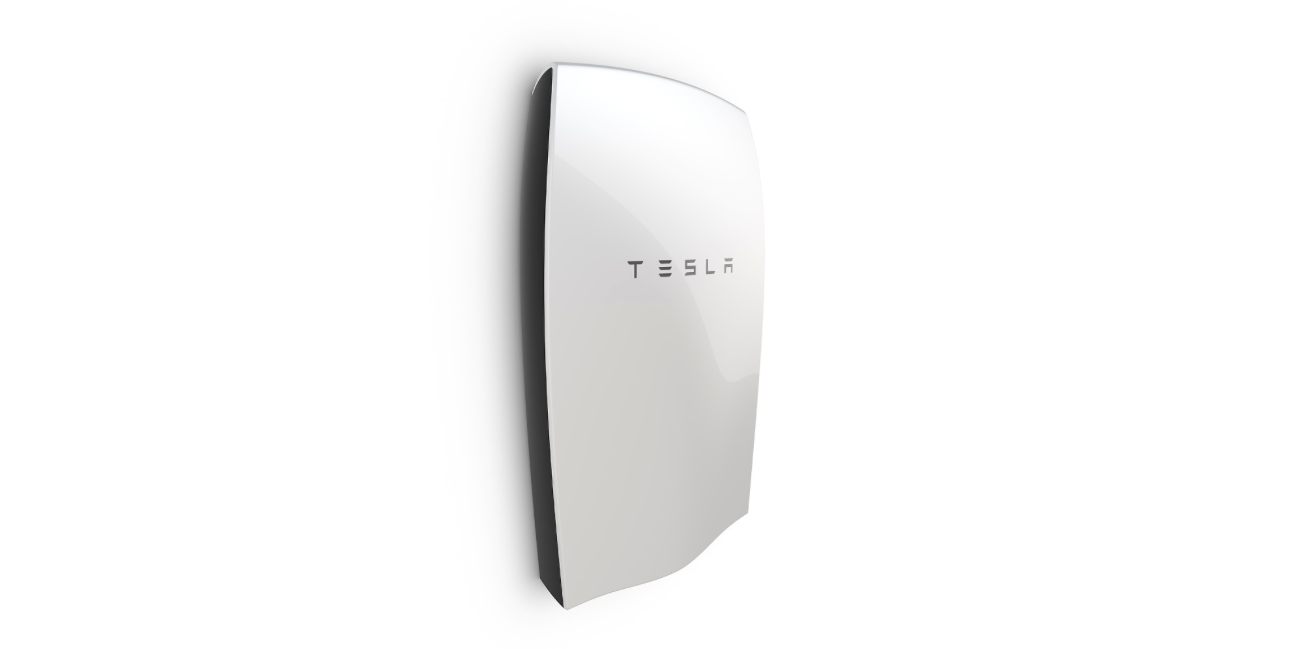
    Tesla is not just an automotive company anymore. The American maker of high-tech automobiles has today dived into the energy domain and is making inroads into the residential and business battery business territory. The Founder of Tesla, Elon Musk at its design studio unveiled a new line of product for homes and for businesses, an ambitious plan to power the world through batteries. Called as Powerwall, the set of batteries can run all the household goods on the 10kWh battery, shifting the load from grids to the Tesla-made invention.

    Elon Musk stated at the event –

    Our goal is to fundamentally change the way the world uses energy. It sounds crazy, but we want to change the entire energy infrastructure of the world to zero carbon.

    What is Tesla Powerwall and How Does it Work?

    powerwall home battery

    The Tesla Powerwall is nothing but a suite of rechargeable lithium-ion batteries that are “completely sustainable, zero carbon”. It is designed to generate energy from solar power and then store it at a residential level for occasional outage. It also benefits at the time of load shifting and backup power and self-consumption. The battery unit fits on any wall and integrates with the local grid to harness excess power and gives users the luxury to draw the energy of their own reserve.

    The Powerwall increases the capacity for a house with solar panels, while it also offers backup functionality during grid outages. It can power your Tesla, your home and of course, your workplace. The business-grade battery is termed as PowerPack.

    How Will it Benefit Buyers

    tesla powewall

    For household use, the Powerwall will provide financial savings. It will keep on charging during low-rate periods, and when the electricity rates are expensive, you can use the stored power. It can store surplus solar energy for use after sunset. The Powerwall majorly comes to use when the power grids fail. It assures electricity in those helpless circumstances.

    For business, the PowerPack offers maximum consumption of on-site clean power. Users can buy electricity when it’s cheapest and can avoid peak demand charges. The crucial business operations can be backed up.

    Price and Availability

    tesla -powerwall

    The Tesla Powerwall costs $3500 for 10kWh and $3000 for 7kWh. It will be available through installation partners in “three or four months”. Musk has partnered with partners such as Treehouse, Solar Edge and Green Mountain Power. Also, it has stakes in a California-based solar power company, Solar City. The Powerwall can be installed within an hour through specialised employees.

    Elon Musk stated, “We’re working with certified installers for the Powerwall. It’s designed to be easy to install, with two people in maybe a half an hour to an hour.”

    As per Musk, it gives security, freedom and peace of mind. He further commented that a total of 2 billion Powerwalls are required to meet the energy demands of the entire world. The 10kWh Powerwall will come in different colours and will be launched in Germany by the year-end.

  • OnePlus Powerbank to Arrive in India in the Next Few Days

    OnePlus Powerbank to Arrive in India in the Next Few Days

    OnePlus is hiding a slew of surprises under its hood. The past month, the Chinese equipment maker launched its first drone, the DR-1, which some thought was an April fools’ prank. The technology start-up has once again teased a new product which, as always, they are calling a game changer.

    The OnePlus India sent out a teaser on its official Twitter handle:

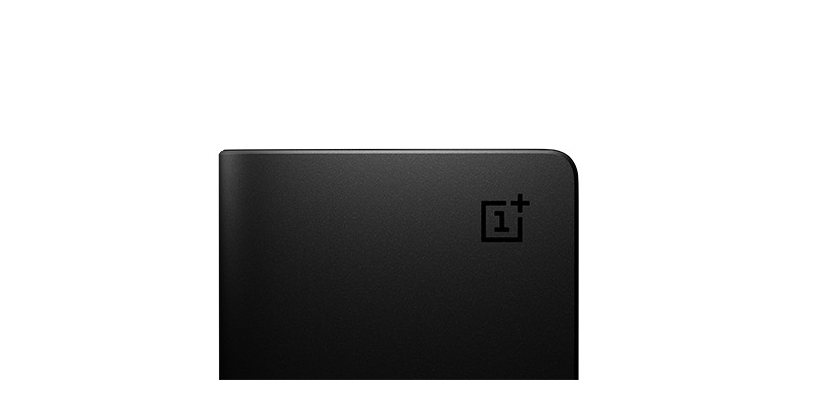
    The tweet exhibits a product that is sleek and holds elegantly curved edges. Clearly, it displays the power bank that OnePlus had rolled out in December last year. Also, we had a word with the OnePlus India team and they confirmed that smart device will be arriving in India within the next few days.

    The portable charger provides 10,000mAh of power and is one of the cheapest ones available till date. The external battery can easily slip in your pocket and can charge your smartphone more than 5 times on a single charge. The price and release date for India has not been disclosed yet. However its launch price was a mere $ 14.99 (Rs. 952 approx)

    Here are detailed specifications of the OnePlus power bank:

    Specifications

    OnePlus Power Bank

    Colour variants  Sandstorm Black or Silk White
    Battery type LiPo
    Capacity 10,000 mAh
    Charging Time 5.5 hours (approx)
    Dimensions 142.8 × 72.6 × 16.2 mm
    Weight 220g
    Safety features Electrostatic, short-circuit, overcharging, overheating protection
  • Vodafone Lowers National Roaming Tariffs For its Customers

    Vodafone Lowers National Roaming Tariffs For its Customers

    Vodafone India has lowered down their call rates for national roaming tariffs. These will come into effect 1st May onwards.

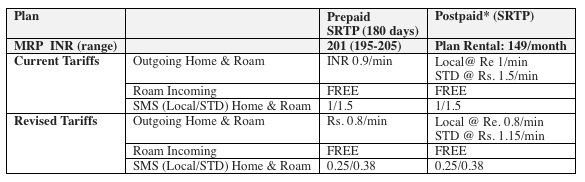
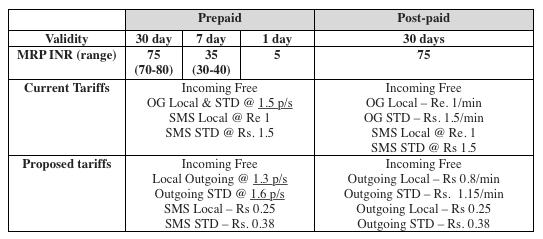
    This reduction applies to both local and STD calls. All outgoing calls on roaming have been set to 80paise/minute, which earlier was Re. 1/minute. For STD calls, rates have been revised to Rs 1.15/minute from the former Rs 1.5/minute. Also regarding text messaging, prices have been slashed down to 75% while on roaming. Earlier, it was Re. 1 which have been lowered to 25 paise now. For STD, rates have been reduced to 38 paise from Rs. 1.50.

    As for the Special Roaming Tariff Plan for prepaid and postpaid users, which is as follows:

    Roaming Vofafone

    Currently, Vodafone has incoming free packs for Prepaid and Post-paid customers and the incoming voice calls while on national roaming would be free, on payment of fixed charge. Revised packs are as follows:

    Vodafone

    Vodafone is one of the largest telecommunication service providers of the world, with more than 444 million subscribers and 11.8 million fixed broadband customers. Clearly, this move will be appreciated by many.

  • Micromax Enters the Personal Computing Space with ‘Canvas LapTab’, a Laptop-Tablet Hybrid

    Micromax Enters the Personal Computing Space with ‘Canvas LapTab’, a Laptop-Tablet Hybrid

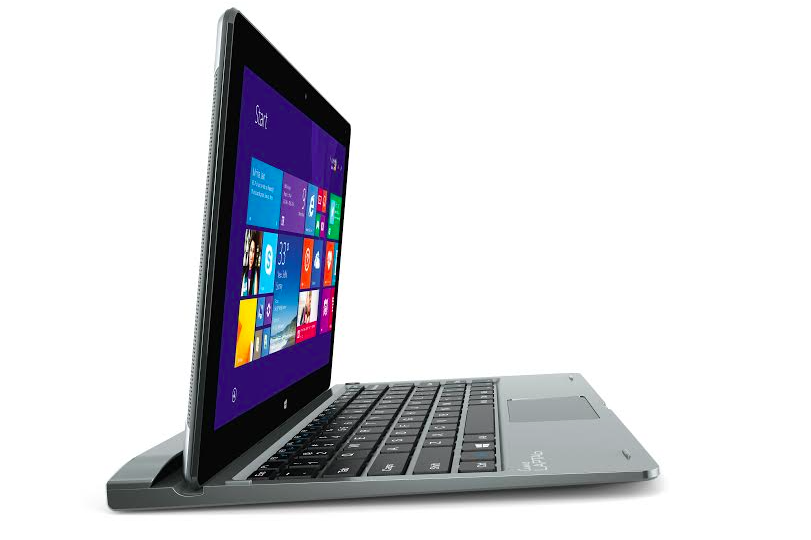
    Today, the homegrown handset maker Micromax debuted into personal computing arena with the launch of a tablet/laptop. It is the third segment where the company plans to gain a foothold, after smartphones and televisions. Dubbed as Canvas LapTab, the tablet transforms into a laptop when attached to a portable keyboard. The portable gadget is available at an easy price of Rs. 14,999.

    The Co-Founder of Micromax Vikas Jain stated at the launch event –

    We will launch five to six laptab models by March next year, which will more than 10-inches in screen size. We will move into pure laptops and pure personal computers overtime. We are thinking of manufacturing it in India.

    The device is different from the one unveiled at CES 2015 and runs on Windows 8.1 OS. The compact machine has been targeted at students, travellers, and enterprises.

    Coming to the specifications of the device, the Canvas LapTab features a 10.1-inch WXGA IPS touch screen. The processor powering the device is a 1.83GHz Intel Atom Z3735F, which comes bundled with 2GB of RAM. The memory storage details are still unknown. As mentioned above, the tablet runs on Windows 8.1 as of now, and can be upgraded to Windows 10 once its released.

    Optics includes a 2MP front and rear shooter. The LapTab has a mammoth battery of 7,700mAh, which can keep it going for 10 hours, the company claims. It comes with a 3G SIM slot for mobile data connectivity.

    The Canvas LapTab will be available on May 6 with the company’s online partner Amazon India. The product may be available through offline channels at a later stage.

  • 40,000 Xiaomi Mi 4i Units Get Sold Out in 15 Seconds

    40,000 Xiaomi Mi 4i Units Get Sold Out in 15 Seconds

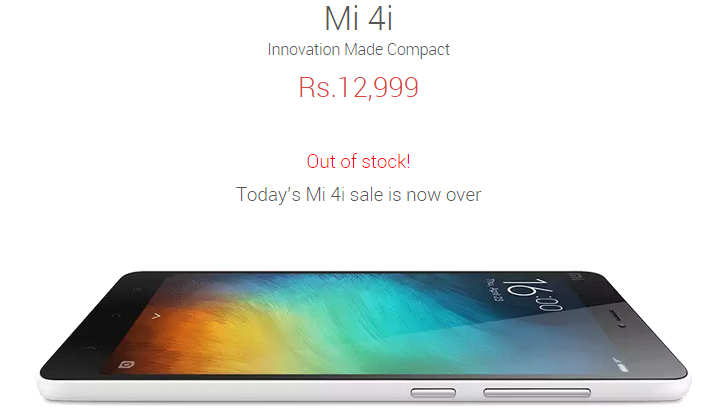
    Xiaomi’s brand new affordable offering has received an overwhelming response. As scheduled, the Chinese electronics maker today conducted its first flash sale of Mi 4i in India with 40,000 units up for sale. The registered users picked up the device in a matter of seconds. The phone, priced at Rs. 12,999, comes in white, blue, orange, yellow and pink colour options.

    Xiaomi India Head Manu Jain confirmed about the same through Twitter –

    Throwing some light on its specifications, Xiaomi Mi 4i has a 5-inch Full HD OGS IPS display with 441ppi pixel density. The processor powering the phone is a 64-bit octa-core Cortex-A53; the four cores clocked at 1.7 GHz and the other four at 1.1 GHz. It features 2GB of RAM and 16GB of non-expandable storage space. The Mi 4i runs on Android 5.0 Lollipop with the company’s MIUI 6 on top.

    Optics includes a 13MP rear and a 5MP shooter. The dual-SIM device is powered by a 3120mAh battery. Connectivity options include Micro-USB 2.0, Bluetooth 4.0 and Wi-Fi.

  • Microsoft Outs the Budget-Friendly Lumia 430 in India

    Microsoft Outs the Budget-Friendly Lumia 430 in India

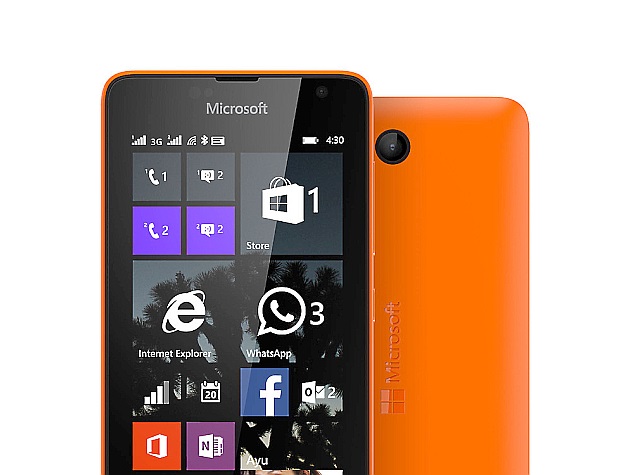
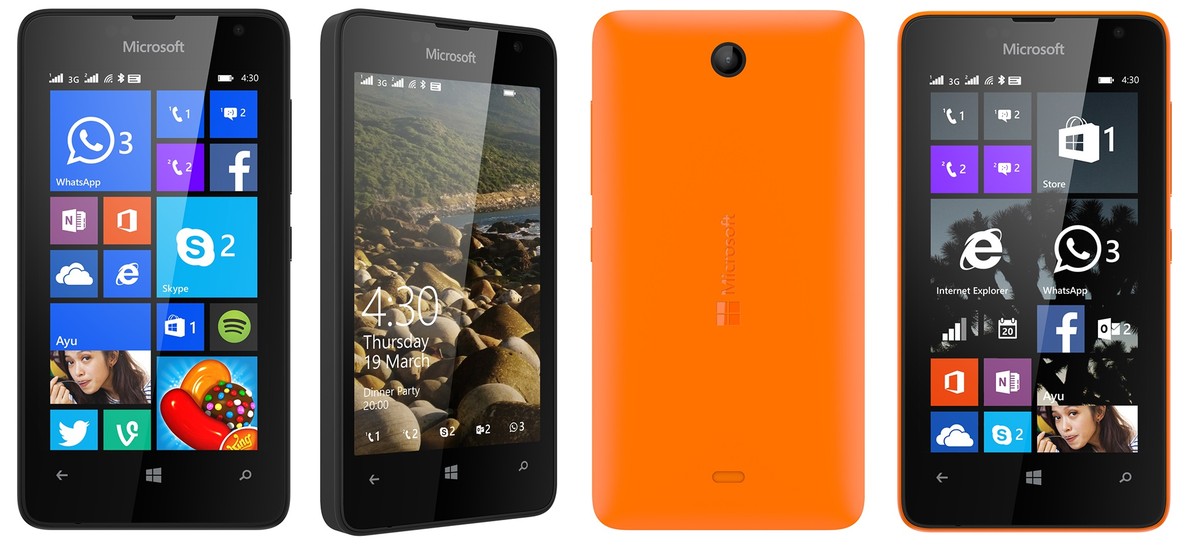
    Keeping its promise, Microsoft today launched its cheapest Lumia handset, Lumia 430 in India. The phone was unveiled back in March at a price tag of $70. The Dual-SIM device is up for grabs in the country starting today at a considerably low price of Rs. 5,299.

    The Redmond-based has secured a space for itself in the budget segment with the release of Lumia 430. It has an edge over entry-level Android devices with an option to Windows 10 upgrade; when it releases later this year. The device comes pre-installed with apps like Microsoft Office suite (Word, Excel, PowerPoint, and OneNote), Outlook, Skype and OneDrive.

    Lumia-430

    Coming on the specifications, then the Lumia 430 sports a 4-inch WVGA (800×480 pixels) LCD display with 235ppi pixel density. A 1.2GHz dual-core Qualcomm Snapdragon 200 processor provides power to the device together with 1GB RAM. The internal storage space is 8GB, but users can expand it up to 128GB via MicroSD card. For now, the Lumia 430 runs on Windows Phone 8.1 with Lumia Denim update, but soon users can access the benefits of Windows 10 on the device.

    On the photography front, a 2MP camera is fitted at its back, while the front is a VGA snapper. A 1500mAh battery fuels the phone, which the company claims can stand 8.4 hours of talktime. Connectivity options include dual-SIM card slots, 3G support, Wi-Fi, and Bluetooth.

    The company has announced some exciting offers to entice customers like Rs. 3,000 cashback on transaction via MobiKwik app. Other deals include Rs. 1,500 discount on ticket booking via Redbus app, and 500MB free data per month for two months.

    Have a look at its spec sheet below:

    Specifications

    Microsoft Lumia 430

    Display 4-inch (800×480 pixels) LCD
    Processor 1.2GHz dual-core Qualcomm Snapdragon 200
    RAM 1GB
    Storage 8GB, expandable up to 128GB
    Operating System Windows Phone 8.1, upgradable to Windows 10
    Camera 2MP rear, front VGA
    Battery 1500mAh
    Price Rs. 5,299
  • Continuum Will Turn a Windows 10 Handset into a Full-Fledged PC

    Continuum Will Turn a Windows 10 Handset into a Full-Fledged PC

    Microsoft’s annual Build Conference brought a slew of significant features. Significant announcements included the disclosure of the new Windows 10 browser ‘Microsoft Edge‘, and the other is the official confirmation of Windows 10 being open for Android and iOS apps.

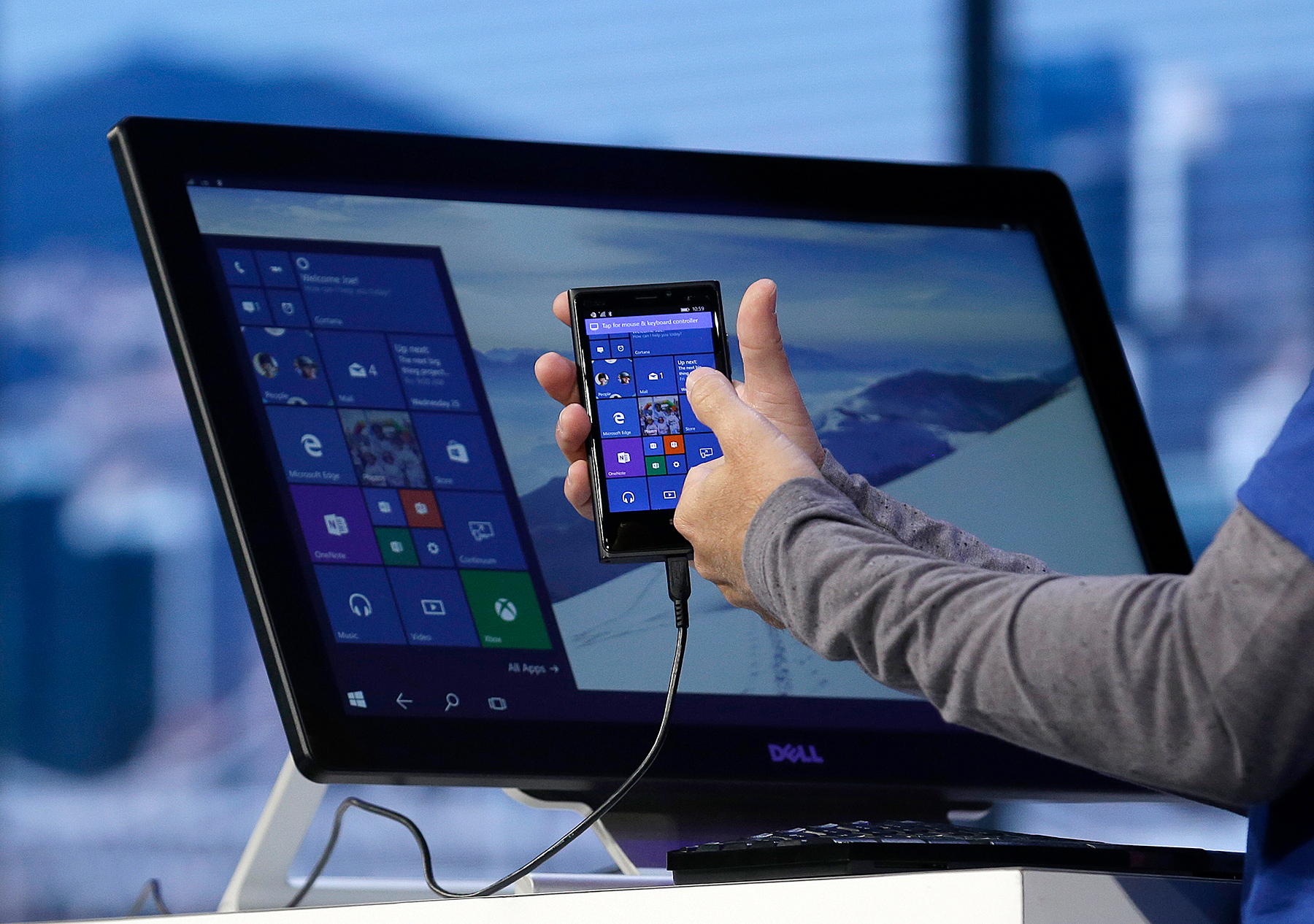
    Among many noteworthy revelations, one that caught hold of our attention is Continuum for phones. The tech firm demonstrated onstage one of the spectacular possibilities for its new Windows 10 and revealed how a small 5-inch handset can turn into a full-blown PC.

    So, how does Continuum work and what does it means to Windows Phone users?

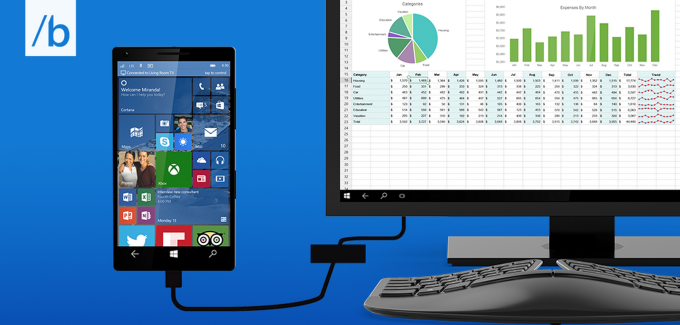
    Continuum sorts the problem of shifting among various devices. As Continuum transforms a phone into a computer, its user interface (UI) moulds itself to work better with a mouse and keyboard. It’s just like Universal apps from Microsoft that scales up to fit the screen they are opened in.

    Joe Belfiore, Microsoft Corporate Vice President of Operating Systems Group, demonstrates Continuum for phones at the Microsoft Build conference in San Francisco, Wednesday, April 29, 2015. While Microsoft has already previewed some aspects of the new Windows 10, a parade of top executives will use the conference to demonstrate more software features and app-building tools, with an emphasis on mobile devices as well as PCs. (AP Photo/Jeff Chiu)

    When a Windows phone is connected to a PC, it acts as the main gadget with power to access everything that you do on a full-sized computer. With Continuum on a smartphone, all the keyboard shortcuts of a PC work will work exactly the same way on your Windows smartphone. This way, users can get their work done using their phone like a PC.

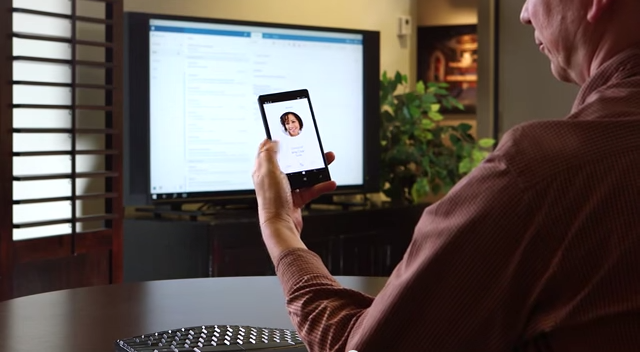
    It also comes with dual-screen capabilities, which means users can continue using their phone while it is plugged into external peripherals like a TV or a desktop. This allows the handset to be used independently, and both the screens can perform different functions at the same time. Joe Belfiore from the Microsoft Team announced that new processors from Qualcomm are being used which can help drive two displays separately.

    continuum

    Continuum has given a boost to Windows Phones and has made it somewhat like an Apple iPhone, which works better in conjunction with other gadgets in its ecosystem. For now, Continuum is built to provide limited access, but the hardware will be modified to deliver full-on desktop features in the future. With this, Microsoft has secured its current customers and may even lure more with its new tool.

    Watch the below clip for more information about Continuum for Phones:

    https://youtu.be/-oi1B9fjVs4

  • It’s Official! Microsoft Extends Android and iOS App Support for Windows 10

    It’s Official! Microsoft Extends Android and iOS App Support for Windows 10

    The day before, the news of Microsoft planning to roll out a fresh feature came to light, which could bring the plethora of Android apps for Windows users. Now at the Annual Build Conference, Microsoft confirmed the authenticity of the reports. Last night, Microsoft revealed its plan to bolster the piddling share of its Windows Phone market and announced that the new Windows 10 can run the reworked Android and iOS apps. The company unveiled Software Development Kits (SDKs) that allows developers of Android and iOS to port their apps on the Windows platform.

    Microsoft wants to offer the 1 billion associated loyal Windows customers the vast apps ecosystem that the company had not been able to develop since long. Two new SDKs will do the porting of apps. For the Android developers, American tech behemoth is allowing to leverage Java and C++ code to make Windows apps, and iOS developers will use the Objective-C code developed by Microsoft.

    Microsoft’s Executive Vice President of Operating Systems Terry Myerson commented at the event –

    Windows 10 is going to enable you to reuse your Web code, your .NET and Win32 code, your Android, Java and C++ code, to build amazing new applications, bringing the code over, extending it, putting it in the Windows Store, and reaching 1 billion Windows 10 customers.

    Today, we’re announcing that you will be able to compile the same Objective-C code that’s being used in iOS applications within Visual Studio on Windows. Enabling you to leverage that code and extend it with the capabilities only found on the Windows platform.

    Developers don’t have to put much effort in making apps from scratch. Just a few tweaks in codes and the apps will be ready to run on all Windows devices, automatically fitting the different screen sizes. Microsoft is also looking towards shifting the existing apps on Windows 7 and Windows 8 to the latest Windows 10. The firm mentioned that 16 million .NET and Win32 apps were still being used every month on Windows 7 and Windows 8, so their importance cannot be overlooked.

    On the first day of the conference, Microsoft previewed the .NET Core for Windows, Linux and Mac OS X. ‘Visual Studio 2015 Release Candidate’ was also released that makes it easier for developers to build universal applications and deploy them to Windows, Linux, iOS and Android platforms.

    The company hasn’t come up with the release date of Windows 10 yet, but it is speculated to release in or before fall.

  • Microsoft Introduces ‘Microsoft Edge’, the New Windows 10 Browser

    Microsoft Introduces ‘Microsoft Edge’, the New Windows 10 Browser

    Work on a new browser for Windows 10 has been underway since January. For months it  had been codenamed as Project Spartan, today Microsoft has finally unveiled this browser with a new name, Microsoft Edge. New features like faster rendering, voice assistant Cortana, note-taking mode, customizable reading note, these gave the Project Spartan an ‘edge’ upon the traditional Internet Explorer.

    Here are the new developments:

    Break-up with Internet Explorer

    It is definitely a replacement for the Internet Explorer because it features a new and faster rendering machine called EdgeHTML. With a basic and minimal designing layout, it looks like a browser from the future. It will be set as the default browser for Windows 10 and, as claimed by Microsoft, the only one that will be used by the customers.

    windows 10

    Microsoft Edge’s logo

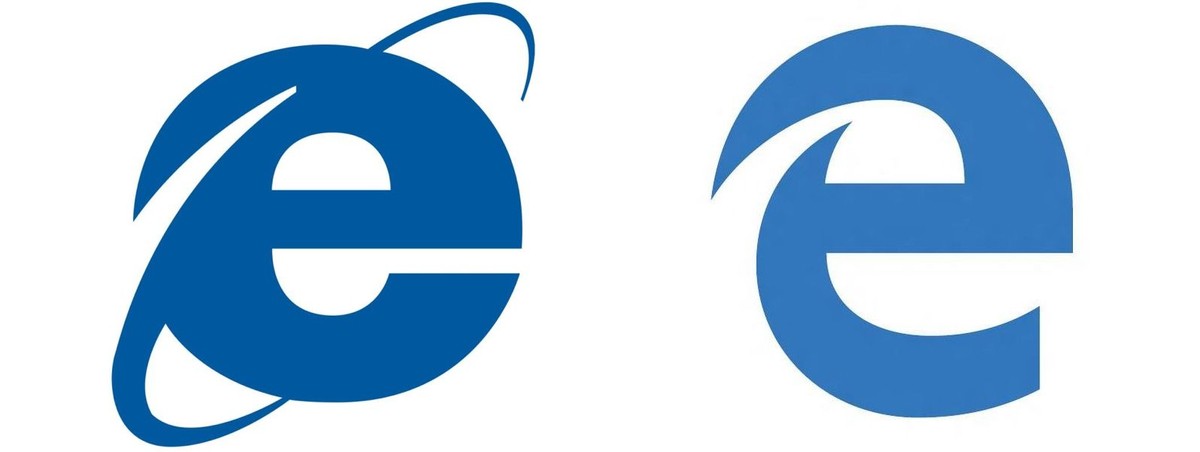
    Logo of the Edge browser does not stray far from its original logo of the Internet Explorer. The lower-case Explorer ‘e’ was not exactly a favourite among users after the entry of Mozilla or Chrome. The Edge’s logo is almost the same, just added a futuristic look to convey a message that it knows where it came from.

    edge logo
    Then and Now

    Edge will not support Extension until after RTM

     Though the browser is loaded with new features like Cortana, customizable reading note, etc., the company says the browser is not yet ready to be integrate RTM support on Microsoft Edge. It has said the Edge will continue to iterate through updates in the Windows Insider Program. Although still far off, Microsoft is now making it easier for developers to port extensions from other browsers.

    Check out the video below by Microsoft introducing Microsoft Edge

    https://www.youtube.com/watch?v=iH1D31YHsgY

  • Report: Android Apps Might Soon Be Available for Windows Users

    Report: Android Apps Might Soon Be Available for Windows Users

    Windows Phones have been in the smartphone race since long, but their App Store is still remains constrained. Microsoft is committed to eliminating the glitch and is ready to offer its users the luxury of the Android app ecosystem. The company is reportedly working on a feature that will open the doors of the Android app store for Windows users.

    A trusted blogger Paul Thurrot has commented on Microsoft’s plans that they might come out with at the BUILD conference scheduled for tonight. He revealed that Microsoft is likely to introduce a feature that will let users run Android apps on Windows 10 devices like smartphones, tablets and PCs.

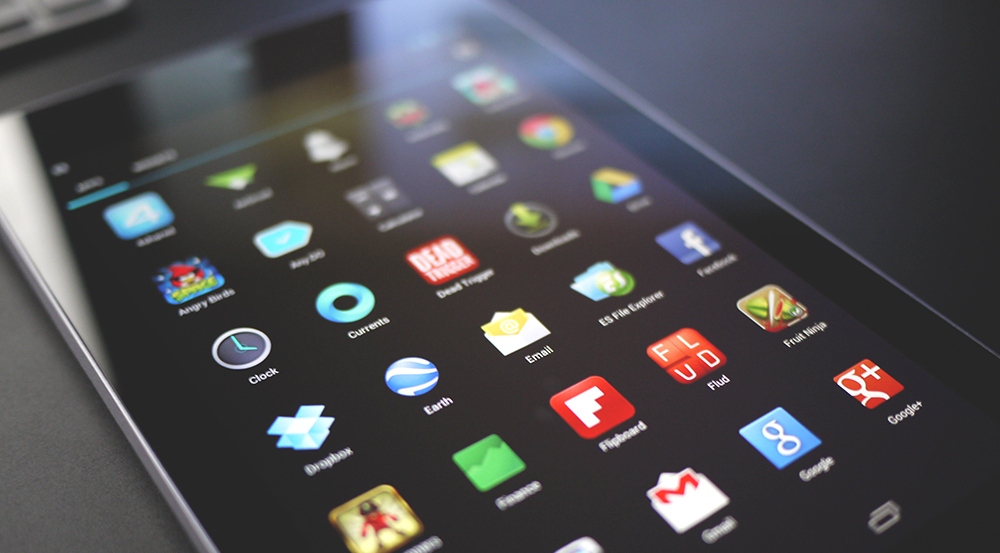
    Android-Apps-Games

    This means the confined app network will now grow to the maximum by encompassing all the apps that are developed for Android till date. It will give a major push to the Windows Phone market, which was till date lagging because of its limited App Store.

    It is still unclear how Microsoft will integrate the change. It remains to be seen if it will create a new app store for Android apps or allow support for Android stores by third-party developers. The move will help the company in the long run, but it is dubious how it will go with Microsoft’s Universal App strategy.

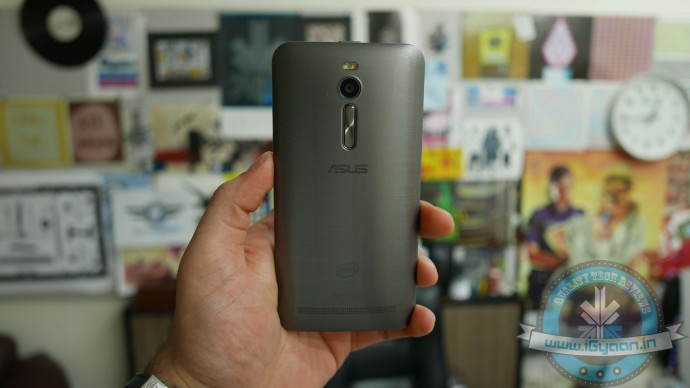
  • Asus Hints ZenFone 3 Will Come Equipped with a Qualcomm Chipset

    Asus Hints ZenFone 3 Will Come Equipped with a Qualcomm Chipset

    ASUS has long been using Intel chipsets on its smartphones. It has a tie-up with the software firm that makes available latest chips for personal computers, as well as handsets. The Taiwanese equipment manufacturer is reportedly in talks with Qualcomm to embed its chips in future Asus phones.

    The CEO of Asus, Jerry Shen shared some information with online tech portal Yugatech about the company’s partnership with Qualcomm and hinted that it could use Snapdragon 615 for future handsets. He also disclosed that they will discontinue using confusing naming convention opted for the recent releases, and go Apple’s simplistic way. Users might see a new nomenclature for the forthcoming ZenFone 3.

    Shen mentioned that the company will release a major product every year and will roll up incremental upgrades every six months. With this he confirmed we can expect the successor of the ZenFone 2 in 2016.

  • Xiaomi’s 1,000 Mi Band Units Priced at Re. 1 Might Cause Trouble for Other Buyers

    Xiaomi’s 1,000 Mi Band Units Priced at Re. 1 Might Cause Trouble for Other Buyers

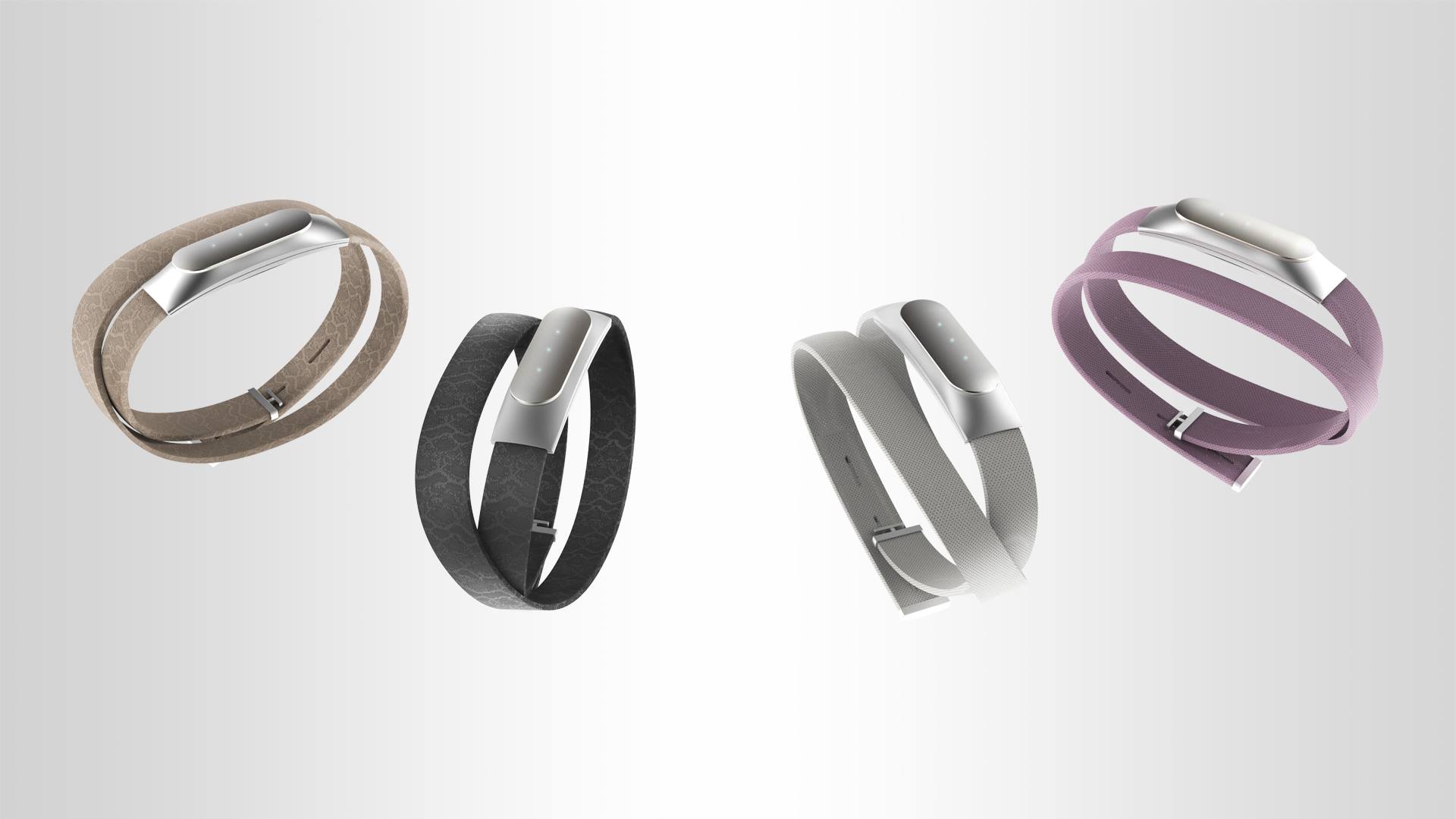
    Along the new Mi 4i, Xiaomi introduced another much-desired product to the Indian market – the Mi Band. Xioami’s fitness band is one of the cheapest available in the market and helps keep a track of users’ sleep, workout and overall fitness. The company announced at the Global Mi 4i Premier that it will give away the Rs. 999 Mi Band for just Re. 1. The first 1,000 units of the tracking device are going up for sale, but massive number of people are registering to secure it.

    Xiaomi claims that the Mi Band is a reliable activity tracker which offers a battery life of 30 days. Users can set alarms, get missed call notification right on their wrists. The water-proof band is IP-67 certified and works under water. It connects with both iOS and Android smartphones through Bluetooth 4.0 and a companion app.

    mi band

    As Xiaomi has kept the price negligible at Re. 1 for the Mi Band Preview, a massive crowd is sure to login the official Mi website. To be the lucky one, willing buyers will continually attempt to make a purchase, which will cause an unwanted onslaught of traffic. This will cause a problem for the rest of the buyers who wish to buy smartphones, power banks or other accessories. There might be chances of the website facing a temporary outage. The registrations started from April 28, and the sale will commence at 2pm on May 5.

iGyaan Network
Privacy Overview

This website uses cookies so that we can provide you with the best user experience possible. Cookie information is stored in your browser and performs functions such as recognising you when you return to our website and helping our team to understand which sections of the website you find most interesting and useful.